

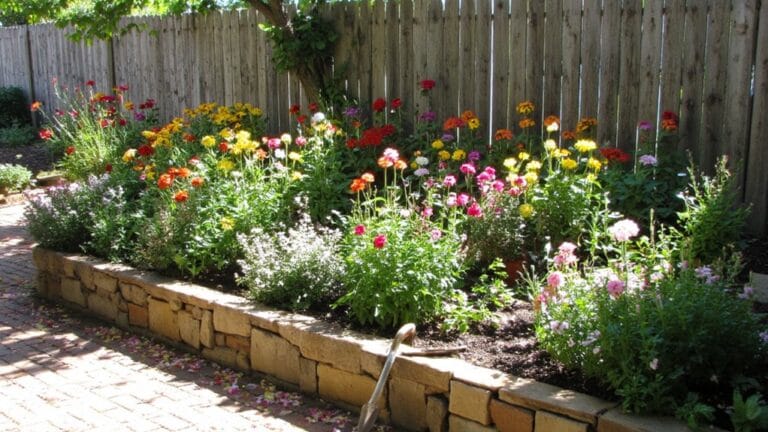
Creating your own cut flower garden in raised beds is a delightful way to bring beauty and sustainability to your outdoor space. The charm of these gardens lies in their ability to enhance your home’s aesthetics while offering vibrant blooms throughout the year. With thoughtful design and careful plant selection, your garden can become an abundant floral oasis. Explore these stunning ideas to transform your backyard into a picturesque sanctuary. Let your creativity blossom with every flower you plant.
The Benefits of a Cut Flower Raised Bed Garden
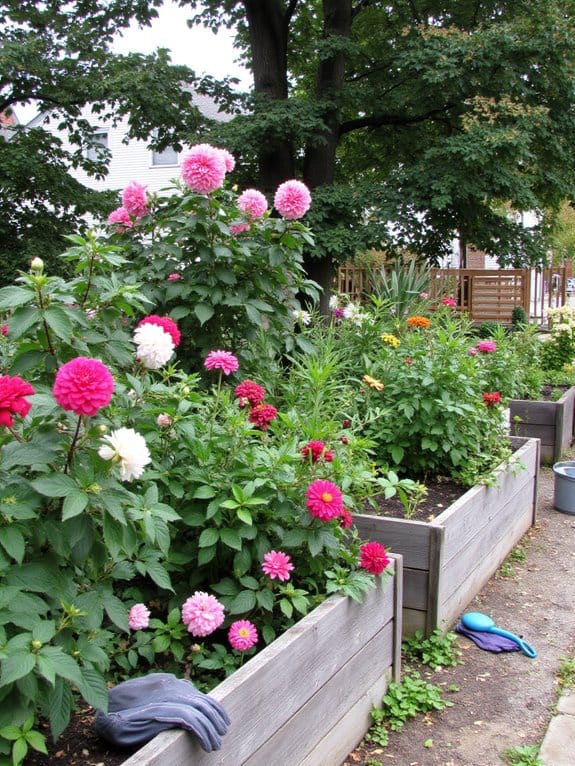
When I decided to create a cut flower raised bed garden, I quickly discovered the numerous benefits it offers.
Not only do I enjoy beautiful blooms throughout the season, but I also save money on store-bought flowers.
Plus, having fresh flowers at hand brightens my home and allows me to share gorgeous arrangements with friends and family, spreading joy effortlessly.
Choosing the Right Location for Your Garden
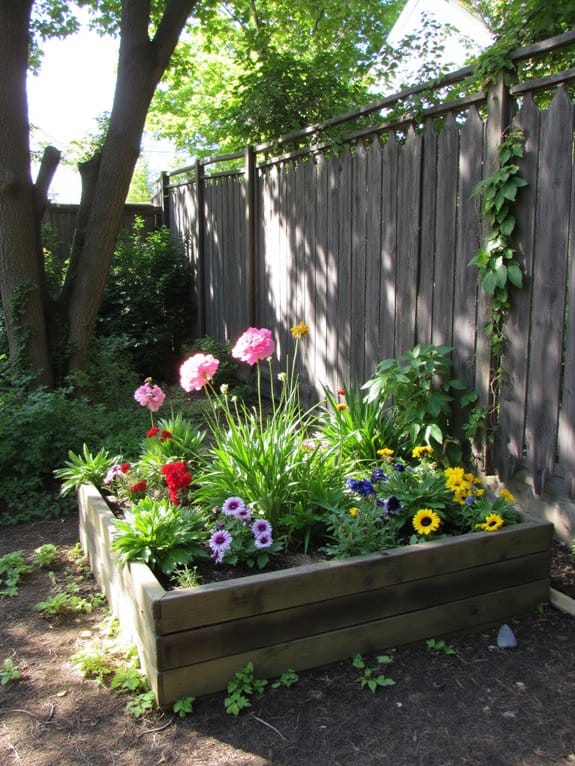
Finding the perfect spot for your cut flower raised bed garden is key to ensuring vibrant blooms and healthy plants.
I’ve learned that a location with at least six hours of sunlight each day makes a huge difference. Additionally, selecting a well-drained area helps prevent waterlogging.
Finally, I always keep accessibility in mind for easy maintenance and harvesting.
Selecting the Best Flowers for Cutting
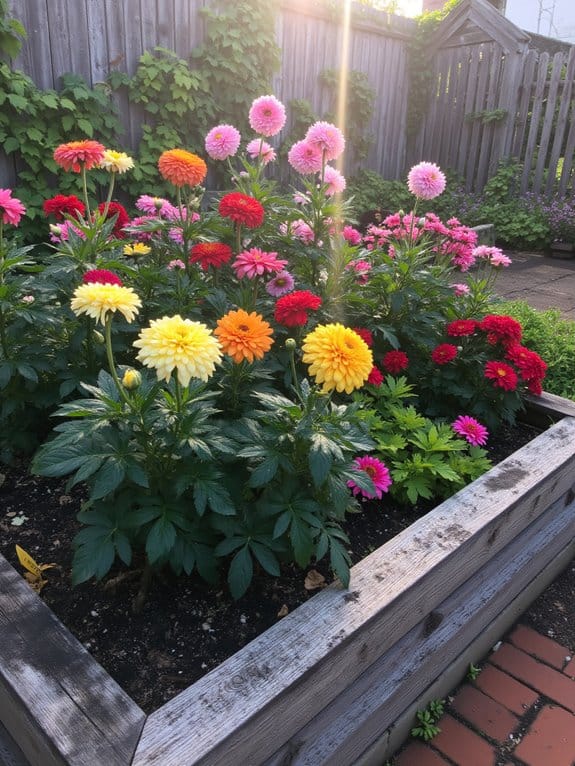
As I plunge into selecting the best flowers for cutting, I always prioritize varieties that not only look stunning but also have a long vase life.
I love vibrant sunflowers, delicate zinnias, and fragrant sweet peas. They not only brighten my space but also last in arrangements.
Choosing a mix of shapes and colors adds depth and visual interest to my cut flower collection.
Designing Your Raised Bed Layout
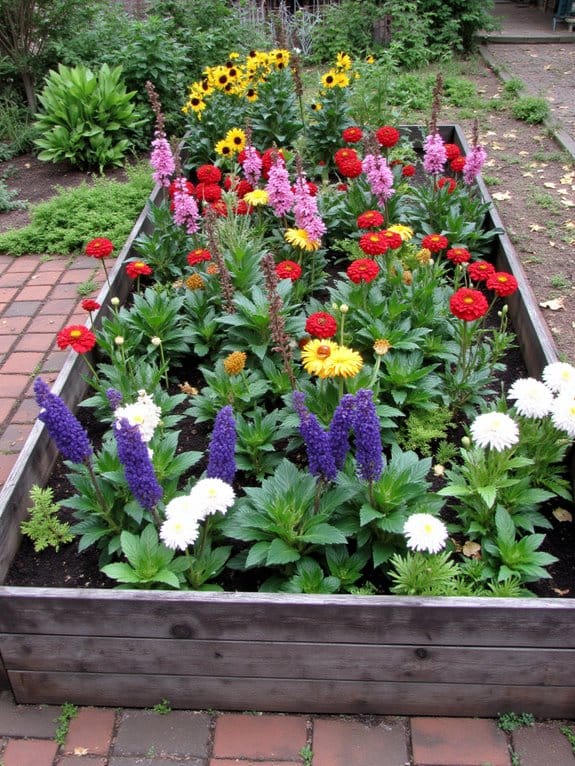
Creating an effective raised bed layout can greatly enhance your cut flower garden’s productivity and aesthetics.
I like to arrange my beds in a way that maximizes sunlight and airflow while considering the height and spread of each flower.
It’s essential to create pathways for easy access, ensuring I can tend to my plants without damaging them.
Thoughtful design really makes a difference!
Companion Planting for a Thriving Garden
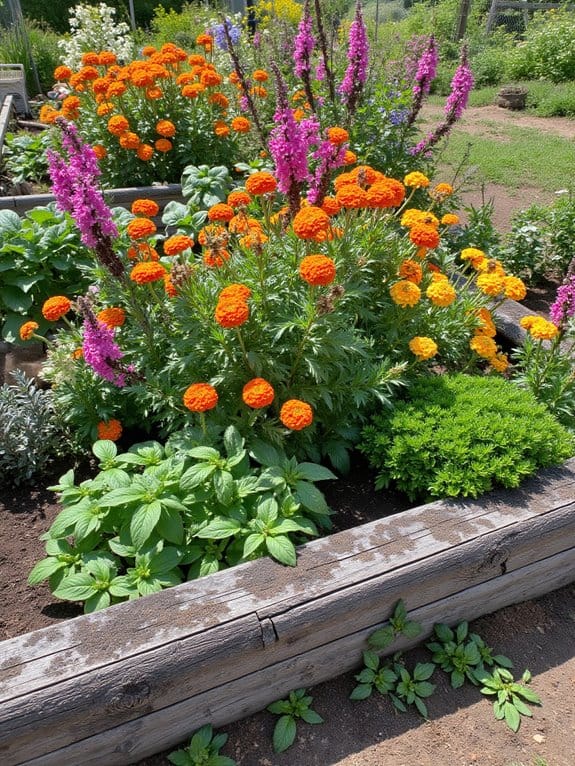
After setting up my raised bed layout, I turn my attention to companion planting, which can really boost the health and productivity of my cut flower garden.
I love pairing marigolds with zinnias to deter pests, while sunflowers offer support for climbing plants.
How to Plan Seasonal Blooms for Year-Round Color
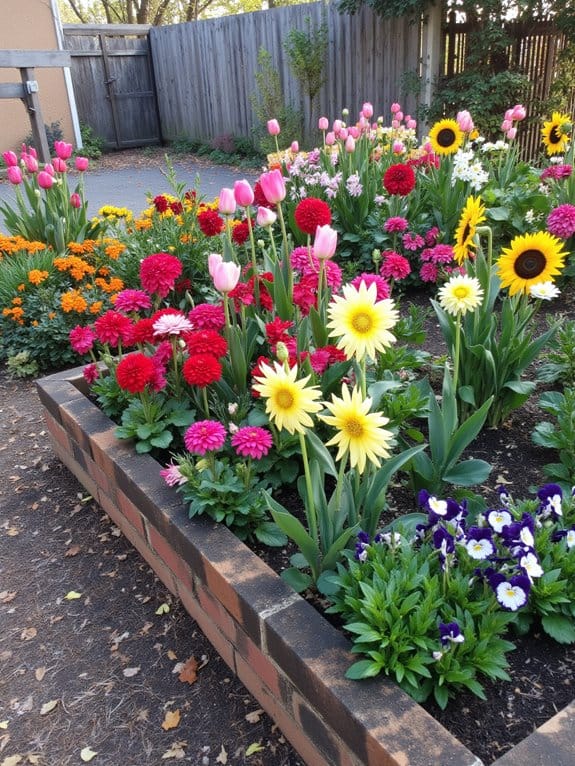
While planning my cut flower garden, I focus on ensuring there’s always something in bloom throughout the seasons.
I choose early bloomers like tulips and daffodils for spring, vibrant zinnias and cosmos for summer, and rich chrysanthemums and asters for fall.
Why Perennials Are Essential for a Sustainable Garden
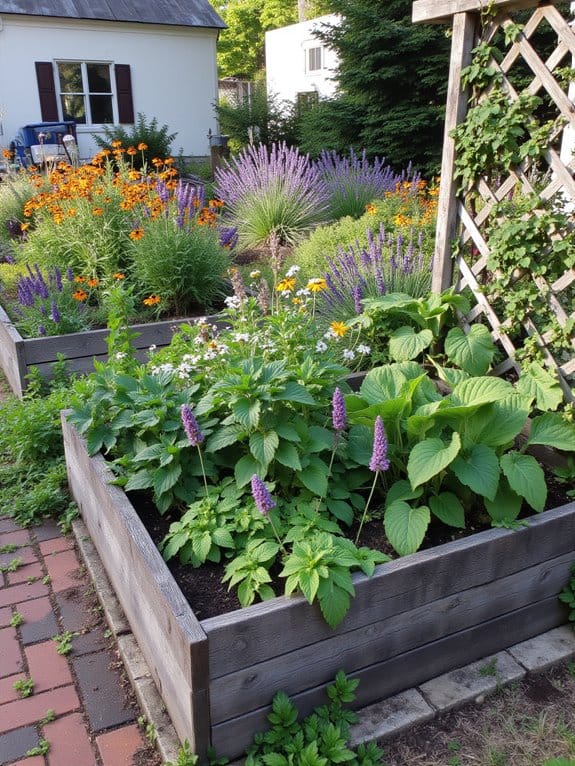
Incorporating perennials into my cut flower garden not only enhances the beauty of my space but also contributes to its sustainability.
These plants return year after year, reducing the need for replanting and minimizing waste. Their deep roots improve soil health and provide habitats for beneficial insects.
How to Use Annuals for Instant Color
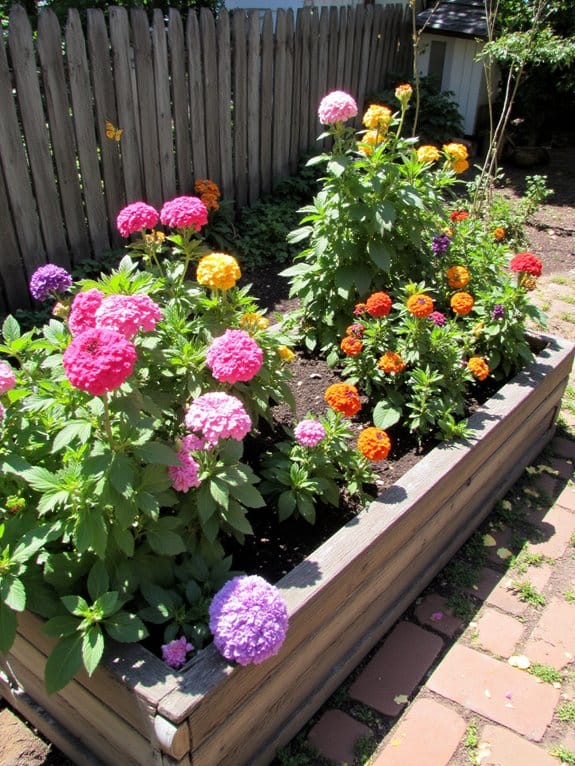
One of the best ways to add instant color to my cut flower garden is by using annuals.
I love selecting vibrant varieties like zinnias and marigolds, which bloom quickly and fill my garden with life.
Planting them in clusters creates a stunning visual impact.
Plus, their continuous flowering throughout the season keeps my arrangements fresh and exciting for cutting.
Creative Edging Ideas for Your Raised Bed
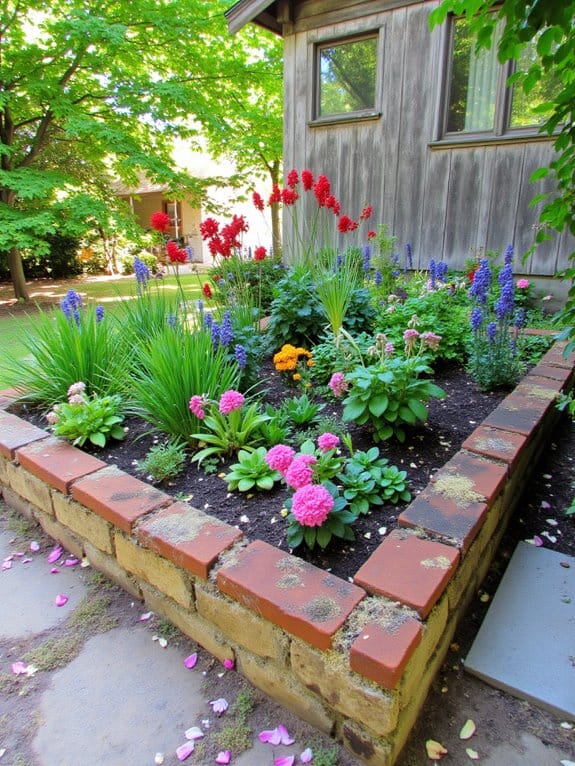
Creating a visually appealing edge for my raised bed can transform the entire garden space.
I love using natural materials like stones, reclaimed wood, or even bricks to define the borders. It adds character and keeps soil in place.
Sometimes, I plant low-growing flowers along the edge for a pop of color. A well-defined border really enhances the overall beauty of my garden.
Vertical Gardening: Maximize Space With Trellises
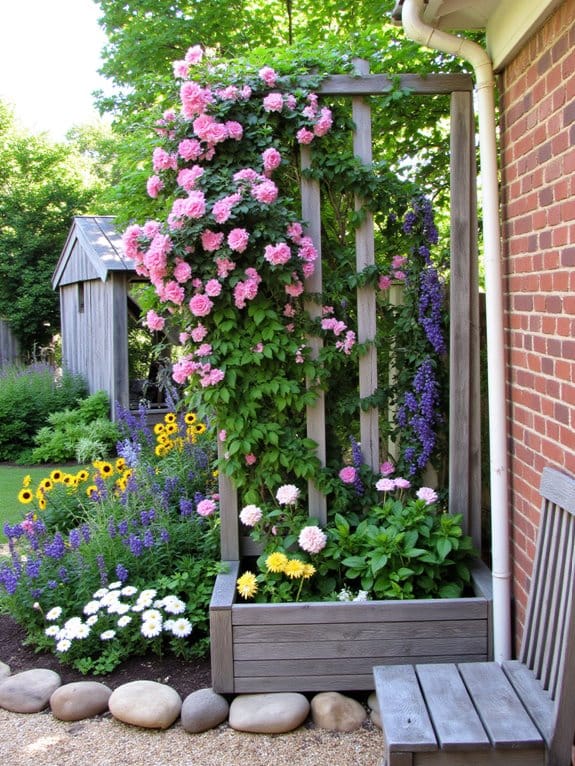
After enhancing the edges of my raised bed with natural materials, I turned my attention to vertical gardening to maximize space and add height to my flower arrangements.
I installed trellises that not only support climbing flowers but also create stunning visual layers.
This approach transformed my garden, allowing me to grow more varieties and keeping my blooms healthy and accessible for cutting.
How to Create a Harmonious Color Scheme
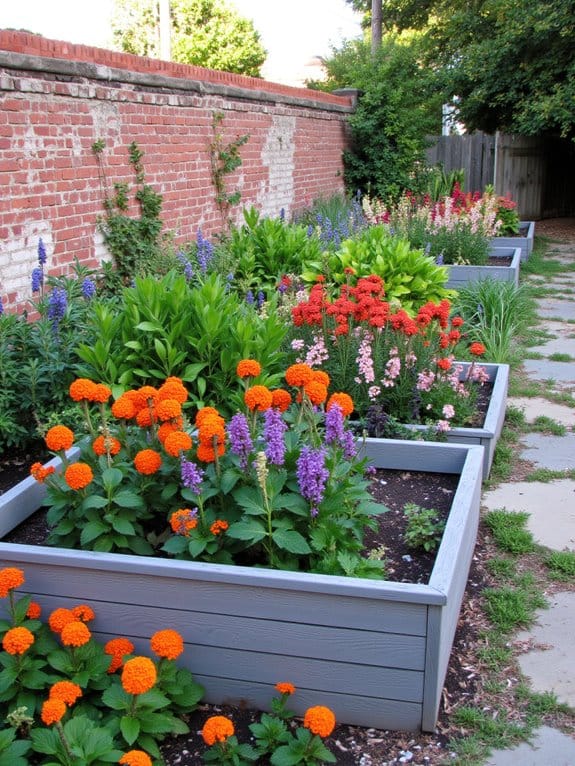
While planning my cut flower garden, I realized that a harmonious color scheme can elevate the beauty of my arrangements.
I focused on choosing colors that complement each other, like soft pastels paired with vibrant hues. I also considered the bloom’s seasonality and how they’ll interact in different lighting.
Adding Visual Interest With Textures and Heights
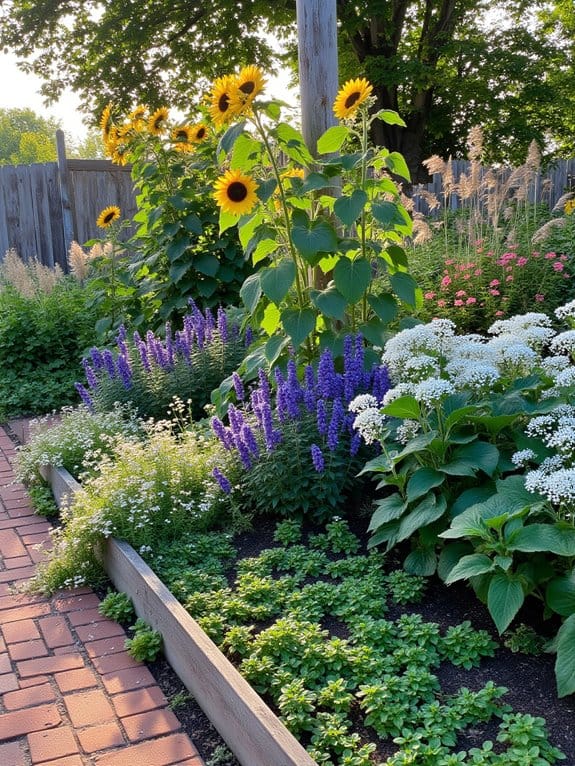
To truly captivate the eye in my cut flower garden, I’ve discovered the importance of incorporating various textures and heights.
By combining tall, elegant sunflowers with low, sprawling ground covers, I create a dynamic visual experience. Combining towering sunflowers with lush ground covers creates an enchanting visual tapestry in the garden.
Adding in feathery grasses and bold foliage enhances this effect, inviting curiosity and drawing visitors in.
It’s all about creating layers that dance together beautifully.
Sustainable Practices for Your Flower Garden
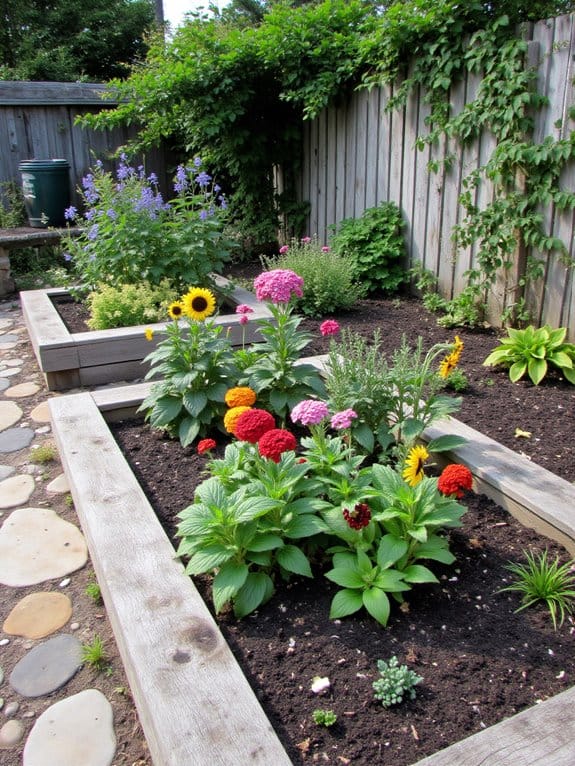
As I cultivate my flower garden, I’ve found that embracing sustainable practices not only benefits the environment but also enhances the vigor of my blooms.
I use organic fertilizers, practice crop rotation, and create habitats for pollinators.
Mulching helps retain moisture, and I collect rainwater for irrigation.
These simple changes make my garden thrive while minimizing my ecological footprint.
Enhancing Your Cut Flower Garden With Foliage
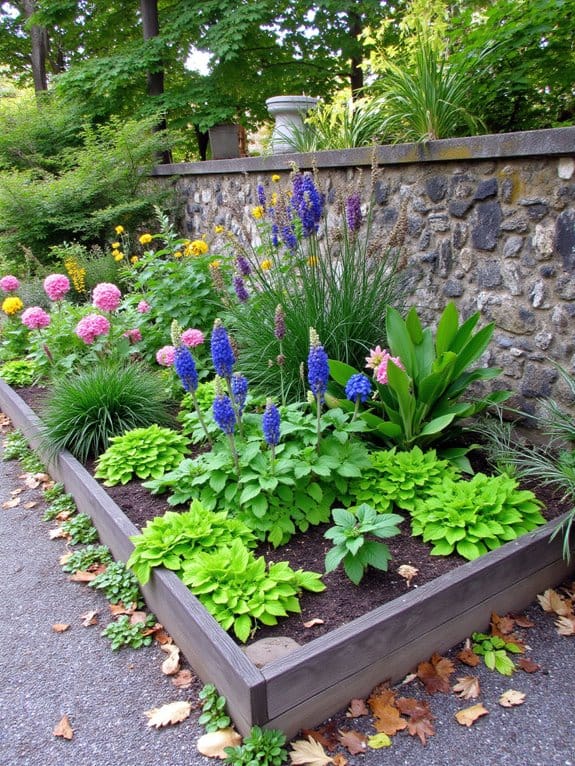
Incorporating foliage into your cut flower garden can elevate the overall aesthetic and extend the life of your arrangements.
I love adding lush greens like ferns and eucalyptus for texture and depth. Herbs, such as basil or rosemary, not only look great but also add a lovely scent.
Using a mix of colors and shapes creates a visually stunning display that truly stands out.
How to Attract Pollinators to Your Flower Garden?
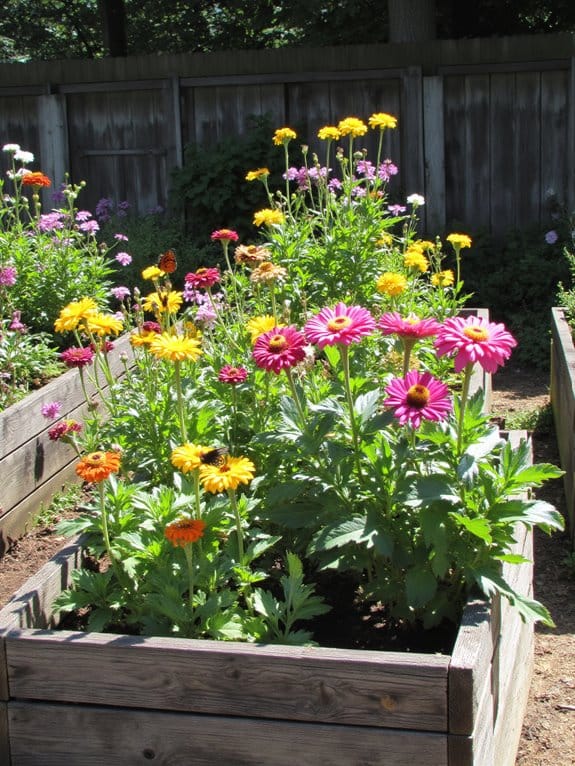
While creating a vibrant cut flower garden, I make it a priority to attract pollinators, as they play an essential role in the health of my plants.
I choose a variety of native flowers, provide a water source, and avoid pesticides.
I also plant in clusters to create a welcoming space.
These small changes have greatly increased the buzz around my garden!
Maintenance Tips for Abundant Blooms
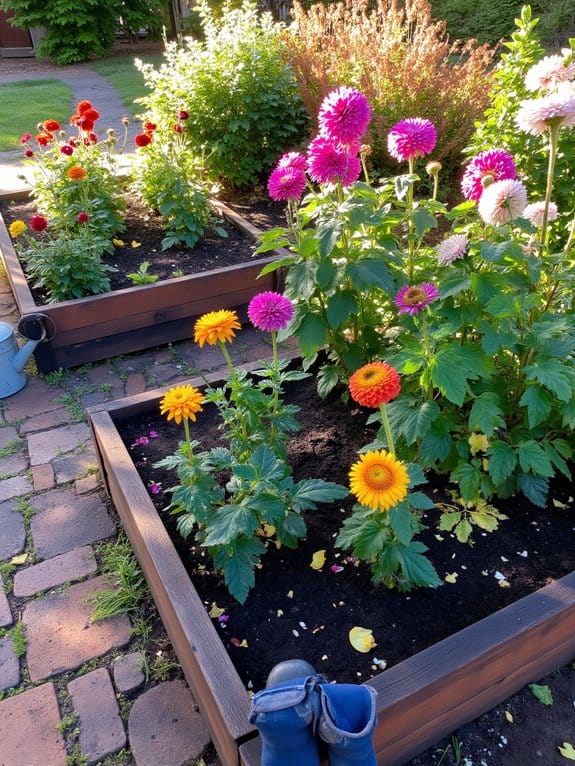
To guarantee your cut flower garden thrives, regular maintenance is key.
I always check for weeds and pests, removing them promptly to prevent competition for nutrients.
Watering deeply but infrequently encourages strong root growth.
Deep, infrequent watering fosters robust root development, leading to healthier and more vibrant flowers.
Additionally, I deadhead spent blooms to promote new ones and apply organic fertilizer every few weeks to keep the soil enriched.
Consistency really pays off with vibrant flowers!
How to Harvest and Arrange Flowers From Your Cut Flower Garden
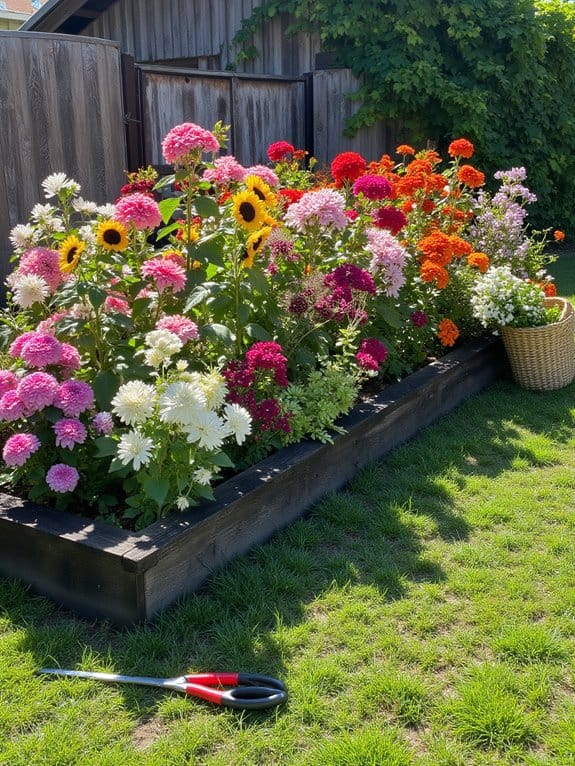
After putting in the effort to maintain a flourishing cut flower garden, it’s time to enjoy the fruits of your labor.
I like to harvest flowers early in the morning for the freshest blooms. Use sharp scissors to cut stems at an angle, then arrange them in a vase with clean water, mixing colors and heights for an eye-catching display.
Enjoy your beautiful creations!
Inspiring Examples of Cut Flower Raised Beds
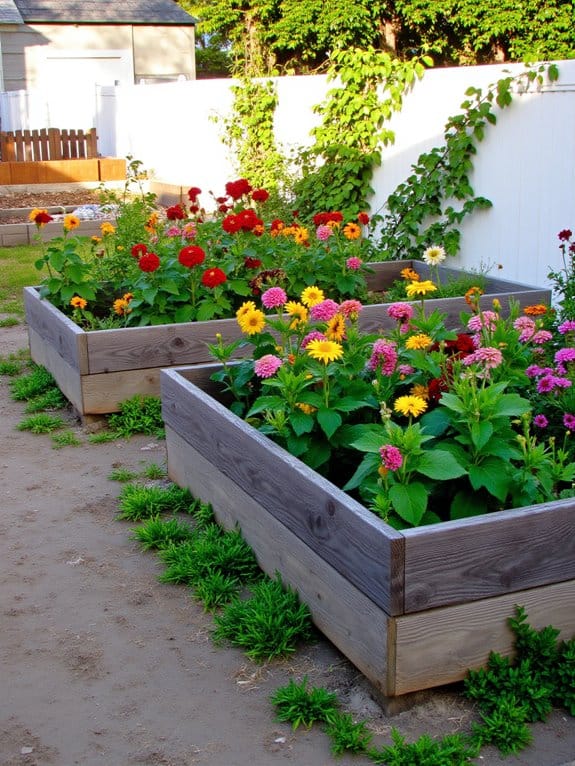
Creating a cut flower raised bed garden can be incredibly rewarding, and I’ve seen some truly inspiring designs that spark creativity.
For instance, I love the idea of using a tiered structure to maximize space and create visual interest. Mixing colors and heights adds a dynamic touch, while incorporating pathways between beds not only enhances accessibility but also invites exploration.
Each design tells its own beautiful story.
