

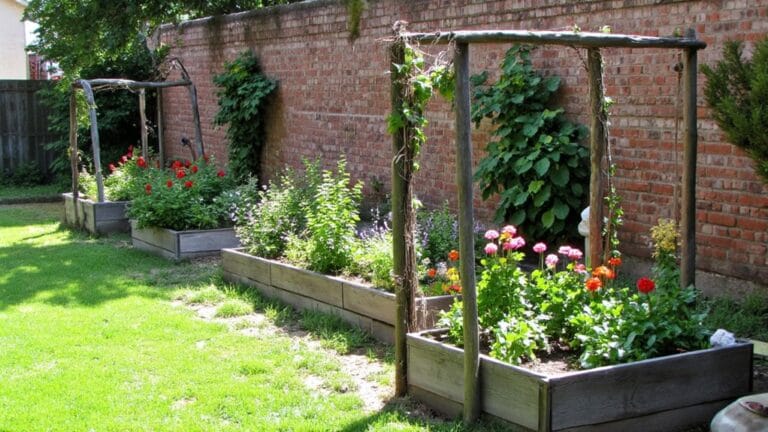
Raised flower beds with trellises are such a delightful way to add vertical charm to your garden. They help make the most of your space and offer a beautiful stage for climbing plants. If you’re thinking of sprucing up your outdoor area, consider the variety of materials and layouts you can use. These creative ideas can turn your garden into a lovely retreat. Let’s explore how to maximize growth and beauty in your space.
Why Choose Raised Flower Beds With Trellises?
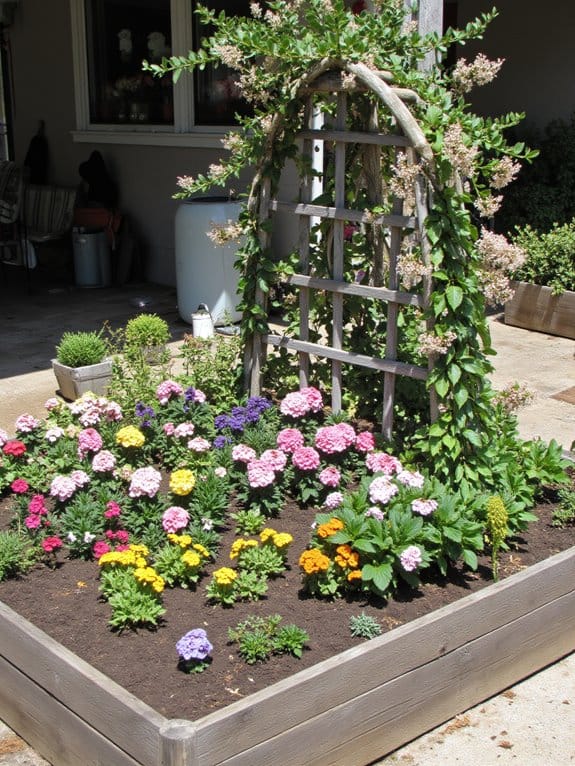
When I think about enhancing my garden, raised flower beds with trellises immediately come to mind.
They not only elevate my planting but also create stunning vertical displays. I love how they maximize space while adding character and charm.
Plus, the trellises support climbing plants, making my garden feel lush and vibrant. It’s a perfect combination of beauty and functionality.
Designing Your Raised Flower Bed Layout for Optimal Growth
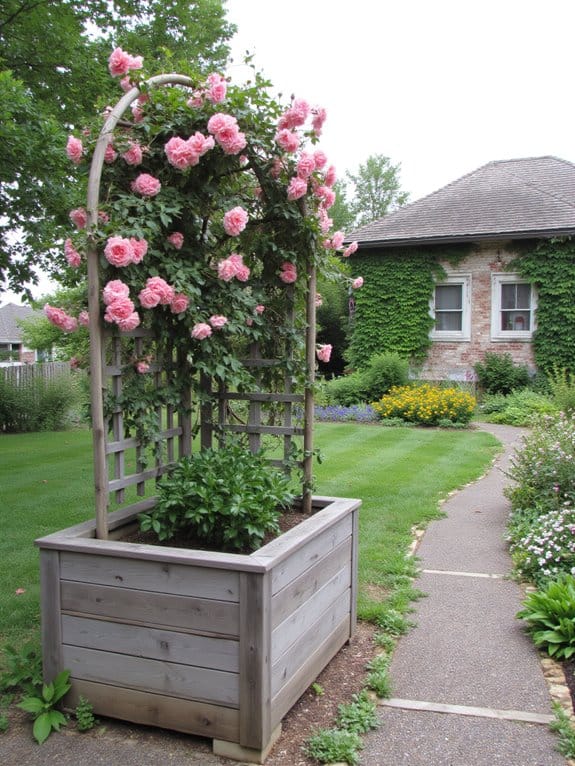
A well-thought-out layout for your raised flower beds can greatly enhance plant growth and overall garden aesthetics.
I like to take into account sunlight, water drainage, and plant height when planning my layout. Grouping taller plants at the back guarantees they won’t shade shorter ones.
Additionally, spacing plants properly allows for airflow, reducing disease risk while maximizing the space for each bloom to thrive.
Understanding Different Trellis Types for Your Garden

Trellises can be a game-changer in any garden, offering both support for climbing plants and a stunning visual element.
I’ve found that there are various types to contemplate, like wooden lattice, metal grids, and even repurposed materials. Each type brings its unique charm and durability.
Choosing the right trellis can enhance your garden’s vertical appeal while providing essential support for your favorite plants.
How to Incorporate Arched Trellises for a Soft Look
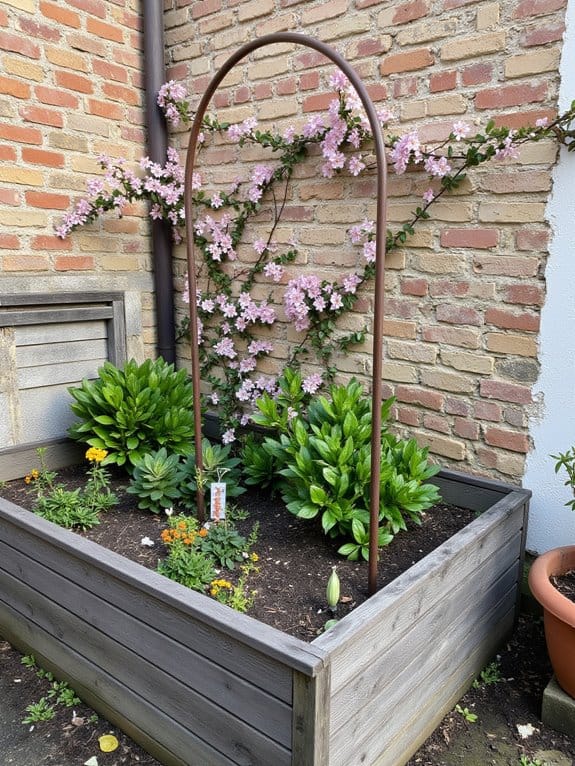
While I love the charm that arched trellises bring to a garden, incorporating them effectively can truly transform your space.
I suggest placing them at the entrance of your flower bed, creating an inviting focal point.
Wrapping climbing plants around the arches softens their lines, while vibrant blooms cascading over adds depth and character.
It’s a simple way to enhance your garden’s aesthetic.
Achieving a Rustic Look With Wooden Trellises
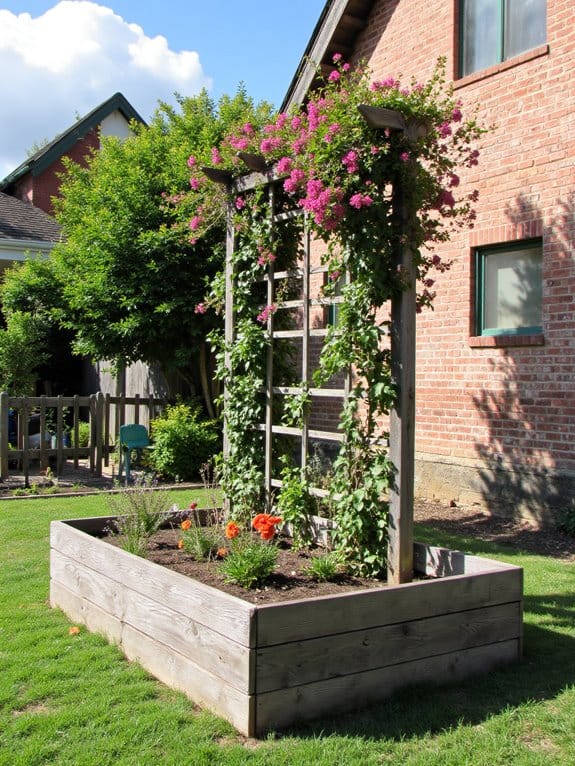
To create a rustic look in your garden, wooden trellises can be a game-changer.
I love using weathered wood for a charming, aged appearance. By training climbing plants like clematis or climbing roses on these trellises, you’ll instantly add warmth and character.
Pair them with natural stone or reclaimed materials, and you’ll achieve a cohesive, inviting atmosphere that feels effortlessly rustic.
Adding a Modern Touch With Metal Trellises
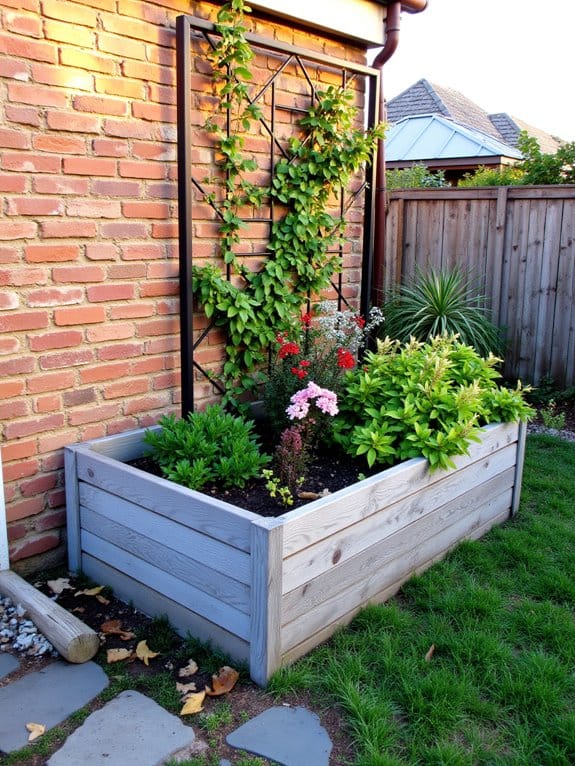
If you’re looking to elevate your garden’s aesthetic, consider incorporating metal trellises for a sleek, modern touch.
I love how their clean lines and minimalist design effortlessly complement vibrant flowers.
Plus, metal trellises are incredibly durable, standing up to the elements while adding a contemporary flair.
They truly transform a simple flower bed into a stunning focal point in any garden.
Vertical Planters: Trellis Options for Every Flower Bed
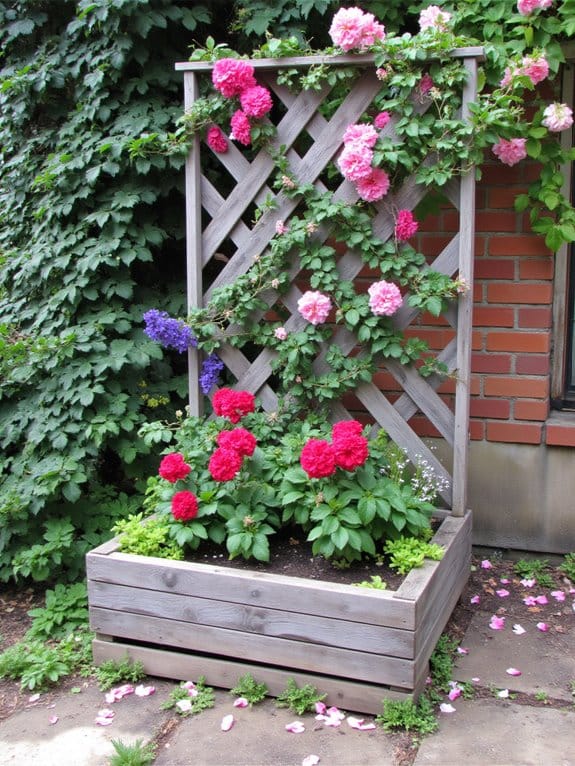
Vertical planters can completely transform your flower bed, offering both functionality and style.
I love using trellises to create height and dimension in my garden. Options like wooden, metal, or even PVC trellises can suit any aesthetic.
They not only support climbing plants but also add visual interest. With the right trellis, my flower beds become vibrant vertical masterpieces.
Top Climbing Plants to Grow on Your Trellis
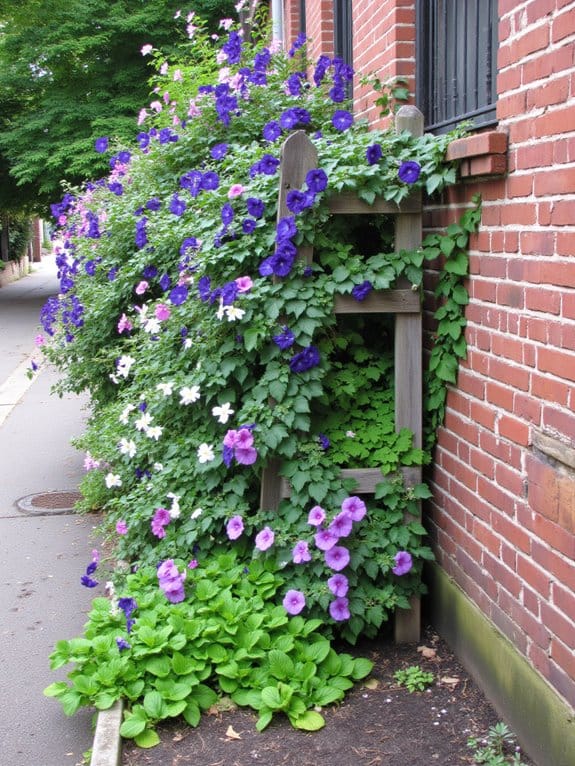
As I explore the best climbing plants for my trellis, I’ve found that a few stand out for their beauty and ease of growth.
Sweet peas add delightful fragrance, while morning glories provide vibrant colors.
I also love the lush foliage of clematis and the charming blooms of climbing roses.
These plants not only elevate my garden but also bring joy to my outdoor space.
Combining Herbs and Flowers in Your Trellis Garden
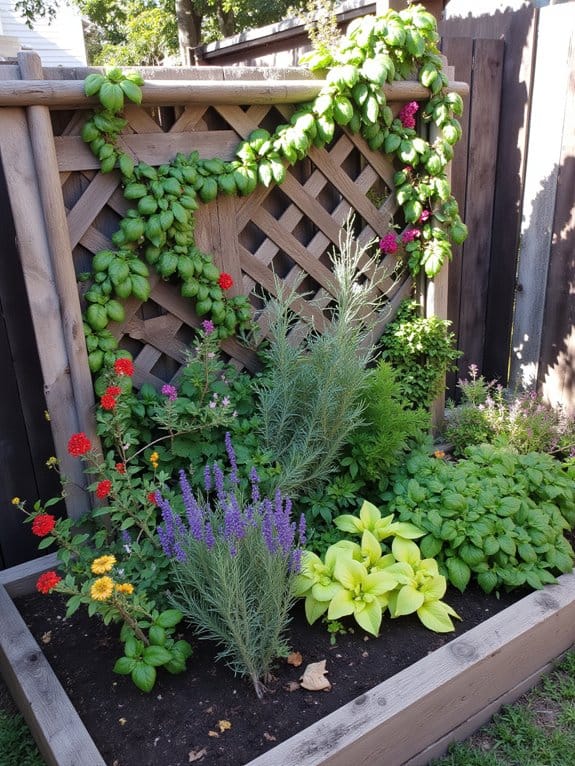
After enjoying the beauty of climbing plants on my trellis, I’ve discovered that combining herbs and flowers can create a stunning and functional garden space.
Imagine fragrant basil intertwining with vibrant nasturtiums or chamomile blooming alongside colorful zinnias.
This mix not only adds visual appeal but also attracts pollinators, enhancing both the aesthetics and productivity of your garden.
It’s a delightful experience!
Adding Color With Flowering Vines on Trellises
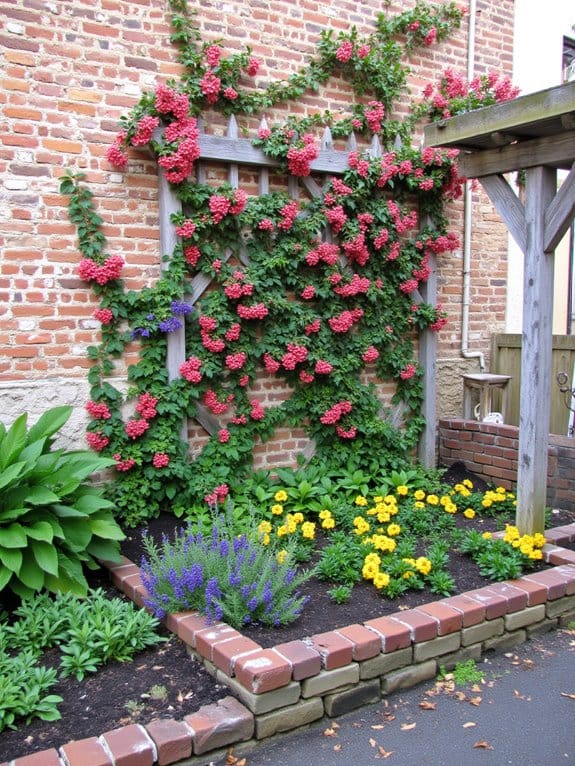
How can you transform your garden into a vibrant spectacle?
I love using flowering vines on trellises to add bursts of color and texture. Climbing plants like morning glories or sweet peas create stunning vertical drama.
Just imagine how their brilliant blooms can brighten up dull spaces!
Plus, they attract pollinators, making your garden not only beautiful but lively and full of life.
How to Use Trellis Screens for Privacy and Aesthetic Appeal
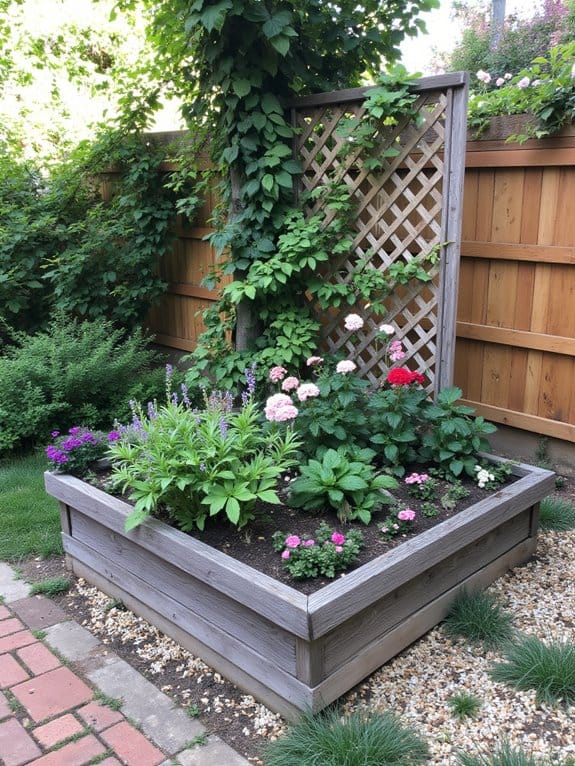
While creating a garden oasis, I’ve found that trellis screens can serve dual purposes: providing privacy and enhancing aesthetic appeal.
By positioning these screens strategically, I can block unwanted views while also adding vertical interest.
I love climbing plants that twine around the trellis, softening the structure and creating a lush, inviting atmosphere.
It’s a beautiful way to define my personal space!
Building a Vertical Garden With Multi-Layered Trellises
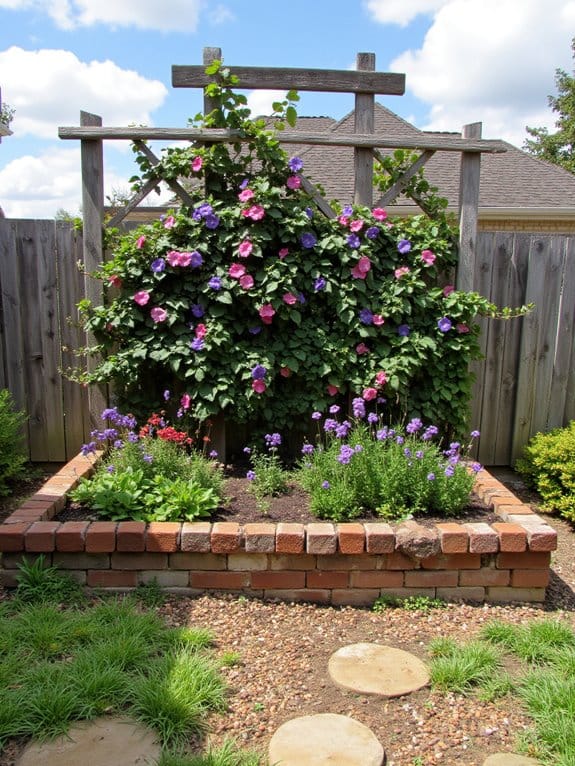
Trellis screens not only enhance privacy but also open up exciting possibilities for vertical gardening.
I love building multi-layered trellises, as they allow me to maximize space while adding depth to my garden.Building multi-layered trellises maximizes space and adds depth, creating a stunning backdrop for climbing plants in my garden.
By layering different heights, I create a stunning backdrop for climbing plants.
It’s amazing to watch them thrive, intertwining beautifully and transforming my outdoor area into a lush retreat.
DIY Trellis Ideas for Unique Designs
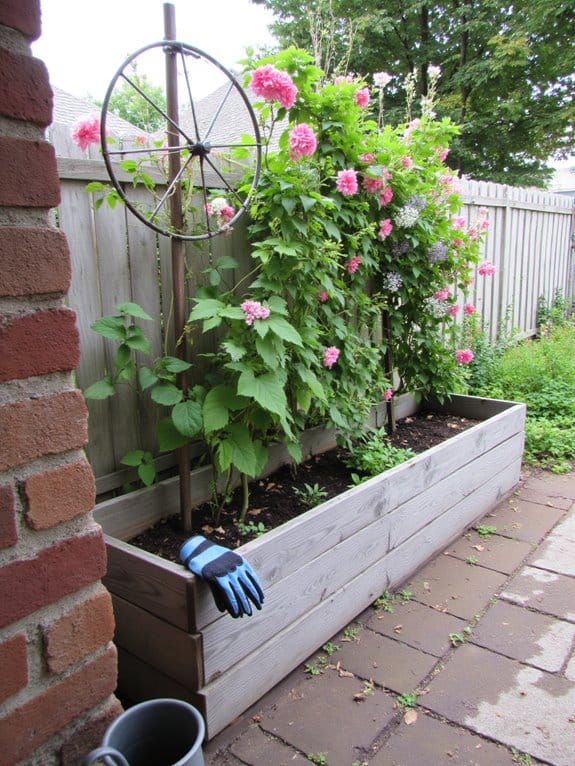
If you’re looking to add a personal touch to your garden, creating a DIY trellis can be a fun and rewarding project.
I love experimenting with different materials like bamboo or reclaimed wood for unique designs. You can also paint or decorate your trellis to match your garden’s style.
Try combining shapes and heights for visual interest that really stands out!
Integrating Trellises in Your Vegetable and Flower Garden
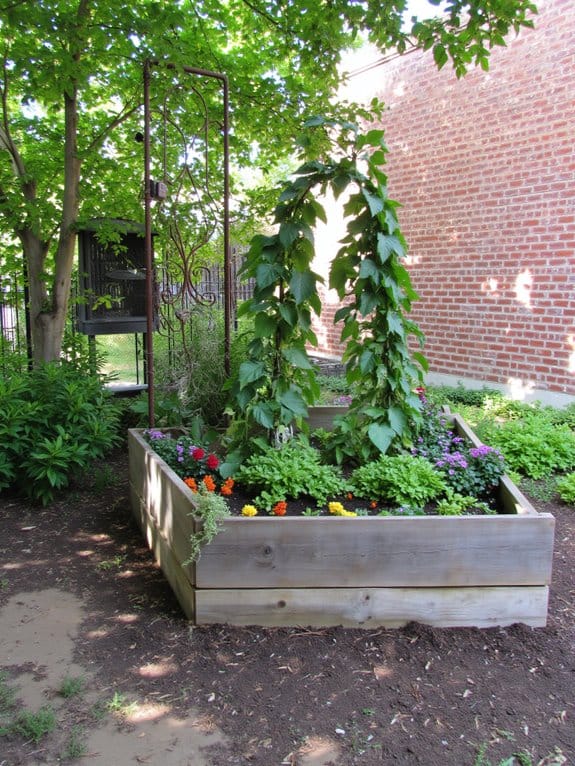
Integrating trellises into my vegetable and flower garden has transformed the way I grow plants.
They not only save space but also add vertical interest to my garden.
I love training climbing beans and cucumbers up sturdy structures, while flowers like sweet peas create beautiful accents.
With trellises, I’ve found a perfect blend of functionality and aesthetics, enhancing my gardening experience.
Seasonal Flower Ideas for Your Trellis Setup
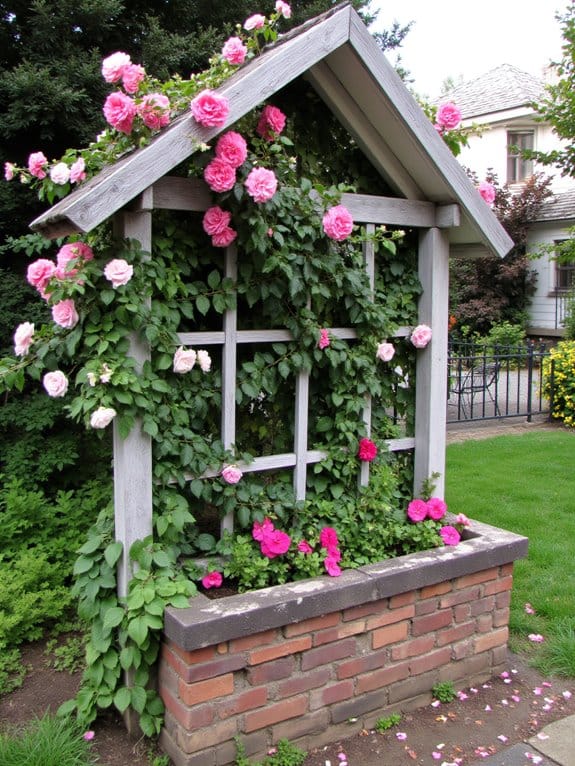
While planning my trellis setup, I’ve discovered that choosing seasonal flowers can create a stunning visual display throughout the year.
In spring, I love planting climbing roses and sweet peas.
Summer brings vibrant morning glories and jasmine.
As autumn rolls in, I switch to colorful clematis and trailing nasturtiums.
Finally, winter blooms like winter jasmine keep the beauty alive even in the cold months.
Creative Lighting Ideas for Trellis Displays
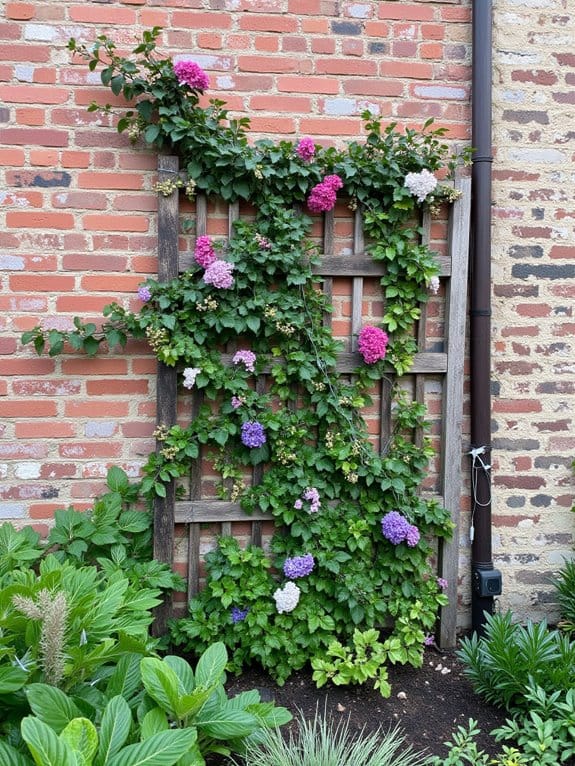
As I’ve discovered, the right lighting can transform your trellis display from ordinary to enchanting, especially in the evening.
I love using string lights draped across the trellis for a warm glow. Solar-powered lanterns tucked among the plants create a magical vibe.
Also, spotlights on the trellis can highlight climbing plants, adding depth and interest to the entire garden.
Enhancing Outdoor Spaces With Trellis Features
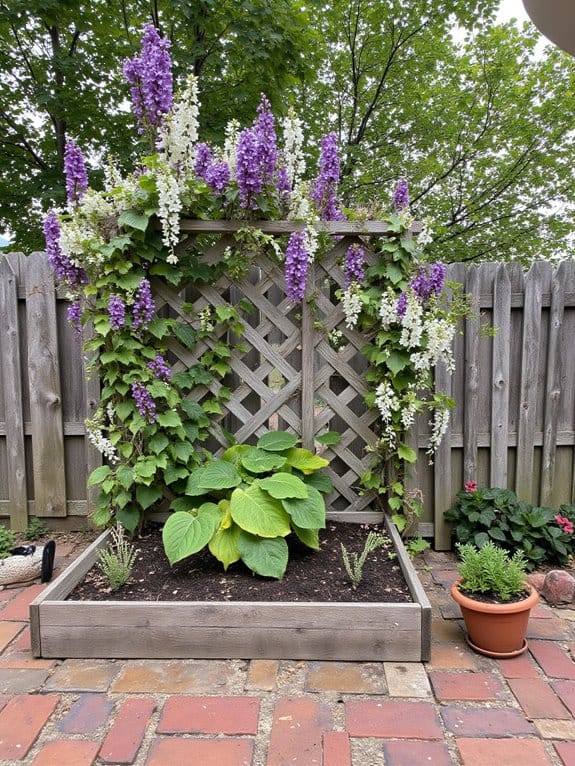
Trellis features can truly elevate your outdoor spaces, transforming them into charming retreats where nature and design harmoniously blend.
I love how a well-placed trellis can create vertical interest and provide support for climbing plants. It adds structure and defines areas in my garden, making it feel more inviting.
Plus, it’s a fantastic way to introduce color and texture to my outdoor oasis.
Maintaining Your Raised Flower Beds and Trellises
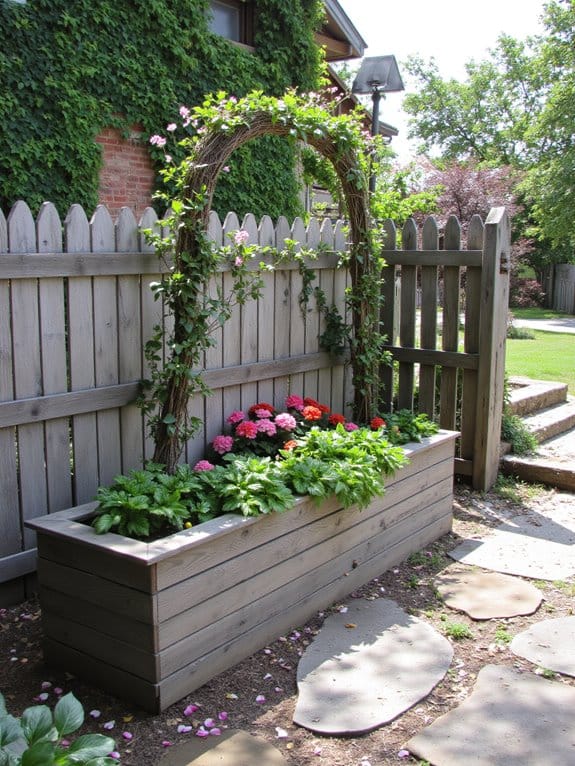
To keep your raised flower beds and trellises thriving, regular maintenance is essential.
I make it a habit to check for weeds and remove them promptly.
Watering consistently helps, but I also guarantee my plants receive adequate sunlight.
Fertilizing every few weeks gives them a boost.
Finally, I inspect the trellises for stability, making adjustments as needed to support my climbing plants.
Troubleshooting Common Issues in Trellis Gardens
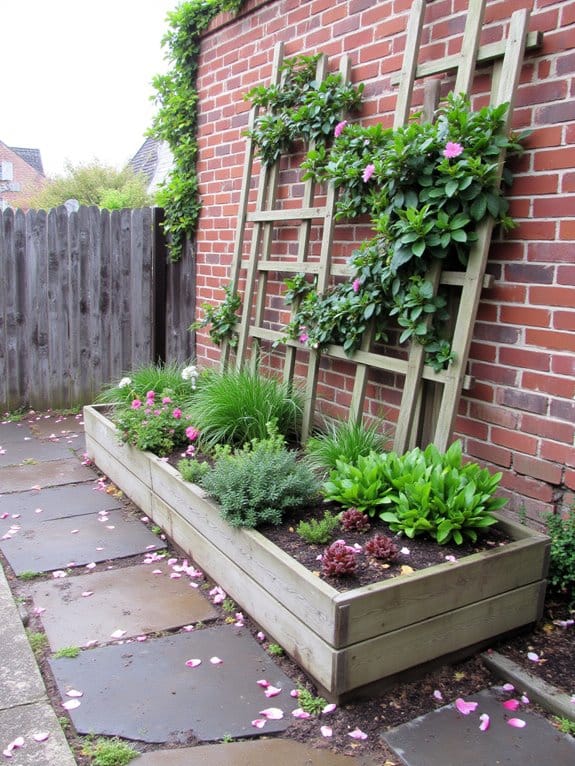
While enjoying the beauty of my trellis garden, I often encounter common issues that can arise with climbing plants.
I’ve noticed some plants struggle to latch onto the trellis, while others may become too heavy and topple over.
I’ve found that regular pruning and securing loose vines can help.
Also, ensuring adequate sunlight and water makes a big difference in their growth.
Protecting Your Plants From Pests and Diseases

After addressing the challenges with climbing plants on my trellis, I’ve realized that protecting my garden from pests and diseases is just as important.
I regularly inspect my plants for signs of trouble, and I use natural remedies like neem oil to keep pests at bay.
I also practice crop rotation and maintain good air circulation to minimize disease risks and promote healthy growth.
Best Companion Plants for Trellis Gardens
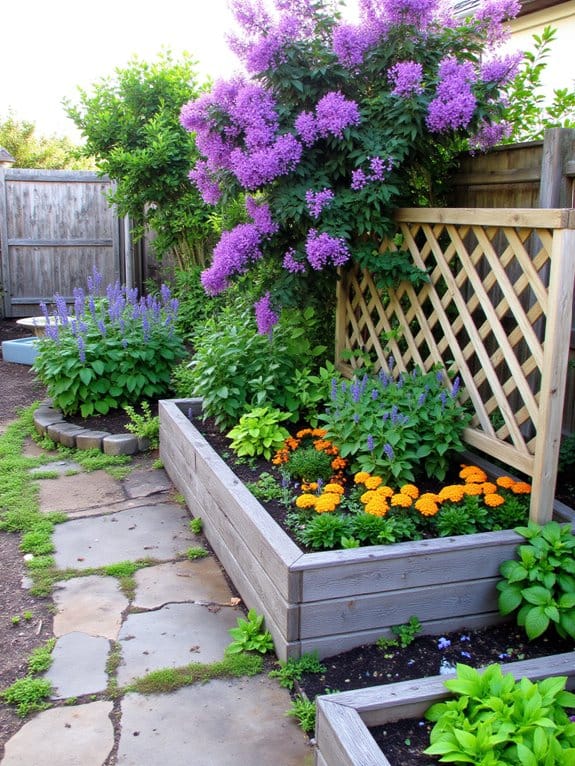
When I think about maximizing the potential of my trellis garden, choosing the right companion plants makes a significant difference.
I love pairing climbing beans with corn, as they support each other beautifully. Additionally, planting marigolds can deter pests while adding vibrant color.
Finally, consider adding strawberries; their low growth won’t compete with taller plants, creating a lush, productive space.
Year-Round Interest in Your Trellis Setup: Ideas and Tips
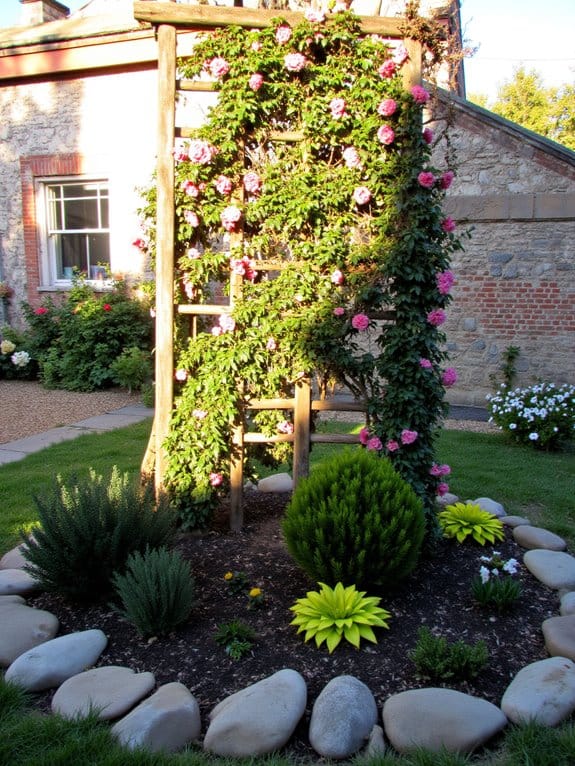
Creating year-round interest in your trellis setup is easier than you might think.
I love incorporating evergreen vines, which provide lush greenery in winter.
In spring and summer, I mix in colorful annuals and perennials for vibrant blooms.
Adding decorative elements like fairy lights or seasonal ornaments brings charm, while a few climbing vegetables can offer both beauty and harvest throughout the year.
