

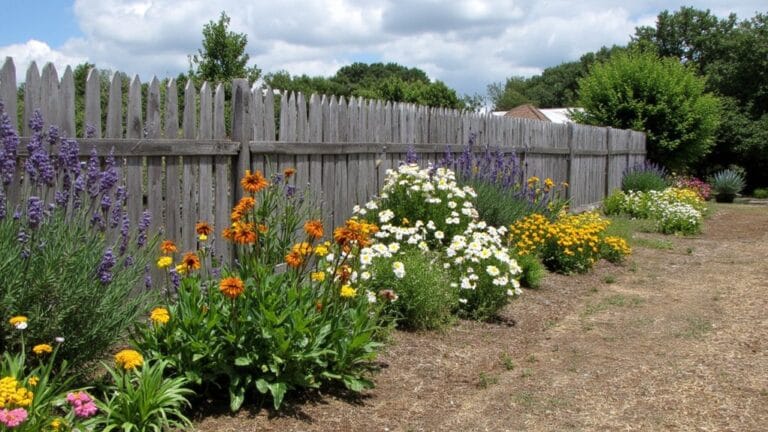
When it comes to sprucing up our outdoor spaces, a charming fence line flower bed can work wonders. It’s a delightful way to introduce color and character to your yard while inviting friendly pollinators. Wondering where to begin or which blooms to choose? Let’s explore some approachable ideas that can effortlessly transform your fence line into a stunning garden display. These easy suggestions are perfect for bringing a touch of nature’s beauty right to your doorstep.
Choosing the Right Location for Your Flower Bed
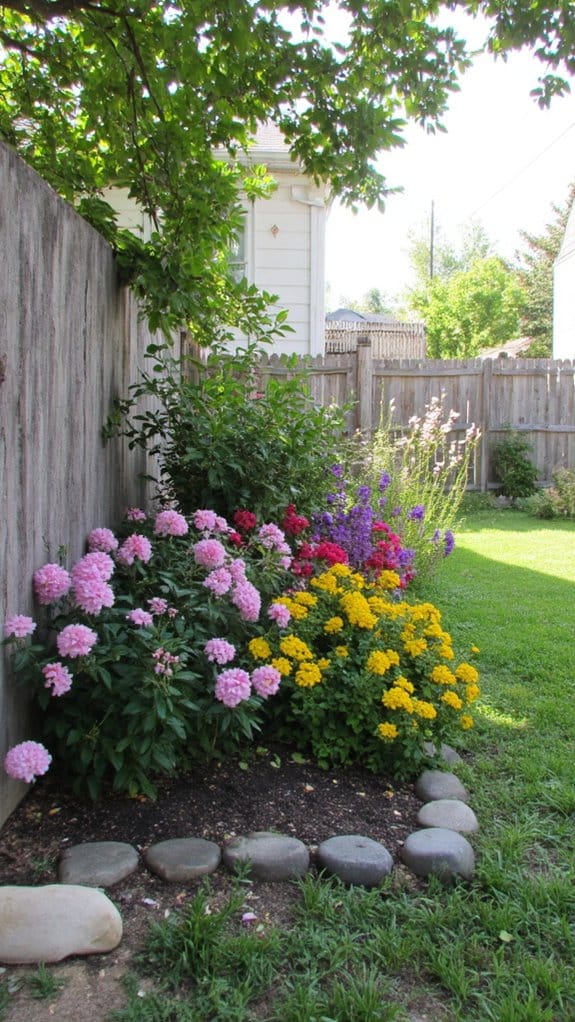
When I think about creating a flower bed along my fence line, I know the location can make all the difference.
I prefer choosing a spot that gets plenty of sunlight while considering the soil quality and drainage.
It’s also important to think about how visible the flowers will be from my house and the street, ensuring they create a beautiful focal point.
Best Flowers for a Vibrant Fence Line
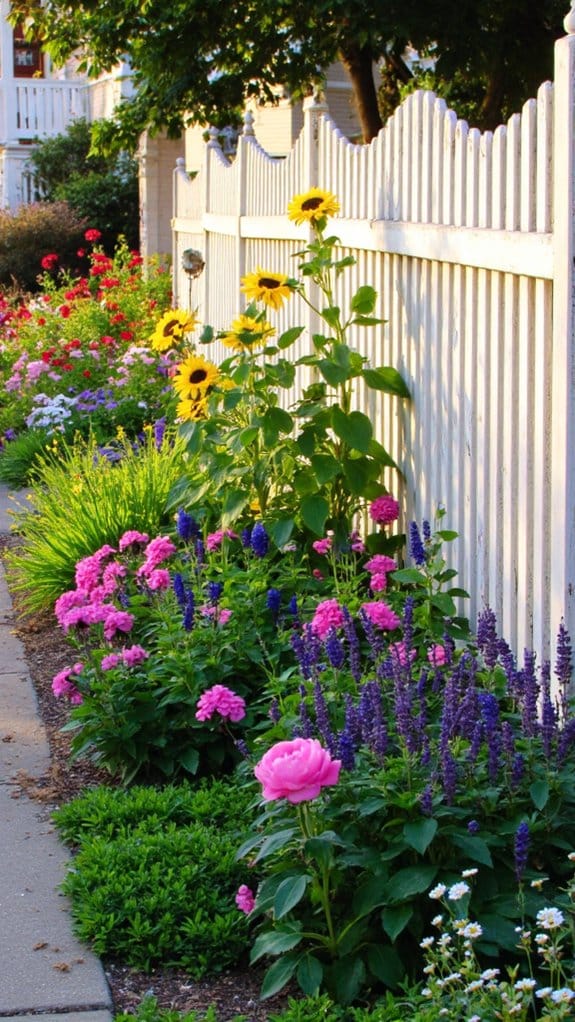
After selecting the perfect spot for your flower bed, it’s time to think about the flowers that will bring life and color to your fence line.
I love using bright marigolds, cheerful zinnias, and stunning coneflowers. They thrive in various conditions, ensuring a vibrant display.
Don’t forget to mix in some lavender for added fragrance and charm. Your fence line will truly come alive!
How to Create a Colorful Perennial Flower Bed
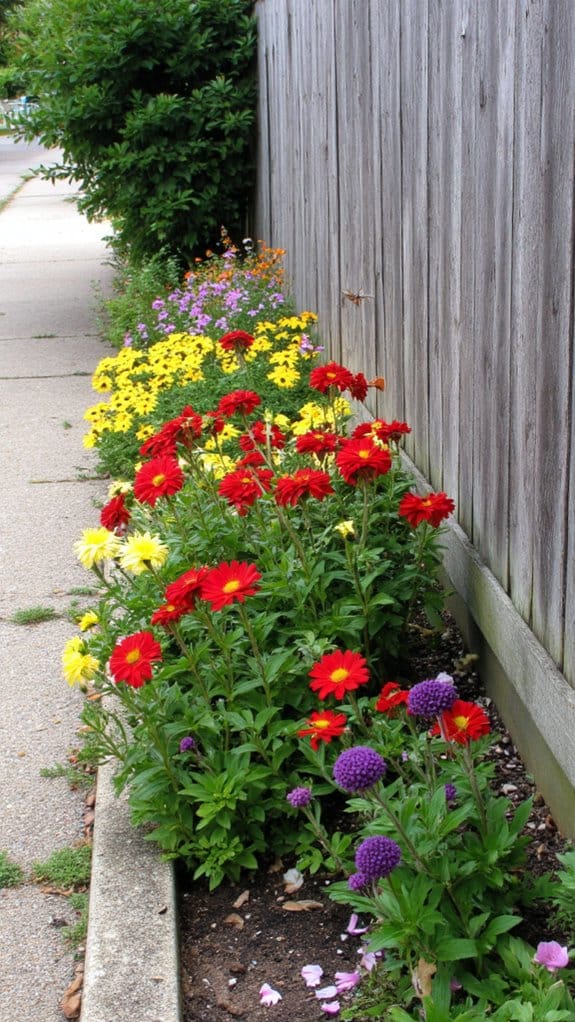
Creating a colorful perennial flower bed can transform your garden into a vibrant paradise, especially if you choose the right plants.
I love mixing different heights and textures, like tall delphiniums with low-growing sedums.
Plant in clusters for a bold effect, and don’t forget to take into account bloom times for continuous color throughout the seasons.
You’ll be amazed at the beauty that unfolds!
Add Annuals for Continuous Blooms

To guarantee your flower bed remains vibrant all season long, I often incorporate annuals alongside my perennials.
These colorful additions bloom all summer, filling gaps and providing ongoing interest. I particularly love using petunias and marigolds for their bright hues. Plus, they’re easy to care for.
Use Native Plants for a Low-Maintenance Garden

Incorporating annuals into your flower bed is a fantastic way to keep the colors vibrant, but if you want to simplify your gardening routine, using native plants can take your flower bed to the next level.
Native plants thrive in your local climate, require less water, and attract pollinators. By choosing them, you’ll enjoy a beautiful, low-maintenance garden that supports local ecosystems effortlessly.
Design a Cottage-Style Flower Bed
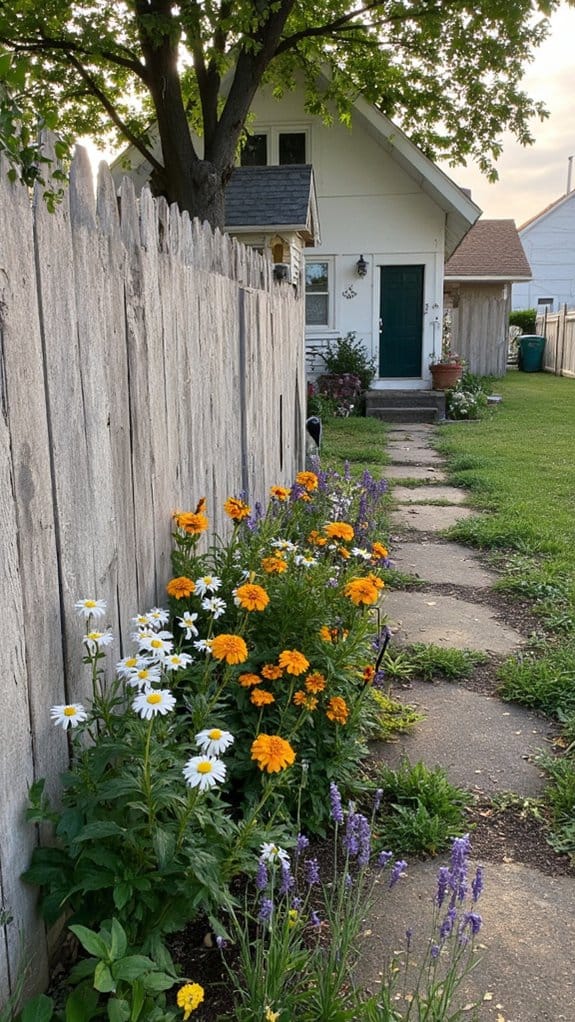
While dreaming of a charming backyard retreat, I often find myself drawn to the whimsical beauty of a cottage-style flower bed.
I love mixing vibrant perennials and fragrant herbs, creating a lush, inviting feel. Adding old-fashioned blooms like daisies and hollyhocks brings character.
Embracing a relaxed planting style allows for delightful surprises, making every visit to my garden a joyful experience.
Add Vertical Elements Like Trellises and Arbors
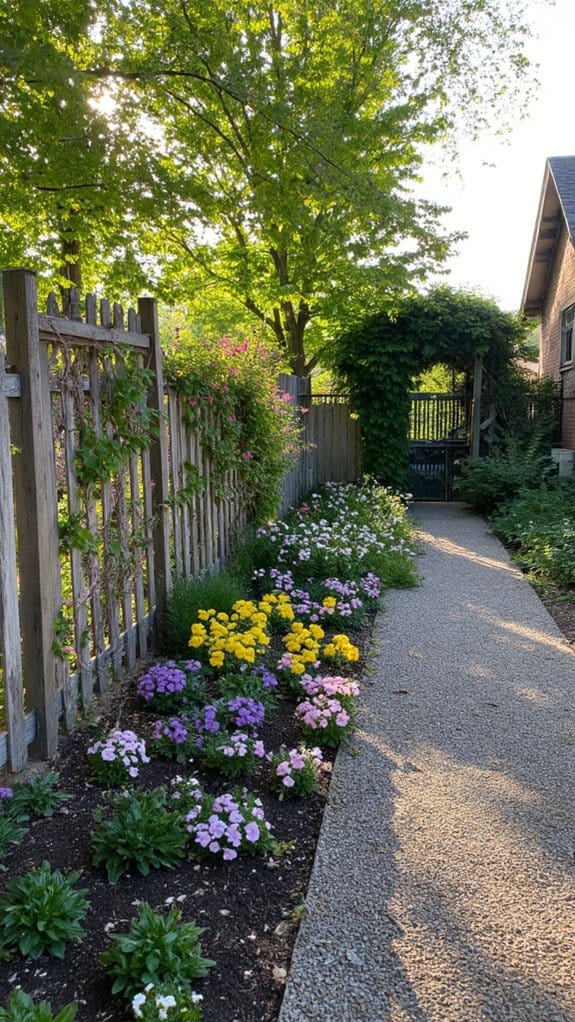
As I wander through my cottage-style flower bed, I can’t help but notice how vertical elements like trellises and arbors add an enchanting dimension to the garden.
They draw the eye upward, creating a sense of height and elegance. Climbing plants weave through these structures, enhancing the beauty and providing a lovely backdrop for my vibrant blooms.
It’s truly magical!
Mix Flowers With Shrubs for Depth and Texture
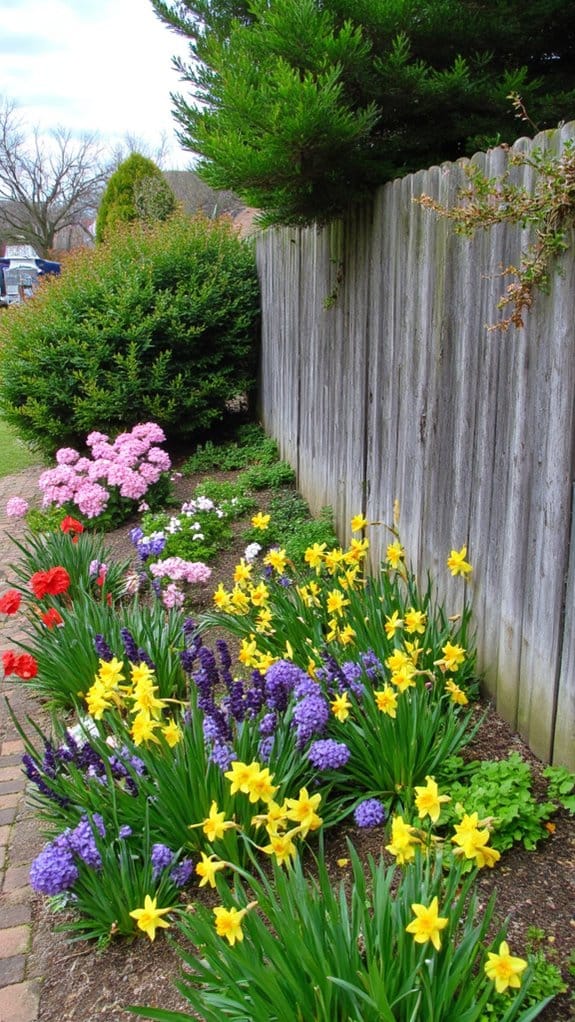
To create an engaging flower bed, I mix flowers with shrubs, which adds depth and texture to the space.
I love using colorful blooms alongside lush greenery, creating a dynamic contrast that’s visually appealing.
By layering different heights and shapes, I can achieve a more natural look.
This combination not only enhances beauty but also provides a habitat for beneficial wildlife.
Choose Plants for Different Sunlight Conditions

Creating a vibrant flower bed involves understanding the sunlight conditions in your garden.
I’ve found that full sun plants like marigolds and zinnias thrive in bright areas, while shade-loving options like ferns and impatiens work well in darker spots.
Knowing your garden’s light can help you choose plants that flourish, ensuring a colorful and thriving flower bed all season long.
How to Create a Fragrant Flower Bed With Scented Plants

While designing a fragrant flower bed, I always focus on incorporating scented plants that not only enhance the beauty of the garden but also create an inviting atmosphere.
I love using lavender, rosemary, and gardenias for their delightful aromas. Mixing them with colorful blooms adds visual interest.
Regular pruning and watering help keep them healthy, ensuring their scents fill the air beautifully.
Enhance Your Flower Bed With Decorative Edging

Adding decorative edging to your flower bed can greatly enhance its overall appeal, as it not only defines the space but also complements the plants within.
I’ve found that using materials like bricks, stones, or even wood adds a charming touch.
Plus, it helps keep mulch in place and creates a clean look that showcases your flowers beautifully.
It’s definitely worth considering!
Use Ground Covers to Prevent Weeds
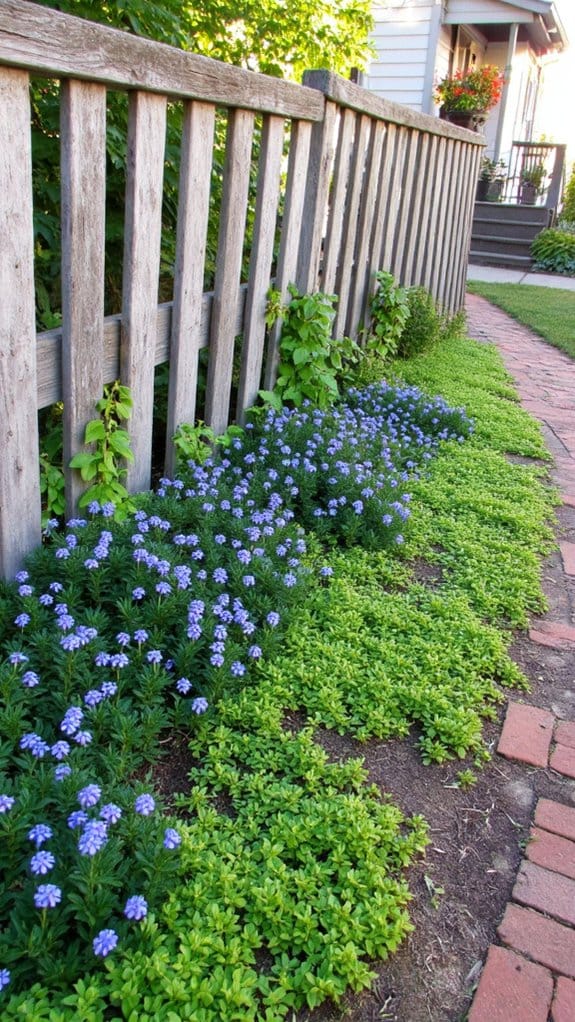
Using ground covers not only beautifies your flower bed but also effectively prevents weeds from taking over.
I love incorporating plants like creeping thyme or moss to create a lush carpet that thrives in the sun or shade.
These hardy plants suppress weeds while adding texture and color.
Plus, they require minimal maintenance, allowing me to enjoy my flower bed without constant upkeep.
How to Use Containers for a Versatile Flower Bed
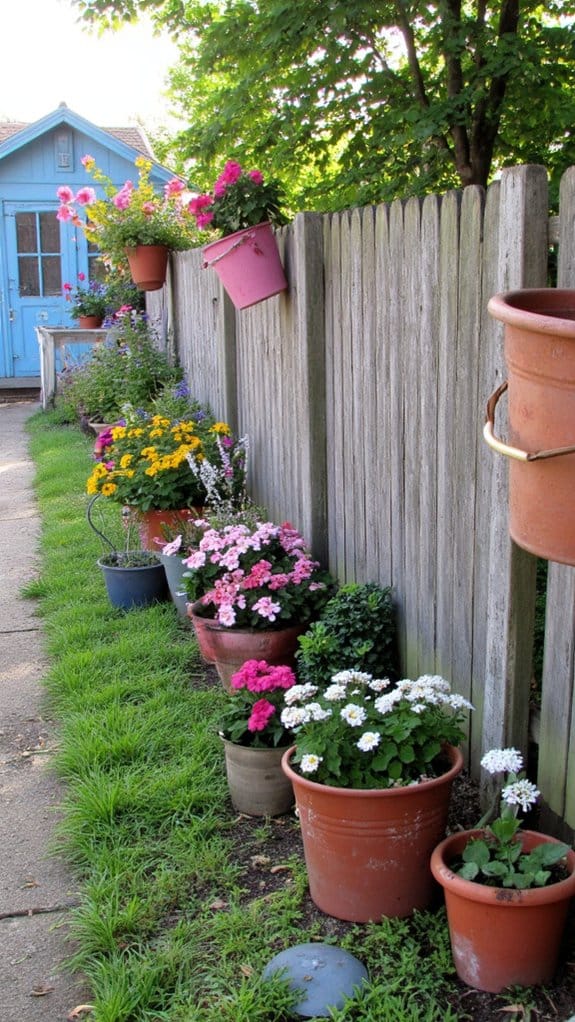
If you want to elevate your flower bed’s aesthetic and flexibility, containers are a fantastic option.
I love using various sizes and styles of pots to create visual interest. You can easily rearrange them, mix colors, and even change plantings with the seasons.
Plus, containers allow for better drainage and soil control, making it easier to maintain a healthy garden.
Add Seasonal Touches With Holiday Flowers
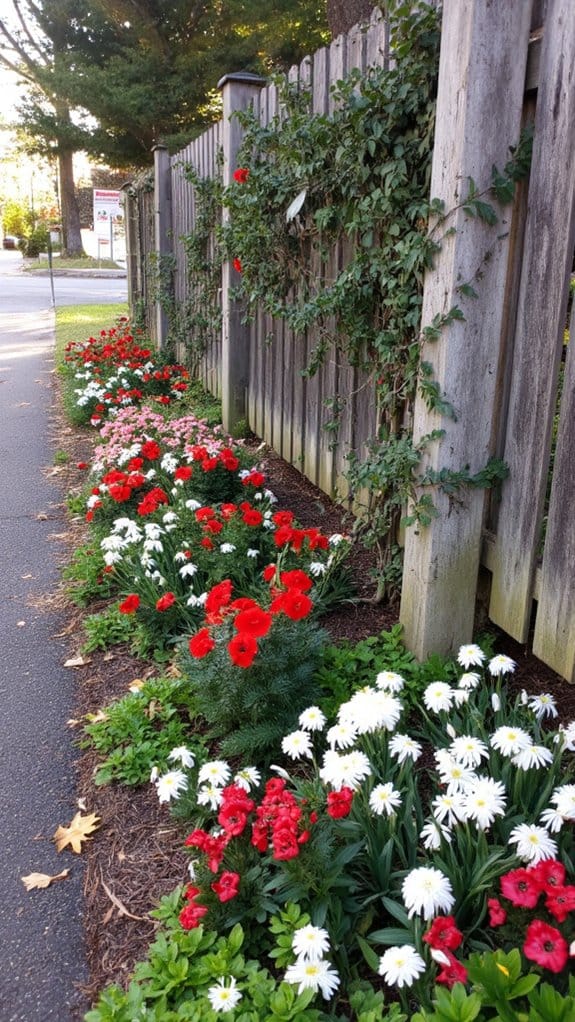
Holiday flowers can transform your fence line flower bed into a festive display that captures the spirit of the season.
I love adding vibrant poinsettias in December or cheerful daffodils in spring. Incorporating seasonal blooms not only enhances the beauty of my garden but also creates a welcoming atmosphere.
Try mixing in some seasonal decorations to elevate the festive feel even more!
Create a Pollinator-Friendly Flower Bed
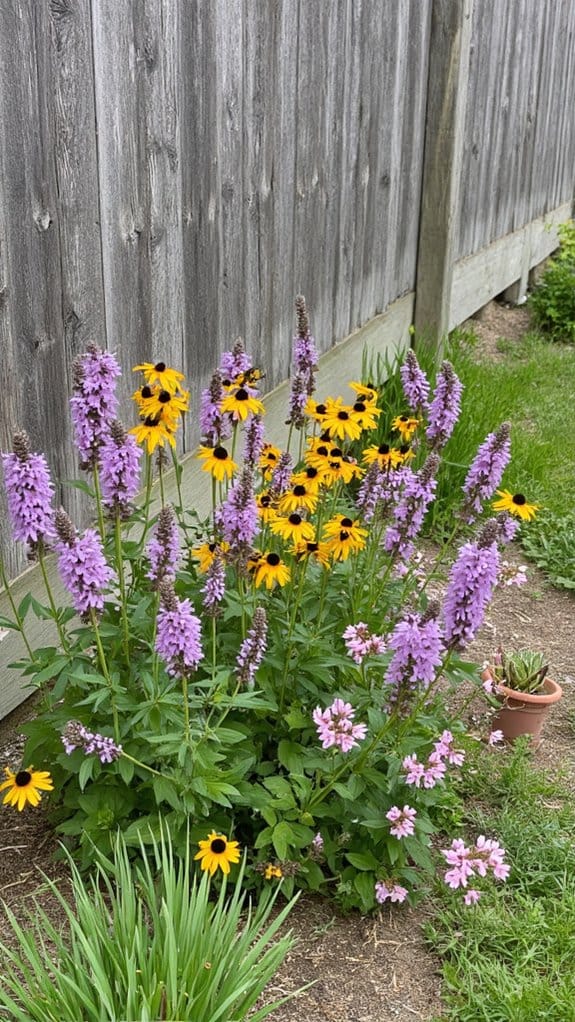
To create a pollinator-friendly flower bed, I focus on selecting native plants that attract bees, butterflies, and other beneficial insects.
I love using a mix of colorful wildflowers like coneflowers, milkweed, and black-eyed Susans. Grouping these plants together not only looks beautiful but also provides a reliable food source.
How to Use Color Theory for Your Flower Bed Design

After creating a pollinator-friendly flower bed, I love to think about how color can enhance my garden’s appeal.
Using color theory, I choose complementary colors, like purple and yellow, to create visual harmony. I also mix warm and cool tones for depth.
Incorporate Mulch for Moisture Retention and Aesthetics
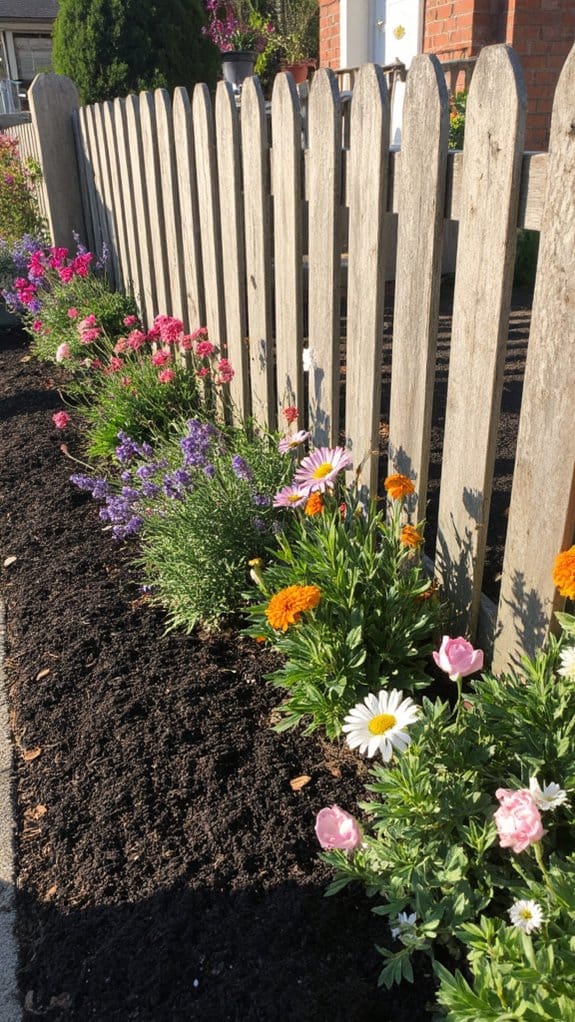
While I’m busy planning my flower bed, I always make sure to incorporate mulch, as it plays an essential role in moisture retention and enhances the overall aesthetics of the garden.
I love how mulch gives a polished look, while suppressing weeds and regulating soil temperature.
Plus, it breaks down over time, enriching the soil, making it a win-win for my flowers.
Maintain Your Flower Bed Throughout the Seasons

As the seasons change, I make it a priority to maintain my flower bed to guarantee it thrives year-round.
I regularly check for any weeds and remove them promptly. During spring, I add fresh mulch, while in fall, I trim back dead flowers.
I also adjust watering schedules based on the weather, ensuring my plants stay healthy and vibrant all year long.
