

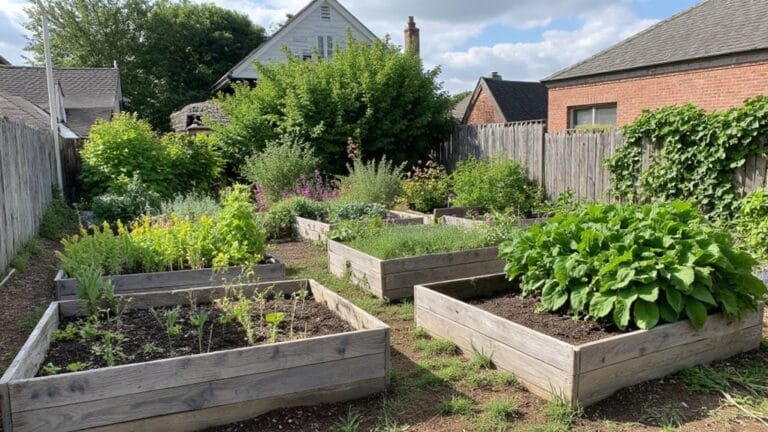
Gardening can be such a fulfilling journey, especially when you have the perfect layout to guide you. I’ve found that a well-thought-out raised garden bed design can completely transform your gardening space. Whether you’re working with limited space or simply want to make your garden more charming, there are so many delightful options to explore. Let’s explore some clever layouts that could inspire your green thumb and elevate your gardening game. Get ready to be inspired by these creative and efficient ideas.
Understanding the Benefits of Raised Garden Beds
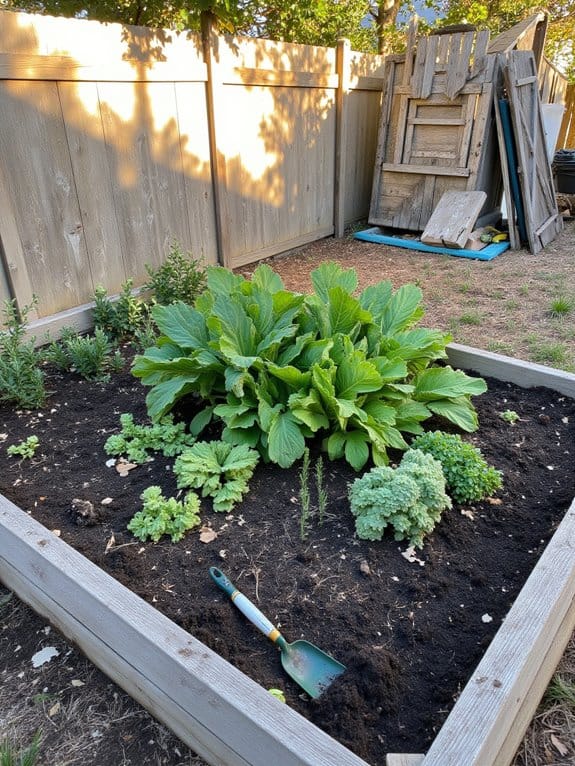
When I first started gardening, I quickly realized the many advantages of raised garden beds. They provide better drainage, which keeps my plants healthy.
Plus, I can control the soil quality effortlessly. The height saves my back from strain, and I find it easier to manage pests.
Choosing the Right Size for Your Raised Garden Bed
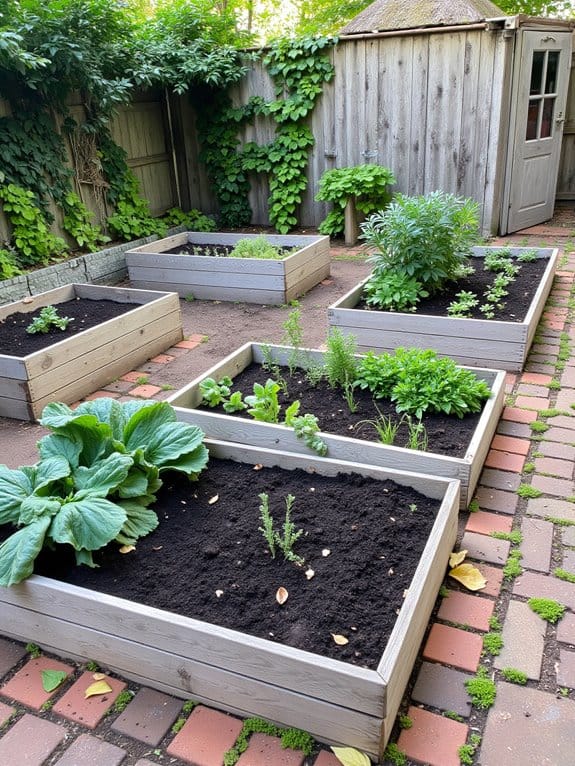
Choosing the right size for your raised garden bed can make all the difference in your gardening experience.
I’ve found that a width of 4 feet allows easy access from both sides, while lengths can vary based on your space.
Consider your plant choices and how much you want to grow.
It’s all about finding a balance that suits your gardening needs and available area.
Exploring Different Materials for Raised Garden Beds
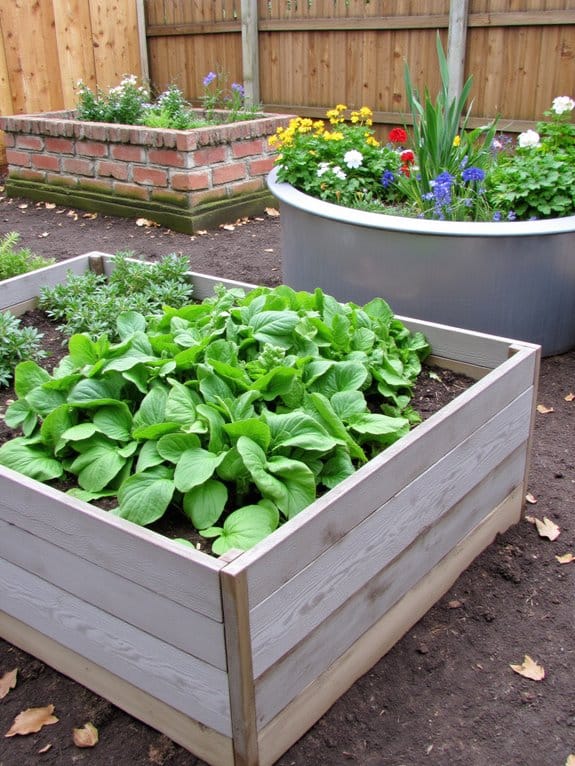
As I plunge into the world of raised garden beds, exploring different materials becomes essential for creating a space that’s both functional and aesthetically pleasing.
I’ve found wood, metal, and stone to each offer unique benefits. While wood provides a classic look, metal offers durability, and stone adds a rustic charm.
Choosing the right material can enhance both my garden’s appearance and its longevity.
Square Foot Raised Garden Bed Layout Ideas
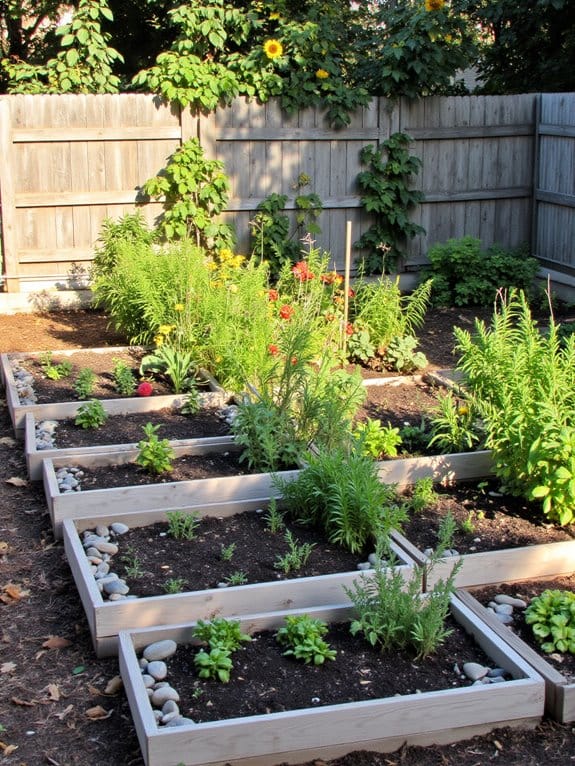
With the right materials in place, I’m excited to explore square foot raised garden bed layout ideas that maximize space and productivity.
By dividing the bed into one-foot squares, I can easily plan a variety of plants, ensuring proper spacing and growth.
I love mixing herbs, vegetables, and flowers, creating a vibrant, efficient garden that’s both beautiful and bountiful.
Tiered Raised Garden Bed Designs for Optimal Space
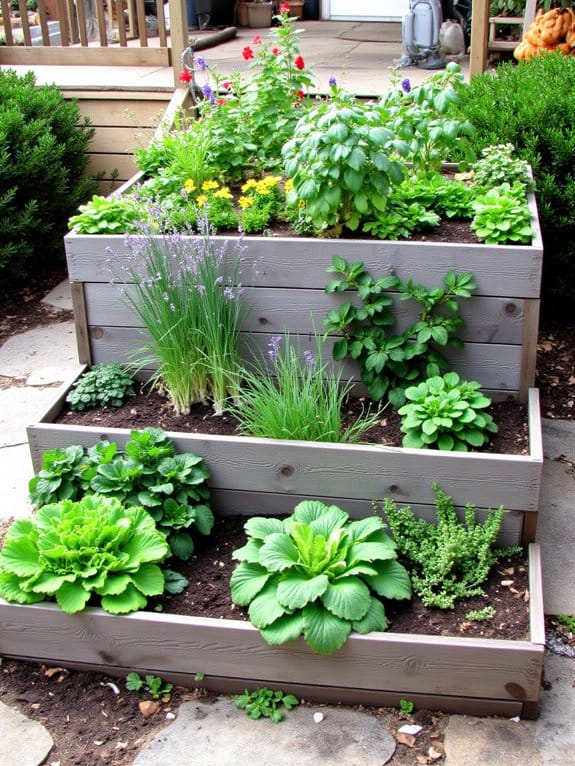
While I love the charm of traditional raised beds, tiered raised garden bed designs offer a fantastic way to optimize space and create visual interest in my garden.
By stacking beds at varying heights, I effectively utilize vertical space, allowing for more plants in less area.
Plus, it’s easier to access plants without stepping on soil, keeping everything tidy and healthy.
Companion Planting Strategies for Raised Beds
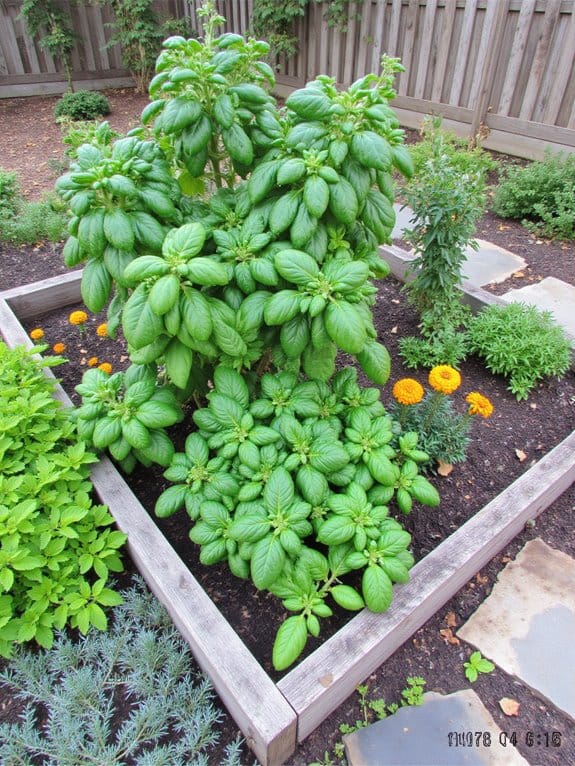
Creating tiered raised beds not only maximizes space but also sets the stage for effective companion planting strategies.
I love pairing plants that enhance each other’s growth, like tomatoes with basil or carrots with onions. This approach helps deter pests and improves yield.
Maximize Your Garden’s Vertical Space With Trellises
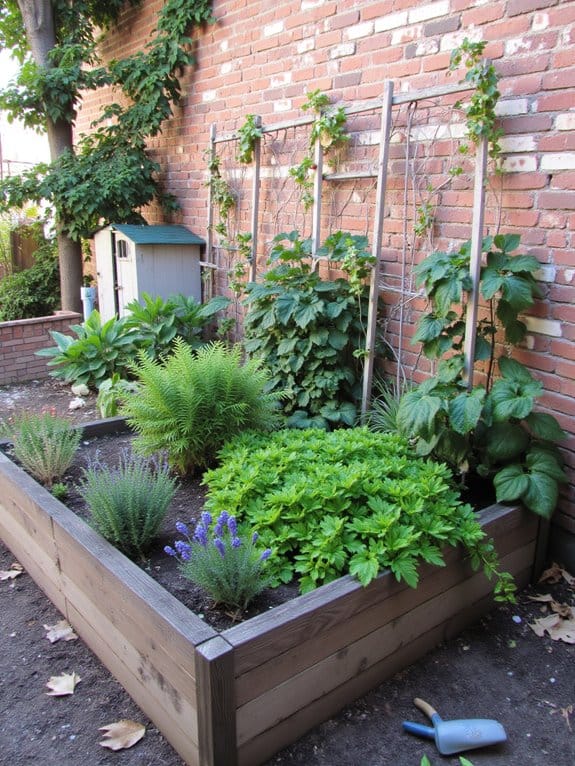
Trellises can transform your garden by maximizing vertical space and allowing you to grow more in less area.
I love using them for climbing plants like cucumbers and tomatoes, which not only saves ground space but also improves air circulation and sunlight exposure.
Plus, they add visual interest and structure to my garden.
It’s a win-win for any small garden!
Arranging Your Garden Beds for Optimal Sunlight
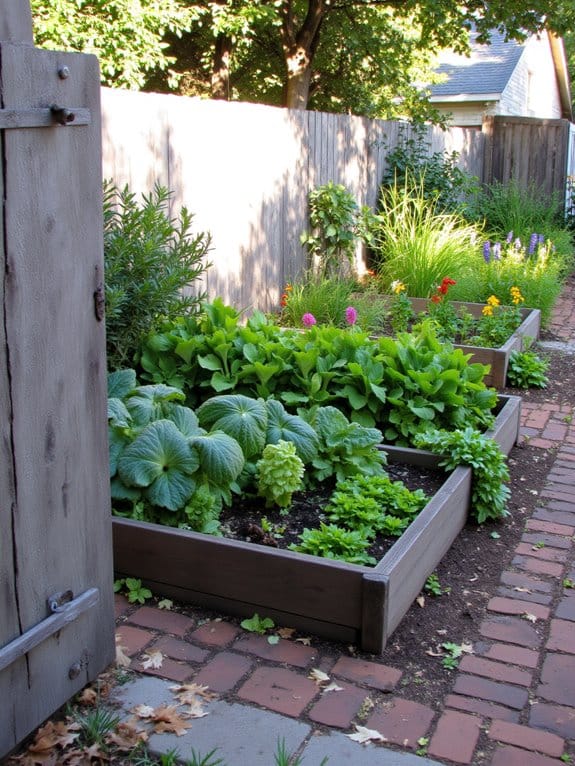
Since sunlight is essential for plant growth, arranging your garden beds thoughtfully can make a big difference in how well your plants thrive.
I always position taller plants on the north side, allowing shorter ones to soak up the sun without obstruction.
Observing how sunlight moves across my garden helps me adjust the layout for ideal exposure throughout the day.
Easy Access: Incorporating Pathways in Your Garden
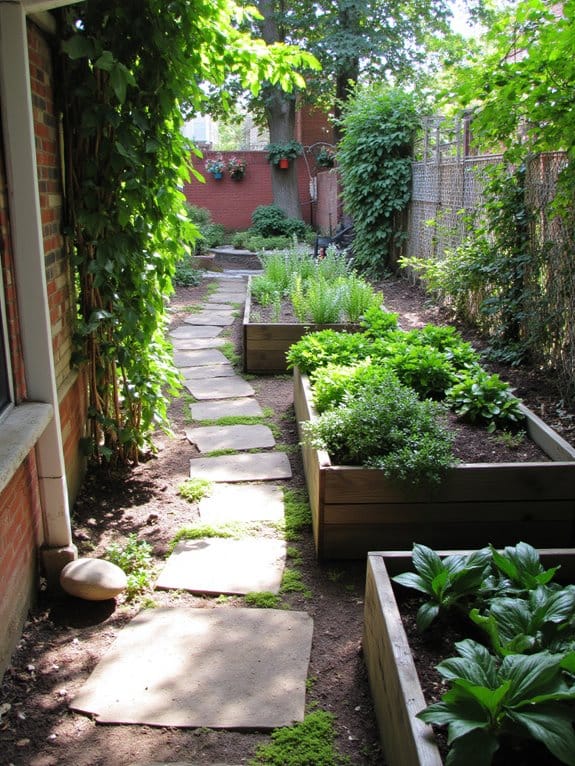
While planning your garden, I find that incorporating pathways can greatly enhance both accessibility and aesthetics. They allow me to reach every bed easily, making maintenance a breeze.
I prefer using materials like gravel or wood chips, which look great and provide excellent drainage. Plus, well-placed pathways create visual interest, guiding the eye and making my garden feel more inviting.
Mixing Herbs and Vegetables in Your Raised Bed
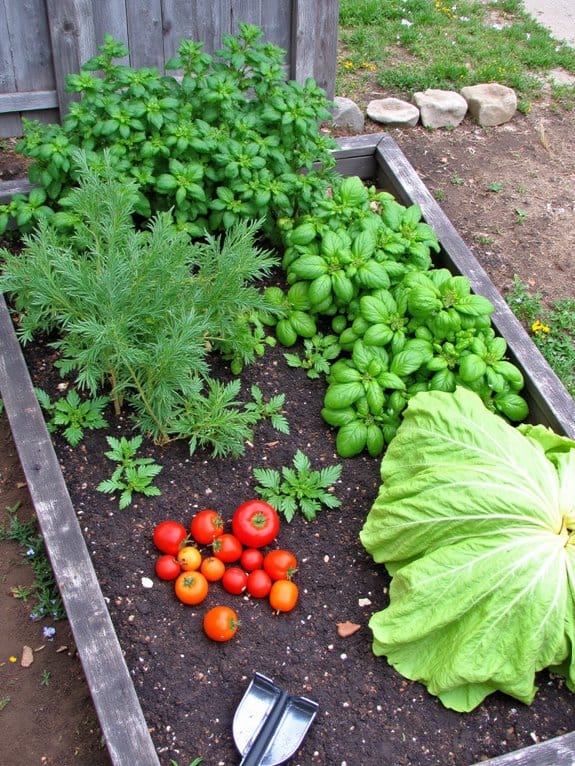
Mixing herbs and vegetables in my raised bed not only maximizes space but also enhances flavor and health benefits.
I love pairing basil with tomatoes for a classic combo or planting cilantro alongside peppers for a spicy kick.
This approach creates a vibrant garden while attracting beneficial insects, making it easier to manage pests naturally.
It’s a win-win for my culinary adventures!
U-Shaped Raised Bed Layout for Accessibility
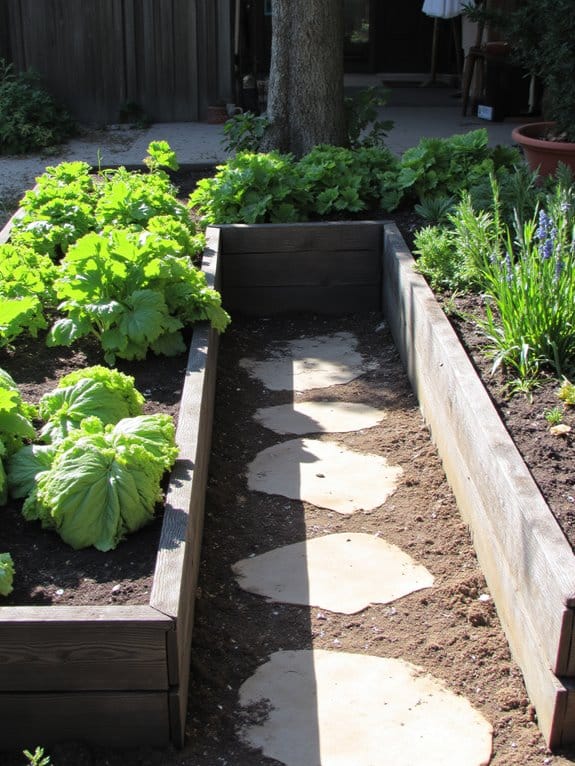
Combining herbs and vegetables can create a beautiful and productive garden, but accessibility is just as important, especially if you want to enjoy gardening without strain.
I’ve found that a U-shaped raised bed layout allows me to reach all my plants easily. This design not only maximizes space but also makes tending to my garden a breeze, ensuring I can enjoy every moment.
Unique Aesthetics: Creating a Hexagonal Garden Bed
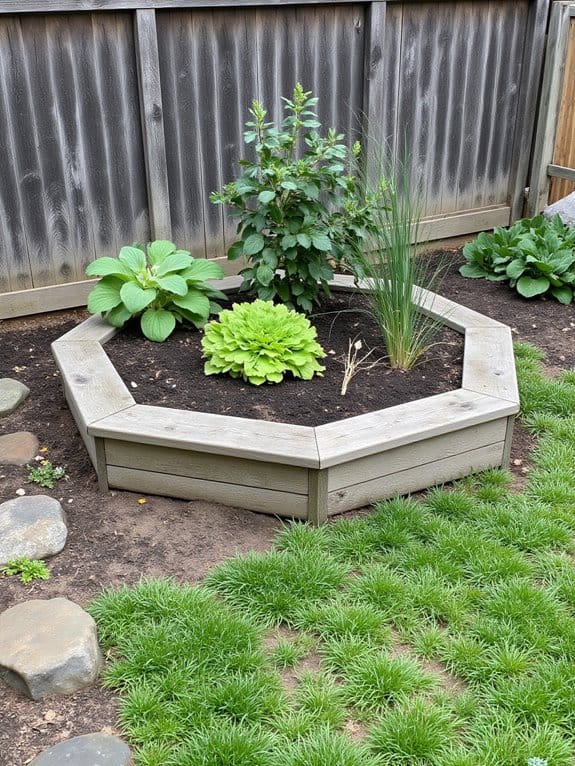
When I decided to add something different to my garden, creating a hexagonal raised bed immediately caught my eye.
The unique shape not only stands out but also maximizes space, allowing me to plant a variety of herbs and flowers.
Plus, it creates a visually appealing focal point that draws the eye, making my garden feel more inviting and dynamic.
Seasonal Crop Rotation Tips for Your Layout
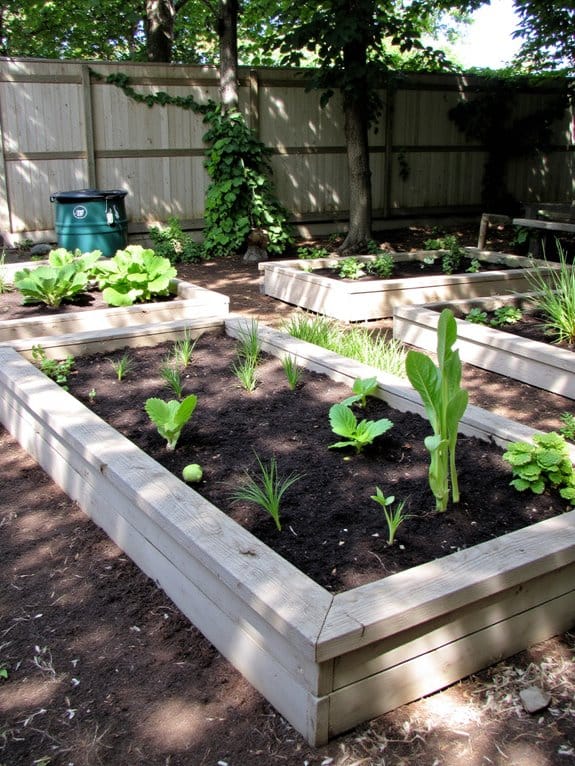
After setting up my eye-catching hexagonal raised bed, I quickly realized that planning for seasonal crop rotation is just as important as the design itself.
I rotate crops based on their nutrient needs, ensuring each season brings fresh growth. For instance, I plant legumes after heavy feeders like tomatoes, enriching the soil.
This strategy keeps my garden thriving and maximizes my harvest throughout the year.
Multi-Bed Systems for Diverse Planting Options
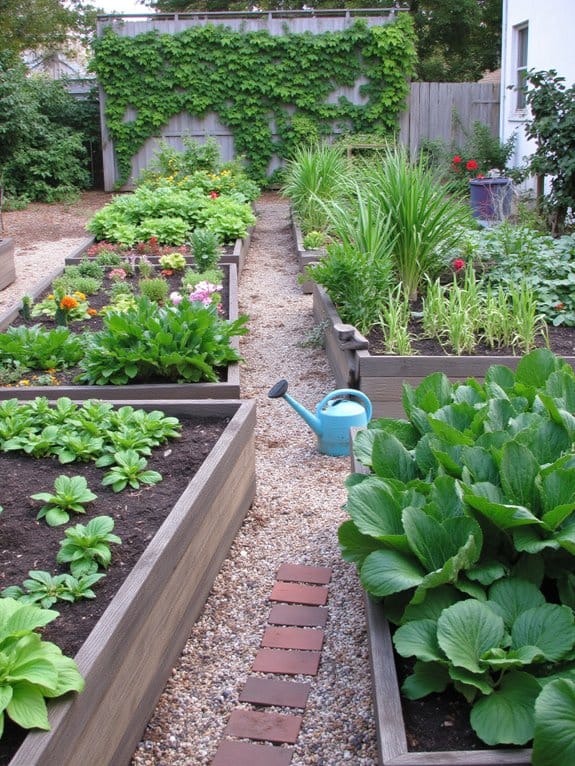
While I love the aesthetic appeal of my hexagonal raised bed, I’ve discovered that implementing a multi-bed system can greatly enhance my planting options.
Incorporating Drip Irrigation in Your Garden Design
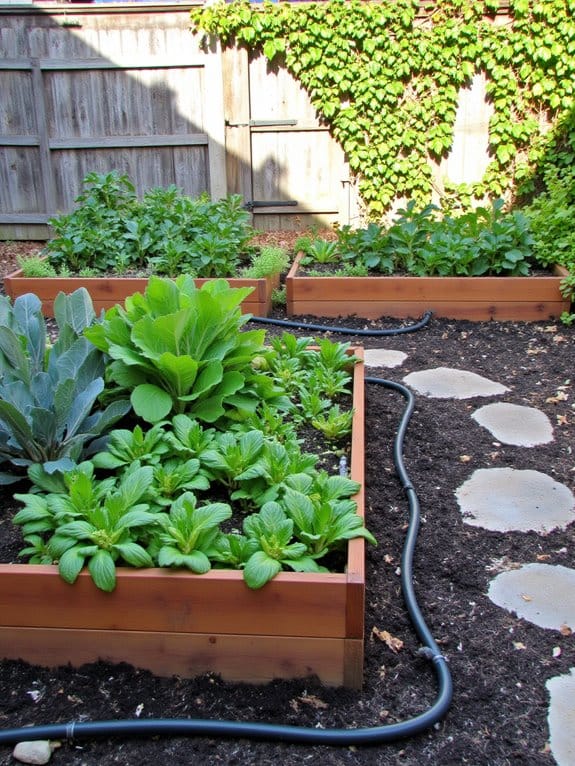
Creating a diverse planting environment with multiple raised beds makes it easier to incorporate efficient watering solutions like drip irrigation.
I’ve found that setting up a drip system not only saves time but also guarantees my plants receive consistent moisture.
Planning for Pollinator-Friendly Plant Arrangements
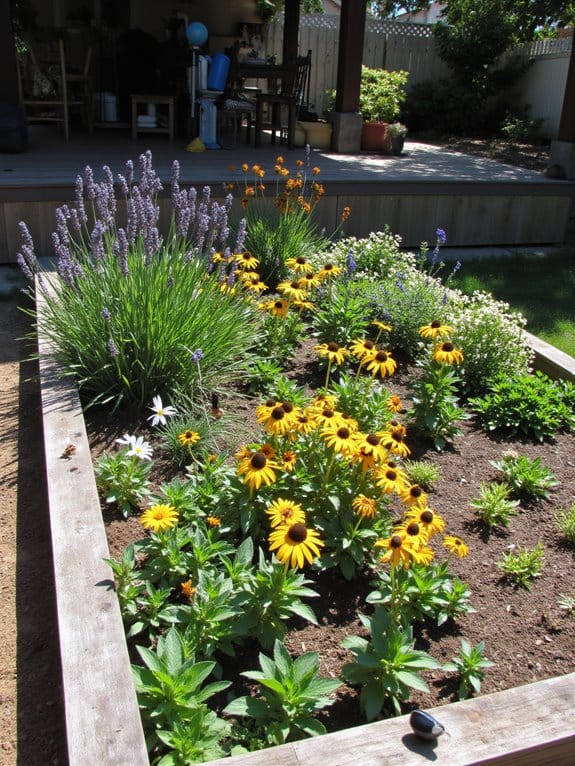
Incorporating pollinator-friendly plants into my garden layout has made a noticeable difference in attracting beneficial insects.
I’ve chosen a mix of native flowers, like coneflowers and black-eyed Susans, to provide nectar throughout the growing season.
Arranging these plants in clusters instead of rows encourages pollinators to visit, creating a vibrant ecosystem.
It’s rewarding to see my garden buzzing with activity!
Integrating Edible Flowers Into Your Garden Beds
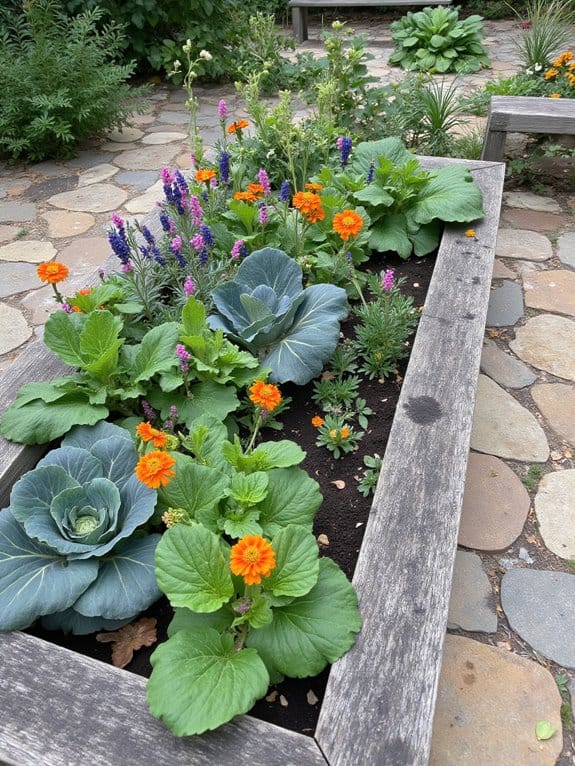
While I’ve always loved the idea of a garden that’s not only beautiful but also bountiful, integrating edible flowers has taken my gardening experience to a new level.
I’ve started adding nasturtiums and calendula among my veggies, and they not only attract pollinators but also add vibrant color and flavor to my dishes.
It’s a delightful way to enhance both aesthetics and taste!
Seasonal Maintenance Tips for Your Raised Garden Bed
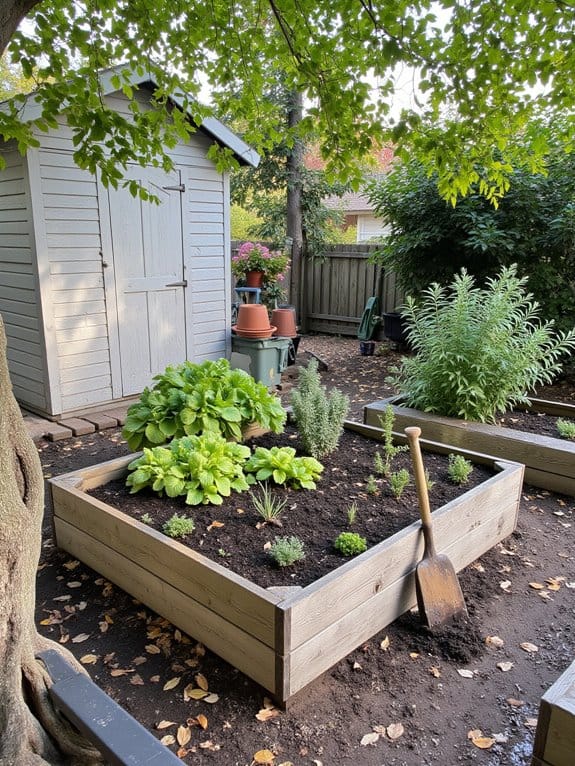
As the seasons change, maintaining your raised garden bed becomes essential for thriving plants.
I recommend clearing debris and weeds regularly, adjusting watering based on weather, and rotating crops to prevent soil depletion.
In fall, add compost to enrich the soil, while winter requires covering your bed to protect it from harsh elements.
These simple steps guarantee a healthy garden year-round!
