


Creating flower beds in tight spaces can often feel like a puzzle. But with a sprinkle of creativity and some clever tricks, those small areas can bloom beautifully. Think vertical gardens and chic containers. There are plenty of ways to maximize your limited space. Ready to discover some inspiring ideas for your little garden oasis?
Overcoming Small Space Challenges: Vertical Gardens as a Solution
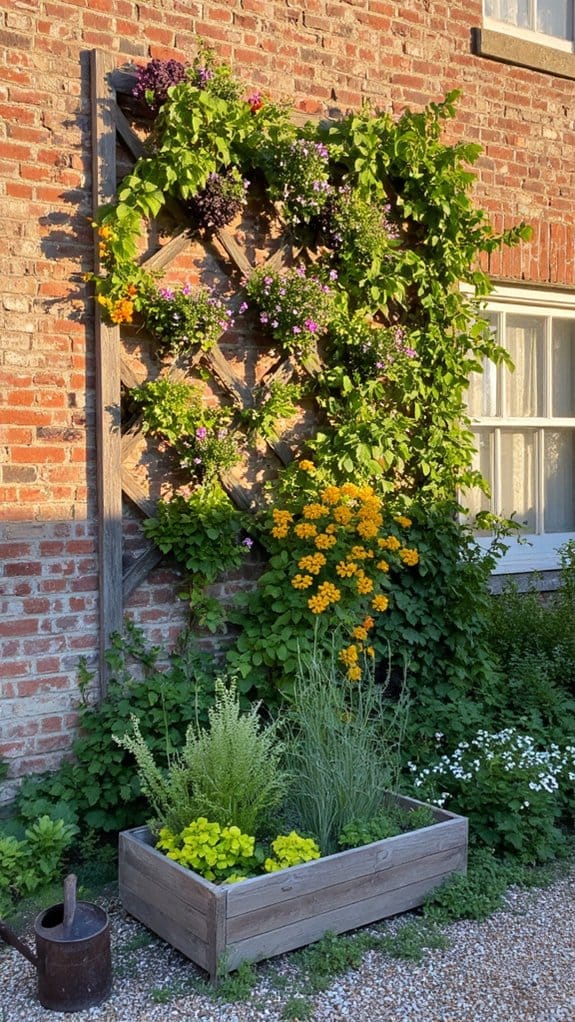
Although small spaces can seem limiting, I’ve found that vertical gardens offer a fantastic solution for maximizing your gardening potential.
They let me utilize walls and fences, turning unused areas into vibrant green spaces. By hanging planters or using trellises, I can grow herbs and flowers without sacrificing valuable ground space.
It’s a creative way to enjoy gardening, even in tight spots!
Small Flower Beds: Container Gardening Ideas for Limited Areas
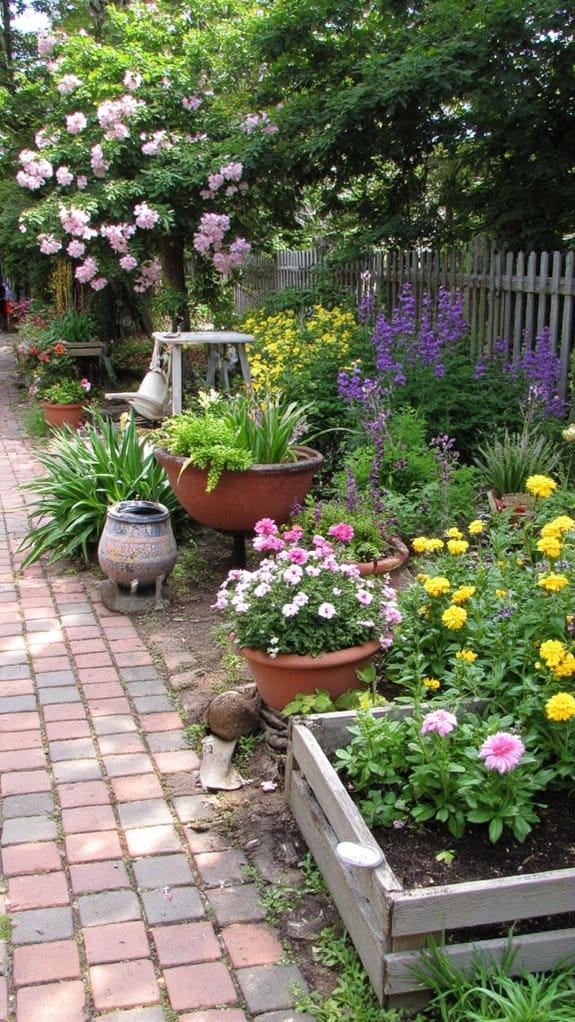
Creating small flower beds in limited areas can be a rewarding challenge.
I love using containers to maximize space and add color. You can try window boxes, hanging planters, or even repurposed items like old buckets.
Mixing different flower types creates visual interest, and don’t forget to take into account the sunlight each area receives.
Mixing various flower types not only enhances beauty but also brings attention to the sunlight conditions of each spot.
Container gardening truly transforms tight spaces into vibrant spots!
Stylish Raised Flower Beds for Tiny Yards

When you want to make the most of a tiny yard, stylish raised flower beds can be a game-changer.
I love how they add height and dimension to my space while keeping everything organized.
You can choose materials like wood or metal for a modern look and mix in vibrant flowers to create a stunning focal point that draws the eye.
Window Boxes: Bringing Flowers to Your Sill

Stylish raised flower beds aren’t the only way to maximize your green space; window boxes can also work wonders for tight areas.
I love how they instantly add color and life to my home. They’re perfect for small spaces like balconies or even kitchen sills.
With a few carefully chosen plants, my window boxes become a delightful focal point that brightens my day.
Colorful Hanging Planters for Added Charm
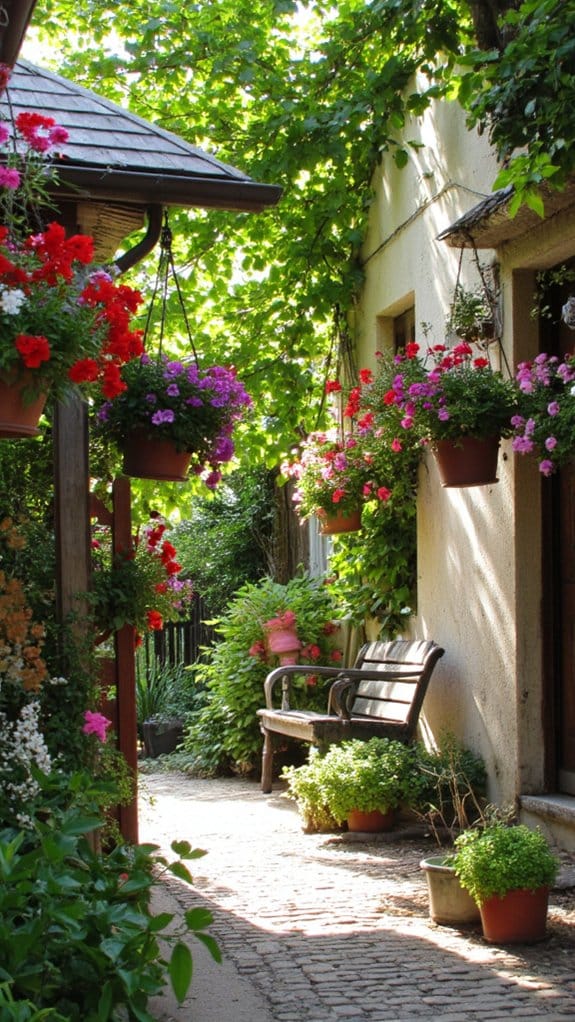
Hanging planters can transform even the coziest corners of my home into vibrant displays of color.
I love choosing a mix of flowers, like petunias and fuchsias, to create a lively atmosphere.
These planters not only save space but also add depth to my decor.
Plus, they’re easy to maintain and can be hung indoors or outdoors for endless charm.
Low-Maintenance Succulent Gardens for Small Spaces

After adorning my space with colorful hanging planters, I found that low-maintenance succulent gardens offer a perfect complement for tight areas.
Succulents thrive in small pots, and their unique shapes and colors add visual interest without requiring much care. I love mixing different varieties to create a vibrant display, and I appreciate how they only need minimal watering.
They’re truly a hassle-free gardening solution!
Combining Beauty and Function: Edible Flowers in Your Small Garden
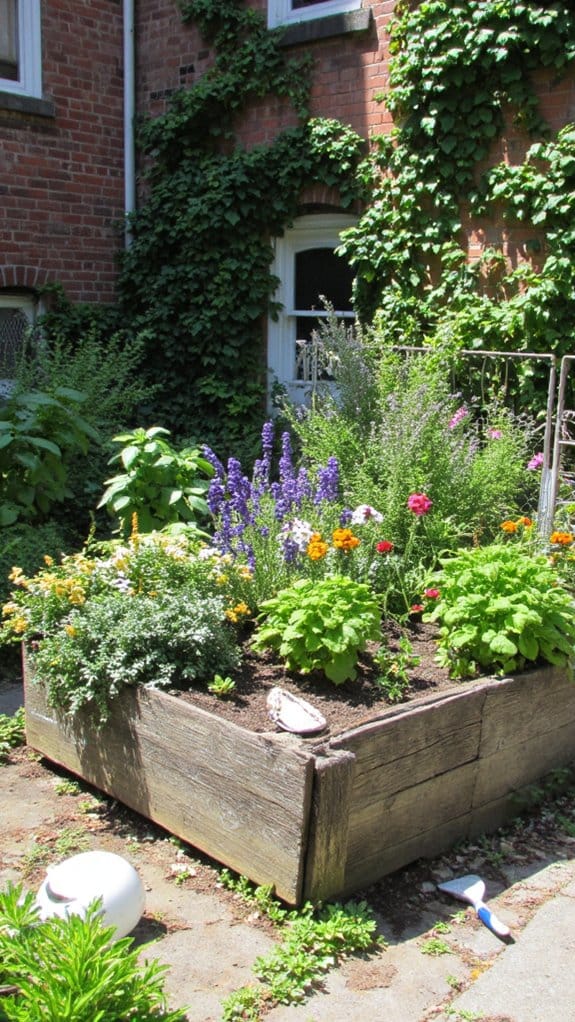
While exploring ways to enhance my small garden, I discovered that incorporating edible flowers not only adds beauty but also serves a practical purpose.
Flowers like nasturtiums and pansies brighten up my space while being delicious in salads. Plus, they attract pollinators, helping my other plants thrive.
I love the idea of enjoying nature’s beauty while harvesting fresh ingredients for my meals!
Creating Colorful Pathways: Flowers Alongside Walkways
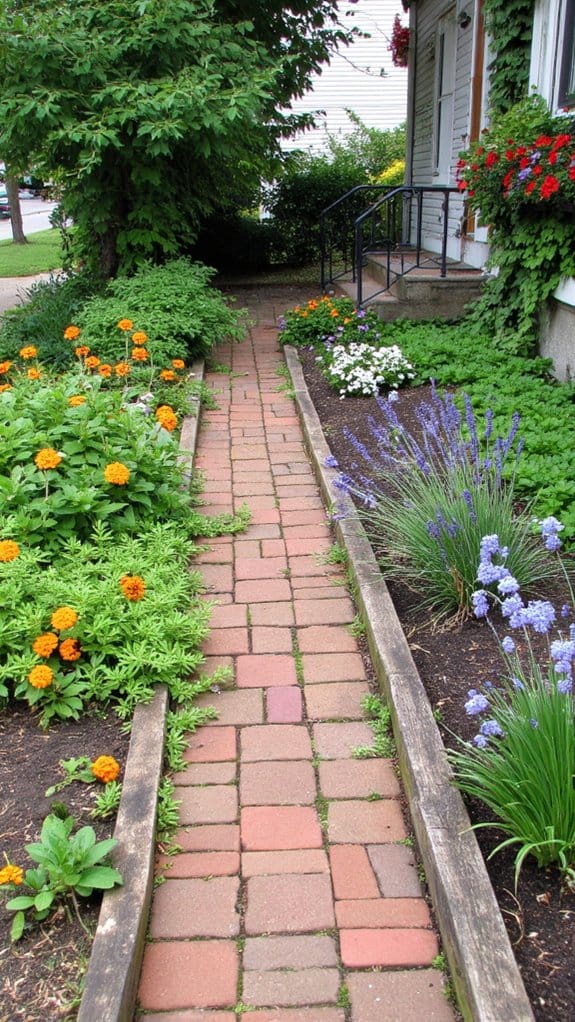
As I walked through my small garden, I realized that flowers alongside walkways can transform even the tightest spaces into vibrant pathways.
I’ve planted cheerful marigolds and delicate petunias, their colors dancing in the sunlight. This simple addition not only enhances my garden’s charm but also guides visitors through my little oasis.
It’s amazing how flowers can make a space feel inviting and alive!
Layered Planting: How to Create Depth in Small Beds
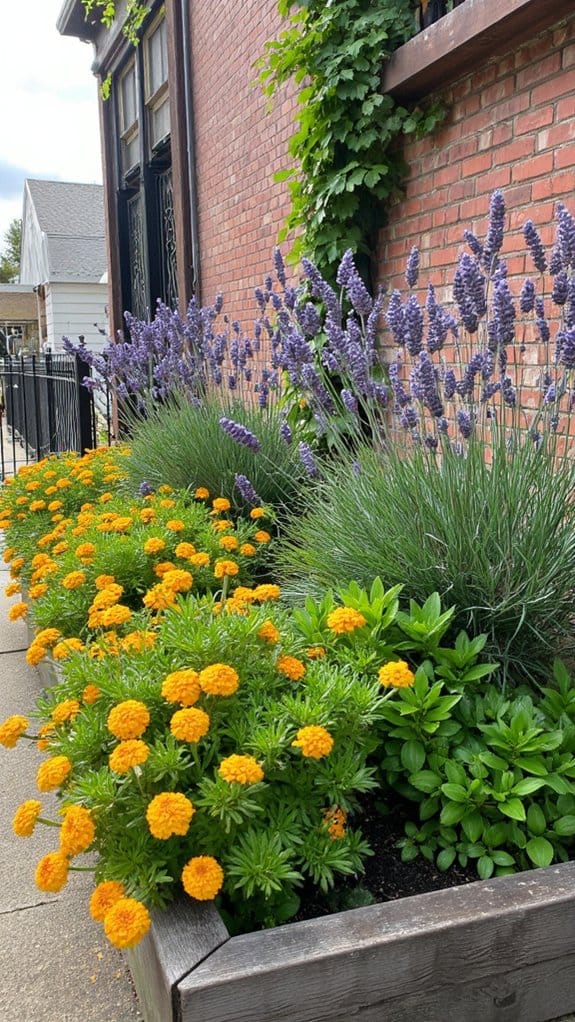
Creating depth in small flower beds can completely transform your garden’s appearance.
I love using taller plants at the back and gradually shorter ones in front. This layering technique not only adds dimension but also guarantees every flower gets the spotlight.
Incorporating trailing plants can enhance the effect further, creating a lush, vibrant display that draws the eye and invites exploration.
Shade-Loving Flowers: Perfect Choices for Dimly Lit Areas

If you’ve got a shady spot in your garden that needs some color, choosing the right flowers can make all the difference.
I love incorporating hostas, astilbes, and ferns for their lush greenery and beautiful blooms. You might also consider bleeding hearts or impatiens for vibrant pops of color.
These shade-loving flowers thrive in dimly lit areas, bringing life to your garden!
Annual vs. Perennial Flowers: Best Options for Small Beds
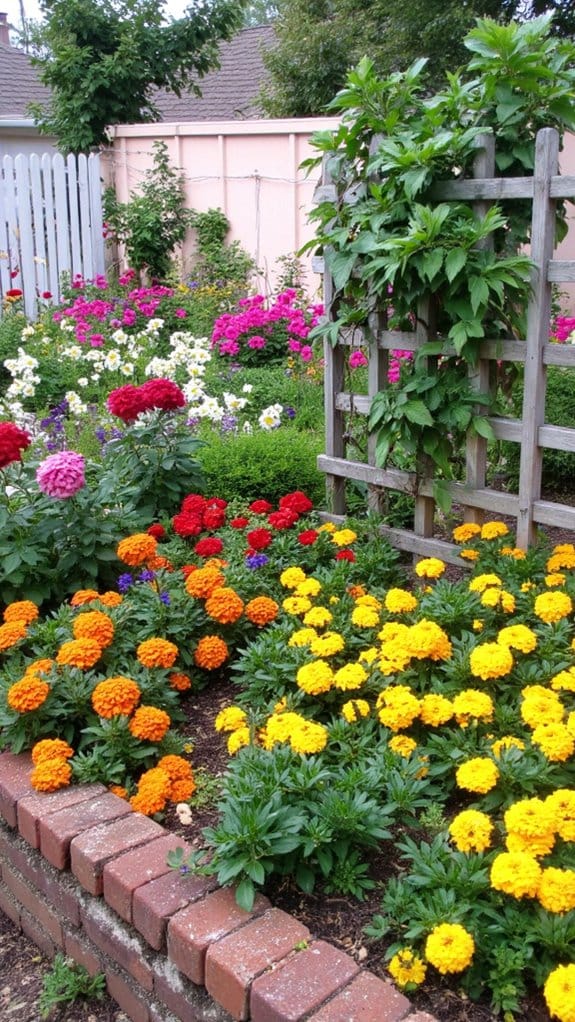
Choosing between annual and perennial flowers can greatly impact your small flower bed’s design and maintenance.
I love annuals for their vibrant colors and ability to change my garden each year, while perennials offer a more permanent solution, returning year after year.
If you want immediate blooms, go for annuals; if you prefer low-maintenance options, perennials might be your best bet.
The Benefits of Native Plants in Small Spaces
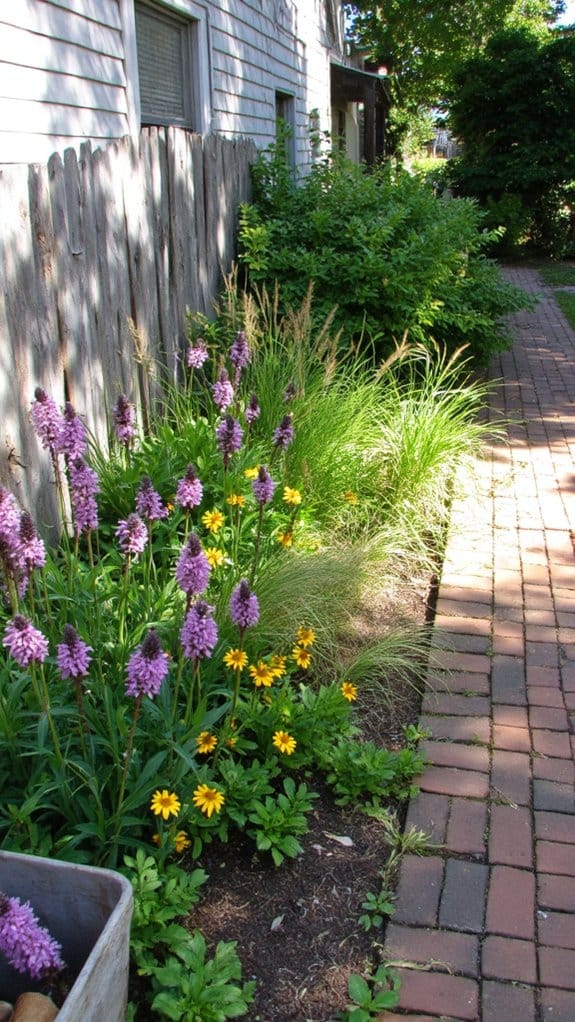
When considering plants for small flower beds, native species stand out as an excellent option.
I love how these plants thrive in our local climate, requiring less water and maintenance. Their natural resistance to pests means I spend less time worrying about chemicals.
Plus, they attract local wildlife, adding beauty and life to my garden, all while preserving the local ecosystem.
Interplanting Techniques for Maximizing Growth
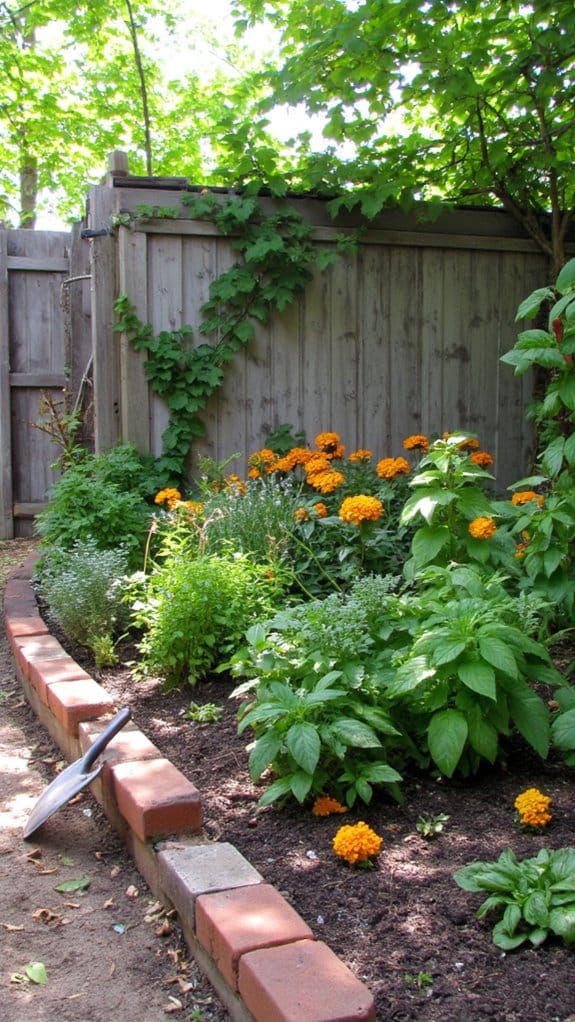
While I love the beauty of a well-planned garden, I’ve found that interplanting techniques can greatly enhance growth in small flower beds.
By mixing compatible plants, I maximize space and boost productivity. For instance, pairing flowers with herbs not only saves room but also attracts beneficial insects.
It’s a simple strategy that transforms my garden into a vibrant, thriving ecosystem.
Vertical Trellises: Adding Climbing Plants for Interest

Adding vertical trellises to my small flower bed has completely transformed the space.
They draw the eye upward, making the area feel larger and more dynamic.
I’ve added climbing plants like sweet peas and morning glories, which not only add color but also create a beautiful green backdrop.
The trellises provide structure, making my small garden feel lush and inviting.
Create a Magical Fairy Garden in Small Spots

Creating a magical fairy garden in small spots can ignite your imagination and bring a sense of whimsy to any tight space.
I love using miniature plants, tiny figurines, and colorful pebbles to craft enchanting scenes. A small pot or corner of my yard becomes a delightful retreat.
Just add a little creativity, and you’ll have a charming escape right at home!
Try Terraced Flower Beds for a Unique Look
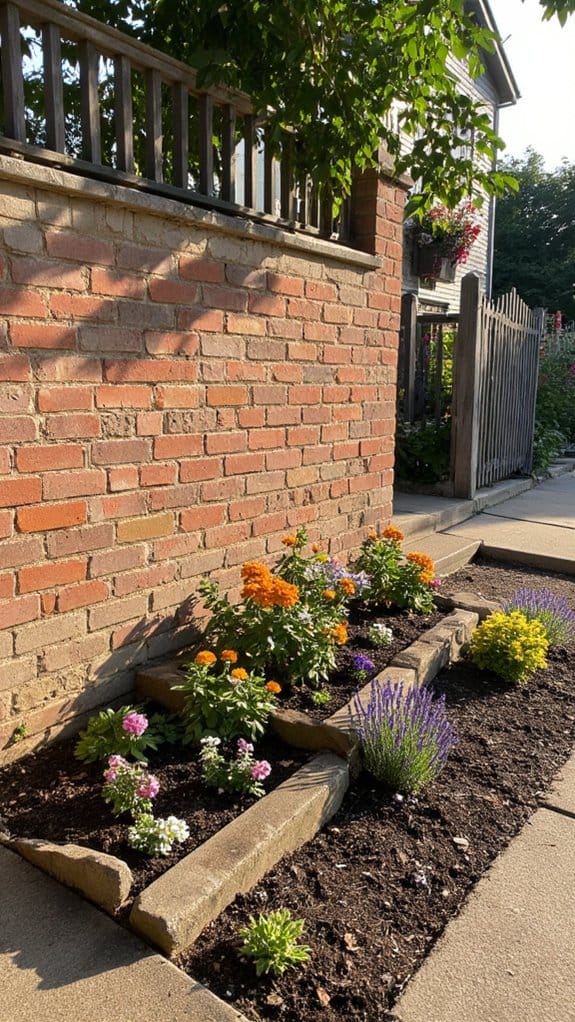
If you’re looking to maximize your vertical space, terraced flower beds offer a stunning solution.
I love how they create depth and dimension in small areas. By layering plants, you can showcase a variety of colors and textures while also improving drainage.
These beds not only make your garden visually appealing but also add character to tight spaces. You’ll be amazed at the transformation!
Adding Fragrance With Aromatic Flowers
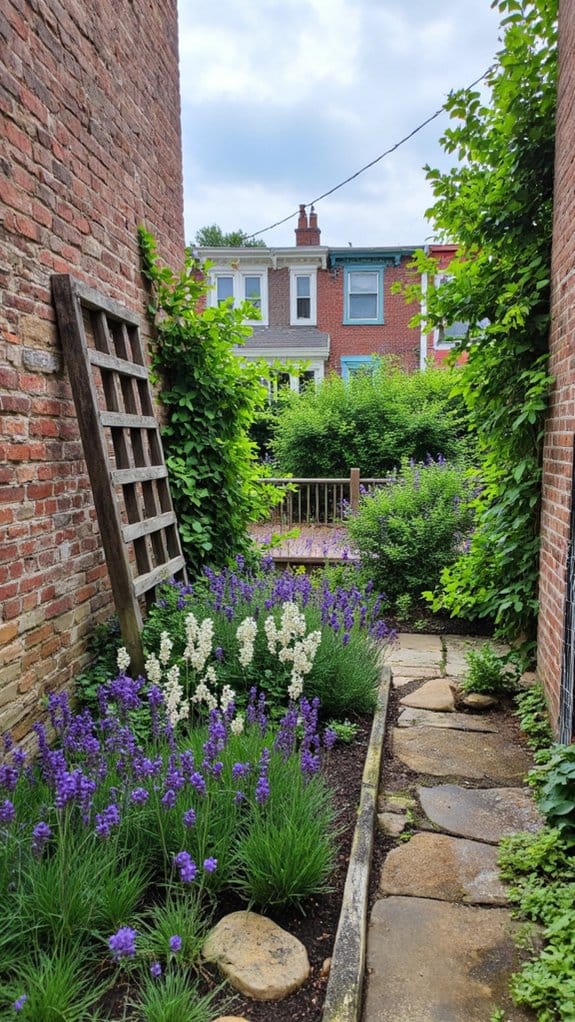
While I love the visual appeal of flowers, there’s something truly enchanting about the fragrance they bring to a garden.
Incorporating aromatic flowers like lavender, rosemary, or jasmine not only enhances the beauty of my small flower bed but also creates a delightful sensory experience.
These fragrant blooms attract pollinators and make my tight space feel more inviting and alive.
Rotate Plants Seasonally for a Fresh Garden
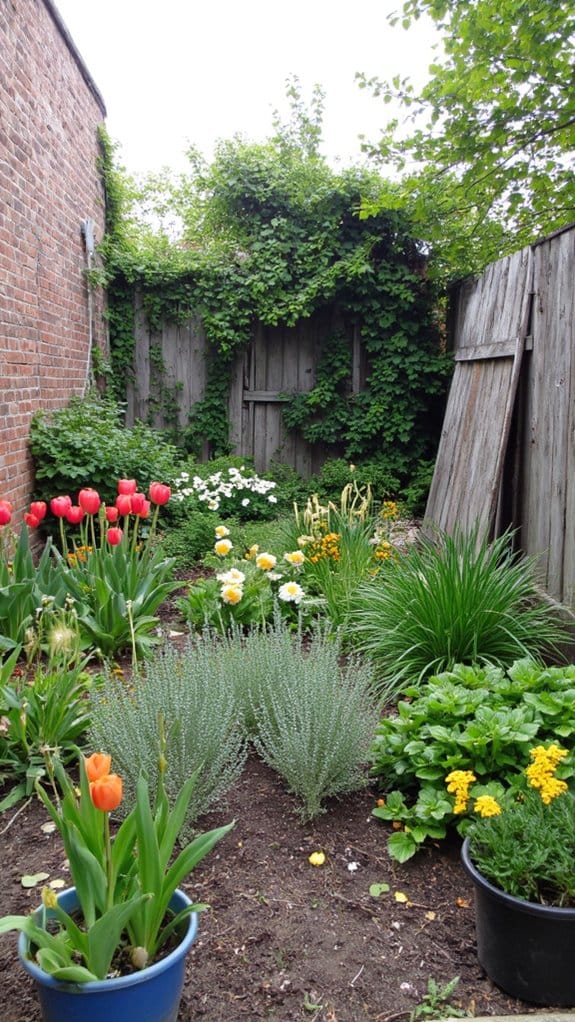
To keep my small flower bed vibrant and engaging, I make it a point to rotate my plants seasonally.
This not only refreshes the look of my garden but also helps maintain soil health.
I love experimenting with different blooms and foliage, creating new combinations that surprise me each season.
It’s a simple way to keep my garden dynamic and enjoyable!
Choosing Color Schemes for Small Flower Beds: Tips and Ideas
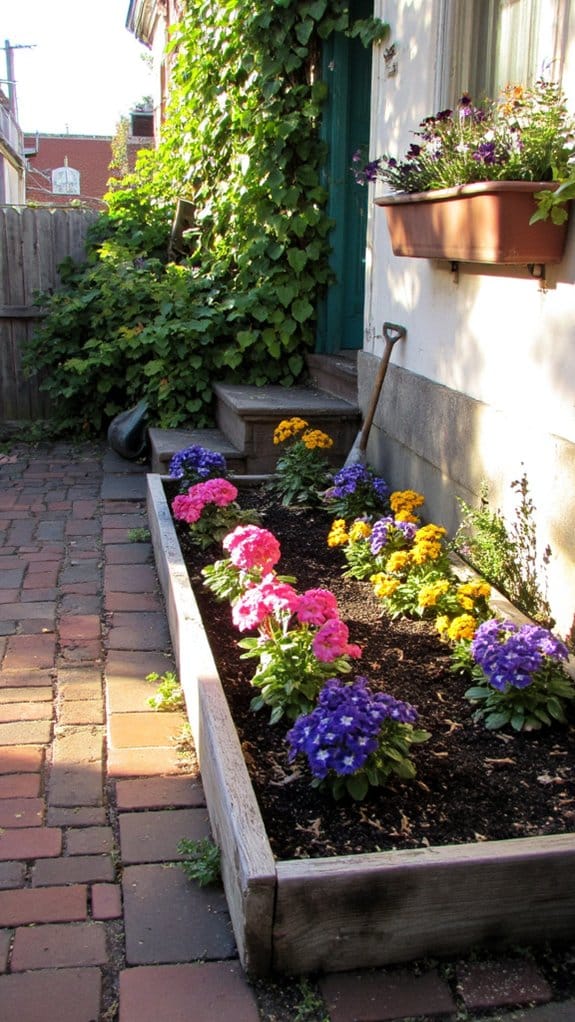
How can you transform a small flower bed into a stunning focal point?
Start by choosing a cohesive color scheme. I love using three colors: a dominant hue, a complementary shade, and a pop of contrast. This creates depth and interest without overwhelming the space.
Choose a harmonious color palette with three shades to add depth and visual intrigue to your flower bed.
Don’t forget to take into account bloom times, so the colors flow beautifully throughout the seasons.
Happy planting!
Designing Pollinator Gardens: Attracting Bees and Butterflies
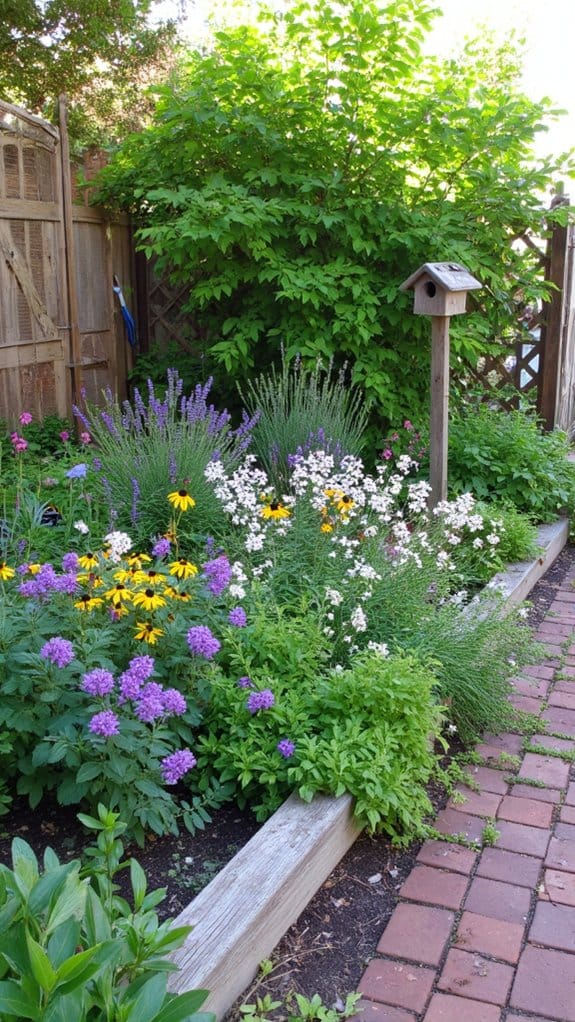
Creating a pollinator garden not only enhances your small flower bed but also supports essential wildlife like bees and butterflies.
I love incorporating native plants, like coneflowers and milkweed, which provide food and habitat. Grouping flowers in clusters makes it easier for these pollinators to find them.
Mediterranean Flower Bed Choices: Drought-Resistant Options
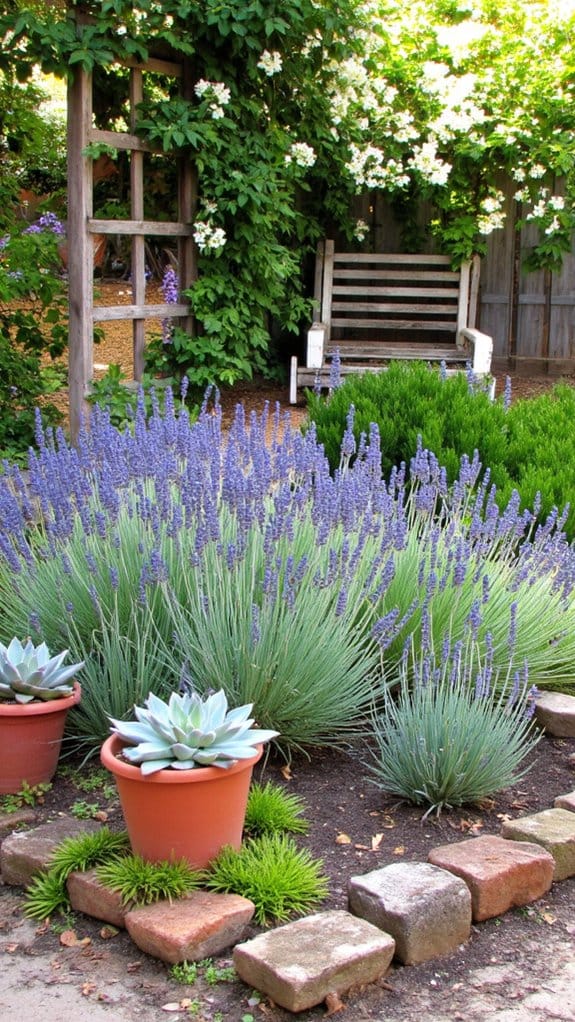
When it comes to choosing drought-resistant plants for a Mediterranean flower bed, I often lean towards a few key favorites that thrive in dry conditions while adding vibrant color.
My go-tos include lavender, which offers a lovely scent, and succulents like sedum for their unique shapes.
I also love ornamental grasses, as they bring texture and movement to my tight spaces.
Embracing a Wildflower Aesthetic With Cottage Garden Styles

While I adore the structured beauty of formal gardens, I find myself drawn to the charming chaos of cottage garden styles that embrace a wildflower aesthetic.
There’s something magical about mixing colorful blooms and textures, allowing nature to guide the design. I love how these gardens feel alive, inviting bees and butterflies, creating a vibrant tapestry that reflects the beauty of the wild outdoors.
DIY Flower Bed Borders: Creative Ways to Define Your Space
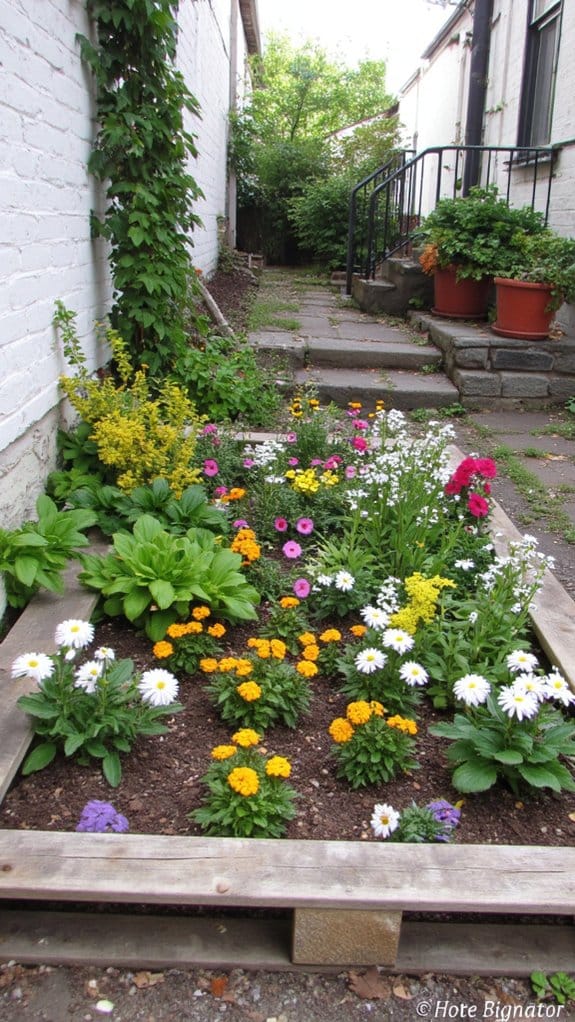
To define your flower bed and give it personality, I love exploring DIY border options that add both structure and style.
You can use reclaimed wood for a rustic feel or stones for a more contemporary look. Even simple materials like bricks or logs can create a charming edge.
These borders not only enhance aesthetics but also keep your plants neatly contained and organized.
Managing Water Efficiently: Tips for Rain Gardens in Small Areas

Creating a flower bed with defined borders not only enhances its visual appeal but can also play a role in water management.
To manage water efficiently in small rain gardens, I recommend using native plants that thrive in wet conditions.
Utilizing native plants in your rain garden can significantly enhance water management and promote vibrant, thriving ecosystems.
Incorporating mulch helps retain moisture, and adding a rain barrel captures runoff for future use.
This way, you conserve water while beautifying your space!
