

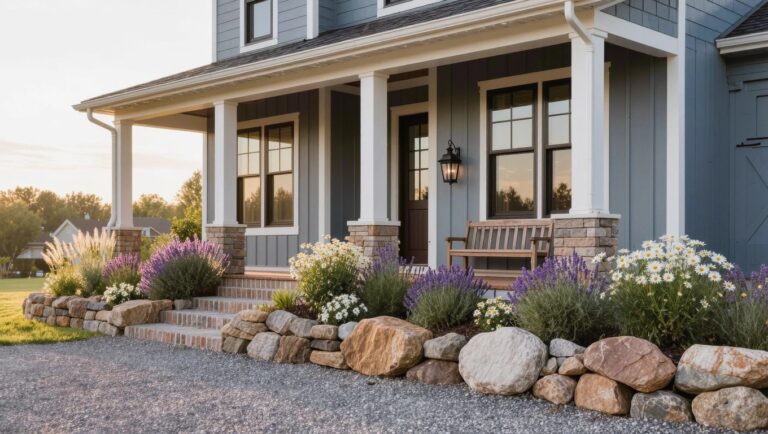
I’ve been mulling over rock flower beds lately because they ground flowering plants with such honest texture.
The good ones mix rough stones of different sizes so plants can weave through without fighting for space.
When gardeners stick to uniform gravel it usually flattens out and loses any sense of depth.
I gravitate toward beds that layer local rocks with spilling sedums since they feel settled right in.
Those pull off real garden magic.
Boulder-Edged Gravel Flower Beds
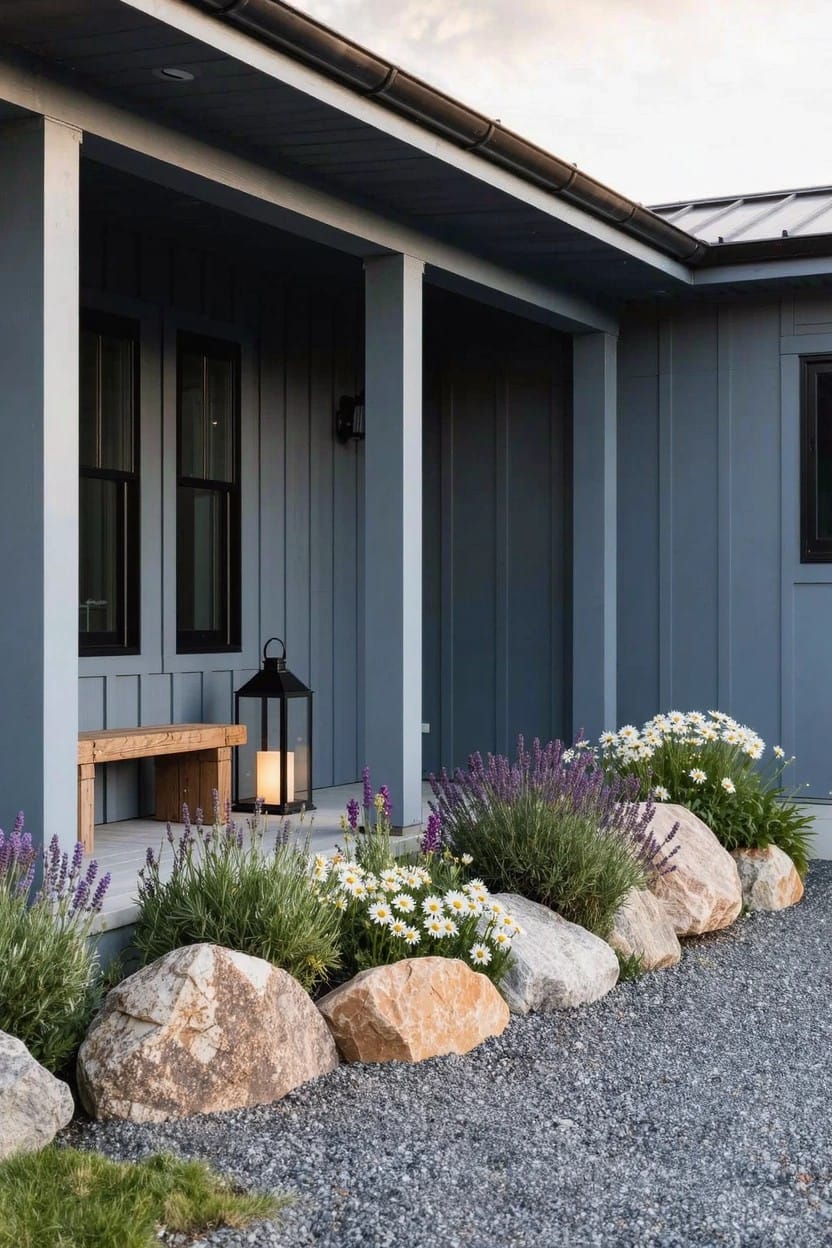
Big boulders make sturdy edges for flower beds right along the house foundation. They hold in gravel mulch and low plants, creating a clean natural border that adds texture without fuss. Folks like this because the rocks give a rugged feel that blends with the yard, and it keeps weeds down easy.
Use it where you want low-water landscaping, like in front of a simple porch or barn-style home. Go for drought-tough plants such as lavender or daisies. Watch that you level the ground first… uneven spots can make rocks tip later.
Gravel Beds Around the House Base
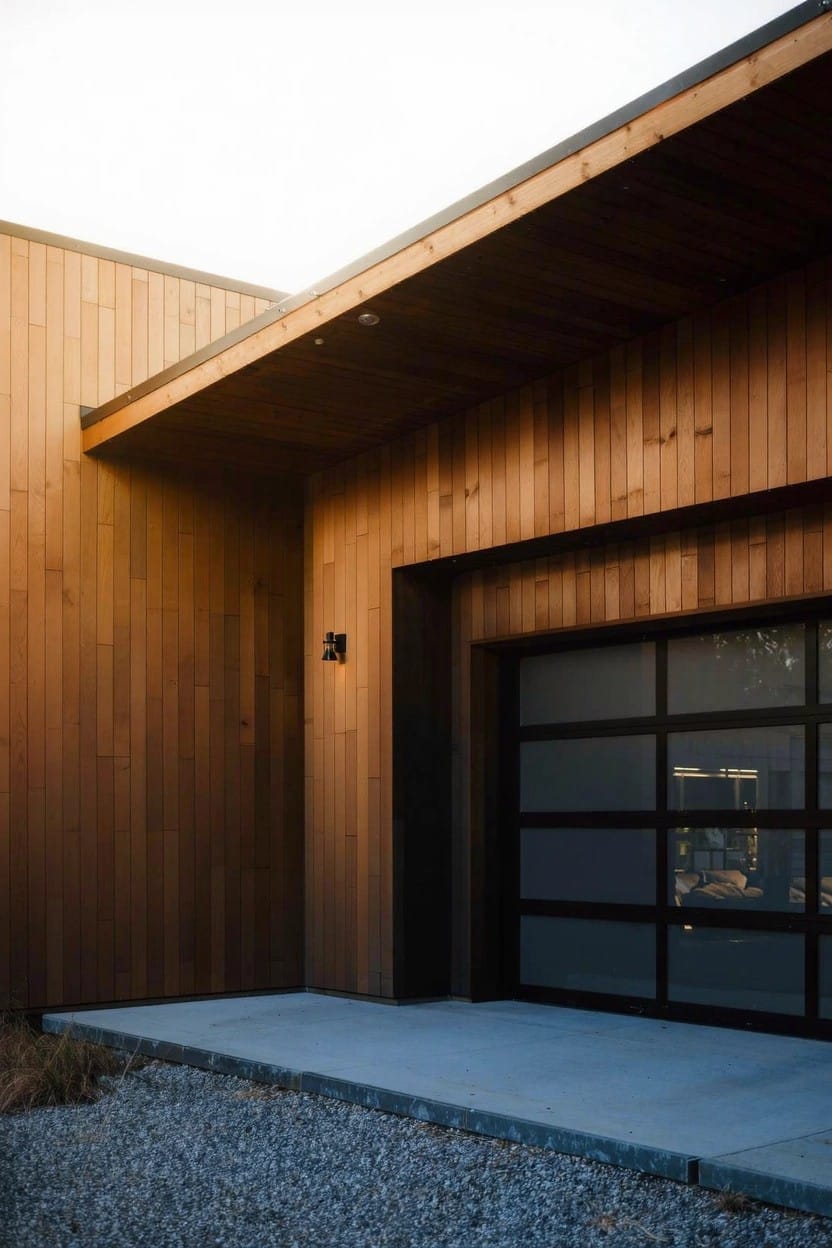
A simple gravel bed like this runs right along the foundation. It uses small rocks and pebbles for texture that echoes the wood panels above. Keeps mud away and gives the whole side of the house a finished look without much planting.
Try this on homes with straight lines or wood siding. It suits sloped yards too, since gravel drains fast. Spread three inches deep over fabric, add a couple low shrubs if you want. Won’t need much upkeep.
Stacked Rock Planters Over the Entry
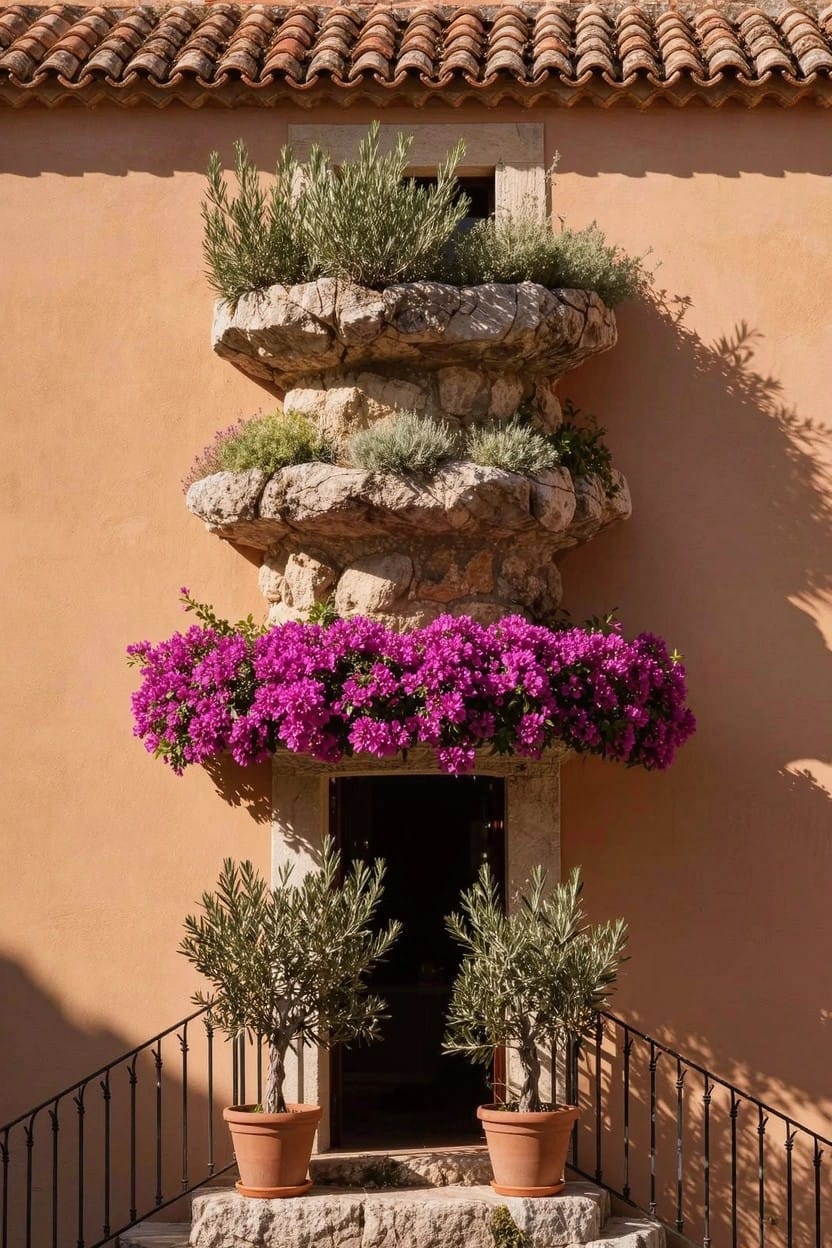
One simple way to add texture to a plain wall is stacking rocks right into the facade above your front door. Folks do this with rugged stone layers filled with tough plants like sedums or small succulents. It pulls the eye up and makes the entry feel more alive without much fuss. In this setup, the rocks build up in tiers, almost like natural shelves holding greenery.
You can try it on stucco or plaster walls in warmer spots where drought-tolerant plants thrive. Pair it with a flowering vine draping over the top, like bougainvillea, for color. Keep the stacks sturdy so they don’t shift over time. Works best on homes with a casual Mediterranean look… or just give it a go on a sunny entry that needs some character.
Natural Seed Pods in Rock Beds
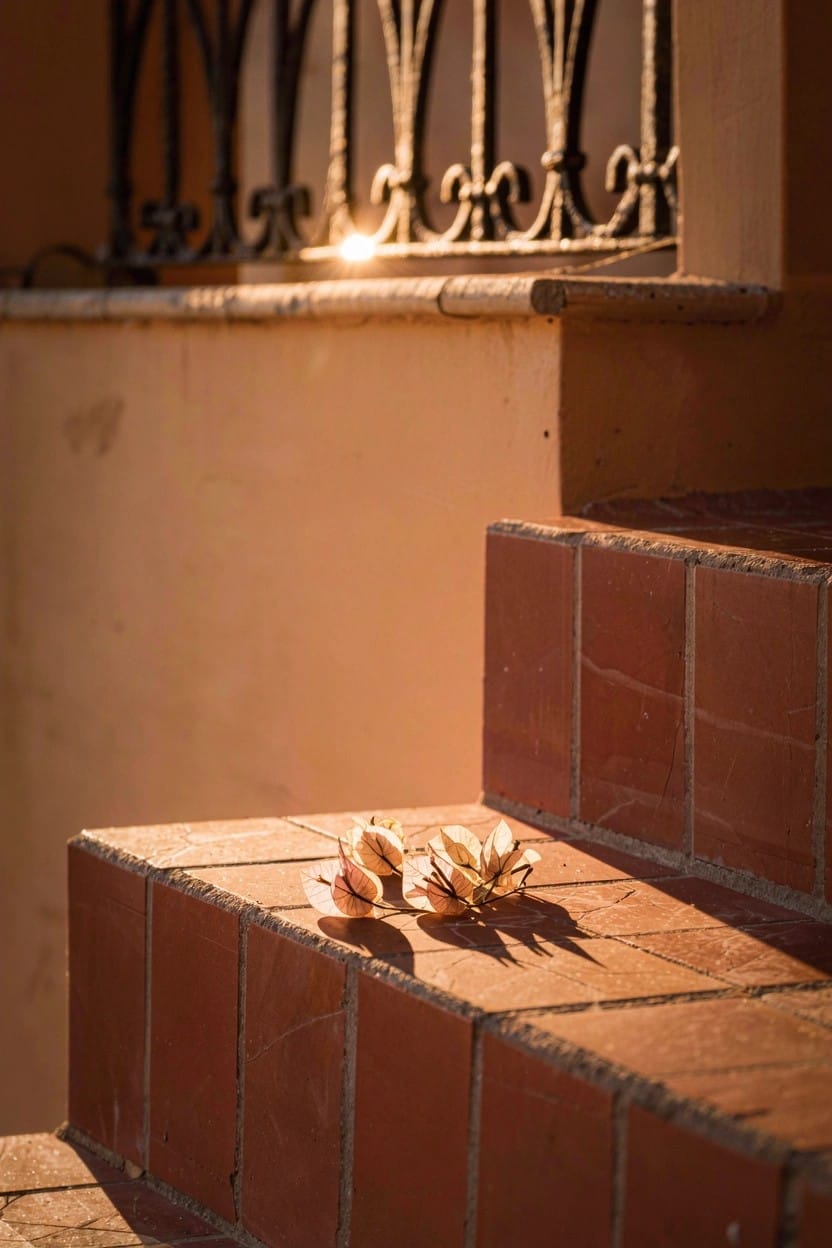
Dried seed pods make a simple addition to rock flower beds. They have that rough, earthy texture people like in natural-looking gardens. Placed on terracotta steps like this, next to some iron railing, they pick up the warm light and blend right in without any planting fuss.
Put them along steps or low borders where foot traffic is light. They suit older brick homes or patios with a rustic vibe. Collect pods from lotuses or milkweed in fall, scatter a few, and they hold up through seasons. Skip if you have kids running around much.
Rock Flower Beds for Beach Homes
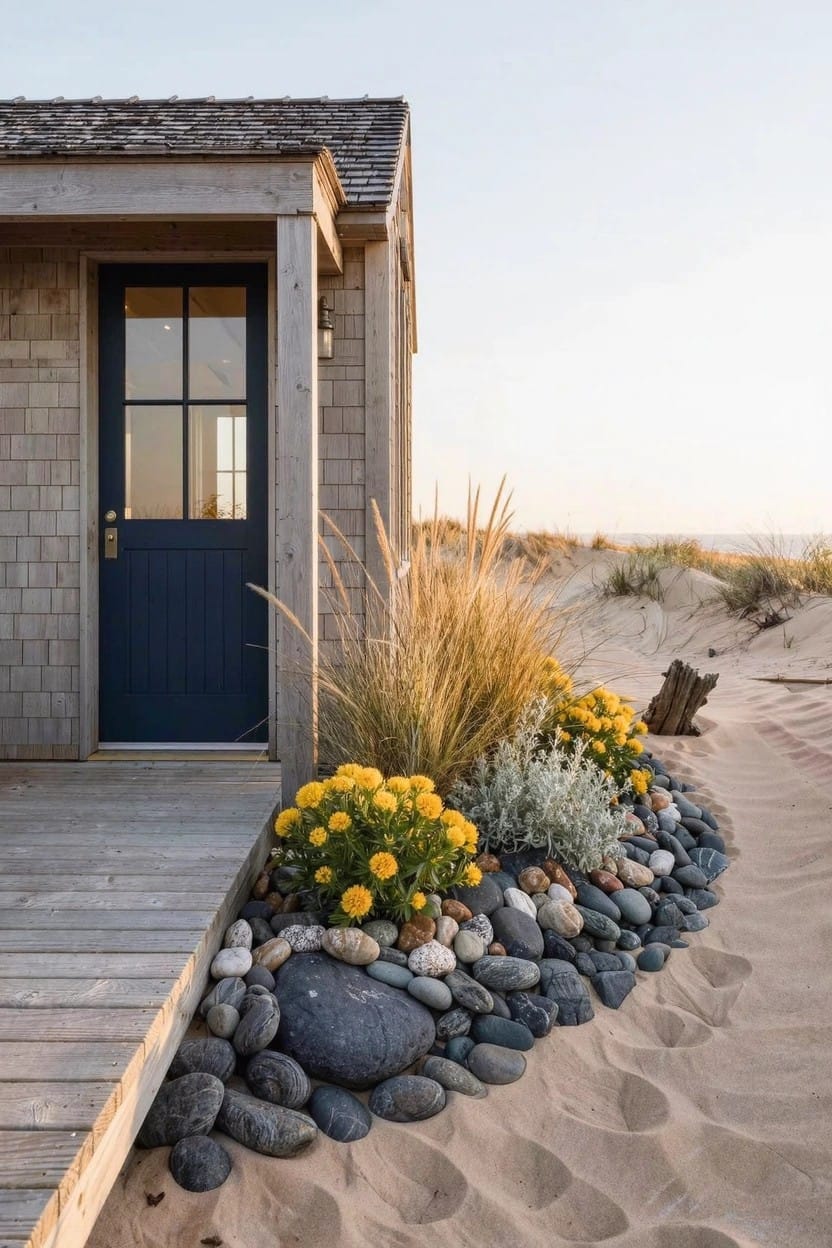
One simple way to add texture around your beach house is with a low rock flower bed. Here smooth pebbles mix with a few bigger rocks, tucked in with yellow bushy flowers and dune grass. It pulls right into the sand, looking natural and easy, like part of the shore.
These beds work best next to decks or entries where you want color without fuss. Pick salt-tough plants and local stones. They suit cottages or any sandy spot… just keep rocks varied for that rugged feel, and avoid piling too high near doors.
Stepped Rock Flower Beds
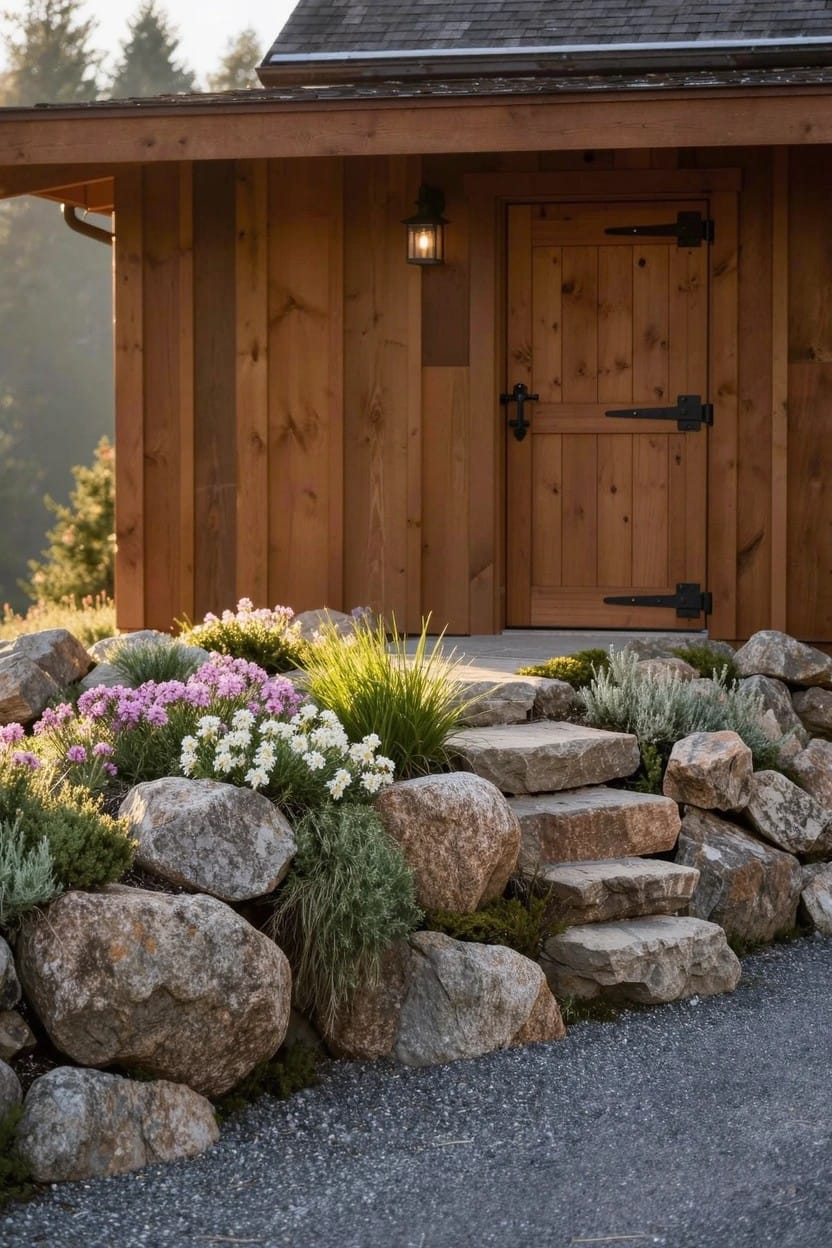
These stepped rock flower beds turn a simple entry path into something that looks like it grew there naturally. Big fieldstones stacked dry make the low walls and treads, with pockets for plants right in between. It pulls the house into the landscape instead of sitting on top of it.
Put this where you’ve got a gentle slope to the door, especially on cabins or country homes. Source local rocks for that authentic feel, and plant stuff like ice plant or ornamental grasses that handle poor soil. Just make sure the base rocks are big and steady so nothing shifts over time.
Rock Edging Around Small Pools
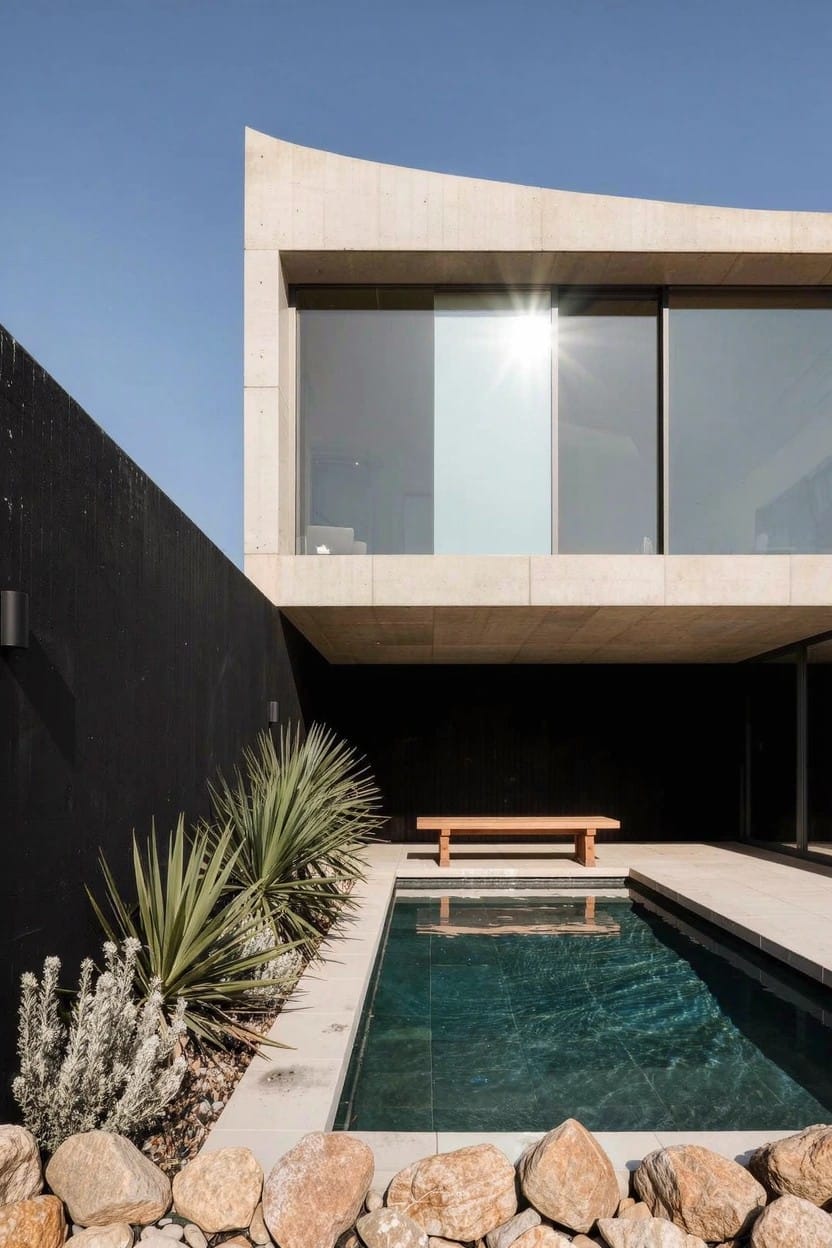
One straightforward way to add texture outside is piling rocks right around a small pool like this. The rough stones mix with spiky agaves and low grasses to create a natural bed that feels rugged yet contained. It stands out because it ties the water right into the yard without needing fancy paving. Folks notice how it softens hard edges from the house.
You can pull this off in sunny backyards, especially where water stays low or drought hits hard. Pick local rocks and tough plants that match your spot. Suits modern homes best, but watch drainage so rocks don’t shift after rain. Keeps things simple… no big maintenance.
Raked Gravel Bed with Standing Post
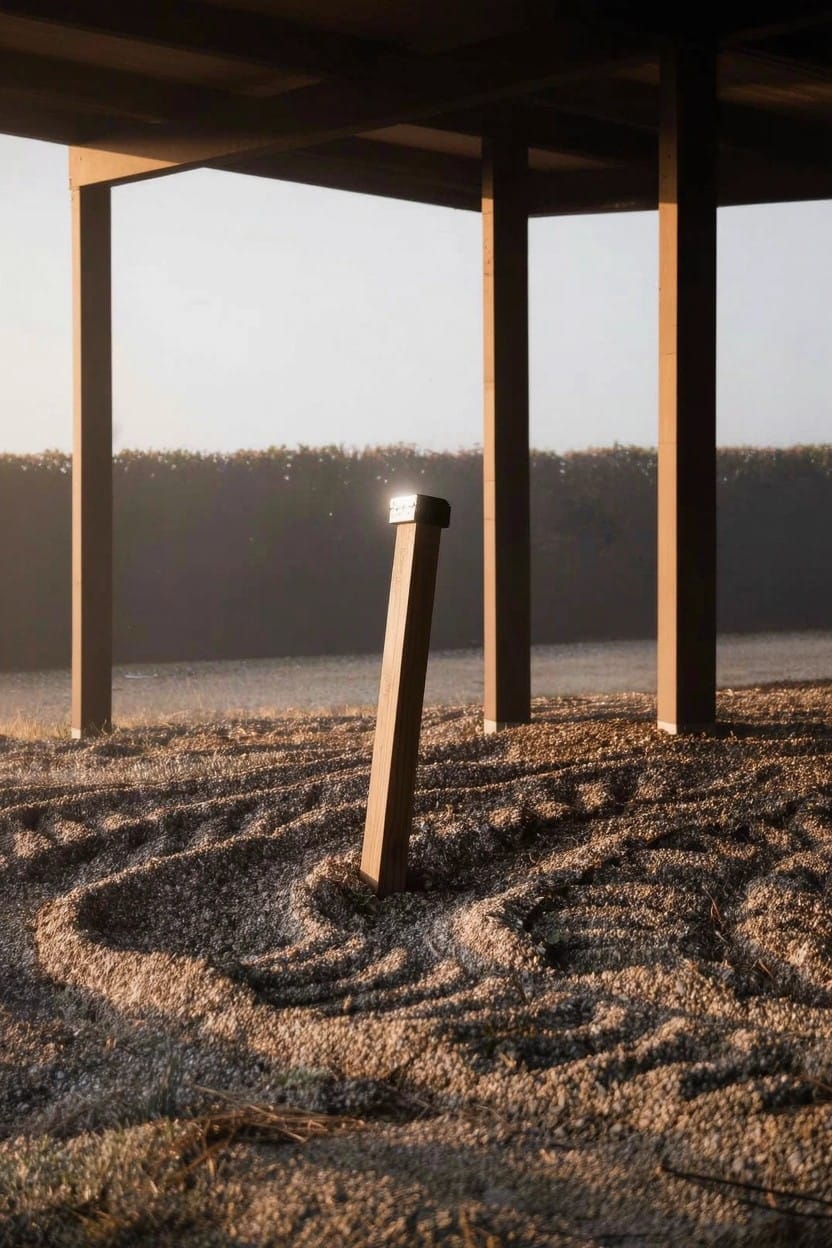
A raked gravel bed brings easy texture to a yard spot that’s tough to plant. The gravel gets those smooth swirl patterns from a rake, and a plain wood post stands right in the middle for some height. Folks like it because it’s quiet looking, holds up in dry spots, and skips the weeding.
Put one in under a deck or along a fence line. It works best on homes with a simple clean style, maybe coastal or modern. Use pea gravel or something fine grained. Watch that the post stays plumb… and rake it now and then to keep the lines fresh.
Dry Riverbed in Rock Beds
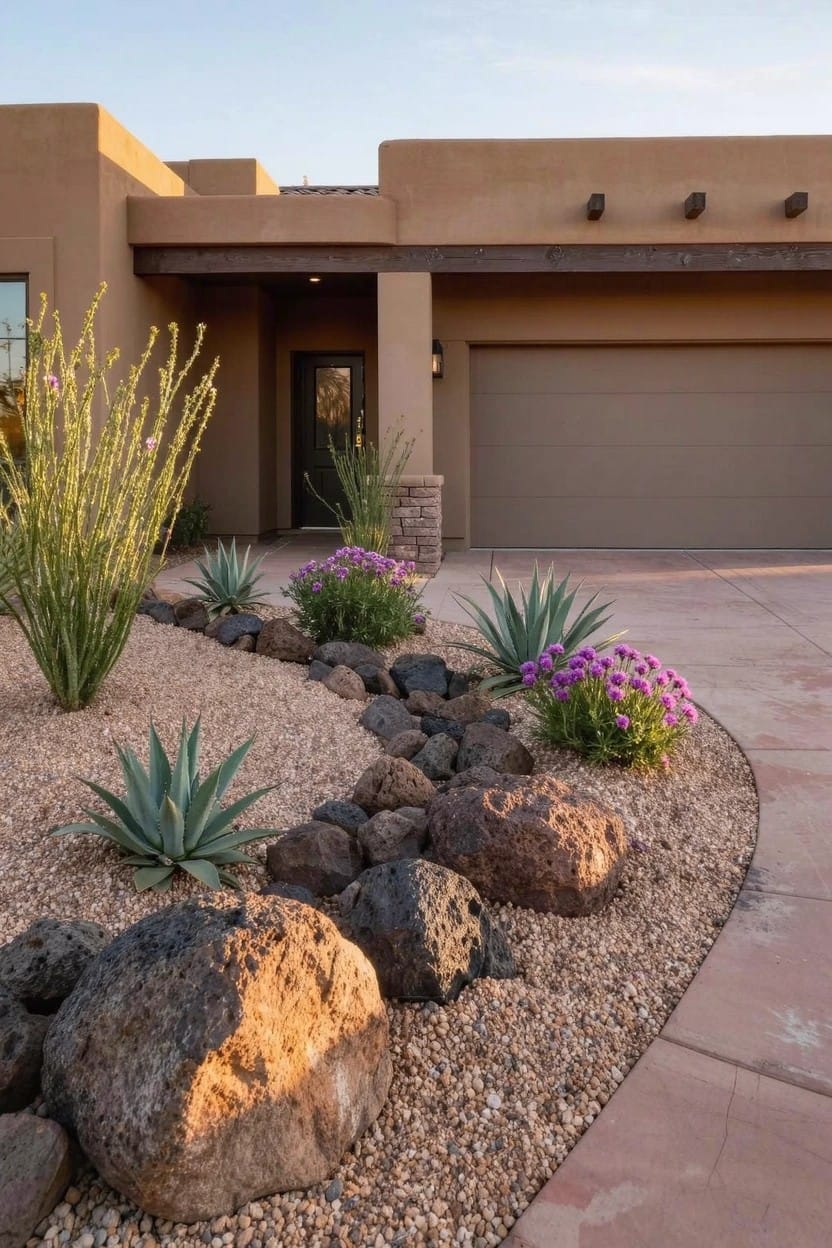
One simple way to add texture to a front yard rock bed is to weave in a dry riverbed. It runs like a natural stream with smooth pebbles and bigger rocks curving through gravel. Tough plants like agave sit right along the edges. This pulls the eye along without any fuss. Low water use too. Folks in dry spots love how it fits right in.
Try this along a driveway or walkway where you want some flow. It works best on homes with simple lines, like Southwestern styles. Just keep the rocks in a couple sizes so it does not look jumbled. Skip it if your yard floods easy… water could wash things out.
Circular Rock Flower Bed in the Front Yard
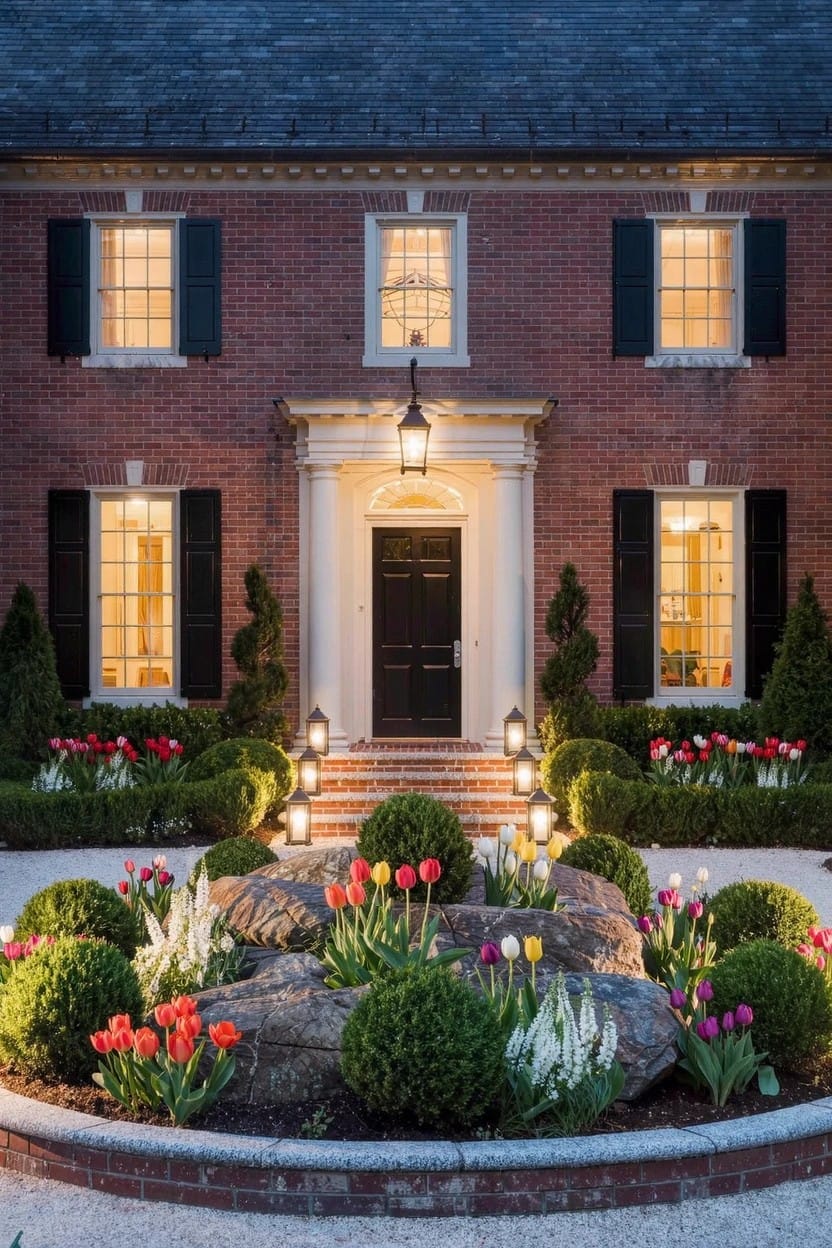
A big rock right in the middle of a flower bed makes a strong focal point. Here, it’s set in a round bed off to the side of the driveway, with tulips and low boxwoods tucked around it. That natural boulder gives the planting some real texture and weight. It stands out without trying too hard, especially against a more formal house setup.
This works best in front yards with a circle drive or open space near the entry. Pick a rock that’s bigger than you think… it holds its own. Plant spring bulbs or perennials in the soil around it for color changes through the seasons. Suits traditional homes like colonials, but keep the bed neat so it doesn’t overwhelm smaller lots.
Stone Retaining Wall Planters
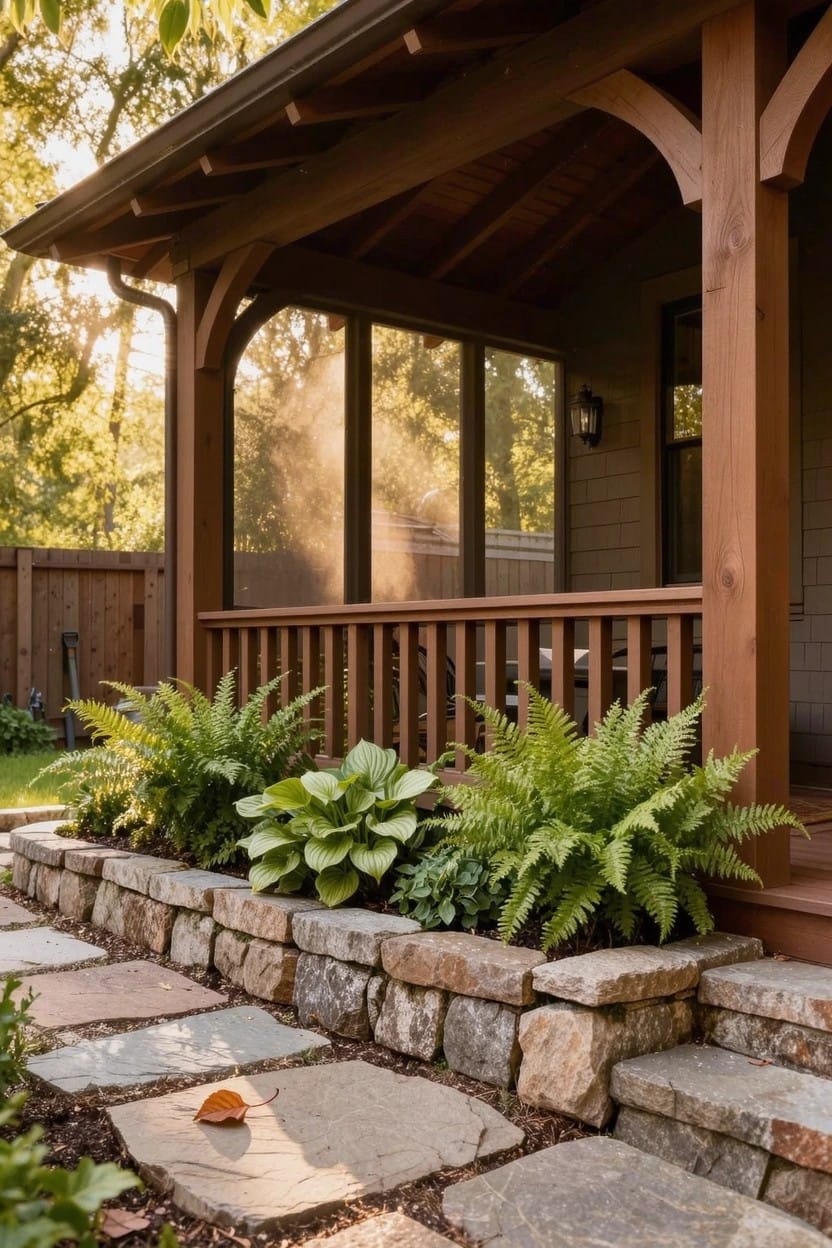
A low stone retaining wall makes a solid flower bed right at the base of your porch. It holds back soil while letting plants like ferns and hostas spill over the edges. This keeps the look natural and ties the yard into the house without much fuss.
Use it where you have a slight slope or just need to edge the entry path. It fits older homes with wooden porches best. Stack local fieldstone for a casual feel, and pick shade plants that won’t overrun the space.
Planting Beds at Rock Wall Bases
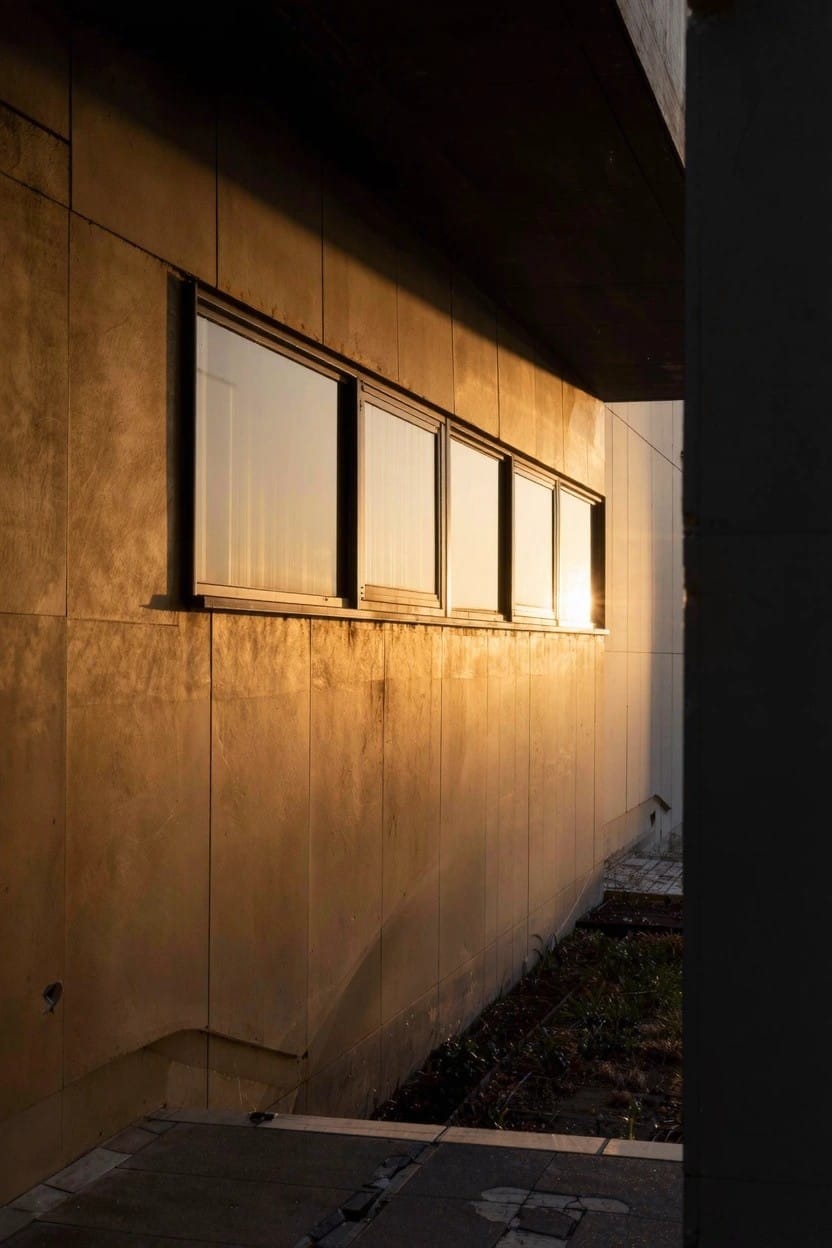
A narrow planting bed tucked right against the base of a rock wall brings easy natural texture to a home exterior. The rough stone panels above catch the light and show off their layers, while the slim bed with a bit of grass softens things down low. It keeps the look clean but alive.
This setup fits modern houses or any with stone siding. Make the bed just wide enough for low plants that won’t hide the wall. It works in tight spots along foundations… watch for weeds if you skip mulch.
Rock Trough Planter on a Balcony
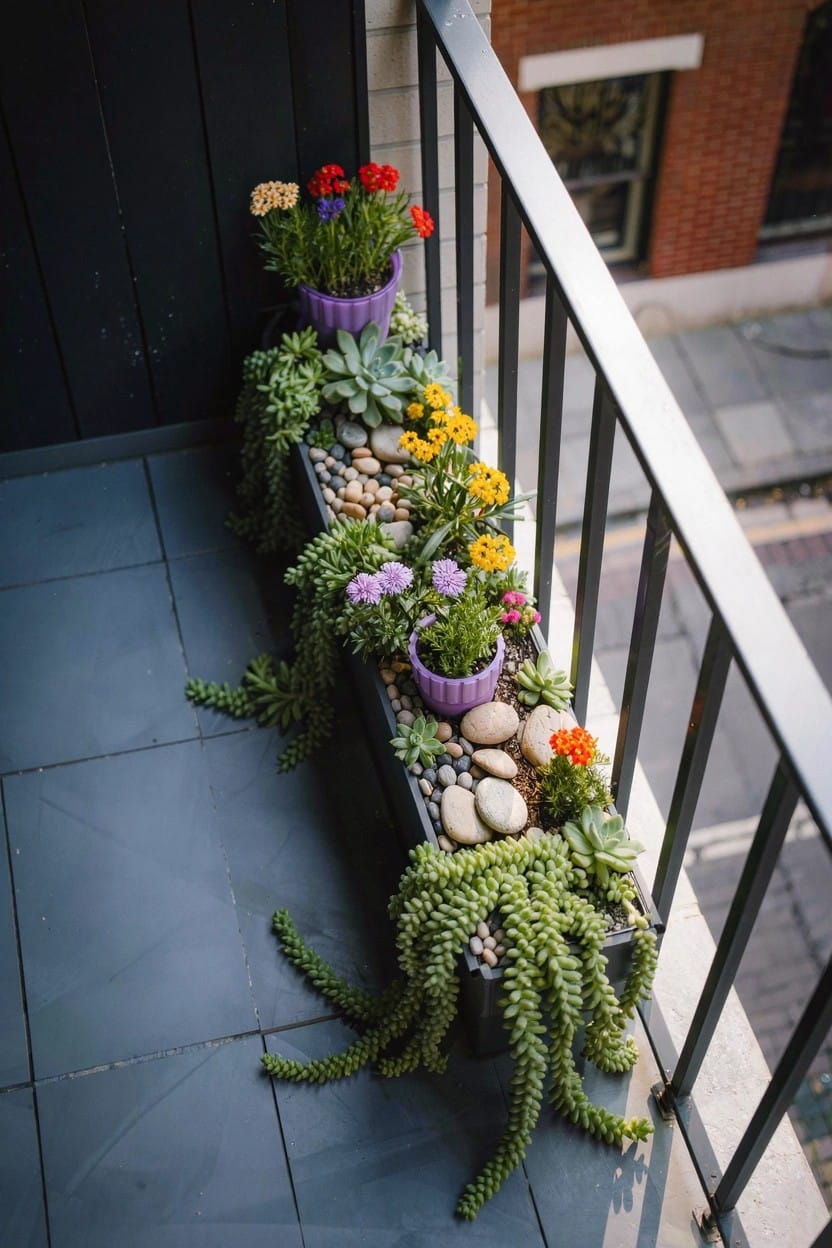
A simple trough planter like this one packs small rocks around low-water succulents and lets trailing types hang over the edge. It brings in natural texture right where you need it most, on a balcony railing. No big yard required. Folks like how it looks rugged yet tidy.
Try it on urban apartments or any tight balcony space. Layer gravel at the bottom for drainage, tuck in the plants, and fill gaps with more rocks. It suits spots with full sun. Just check that the trough is sturdy enough for the weight.
Rock Gardens Around the Pool
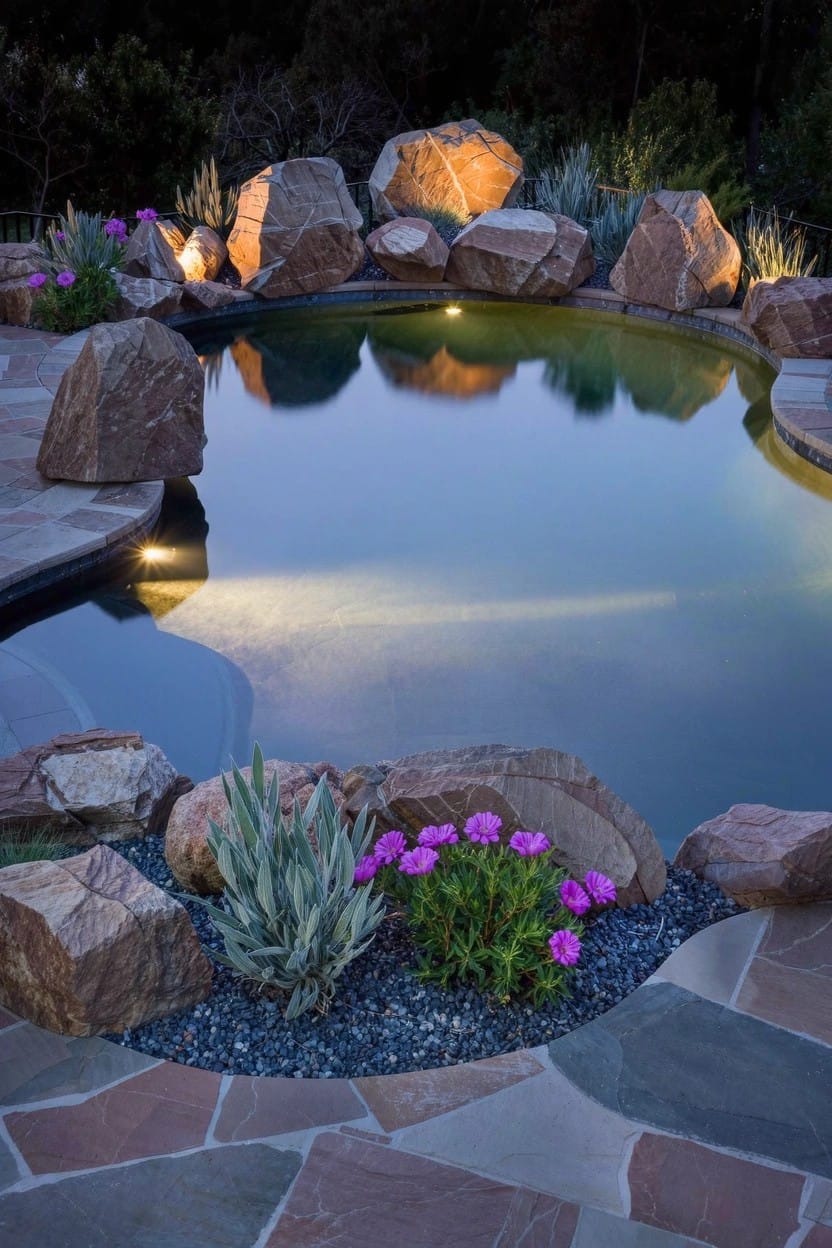
Big boulders like these make sturdy edges for flower beds right up against a pool. They hold back the soil and plants while letting roots spread in. Purple flowers and spiky agaves fit right in the gaps. The whole setup blends the water with the yard in a natural way.
This works best on sloped yards or spots with poor soil. Pick rocks that match your area, maybe from a local quarry. Plant drought-tough stuff so it stays low fuss. Keep paths clear around the pool… safety first. Suits modern homes or cabins with a wilder look.
Tiered Stone Walls for Sloped Yards
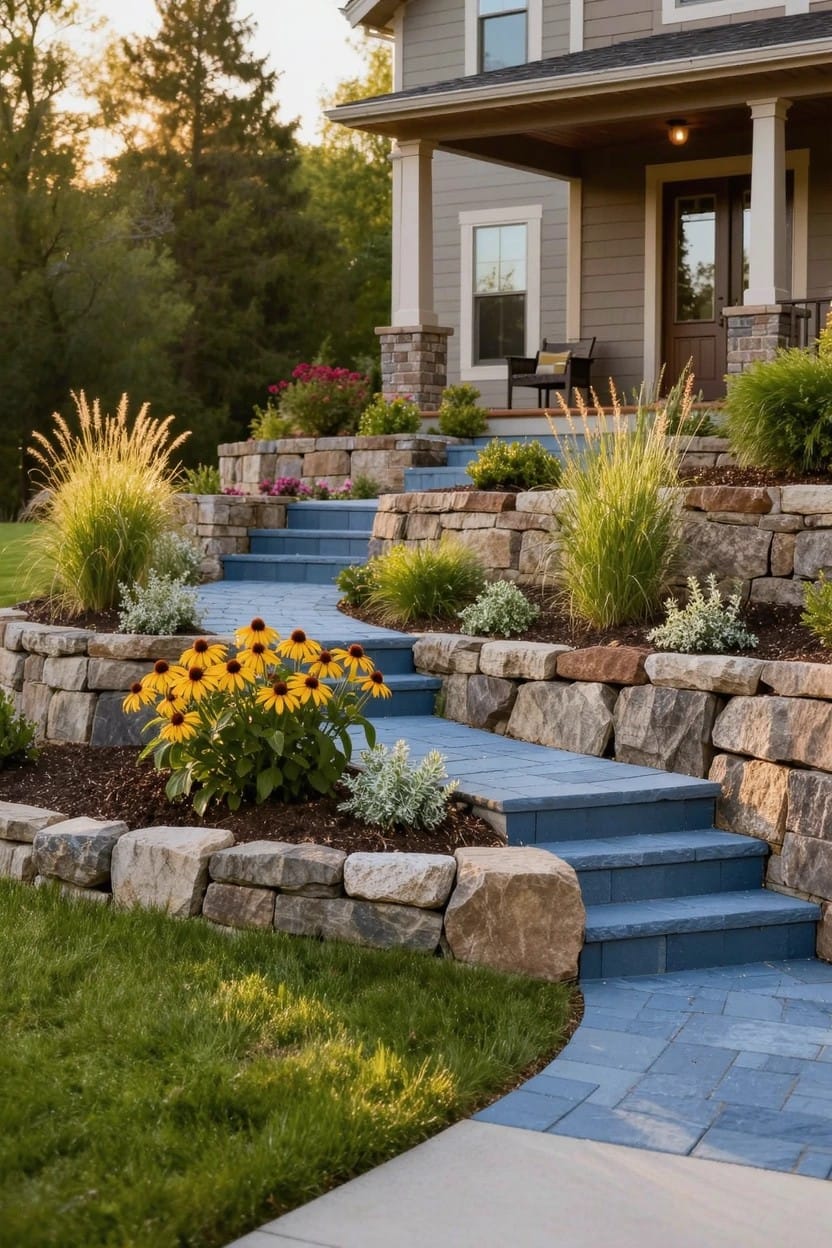
Sloped front yards can be tough to work with. But tiered stone walls turn that challenge into something nice to look at. They hold back soil while creating flat spots for plants. In this setup, the walls step down with blue stone stairs right in between. Flowers like black-eyed Susans and tall grasses fill the pockets, giving the whole entry a natural feel.
These walls work best on lots with a good drop from street to house. They suit homes with stone or wood siding, like craftsman styles. Make sure to plan for drainage so water doesn’t pool behind the stones. Start small if you’re doing it yourself. Pick local stone to keep costs down and the look right for your area.
Gravel Beds Next to Benches
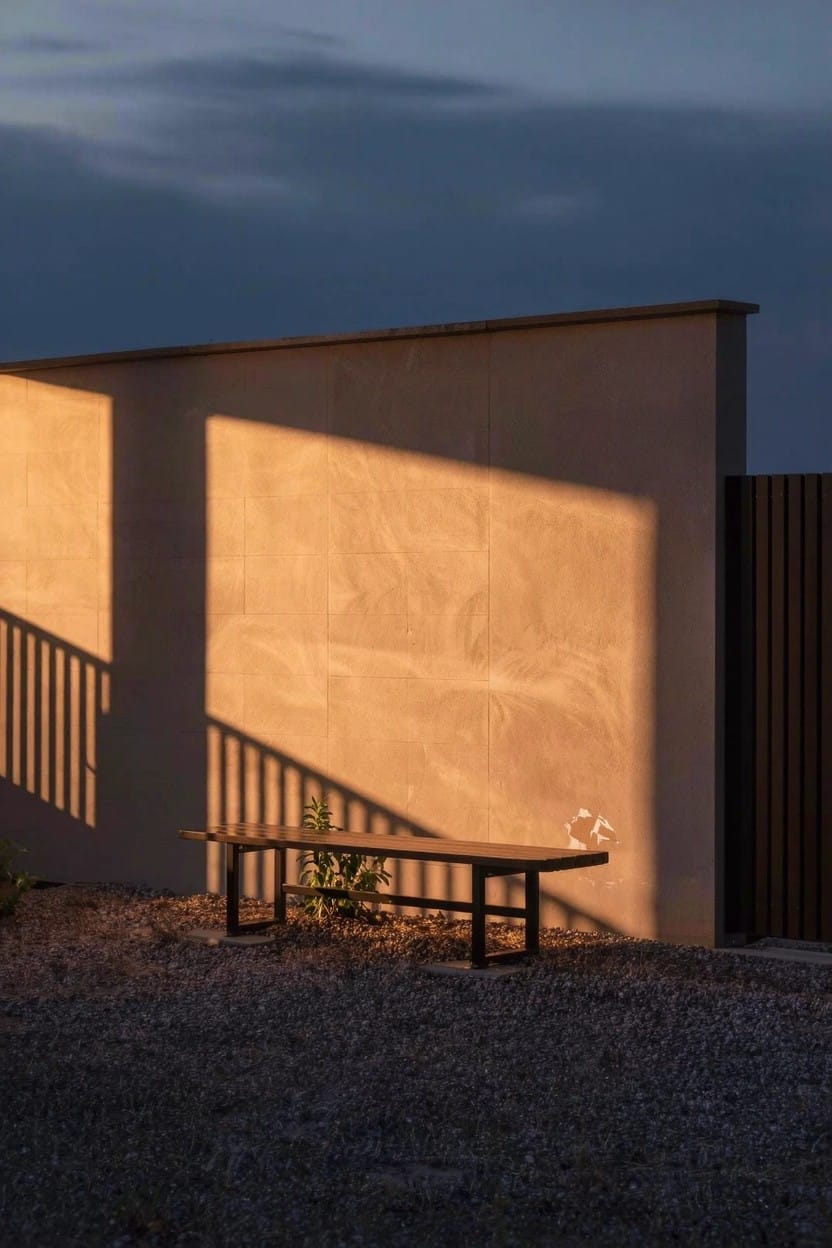
Gravel beds like this one make a quiet spot for a bench without much planting work. The light rocks spread out on the ground add that natural rough texture against a smooth wall. One small plant is all it takes to keep it from looking bare.
Put this setup along a side yard wall or patio edge where you want low upkeep. It fits plain modern houses best. Make sure the gravel layer is a couple inches deep to hold back weeds. Easy to sweep clean now and then.
Rock Flower Beds by Entry Steps
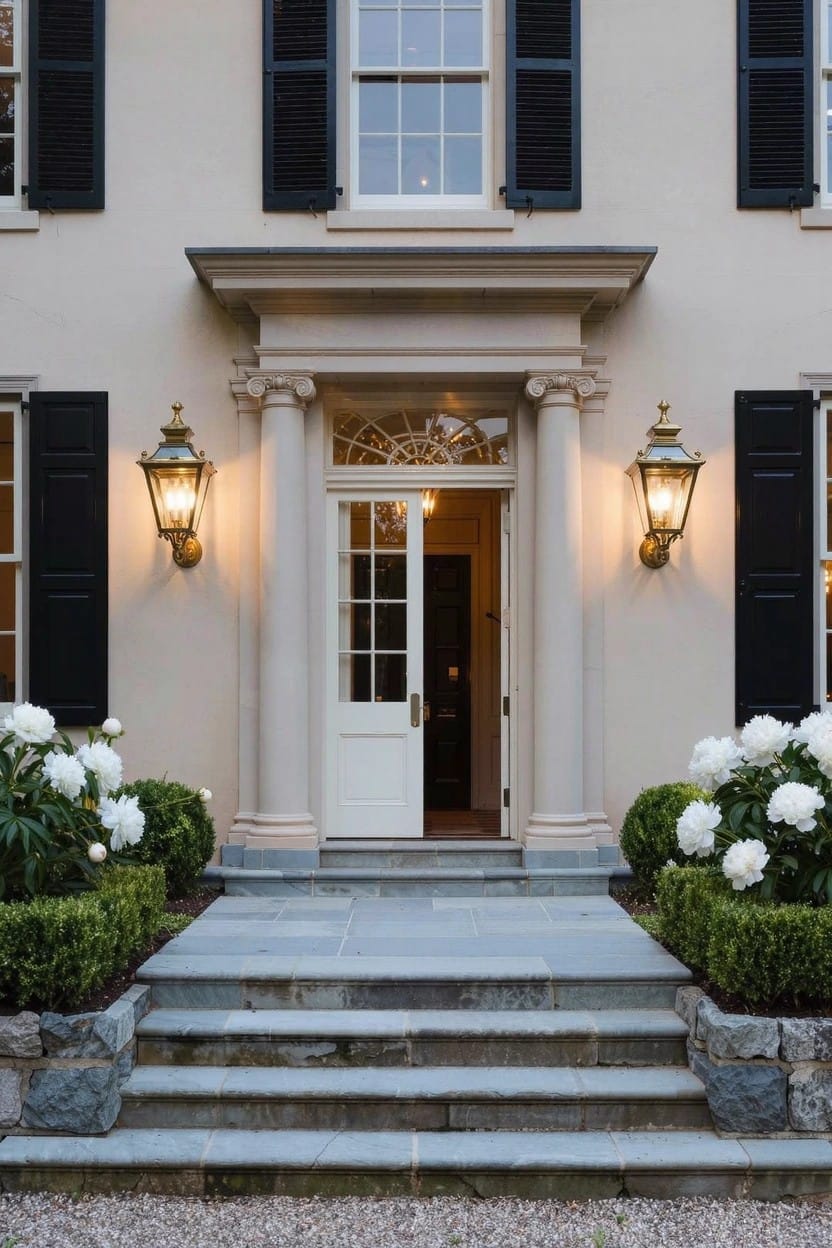
One straightforward landscaping idea is to line flower beds with rocks right at the base of your front steps. These beds hold white hydrangeas and clipped boxwoods, and the stones echo the material in the steps themselves. It brings some natural texture to the entry area without overdoing things.
Put this setup to work on older homes with stone or slate stairs. Go for sturdy plants that stay tidy near the path. Local fieldstones fit best… keeps it real. Just size the rocks right so they don’t crowd a narrow walkway.
Seashell Mulch Around Coastal Structures
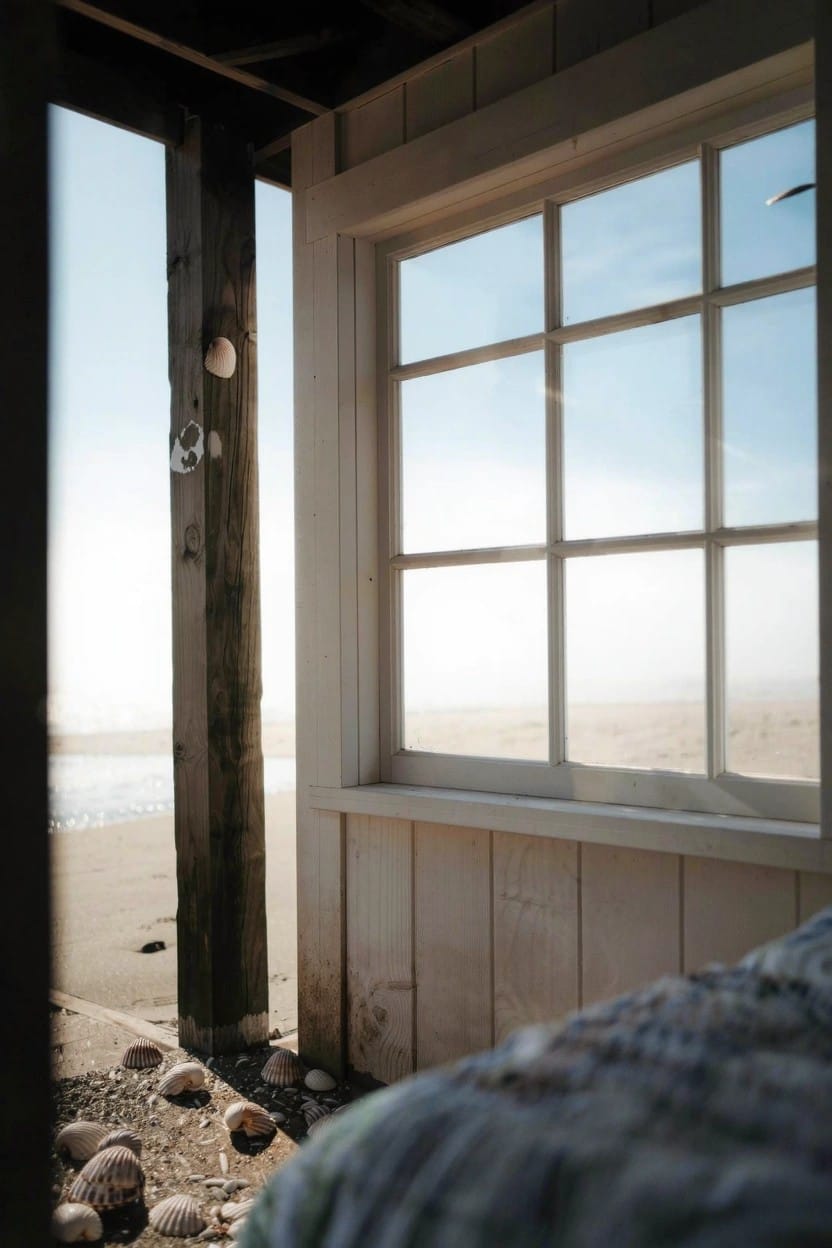
Seashells scattered on the ground make a simple flower bed look right at home by the beach. They bring in that natural crunch and texture without much planting or upkeep. Folks like how it pulls the shore right up to the house, especially under wooden posts like you see here.
Put seashells to work around porches, showers, or patios in sandy yards. It fits older beach cottages best. Grab a bucketful from the tide line, rinse them, and spread a couple inches thick. Smaller shells stay put better… just refresh every year or so.
Stone Steps with Cascading Flowers
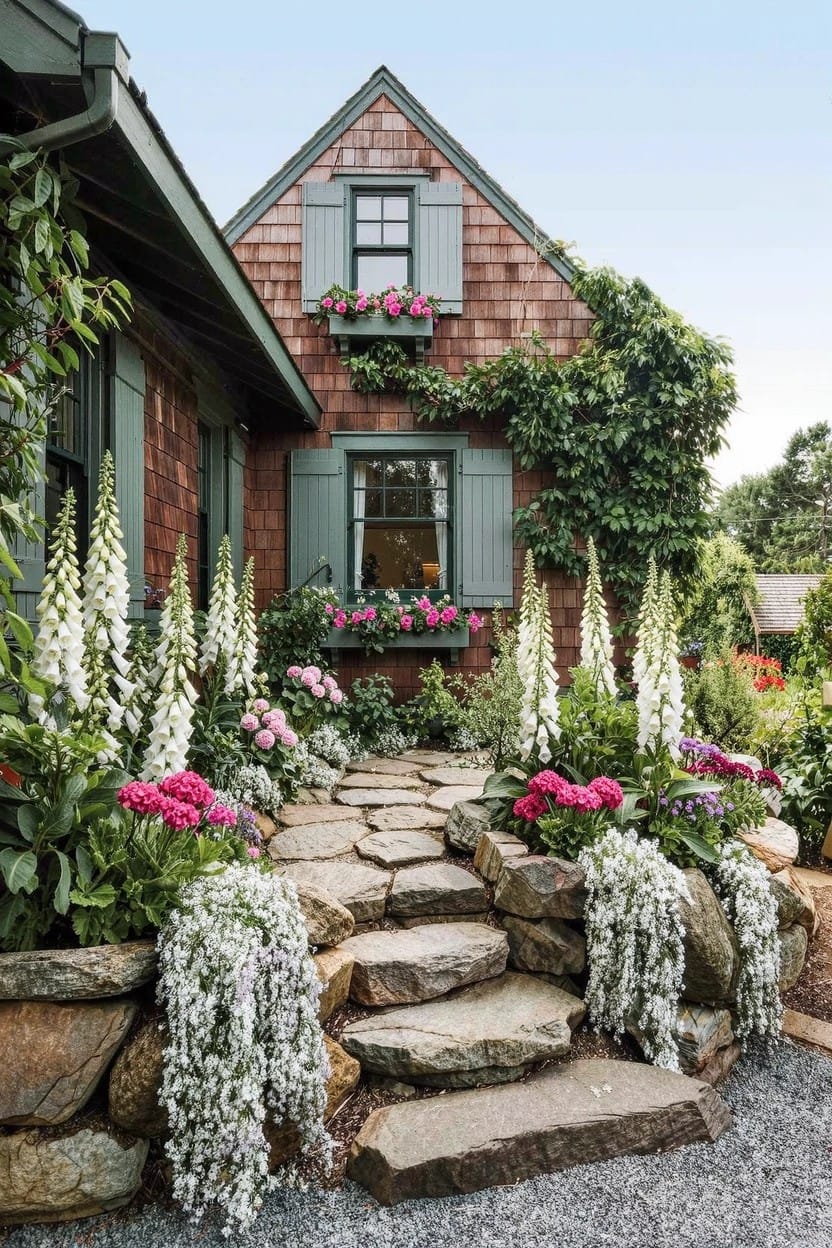
One simple way to add texture to your yard is letting plants spill over natural stone steps. Those rough rocks paired with soft white flowers tumbling down make the path feel alive. It draws the eye right up to the house without much fuss.
This works best on a sloped entry where you want low upkeep but big impact. Pick tough trailers like alyssum or creeping phlox that hug the stones. Suits cottage-style homes or wooded lots. Just keep the rocks stable so no one trips.
Rock Beds Under Windows

One easy landscaping move is building rock beds right along the base of your windows. Small pebbles mixed with low wildflowers hug the house wall without getting in the way. It adds that natural rough texture folks like around older homes. Keeps the look grounded.
Put these beds where you want subtle curb appeal. They suit ranch styles or bungalows with not much yard space. Go for tough little flowers that handle dry spells. Skip anything too fussy… weeds can sneak in quick if you don’t edge them now and then.
Rock Gardens in Rusty Metal Troughs
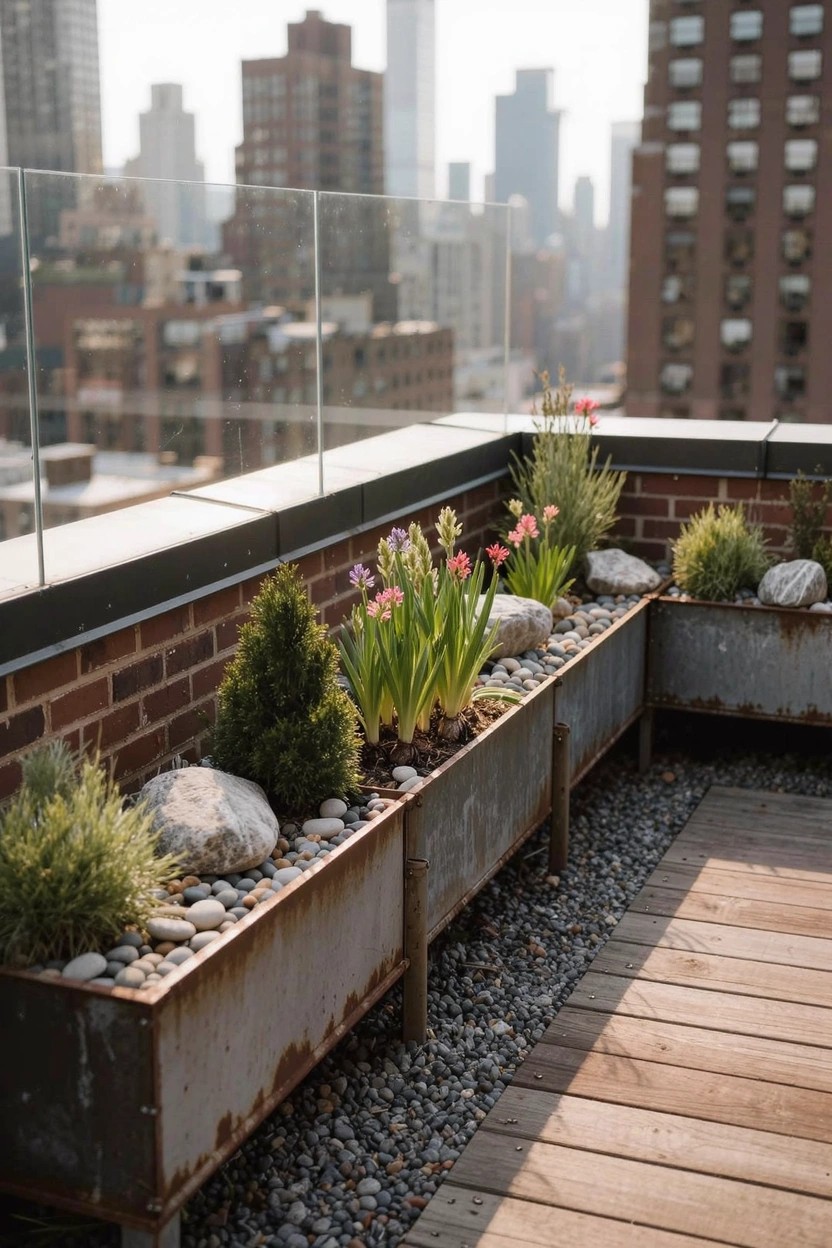
Rusty metal troughs turned into rock gardens work well on balconies and rooftops. You fill them with gravel, smooth rocks, and low plants like grasses or clivia. The texture from the rocks and weathered metal stands out against plain decks. It keeps things natural looking without needing much upkeep.
Set these up where space is tight, like city apartments with sunny exposures. Hunt for old troughs at scrap yards. Layer gravel first for drainage, tuck plants into rock pockets. They suit brick or wood surroundings best. Secure them well if it’s windy up high.
Rock Beds by the Front Door
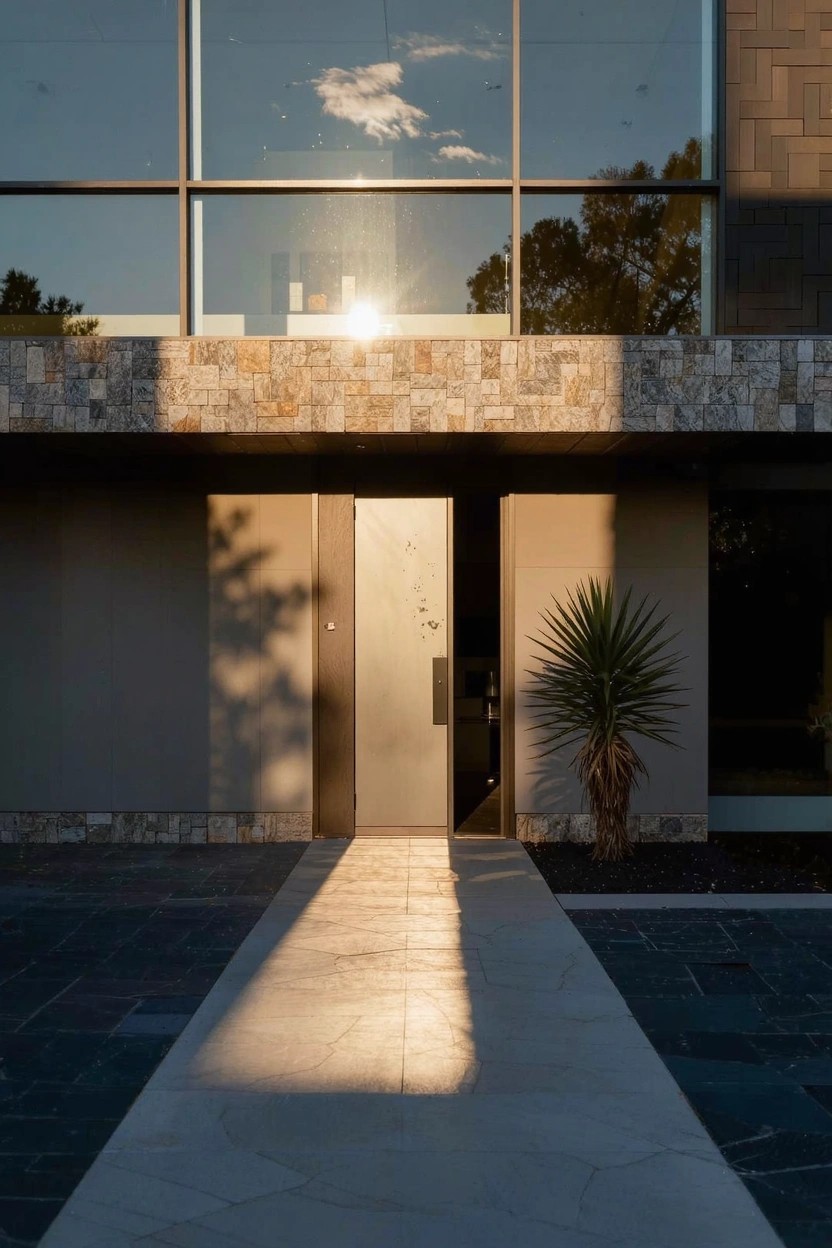
A plain rock bed planted with a single tall palm sits right next to this entry door. The rocks give a bit of natural texture that picks up on the stone up above. It keeps things simple and lets the plant stand out without crowding the space.
You can pull this off on most homes with a flat front wall. Use gravel or small stones for low upkeep, and pick one bold plant that grows upright. It works best in small entry areas. One thing, scale the plant to match the door height so it does not overwhelm.
Rock Beds Along a Walkway
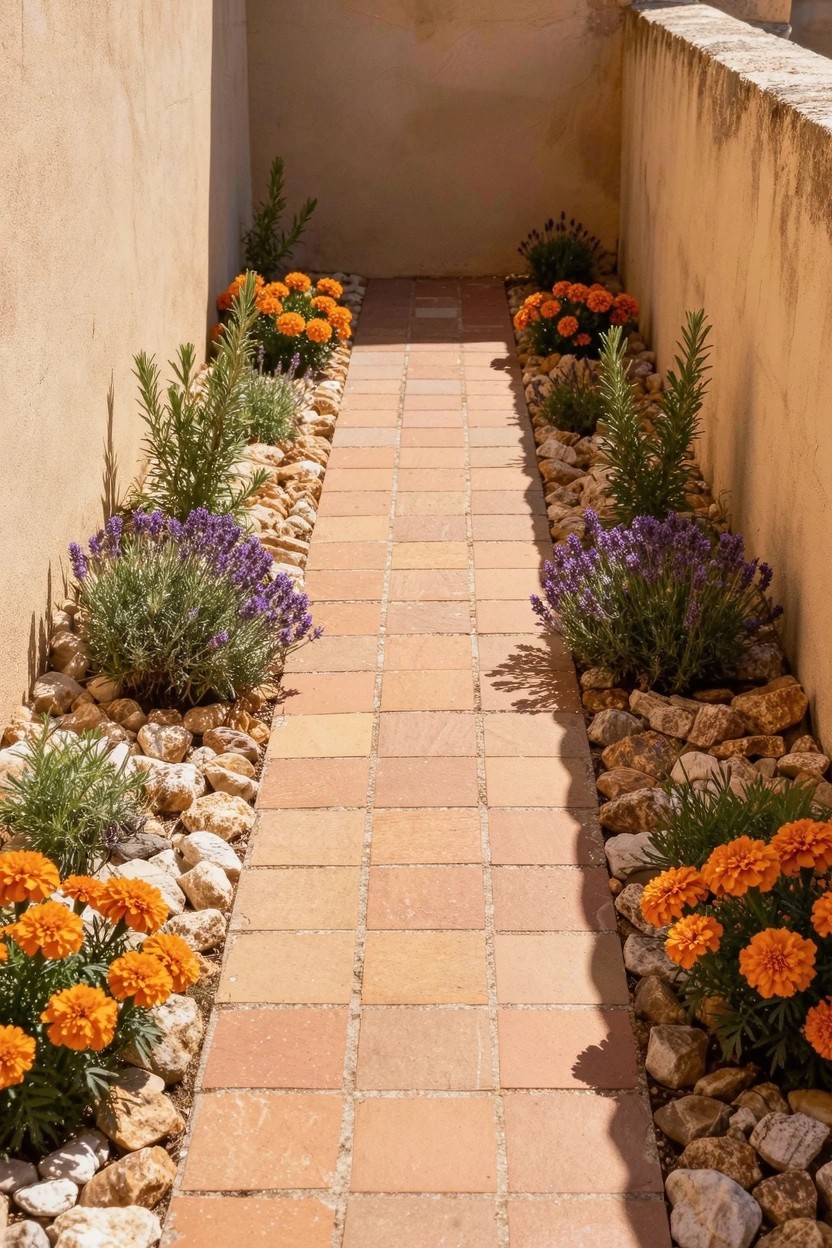
One straightforward way to add texture outside is to line a walkway with gravel beds full of plants. Here the path runs between plain walls, and the beds use river rocks as mulch around tough growers like lavender and marigolds. It keeps things neat without much upkeep, and the rocks give a natural crunch underfoot that plain dirt never does.
This setup works great in narrow spots or dry yards where you want color without fuss. Fill the beds two thirds rocks and one third plants that handle sun and poor soil. Skip it if your path gets heavy traffic, since loose gravel can shift. Fits old stucco houses or any spot needing a bit of green structure.
Frequently Asked Questions
Q: How do I keep weeds from ruining my new rock flower bed?
A: Lay landscape fabric right over cleared soil before you drop in the rocks. Snip holes only where plants go. Sunlight can’t reach weed seeds underneath.
Q: What plants pair best with all these rocks?
A: Pick drought-tough ones like lavender, sedum, or coreopsis. They root deep into rocky spots and burst with color. Water them less once settled.
Q: How do I arrange rocks so they look natural, not fake?
A: Bury the biggest rocks halfway into soil for anchors. Tuck smaller ones in clusters nearby. Step back every few rocks to eye the overall shape.
Q: Do rock flower beds take a lot of work to maintain?
A: Pull stray weeds now and then. Hose plants during dry stretches.
