

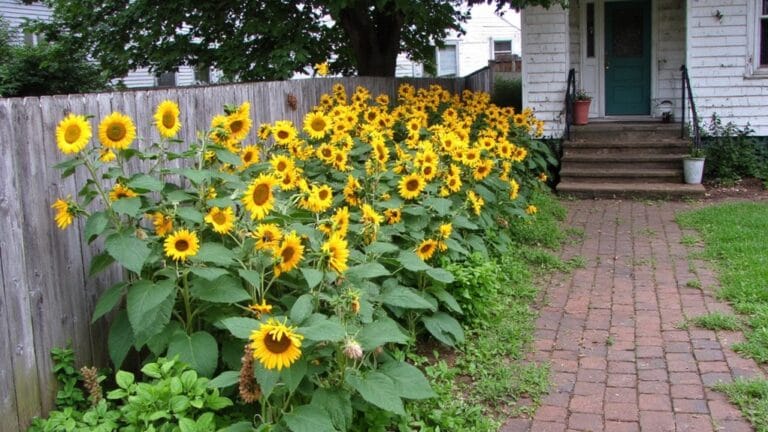
Creating a vibrant full sun flower bed can transform any garden space into a colorful and lively display. Choosing the right mix of blooms is essential for keeping things interesting throughout the seasons. From early spring daffodils to late-summer asters, there’s a wide range to consider. Let’s explore how to effectively combine these plants for a flourishing garden that draws in pollinators and adds texture. What might your perfect flower bed look like?
How to Choose Flowers for Full Sun
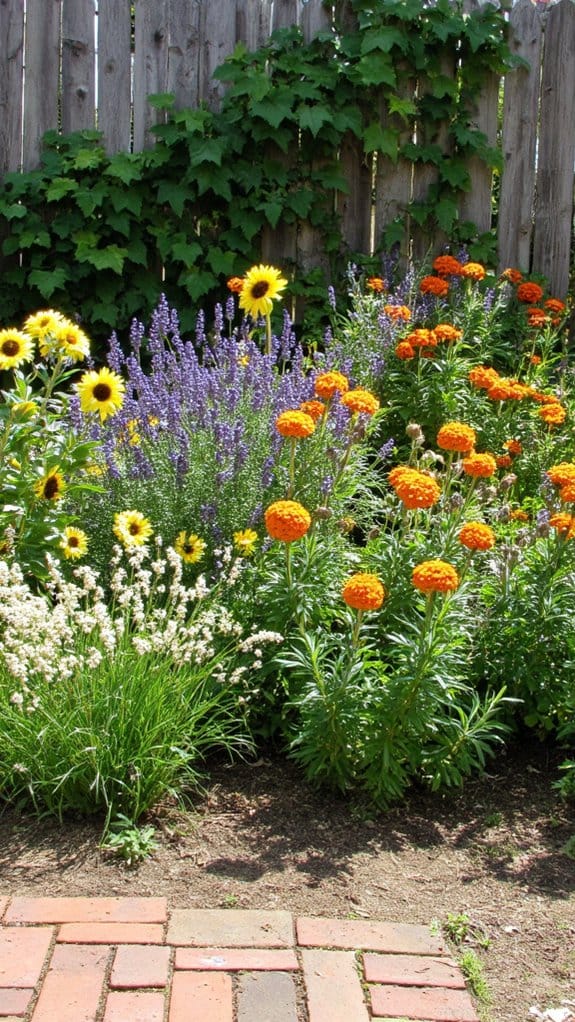
When you’re planning a flower bed in a spot that basks in full sun, it’s important to choose the right blooms.
I always consider the colors and heights of the flowers to create a visually appealing arrangement.
Think about the soil type and moisture levels, too.
Discover the Best Full Sun Flowers for Your Garden
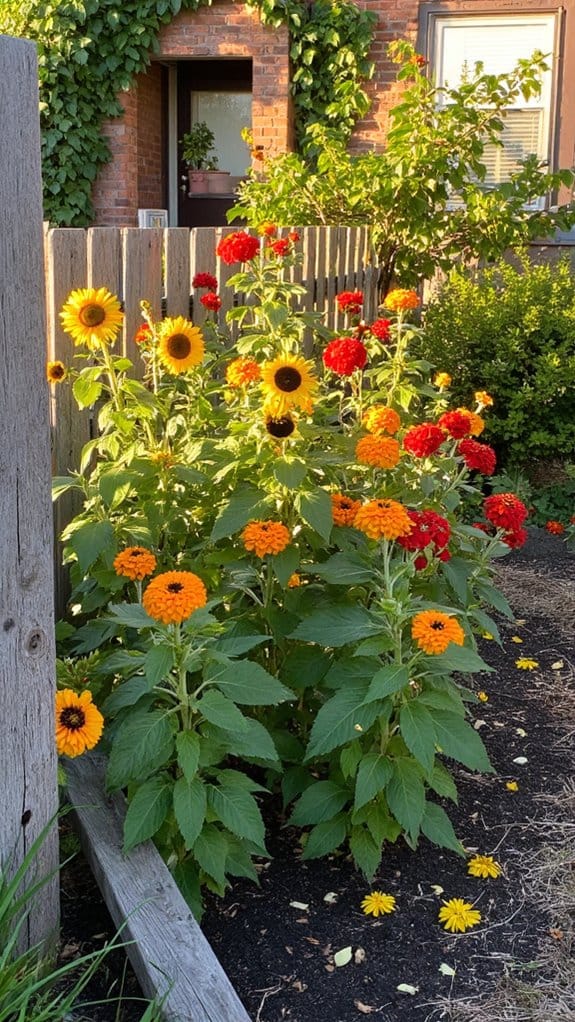
Although many flowers can thrive in full sun, I’ve discovered a few standout varieties that truly shine in bright conditions.
Sunflowers bring a cheerful vibe with their towering heights, while zinnias burst with color and resilience.
For a touch of elegance, try black-eyed Susans; they’re low-maintenance and attract pollinators.
Finally, marigolds offer vibrant hues and pest-repelling properties, making them a garden favorite.
Create a Colorful Perennial Flower Bed
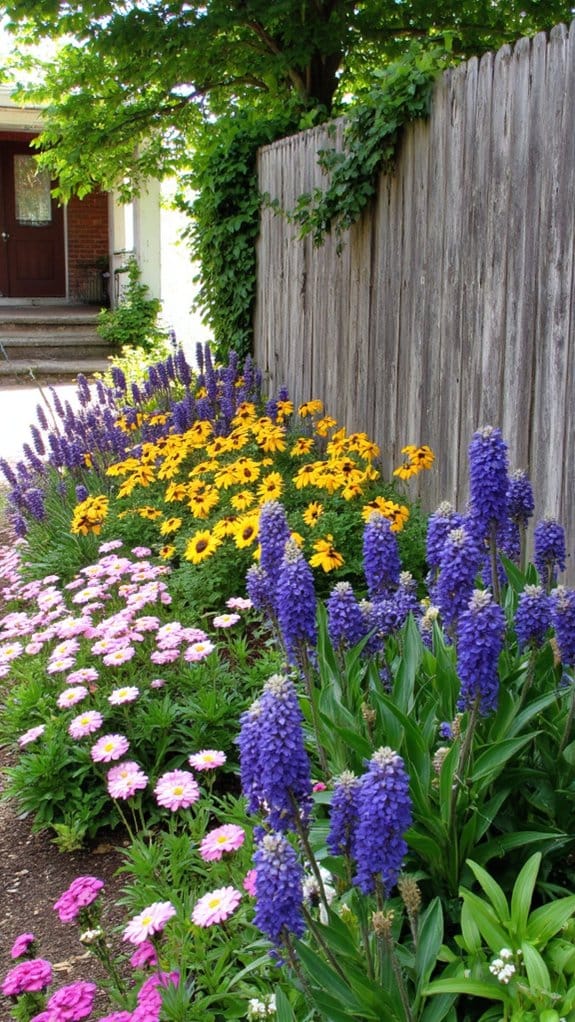
Creating a colorful perennial flower bed can transform your garden into a vibrant oasis that blooms year after year.
I love mixing various heights and colors to create visual interest. Planting perennials like coneflowers, daylilies, and sedums guarantees my garden stays lively with minimal effort.
Remember to choose flowers that complement each other, and you’ll enjoy a stunning display throughout the seasons.
Mix Annuals for Non-Stop Blooms
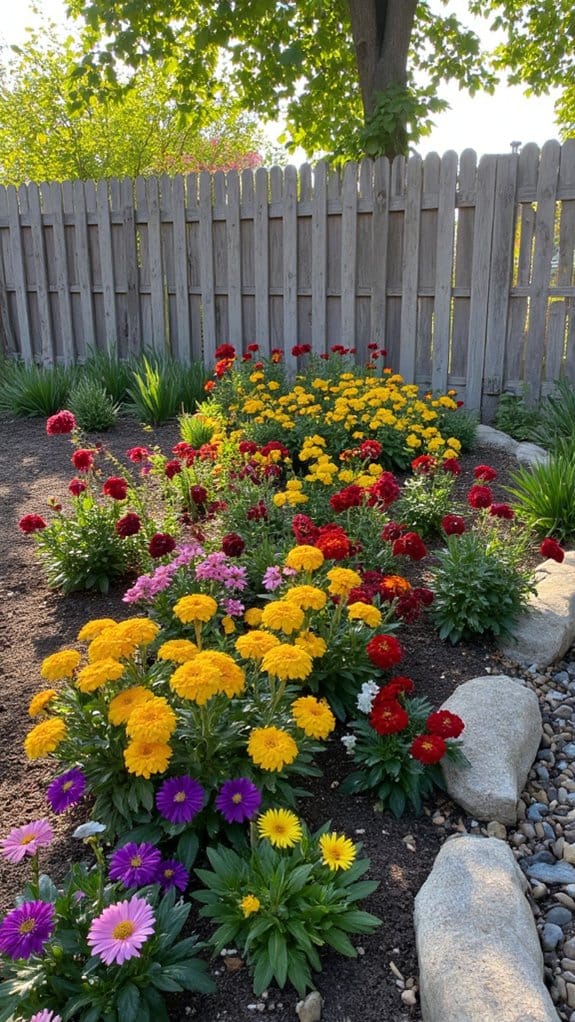
Mixing annuals is one of my favorite ways to secure my garden bursts with color all season long.
I love choosing a variety of blooms, like zinnias, marigolds, and cosmos, to create a stunning display. By planting them in staggered intervals, I secure continuous blooms throughout the summer.
Plus, the vibrant colors and textures make my garden an inviting paradise.
Attract Pollinators With Native Wildflowers
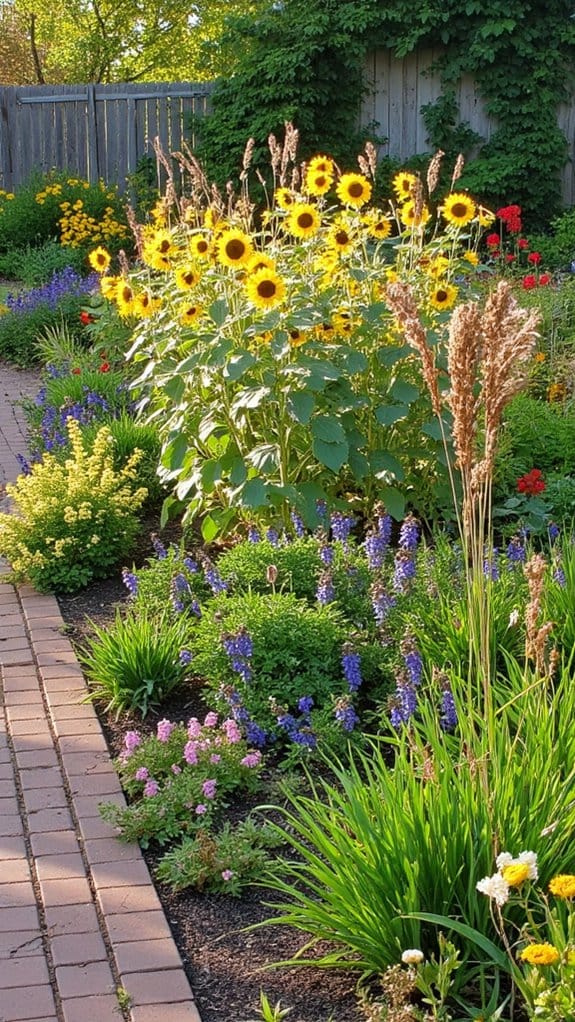
In addition to the vibrant annuals that bring color to my garden, I’ve found that incorporating native wildflowers can greatly enhance the beauty and health of my outdoor space.
These flowers attract pollinators like bees and butterflies, which are essential for a thriving ecosystem.
Plus, they require less maintenance and provide a stunning, natural look that complements my existing blooms beautifully.
Create a Drought-Tolerant Flower Bed
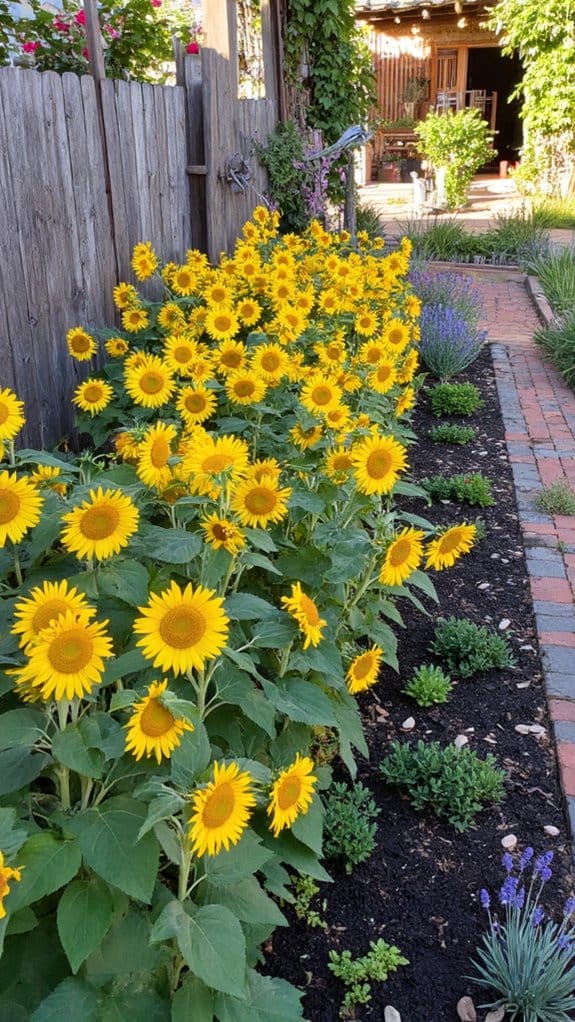
While many gardens thrive on regular watering, I’ve discovered that a drought-tolerant flower bed can be both beautiful and low-maintenance.
I choose native plants like lavender, sedum, and coneflowers that flourish in dry conditions. Grouping these plants together not only conserves water but also creates a stunning visual.
With some planning, you can enjoy vibrant blooms even in arid conditions.
Use Bold Color Combinations for Maximum Impact
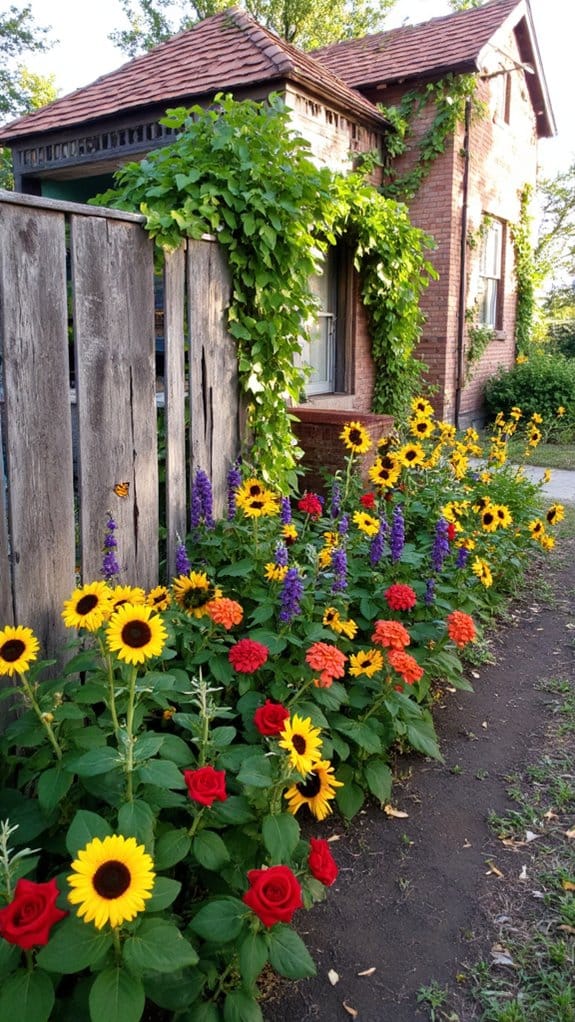
To create a flower bed that truly stands out, I love using bold color combinations that capture attention and evoke emotion.
Mixing vibrant hues like deep purples with bright yellows or fiery oranges with soft pinks can create a stunning visual contrast.
These combinations not only draw the eye but also bring energy and excitement to the entire garden, making it a mesmerizing focal point.
Pair Ornamental Grasses With Flowering Plants
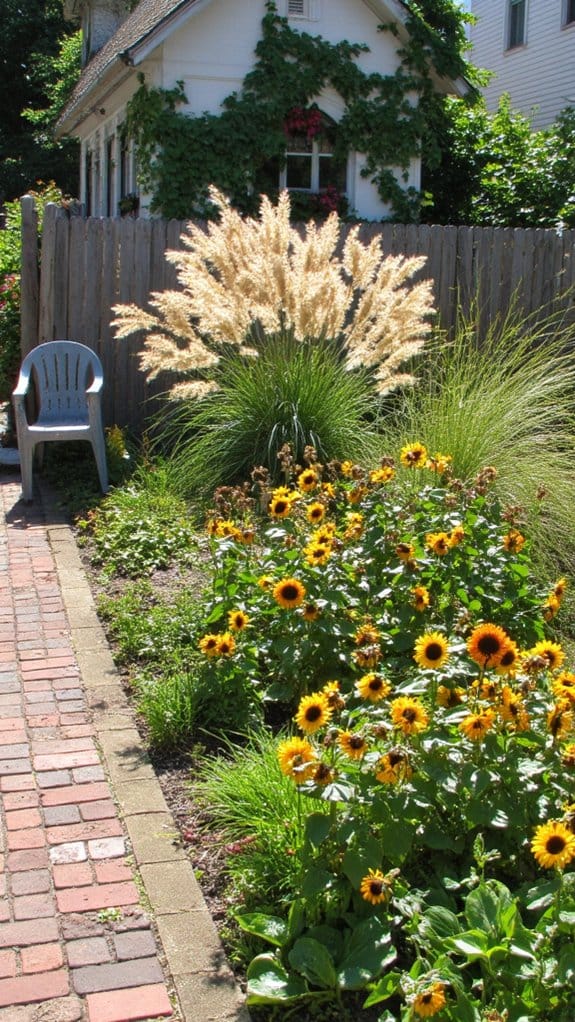
When I design flower beds, I often find that pairing ornamental grasses with flowering plants creates a beautiful balance of texture and movement.
The soft, flowing blades of grasses contrast wonderfully with vibrant blooms, adding depth to my garden.
I love using varieties like feather reed grass alongside coneflowers or black-eyed Susans, which thrive in full sun and keep my landscape dynamic all season long.
Incorporate Edible Flowers Into Your Landscape

Incorporating edible flowers into my landscape not only enhances its beauty but also adds a unique culinary twist.
I love planting nasturtiums, pansies, and calendula among my traditional blooms. They’re vibrant, delicious, and perfect for garnishing salads or desserts.
Plus, they attract beneficial pollinators! Mixing these stunning flowers with my garden creates a feast for both the eyes and the palate.
Best Vines for Vertical Gardening in Full Sun

Vertical gardening in full sun offers a fantastic opportunity to create a vibrant, lush environment with minimal ground space.
I love using fast-growing vines like morning glories, sweet peas, and scarlet runner beans.
These beauties not only climb gracefully but also add a splash of color and texture.
With proper support, they’ll thrive, transforming any vertical space into a stunning focal point.
Choose Low-Maintenance Flowers for Busy Gardeners
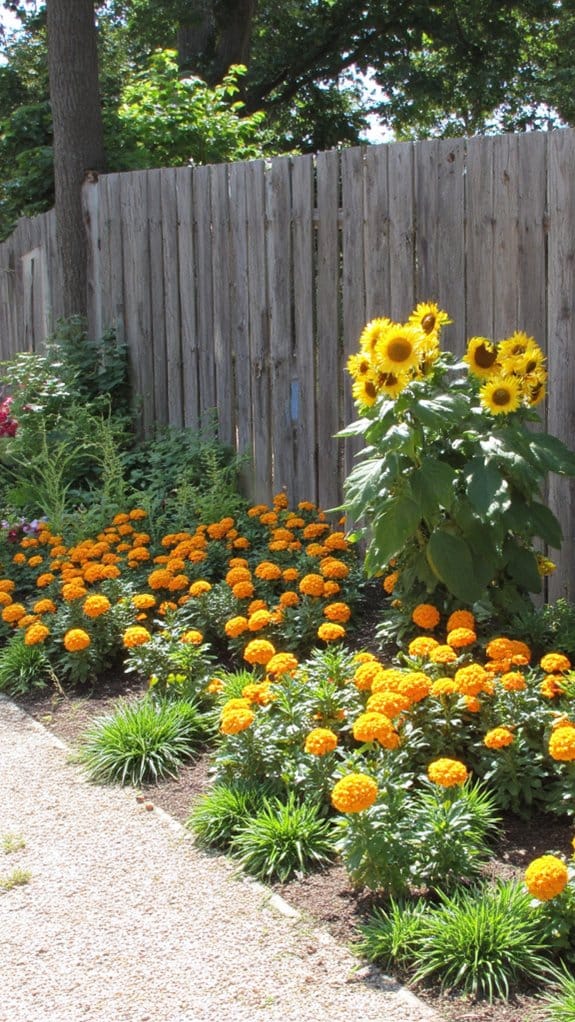
Choosing low-maintenance flowers can be a game-changer for busy gardeners like me.
I love selecting plants like daylilies, coneflowers, and sedums that thrive with minimal effort. They offer vibrant colors and resilience, allowing me to enjoy a beautiful flower bed without constant upkeep.
With these hardy options, I spend less time worrying and more time savoring my garden’s beauty all season long.
Create a Fragrant Flower Bed to Delight Your Senses
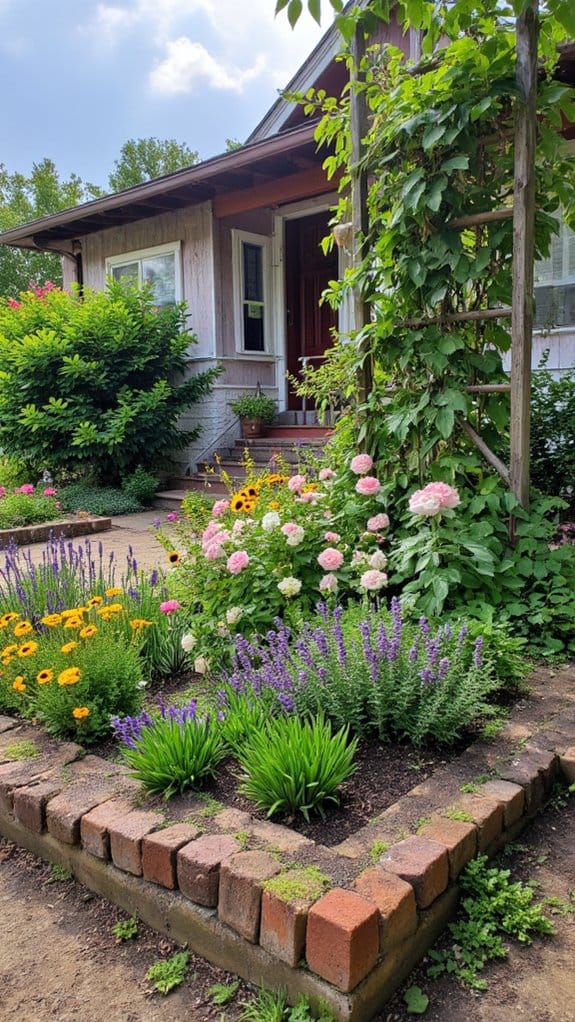
While low-maintenance flowers bring effortless beauty to my garden, I also love creating a fragrant flower bed that captivates the senses.
I choose blooms like lavender, roses, and peonies to fill my space with delightful scents. Planting them in clusters enhances their fragrance, inviting bees and butterflies.
Each time I step outside, the aroma transports me to a serene, sensory paradise.
Embrace Seasonal Changes With Rotating Blooms
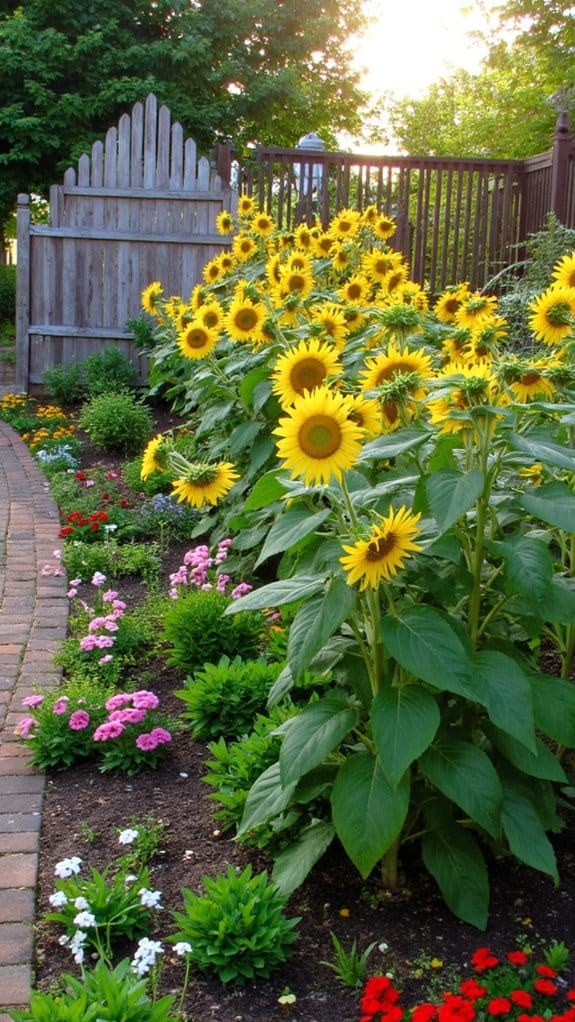
As the seasons shift, I find joy in embracing the beauty of rotating blooms that keep my garden vibrant and lively throughout the year.
I love selecting flowers that flourish in each season, ensuring there’s always something in bloom.
Build a Butterfly Garden With Bright Flower Selections
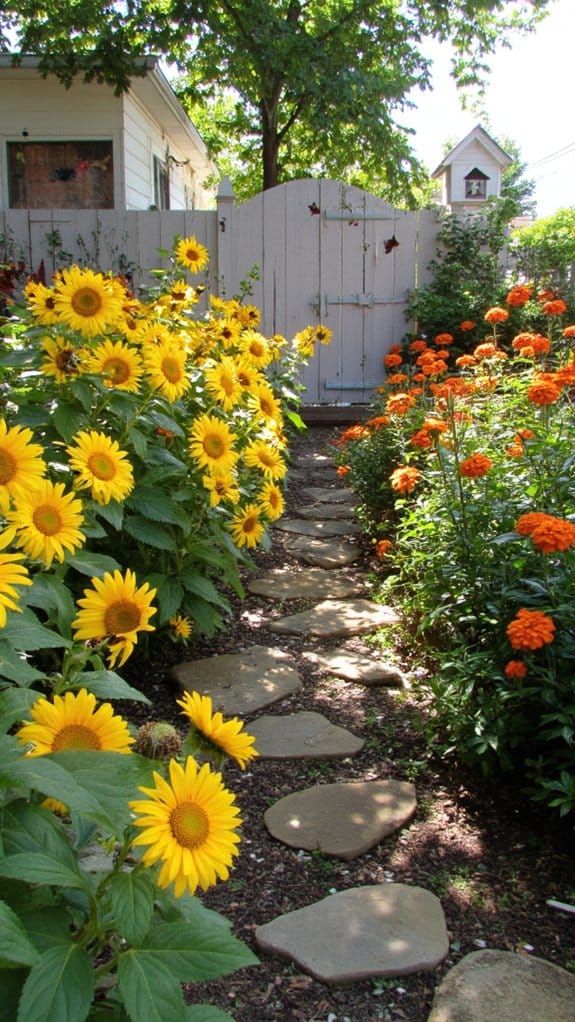
Creating a vibrant butterfly garden can be just as rewarding as rotating blooms through the seasons.
I love selecting bright flowers like zinnias, coneflowers, and milkweed to attract these beautiful creatures.
Planting in clusters not only adds color but also invites butterflies to linger longer.
Don’t forget to include some nectar-rich blooms; they’ll keep the butterflies buzzing all summer long!
Design a Flower Bed Around a Focal Point
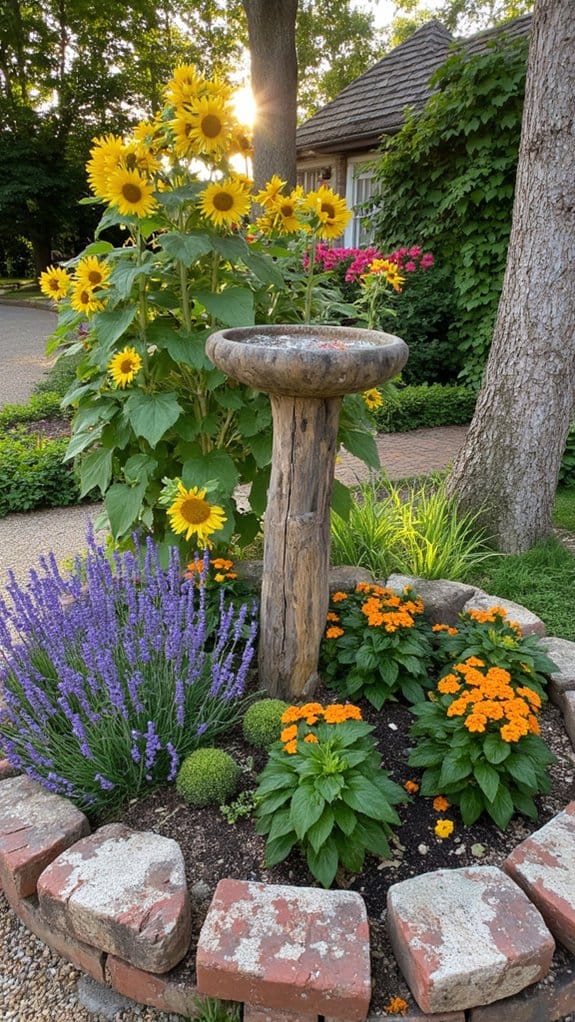
A well-designed flower bed around a focal point can transform your garden into a stunning visual masterpiece.
I like to choose a striking feature, like a birdbath or sculpture, and surround it with vibrant blooms.
By varying heights and colors, I create depth and interest.
This design draws the eye, making my garden feel cohesive and inviting all season long.
How Can Companion Planting Boost Your Flower Bed?
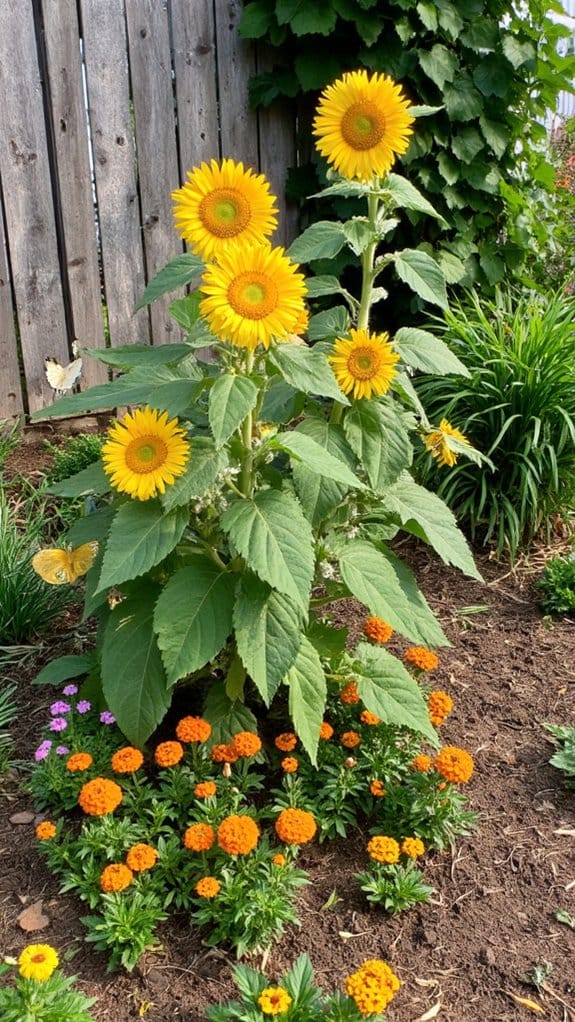
Have you ever wondered how companion planting can enhance your flower bed?
I’ve found that certain flowers thrive better together, attracting beneficial insects and repelling pests. For example, planting marigolds alongside your blooms can deter aphids.
Plus, companion plants can provide necessary nutrients to each other, creating a healthier, more vibrant garden.
Companion plants share nutrients, fostering a healthier and more vibrant garden for all to enjoy.
It’s an easy way to boost your flower bed’s overall beauty and resilience!
Add Texture With Sun-Loving Succulents and Cacti
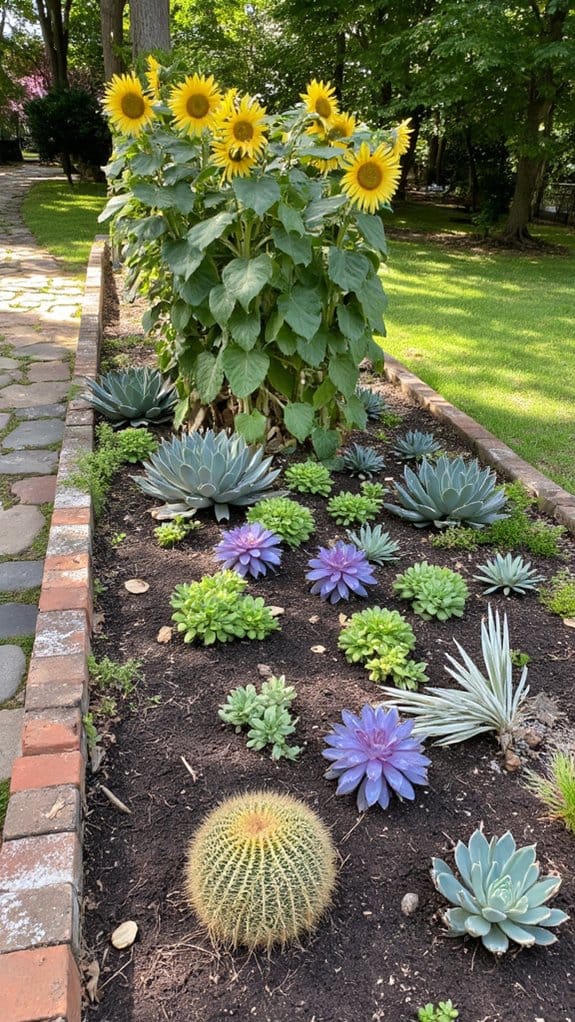
Incorporating succulents and cacti into your flower bed can really add texture and visual interest.
I love how their unique shapes and colors contrast with traditional blooms. Plus, they’re drought-tolerant, which makes them perfect for full sun areas.
Try mixing different varieties for an eye-catching display. They not only thrive but also create a stunning focal point in any garden.
Plan for Year-Round Color With Succession Planting

While planning your flower bed, consider succession planting to secure vibrant color throughout the year.
I like to mix early bloomers like daffodils with mid-season favorites like coneflowers, and finish with late-season asters.
By staggering your plantings, I guarantee that there’s always something in bloom.
This approach not only keeps the garden lively but also attracts pollinators consistently.
