

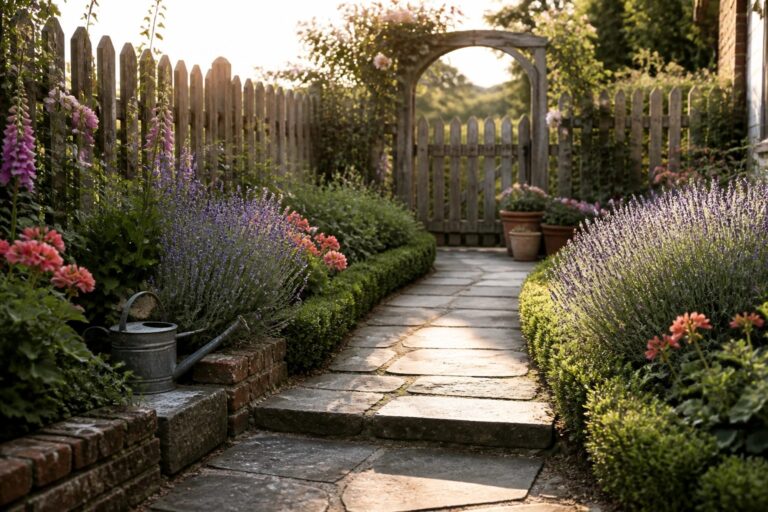
When I work on small garden spaces, I pay close attention to how borders can layer without making the area feel cramped.
Soft textures add a lot once the basic structure is in place, but they need something firmer underneath to keep their shape.
Structure comes first.
I usually try out new edging ideas in one section before committing to the rest of the layout.
That approach has helped me avoid the common problem of plants outgrowing their spots too fast.
Layered Borders Along a Curved Path
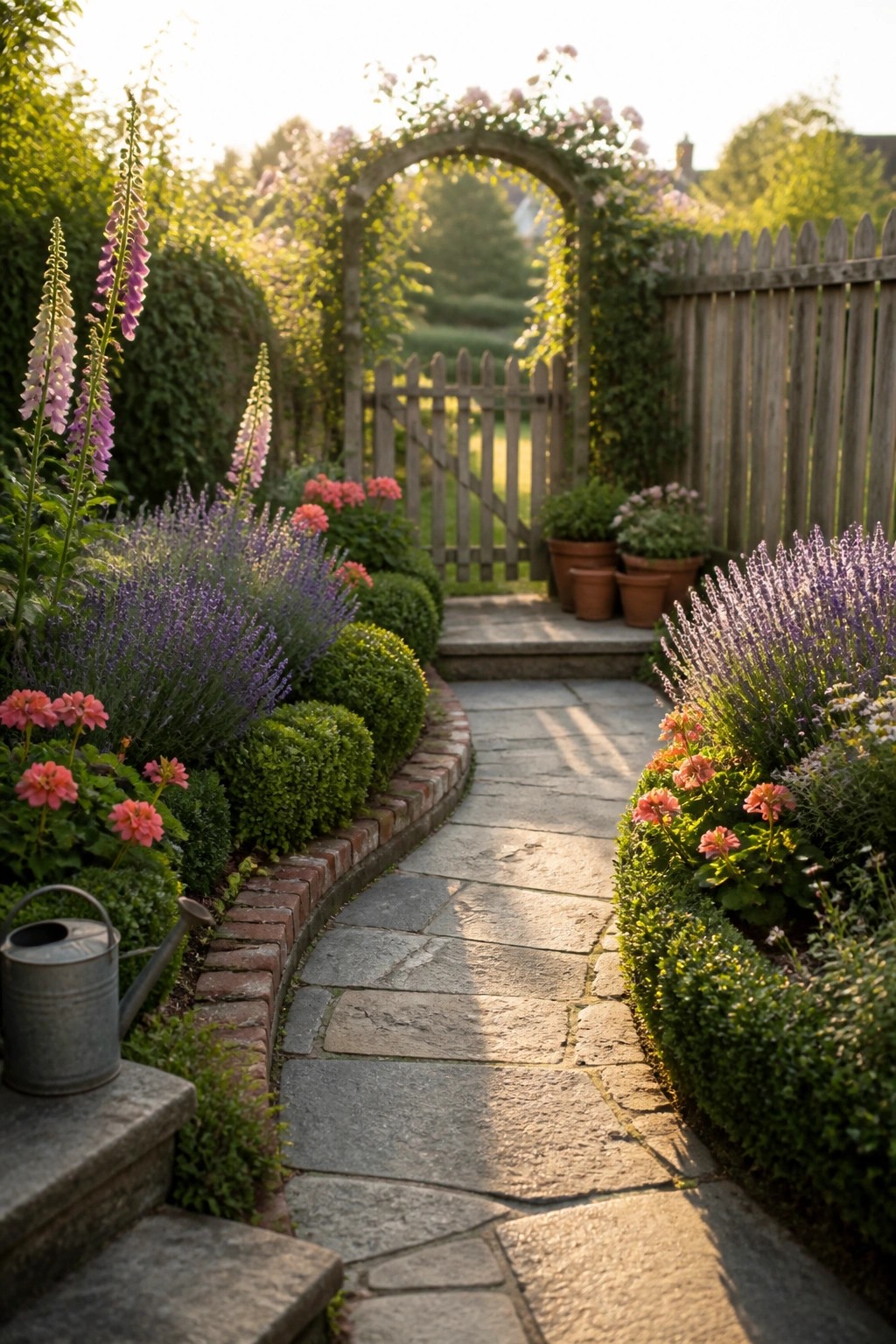
A winding stone path with layered beds on both sides works well in small gardens because it adds depth without crowding the space. The mix of tall spikes, mounding shrubs, and lower flowers creates that soft, full look while keeping the path open and easy to walk.
This setup suits narrow side yards or backyard corners best. Keep the edging simple with brick or stone, and vary the plant heights so nothing feels flat or one-note.
Layer Pots Along Narrow Paths
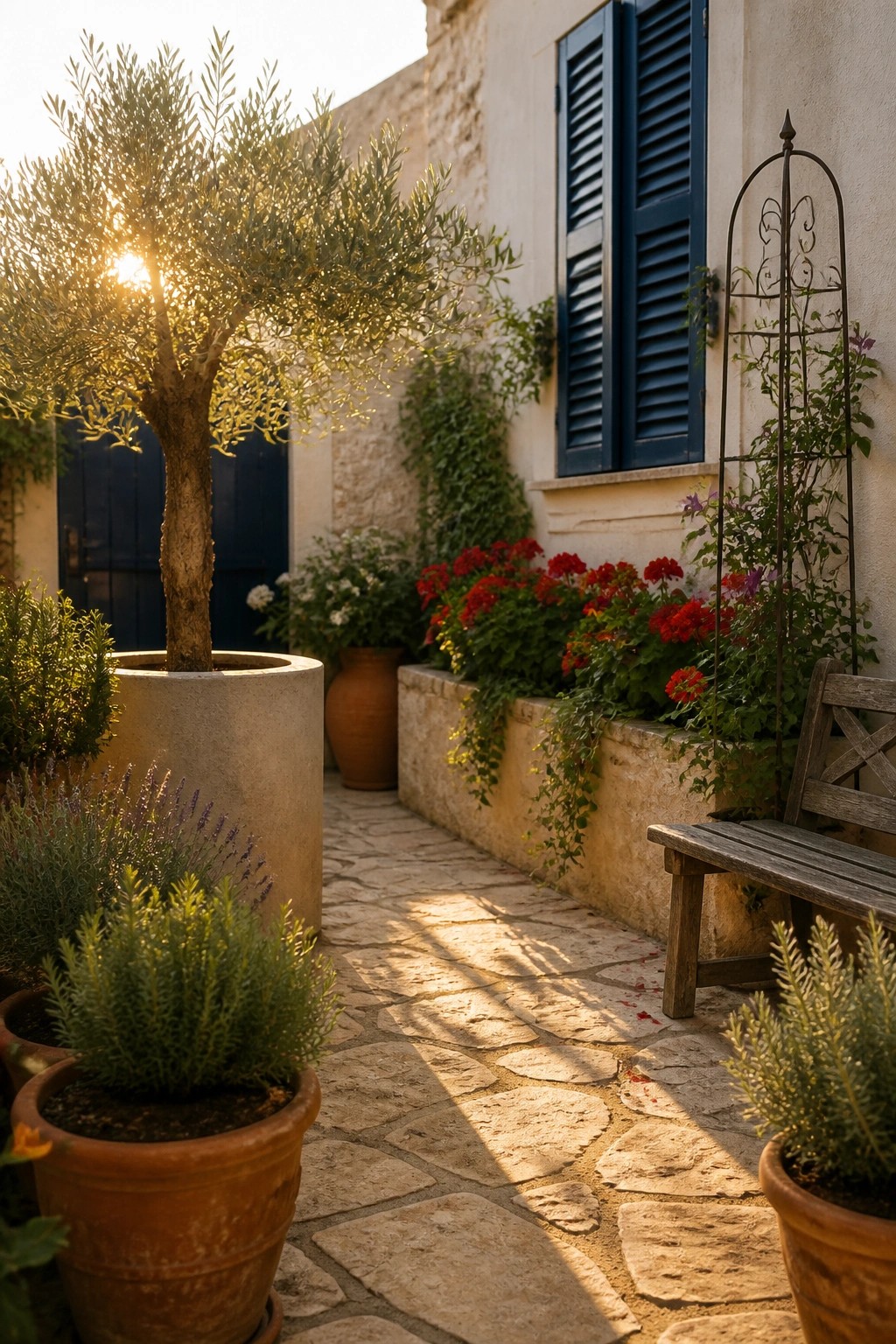
Pots let you build layers of texture even when space is tight. Placing them at different heights along a path adds depth without crowding the walkway, and the mix of foliage and flowers keeps things soft and full.
This works especially well in small courtyards or side gardens where a single bed would feel flat. Terracotta pots pair easily with low plantings to give the same lush feel as a larger border.
Layer Plants With Simple Shelving and Hanging Baskets
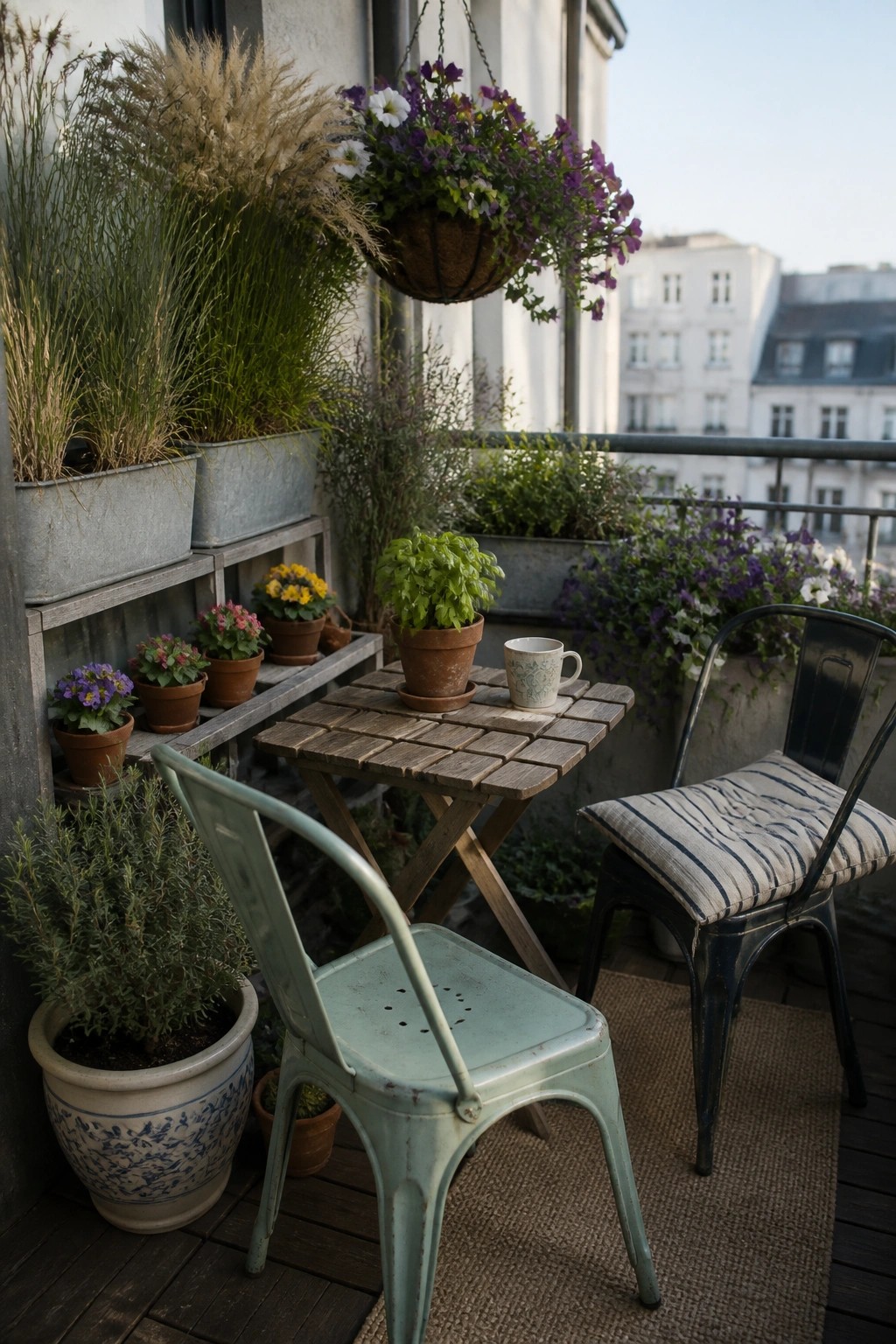
Many small balconies stay bare because people assume there is not enough room for real planting. A basic set of shelves against the wall and a single hanging basket overhead can change that fast by stacking plants at different heights.
This works especially well on city balconies or narrow terraces where floor space is limited. Keep the lower shelves stocked with smaller pots and let one or two larger plants sit on the deck so the whole setup feels full but still easy to move around.
Layered Planting On Retaining Wall Terraces
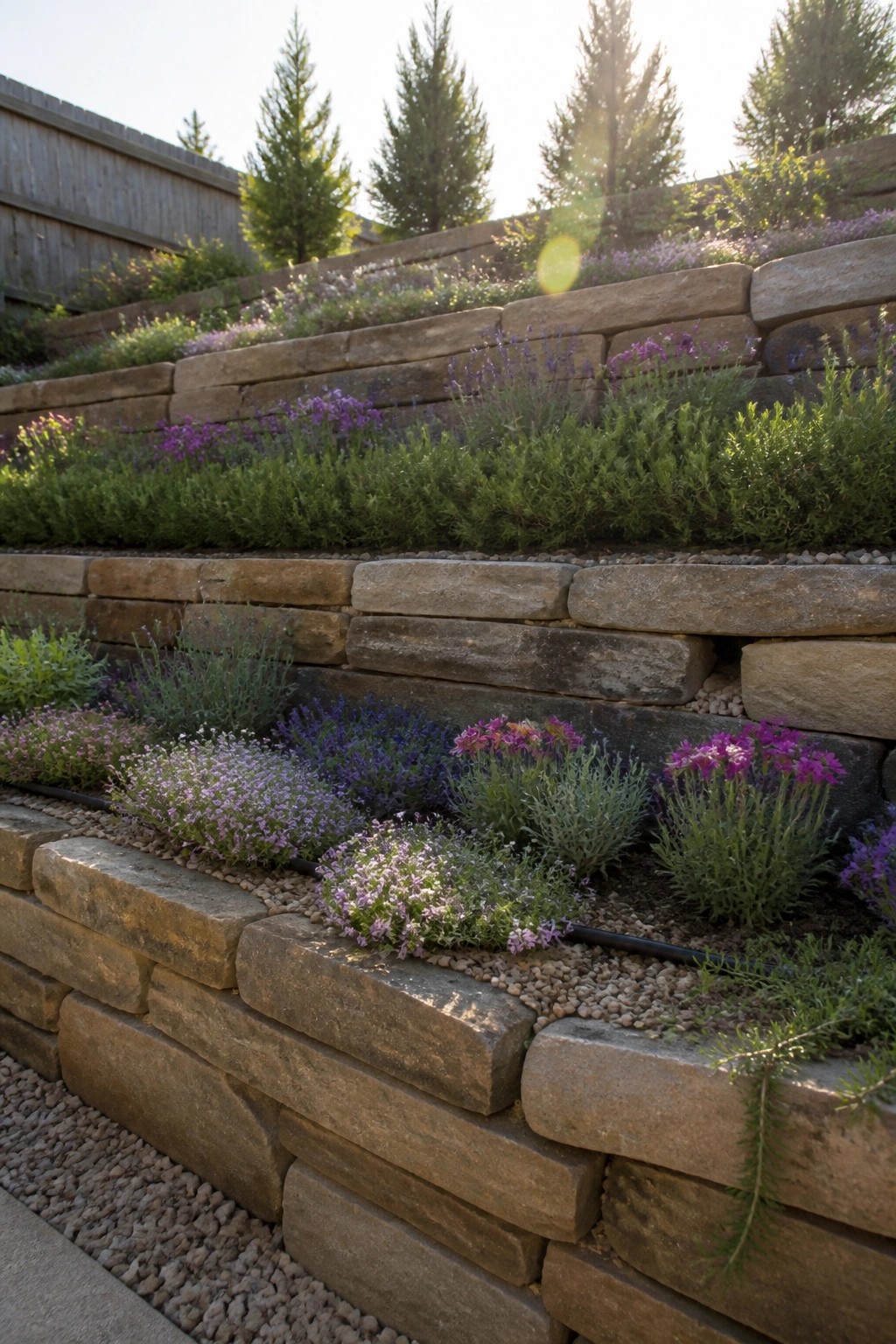
Many gardens on a slope feel flat or hard to plant until you break them into terraces. Stacking the beds this way lets you create real layers of plants instead of one thin row along the edge.
Stone walls keep each level tidy while giving low shrubs and taller flowers room to mix. The result is a softer look that still holds up on a hill and works on lots from small to medium size.
Raised Beds With Labels Keep Small Gardens Organized
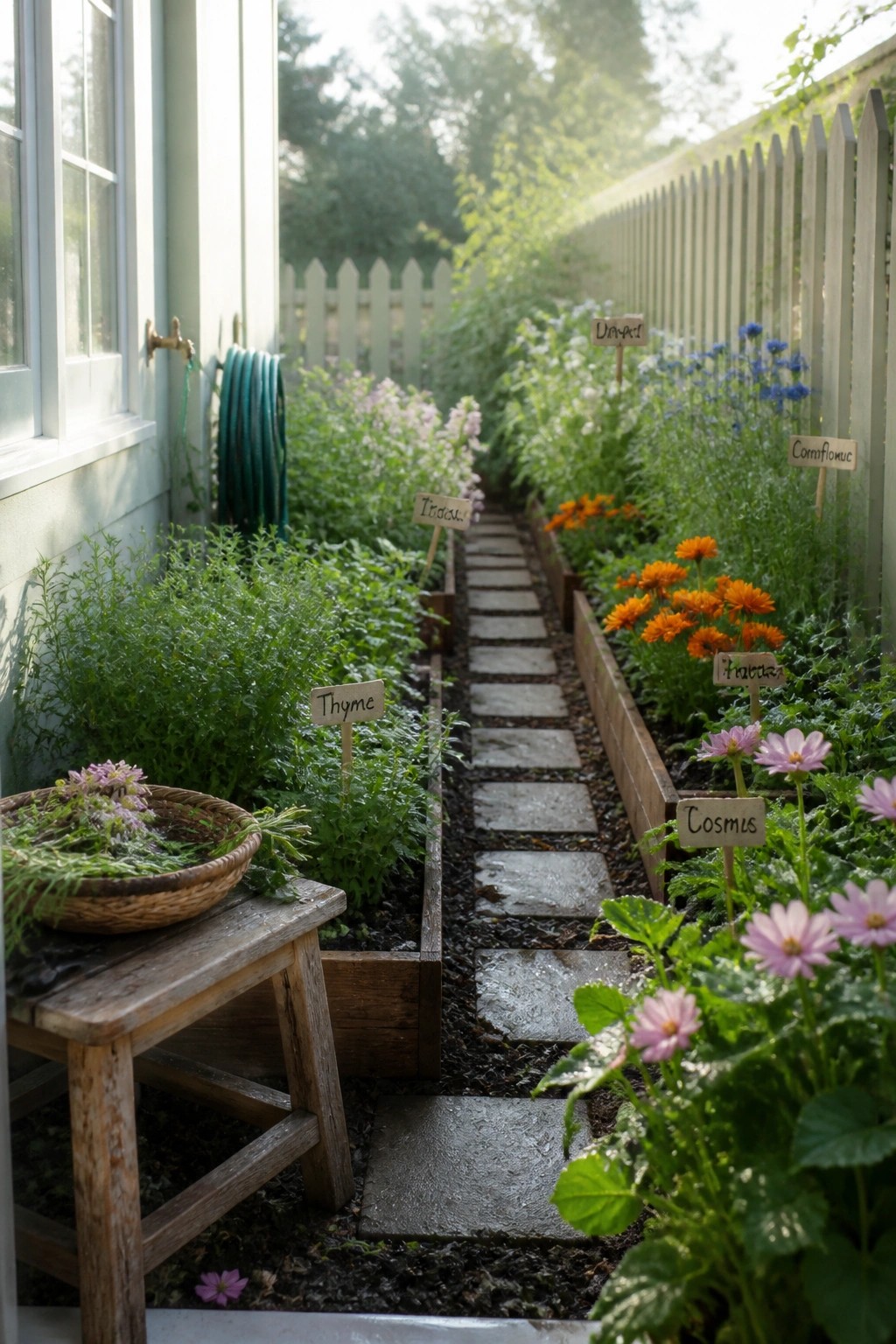
Raised beds give a small garden clear shape while still letting the plants spill over with soft texture. Placing them along a narrow path turns an awkward strip of ground into a productive space that feels full without looking crowded.
The simple wooden frames and handwritten labels make it easy to mix herbs and flowers in one bed. This works especially well in side yards or along a fence where space is tight and you want easy access for weeding and harvesting.
Layer Plants by Height for Soft Texture
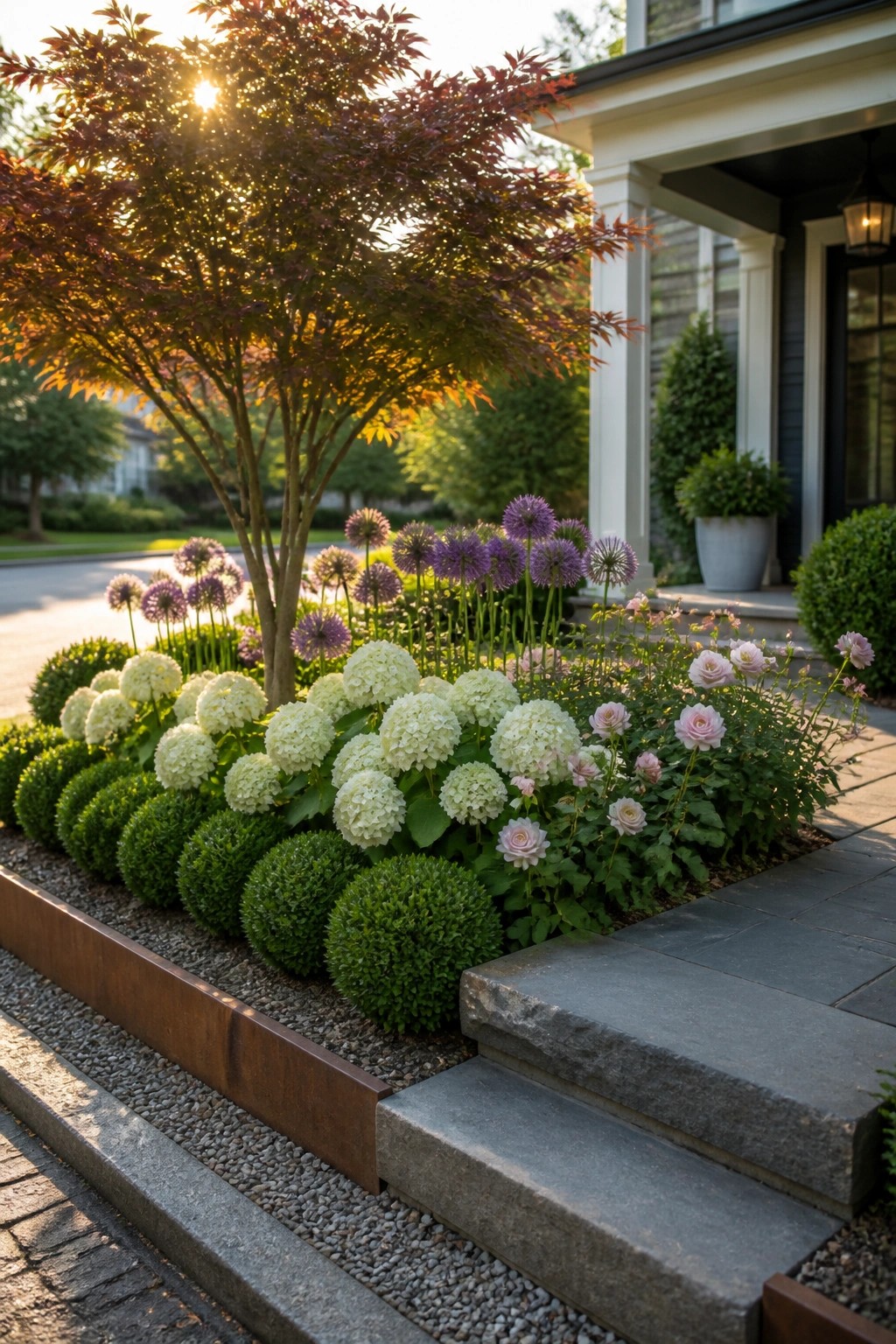
Layering plants by height keeps a small bed from looking flat. Low mounds sit at the front, fuller blooms fill the middle, and taller stems rise toward the back. This simple step adds depth and makes the whole planting feel softer and more full.
The approach works well along walkways or near house steps. Use a clean metal edge to hold the layers in place and keep the bed tidy. It suits most small yards and needs only basic care once the plants are set.
Stepping Stones Through Gravel For Soft Texture
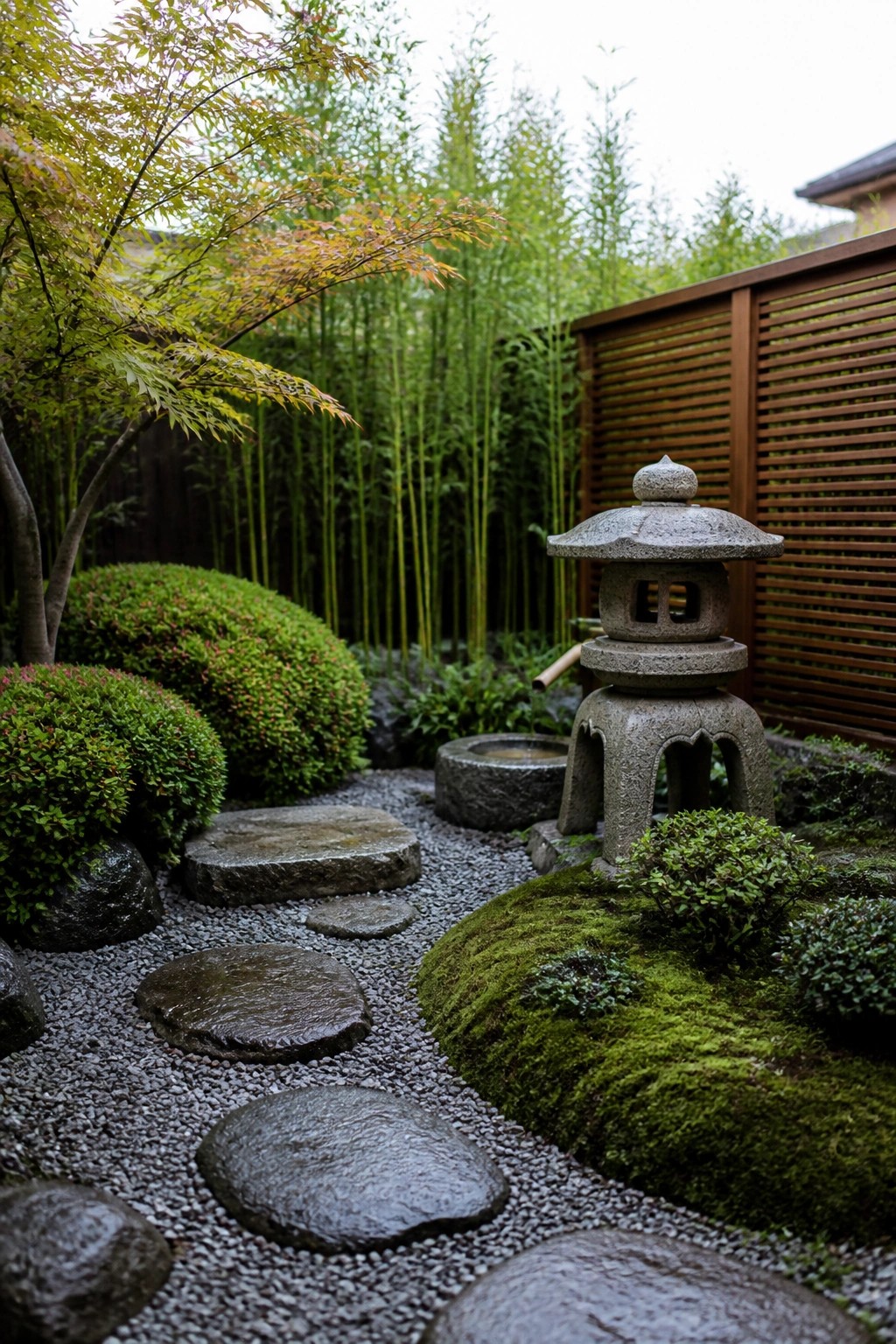
A gravel path with flat stepping stones works well in small gardens because it keeps the ground simple while still letting plants spill over the edges. The stones create a clear route without making the space feel too hard or structured. Moss along the sides adds a soft layer that changes the whole feeling of the path.
This approach suits compact yards or side gardens where you want some movement but do not have room for wide beds. Keep the gravel light in color and let low plants creep in naturally so the edges stay relaxed. Avoid making the stones too even or perfectly spaced if you want the look to stay informal.
Layer Plants Along Paths For Soft Texture
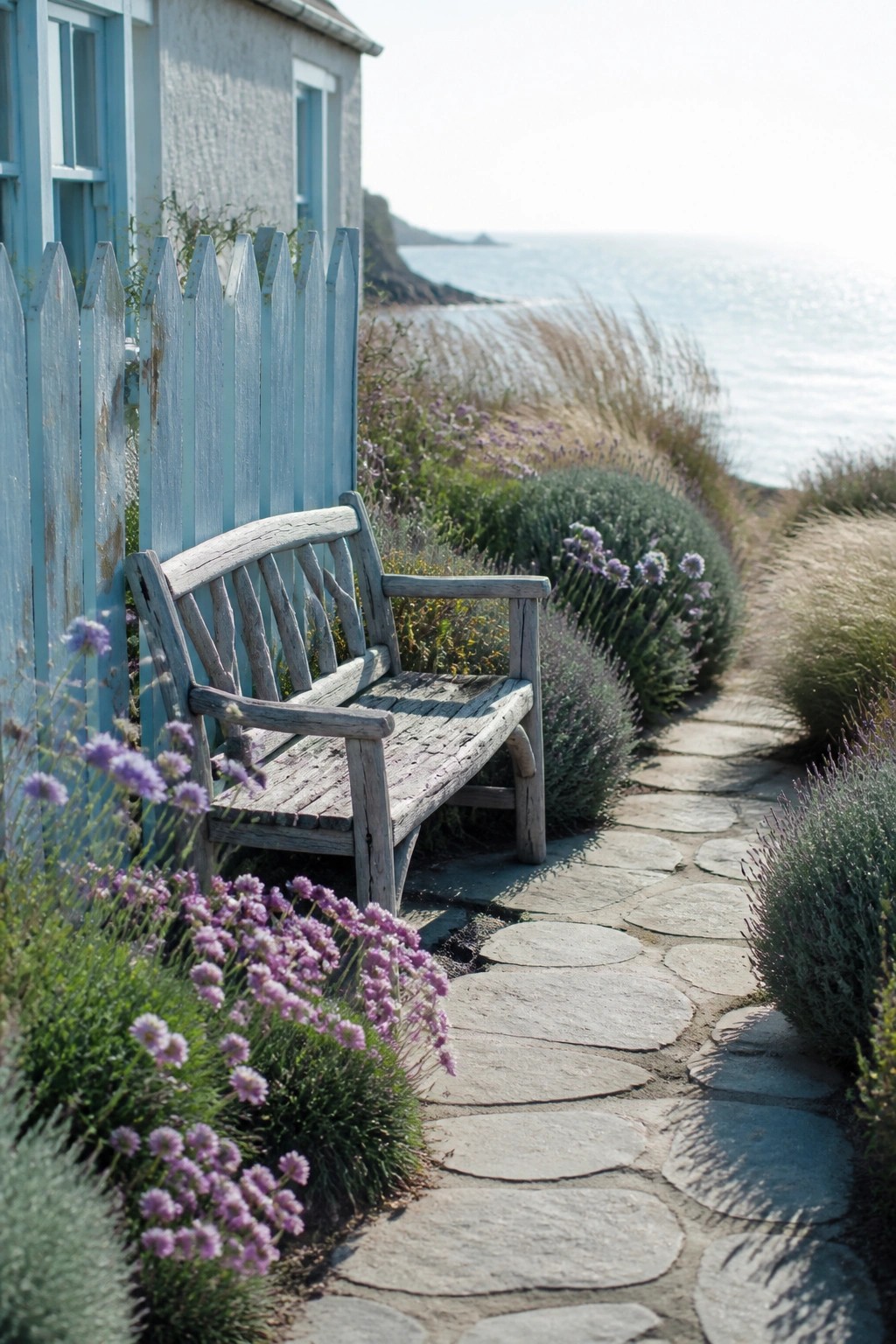
Many small gardens gain a lot when the edges feel full instead of flat. Low flowers in front, mid-height shrubs behind them, and a few taller grasses farther back create that gentle, layered look along a walkway.
This approach suits narrow side yards or coastal paths where space is tight. Keep the tallest plants toward the back so the path stays easy to walk and the layers stay in scale with the space.
Layer Plants From Ground Covers To Small Trees
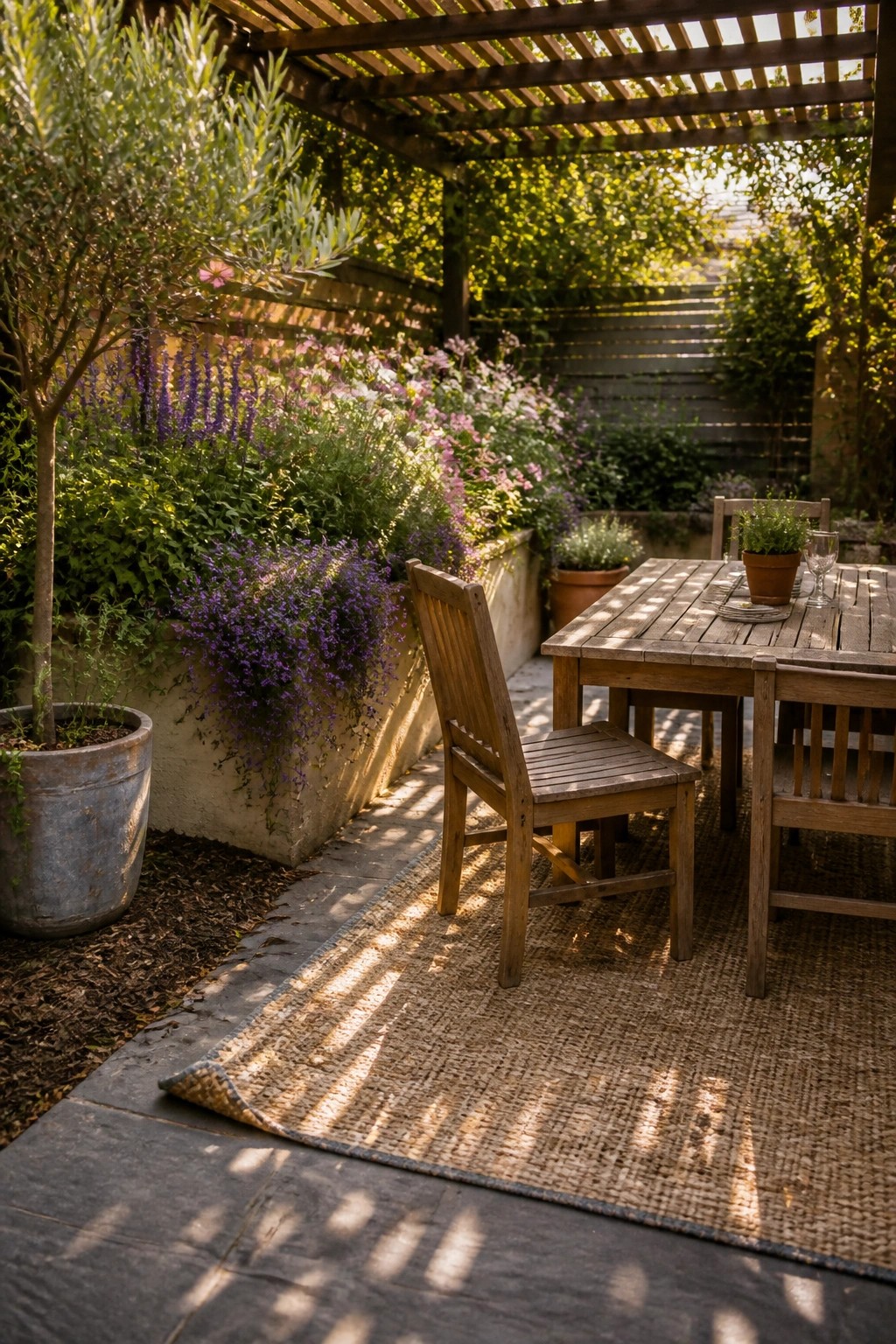
Layering plants from low ground covers up to taller shrubs and small trees gives a border that feels full and soft even in a narrow space. The mix of textures and colors keeps the eye moving without any single plant taking over.
This approach works well along a patio edge or fence line where space is limited. Start with something low and trailing at the front, then add mid height perennials, and finish with a taller accent like a small tree or shrub at the back. Give each layer room to grow so the effect stays loose rather than crowded.
Layer Plants Around Large Stones
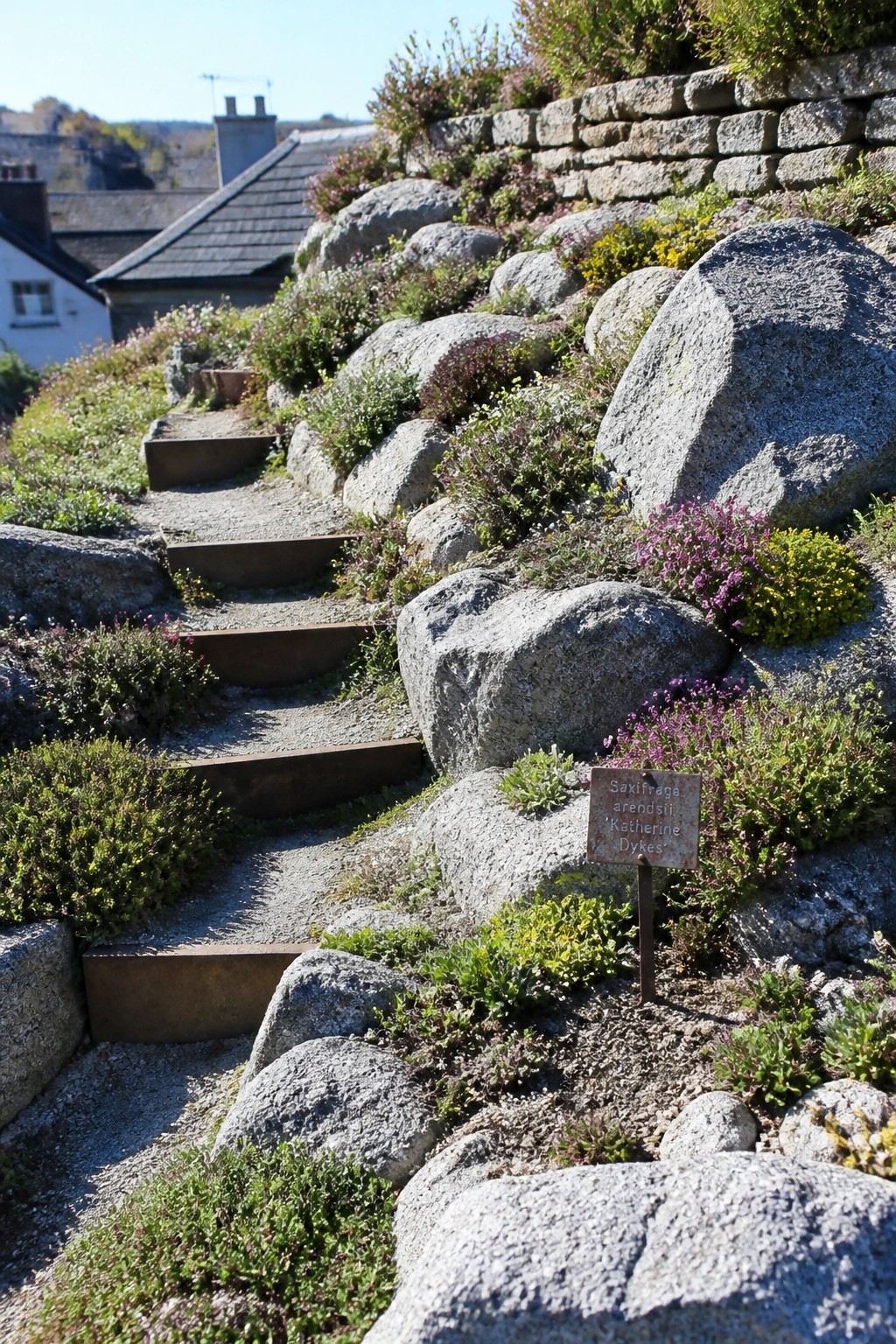
This works especially well on sloped sites where flat beds would feel too formal. The plants tuck into the spaces between boulders and spill over the edges, which gives the border a soft, full look without needing wide planting areas.
It suits older homes or gardens with existing rock outcrops. Mix low spreading perennials with a few bushier shrubs so the texture stays varied as the plants grow in. Keep an eye on watering at first since slopes can dry out faster than level ground.
Layer Potted Plants Along Borders
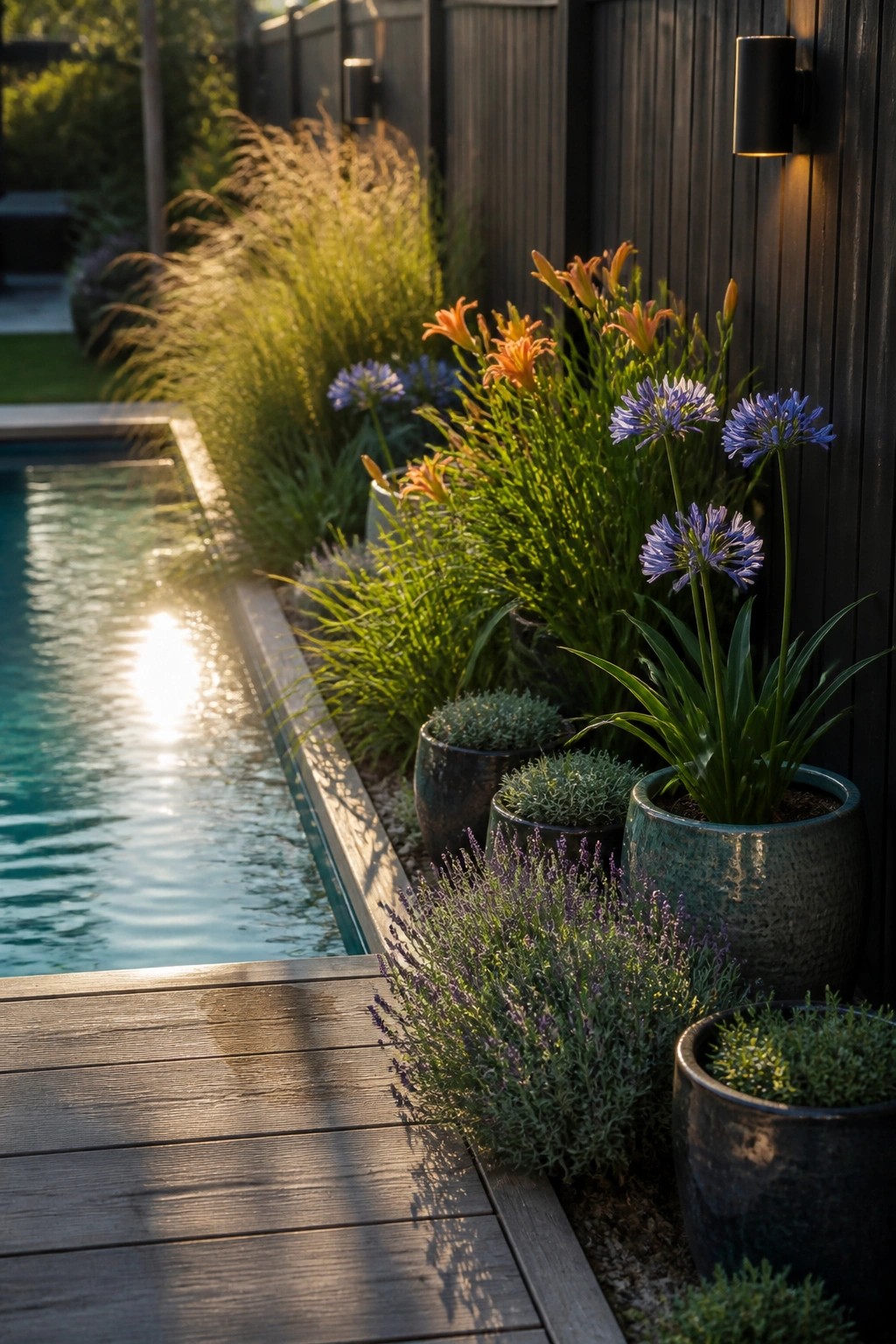
Pots give you an easy way to add layers without digging up the whole bed. You can stack heights and mix textures right where the space feels flat, and it works especially well along a long edge like a pool or path.
Place taller plants in back pots and lower ones in front so the border builds depth without looking crowded. This setup suits small gardens or tight side yards where you still want plenty of softness and color changes through the seasons.
Raised Planters Along Narrow Paths
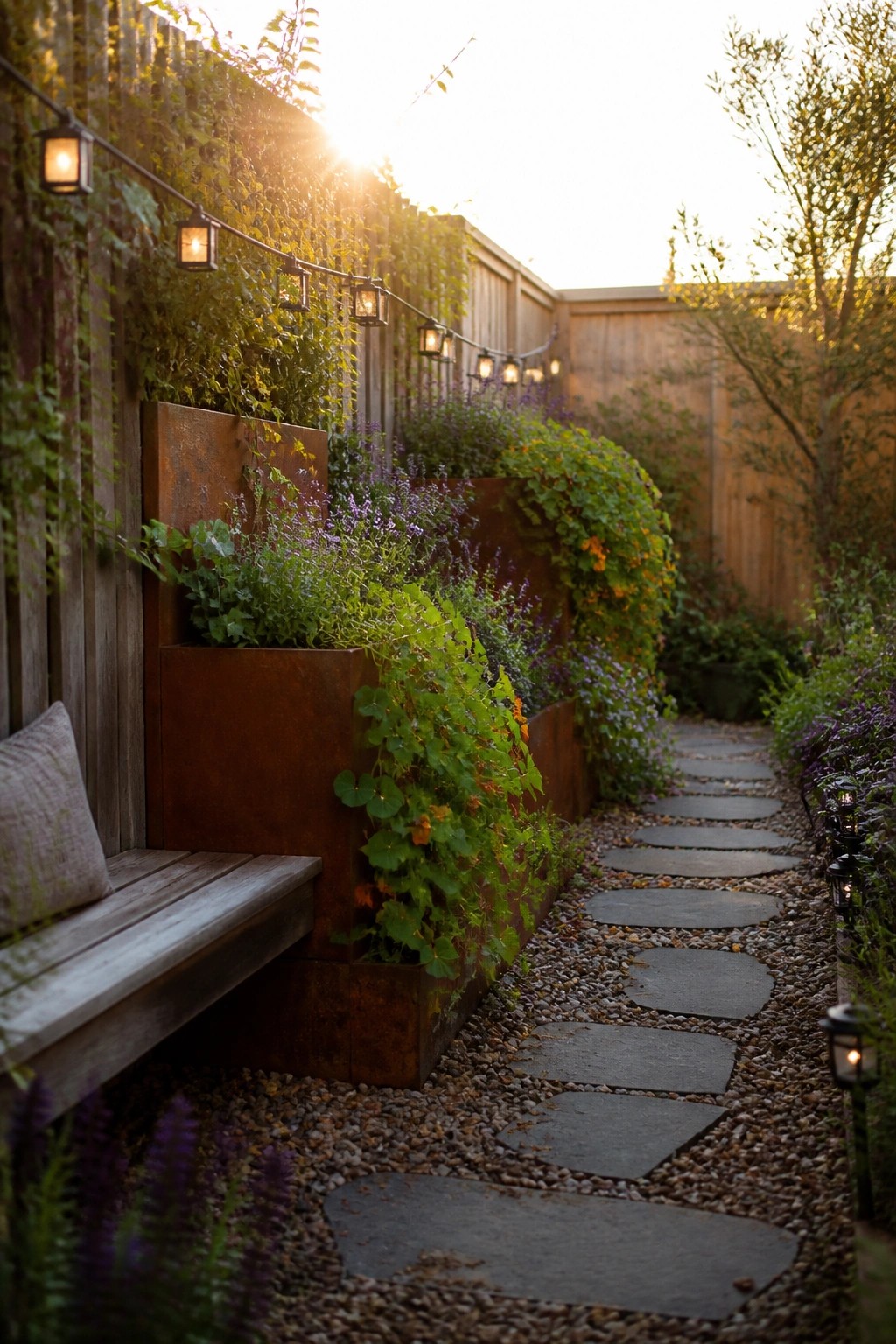
Raised planters let you build layers of plants in a tight space without crowding the ground. They sit right against the fence or wall and let flowers and vines spill forward at different heights, which gives the path a softer edge and more texture overall.
This setup works best in side yards or slim gardens where a flat bed would feel too cramped. Use sturdy metal boxes so the soil stays contained and the plants stay easy to reach for watering and trimming.
Raised Planters For Layered Borders
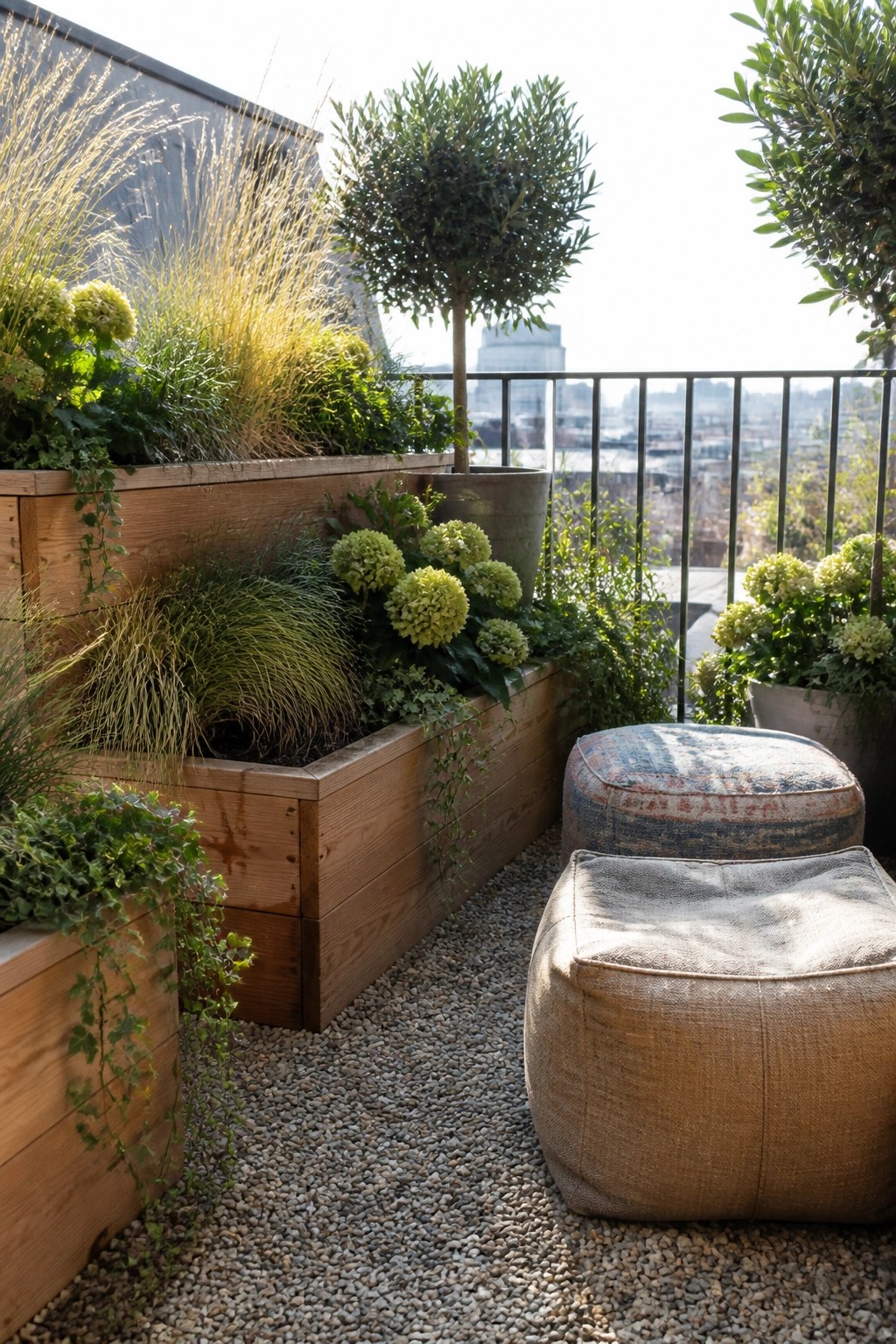
Raised planters make it easier to build layers in a small garden. You can stack taller grasses behind lower flowering plants and let vines spill over the edges without crowding the ground.
This setup suits balconies or tight patios where soil is limited. Use a few wooden boxes of different heights, then mix in soft textures like fine grasses and rounded blooms so the planting feels full rather than flat.
Layer Perennials In Narrow Brick-Edged Borders
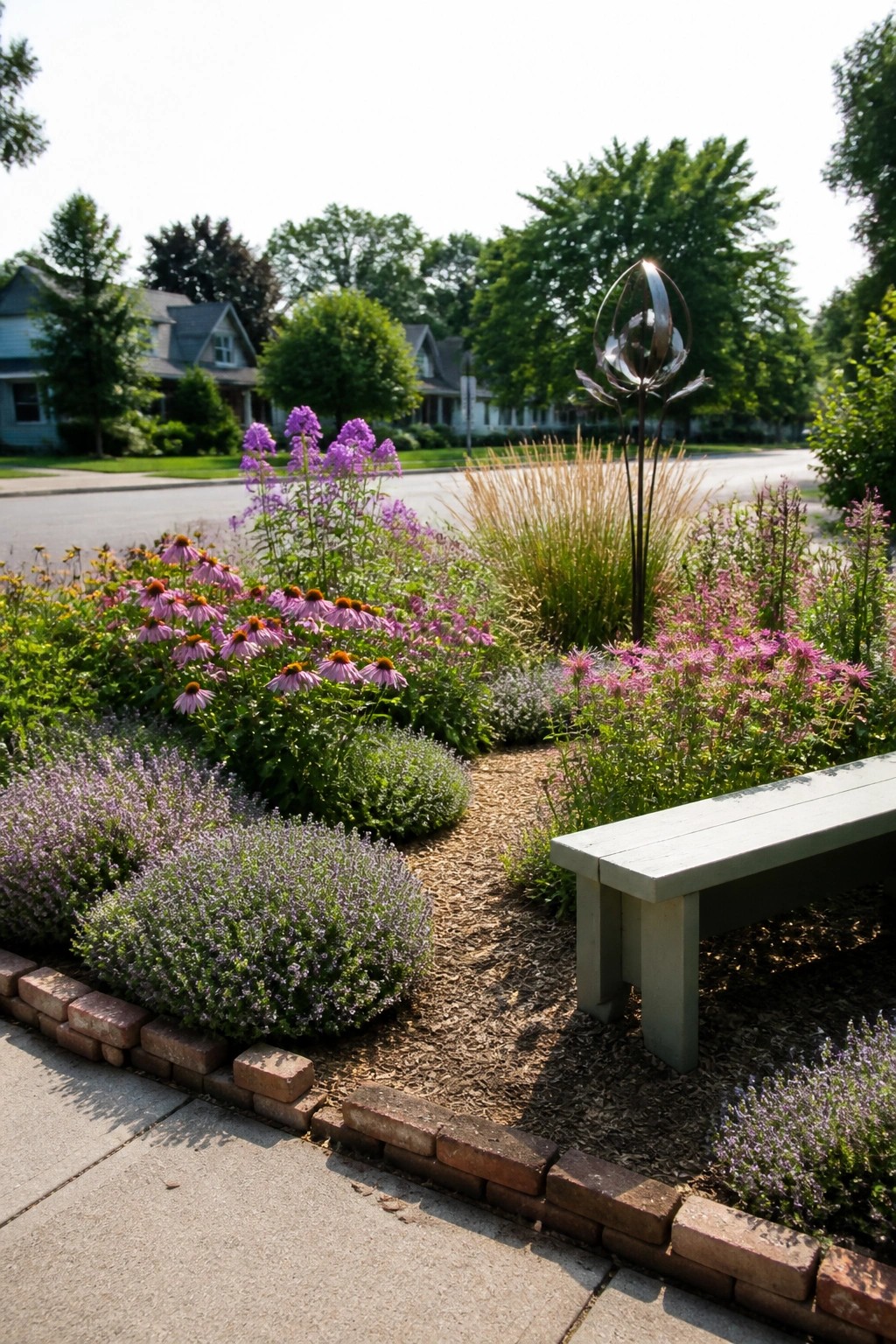
Layering plants of different heights gives a small border much more presence. Shorter ground covers sit in front, midsize flowers fill the middle, and taller stems rise toward the back. This creates depth and keeps the bed from looking flat even when space is tight.
The same method works well along sidewalks or driveways where beds stay narrow. Use simple brick edging to hold the mulch in place and let the plants do the rest. Choose perennials that spread a bit so the layers stay full without constant replanting.
Frequently Asked Questions
Q: How do I choose plants that build real layers in a tiny border without crowding everything?
A: Pick a few low spreading flowers for the very front and set medium height ones just behind them. Add one or two taller stems at the back to give depth without eating up space. This keeps the soft look while letting each plant breathe.
Q: What works if my small garden gets uneven sun and some spots stay bare?
A: Move shade loving plants with soft foliage into the darker corners and let sun lovers fill the bright areas. Check the light at different times of day before you plant so nothing struggles later. The layers fill in faster when every spot matches the plant.
Q: My flowers start to look flat after the first bloom. How do I bring back that texture?
A: Cut spent blooms right away and let side shoots take over. Tuck in a couple of quick growing annuals between perennials to refresh the softness through the season. A light trim on straggly edges keeps everything looking full.
