

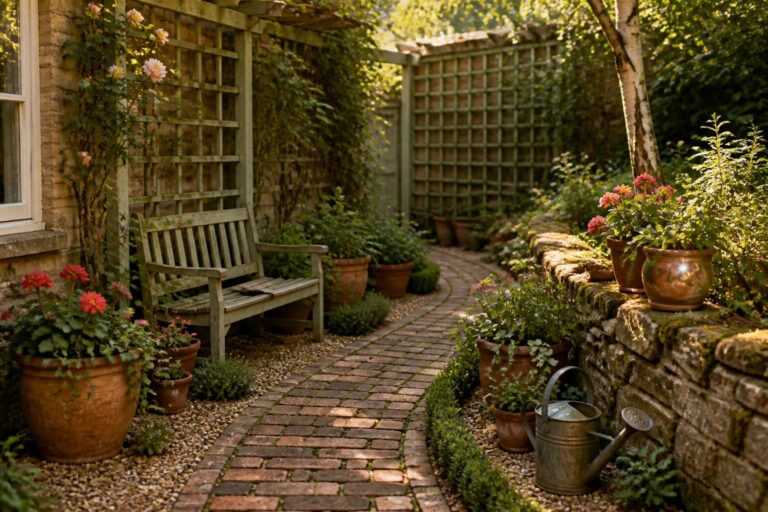
In a small garden the layout of paths and planting layers decides whether the space feels open or crowded once you start using it every day.
Curved paths guide movement in a way that straight lines rarely manage and they help the eye travel farther than the actual square footage suggests.
Layering changes everything.
Pots give room to adjust as plants mature or as the light shifts through the year which straight beds do not allow.
I usually sketch the main curve first because the rest of the planting only settles into place once that line feels right underfoot.
Curved Stone Paths With Potted Plants
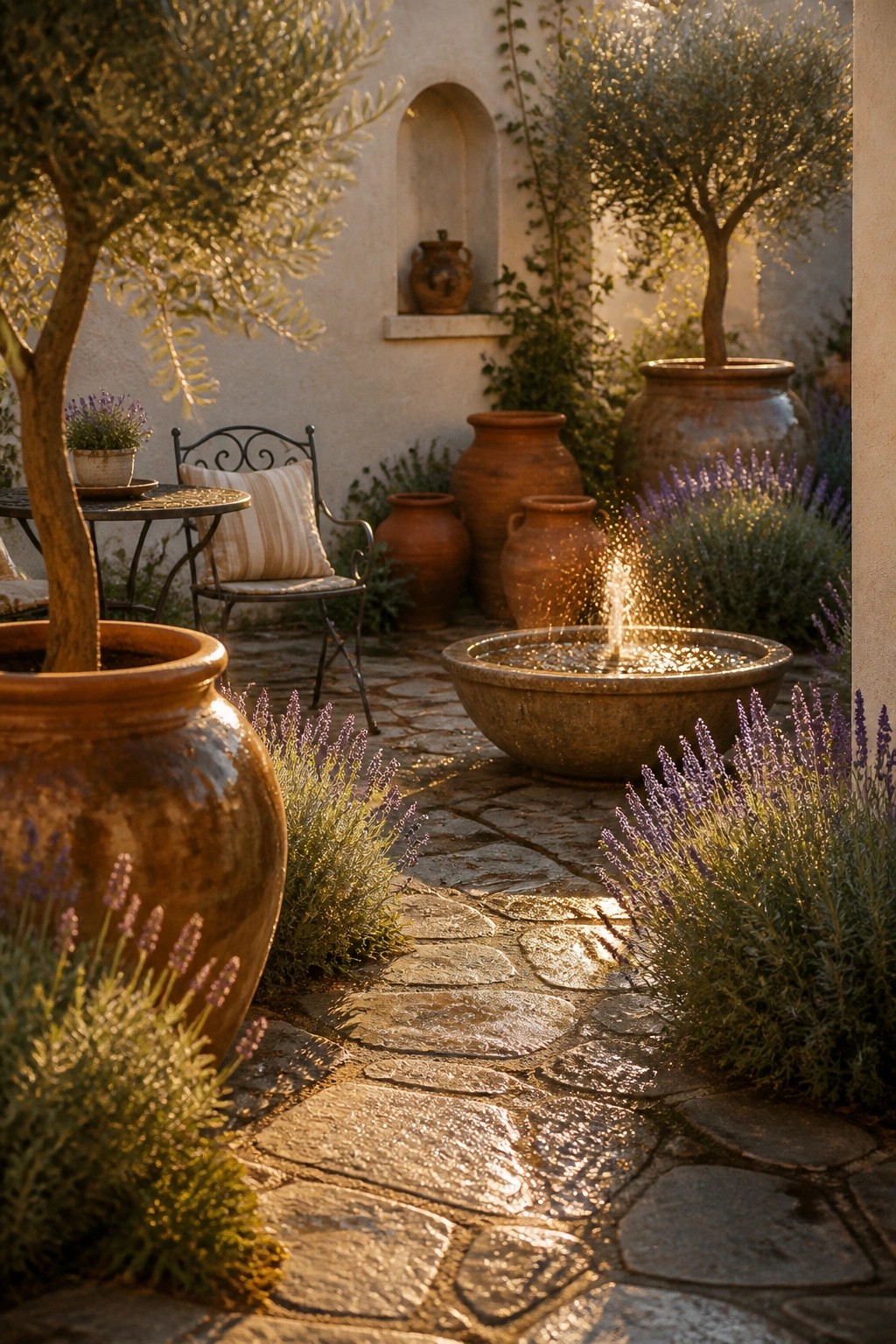
A gentle curve in a path helps a small garden feel less cramped and more interesting to walk through. It also gives you natural spots to tuck in pots without blocking the way.
Large terracotta pots placed along the edges work well for this because they add height and structure while keeping the planting flexible. Group them with layered plants like taller trees behind lower flowering shrubs. This approach suits narrow side yards or small courtyards where you want definition without building permanent beds.
Curved Paths Help Small Gardens Feel Bigger
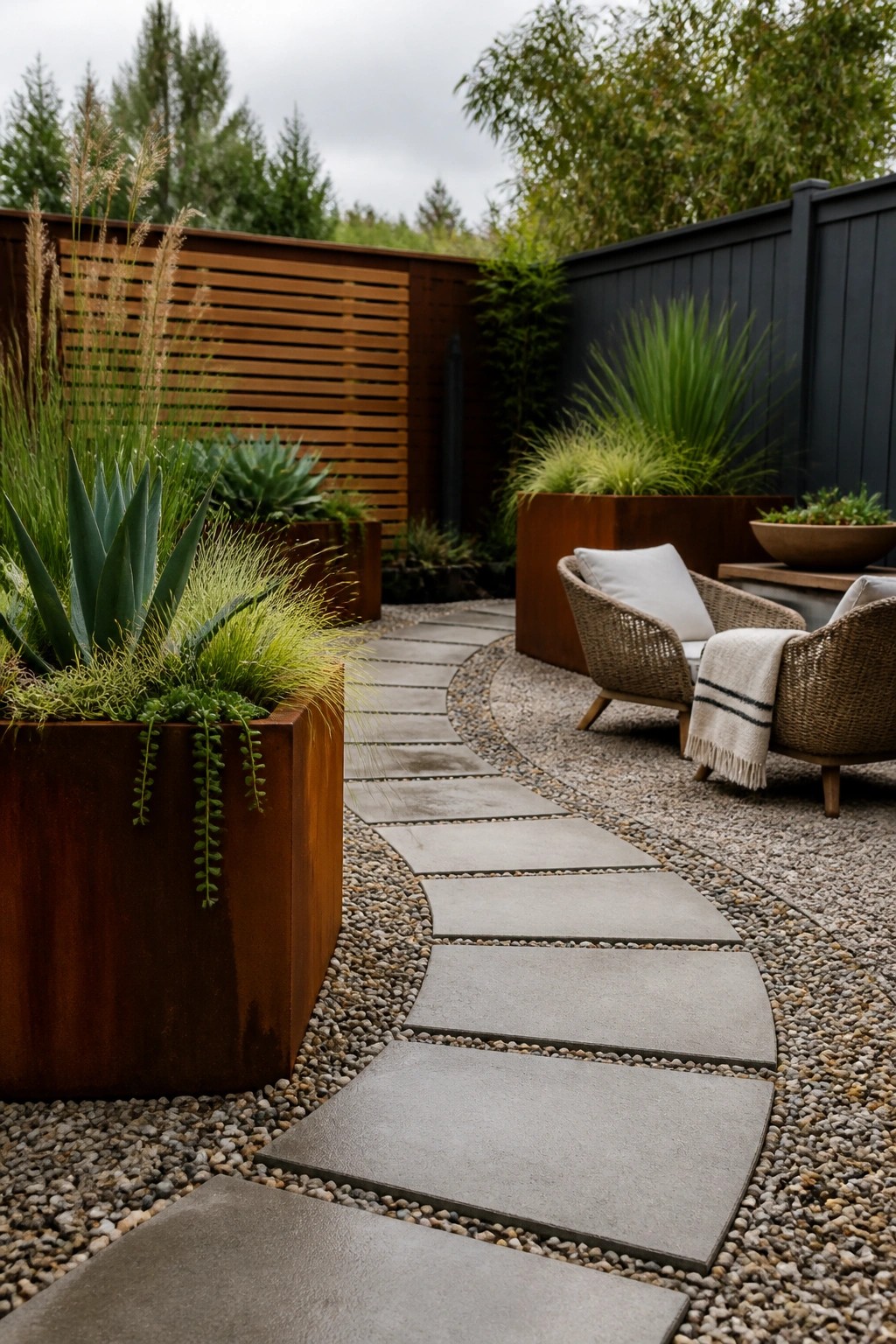
A straight path can make a small garden feel even tighter. Letting the path curve instead gives the space a softer shape and makes it feel like there is more room to move through.
Set wide pavers in a gentle arc over gravel and keep the edges simple. Large pots placed along the curve help guide the eye without blocking the way. This layout suits narrow yards or small back gardens where a straight line would feel too direct.
Stepping Stones In Gravel
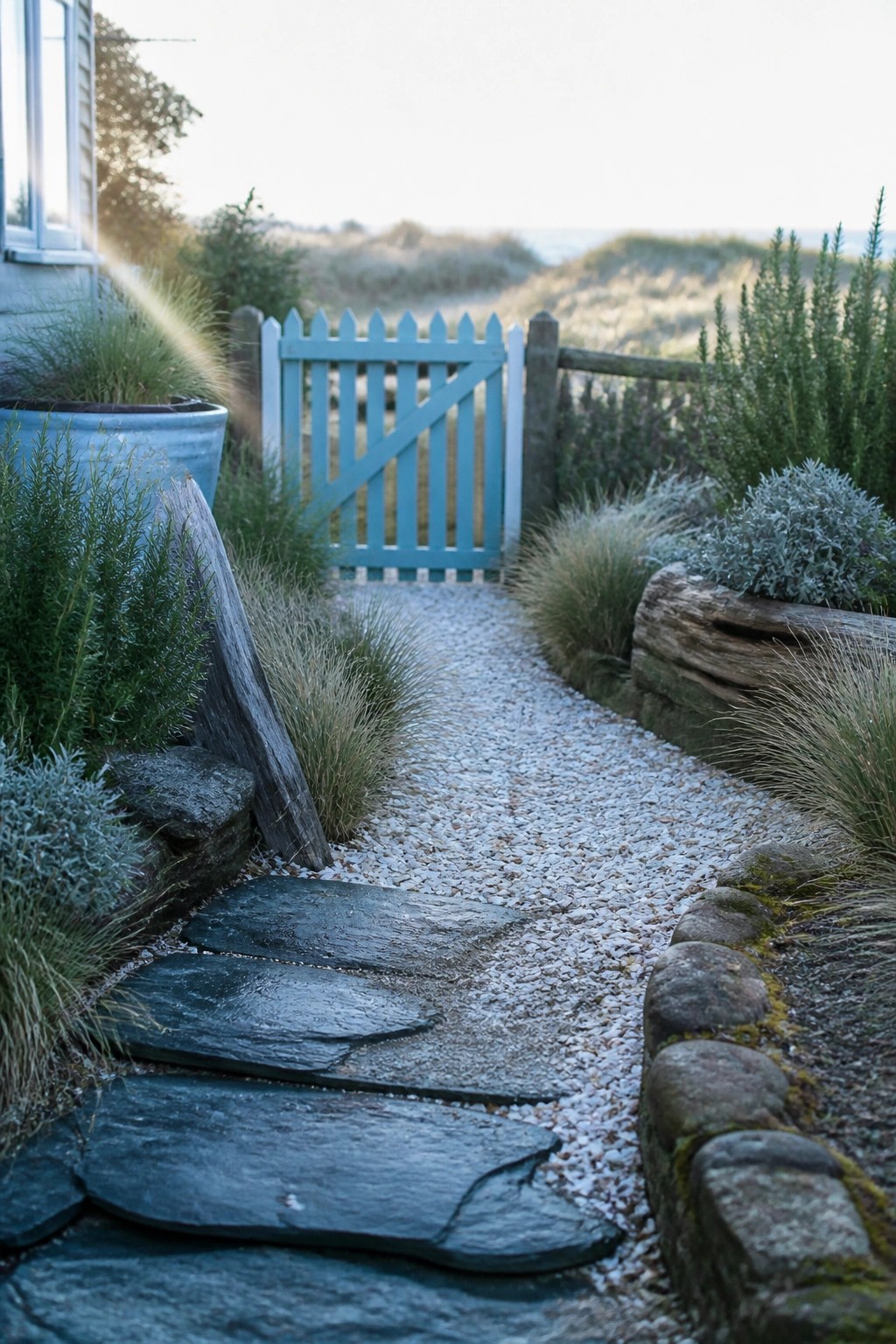
Stepping stones set into gravel give a garden path a relaxed feel without making the space look too formal. The stones break up the surface just enough for walking while the gravel fills in around them and helps with drainage.
This approach suits small gardens that need a simple way to move through planted areas. Space the stones a comfortable stride apart and let the surrounding plants soften the edges over time.
Curved Stepping Stone Paths For Small Gardens
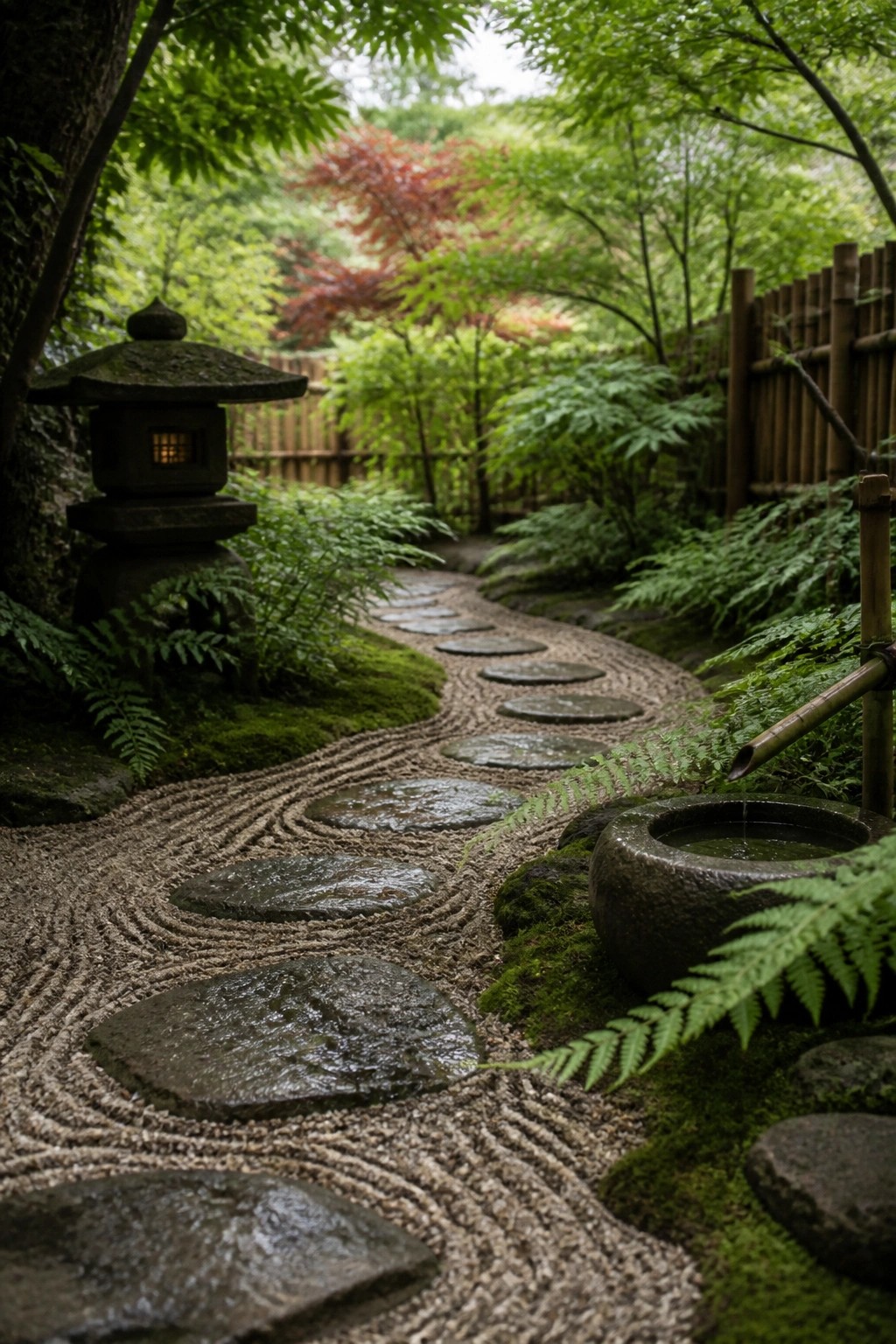
A curved path made with stepping stones set into gravel gives a small garden a sense of movement without taking up much room. The bend softens the layout and makes the space feel larger than a straight line would.
This approach works best in narrow side yards or compact back gardens where planting can spill over the edges. Keep the gravel raked and choose stones that are wide enough to walk on comfortably.
Layered Planting in Large Pots
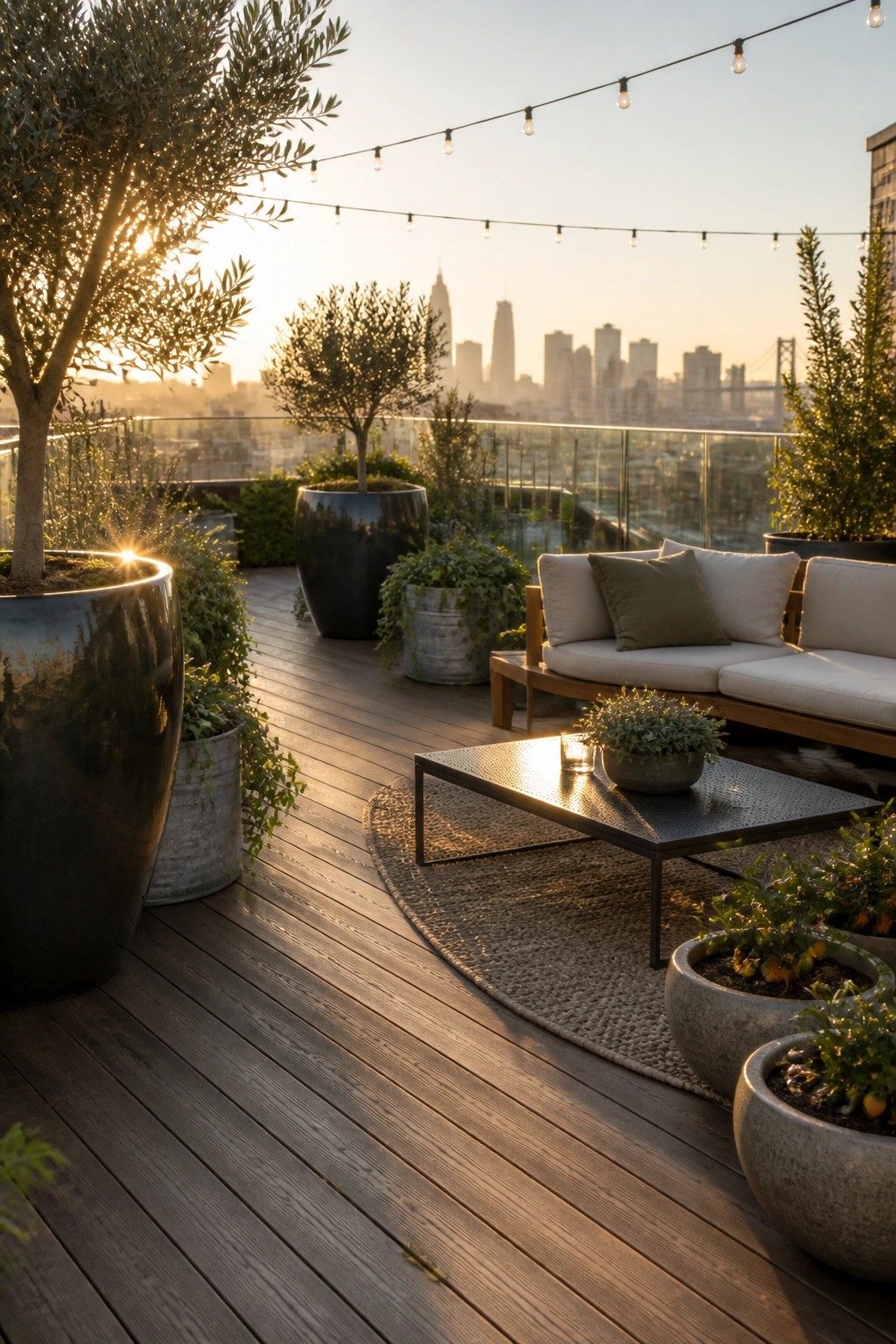
Large pots make it easy to create depth and interest even when you only have a deck or terrace to work with. Grouping a few different sizes together lets you mix taller plants like small trees with lower shrubs and trailing greens, which gives the space a fuller garden feel without digging beds.
This approach works well on rooftops or patios where space is tight. Stick to two or three main pot styles so the look stays simple, and place the tallest ones toward the back to frame the seating area.
Curve the Path Through the Beds
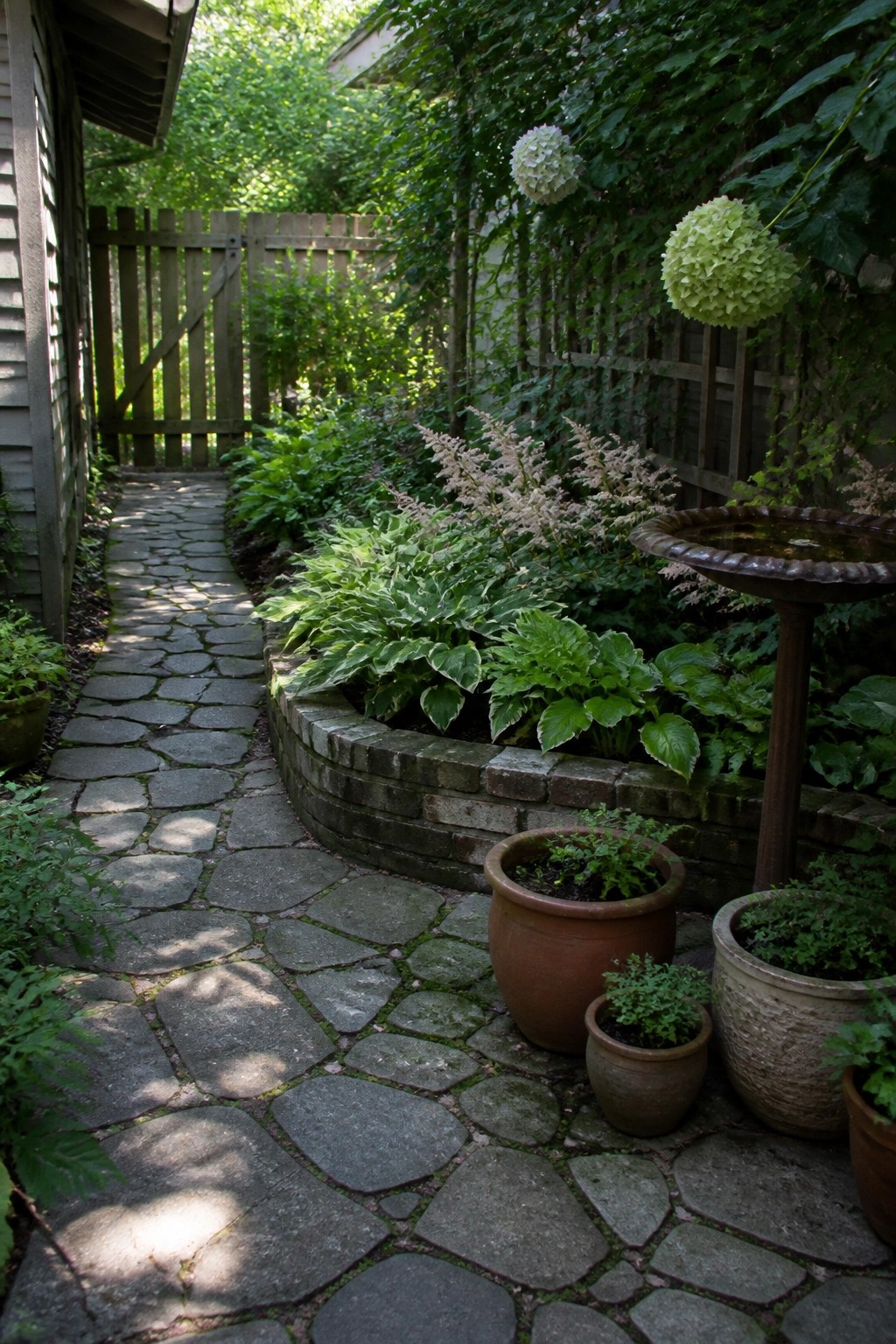
A curved path gives a small garden more movement than a straight line ever could. It slows you down just enough to notice the layers of plants along the edge and makes the space feel less like a narrow walkway.
This layout works best in side yards or tight back gardens where you need to guide foot traffic without boxing everything in. Keep the edging low so the plants can spill over a bit, and cluster a few pots where the path widens to mark the end of the route.
Curved Paths Through Layered Beds
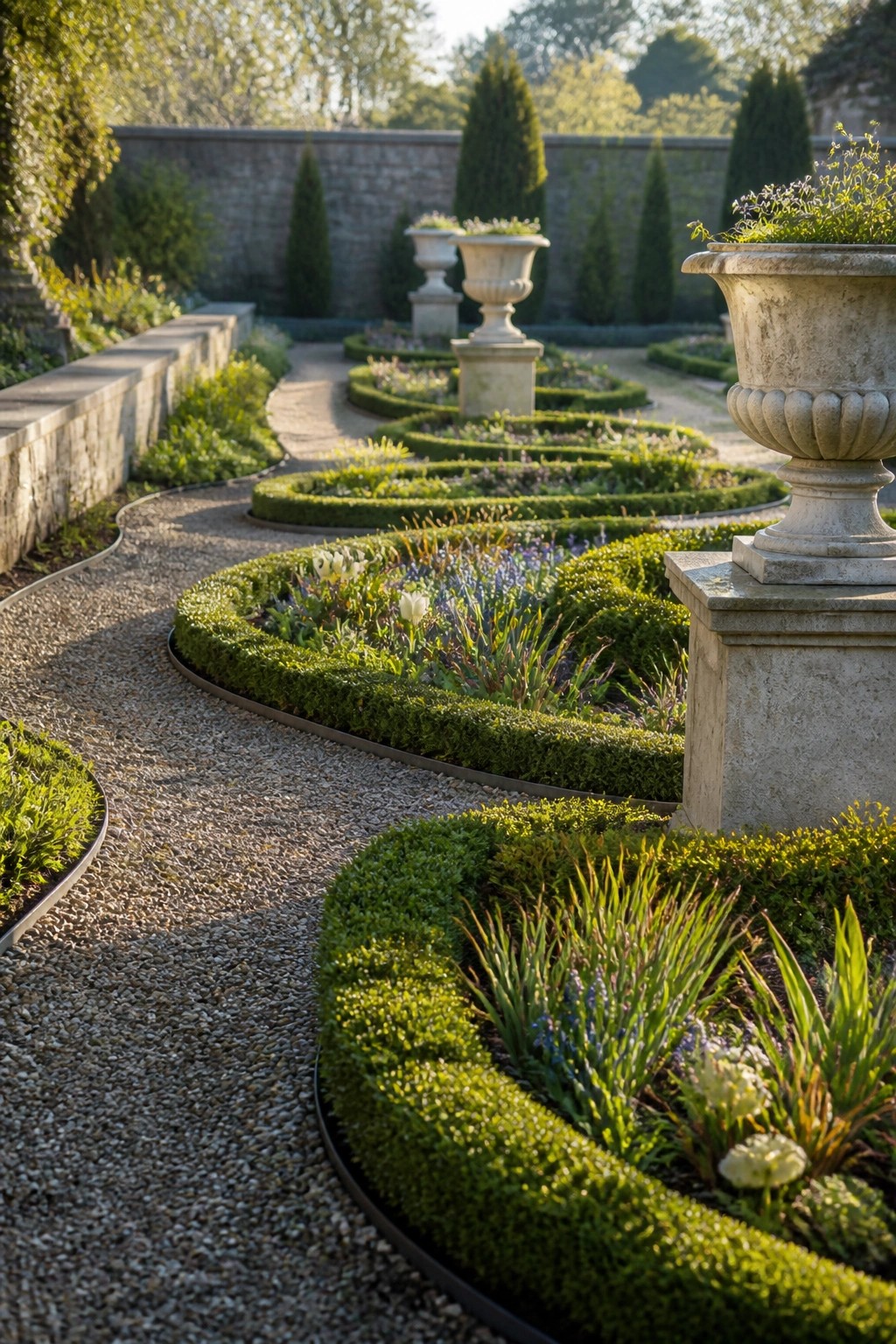
Curved paths work well in small gardens because they slow the eye and make the space feel less rigid. Gravel paths edged in metal or stone keep things tidy while letting the beds on either side take center stage.
This layout suits compact yards where straight lines would feel cramped. Keep the curves gentle, use low hedges to define the beds, and layer plants by height so the beds stay full without crowding the walkway.
Curved Paths With Layered Pots
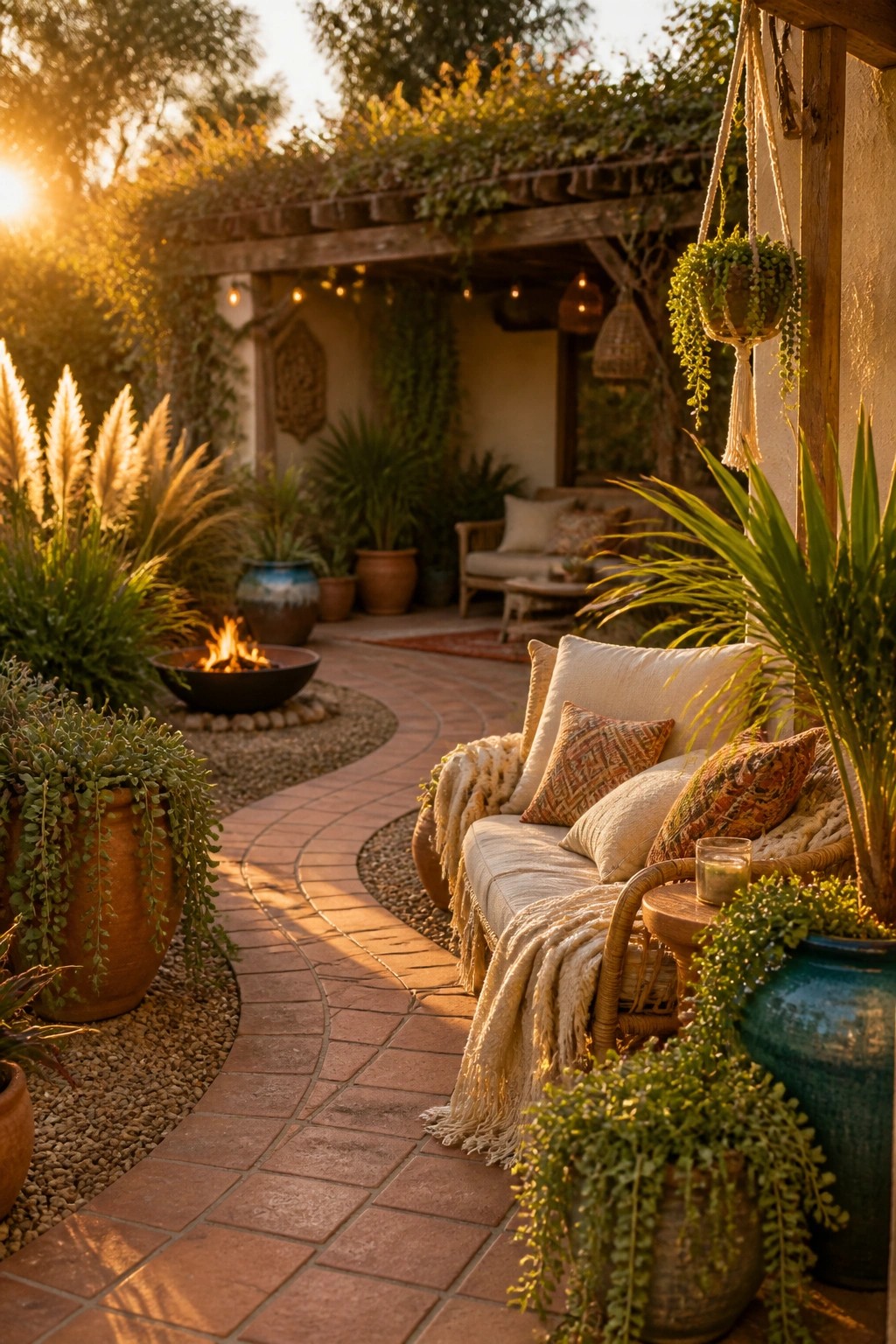
A curved path gives a small garden more flow than a straight line ever could. It lets the eye move gradually through the space while giving you room to layer pots of different sizes along the edges. The brick here sits low and simple, so the plants and containers stay the main focus.
This layout works best in modest backyards or side yards where you need to connect a seating spot to the rest of the garden without cutting the area in half. Keep taller pots toward the back of the beds and let trailing plants spill forward. Avoid crowding both sides of the path or the curve will start to feel narrow.
Layer Pots Along Curved Paths
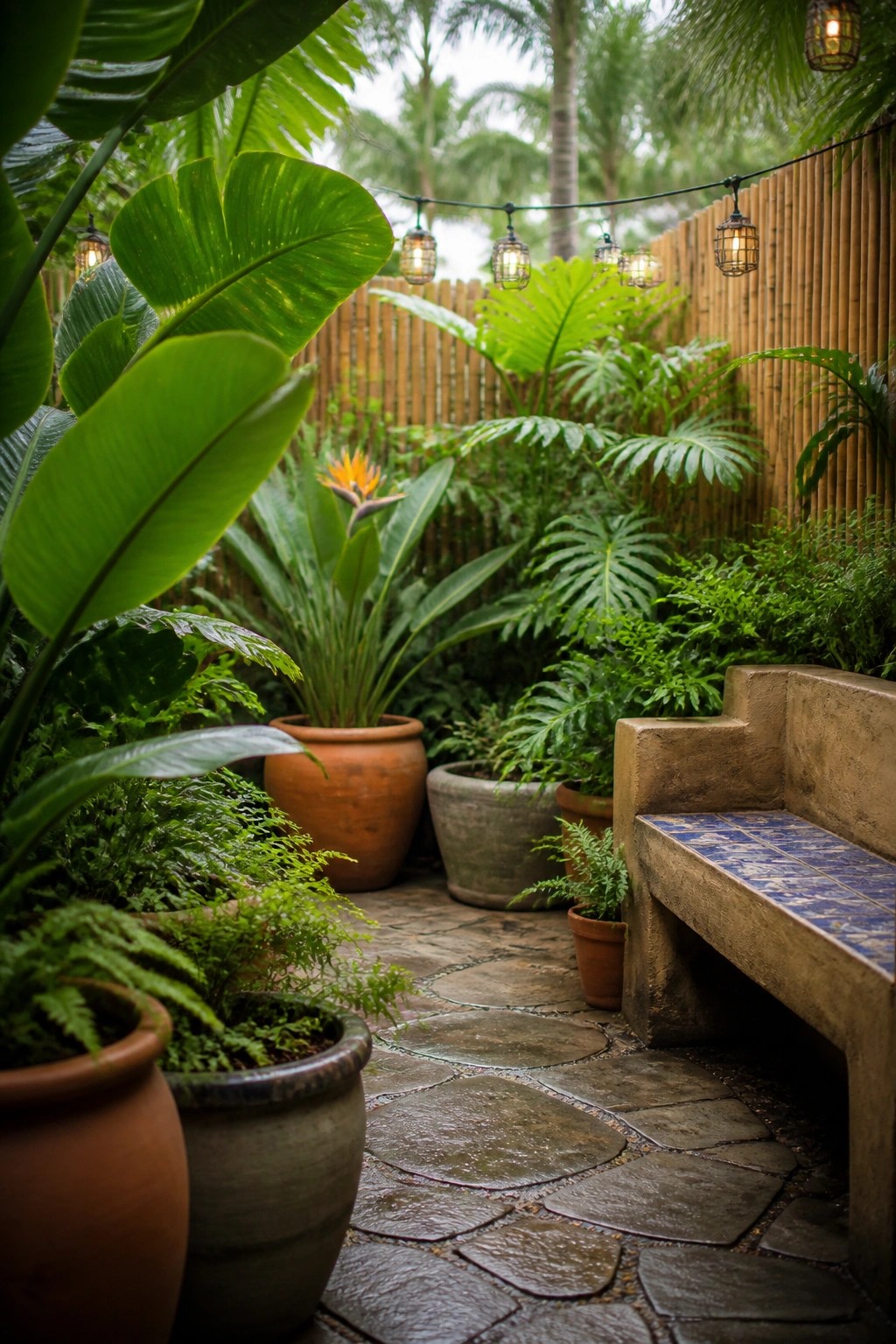
Layering plants in pots of different heights and materials gives a small garden more depth without needing wide beds. The mix of large and small containers lets you stack foliage at eye level and ground level at once, which makes the space feel fuller even when the actual footprint stays tight.
This approach works well in narrow side yards or small back gardens where digging new beds is not practical. Place the biggest pots toward the back and step smaller ones forward so the path stays clear while the planting still feels dense.
Layering Pots Along Narrow Paths
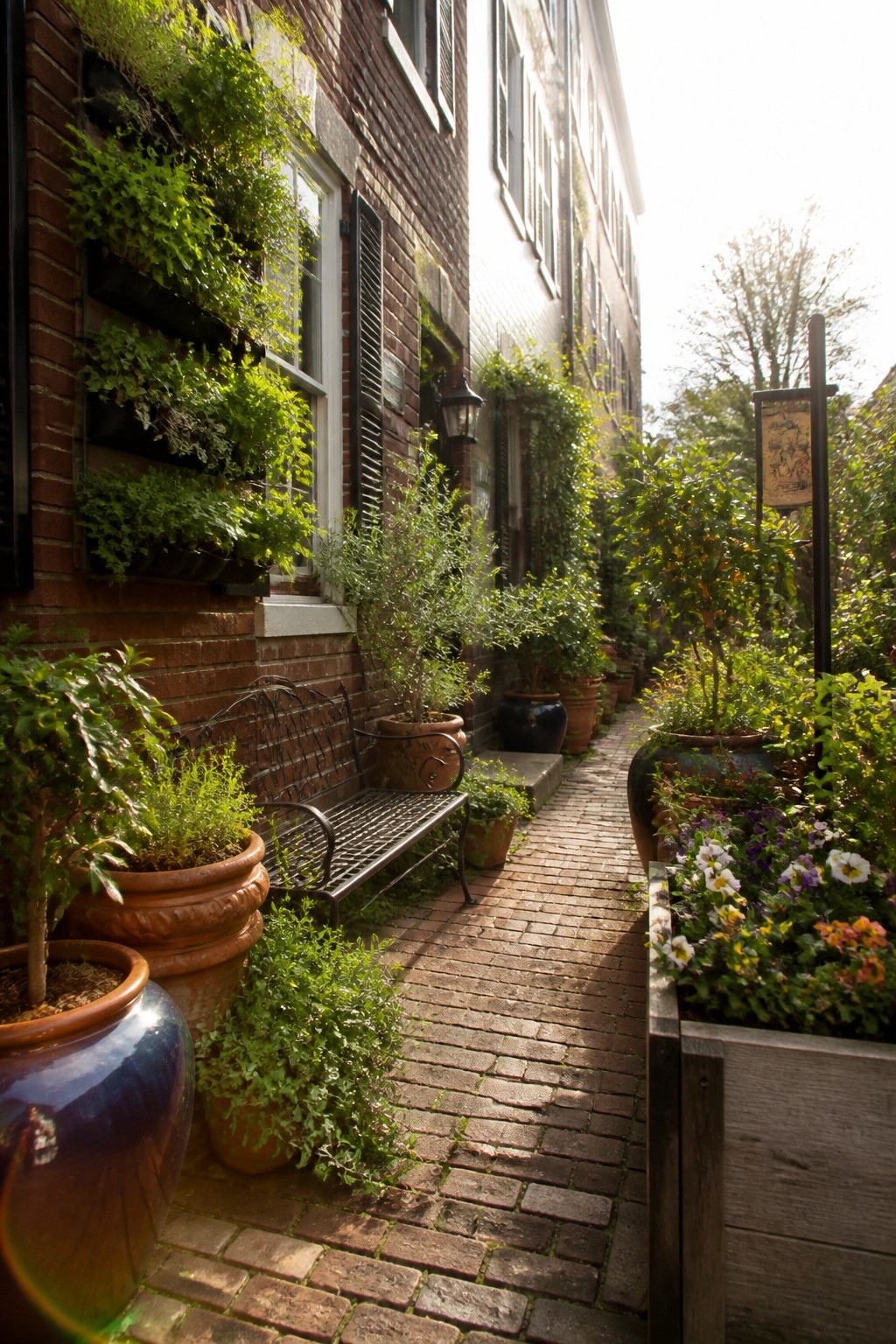
Pots make it easy to build layers in a small garden without needing big beds or wide borders. Stacking plants at different heights, from low ground covers up to taller shrubs and wall-mounted boxes, turns even a tight walkway into something full and green.
This approach works best on homes with side passages or small courtyards where space is limited. Mix a few large containers with smaller ones and add some vertical planters on the walls to keep the layers going upward without crowding the path.
Curved Paths With Stone Edging
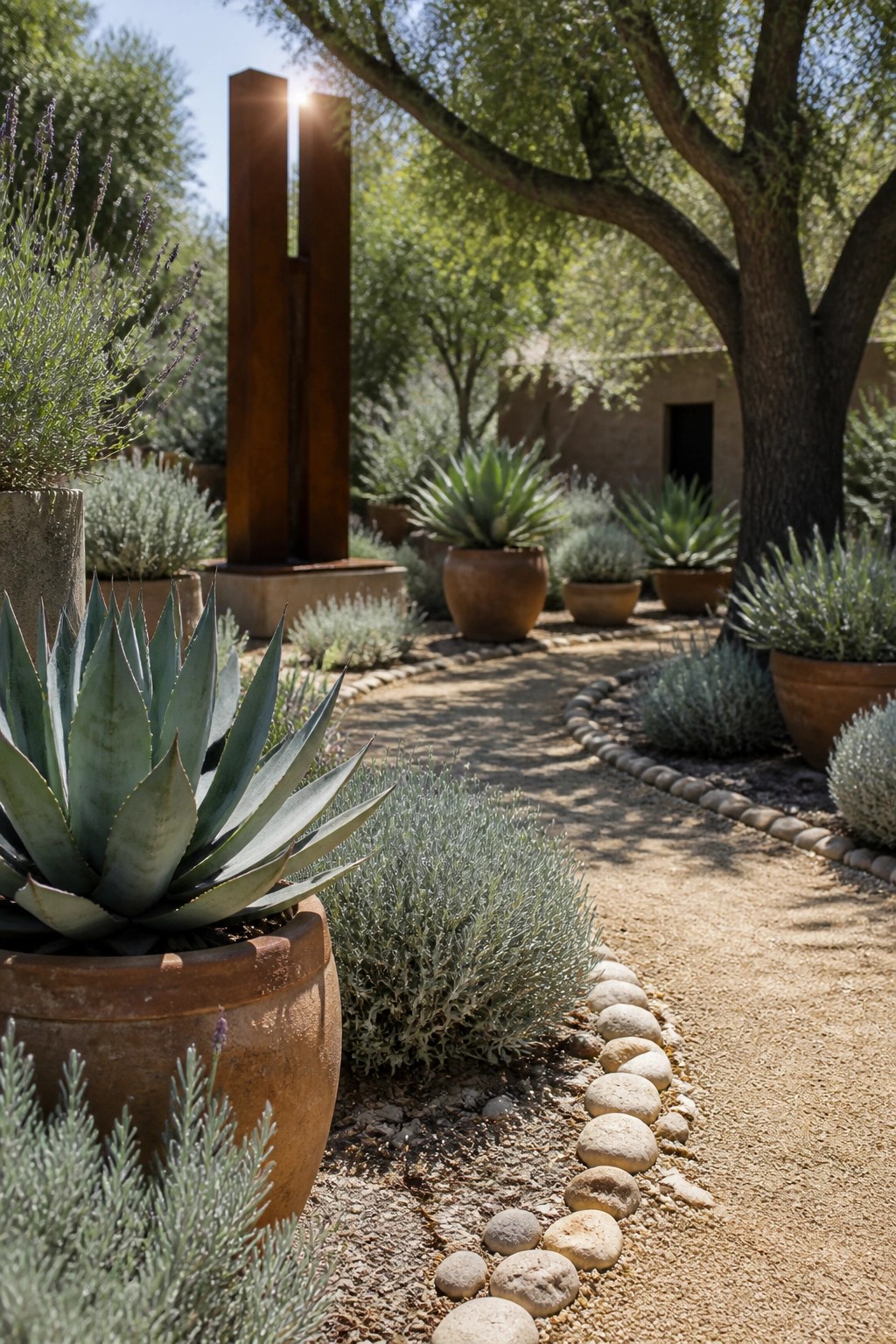
A curved path adds movement to a small garden without needing much space. The gentle bend keeps the view from feeling flat, and the low stone border holds the gravel neatly while giving the edge a finished look.
This layout suits sunny, dry gardens where you want easy walking and simple upkeep. Place the curve to link planting beds or pots, and keep the edging low so the focus stays on the layered plants beside the path.
Curved Paths That Open Up Small Gardens
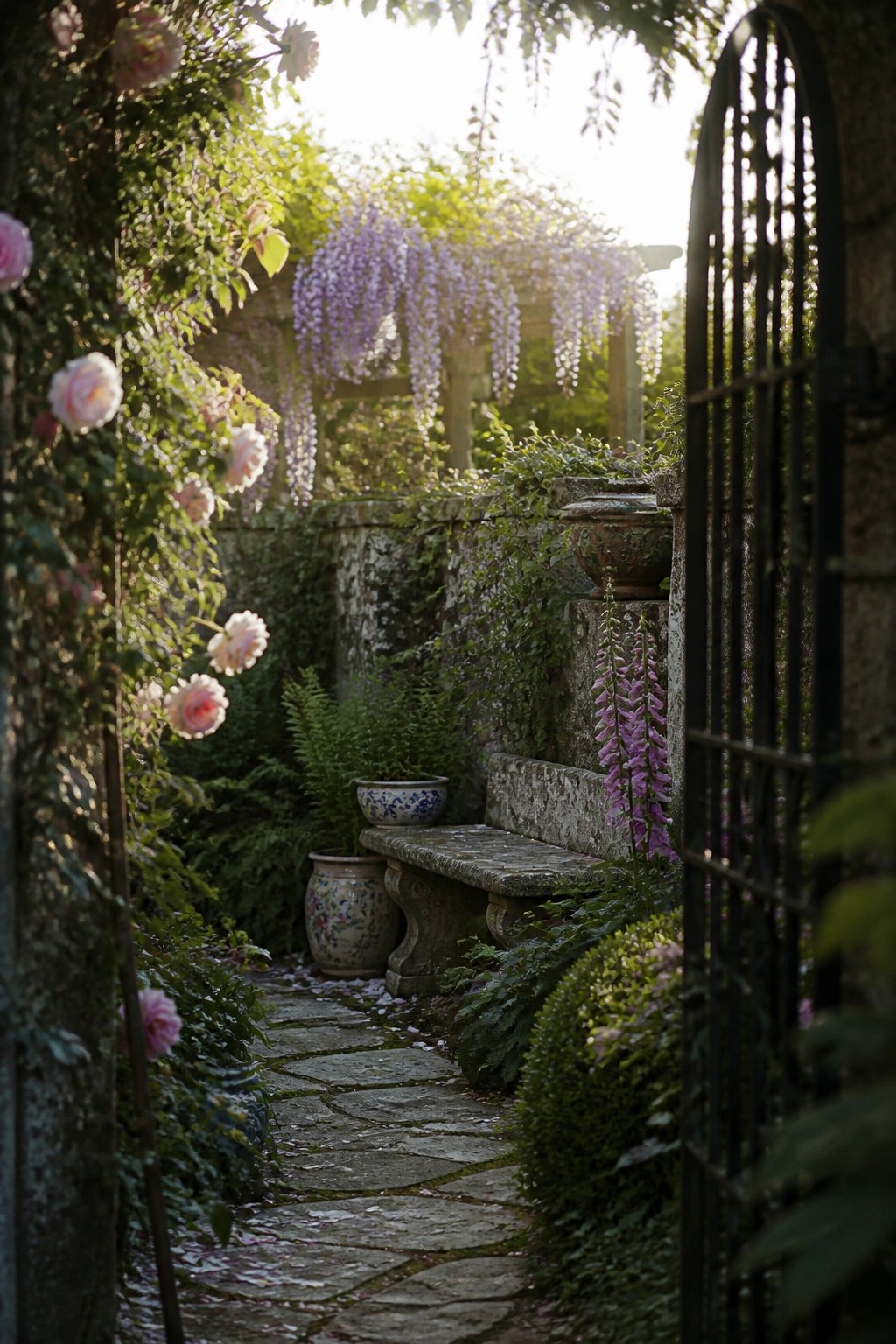
A curved path can make a small garden feel larger by leading the eye along a gentle route instead of a straight line. It also gives you more room to layer plants on either side without crowding the space.
Try placing pots of varying heights along the edges and mixing in ferns or taller blooms behind lower flowers. This works especially well in narrow side gardens or enclosed courtyards where a straight path would feel too rigid.
Curved Paths Shape Small Garden Layouts
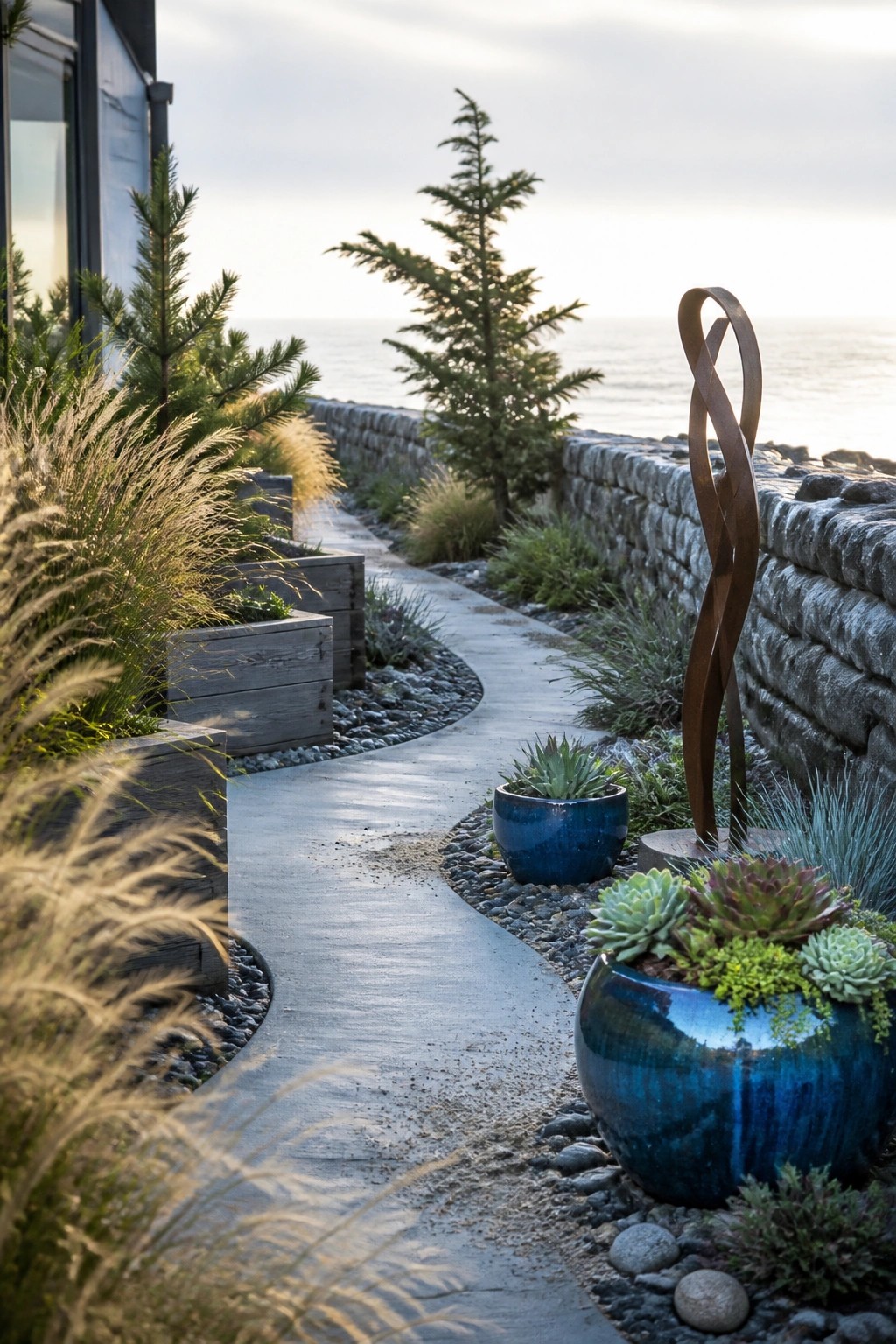
A curved path gives a small garden more movement without needing extra room. The bend lets the eye travel slowly and breaks up what could otherwise feel like a narrow strip between beds and walls.
Place larger pots near the turns so they mark the change in direction. This works best in side yards or coastal lots where straight lines would emphasize the tight space rather than soften it.
Curved Paths In Small Gardens
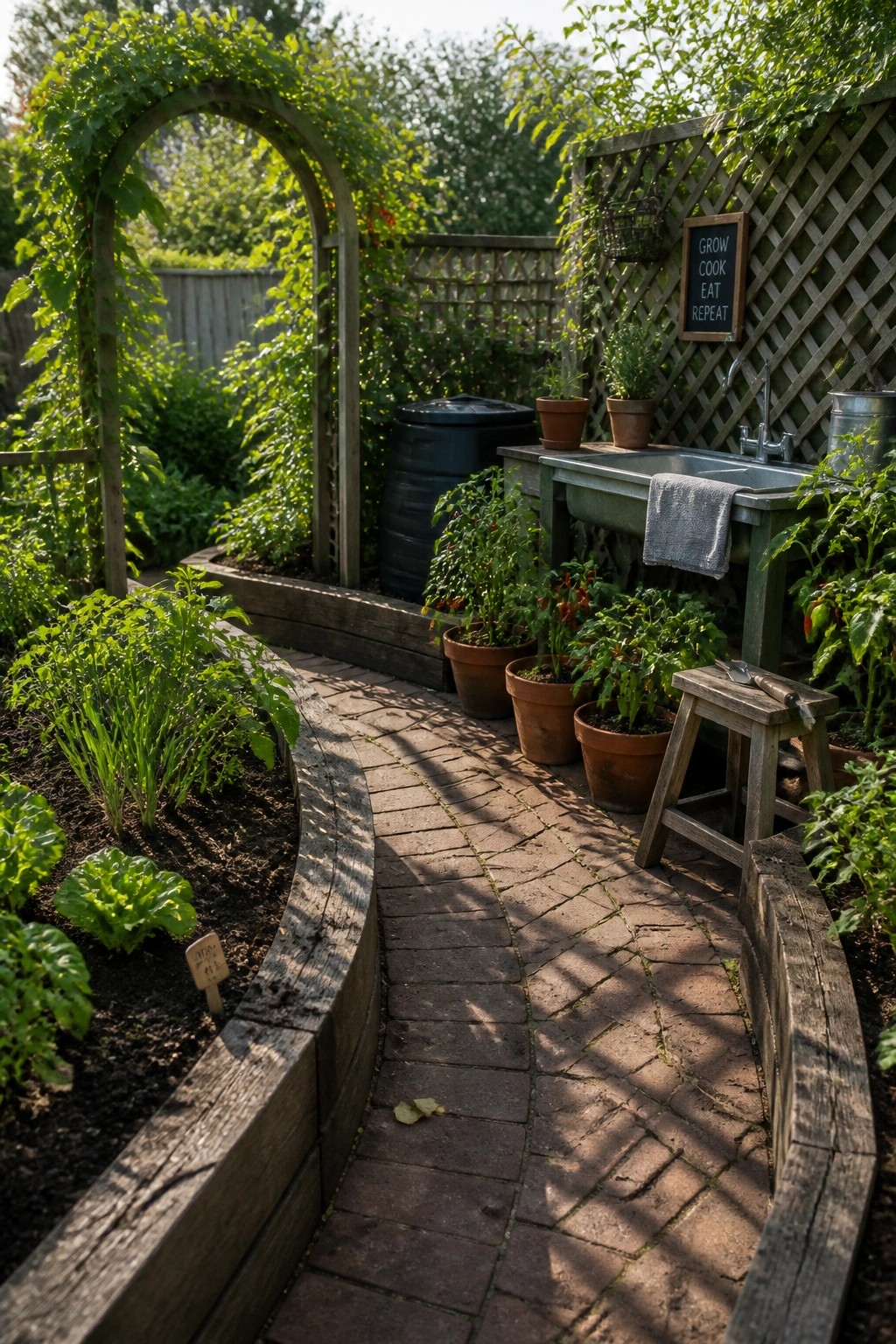
A curved path changes how a small garden feels right away. Instead of cutting straight across the space, it bends and leads the eye along, which makes the area seem deeper and less cramped. The brick path here winds between raised beds and clusters of pots, keeping the layout relaxed.
This works best in compact yards where straight lines can feel too abrupt. Keep the curve gentle, use simple edging, and layer plants at different heights along the sides. It suits most home gardens and needs little more than steady maintenance to stay practical.
Curved Paths Add Flow To Compact Gardens
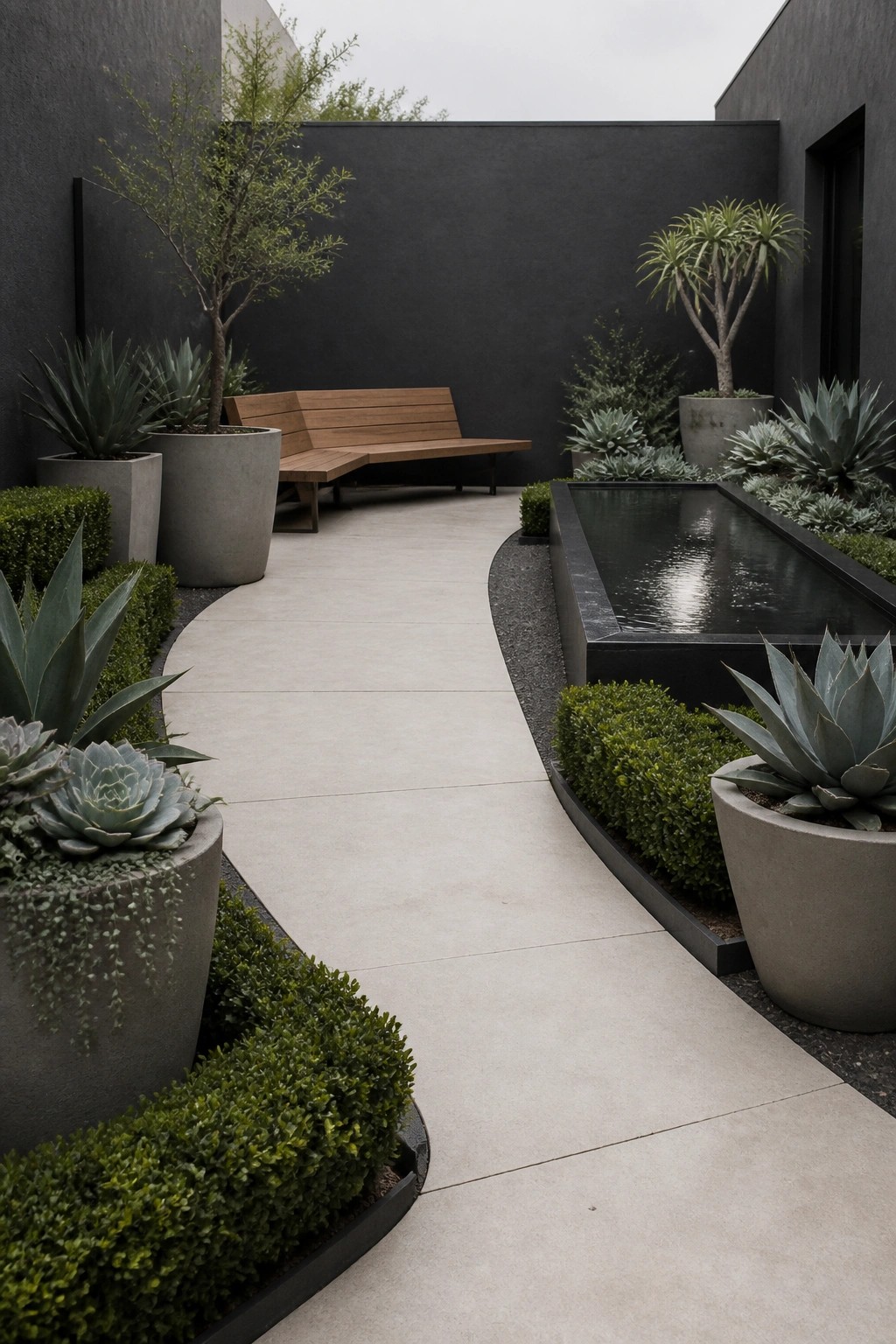
A curved path changes how a small garden works. It slows the walk, softens the edges, and gives planting more room to show off without needing a big open space.
This approach fits side yards, courtyards, and narrow lots best. Keep the path width consistent, then layer pots and low shrubs along the edges so the curve stays clear and the beds feel full rather than scattered.
Layer Pots Along a Narrow Path
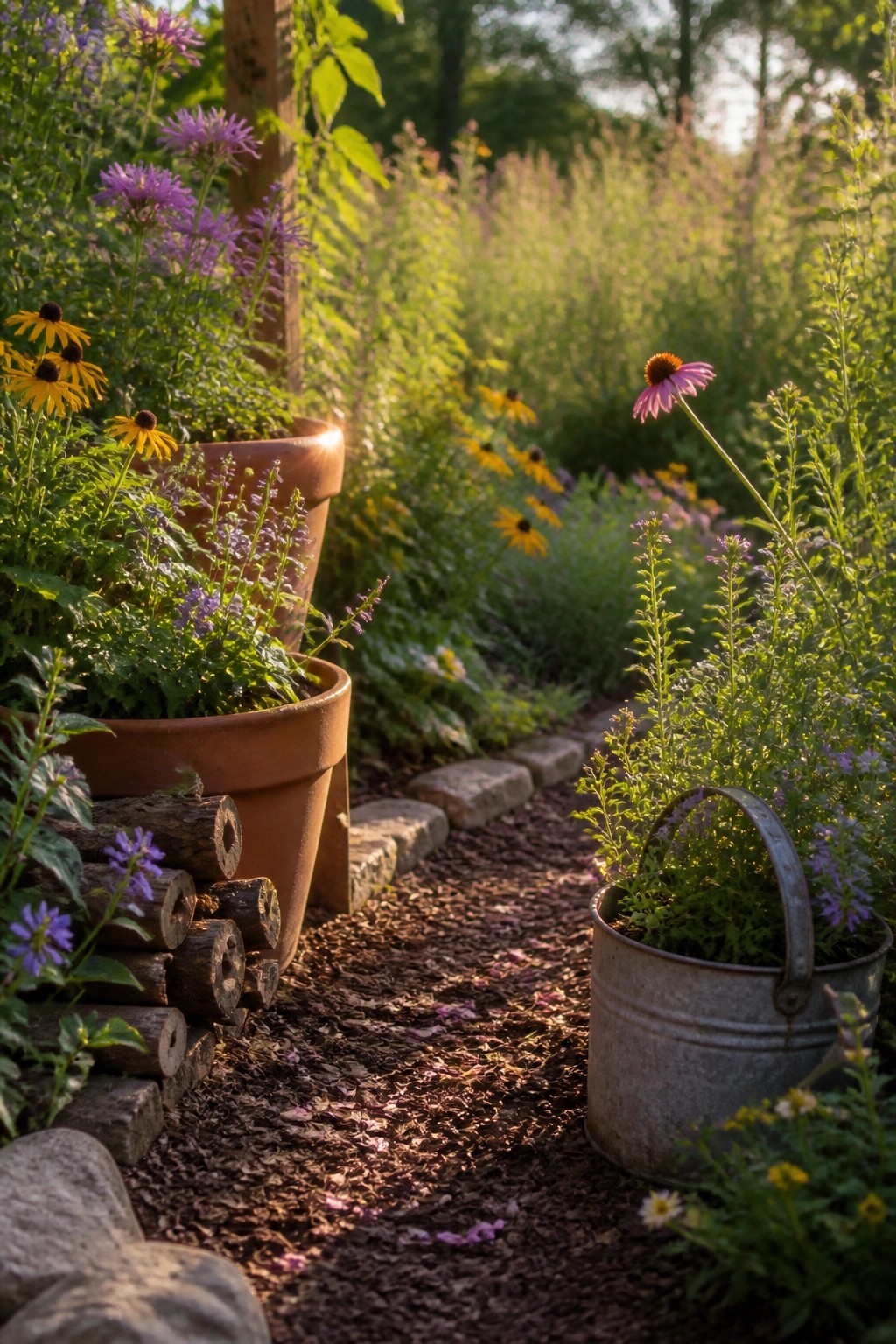
Many small gardens gain depth when pots sit right beside the path instead of staying in one flat line. The containers add quick height and let you change the look each season without moving soil.
Try mixing a few larger pots with smaller ones tucked in front so the plants overlap and feel full. This setup works best on slim paths where you want more planting but cannot widen the beds.
Pots Along Curved Paths Add Layers Fast
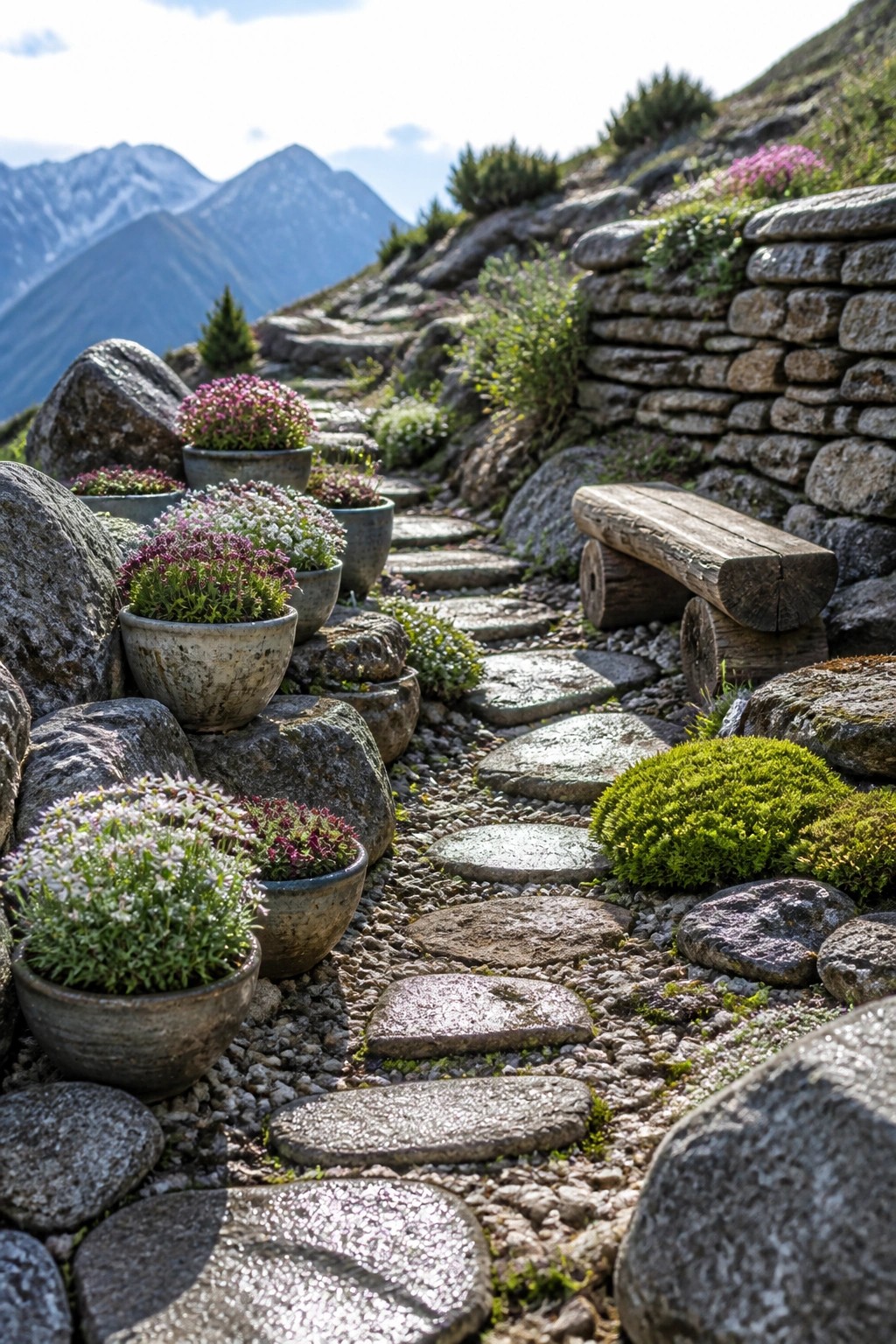
Placing pots right along the edge of a path gives a small garden instant layers without needing big planting beds. The different pot sizes and plant heights stack up naturally and let you change things around each season.
This approach suits sloped or rocky spots where digging beds is tough. Cluster a few larger pots near the start of the path and step down to smaller ones as you move along to keep the walkway clear.
Curved Paths With Layered Edges
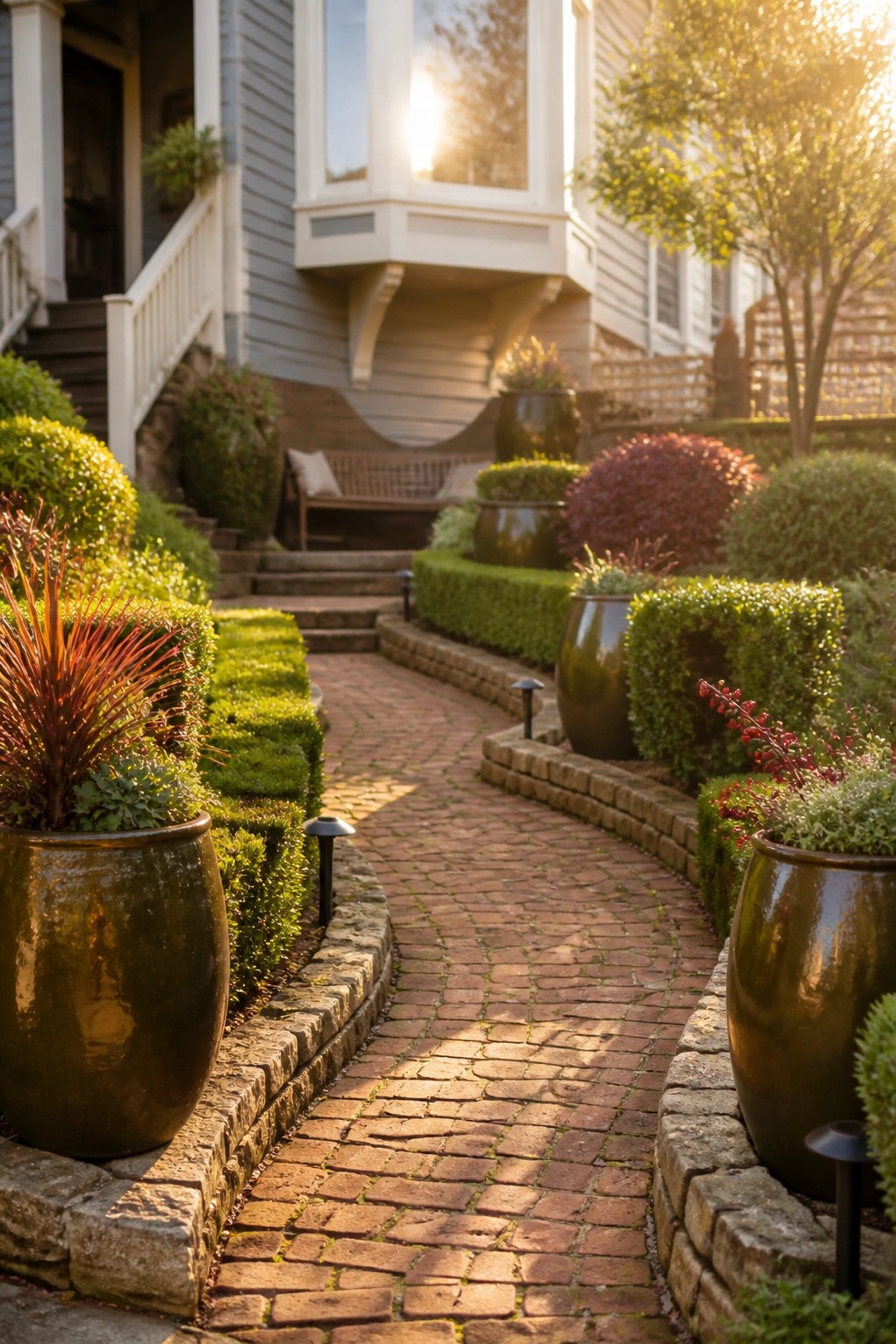
A curved path gives a small garden more movement than a straight line would. It lets you build layers of planting along the sides without the space feeling boxed in or too narrow.
Use low shrubs at the front and taller pots set back a little to add depth. This works best in front yards or narrow side areas where you want a soft approach rather than a formal walkway.
Layered Planting With Pots
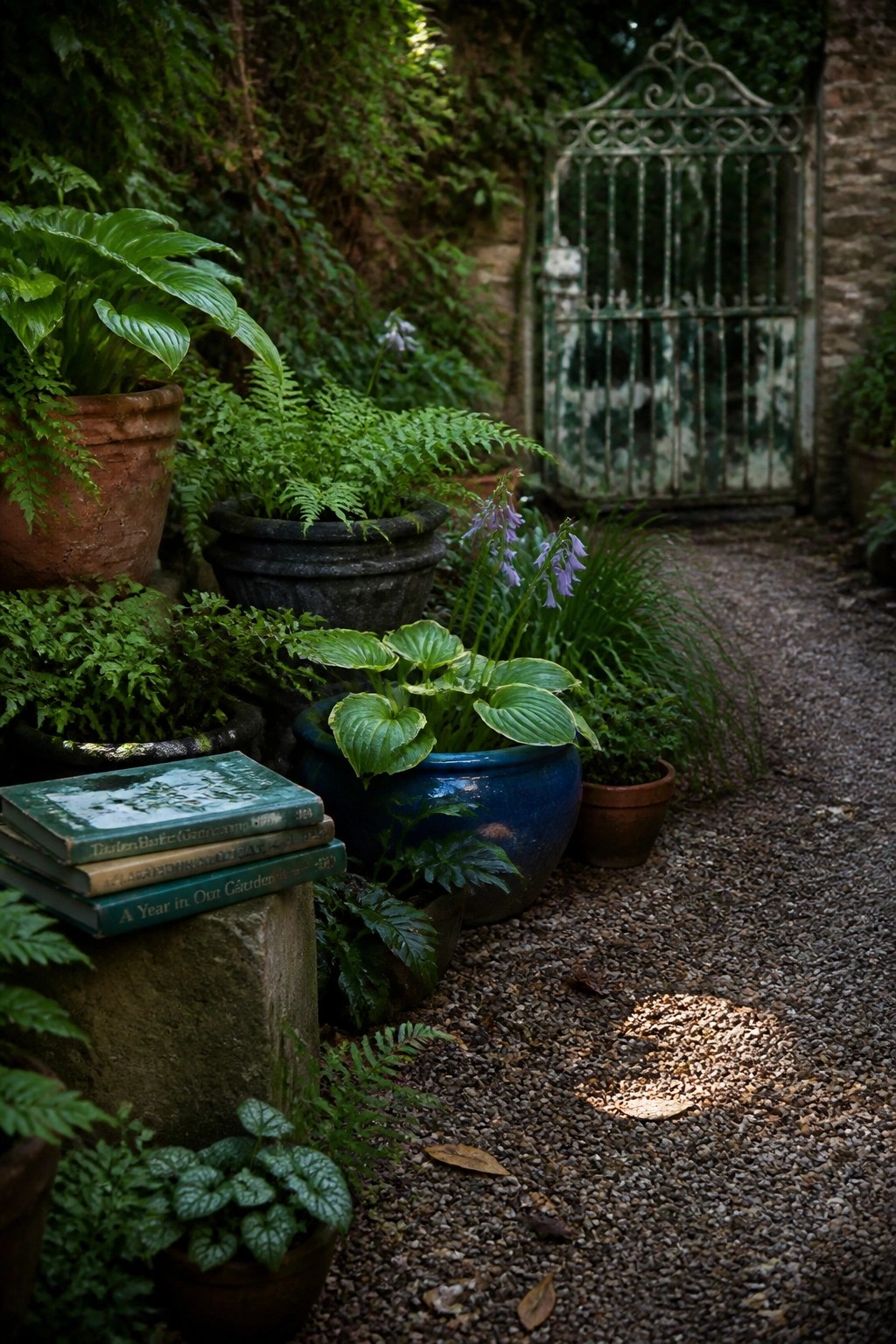
Grouping pots of different sizes and plant textures works well for adding depth along a narrow path. The mix of ferns, hostas, and taller greenery in both terracotta and glazed pots creates a full look without crowding the ground.
This setup suits small gardens where space is tight and you want to keep things movable. Place the largest pots at the back and step smaller ones forward so the layers stay visible as you walk by.
Layered Containers For Balcony Gardens
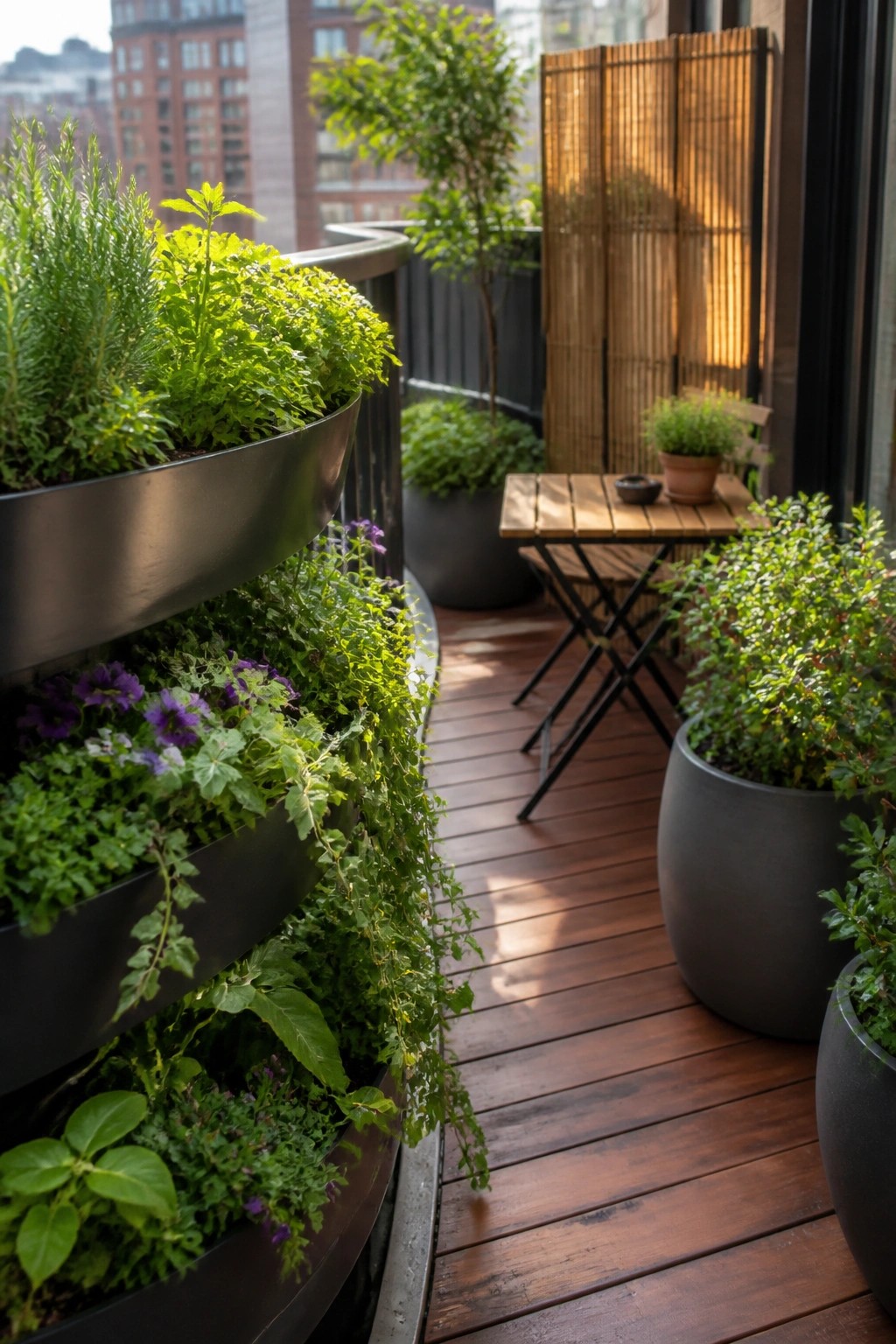
Layered planting in containers gives a small balcony a full garden feel without taking up much floor space. Stacking planters at different heights lets you fit more plants while keeping the area open enough to move around.
This approach works especially well on urban balconies where floor room is tight. Try a mix of one tall tiered unit and a few lower pots placed around the edges so the plants can spill over naturally.
Layer Pots to Add Depth Along Curved Paths
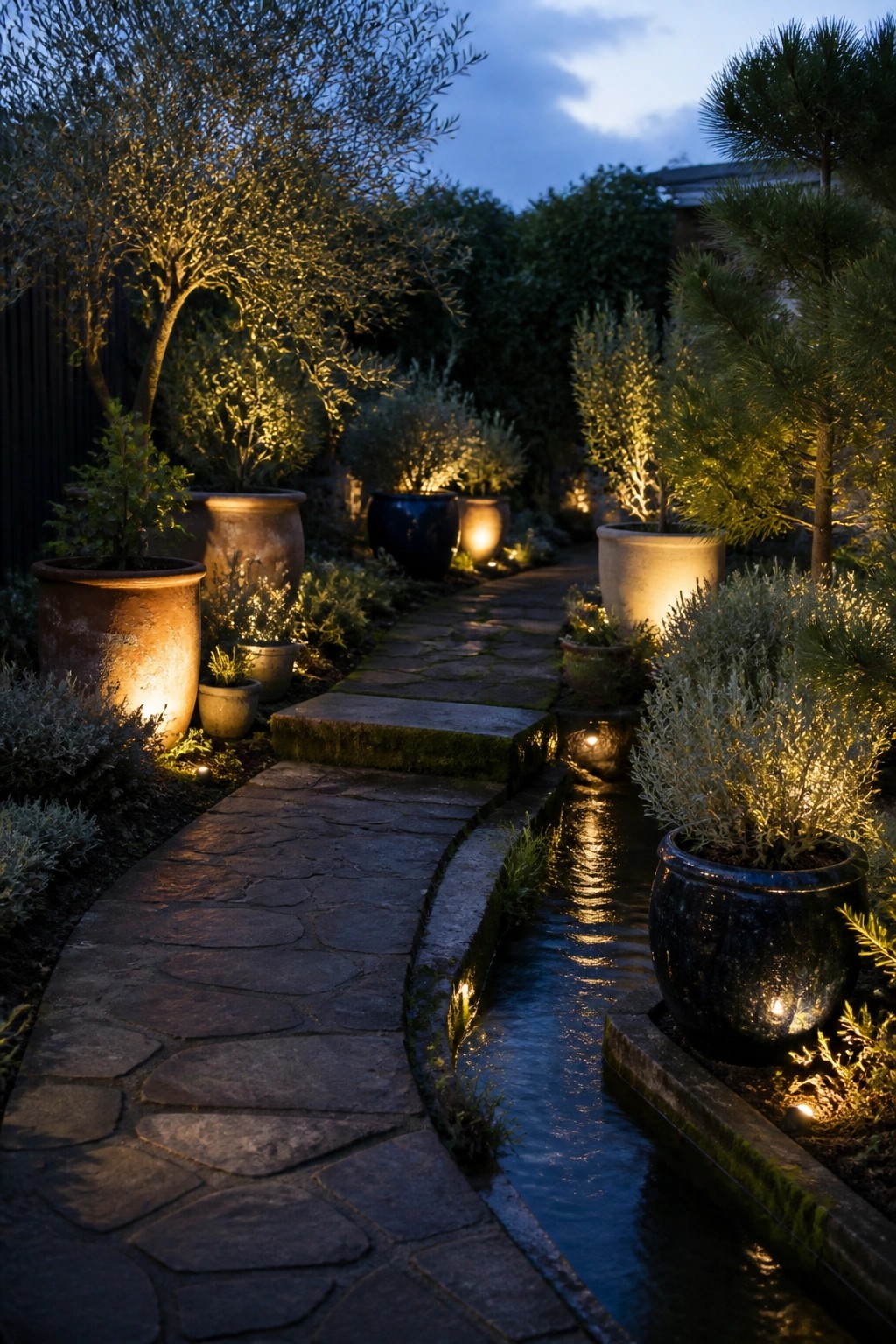
One way to make a narrow garden feel more layered is to place pots of different sizes along a curved path. The mix of heights and textures builds interest without needing wide borders or complex beds.
This approach suits small side yards or tight urban spaces where a straight line would feel flat. Keep the pots simple in color and let the plants do the work of filling in the layers.
Frequently Asked Questions
Q: How do I keep a curved path clear when pots line both sides? A: Set the pots back just enough so one person can walk through without brushing them. Stick to smaller containers near the narrowest turns. This keeps the flow easy while the layers still show off.
Q: What plants layer best in pots along a path? A: Choose one taller plant to anchor each pot and add two shorter ones in front. Let a trailing type spill over the rim for extra depth. The mix fills the space without taking over the walkway.
Q: Can I add curves to an existing straight path? A: Shift a few pots or add low plants to soften the edges into a gentle bend. You only need to change a small section at first to see how it feels.
