

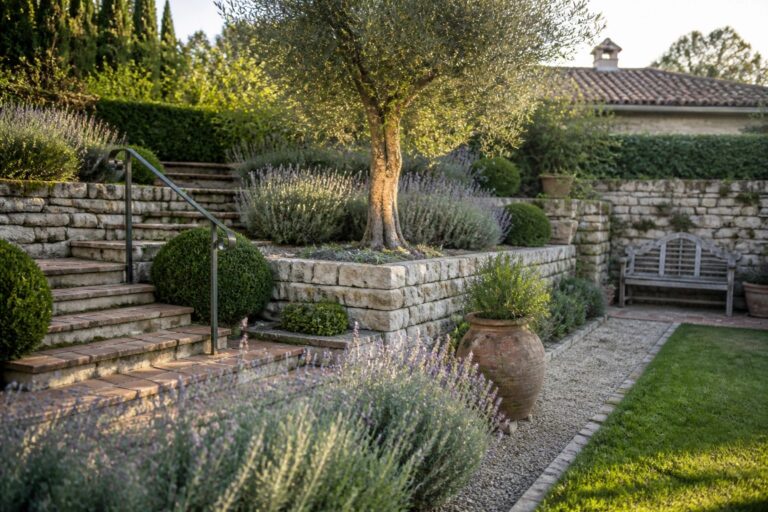
Working with a slope in the yard always starts with deciding how to manage water and soil so the ground stays stable through the seasons.
Retaining walls usually set the whole structure in place and let you build flat areas that actually support plants instead of washing away.
I tend to focus on steps first because they shape how anyone moves through the space every day.
Terraces give you room to add beds or seating without constant erosion worries once the grade is handled.
A few of these methods are worth trying on a small section before committing to the full layout.
Terracing A Slope With Stone Retaining Walls
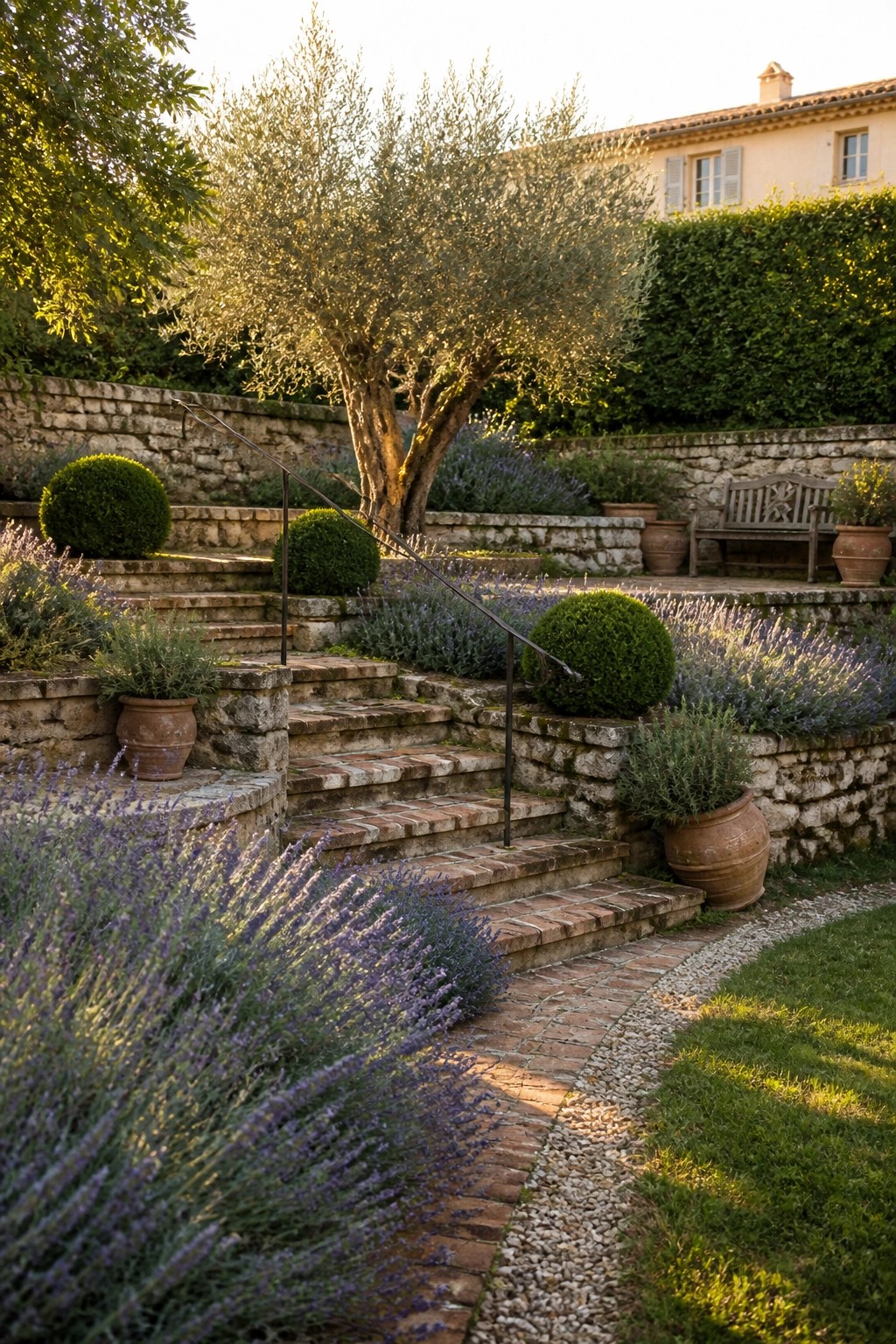
Stone retaining walls make a steep garden much easier to use by turning it into a series of flat levels. The walls hold the soil in place while the steps and paths connect everything so you can walk through without fighting the hill. This approach also gives you more planting space since each terrace becomes its own bed.
It works best on lots that drop away from the house or along the side of a property where you want both access and greenery. Keep the walls low enough that they do not feel like barriers, and use the same stone or a simple brick for the steps so the whole slope feels connected rather than chopped up.
Terraced Steps With Recessed Lighting
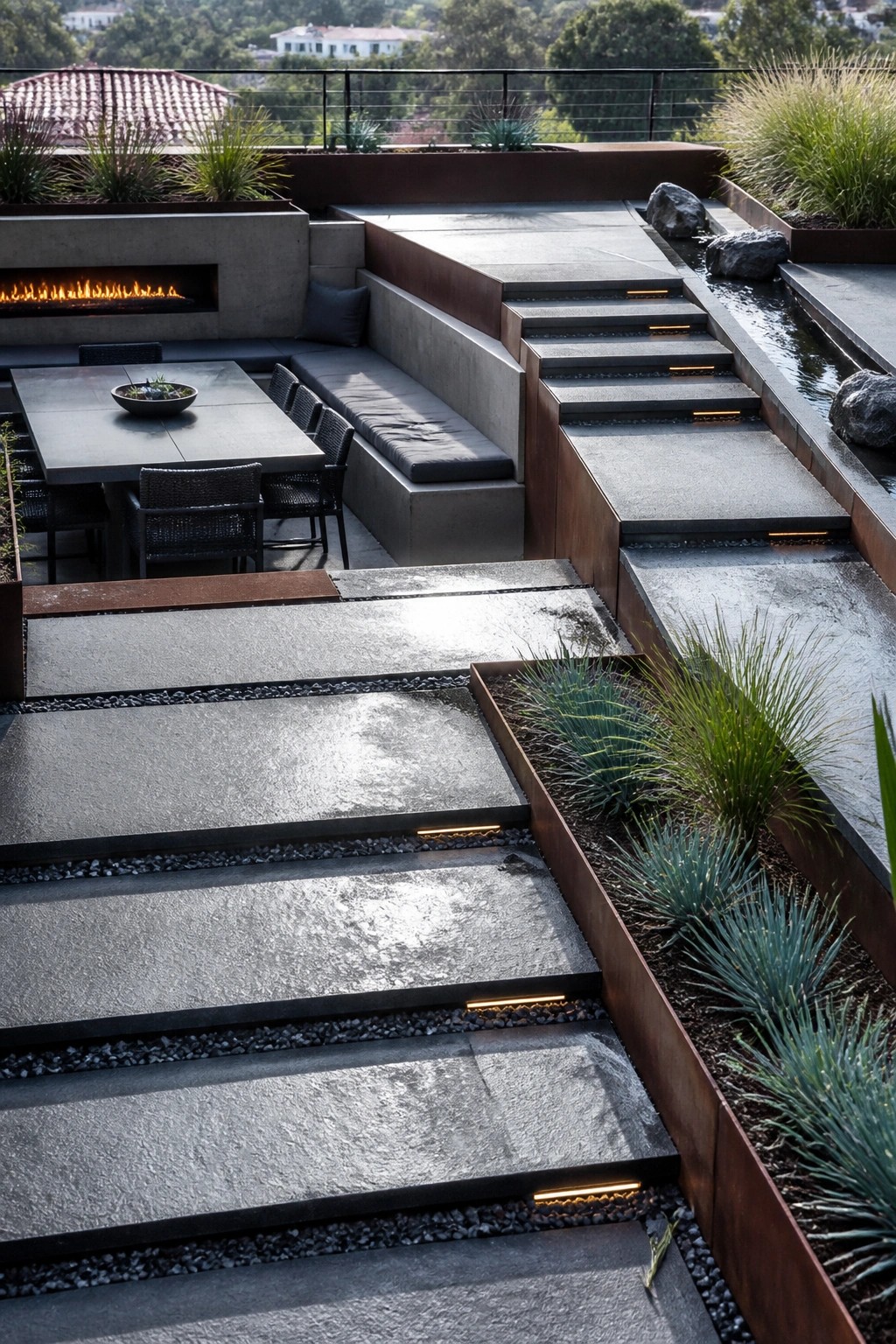
Terraced steps make a steep slope feel much more manageable. The recessed lights built into each riser turn the path into something you can use after dark without adding extra fixtures that clutter the space.
This setup works best on modern homes where the slope runs right up to the living area. Keep the surrounding plantings loose and low so the clean edges of the concrete and metal stay visible. Avoid crowding the steps with too many pots or ornaments.
Terracing A Garden Slope With Stone Walls

Retaining walls let you turn a steep slope into a series of flat planting areas that stay put. Stone walls hold the soil in place and give you room to grow flowers at different heights without everything washing down.
This setup works best on yards with a noticeable drop where you still want garden beds instead of just grass or ground cover. Keep the walls low enough to build by hand and match the stone to what already exists around the house.
Terracing A Sloped Garden With Retaining Walls
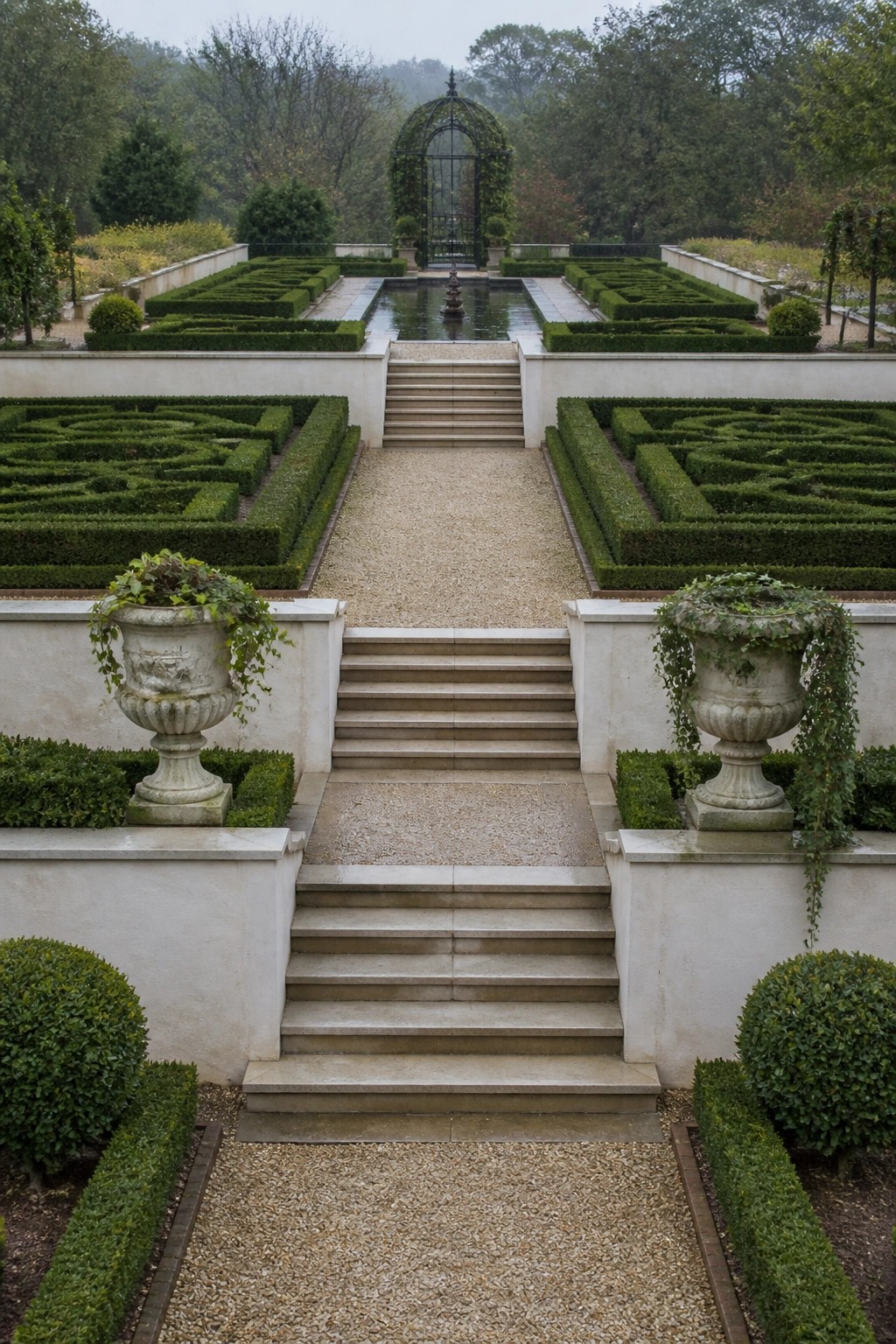
Retaining walls turn a steep slope into a series of flat terraces that feel much easier to use. The walls hold the soil in place while the steps connect each level, so you can actually walk through the garden without fighting the hill.
This approach works best on properties where the drop is noticeable but not extreme. Keep the walls low enough to build without major engineering, and match the material to the rest of the hardscape so the terraces look like they belong with the house.
Timber Retaining Walls For Garden Slopes
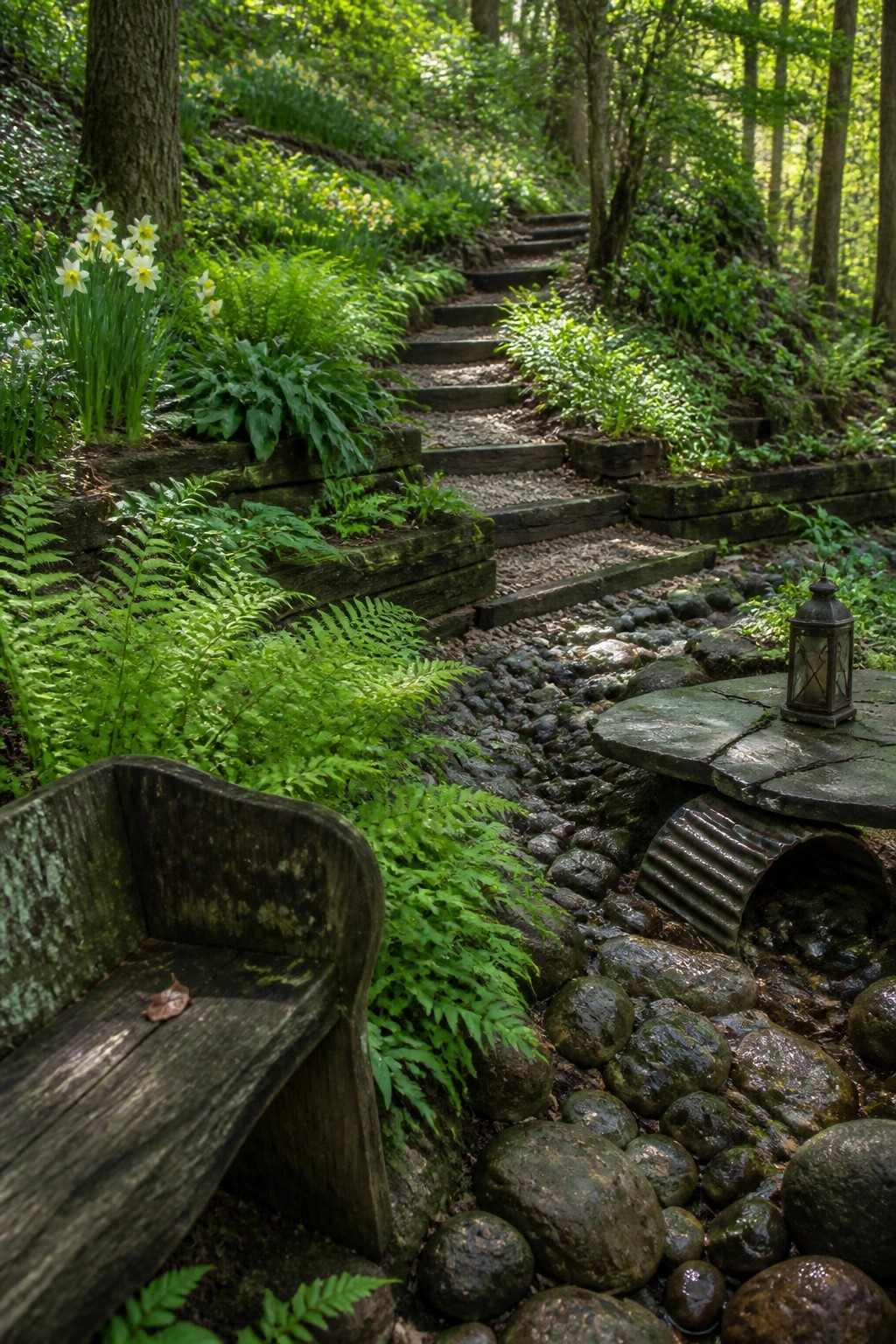
Timber retaining walls offer a straightforward way to break up a steep slope into smaller, usable levels. They hold the soil in place while creating flat spots for planting and giving you a clear path to walk up or down without slipping.
This method works best on wooded or natural sites where you want the structure to feel like it belongs there. Keep the wood simple and untreated so it weathers in, and leave enough room between the terraces for ferns and other shade plants to fill in over time.
Add Seating Along Retaining Walls
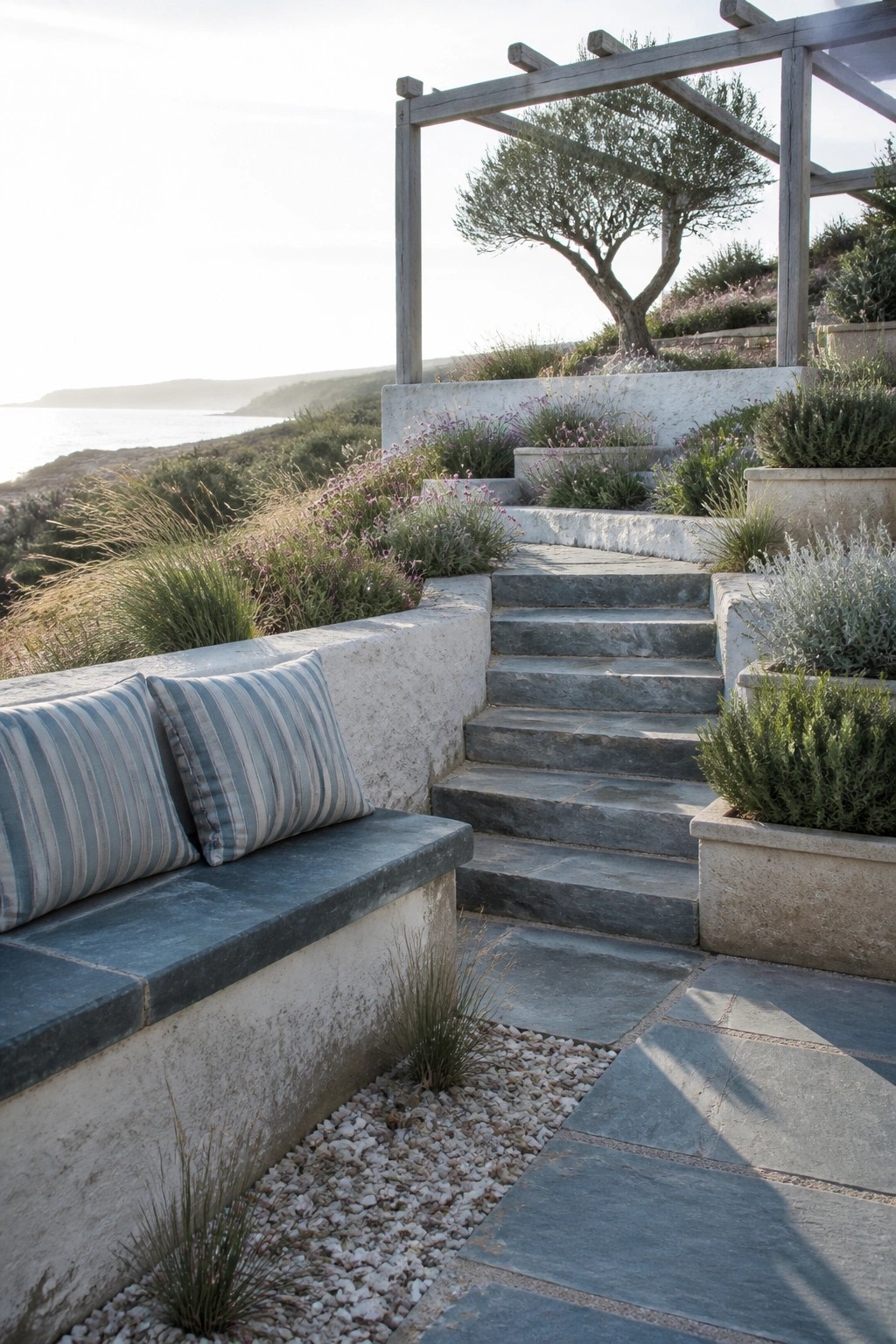
Retaining walls on a slope often need to be there anyway, so turning part of them into seating makes good sense. It gives people a place to sit without crowding the path or adding separate benches that might not fit the layout.
This works best on gardens with steps or terraces where the wall already runs at a comfortable height. It suits homes on hillsides or near the coast where space is limited and you want the garden to feel open rather than cluttered.
Wooden Steps With Gravel For Sloped Gardens
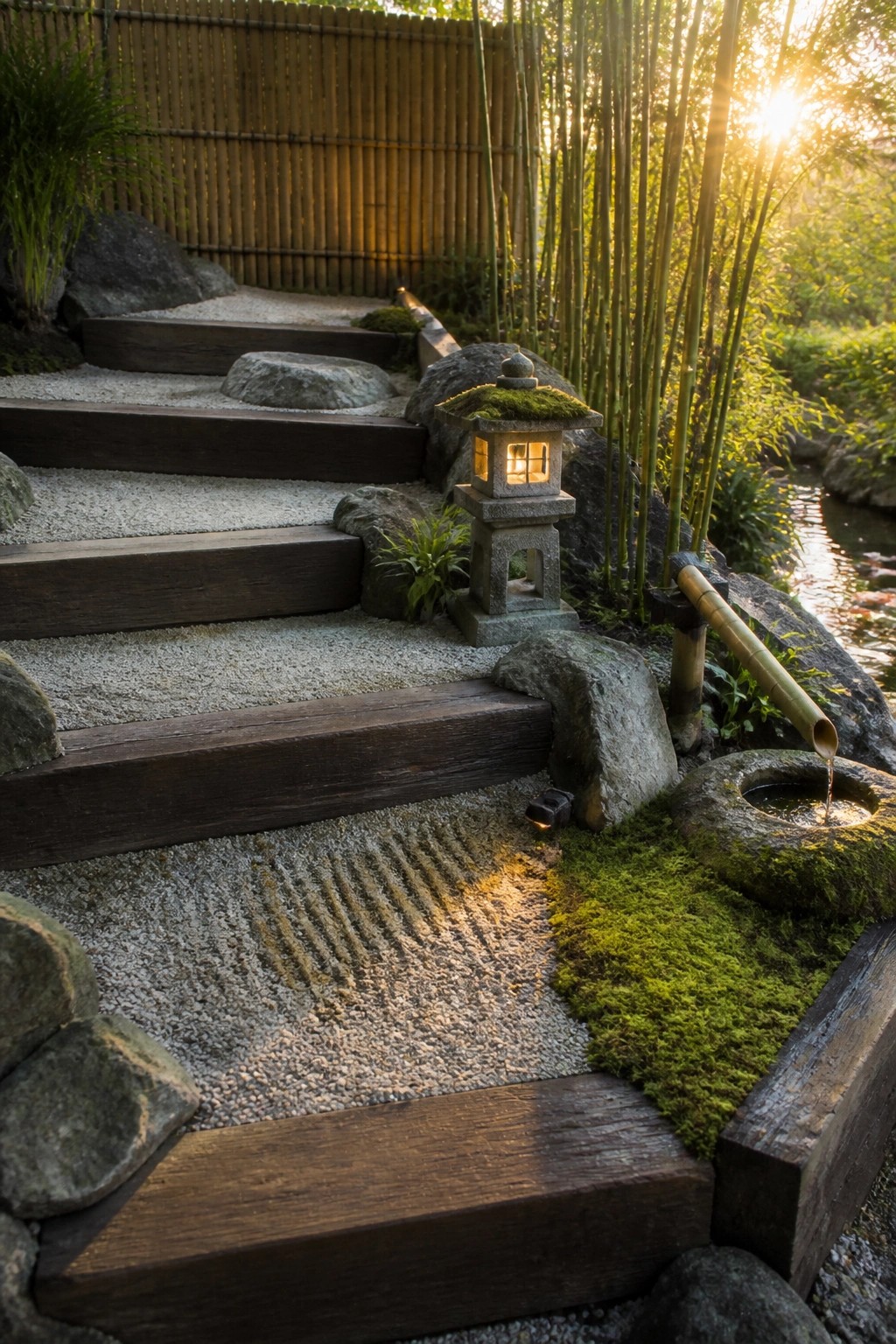
Wooden steps combined with gravel landings give a sloped garden a simple way to handle height changes. The wood keeps the look soft and natural while the gravel helps with drainage and prevents the path from feeling too heavy.
This setup works best in smaller gardens or side yards where you want access without building full retaining walls. Treated wood holds up better outdoors, and low edging along the gravel stops it from shifting after rain.
Retaining Walls For Sloped Gardens
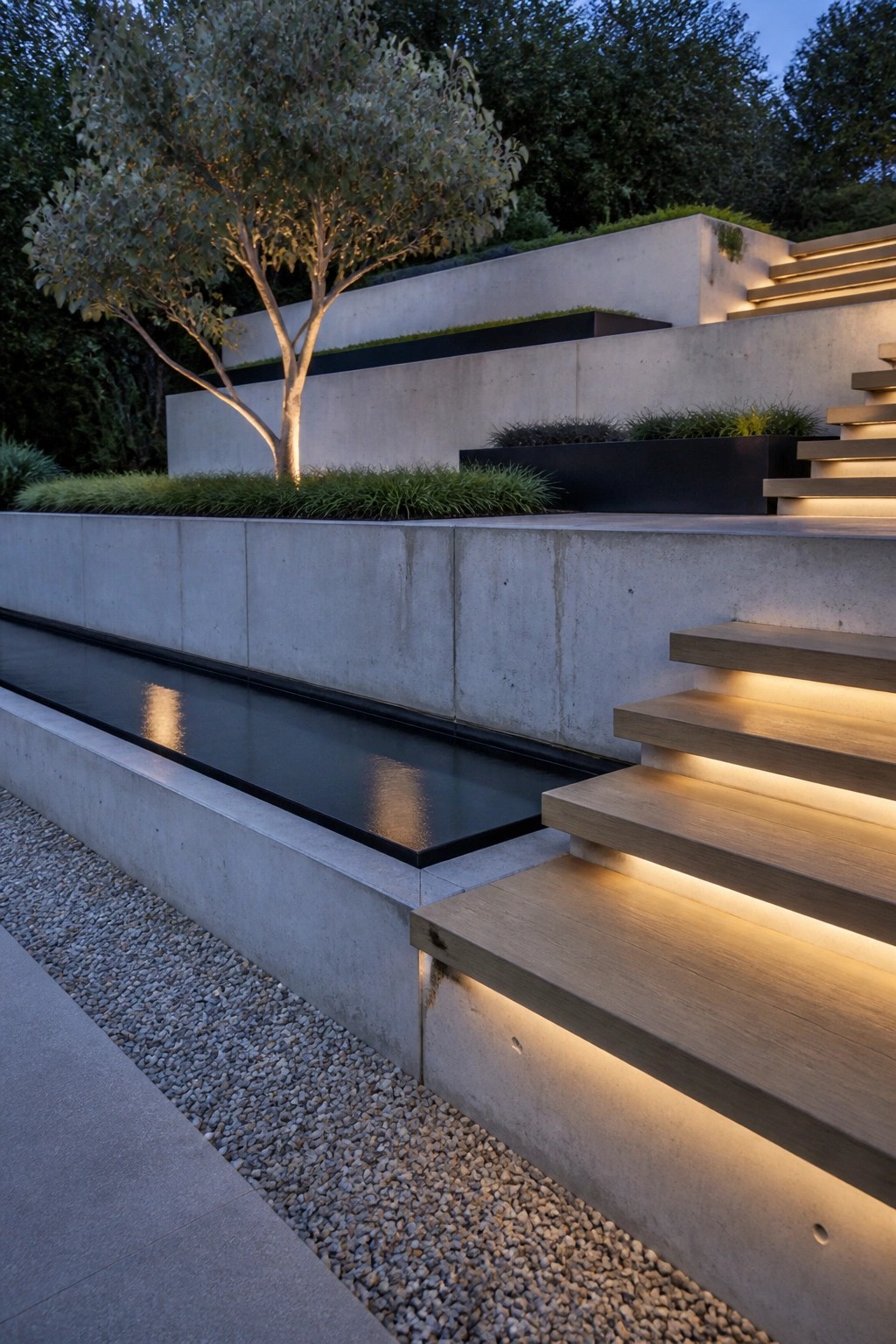
Retaining walls make it possible to turn a steep slope into a series of flat, usable garden areas. They hold the soil in place and create clean divisions that keep the whole layout from feeling messy or hard to walk through.
This setup works best on properties with a noticeable drop from one end to the other. You can run steps between the levels and add a narrow water channel along the base of a wall to bring a little movement without taking up extra space.
Terracing A Slope With Retaining Walls
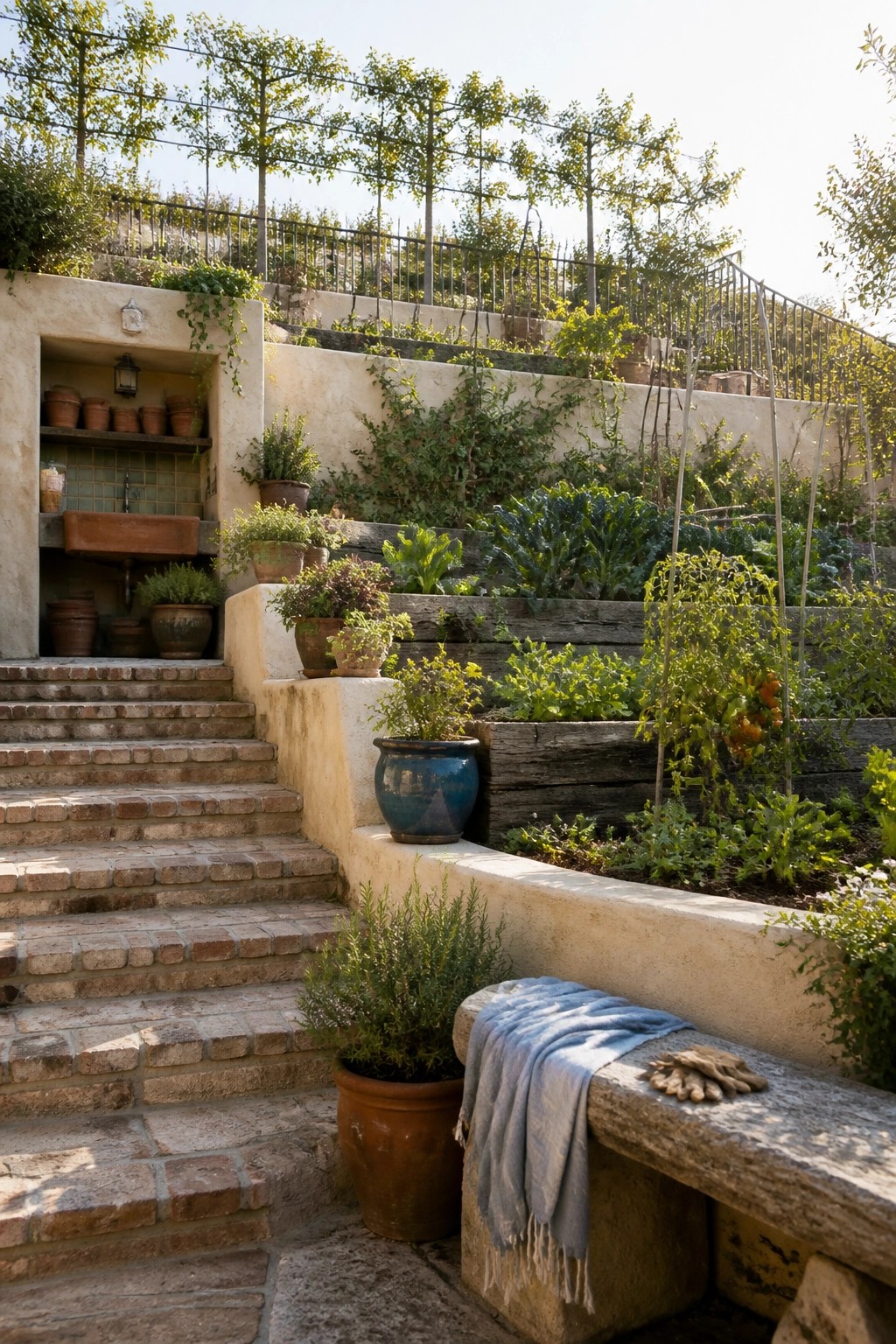
Terracing turns a difficult slope into usable garden space by holding soil in place with low walls. It keeps beds flat so plants grow better and water does not run off as fast.
This setup works best on moderate hills where you still want to walk through the garden without steep climbs. Wooden walls and simple steps keep the look casual, and you can tuck in a bench or a few pots without crowding the beds.
Retaining Walls For Terraced Garden Levels
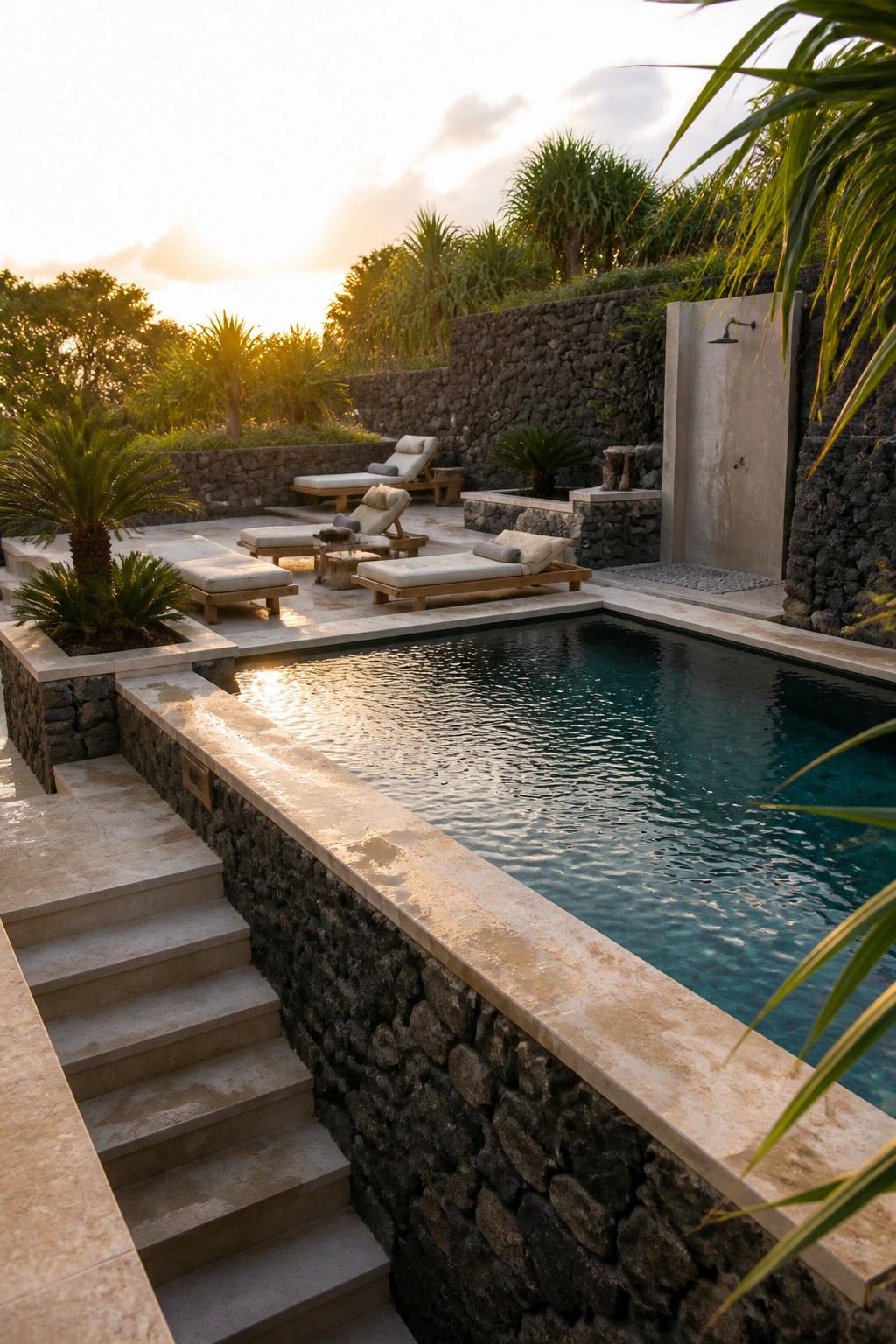
Retaining walls help turn a steep slope into usable flat space. Stone walls like the ones here hold back the soil and create clean terraces that let you place a pool and seating areas without the ground feeling uneven or cramped.
This works best on hillside lots where you need both stability and room to relax outside. Match the wall material to any steps or paths so the whole layout feels connected rather than pieced together.
Build Benches Into Retaining Walls
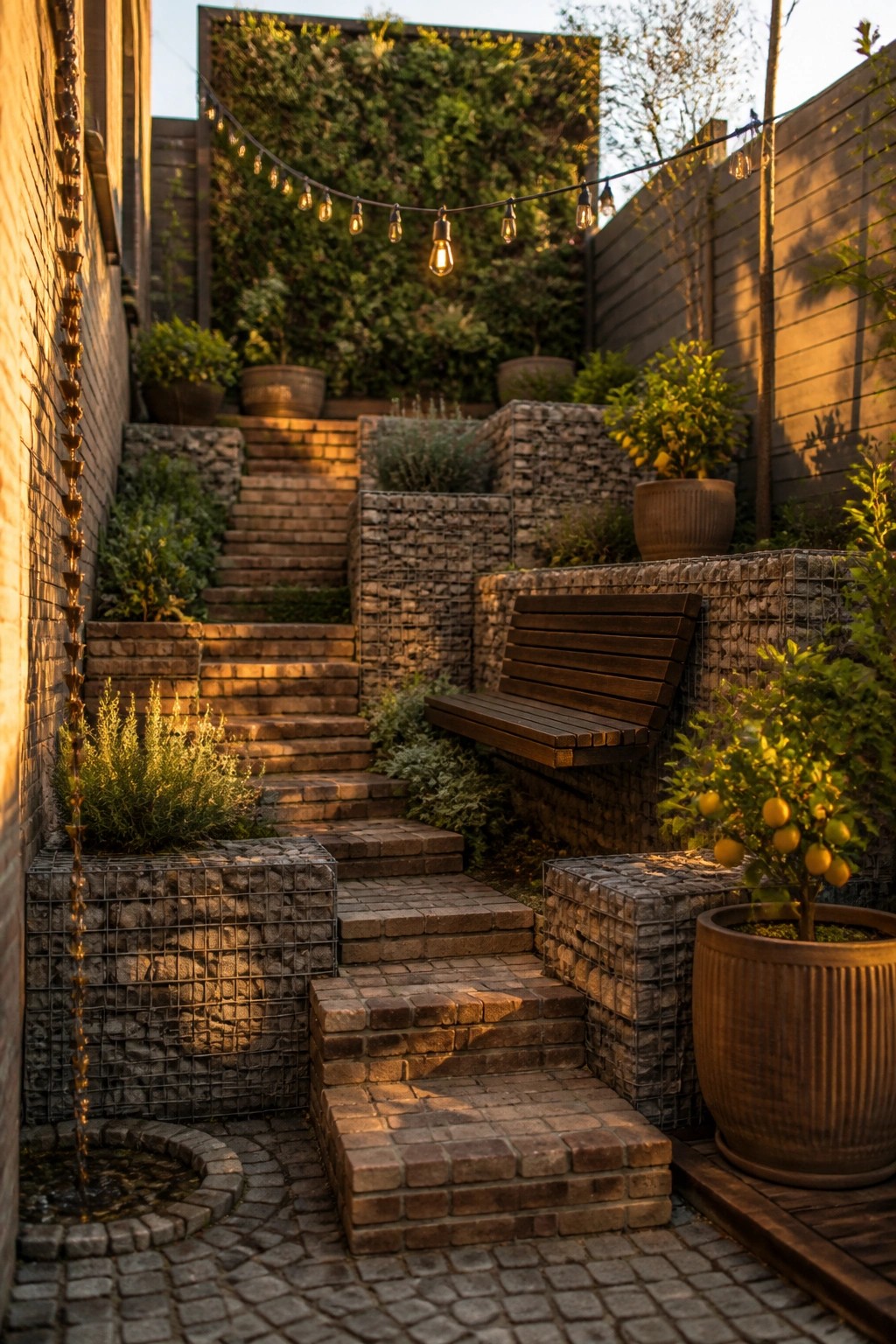
On a sloped garden, retaining walls already do the hard work of holding back soil and creating flat spots. Adding a simple bench right into one of those walls turns the structure into something you can actually sit on without taking up extra space.
This works especially well on narrow side yards or back gardens where every level needs to serve more than one purpose. Keep the bench depth around 16 inches so it feels comfortable, and make sure the wall material can support the extra weight. It saves room and gives you a place to rest while you work or enjoy the garden.
Stone Steps With Retaining Walls On Slopes

Stone steps combined with low retaining walls give a sloped garden a clear path without losing the natural feel of the site. They keep the soil stable and turn what could be awkward ground into something you can actually walk and garden around.
This setup works best on moderate slopes where you need a few changes in level rather than a full terrace system. Use the same local stone for both the steps and walls so everything ties together, and leave room along the edges for planting that softens the hard lines.
Stone Steps That Follow The Terrain
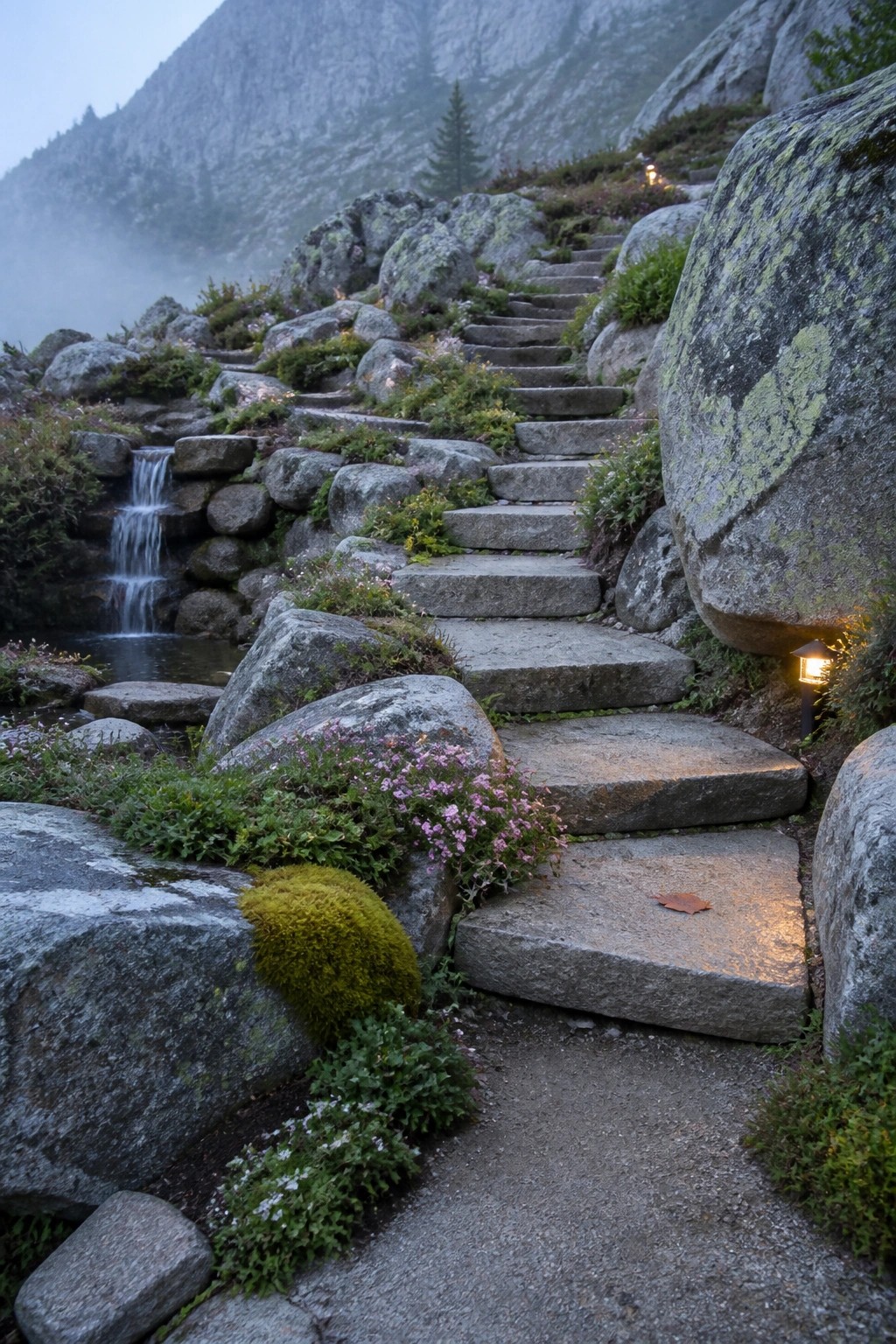
Stone steps made from the same material as the surrounding rocks help a sloped garden feel connected rather than built in layers. The steps here sit among large boulders and low plants, so the path looks like it developed with the slope instead of cutting across it.
This approach suits homes with rocky or uneven ground where you want to keep the natural character. Keep the risers low and vary the tread depths slightly so the steps fit the land instead of forcing a straight line.
Terrace Slopes With Timber Retainers

Wooden logs make a simple and effective way to hold back soil on a slope. They create small flat areas for planting while keeping the overall look natural and low key. This kind of terracing works especially well when the grade is not too steep.
It suits homes with uneven backyards that still need usable garden space. Set the logs along the natural contour, add drainage behind them, and keep the beds narrow enough to reach across easily. Avoid very wet sites where wood might rot quickly.
Tiled Terraces Make The Most Of A Slope
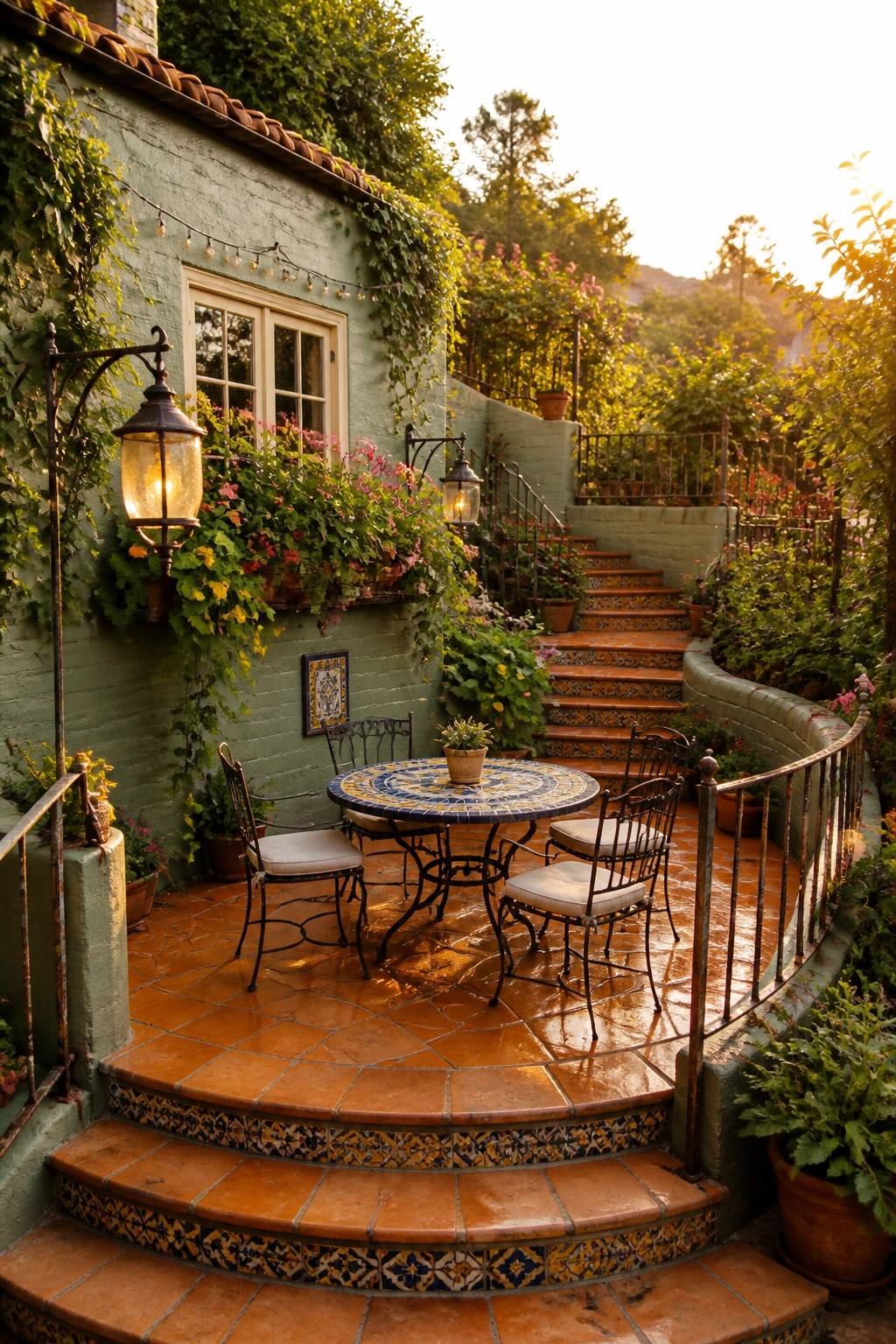
A simple way to gain a flat outdoor spot on a slope is to build a small terrace and connect it with wide tiled steps. The tiles add color and make the change in height feel intentional rather than awkward. It gives you room for a table and chairs without needing a big flat yard.
This approach suits older homes or lots that drop away from the house. Keep the steps broad enough for easy walking and use a low retaining wall to hold the soil. That keeps the whole area stable and usable year after year.
Concrete Steps For Sloped Gardens

Concrete steps work well on slopes because they stay stable and do not shift much over time. They give a clean path up the hill while the stacked stone walls hold the soil in place on either side. The gravel strip next to the steps adds drainage and keeps the edges tidy without extra trimming.
This setup suits homes with moderate to steep yards where you need regular access but do not want a lot of upkeep. Keep the steps wide enough for easy footing and match the wall height to the slope so nothing feels too steep or cramped.
Steps Built Into Retaining Walls
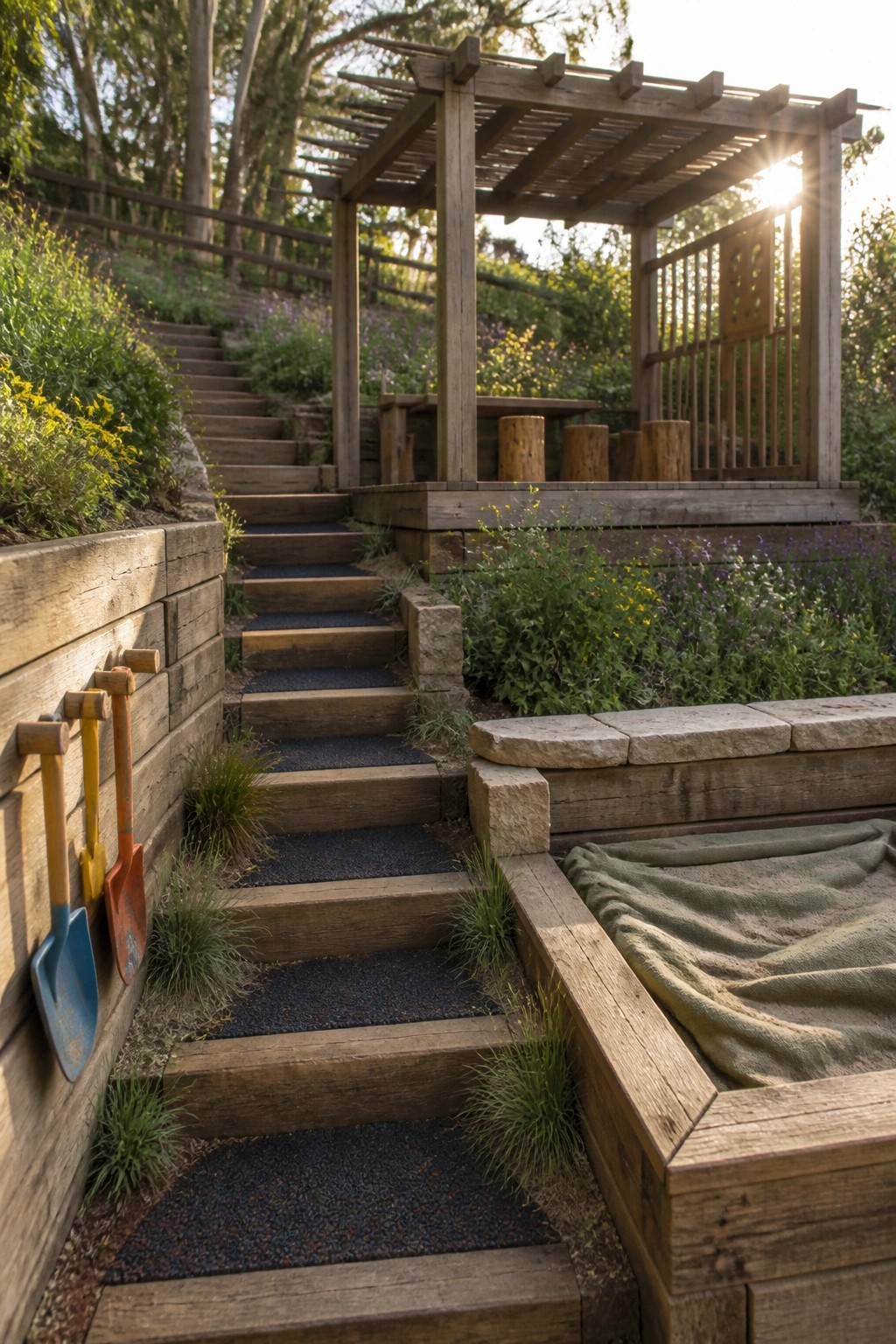
One practical way to manage a steep garden slope is to build the steps right into the retaining walls. This approach keeps the path steady and avoids the look of steps just stuck on afterward.
It suits homes where the yard drops sharply and you need a clear route up or down. Match the wall material to the steps so everything reads as one structure, and leave enough planting pockets along the sides to soften the hard lines.
Tiered Retaining Walls Turn A Slope Into Usable Space
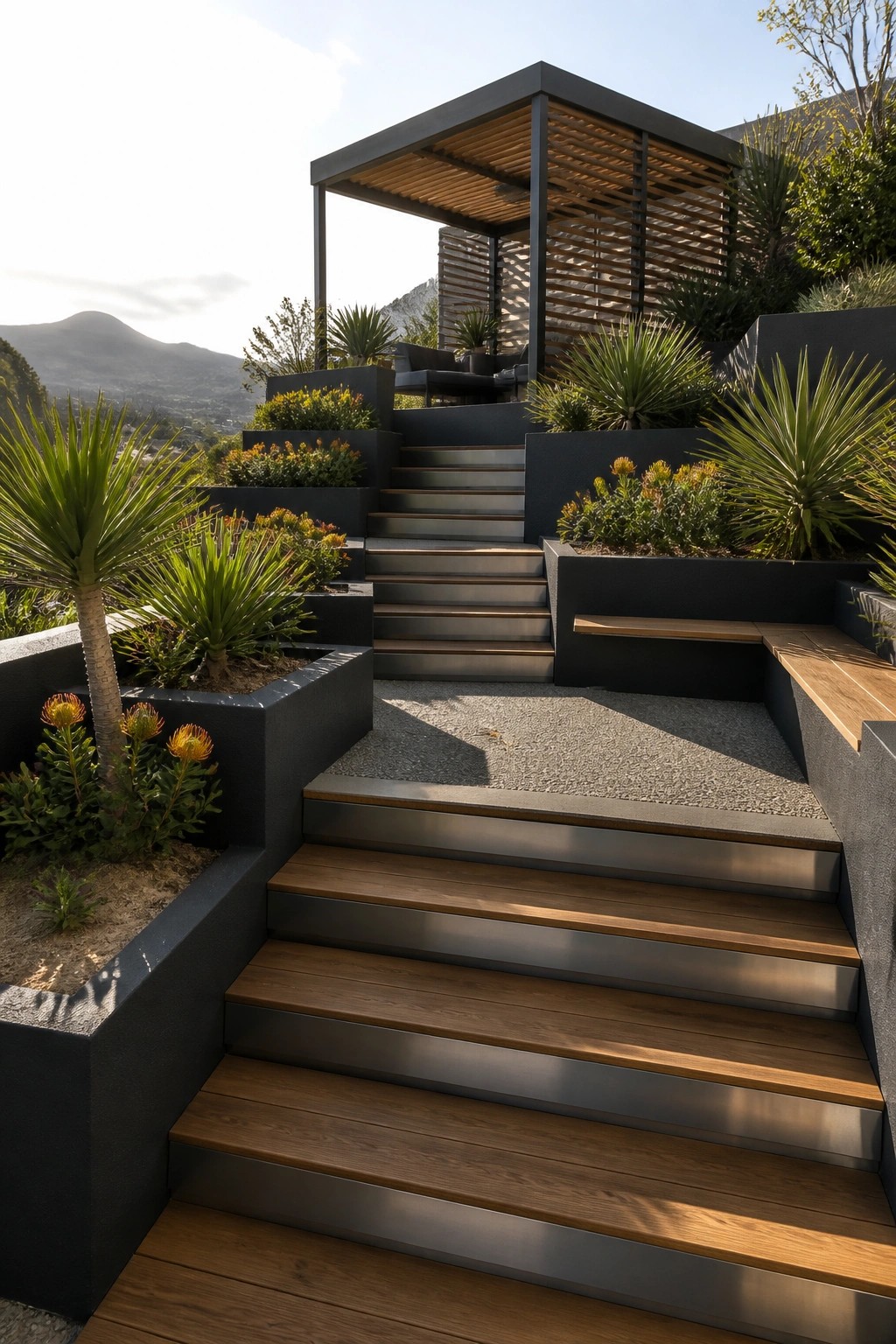
Retaining walls let you break a steep garden into flat sections that are much easier to plant and walk through. The dark walls in this example hold back the soil while creating planting pockets at each level so the garden feels full without looking crowded.
This setup suits homes built on hills where the yard drops away quickly. Keep the walls at a comfortable height and tie the steps into the same material so everything reads as one clean structure rather than separate pieces.
Stone Steps And Retaining Walls On Slopes
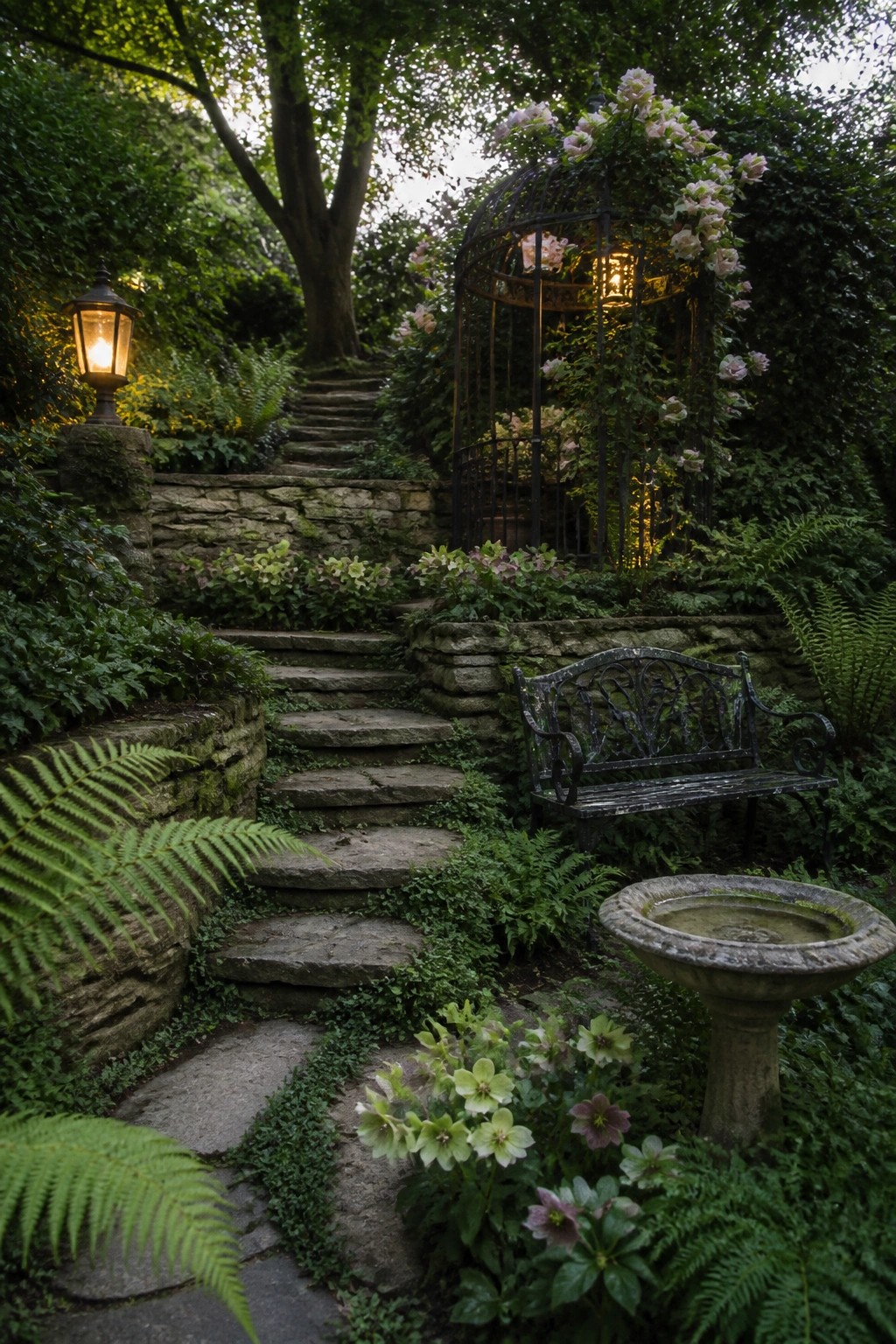
Stone steps paired with low retaining walls turn a steep slope into a series of usable garden levels. The walls keep soil from washing away and give plants a place to settle instead of sliding down the hill.
This setup works best on moderate slopes where you still want to walk through the garden. Keep the walls low so the beds feel connected, and let plants spill over the edges to soften the stone.
Frequently Asked Questions
Q: How do I keep water from building up behind a retaining wall on my slope?
A: Slope the soil slightly away from the wall when you backfill. Add a layer of gravel at the base and run a perforated pipe along the bottom to carry water away. This setup handles most rain without extra fuss.
Q: Can I build steps myself or should I hire help for a steep section?
A: Start with precast blocks if your slope runs less than thirty degrees. They lock together fast and stay put without heavy equipment. For anything steeper, call in a crew so the base stays solid.
Q: What plants work best on the flat spots between terraces?
A: Pick low-root plants like creeping thyme or native grasses that grip soil without cracking the edges. Water them deeply once a week the first season so roots settle in. After that they mostly take care of themselves.
