

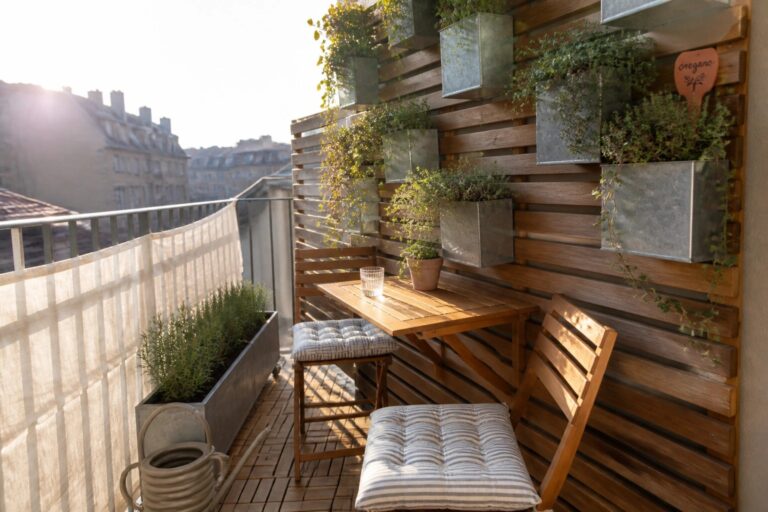
Many balconies stay underused because the planting never moves beyond a few pots along the rail.
I learned this the hard way when my first attempt left no room to walk through or sit down comfortably.
Flexible containers solve part of that by letting you rearrange based on how the space actually gets used day to day.
Vertical planting adds the rest.
Over time this combination turns a tight area into something that feels both green and livable without major construction.
Wall Planters Help Keep Small Balconies Usable
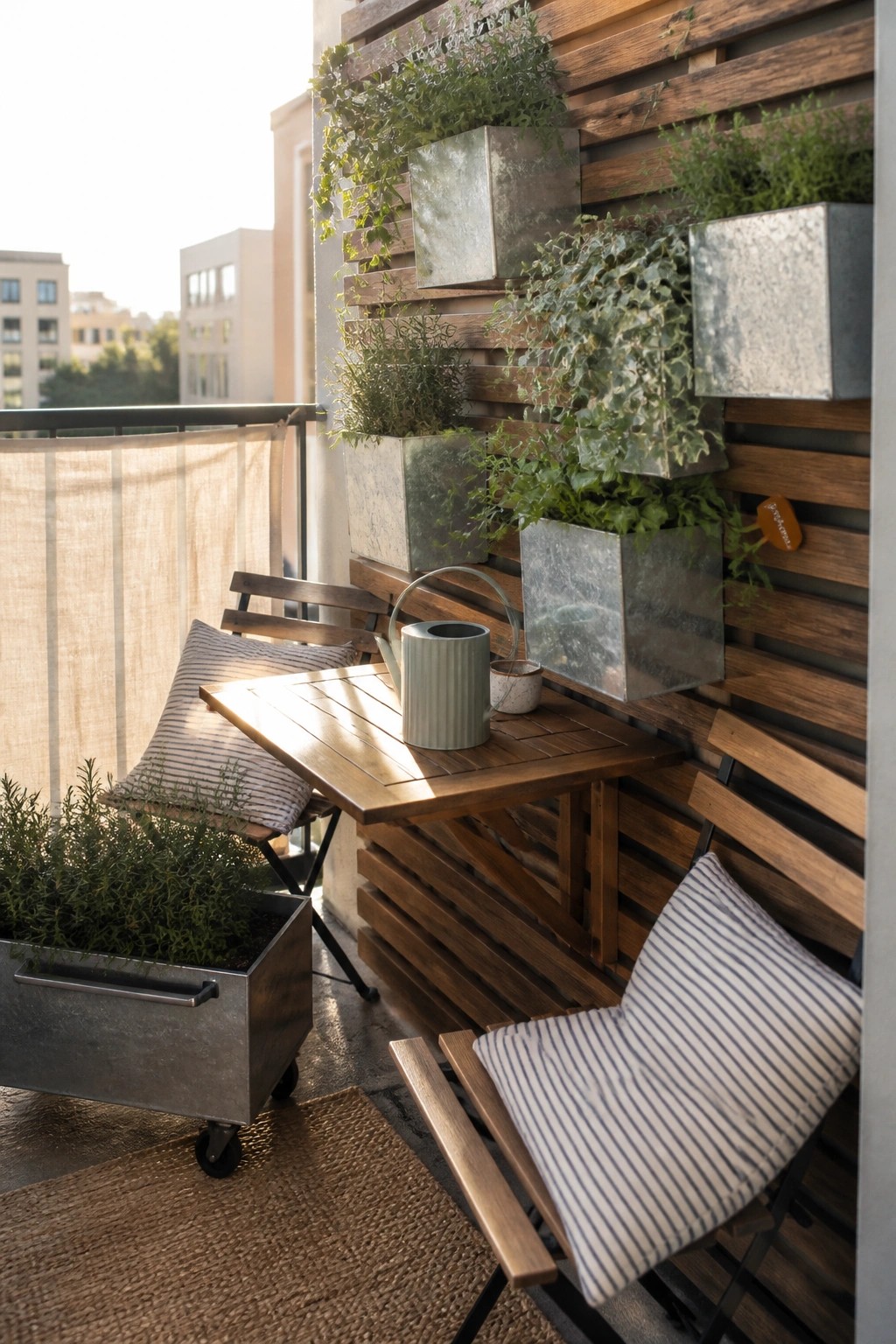
Mounting planters on a wall lets you grow more without crowding the floor. This keeps room for a table and chairs while still giving you a good amount of greenery in a tight space.
It works best on balconies or small patios where you need both plants and seating. Use sturdy brackets and lighter containers so you can move things around easily when needed.
Vertical Trellis With Rolling Planters
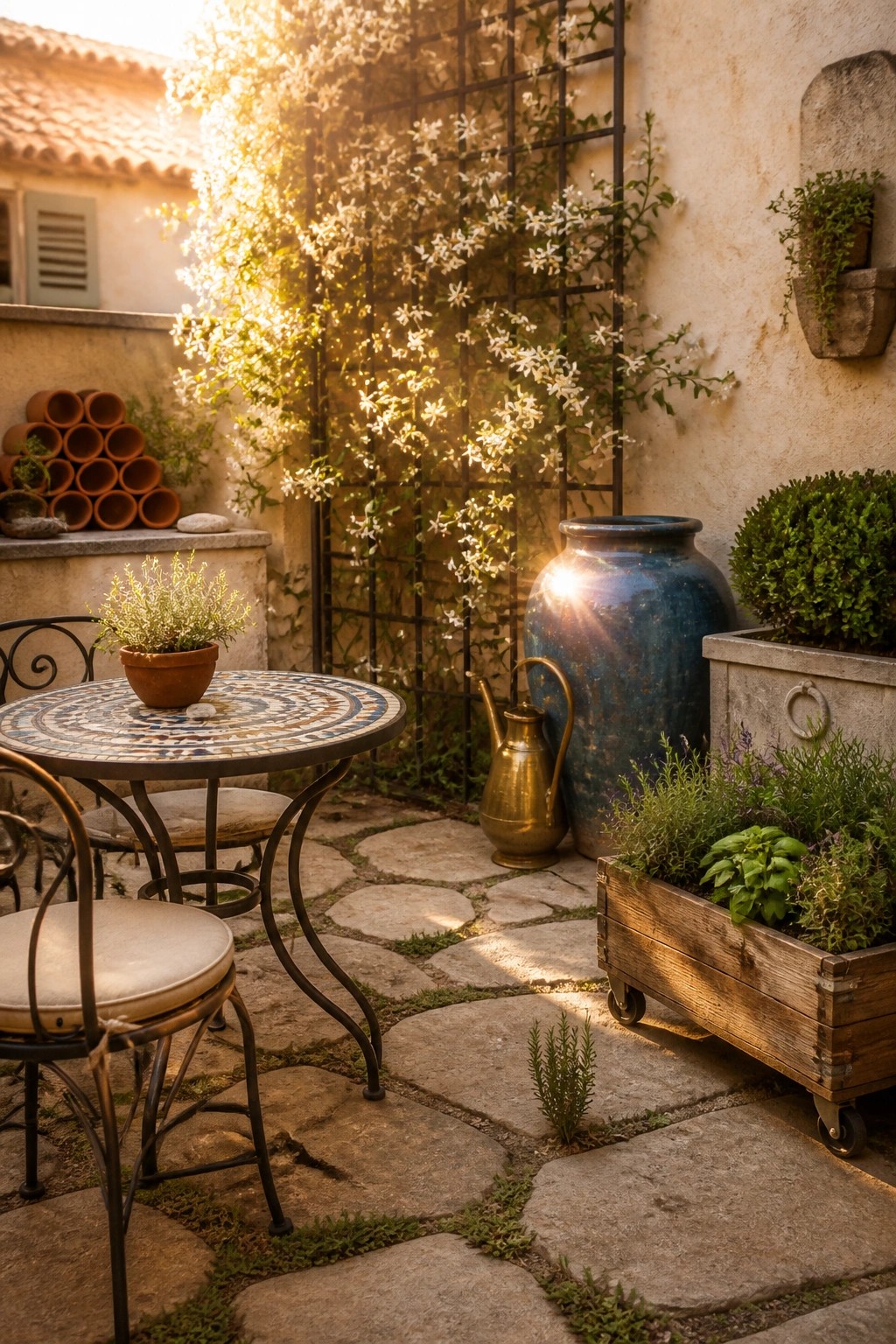
A trellis paired with a few containers on wheels gives you height and flexibility without crowding the floor. Climbing plants take up almost no ground space yet still create a full green backdrop, and the box can be moved when you need to rearrange seating or sweep the stones.
This approach suits small paved patios or courtyards where digging beds is not possible. Keep the trellis fastened to a wall or fence and choose sturdy wheels so the planter stays easy to shift through the seasons.
Use A Modular Grid For Vertical Planting
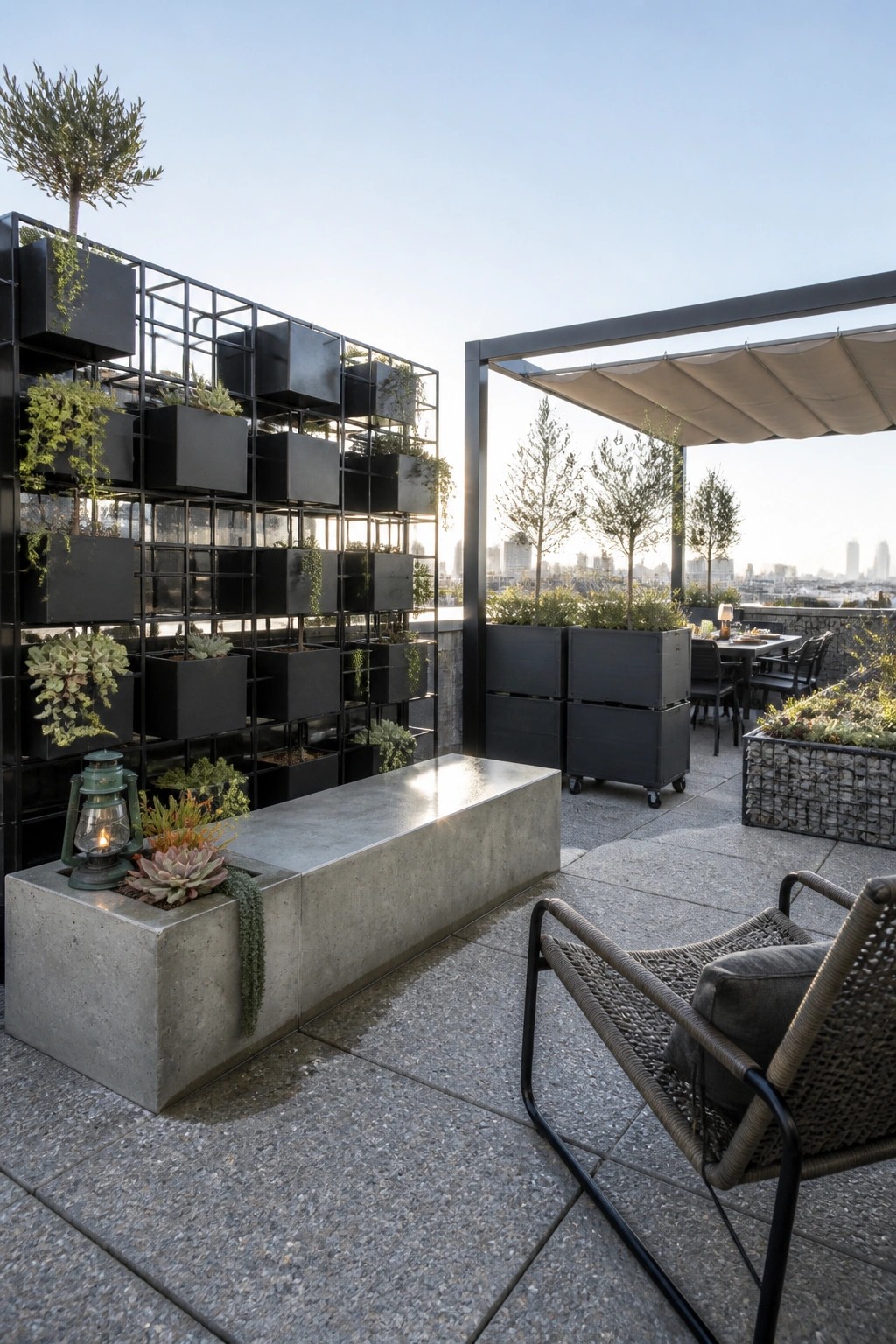
A grid wall lets you fit plenty of plants into a small outdoor area without losing floor space. The square planters sit right in the frame at different heights, which keeps the setup simple and easy to manage over time.
This approach works well on rooftops, balconies, or narrow patios where you need height but still want room to move around. Start with a few panels and add more as you go, then mix in a couple of wheeled containers so you can shift things when the seasons change.
Hang Baskets On The Wall To Add Vertical Planting
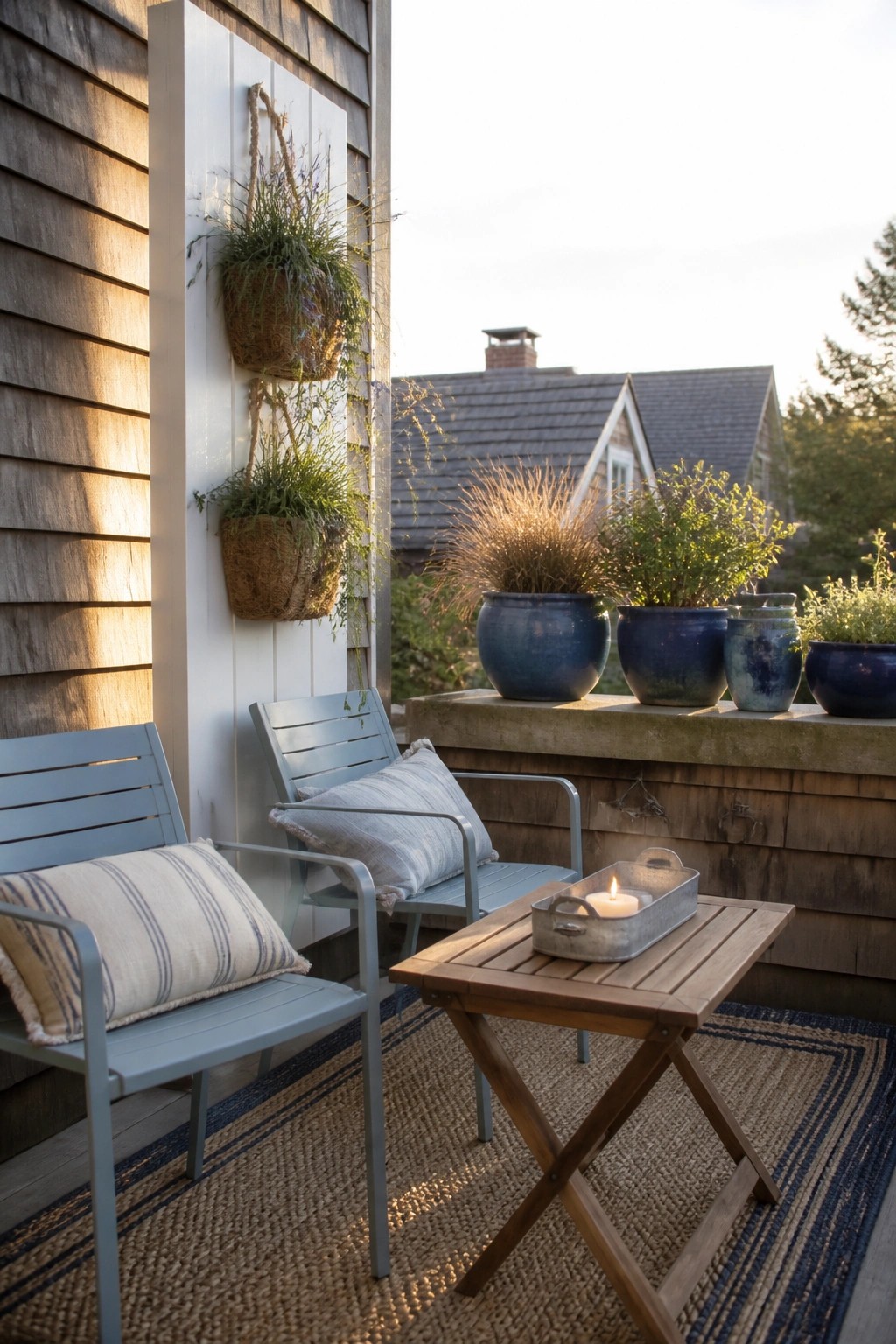
Hanging baskets mounted on a wall panel give you extra growing room without taking up floor space. On a small patio this keeps the seating area open while still adding layers of greenery that feel full rather than crowded.
The same setup works with movable pots placed on a ledge or table. You can shift the containers around as the seasons change or when you want to rearrange the seating. This approach suits townhouse decks, apartment balconies, or any compact outdoor spot where permanent beds are not an option.
Pallet Planters Add Vertical Growing Space In Small Gardens
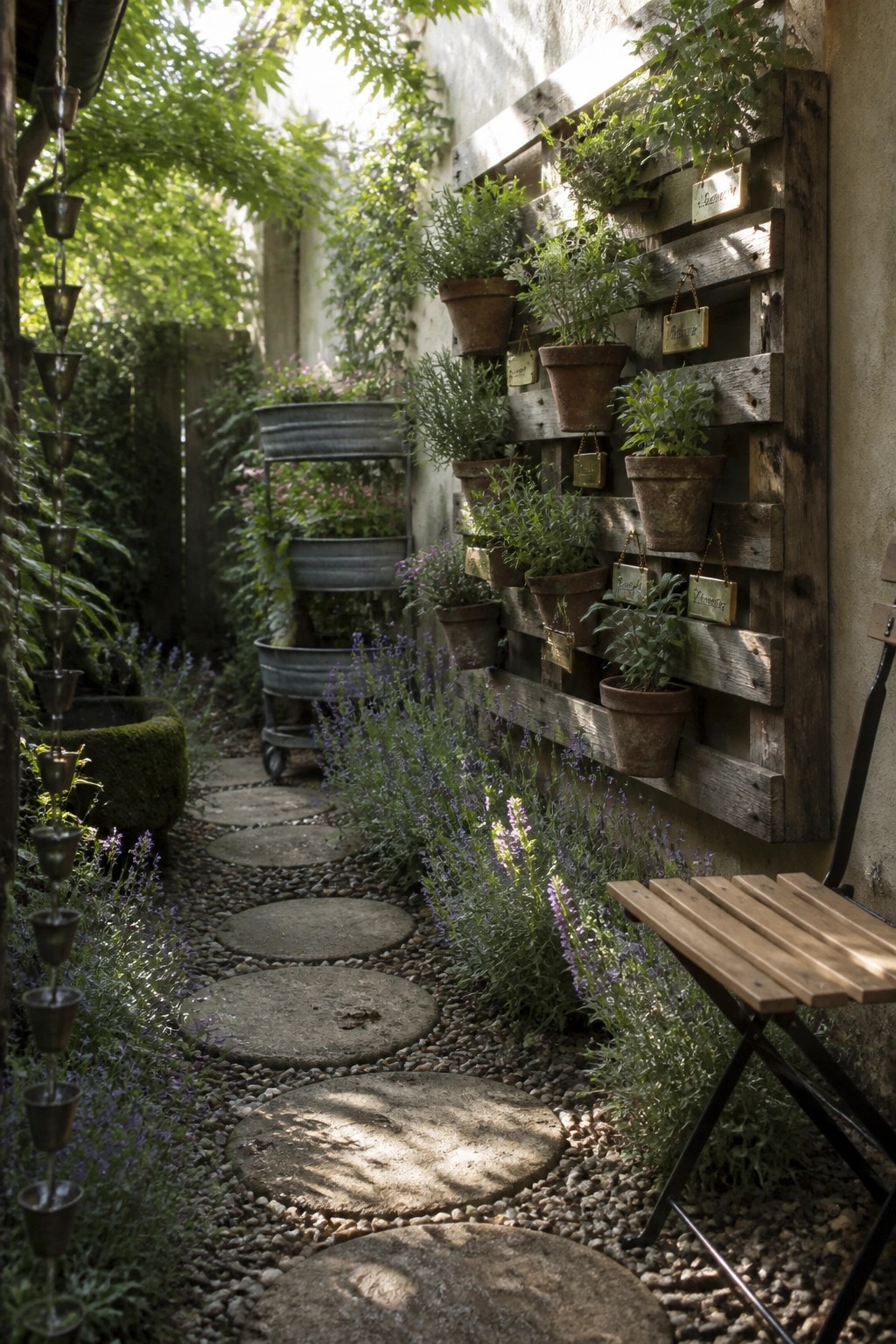
A simple wooden pallet fixed to a wall can turn wasted vertical space into room for pots and plants. This keeps the ground clear in tight garden areas while still giving you a good number of growing spots at different heights.
It works best along narrow paths or against house walls where floor space is limited. Secure the pallet well, use treated wood, and choose pots that are easy to swap out when you want to change the plants.
Mount Pots on a Lattice for Vertical Planting
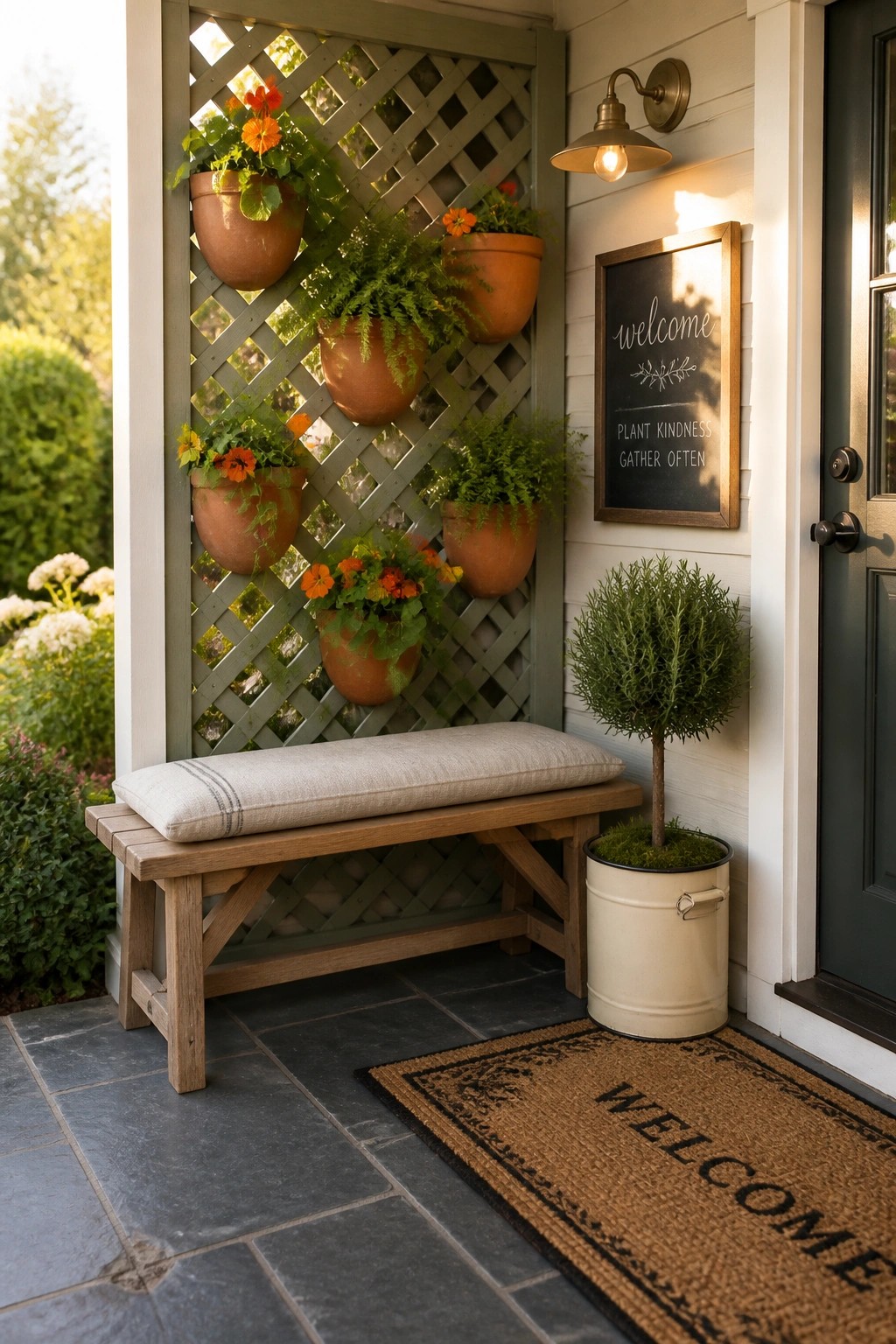
A lattice panel gives you an easy way to add height and more plants without taking up floor space. The pots hang right on the grid, so you can fit quite a few in a narrow spot like a small porch or entry. It keeps the area open while still feeling full.
This setup works well on any wall that gets decent light. Use lightweight pots you can move around as seasons change, and keep the bench or seating clear underneath. It suits homes with limited ground room but a blank wall to work with.
Hang Plants on the Wall to Save Floor Space
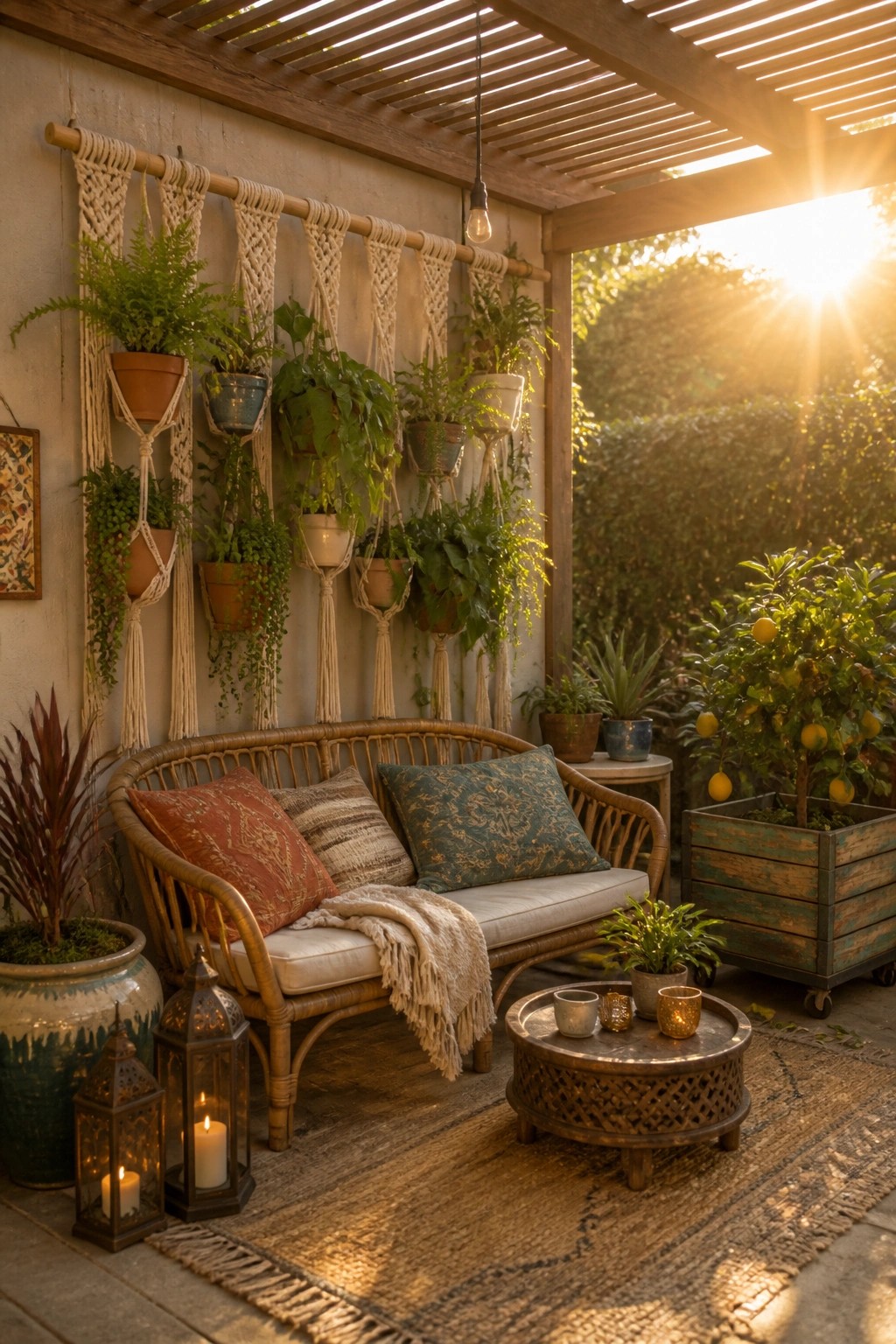
Vertical planting works well on a covered patio because it adds plenty of greenery without crowding the seating area. Macrame hangers let you line up pots at different heights along one wall, which keeps the floor open for a sofa, table, and a few larger containers that can be moved around as needed.
This approach suits small yards or balconies where every square foot counts. Stick with lightweight pots and sturdy hooks so you can swap plants with the seasons or rearrange them easily when the space needs to serve different uses.
Vertical Racks Keep Balcony Herbs Organized
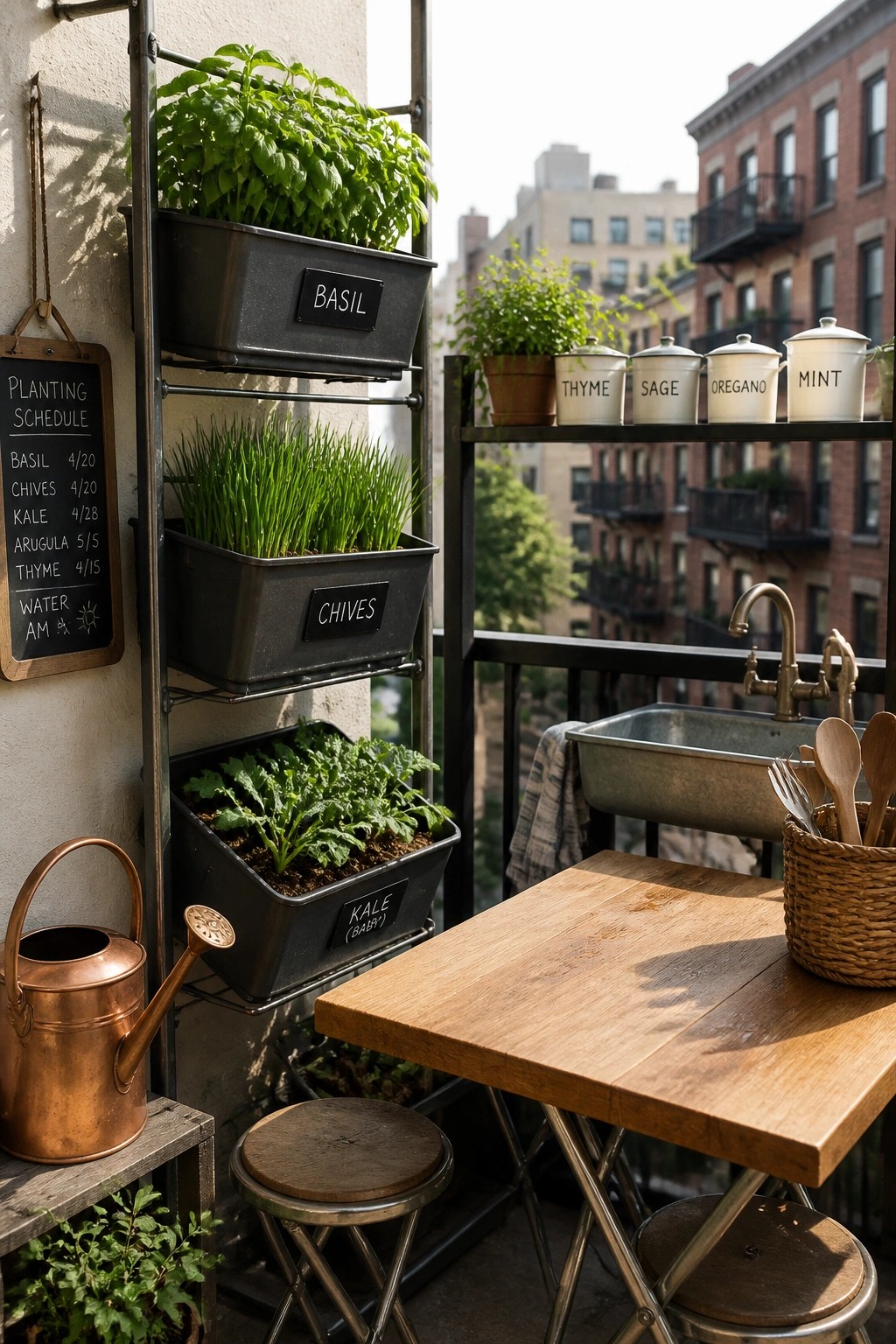
A simple wall rack with stackable containers lets you grow several herbs in one narrow spot. It turns an unused wall into growing space and keeps plants at a comfortable height for watering and picking.
Place the rack on a balcony or small patio where it gets good light. Use sturdy bins that can be swapped out as seasons change and label each one so you know what is ready to harvest.
Mount Shelves on a Wall to Add Vertical Planting
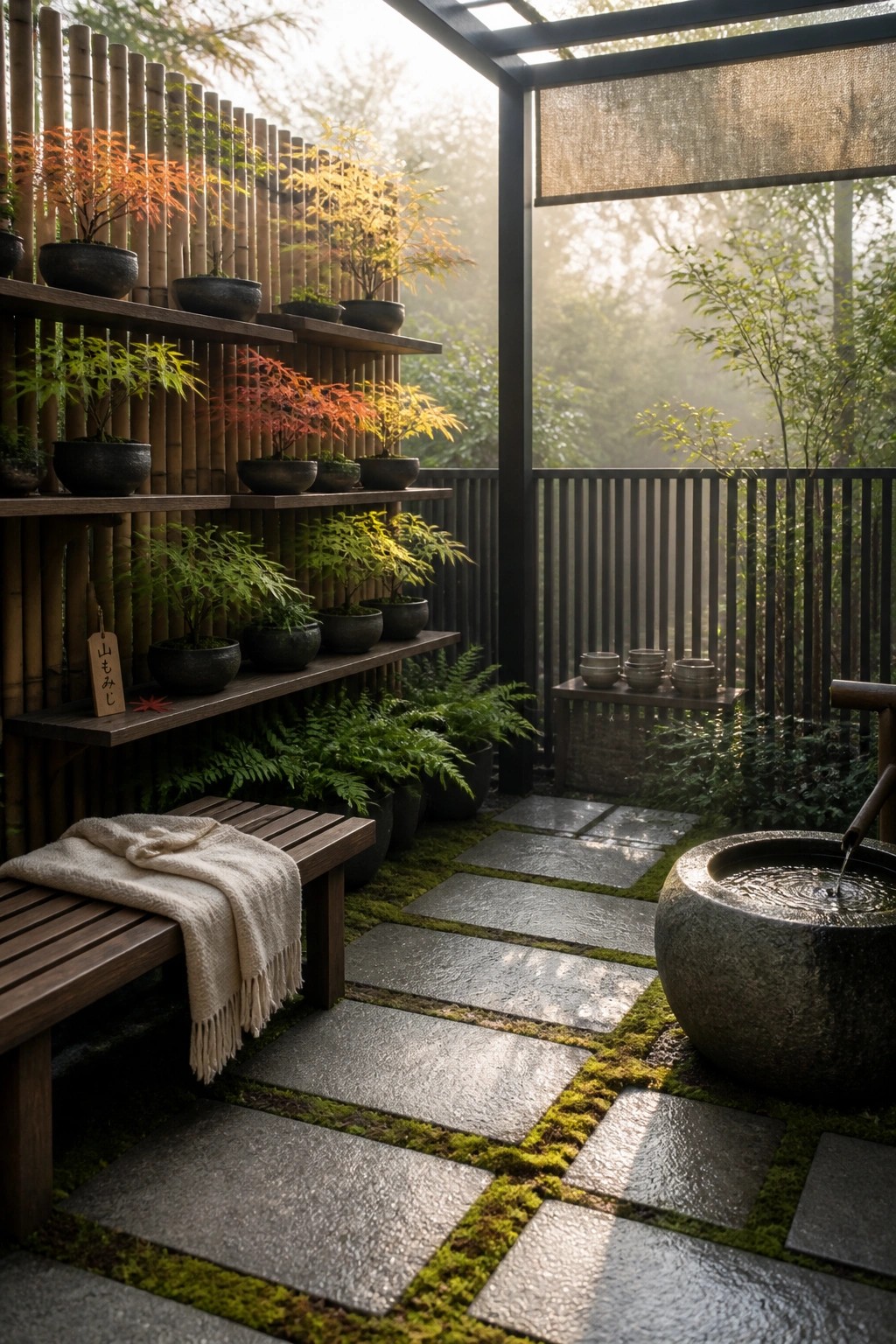
One useful way to fit more plants into a small garden is to mount simple shelves along a wall or fence. This keeps the floor open for paths and seating while letting you arrange pots at different heights where they get good light.
It works best on narrow patios or side yards that already have a solid backing like wood or masonry. Use shelves deep enough for medium pots, group plants with similar needs together, and check the weight capacity so nothing sags over time.
Use a Vertical Ladder Rack for Stacked Planters
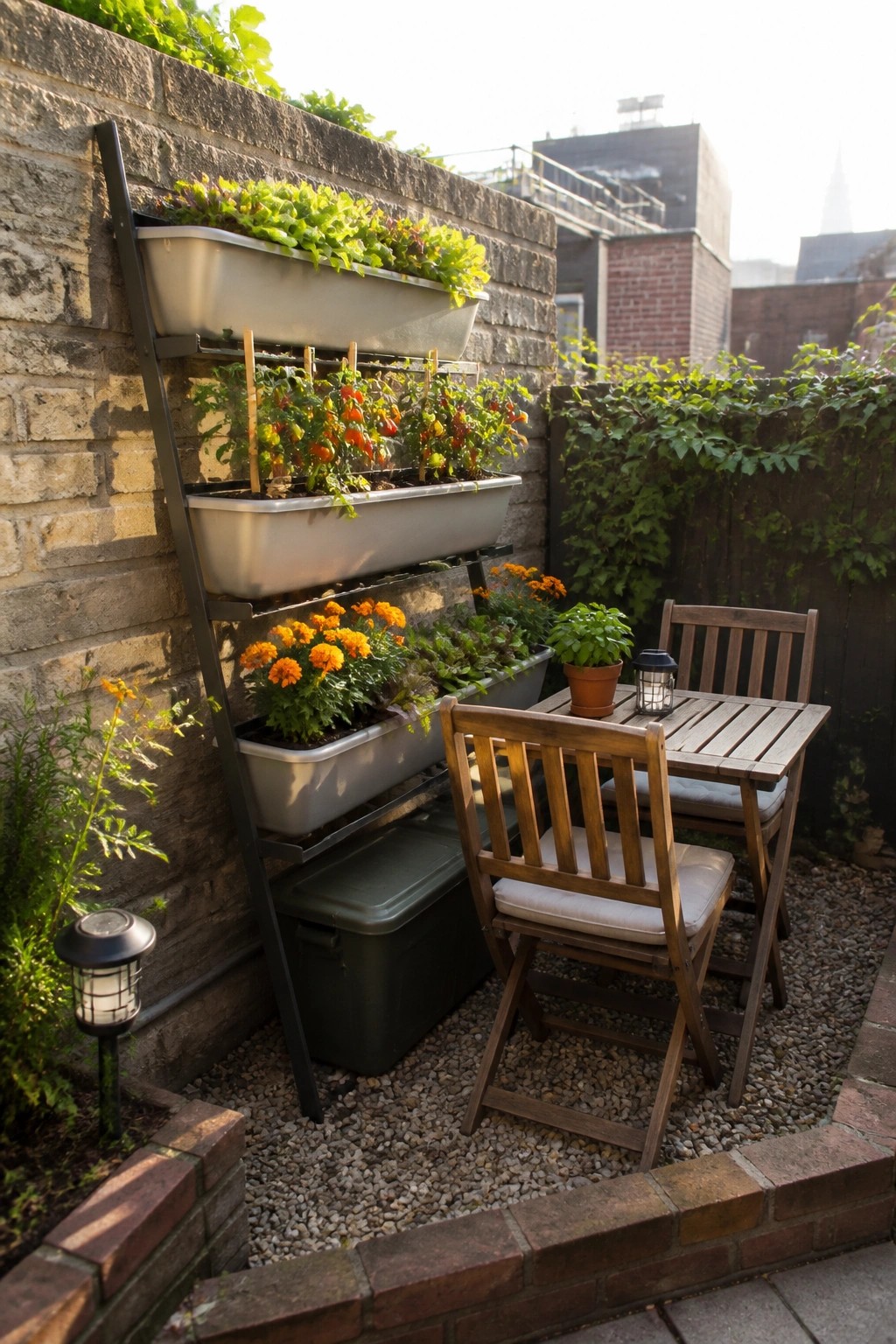
A ladder-style rack lets you stack several troughs without eating into floor space. It works well on a small patio or balcony where ground room is tight but wall space is available. The setup keeps plants at different heights so everything gets light and stays easy to reach.
This approach suits homes with narrow outdoor areas or shared walls. Keep the rack stable against brick or fence, and choose lightweight containers so the whole thing stays manageable. Watering from the top trough can drip down naturally if you line things up right.
Vertical Screens Work Well With Planters
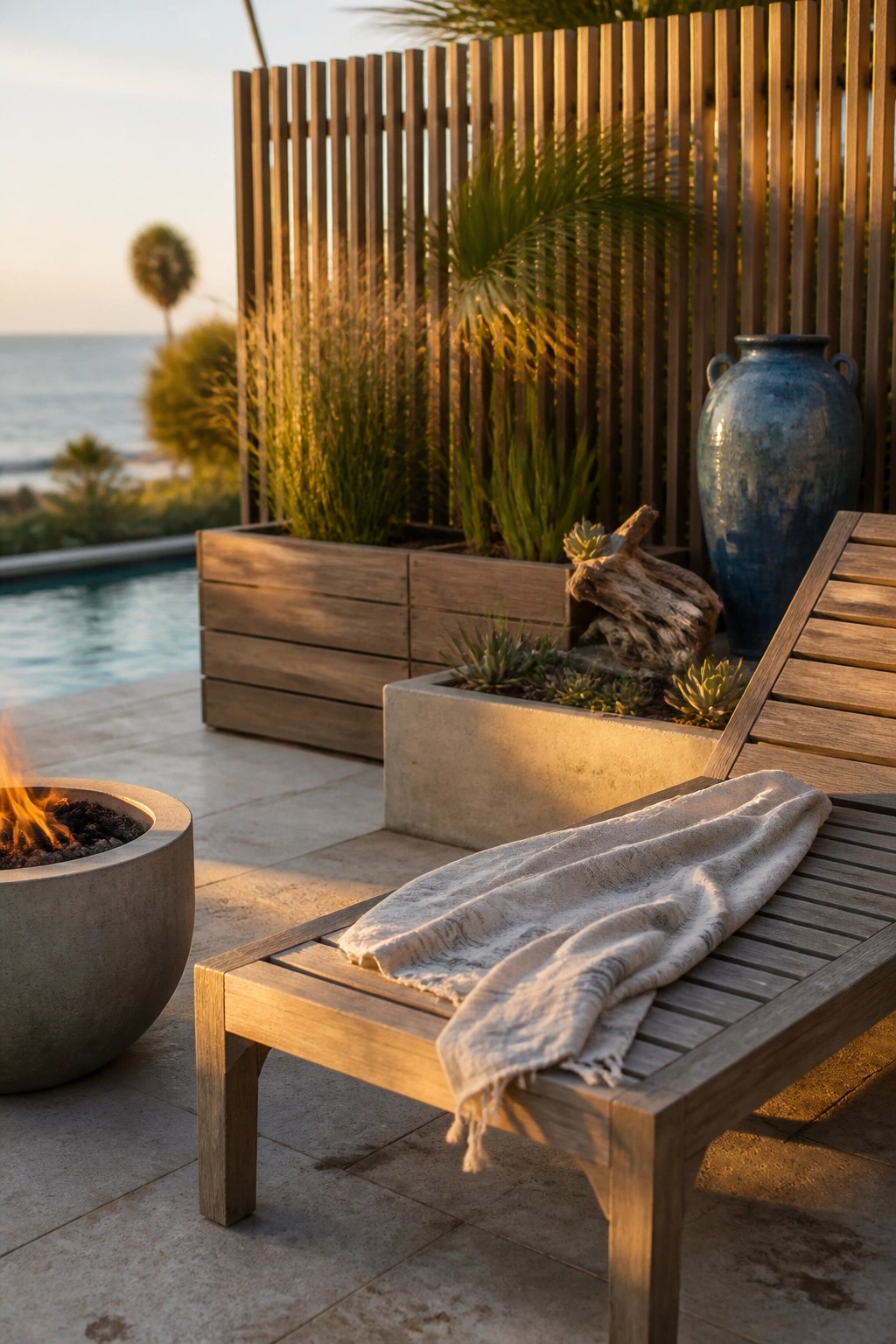
A simple vertical screen can turn an open patio into a more private spot without taking up much room. The wooden slats behind the planters give the space structure while still letting light through, and the containers in front can be swapped out or moved as needed.
This setup works best on small decks or poolside areas where you want some separation but do not want a solid wall. Use a few larger planters at the base to soften the look, and keep the screen height around six feet so it feels enclosed without blocking the view entirely.
Mount Pots On The Wall To Add Planting Space
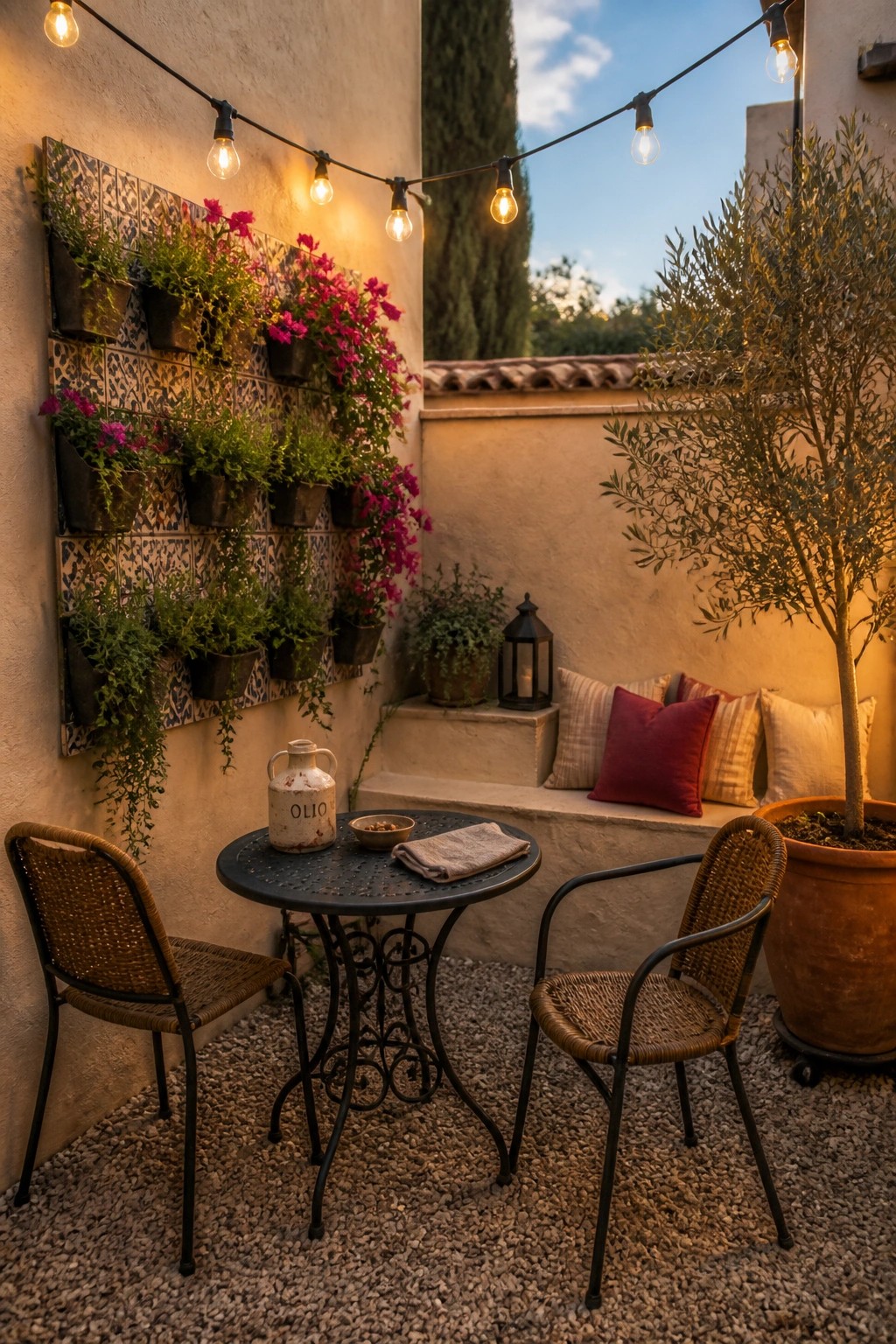
One simple way to grow more in a small patio is to move plants up onto the wall. A grid of pots fixed to a tiled panel keeps the floor clear for seating and walking while still giving you a full display of flowers and greenery.
This setup works best on a solid wall that gets some sun. Use sturdy brackets or a ready made vertical system and start with just a few pots. It suits tiny courtyards and balconies where every inch of ground space matters.
Train Plants Vertically on Fences
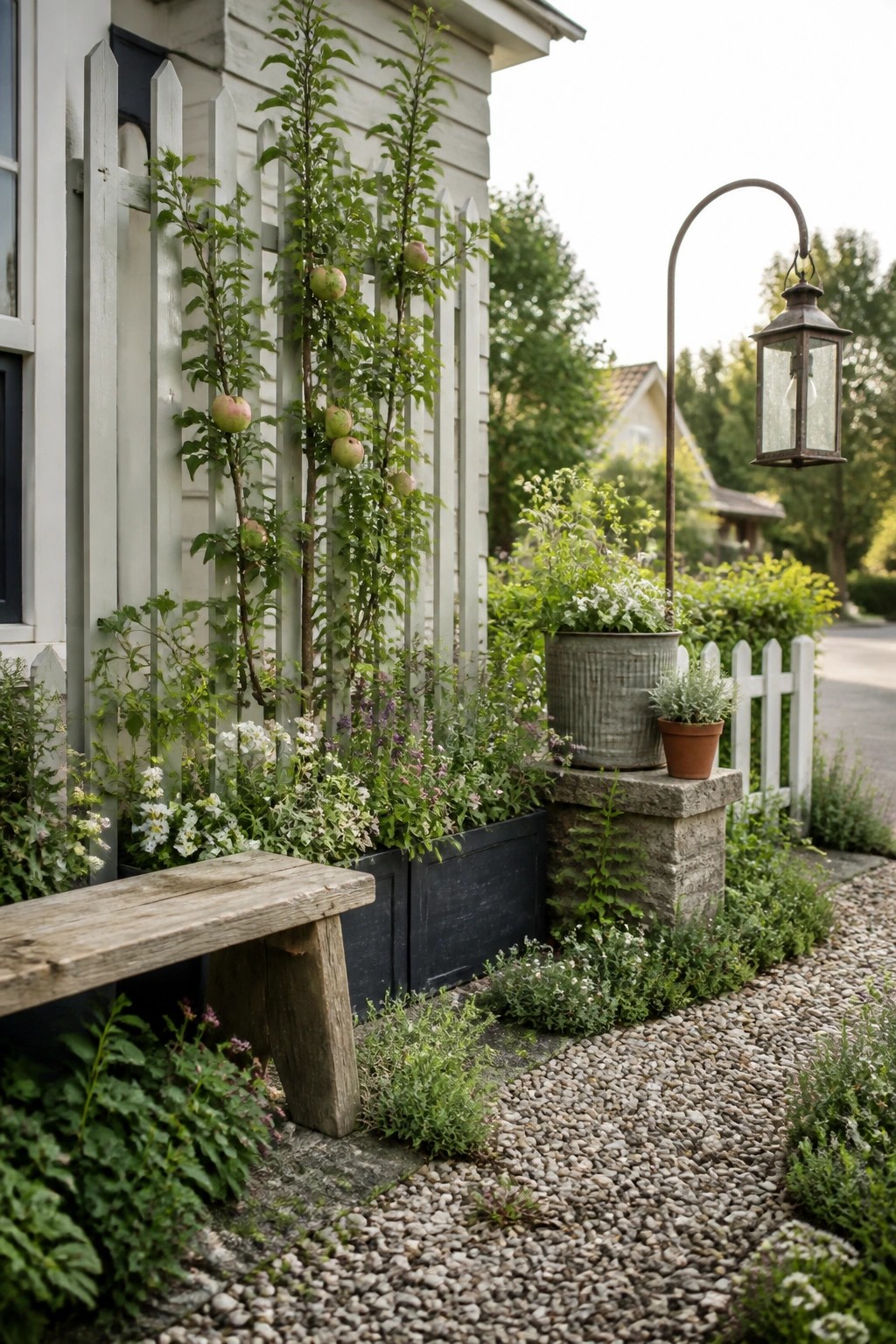
Fences already take up space, so putting them to work as growing surfaces makes a small garden feel much larger. Training plants flat against the fence keeps the ground clear while still giving you height and seasonal interest without needing a big bed.
This works best along side yards or narrow paths where a full border would crowd things. Start with a simple trellis or wire system and choose flexible containers for anything that needs moving or seasonal swapping. Keep the base planting low so the vertical layer stays the focus.
Vertical Planters On Balcony Walls
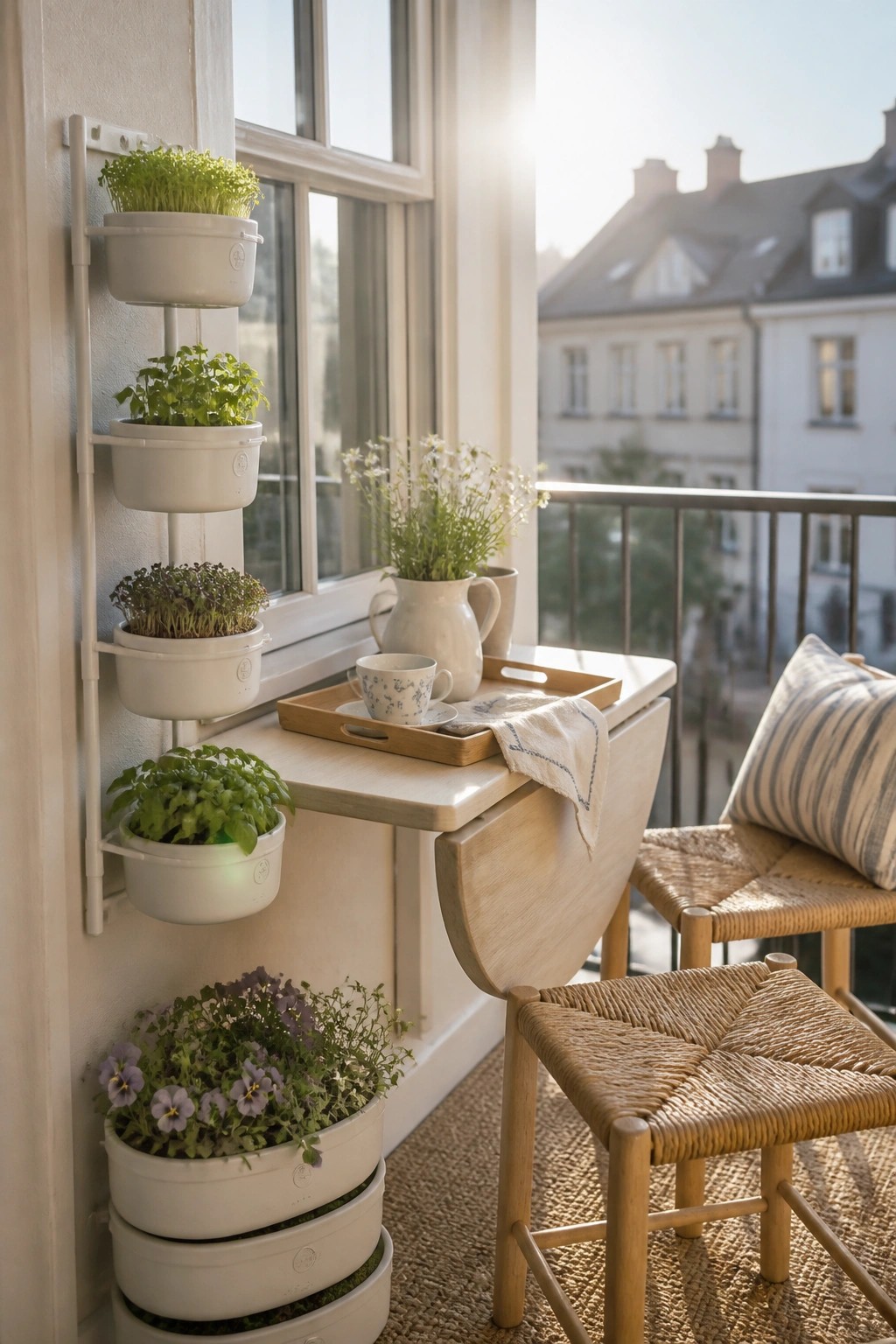
Many small balconies feel cramped once you add seating and a table. Stacking planters on the wall solves that by moving the garden upward instead of spreading it across the floor.
This setup suits apartments and other tight outdoor spots where every inch counts. The containers can be rearranged as plants grow, and they pair easily with fold down tables so the space stays usable for sitting or dining.
Hang Containers on Walls to Grow More in Small Gardens
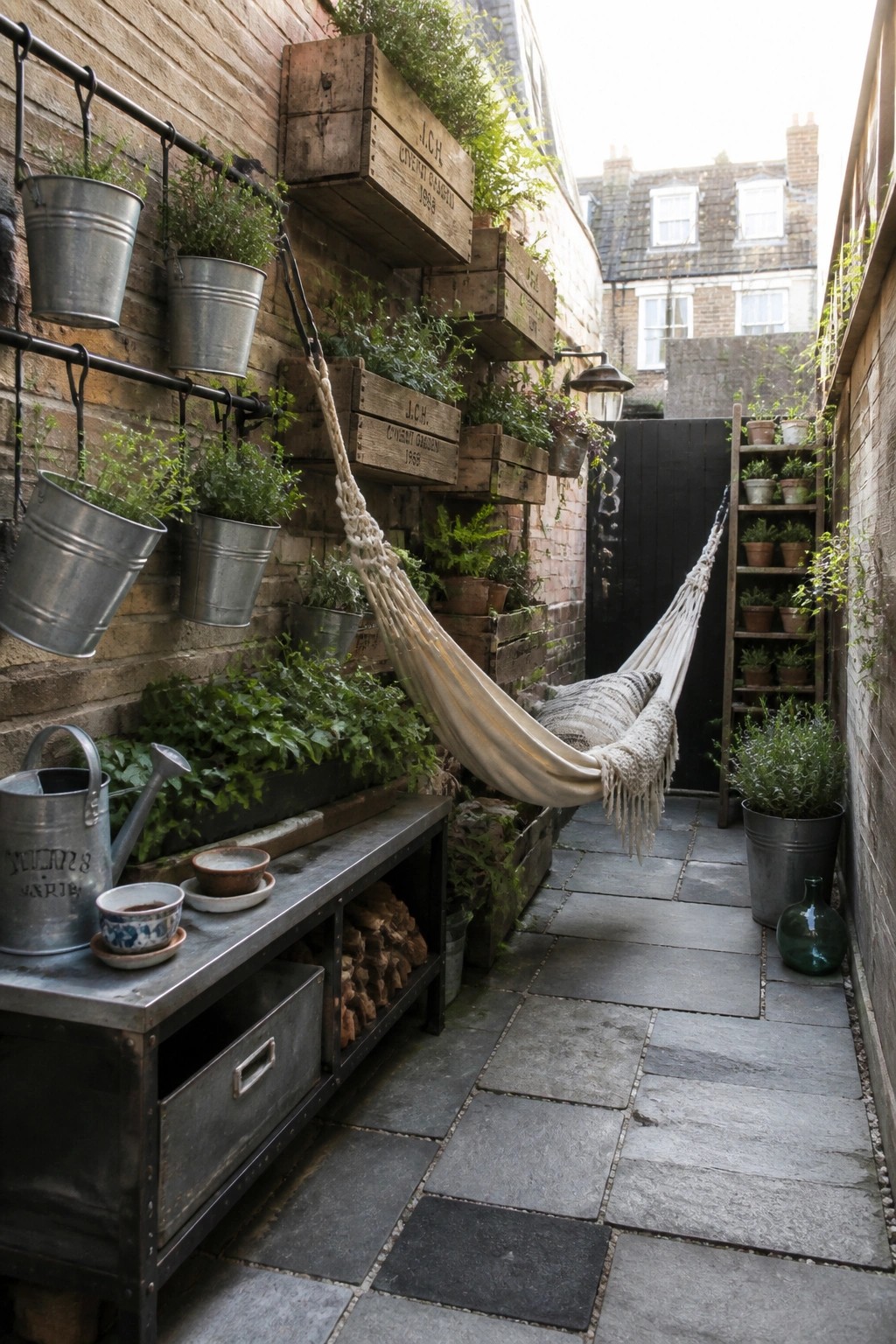
Many small gardens run out of ground space fast, but the walls around them often sit empty. Mounting lightweight containers like metal buckets or wooden crates on brick or fencing turns those vertical surfaces into growing areas without taking up floor room.
This works especially well in narrow side yards or shaded courtyards where light is limited at ground level. Use sturdy brackets or rails so the containers stay secure, and pick plants that tolerate the conditions on that particular wall.
Use Wall Pockets To Add Greenery Without Crowding The Floor
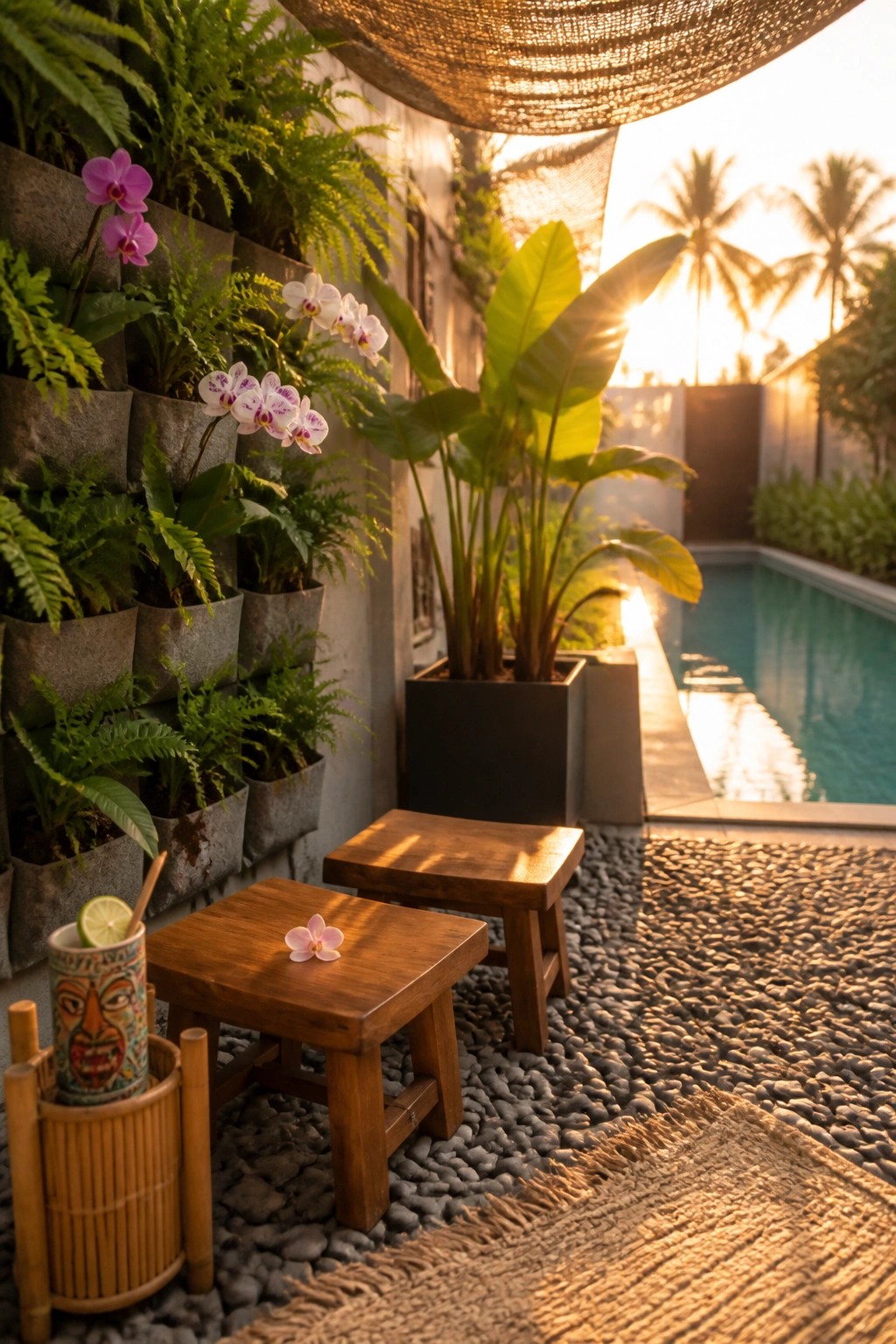
Vertical planting with wall pockets keeps small outdoor spaces from feeling cramped. You get plenty of plants while leaving the ground open for seating and movement around a pool or patio. It works especially well when floor space is limited but you still want a garden feel.
Mount the pockets on any sturdy wall near your seating area. Mix in different greens and a few flowers for variety, then add a couple of simple stools that can be shifted around as needed. This setup suits compact yards or pool decks where fixed beds would take up too much room.
Vertical Pallet Gardens For Small Porches
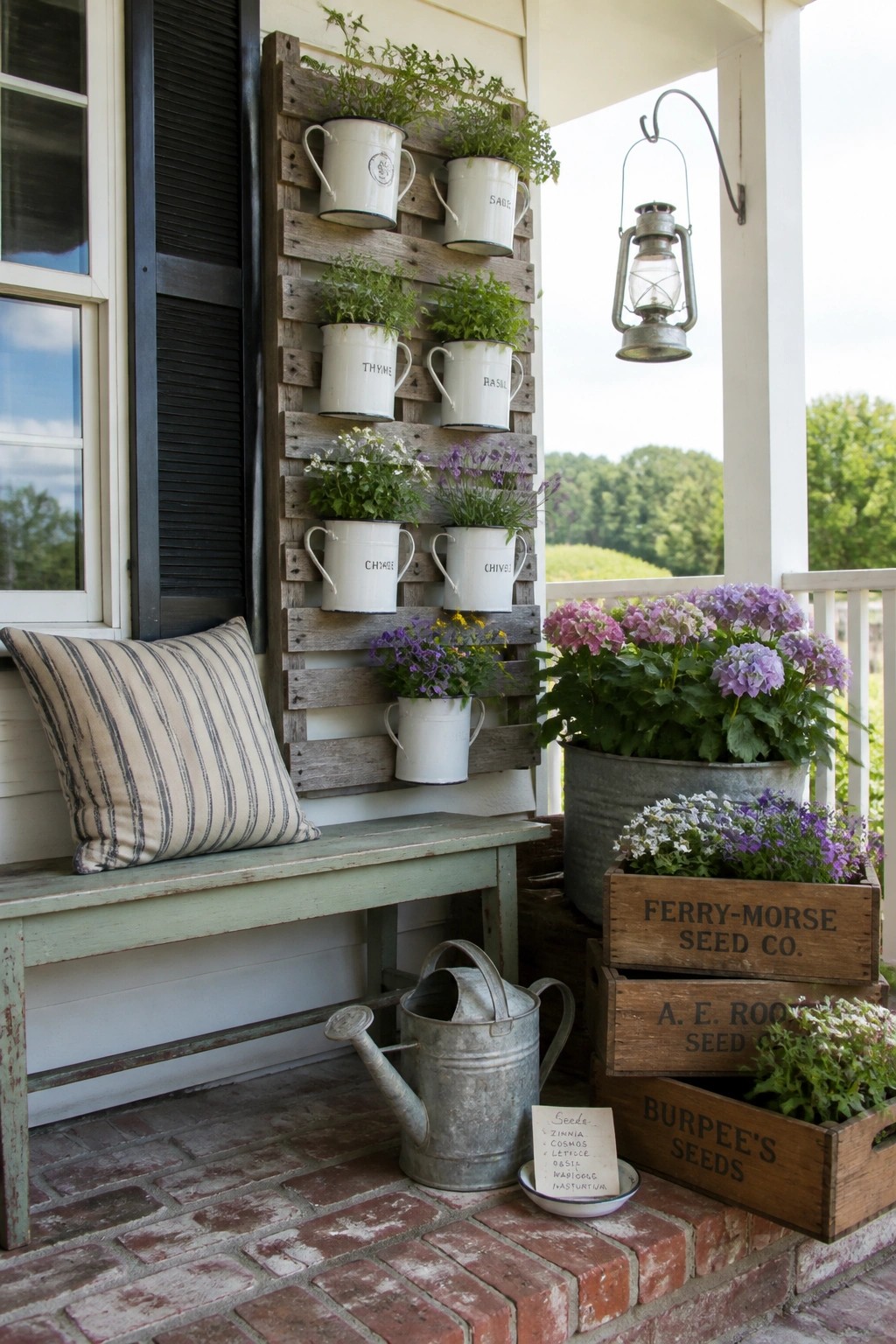
Mounting a simple wooden pallet on an exterior wall turns unused vertical space into a working garden. The setup holds multiple containers at different heights so you can grow herbs and flowers without losing floor room on a porch or deck. It works because the structure stays light and the containers can be swapped out as plants change with the seasons.
This approach suits small homes or rentals where ground space is limited. Use sturdy hooks and lightweight pots to keep weight down, and place it near a bench or seating area so the plants stay within easy reach for watering and harvesting.
Vertical Planting With Rolling Containers
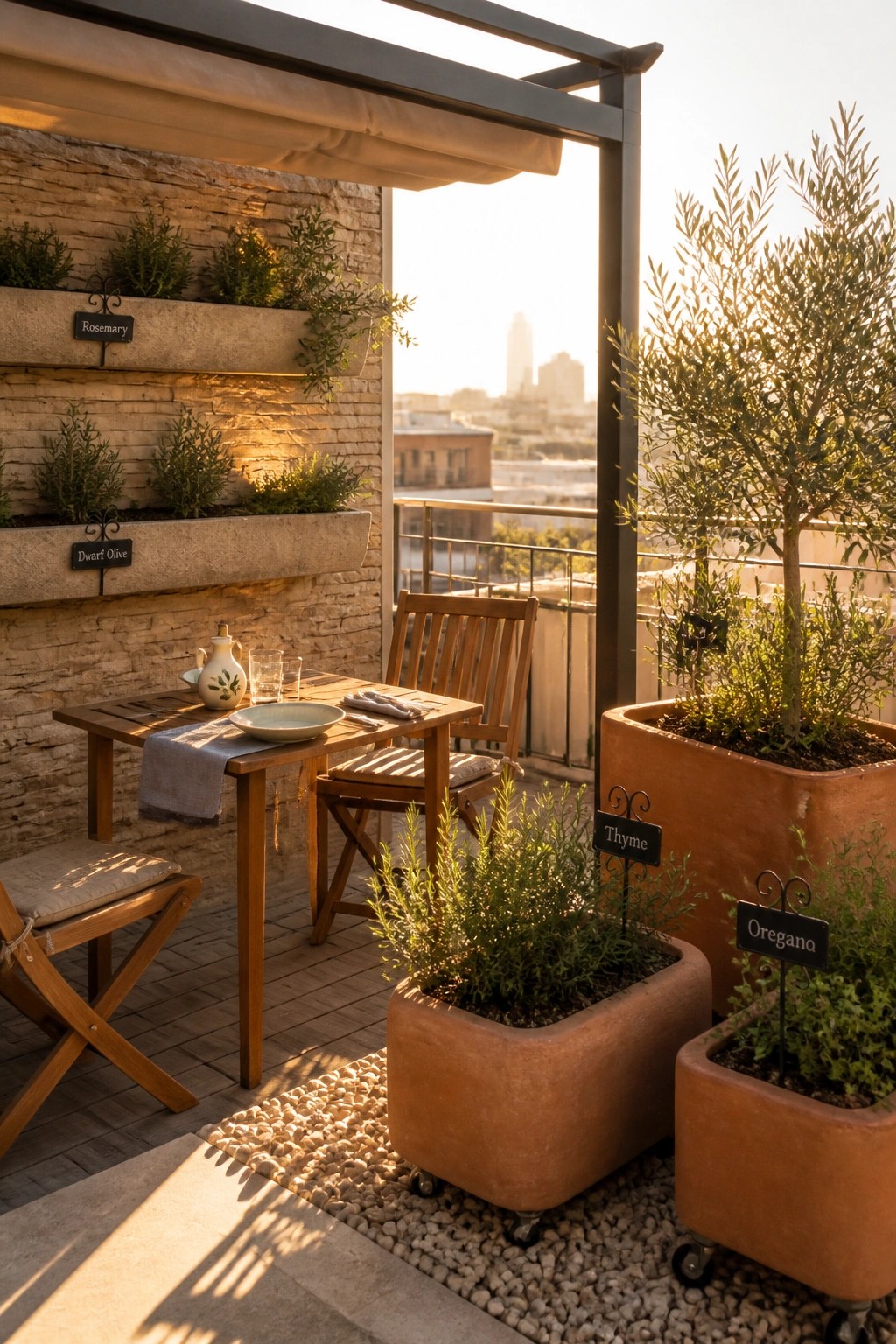
One idea that works well in small outdoor spots is mounting planters on the wall while keeping a few larger pots on wheels. This gives you extra growing room without crowding the floor and makes it simple to shift plants around for sun or maintenance.
It suits balconies and compact terraces best since the wall planters hold herbs at eye level and the wheeled pots can be moved when you need the space for seating or cleaning.
Wall Pockets Turn Empty Walls Into Garden Space
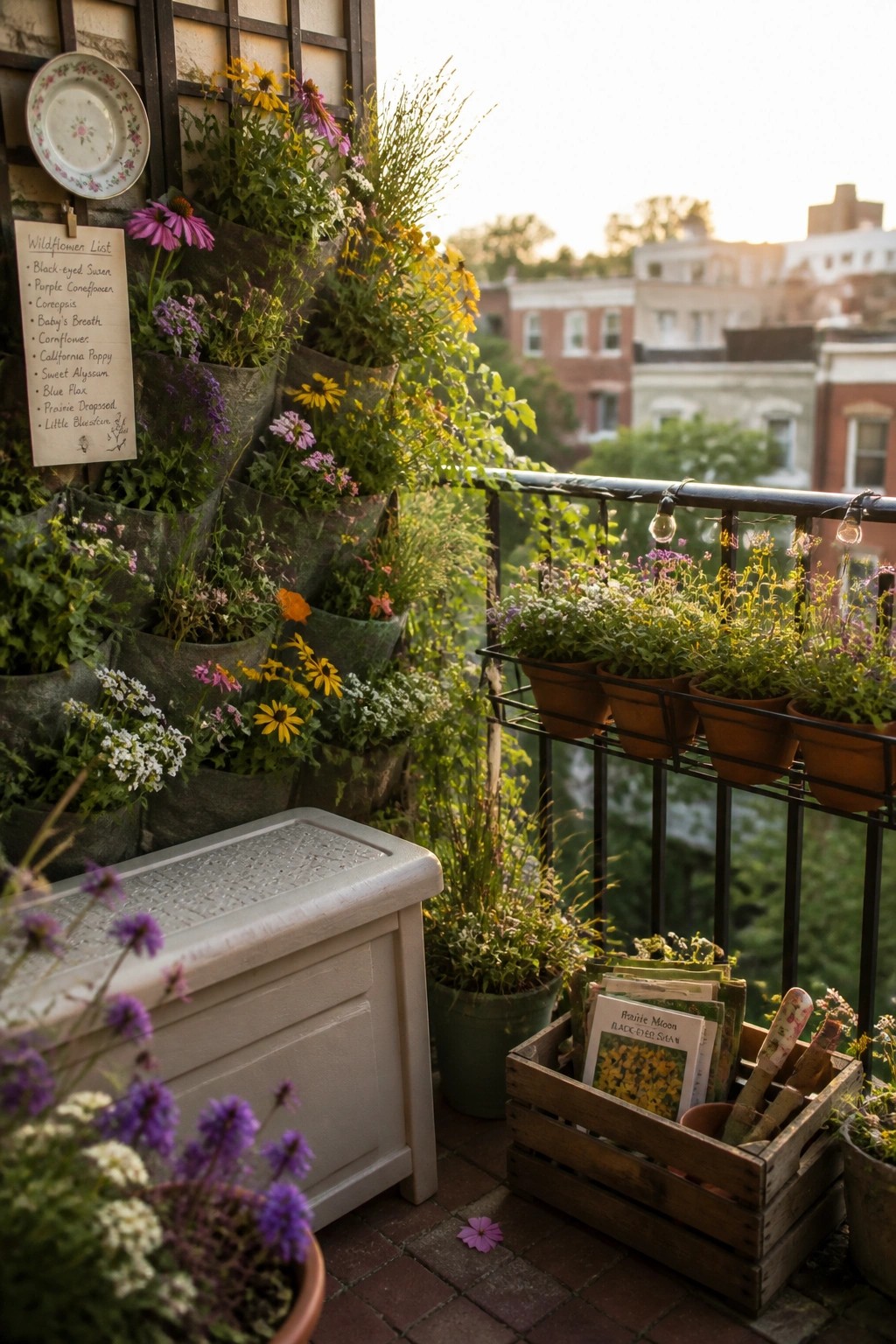
Many balconies and patios lose growing space because the floor fills up fast with pots. Fabric wall pockets solve that by letting plants climb upward along a railing or solid wall without crowding the walking area.
They suit apartments and small townhomes where floor room stays limited. Hang them where they catch sun, and check the soil often since the pockets dry quicker than larger containers.
Hang Buckets On A Wall Grid For Vertical Growing
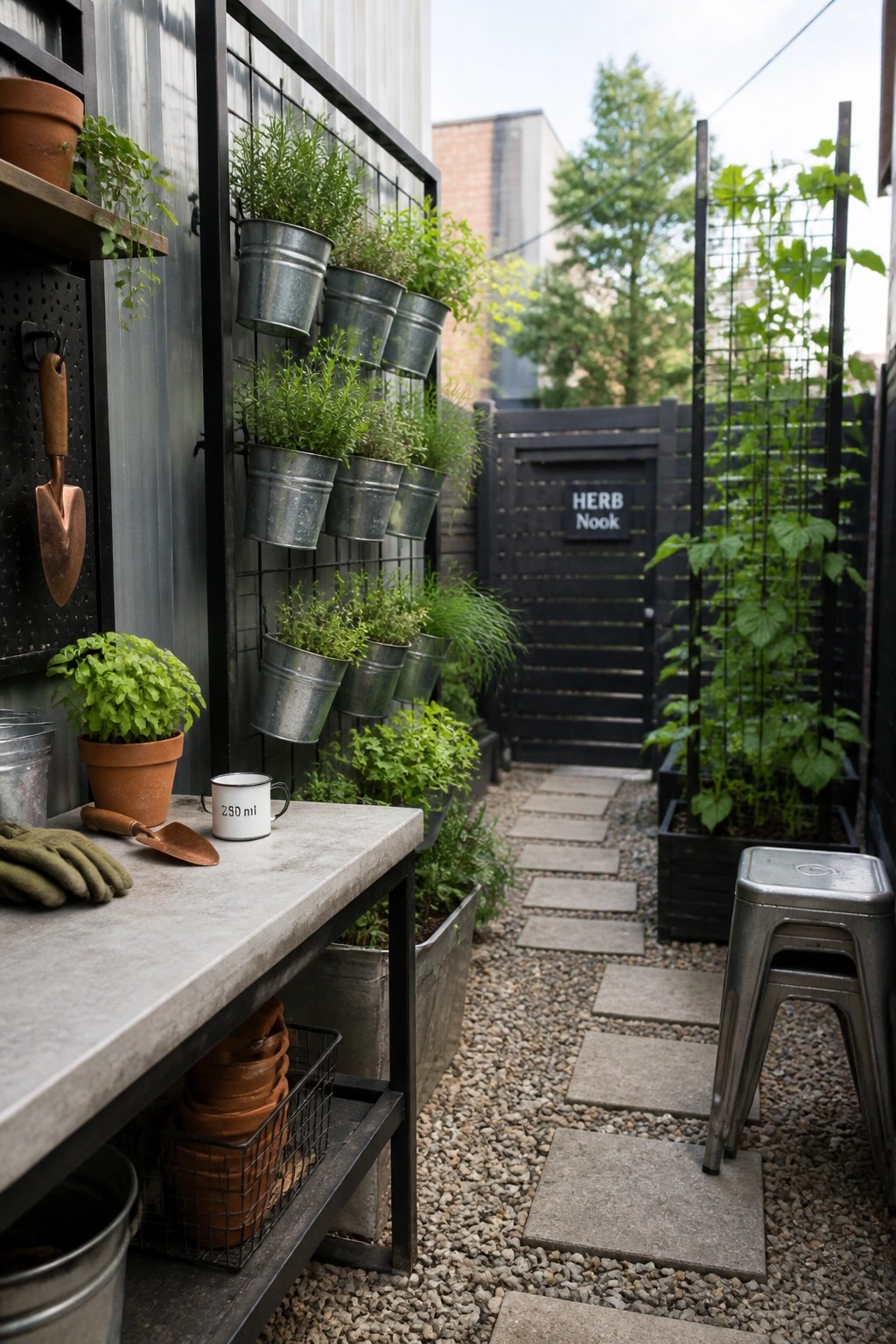
A wall grid with metal buckets gives you a simple way to grow herbs and greens upward instead of spreading them across the ground. This works especially well in narrow side yards or tight passages where floor space is limited. The buckets keep things movable so you can swap plants easily or take them down for watering.
It suits homes with small outdoor areas that still need a productive garden. Try placing the grid near a work surface or path so the plants stay within reach for harvesting. Just make sure the wall can handle the weight once the buckets are filled.
Vertical Walls Keep Small Patios Green
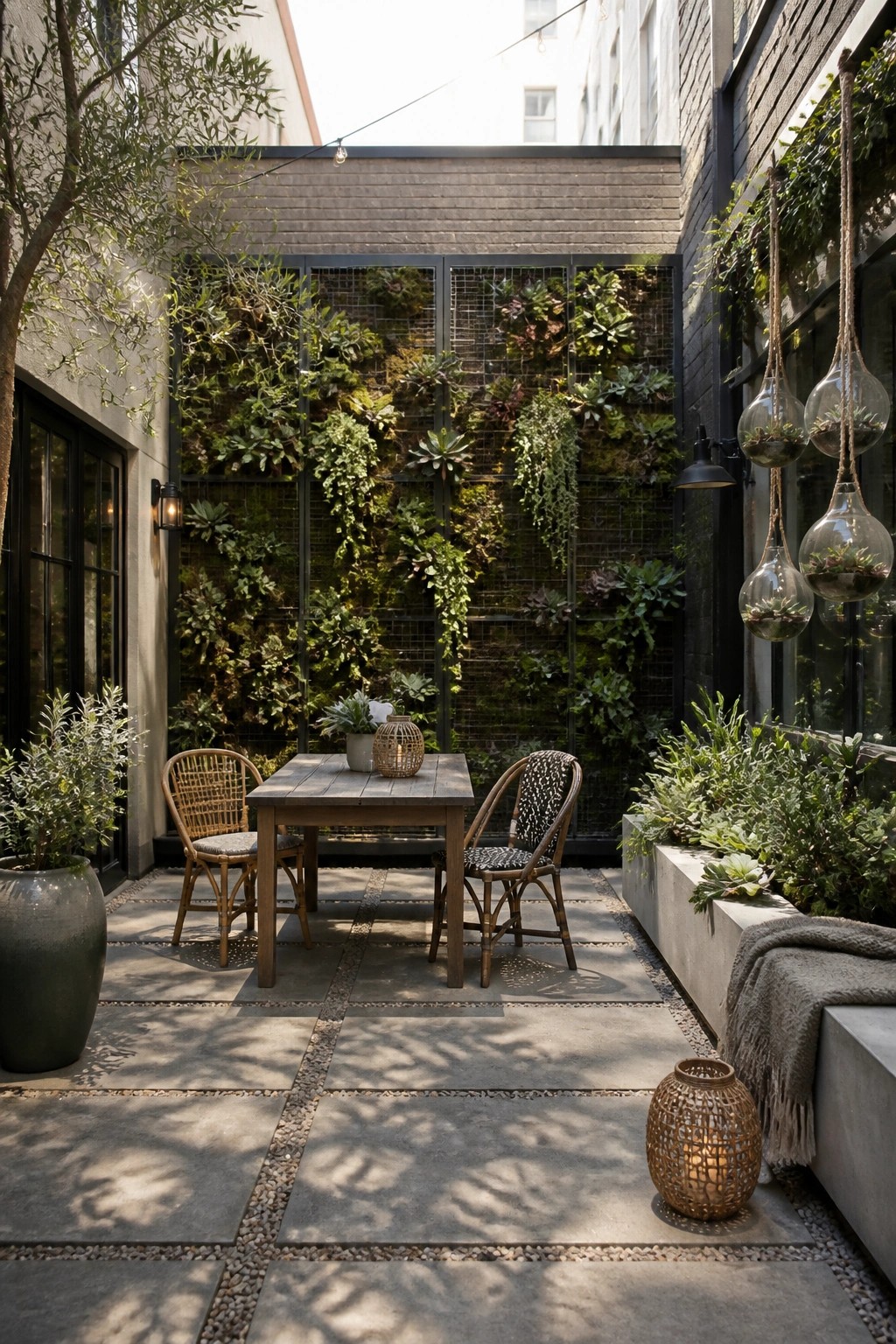
A living wall makes the most of a cramped courtyard by shifting plants upward instead of spreading them across the floor. This approach leaves room for seating and walking while still delivering a full garden feel, which works especially well when space is limited on all sides.
It suits townhouses, side yards, or any paved area that gets decent light. Mount a simple grid system on a blank wall, then mix in a few hanging pots or movable containers so you can adjust the layout as plants grow or seasons change.
Vertical Planting on Small Balconies
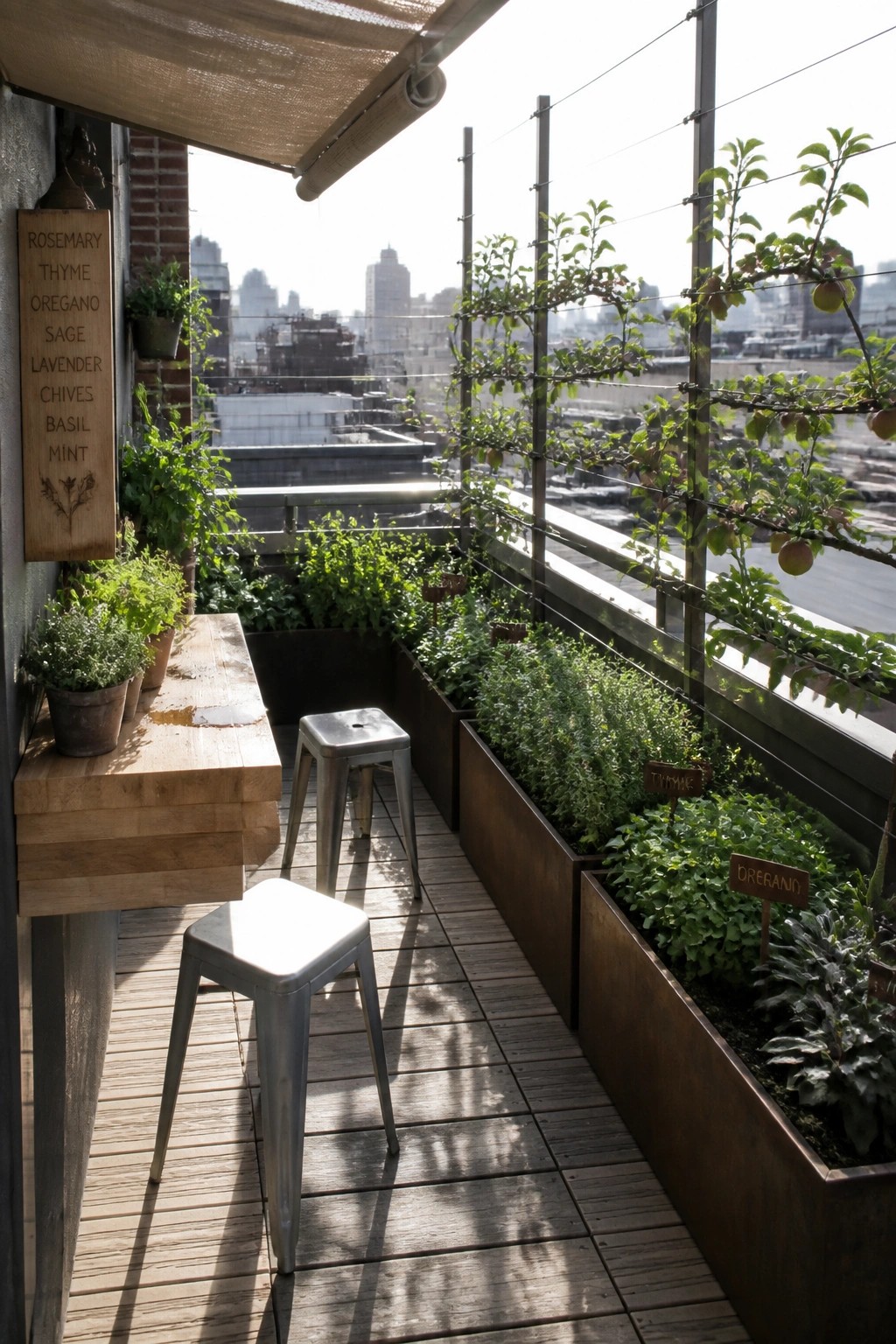
Vertical supports make a big difference when space is limited. A simple wire grid along the railing lets plants climb upward instead of spreading out, which keeps the floor area open for seating or walking through. This setup works especially well on balconies where you still want fresh herbs and small crops without crowding everything into pots on the ground.
Raised beds and movable containers fit right into this kind of layout. You can label them for easy care and shift them around as needed, which helps if light changes through the seasons. The approach suits urban spots or any small outdoor area where you want more growing room without major construction.
Hang Baskets on a Vertical Screen
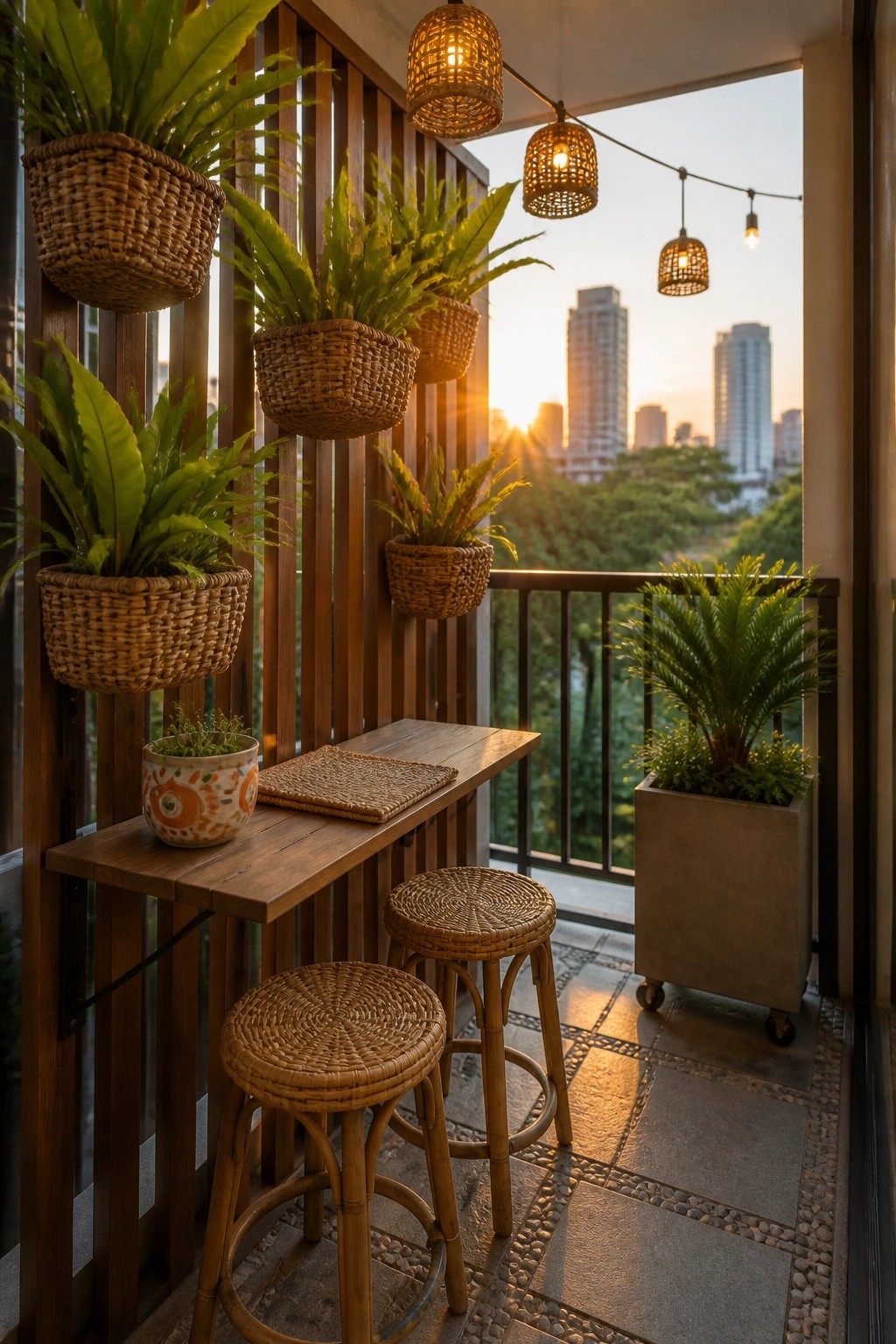
A vertical screen gives you an easy way to add plants without crowding the floor. Hanging baskets along the slats lets you build layers of greenery that stay out of the way while still making the space feel full.
This setup works best on small balconies or patios where every inch counts. Use lightweight baskets you can swap or move as seasons change, and keep the plants simple so the whole thing stays low maintenance.
Frequently Asked Questions
Q: How do I stop vertical planters from drying out so quickly on a sunny balcony?
A: Water in the early morning and check the top inch of soil each afternoon with your finger. Mix in some water-retaining crystals when you fill the containers so they stay damp longer between soakings.
Q: What if the containers start tipping once the plants grow tall?
A: Place the heaviest pots at the base of any vertical frame and tie the upper sections to a railing or wall hook. This keeps everything steady without extra hardware.
Q: Can I grow tomatoes or peppers in these flexible setups?
A: Yes, but choose dwarf varieties and give each plant its own deep container so roots have room. Feed them every couple of weeks with a mild liquid fertilizer to keep production steady.
