

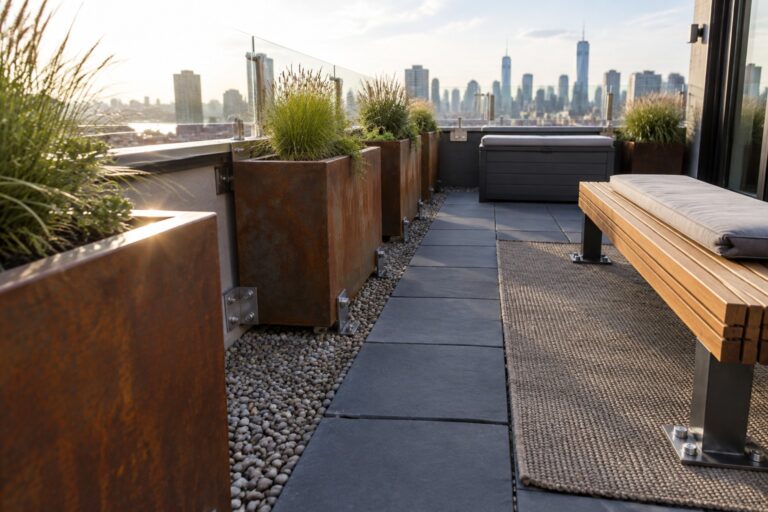
When I first tried growing anything on a rooftop the wind kept knocking things over and it made the whole space feel unreliable for daily use.
Many setups look fine on a calm day but then a gust arrives and suddenly the area is not practical for sitting or tending plants without worry.
Anchoring matters here.
Choosing planters that stay put lets the rooftop work as an extension of the home rather than a spot that needs constant fixing after weather hits.
I would test a few anchored options first in any real space because they turn an idea into something that lasts through seasons.
Heavy Metal Planters for Windy Rooftops
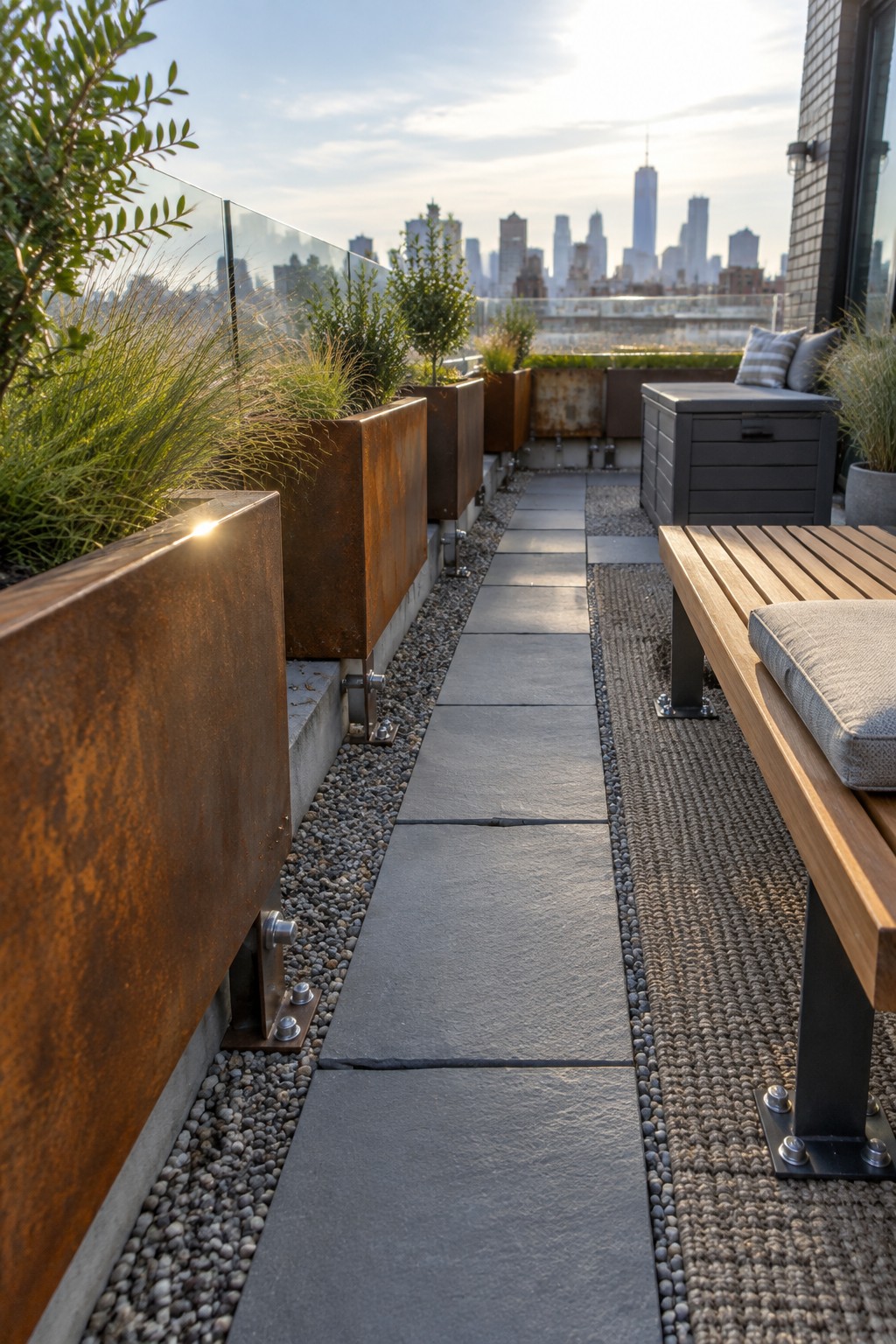
Large metal planters give rooftop gardens real stability because their weight and low center of gravity help them resist strong gusts. They also let you grow bigger plants that can break the wind a bit without needing extra tie-downs every season.
Set them along the perimeter or in lines to shape walkways, then fill the gaps with gravel or pavers so everything stays put. This approach works best on high or open rooftops where lighter containers tend to shift or tip over.
Anchored Concrete Planters for Windy Rooftops
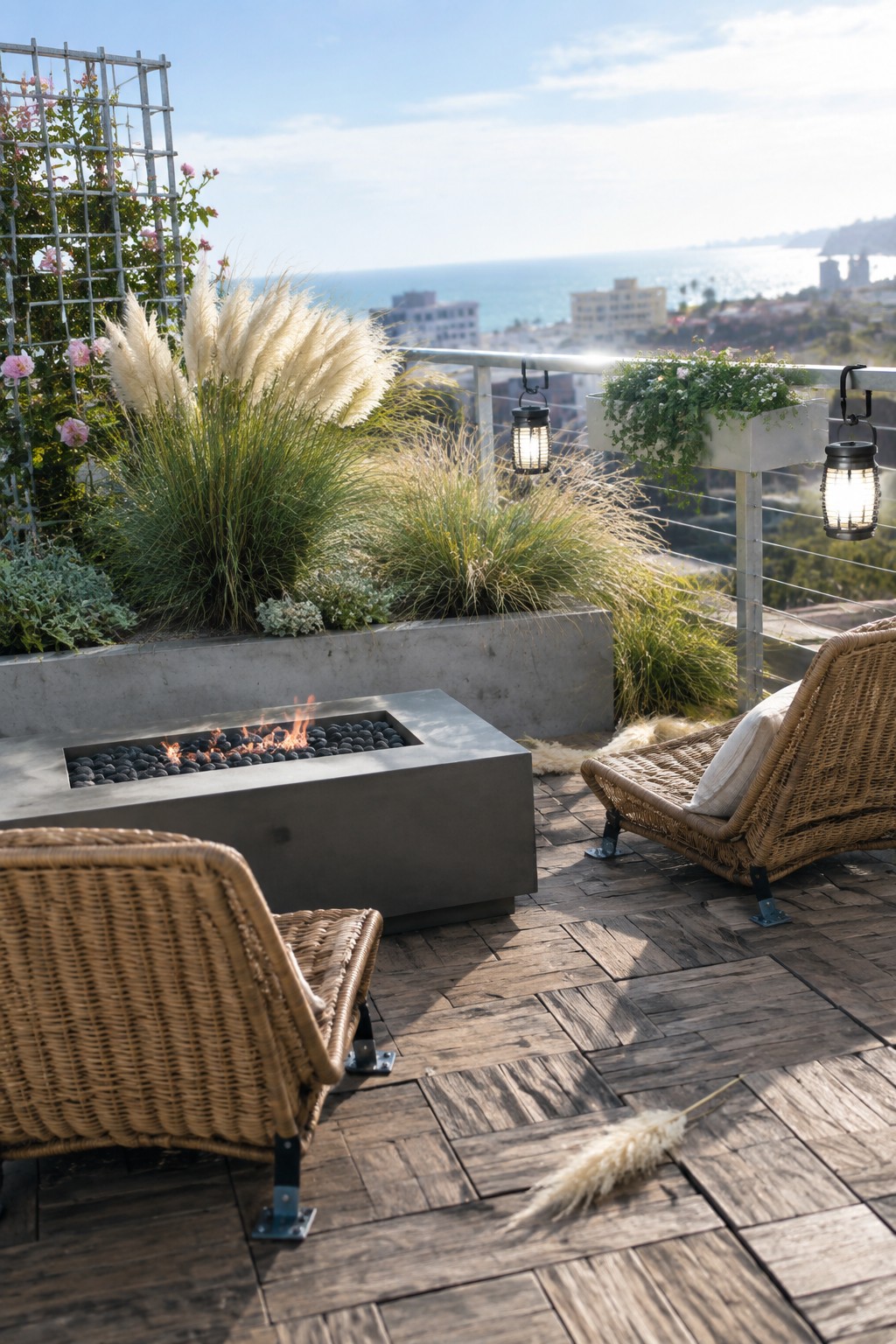
Heavy concrete planters give rooftop gardens the stability they need when wind picks up. They sit low and solid, so plants stay upright instead of getting blown around or toppled over.
Set them along the perimeter or beside seating to block some of the wind while keeping the space usable. Bolt or weight them down when the deck allows it, and choose tough grasses that handle constant exposure without extra fuss.
Anchor Planters Along the Edges
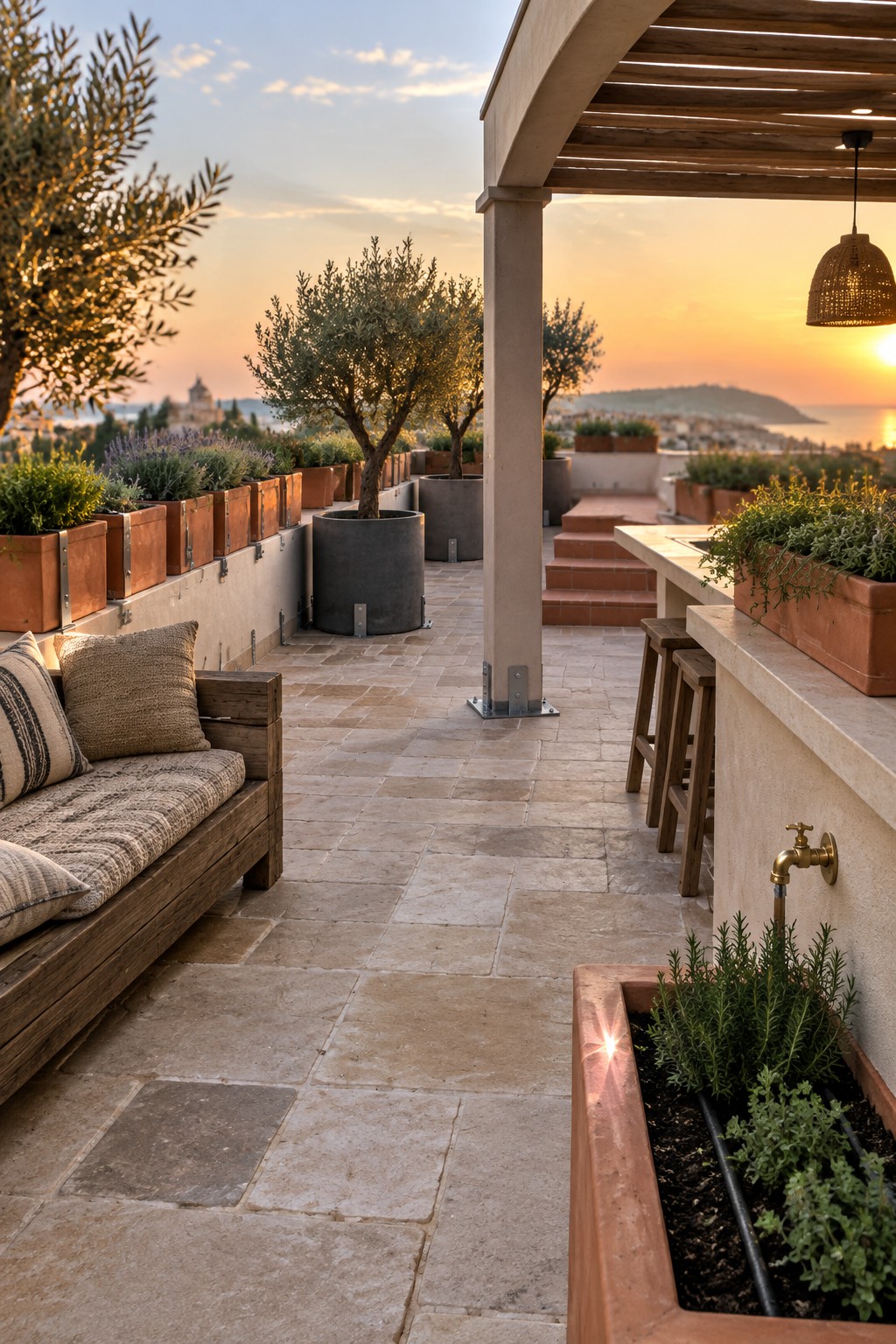
Heavy planters make a big difference on a roof terrace where wind can knock things over. Setting them in a steady line along the outer edge helps block gusts and gives the space a solid feel without needing tall walls.
This approach works best on flat roofs that can handle the weight. Bolt or weight the containers down when possible, and choose deeper ones so plants stay rooted even in strong gusts. It suits homes in windy spots near water or open fields.
Large Concrete Planters for Wind-Exposed Rooftops
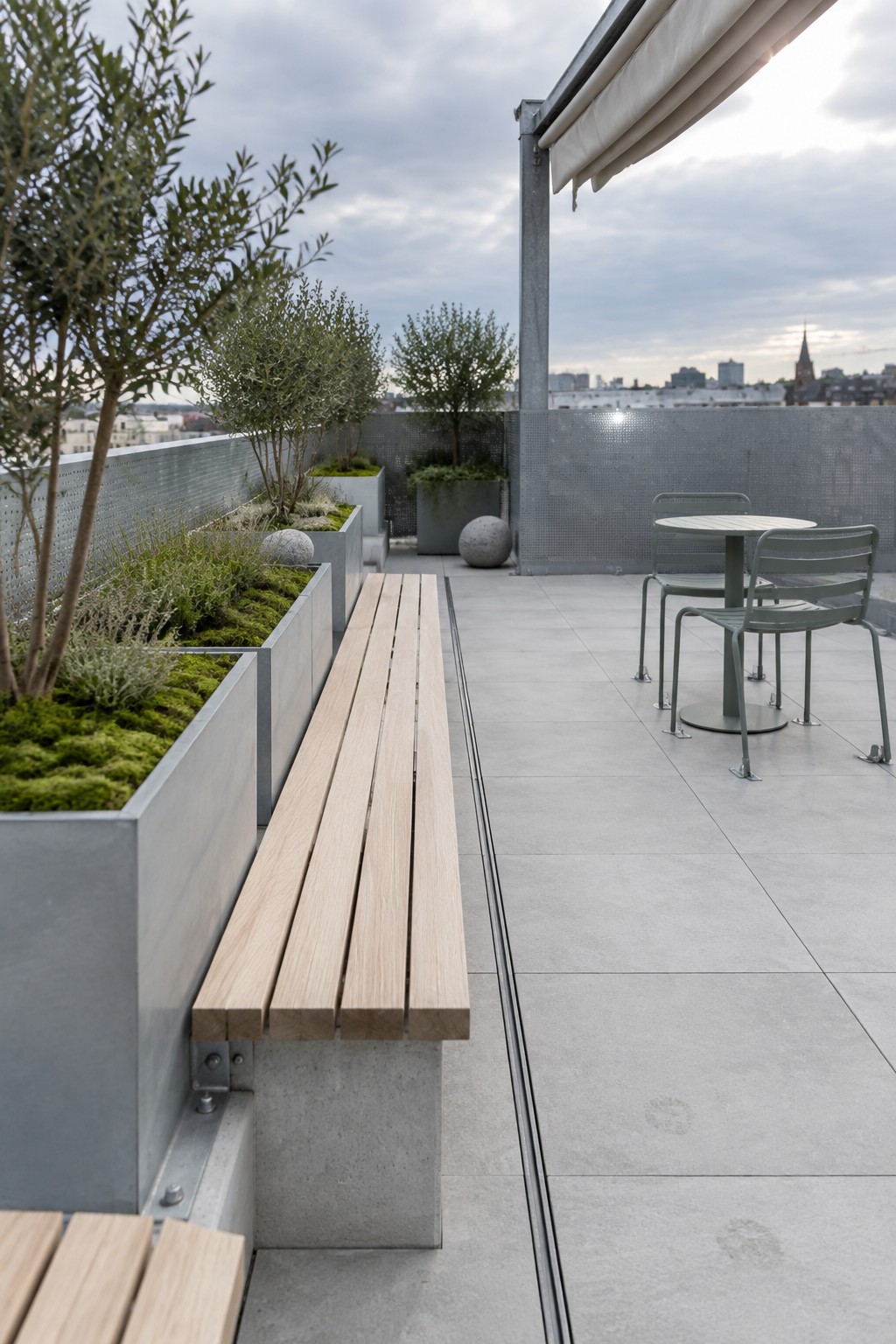
Large concrete planters give rooftops real stability because their weight keeps plants and trees from shifting around in strong gusts. They also let you grow bigger specimens like olives without adding extra bracing that might clutter the space.
Set them along the perimeter and secure them to the deck framing where the structure allows. This approach works best on flat urban roofs that see regular wind, and it keeps the garden low maintenance once everything is in place.
Raised Beds With Metal Bracing Hold Up On Rooftops
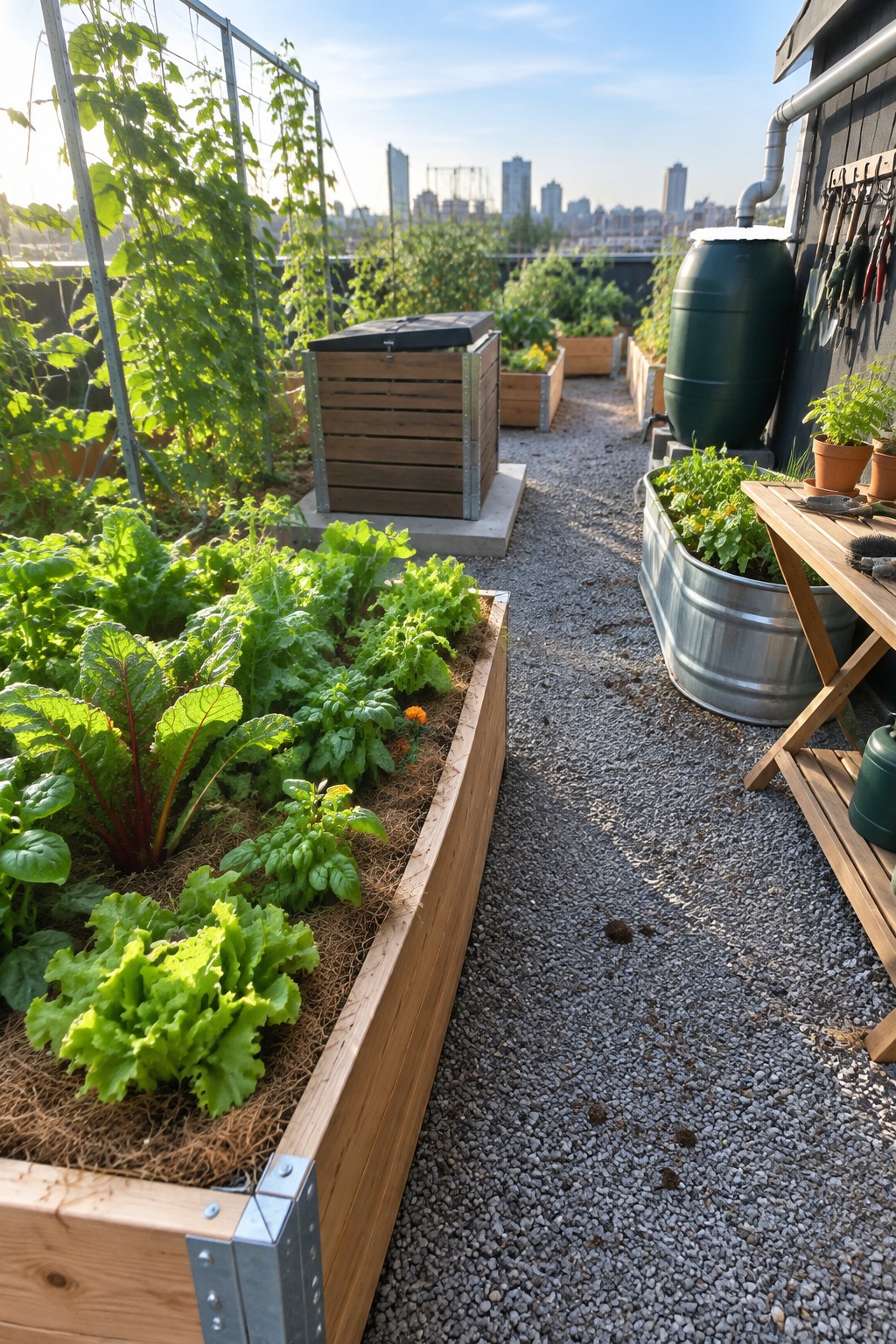
Raised beds built with wood and metal corners give a roof garden the weight it needs to stay in place. The extra bracing keeps the sides from bowing out once the soil is added, which matters when wind hits the open space.
Place them on gravel to improve drainage and help lock everything down. This setup suits flat rooftops in windy spots and works with most vegetable or herb plantings as long as the beds are filled full and left alone.
Anchored Containers for Softening Open Rooftop Terraces

Large concrete planters give a rooftop garden real stability because their weight helps them stay in place. They also let you grow trailing plants that soften the edges without adding loose items that might shift in strong wind.
These work best on open terraces where you need structure around seating areas. Anchor them properly to the deck and keep the plant choices simple so the whole setup holds up season after season.
Anchor Planters With Ties And Weights
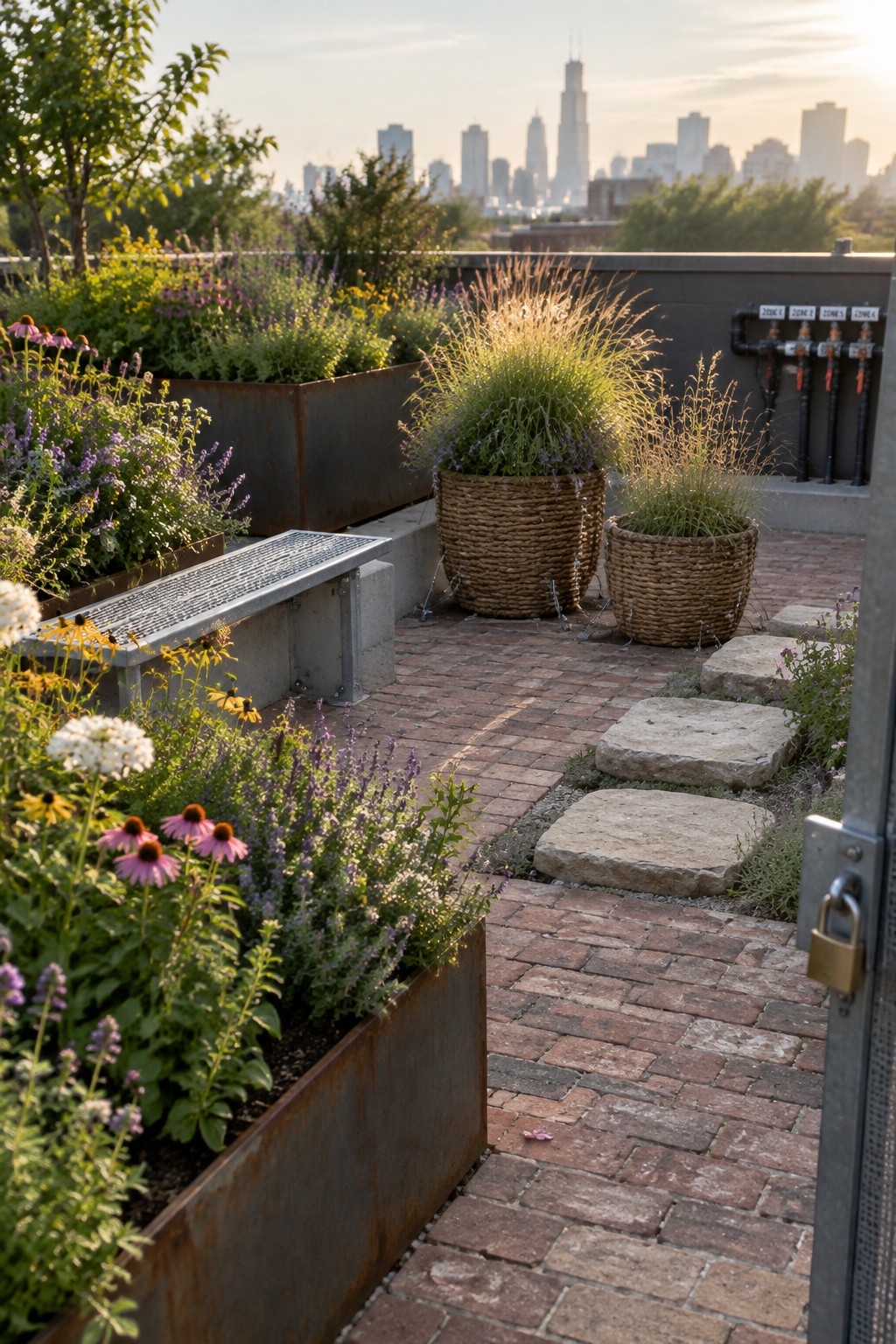
Heavy planters make a big difference on a windy roof. Metal troughs and large woven baskets stay in place better than lighter pots, especially when you add wires or straps to tie them down to the structure underneath. The brick path and stone steps in this setup also help by giving the whole area more weight and stability.
This approach works well on urban rooftops or any high spot where wind can pick up. Start with the heaviest containers you can manage, place them along the edges or near fixed elements like walls, and check the ties each season. Avoid anything too tall or narrow that could tip.
Surround Rooftop Tables With Heavy Planters
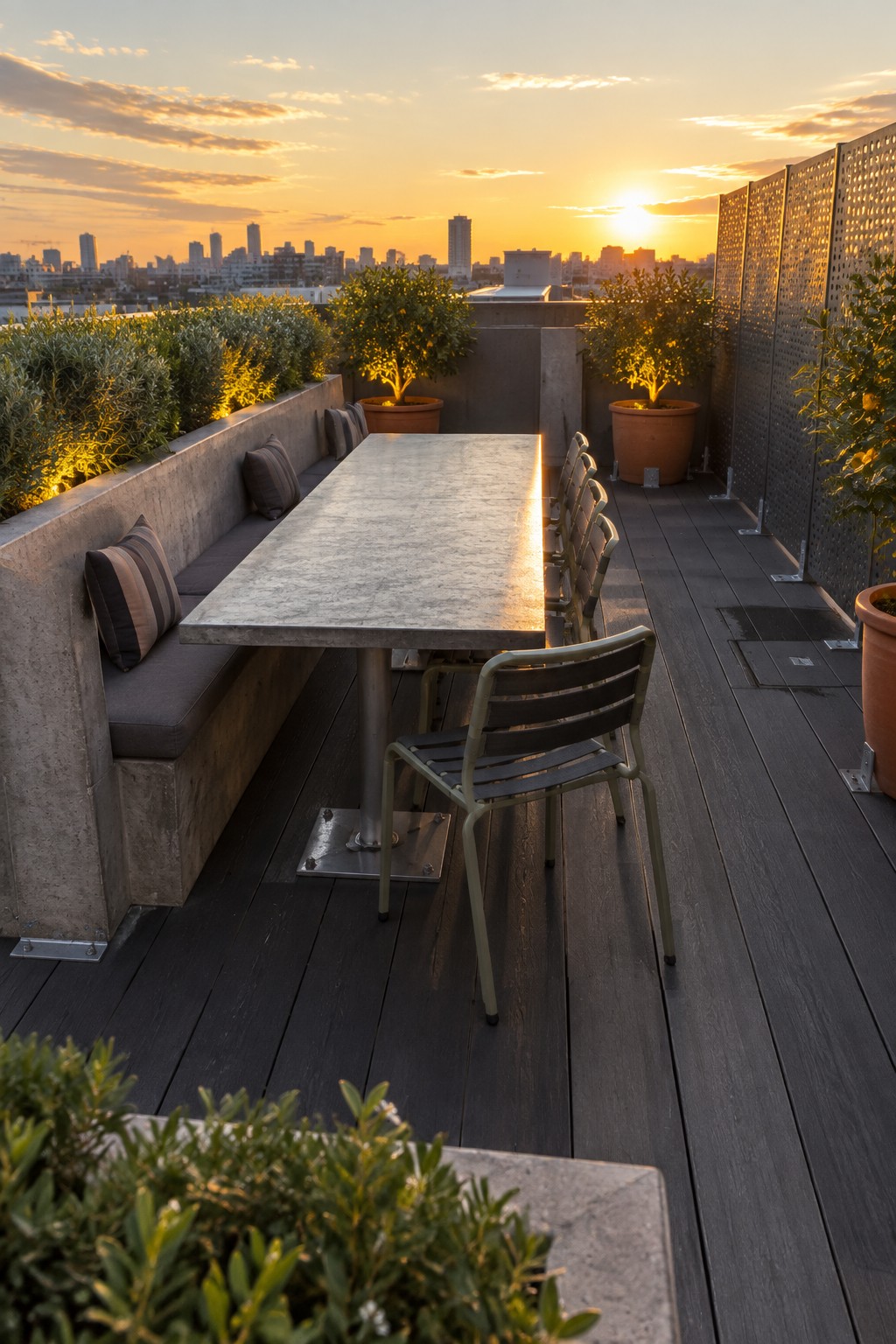
Large planters add real weight and stability on a windy roof. They hold the space together without needing extra hardware, and the greenery softens the hard deck surface at the same time.
Set the pots along the outer edges of the seating area so they act as a natural windbreak. This works best on urban rooftops where gusts come from open sides, and it pairs well with built-in benches that stay fixed in place.
Anchor Planters To The Wall For Stability
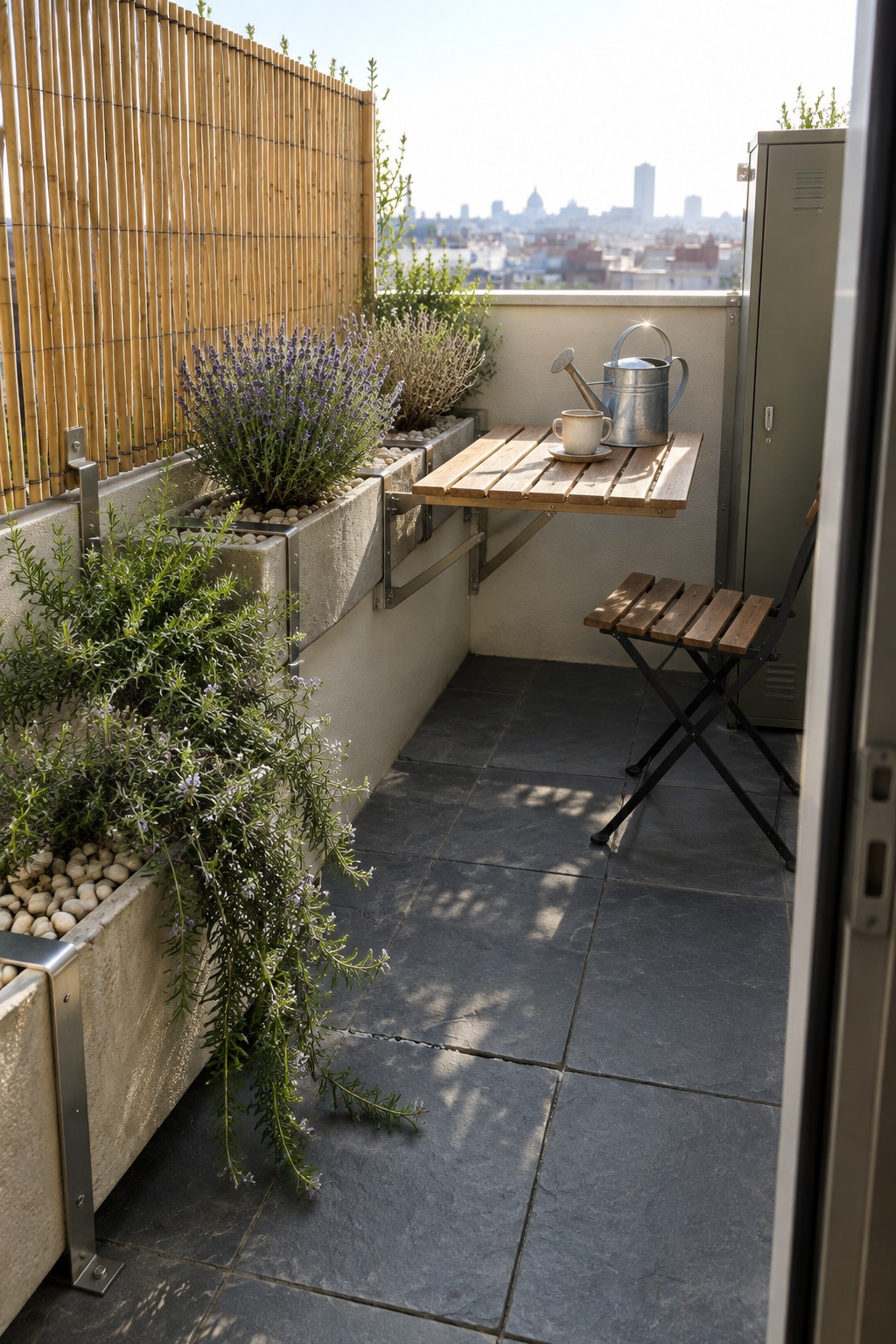
Many rooftop gardens lose plants to strong winds because loose pots tip easily. Anchoring planters straight to the wall gives them a solid hold without taking up floor space.
This setup works best on balconies or roof terraces where wind hits hard. Use metal brackets or straps rated for outdoor weight, and choose heavier materials like concrete or stone so the whole thing stays put even in storms.
Heavy Stone Planters Hold Up on Windy Rooftops
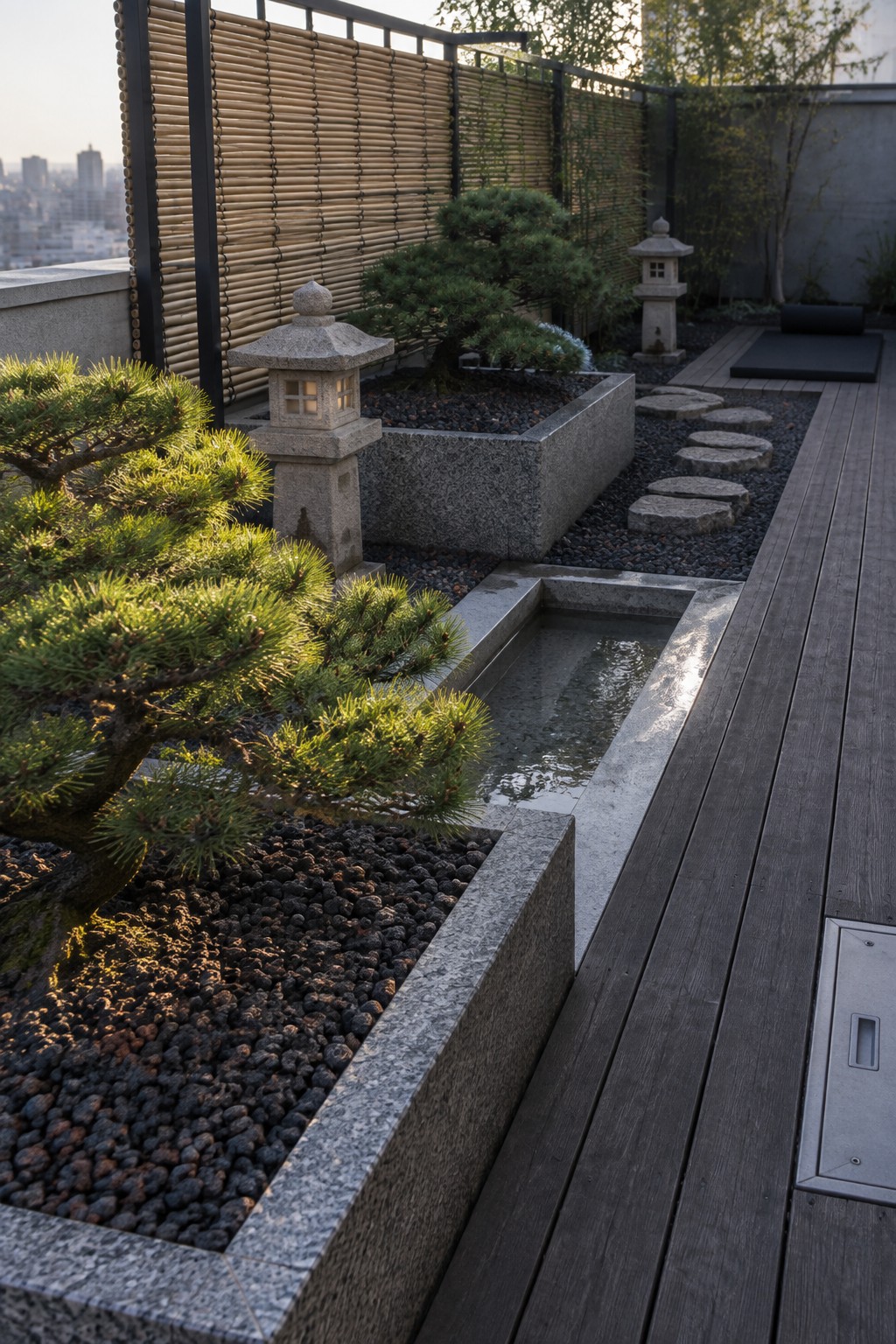
Stone planters work well on rooftops because their weight keeps everything in place during strong winds. They also give the garden a solid structure that feels more permanent than lighter containers that might shift or tip over time.
Place them along the edges or in rows to define paths and planting zones. This setup suits urban rooftops where wind is a regular issue and where you want low maintenance once the garden is installed.
Secure Heavy Timber Planters On Windy Roofs
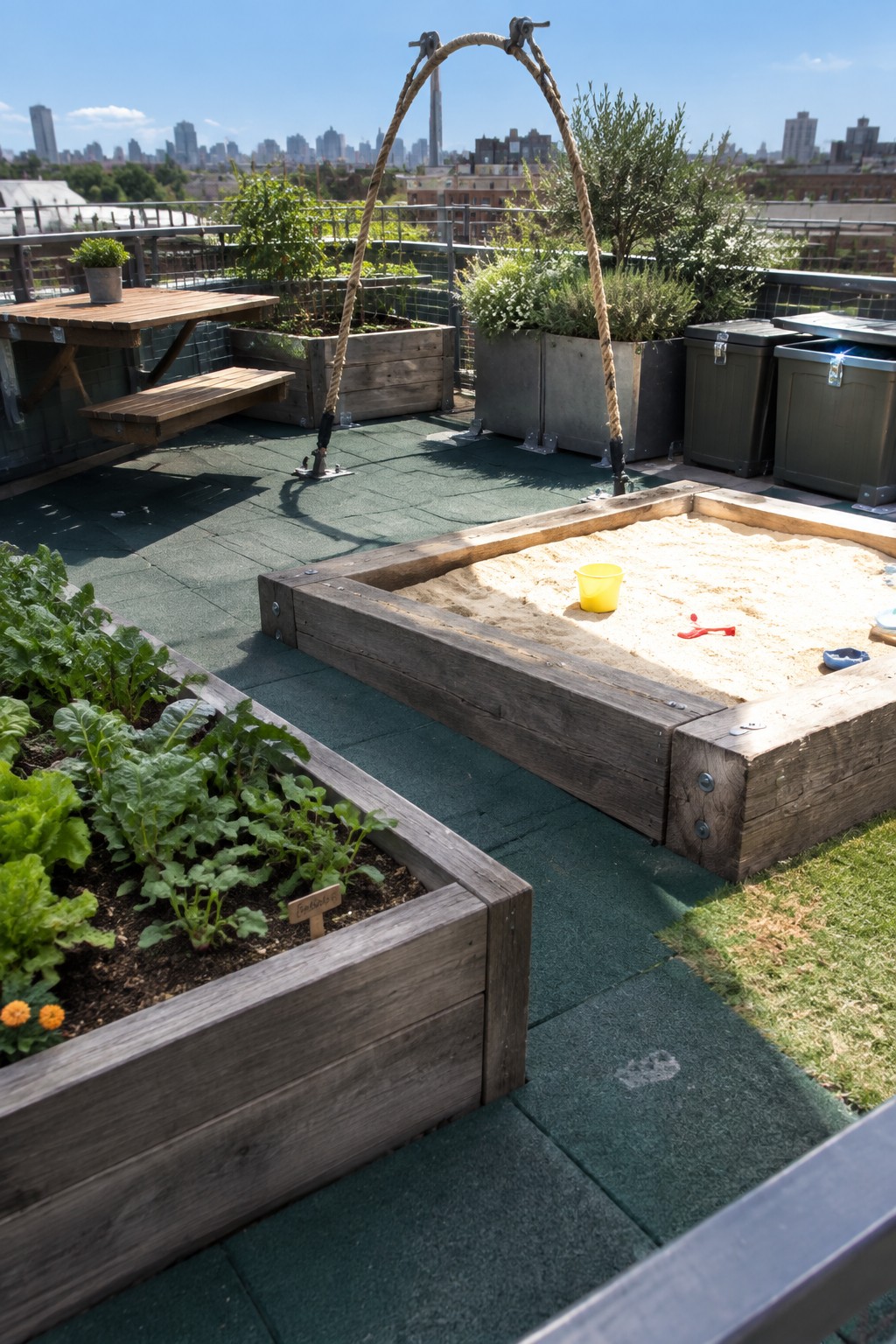
Heavy timber planters give rooftop gardens real stability because their weight and solid build help them stay in place when strong winds hit. They also create clear garden zones without needing extra walls or screens.
Bolt the planters to the roof deck or add metal brackets at the base so they cannot shift. This setup works best on flat urban rooftops where wind exposure is high and lighter containers tend to tip or slide around.
Anchor Planters With Reinforced Concrete And Steel
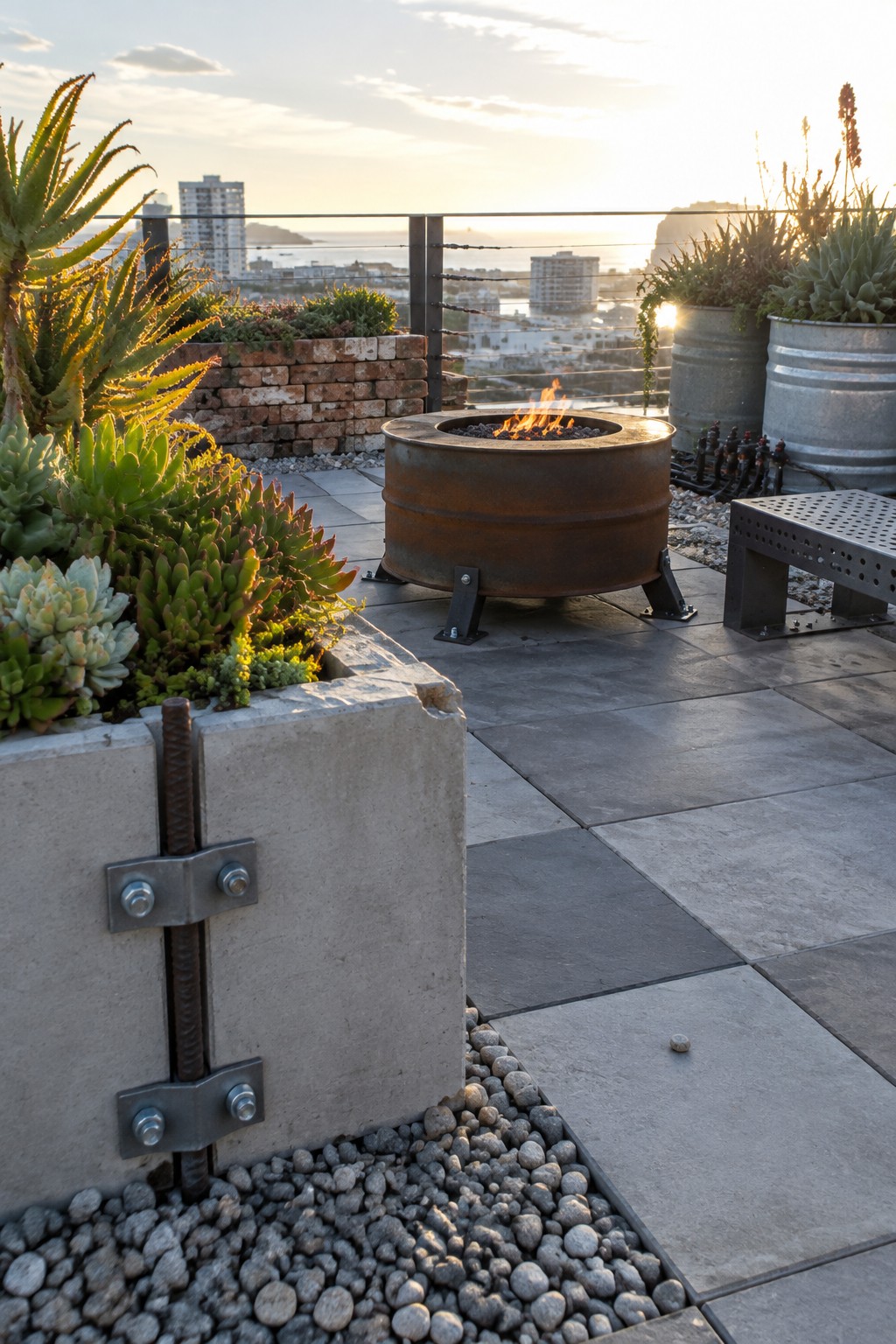
Heavy concrete planters tied down with metal brackets and rebar hold up well on rooftops where wind can push lighter containers around. The weight plus the visible steel connections keep everything steady without extra guy wires or hidden hardware.
This setup works best on exposed roof decks that get regular gusts. Place the planters along the edges first, then add gravel around the base to reduce movement and help with drainage. Keep the overall layout simple so the anchoring stays easy to inspect over time.
Wide-Base Planters Along Rooftop Walls
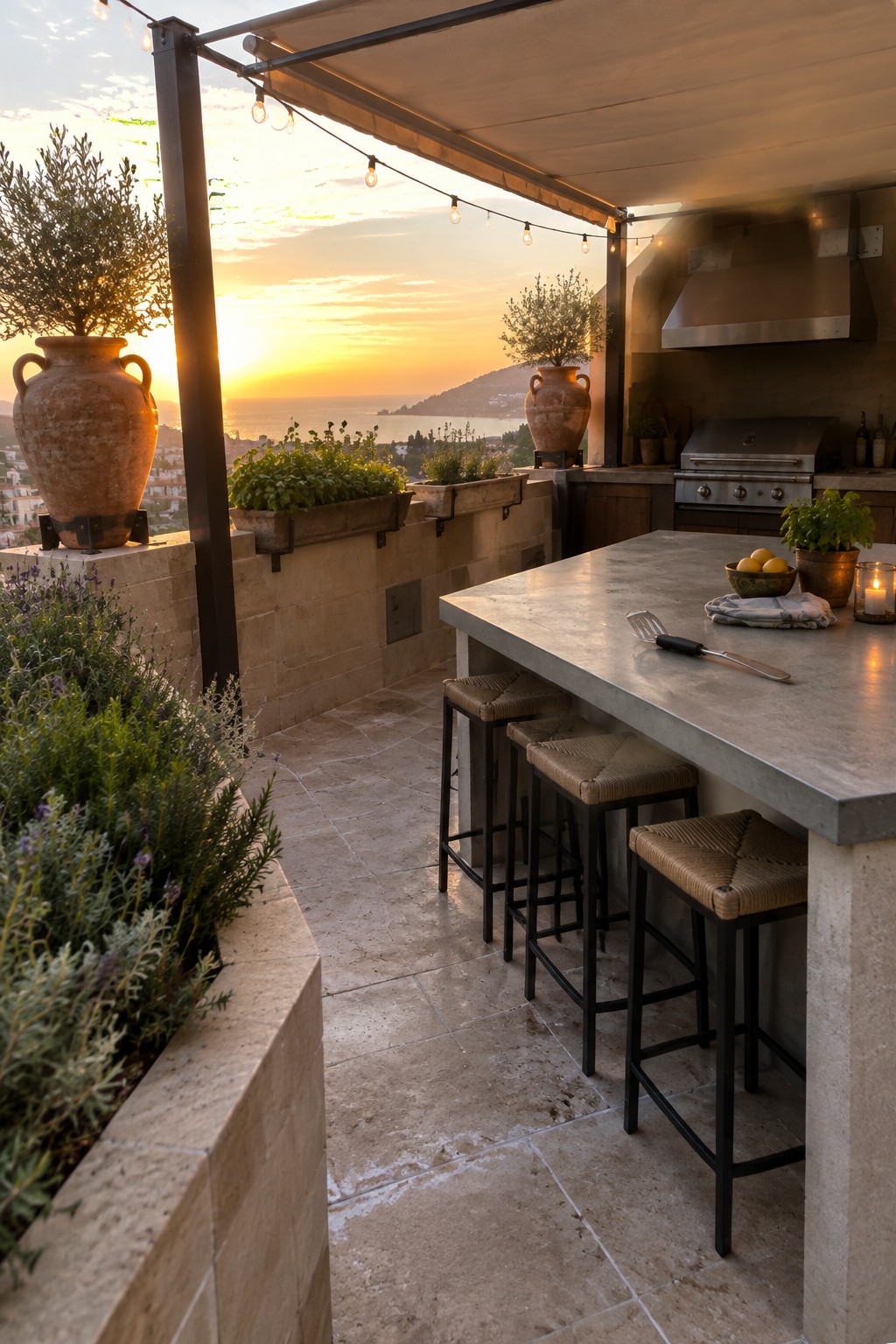
Large planters stay steadier when they sit right on the outer walls instead of scattered across the open floor. The weight and the low position help them hold up against strong rooftop winds without much extra hardware.
This works best on terraces with solid stone or masonry edges. Choose wide base pots in a heavy material like terracotta, and keep them planted with established shrubs so the root mass adds even more stability.
Perimeter Planters That Break Strong Rooftop Gusts
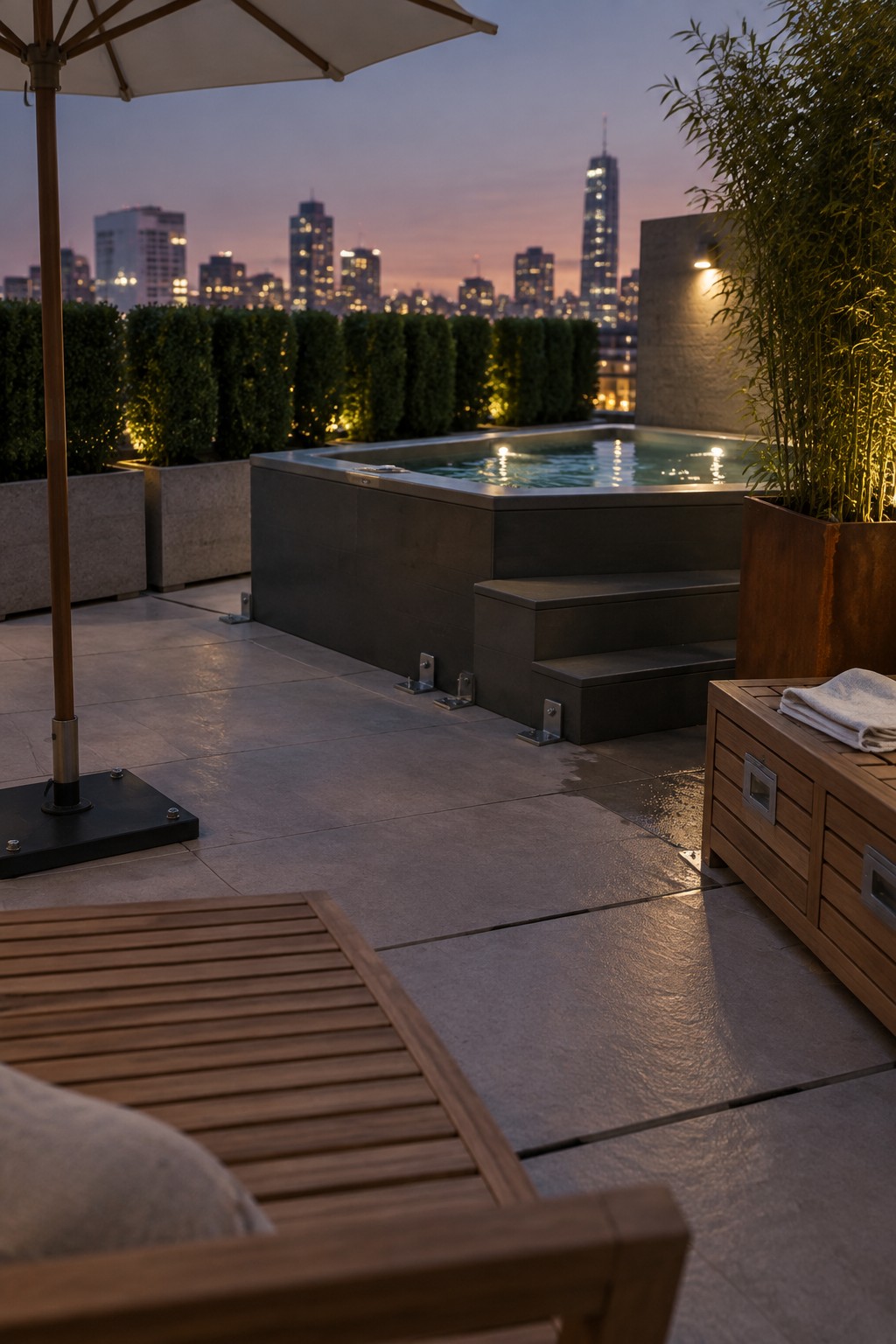
Large planters made from metal or concrete stay put better than lighter options when strong gusts hit a rooftop. They also create a solid edge that breaks the wind and gives the space a more settled feel without needing walls or screens.
Place them along the perimeter first, then fill with taller plants that add height and movement. This setup works well on most flat rooftops where furniture and tubs need to stay secure, and it keeps maintenance simple since the planters do not shift or tip over time.
Low Metal Planters for Stable Rooftop Planting Beds

Metal planters work well on rooftops because they sit low and add weight without needing extra hardware. The straight sides and simple shape let them line up along a path or edge while staying put even when the wind picks up. People like them because they last through seasons and do not tip or shift the way lighter containers can.
They suit city rooftops or any exposed spot where soil beds need to stay in place. Set them on a gravel base for drainage and keep the soil mix light but still deep enough for the plants you want. The main thing is to choose sizes that fit the space so the whole layout feels steady rather than temporary.
Heavy Planters That Stabilize Rooftop Seating Areas
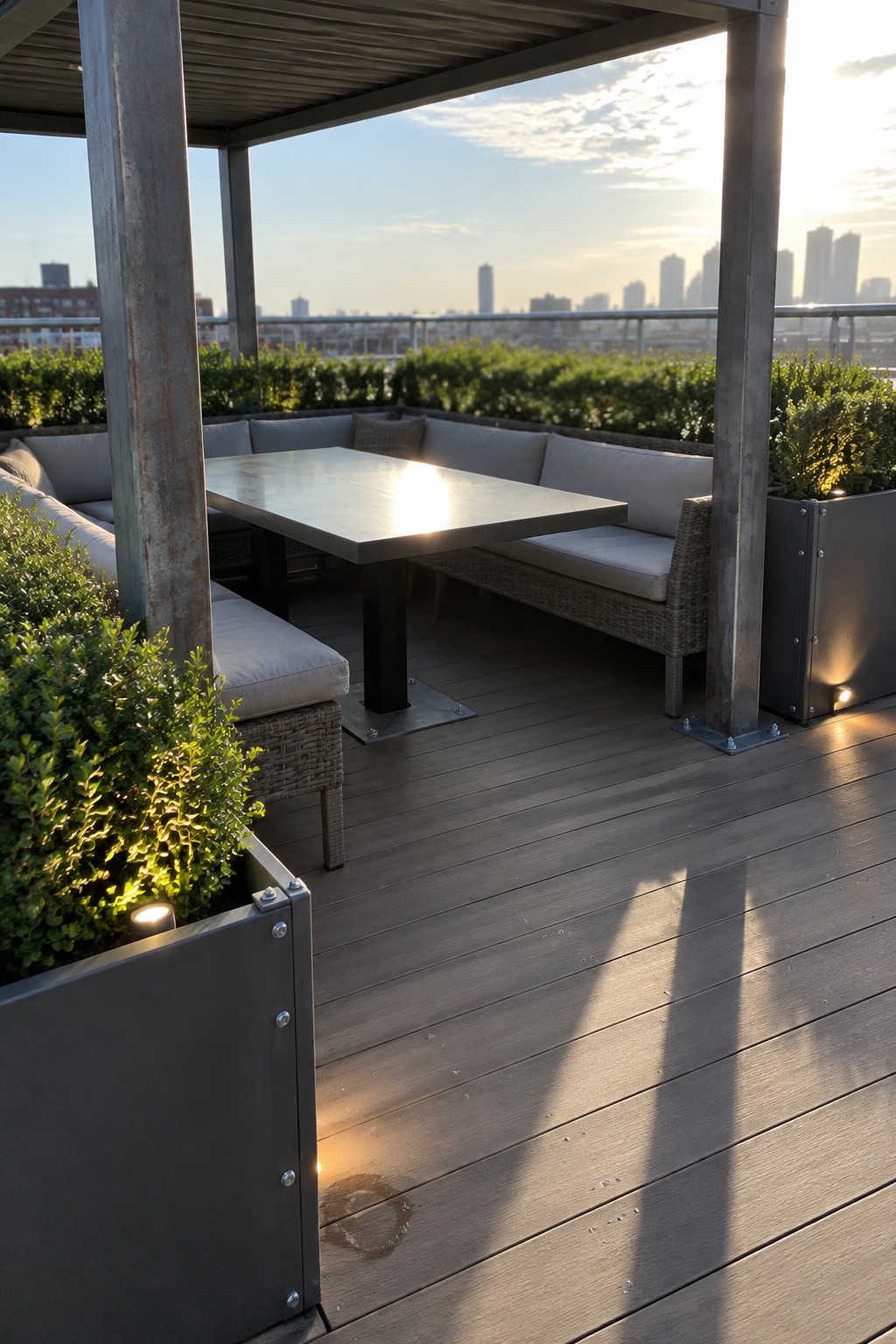
Large anchored planters do a good job of keeping a rooftop seating zone in place during strong winds. They add weight and structure without blocking views or creating surfaces that catch gusts the way solid screens can.
Set them along the outer edges of the deck and choose ones that can be bolted down. This approach works especially well on exposed urban rooftops where you need both greenery and stability, and it leaves the center open for tables and chairs.
Anchored Concrete Planters With Built-In Taps
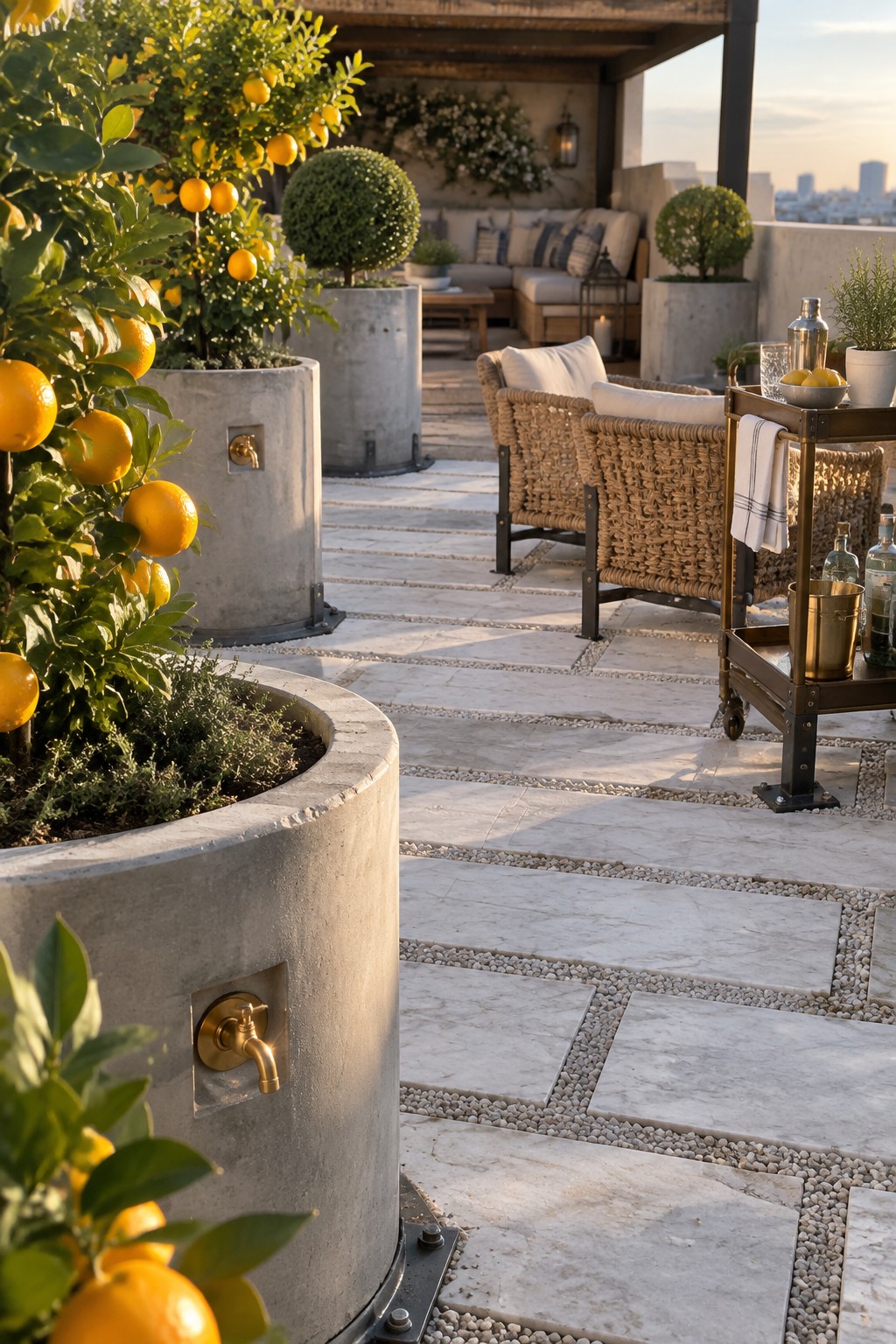
Large concrete planters give rooftop gardens real stability when wind picks up. Their weight and low anchoring points keep everything from shifting, while the built-in brass taps make watering quick and simple without extra hoses.
This setup suits windy urban rooftops especially well. Use them for citrus trees or herbs along the perimeter, and keep the rest of the space open for seating so the garden feels balanced rather than crowded.
Raised Planters With Metal Supports
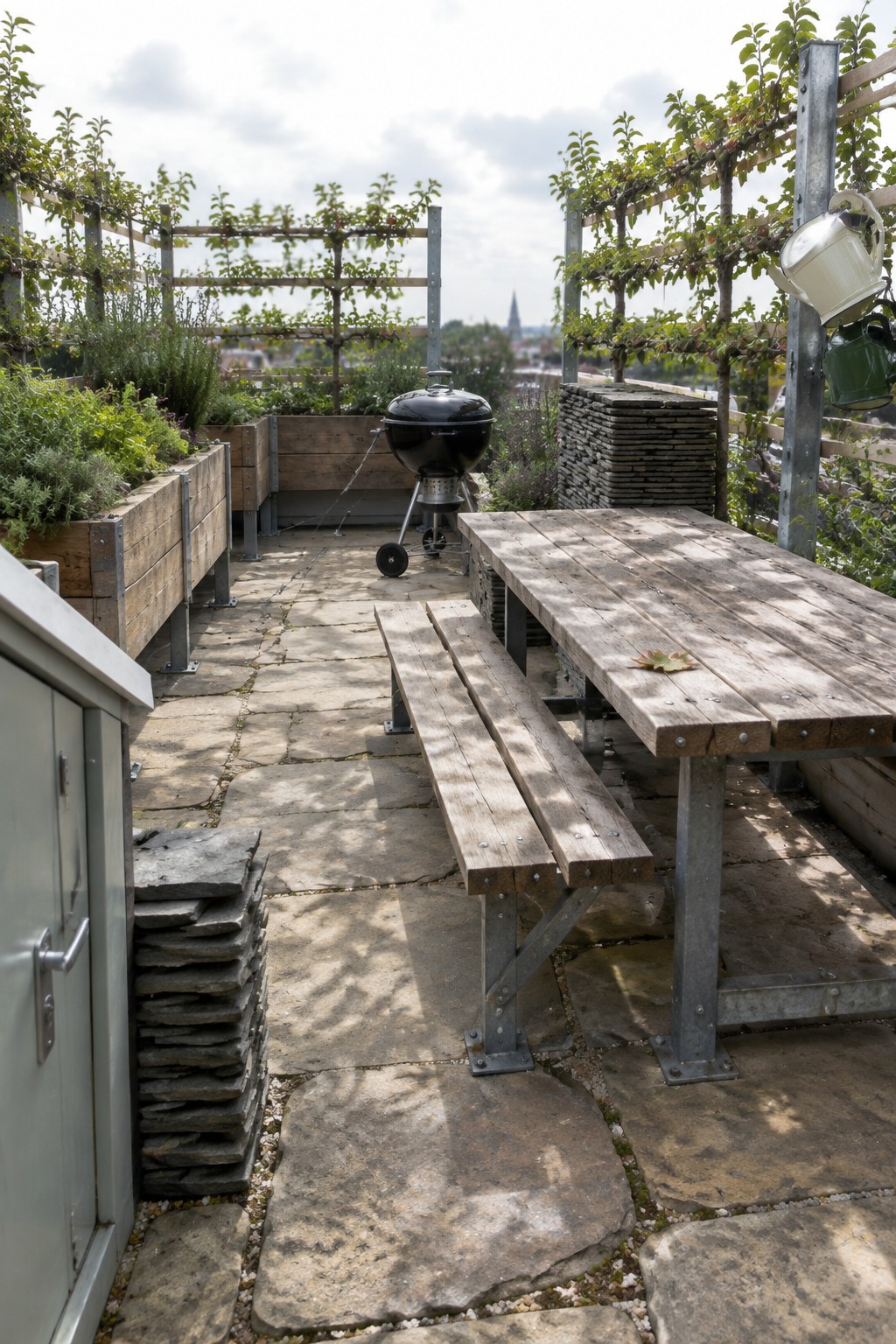
Raised planters on a rooftop need to stay solid when the wind picks up. Metal legs and frames give these wooden beds a firm base so they do not shift around. The same frames can hold up trellises for climbing plants without adding extra pieces that might blow loose.
This setup works well on exposed roofs or high terraces where loose pots are risky. Keep the planters fairly deep and fill them with enough soil weight to add stability. Check the metal connections now and then to make sure nothing loosens over time.
Heavy Containers for Wind-Resistant Rooftop Greenery
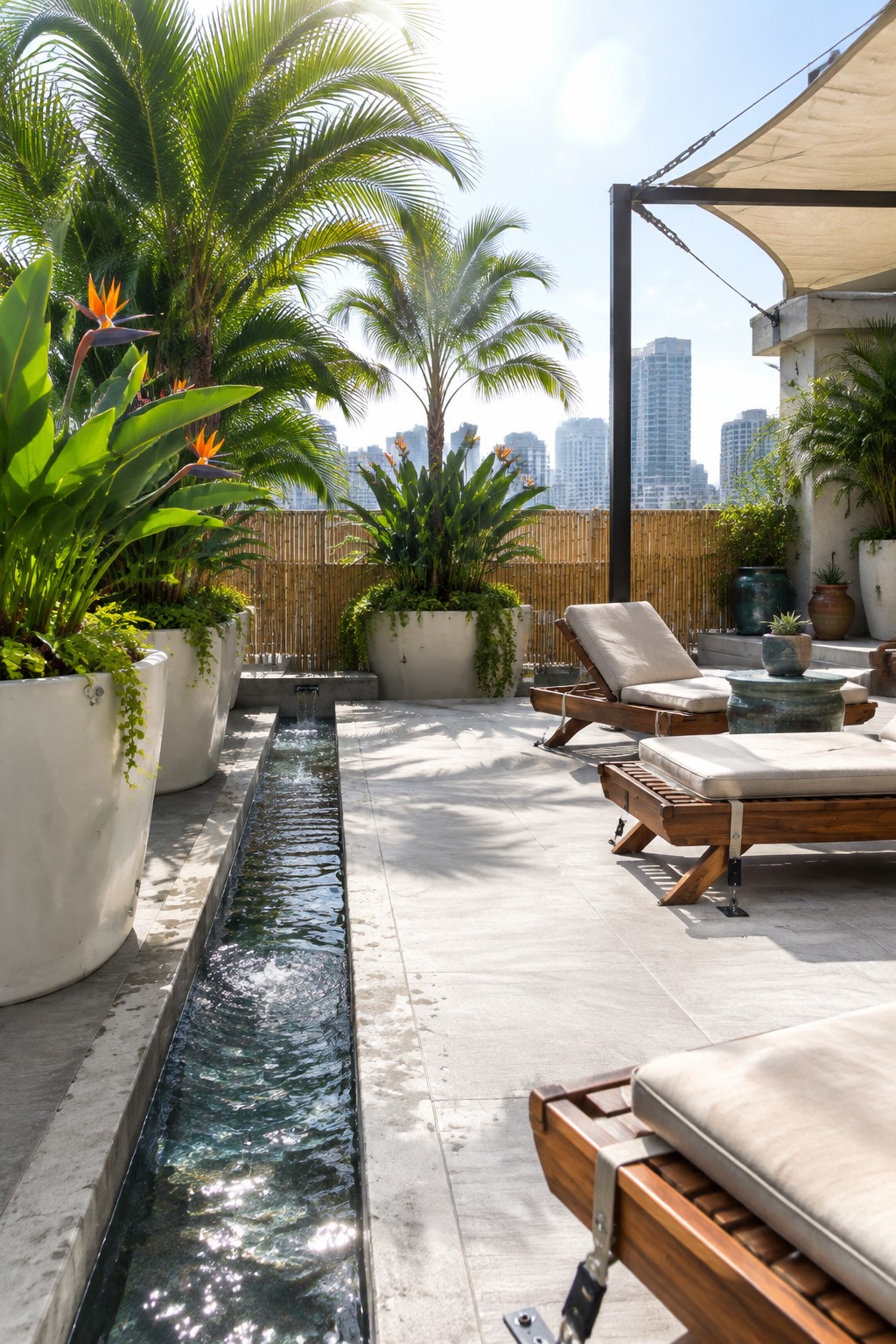
Large planters give you a way to bring real greenery onto a roof without worrying about everything blowing around. They sit low and heavy, so the plants stay in place even when the wind picks up, and they also help define the seating area without needing walls or railings.
Pick containers made from concrete or thick resin and make sure they can be bolted or weighted down. This setup works best on flat roofs where you already have solid flooring, and it keeps the space simple while still feeling like a garden instead of a few pots scattered around.
Heavy Metal Troughs Secured to Rooftop Decking
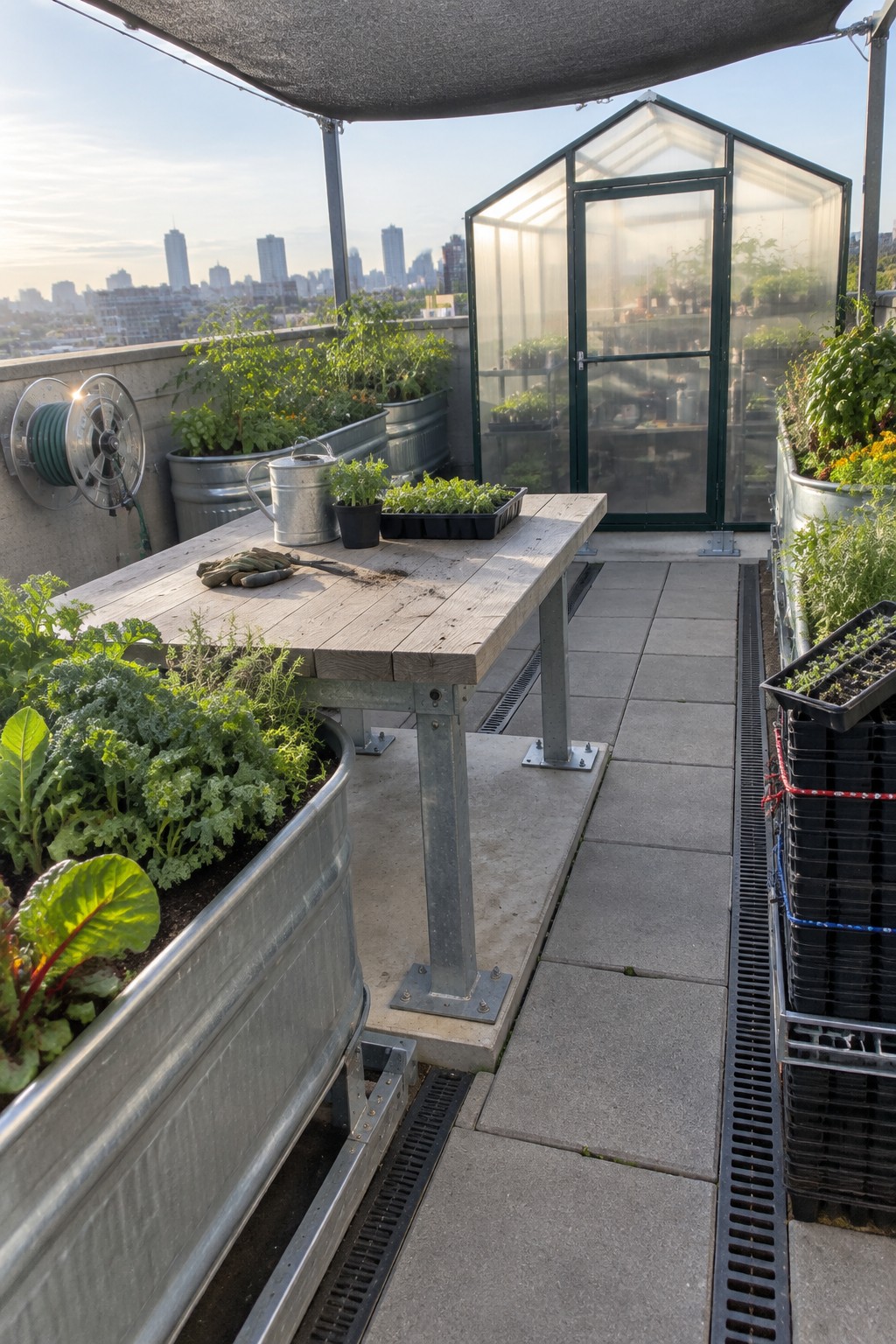
Heavy metal troughs filled with soil give roof gardens real stability when the wind picks up. They sit low, hold weight well, and can be fastened to the decking or framing so they do not shift during storms.
These planters suit flat urban rooftops where gusts funnel between buildings. Line them along the perimeter, keep the soil level slightly below the rim, and add simple straps or brackets at the base for extra hold.
Low Concrete Planters That Ground Rooftop Spaces
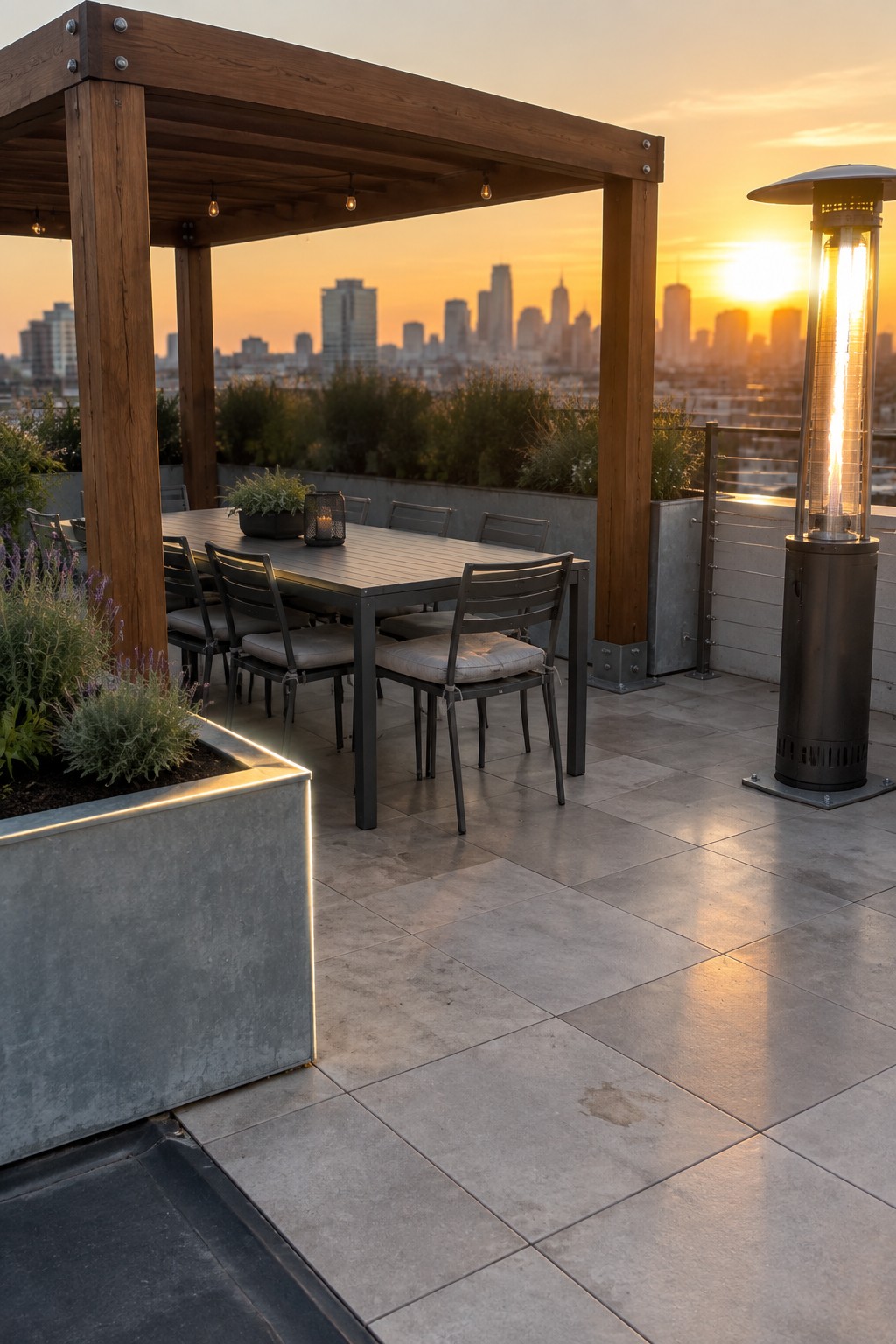
Heavy planters make a real difference on windy rooftops because they stay put without much extra hardware. The concrete ones in this setup sit low and wide, giving the whole area a grounded feel while holding plants that soften the edges.
Put them along railings or around seating zones where they can block some wind and keep things from shifting. They suit city rooftops best, especially when you want planting that doubles as structure without looking temporary.
Dense Shrub Planters for Wind-Protected Rooftop Seating
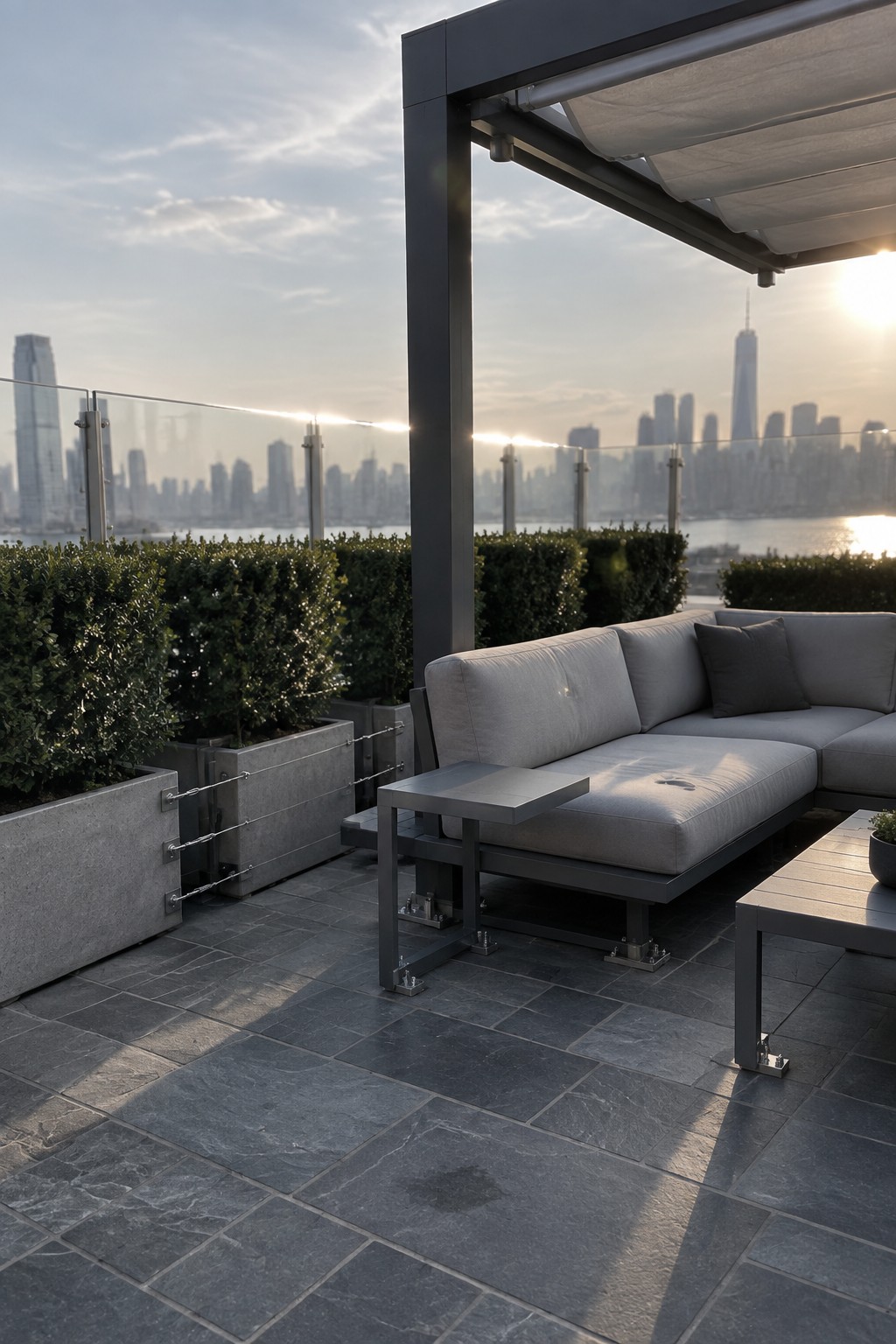
Large concrete planters filled with dense shrubs do more than add greenery on a high terrace. They stay in place during strong gusts and create a natural barrier that protects seating areas from constant wind.
This approach suits rooftops where furniture and plants need to remain stable without constant adjustments. Secure the planters directly to the deck structure and choose ones heavy enough to resist movement on their own.
Frequently Asked Questions
Q: How do I anchor the planters so they stay put in high winds?
A: Bolt them down to the roof deck using heavy duty brackets. Space the anchors evenly around each planter base. Test the setup by giving it a firm shake before the season starts.
Q: Which plants handle constant wind without drying out too fast?
A: Go for hardy succulents and compact shrubs. These hold moisture better and resist windburn. Water them deeply but less often to build strong roots.
Q: Do I need to worry about the roof leaking from all the water?
A: Slope the planters toward the drains. Add a waterproof liner inside each one to avoid leaks.
