


I have spent time walking around my backyard and noticing how blank fences leave the vertical space feeling unfinished in the overall garden layout.
Those areas can really influence the way paths and planting beds connect when you add something that works with the existing structure.
Small changes there often make a bigger difference than I expect.
When I try out new ideas on my own fences I always start with one wall to check how it affects the flow of the space through different seasons.
Over time that approach helps the garden feel more layered without overwhelming the original design.
Pair Raised Planters With Tall Fencing
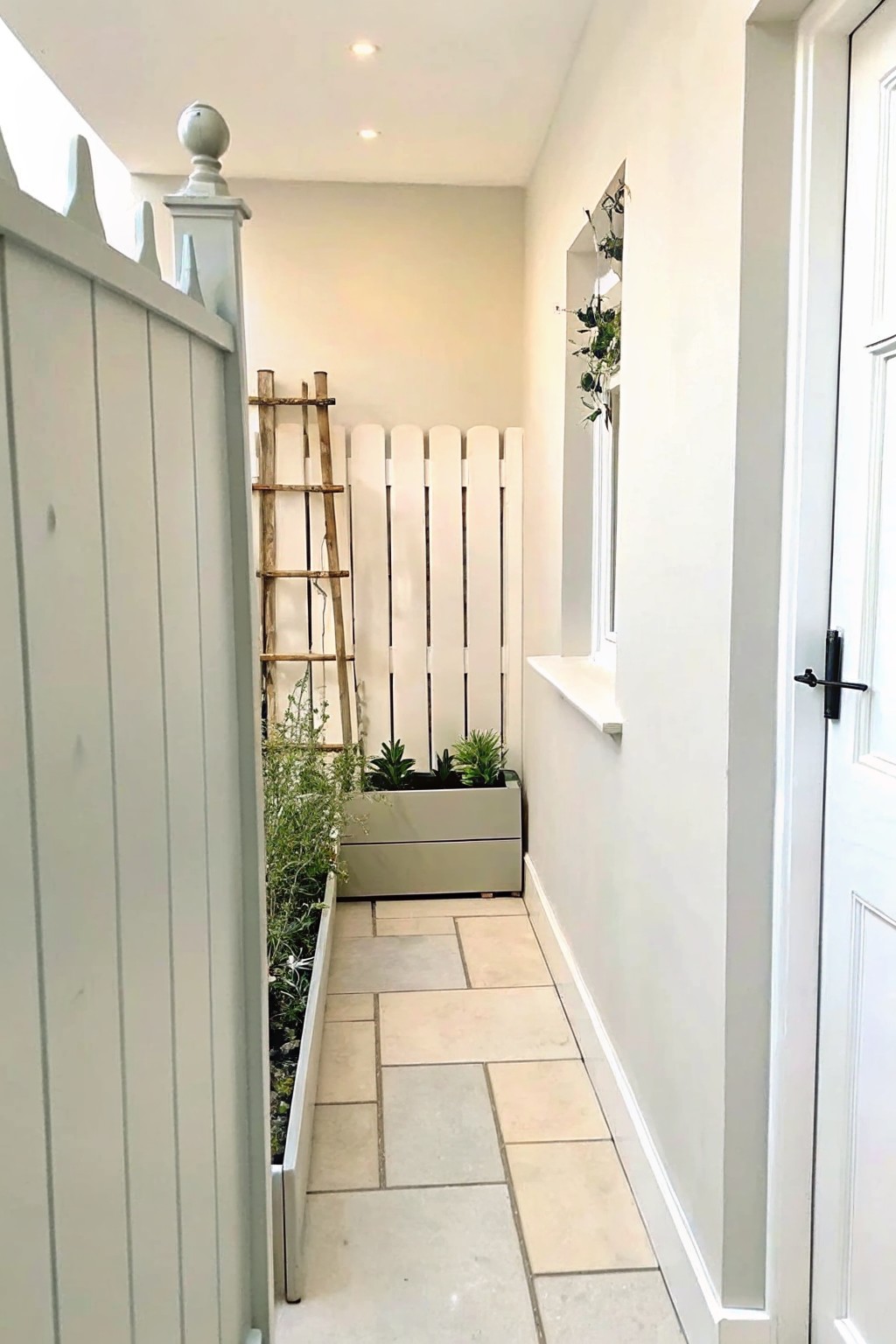
A raised planter set against a tall fence turns a narrow walkway into a real garden spot. It gives plants room to grow upward while keeping the path clear, and the fence behind creates a clean backdrop that makes everything feel more finished.
This setup works especially well in side yards or tight passages where ground space is limited. Keep the planter long and low so it does not block light, and choose fencing that matches the style of your house so the whole area feels connected.
Add a Grid Panel for Hanging Plants

A grid panel gives you an easy way to turn a blank wall into a vertical garden without taking up floor space. It works especially well in narrow side yards or tight outdoor passages where regular beds or large planters would feel crowded. The open structure lets you move pots around as plants grow or seasons change.
This setup suits homes with plain siding or fences that need some life added without major construction. Use a sturdy metal grid that can handle weather and weight, and space the pots so air can still move around the plants. It keeps maintenance simple since everything stays at eye level.
Hang Lanterns Along Blank Garden Walls
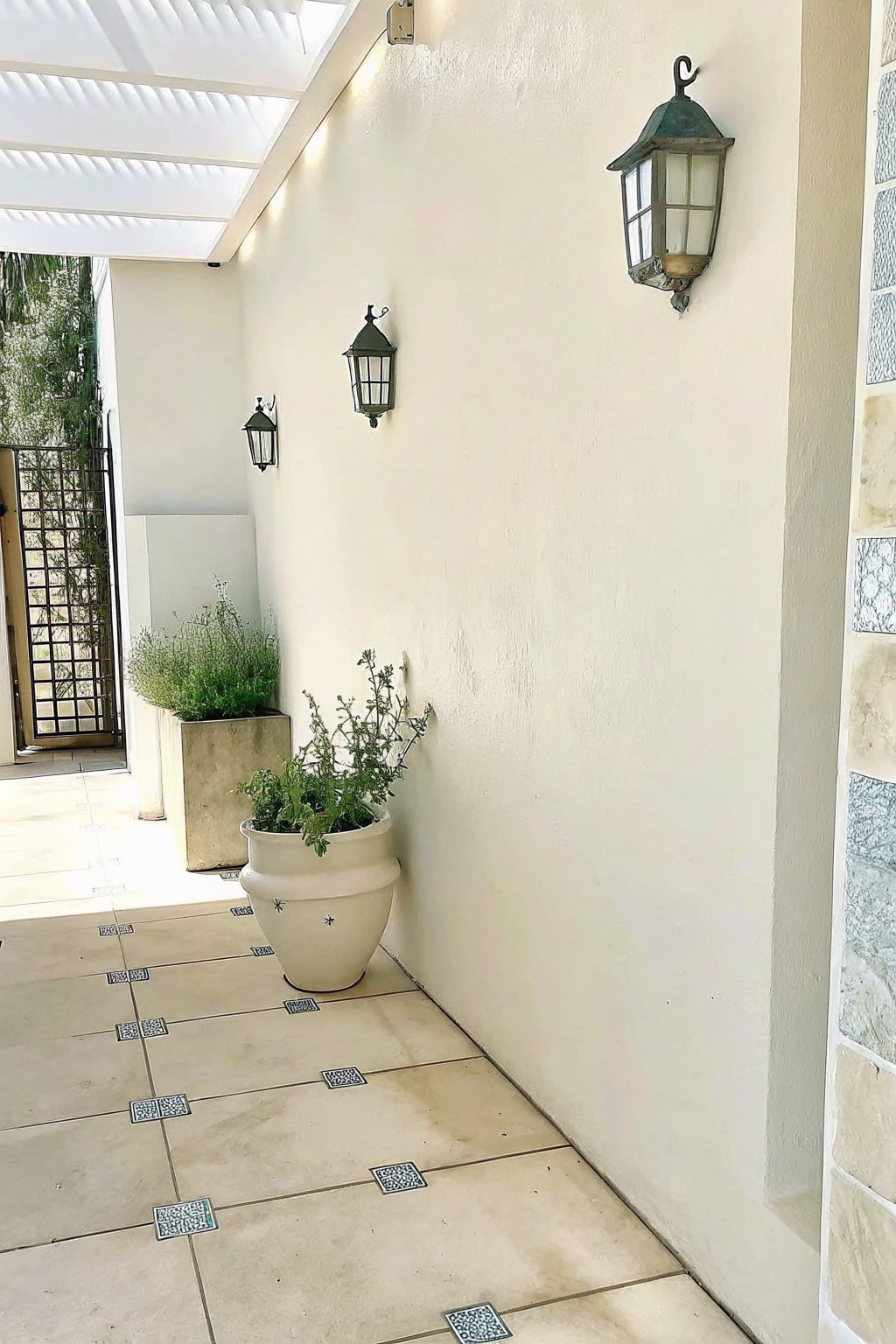
One simple way to dress up a long outdoor wall is to line it with a few wall lanterns. They break up the flat surface, add light after dark, and keep the floor clear for walking or plants.
This works best on covered walkways or side yards where you need some evening light without adding floor lamps. Space the lanterns evenly and choose a simple metal style so they feel at home on most houses. Keep the plantings low and plain underneath so the lights stay the main feature.
Hang Small Shelves Along Blank Walls
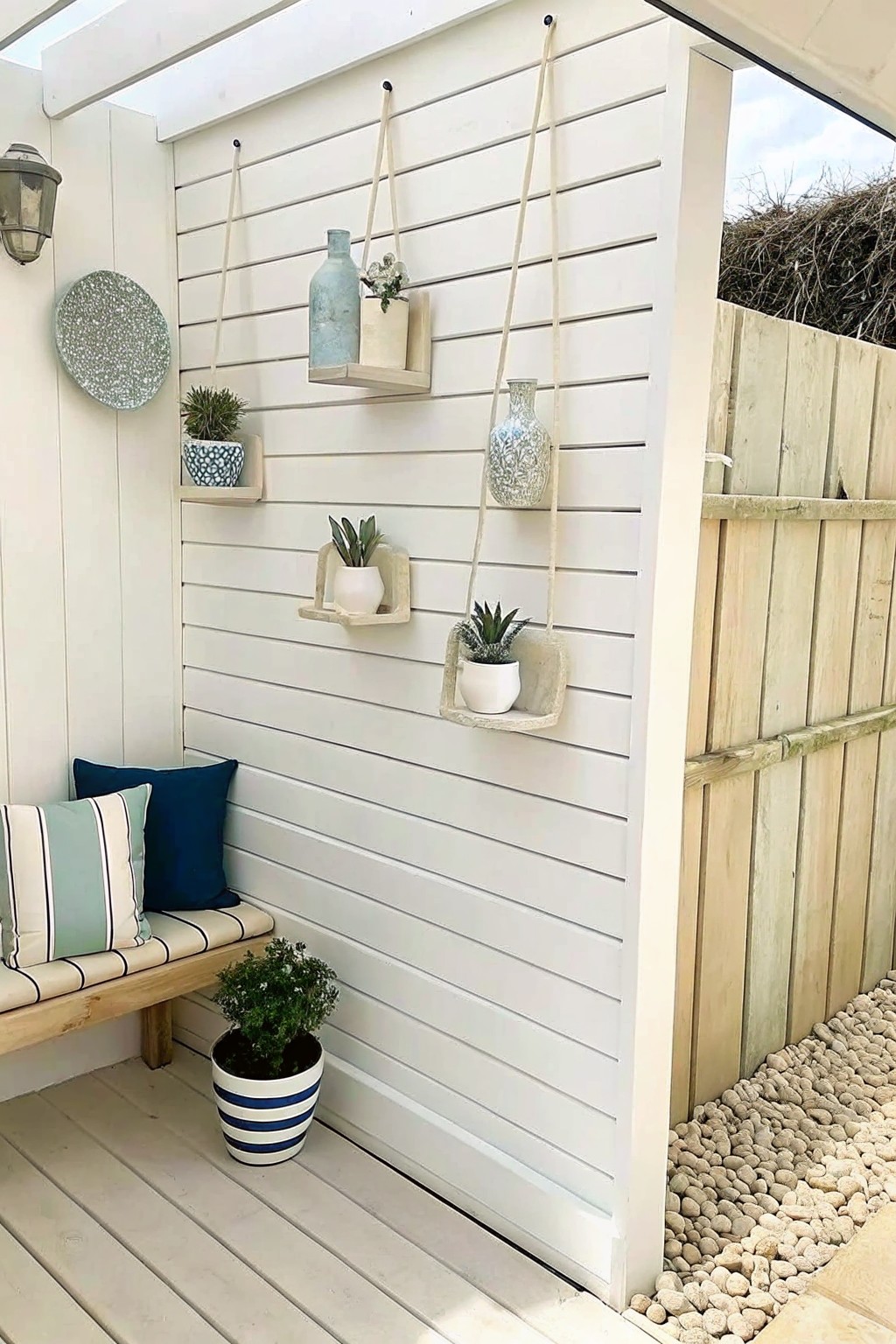
Hanging a few light shelves from rope or cord gives a plain fence or wall some height and interest without crowding the ground. People like it because the setup stays simple, adds spots for plants, and leaves room to move around below.
This approach suits small patios or side yards where floor space is tight. Use sturdy rope, keep the shelves lightweight, and space them so the wall does not feel packed.
Add a Trellis for Vertical Planting

A trellis gives you a simple way to use the wall space on a small balcony or patio. It turns a blank surface into something useful without crowding the floor or needing a lot of extra furniture. Many people like it because it adds height and lets plants grow upward instead of spreading out.
This works well on homes with limited outdoor room or plain fence sections that need a bit of life. Just screw the trellis to the wall, choose a couple of climbing plants or vines, and let them fill in over time. Keep the rest of the area light so the wall stays the main feature.
Mount a Grid on the Wall for Hanging Plants
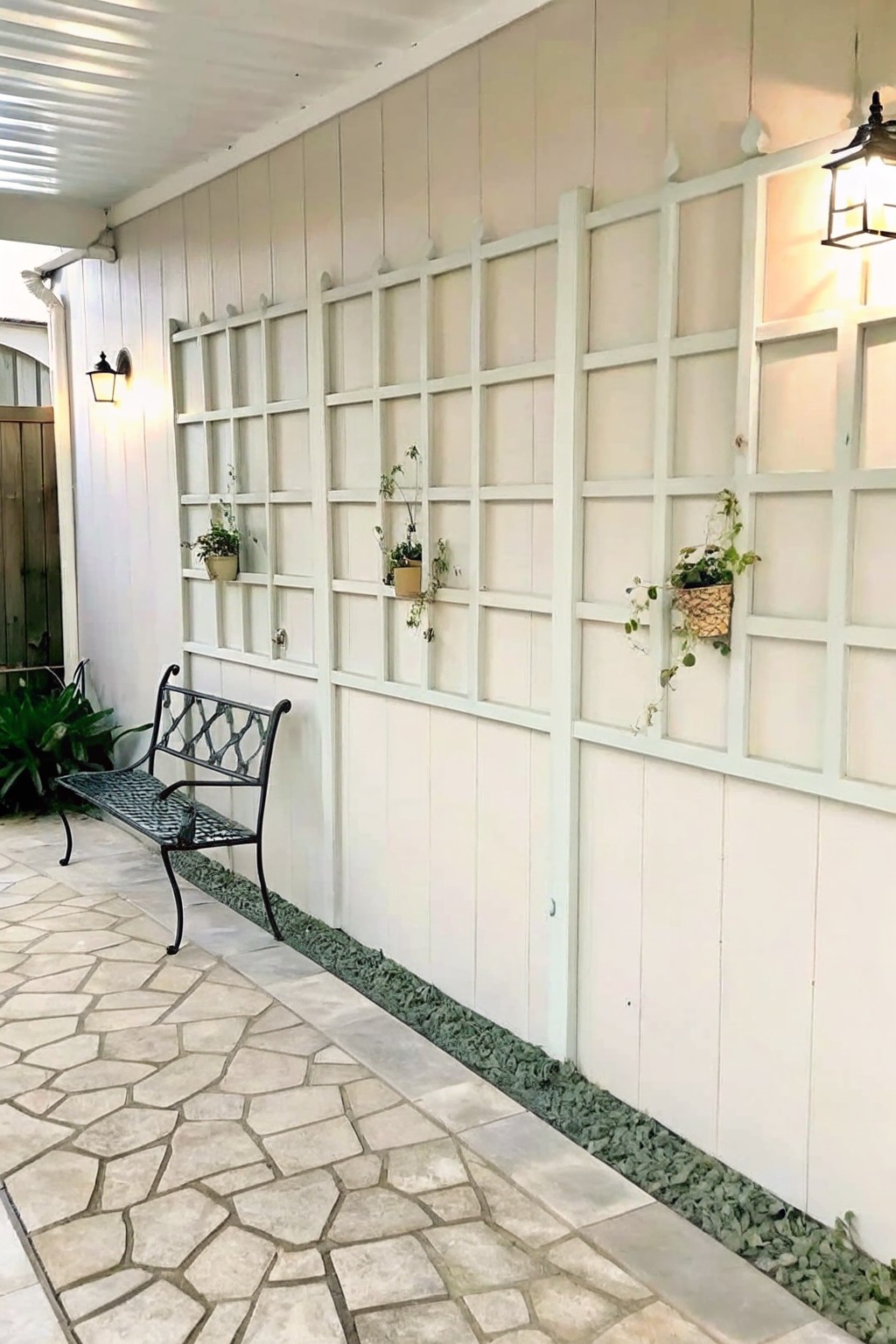
A plain fence or wall can feel like wasted space until you add a grid that turns it into a spot for plants. The simple frame gives you places to hang pots at different levels without crowding the ground or needing deep beds.
This setup works best on a covered porch or side wall where you get some shade and want greenery close to seating. It suits smaller yards or homes that need flexible planting because you can swap pots easily and keep the look light.
Lean a Tall Mirror Against a Garden Wall

A tall mirror leaned against a blank wall or fence can open up a narrow garden space without much effort. The reflection brings in sky and plants from the other side, so the area feels less boxed in and a little brighter overall.
This idea suits side yards or small patios where you already have a solid surface and want to avoid adding more structures. Place the mirror where it catches some greenery rather than just reflecting the wall itself, and check that it is stable enough to stay in place through wind and weather.
Hang Planters on Fences for Easy Vertical Interest
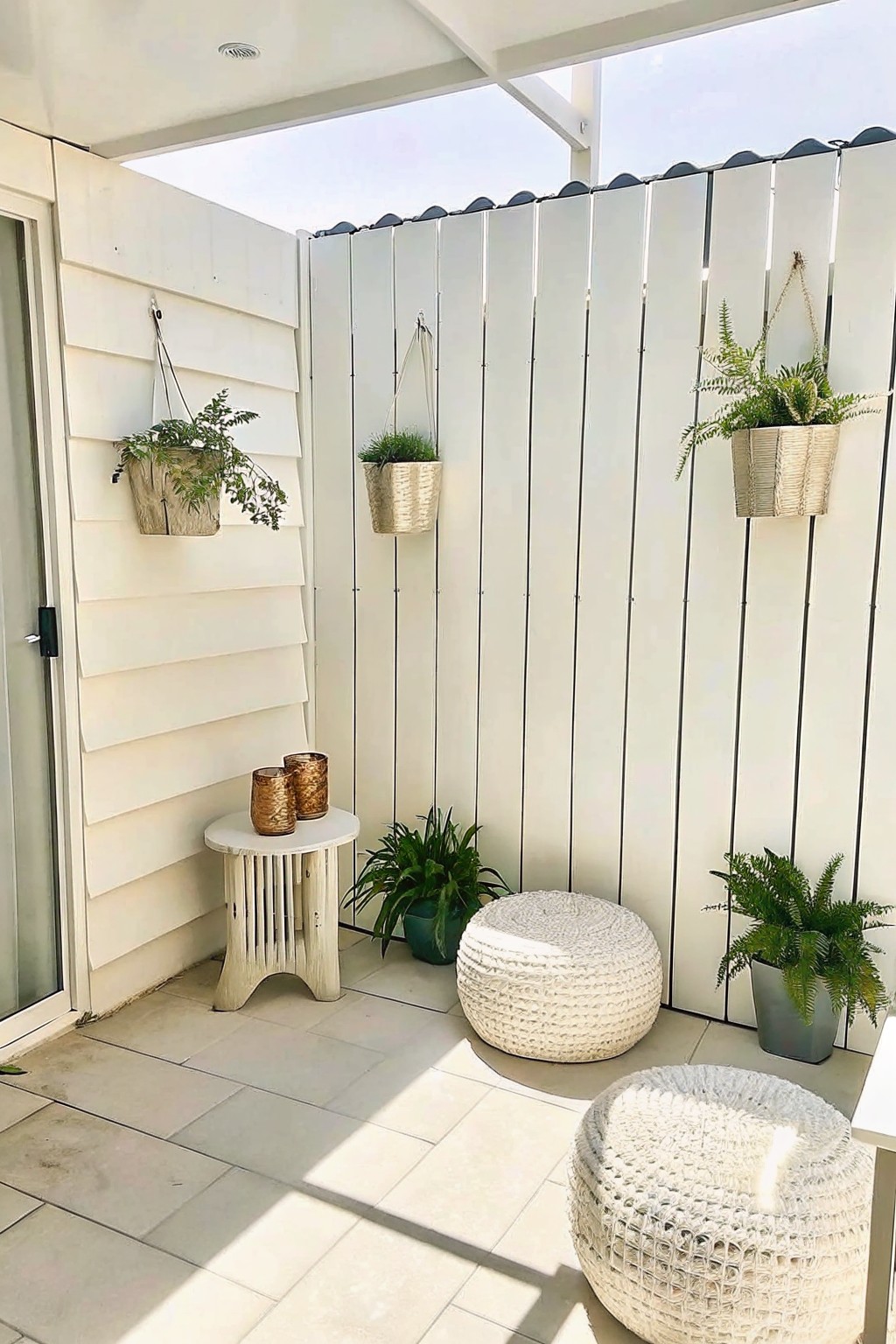
Hanging planters give a blank fence some life without needing extra floor space or big beds. They work especially well on tall privacy fences that would otherwise look flat and bare.
This idea fits small patios and side yards where you want more plants but have limited ground room. Use lightweight baskets with good drainage and space them at different heights so the plants can fill in naturally over time.
Hang Planters From Your Fence
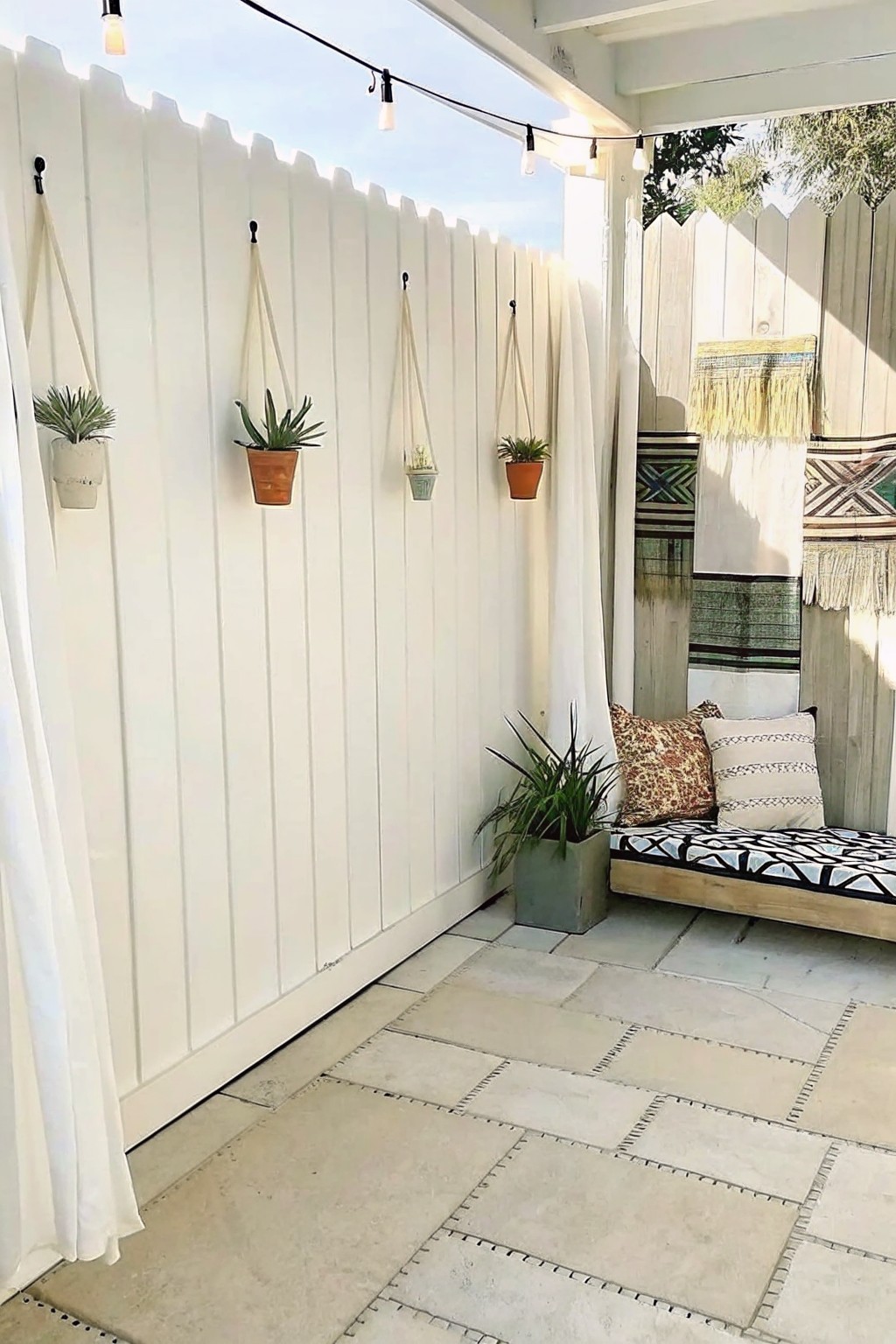
Hanging a row of small planters from a fence turns a plain vertical surface into a simple garden feature. It adds height and life without crowding the ground or needing extra beds.
This approach suits small patios or decks where floor space is limited. Use sturdy hooks and lightweight pots so the fence stays secure, and pick plants that match the light conditions in that spot.
Use a Ladder to Add Vertical Planting to a Blank Wall

A ladder leaned against the house gives you an instant way to stack plants up a wall without building anything permanent. It turns empty space into a spot for herbs or flowers and keeps everything off the ground.
This works especially well on side walls or along a fence where you need height but do not want to drill into the surface. Just make sure the ladder sits stable and choose lightweight containers so it does not tip.
Stagger Hanging Planters Along a Tall Wall

Placing small planters at different heights breaks up a flat wall and gives it more life without taking up ground space. The staggered layout keeps the surface from feeling empty while still leaving room for other simple accents like lights or metal pieces.
This setup suits fences, shed sides, or house walls where you want greenery but not a full garden bed. Mount lightweight baskets in an easy pattern, then run a long trough along the base with low plants to tie the levels together.
Line Blank Walls With Tall Pots
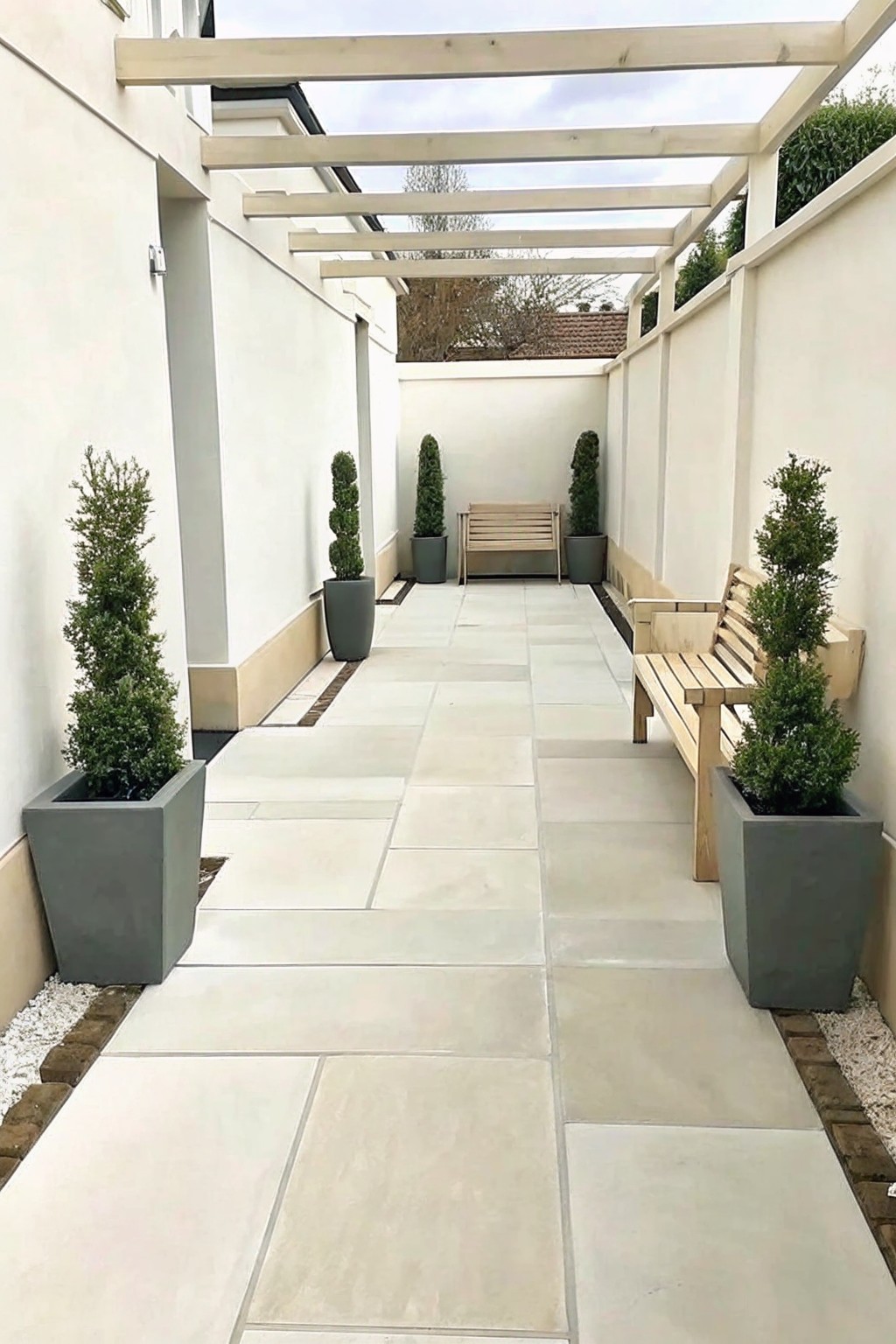
One simple way to handle long stretches of fence or wall is to set out a row of matching tall pots. The containers add height and repeat a clean shape that keeps the eye moving along the space instead of getting stuck on a flat surface.
This works especially well in narrow side yards or passages where you want structure but may need to rearrange later. Choose pots in one color and plants that stay compact so the look stays tidy without much trimming.
Hang Small Ornaments on a Blank Fence
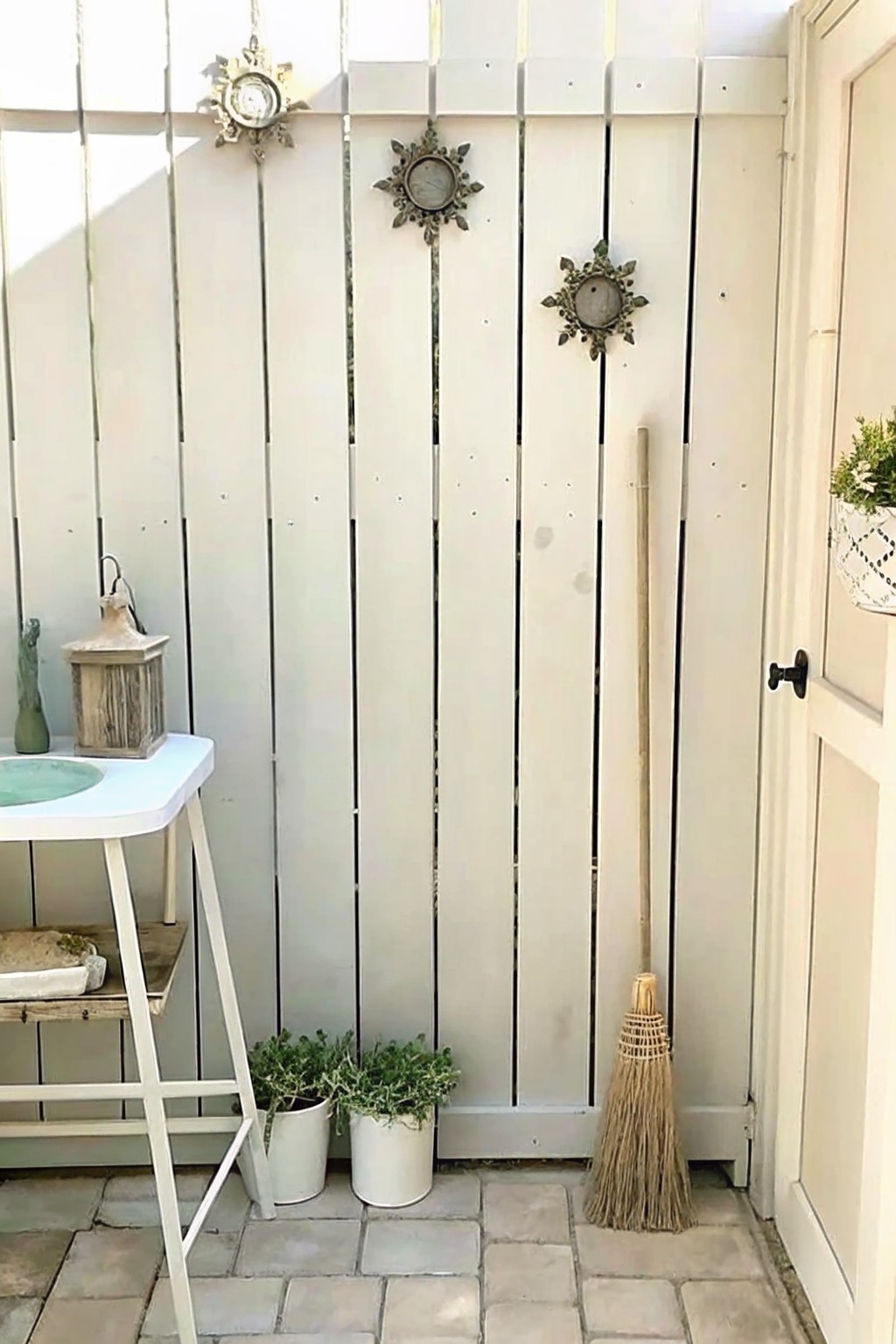
A few small decorative pieces can make a plain fence feel less empty. These simple sunburst shapes break up the flat surface and give the eye something to rest on without adding clutter.
Place them at different heights rather than in a straight line. This works especially well on fences that run along a patio or side yard where you want a bit of character but still need the space to feel open.
Line Up Rectangular Planters Along a Wall

A row of matching rectangular planters gives a blank wall some planting space without crowding the ground. The low, straight shape keeps the look simple and lets the plants stand out against the flat surface.
This setup works best in narrow side yards or along fences where you still need walking room. Match the planter color to the wall, use gravel to cut down on weeds, and pick tough plants that handle the light in that spot.
Use a Ladder to Hold Plants on a Patio Wall

A wooden ladder makes a simple way to add plants without building anything new. It leans right against the wall and gives you several levels for pots or baskets, which keeps the floor clear on a small patio.
This setup works best on a covered porch or deck where the wall is plain and you want more greenery. Choose a sturdy ladder, set the pots so they sit flat on the rungs, and make sure it stays stable so nothing tips over.
Vertical Plant Ladders Fit Narrow Walls
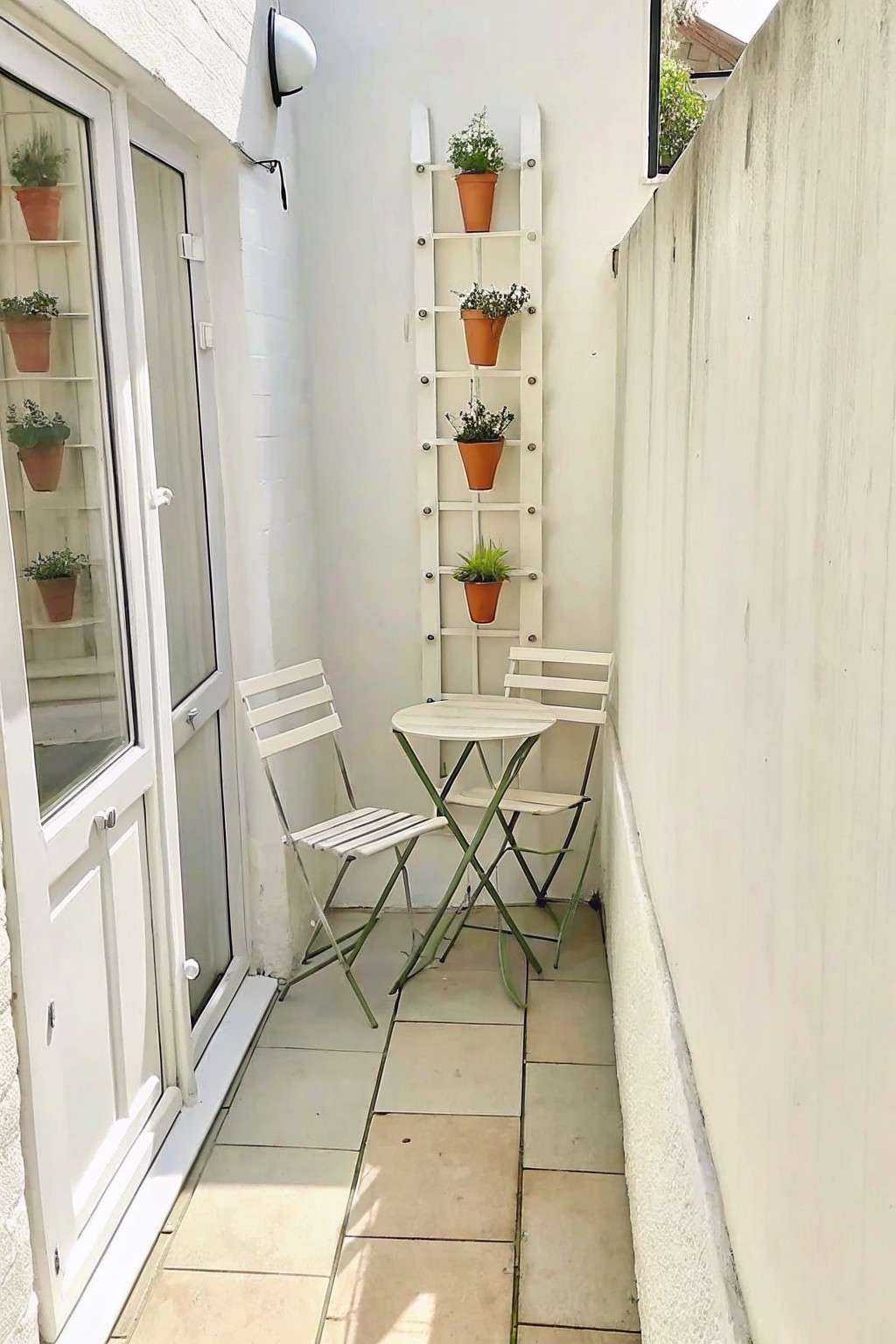
A vertical plant ladder gives you an easy way to add greenery along a blank wall without crowding the ground. It works especially well in tight side passages or small patios where every inch of floor space matters.
You can mount one on any fence or exterior wall that needs some life. Slide potted herbs or flowers onto the rungs and the setup stays off the ground so the walkway still feels open.
Vertical Plant Shelves for Small Balconies
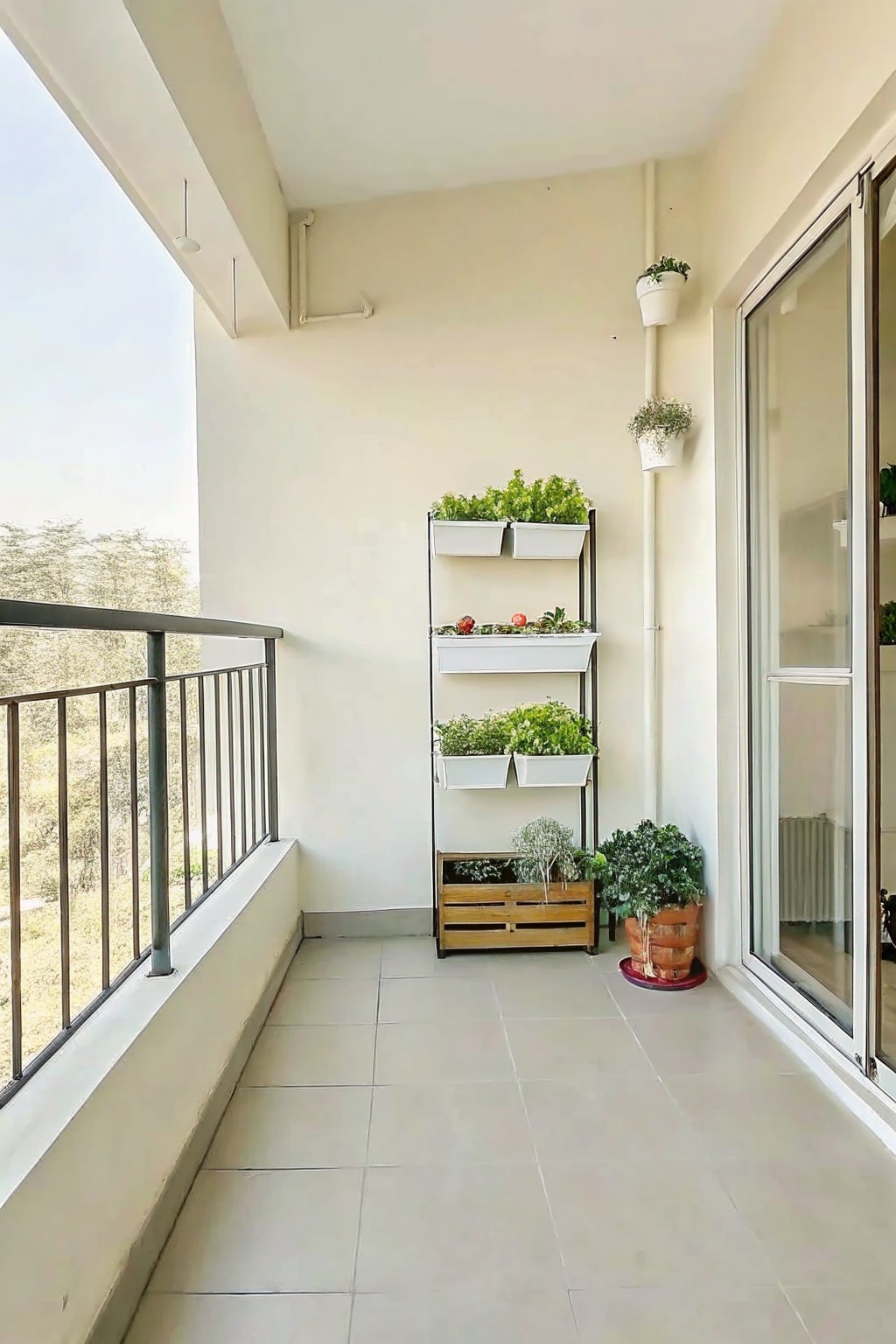
Many balconies have limited floor space, so a tall plant shelf becomes a practical way to add more growing room. The unit stands against the wall and holds several tiers of planters, letting you grow herbs and greens upward instead of spreading everything out on the ground.
This setup suits apartments or homes with narrow outdoor areas where a full garden bed is not possible. Pick a sturdy frame that fits the available wall height, and check the weight capacity before filling the planters with soil.
Mount Small Planters on Plain Doors
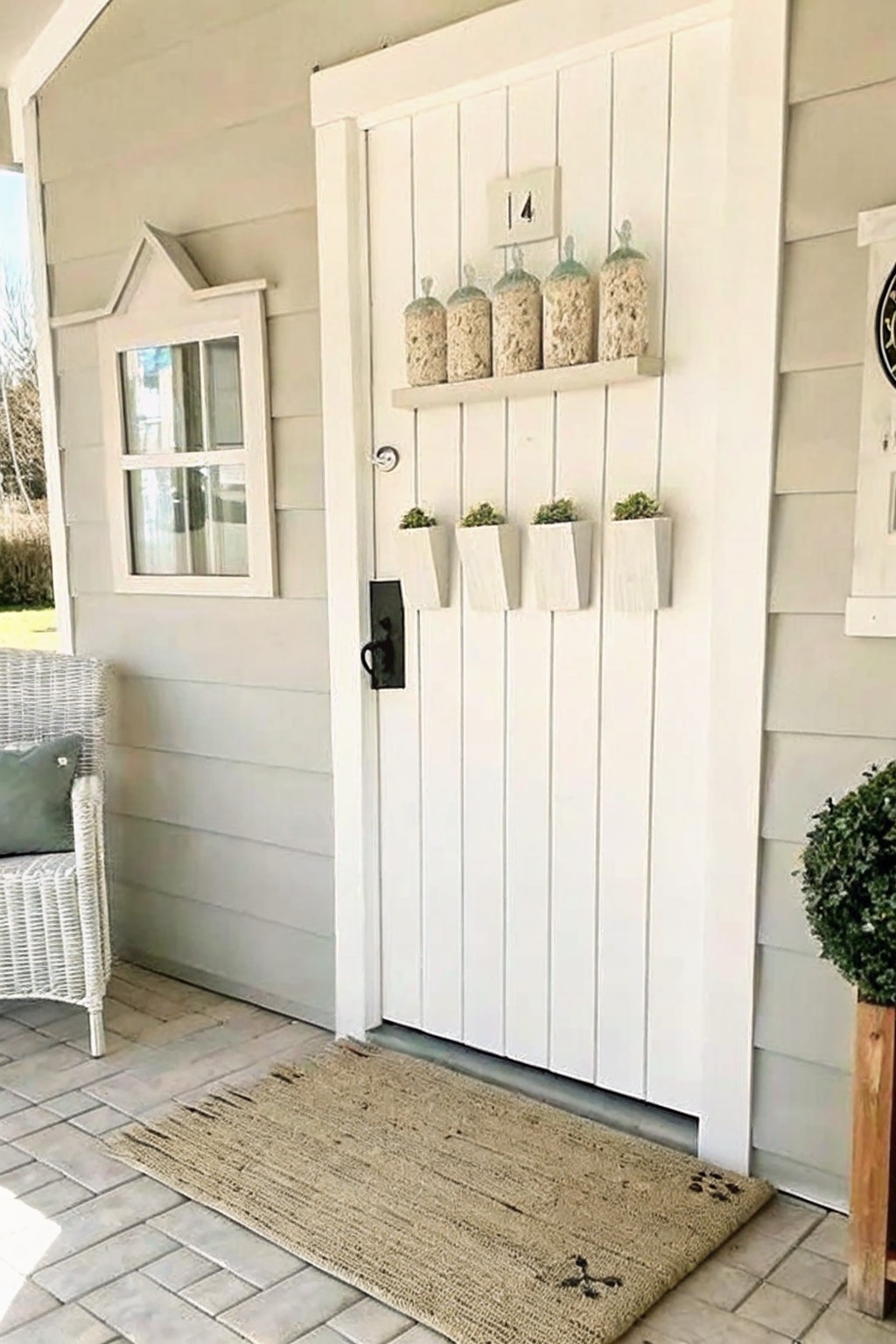
A door can work as extra garden space when the walls around it are already full. Small planters screwed directly onto the surface add height and greenery without needing extra ground room or big structures.
This approach suits covered porches and side entries on homes with simple trim. Keep the pots light, space them evenly, and check the hardware every season so nothing loosens.
Frequently Asked Questions
Q: How do I hang heavier pieces like shelves or pots without weakening the fence boards? A: Use wide hook brackets that spread the weight across more than one slat. Drill pilot holes first and add a dab of wood glue in each one. Give the whole setup a gentle tug after a week to confirm it holds.
Q: What if my fence faces full sun all day long? A: Go for metal or ceramic items that won’t fade fast. Move any fabric or painted wood pieces to shadier spots on the same fence. A quick rinse every couple months keeps dust from baking on.
Q: Can I test a few ideas without buying much new stuff? A: Pull together old baskets or crates from around the house and wire them in place. Swap in fresh clippings from the garden each week to change the look. One small section shows you what works before you cover more space.
