

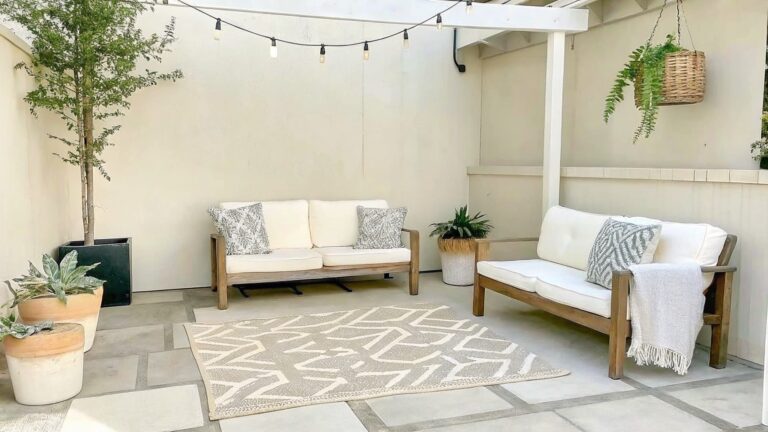
I have found that gardens often come together better when the planters match the scale of the beds around them.
Adding painted details to handmade containers lets me tie in colors from the surrounding foliage without buying new pieces every season.
In my own yard the first thing I notice is whether the pots look like they belong or just sit there as afterthoughts.
Some of these approaches seem worth trying on a small section first to see how the light hits the finishes over time.
Details change the layout.
Add Planters Around Outdoor Seating
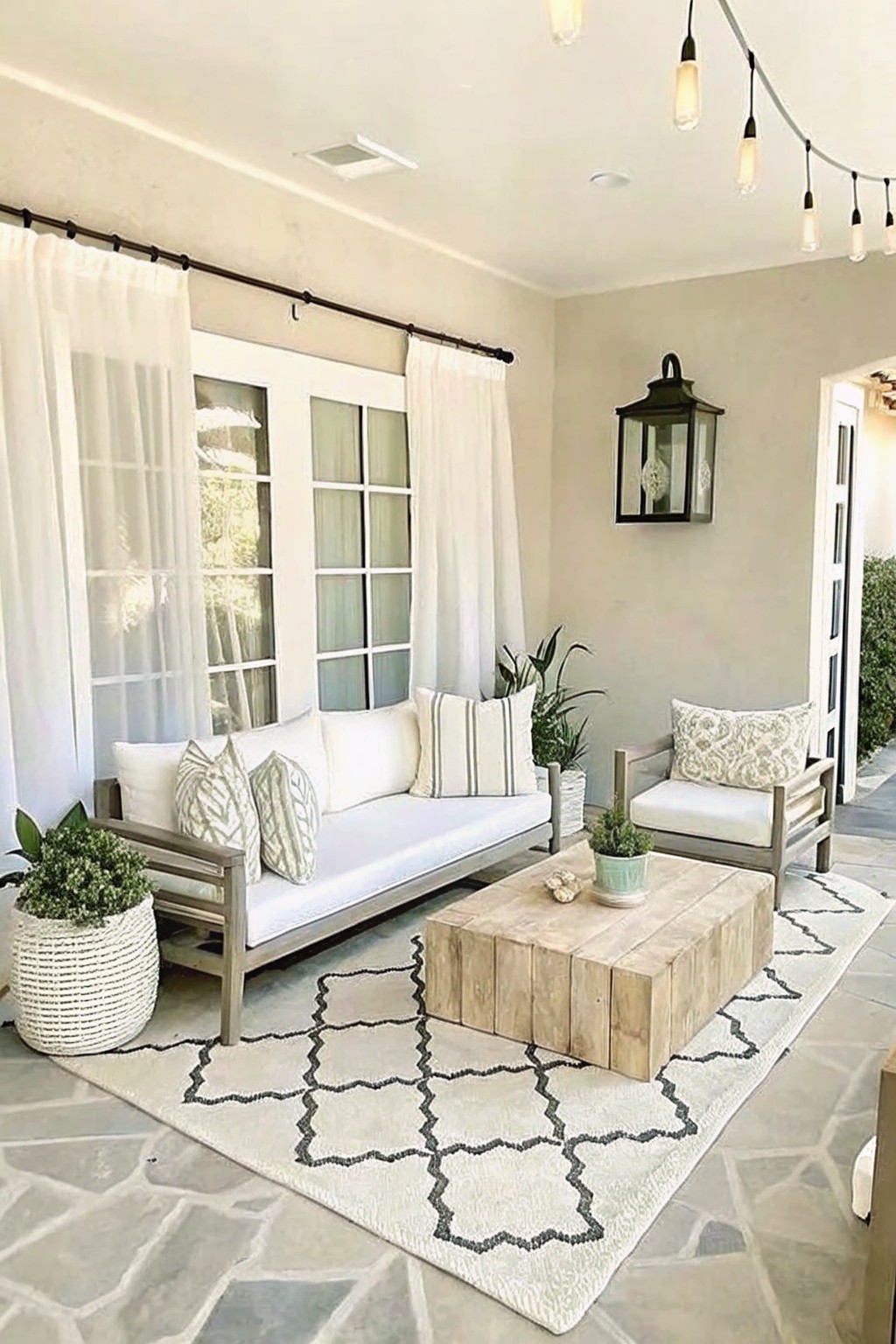
Potted plants in simple baskets and pots work well next to a sofa or chairs on a patio. They bring a bit of garden feel into the seating area without needing a full garden bed or major changes.
Try placing taller planters on the sides and a smaller one on the table. This setup suits most covered patios or decks and helps the space feel more connected to the outdoors. Keep the containers plain so they do not compete with the furniture.
Pallet Planters For Small Balconies
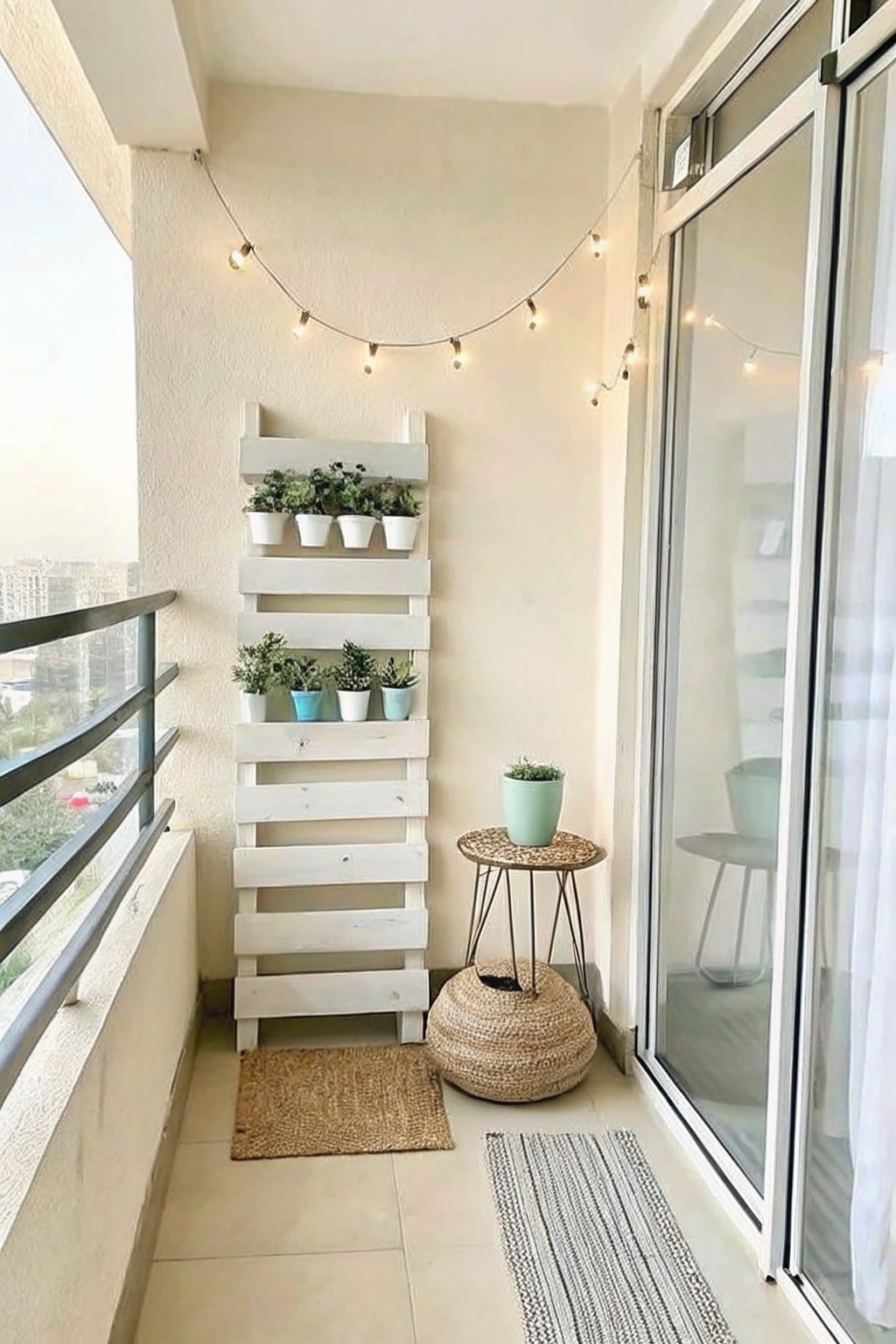
A wooden pallet turned upright and painted makes a simple vertical planter that works well on balconies with limited floor space. It holds several small pots at different heights so you can fit more plants without crowding the walking area. The open slats let air move around the roots and make watering easy from the front.
This setup suits apartments or any outdoor spot where you want greenery but cannot add large beds. Mount the pallet securely to the wall and use lightweight pots that fit between the boards. Keep the colors light so the plants stand out more than the wood itself.
Use A Large Rug To Define Your Outdoor Seating
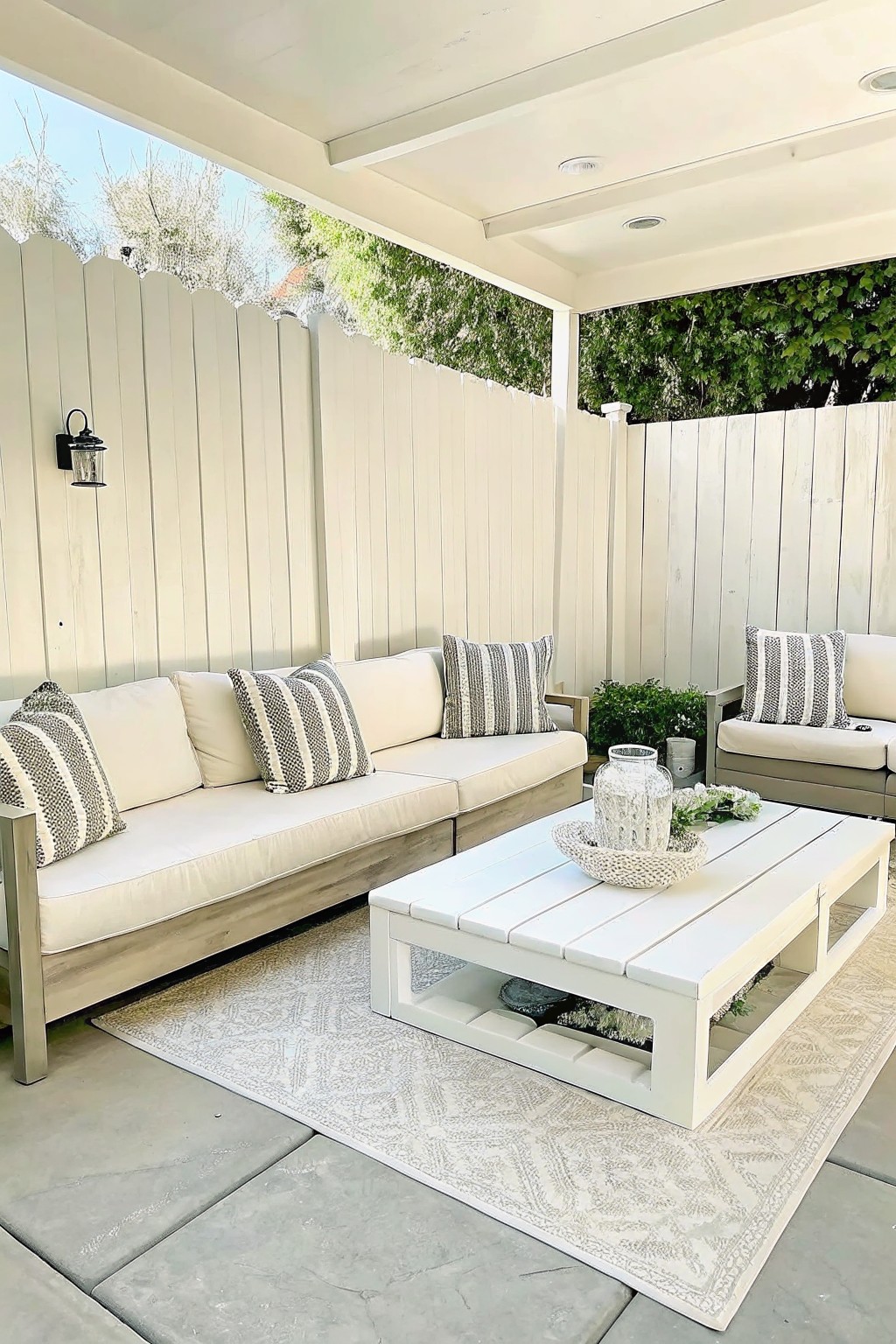
A big outdoor rug helps turn a plain patio into a real sitting area. It pulls the sofa and chairs together so the space feels settled instead of scattered across the concrete.
This works well on covered patios or decks where you want a clear zone for relaxing. Keep the colors light and simple so the rug blends with the rest of the furniture instead of fighting it.
Tiled Water Features For Outdoor Seating
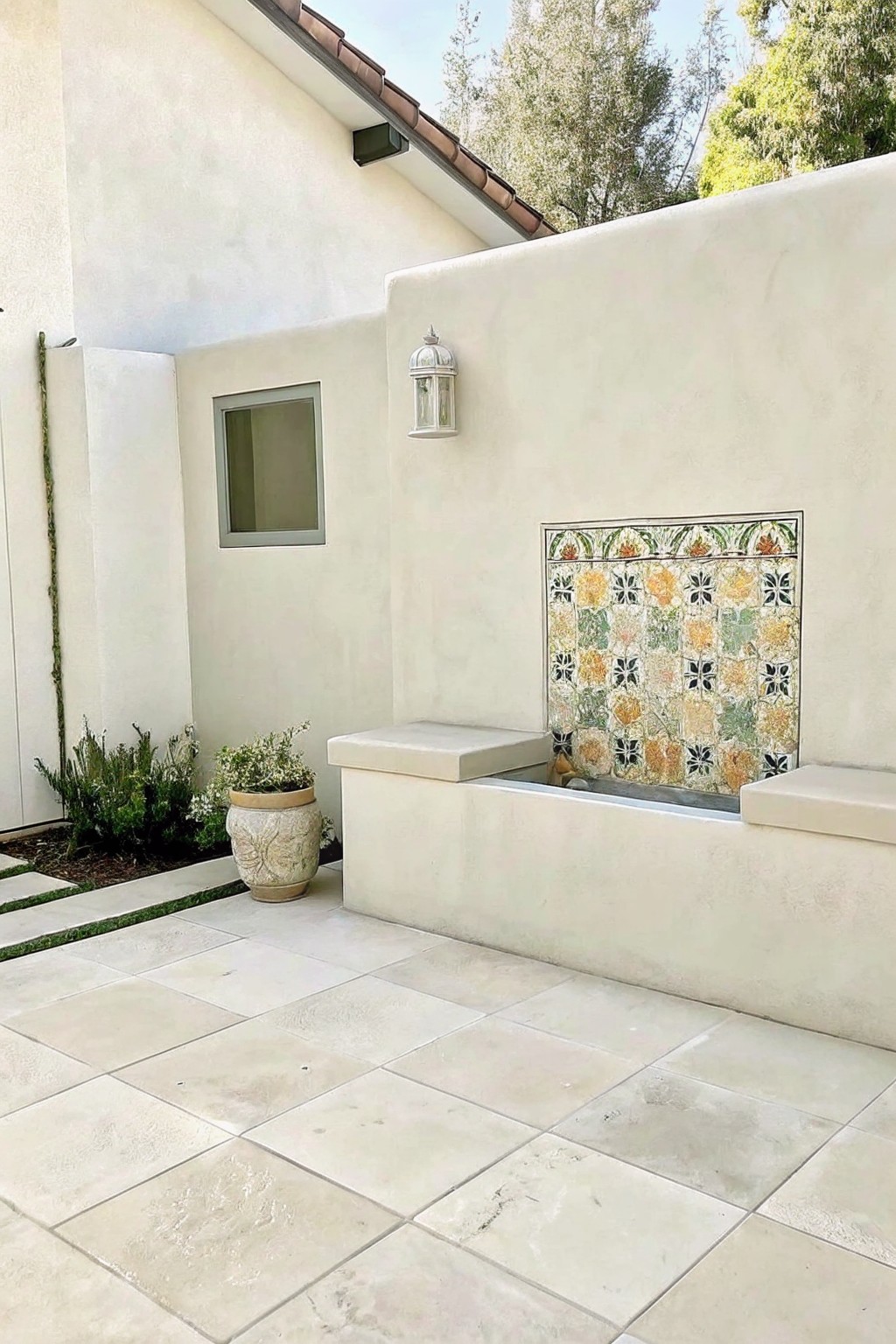
One idea that works in many patios is building a small water feature right into the wall and adding a colorful tile panel above it. The tile gives the space a focal point while the built-in benches on either side turn the area into usable seating without taking up extra floor space.
This works best on homes with plain stucco walls or simple courtyard layouts. Keep the tile pattern bold but contained so it does not overwhelm the rest of the garden, and make sure the basin is shallow if you have kids or pets around.
Use A Ladder As A Tiered Plant Stand
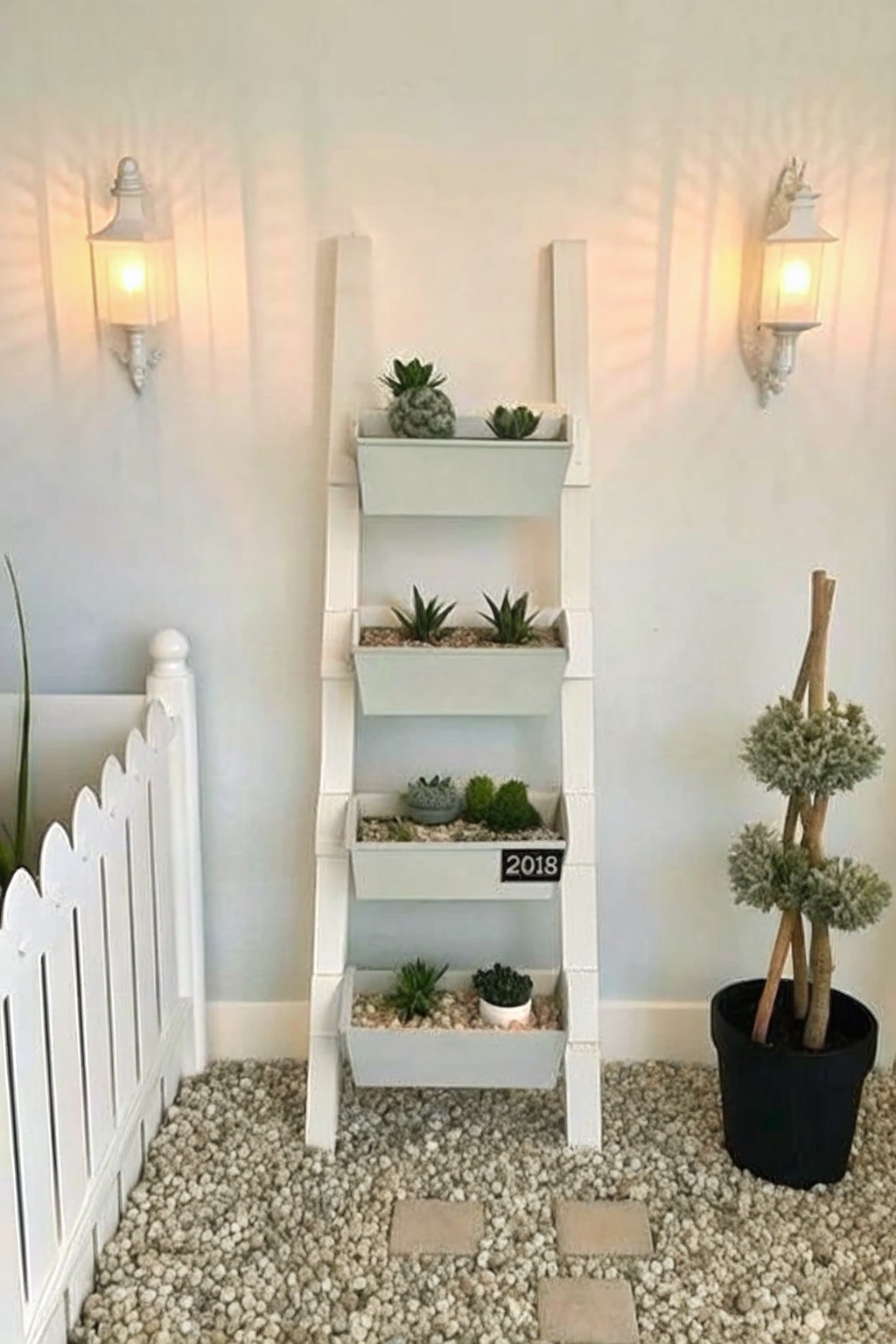
A ladder makes a simple and practical way to add height to a garden display. The rungs give you several levels for small planters, so you can group different plants together without spreading them out across the ground.
This setup works best along a wall or in a narrow spot where floor space is limited. Paint the ladder to match your outdoor style and choose lightweight boxes or pots that sit securely on each rung.
Arrange Potted Plants on a Console Table
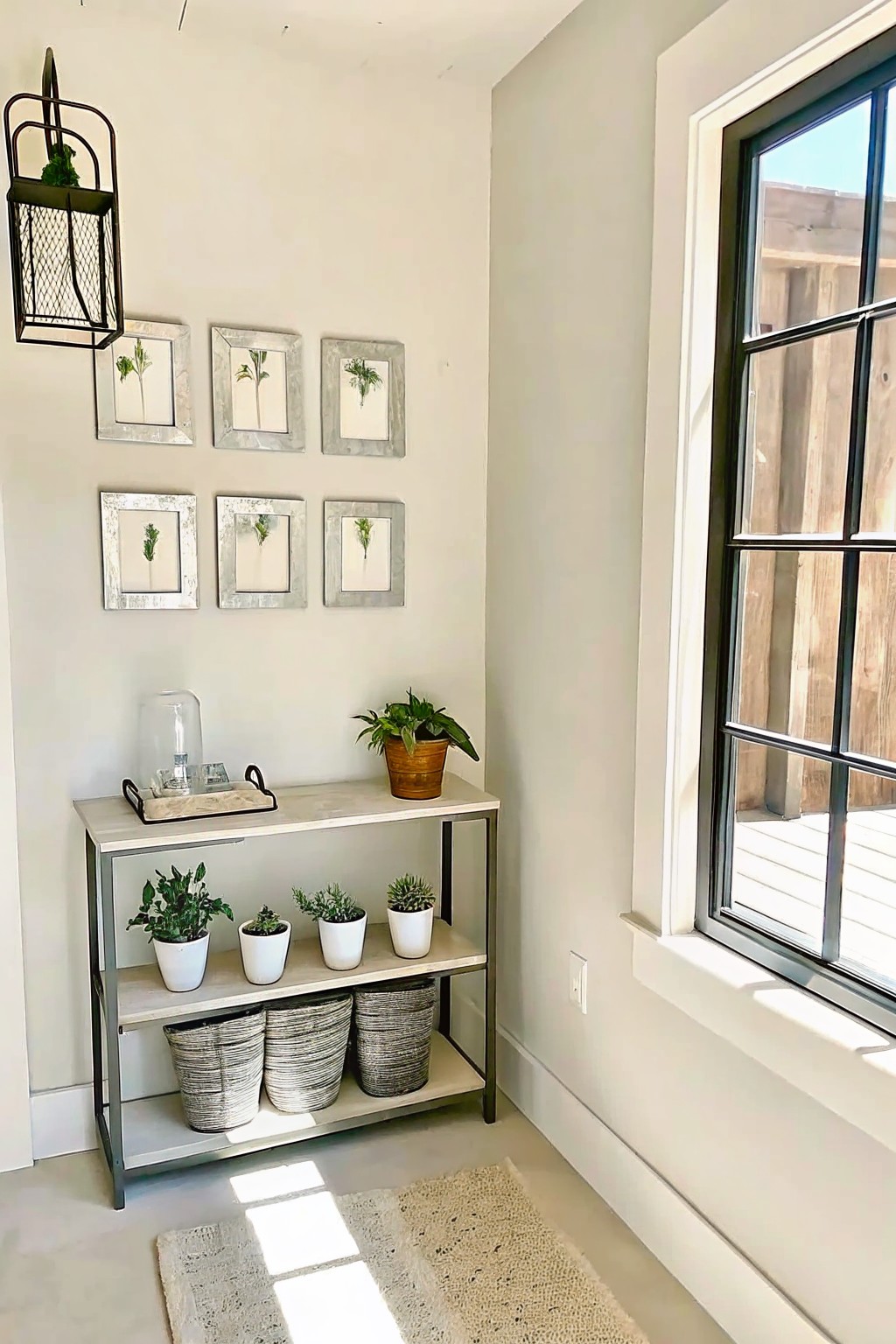
A console table with open shelves gives you an easy spot to line up several small planters without taking up much floor space. The lower level keeps things organized while the top stays clear for a taller plant or a few everyday items. This setup works well in entryways or narrow hallways where you want a bit of greenery but still need the surface for keys or mail.
It suits homes that get decent natural light near a window. Stick to similar pot sizes or colors if you want a calm look, and leave a little breathing room between the plants so they do not crowd each other. Woven baskets on the bottom shelf can hide extra soil or tools if you need the storage.
Arrange Potted Plants Around Outdoor Seating
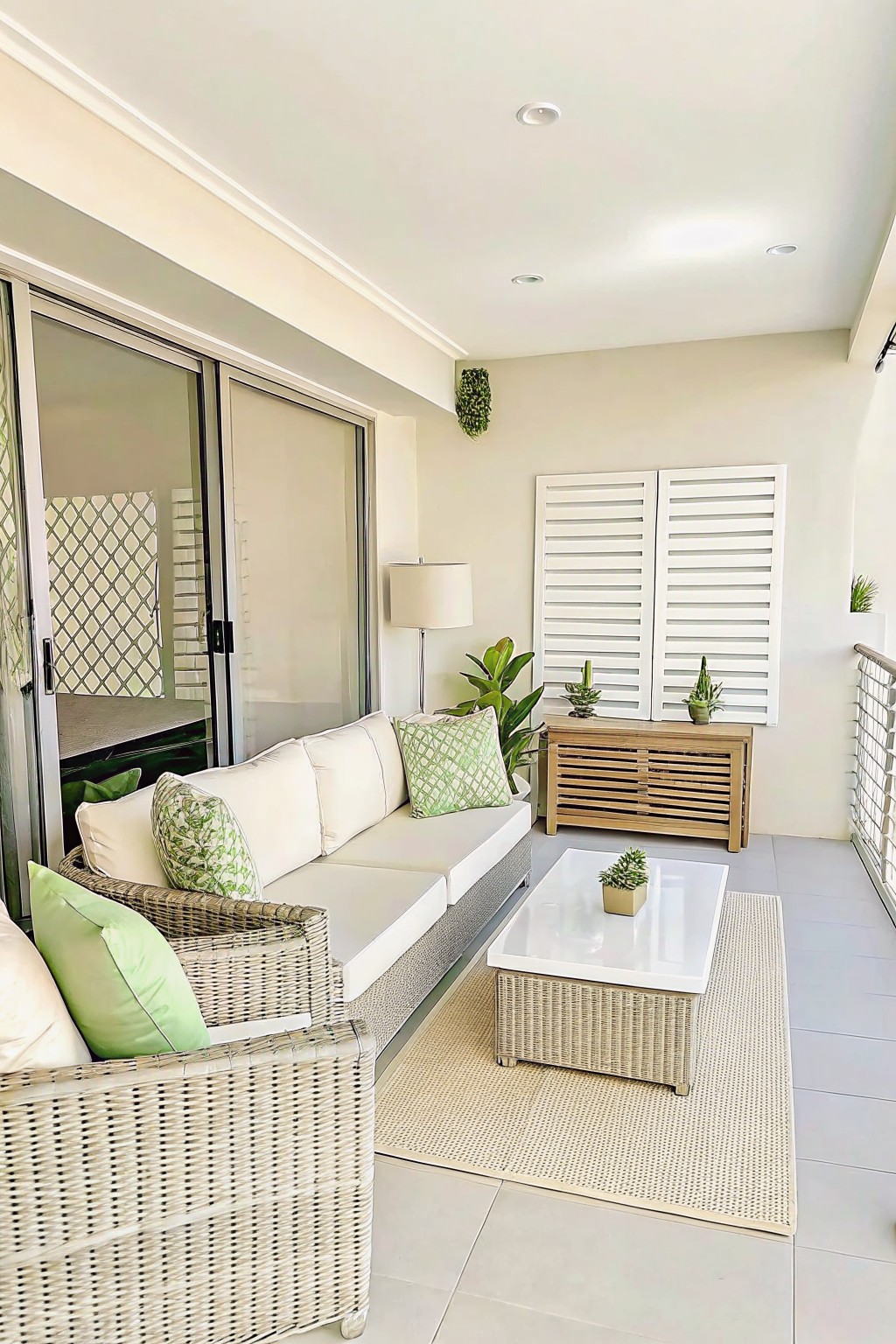
Potted plants work well on a patio because they bring in greenery without needing a full garden bed. Placing them on side tables, consoles, or even tucked beside chairs helps the space feel more connected to the outdoors while keeping everything movable.
This approach suits smaller patios or balconies where permanent planting is not possible. Try a mix of heights and simple pots so the plants do not crowd the seating area. Keep a few on the floor near the edges if the surface allows it.
Striped Planters for Porch Decor
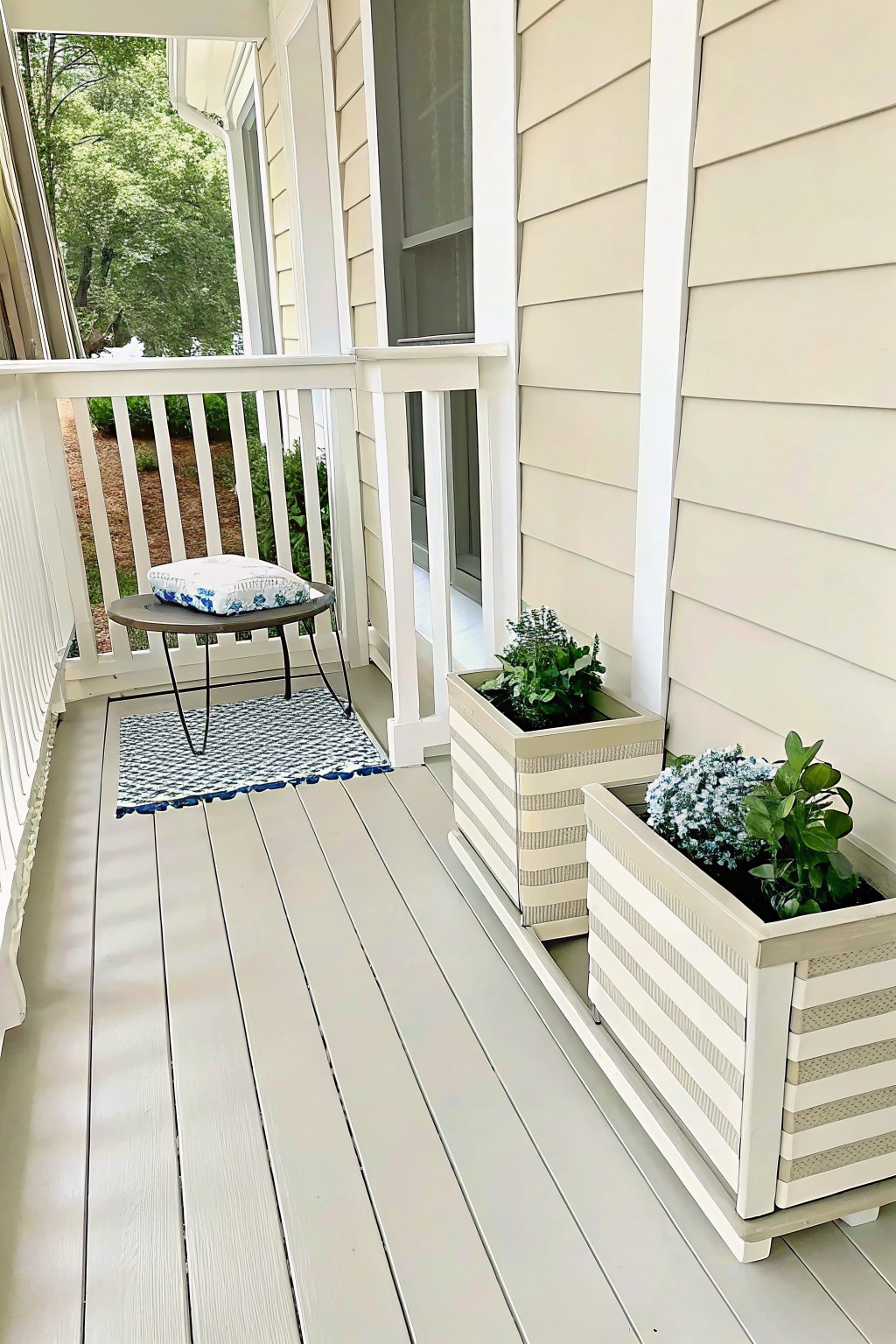
One simple way to add interest to a porch is by lining up a few painted planters with stripes. The pattern gives the space a bit more structure and keeps the look from feeling too plain while still letting the plants take center stage.
This works well on any deck or porch that has a long edge or corner to fill. Use two or three matching boxes, keep the stripes simple, and place them together so they read as one group rather than scattered pieces.
Hang a Grid on the Wall for Planters
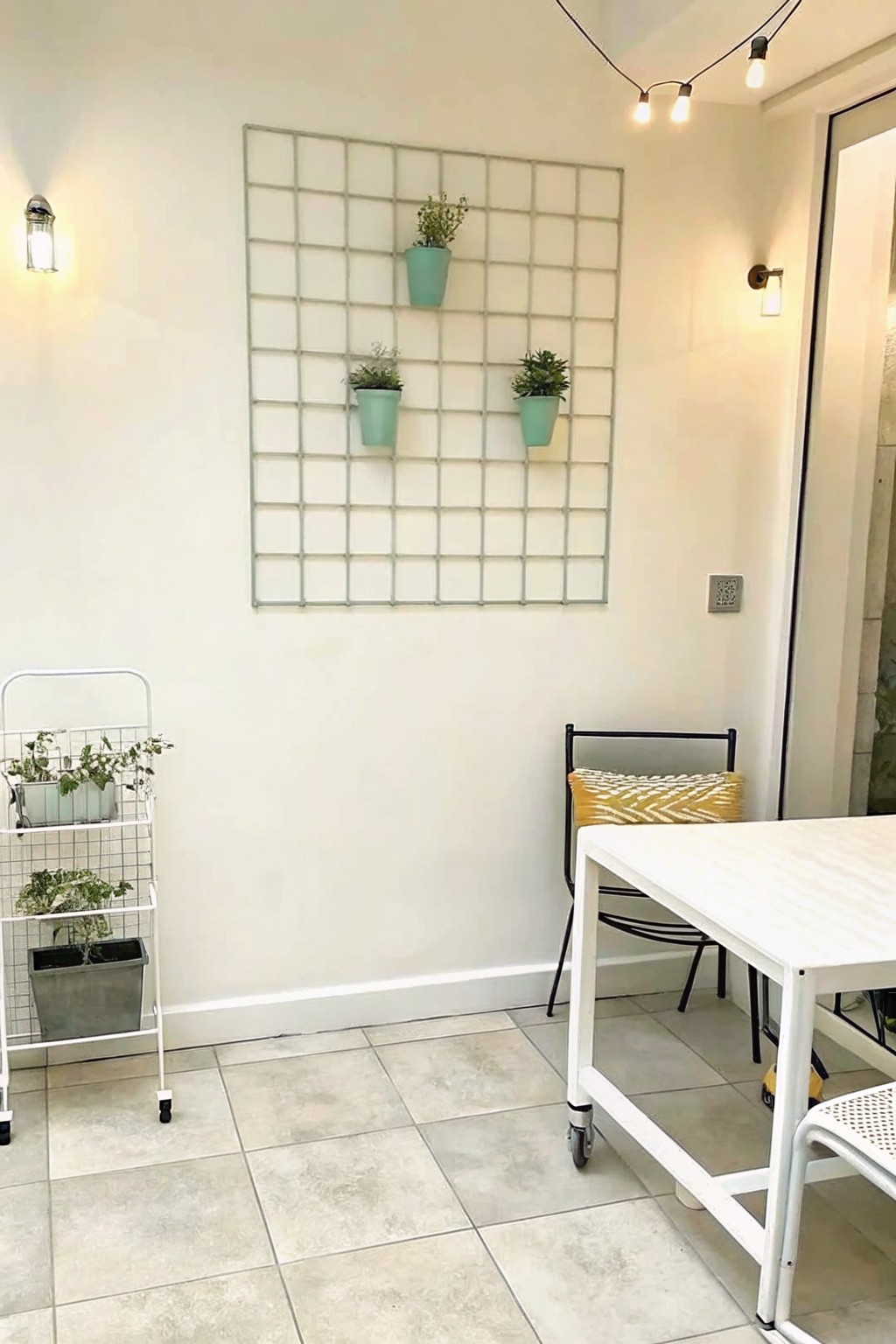
A wall grid turns an empty outdoor wall into a simple vertical spot for small planters. It keeps the floor clear and gives you a clean way to show off a few plants without crowding the space.
This setup works best on a sheltered patio or balcony wall that gets some light. Screw the grid in place and use small pots with hooks so you can move them around as the seasons change.
Painted Stripes On Built-In Benches
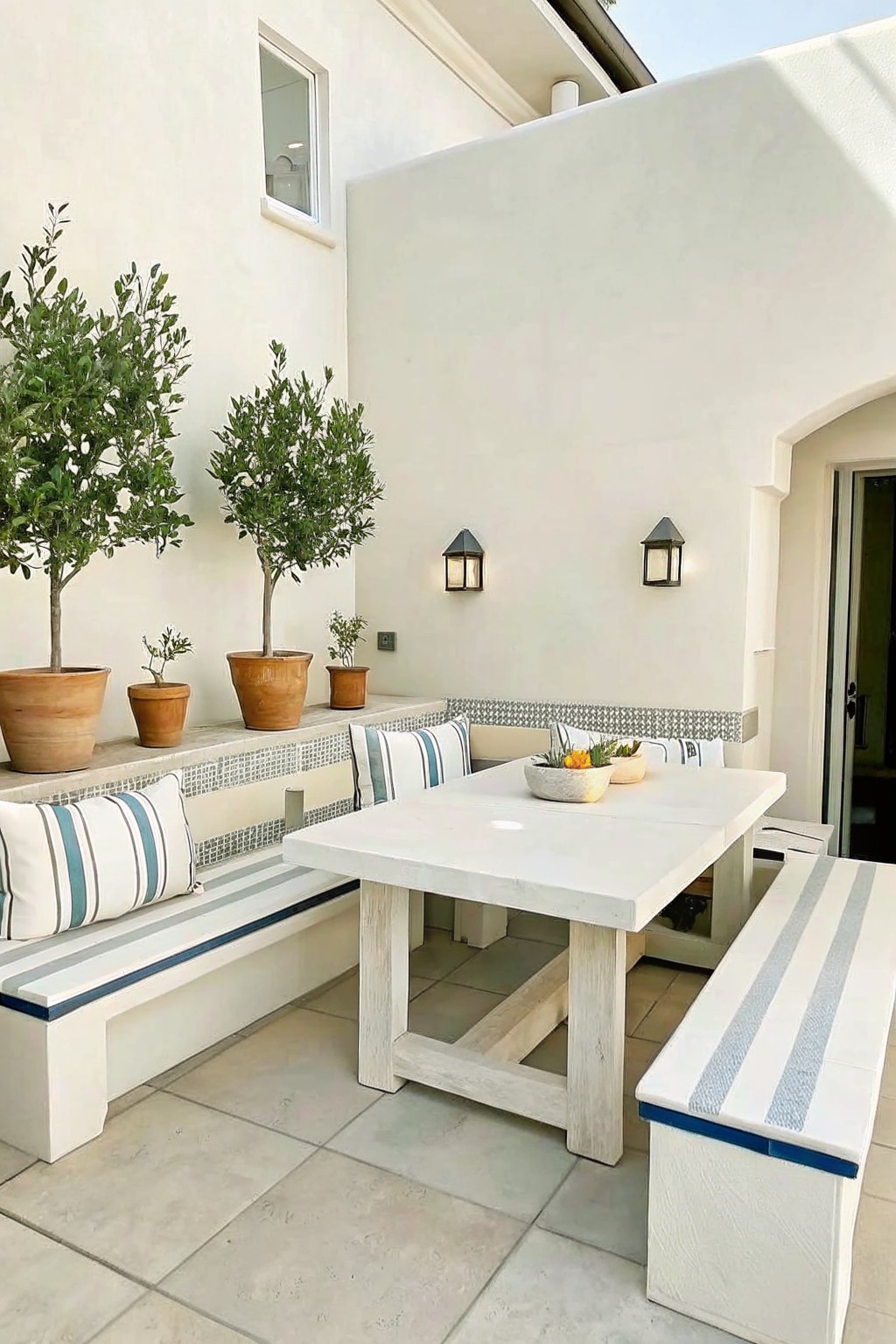
One simple way to make outdoor seating feel more finished is to add painted stripes along the benches. The pattern gives the space a clean look that still feels relaxed, and it works nicely with potted plants set along the back edge.
This idea suits small patios or courtyards where the benches stay in place year-round. Stick to two or three colors, use exterior paint, and keep the stripes wide enough that they stay visible even after a few seasons of wear.
Painting Sheds And Fences In Light Colors
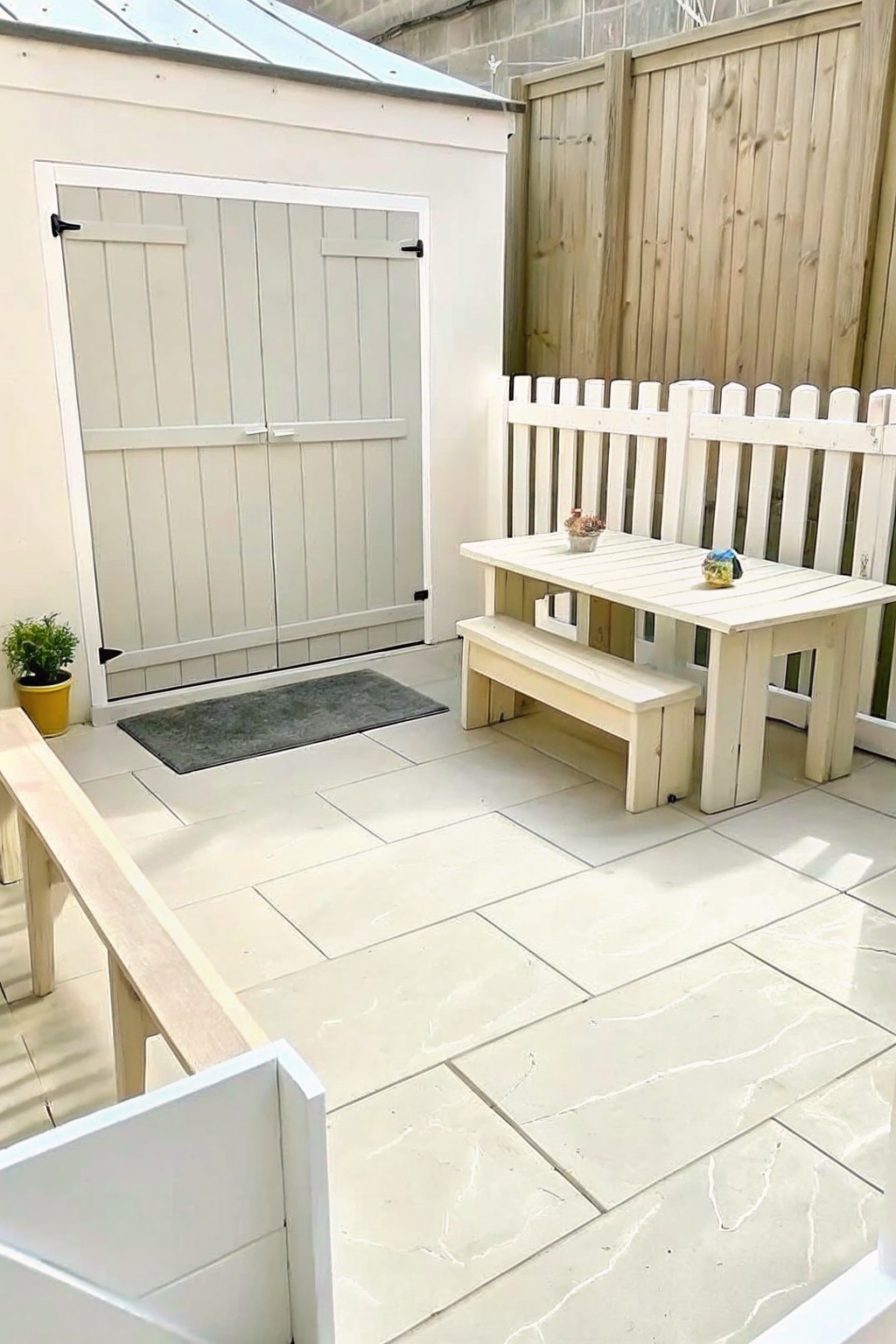
One simple way to make an outdoor space feel more finished is to paint the shed and fence in the same soft shade. It pulls everything together without needing a lot of extra pieces or big changes.
This approach works well in smaller yards where you want the seating area to feel open and calm. Use a light gray or off-white so the natural wood table and benches stand out, then keep the planting simple with just a few pots.
Line a Narrow Path With Long Planters
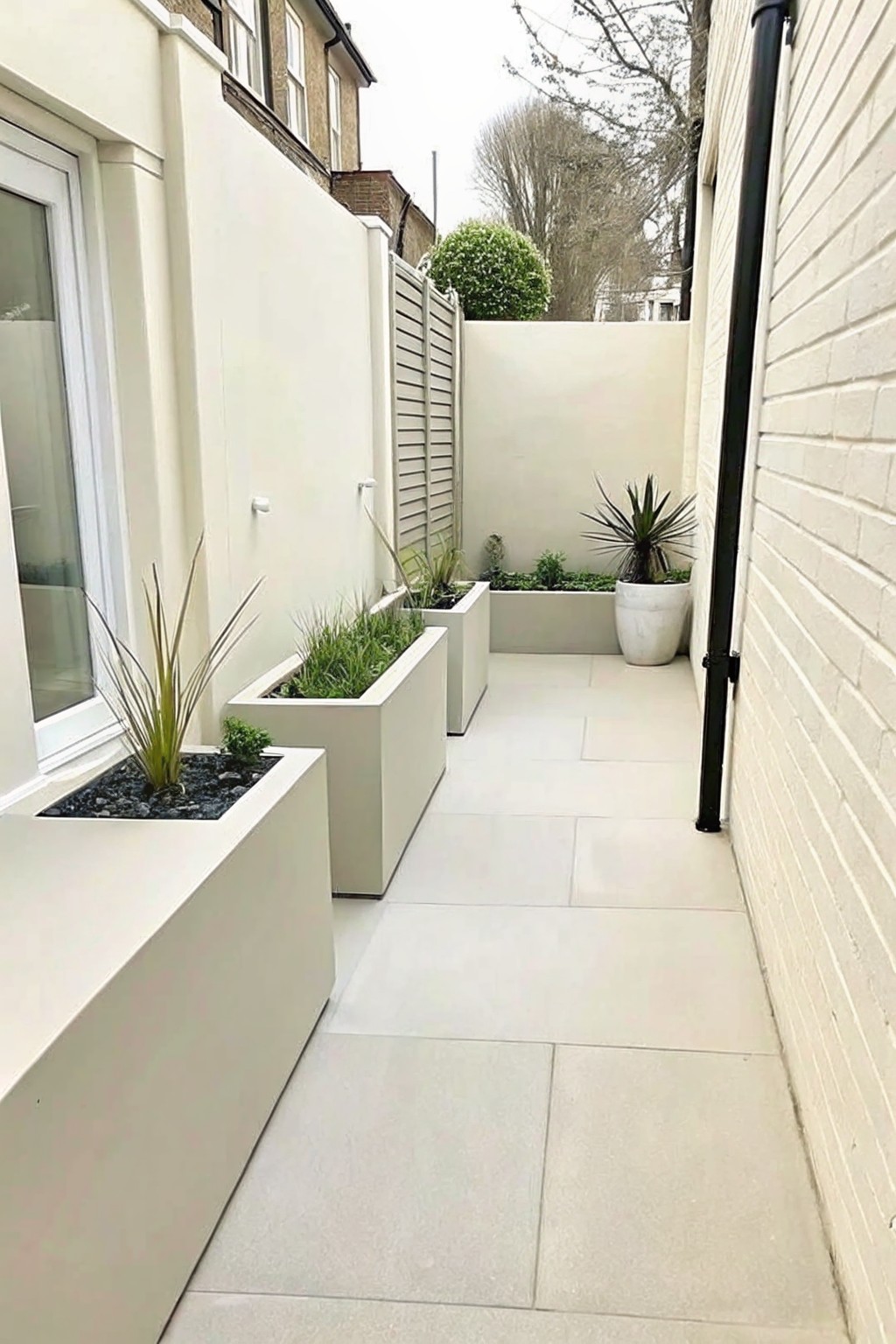
Long rectangular planters give a simple way to bring plants into a tight side passage without eating up walking space. They create a clean edge that keeps the path feeling open while adding some green along the way.
This works best on homes with narrow side yards where you want a bit of planting but need to keep things practical. Stick with matching shapes and a light finish so the planters stay in the background rather than taking over.
Use Planters To Add Greenery To Outdoor Seating
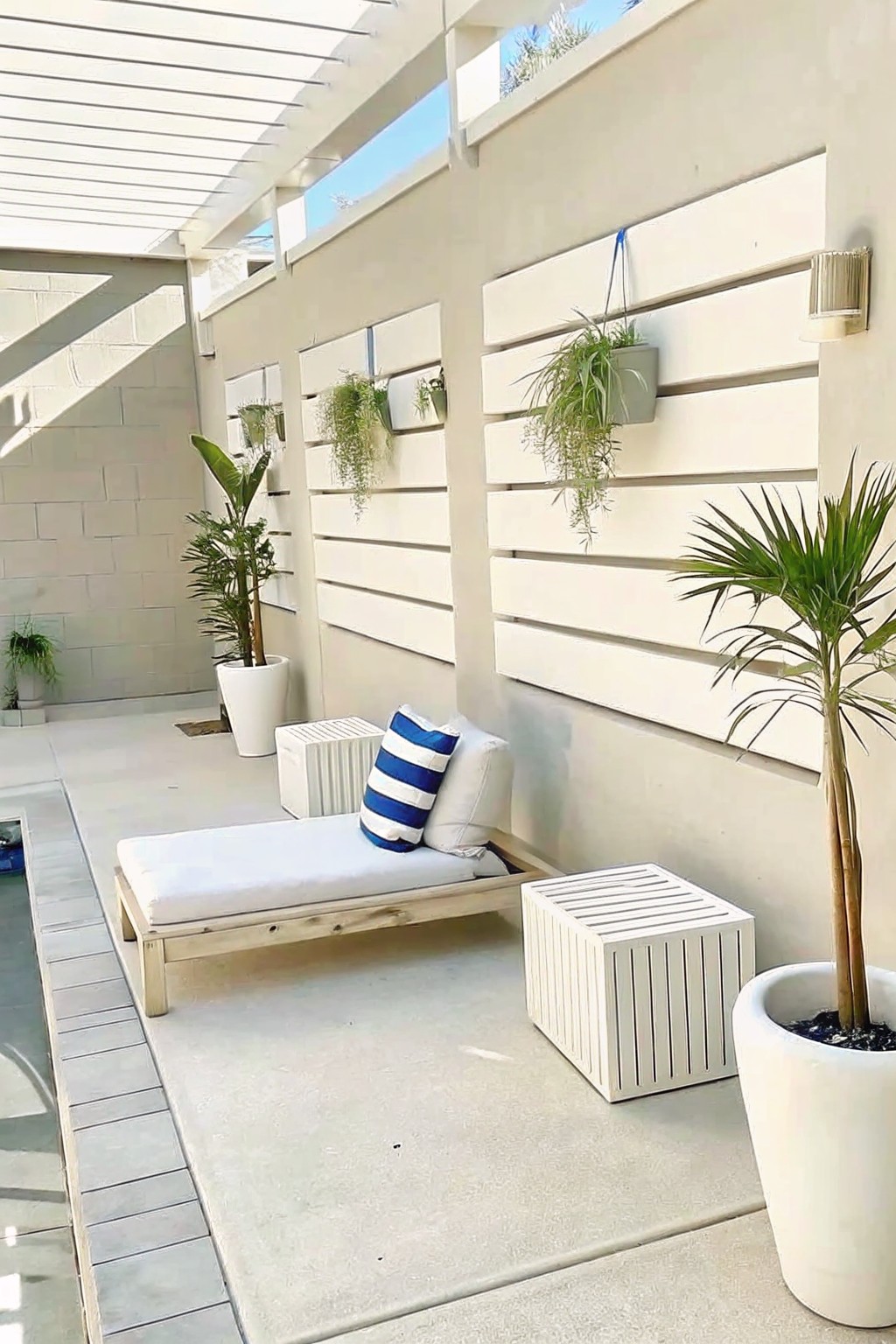
One easy way to freshen up a patio is to bring in plants through simple containers instead of planting directly in the ground. This approach keeps things flexible and lets you move things around as the seasons change or as your seating layout shifts.
It works especially well on paved areas where you want some softness without a lot of maintenance. Place a few larger pots near seating edges and hang smaller ones on nearby walls to add height without taking up floor space.
Mount Planters on Walls to Free Up Patio Space
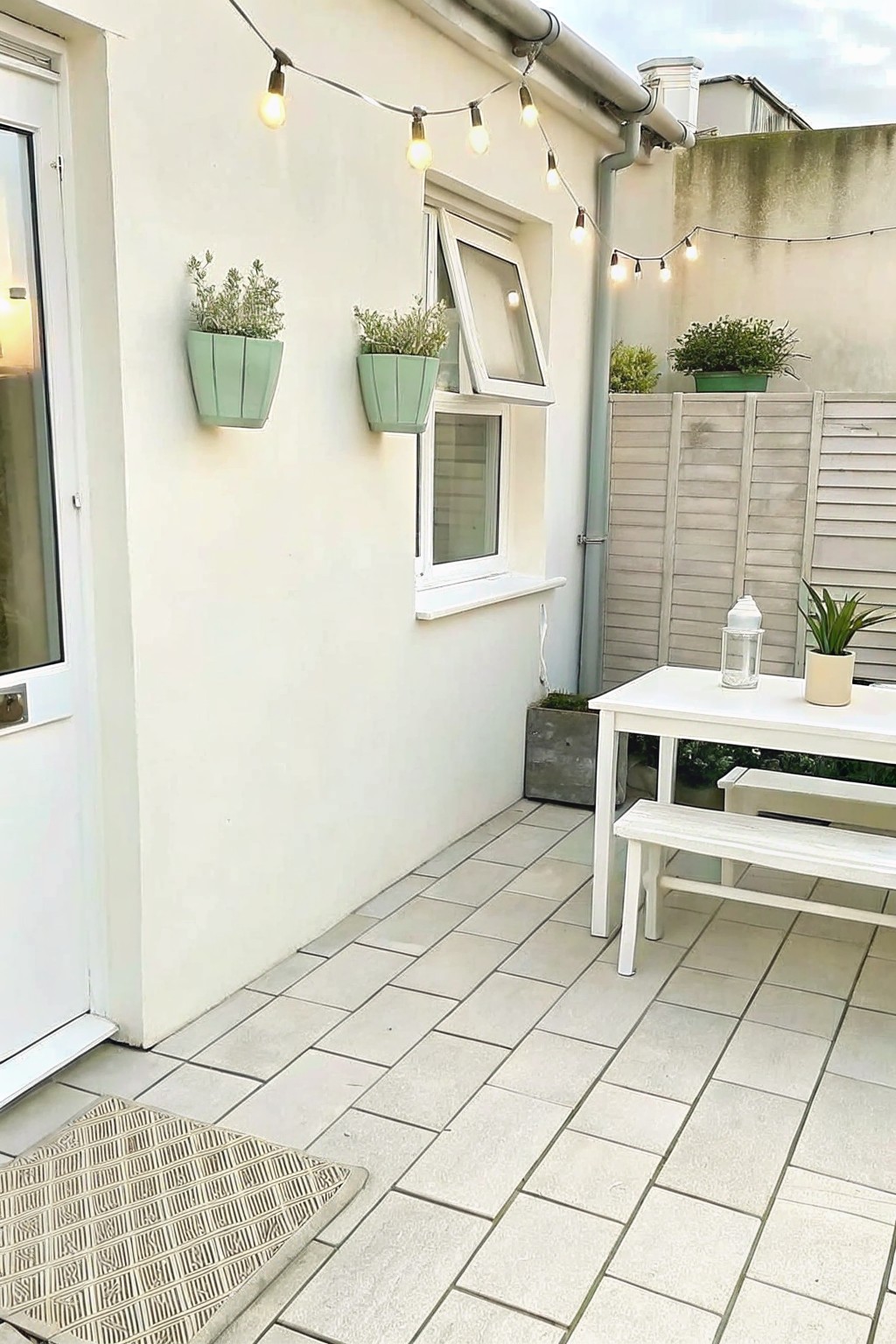
Wall mounted planters give you a simple way to bring greenery into a small patio without crowding the floor. They keep seating areas open and make the space feel less cramped overall.
This works best on any solid exterior wall near a table or bench. Secure the planters well and choose ones that match the wall color so they blend in rather than stand out.
Hang Tiered Macrame For Indoor Plants
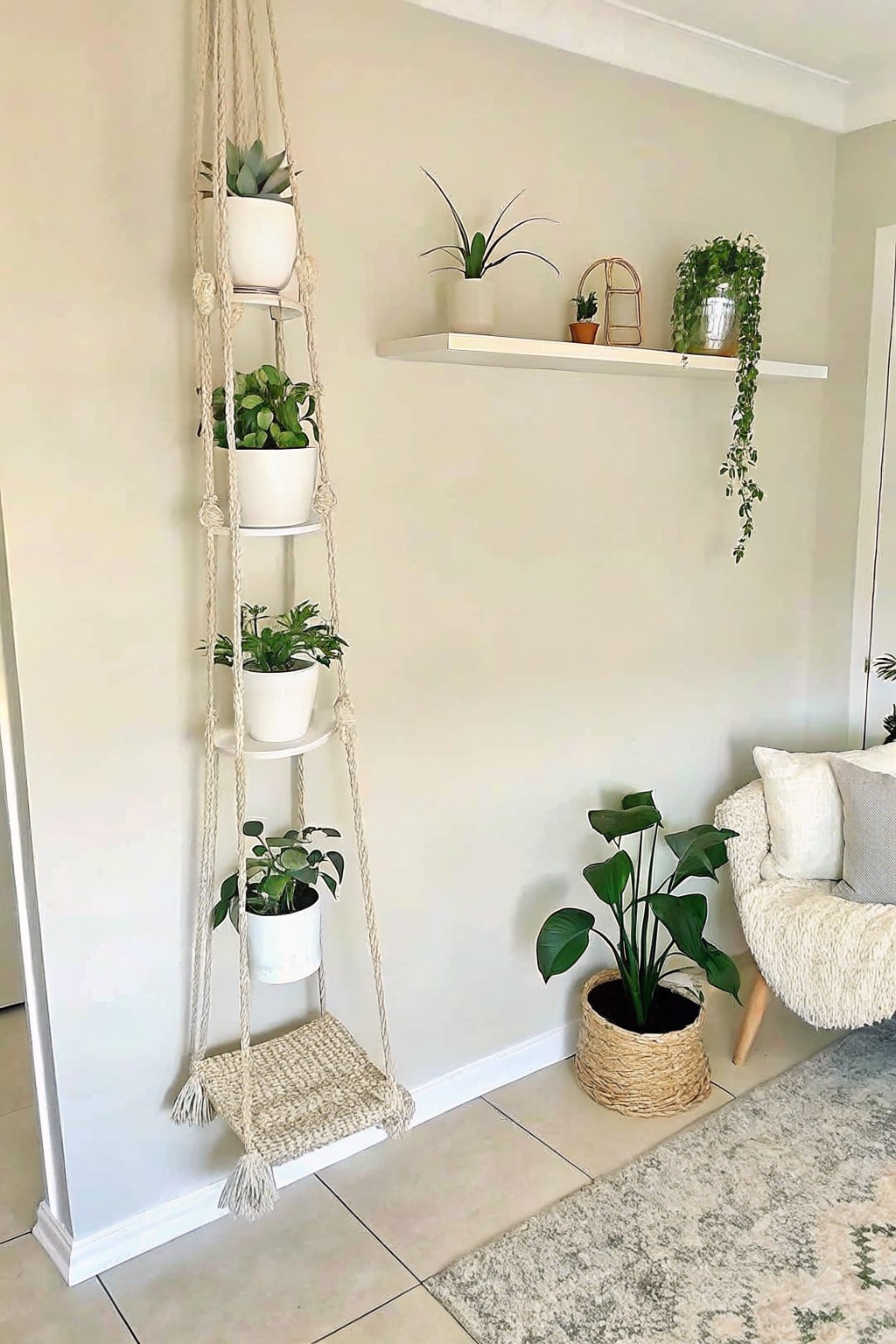
A hanging macrame setup like this lets you stack several plants in one narrow space without crowding the floor. It works especially well when you want to bring more greenery inside but do not have wide shelves or tables to spare.
Try it in a corner or along a plain wall where the rope texture adds some softness. Make sure the ceiling hook is rated for the full weight once the pots are filled with soil and water.
Painted Cabinets Keep Garden Sheds Feeling Open
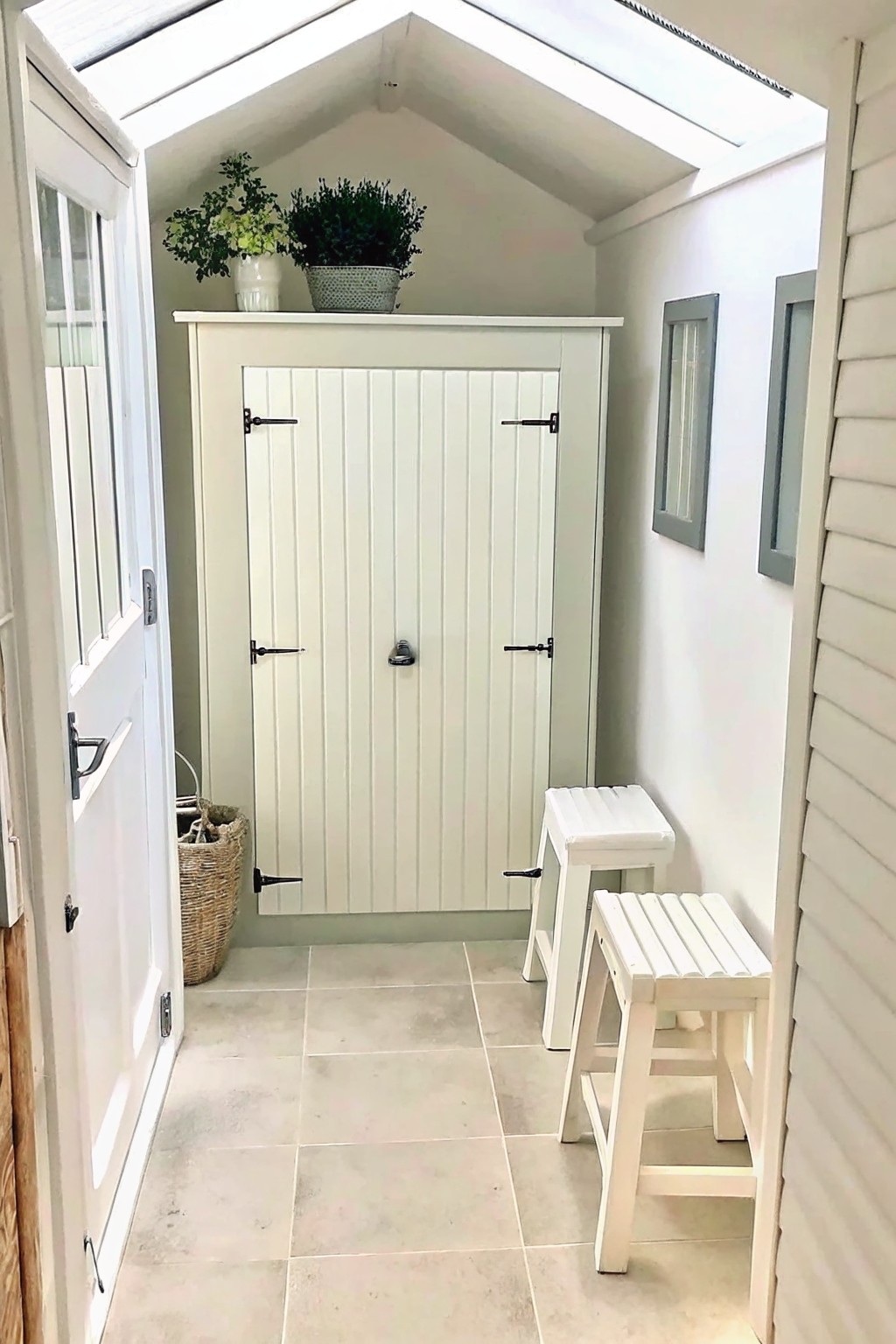
White paint on built-in storage makes a small garden shed feel brighter and more organized. The clean finish reflects light from windows or a skylight, so the space does not feel cramped even when it holds tools and supplies.
This works best in simple backyard structures where you want storage that stays practical. Paint the cabinet and any stools to match the walls, then keep the hardware dark for contrast.
Light Pavers For Outdoor Patios
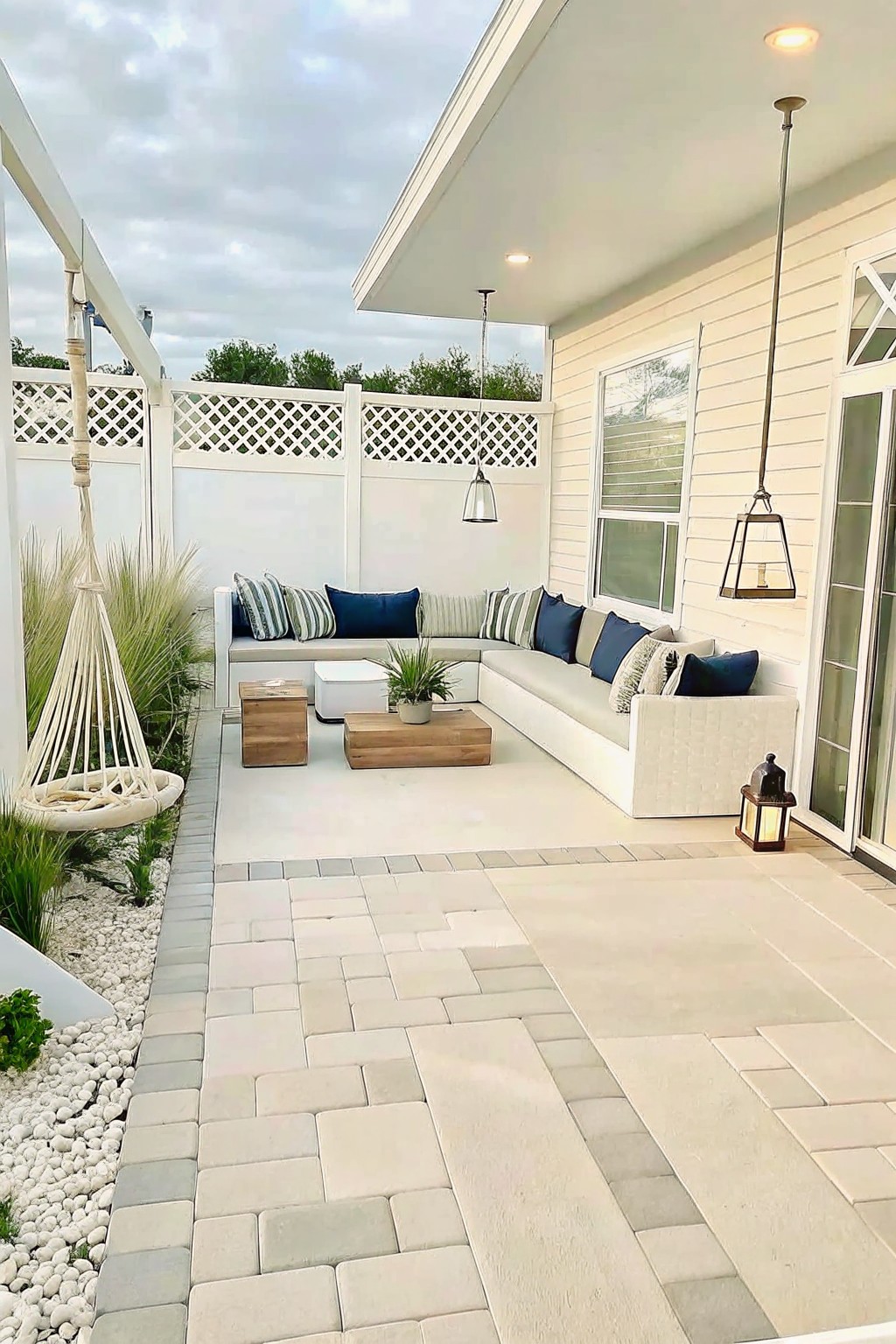
A paved patio in light tones gives you a simple, durable surface that stays easy to keep clean. It works especially well when you want room to add planters, seating, and other garden pieces without the space feeling crowded or hard to maintain.
This style suits smaller backyards or side yards where you need the floor to do most of the work. Stick with neutral pavers so painted details and handmade planters stand out more clearly once you bring them in.
Use a Painted Ladder Shelf for Indoor Plants
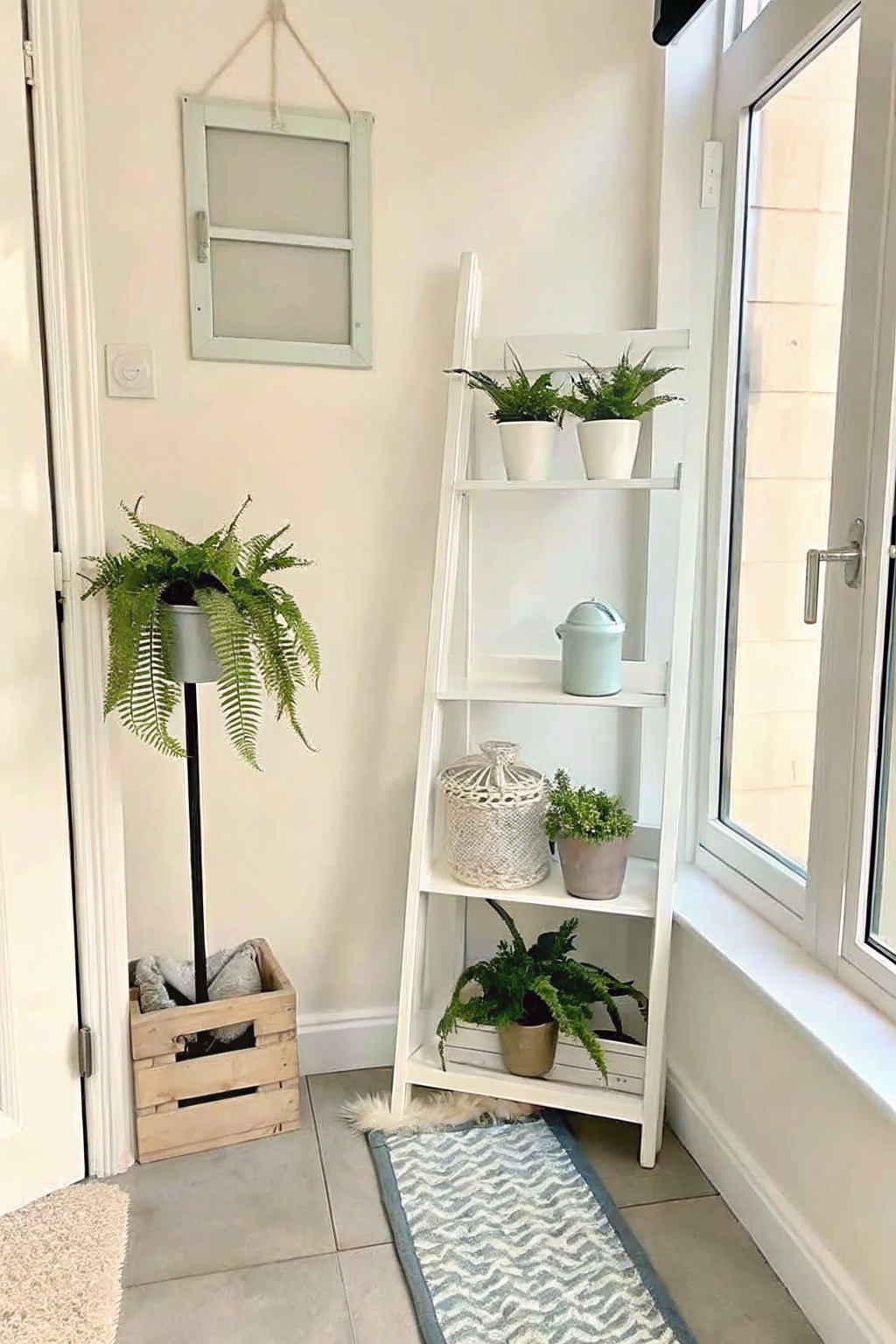
A leaning ladder shelf gives you several levels for plants without taking over the floor. The white paint keeps the whole thing light so the greenery stands out, and it works especially well in corners that need a bit more life.
This idea suits small rooms or entryways where you want height without bulk. Place larger pots on the bottom rungs and smaller ones higher up, then add one or two hanging plants nearby if the space allows.
Painted Crates As Plant Stands
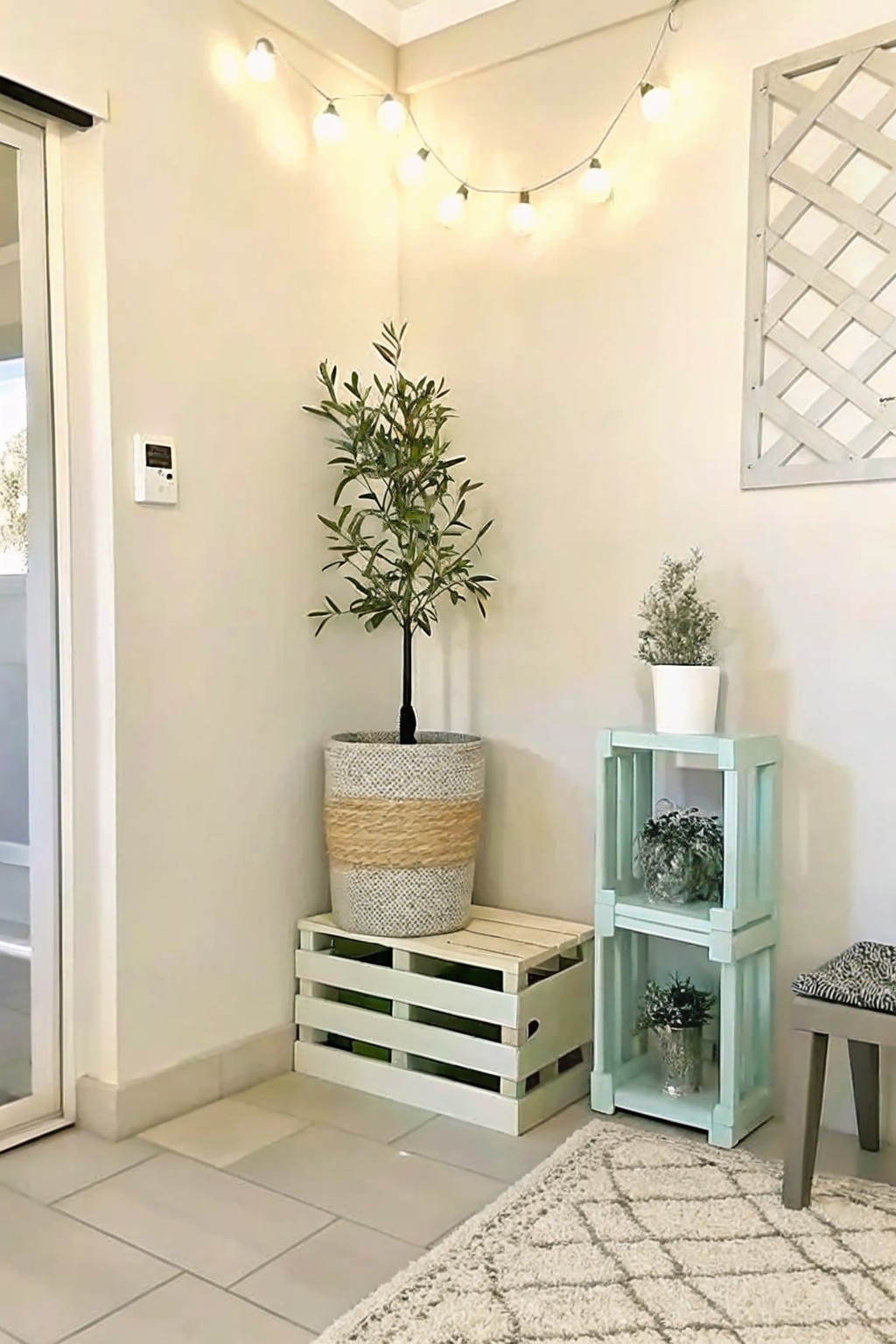
Many people turn to painted crates when they want simple stands that can hold plants at different heights. The light color keeps them from feeling bulky, and the open sides let air move around the pots. It is an easy way to add some structure without buying new furniture.
Stack two crates for a taller unit or keep one low for bigger plants. This setup works well near a door or in a sunroom where the light is good. Just make sure the crates sit on a flat surface so they stay steady.
Use a Grid Frame for Layered Plant Displays
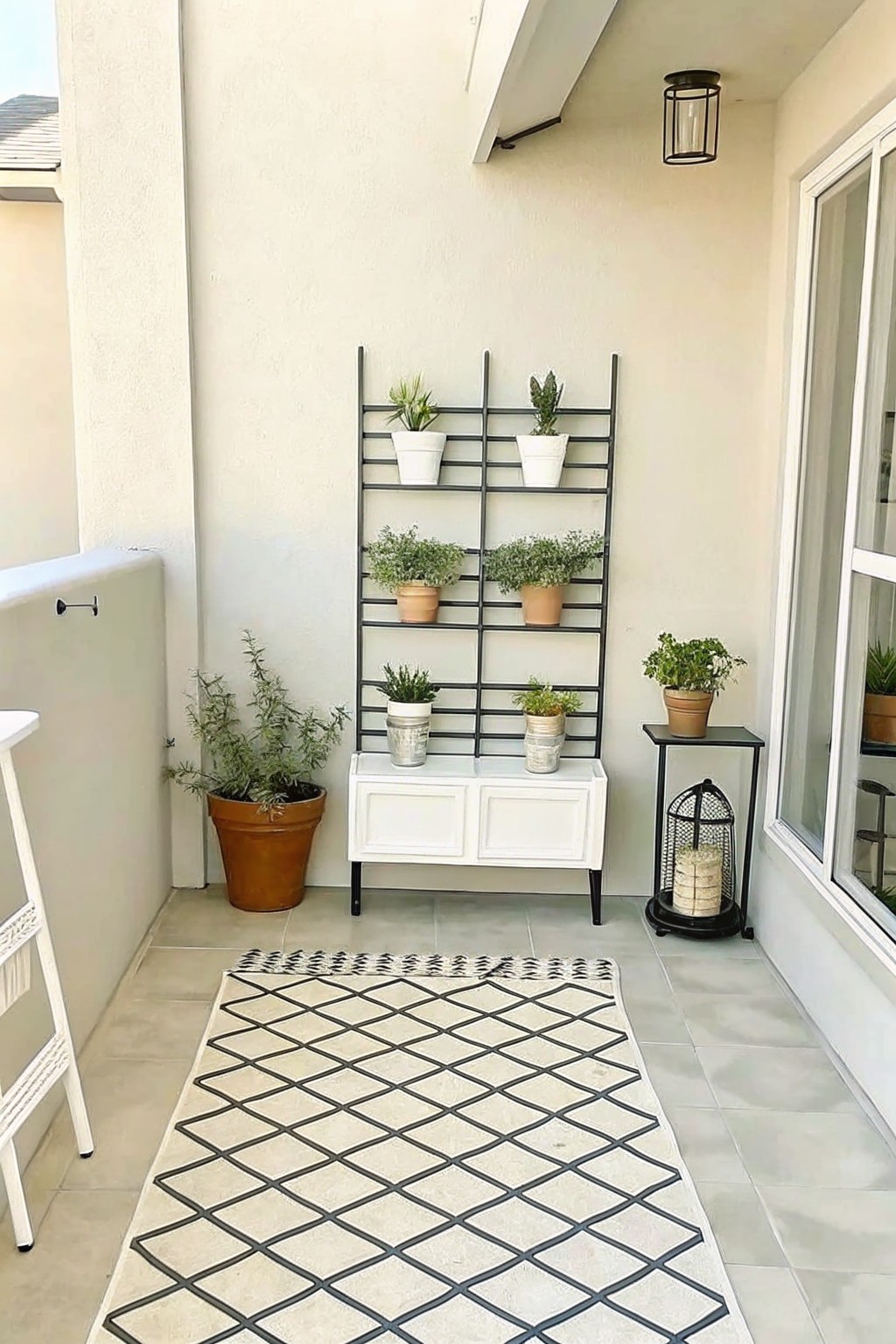
A grid-style plant stand gives you multiple levels for pots without eating up floor space on a patio or balcony. It works especially well when you mix different sizes and finishes of planters, letting the arrangement feel full but still easy to change around as seasons shift.
This setup suits small outdoor areas where you want more plants than a single table or ledge can hold. Place the grid against a wall, add a low cabinet underneath for extra storage or larger pots, and vary the heights so the whole display stays balanced without looking crowded.
Frequently Asked Questions
Q: How do I keep the painted details from chipping when I move the planters around?
A: Use a primer on the surface before painting. Let each layer dry overnight. This way the colors stay put through rain and handling.
Q: Can kids help with the handmade parts?
A: Yes, let them press leaves into wet clay for textures. Supervise the painting step with nontoxic colors. It turns into a fun family project that adds memories to your garden.
Q: What happens if my first attempt looks messy?
A: Embrace the uneven lines as part of the charm. Start with smaller details next time to build your skills.
