

I have watched gardens evolve and noticed that the paths and borders end up shaping daily use more than any single plant choice.
Using gravel for hardscape keeps the cost low while still giving clear structure to how beds and walkways relate to each other.
I would try the simpler border ideas first because they tend to make an immediate difference in how the space reads from the house.
Some setups only look right after the gravel has had time to compact a bit.
It lasts.
Gravel Paths With Stepping Stones

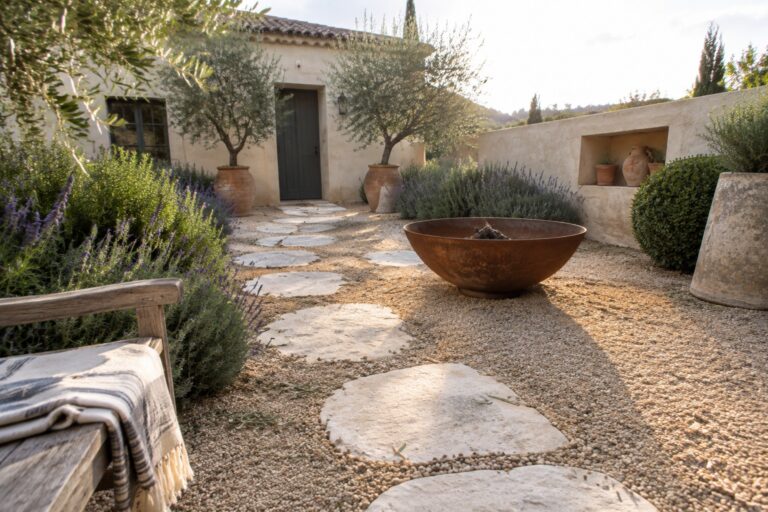
Gravel works well for garden paths because it is cheap, drains easily, and needs little upkeep once it is down. It also lets you shape a walkway around existing plants without pouring concrete or laying pavers edge to edge.
Set large flat stones into the gravel every couple of feet so people have solid places to step. This approach suits homes with dry yards or Mediterranean style plantings where you want a casual look that still feels finished.
Simple Gravel Side Yard Paths With Edging

Gravel makes a simple and low cost choice for garden paths when you want something that drains well and stays easy to maintain. It fills the spaces between stepping stones without needing a big material budget, and it gives the whole walkway a relaxed look that works with the surrounding plants.
This setup works best along side yards or between flower beds where you need a clear route but do not want to lay full paving. Keep the gravel layer thin and contained with edging so it does not spread into the beds over time.
Gravel Paths With Concrete Pavers
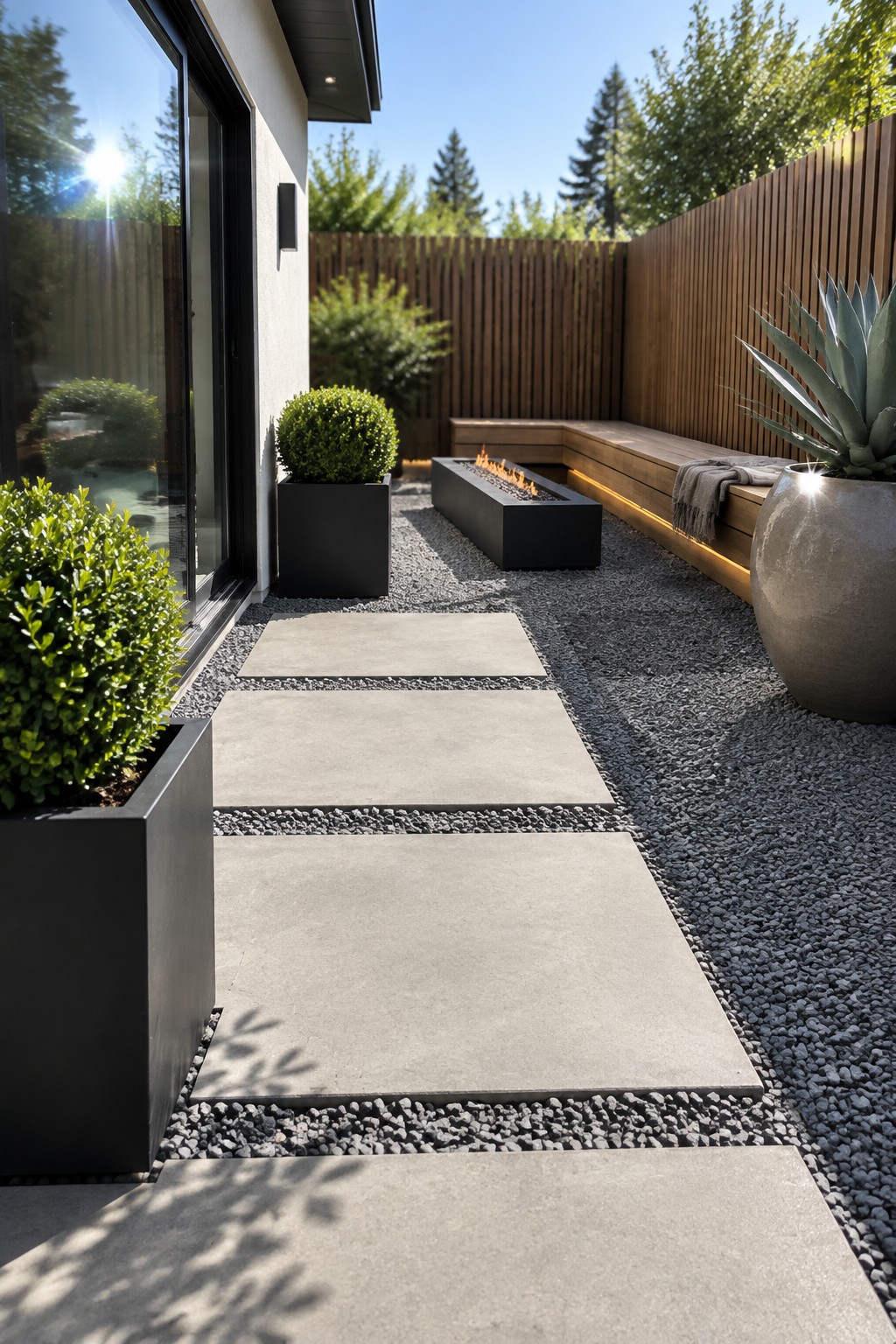
Gravel makes a good choice for paths because it costs less than solid paving and still gives a clean surface to walk on. It drains well after rain and fills the gaps between larger pavers so the whole area feels finished without extra materials.
This setup works best in smaller yards or along the side of a house where you need a simple walkway. Put down a barrier first, spread the gravel evenly, and set the pavers in place so they stay level over time.
Gravel Beds As A Low Cost Hardscape

Gravel gives you a clean base for garden beds without spending much on materials or labor. It drains fast, cuts down on weeds, and works especially well with larger rocks that hold the layout in place.
This approach suits homes with dry or sunny yards where you want low maintenance. Lay the gravel thick enough to stay put, then add a simple metal or wood edge so it stays contained along paths and borders.
Gravel Between Pavers For Garden Paths
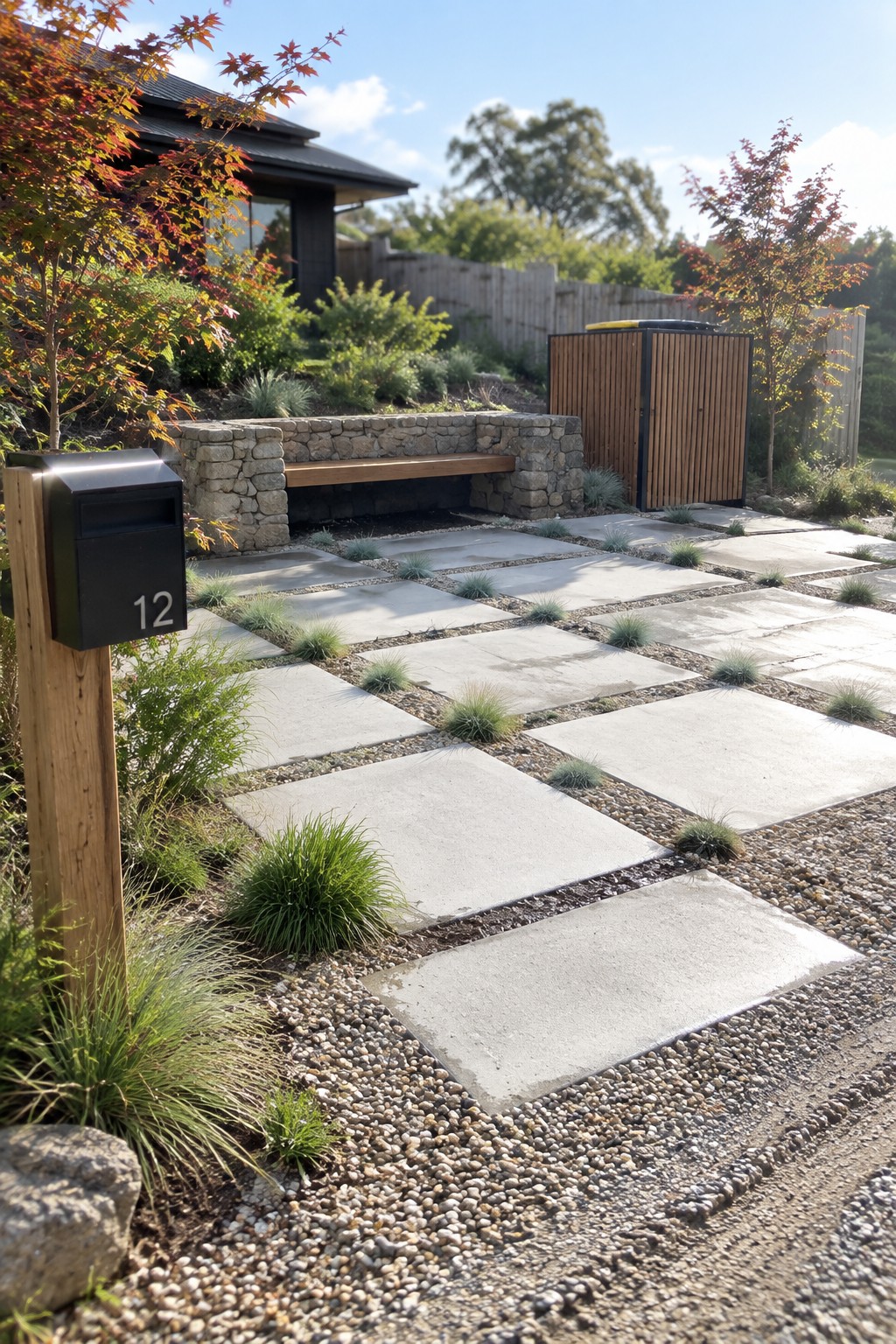
Gravel fills the spaces between large pavers to create a simple and low cost path through a garden. It keeps the surface stable while letting water drain easily and avoiding the need for mortar or extra base work.
This works best on flatter yards where you want a path that blends into the landscape without looking too formal. Place the pavers first on a gravel bed, then fill the gaps and edges with the same material and tuck in a few clumps of grass or ground cover to soften the look over time.
Using Gravel With Brick For A Fire Pit Patio
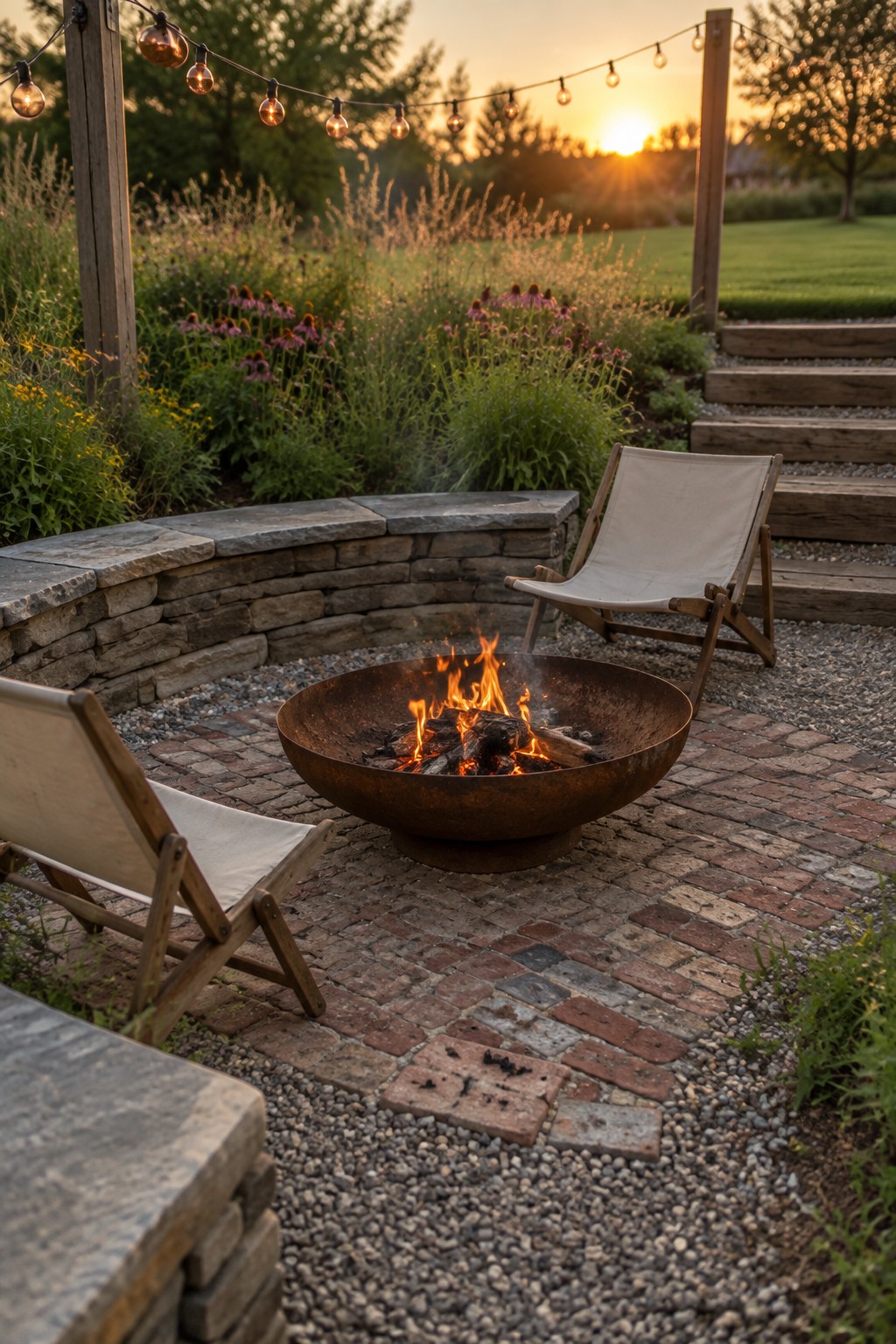
Gravel pairs easily with brick pavers when you want an affordable surface around a fire pit. The mix keeps the area stable underfoot while cutting down on the amount of pavers you need to buy and lay.
This works best in a backyard where the fire pit sits near garden beds. Keep the gravel edged so it stays in place and does not drift into the lawn or planting areas.
Raked Gravel Paths For Low Cost Gardens

Gravel gives you a simple way to cover ground and shape paths without a big budget. Raking it into patterns adds interest while keeping the surface practical for walking and drainage.
Lay the gravel in beds or walkways and add a few stepping stones where needed. It suits smaller yards or side areas where you want low maintenance and a clean look that still feels natural.
Gravel Paths Between Raised Beds

Gravel paths make a lot of sense when you have several raised beds to move between. They stay dry after rain, cost less than pavers or concrete, and let you reach every bed without stepping on soil.
This approach works best in small yards or narrow side gardens where you need simple access and good drainage. Lay landscape fabric first if weeds are an issue, then spread a few inches of gravel over the paths while keeping the beds edged with wood or bricks.
Gravel Paths Offer A Low Cost Garden Option
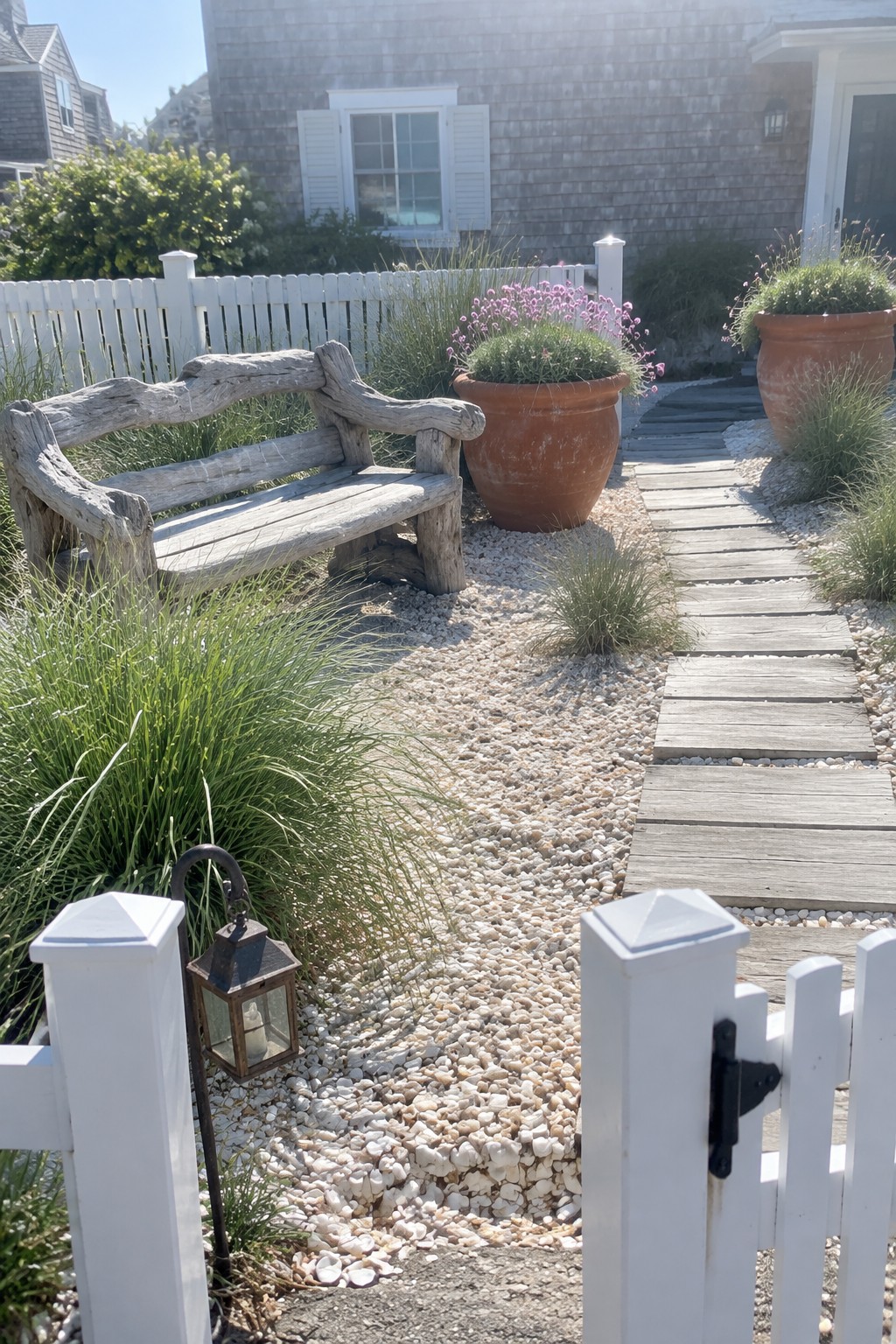
Gravel gives you a simple way to add paths and open areas without a big budget. It drains well, settles into the landscape over time, and pairs easily with wood or plants already in the yard.
Lay it between beds or alongside a wooden walkway to keep the ground covered and easy to walk on. This works best in side yards or smaller gardens where you want something practical that still looks put together.
Gravel Under Outdoor Dining Tables
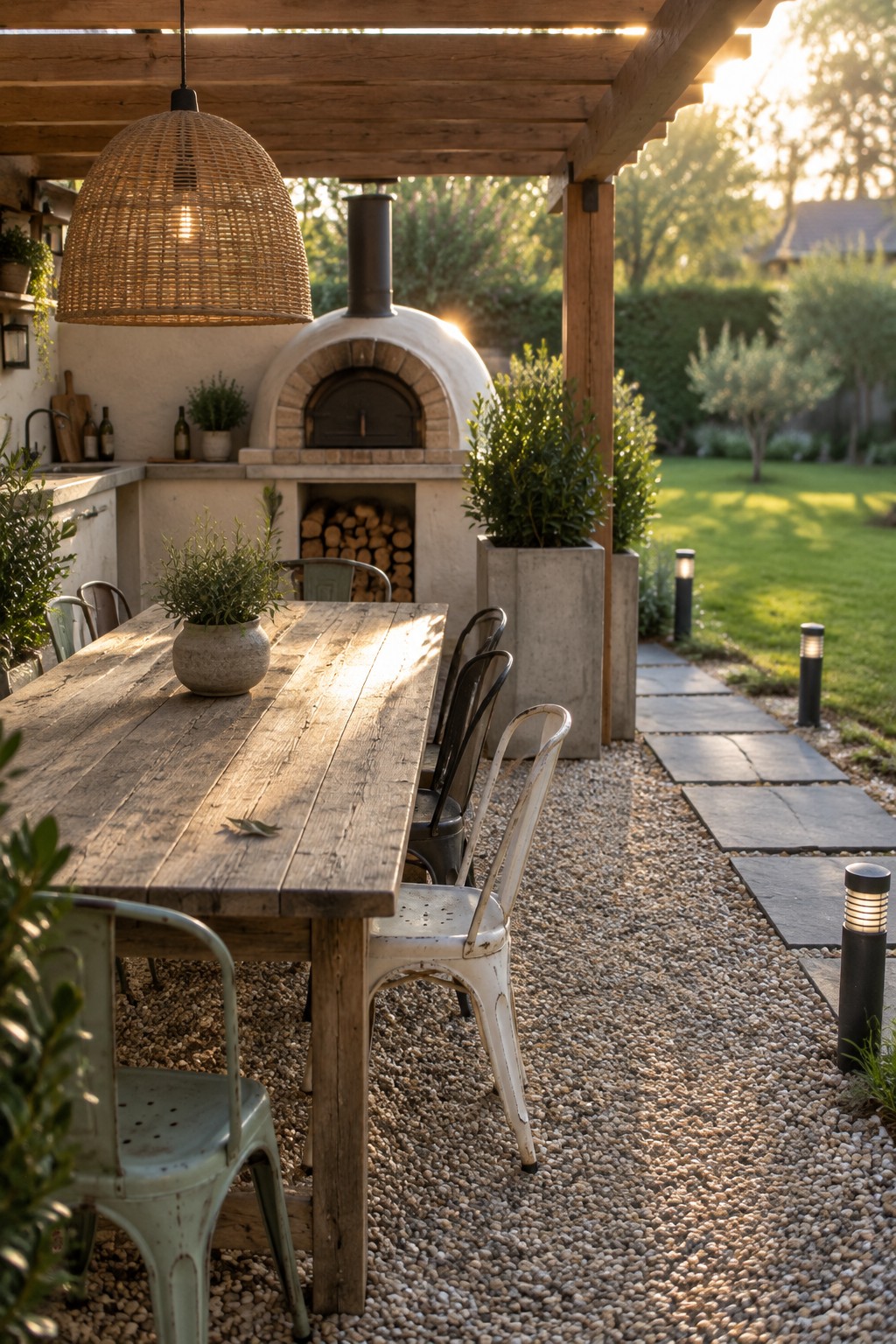
Gravel makes a simple and practical surface for an outdoor dining spot. It drains quickly after rain, stays cooler than solid paving in summer, and costs far less than poured concrete or stone slabs. Many people like how it feels underfoot and how easy it is to rake back into place if it shifts.
This approach works best in backyards or side gardens where you want a relaxed eating area without a big construction job. Spread a solid base layer first, then add a few inches of gravel around the table and chairs. Keep the gravel contained near the seating zone so it does not track into the house too easily.
Gravel Poolside Surfaces

Gravel works as a simple hardscape choice around a pool because it handles water runoff and stays cooler underfoot than many solid materials. It also costs less than poured concrete or large pavers while still giving the area a finished look.
Spread a few inches of gravel over landscape fabric in any sunny backyard spot where drainage matters. It pairs easily with potted plants and wooden lounge chairs, though you may need edging to keep the stones from shifting into the water.
Gravel Makes Outdoor Seating Affordable
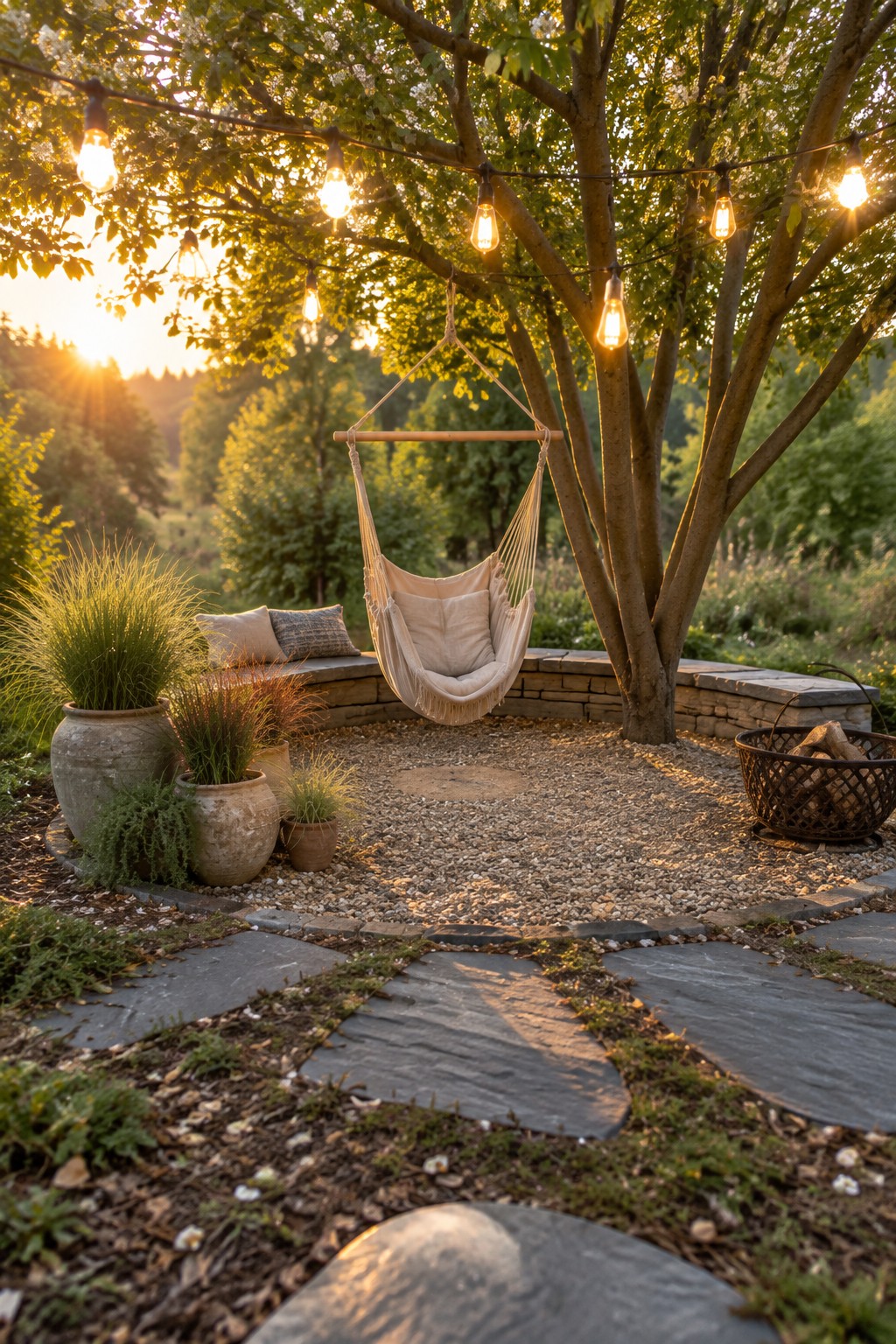
Gravel gives you a quick way to turn a shady spot under a tree into a usable seating area without the cost of pavers or concrete. It settles into place fast, drains well after rain, and keeps the ground from turning muddy when people walk around the hammock or chairs.
Lay a simple gravel circle or oval where you want the main activity to happen, then add a few flat stones to make a path from the lawn or deck. This setup suits most backyards that already have mature trees and works best when you keep the gravel depth even so it stays comfortable underfoot.
Gravel For Affordable Garden Paths

Gravel works well as a base layer when you want a clean path without spending much on materials. It drains easily, stays level under foot traffic, and lets you set large pavers or slabs right on top without extra prep work.
This approach fits homes with straight, modern layouts and low-maintenance yards. Keep the gravel layer at least a few inches deep so the pavers sit stable, and choose a neutral color that blends with the surrounding plants.
Gravel Paths Pair Well With Raised Beds

Gravel gives you a simple way to move through a garden without laying expensive pavers or concrete. It drains fast, stays cooler than dark surfaces, and costs very little to refresh when it settles.
This approach suits narrow side yards or long beds along a fence. Spread landscape fabric first, then add a few inches of gravel so the path stays clean and weeds stay out of the beds.
Patterned Gravel Paths
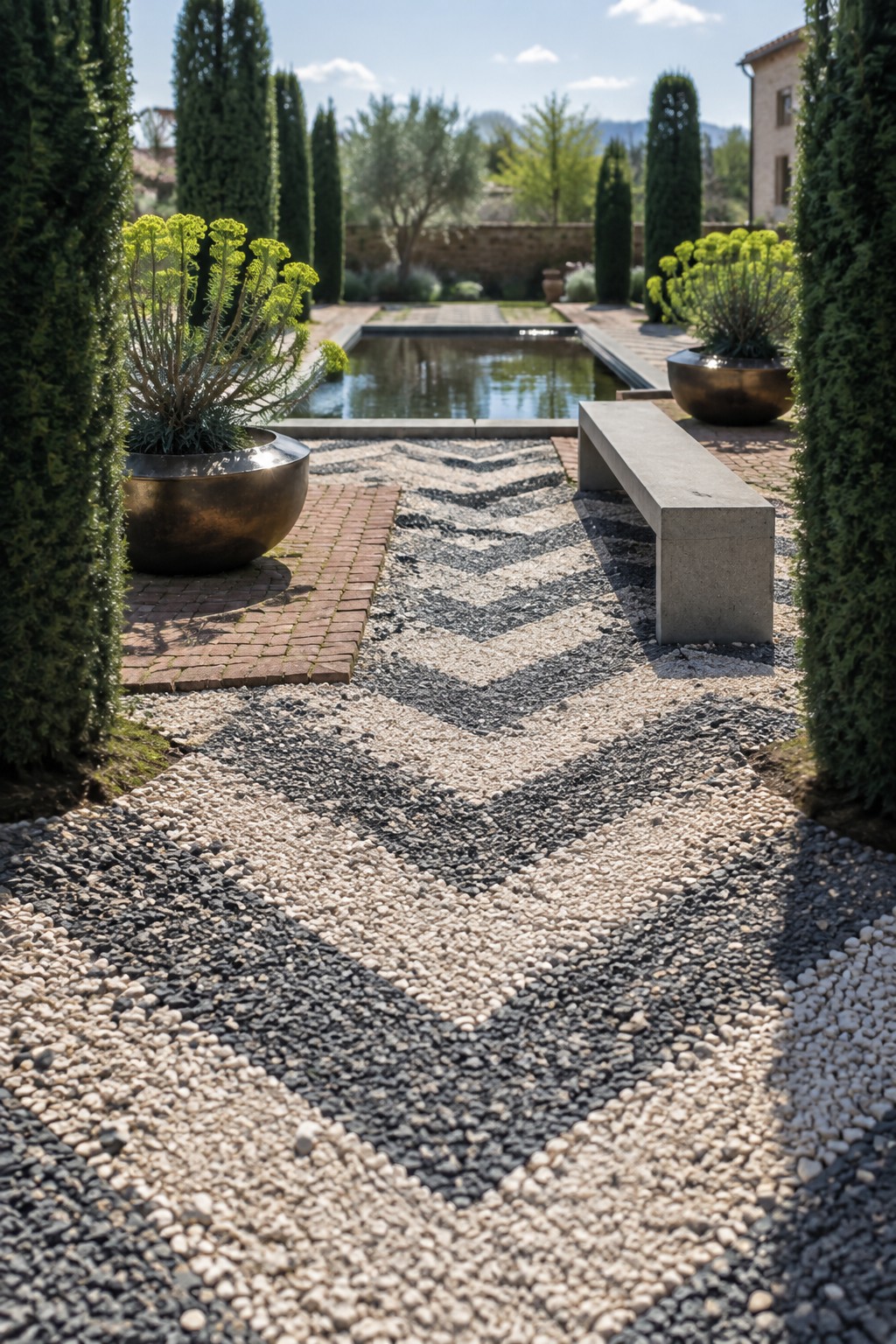
One simple way to add interest to a garden on a budget is laying gravel in repeating shapes. The contrast between light and dark stones creates a clear path without extra edging or fancy materials.
This works best on flat areas where foot traffic is steady. Use two or three gravel sizes or colors to form chevrons or stripes, and keep the rest of the planting simple so the path stays the main feature.
Frequently Asked Questions
Q: Will gravel paths get muddy after heavy rain? A: Gravel lets water drain right through so your paths stay drier than dirt or mulch would. Spread a layer of landscape fabric underneath first to keep the soil from mixing up. Rake it level every few months if it starts to settle in spots.
Q: Can I plant flowers right in the gravel? A: Dig holes big enough for the roots and fill around them with soil. The gravel helps keep weeds down while your plants get established. Water them normally until they settle in.
Q: Do I still need to worry about weeds with gravel down? A: Weeds can still poke through if you skip the fabric layer at the start. Pull them early before roots take hold in the gravel. A quick spray of vinegar mix works on young ones without much effort.
Q: What can I use to keep the gravel from spreading into my lawn? A: Lay down some simple edging like bricks along the edges. This keeps everything tidy without extra cost.
