


When I step into a yard shaded by mature trees, the first thing I notice is how the canopy shapes everything below it, from the soil to the light reaching the ground.
Over time I have learned that resilient plantings need to work with those existing roots and dappled conditions rather than fighting them.
Some designs look promising on paper but end up struggling once the seasons change and the trees drop more leaves or compete harder for water.
Testing ideas in one spot first makes the difference.
That approach has helped me build gardens that feel settled and low-maintenance after a few years instead of constantly needing adjustments.
Stone Paths For Shaded Yards
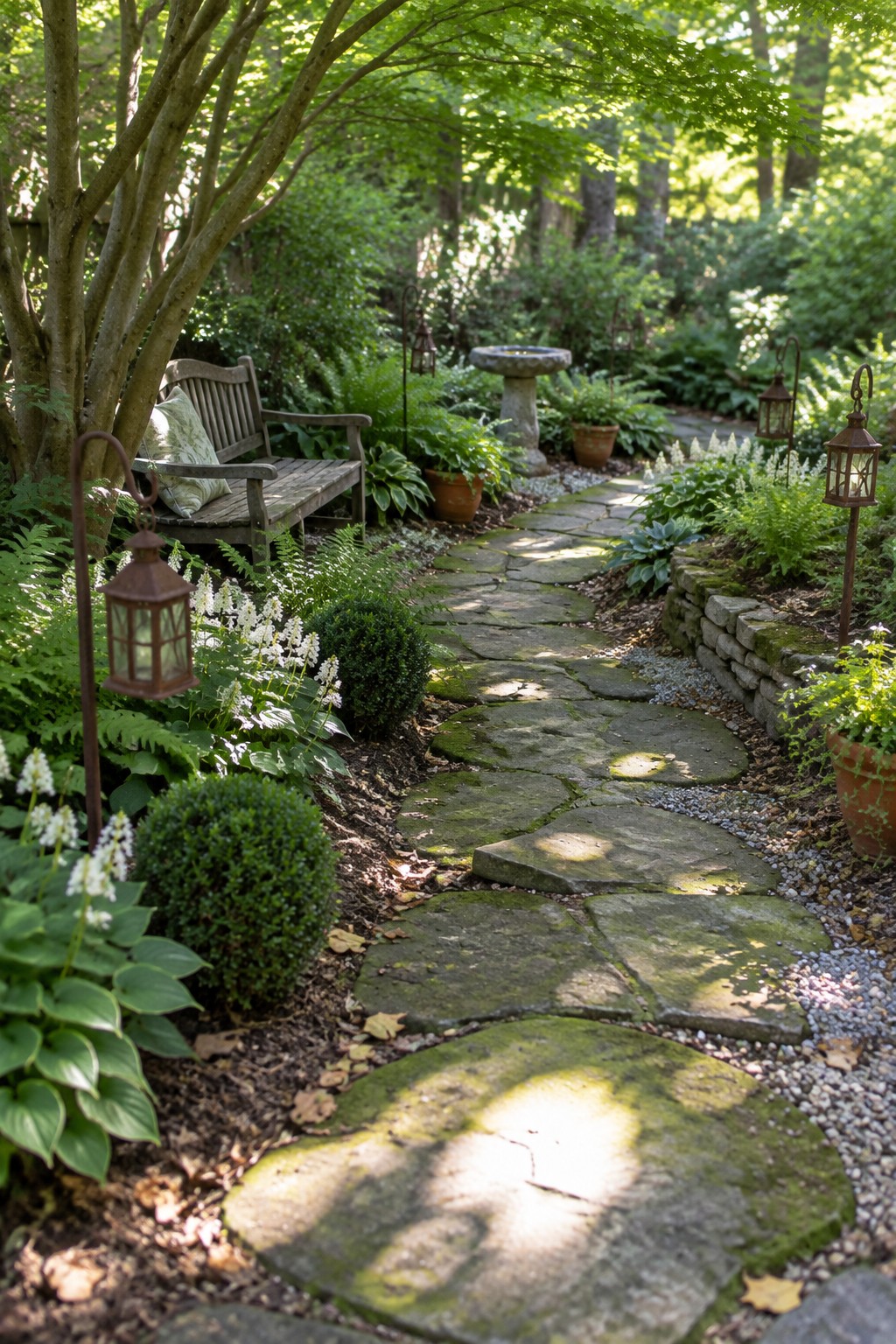
A stone path gives a simple way to move through a shaded garden without fighting mud or bare spots. Flat stones settle in over time and handle the damp conditions that often come with tree cover.
Keep the path slightly curved so it feels natural rather than rigid. Line the edges with ferns and hostas to soften the look and fill the space with plants that thrive in low light.
Stepping Stones In Gravel Beds

A gravel base with stepping stones laid across it gives a simple way to move through a shaded yard without fighting poor grass growth under trees. The stones stay level over time, and the gravel drains quickly so the path does not turn muddy after rain.
This approach works best in tree-covered yards where light is limited and soil stays damp. Space the stones at a comfortable walking distance, keep the gravel layer thin, and let shade plants fill in along the edges.
Run a Bench Along Your Raised Planter

One simple way to make a shade garden more usable is to place a bench right against the side of a raised planter. This setup gives you a place to sit without adding separate furniture that can feel cluttered under trees.
The idea works best in yards with heavy canopy cover where you want low maintenance and a clear edge between planting and walking areas. Keep the bench material sturdy and the plants in the bed fairly low so the seat stays practical year round.
Layer Plants Along Shaded Walkways

Many shade gardens lose their shape when plants all reach roughly the same height. Layering taller shrubs behind midsize flowers and low ground covers gives the beds more structure and keeps them looking full even when sunlight is limited.
This works well along stone paths where you need steady color and easy upkeep. Place larger hydrangeas toward the back, tuck smaller blooming plants in front, and let the layers fill in over a season or two. It suits older homes with tree cover and reduces the need for constant replanting.
Cover a Pergola With Vines for Natural Shade

A vine-covered pergola adds useful shade without making the space feel closed in. In tree-covered yards this setup works well because it layers more cover where the canopy might leave gaps, and the plants help cool the air around the seating.
Plant climbers that handle partial shade at the posts and train them along the beams. It suits homes with existing decks or patios where you want a simple way to define an outdoor room while keeping things low maintenance once the vines establish.
Large Pots Add Layers to Shaded Yards

Large containers give you a simple way to build height and fullness when trees already shade most of the ground. They sit right on the deck or patio edge and let you move plants around as light shifts through the canopy.
Place two or three oversized pots together near the water and add a couple of hanging baskets overhead. This setup works especially well on smaller lots where digging new beds would disturb tree roots.
Raised Beds Create Defined Garden Areas

Raised beds give a garden clear structure and make it easier to manage the soil. They work well in yards with trees because you can build up good soil without fighting existing roots or shade patterns.
Place the beds along a fence or path with gravel in between for simple access. This setup keeps plants organized, improves drainage, and cuts down on weeding over time.
Layer Rugs to Define an Outdoor Dining Area

One simple way to make an outdoor table feel more settled is to layer a couple of rugs underneath. It gives the space a clear boundary and makes the chairs sit better on uneven ground like gravel or packed dirt.
This approach works well in tree-covered yards where shade already provides cover. Stick to two or three rugs in similar tones so the pattern stays calm, and check that the largest one extends far enough for chairs to pull out without tipping off the edge.
Edge Paths With Ferns In Shaded Yards
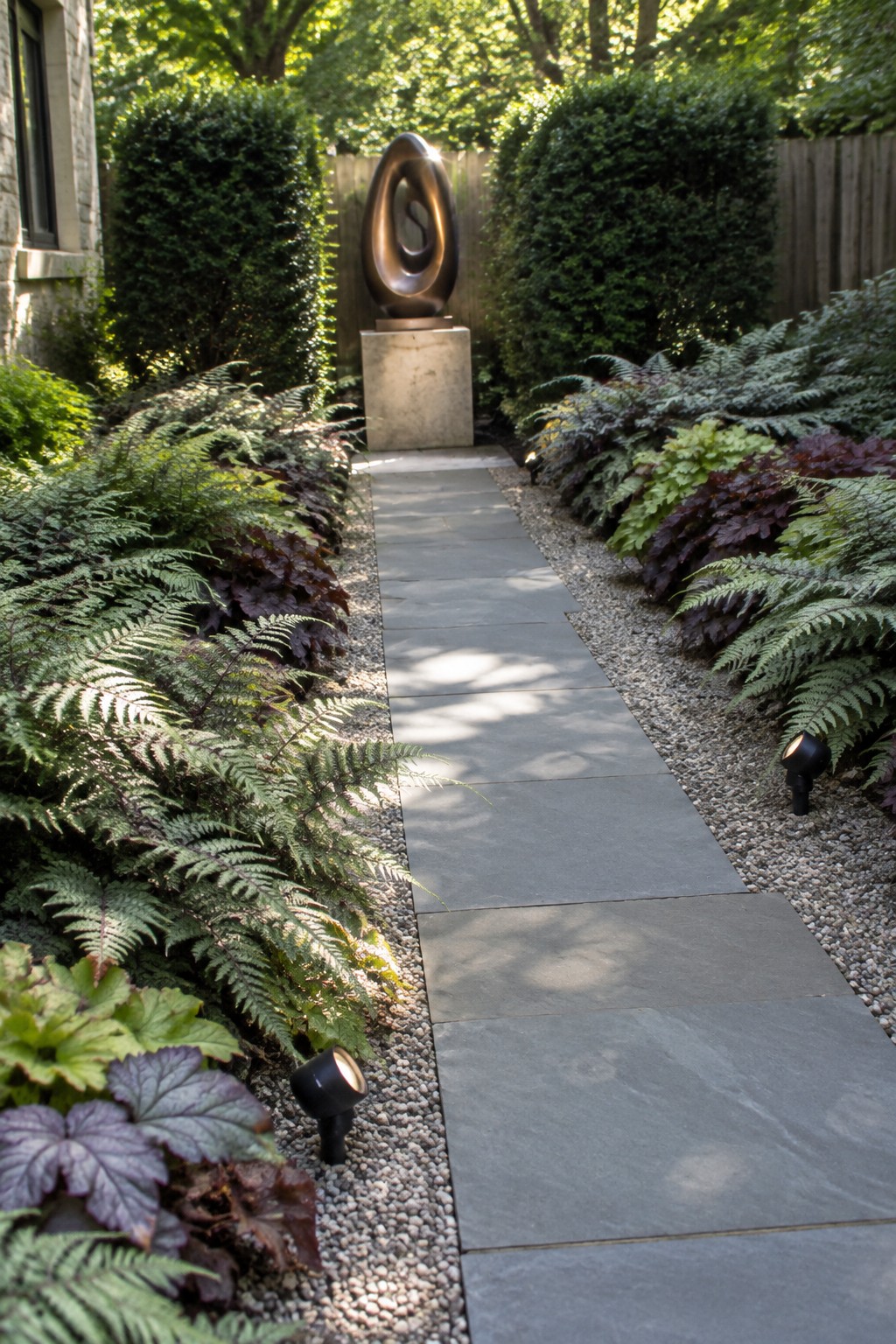
Ferns make a practical choice for lining stone paths where trees block most sunlight. They fill the edges without competing for light and help keep weeds down in the narrow strips beside the walkway.
Mix a few different fern varieties with darker foliage plants for some contrast. This works best in established yards with heavy tree cover where grass is hard to maintain and you want something that stays green with little extra watering.
Layer Shade Plants by Height at the Entry

One simple way to handle shade near the front of the house is to layer plants by height. Taller ferns sit behind lower flowering plants that spill forward, filling the bed without looking flat or sparse.
This approach works well in tree covered yards where light is low for much of the day. Brick edging helps keep the plants contained and gives the beds a finished look that lasts through the seasons.
Moss With Stepping Stones In Shade
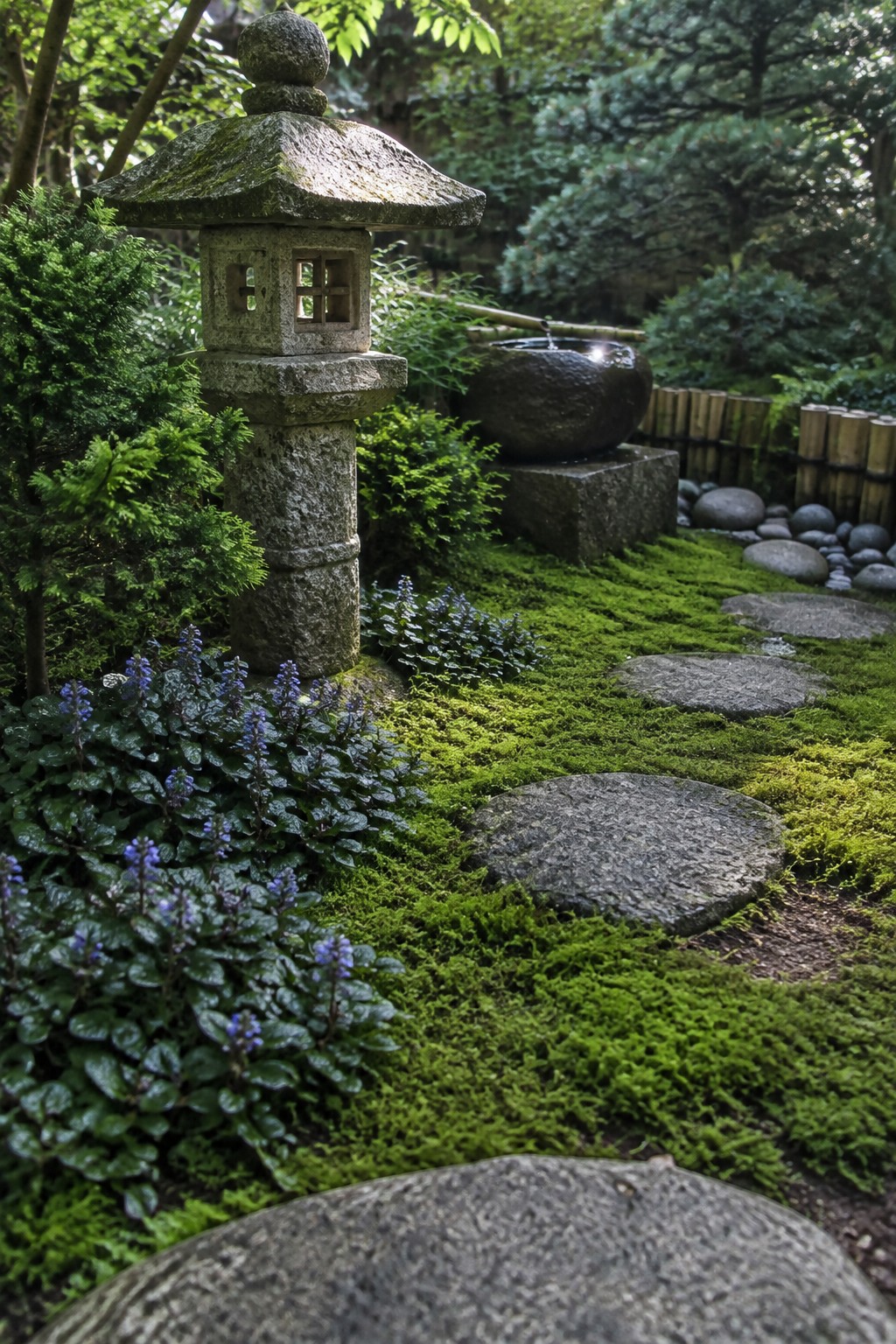
Moss makes a strong ground cover choice under trees where grass tends to thin out. It stays green with little sun and needs almost no mowing or fertilizing once it takes hold.
Set flat stones into the moss to form a simple path. This approach works best in wooded yards that stay damp and cool, and it keeps foot traffic from damaging the soft surface.
Containers And Vines For Shaded Patios
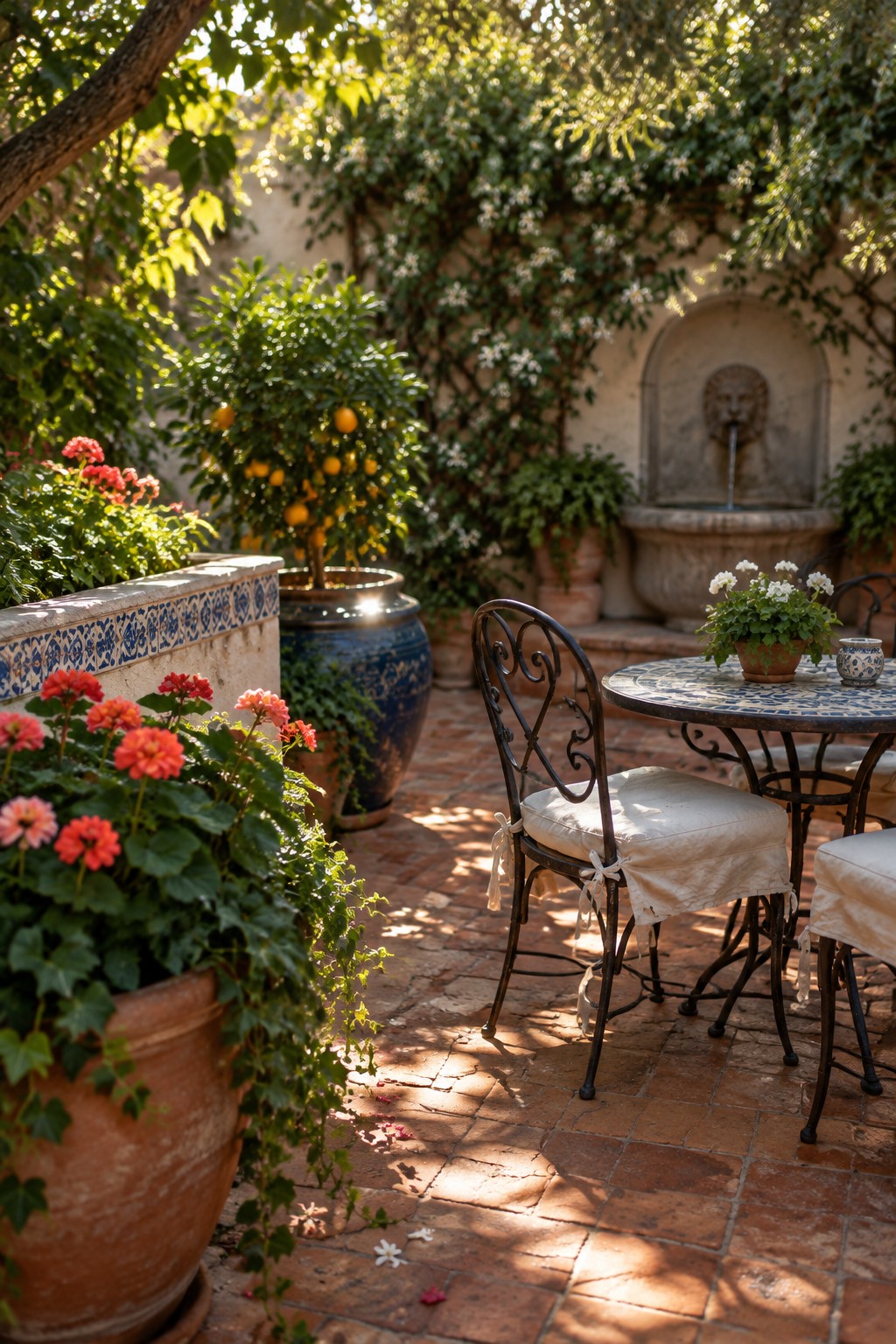
Many shaded yards leave little room for traditional garden beds. Grouping large pots with flowering plants and letting vines climb the walls adds layers of green without needing much ground space.
This setup suits brick patios or courtyards under tree cover. Use sturdy containers for citrus or geraniums and train vines like ivy along the walls so the space feels full even in lower light.
Large Pots Work Well for Shade Plants on Balconies

Many people use big ceramic pots when they want a shade garden but lack open ground. The containers hold enough soil for plants like hostas and ferns to grow steadily, even on concrete surfaces that get little direct light.
Group several pots together near a wall or railing to create a fuller look without crowding the space. This approach suits balconies, covered patios, or any tree-lined yard where digging beds is not an option.
Blend Wood Paths With Stepping Stones
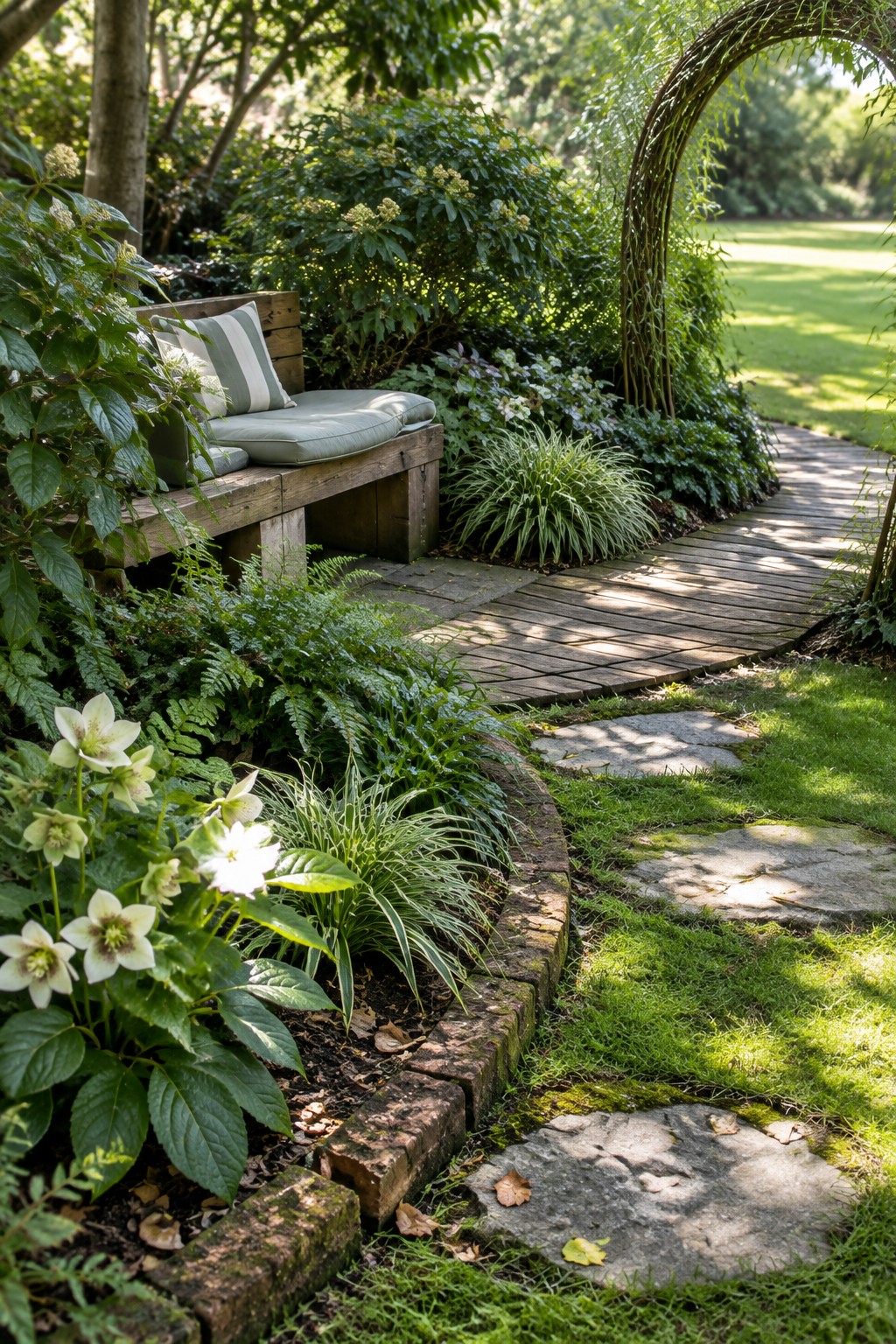
A mix of wood and stone paths works well in shade gardens because it handles uneven ground and tree roots without looking forced. The wood sections give a steady surface where the soil stays damp, while the stones keep things simple across open grass.
This approach suits yards with lots of mature trees. Lay the wood where foot traffic is heavier and let the stones connect the beds. Keep the curves gentle so the whole layout feels relaxed rather than too planned.
Add a Small Pond in Shade
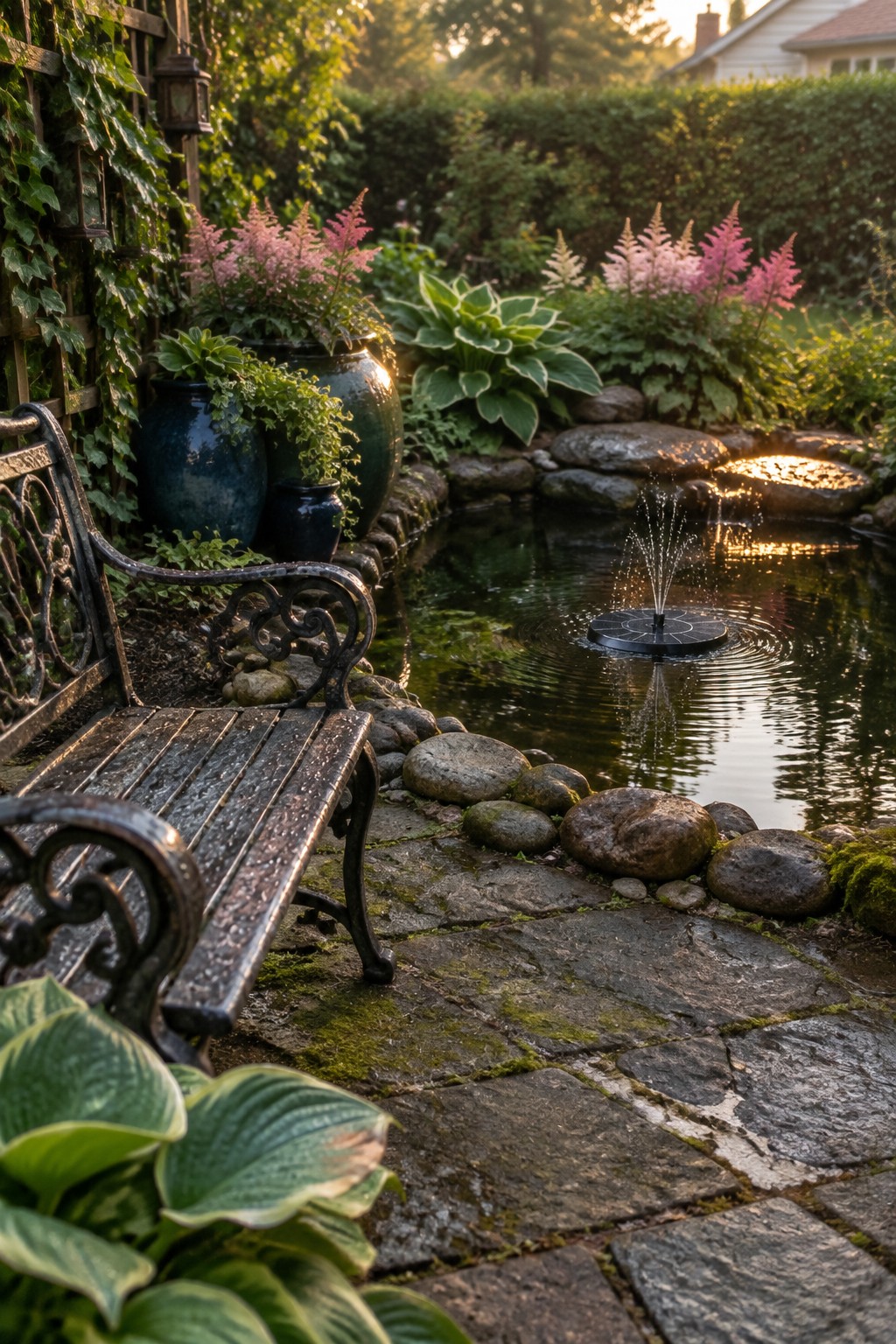
A small pond with a fountain gives a shady garden a focal point that does not rely on bright blooms. The moving water catches light and adds sound, which helps the space feel alive even under a tree canopy.
Edge the pond with flat stones to keep the look natural and to hold back soil. Place shade plants like hostas and astilbes right up to the rocks so the planting softens the hard edge while thriving in the moist conditions.
Gravel and Stone Simplify Shade Garden Upkeep
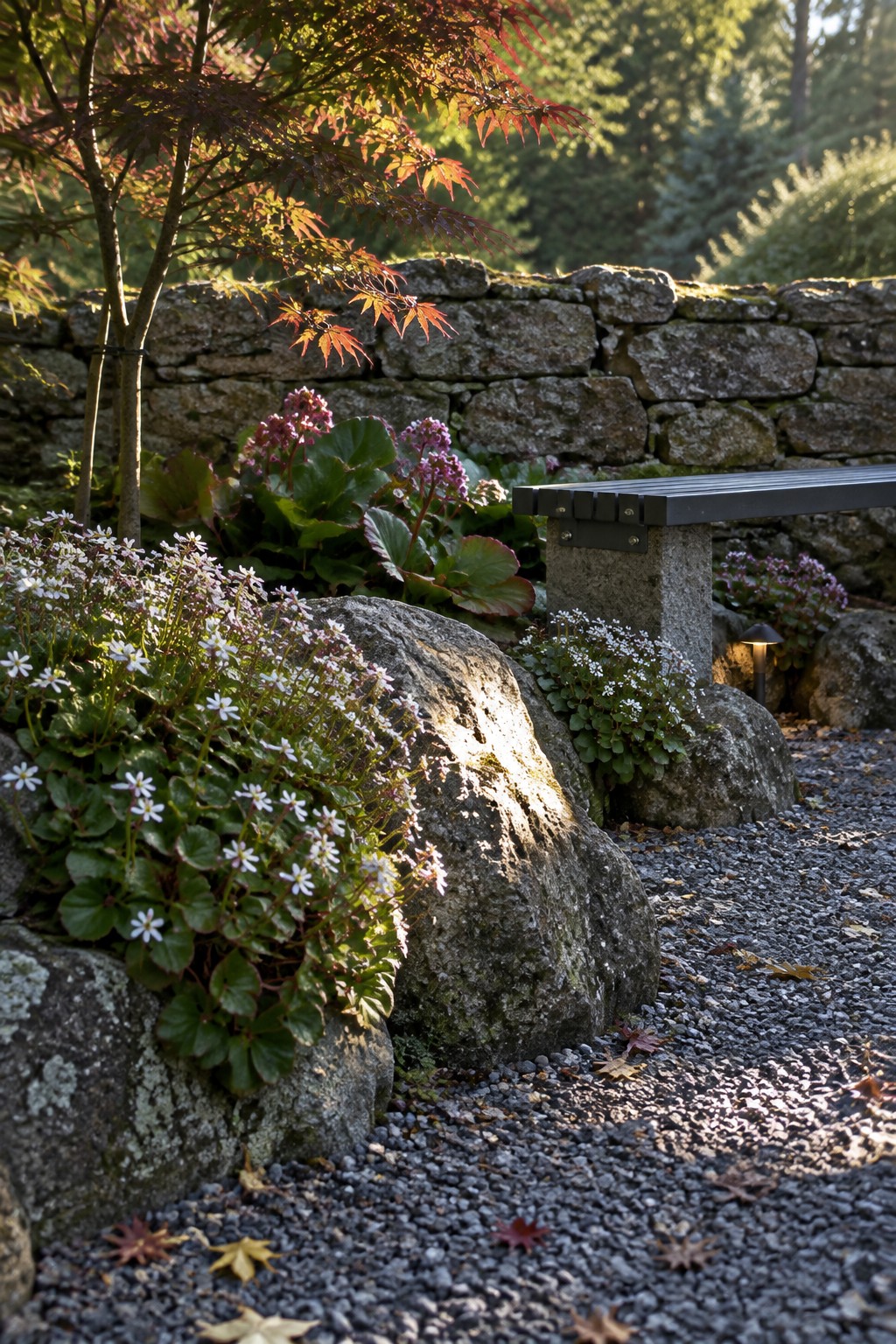
Many shaded yards under trees end up with bare spots or muddy patches that are hard to manage. Placing large rocks and laying down gravel paths gives the garden clear structure without needing constant weeding or mowing.
This approach works especially well along borders or near walls where plants stay low and spread naturally. The gravel drains well and the rocks help hold soil in place, so the garden stays tidy even in low light.
Raised Beds With Mulch Paths
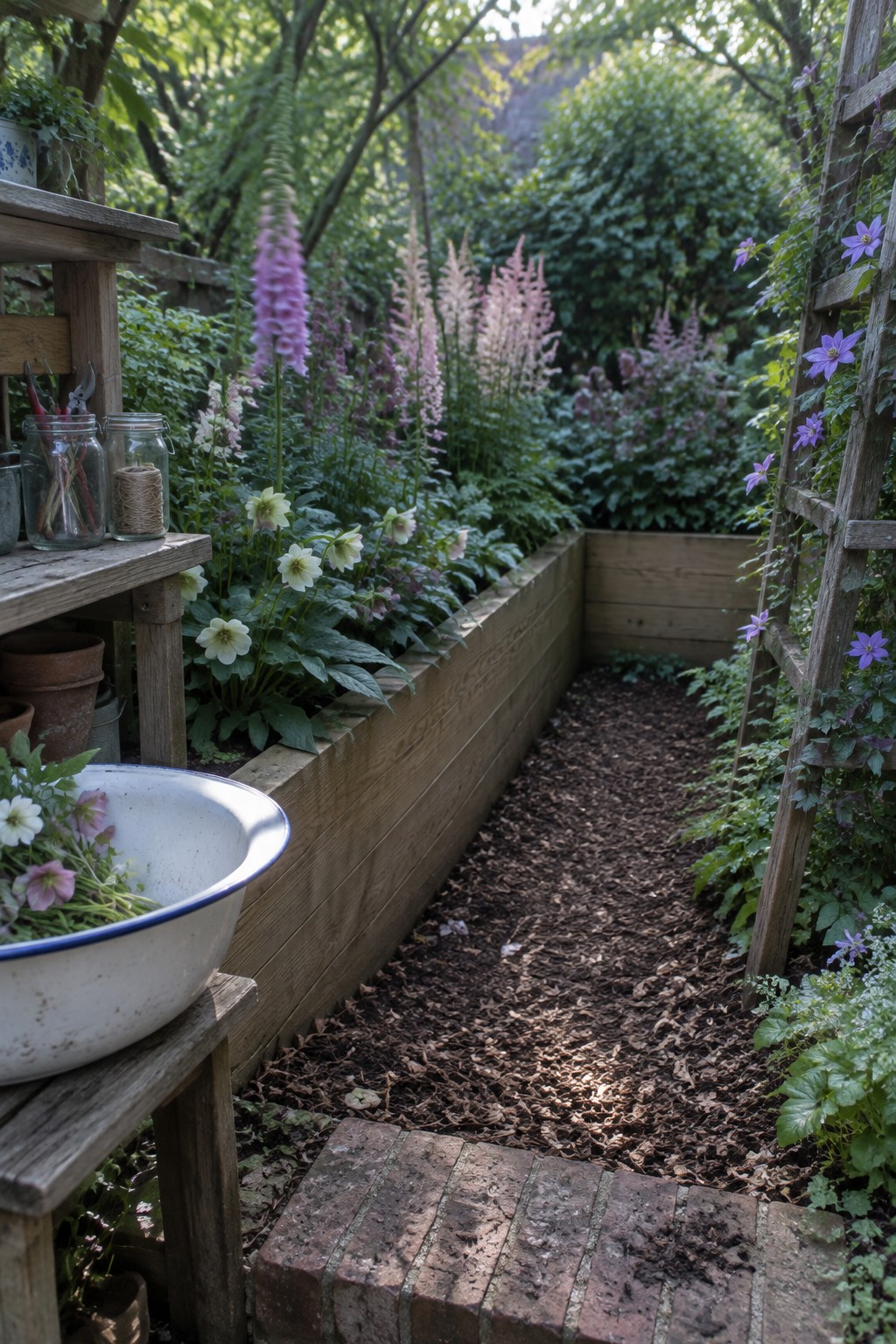
Raised beds edged in wood work well in tree-covered yards because they keep soil contained and slightly raised, which helps drainage and gives plants a better start in low light. The mulch path between them keeps the ground from turning muddy and makes it simple to walk through without compacting the beds.
This layout suits older homes with mature trees where grass struggles. Keep the beds narrow enough to reach across, and use a thick layer of wood chips on the path so it lasts through the seasons.
Gravel Paths Keep Shade Gardens Easy to Walk
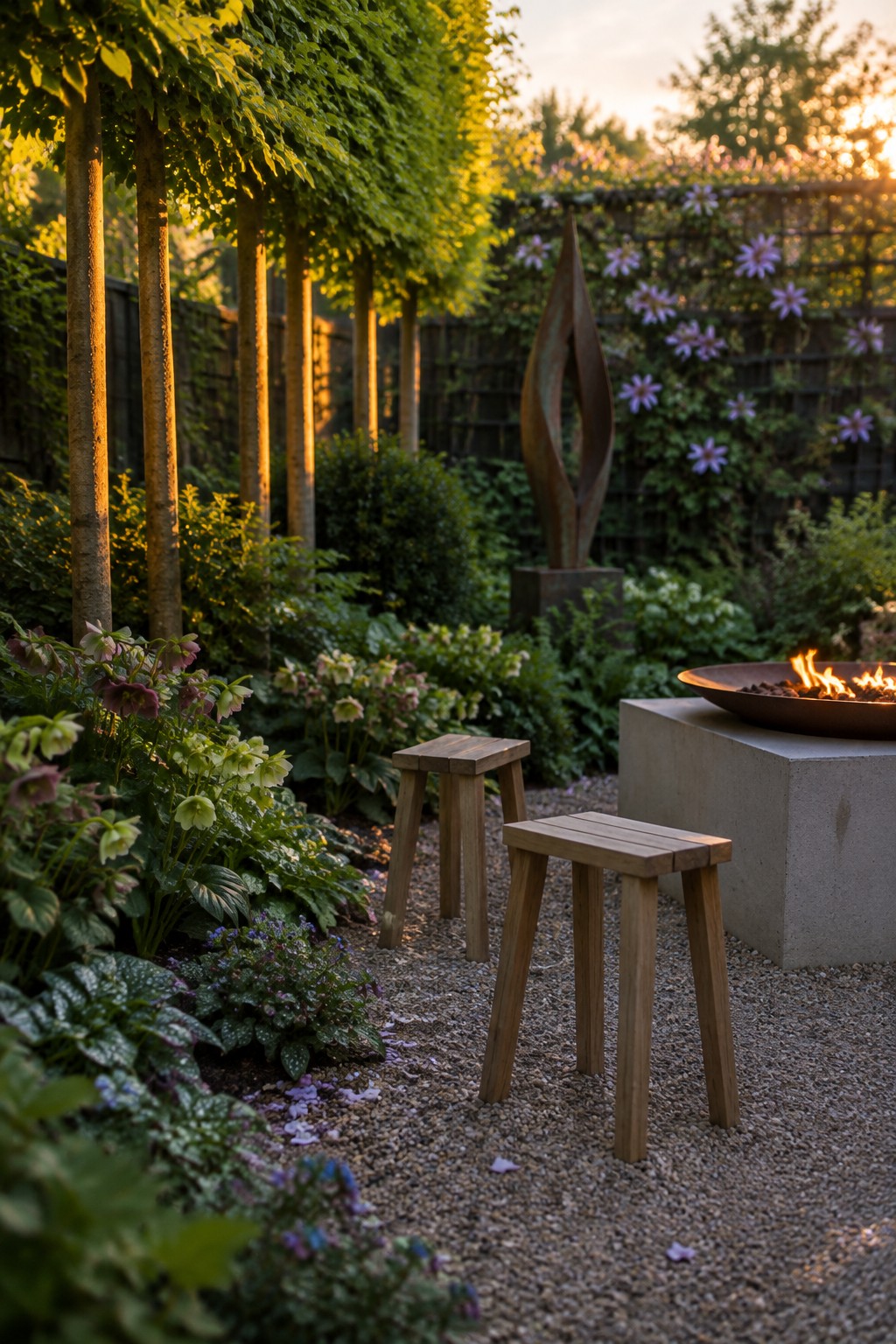
Gravel paths give you a simple way to move through a yard full of trees without packing down the soil or creating mud. They let rain drain straight through and work with the dappled light that reaches the ground under a canopy.
Place a few low wooden seats right beside the path so you can stop and enjoy the planting without adding a big paved area. This setup suits older yards where the trees are already established and you want to keep the ground cover light and low maintenance.
Frequently Asked Questions
Q: How do I loosen soil around tree roots without damaging them?
A: Use a hand fork to gently work in compost around the base. Focus on spots between larger roots. This gives new plants a better chance to establish.
Q: What if I want some height but worry about blocking light even more?
A: Try tall ferns or slender shrubs that stay narrow. Place them toward the edges of the canopy. They add layers without crowding the space.
Q: How often do I need to water shade plantings once they are in the ground?
A: Check the soil every week at first. Water only when the top inch feels dry.
