

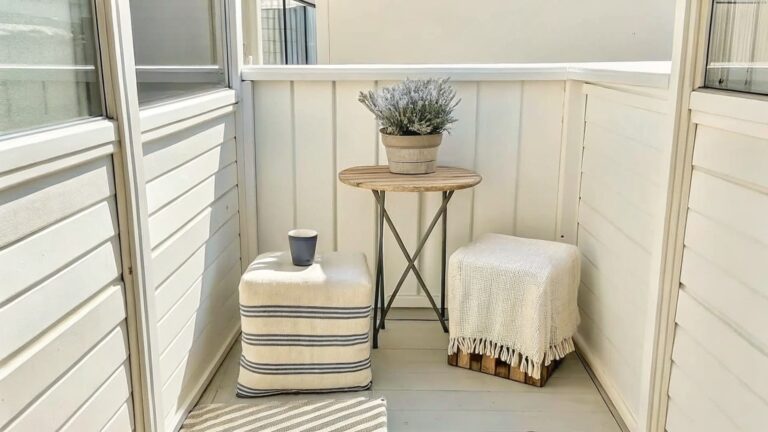
I have noticed that small patios often stay unused when the setup feels too fixed or takes up walking space.
Containers let me shift things around as the light changes or when more people come over.
Last summer I placed a low table with a few grouped pots near the door and found myself spending more evenings out there than I had planned.
Height matters more than I first thought because tall displays can close off the view even in a compact area.
Trying one adjustment at a time has shown me which pieces actually hold up to daily movement.
A Round Side Table Holds Just One Plant
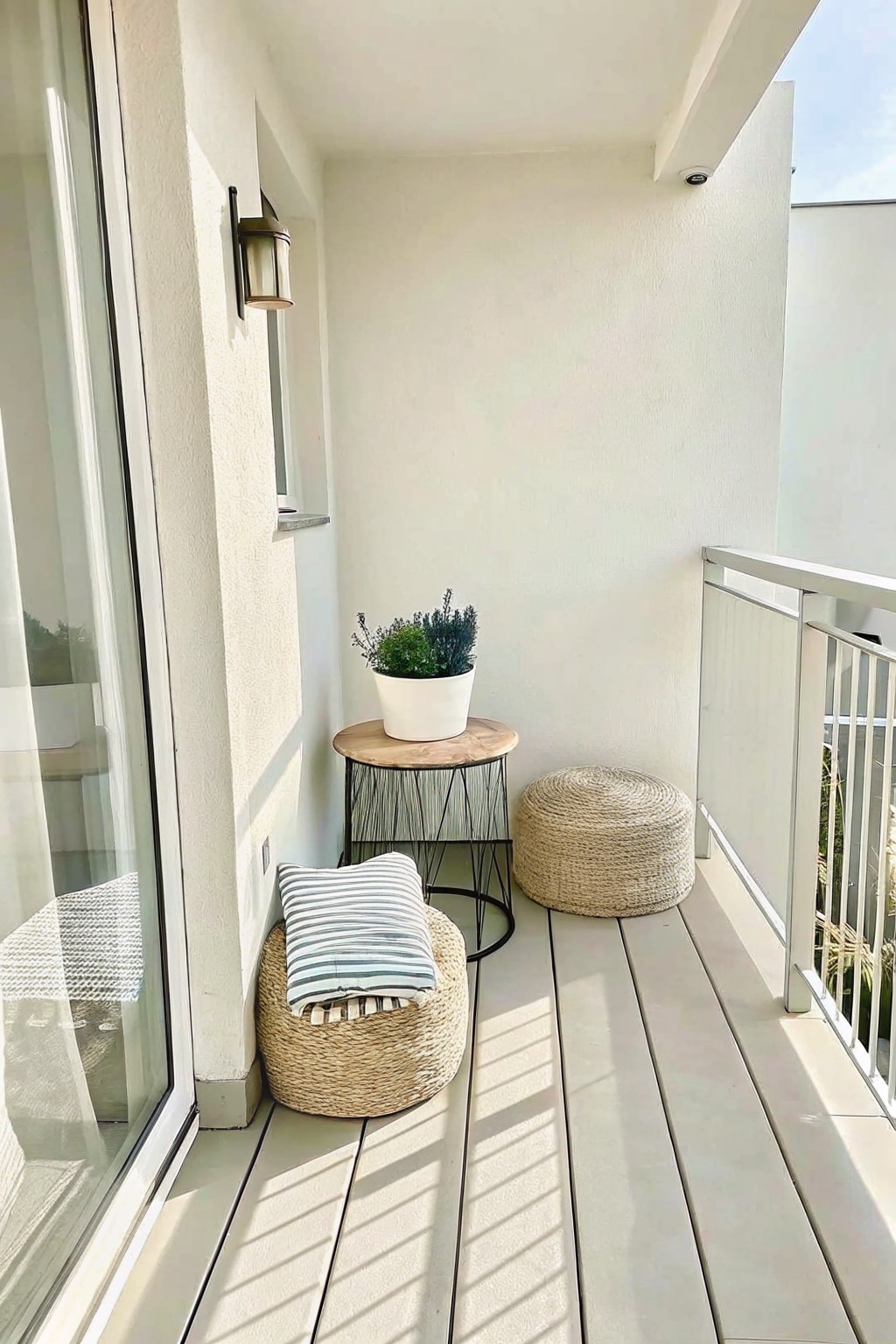
A small round table gives one container plant its own clear spot without crowding a narrow balcony. The simple shape keeps the area open while still adding a bit of greenery at a usable height.
This works best on compact outdoor spaces where floor room is limited. Pick a light table and a plain pot so you can shift things around easily when needed.
Layer Potted Plants on Small Side Tables
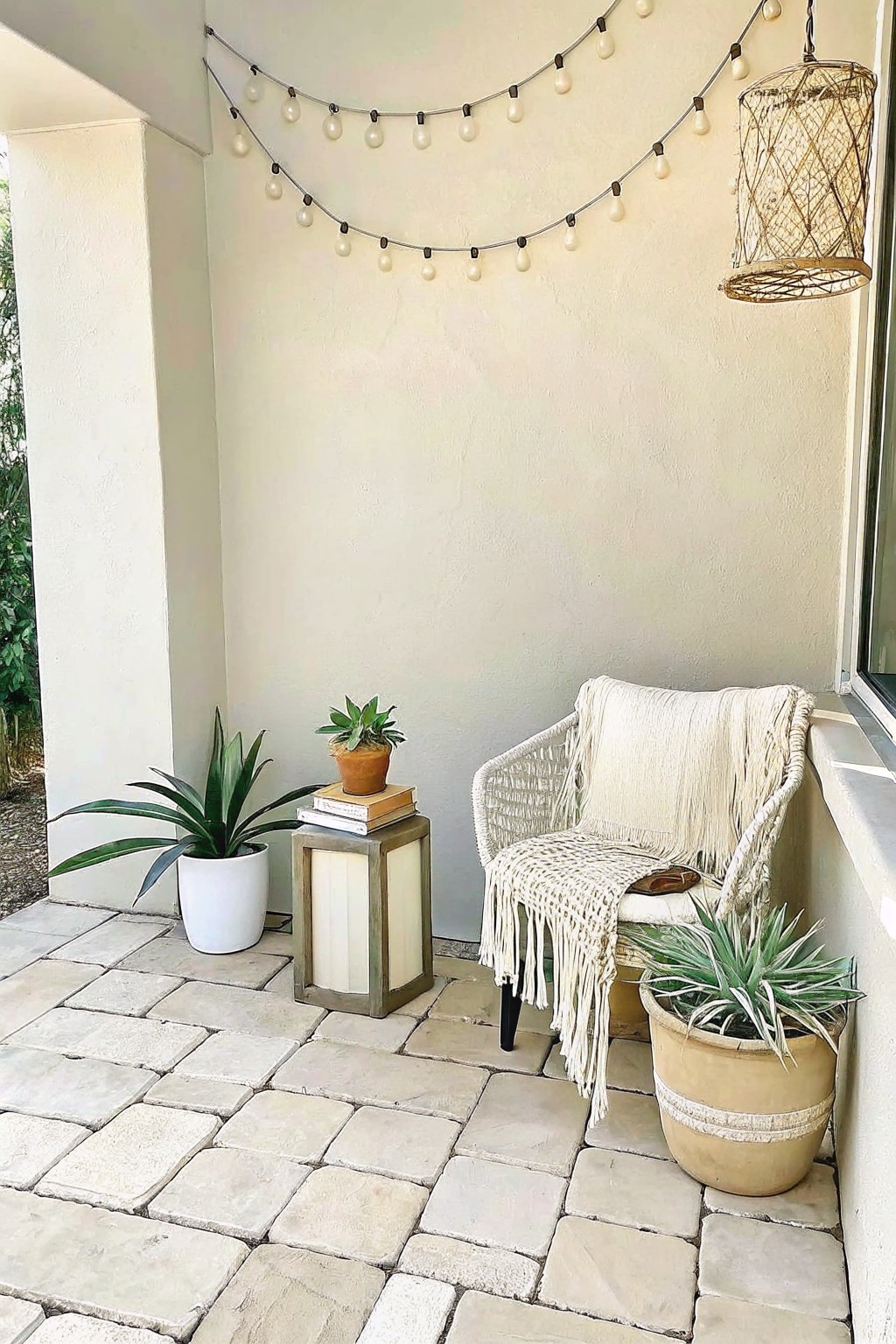
Placing a few containers on a small side table next to a chair adds height and greenery without crowding the floor. It turns an empty corner into a simple, lived-in spot that feels pulled together.
This works best on small patios or balconies where space is tight. Keep the table low and plain so the plants can do the work, and mix one taller pot with a couple of smaller ones for balance.
Stagger Planter Heights for Simple Layers

One easy way to add interest to a small patio is to use containers in a few different heights instead of keeping everything on the same level. The taller boxes give some lift while the shorter ones sit lower, so the plants feel more arranged than scattered.
This approach works best on gravel or decking where you can move things around as seasons change. It suits homes with tight floor space but room for a bit of vertical grouping, and the light color of the wood helps the whole setup stay bright.
Pair a Large Potted Plant with a Small Side Table

One simple way to bring some life into a space is to place a tall container plant right beside a small table. The height difference keeps things balanced, and the greenery adds texture without crowding the floor.
This setup works well in rooms with patterned tile or in spots that open to the outdoors. Use a plain pot and keep the table low and simple so the plant remains the main feature.
Folding Furniture Keeps Small Patios Usable

A small folding table with matching chairs lets you add seating to a narrow balcony without taking over the whole space. The setup stays practical because everything can be moved or stored when needed, and it leaves room for plants along the walls and floor.
This approach works best on apartments or homes where outdoor space is limited. Stick with lightweight pieces that hold up to weather, and keep the table size modest so the area still feels open.
Pair Large Containers at an Entry
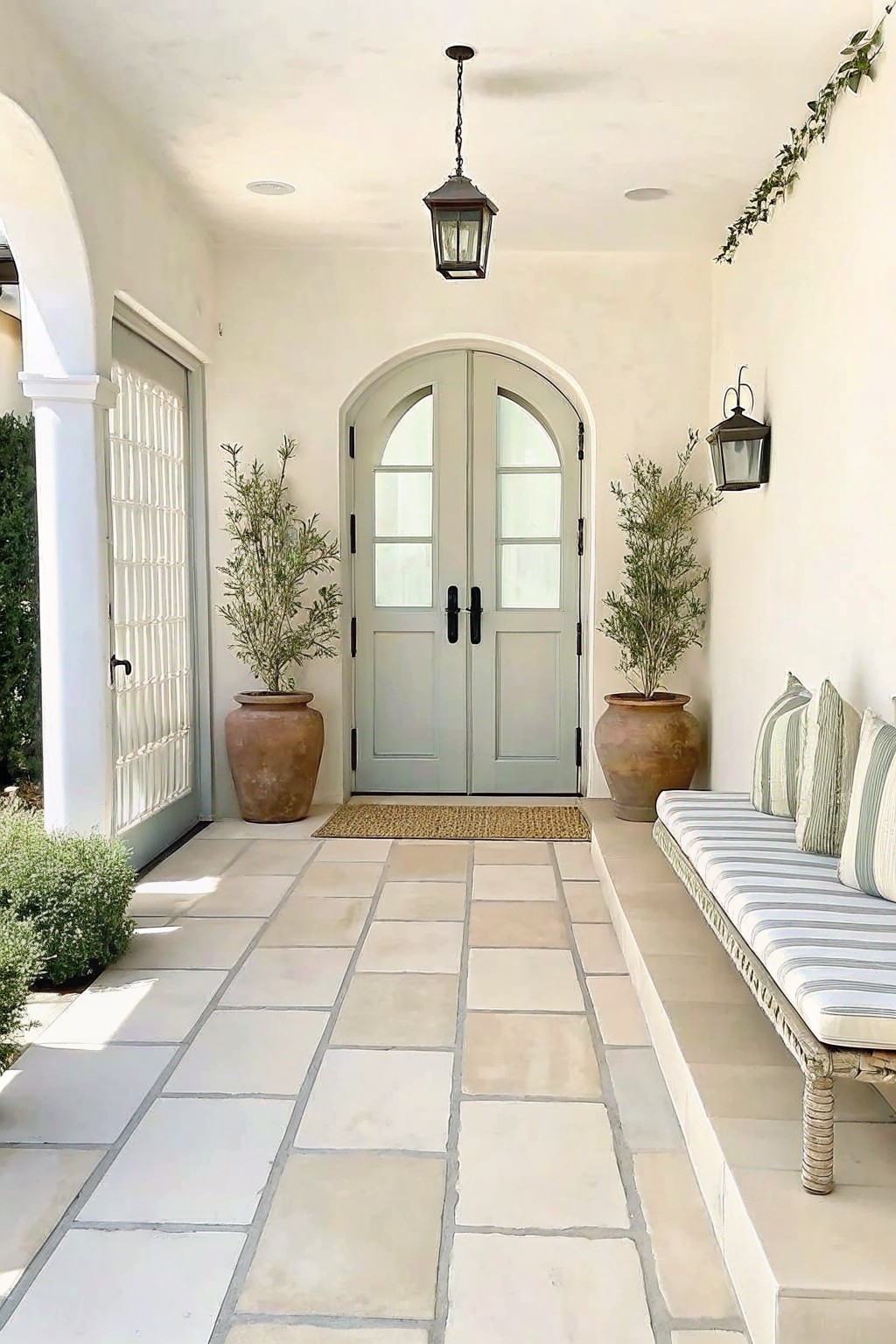
Placing two big matching pots on either side of a doorway gives a patio a simple bit of structure. It brings in greenery and makes the space feel more finished, especially when the rest of the area stays fairly open.
This setup works best on covered porches or side entries where you have a clear focal point like a door. Use pots in the same material and size, then add shrubs that hold their shape. Keep the plants trimmed so they do not crowd the walkway.
Use Small Tables for Container Displays
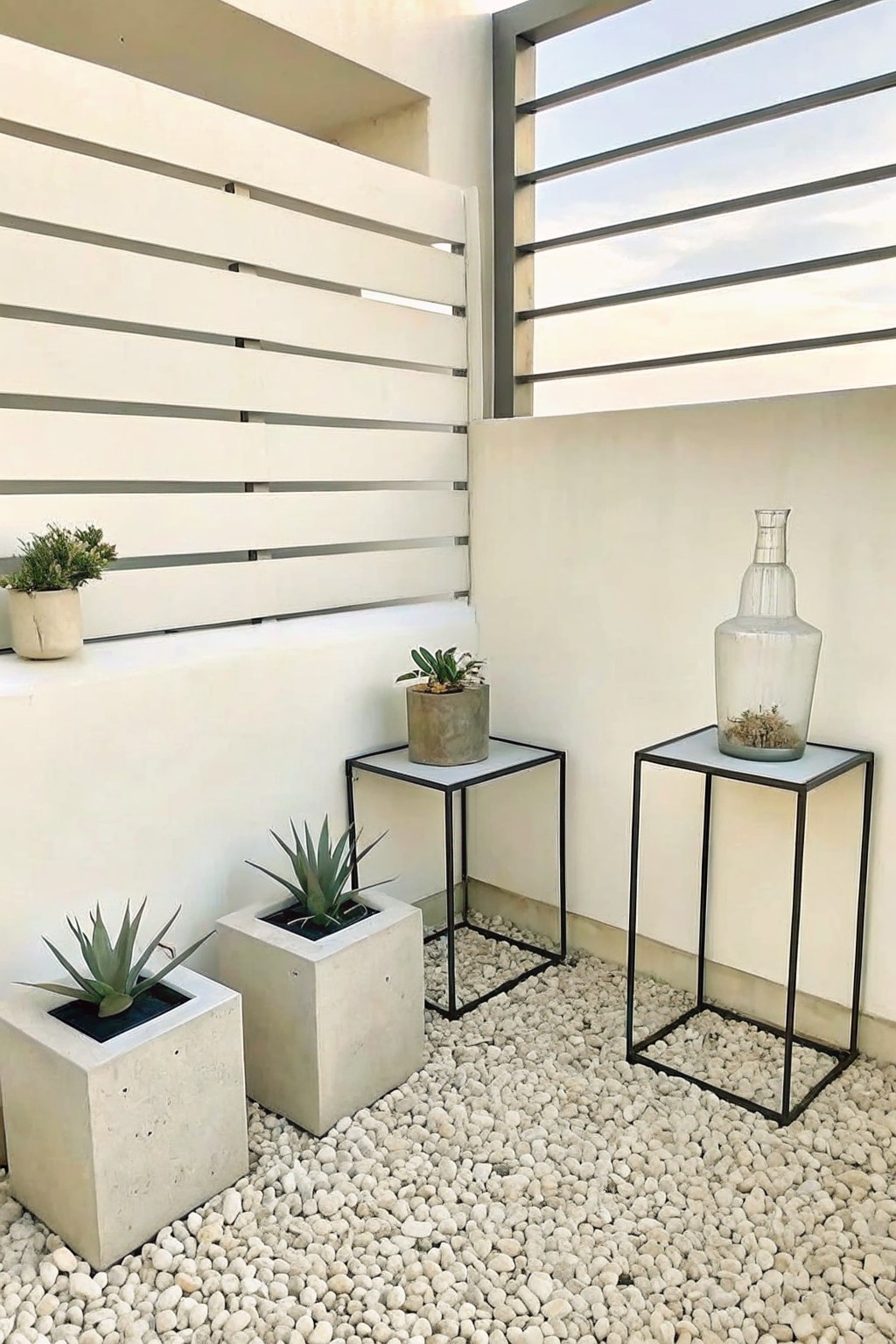
Putting containers on small tables keeps the plants from sitting directly on the ground and gives them a bit more presence. It also makes the patio feel more structured without adding big pieces of furniture.
This approach works well on gravel surfaces where drainage matters. Mix a couple of low concrete blocks with taller stands so the plants sit at different heights and the display stays easy to rearrange.
Use a Woven Ottoman as a Central Display Table

A low woven ottoman works well in the middle of patio seating because it gives you an easy surface without taking up much space. It keeps small plants and trays right where you can reach them while still letting the chairs feel open and relaxed.
This setup suits most small patios or balconies with two or three seats. Keep the plants in simple pots on a tray so you can move them for watering or rearrange them when the seasons change.
Small Tables For Container Displays
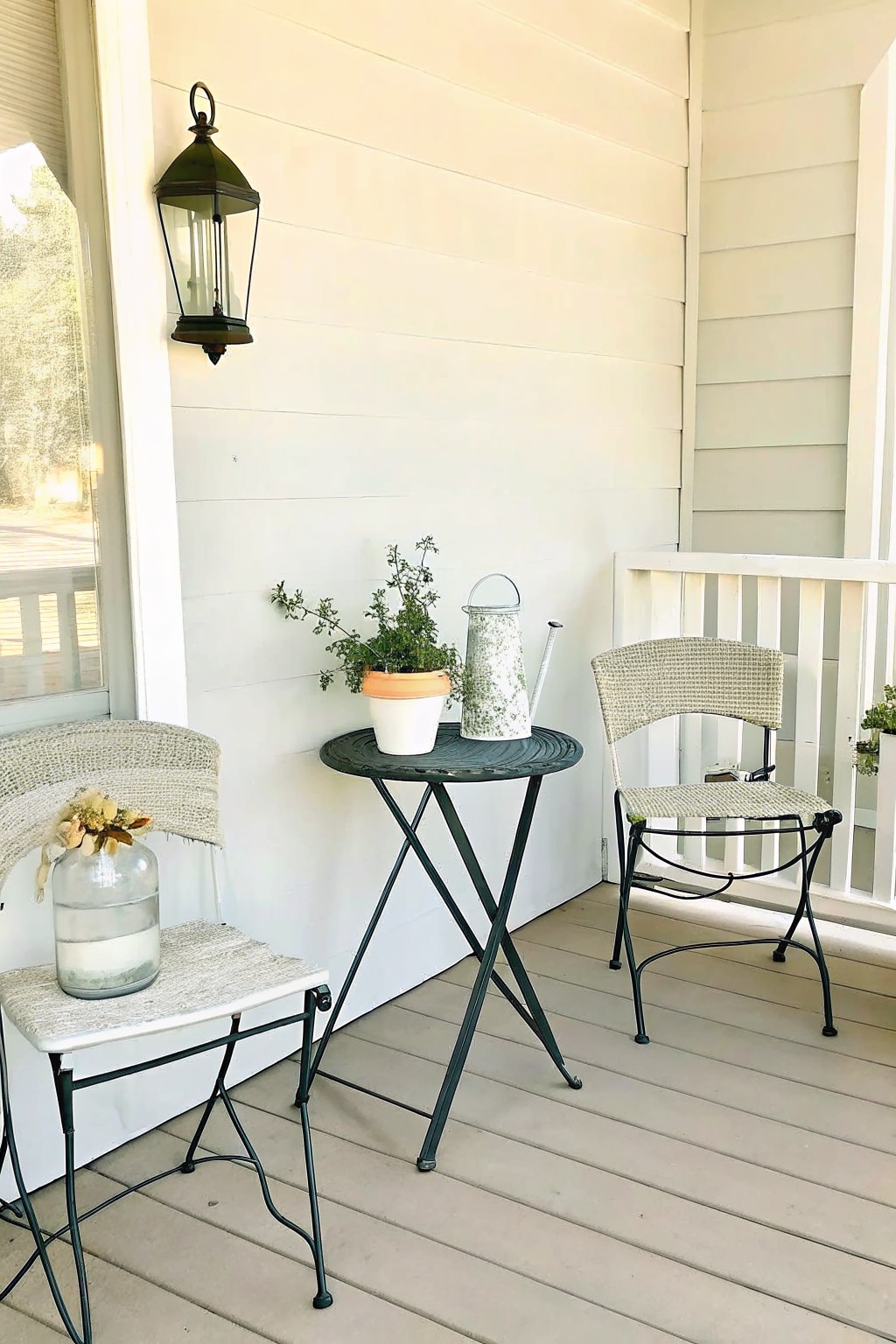
A small round table gives you an easy way to add plants without filling up the whole porch. It creates a simple spot for a couple of containers and a few accessories while still leaving room to walk or sit.
This setup works best on narrow decks or porches where space is limited. Use a lightweight folding table so you can move it as needed, and keep the containers small enough that they do not crowd the surface.
Use a Low Table for Container Displays
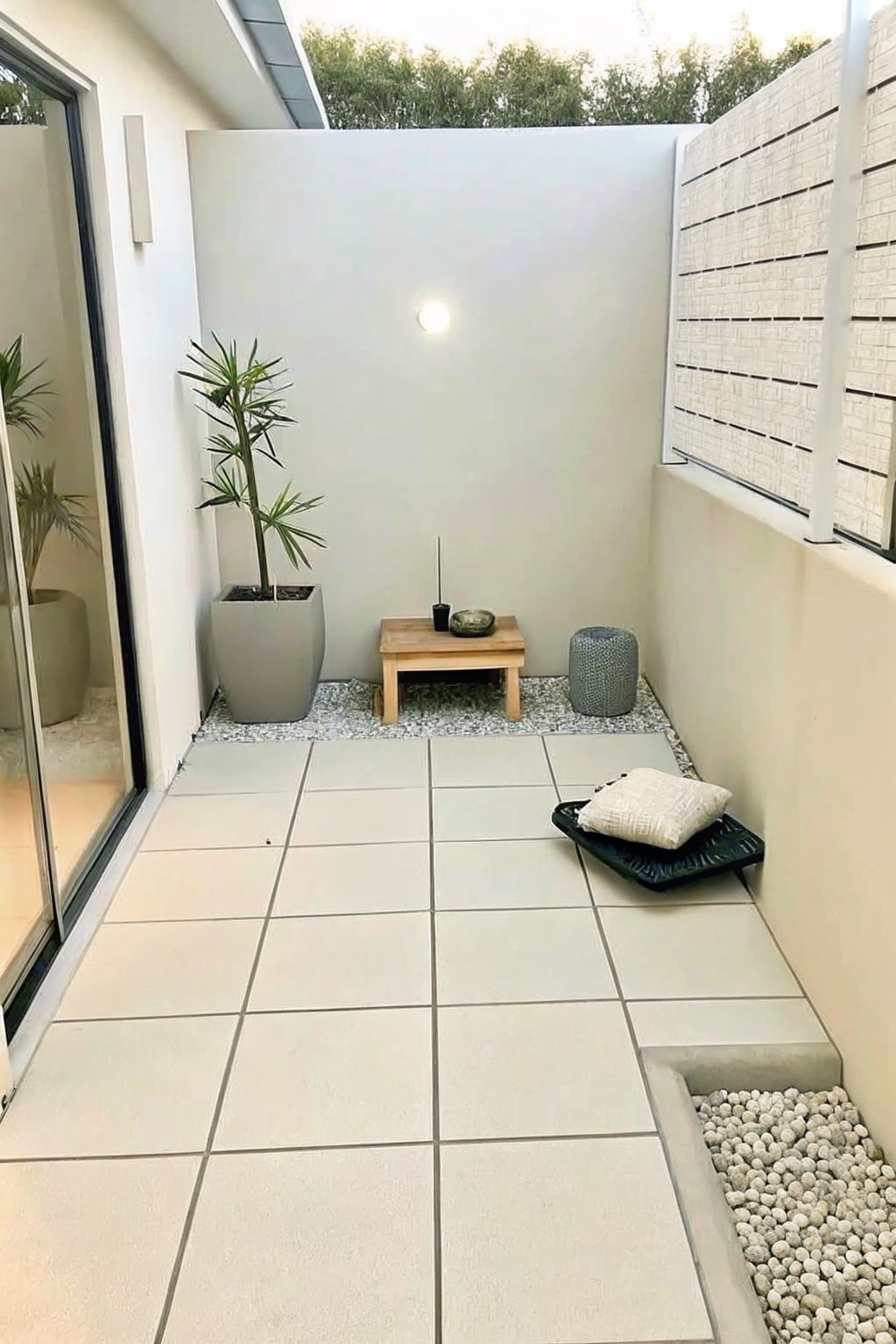
A low wooden table gives you an easy spot to arrange a few containers or small accents on a patio without crowding the floor. It keeps the display at a comfortable height and makes seasonal changes quick.
This works best in smaller paved areas where you want a focal point but still need room to walk. Stick with one or two containers plus a simple object so the table stays useful instead of turning into extra storage.
Small Stands For Container Displays
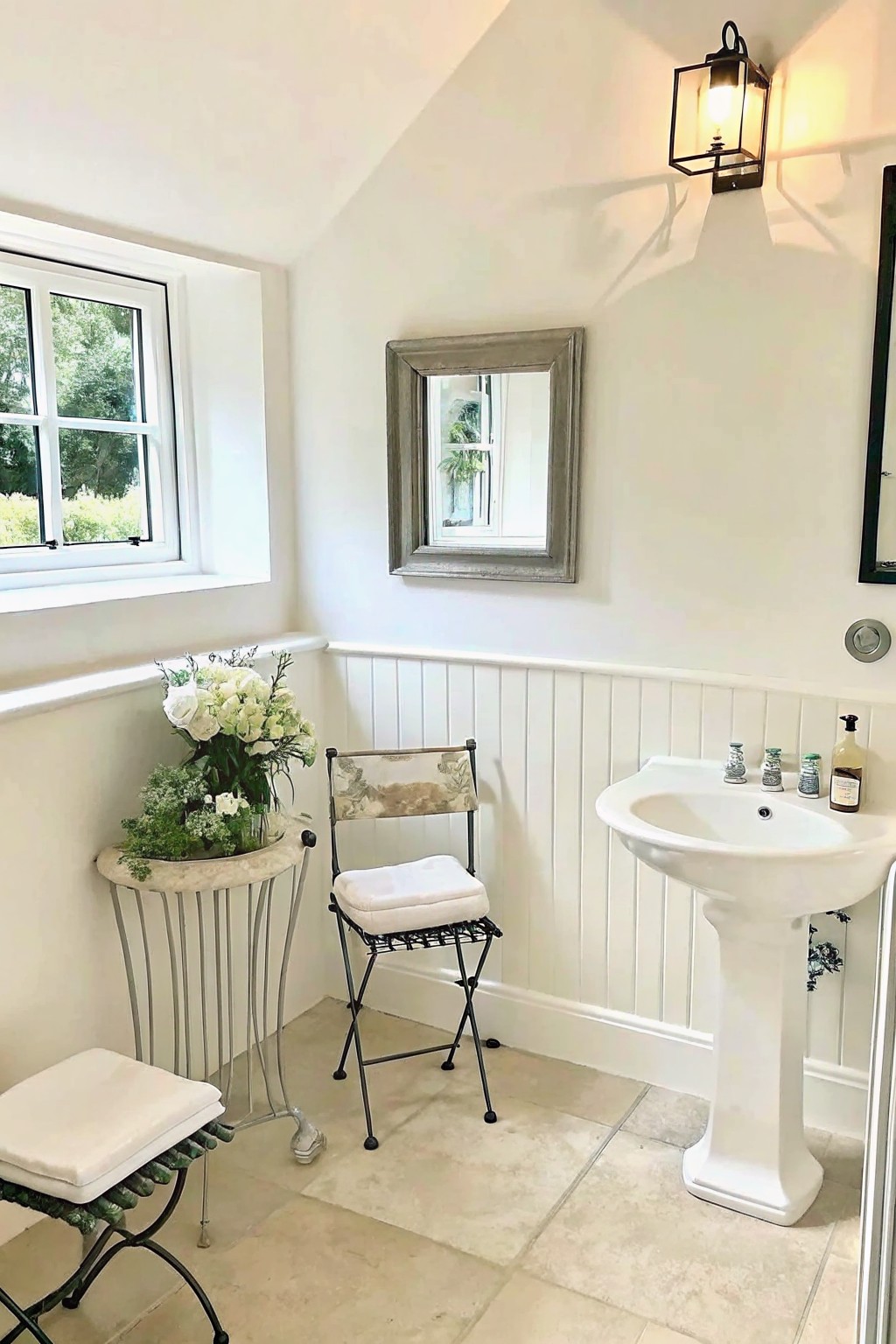
A slim stand with a round top gives you a place to set a large container of flowers without crowding the floor. It works especially well in smaller rooms where a full-size table would feel too big.
Try this in a bathroom or entry where you want a bit of greenery that stays out of the way. Keep the container simple so the flowers stay the focus.
Wooden Crate Planters Along the Edge
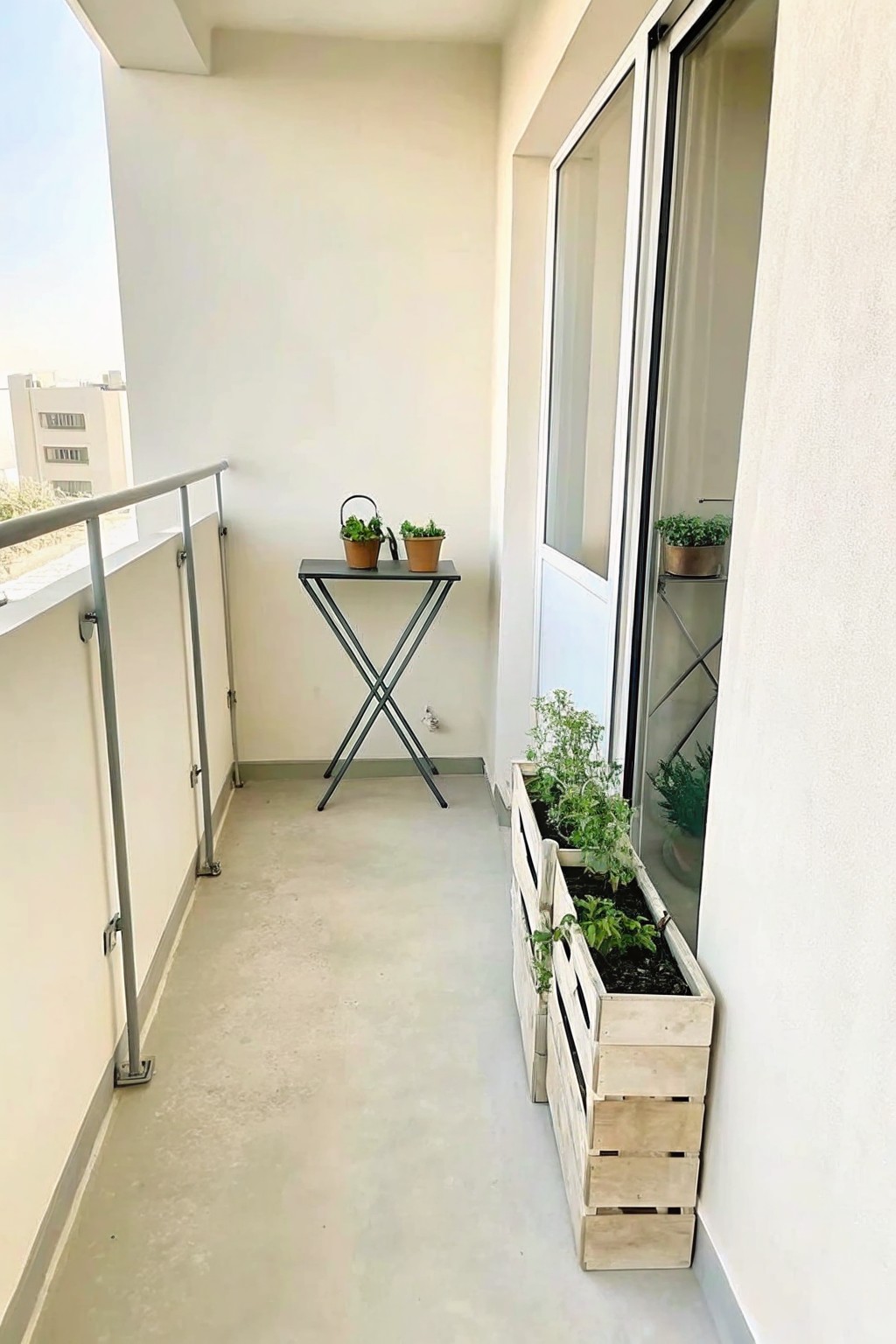
Wooden crates stacked as planters give a small balcony a lot of growing room without taking up floor space. They sit right against the wall and turn what would be empty side area into a productive strip of herbs and greens. The simple wood also adds some texture that works with most balcony railings.
This setup works best on narrow balconies where floor room is tight. Keep the crates low enough that plants do not block the view or the door swing. Check that the wood is treated for outdoor use so it holds up through the seasons.
Group Pots on a Small Table
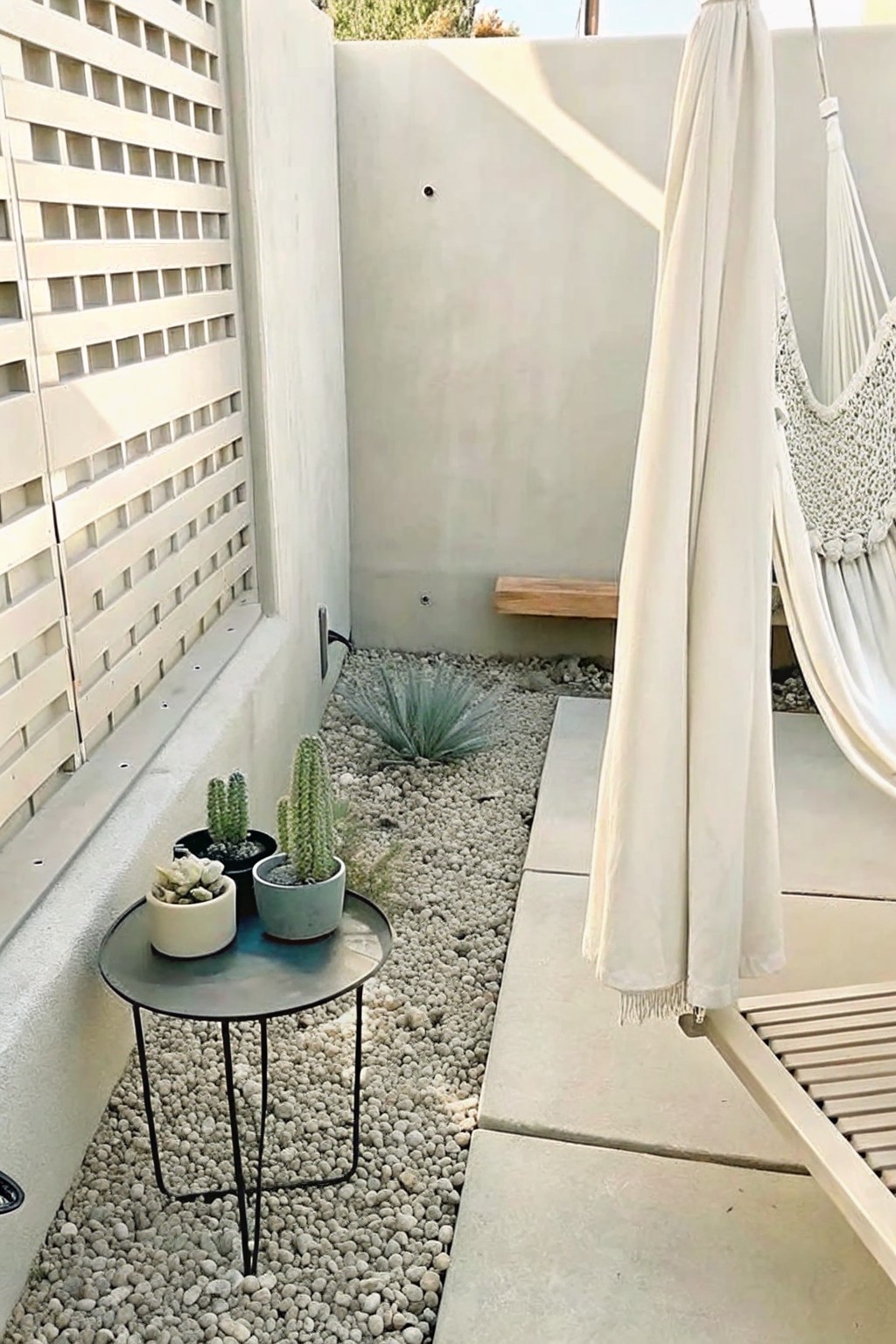
A small table makes it easy to move container plants around and change the look without much effort. Placing three or four pots together on one surface keeps the display tidy and prevents the plants from looking scattered across the patio.
This setup suits small outdoor spaces where you want some greenery but do not want to add raised beds or dig into the ground. A simple metal table works well on gravel because it sits steady and lets water drain through.
Small Bistro Tables Work Well on Narrow Balconies
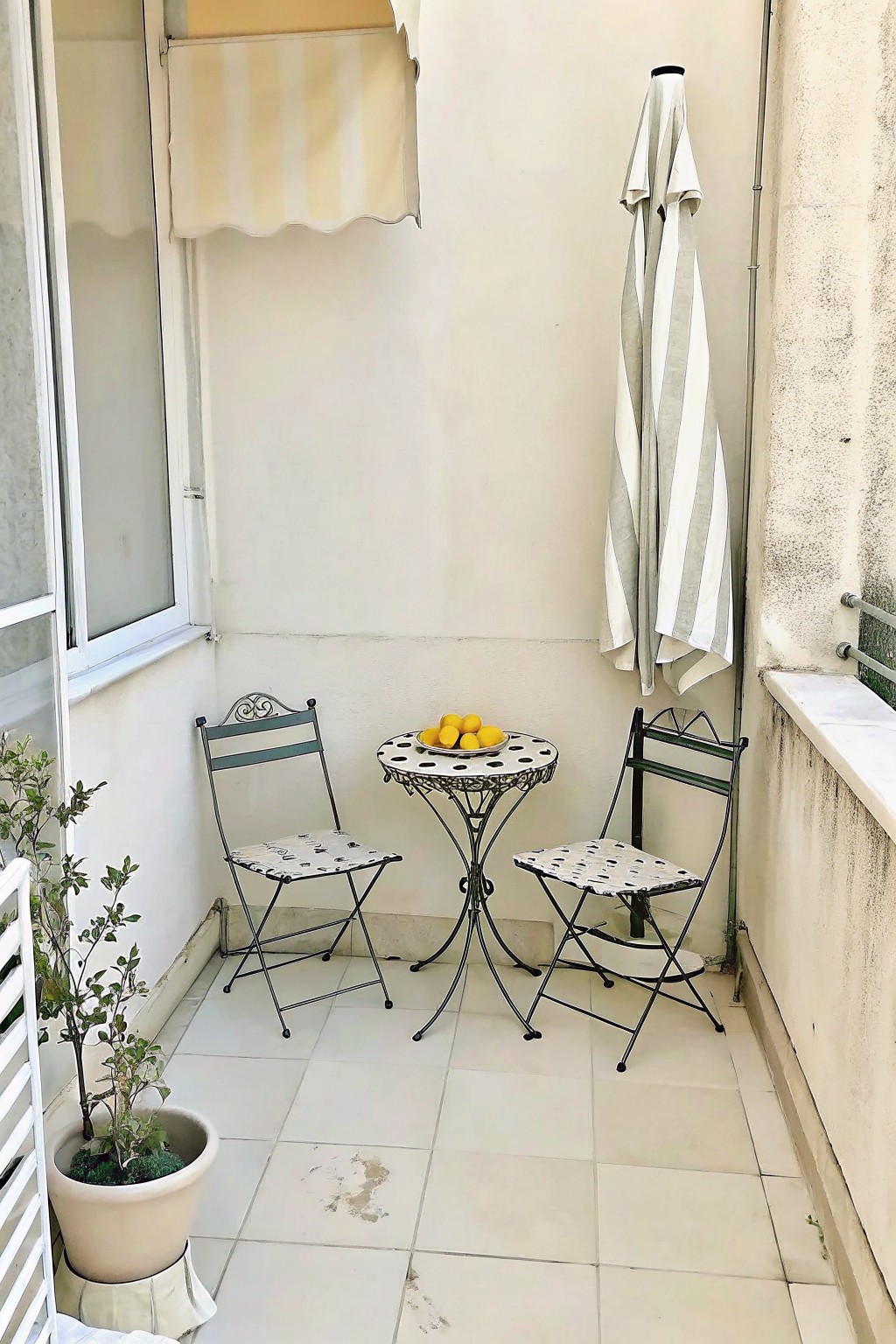
A compact bistro table with two folding chairs can turn a slim balcony into a usable spot without taking over the floor. The setup stays light and easy to move when needed.
Add one larger container plant nearby to bring in some greenery and keep the space from feeling too bare. This works best on apartment balconies or small terraces where bigger furniture would crowd the area.
Stack Crates for Extra Display Space
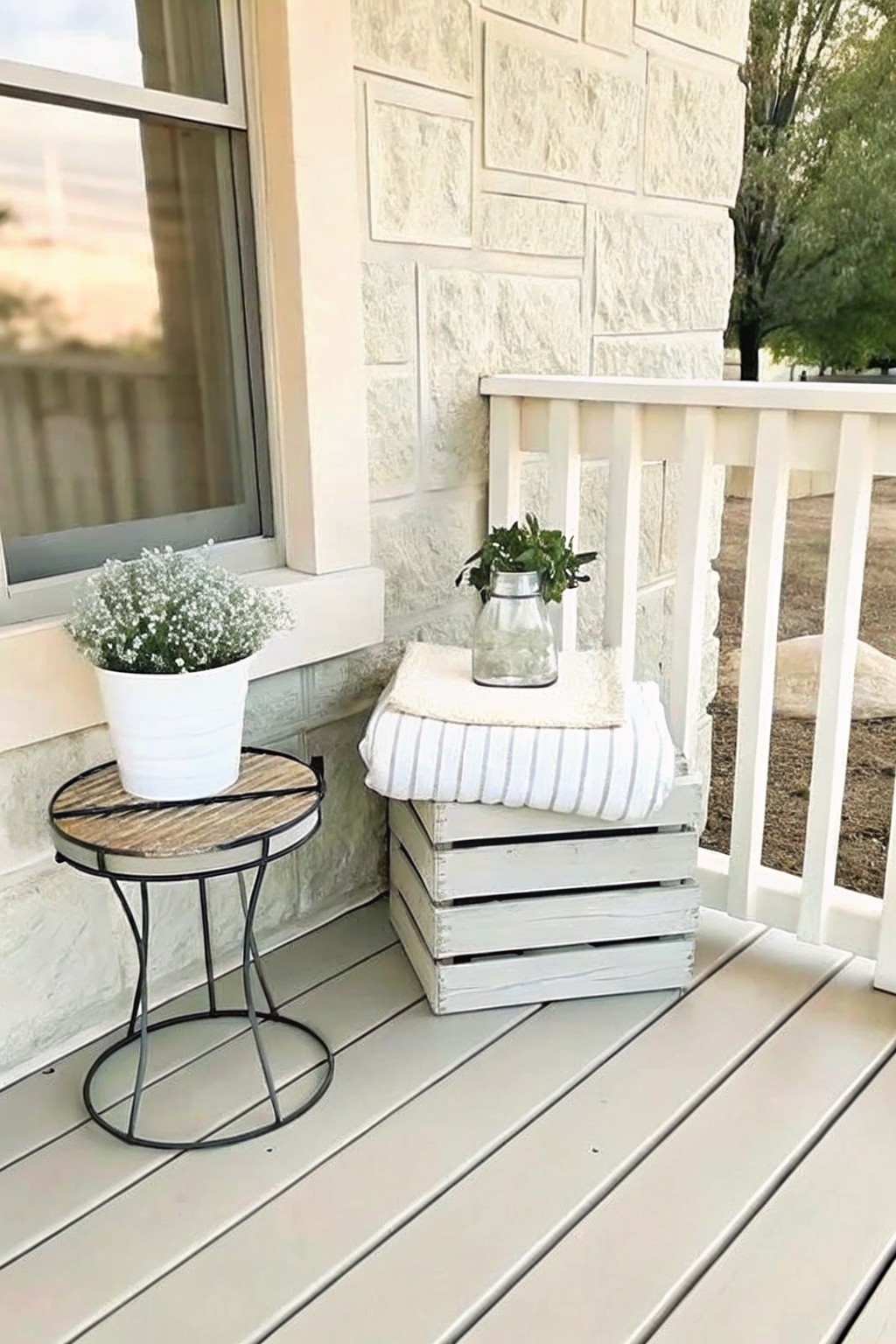
One simple way to stretch a small porch is to stack a couple of wooden crates. They add height right away and give you more places to set plants without crowding the floor.
This setup works especially well on decks or porches that get light use. Paint the crates to match your railing or leave them as they are, then top them with a towel or a small container so the whole thing feels useful instead of just decorative.
Shade a Small Patio Table With an Umbrella
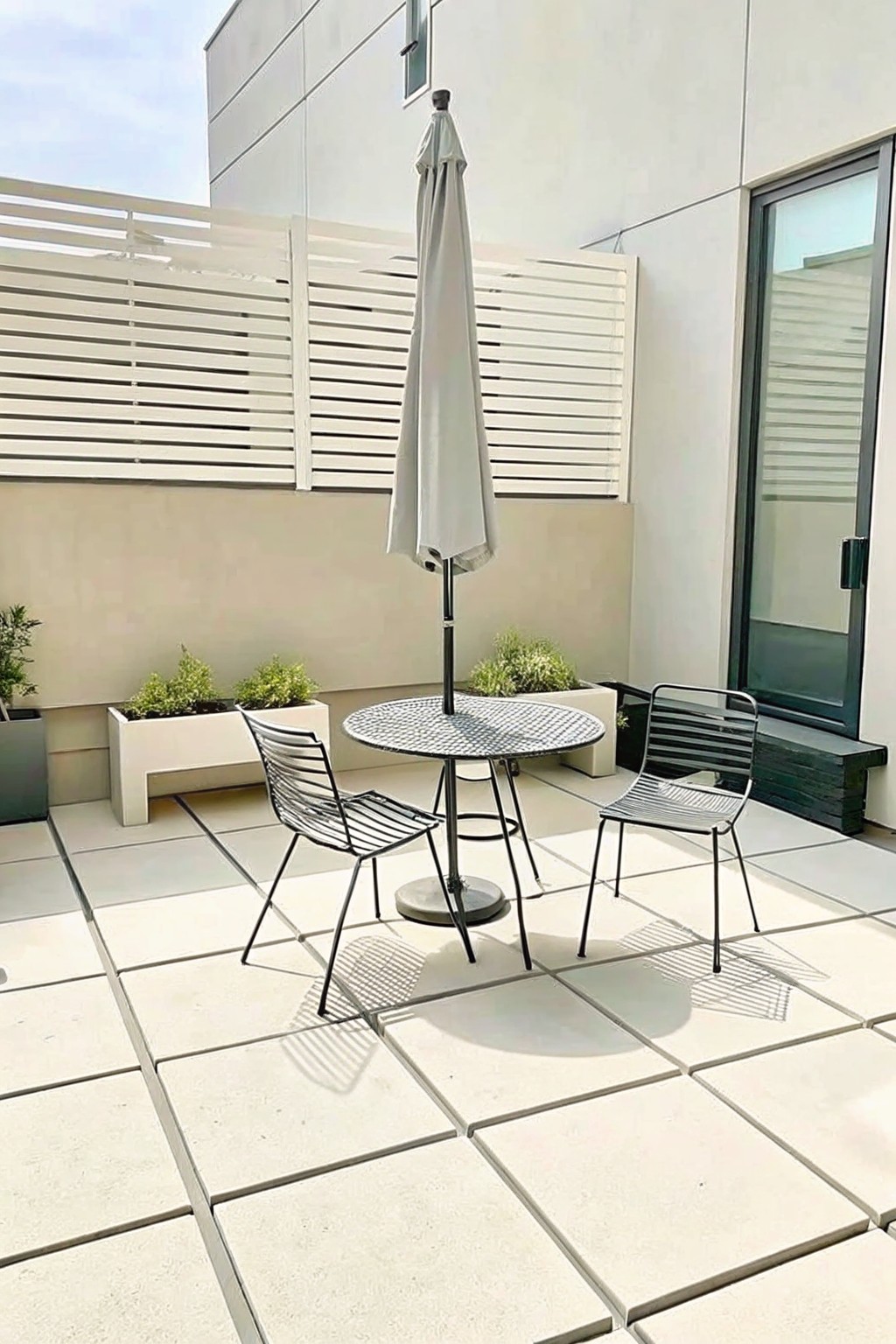
A single umbrella over a round table can turn an empty patio corner into a usable spot without much effort. It gives shade during the day and keeps the setup feeling contained even on a larger paved area.
This approach works best on smaller or shared outdoor spaces where you want room to move around the table. Keep the base simple and add a few low planters along the edges so the plants frame the seating without crowding it.
Tiered Shelving For Container Plants

A simple tiered shelf gives you extra space to show off several pots without crowding the floor. It turns a blank wall into a spot for more plants while keeping everything easy to reach and water.
This works best on small patios where floor room is limited. Place it against a wall, mix pot sizes across the levels, and leave a little open space on each shelf so the plants do not feel crammed.
Tray Displays for Indoor Herb Pots
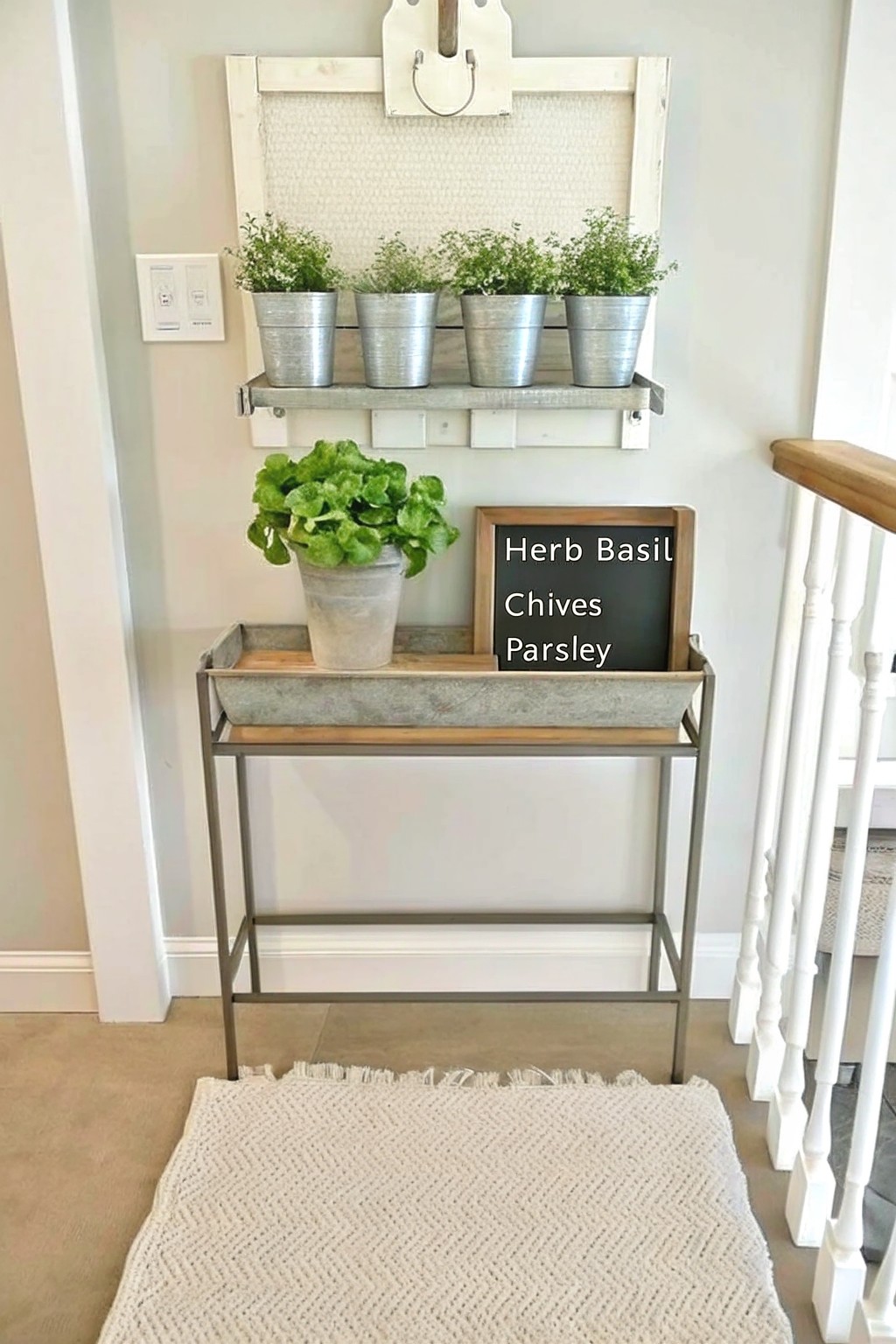
A shallow tray on a slim console table gives potted herbs a clear spot without letting them wander across the surface. It also catches any stray water during watering and keeps the whole group looking neat in a small area.
This setup suits kitchens or entryways where you want fresh herbs within reach but do not have room for a full garden bench. Stick to three or four pots and group them by size so the tray stays balanced.
Planters That Double As Tables
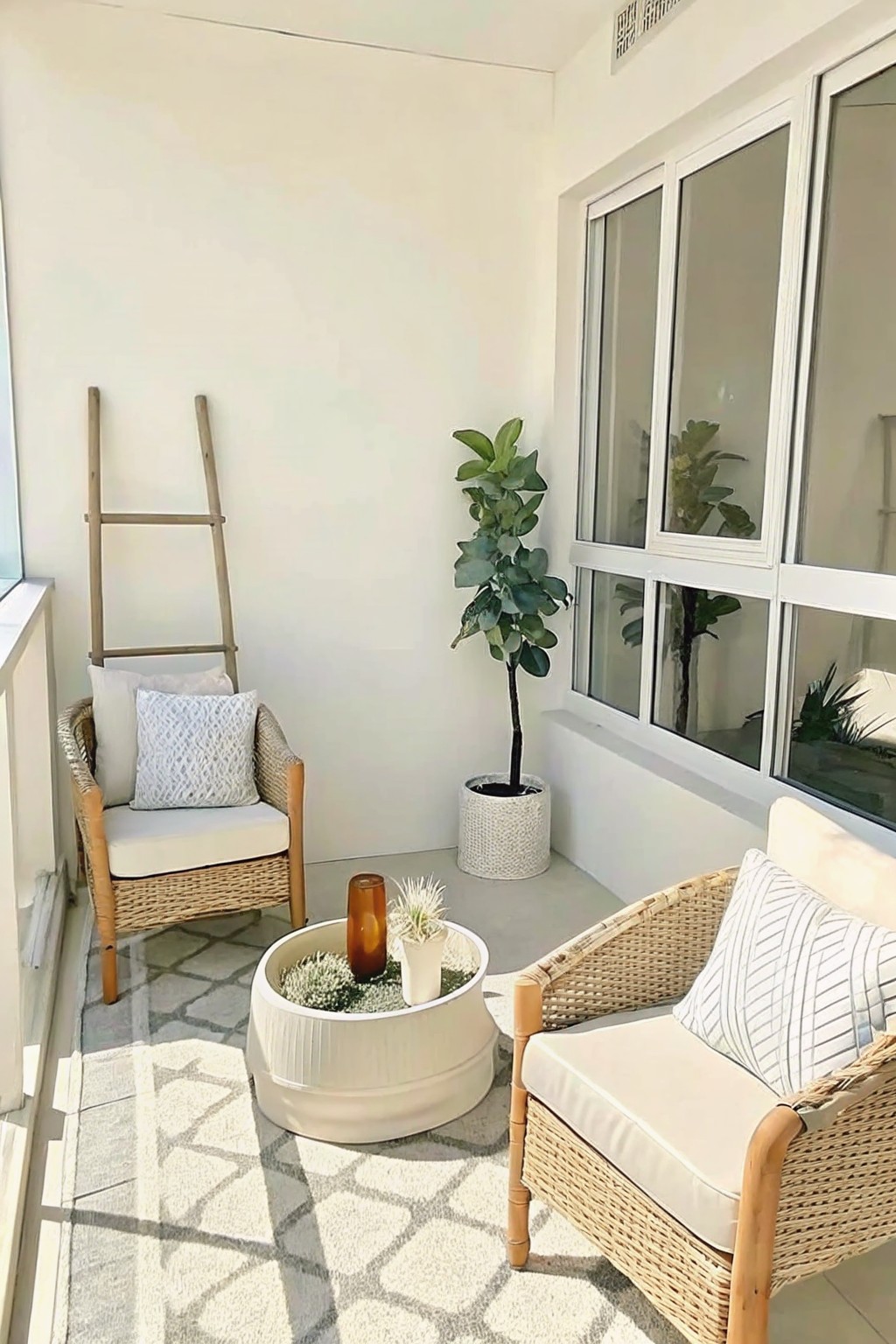
A big round planter can pull double duty on a small patio by acting as the coffee table while holding plants right in the center of the seating area. This keeps the space open and avoids crowding the floor with separate furniture.
It works best on balconies or compact patios where every piece needs to earn its place. Choose a low, wide container, add a few small plants or a simple vase on top, and keep the surrounding chairs light so the whole setup stays easy to move around.
A Narrow Console Table for Patio Containers
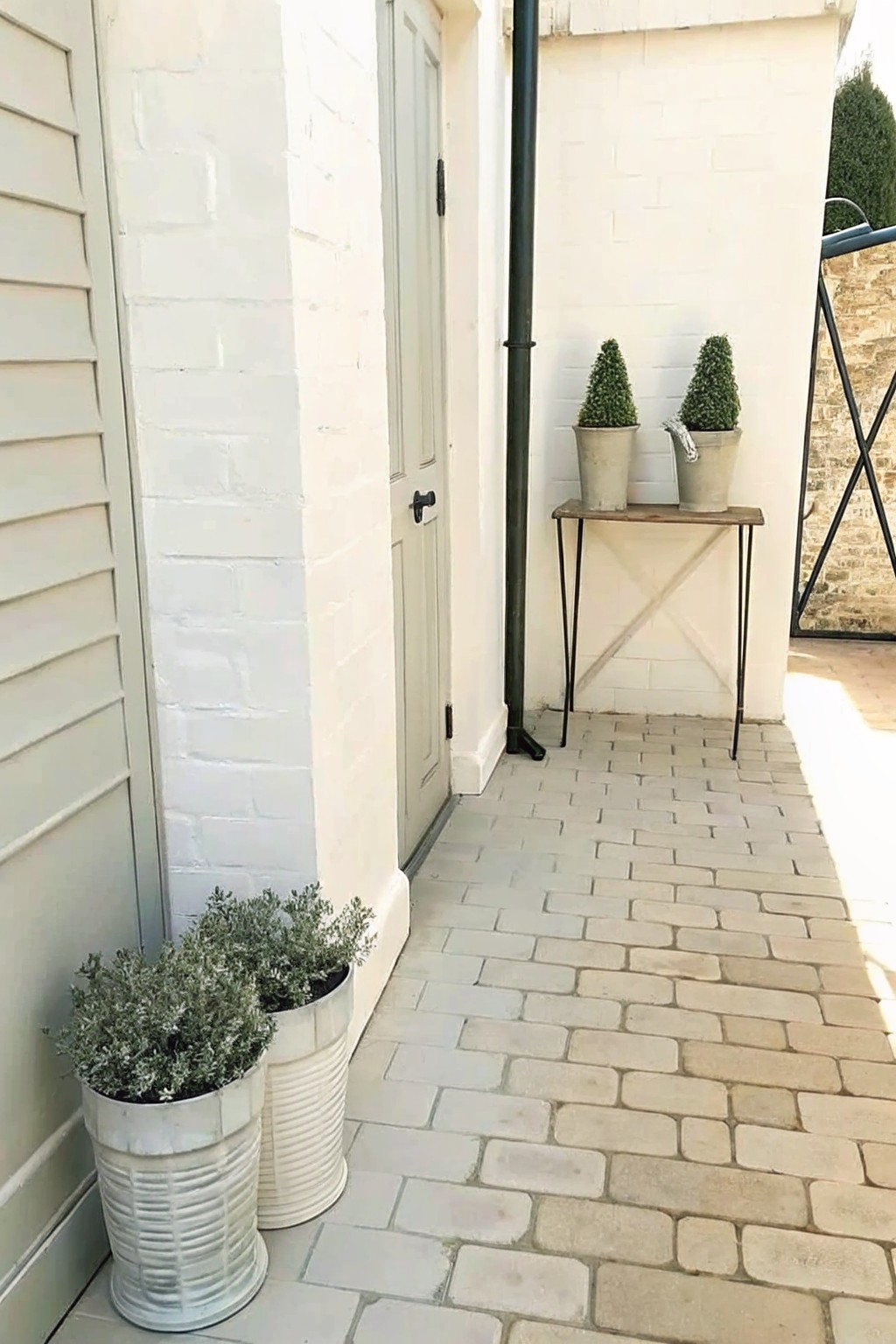
A narrow console table gives you an easy way to add container displays without taking up much floor space. It works especially well along a path or against a wall where you want a bit of greenery but still need room to walk through.
This setup suits small patios or side entries on homes with limited outdoor room. Keep the pots simple and similar in tone so the display stays neat rather than busy, and choose a table with slim legs to avoid blocking light or traffic.
Small Tables With One Container Plant

A small side table can turn two chairs into a real seating spot when you keep the top simple. One potted plant and a lantern give the area something to look at without crowding the floor or blocking movement.
This setup works best on balconies and narrow patios where every inch counts. Place the table between seats at a height that lines up with the chair arms so the plant stays within reach and the light stays useful after dark.
Frequently Asked Questions
Q: How do I stop small pots from tipping over on a breezy patio table?
A: Pick heavier containers like ceramic or stone for windy spots. Place them toward the center of the table instead of the edges. This simple shift keeps everything stable without extra gear.
Q: Which plants handle being crammed into tiny containers best?
A: Go for succulents or compact herbs like thyme. They thrive with less soil and need minimal fuss. You can tuck them into any spare corner without crowding the display.
Q: Do I need to move everything inside when it rains?
A: Most patio plants handle light showers fine. Just check drainage holes before setting them out. Heavy downpours might call for a quick cover if your table sits exposed.
