

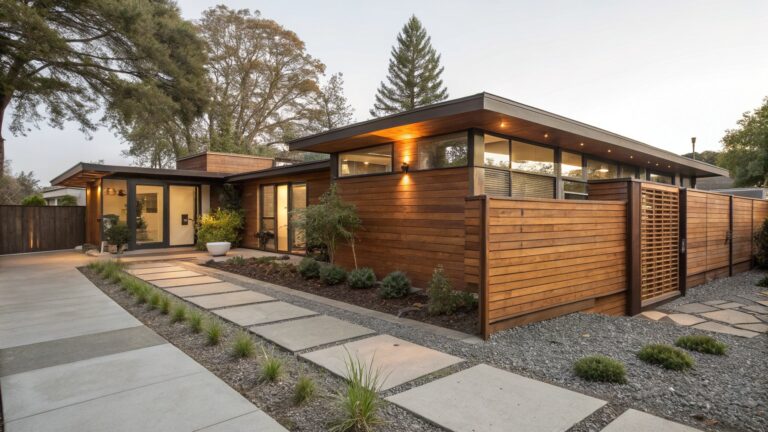
I’ve noticed how a garden fence quietly defines the mood of an outdoor spot when it blends with the plants instead of fighting them. Wood that grays over time or simple wire grids for climbers usually pull that off without much fuss. Painted ones in bold colors tend to look out of place once dirt and weather set in. I lean toward fences under four feet high because they keep privacy without blocking views. A couple approaches here shift the whole yard just right.
Horizontal Slat Fences with Base Lighting
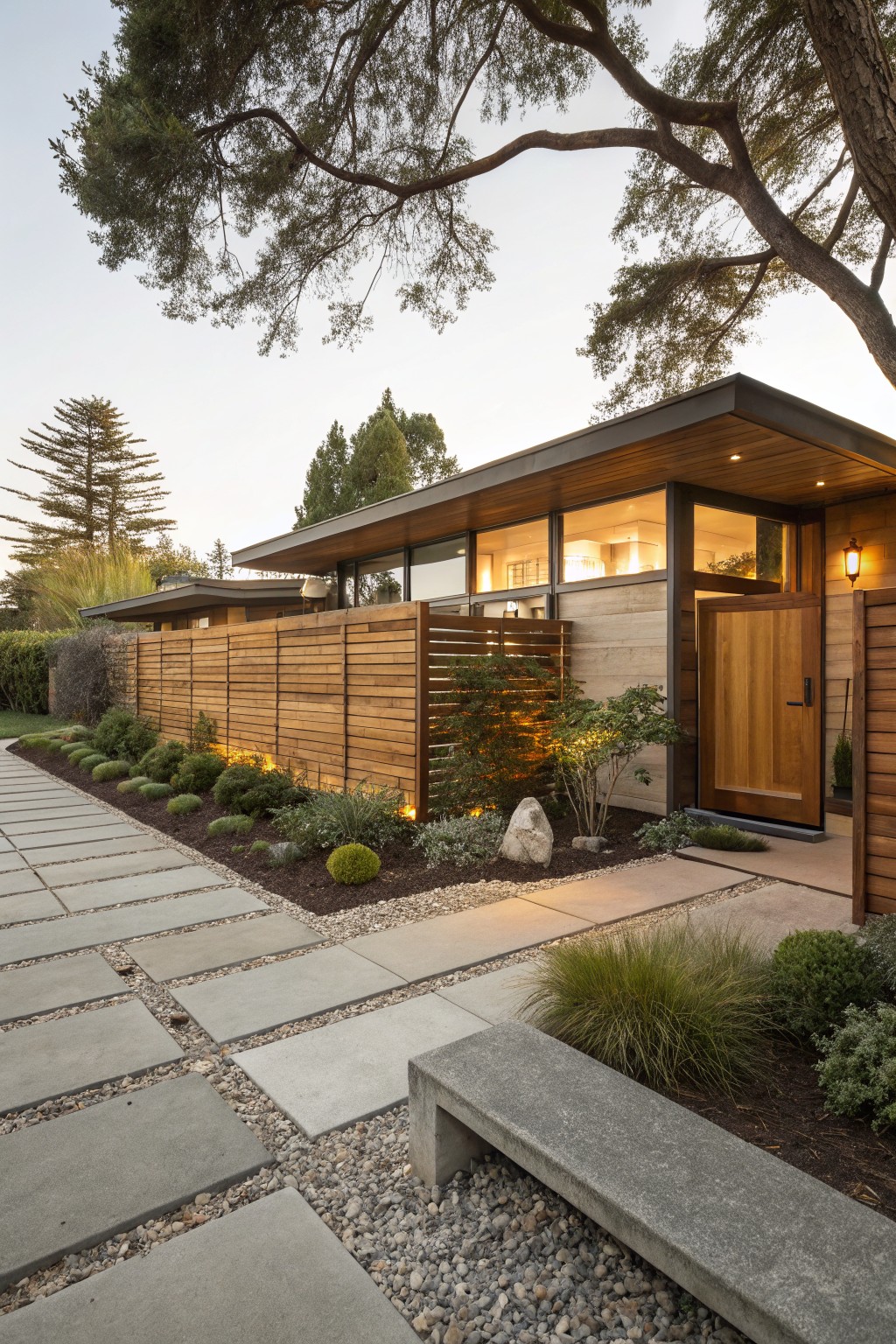
Horizontal wooden slats make a good fence for yards where you want some privacy but not a solid wall. The slats let light filter through during the day and pair nice with low lights along the base that come on at night. It softens the look and adds a bit of glow to the path without overdoing it.
Try this along a walkway to your house or garage. It fits modern homes or ones with clean lines, especially if you have grasses and rocks nearby. Go with treated wood to hold up outdoors. Keep the lights simple, tucked right at ground level.
Picket Fence Garden Path Borders
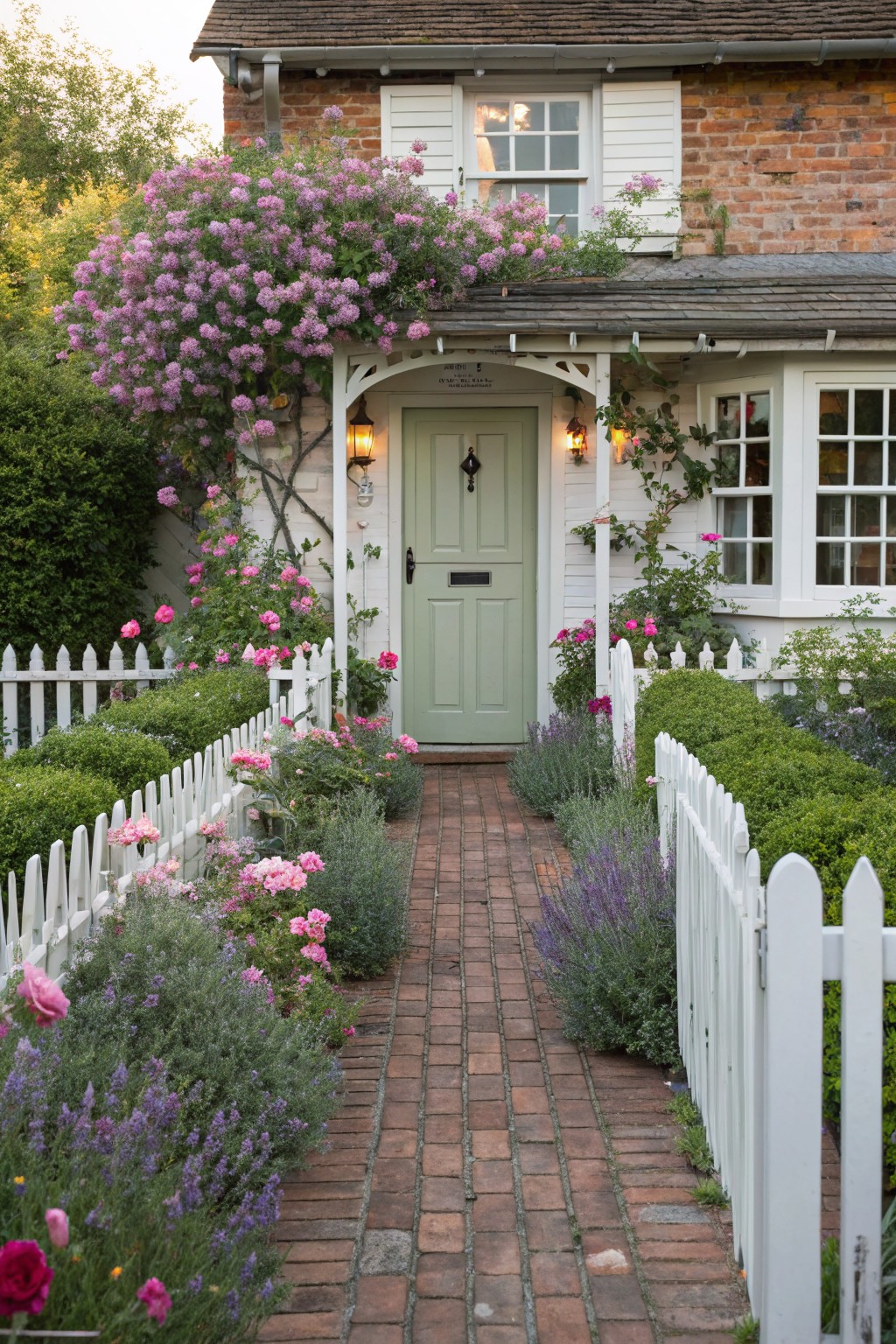
A simple white picket fence along your entry path turns a plain walkway into something welcoming and neat. It edges the plants just right, keeping roses and lavender from spilling over while giving that old-fashioned garden feel. Folks like it because it guides the eye straight to the door without much effort.
Try this in a front yard where you want to frame flowers around a brick or stone path. It suits cottage-style homes or any spot with room for low shrubs behind the fence. Just make sure the posts match your house trim so it all ties together.
Tall Wooden Privacy Fence with Built-In Lights
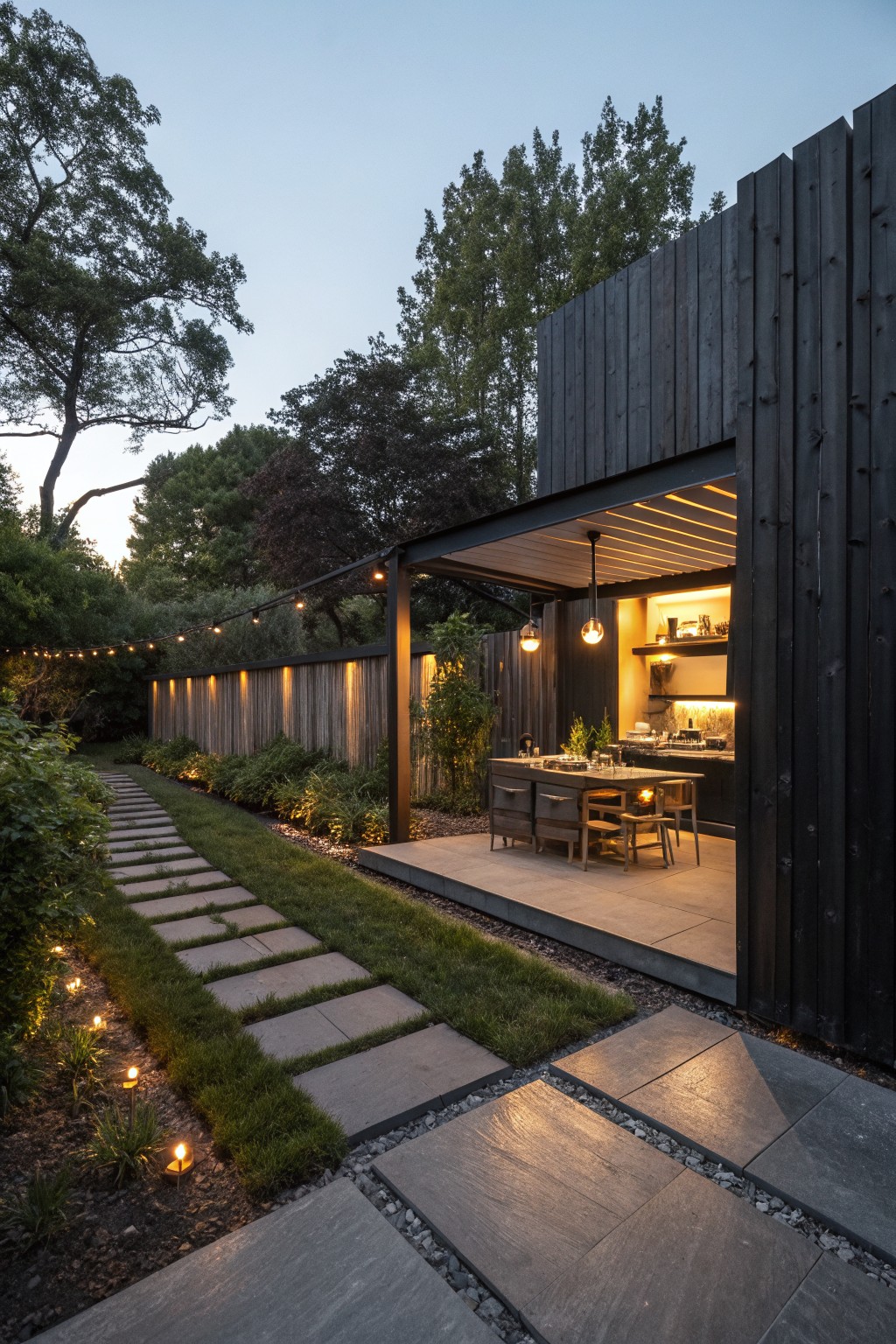
A tall wooden privacy fence like this one keeps your backyard feeling secluded. What stands out is the subtle LED strips tucked along the base, making the vertical boards glow softly at dusk. It adds just enough light to enjoy the space after dark, without spotlights or lanterns taking over.
This works best in yards with evening gatherings in mind, especially next to a patio or outdoor kitchen. Suits modern homes or any setup needing quiet privacy. Go for durable cedar or similar, and get the wiring done right to avoid hassles down the line.
Lattice Screens for Garden Privacy
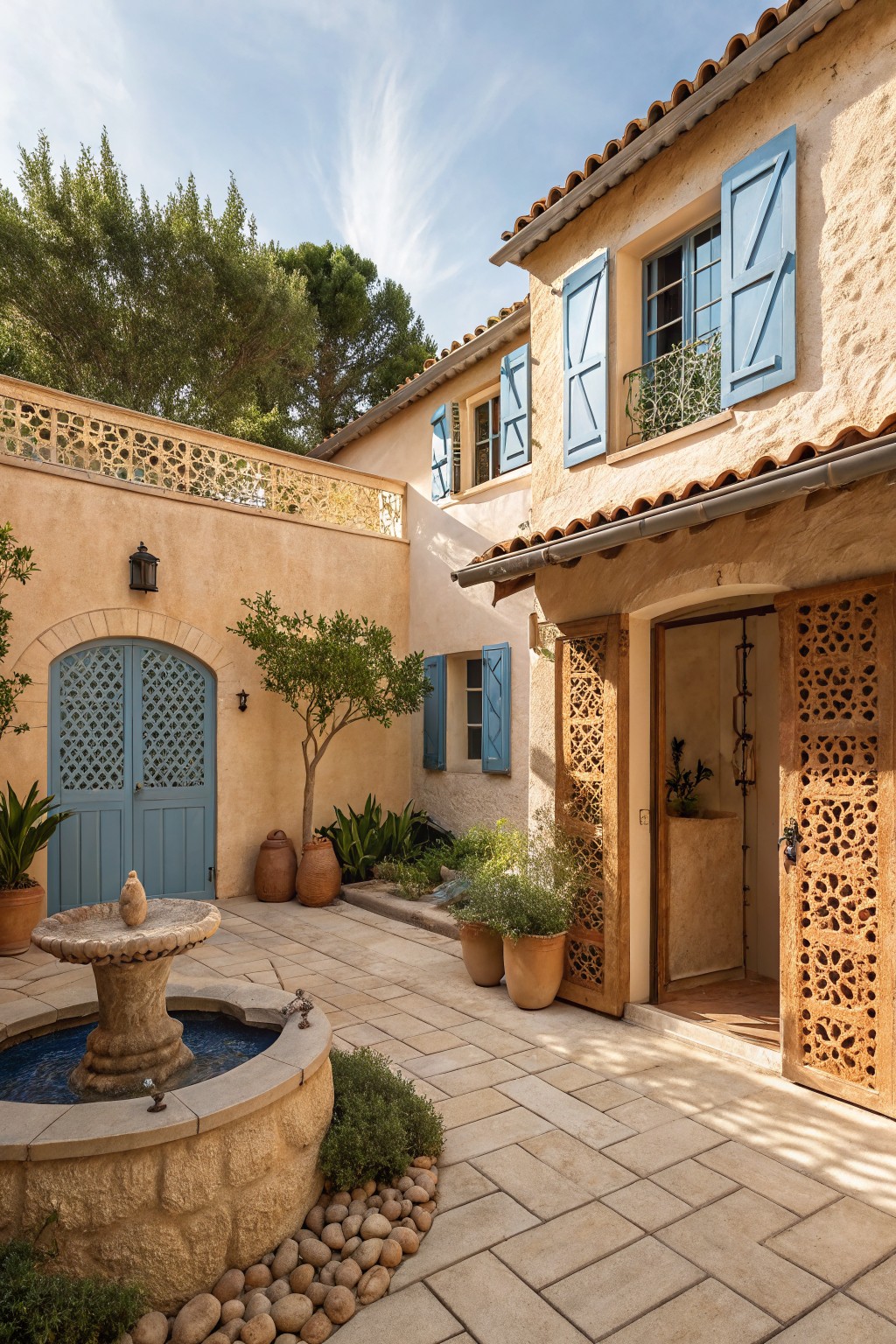
One look at this courtyard setup shows how well lattice screens work to define an outdoor space without closing it off completely. The carved wooden panels on the doors let in light and air while keeping things private. They add a bit of pattern that fits right in with the stone fountain and potted plants around it.
These screens suit smaller yards or patios where you want enclosure but not a solid wall. Try them on gates or along fences in Mediterranean-style gardens or sunny spots. Just make sure the wood is treated for weather, or they might not hold up over time.
Simple Wood Fences for Beach Gardens
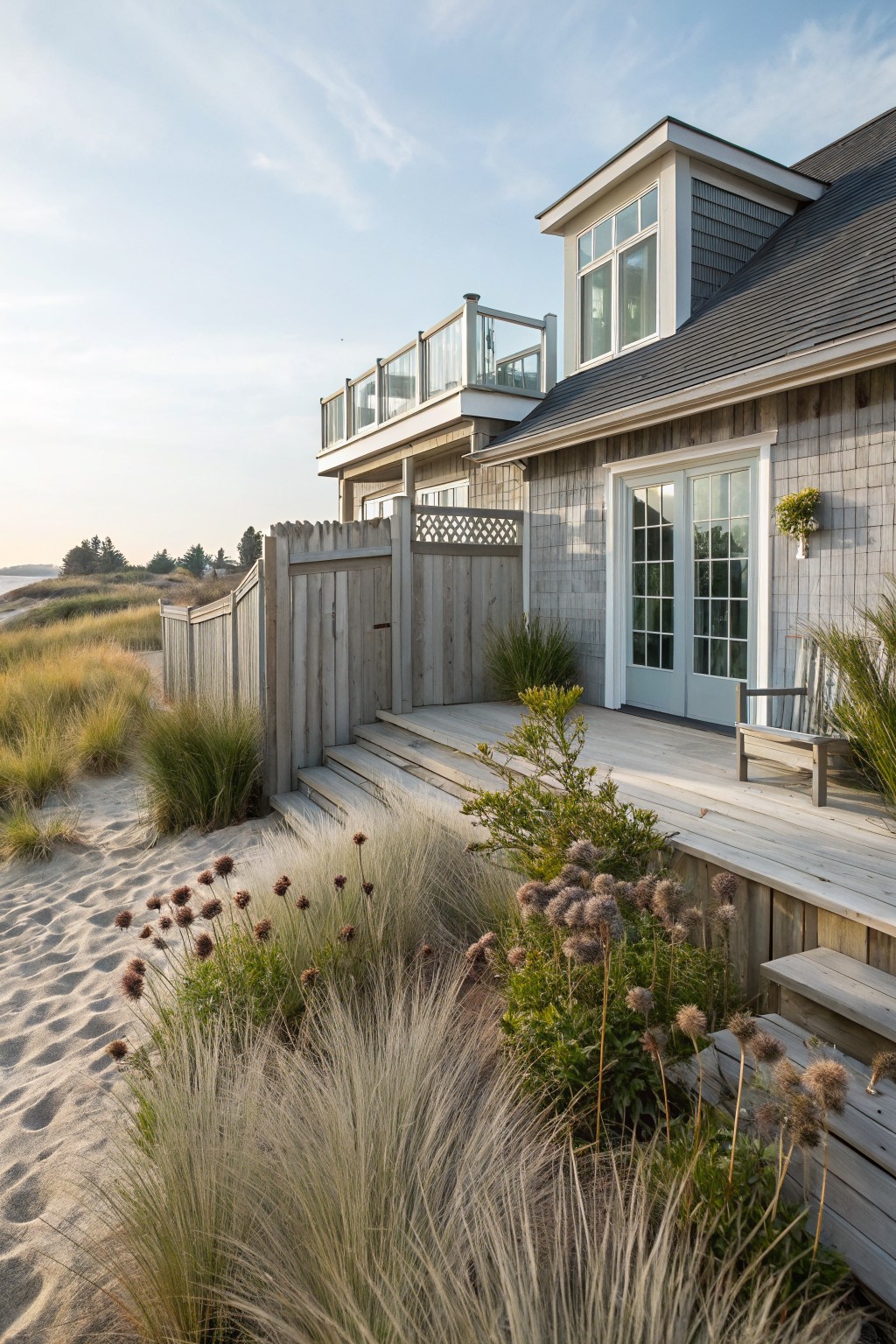
A good beach fence doesn’t shout. It just fits right in with the sand and grass. This one picks up plain gray wood slats that match the weathered deck nearby. The low gate with its open top lets you see over to the dunes while keeping stray traffic out. Native plants like sea grass tuck up against it naturally, so the whole edge feels easy and settled.
Put this style around your coastal yard or deck steps. Cedar boards work best. They turn that soft gray on their own over time. It suits flat sandy lots near water, where you want some privacy but not a solid wall. Watch the posts in loose sand. Set them deep or add gravel for hold.
Slatted Wood Fences for Backyard Privacy
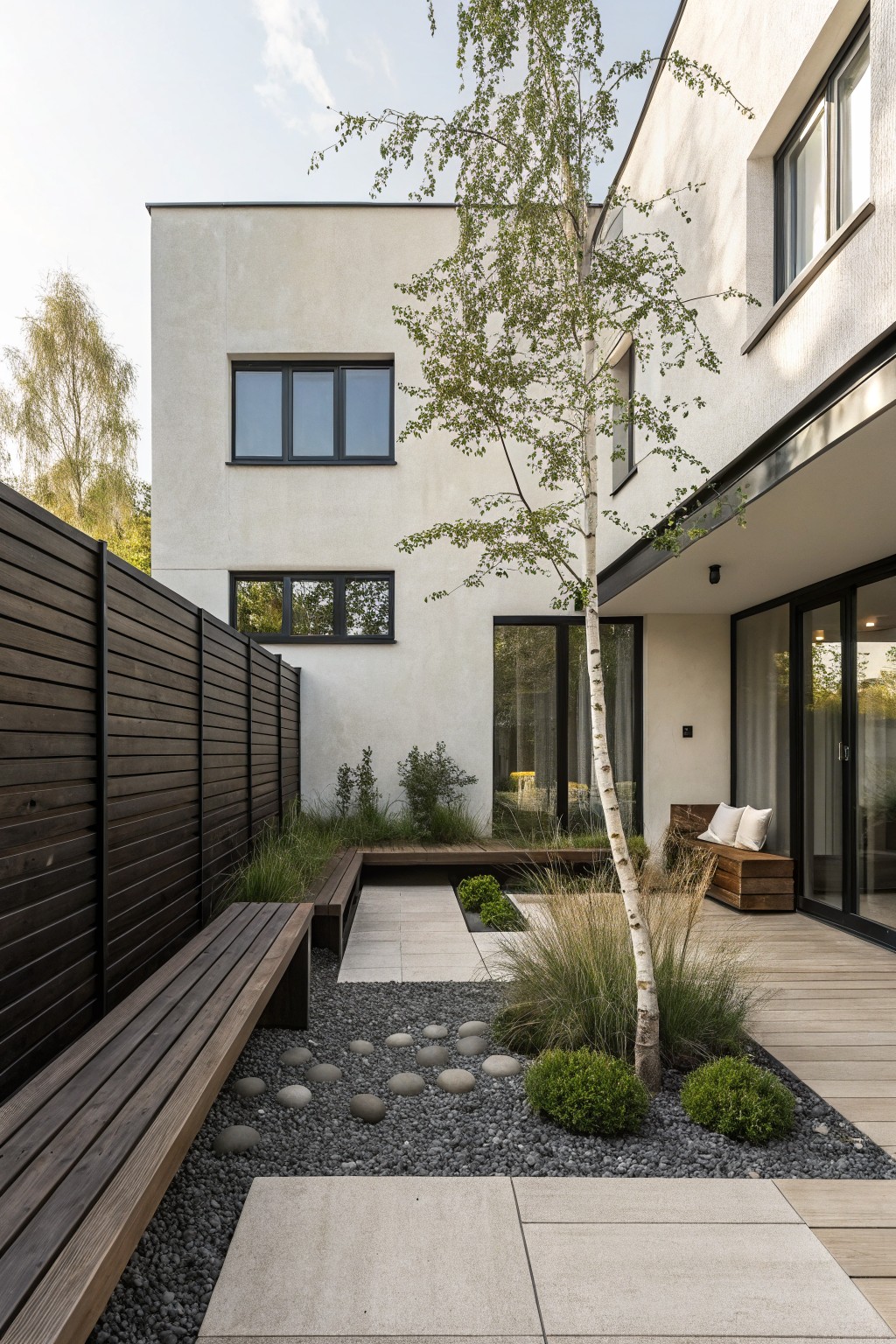
Tall slatted wood fences like this one make a backyard feel secure without closing it off completely. The dark vertical slats let in some light and air while blocking nosy neighbors. Here it runs along one side next to a simple gravel area with a birch tree, keeping the look clean and modern.
These fences work best in smaller yards or next to modern homes with light walls. Use pressure-treated wood stained dark to match decks or benches. Space the slats about an inch apart for that balance of privacy and openness. Just check local rules on height.
Slatted Wood Garden Fences
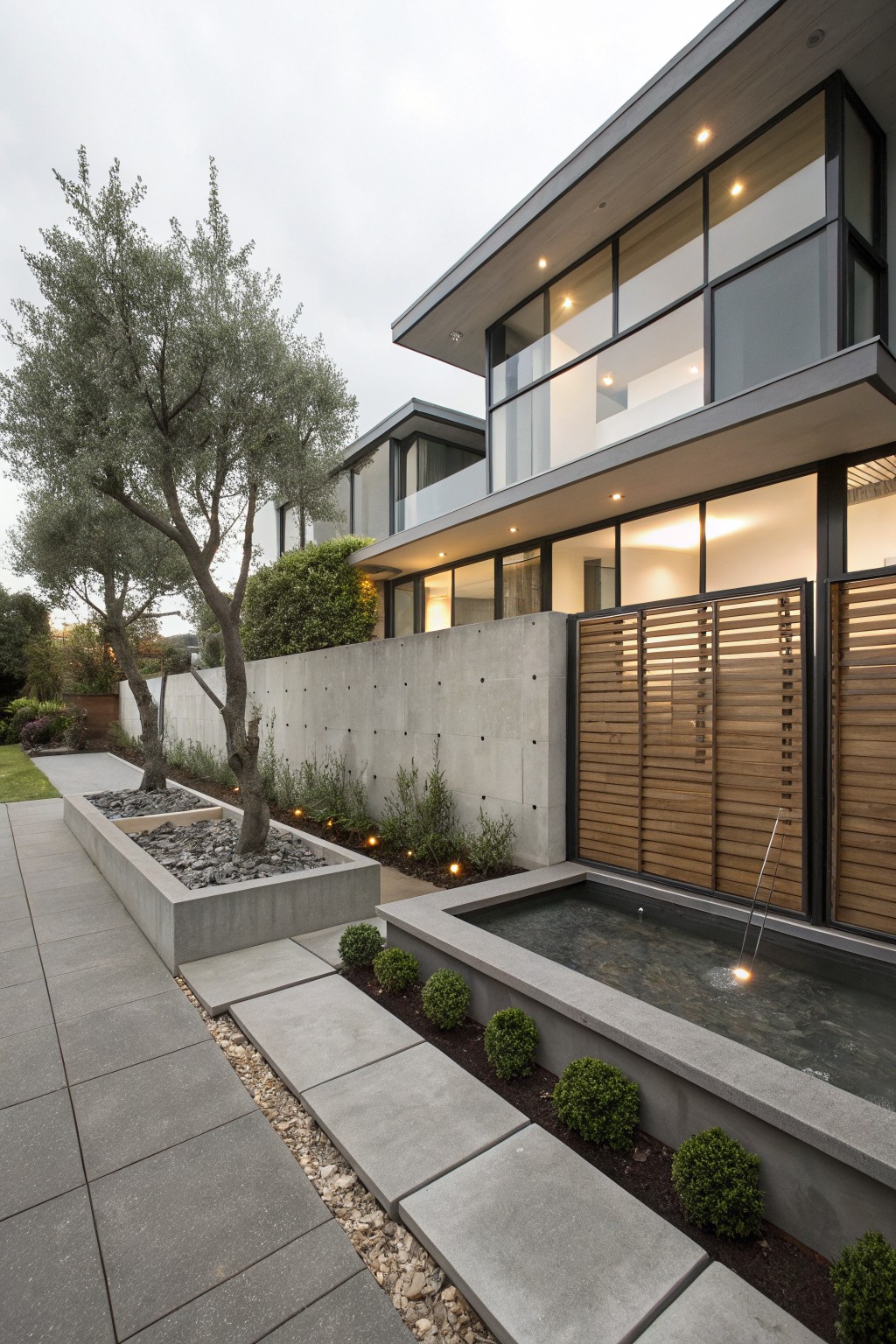
Slatted wood fences make a solid privacy barrier that still lets some light filter through. You see it here against a concrete wall, where the wood adds warmth to the hard surfaces. It keeps the garden feeling open instead of boxed in.
These fences suit narrow side yards or spots next to the house. Run them along a path like this one, and add low plants at the base. They fit modern homes best, but watch the wood doesn’t warp if your area’s damp.
Rustic Split-Rail Fences for Gardens
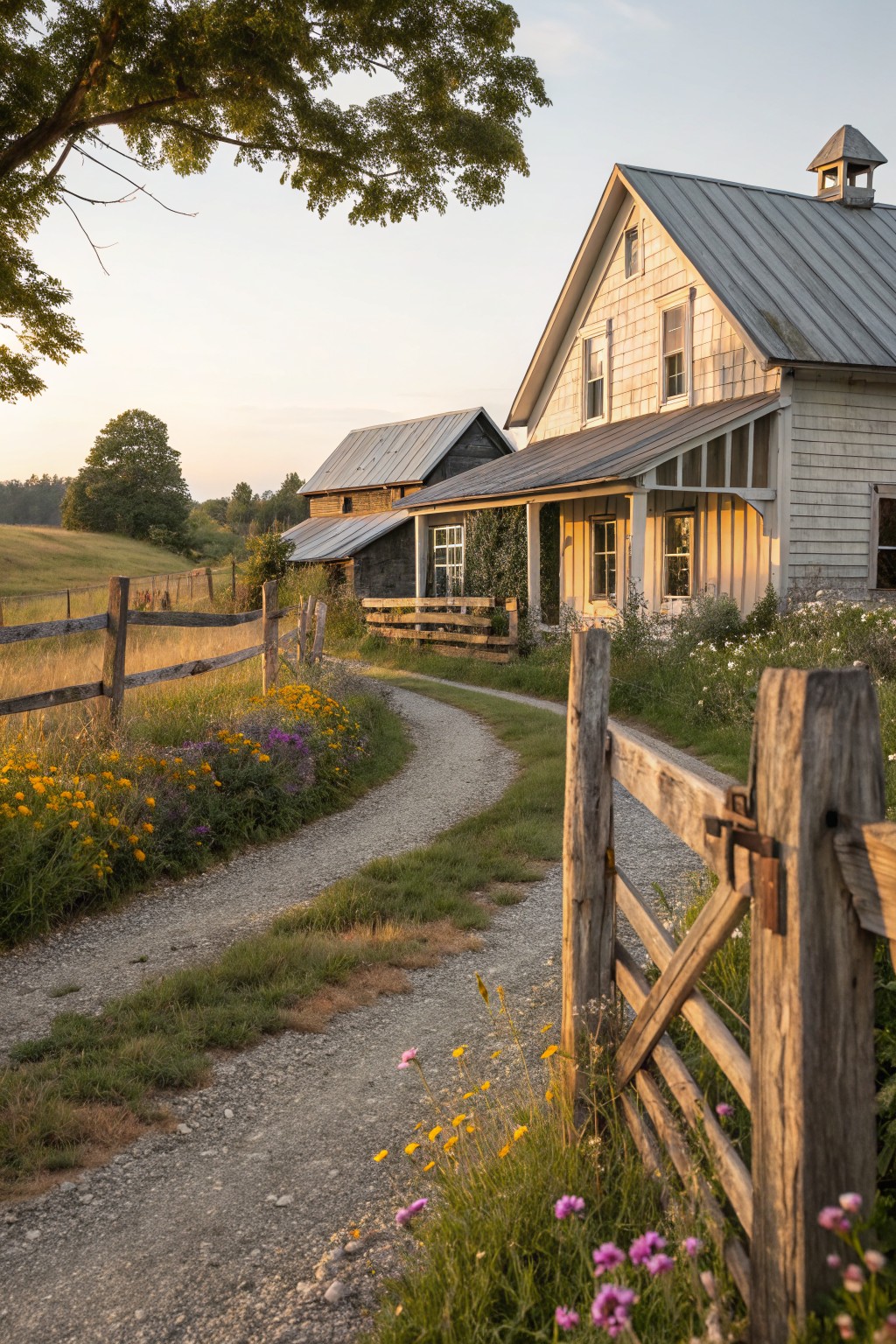
Split-rail fences bring a simple country charm to any garden space. Made from rough-hewn logs stacked between posts, they let wildflowers spill over and through the gaps. This keeps things open and natural, without feeling boxed in.
They’re great for bigger yards or spots with a bit of slope. Line a gravel path with one to guide folks toward the house or barn. Untreated wood weathers to a soft gray over time. Just keep an eye on vines taking over… a little trimming goes a long way.
Garden Trellis Covered in Climbing Roses
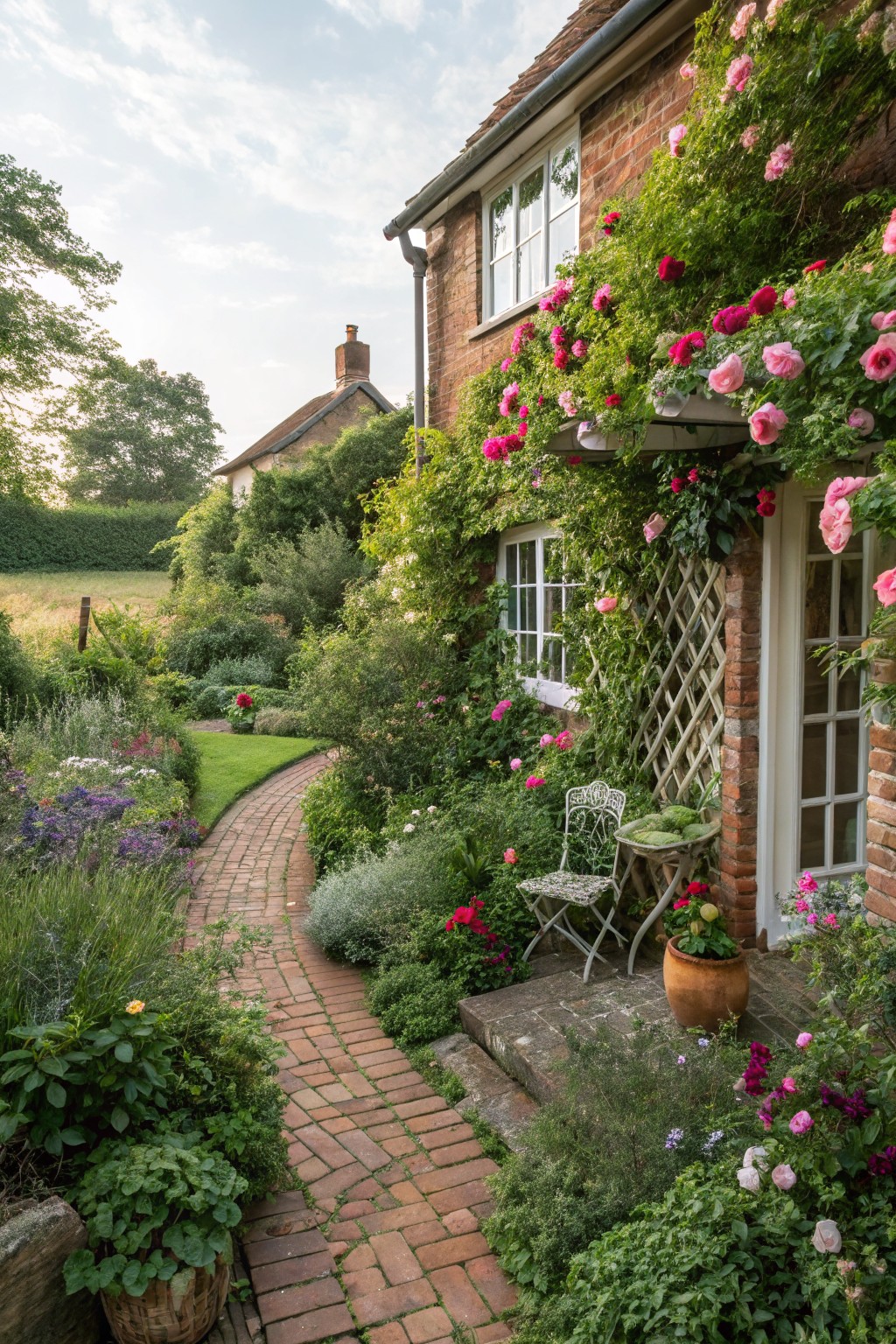
A simple wooden trellis like this one stands right by the house door. Pink roses climb all over it, turning what could be plain fencing into a wall of flowers. It fits right into the brick wall and path without taking up space. Folks notice how it pulls the garden up close to the entry.
Put one of these trellises along a walkway or next to your back door. Works best on older brick or stone houses with a bit of yard. Pick tough climbers like roses or clematis that come back each year. Just keep them trimmed so they don’t crowd the door. Good for small spaces too.
Lattice Fencing for Narrow Garden Paths
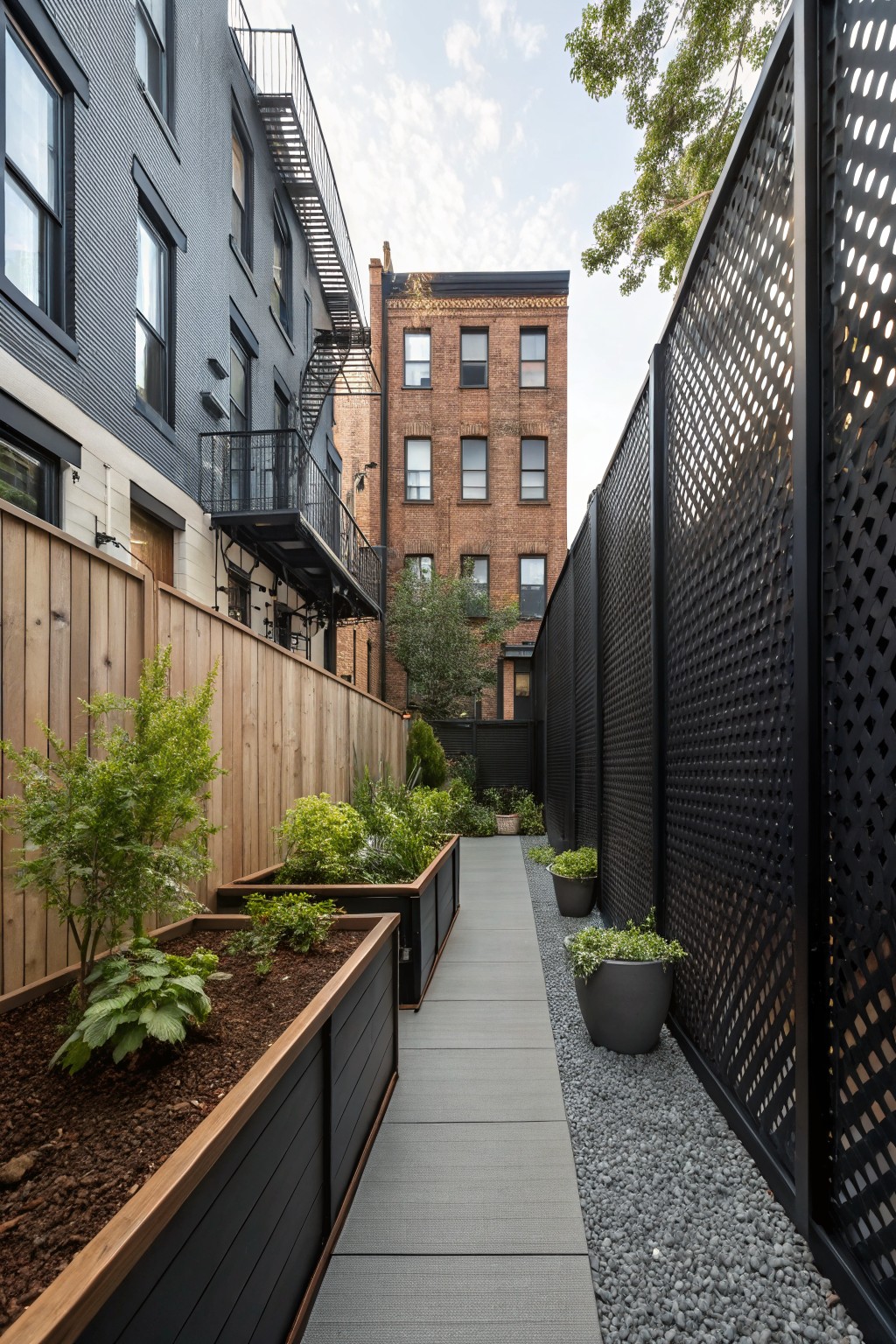
Lattice fencing made from black metal adds real style to skinny garden paths. The open pattern keeps things private without blocking all the light, so plants along the path stay healthy. In this setup, it pairs nicely with a plain concrete walkway and some gravel edges.
This kind of fencing fits best in urban backyards or side alleys where space is tight. It works on modern homes or older brick ones. Go for sturdy metal that won’t rust, and plant low stuff in front to soften it up. Watch the scale though. Too small, and it won’t feel secure.
Bamboo Garden Fencing
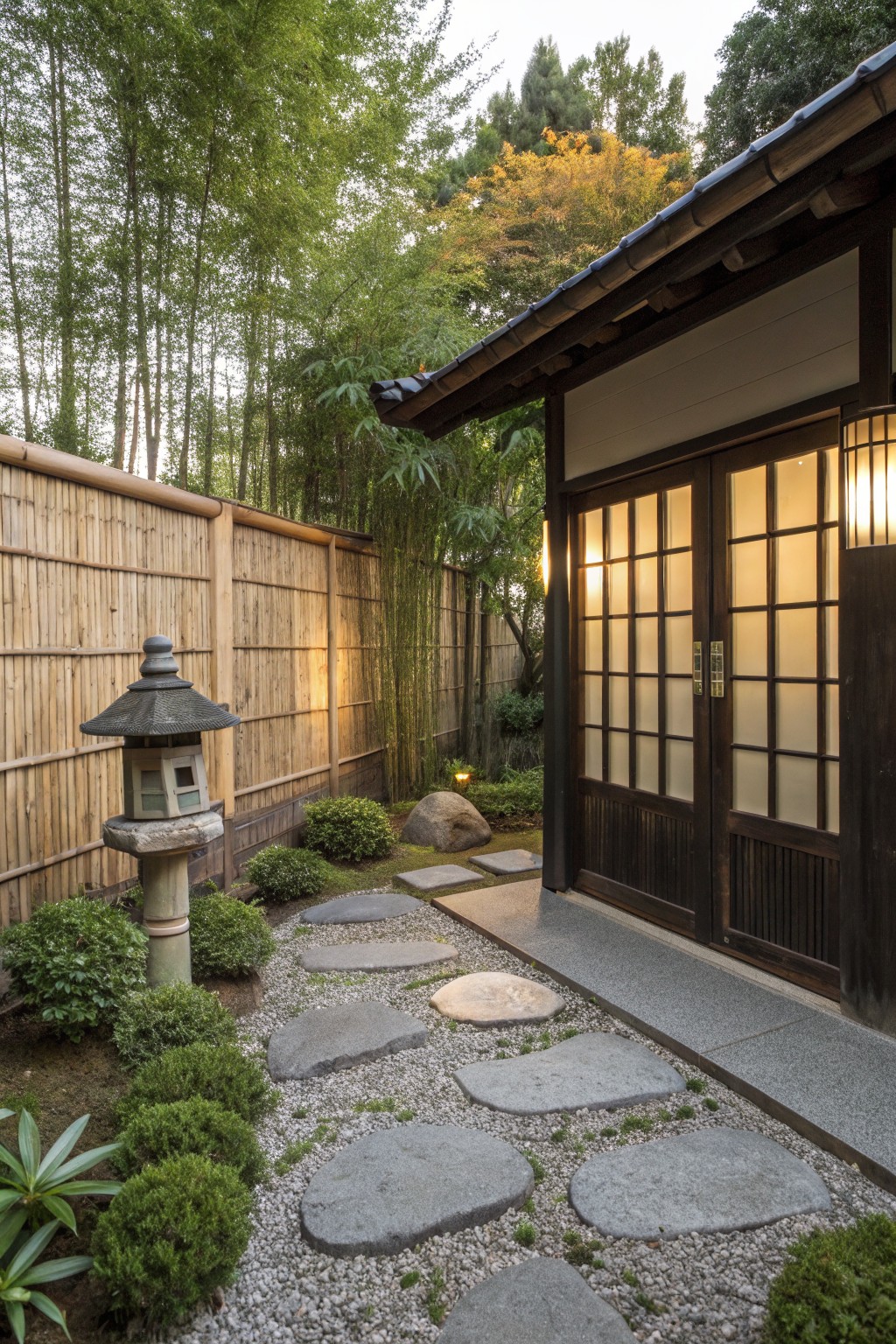
Bamboo fencing works well as a simple screen in a backyard garden. It blocks the view from neighbors without feeling too solid or out of place. The tall panels here let light filter through and pair nicely with nearby bamboo plants for a natural flow.
Put this kind of fencing along a side path or around a courtyard. It suits smaller yards or spots with Asian touches. Go for sturdy rolls or panels that hold up in your weather, and add gravel or stones underneath to keep it neat.
Tall Vertical Fences for Side Yards
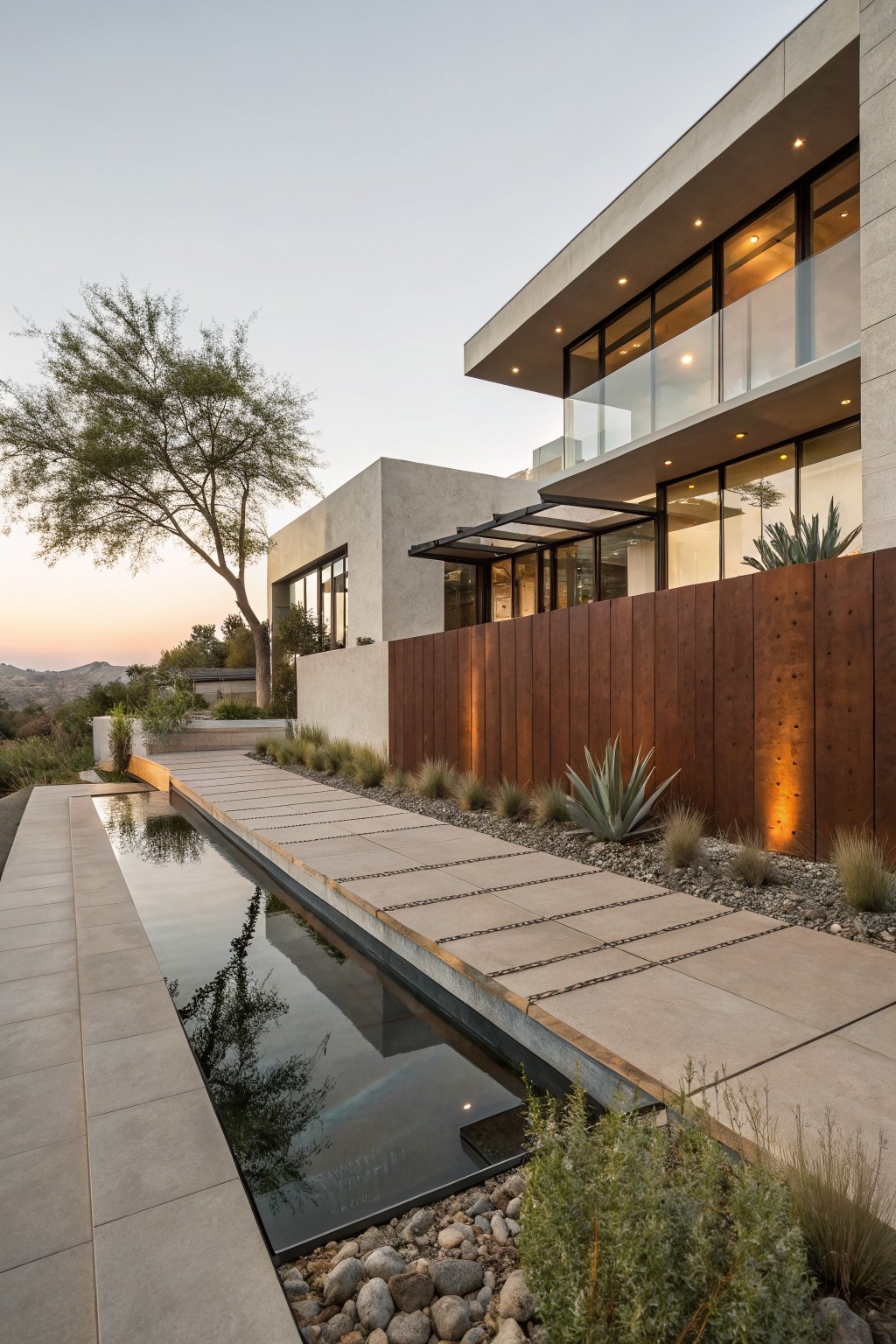
One simple way to define a side yard path is with a tall vertical fence like this one. Made from reddish-brown panels that look like weathered wood or corten steel, it blocks views while letting a bit of light filter through the texture. Those ground lights wash up the face at dusk. It turns a plain walkway into something with real presence.
Put this kind of fence along paths or pools where you want privacy without closing everything off. It fits desert yards or modern homes best, since the tones blend with stone and succulents. Go for panels about eight feet high, space the lights every few feet, and keep plants low at the base so the glow shows.
Painting Garden Fences to Match House Trim
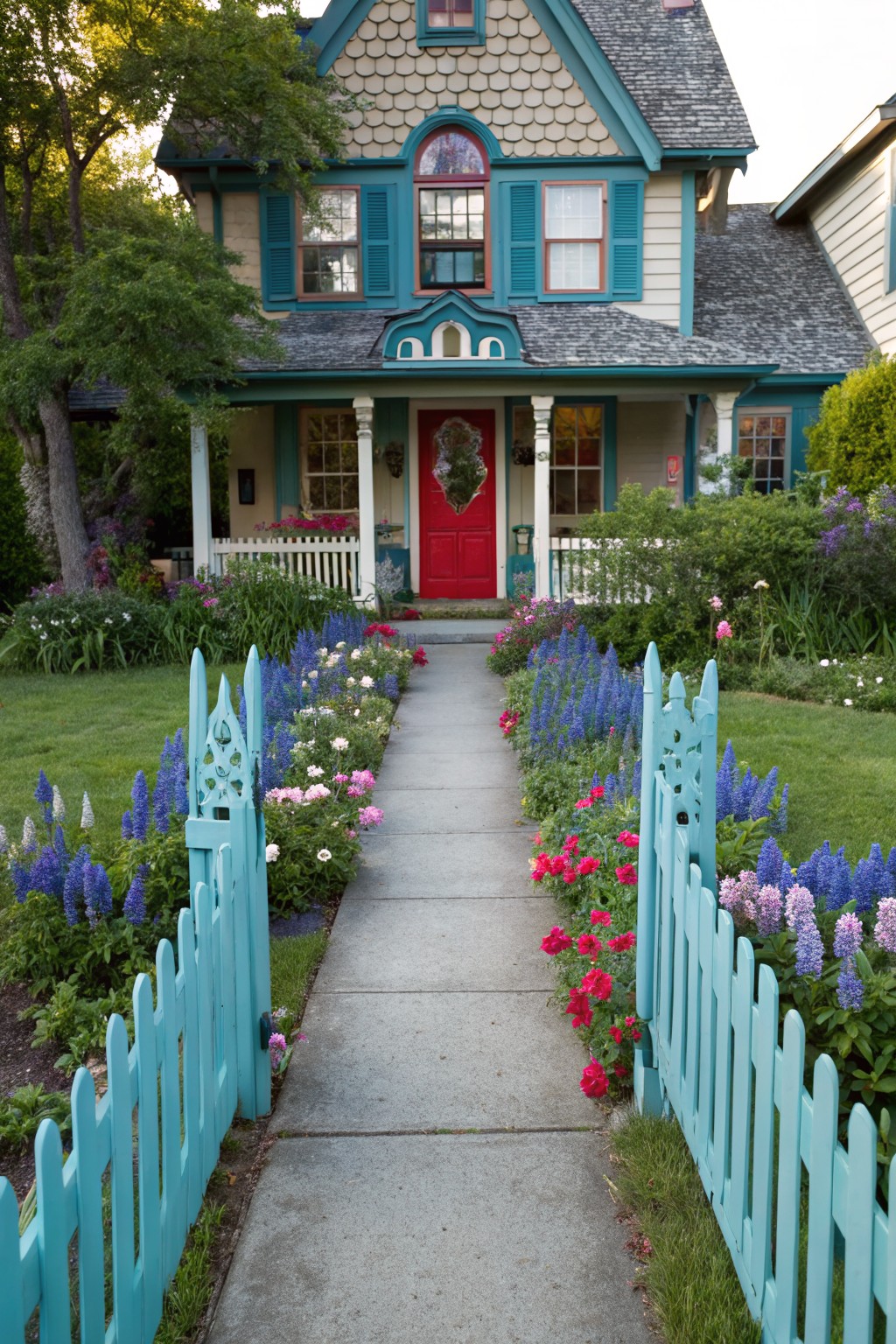
One simple way to pull your yard together is painting the garden fence the same color as your house trim. Here the turquoise picket fence runs right along the flower-lined path to the front door. It picks up the house’s blue-green shutters and porch details without overpowering them. Those gaps between the pickets let plants like delphiniums poke through just right.
This works best in front yards where you want a welcoming path that says come on in. It suits older homes with character or any place with colorful siding. Pick a durable exterior paint and seal it well. Might need a touch-up every couple years but it’s worth it for that pulled-together feel.
Stone Retaining Walls for Sloped Yards
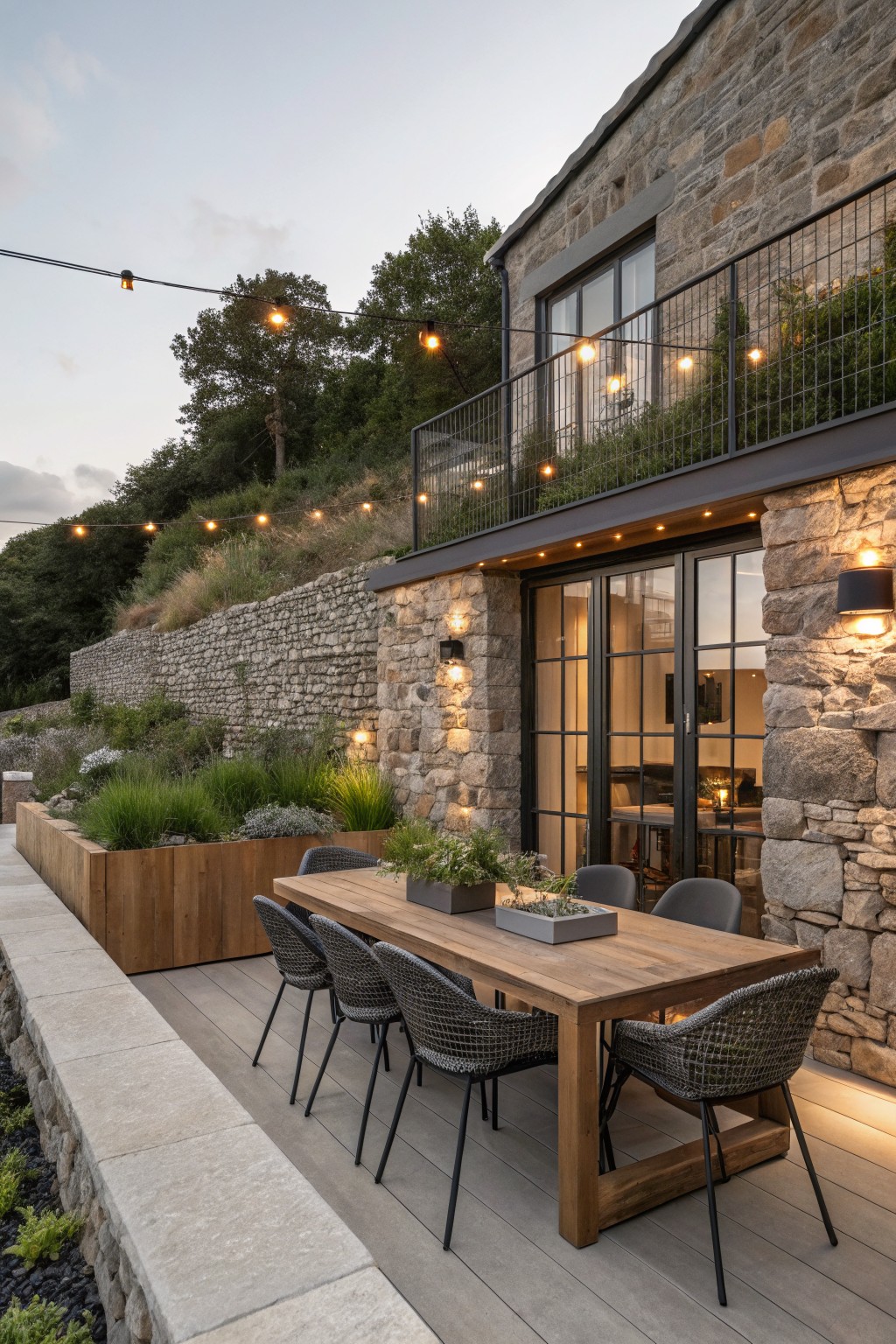
Stone retaining walls like these make sloped yards work for outdoor living. They hold back the earth to create a flat terrace right outside the house. You get a spot for a dining table and chairs without the hill taking over. The natural stone fits with the house siding too.
Put them along the edge of a patio in hilly areas. Stack local stone for a sturdy look that lasts. Pair with low plants at the base to soften things. Just make sure water drains well behind them or they could push out over time.
Wrought Iron Gates for Garden Entries
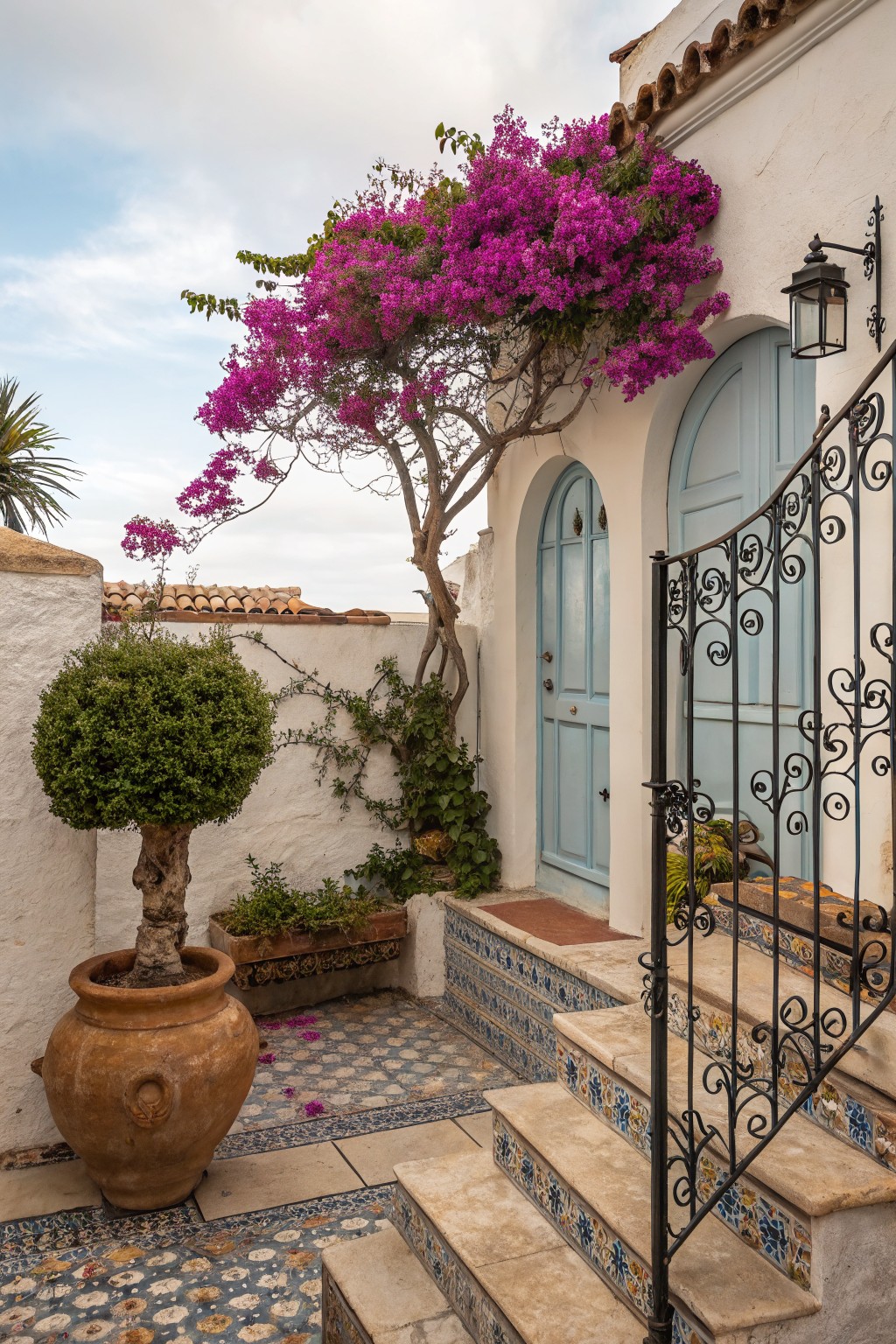
Wrought iron gates make a solid fence choice for small garden spaces. They stand up well to weather and give your entry a classic look. The scrolls on this one match the tiled steps without overpowering the white walls.
Put one at the bottom of stairs to a patio or courtyard. It suits older homes or sunny yards where you want some privacy but not a full solid fence. Climbing vines nearby help soften it. Just check the hinge quality before buying.
Glass Walls Opening to the Pool
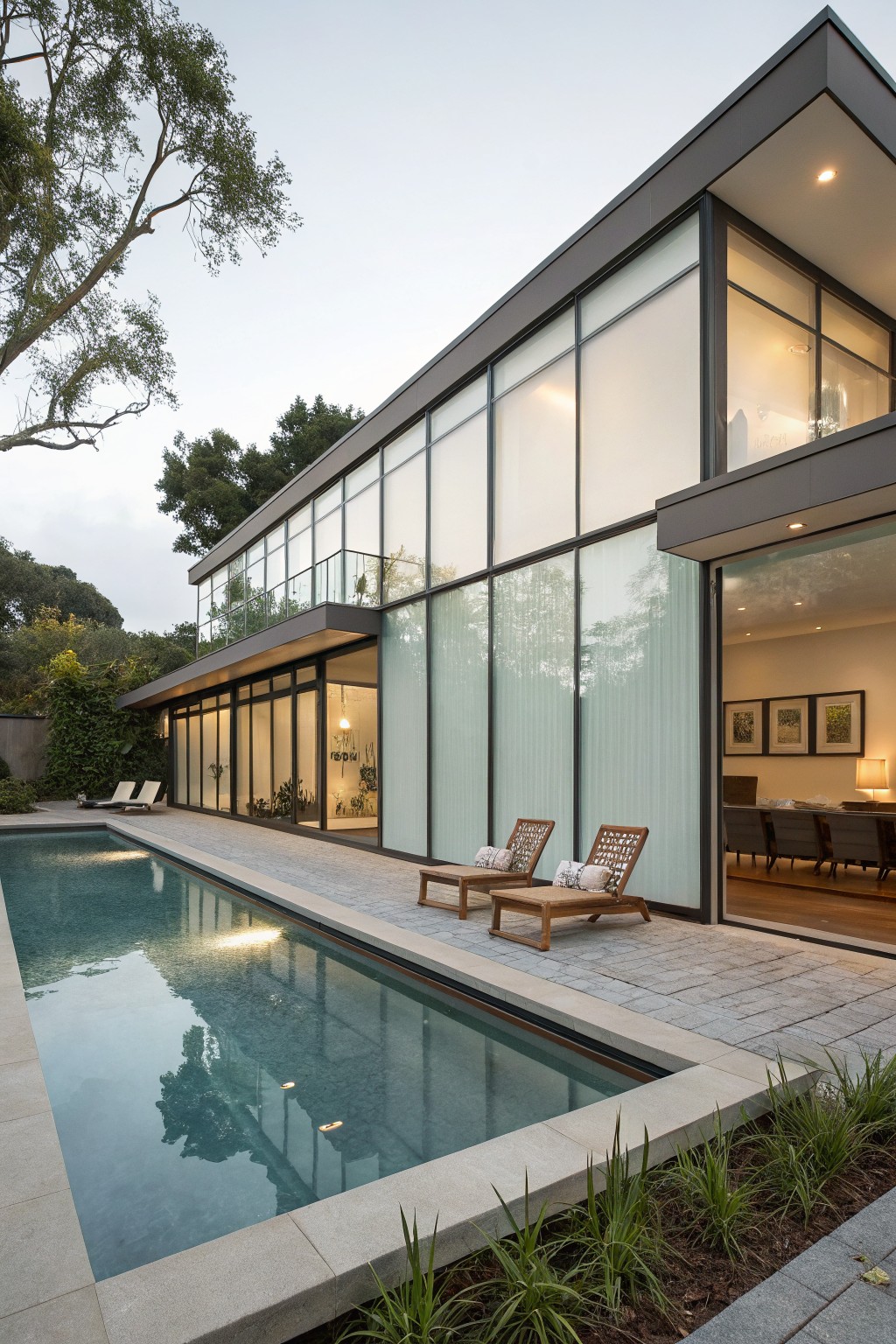
One simple way to make your garden feel bigger is with tall glass walls along the house. They let light flood in and keep everything open between inside and out. You see lounge chairs right by the pool here, easy to reach from the living room. It gives that resort look without much effort.
Try this on a long narrow yard next to the house. Modern or midcentury homes work best, especially if you add sheer blinds for times you want privacy. Keep the patio pavers simple to match. Just watch the cleaning, glass shows every smudge.
Woven Branch Fences Along Garden Paths
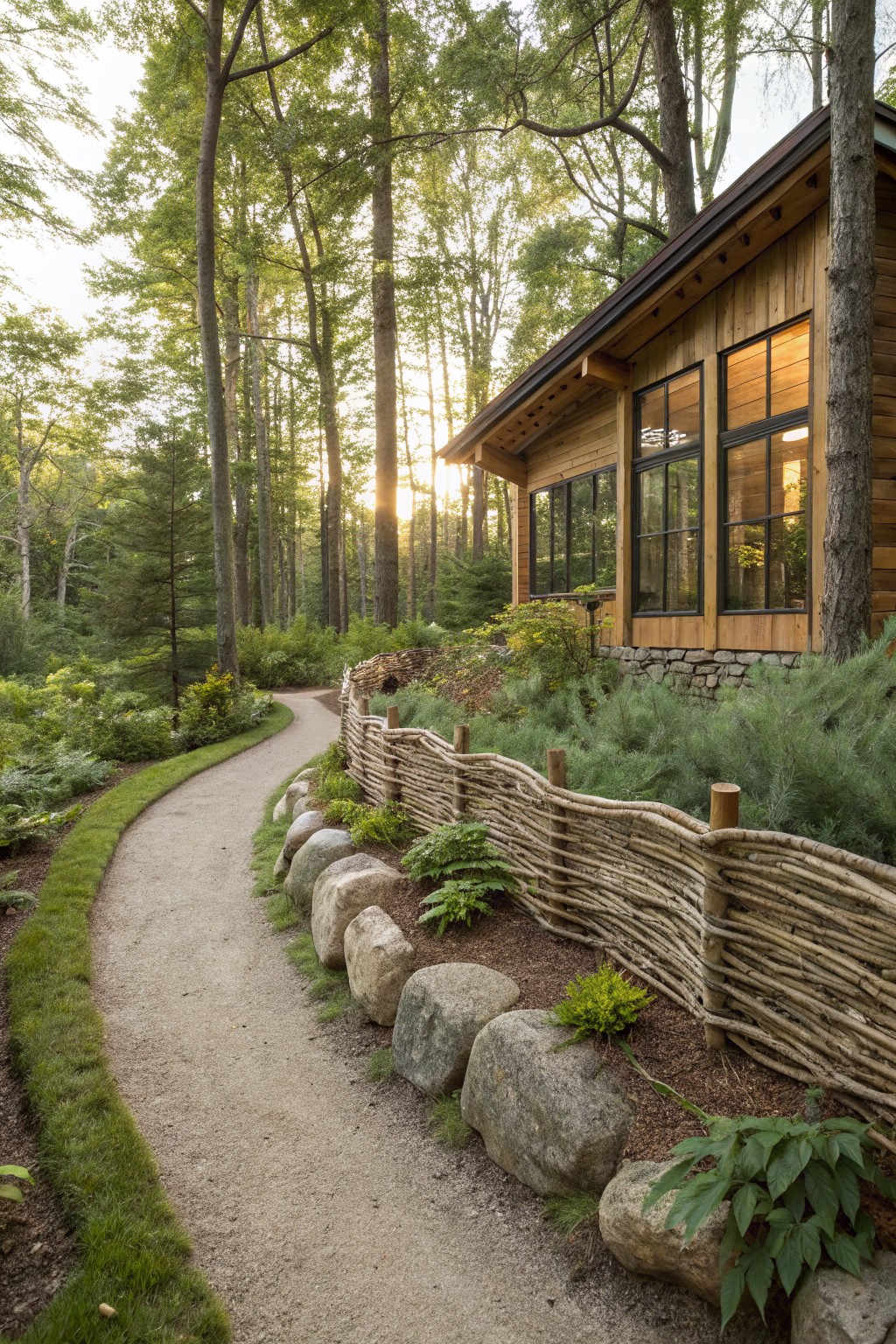
A woven branch fence makes a simple border that fits right into a natural yard. You see it here running beside a gravel path, with the branches twisted together on rough posts. It stands out because it looks like it grew there, not something added on. Folks like how it keeps things casual without blocking the view of plants or trees beyond.
Try this in a wooded backyard or around a cabin style home where you want low upkeep. Plant low shrubs or tuck rocks along the base like in this setup to hold it steady. It works best on one side of a curving path leading to a door. Just check your branches stay flexible when fresh, and avoid spots too wet or they’ll rot faster.
Tall Black Fences for Garden Privacy
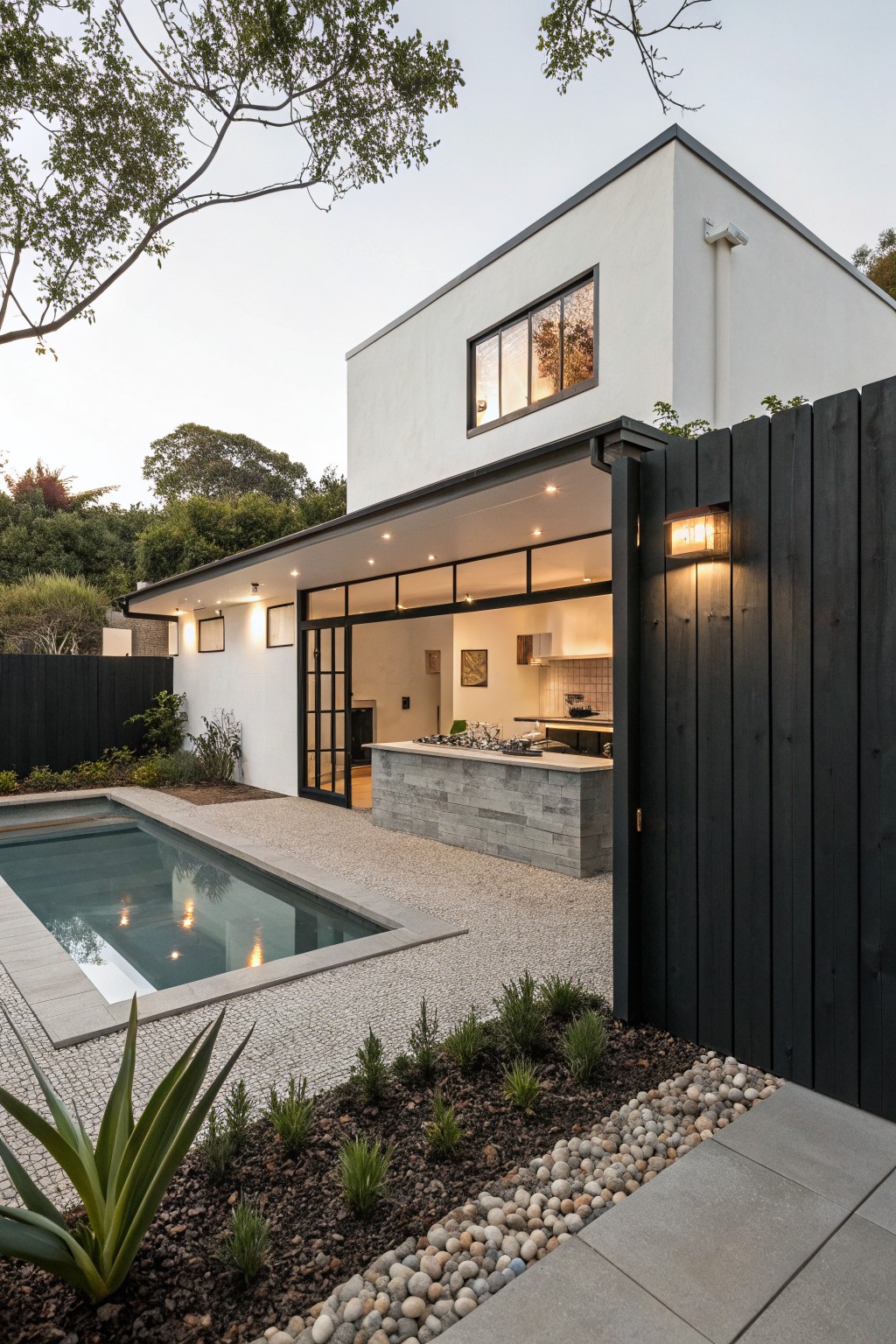
A tall black timber fence like this one works well to screen off a backyard pool and outdoor kitchen. It keeps things private from neighbors without blocking all the light, thanks to the vertical slats. The dark color stands out against a white house wall and light gravel, giving the space a clean, modern feel that pulls the yard together.
You can use this kind of fence around patios or pools in suburban yards. It suits homes with flat roofs and simple lines best. Just pick pressure-treated wood so it holds up outdoors, and maybe add a gate for easy access.
White Picket Fence Around Raised Garden Beds
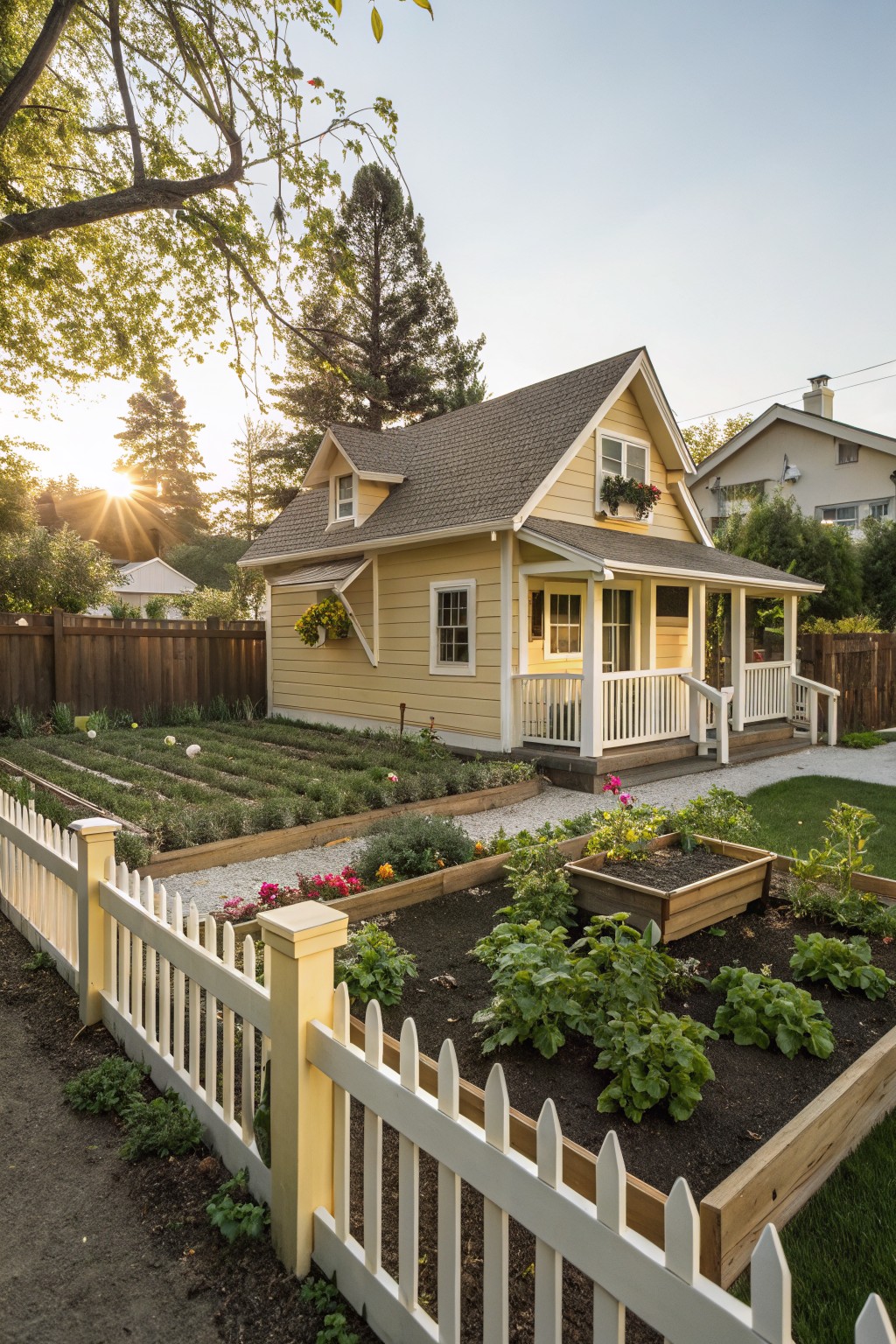
A white picket fence like this one sets off raised garden beds in a clean, old-fashioned way. It keeps the growing space tidy while giving your yard that cozy cottage feel. The low fence matches well with a simple house front, and it lets you plant veggies or herbs right near the porch without everything spilling over.
Put this setup in a side yard or along the front where you want easy access from the house. It suits smaller lots with cottage-style homes best. Just make sure the wood is treated to hold up against soil and water, or it might need repainting every couple years.
Wrought Iron Fences with Boxwood Hedges
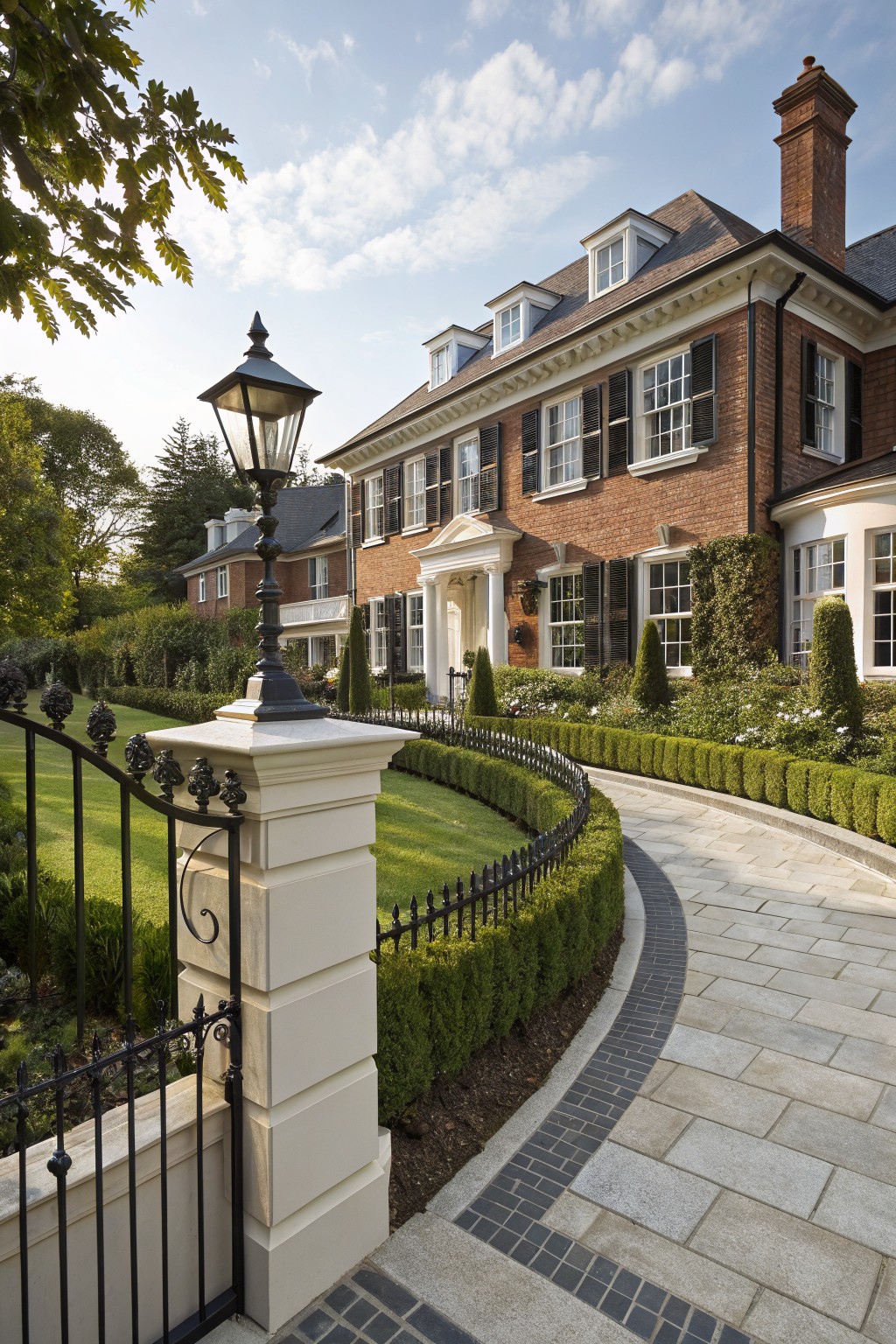
A black wrought iron fence curves along the front garden here, topped with spear-like finials and set on stone pillars. Low boxwood hedges run right alongside it, keeping everything crisp and contained. That simple pairing makes the entrance feel put-together and a bit grand, without going overboard.
Try this on homes with some front yard space, especially older brick ones. The iron gives structure, the boxwoods add green softness. Just keep those hedges clipped short, maybe 2 feet high, so they don’t crowd the fence. It suits spots where you want to mark the property line but still see through to the house.
Rope-Tied Picket Fences for Coastal Edges
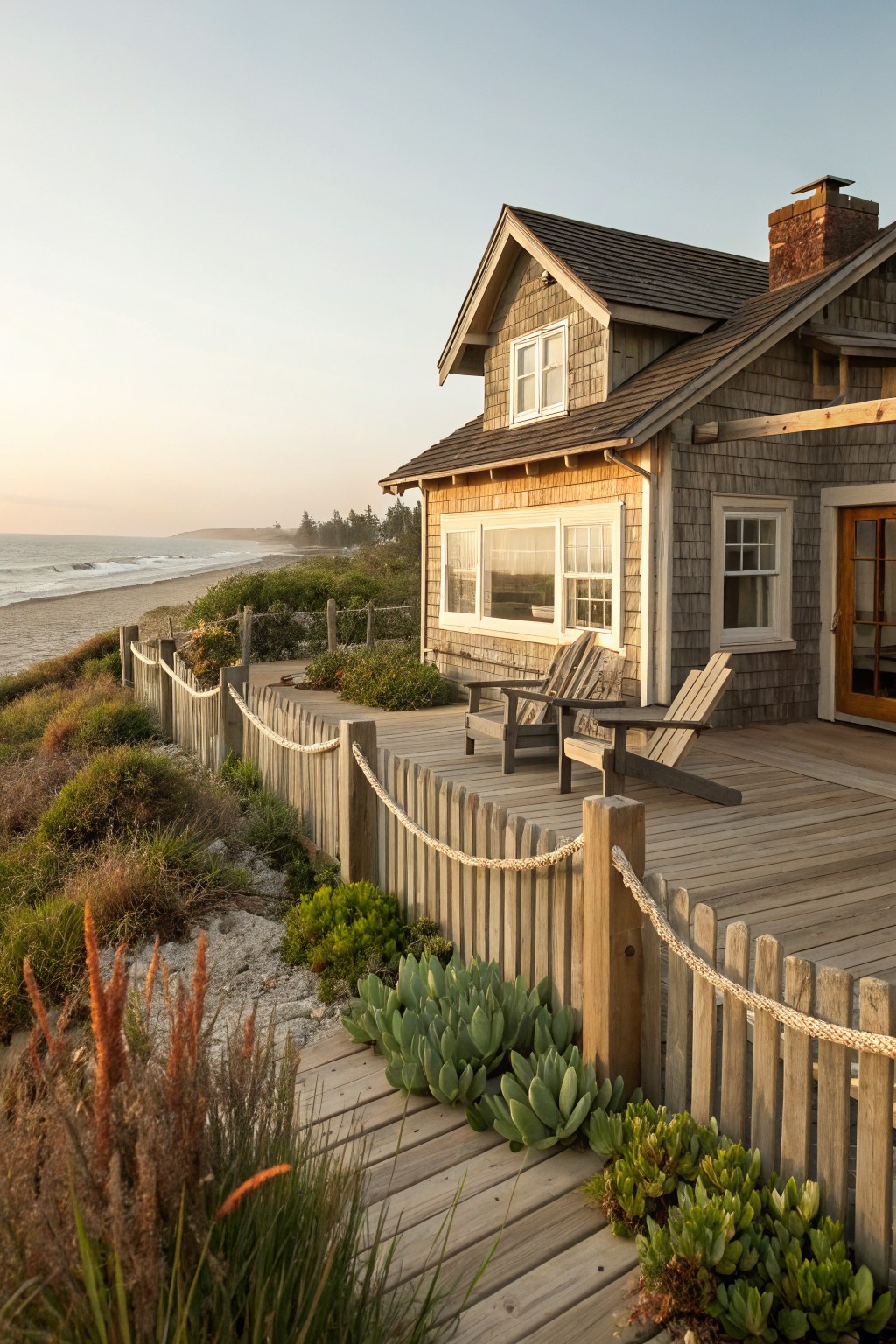
Rope-tied picket fences like this one add a simple beachy touch to garden paths and decks. The rough wood posts and nautical ropes keep the look open and casual. They fit right in with sandy yards and let you see the view beyond.
Use them along sloped paths or deck edges where you need a light boundary. They suit seaside homes or any spot with native plants spilling over the base, like those succulents here. Just make sure the ropes are thick marine-grade to hold up in salt air.
Decorative Metal Screen Fences
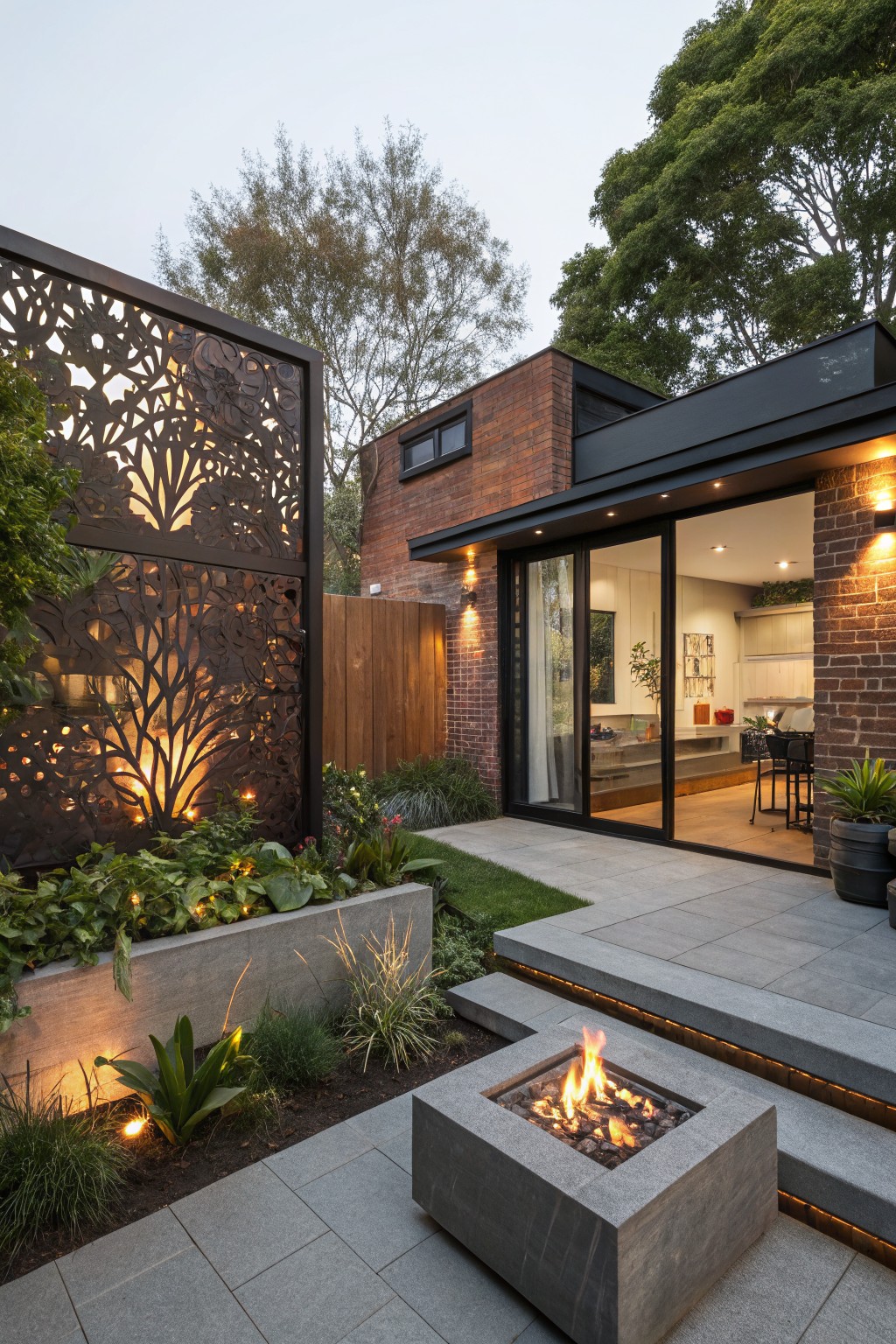
One smart way to handle garden privacy is with tall metal screens cut in a pretty pattern, like the tree branches you see here. They block views without shutting out all the light or air. That glow from lights behind the screen at dusk adds a nice touch too, especially next to a brick house wall.
These work best in backyards that open to patios or seating areas. Bolt them to posts or a wood fence for support. They’re good for modern or updated homes, but watch the scale in small spaces. Pick a simple design that fits your plants.
Stone Pillars and Black Gates
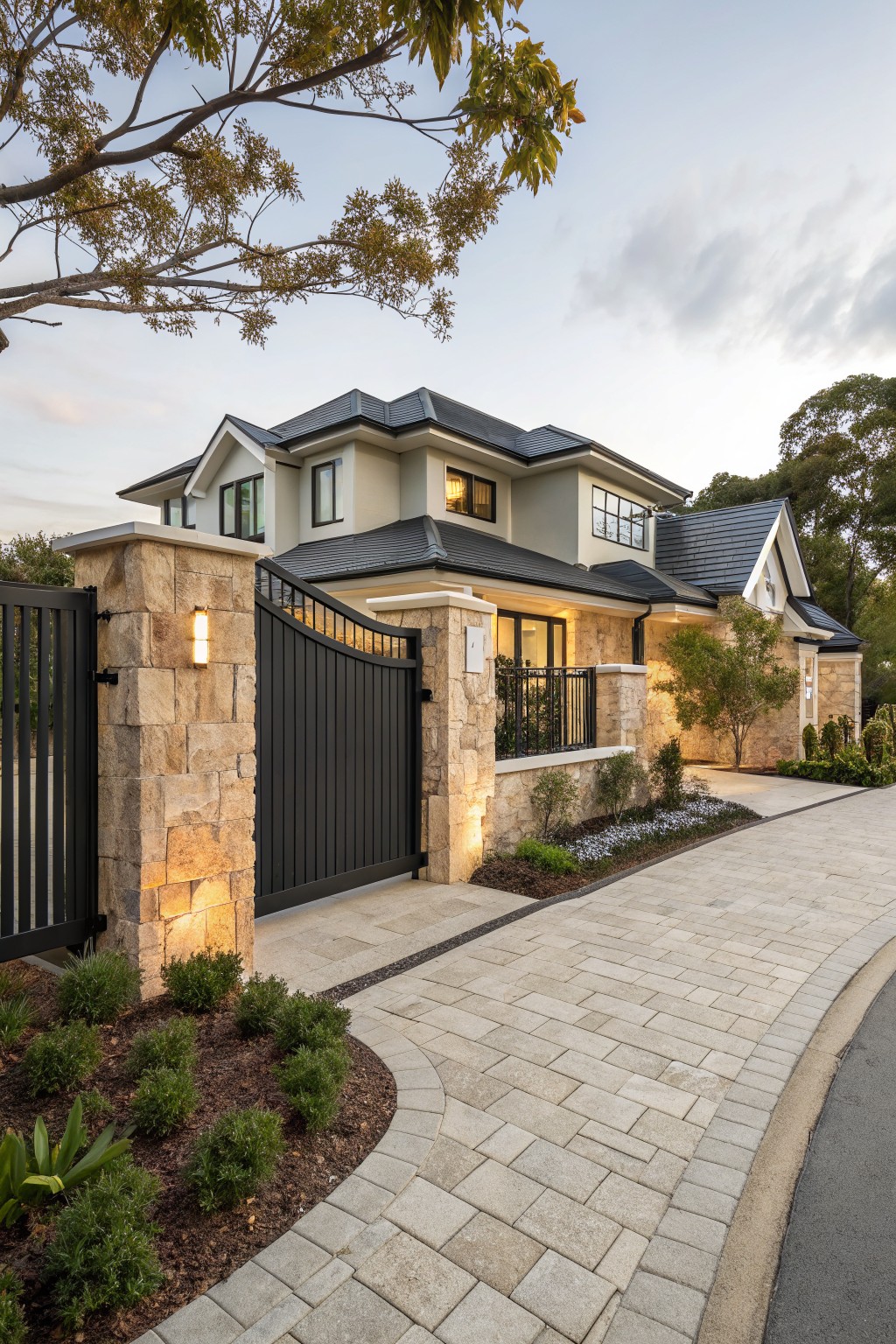
Stone pillars like these make a garden fence feel solid and here to stay. Paired with black metal gates, they create clean lines that contrast nicely against plants and pavers. The pillar lights kick in at dusk too, marking the way without much fuss.
This setup suits homes with some space out front, especially if your house has light siding or stone accents. Go for rough-cut stone to blend with natural landscaping. Just size the pillars to match your gate height, or it might look top-heavy.
Trellis Fences with Climbing Ivy
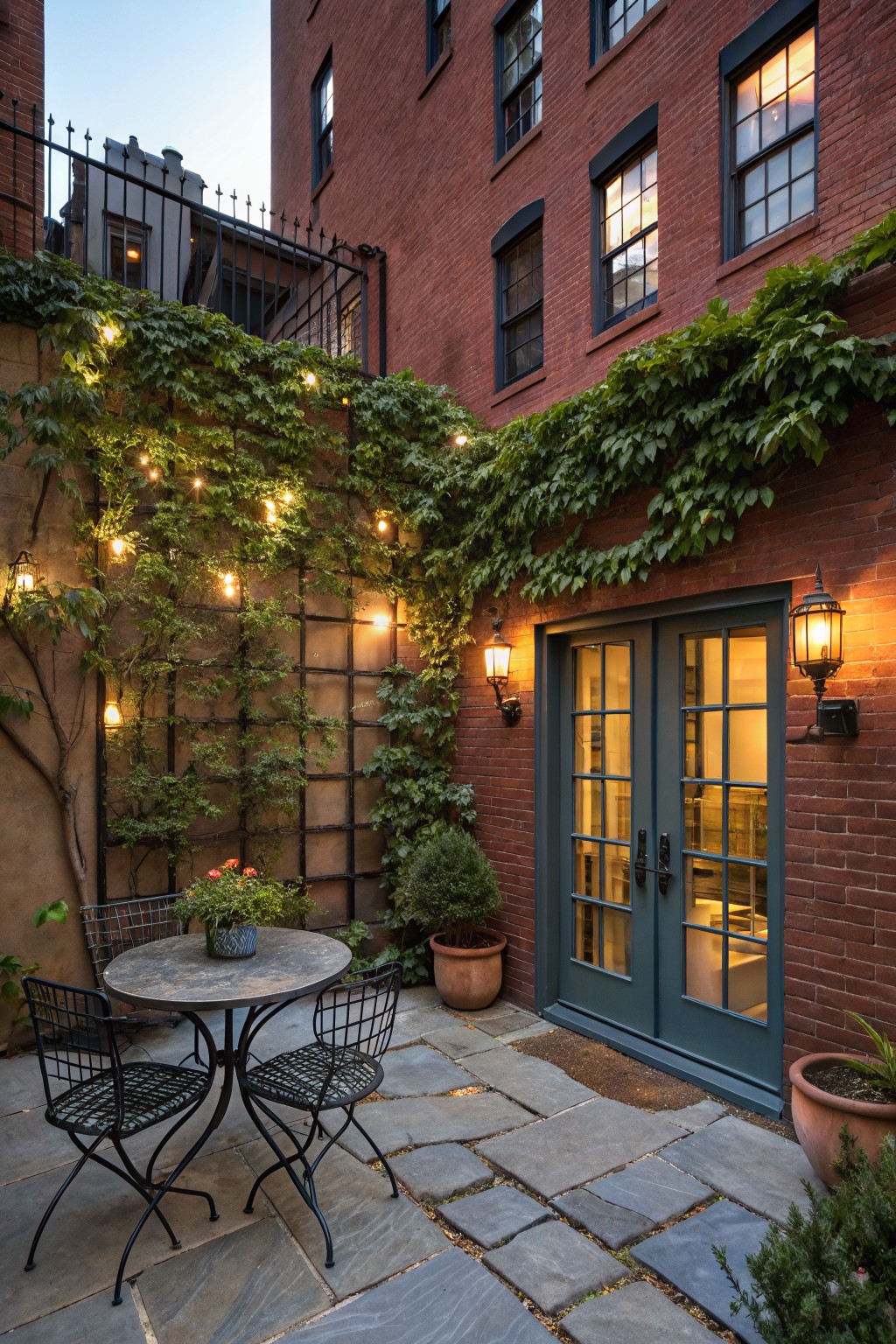
A trellis fence covered in ivy turns a bare wall into something alive and green. The vines climb right up the grid, filling it out over time, and those string lights woven through make the whole thing glow softly in the evening. It’s a quiet way to add height and cover without building something permanent.
This setup fits small urban patios best, especially next to brick townhouses. Mount a metal or wood trellis flat against the wall, plant ivy at the base, and let it spread. Works in shady spots too. Just keep the ivy trimmed so it doesn’t crowd the doors.
Frequently Asked Questions
Q: Can I really DIY one of these fences if I’m not super handy?
A: Start with pallet or chicken wire designs. They snap together fast with just a hammer and screws. Call a friend for the digging part.
Q: My yard slopes a lot. Which ideas still work?
A: Use adjustable post anchors or gabion baskets filled with rocks. They hug the ground without much leveling. Skip rigid panels.
Q: How do I pick a fence that won’t clash with my house?
A: Match the material vibe, like cedar for a cottage feel. Paint or stain to blend with siding colors.
Q: What’s a good low-maintenance fence for rainy areas?
And go with powder-coated metal or vinyl. They shrug off water and need zero upkeep beyond a hose-down now and then.
