

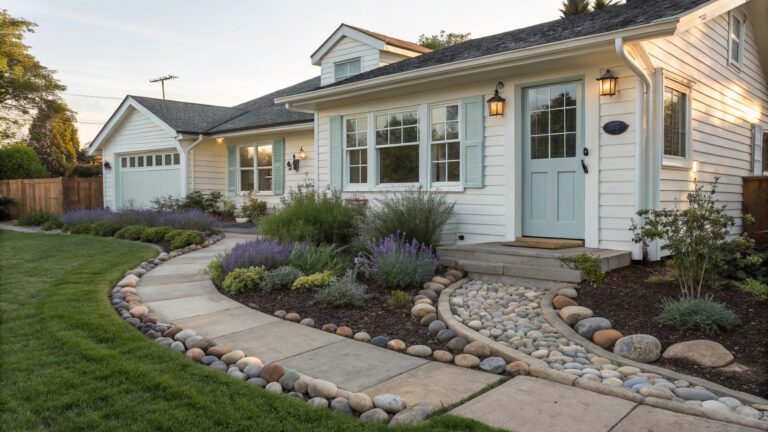
I’ve noticed over time that garden edging does more for a yard’s polish than almost anything else you can add.
I avoid the thin plastic strips myself since they warp and shout their low cost after a rain or two.
Simple repeats of bricks or stones pull off that high-end vibe when you nestle them into the soil just right.
Overly busy designs fall flat because they compete with the plants instead of framing them.
The reclaimed wood trench is one I’ll use again.
Boulder Edging for Walkways
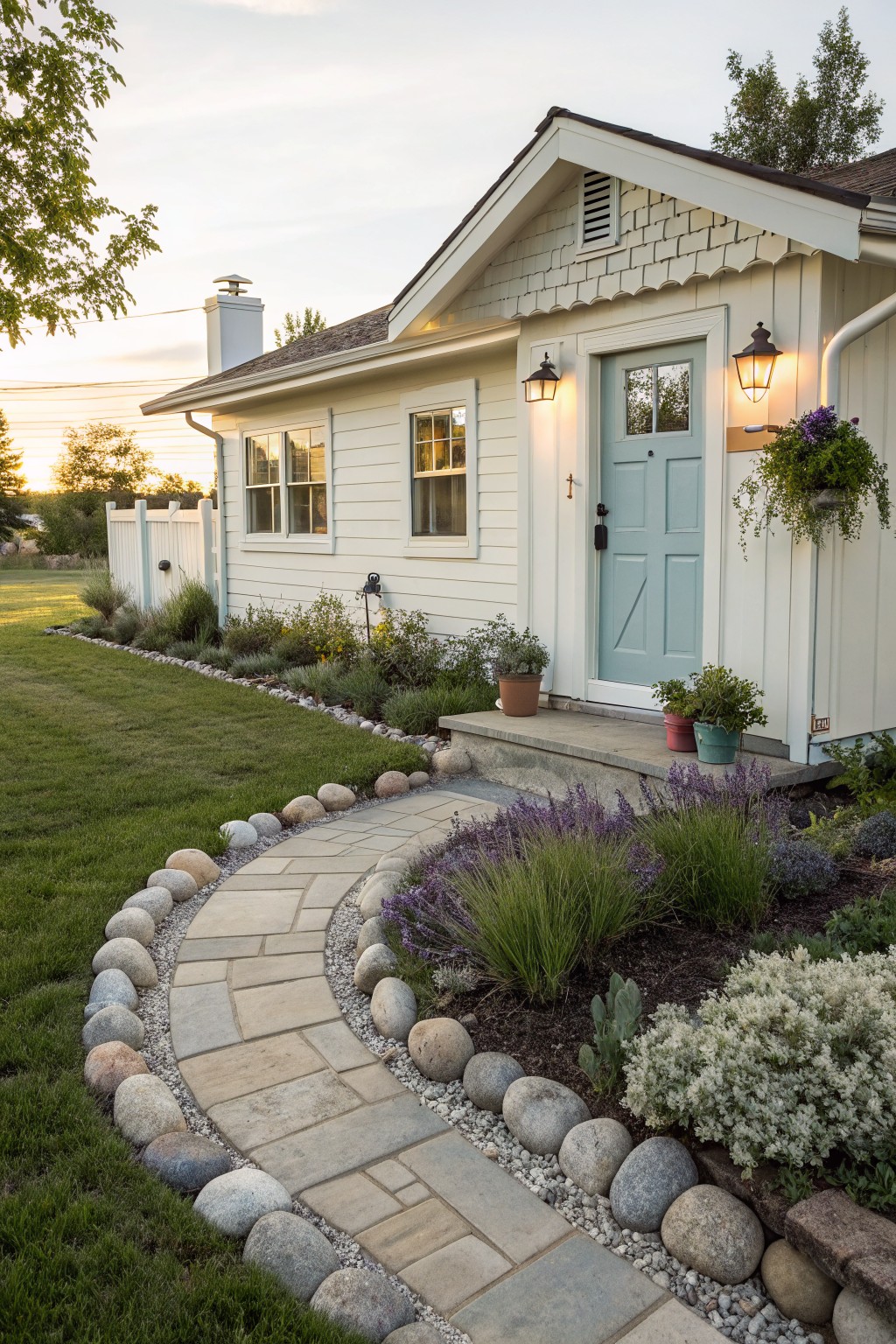
One straightforward way to upgrade a garden path is lining it with large round boulders. This creates clean borders that look custom-built but come together on a budget. The rocks hold back grass and mulch nicely, and they add some natural texture without much upkeep.
Lay down gravel first for drainage, then set the boulders in place along your path edge. It suits cottage-style homes or any yard with simple lawn and low plants. Skip tiny pebbles here. Bigger rocks stay put better and feel more substantial.
Metal Edging for Gravel Beds
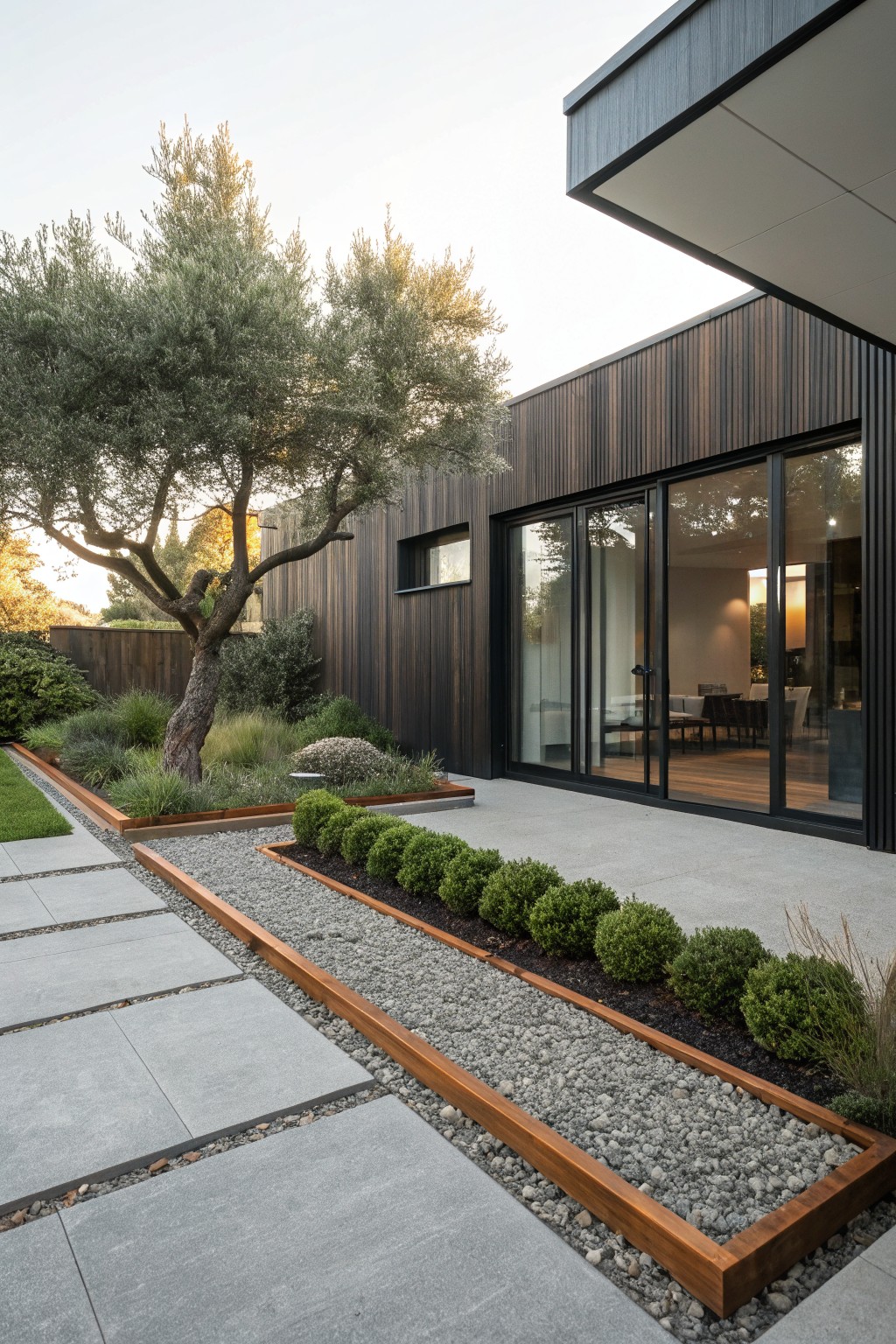
One clean way to edge a garden bed is with simple metal borders filled with gravel. It gives a sharp, modern line that sets off plants like boxwoods without much upkeep. The rusty metal picks up on wood tones from the house siding nearby, and it keeps weeds down while letting water drain right through.
This works great next to a patio or walkway on smaller yards, especially with a contemporary house. Use corten-style steel or treated lumber for the frames, add pea gravel, and plant low evergreens along the edge. Just make sure the base sits level so gravel doesn’t shift over time.
Gravel Edging for Garden Paths
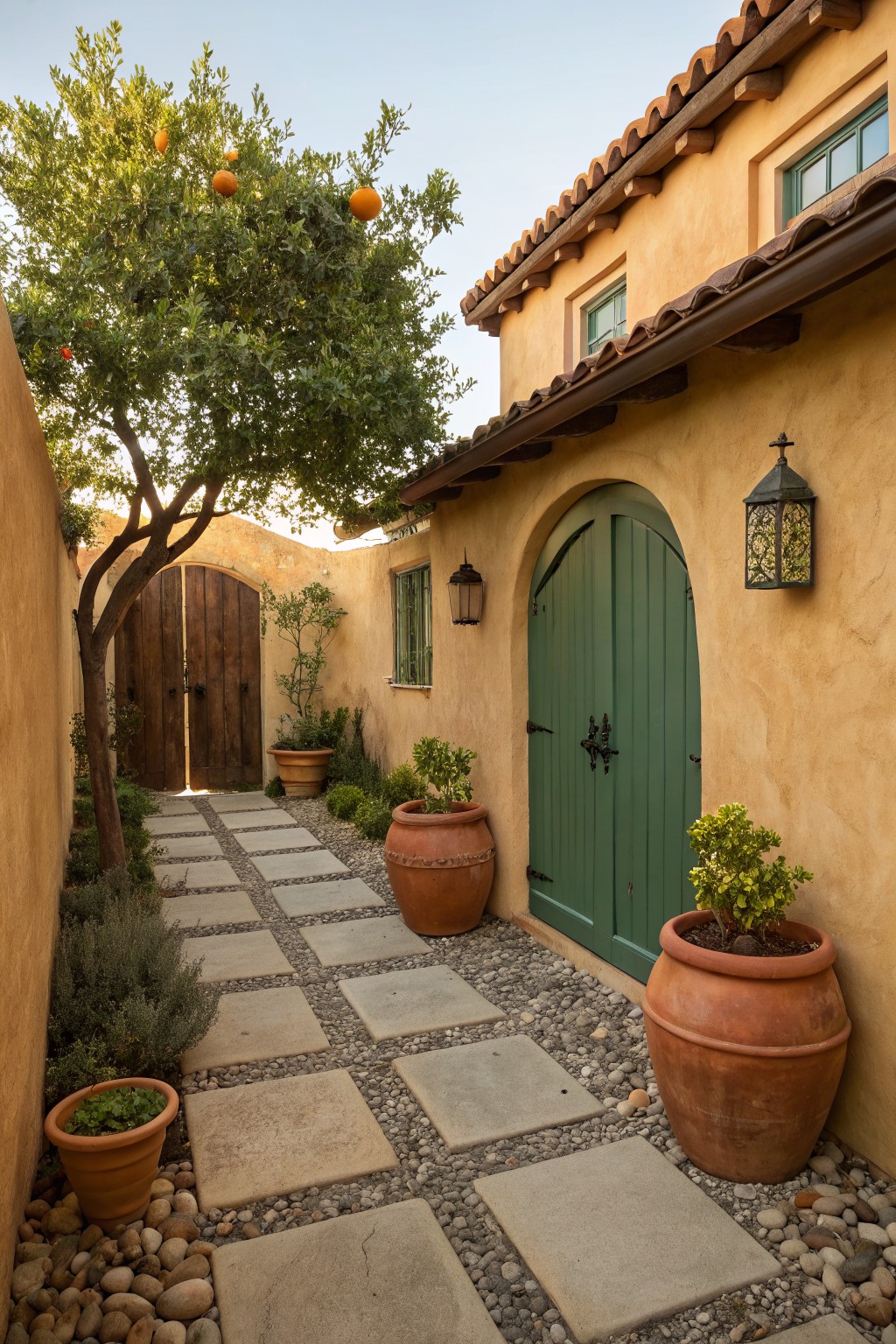
A gravel border around stone pavers turns a basic walkway into something that looks like it belongs in a fancy courtyard. The pebbles hug the edges tight, keeping weeds out and giving the path a clean line that fits right with stucco walls and terracotta pots. Folks like it because it’s cheap to set up and stays neat without much work.
Start with squared-off pavers set in the ground, then shovel in pea gravel or small river rocks along both sides. Tuck in a pot or two with herbs or succulents for extra color. It suits narrow spots between house walls or in sunny yards with citrus trees nearby. Skip fancy dyes on the gravel. Plain ones hold up better.
Rope and Post Garden Edging
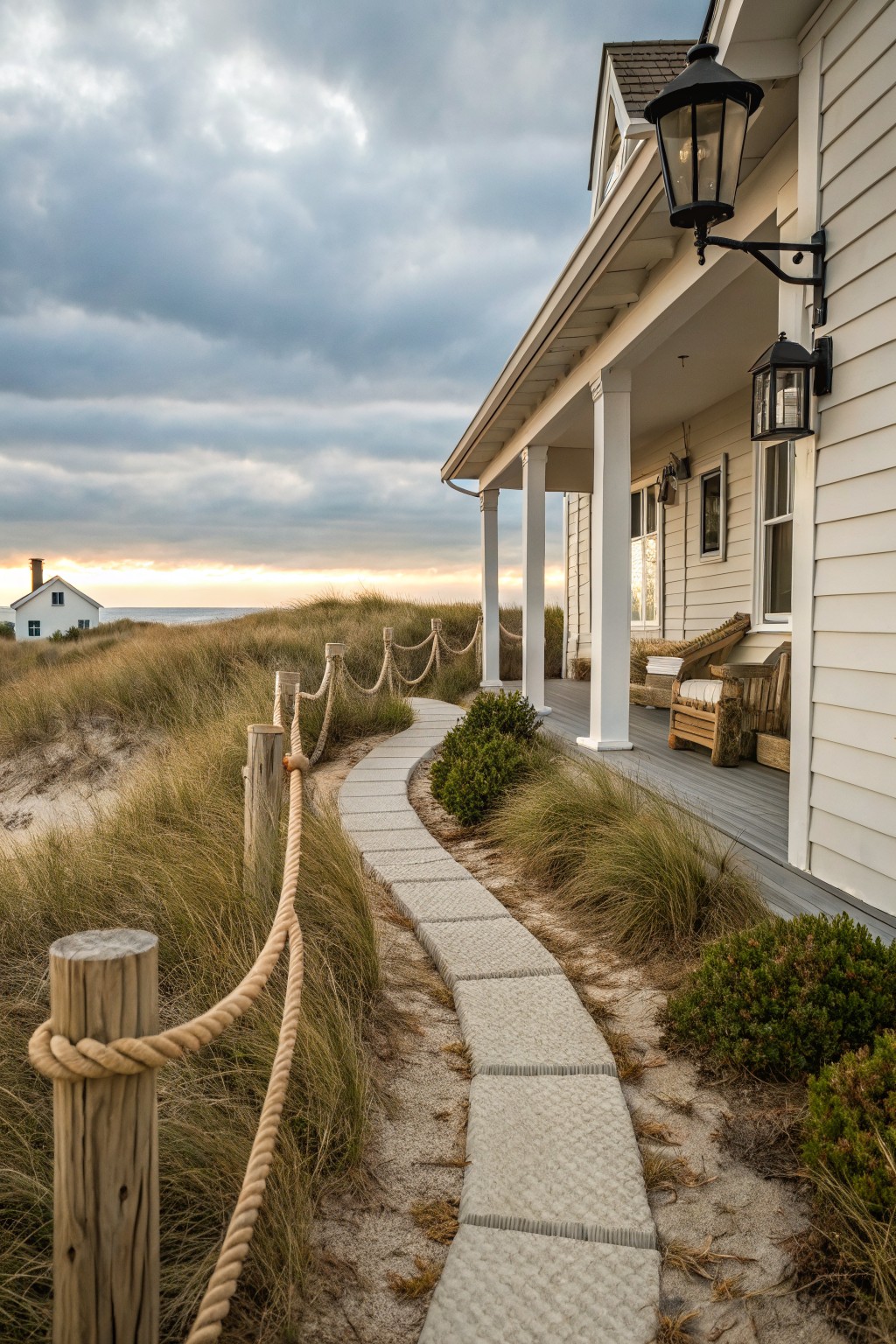
Rope strung between wooden posts makes a clean, sturdy edge for paths through loose sand or grass. You see it here along a simple stone walkway leading up to the house. It’s cheap to put together, just posts pounded into the ground and some nautical rope looped through. That setup keeps the path clear without looking too fussy, and it fits right into coastal spots or anywhere with a relaxed yard feel.
Try this where you have uneven ground or planting that wants to creep over walkways. It works best on beach houses or cottages, but even a regular backyard path gets that high-end touch without much spend. Pound posts about two feet apart, knot the rope tight, and replace it every couple years if weather wears it down.
Plant Edging for Front Walkways
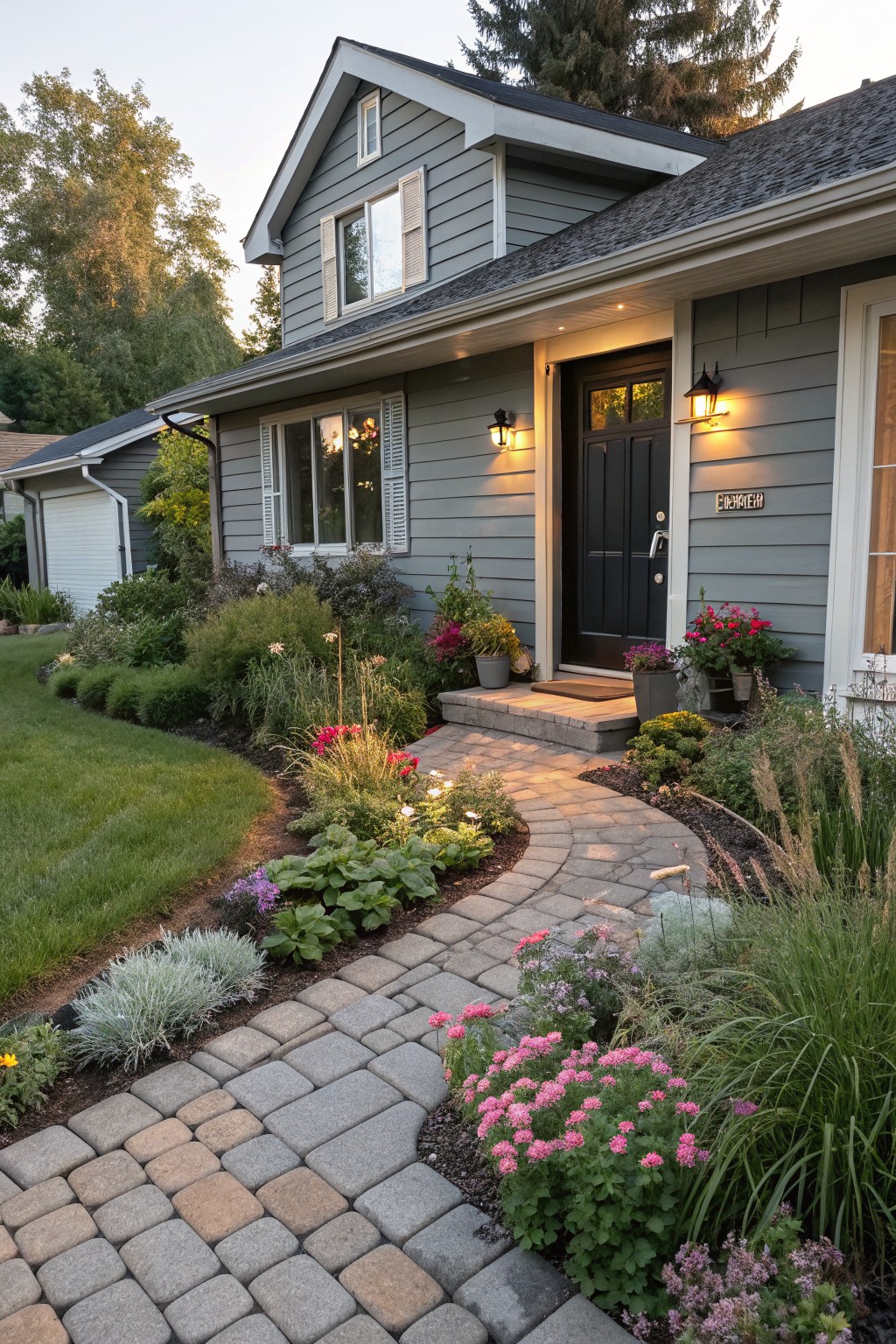
One easy way to edge a walkway is lining it with plants like low flowers and grasses. In this yard, a curved brick path gets that treatment all the way to the steps. The soft border keeps things neat but feels natural, and it hides any rough lawn edges without extra materials.
This works best on yards with some open lawn space. Plant perennials or tough annuals that stay compact… sedum or lavender types hold up well. It suits most homes, even older ones, but watch that plants don’t creep onto the path over time.
Mosaic Tiled Raised Planters
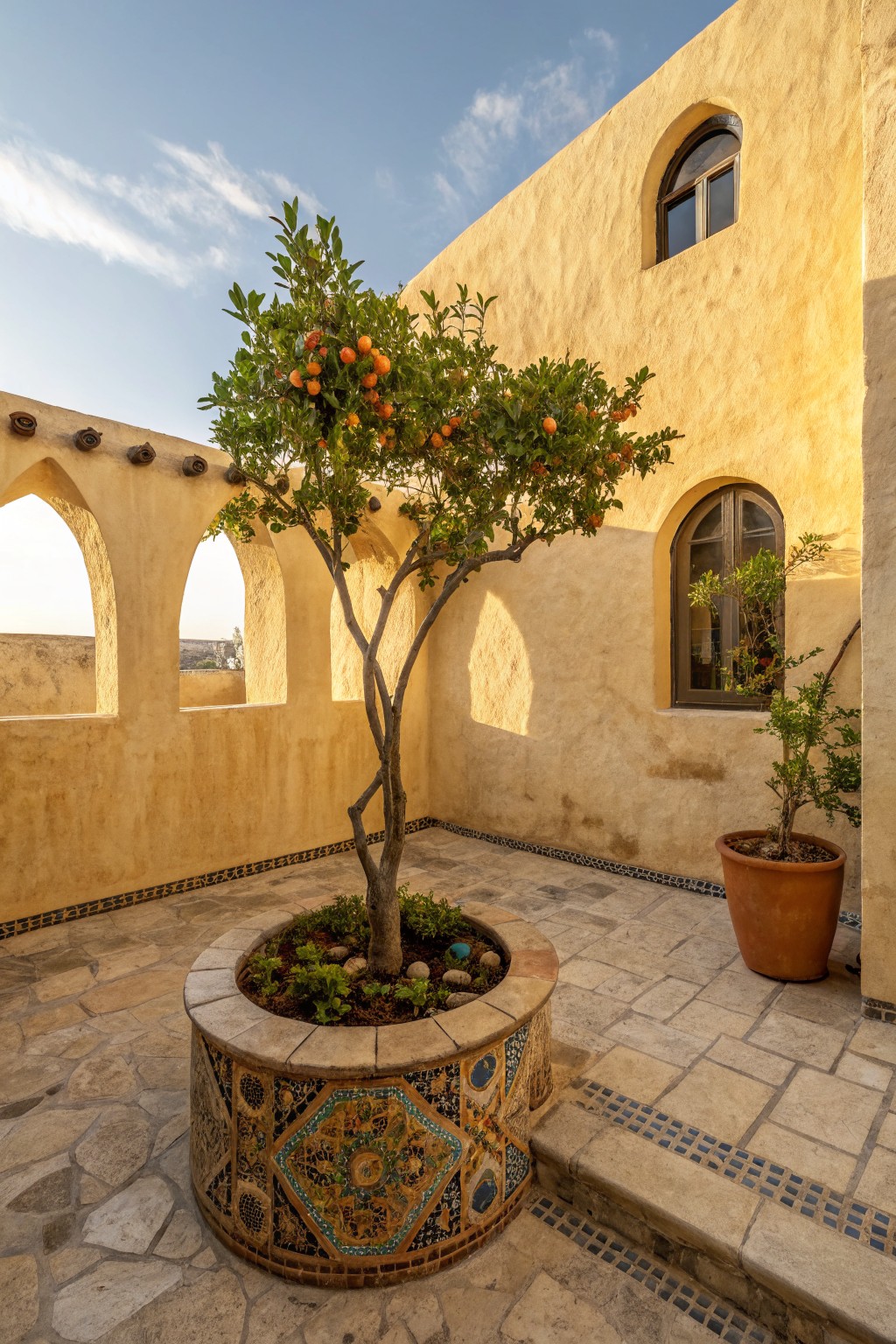
A raised planter wrapped in colorful mosaic tiles makes a simple garden edge that punches above its weight. Here, it cradles a small orange tree right in the middle of a patio, drawing the eye with those blues and golds against plain stucco walls. Folks like it because the tiles hide the basic stone underneath and give off a custom, handcrafted feel on a dime.
Put one like this near an entry or seating area where it can hold a focal plant. It suits courtyards, small yards, or even along a fence line. Grab surplus tiles or break some china for the mosaic, set them in mortar on a concrete block base. Just make sure good drainage so roots don’t rot.
Gravel Path with Stone Slabs
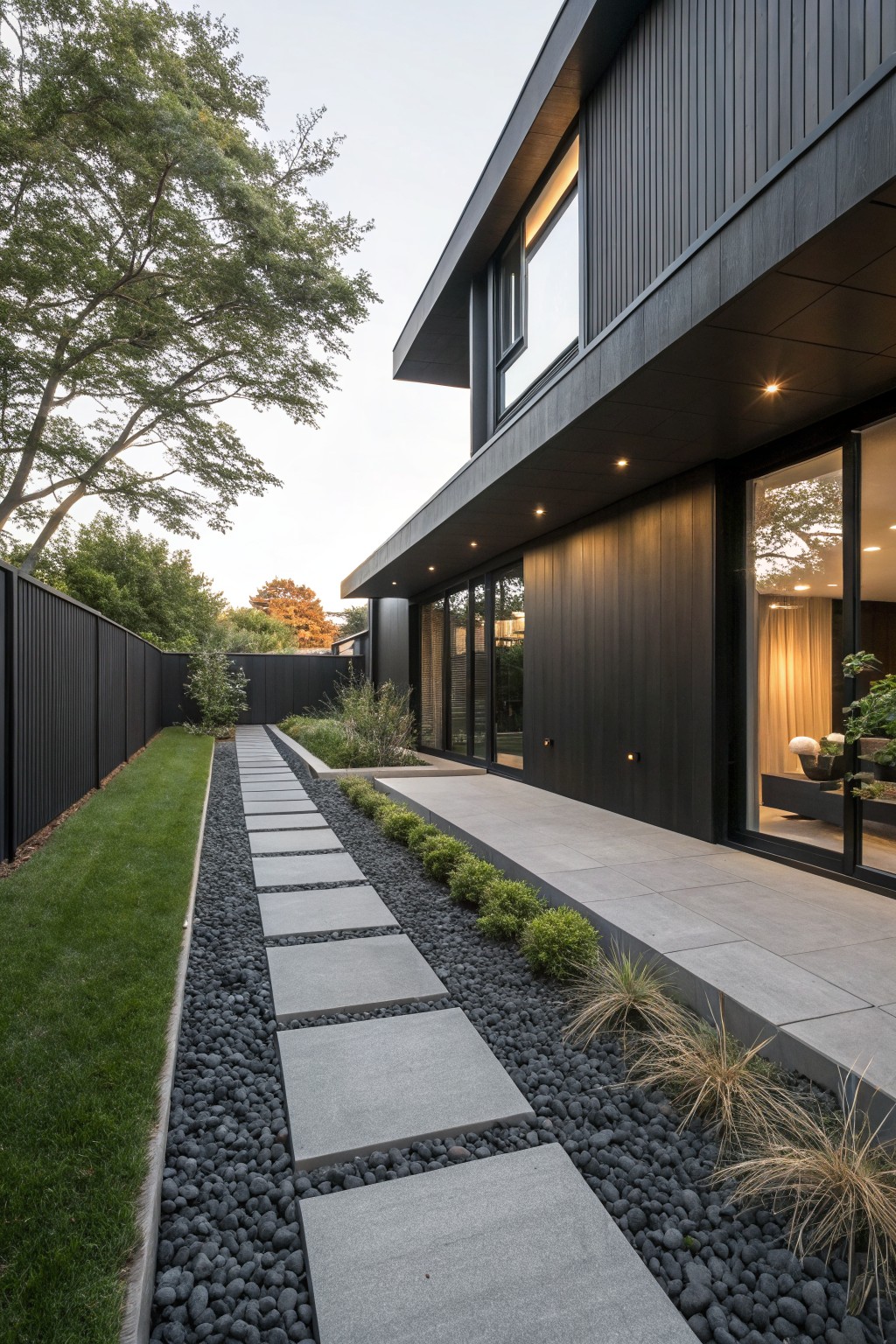
A simple path made from large concrete slabs set right into black gravel gives your yard a clean, modern edge. It stands out because the gravel fills the gaps perfectly, keeping things tidy without extra borders. No fuss, just a straight shot to the door that feels intentional.
Put this along a side yard or leading to a patio. It suits homes with simple lines or bigger lawns where you want low upkeep. Line up the slabs first, then pour in the gravel. Watch that the stones are big enough so feet don’t slip on loose bits.
Terraced Stone Walls for Garden Edging
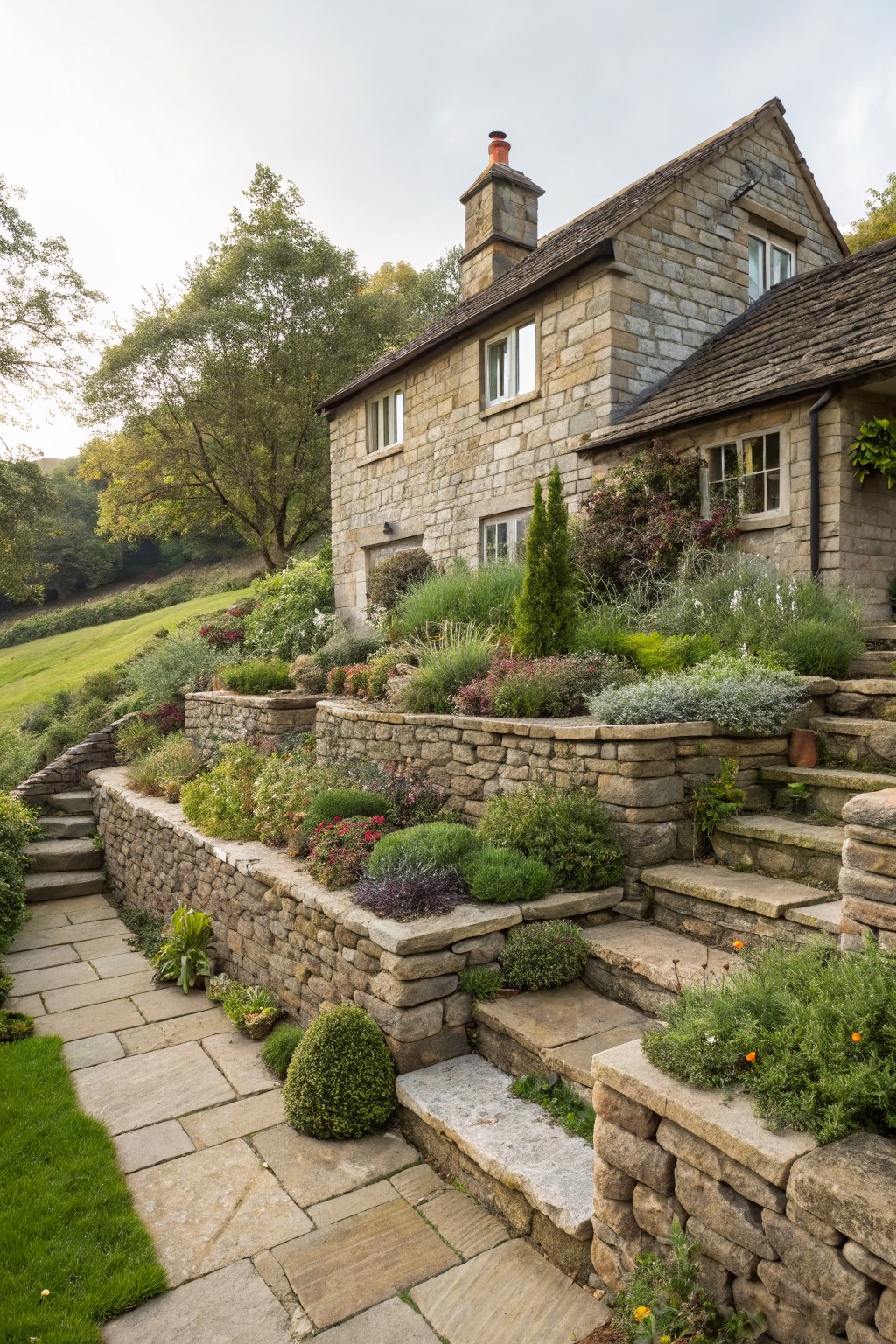
One straightforward way to handle a sloped yard is building terraced beds with dry stone walls. These low walls hold back soil and create flat spots for plants, all without mortar. In this yard, the pale limestone pieces stack up neatly, letting flowers and grasses tumble over the edges for a cottage feel that ties right into the house stone.
It works best on gentle hills where you want more planting room. Source stones from a local quarry or salvage yard to keep costs down. Start small with one level, add gravel for drainage behind the wall, then plant tough perennials that won’t mind the exposure. Skip it on steep drops unless you reinforce well.
Rope and Post Garden Edging
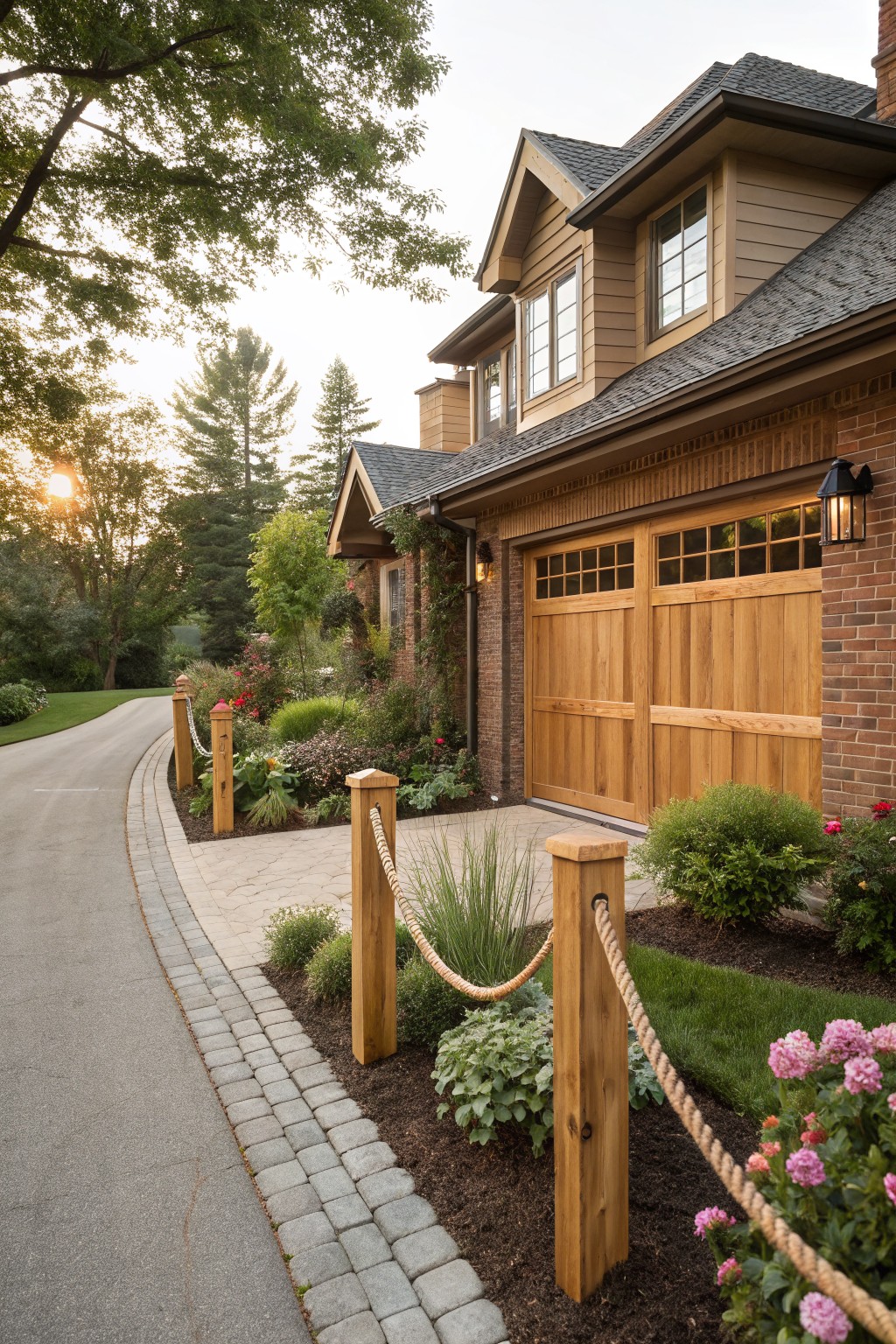
This setup uses simple wooden posts linked with rope to edge along a driveway. It holds back the mulch and plants just right, keeping everything tidy without much fuss. Homeowners go for it because the wood and rope feel natural and solid. Plus it’s cheap to put together yourself.
Line it up next to paths or driveways where you have garden beds. It fits homes with a bit of yard space, especially if you like a casual look. Sink the posts deep in the ground first. That way they stay put through weather.
River Rock Edging for Pools
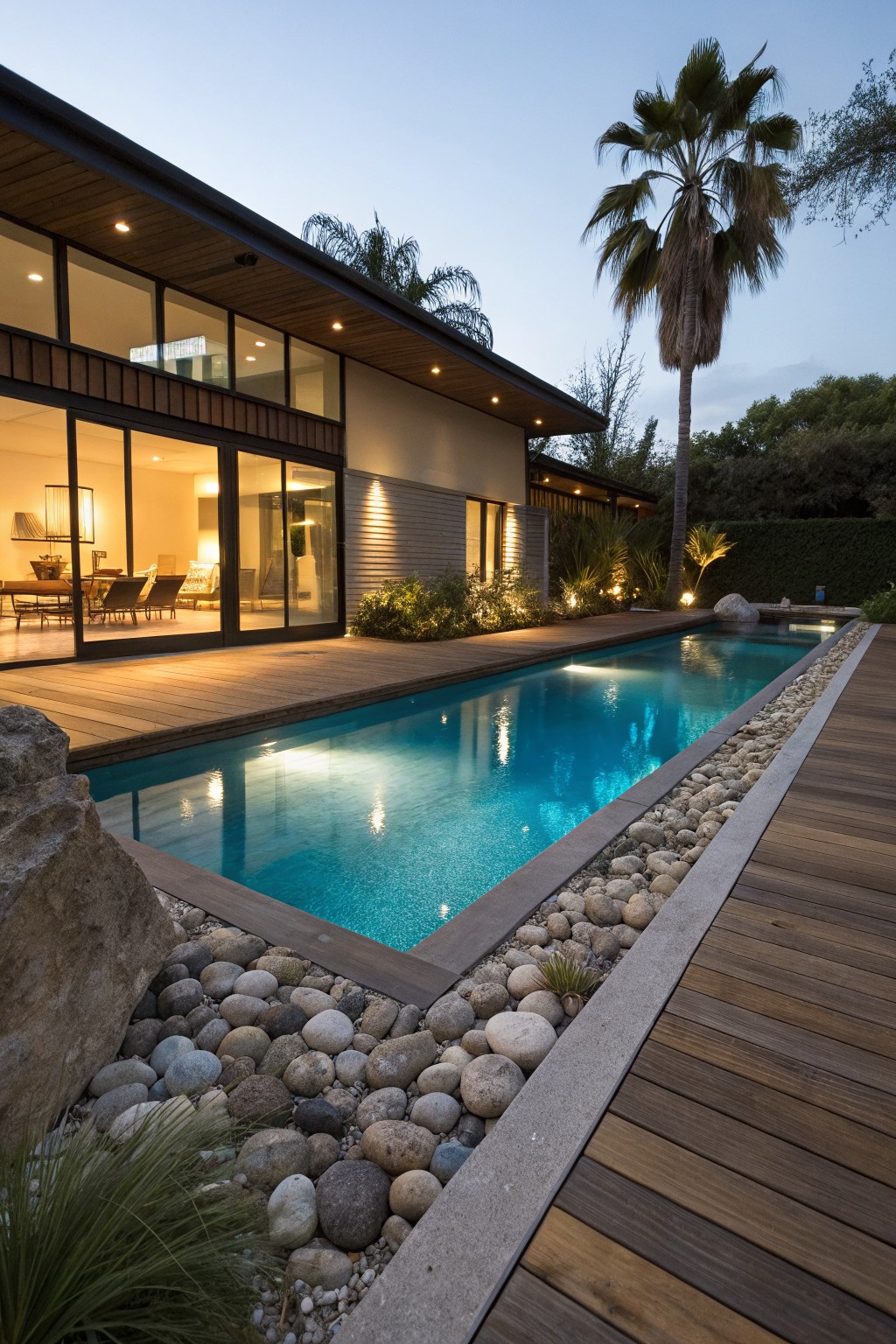
River rock edging gives a pool area that clean, finished look without much fuss. You see it here along the edge of a sleek lap pool, where smooth pebbles sit tight against the concrete lip and wood deck. It stands out because it keeps everything tidy, lets water reflections shine through, and blends right into the yard with a natural feel.
To pull this off on a budget, grab bags of river rocks from a landscape supply yard and lay them over weed fabric along your pool, path, or garden bed edge. It works best in modern backyards or anywhere with hardscape like decks. Just make sure the base is level so rocks don’t shift, and add a bigger boulder nearby for some weight if you want.
Concrete Block Raised Garden Beds
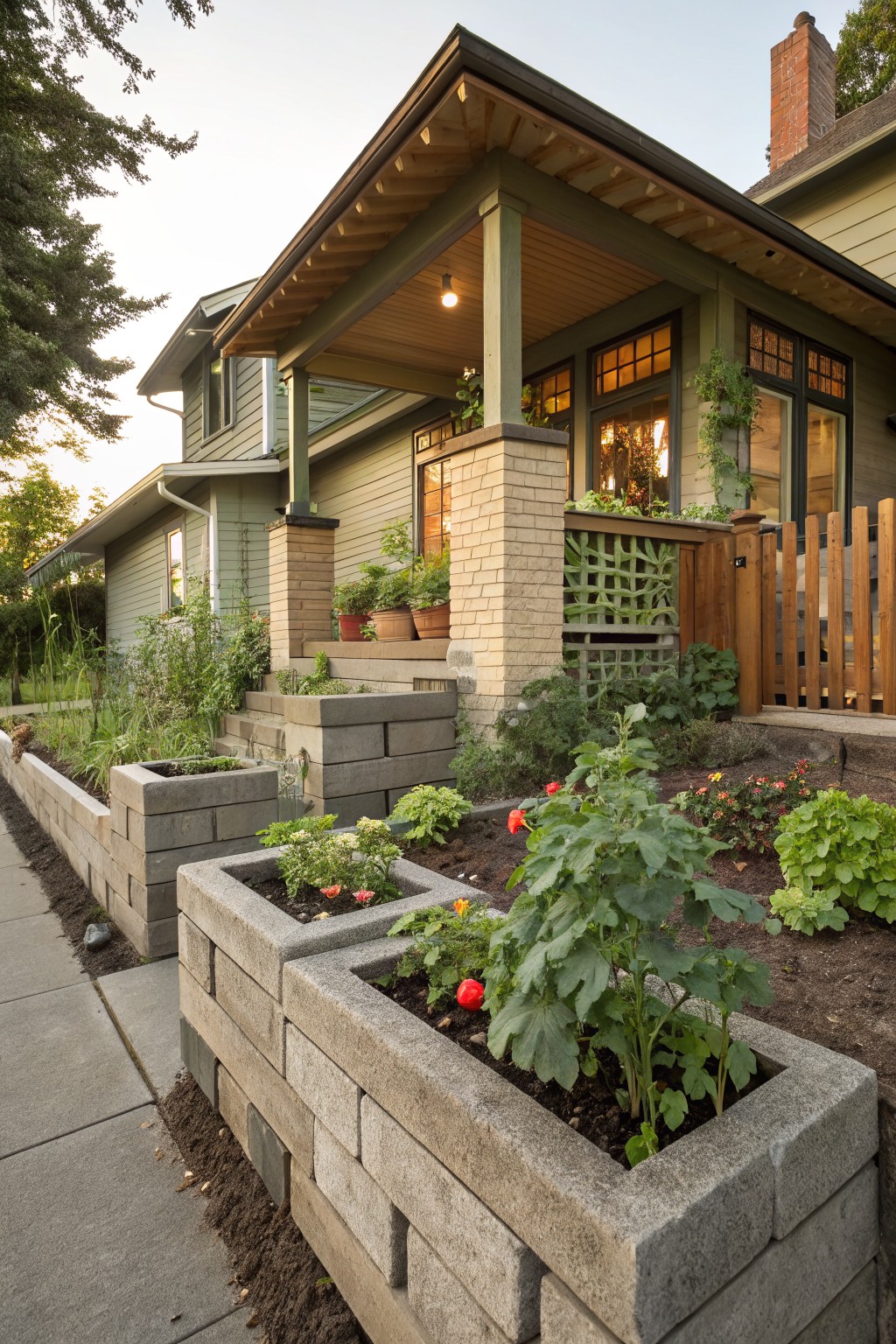
One simple way to edge a garden that looks put-together without much cost is stacking concrete blocks into raised beds. You see it here along the sidewalk, holding veggies and flowers right up next to the path. It gives a clean border that feels sturdy and planned out. Folks like how it lifts plants off the ground for easier tending, and the block texture adds some weight without being fussy.
These work best in front yards or side paths where you want low upkeep and good drainage. Stack them two or three high on level ground, fill with soil, and plant right away. Suits older homes with Craftsman vibes or any spot with poor soil. Just make sure to cap the tops if rain pools up… keeps it neat longer.
Stone Paths with Gravel Edging
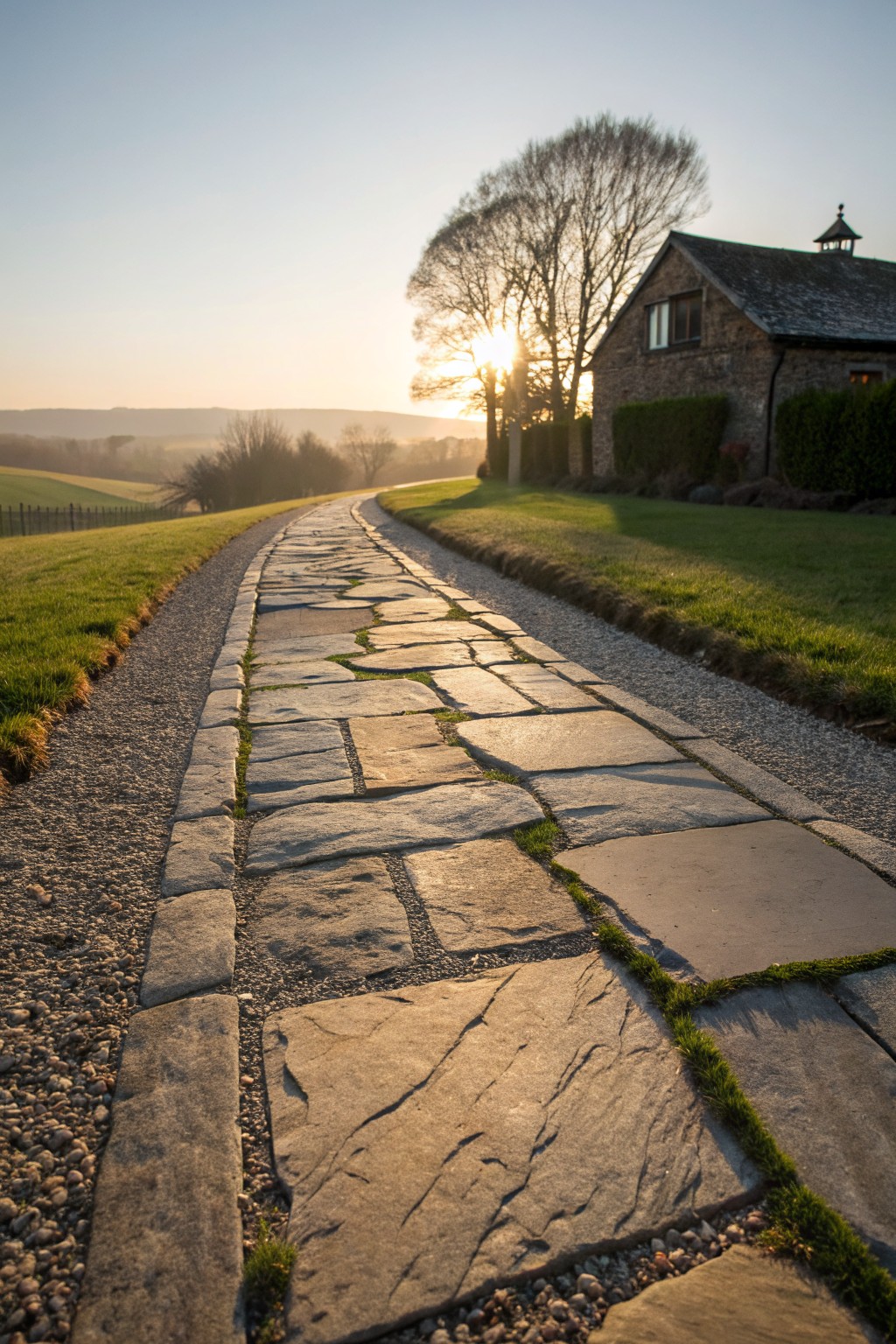
A simple stone path like this one uses big irregular slabs set into gravel borders on both sides. What stands out is how the gravel keeps everything tidy and lets a bit of grass grow in naturally. It gives that old country lane feel without looking too fussy. People go for it because it’s sturdy underfoot and fits right into a yard with hills or gentle slopes.
You can do this on a budget by sourcing local stone and cheap gravel. It works best curving toward a house or garden shed, especially in bigger yards where you want to guide folks along without straight lines. Just make sure to tamp down the base well so stones don’t shift. Avoid super narrow paths though. They can feel cramped.
Stone Retaining Wall Edging
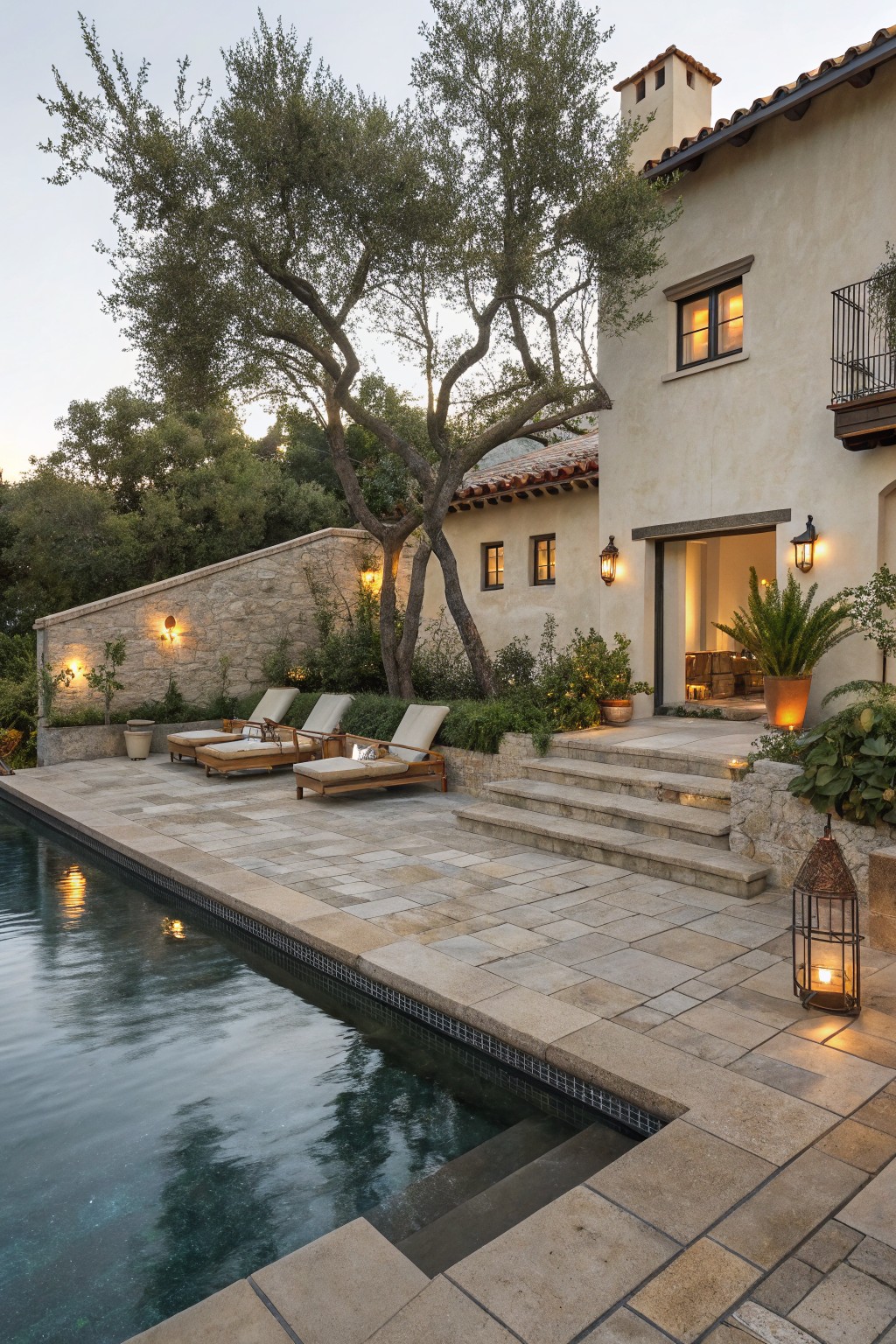
One simple way to edge a garden that looks put-together without much cost is a low stone retaining wall. In this setup, the rough stone holds back the slope behind a patio or pool area. It gives a natural border that blends right into the yard. Folks like it because stone weathers over time and doesn’t look fake or too perfect. You just stack local rocks or buy affordable fieldstone, and it stays looking good for years.
Build it where you have a gentle slope next to a flat outdoor space, like by a pool deck or seating area. It works best on homes with a casual style, say Mediterranean or ranch houses. Keep it under three feet high for easy DIY, and plant low shrubs or grasses along the base to soften it. Watch for good drainage so water doesn’t pool behind. Add a lantern here and there for evenings.
Brick Edging for Garden Paths
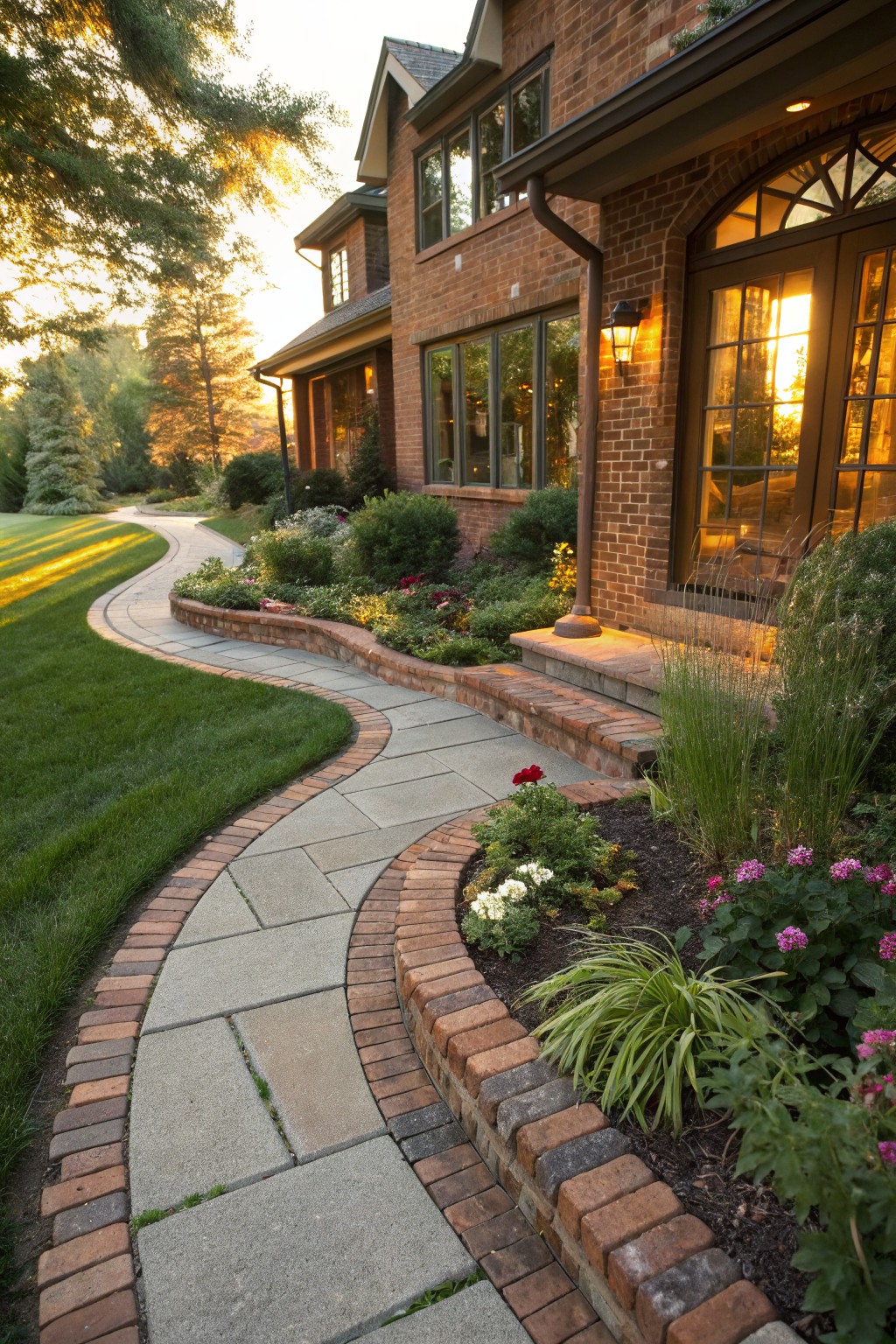
Brick edging like this keeps garden beds neat and gives a path a finished look. It stands out because the bricks match the house siding, so everything feels pulled together. Plus, the low border holds back mulch and plants without blocking the view.
You can do this on any walkway, curved or straight, in a front yard or side garden. It works best on homes with brick or stone details, and reclaimed bricks keep costs down. Just lay them flat along the edge and backfill with soil. Avoid tall plants that flop over.
Rounded Rock Garden Edging
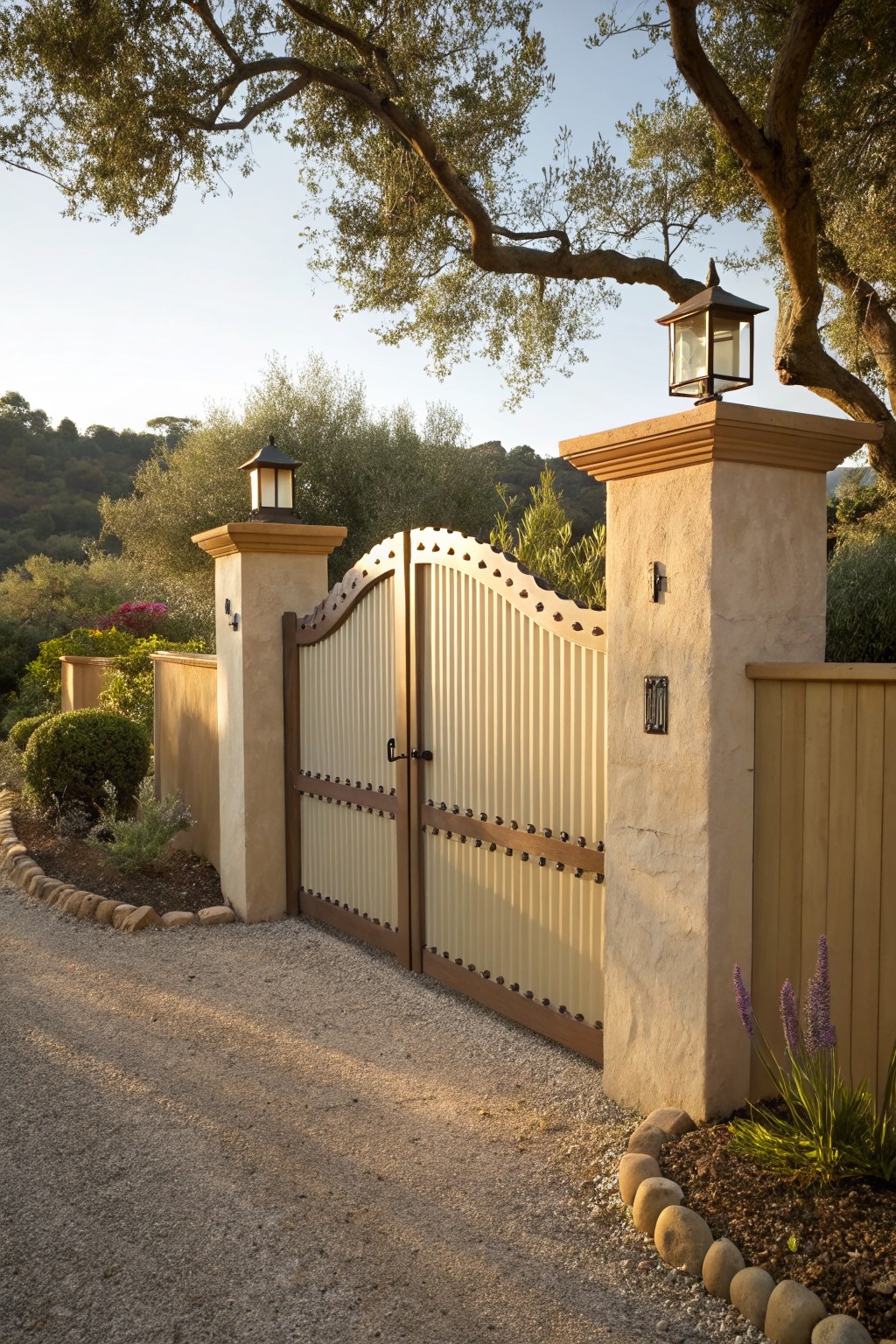
One easy way to make a gravel driveway or path look upscale is to line it with rounded rocks. You see it here along the driveway leading to a nice gate setup. Those bigger stones hold the gravel in place and frame the plantings without much fuss. They add a natural touch that fits right in with hillsides or casual yards.
Grab some river rocks or similar rounded stones from a local supplier, they are cheap in bulk. Lay them single file or in a slight curve to match your path. This works best on driveways or beds in warmer spots with drought plants like lavender. Just keep the rocks larger than an inch so they stay put.
Simple Paver Paths with Grass Joints
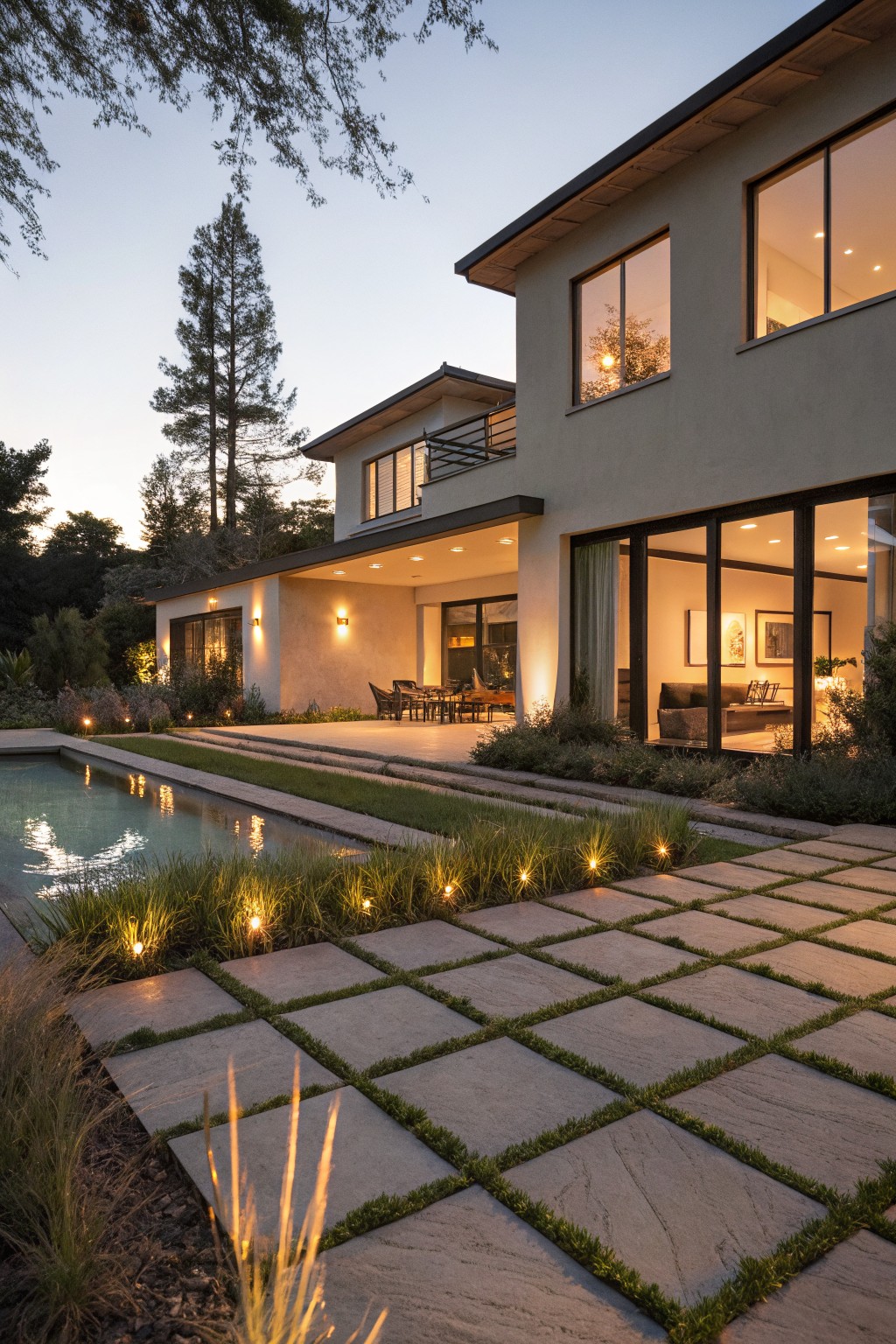
Big square pavers laid with gaps filled by grass make a sharp, modern edge that punches above its weight. You see it here running alongside the pool, where the pale stone contrasts nicely with the green strips. It keeps things tidy but alive, no fussy borders needed.
This works best on flat paths or garden borders in bigger yards, especially modern or midcentury homes. Set the pavers on sand or gravel base, plant tough grass like fescue in the joints, and edge with low plants. Skip it on slopes… too much shifting. Cheap materials, easy weekend job.
Circular Paver Circles in Small Gardens
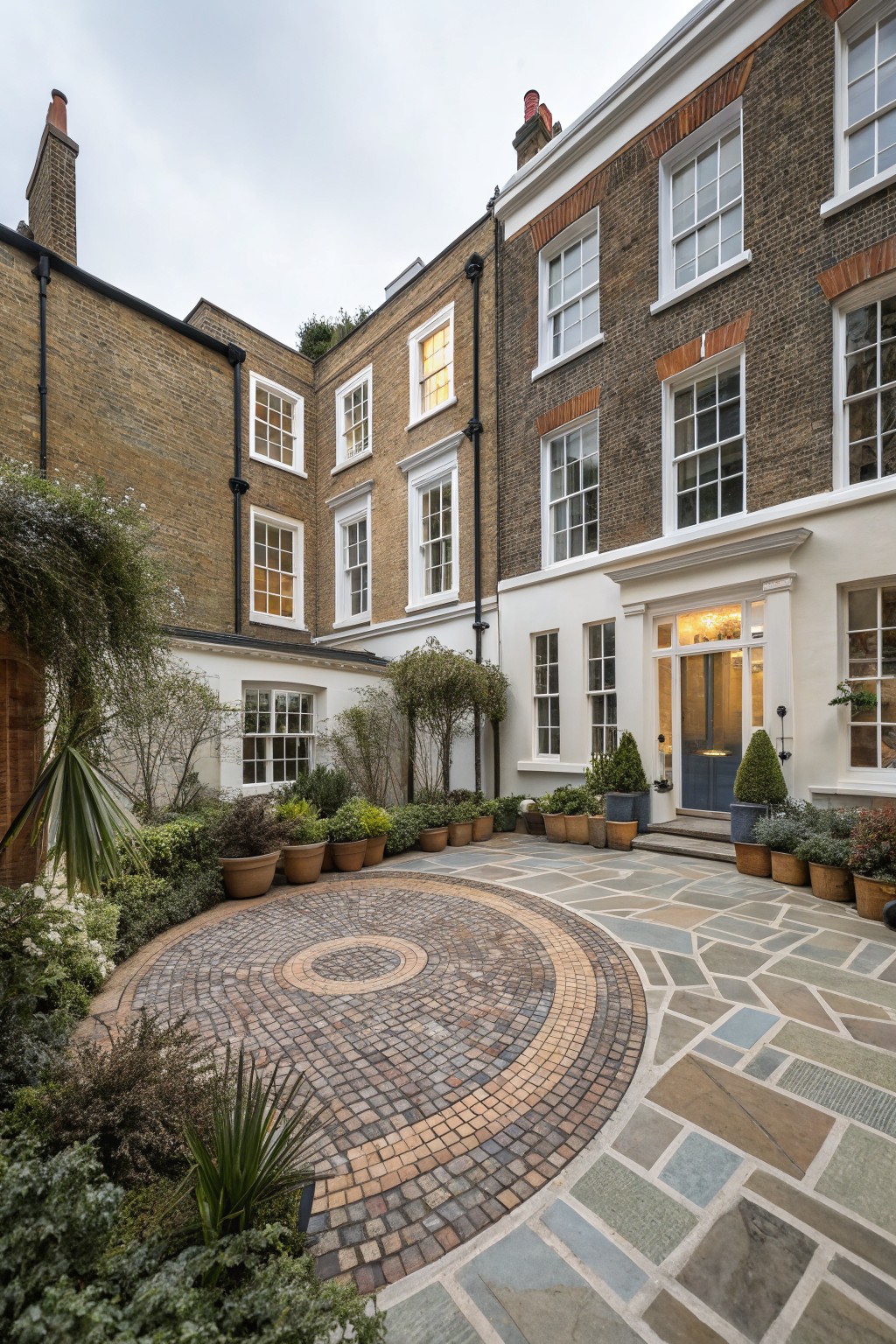
A simple circle of bricks set into a patio floor makes a strong center point for any small garden space. Here the mix of tan and gray bricks forms a round motif that draws the eye without overpowering the area. It looks custom built but comes together quick with off-the-shelf pavers and basic tools.
Try this in tight courtyards or side yards where you want definition on a budget. Start with large slate or stone tiles for the base then inset the circle. Surround it with low plants or pots to soften the edge. It suits older brick homes best. Just keep the circle to one size… too big can crowd things.
Fern and Moss Garden Edging
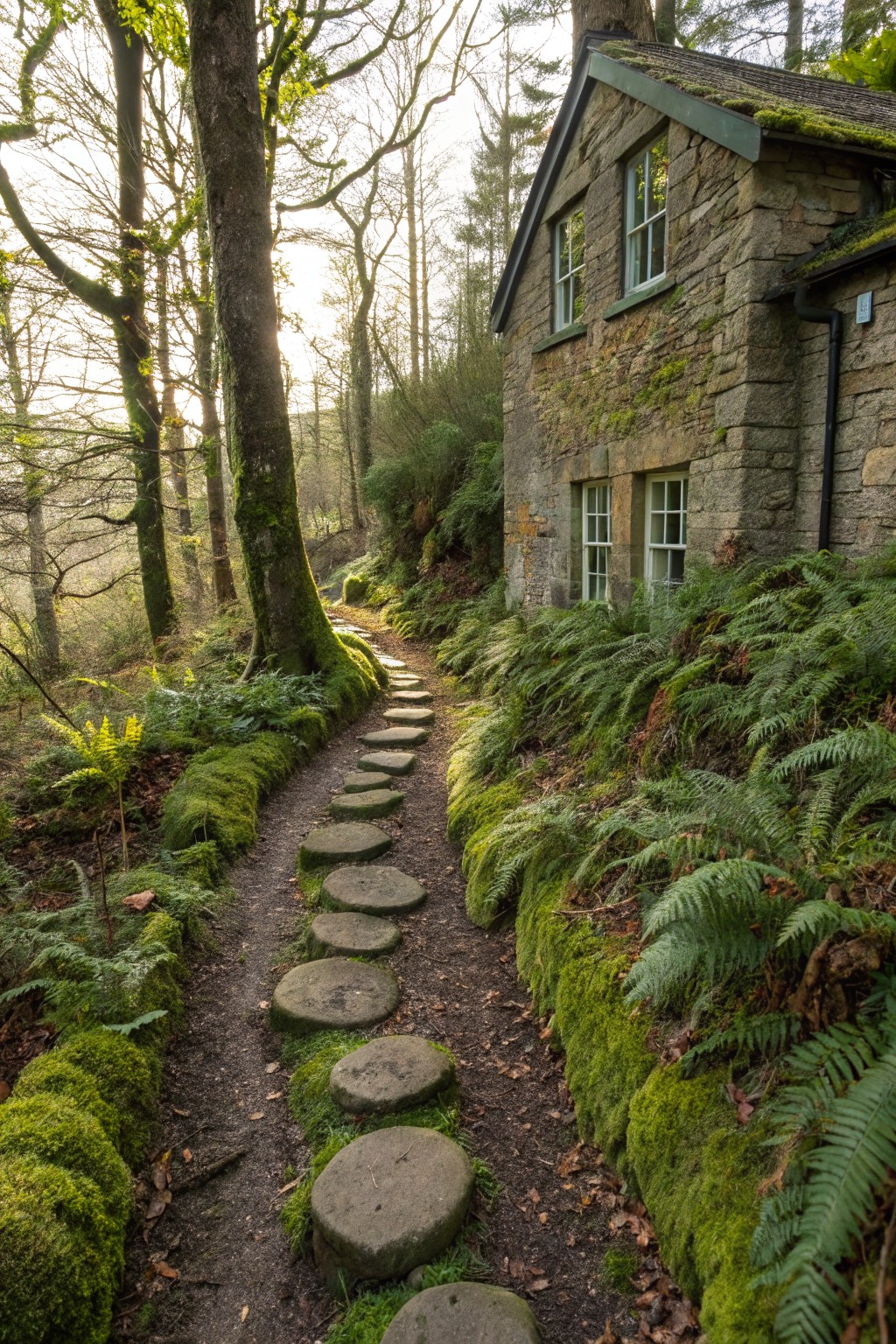
One easy way to edge a garden path is with moss and ferns. They grow right along the borders of stone steps like you see here, filling in soft and green without much work. It looks high end because it blends into the yard naturally, almost like the path has always been there.
This works best on shaded paths near trees or woods, where moss thrives without extra watering. Lay flat stones for steps, then let moss spread from nearby spots or add ferns to fill gaps. It suits older homes or cottage yards, but keep it trimmed back if it starts creeping onto the path.
Raised Concrete Planter Edging
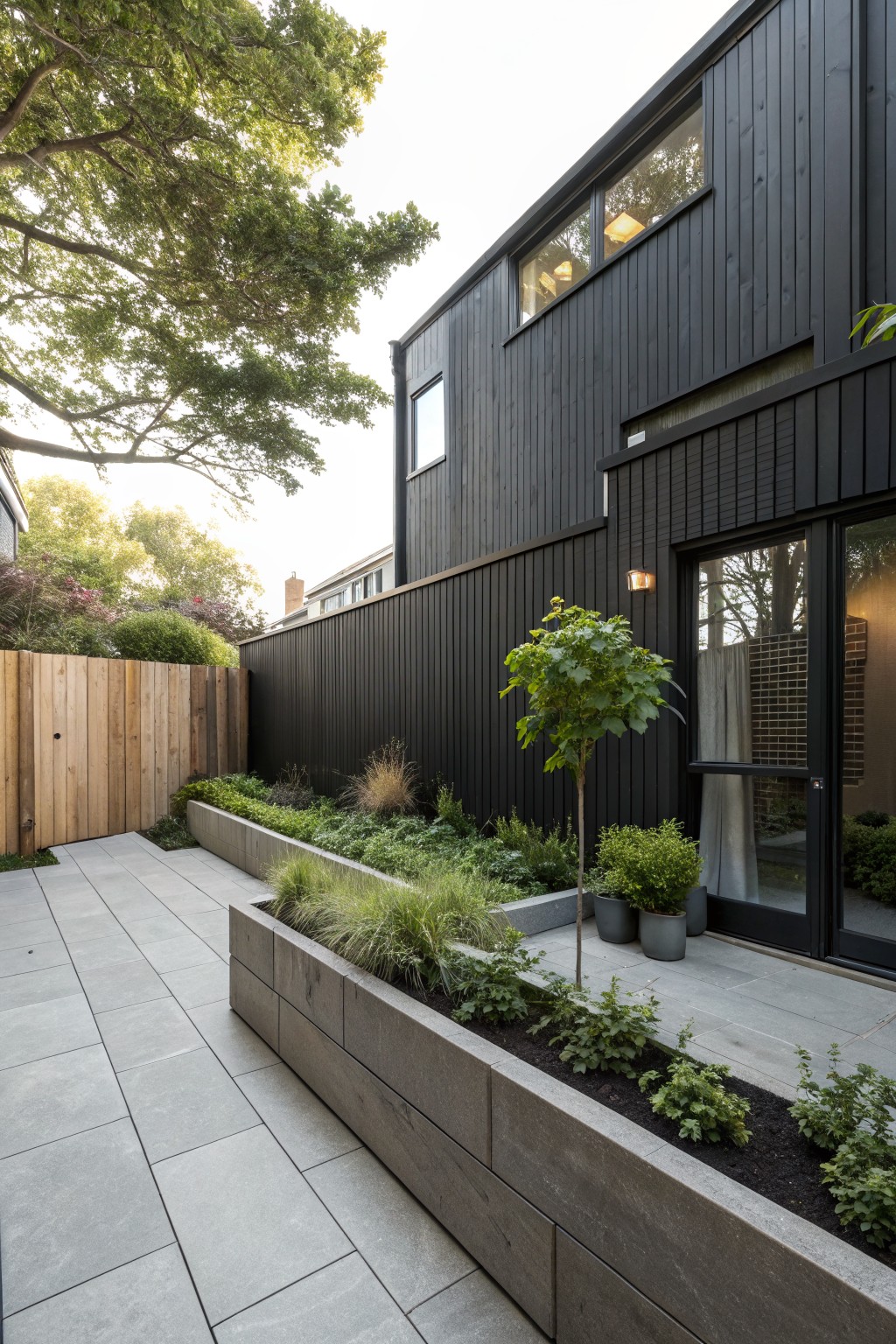
A raised concrete planter running along the patio edge makes a strong, clean divide between hard paving and planting beds. Filled with tough grasses and low shrubs, it holds everything back without looking messy. That simple line gives the yard a modern feel, especially next to dark siding like this.
Build one using concrete blocks stacked and mortared, or pour it in place if you have forms ready. It works best in smaller backyards where you want structure without taking up space. Keep the height to knee level so it frames the patio nicely, and pick plants that won’t flop over the edge.
Boxwood Hedges for Garden Borders
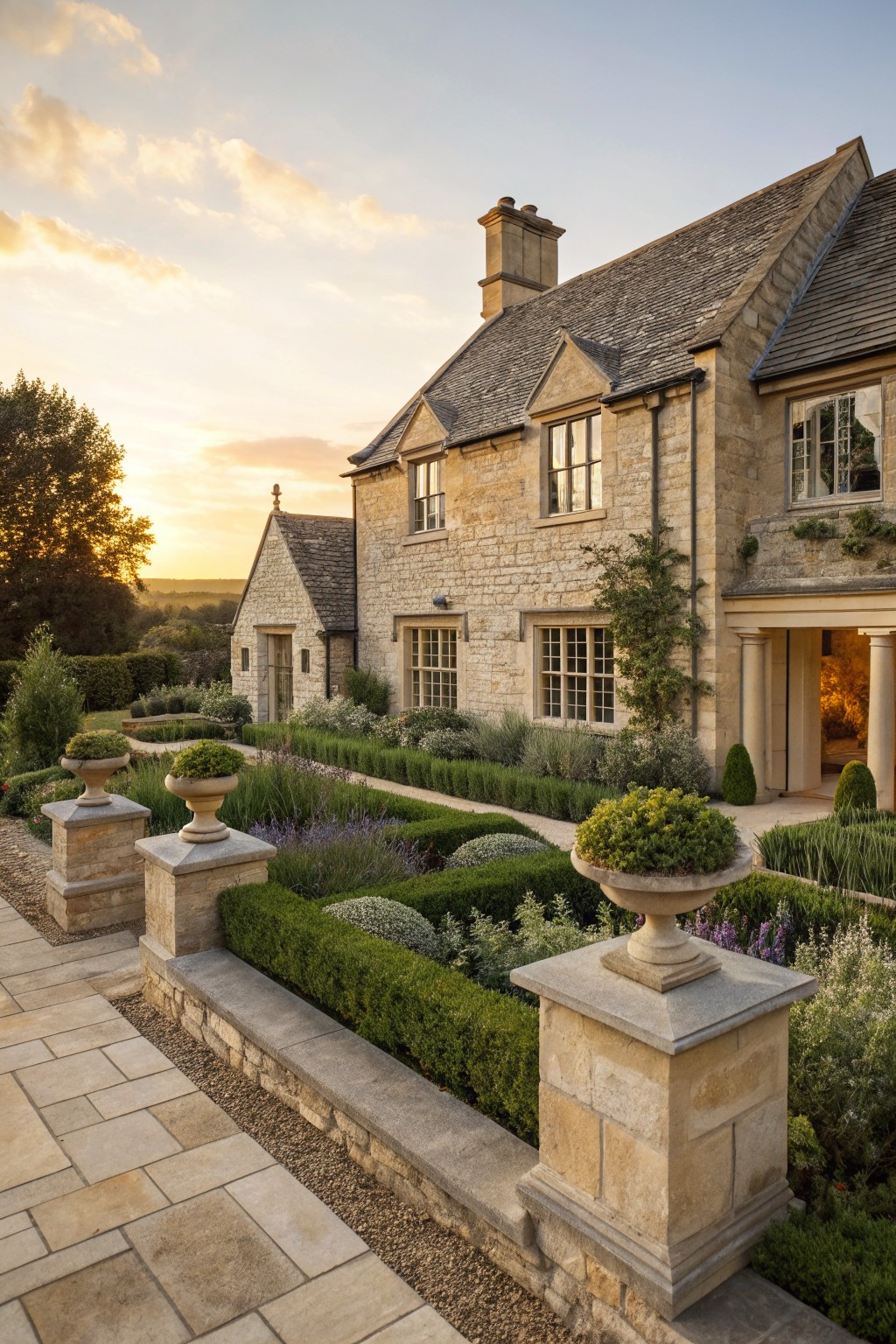
Boxwood hedges make a simple border that keeps everything looking sharp and put together. You see them here lining the paths and wrapping around the beds, giving that formal garden shape on a budget. They hold their form well and mix right in with stone paths or walls.
Set them along walkways or to frame planting areas in a side yard or front approach. They suit older homes with some traditional style. Just trim them twice a year so they stay neat. Skip if you want low-maintenance plants.
Gravel Edging Along Decks
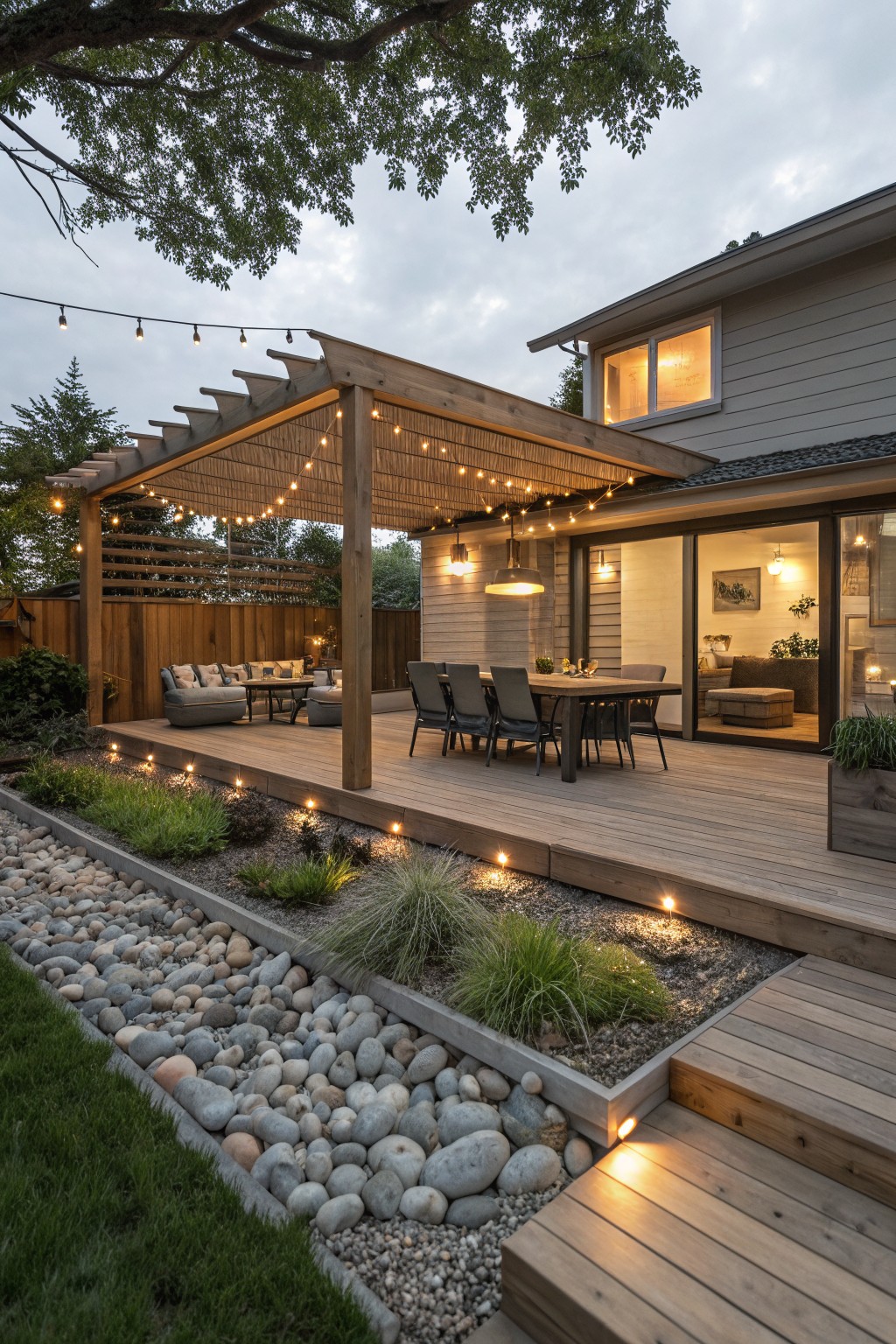
Gravel edging like this keeps your yard looking sharp without a lot of work. The pebbles mixed with clumps of grass make a clean line between the lawn and deck. It stands out because it’s simple but feels deliberate, like the border was always part of the plan.
Line up river rocks or small pebbles next to your patio or deck steps. Tuck in some low grasses or sedges for texture. This fits yards with wooden decks or any casual backyard setup. Keep the bed wide enough for mulch underneath, and it stays low maintenance year round.
Stone Retaining Walls for Garden Edges
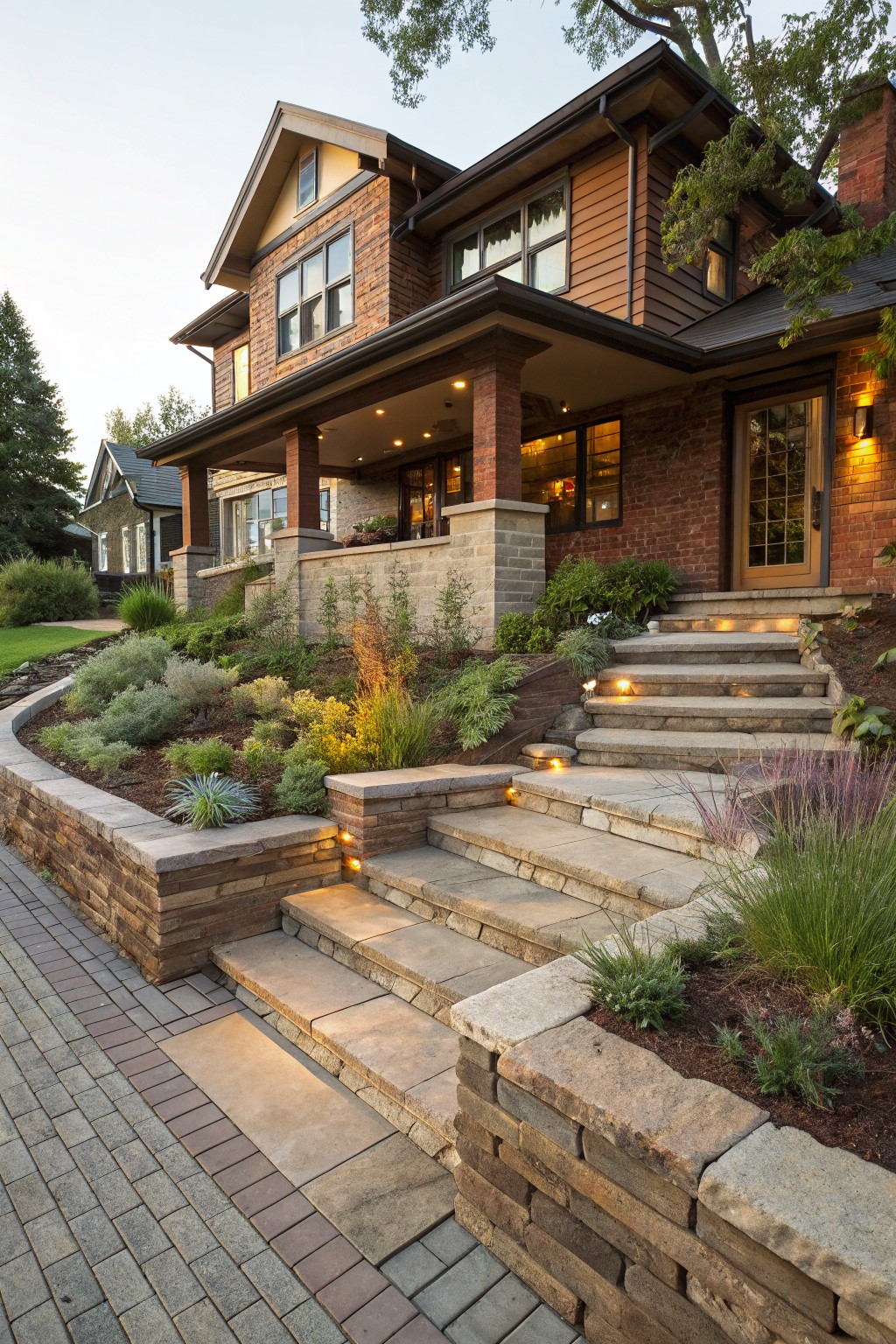
Stone retaining walls make a real difference on sloped yards. They hold back the dirt while edging beds in a sturdy, natural way. Here, low walls curve along steps up to the house. Tough grasses and low plants fill in the tops, so it all blends without looking forced.
You can do this on a budget with salvaged or local stone, stacking it dry for that old-wall feel. It suits entry paths or side yards where you want definition but not fussy borders. Watch drainage though. Add gravel behind to keep water moving, or things shift over time.
Raised Planter Boxes for Garden Edging
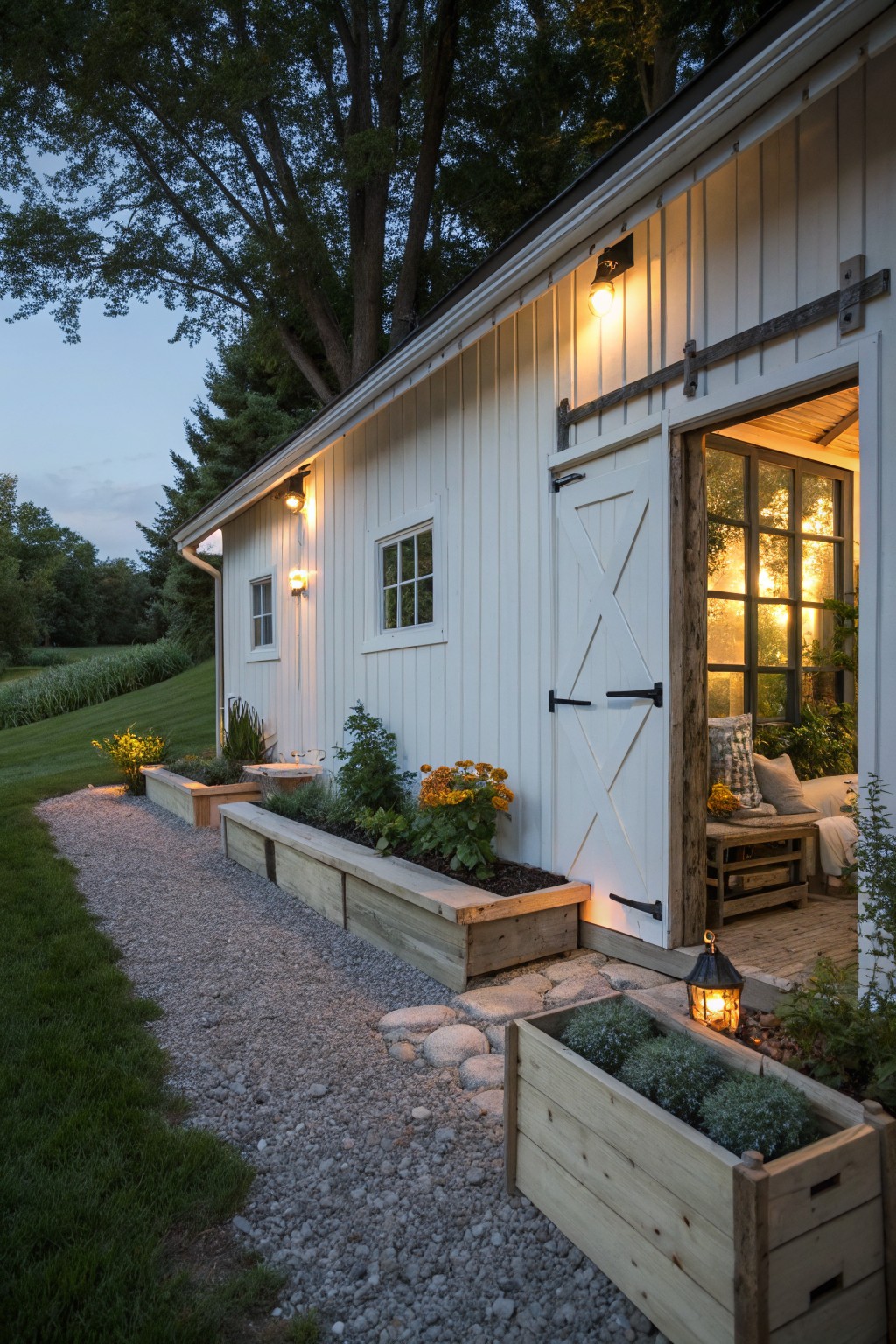
Raised wooden planter boxes work well as garden edging because they define the path while giving you extra planting space. You get a clean border that looks put-together, and it’s all low-cost if you build them yourself. Along this gravel walk, the boxes hold marigolds and herbs that spill over just right, tying into the yard without fuss.
Stack scrap lumber or buy affordable boards to make simple rectangular boxes, then set them end to end beside your path. They suit most home yards, especially ones with a casual feel like near a shed or fence. Seal the wood against rot, and keep plants trimmed so they don’t crowd the walk.
Rope and Post Garden Edging
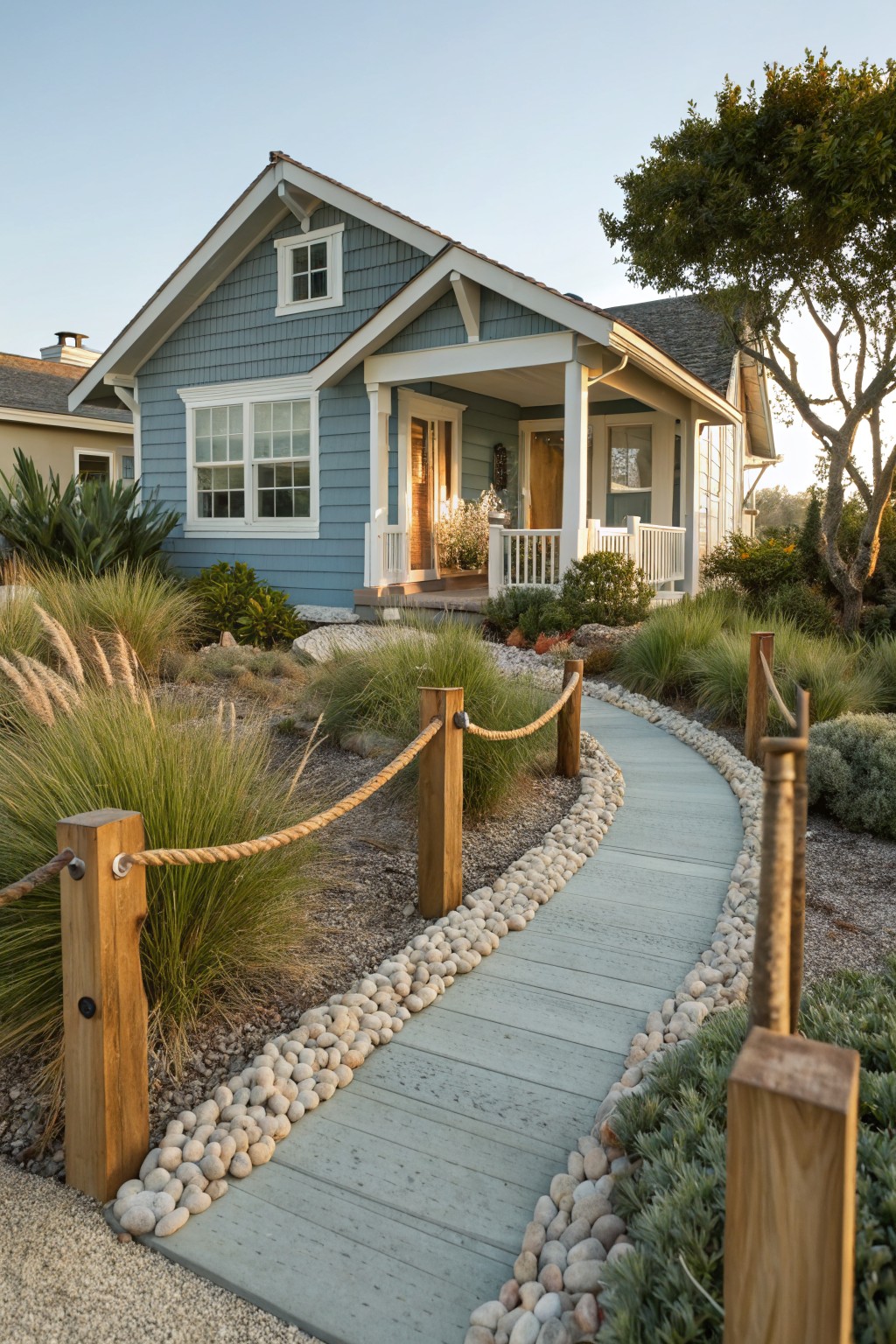
Rope strung between sturdy wooden posts makes a clean border for garden paths. It keeps things simple and beachy without much cost. You see it here lining a walkway through grasses and pebbles. Folks like how it guides your eye right to the front door. And it holds up in dry yards too.
Set these up along any path to your house or patio. Use pressure-treated posts sunk in gravel for easy DIY. Works best in coastal spots or sunny slopes where low-water plants grow. Skip it if your soil stays soggy. Just tie the rope tight and you’re set.
Frequently Asked Questions
Q: What’s the easiest edging idea for total beginners?
A: Grab an old garden hose or rope and lay it along your bed lines. Pin it down with landscape staples you can snag cheap at any hardware store. Done in under an hour and it gives that crisp pro look right away.
Q: How do I keep weeds from popping up through my new edging?
A: Dig a trench deeper than the weed roots go, usually 6 inches or so. Line the bottom with cardboard or thick newspaper before adding your edging material. Water settles the layers and blocks light to the roots below.
Q: Can these ideas work on a sloped yard?
A: Stake wood or metal edging into the hill to hold soil back. Build short steps with stacked stones if the drop is steep. It prevents washouts and turns the slope into a feature.
Q: Which cheap material fools people into thinking it’s fancy?
A: Scavenge bricks or pavers from free listings online. Clean them up, lay in a subtle curve, and tuck gravel behind. Guests swear you splurged.
