

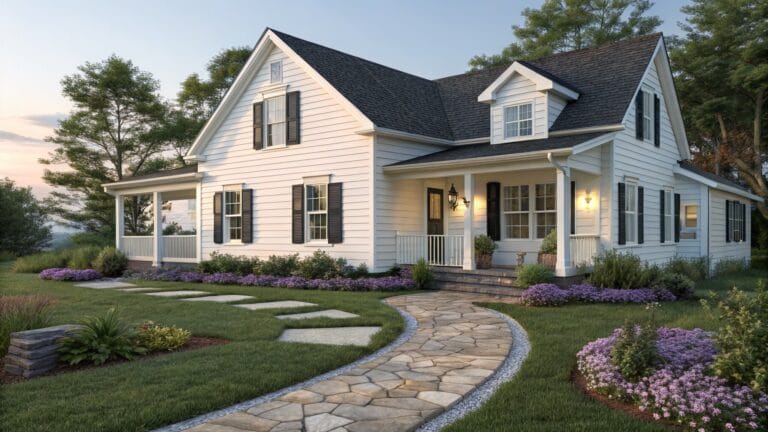
I’ve spent enough time weeding my own beds to appreciate how a good edge turns chaos into something crisp and manageable.
The best ones rely on materials that match the garden’s scale and let plants take center stage instead of stealing it.
I skip anything too ornate because it distracts from the flowers and ends up looking dated fast.
Straightforward borders with bricks or logs often deliver that organized feel without demanding constant upkeep.
A couple in this set caught my eye for how they’d fit right into a typical backyard.
Winding Flagstone Path Edges Flower Beds
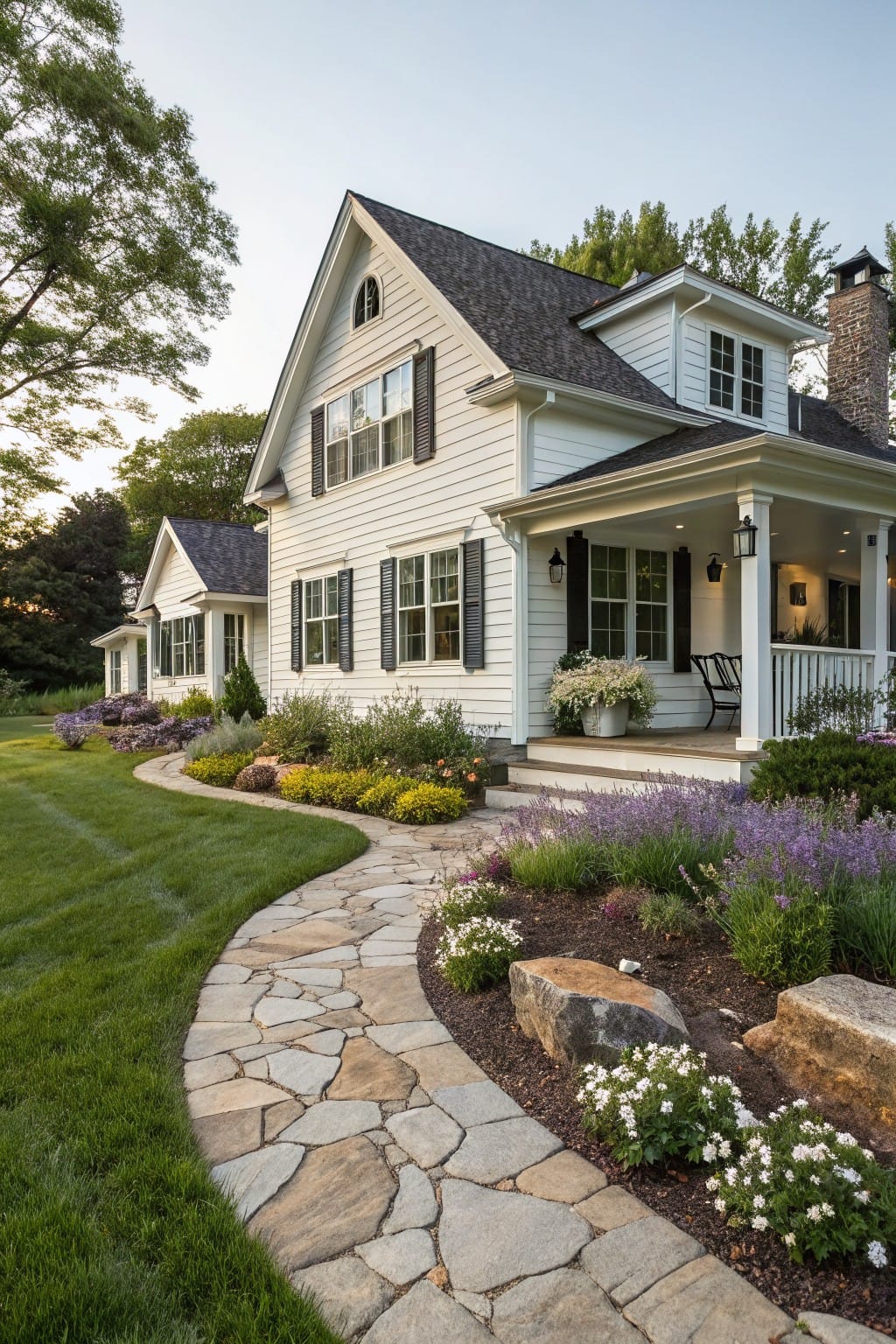
A flagstone path like this curves gently through the yard and right up to the porch steps. The rough-cut stones form a clean edge for the flower beds on either side, where lavender and low shrubs fill in without spilling over. It keeps the whole entry area looking put-together and guides visitors naturally.
You can pull this off in most front yards with some slope or extra space. Set the stones in sand or gravel for drainage, then plant tough perennials along the edges. It suits older homes or cottages best. Just space the stones loose enough so grass or moss can grow between them over time.
Raised Wood Edging for Flower Beds
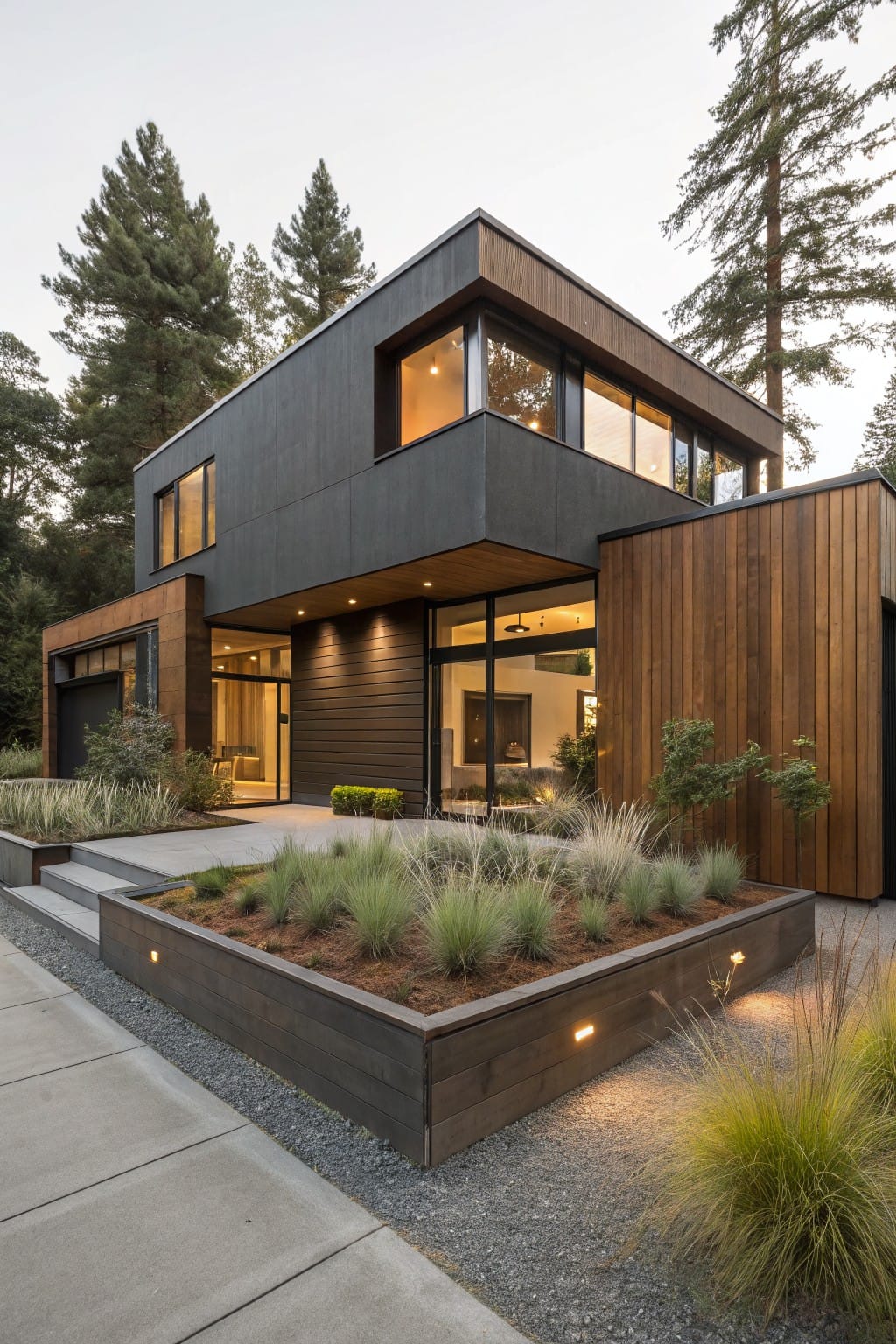
Raised wooden beds like these make a clean border for plantings right along your driveway. The wood here echoes the house siding, so it blends right in without standing out too much. Tall grasses fill the beds and stay tidy most of the year.
Put this edging to work where you need a straight line between pavement and yard. It suits homes with simple lines or a bit of slope. Seal the wood every couple years, and skip fussy flowers that flop over the edge.
Rustic Raised Wood Beds for Flower Edging
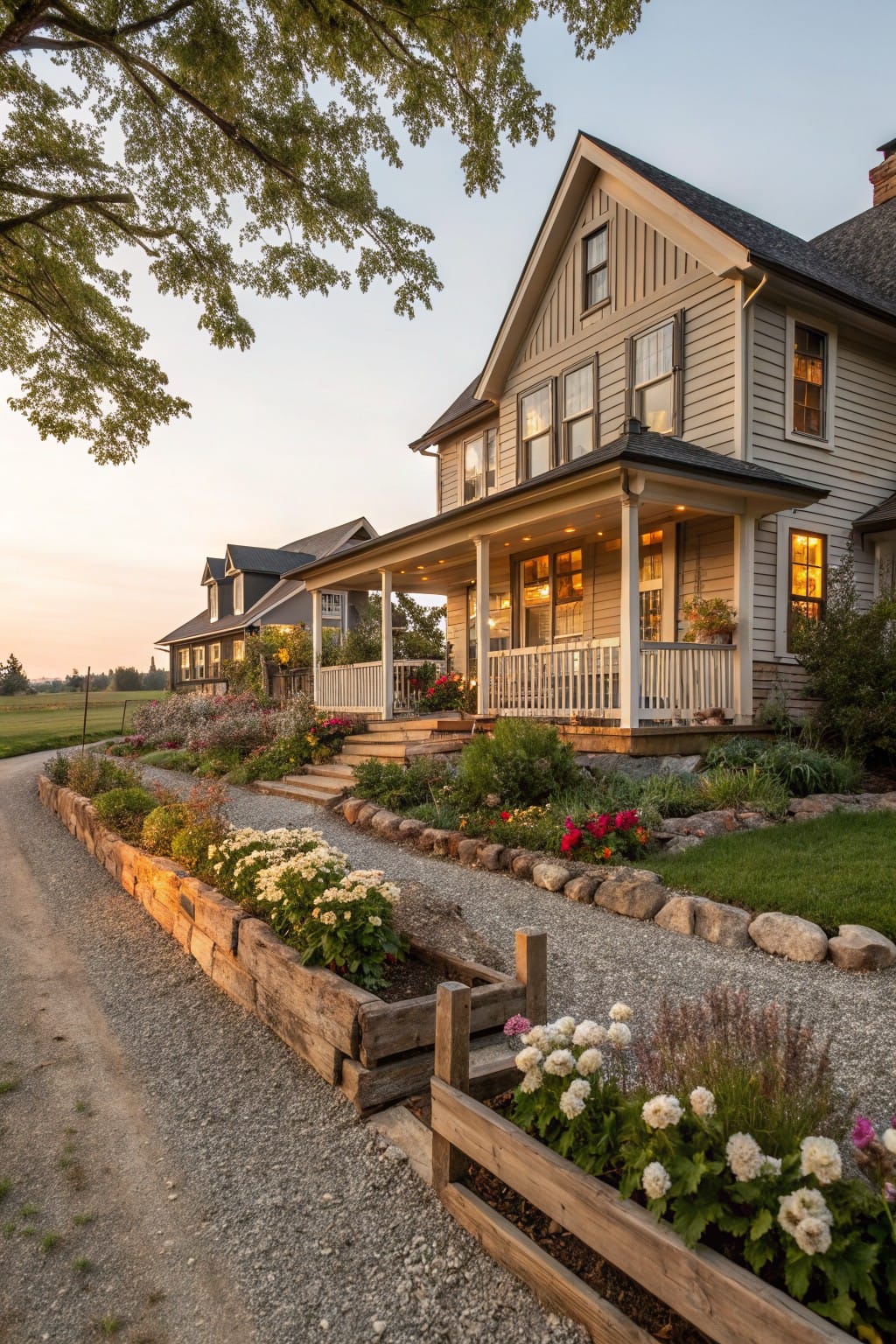
One straightforward way to edge flower beds is with raised wooden beds made from rough timber. They line the driveway here, holding white flowers and low plants that spill just a bit over the edges. This setup keeps everything neat without looking too fussy. The wood picks up on the house’s clapboard siding for a natural tie-in.
These work best along paths or driveways in country or farmhouse yards. Stack timbers two or three high, fill with soil and easy bloomers, and treat the wood to hold up against weather. Skip them in tight city spots, though. They need room to breathe.
Simple Rock Edging for Flower Beds
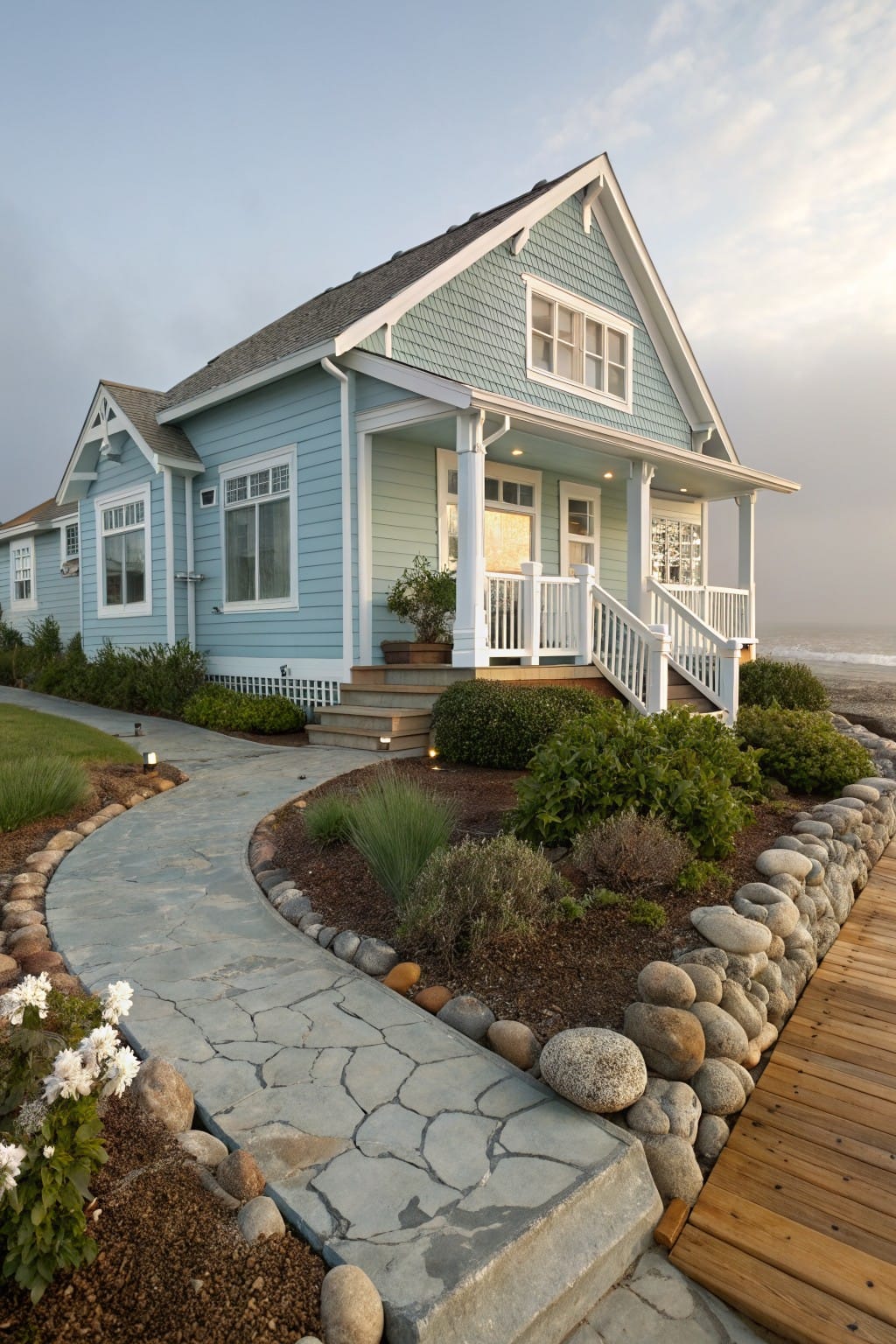
Rounded rocks work well as edging for flower beds. They hold back soil and mulch without much upkeep. Along a winding path like this one, the rocks add a natural border that fits right in with shrubs and grasses.
Put them to use around paths or yard borders. This edging suits beach houses or relaxed gardens best. Go for local stones in medium sizes so they stay put. Smaller ones might get buried over time.
Brick Walkway with Narrow Plant Strip
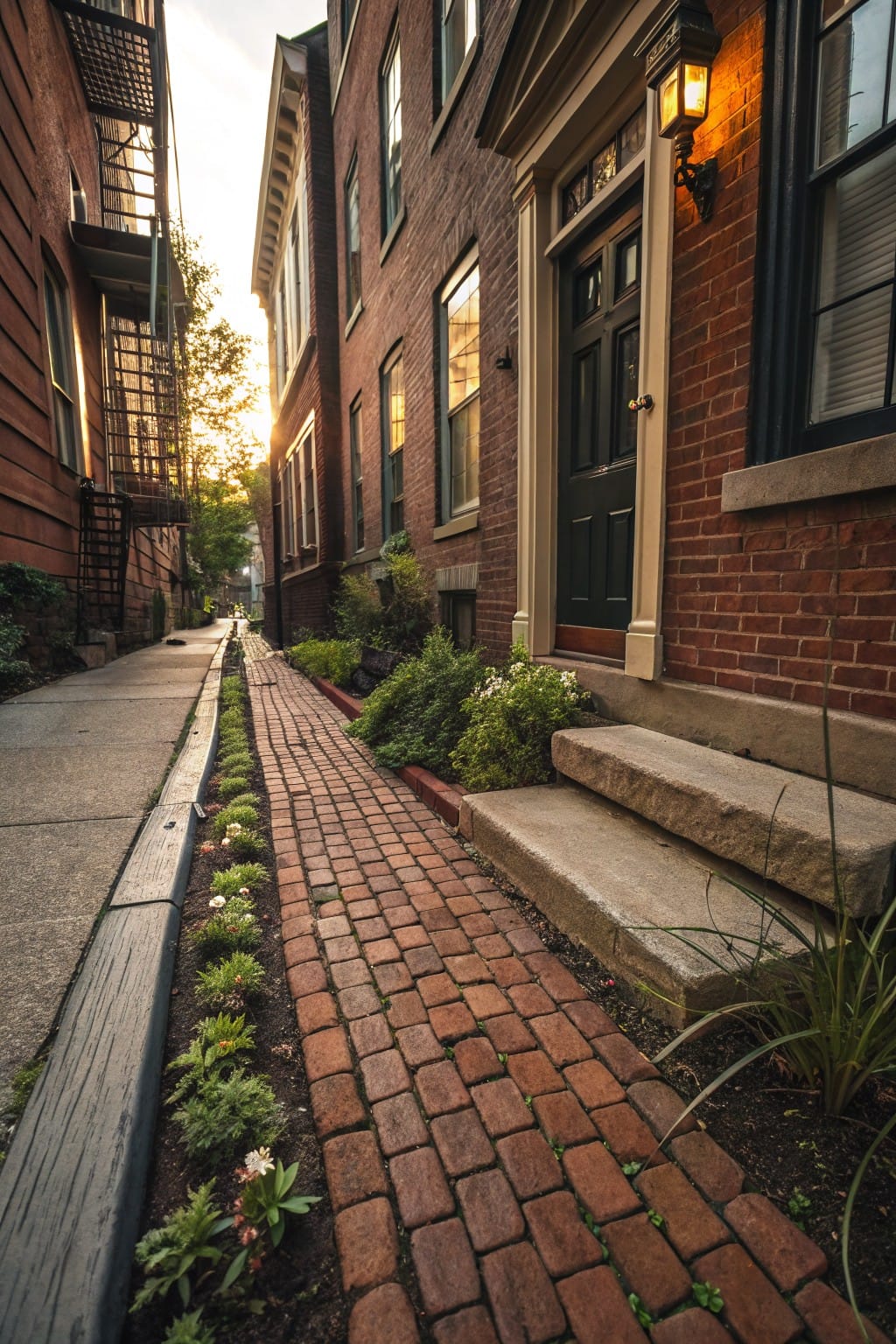
A brick walkway edged by a slim flower bed strip gives your entry path a clean, pulled-together feel. The low plants tucked along the edge add color and life without crowding the way. It’s simple and keeps the focus on getting to the door nice and easy.
This setup suits rowhouses or tight urban lots where space is short. Run the brick path parallel to the sidewalk, edge it with a wood curb, and fill the strip with tough little flowers like white alyssum. Watch for too much shade though. It can slow growth.
Boxwood Hedges for Bed Edging
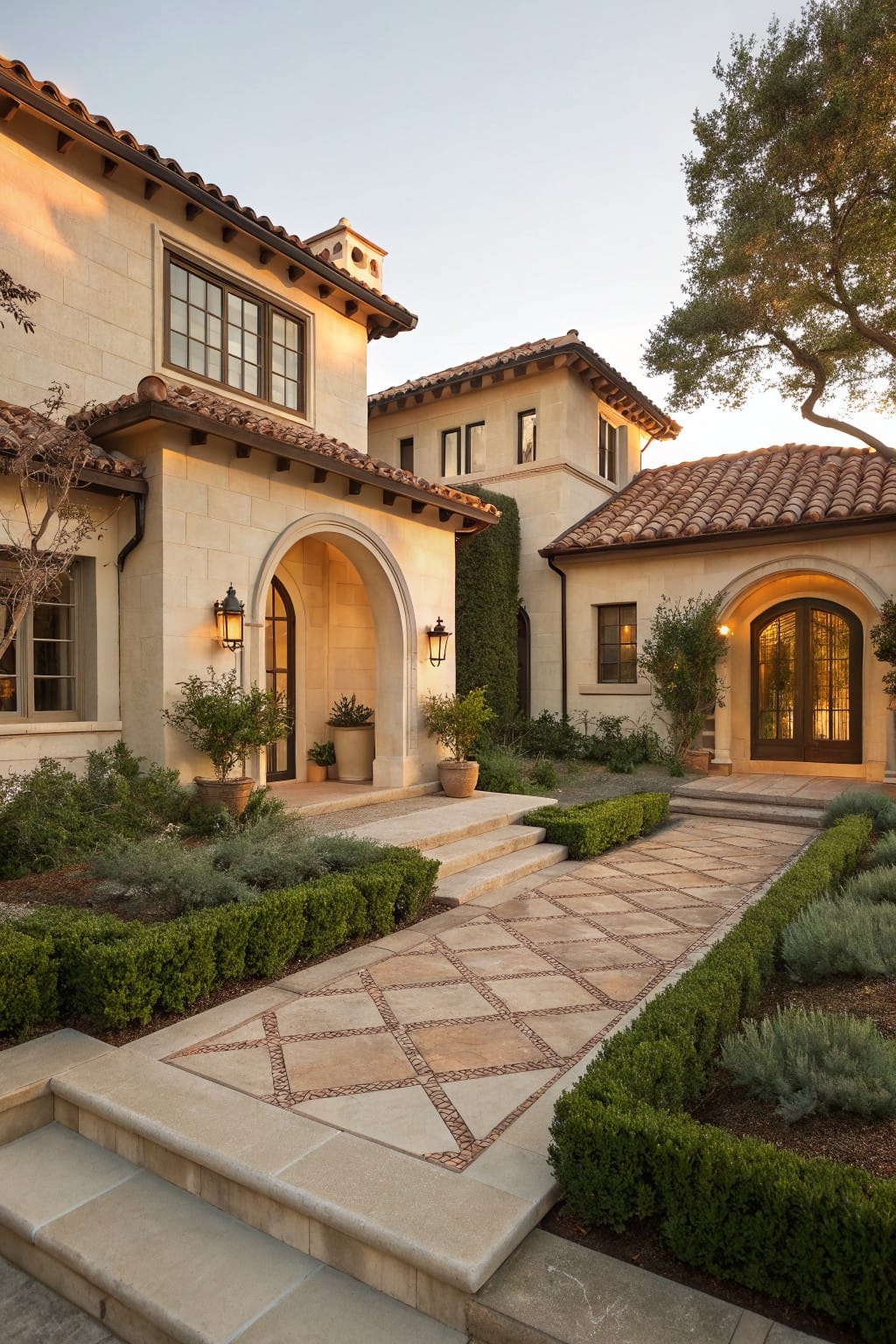
Boxwood hedges offer one of the simplest ways to edge flower beds. They grow compact and stay green year round, creating crisp lines that keep everything looking tidy. Here they line both sides of a walkway, setting off the plants and gravel mulch without overpowering the space.
Plant them close to the bed edge, about 12 inches wide, and trim them a few times each season. They suit front entries or side yards on homes with stone paths or patios. Go easy on the height to avoid blocking views.
Raised Wooden Borders for Flower Beds
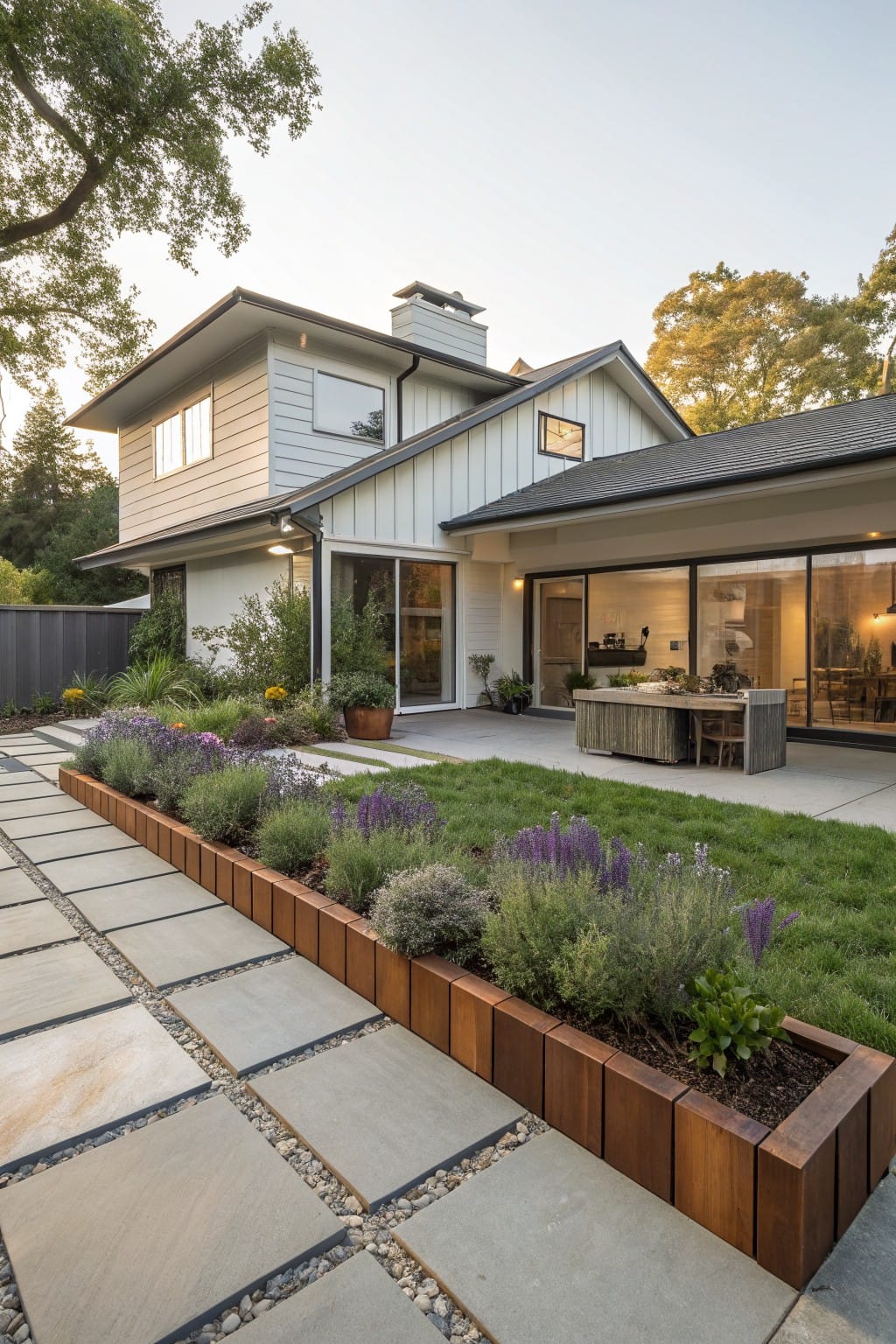
One straightforward way to edge flower beds is with raised wooden borders like these. They run right along a stone walkway, holding back lavender and grasses without spilling over. That clean line makes the yard feel put-together, especially heading into a patio area.
You can set these up in backyards or side paths where you want low upkeep planting. They suit homes with simple modern lines or a bit of farmhouse style. Go for treated wood to last outdoors. Just keep the soil level right so plants don’t flop out.
Boxwood Hedges for Flower Bed Edging
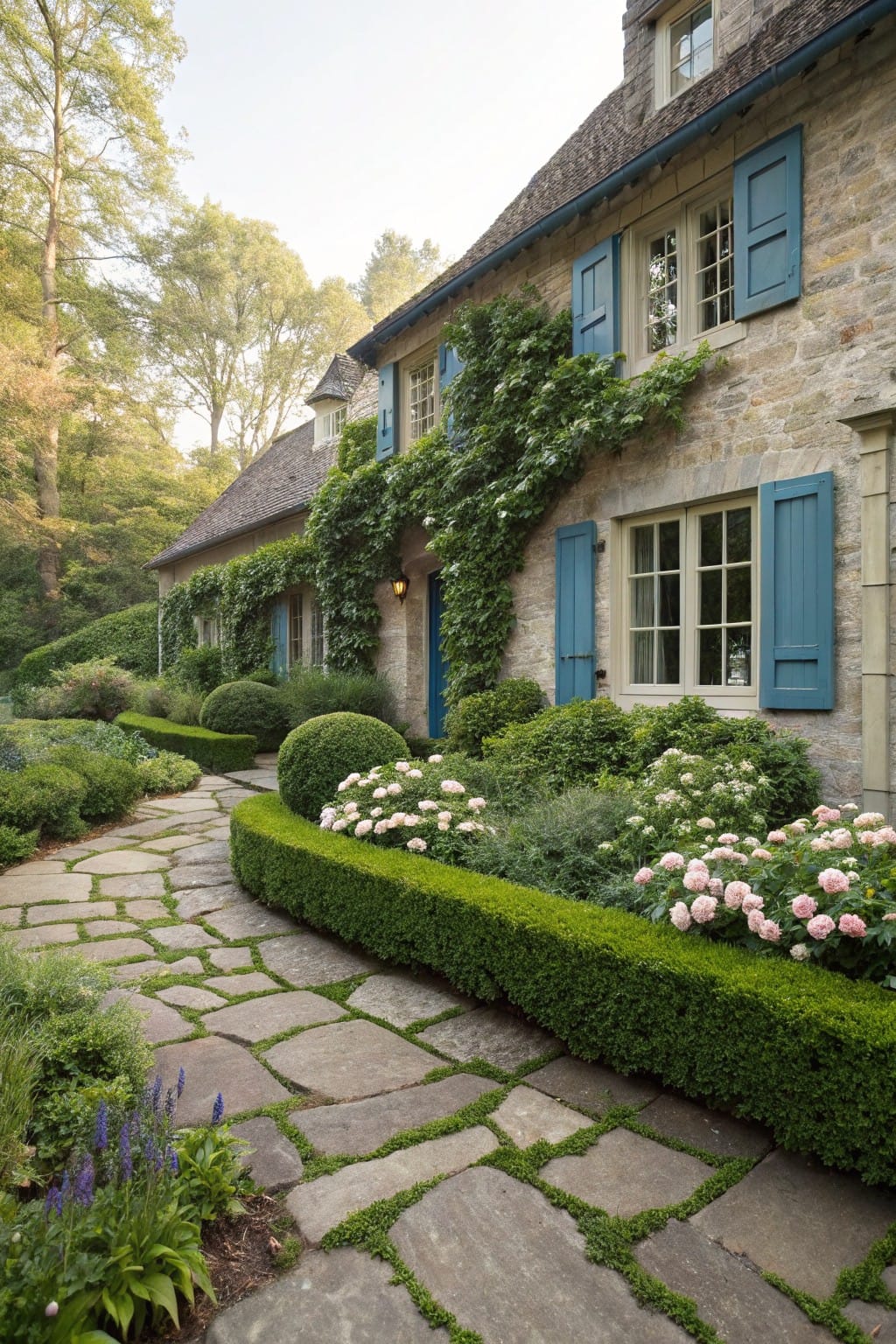
Boxwood hedges offer a simple way to edge flower beds and keep things looking tidy. They form a low, green border that sets off colorful plants without stealing the show. Along a stone path like this one, the boxwoods frame pink roses and lavender nicely, giving the garden a structured feel.
Plant boxwoods where you want a clean line next to paths or driveways. They suit older homes with cottage charm or even simpler yards. Trim them once or twice a year. Watch that they get enough sun, or they might thin out.
Stepping Stone Path Edging
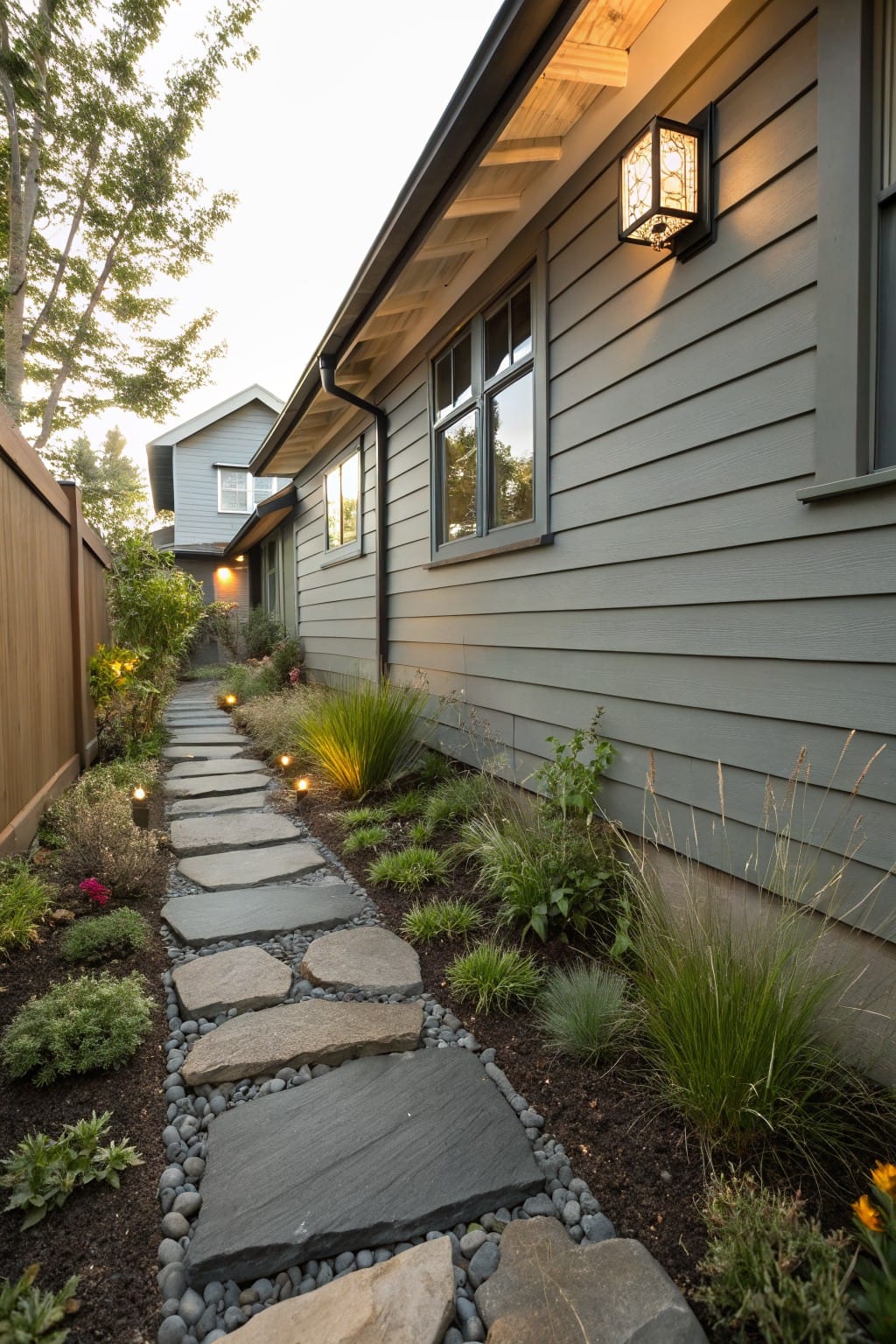
A simple way to edge flower beds is laying flat stepping stones right through the garden. Here dark slate slabs sit in gravel mulch with low grasses and plants tucked around them. It keeps everything organized without straight lines or metal strips. The path guides you along while the stones hold back the soil.
This works best in side yards or narrow spots where you want a walkway too. Suits homes with clean siding like gray shakes. Pick rough-edged stones for a natural look and larger gravel so it stays put. Watch the spacing so feet don’t slip on gravel. Add low lights if you walk it at night.
Low Stone Walls for Flower Bed Edging
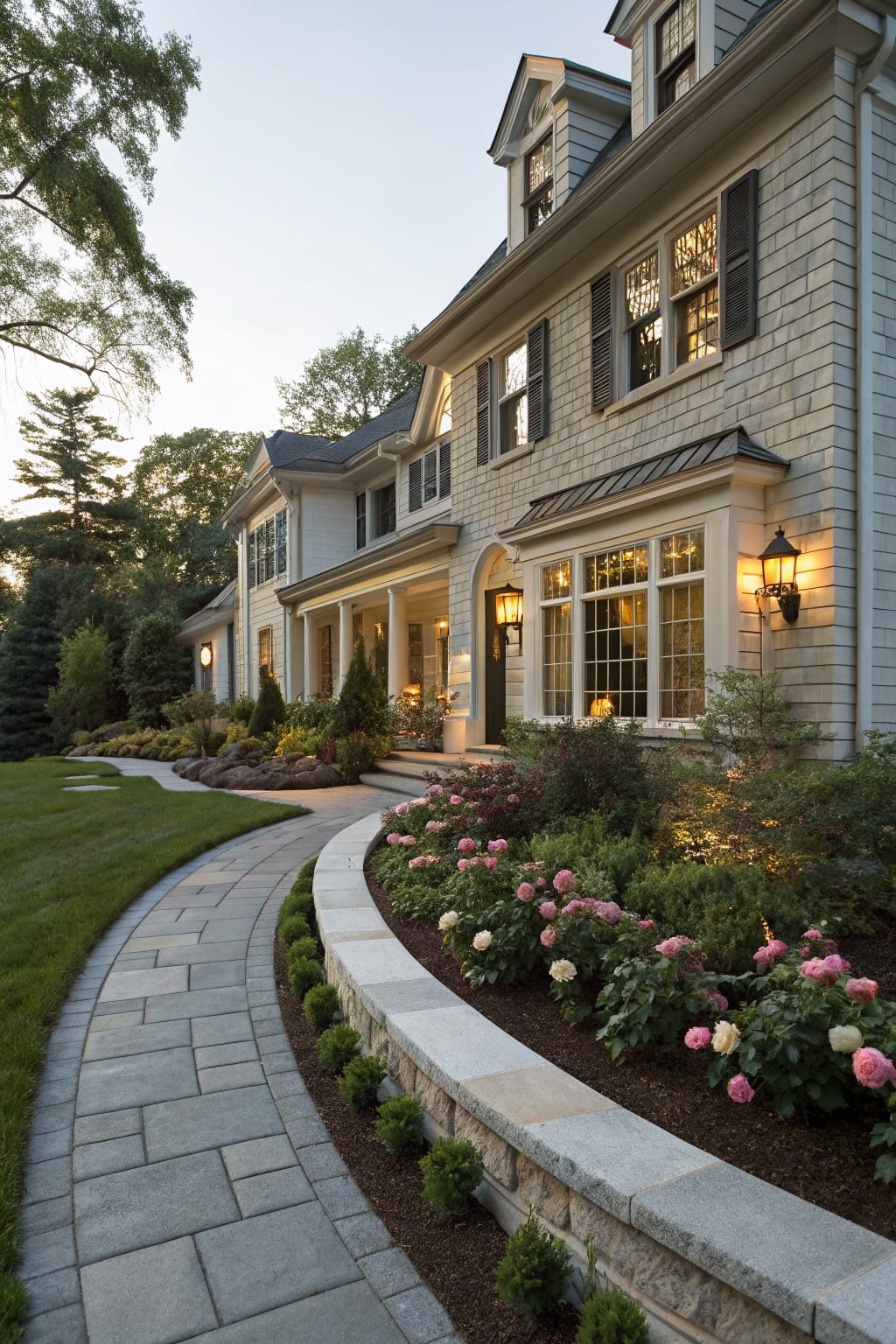
One clean way to edge flower beds is with a low stone wall right along the walkway. It holds back the soil and plants without much fuss. In this yard, the pale granite wall follows the path’s gentle curve, letting pink roses and shrubs sit tidy above the edge. That simple line keeps mulch in place and weeds out.
These walls suit front approaches or side paths where you walk close. Pick local stone to blend with your house or fence. Build them knee-high at most, so they don’t block the view. Skip steep slopes unless you add steps, and plant low growers to avoid spillover.
Tiered Stone Walls for Flower Beds
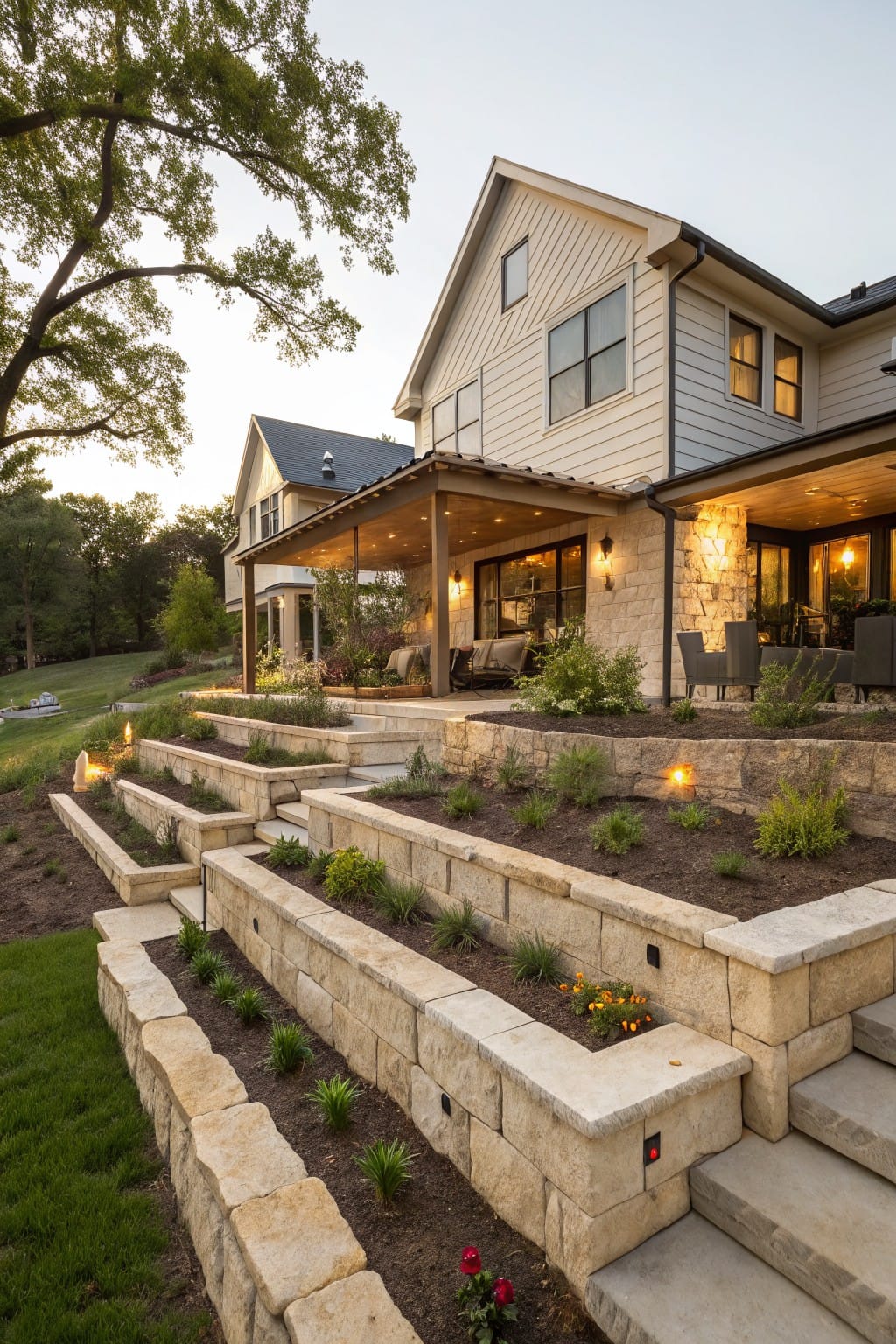
Tiered stone walls like these turn a sloped yard into neat flower beds without much fuss. The limestone blocks hold soil in place and let plants spill over the edges a bit. It keeps everything organized and fits right with a plain house and patio setup.
Put them to work on hills leading up to your back door or seating area. Stack the stones without mortar for easy changes later, tuck in grasses and perennials that won’t mind some shade. They suit average backyard slopes best, but level the base good first to avoid shifting.
Metal Edging Along Walkways
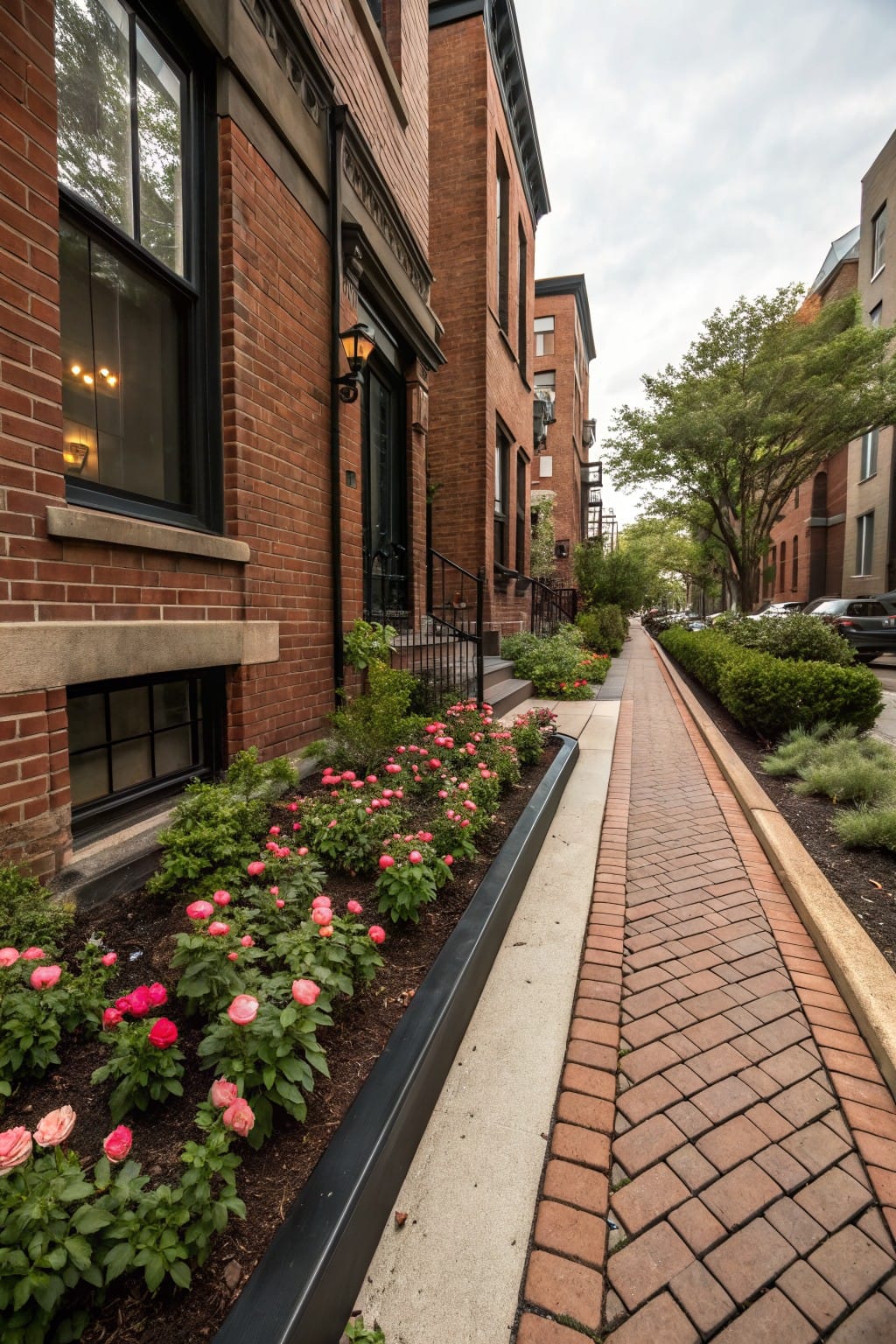
One clean way to edge flower beds is with straight black metal borders. They hold back soil and plants without much fuss. In this setup, pink blooms fill the beds right next to a brick path. The metal gives a sharp line that keeps everything looking tidy and pulls the planting away from the walkway.
This edging works great for front yards with narrow paths or sidewalks. It suits brick or stone houses, especially older row homes. Just make sure the metal won’t rust over time. Plant low flowers or shrubs inside to keep the scale right.
Edging Flower Beds with Terracotta Pots
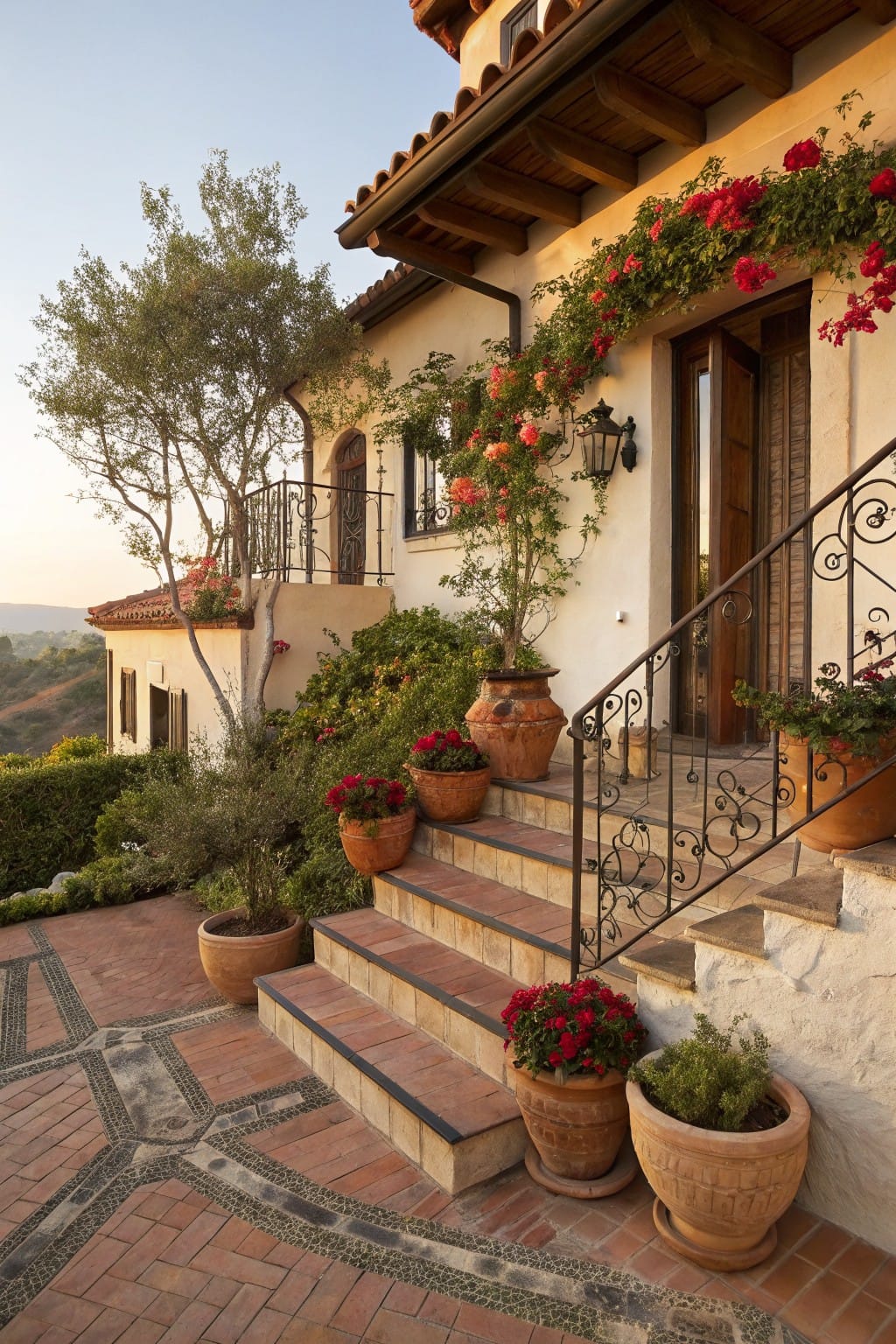
Large terracotta pots make a straightforward edging for flower beds around steps or paths. They hold back the soil and plants while giving a clean line that looks put together. In this setup, the pots sit right along the stairs, filled with red blooms that spill a little over the edges. It’s a natural fit for warmer spots where the clay pots breathe well.
Try this where you have a walkway or entry that needs some definition. It suits older homes with tile roofs or stone paths, or even a simple yard. Just make sure the pots drain fast so roots don’t rot. Group them in different sizes for a casual stack.
Log Rounds for Flower Bed Edging
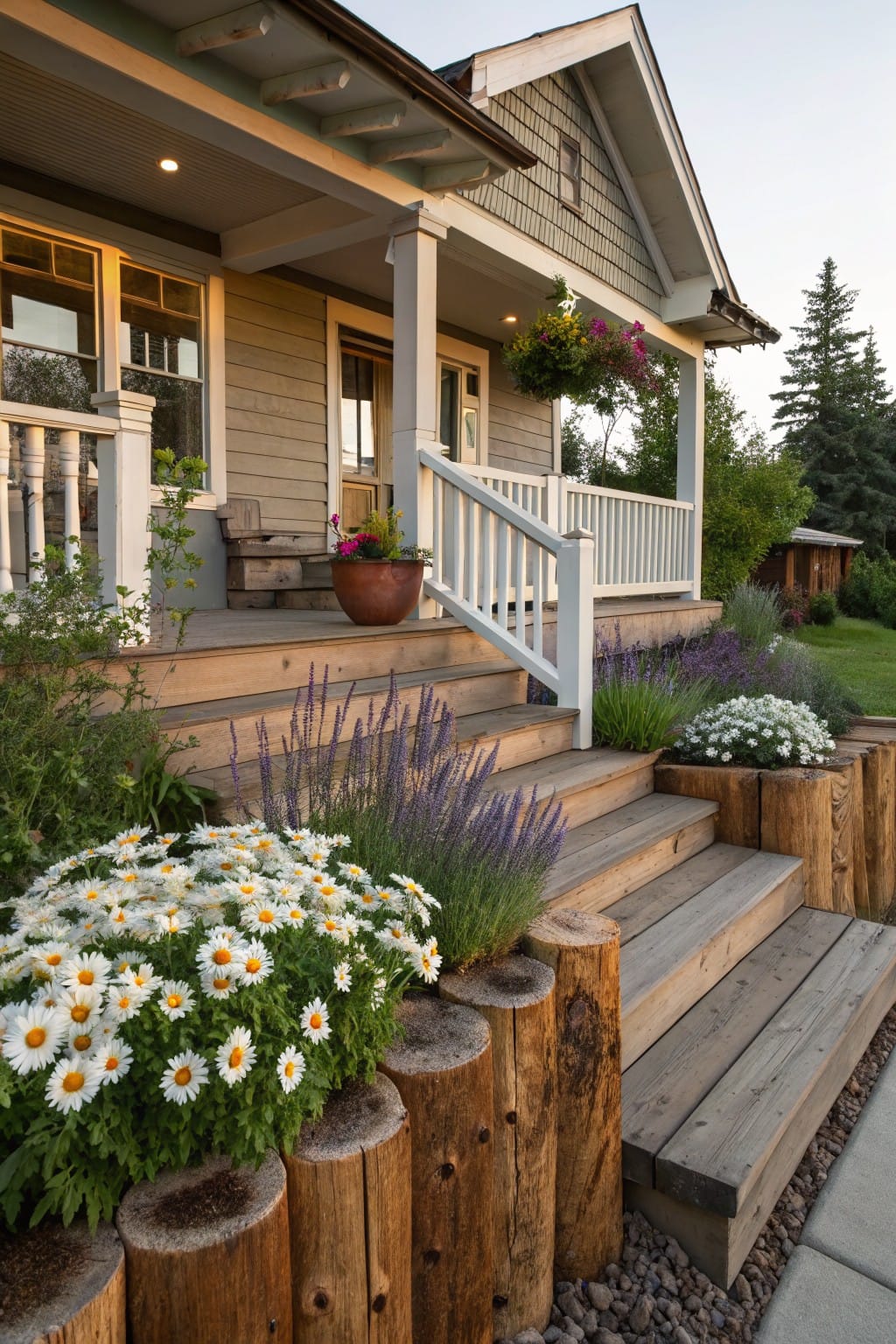
Log rounds work well as edging for flower beds tucked right against front steps. They’re cut from tree trunks, stacked in place, and hold soil back while giving beds a clean border. The rough wood fits with wooden stairs and porches. It keeps plants from spilling over and adds a bit of country charm without looking fussy.
This edging suits cabin-style homes or yards with a natural feel. Get rounds from a local mill or landscape supplier, bury the bottoms halfway in soil, and plant tough perennials like daisies or lavender inside. Watch for rot in wet spots. Bury them deeper or treat with sealant.
Tall Grasses for Bed Edging
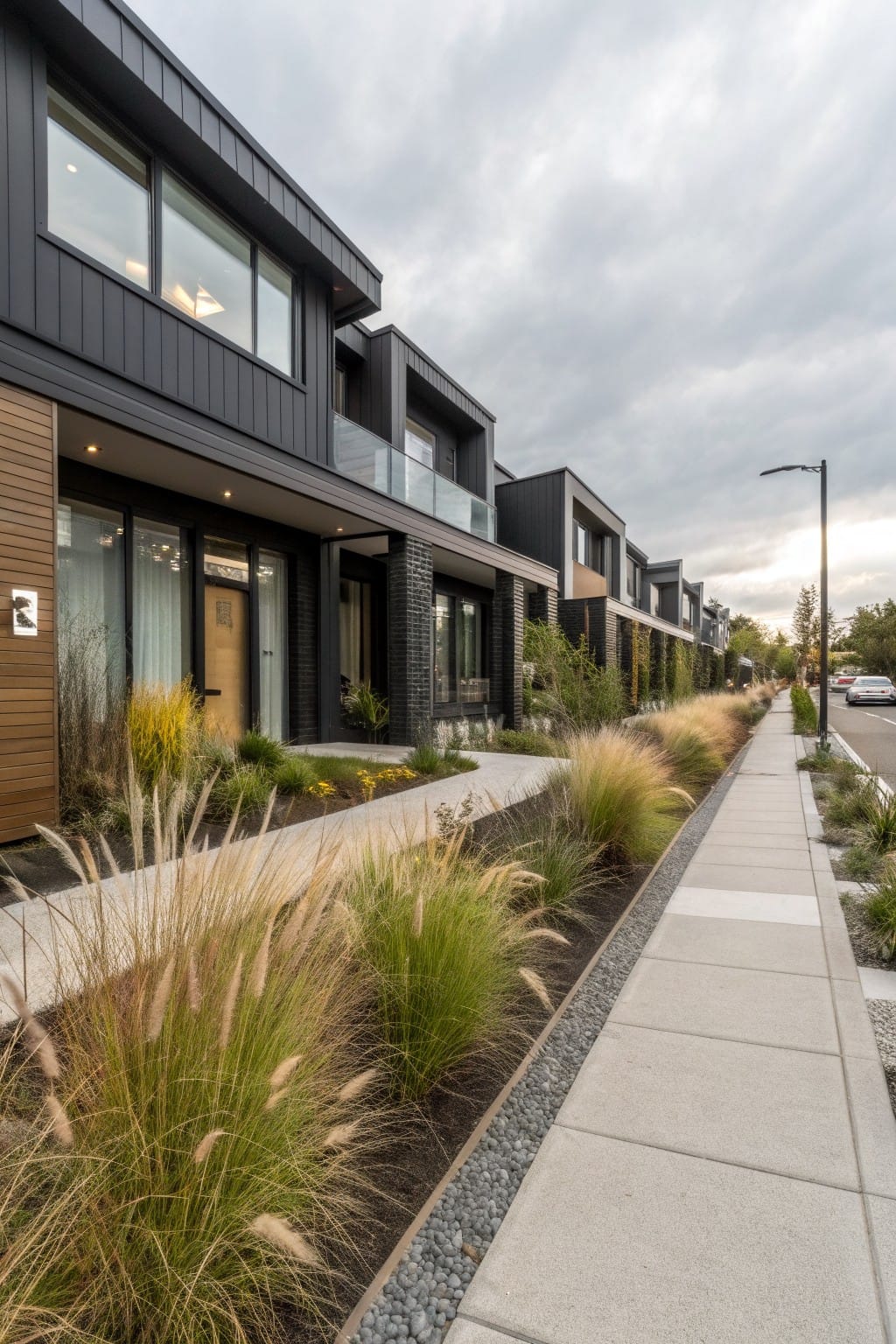
Tall ornamental grasses make a straightforward edging choice for flower beds along walkways. They stand up nicely, giving beds a clean line without much fuss. The feathery tops soften hard edges like concrete paths, and they fill in over time to hold back soil.
Set them in a single row right at the bed’s front. Add a narrow gravel strip between the grass roots and the walkway to stop weeds and keep things tidy. This setup fits modern homes or any yard with a straight path. Pick varieties hardy in your area, and trim back once a year.
Gabion Walls for Flower Bed Edging
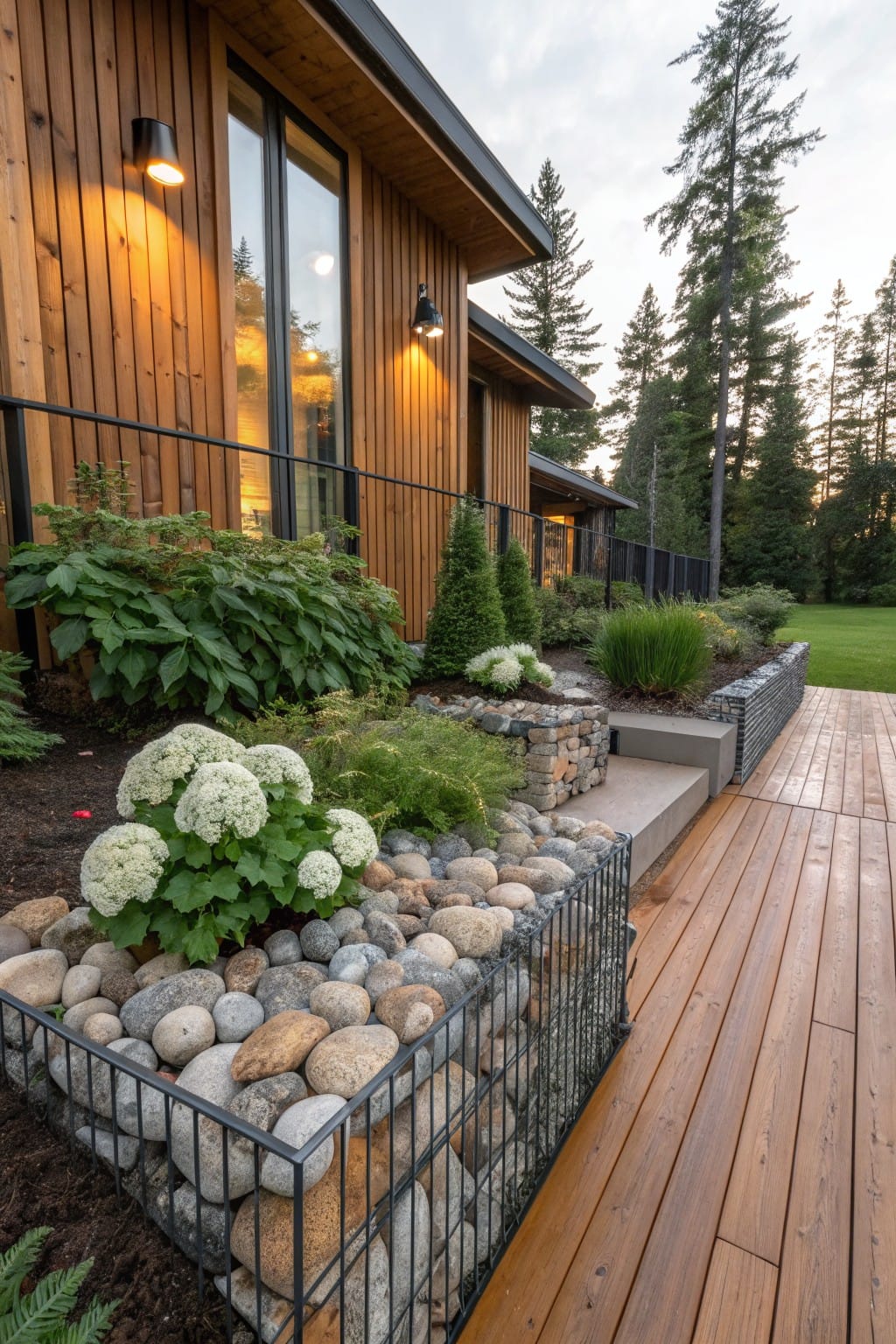
Gabion walls give flower beds a tough, natural edge that holds up over time. These are just wire baskets packed with rounded stones, keeping soil in place while plants grow right over the top. White hydrangeas spilling out here show how they mix hard structure with soft flowers without much fuss.
You can use them anywhere soil needs holding back, like by decks or along slopes. They suit wooded lots or modern homes with wood siding. Grab local rocks to keep costs down, and make sure the baskets are big enough for stability. One thing, they work best where drainage is good.
Brick Edging for Flower Beds
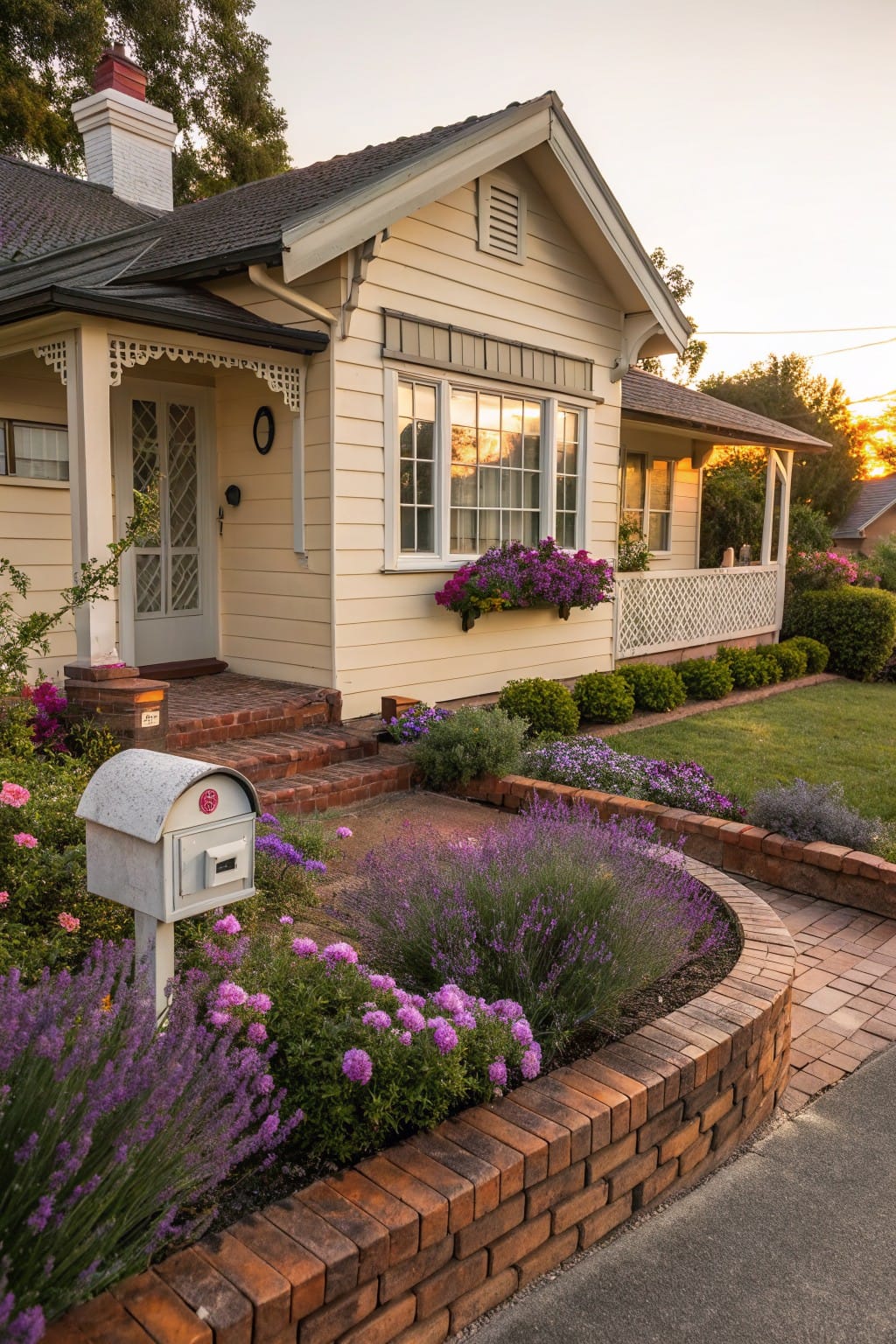
Brick edging makes flower beds look sharp and contained. You build low walls right along the edge to hold back soil and plants. Here it curves gently by the front path with lavender spilling over. That setup keeps everything in place and gives the yard a put-together feel year round.
Try it where you have a walkway or driveway edge. It suits bungalow style homes or any older place with brick steps already. Match the brick color to what you have. Go for rounded top bricks if you like a softer line. One thing. Skip tall plants that flop out too much.
Brick Walkway Flower Bed Edging
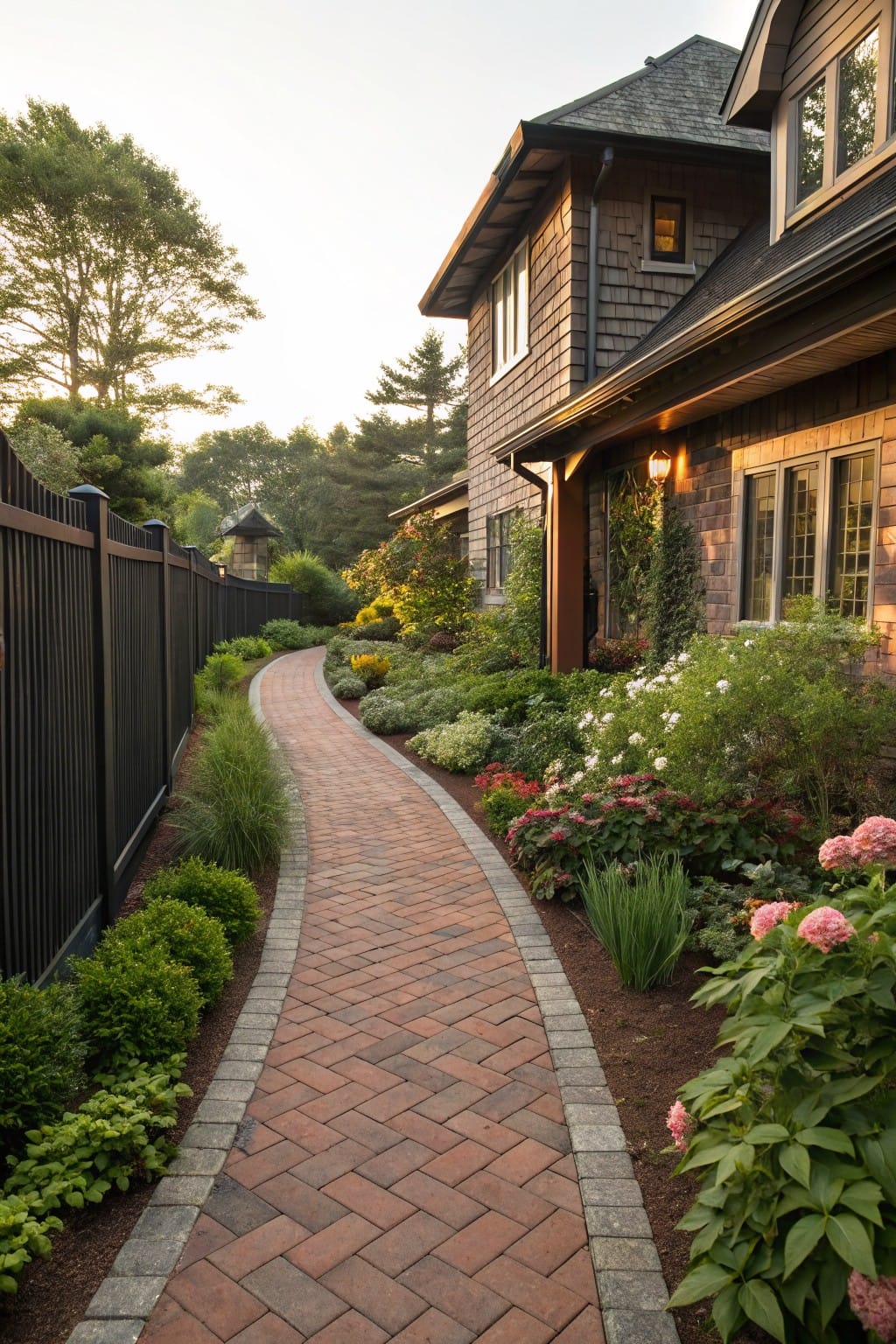
A brick walkway running right through flower beds makes for simple edging that keeps things organized. The straight lines of the bricks contrast nicely with soft plants spilling over the edges. Mulch fills in around the plants for a tidy base. It pulls the garden together without much fuss.
This edging idea suits yards with a path to the house or side entrance. It fits older homes with shingle siding or traditional details. Lay the bricks in a curve to follow your yard’s shape. Boxwood or grasses work well along the edges. Refresh the mulch each spring to keep it sharp.
Concrete Edging for Flower Beds
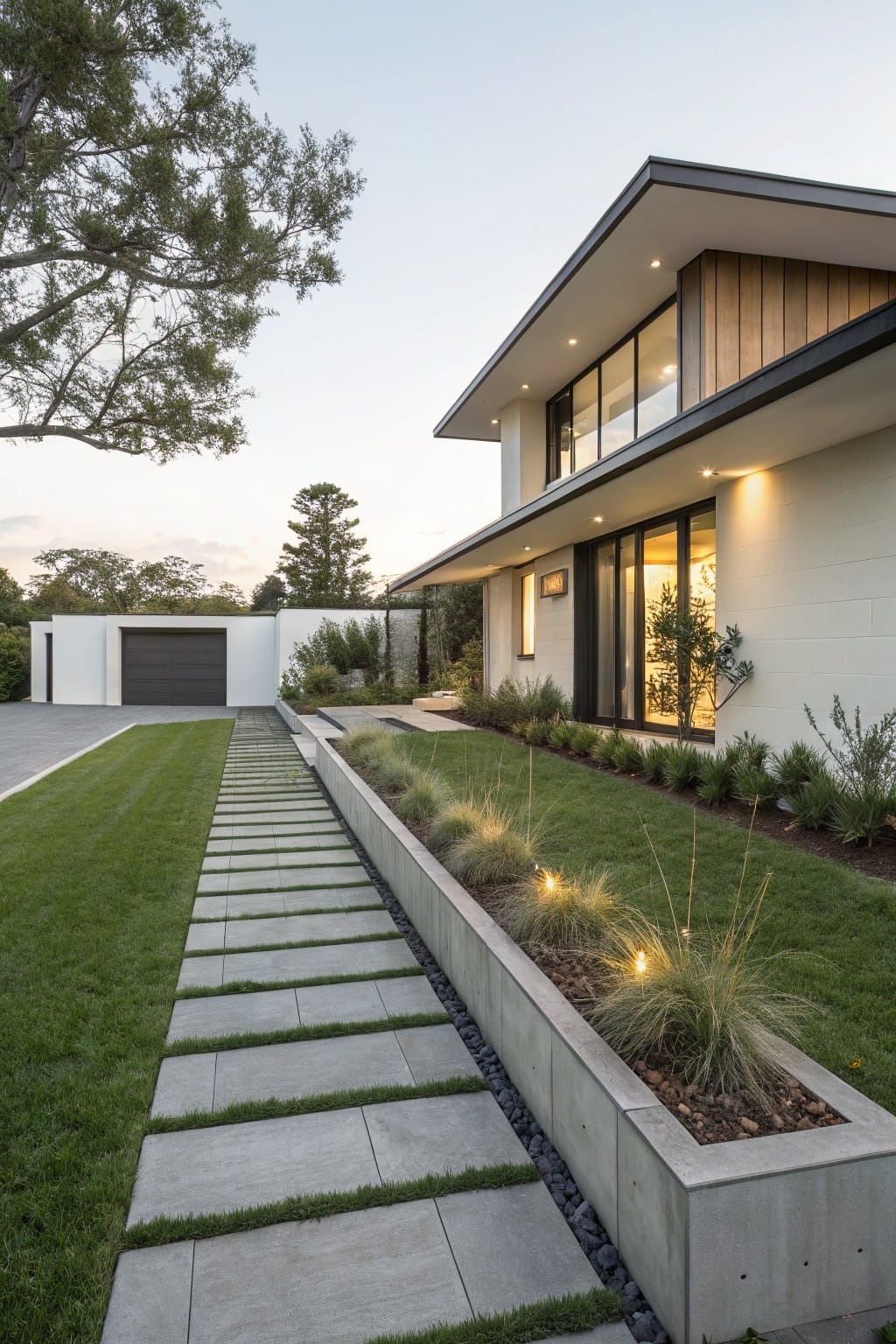
One clean way to edge flower beds is with straight raised concrete borders. They run right along a pathway like this one, holding back soil and plants without any fuss. Tall grasses planted inside add some movement, but the concrete keeps the line sharp and the bed organized. It’s a simple fix that makes the yard look put together.
This edging works best next to a path or driveway where you want low upkeep. Pour it in place or use precast sections, then fill with grasses or perennials that won’t flop over. It suits modern houses or any yard with straight grass areas. Just make sure the height matches your slope so water drains right.
Rope Fencing for Flower Bed Edges
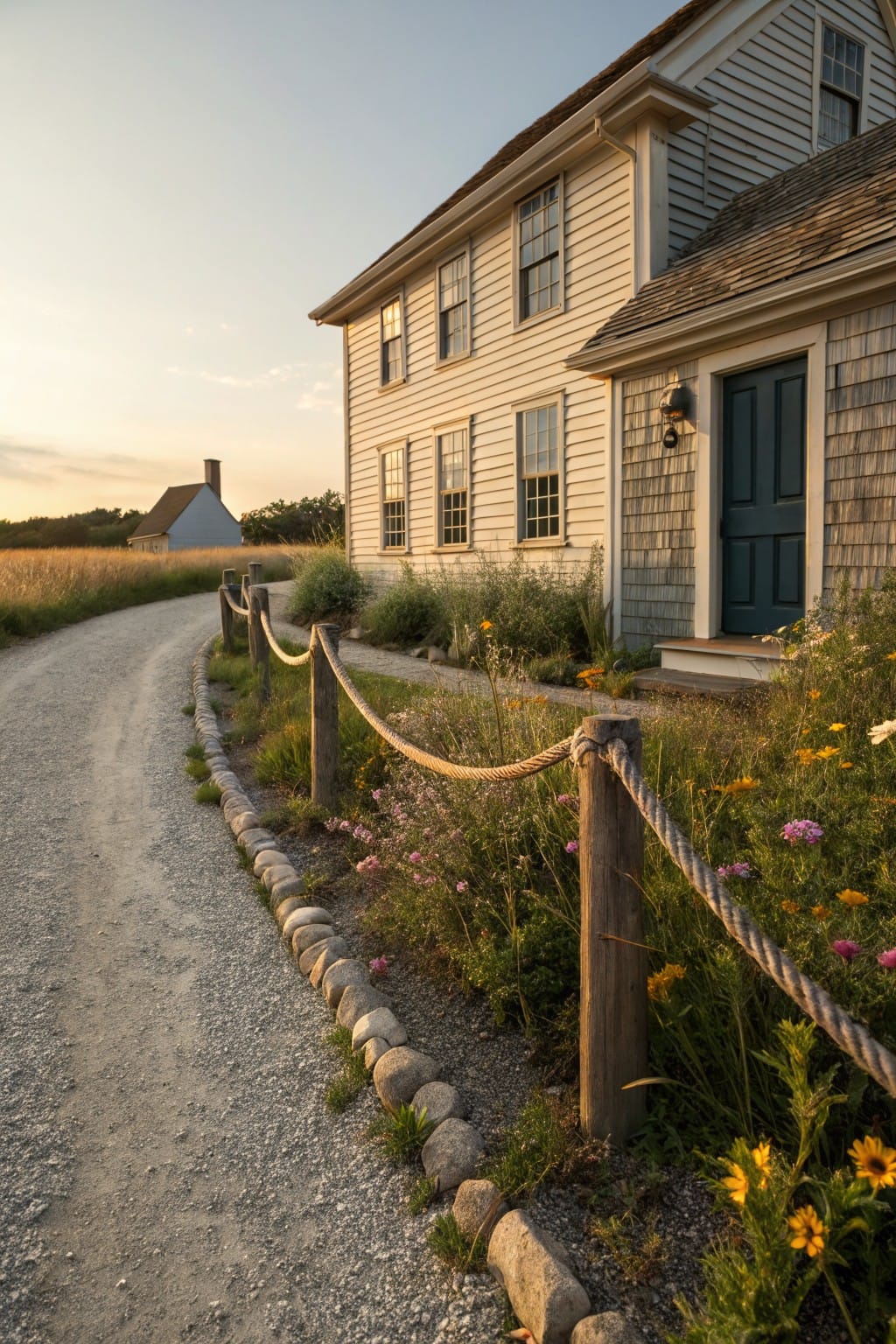
Rope fencing strung tight between wooden posts gives flower beds a straightforward boundary. It holds back plants along a driveway or path without much fuss. The thick rope and rough posts fit right in with wildflowers and grasses. Folks like how it looks natural, not fussy.
Try this edging where you have a gravel drive or walkway next to a yard. It suits older farmhouses or coastal spots. Sink posts deep enough to stay put. Natural fiber rope works best, though it needs replacing every few years. Stones along the bottom help keep soil in place.
Lighted Stone Edging for Flower Beds
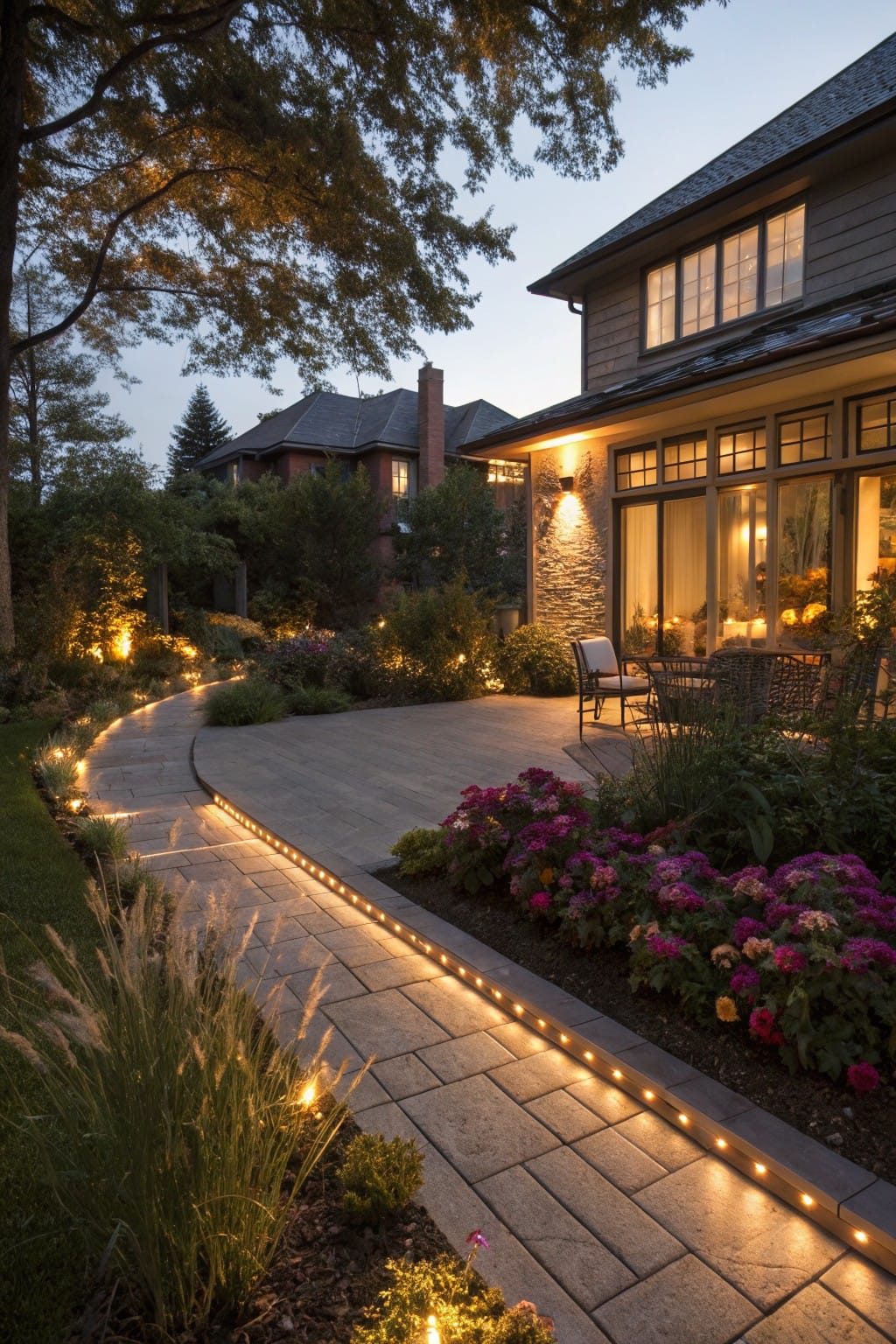
One neat way to edge flower beds is to set stone pavers with LED lights tucked right along the borders. The soft glow picks out the plants at dusk and keeps the lines crisp between beds and paths. It gives that fresh organized feel without much fuss.
This kind of edging suits backyards near a patio or seating area. Line it around low-growing flowers and grasses like you see here with the pinks and feathers. Go for low-voltage strips that handle weather. It fits most any home style as long as you keep the stones level.
Corten Steel Raised Planters
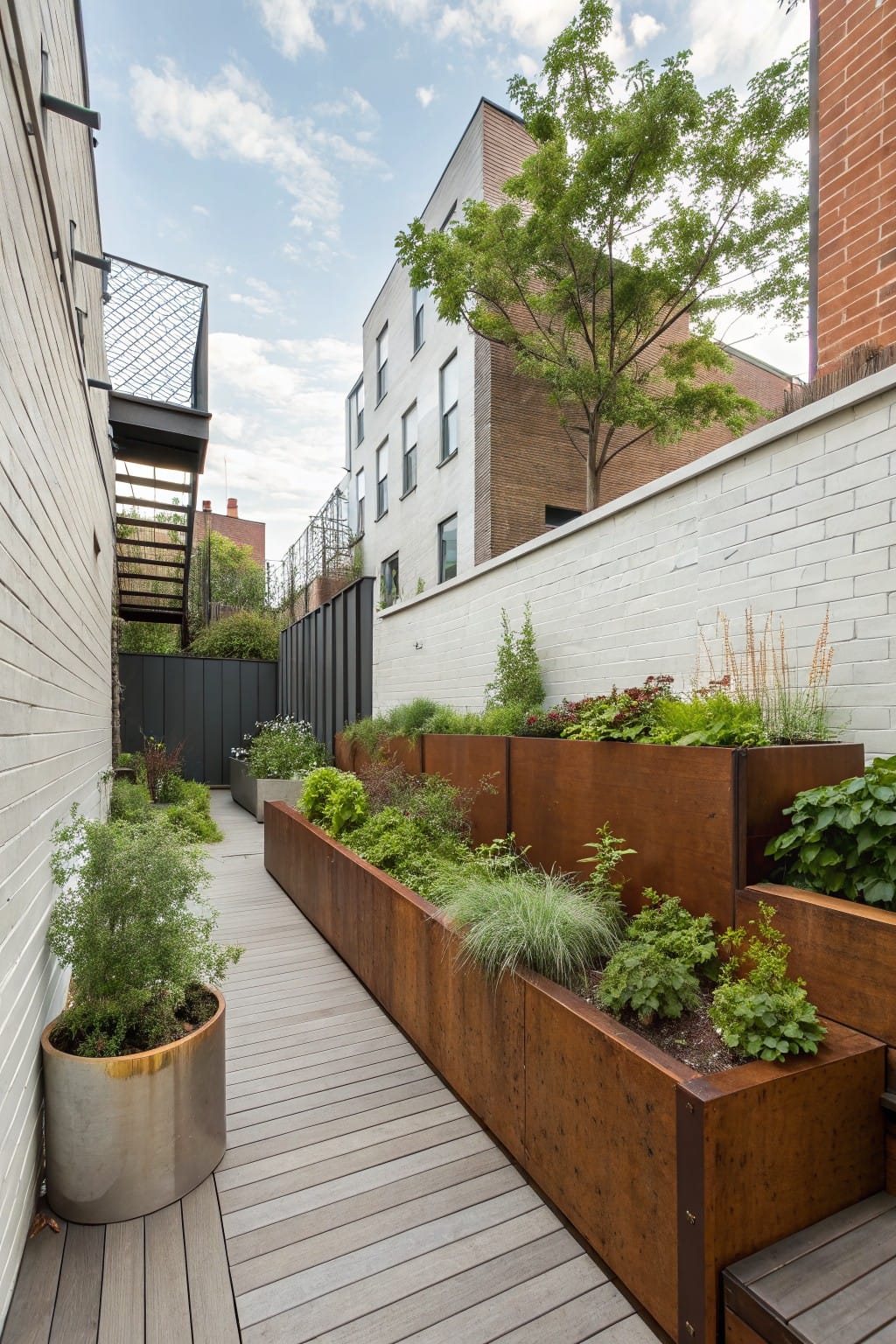
Raised planters made from corten steel work well for keeping flower beds neat and contained. The metal develops a nice rusty patina over time that fits right into garden settings without much upkeep. In this setup, the tiered beds line a narrow walkway and hold herbs, grasses, and low plants that spill over just enough.
These planters suit small urban yards or side paths where space is tight. Pair them with a simple wood deck for easy walking access. They hold up in different weather and let you group plants by height for better organization. Just make sure the ground drains well underneath to avoid rot.
Edging Beds with Large Stone Blocks
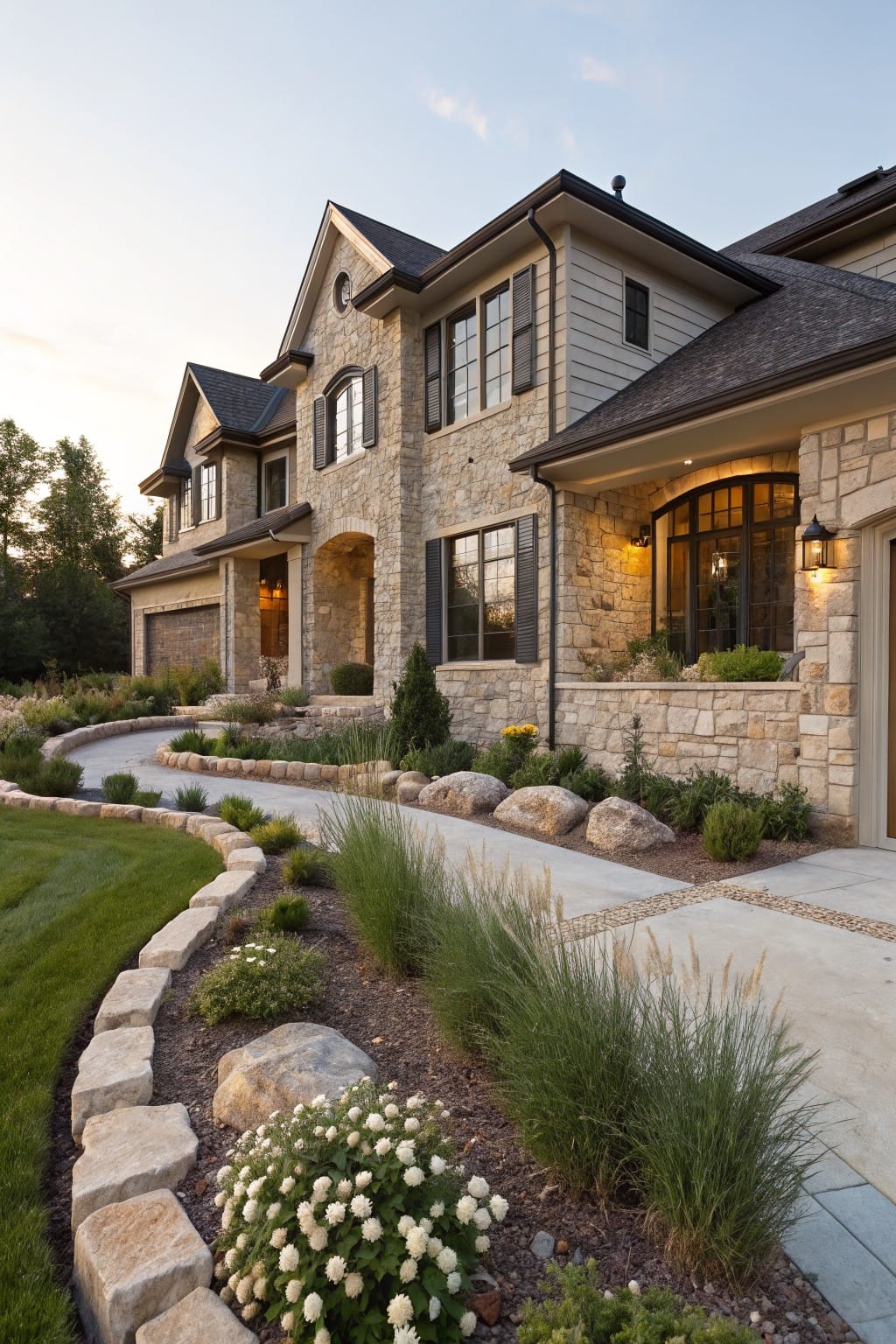
Large stone blocks make a sturdy edge for flower beds and paths. They hold back soil and plants without much upkeep. In this setup, the rough-cut limestone pieces curve along the walkway, mixing right in with the house stone and boulders nearby. It keeps the yard looking neat and natural.
Stack or set these blocks along any winding path or straight bed. They suit bigger yards or homes with stone fronts best. Pick stones close in color to your house to tie it all together. Skip tiny pebbles here. They won’t stand up to foot traffic.
Frequently Asked Questions
Q: Do I need fancy tools to try these edging ideas? A: Grab a shovel, garden gloves, and a mallet. Most installs just need you to dig a shallow trench and tap pieces into place.
Q: How do I stop grass from sneaking back into my beds? A: Slice along the edge with an edging tool or spade every couple weeks. It severs roots before they grab hold.
Q: What’s quick edging for a beginner yard? A: Plastic strips flex easy and push right into soft soil…done in an afternoon. They give that crisp line without hassle.
Q: Will edging on a slope wash away in heavy rain? A: Anchor it deep with stakes or dig back slightly uphill. And pack soil tight behind it to hold everything steady.
