

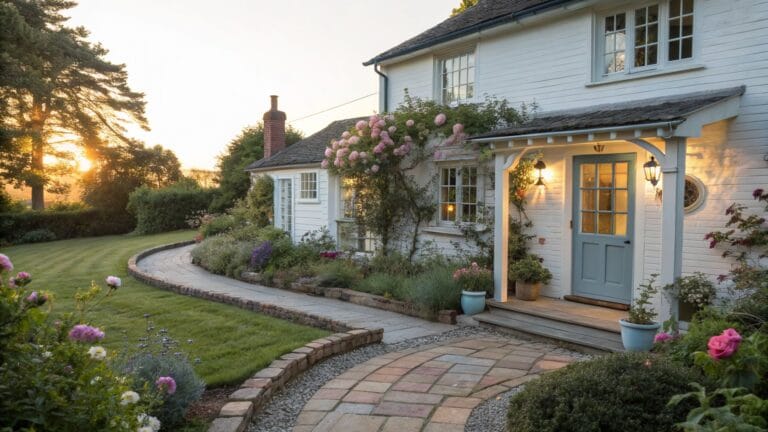
I’ve noticed over the years that garden borders quietly anchor a yard and make every plant look more intentional.
Last spring I edged my herb bed with slices of branch wood I cut myself and it blended right into the soil without drawing eyes away from the greens.
Borders work when gardeners choose materials that echo the local landscape and scale down to fit small spaces.
They fall short if the edging overwhelms with shiny metal or plastic that cracks after one season. A few options here catch that balance perfectly.
Low Brick Edging for Garden Borders
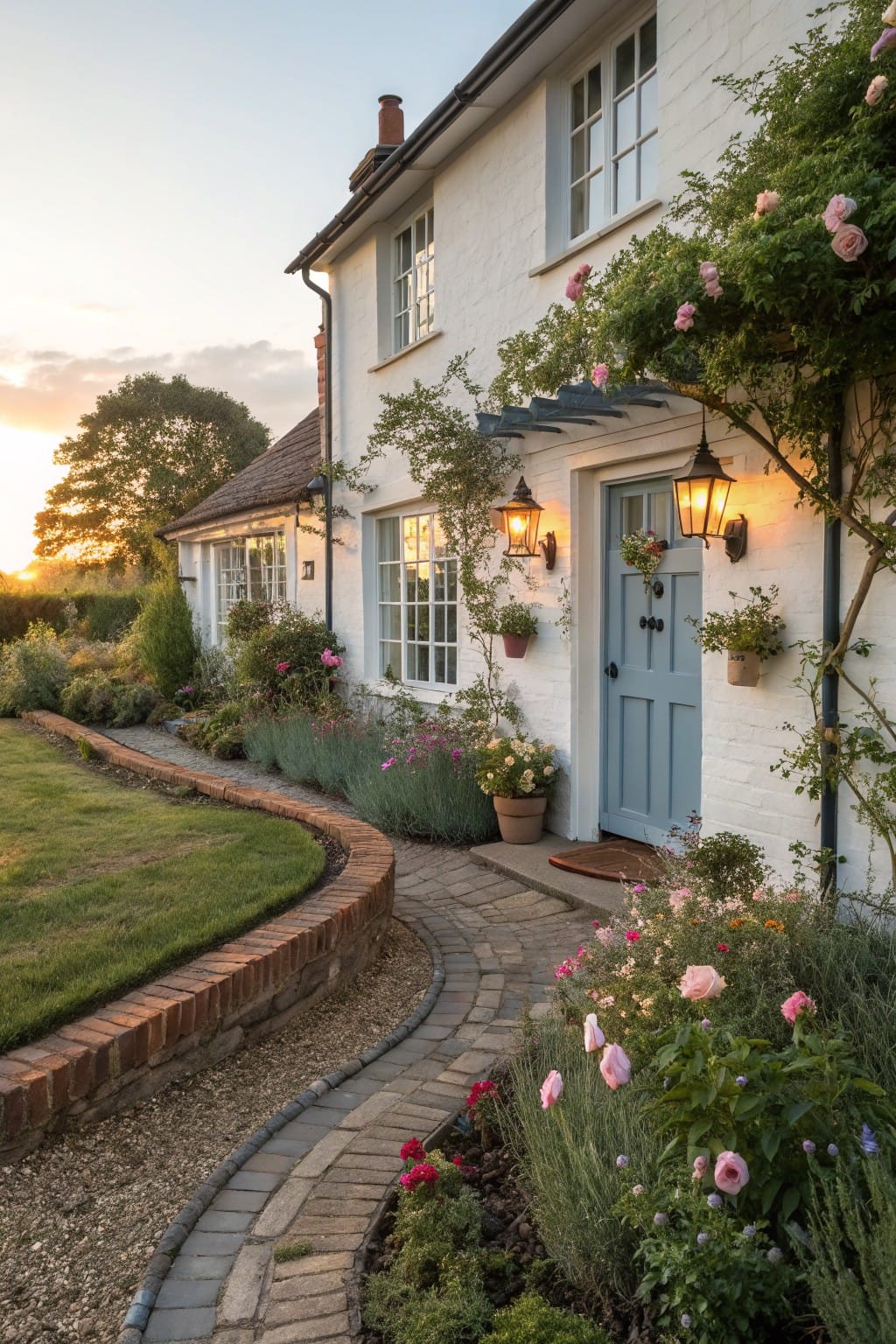
One straightforward way to edge your garden beds is with low brick walls. They run right along the path here, keeping the lawn separate from the flowers and shrubs. Plants like roses and lavender tuck right up against the bricks, which makes everything feel tidy but not stiff. It’s a classic cottage touch that holds up year after year.
You can add this edging around curved paths or straight ones too. It suits older homes or any yard with room for borders. Pick bricks that match your house, maybe reclaimed ones for a bit more character. Just make sure the base is level so water doesn’t pool.
Raised Beds Edged in Steel
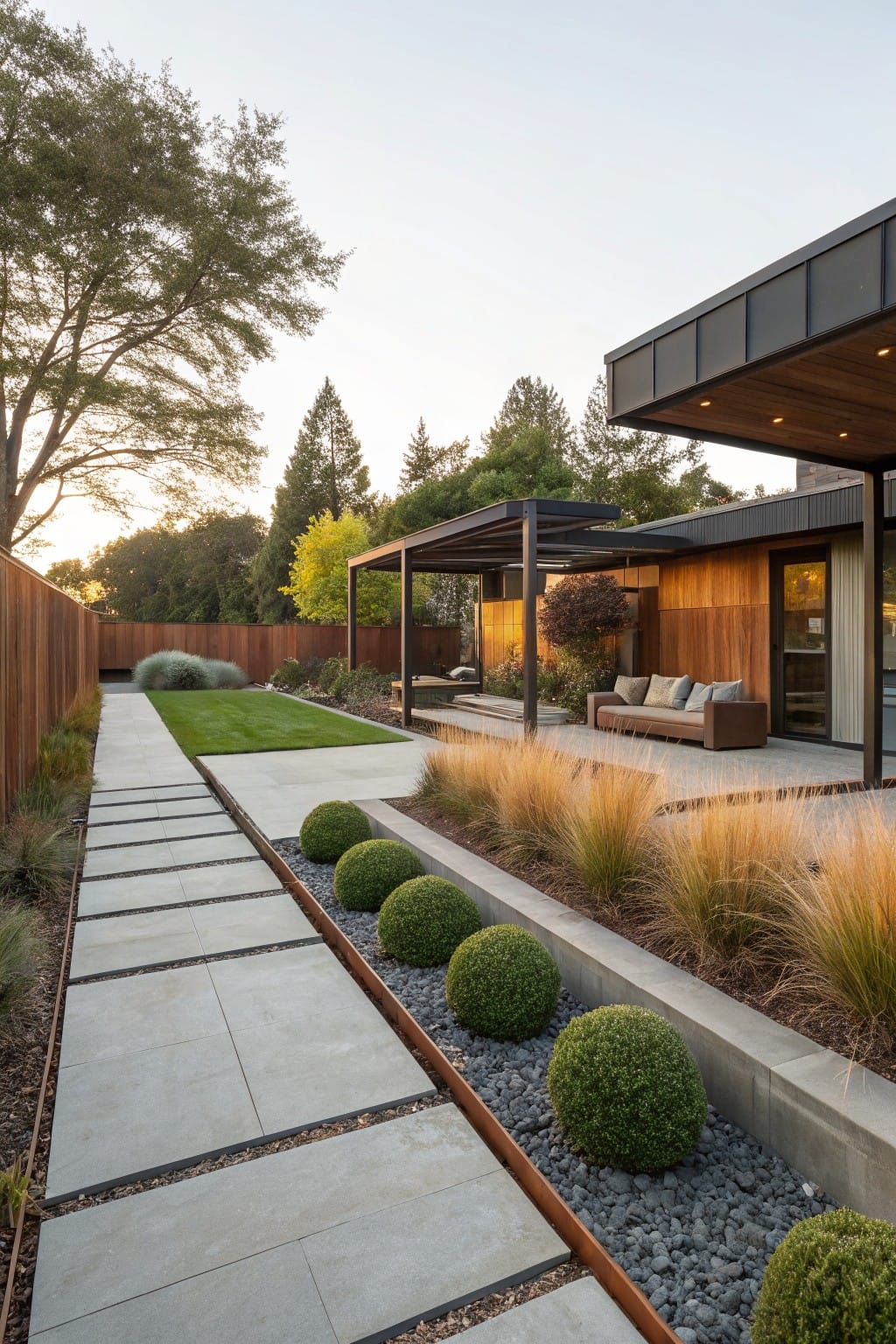
Steel edging keeps raised garden beds sharp and simple. It holds back gravel mulch and plants without wood that rots or plastic that fades. Here the thin rusty steel lines a path to the patio. Boxwood balls and waving grasses fill the beds. That clean edge makes the whole yard look tended.
Try this along walkways or lawn borders in any backyard. It suits modern homes best but works on older ones too. Pick corten steel for color that ages well. Set it deep enough so soil stays put. One thing. Straight lines matter most.
Timber Edging for Garden Borders
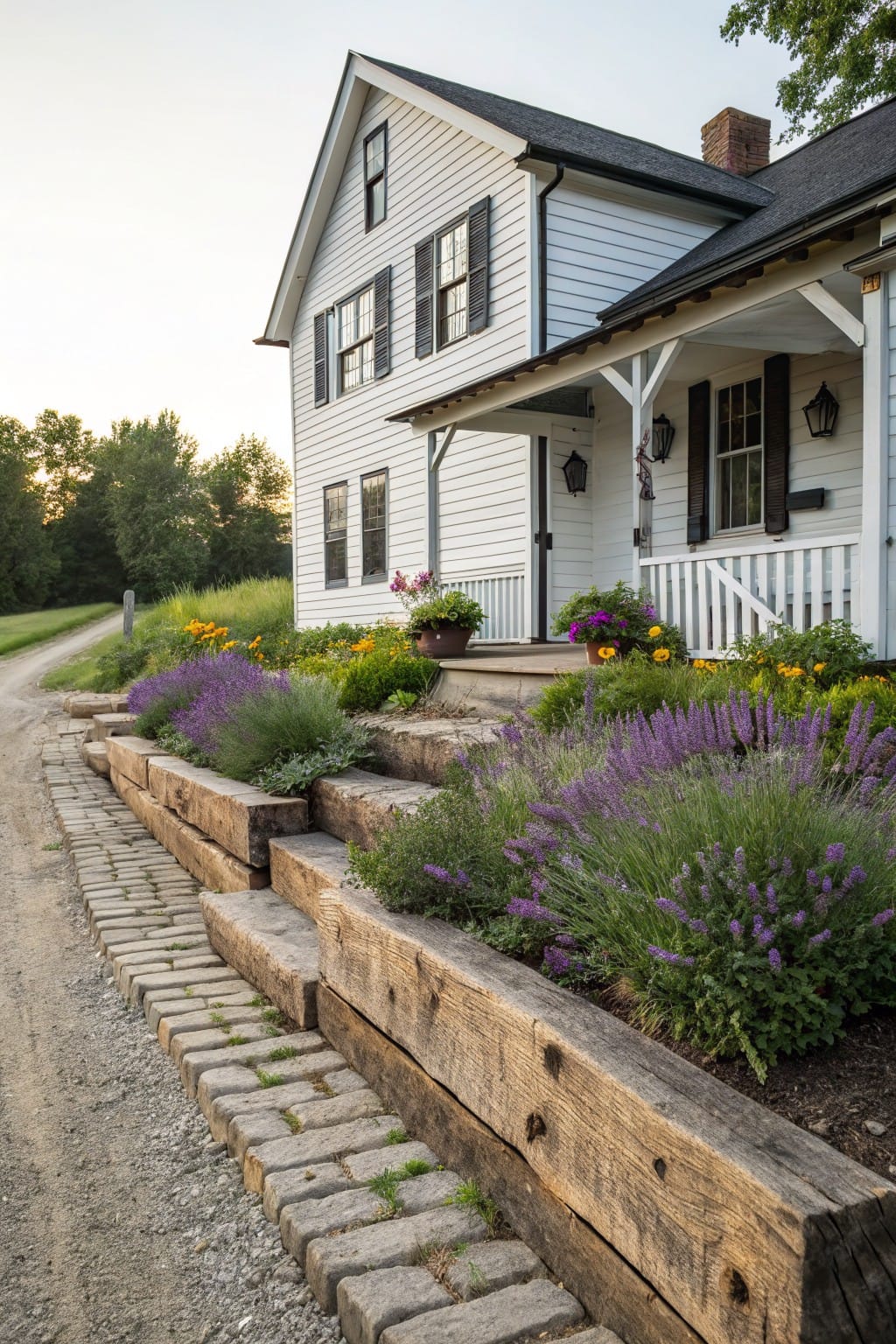
One simple way to edge a garden path or driveway is with large timber pieces set into retaining walls. These rugged wood blocks hold back soil and plants nicely, like the lavender bushes you see here along a gravel drive. They give a sturdy, natural look that fits right into country settings without much fuss.
This edging works best where you have a slope or need to keep soil in place near a walkway. Use it around older farmhouses or cottages with gravel paths. Go for reclaimed timbers to save money and add character, but treat them against rot if your yard stays damp. Keeps things low-maintenance too.
Rope Edging for Pebble Paths
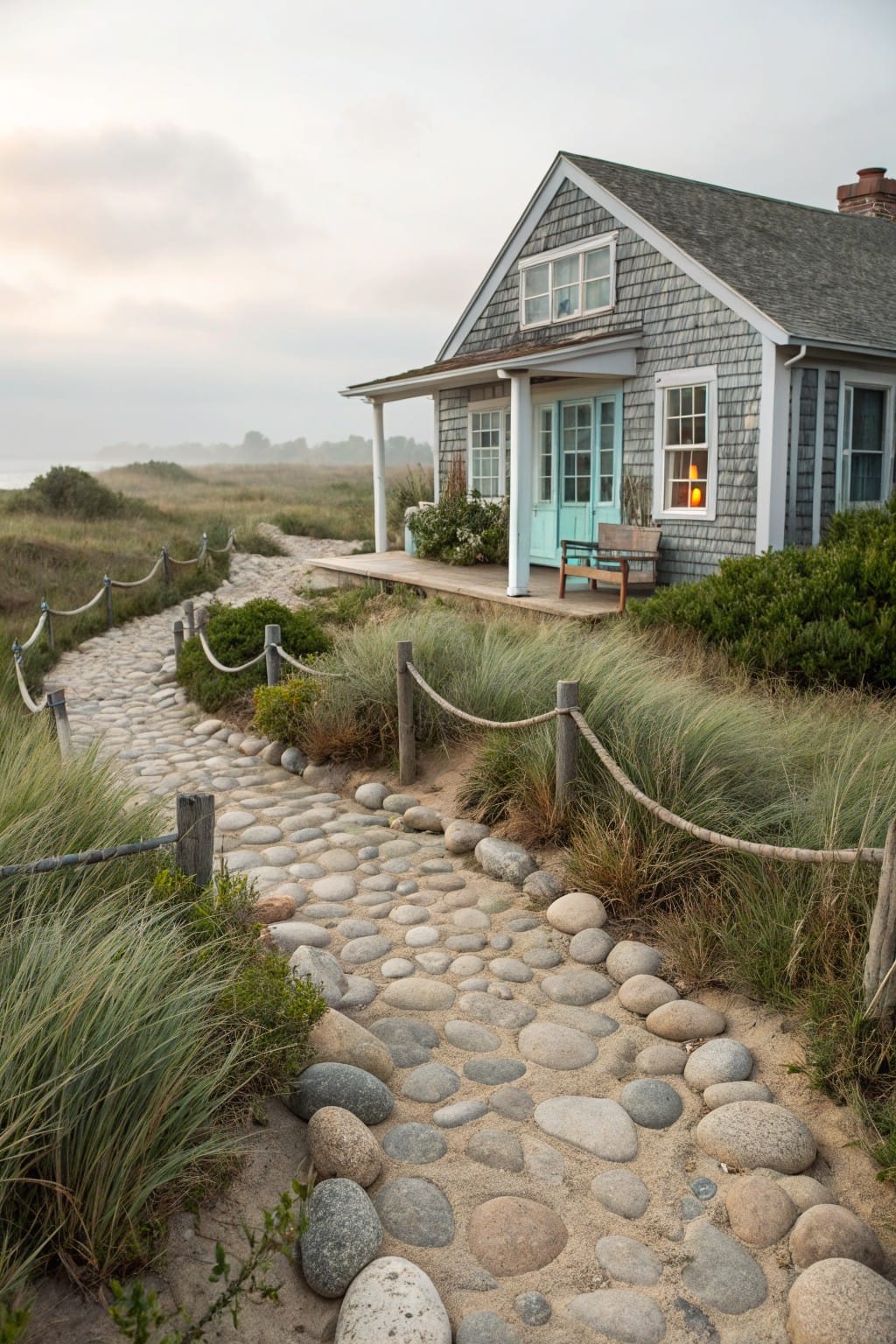
Rope strung between wooden posts makes a clean border for a pebble walkway. It guides the path nicely through tall beach grass without much upkeep. That loose, natural feel suits spots near sand or dunes.
Put this edging in front of beach houses or cottages where you want easy access to the door. The rope holds back the grass and keeps gravel in place. Skip it on steep slopes though. The posts need to stay firm.
Mosaic Tile Walkway Runners
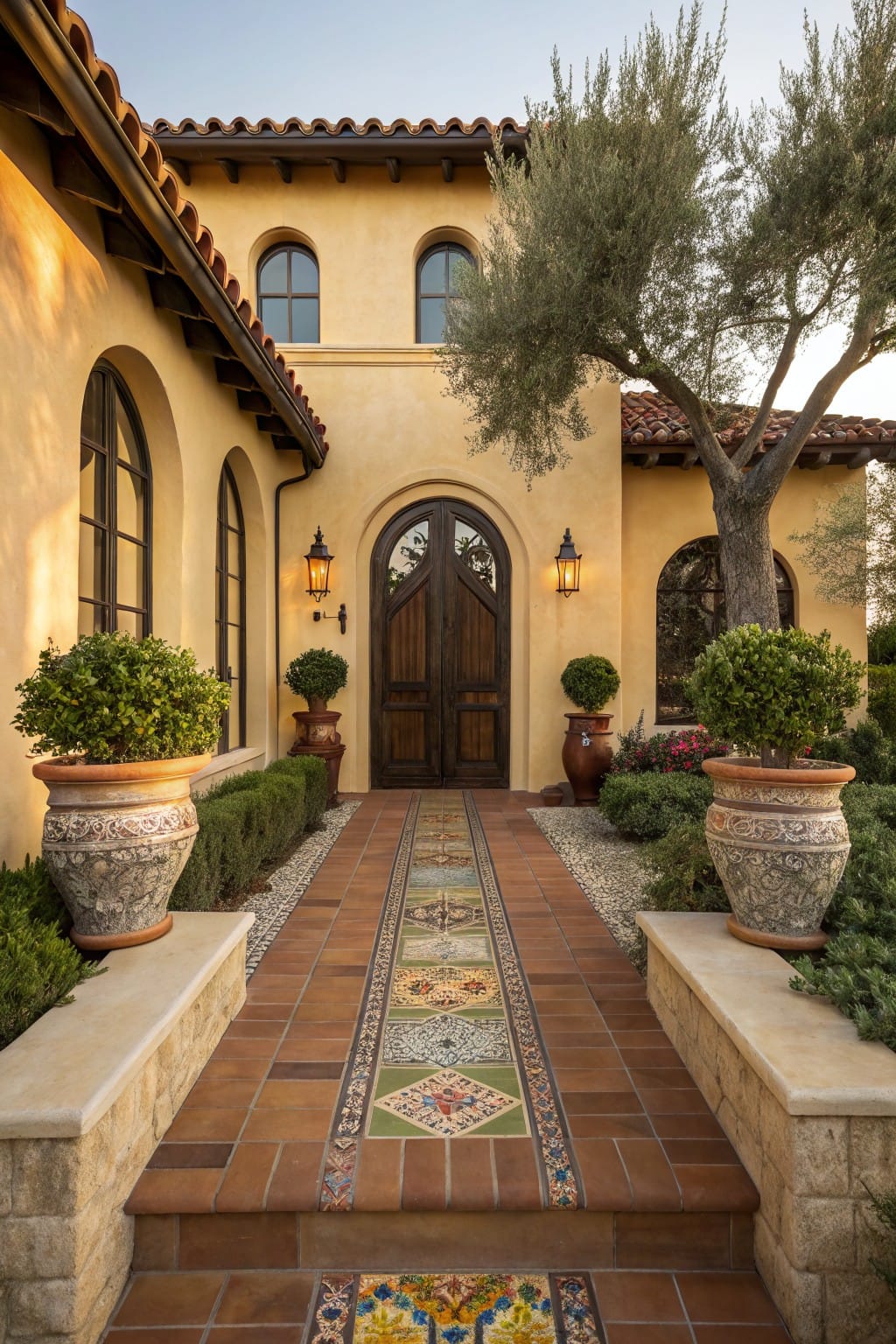
One simple way to add real interest to a front path is running a strip of colorful mosaic tiles right down the center. You see it here leading up to the door, with those bright patterns pulling your eye along the terracotta pavers. It turns a plain walkway into something special without much fuss, and the colors pop against the neutral stone and stucco house.
This works best on paths three feet wide or so, where the runner fits nicely between borders of gravel or low plants. Try it in front of Mediterranean or Southwestern homes, or any sunny spot with warm tones. Just make sure the tiles are outdoor-rated so they hold up to weather… and skip it if your path gets heavy foot traffic.
Brick Edging Around Flower Beds
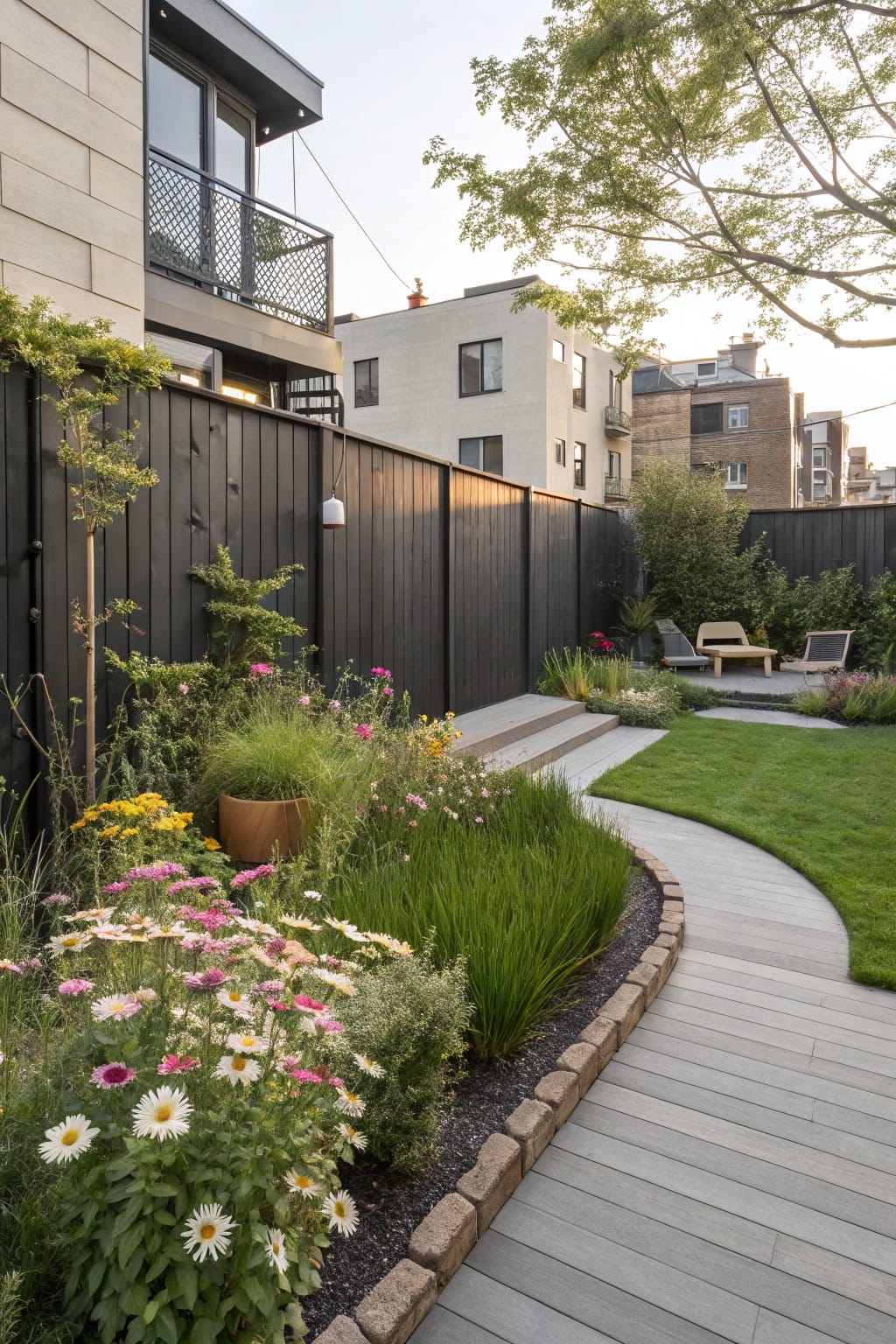
One straightforward way to tidy up garden borders is with brick edging around planting beds mulched in gravel. Here you see it hugging a curved path, where low brick keeps the mulch and flowers in place without much fuss. The gravel lets water drain fast, and the bricks add a bit of structure that holds up year after year. It’s practical. Colors pop against it too.
Put this edging where you want to separate lawn from flowers or path from beds. It fits small backyards behind any house style, from new builds to older ones. Lay bricks on a sand base for curves like this, then fill beds with gravel over landscape fabric. Skip it in super wet spots unless you raise the beds a touch.
Boxwood Hedges Edge Garden Paths
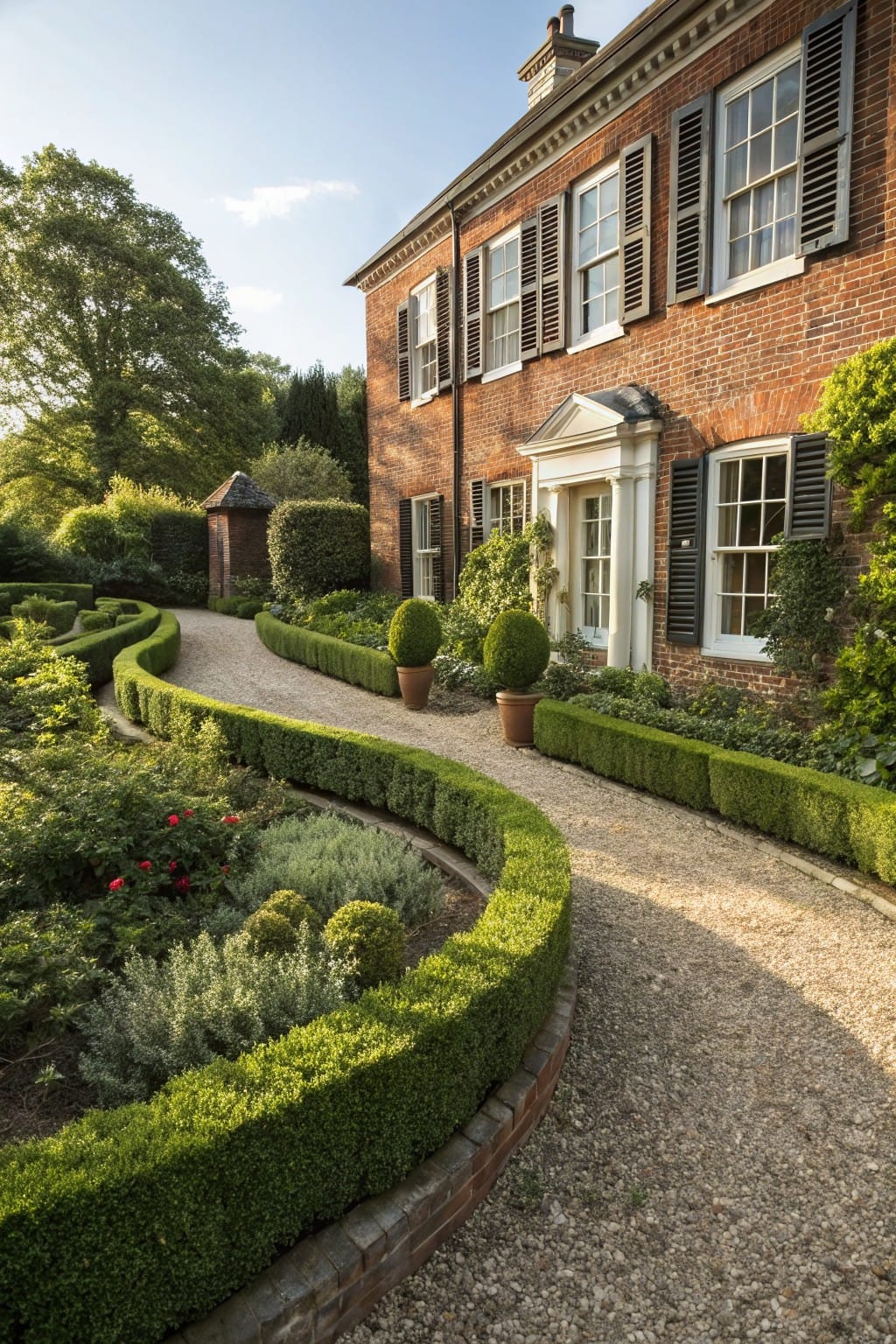
Low boxwood hedges make a fine border for paths like this gravel one. The clipped shapes follow the curve nicely and keep things neat without much fuss. They stand out against the loose plantings nearby, giving the whole front yard a pulled-together look that suits a classic house.
Try this where you have room for a winding walk to the door. It fits older brick homes or any spot with good sun for the boxwoods. Trim them once or twice a year, and toss in a couple topiary balls for shape. Avoid shady areas though, or they thin out quick.
Large Pavers Set in Grass
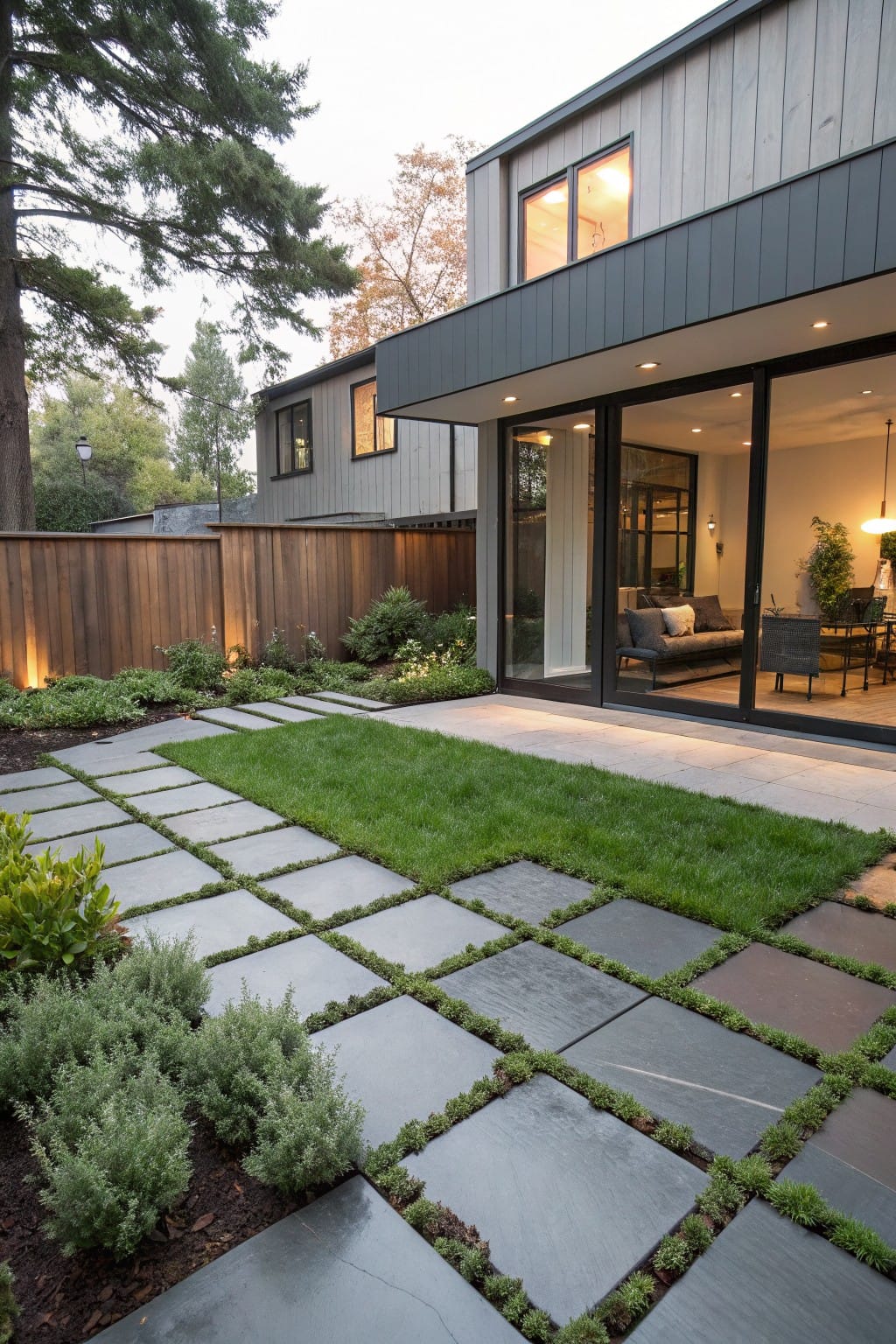
One simple way to edge a garden path or patio is to lay big stone pavers right into the lawn. The dark slabs here form a loose grid, with grass and low plants filling the gaps between. It keeps things neat without much upkeep, and the green edges make the hard stone feel right at home outdoors.
This setup works best in backyards where you want a walking area that doesn’t take over the yard. It suits modern homes with clean lines, like the one shown with its glass doors opening straight onto the patio. Just space the pavers wide enough for grass to grow, and pick tough plants for the joints so they don’t get trampled.
Flower Borders Along Stone Paths
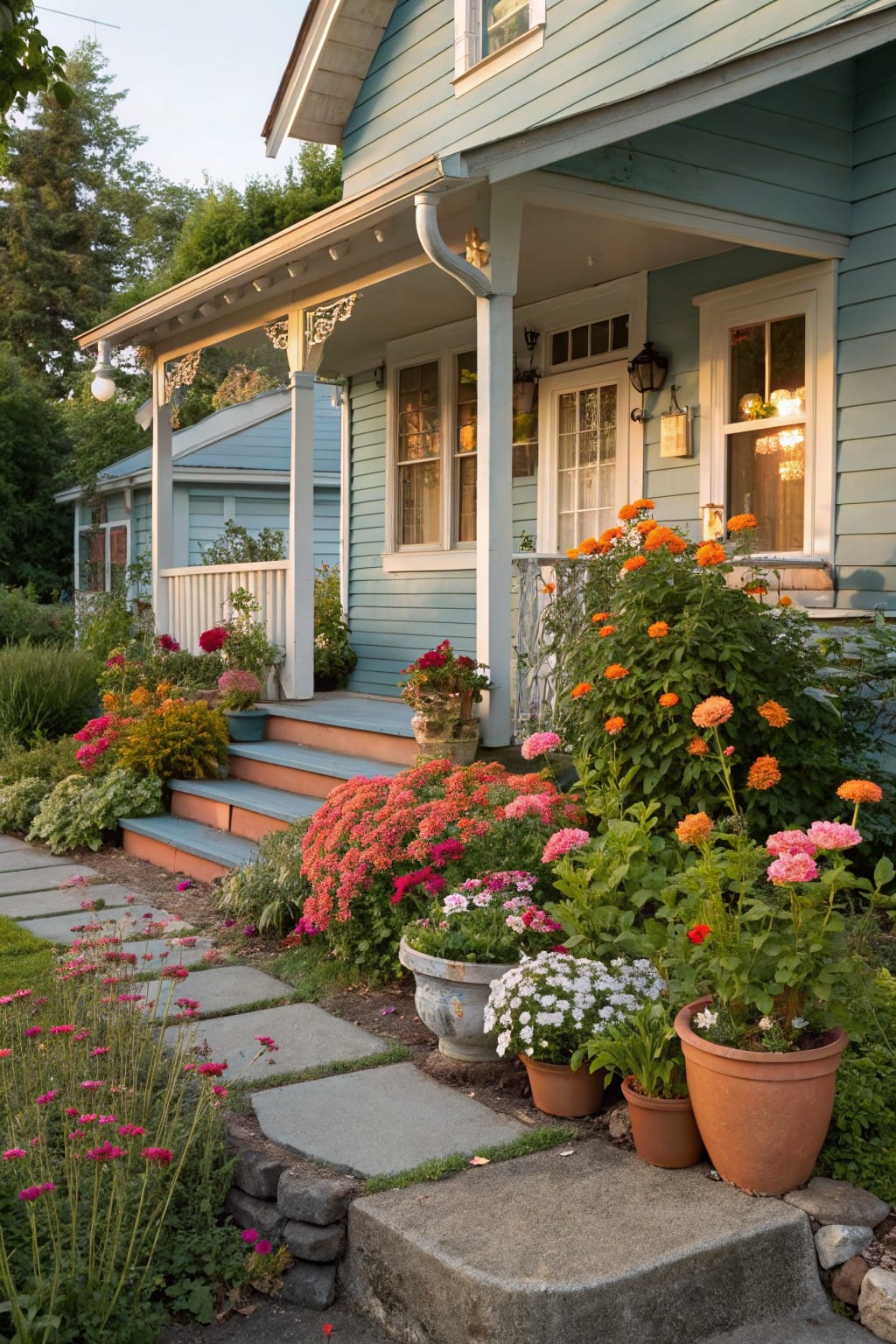
One easy way to boost curb appeal is filling garden beds right along your walkway with colorful flowers. These borders frame the path nicely and draw folks right up to the door. The dense planting softens hard stone edges. Bright zinnias and sedums mound up and spill over a bit. It feels homey.
Plant perennials and annuals together for nonstop color from spring to fall. This suits cottage homes or any yard with a straight path to the porch. Keep taller plants to the back so they don’t block the view. Trim once a year. Pots tucked in add extra punch.
Raised Bed Garden Borders
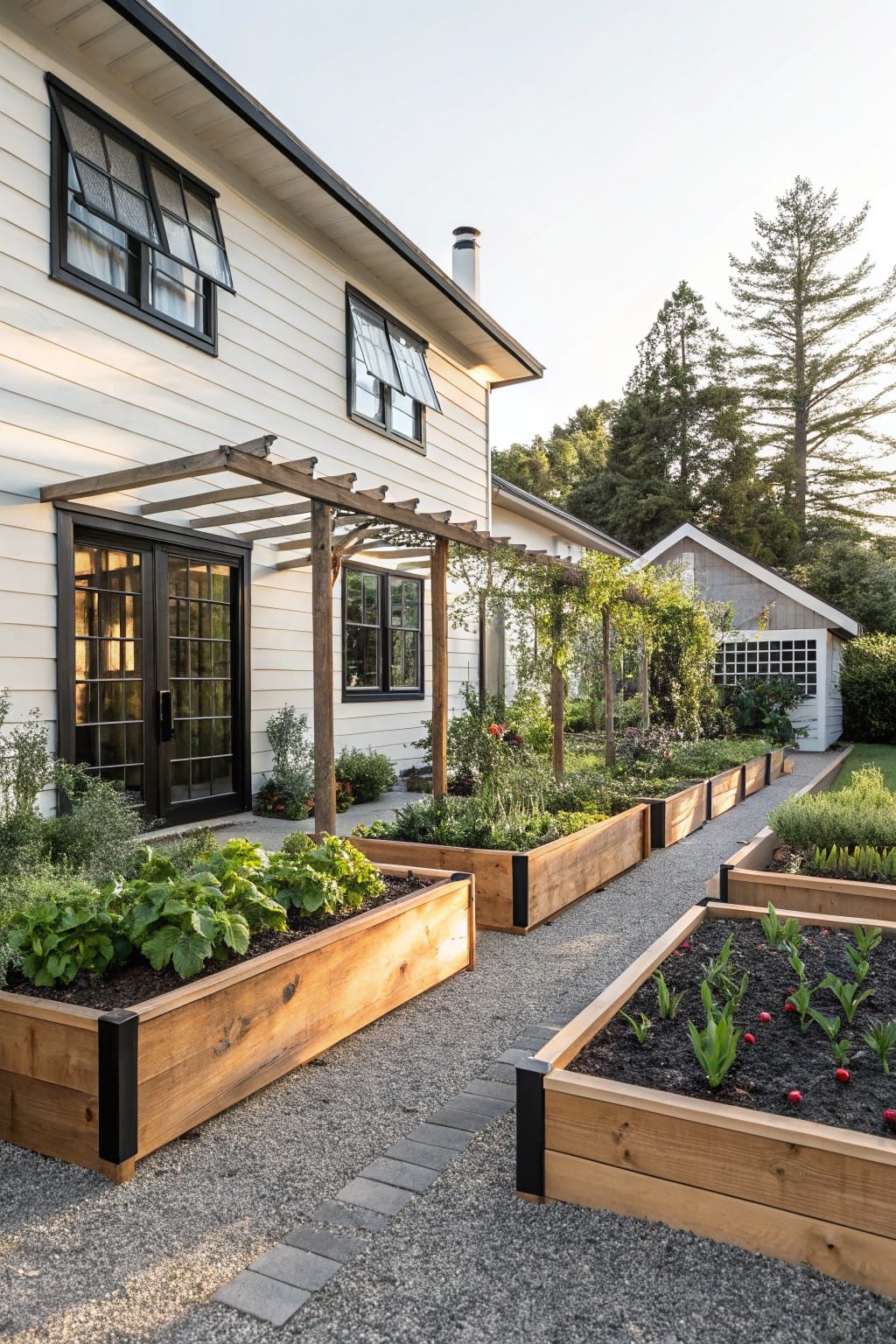
Raised beds work well as borders along paths or yard edges. These wooden ones with black metal corners give a clean line that keeps plants in place and makes the garden feel organized. You get that sturdy look that holds up over time, and it fits right with a casual backyard setup.
Line them up like this next to a gravel walkway, and they guide you through the space nicely. They’re great for veggie patches or herb rows in a side yard. Pick cedar or treated pine for the frames so they don’t rot fast, and space them wide enough for easy reaching.
Mosaic Tile Garden Borders
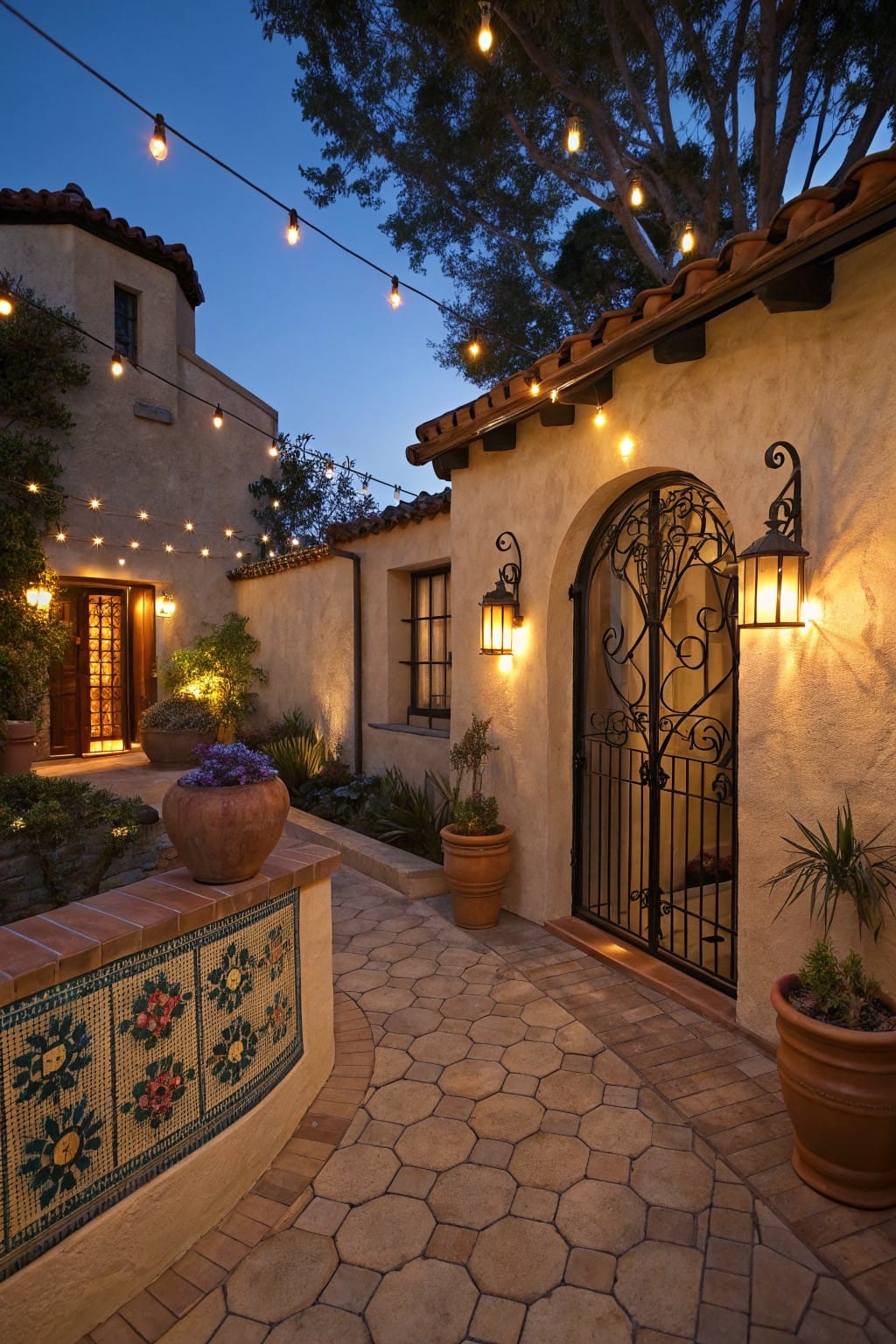
A low stucco wall runs along this walkway, with sections of colorful mosaic tiles set into it. The floral patterns in blues and greens give a handmade feel that ties right into the garden plants nearby. It’s a simple way to edge a bed without much upkeep, and the tiles catch the light nicely in the evening.
Try this on a side path or courtyard edge where you want some pattern without overdoing it. It suits older adobe or ranch homes best, or any yard with a bit of Spanish flair. Just pick frost-proof tiles and keep the wall under two feet high so you can reach over to tend the plants.
Pebble Wall Garden Edging
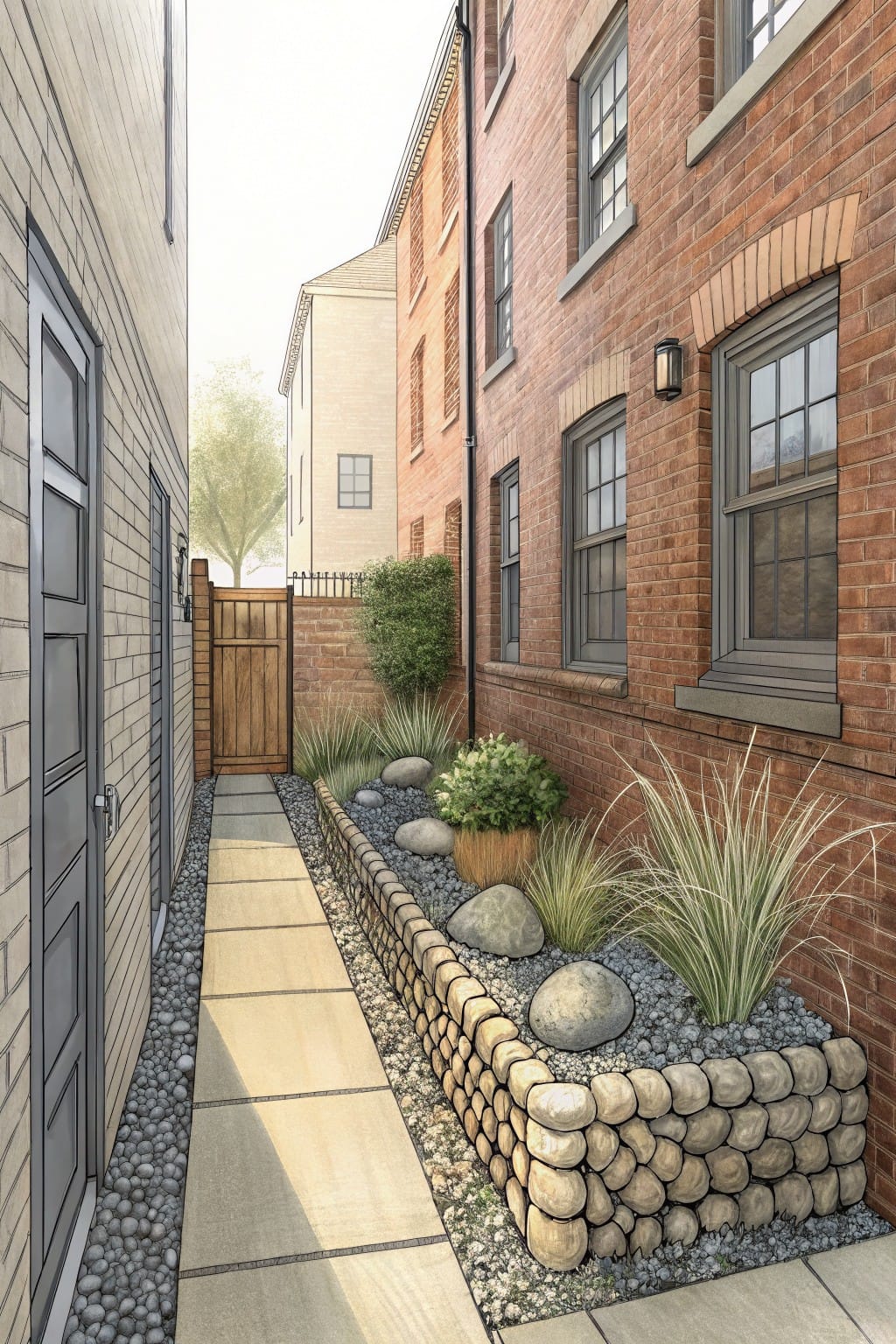
Rounded pebbles stacked dry into a low wall make a solid border for garden beds. They hold back soil and mulch without any mortar or fuss. In tight spots like this walkway, the look stays natural and fits right in with brick walls nearby.
Put one along a side path or backyard edge where space is narrow. It suits older homes or urban yards best. Plant grasses or low shrubs inside, toss in a few rocks, and skip constant trimming. Just pick pebbles about fist-sized so the wall stays put.
Paver Walkways with Pebble Gaps
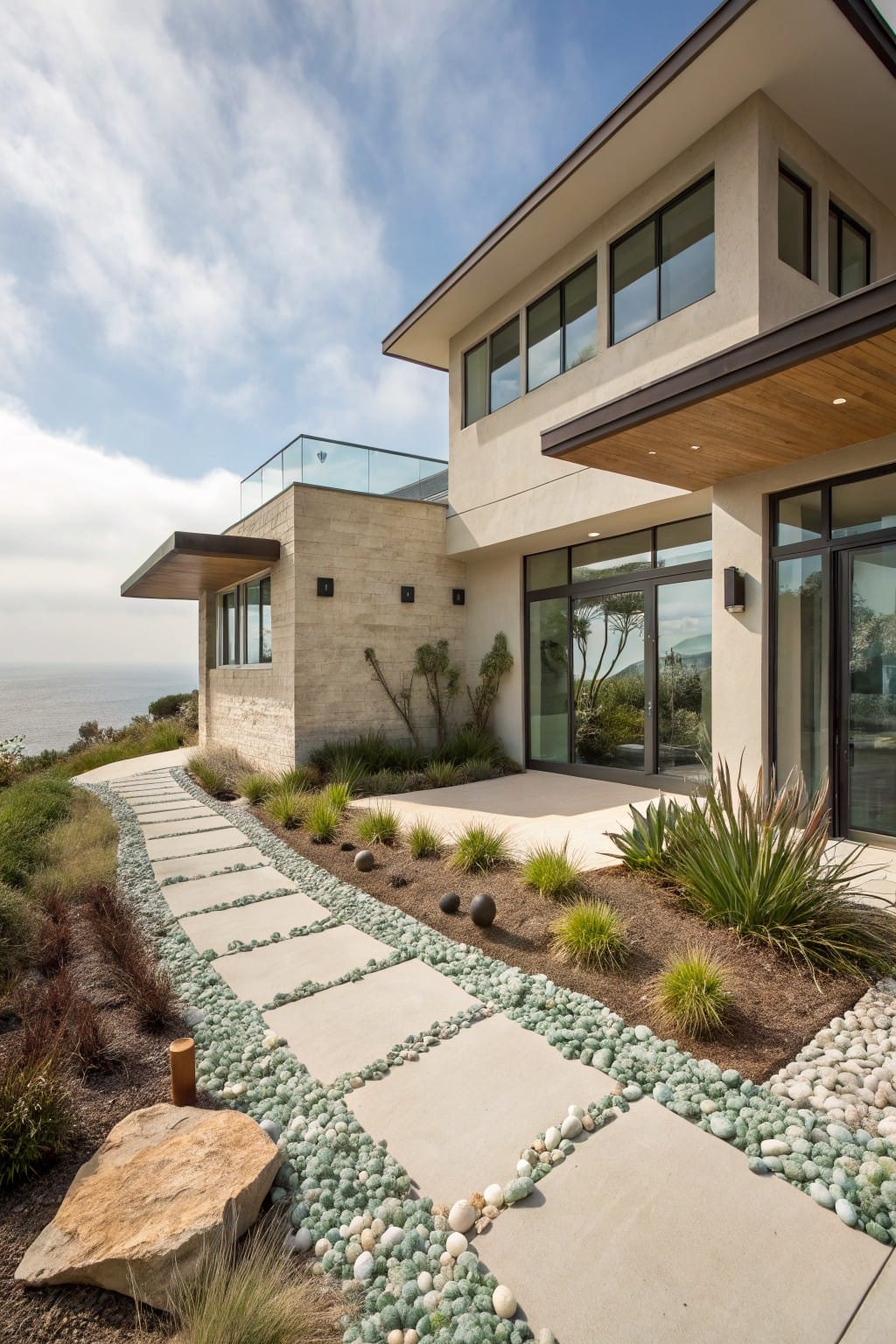
One simple way to edge a garden path is to set large concrete pavers with gaps filled by small pebbles. In this setup, the green pebbles between the slabs create a soft border that blends into the surrounding plants. It keeps things neat without hard lines, and the loose stones make it easy for rain to soak in.
This works best in dry yards or along a house entry where you want low upkeep. Space the pavers a few inches apart on a gravel base, then pour in the pebbles. Suits modern homes or casual coastal spots… just avoid it in heavy foot traffic areas where stones might shift.
Stacked Stone Spheres for Garden Edges
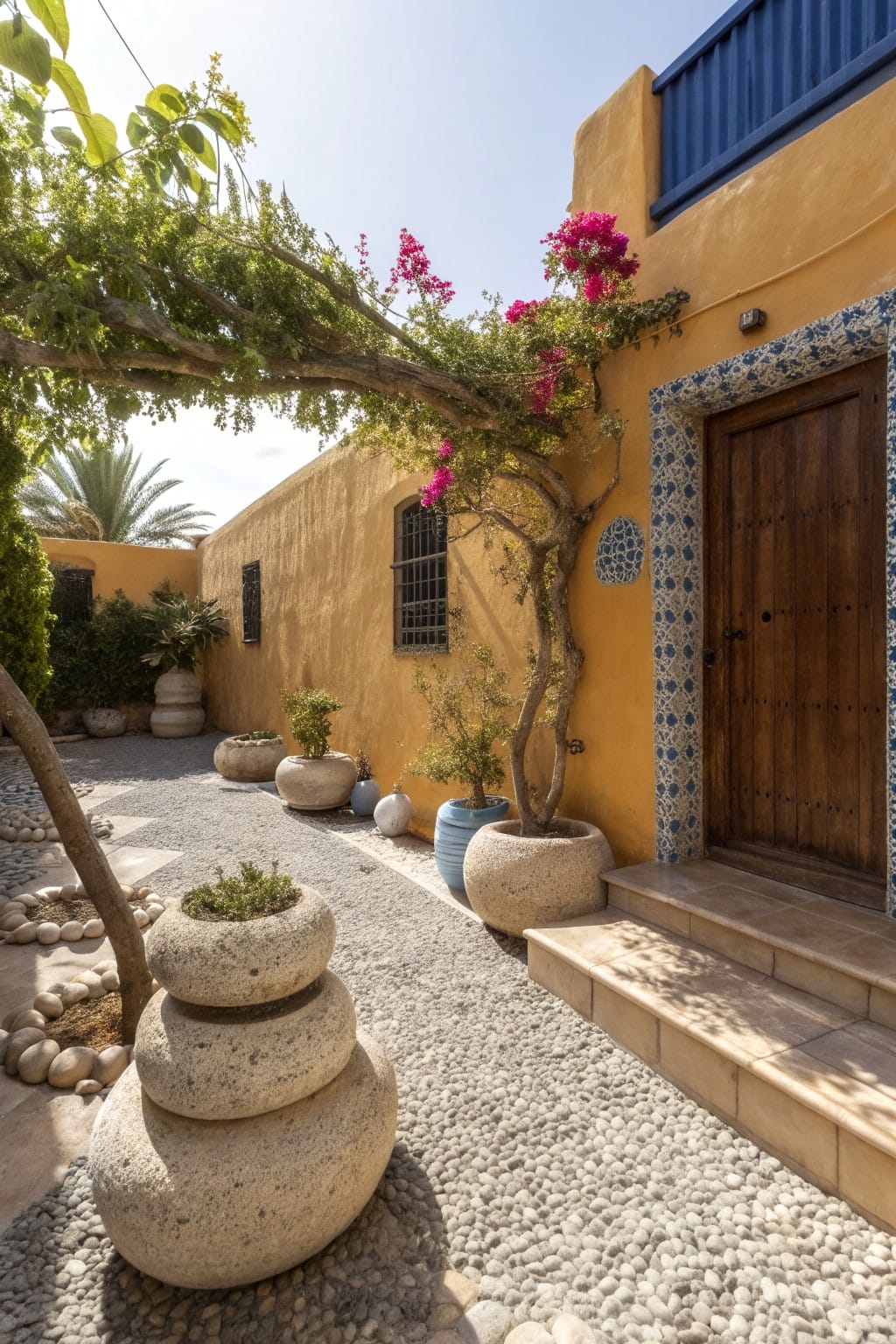
Those big round stones stacked up like this catch your eye right away. They’re rough and natural looking, with a little plant tucked in the top one. They work so well because they define the path without straight lines or anything too neat. In a sunny spot like this courtyard, they blend with the gravel and pots around them.
Try stacking three or four limestone spheres from a stone yard near you. Set them along gravel walks or near entry steps. They suit dry gardens or Mediterranean style homes best. Just make sure the bottom one’s steady on flat ground.
Dry Riverbed Garden Borders
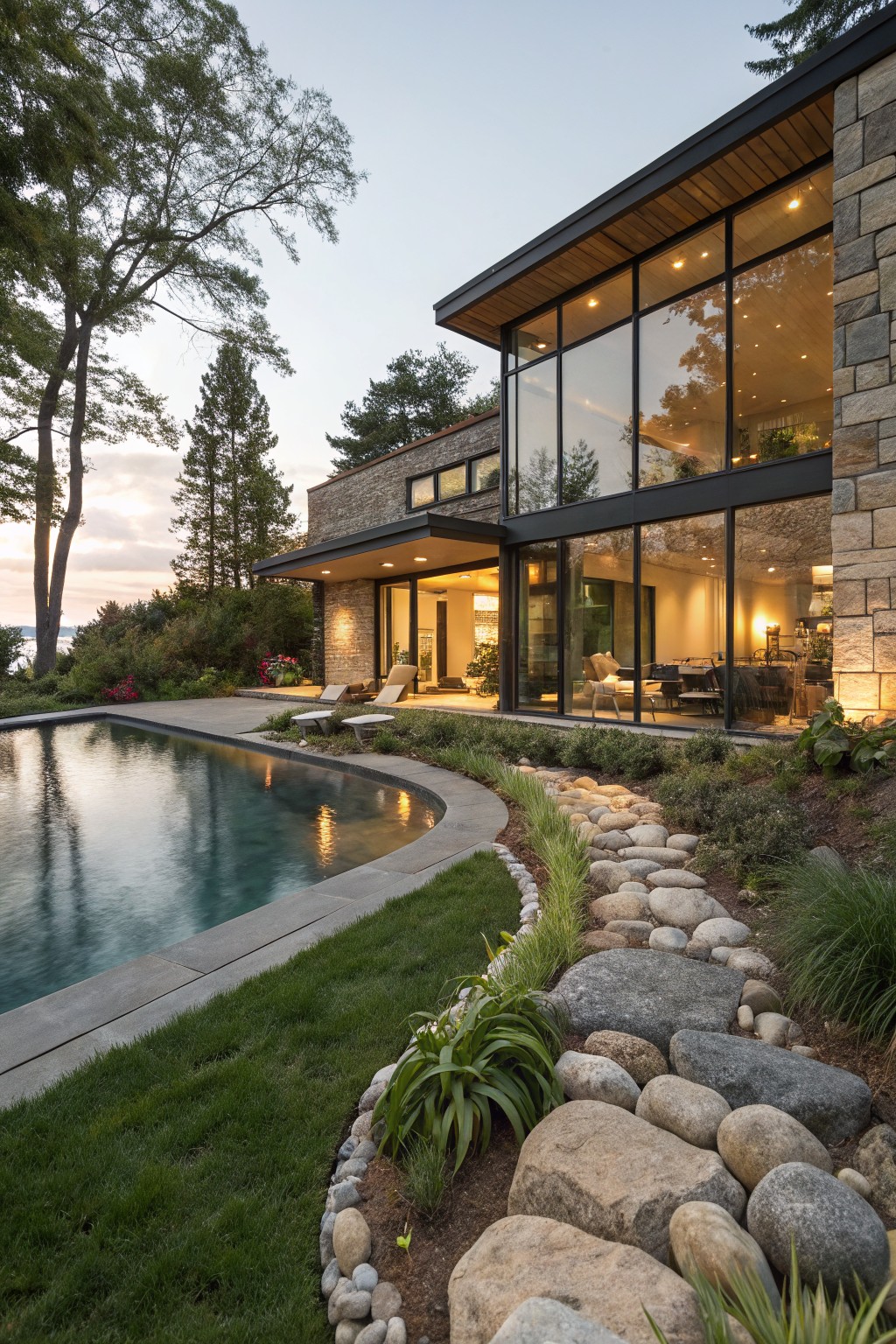
One simple way to edge a garden bed is with a dry riverbed look. You line it with smooth river rocks and big boulders, then tuck in some tall grasses or low plants. What makes this work so well is how it pulls in that natural flow. It guides the eye along curves, like around a pool edge, without looking stiff or forced.
Try this where you have a sweeping bed or want to separate lawn from planting areas. It suits homes with clean lines or wooded yards best. Grab stones from nearby if you can, to keep costs down and the feel local. Just watch the scale, bigger rocks need space to breathe.
Stone Slab Edging for Gravel Paths
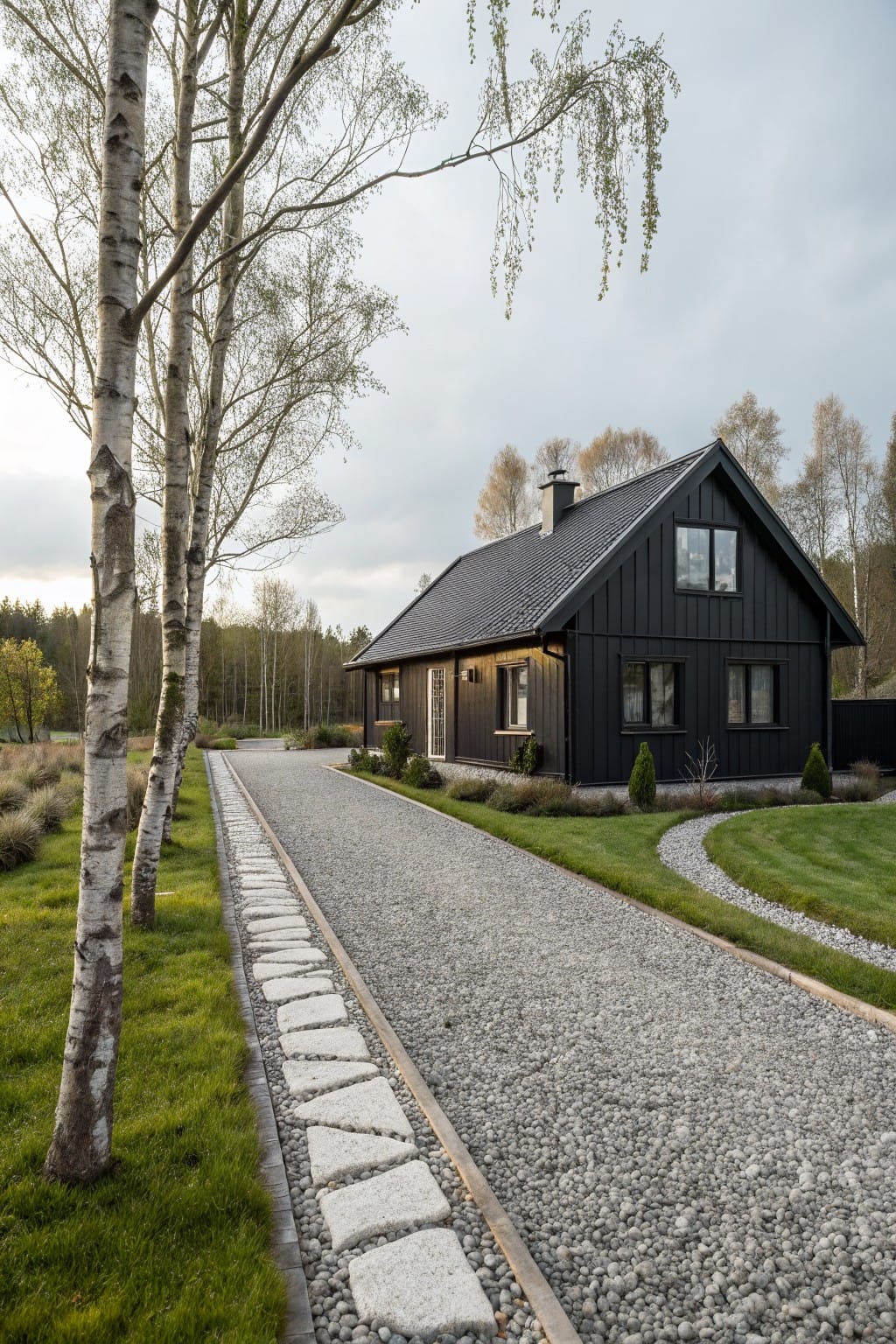
One simple way to tidy up a gravel driveway or path is to run large stone slabs right along the edge. These flat stones create a firm border that holds the gravel in place and gives the whole thing a finished look. Folks like it because it’s sturdy, low-maintenance, and lets grass grow right up next to it without spilling over.
This edging suits homes in wooded or rural spots, especially where you want to blend hard surfaces with the yard. Lay the slabs on a level gravel bed, space them tight, and backfill with soil for grass or plants. Skip it on steep slopes though. It keeps things neat year-round.
Balcony Edging with Terracotta Pots
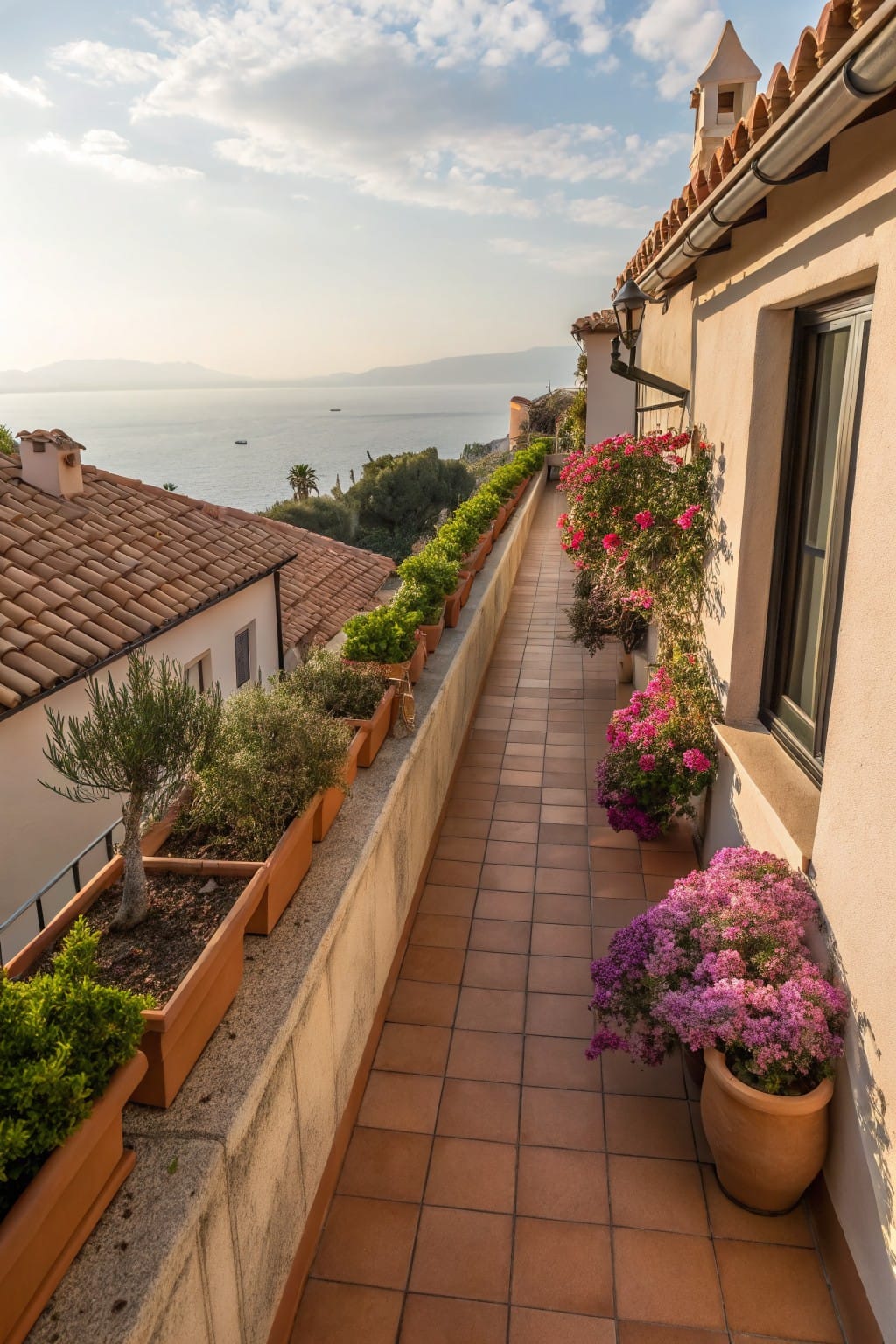
One easy way to border a balcony walkway is to line it with terracotta pots. These hold olive trees, herbs, and trailing pink flowers that spill over the edge a bit. The pots repeat along the stone wall and keep the path clear while adding green right where you walk.
This works best on narrow terraces or upper-level paths where you want plants but not beds. It suits older Mediterranean-style homes or any spot with a drop-off view. Pick sturdy pots and tough plants that handle sun and wind. Just make sure they drain well to avoid root rot.
Winding Stone Garden Paths
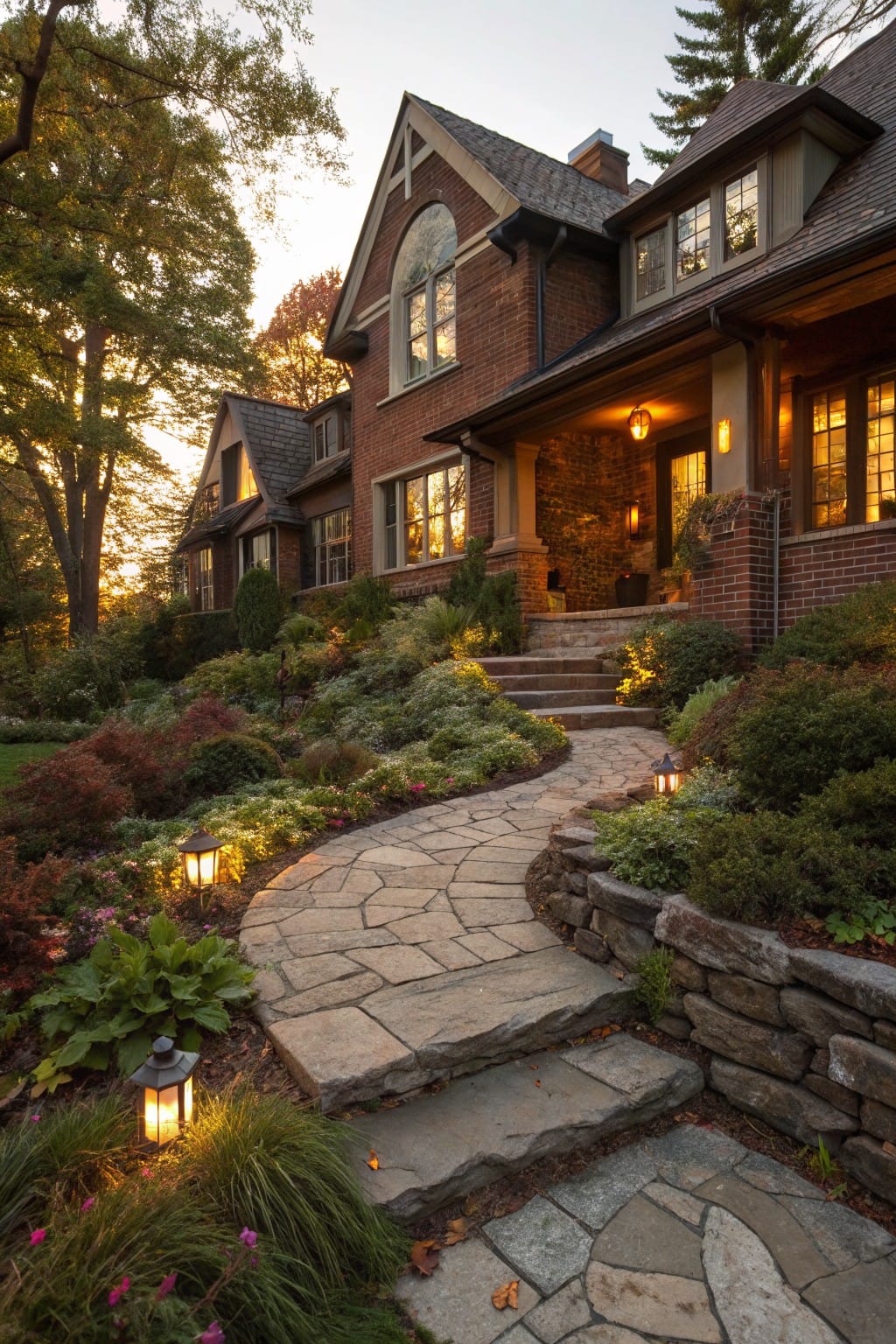
Nothing beats a good winding path to guide folks to your front door. These flagstone walks curve gently through the garden, edged by low plants and shrubs that spill right over the edges. The irregular stones fit together just right, and those small lanterns tucked along the way make it feel welcome even after dark. It turns a plain approach into something you actually enjoy walking.
Put this in yards with a bit of slope or extra space up front. It suits older homes with brick or stone details, where you want the garden to take center stage. Keep the plants soft and layered to hide the path edges. Skip straight lines here. They kill the charm.
Stone Pathways Edged with Gravel and Plants
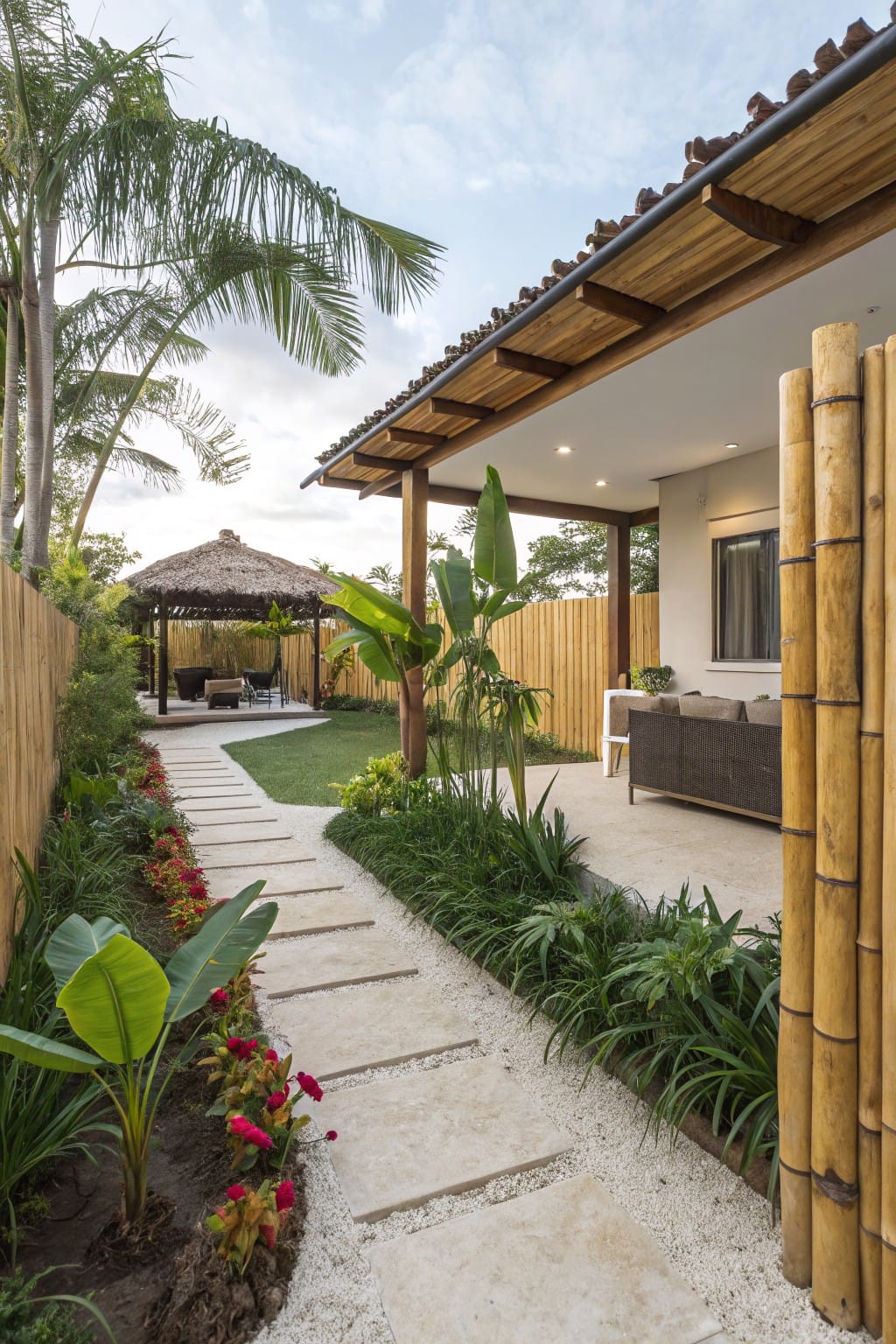
A simple stone pathway like this one stands out because the large flat slabs sit right in white gravel, and then lush plants fill the borders on both sides. Red flowers and big banana leaves hug the edges close, keeping everything neat but full of green. It makes the walk feel easy and natural, without any stiff borders.
You can pull this off in most backyards with some sun, especially if you like tropical looks. Lay the stones loose in gravel first, then plant low growers along the sides to hold it together. It suits smaller spaces leading to a patio or gazebo. Watch the gravel in rainy spots, though. Might need edging strips underneath.
Gravel Paths with Mosaic Circles
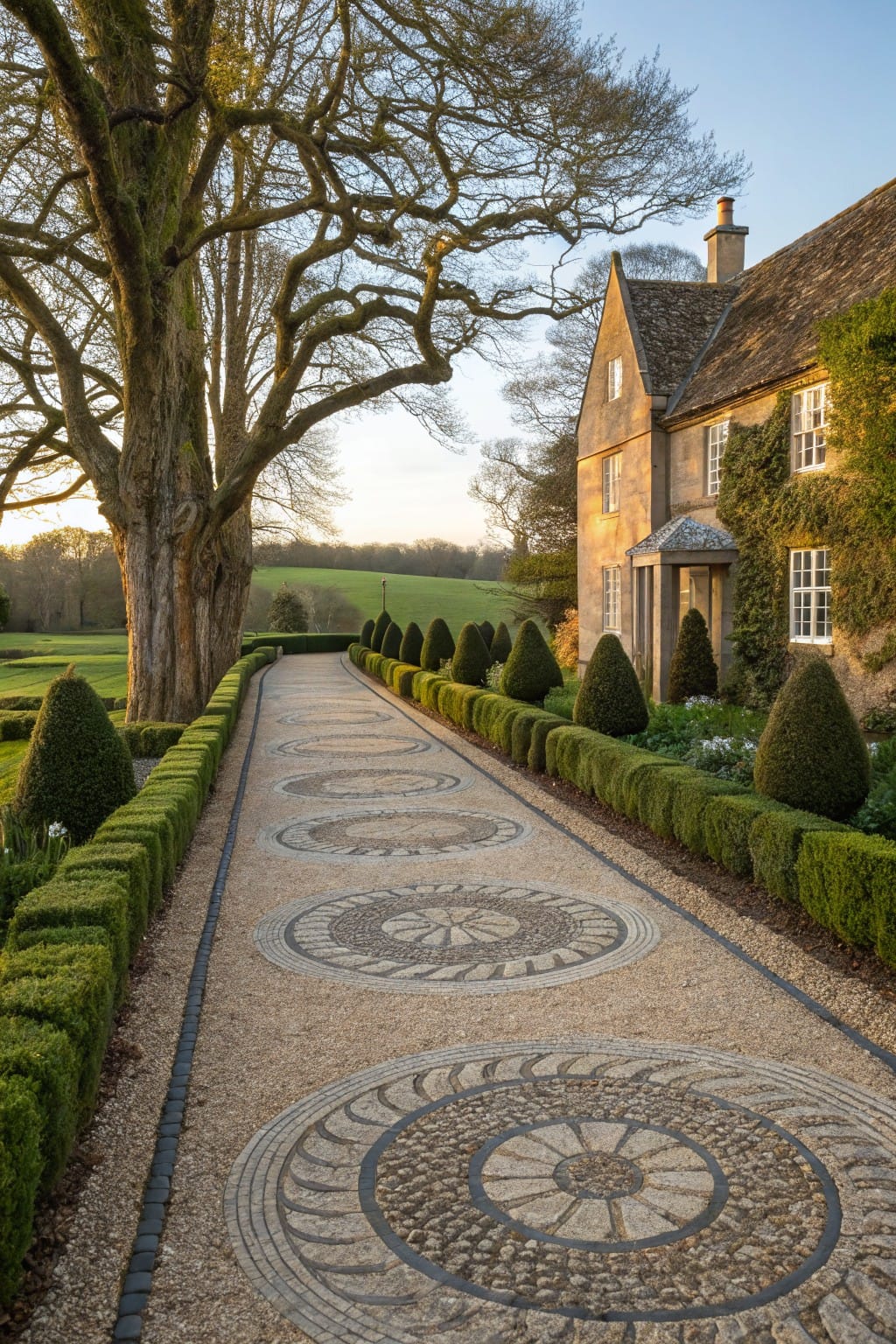
Gravel paths like this one stand out when you add simple mosaic circles right into the surface. Here the circles use pebbles and cut stone in a wheel pattern that repeats down the walk. It gives the path some personality without much fuss, and the gravel keeps things easy to maintain.
These work best leading up to a front entry on a cottage or country home, where you want a touch of formality. Border them with low box hedges to keep the edges crisp. Skip it if your yard floods often, since loose gravel shifts. But on level ground, it’s a straightforward way to charm up the approach.
Frequently Asked Questions
Q: Can I tackle these edging ideas as a total beginner?
A: Yes, start with simple ones like stones or logs. Dig a trench about six inches deep, lay them in, and tamp down the soil around them. You’ll finish one border in an hour or two.
Q: How do I stop grass from invading my garden beds?
A: Bury the edging a few inches below ground level so roots can’t creep over. Add a layer of mulch right up against it to block light. Pull any intruders you spot early.
Q: What edging holds up best on a slope?
A: Go for sturdy options like railroad ties or concrete pavers. Stake them securely into the hill to prevent shifting. They grip the ground and look sharp year-round.
Q: Do these ideas fit small yards too?
A: Pick slim profiles like seashells or low herbs. They define space without overwhelming it. And they draw the eye to your plants.
