

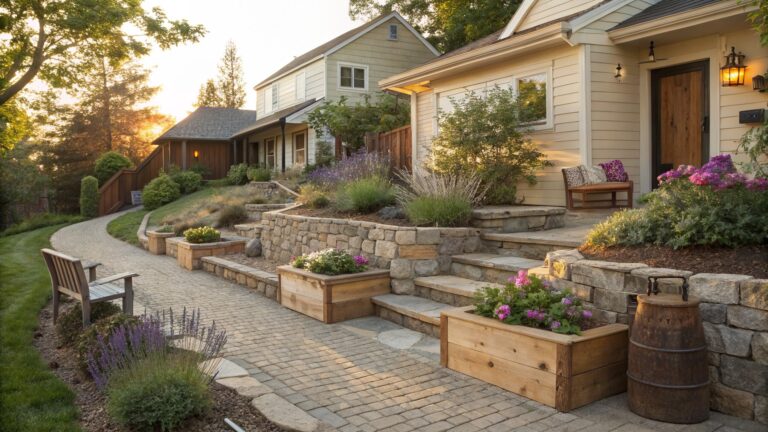
I’ve noticed how flat flower beds often leave yards feeling one-dimensional, no matter the blooms.
Layering in planter boxes changes that by building height and texture right into the planting structure.
Walkways start to pull you through the garden when those tiers frame them properly.
Last summer I stacked a couple of old crates along my side path, and it made the whole border read deeper from the house.
These setups hold up well over seasons if you pick sturdy edging and mix perennials with annuals.
Long Concrete Planters Beside Paths
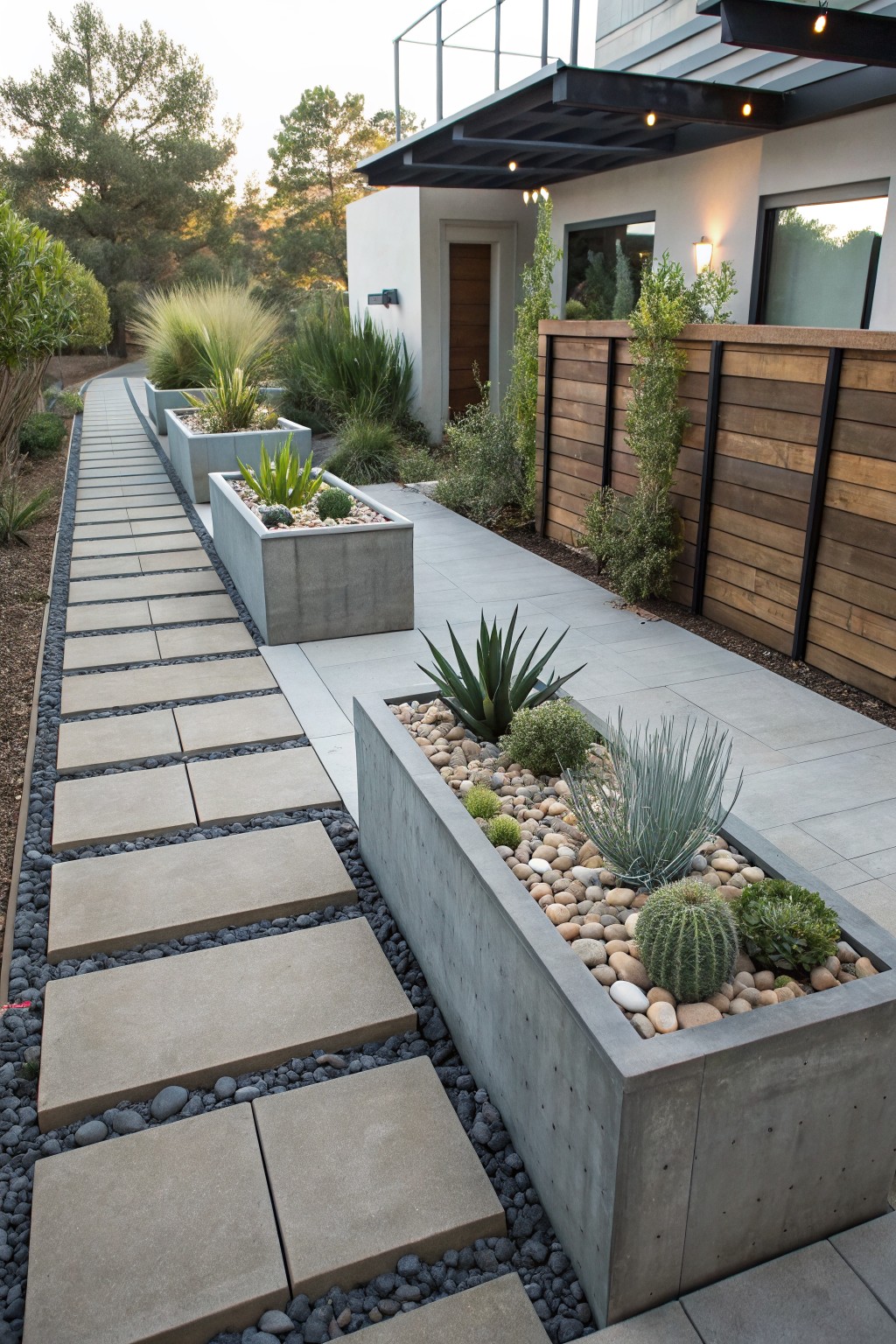
Long concrete planters like these run right along the walkway, filled with succulents, agaves, and pebbles tucked in between. They give the path a steady rhythm and a bit of green layering that feels put together but not fussy. No sprawling flower beds here. Just clean lines that fit a modern yard.
Put them to use on entry paths or side yards where you want low-water plants that hold up in sun. They suit homes with clean architecture. Keep the boxes plain and sized to match your stepping stones so nothing fights for attention.
Layered Flower Beds Along Stone Steps
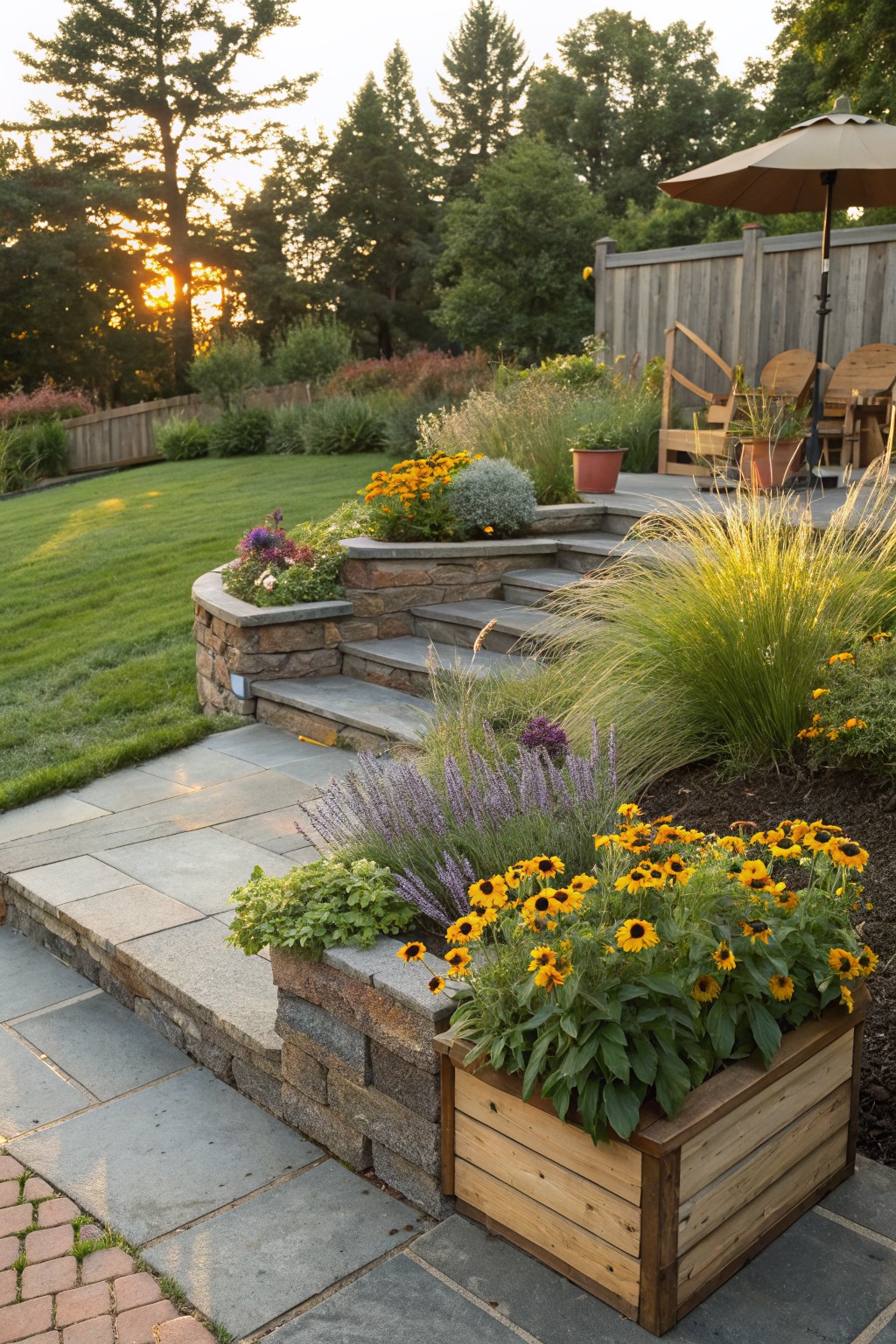
Stone steps like these make a simple way to add flower beds right into your landscape. Built-in planters on the walls hold colorful blooms and tall grasses, while a wooden box at the bottom fills out with black-eyed Susans. The layers pull your eye up the steps and soften that plain lawn edge. It’s practical too. No extra digging needed.
This works best on a gentle slope leading to a patio or deck. Mix heights with feathery grasses behind lavender or shorter flowers up front. Suits most backyards, especially older ones with fieldstone. Just keep the soil from washing out in heavy rain… mulch helps.
Entryway Planters on Raised Pedestals
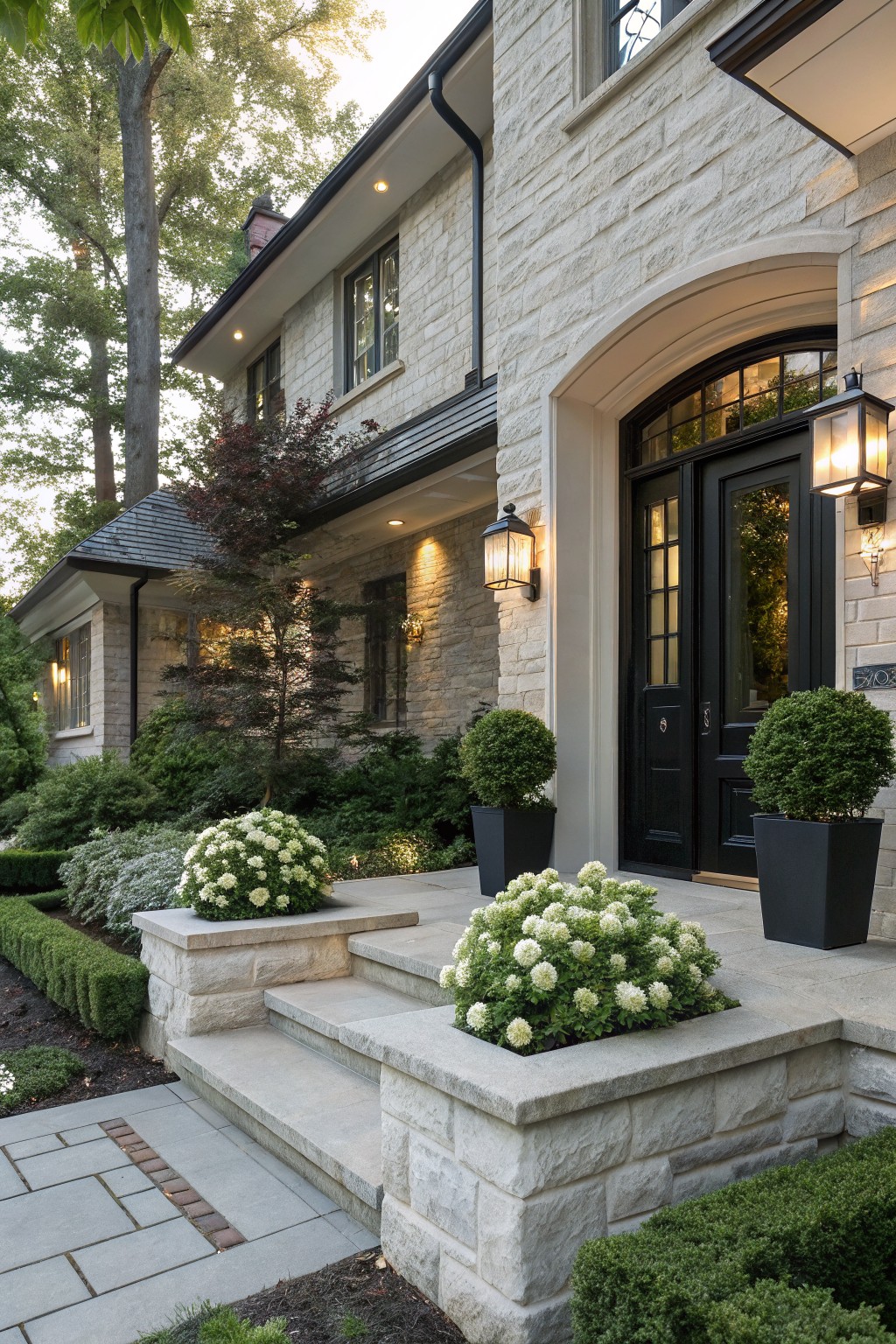
One simple way to add layers to your front yard is with planter boxes set on stone pedestals right at the entry steps. Here you see black pots and built-in boxes filled with big white blooms, paired with clipped boxwoods nearby. It pulls the landscaping up toward the house without crowding the path, and the white flowers repeat softly against the light stone. That setup makes the whole entrance feel put-together and a bit formal, but not fussy.
These work best on homes with clean stone or brick facades, where you want some height in the plantings to match the architecture. Go for repeat plants like hydrangeas or similar round white flowers in a few spots, keeping the pots simple. Skip it if your steps are narrow… it could feel busy. Just measure your pedestal height first to make sure the scale fits.
Layered Wooden Planters Along a Path
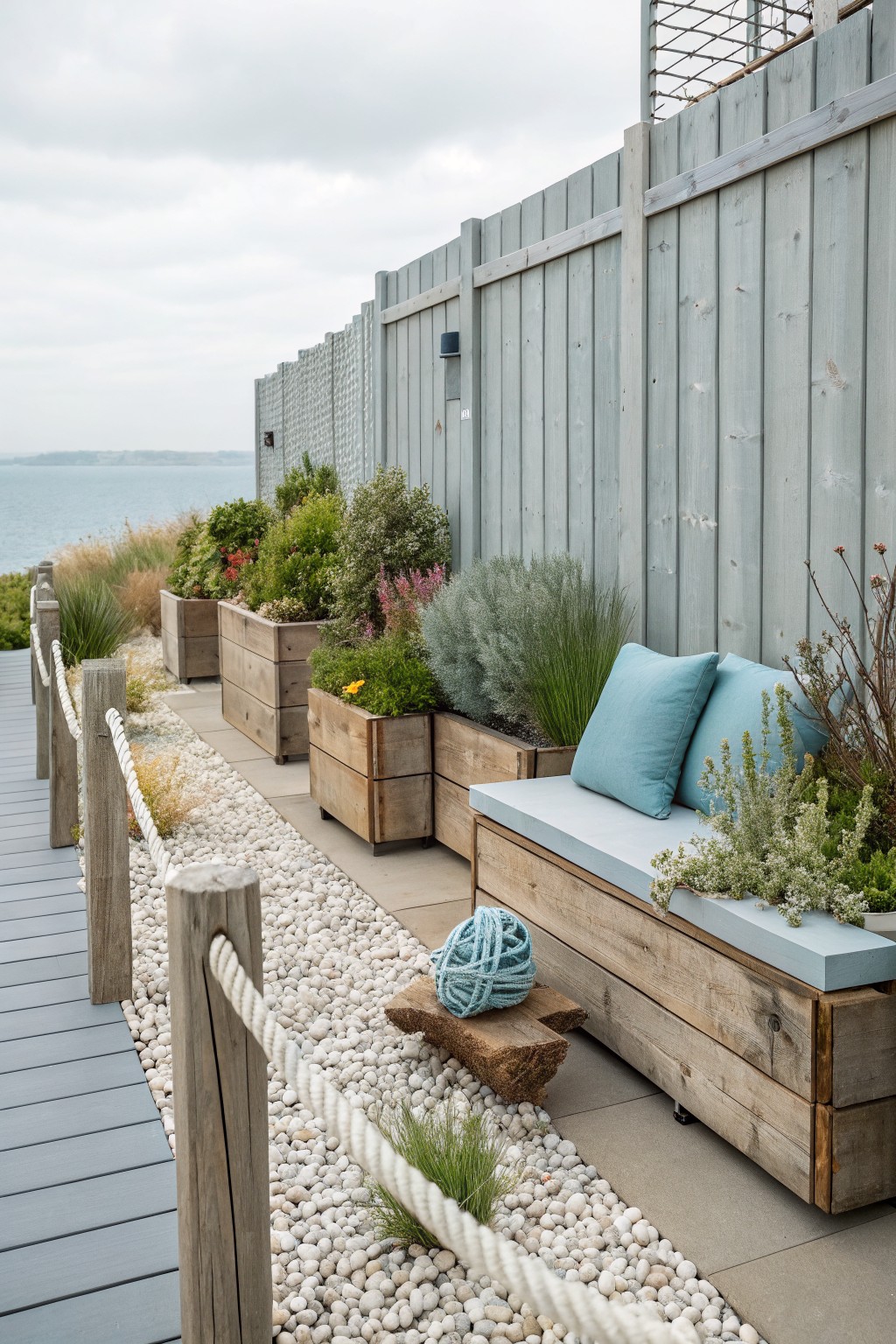
Simple wooden crates turned into planter boxes work great here to build layers right along the walkway. Filled with tall grasses, shrubs, and softer plants, they add height and texture without crowding the path. The mix feels natural, especially with the sea nearby, and ties into the fence and deck for a smooth flow.
You can pull this off in any narrow side yard or coastal garden. Line up reclaimed wood boxes two or three deep for that layered look, maybe top one with cushions for a bench. Pick tough plants like lavender or sea thrift that handle salt air. Just make sure good drainage so the wood lasts.
Linear Planter Boxes Line a Narrow Path
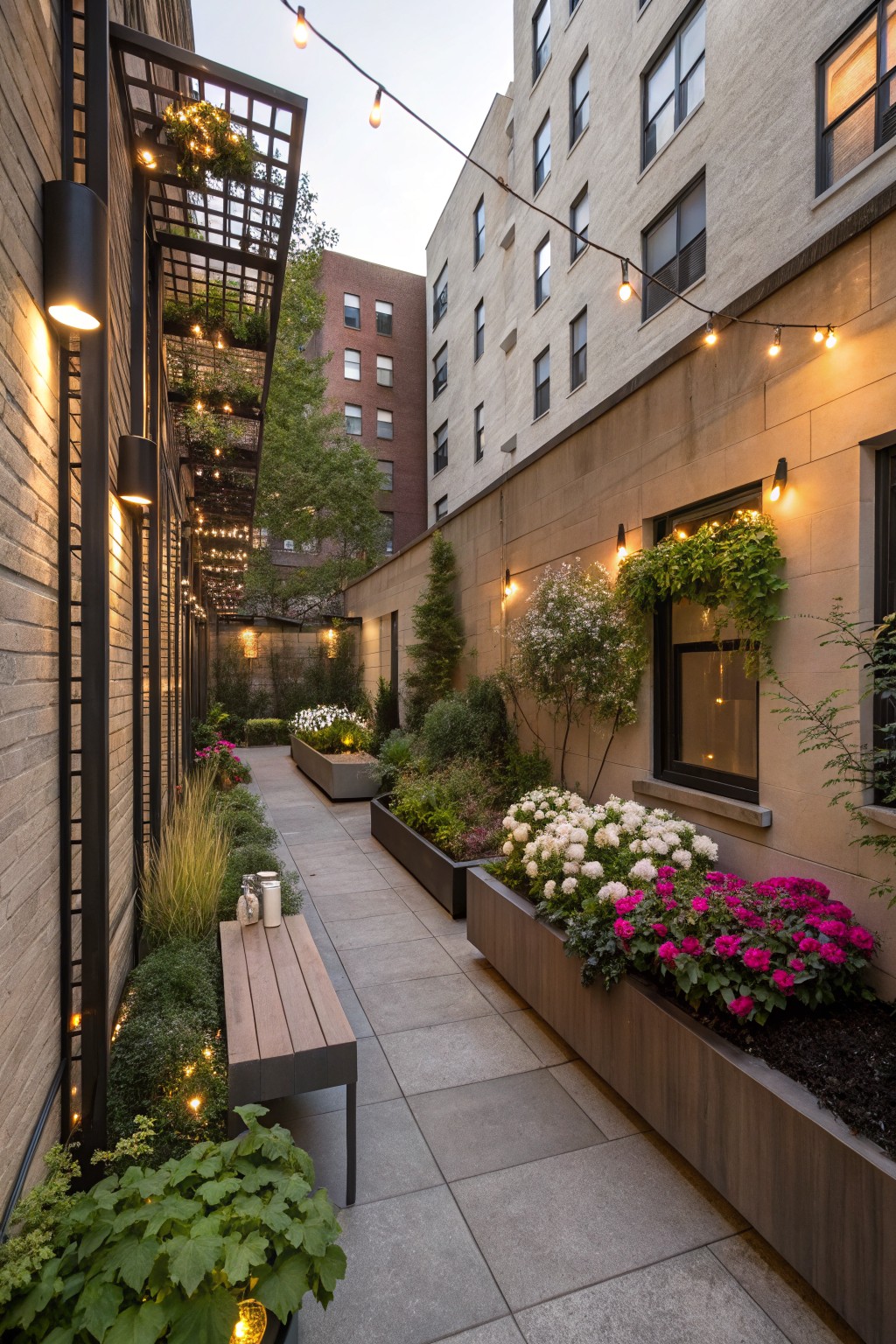
Tall wooden planter boxes hug one side of this slim walkway. Packed with pink mums, white blooms, and waving grasses, they stack layers of plants that fill out the space without crowding the path. A simple bench nearby makes it a spot to pause.
These work best in tight urban yards or between buildings where ground planting feels limited. Line them up straight, vary plant heights inside for that depth, and mix in some evergreens for year-round shape. Keep soil simple and watch for good drainage.
Layered Planter Boxes Line a Balcony Edge
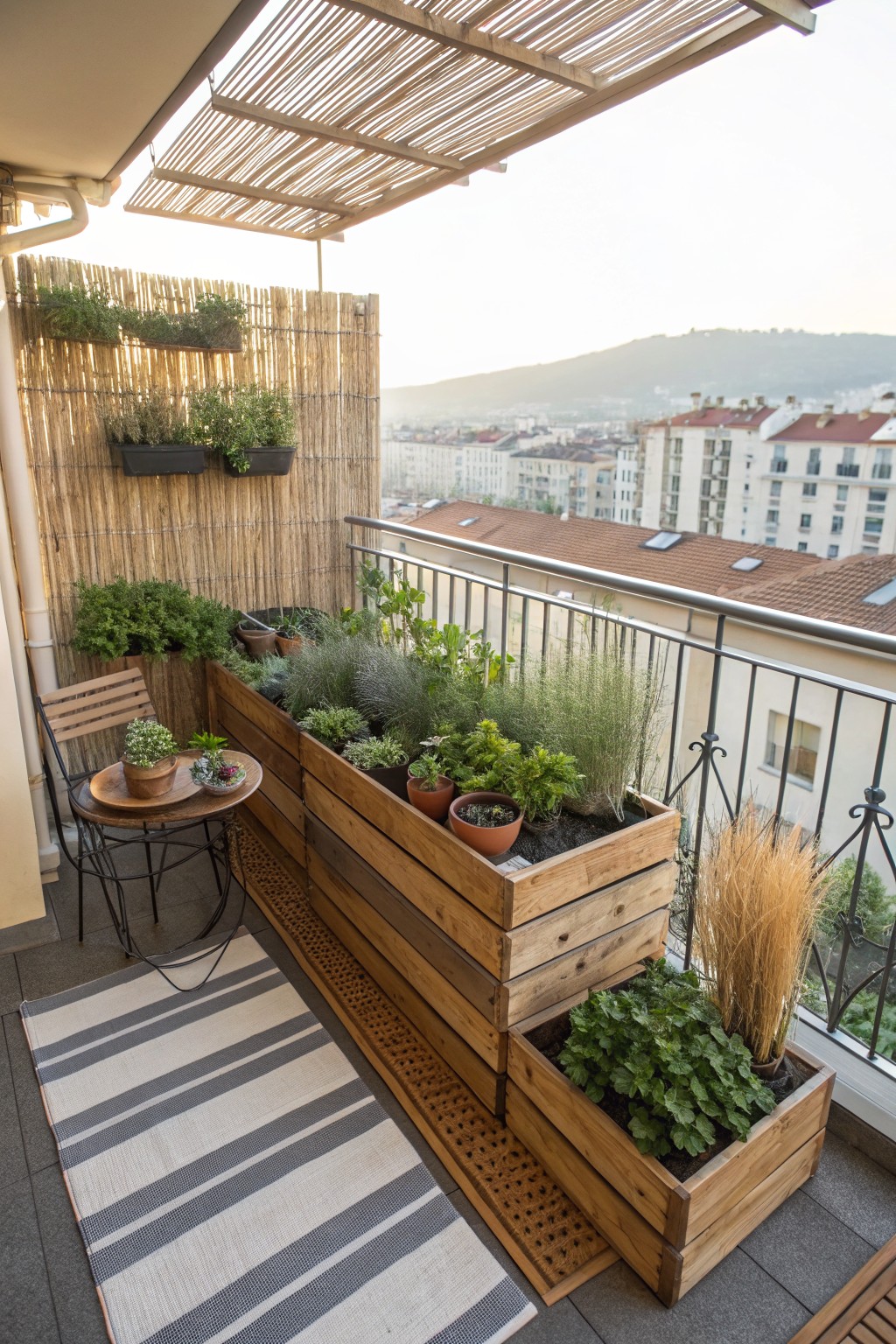
Wooden planter boxes like these make a balcony feel like a real garden spot. Stacked along the railing and floor, they hold herbs, grasses, and small shrubs in neat layers that build up height without taking much floor space. The rough wood fits right in with the bamboo screens for privacy, turning a plain balcony into something fuller and more alive.
You can pull this off on any small balcony or terrace facing a view. Use affordable pallet wood or crates, fill them with easy growers like lavender and rosemary, and add a simple chair nearby. It works best where you want green without mess on the floor below… just line the boxes to catch drips.
Poolside Linear Planters

Long, narrow planter boxes running right along the pool edge make a simple way to layer in plants without eating up deck space. Here, dark composite boxes hold grasses, low flowers, and broad leaves that spill over just enough to soften the stone deck and water line. It keeps the area open for lounging but adds that lush border people notice.
These work best on modern decks or patios where you want greenery up close. Pick sturdy, weatherproof boxes in black or gray to match concrete or stone. Go for tough plants that handle pool splash, and pair with steps or seating nearby. Skip if your pool gets heavy foot traffic…plants might not last.
Linear Concrete Planters Edge a Walkway
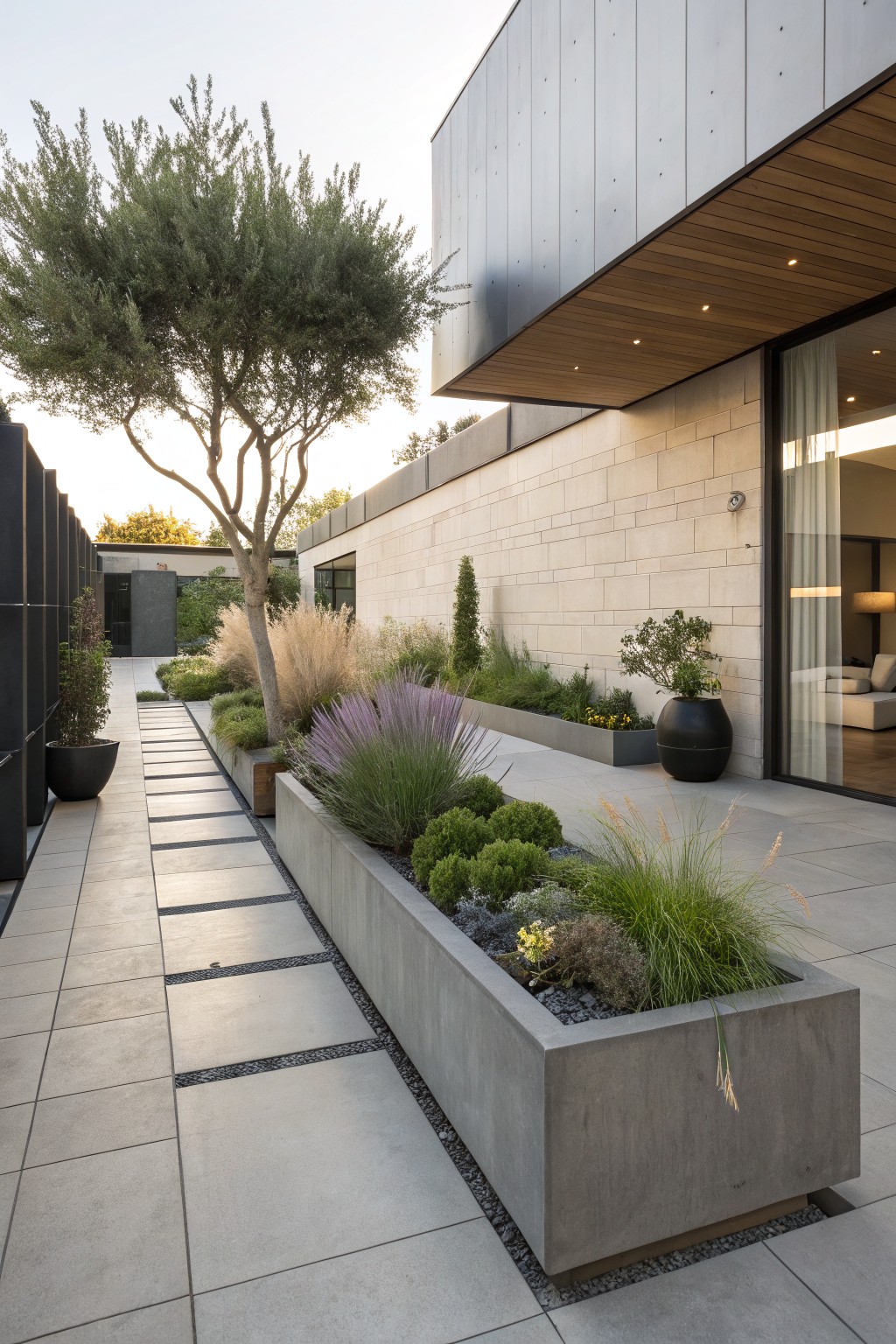
Long concrete planter boxes like these run right alongside a simple stone path. Filled with layers of grasses, lavender tufts, and low shrubs, they create a neat border that feels structured but natural. The pale gray boxes match the modern house wall, keeping everything calm and low-fuss.
This works well in narrow side yards or leading to a back door. It suits homes with clean lines, adding green without taking up space. Pick drought-tolerant plants for easy care, and build the boxes low enough to step over if needed.
Oversized Planter Boxes Build Layers on a Terrace
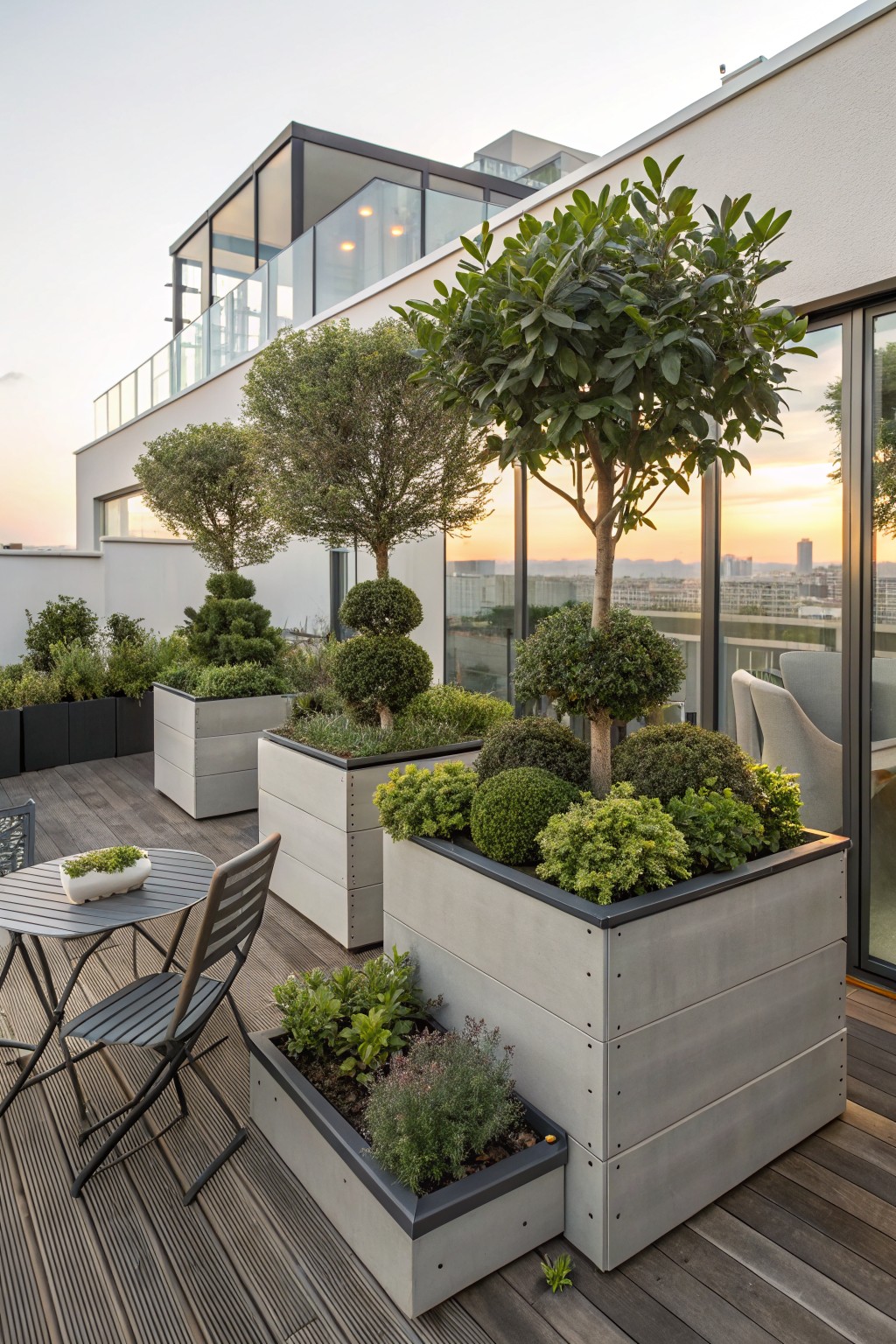
Big white planter boxes like these make a rooftop terrace feel full and private. They line the edges with tall topiary trees in back, round bushes in the middle, and low greens up front. That setup turns a plain deck into something with real height and texture. It works well up high where wind can be an issue.
You can pull this off on any balcony or terrace with limited space. Go for sturdy boxes that match your deck color. Start with structured plants like boxwoods for easy shapes, then layer in softer stuff below. Keeps maintenance low… just trim now and then.
Layered Planter Boxes Line a Narrow Walkway
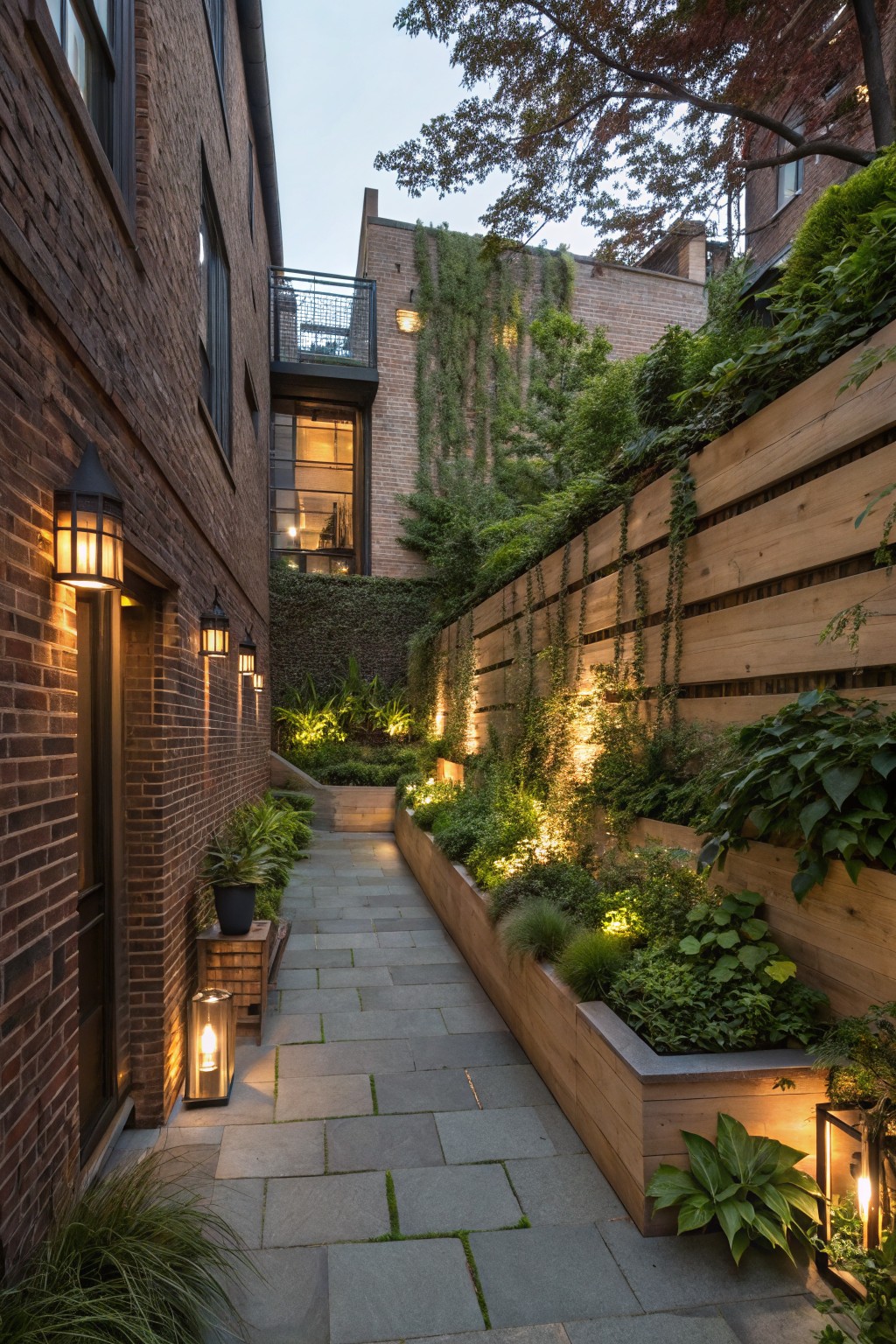
Narrow spots like side yards or alleys often get overlooked. But stacking plants in tall wooden planter boxes changes that quick. Here, rough-sawn cedar boxes run the length of a stone path, packed with ferns, grasses, and climbers that spill over the edges. The layers build height and fullness without taking up walkway space. Soft lantern lights tucked along the boxes make it glow at dusk too.
This setup works best in urban homes with tight lots, where you want green without sprawling beds. Build the boxes sturdy, maybe two feet high, and fill from low growers at the base to taller stuff up top. Keep soil fresh and trim back as needed. It softens brick walls… and feels private right away.
Porchside Planter Boxes for Layered Beds

White planter boxes line the edge of this porch and trail right into the yard path. They’re packed with beach grasses and those soft blue flowers spilling over. The simple raised shape builds layers that make the whole setup feel fuller and more connected, like the house grows out of the ground.
You can pull this off along any walkway or deck edge. Pick sturdy grasses or low perennials that match your spot, tough ones for sun or wind. Plain wood boxes keep it easy and let plants do the work. Fits beach houses best, but try it anywhere with a path to soften hard lines.
Terracotta Pots Layered Along Steps
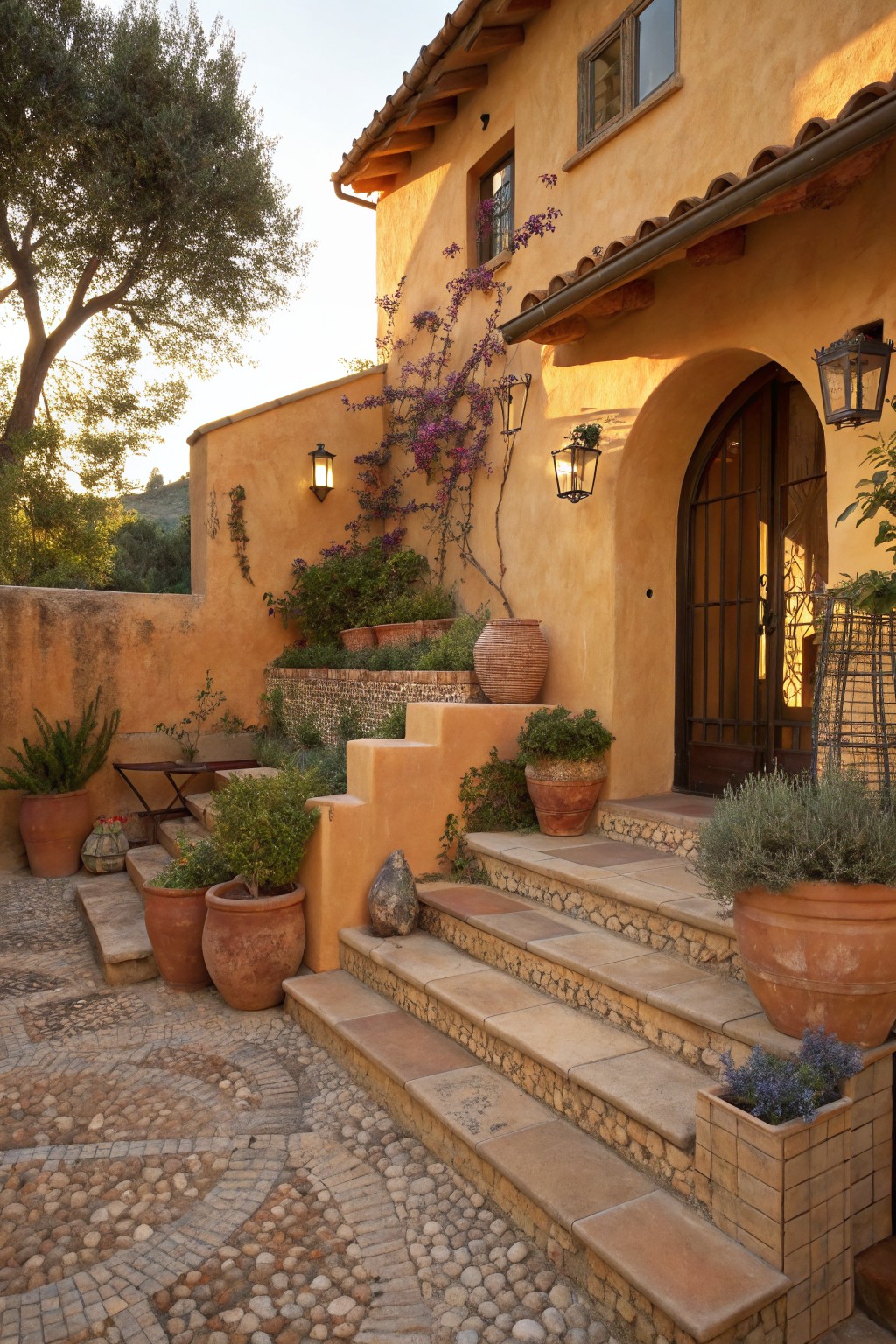
One simple way to build a layered garden look is stacking terracotta pots up entry steps. Here, oversized pots in different sizes hold plants at varying heights, from low lavender bushes to taller flowering stems. The warm clay tones echo the stucco walls, and it all softens that arched doorway without overwhelming the path.
This works best on shorter stair runs or patios with a slight rise. Pick drought-tolerant plants to keep it low fuss, and group three or four pots per level for rhythm. Skip it if your steps get heavy foot traffic, since pots can shift. Fits Mediterranean or rustic homes in sunny spots.
Raised Planter Boxes Edge a Stone Path
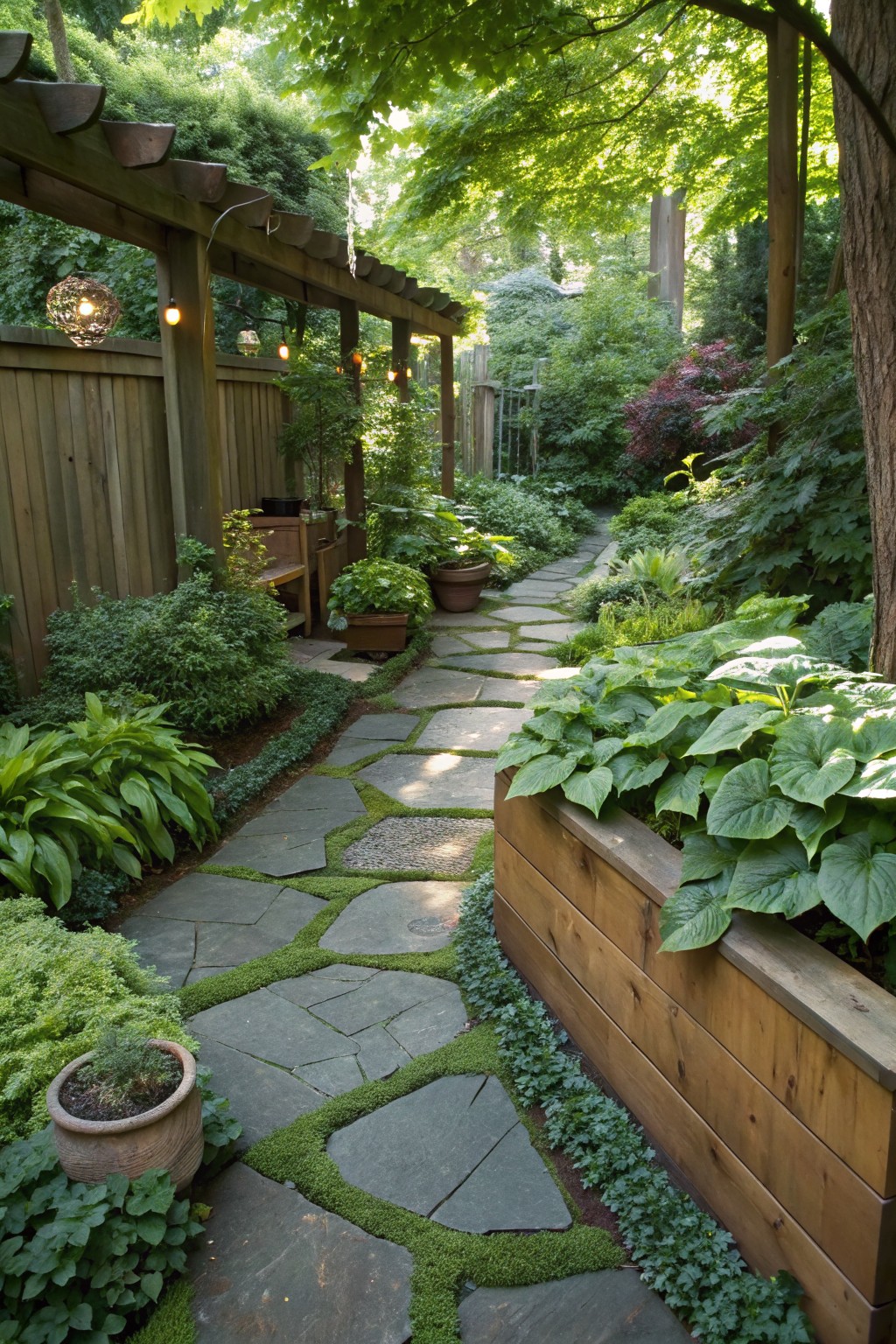
One simple way to get that layered garden look is with tall wooden planter boxes set right along a winding path. Here, the box overflows with big leafy plants that tower over lower ground cover between the stones. It pulls your eye up and adds real depth without taking up much space.
These work best in side yards or narrow walks where you want some separation from fences. Build them from cedar to hold up against soil and weather. Fill with bold plants like those big leaves, then let trailers spill over the path edge. Just keep the path clear so it stays walkable.
Built-In Planter Boxes for Layered Edges
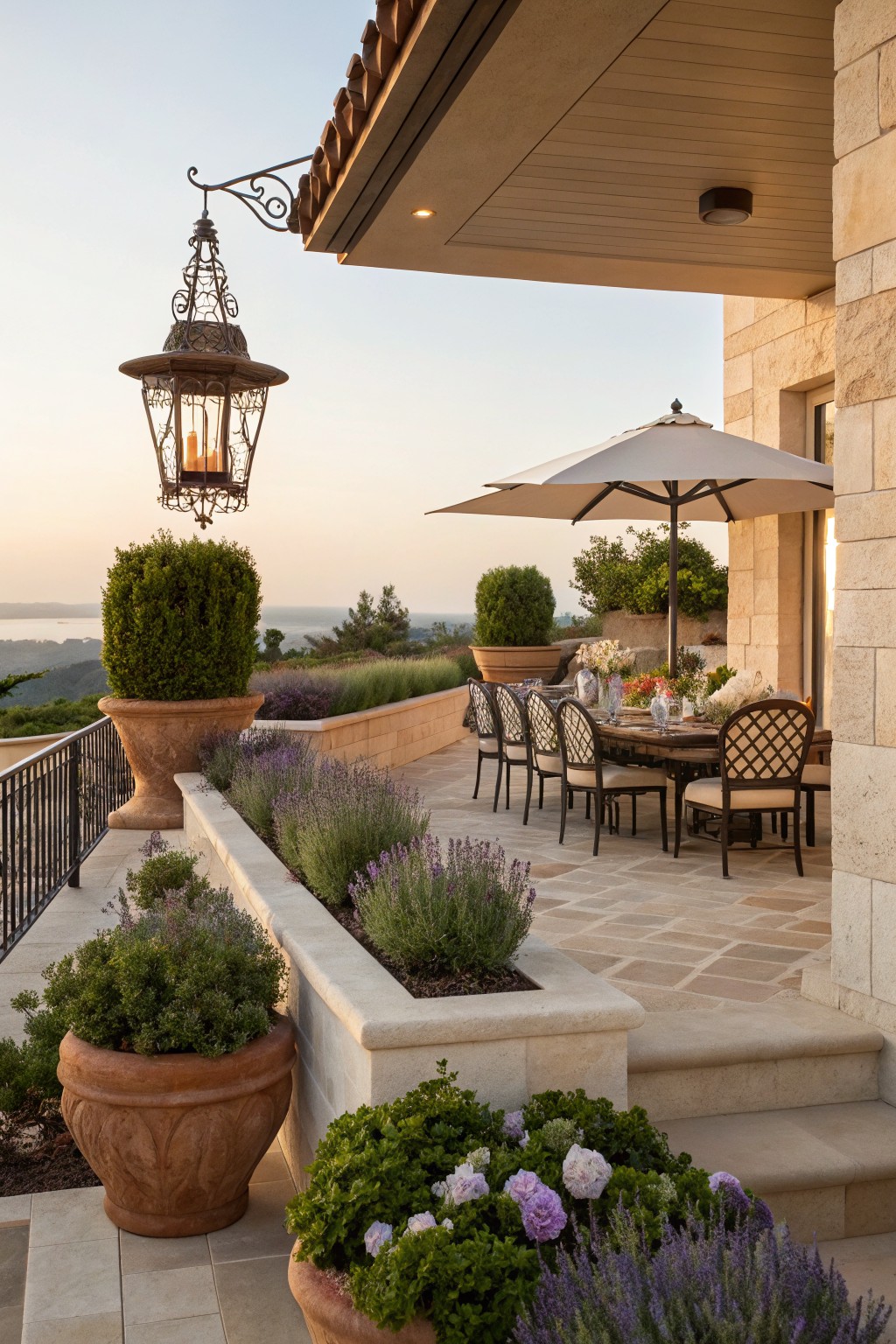
Built-in planter boxes like these run right along low retaining walls and fill them with soft plants such as lavender and low shrubs. They create natural layers that hug the patio without crowding the seating area. Paired with a few oversized terracotta pots holding topiaries, the setup adds height and flow from the hard stone to the greener stuff.
This approach fits sloped terraces or patios where you need to work with the grade. Go for tough, drought-friendly plants to keep maintenance low. It keeps the outdoor dining spot open while blending architecture into the garden… practical for homes with views you don’t want to block.
Layered Wall Planters for Balconies
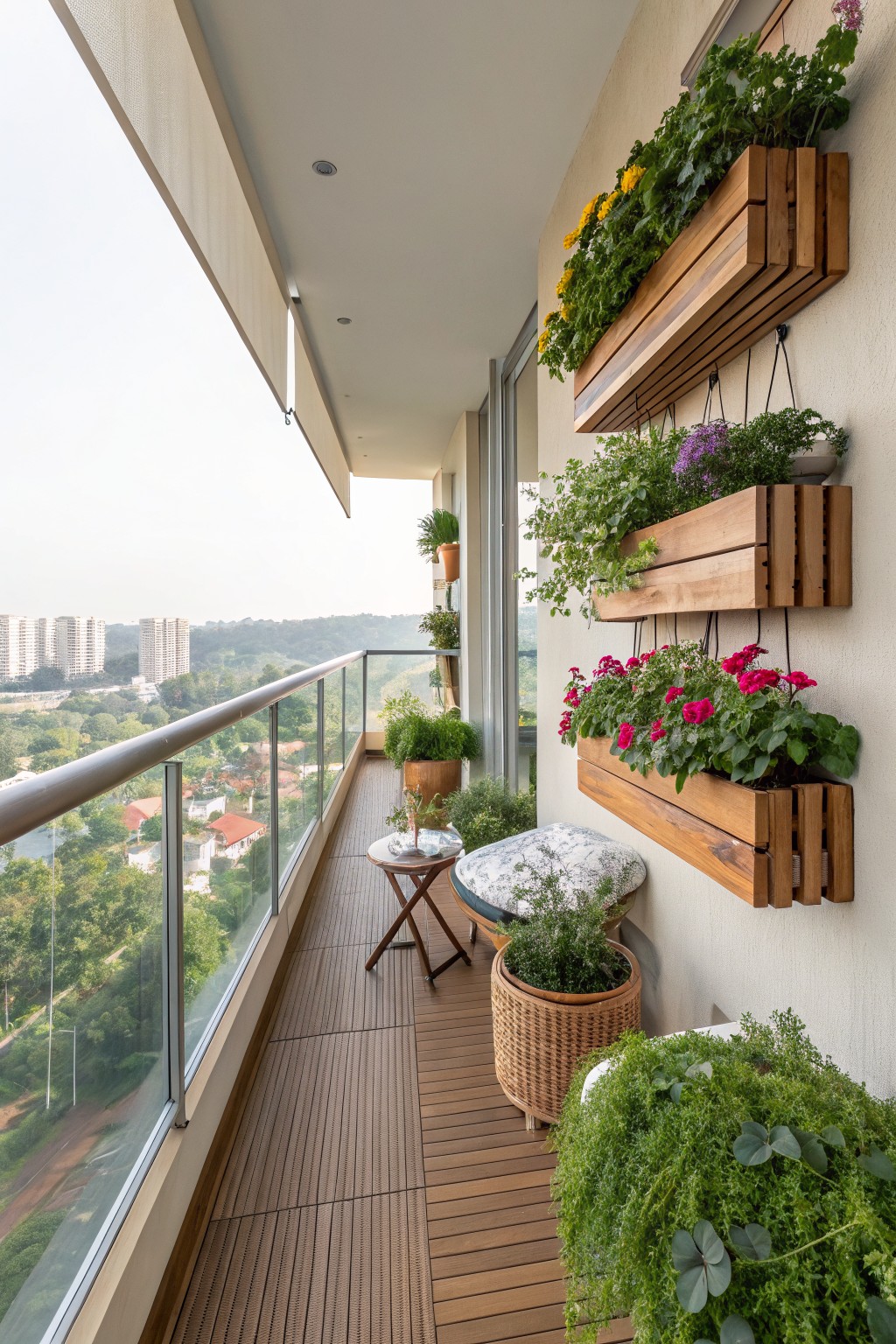
One simple way to add lots of green to a balcony is with stacked wooden planter boxes right on the wall. These create natural layers of plants that trail and fill in without crowding the floor space. You get color from flowers like geraniums and texture from trailing greens all going up the wall. It turns a plain balcony into something fuller and more alive.
This setup works best on slim balconies or apartments with city views where you want privacy and interest without big furniture taking over. Mount them at different heights with sturdy brackets on a solid wall. Pick a mix of upright and spilling plants for the layered effect. Just make sure the boxes drain well so roots stay happy.
Layered Flower Beds Along a Stone Wall
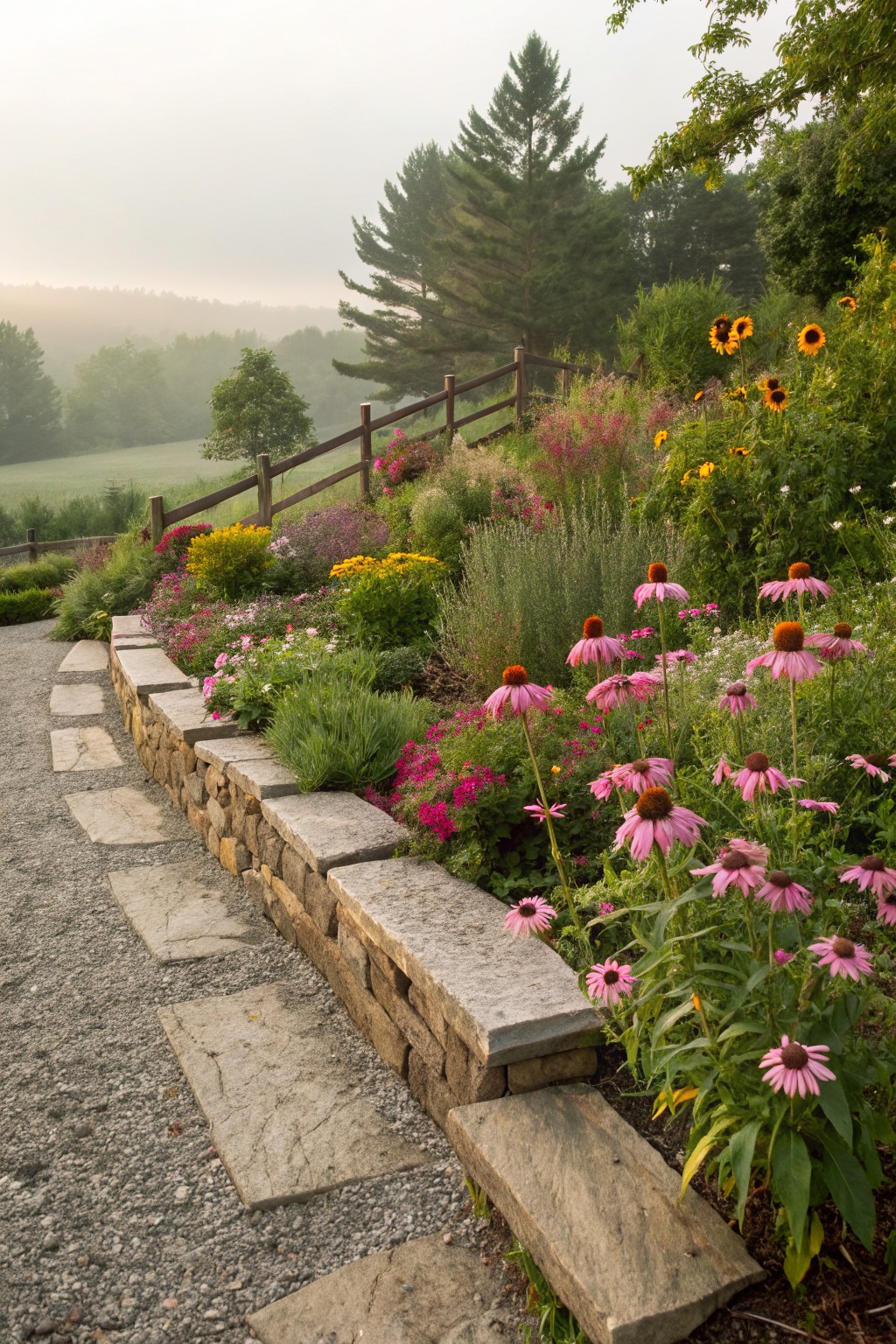
One simple way to get that layered look in your garden is with a low stone retaining wall. It acts like built-in planter boxes, holding back soil while letting you stack plants at different heights. In this setup, the wall keeps everything tidy and gives flowers like coneflowers and black-eyed Susans a solid edge to spill over. The result is more depth without extra structures.
This works best on sloped spots or beside paths, where the wall handles the leveling for you. Fill it with tough perennials that come back each year, and keep the front low for easy picking. Skip it if your ground is flat. Just make sure the stones drain well, or roots might rot.
Layered Planter Boxes Along Stone Steps
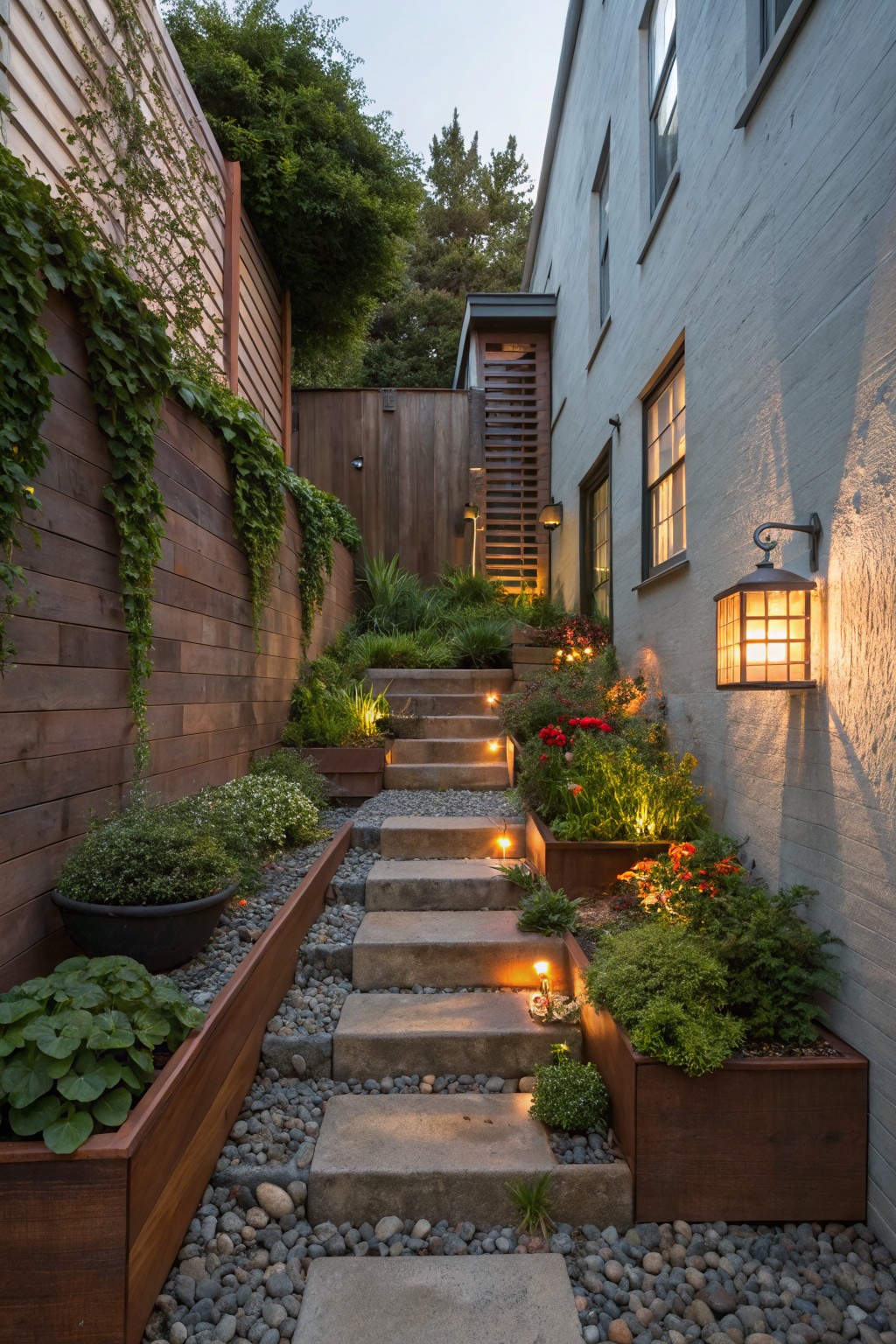
A simple way to add height and fullness to a narrow walkway is lining it with wooden planter boxes right next to the steps. These boxes let you build up layers of plants and flowers without spreading out into the space. The mix of low ground plants, mid-height shrubs, and trailing blooms creates that stepped-back look that makes even a skinny path feel lush.
This setup fits best in side yards or between houses where room is tight. Go with raised boxes in corten steel or cedar to hold soil and handle weather. Plant densely but pick easy growers like hostas or sedums up top, and let ivy climb the fences nearby. Just keep the steps clear for walking.
Frequently Asked Questions
Q: Can I pull off this layered look in a tiny yard?
A: Grab a few narrow vertical planters and stack them against a wall or fence. They take up almost no footprint but build height fast. You’ll get that wow factor without crowding your space.
Q: What if I’m renting and can’t mess with the ground?
A: Set up freestanding boxes on gravel or pavers. No digging required, and you can move them anytime. Plant away for instant layers.
Q: How do I stop soil from spilling out during heavy rain?
A: Punch a few drainage holes in the box bottoms first. Add a layer of gravel down there, then your soil. Mulch the top to lock it all in place.
Q: Which plants give me the best layers without much fuss?
A: Start with trailing ivy or petunias at the bottom edges. Tuck in medium bushy ones like salvia mid-level. Crown it with upright flowers such as snapdragons…easy and forgiving.
