

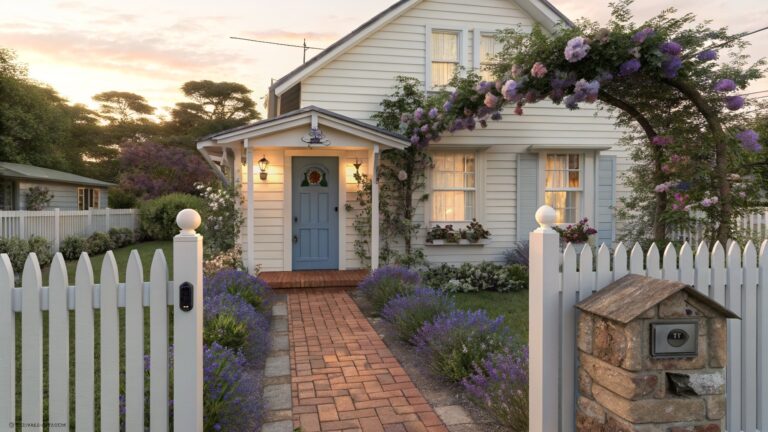
I’ve noticed that front yard fences often make or break the first impression of a home, especially when they frame the garden just right. I lean toward designs that let plants climb or drape over them naturally, keeping things soft instead of stark. The best ones scale to the space and pull in materials from the house itself, creating a seamless flow that draws your eye through the yard. Piling on too much ornamentation or picking clashing colors usually turns a fence into a distraction that fights the landscaping. Some of these simpler approaches are ones I’d adapt for my place right away.
Classic White Picket Fence
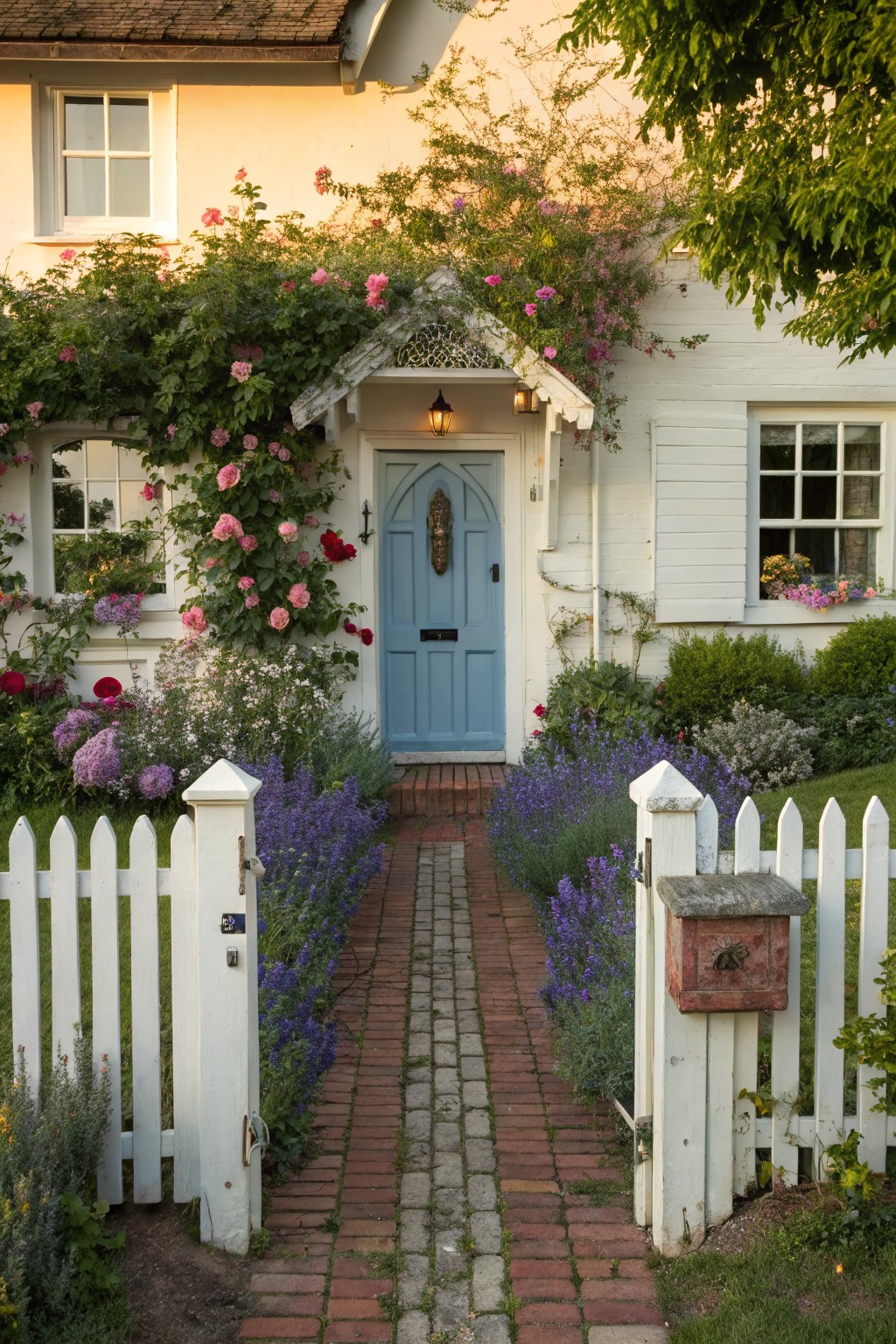
A white picket fence like this one sets off a front yard nicely. It keeps things neat while letting flowers grow right up to it. That brick path down the middle draws your eye straight to the door. People always notice how it makes the place feel welcoming without trying too hard.
Put one around a small yard or older house to get that cottage feel. Line the path inside with tough plants like lavender. They hold up year after year. Just paint the fence every couple years so it stays crisp. Works best where you want low upkeep but high charm.
Vertical Wood Slat Fences
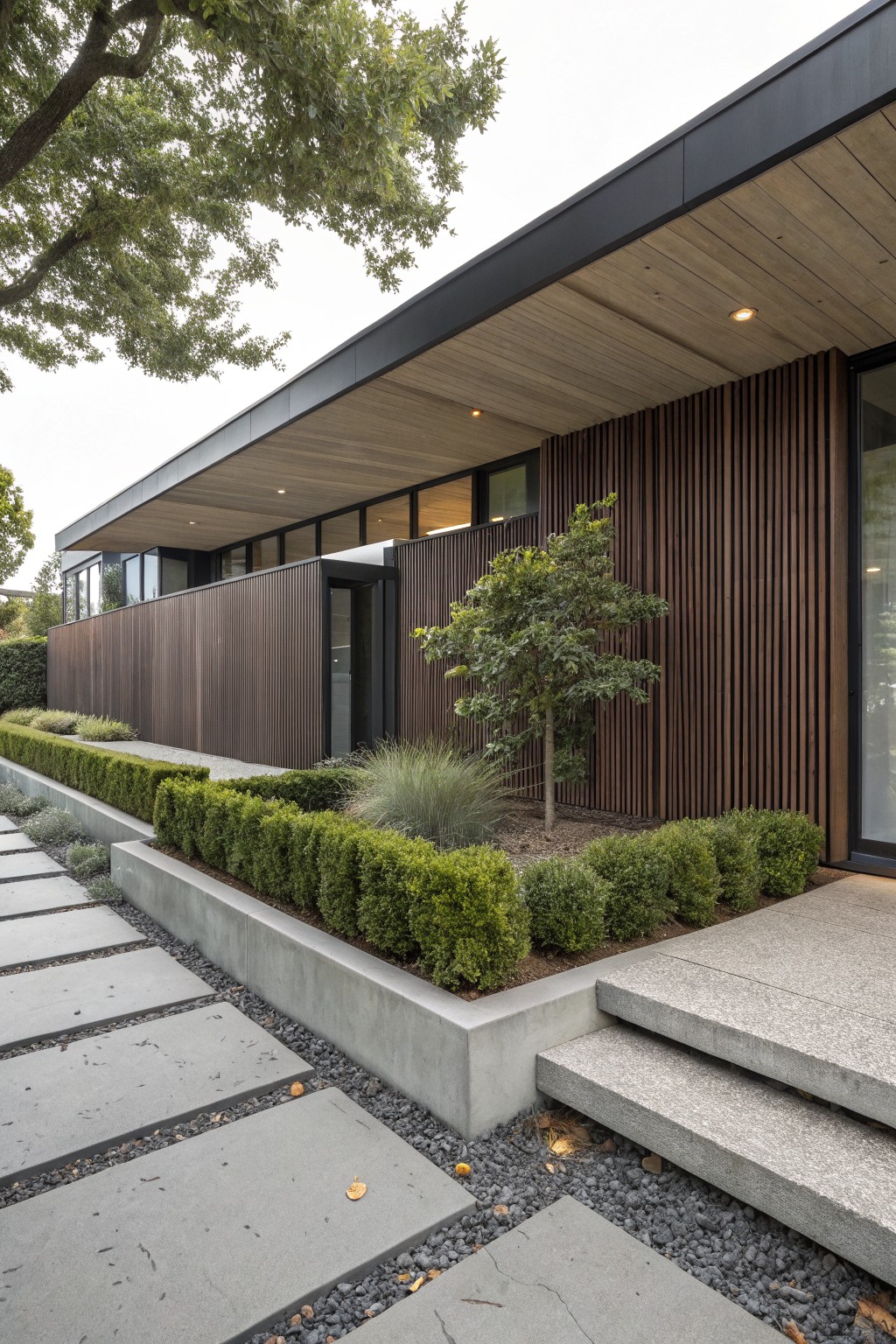
Tall vertical slats of dark wood make a simple fence that screens your front yard without blocking everything out. They fit right into the house design here, running alongside the entry with those clean lines. Add boxwood hedges at the base like this, and you get a neat border that keeps things looking sharp from the street.
Put these slats on homes with flat roofs or modern angles, especially if you need some privacy from neighbors. Keep the wood oiled to hold the color. They suit smaller lots where a full solid fence feels too much. Just make sure the spacing lets in enough light so plants nearby don’t struggle.
Cobblestone Path Through Dune Grasses
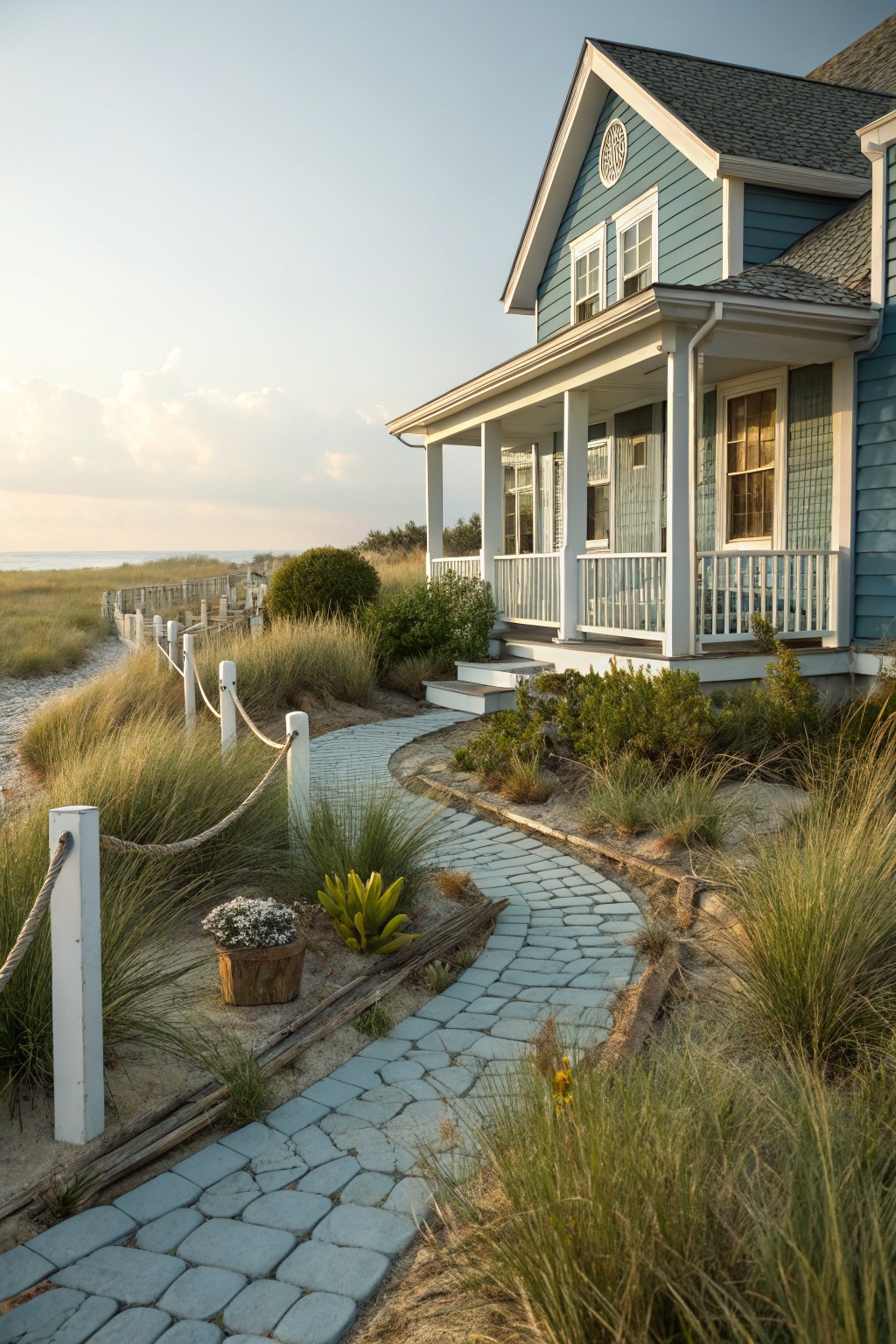
A simple cobblestone path like this winds gently from the street up to the front porch. The irregular blue-gray stones fit right into the sandy soil and tall beach grasses without looking forced. It pulls your eye toward the house in a natural way that suits coastal spots perfectly.
Use this idea for beach homes or yards with loose soil. Lay the stones loosely so water drains through, then flank them with sea oats or similar tough grasses. It works best where you want low upkeep and that windswept feel. Skip it on steep slopes though.
Wrought Iron Railings on Entry Steps
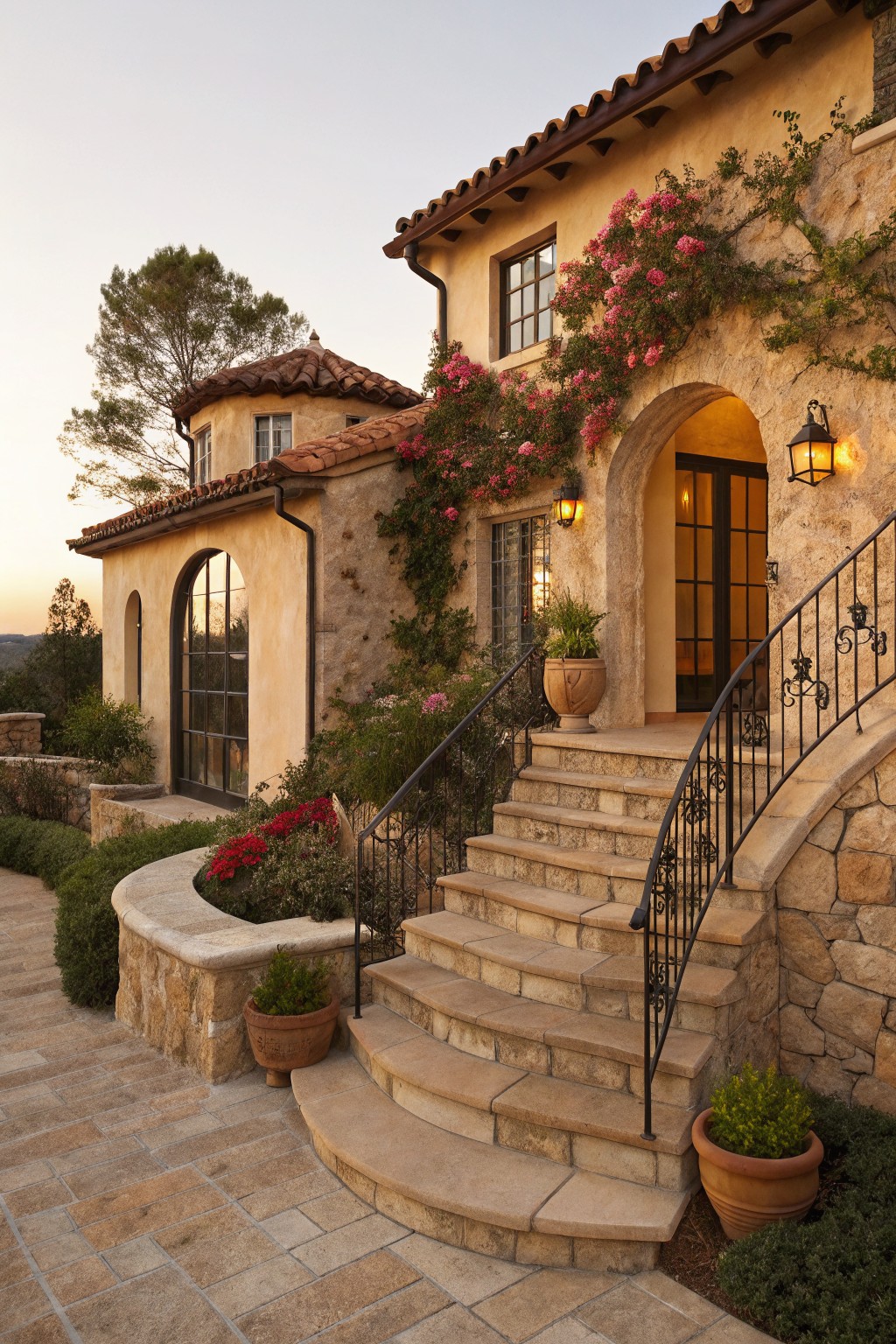
Wrought iron railings like these on the front steps add real style to a home’s entry. They have that classic scrollwork that fits right in with stone stairs and an arched door. Paired with climbing flowers on the walls, they make the whole approach feel put-together and safe to climb.
Put them on any set of steps leading to your door, especially if the ground rises toward the house. They suit homes with stucco or tile roofs best. Go for black paint to match most anything, and keep the curves simple… nothing too busy.
Split-Rail Fences for Natural Front Yards
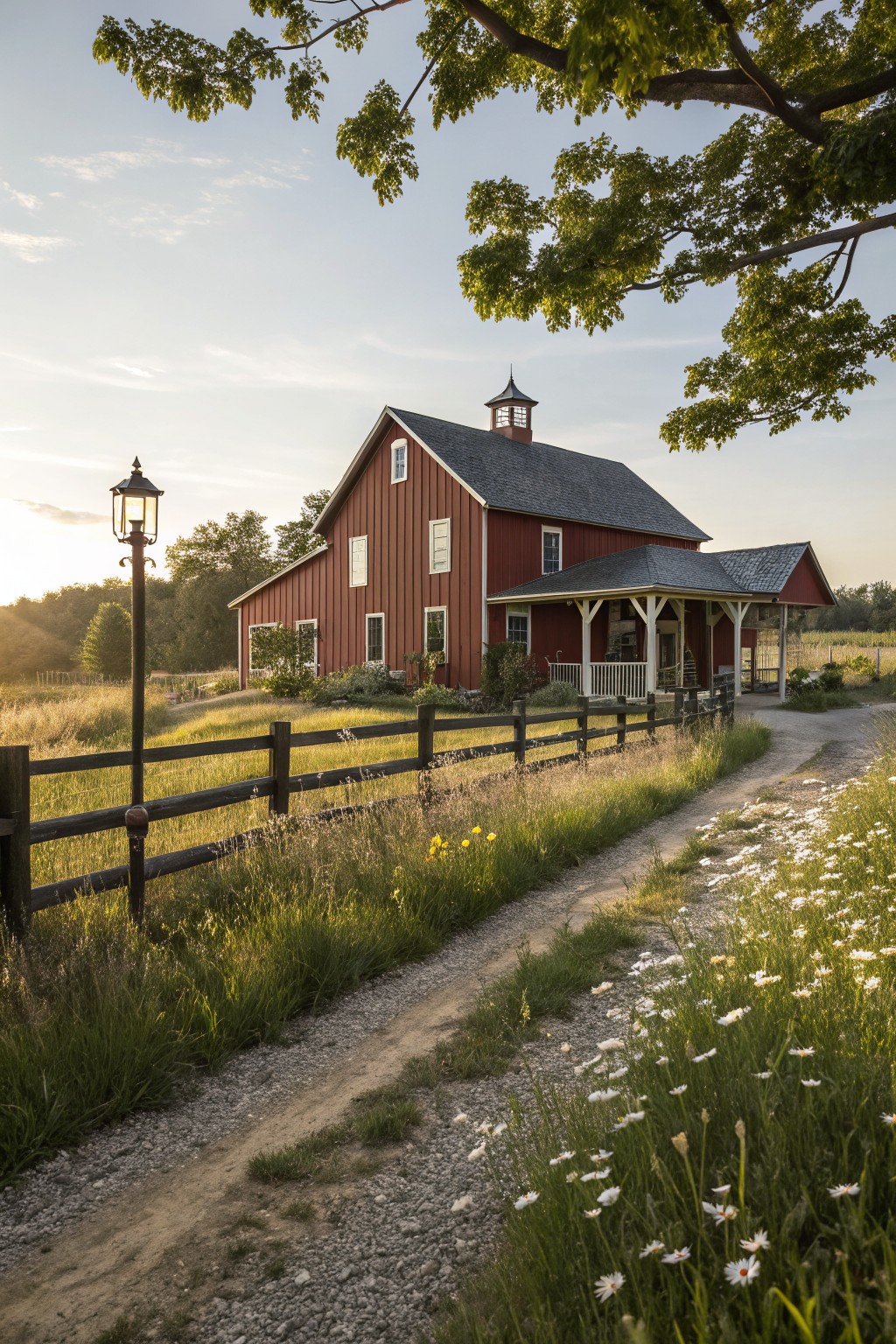
A split-rail fence sets off a front yard garden without blocking the view. It keeps things open while marking the edge of your space. Folks like how the rails let grass and wildflowers peek through. That rustic wood look fits right in with open land.
Put one around yards with room to stretch out. It suits farmhouses or homes near fields best. Line the path inside with gravel and low plants. Skip paint to let the wood weather naturally. Just check posts stay firm over time.
Vertical Wood Slat Screens
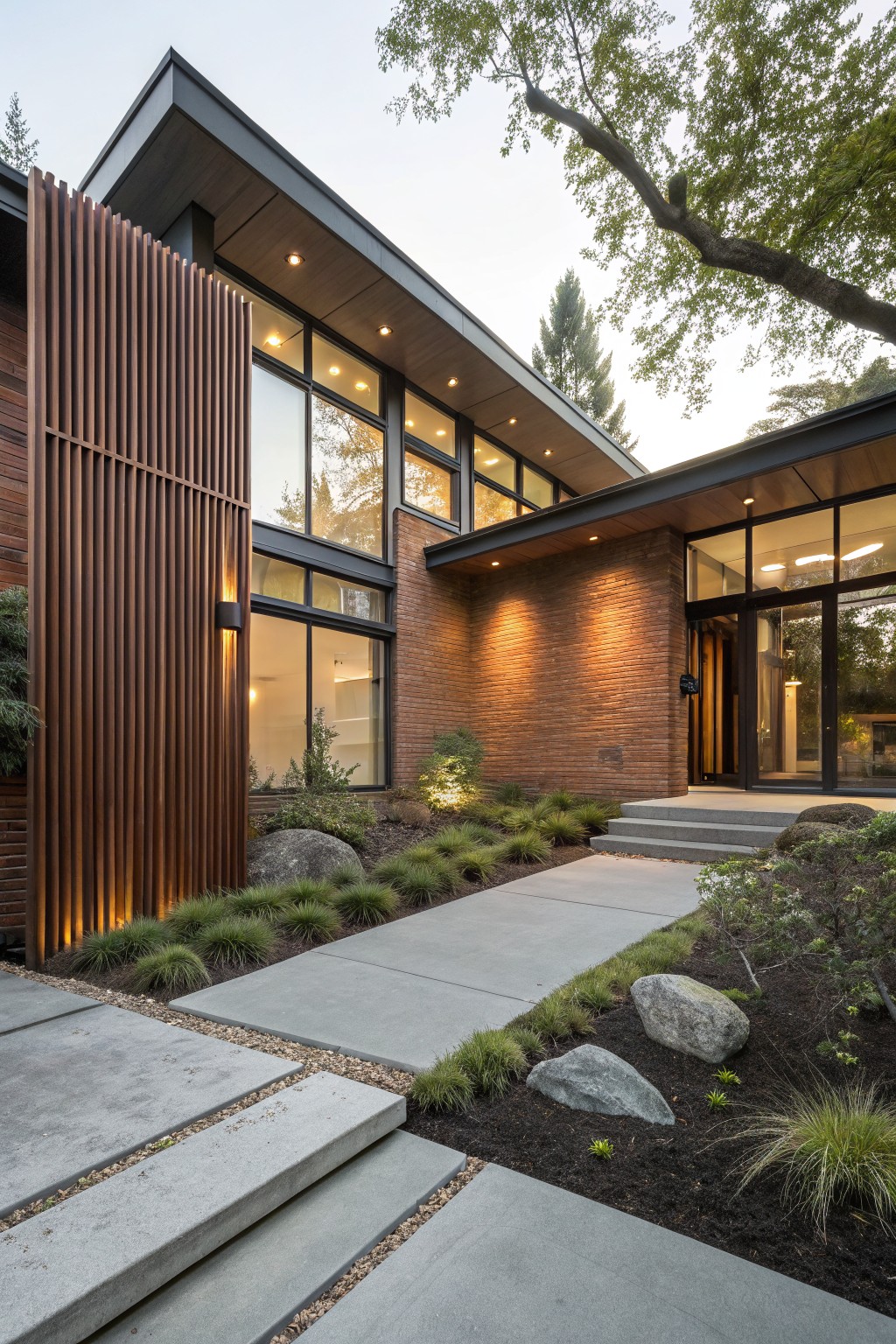
Vertical wood slats work well as a simple front yard screen. They run up the side of the house here, giving some privacy near the entry without closing things off. The slats let light through and match the warm brick walls. Folks like how they guide your eye along the path to the door.
Put these screens next to a walkway on homes with clean lines, like midcentury or newer builds. Edge the base with grasses and rocks, as shown, for low upkeep. They suit sloped lots too. Just seal the wood now and then to hold up outdoors.
Arched Hedge Gate
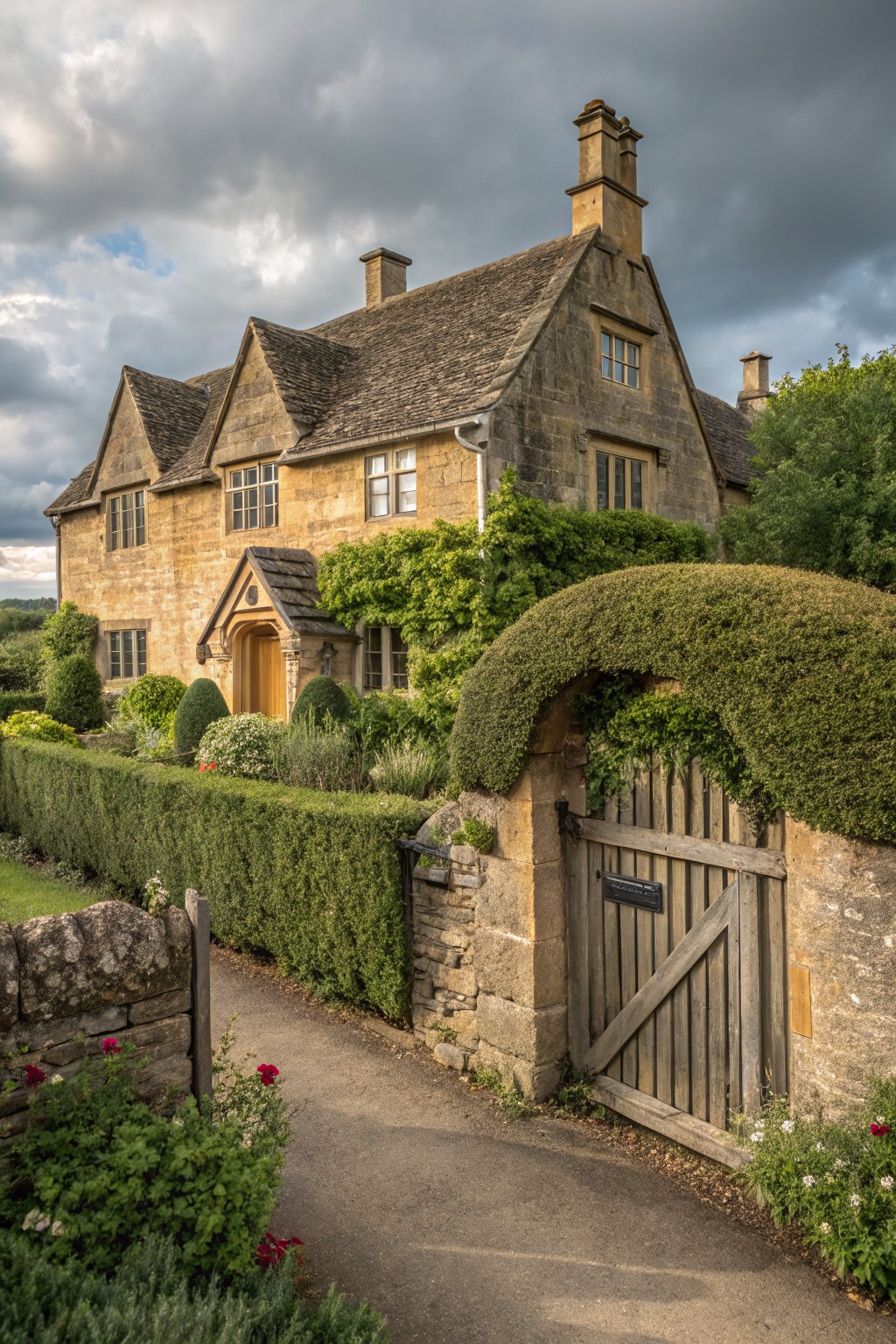
A simple hedge arch over the garden gate gives your front yard that old-world cottage feel. It frames the entry just right, blending the house into the planting without any fuss. Folks love how it guides you in naturally.
Grow boxwoods or yews into that gentle curve over a wooden gate. Suits stone or brick homes with a bit of space out front. Trim a couple times a year to keep the shape, and plant low flowers along the path for extra color.
Perforated Metal Fencing for Garden Privacy
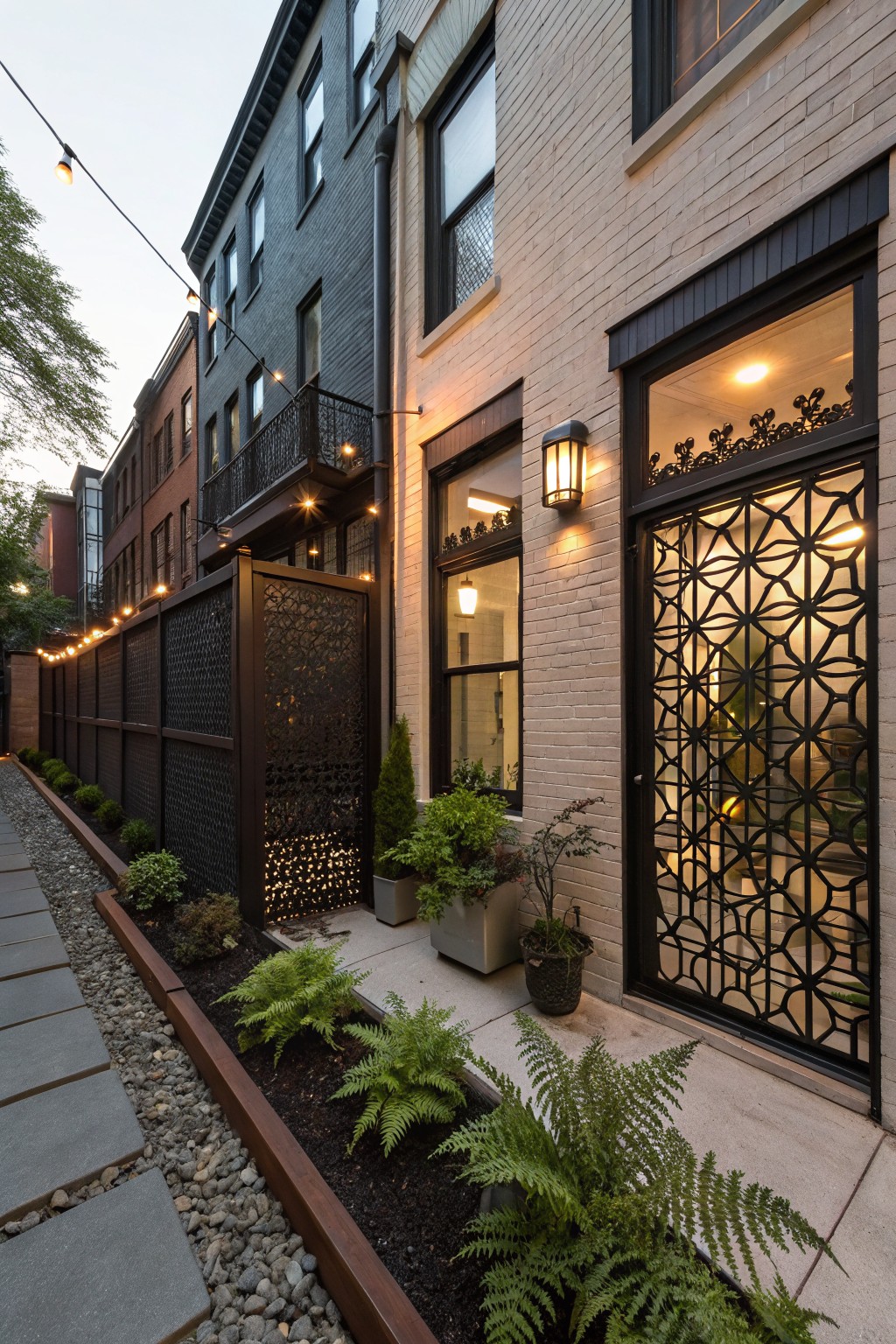
Perforated metal fencing stands out here along a narrow path. The black panels have geometric cutouts that block views but let light filter through. It keeps the space private yet open, and pairs nicely with brick walls common on older homes.
Put this kind of fencing in tight side yards or entry paths where solid wood might feel too heavy. It fits row houses or urban gardens best. Plant ferns or shrubs at the base to dress it up. One thing to watch. Galvanized metal holds up better in wet areas.
Wooden Slat Fences Around Tropical Gardens
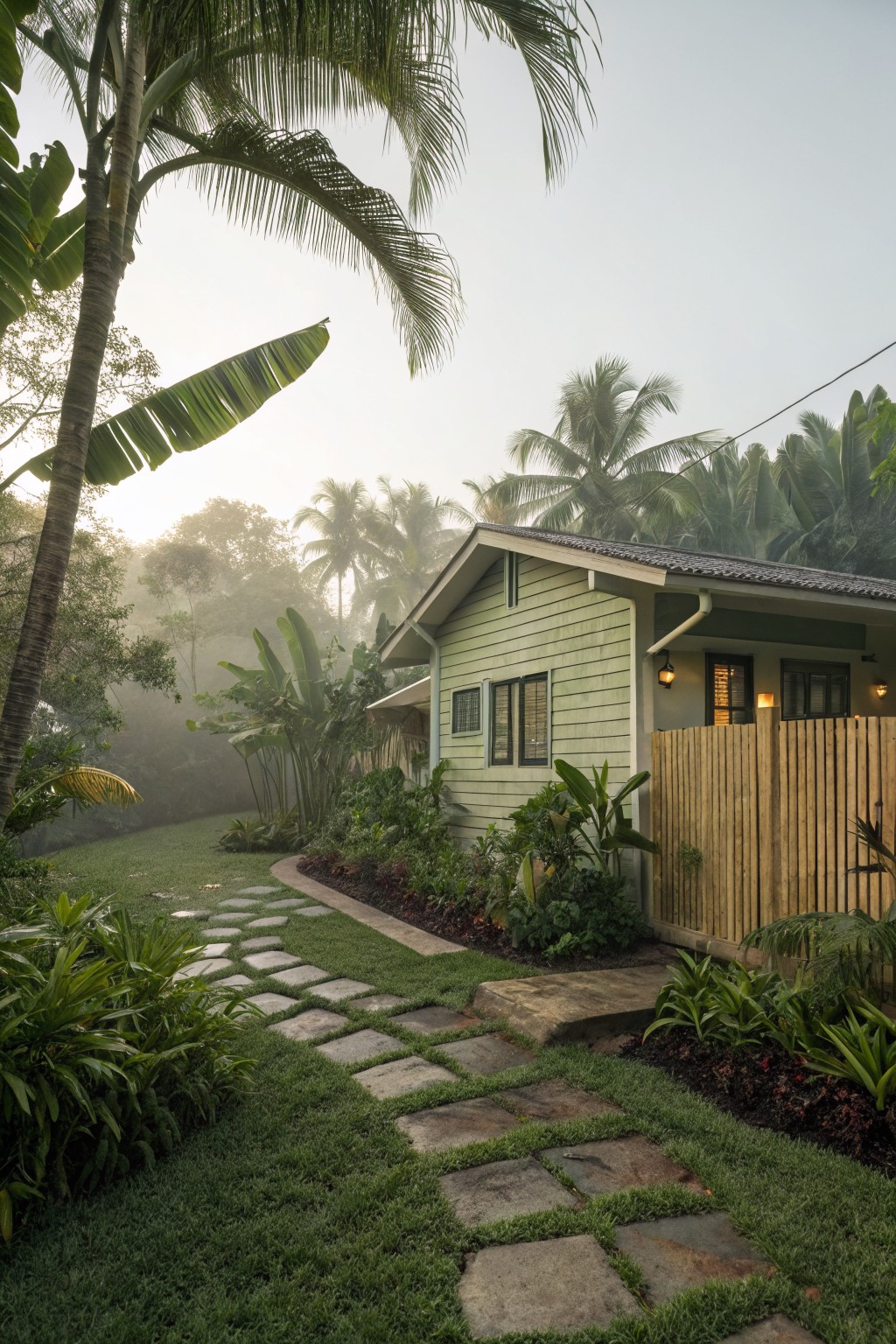
A wooden slat fence like this one keeps things simple and natural. The vertical boards in a warm tone let some view through while blocking most of what you don’t want seen. Around all that lush planting, with banana leaves and ferns brushing against it, the fence just blends in. No need for anything fussy.
Put one along the side of your front yard where the garden meets the lawn. It suits bungalow style homes or any place with heavy tropical growth. Pick cedar or something weather-resistant, and space the slats to match your privacy needs. Keeps neighbors at bay without closing off the space entirely.
Wrought Iron Fencing for Front Yards
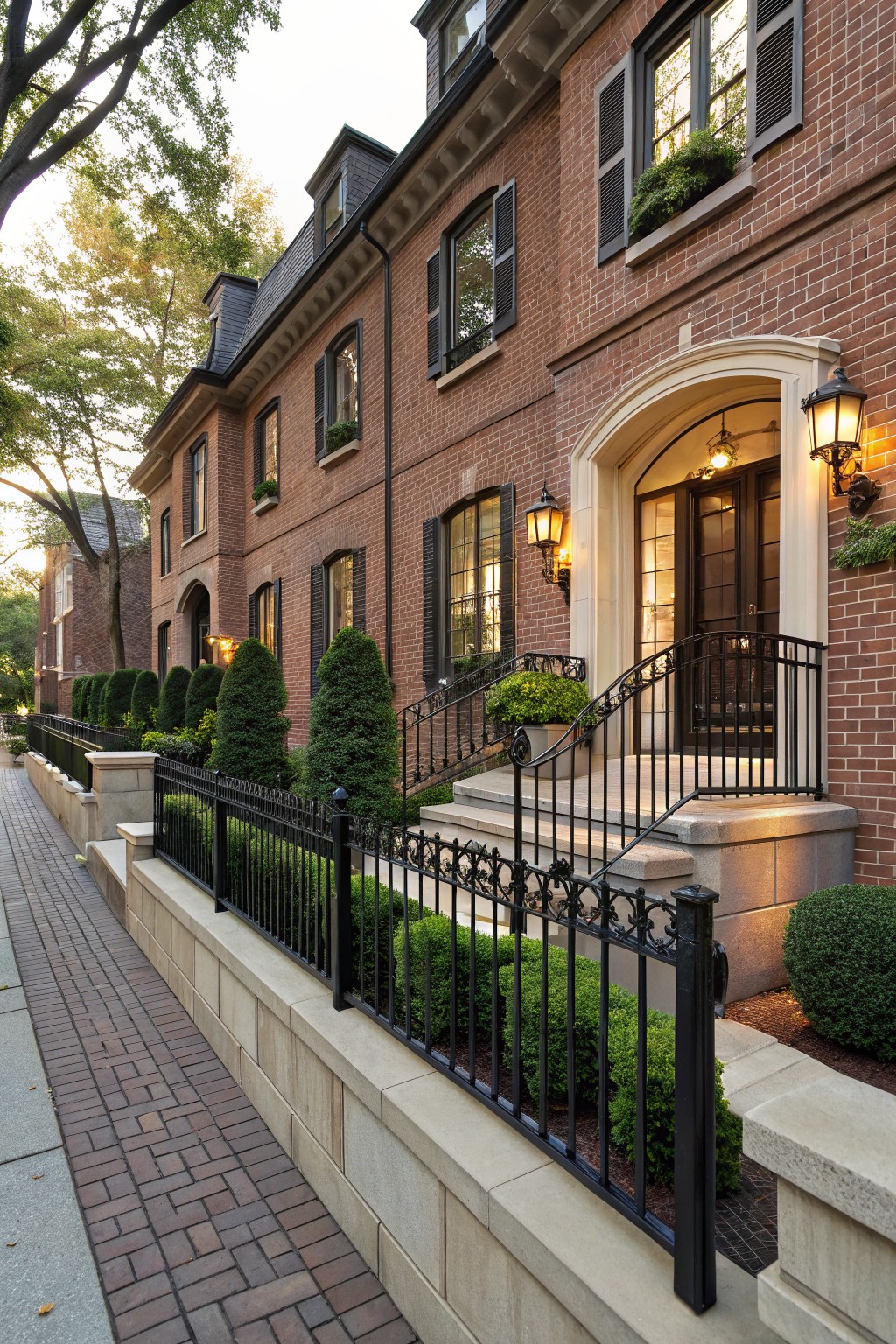
A low wrought iron fence running along the sidewalk works well on brick townhouses like this. It keeps the front planting area separate from the street. Boxwood hedges tucked behind it stay neat and add some green without crowding the walk. That setup gives the place a tidy, established feel right away.
Try this on narrow urban lots or row houses where space is tight. Paint the iron black to stand out against brick or stone. Trim the boxwoods a couple times a year. It holds up to city wear and fits formal or traditional styles best.
Wooden Fence with Gravel Path
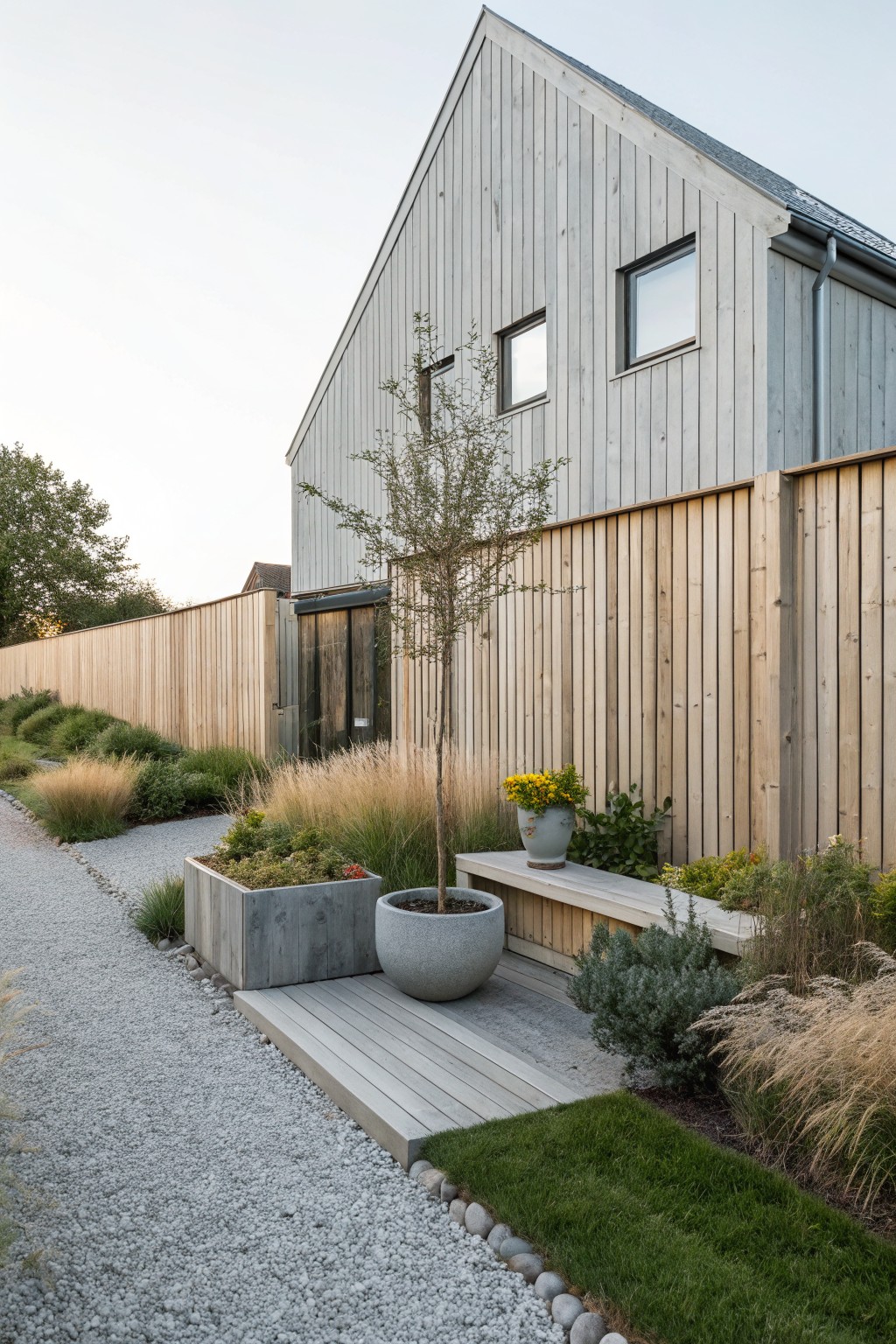
A tall wooden fence like this one creates solid privacy for your front yard while the gravel path running right alongside keeps foot traffic simple and clean. It stands out because the natural wood looks right at home next to low grasses and a couple planters. No fuss, just a straight shot to the door that feels put together.
This idea fits side yards or long narrow front spaces where you need screening but still want some openness. Go for cedar boards that age to gray, add tall feathers grasses along the base, and tuck in a bench if there’s room. It’s low upkeep once planted. Skip it if your lot’s too open. The path needs at least three feet wide or it’ll feel tight.
Black Wrought Iron Front Yard Fences
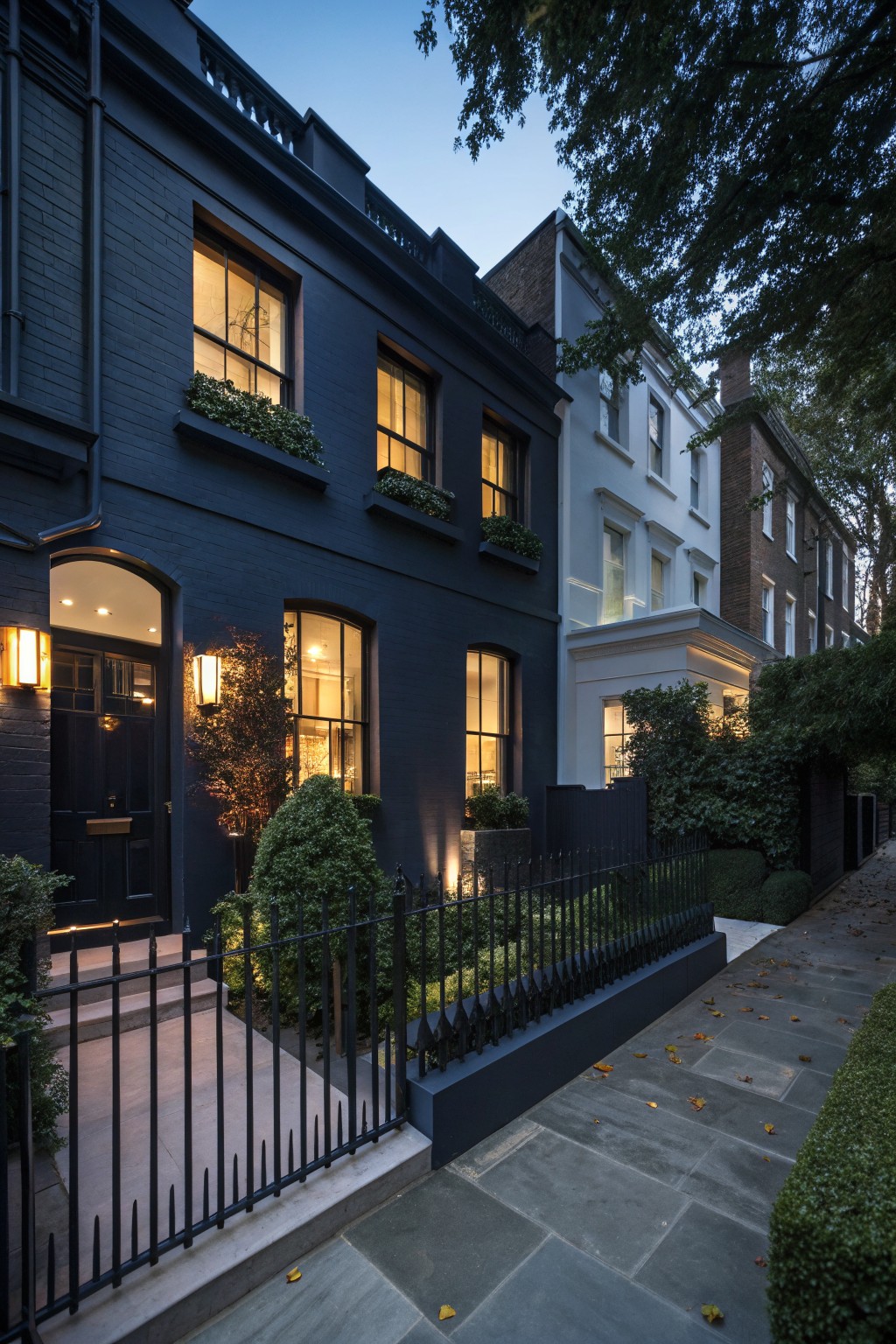
Black wrought iron fences make a strong edge for small front gardens. They hold back plants without hiding the house. That simple line draws the eye right to the entry. Folks like how they fit older homes but look fresh when painted matte black.
Put one low along the sidewalk with boxwoods planted tight inside. It suits narrow city lots or row houses best. Keep the spikes if you want that traditional feel. Just check local rules on height.
Boulder Retaining Walls for Front Yards
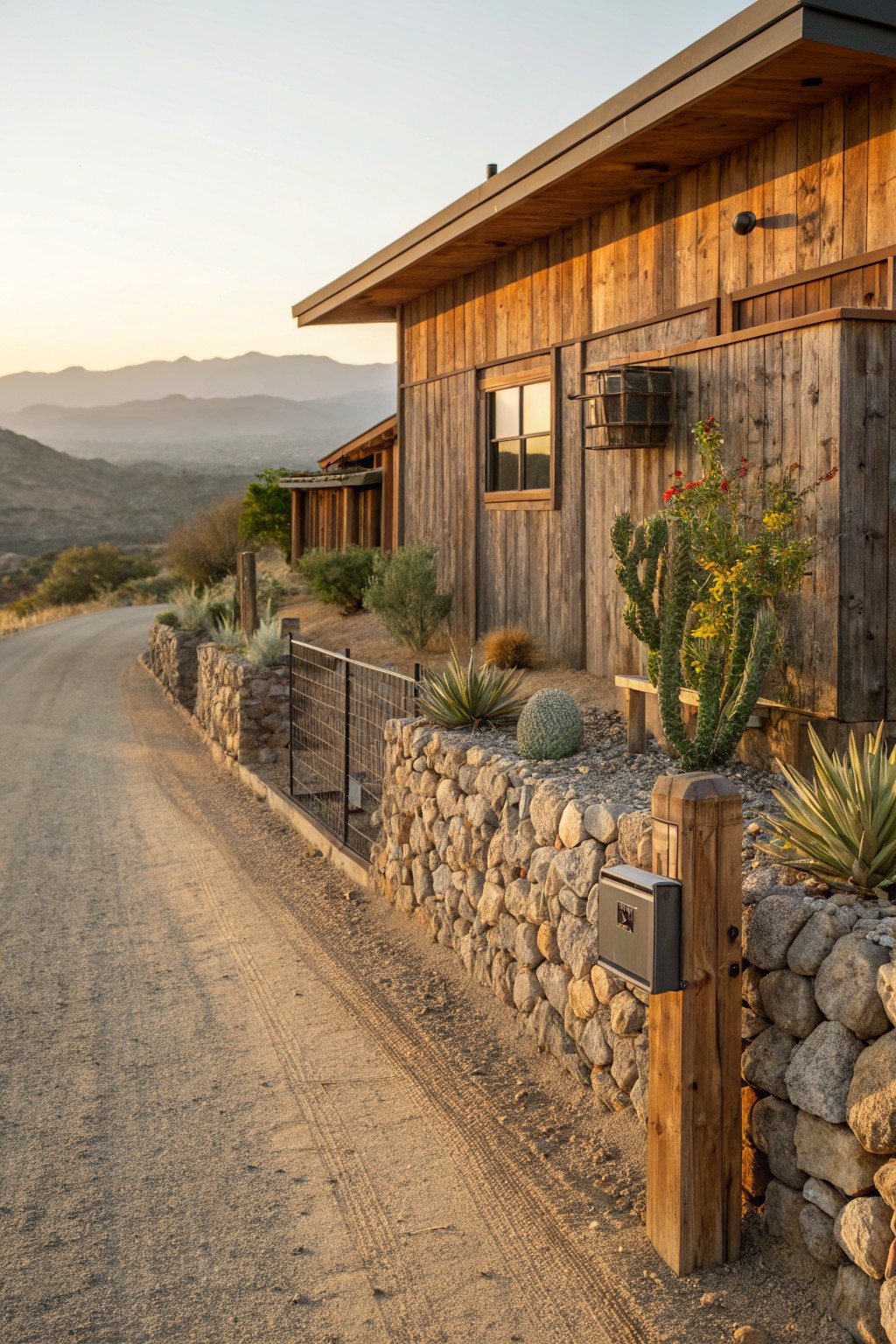
A boulder retaining wall like this one runs right along the gravel driveway. It uses big natural stones stacked low to hold the edge without feeling too formal. Folks like it because it looks rugged and fits right into dry spots, plus those tucked-in cacti stay green year round with little fuss.
Put this in front of homes with a slope or just to frame the yard. It suits wooden houses in warm climates best. Stack the boulders dry if your soil is stable, or add mortar for safety. Keep plants sparse so the stones show.
House-Matching Picket Fence
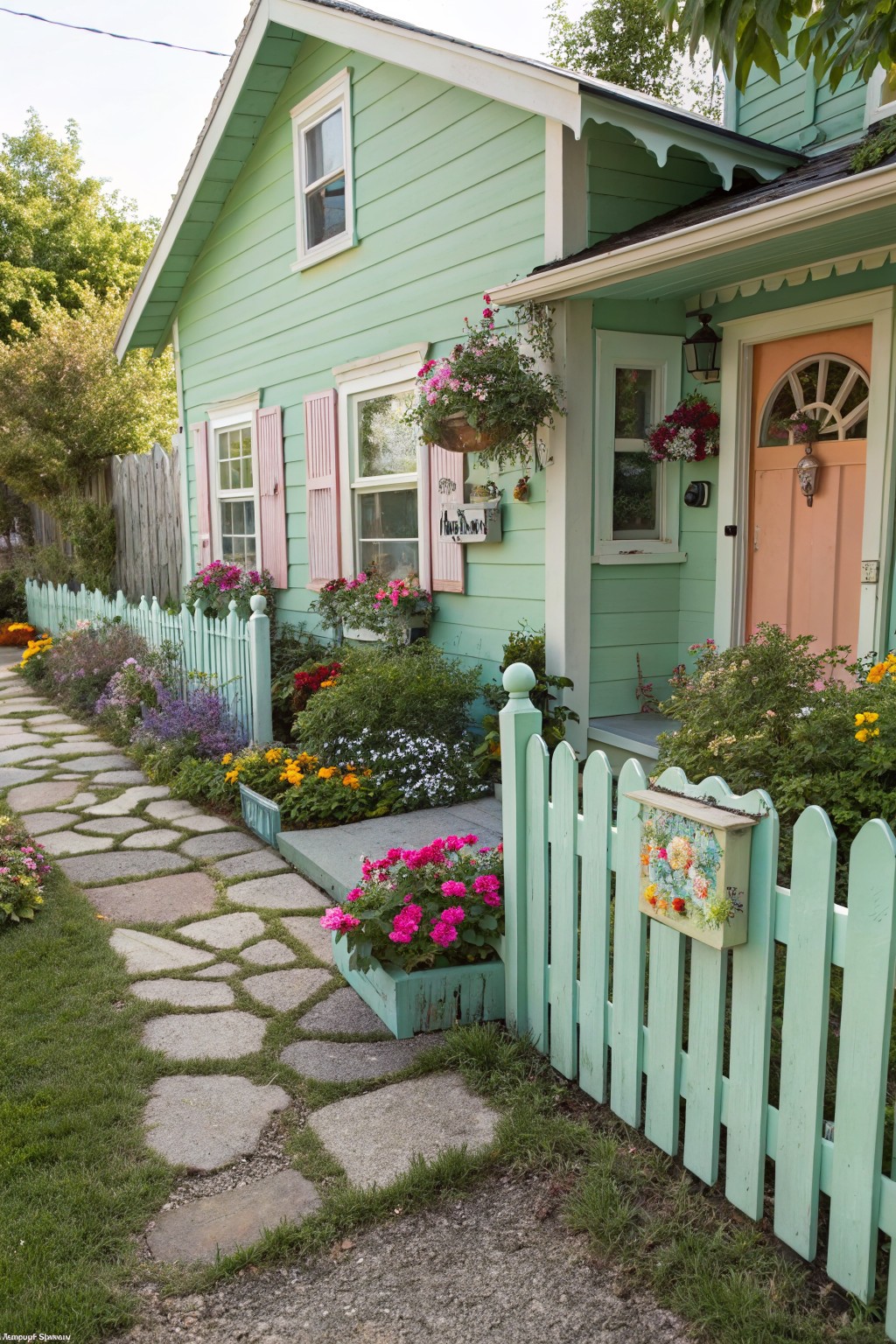
Painting your front yard picket fence to match the house siding pulls the whole look together in a quiet way. Here the soft green fence blends right into the mint house color. Flowers along the base spill over naturally. It gives that cozy cottage feel without much fuss.
Try this on bungalows or older homes with small lots. Use good exterior paint that holds up to weather. Add perennials at the fence line for softness. Skip it if your yard is big and open. The fence might look too busy there.
Concrete Walls for Front Yard Planting
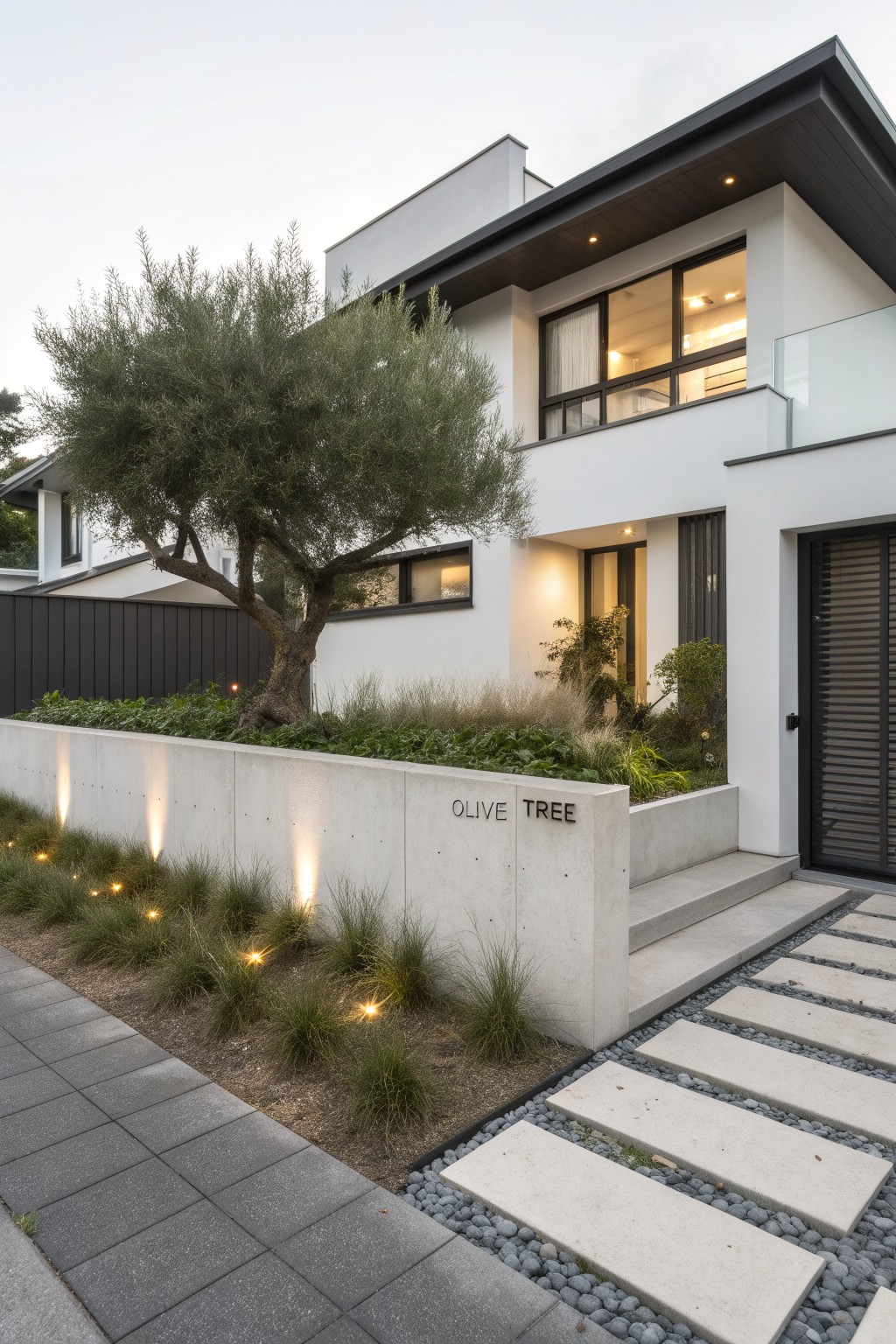
Low concrete retaining walls make a solid edge for front yard gardens. They keep soil in place while letting plants spill over just right. You see it here with grasses tucked along the base and a big olive tree sitting pretty against the wall. That setup gives the yard some structure without feeling stiff.
Put these walls along pathways or around entry areas where you want definition. They suit modern houses best, especially on mild slopes. Keep them under two feet high to stay welcoming, and choose smooth finishes for easy upkeep. Plant drought-tolerant stuff like grasses so it looks good year-round.
Tall Wood Fences for Front Entries
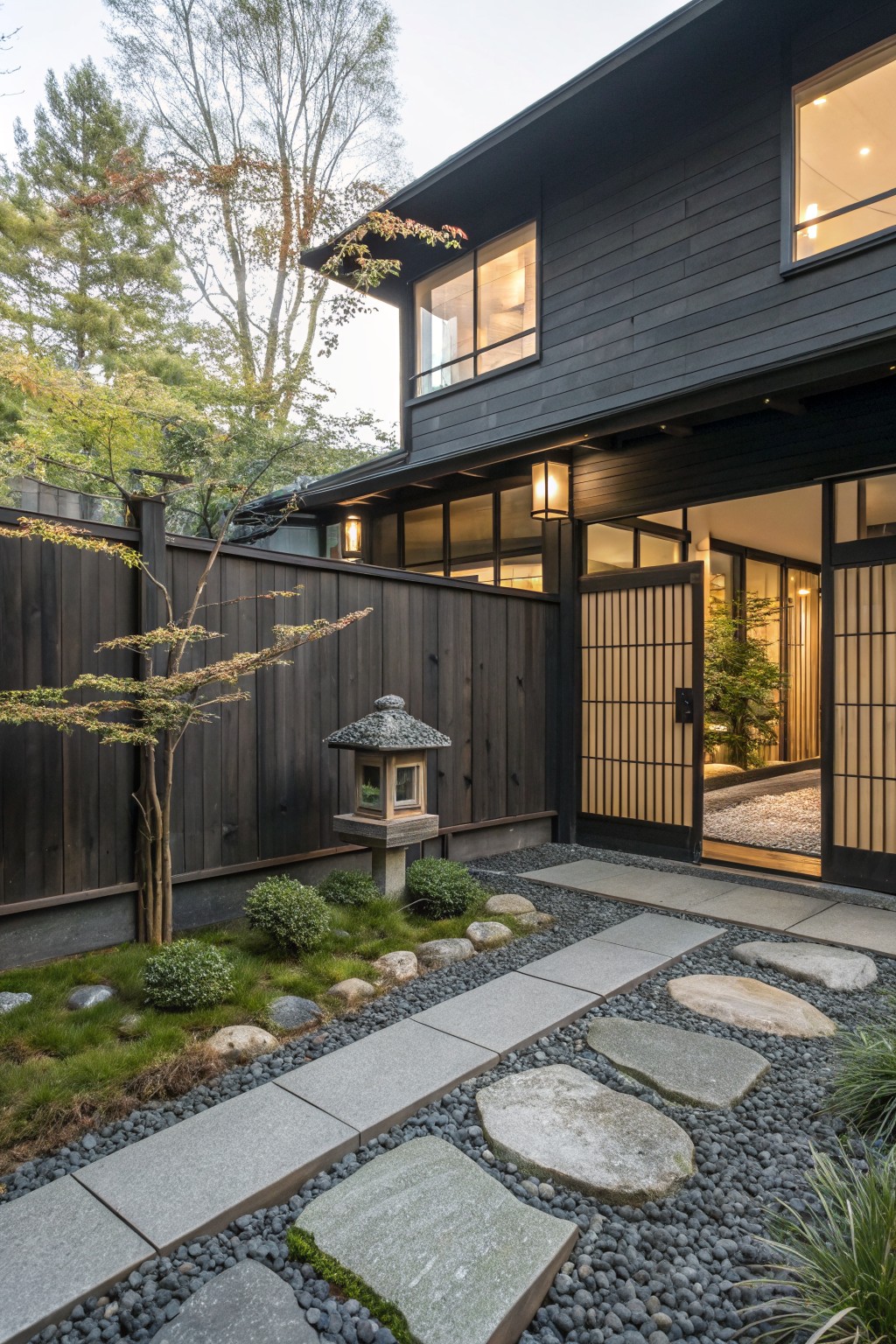
Tall wood fences like this one work well to screen off the front entry from the street. They create their own little garden space right at the door, with a simple gate that swings open. Here a stone lantern sits nearby, and gravel fills in around low plants. Folks like how it adds privacy while keeping things open inside the fence.
Put one in if you have a narrow lot or want to hide the sidewalk view. Dark-stained cedar holds up outside and fits homes with clean lines. Just make sure the gate latches tight, and skip busy plantings so the path stays clear.
Stone Pillars with Wood Fence Panels
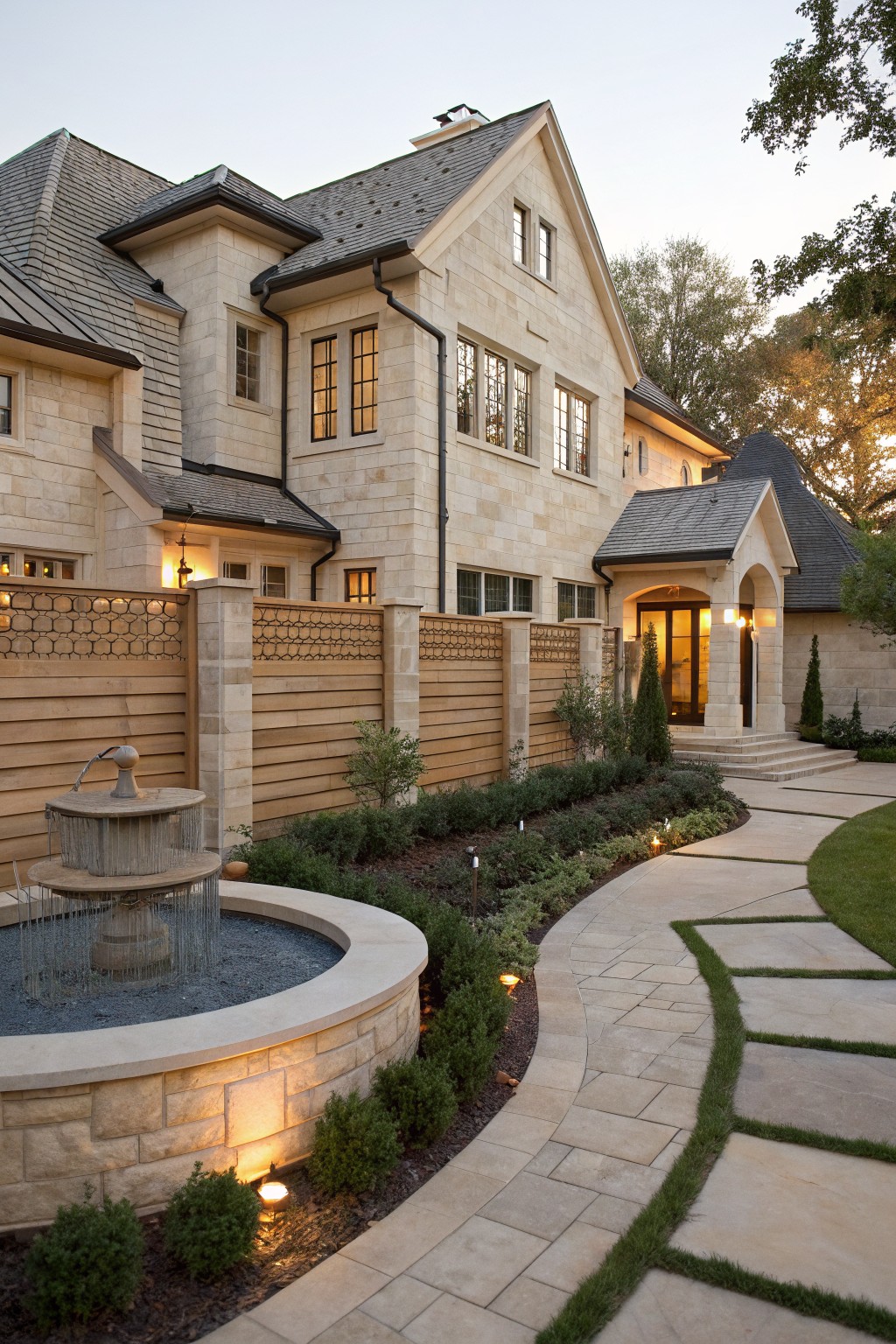
A front yard fence like this one uses tall stone pillars spaced along a low wood panel section. The pillars match the house stone, so everything looks connected. It keeps the yard private but lets you peek through to the fountain and path inside. Folks like how it feels sturdy without being too closed off.
Put this on homes with stone or brick facades, especially if you have a small front garden. Space the pillars every 8 feet or so, and keep wood panels horizontal for that clean line. Skip it on super modern houses, though. It works best where you want some enclosure but still show off your landscaping.
Low Wood Fences Along Garden Beds
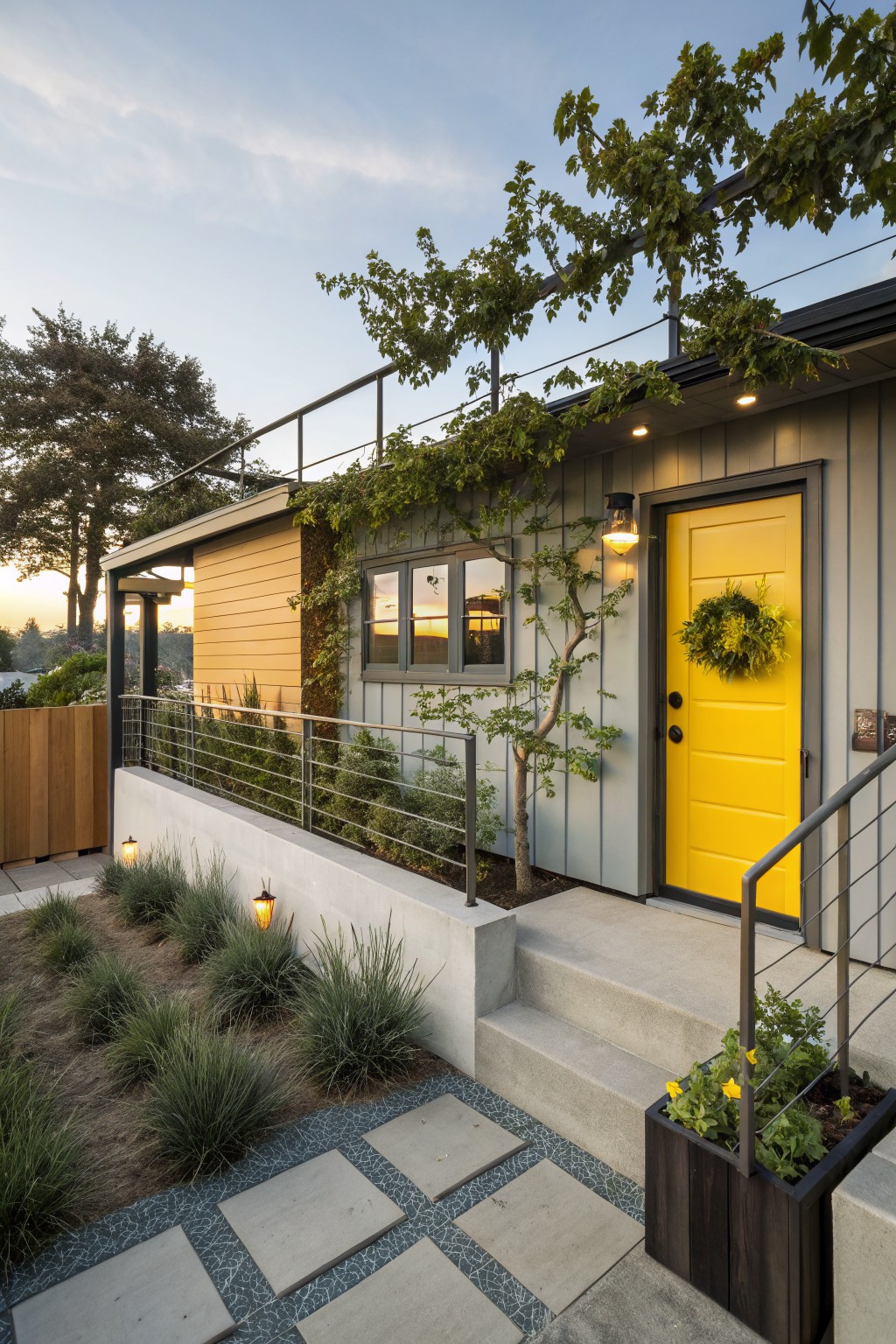
A low wood fence like this one runs right along the front garden bed. It sets a clean edge for the grasses and low plants without feeling too closed off. That yellow door stands out even more against the simple lines, and the whole entry pulls together nicely.
These fences work best on lots with a little slope or raised beds. Go for untreated cedar so it weathers to gray over time. They’re easy to build yourself and suit most any house style, from modern to cottage. Just keep the height under two feet… nothing taller.
Frequently Asked Questions
Q: Do I need a permit for a garden fence like these?
A: Check your local zoning rules right away. Many areas let you skip permits for fences under four feet high. Call city hall to play it safe.
Q: What’s the quickest fence idea for beginners?
A: Grab willow branches and weave them between posts. You finish in an afternoon with basic tools. It looks rustic and holds up great.
Q: How do I match a fence to my house style?
A: Eyeball your siding and trim colors first. Paint or stain the fence to echo those tones. And it pulls the whole front yard together…
Q: Can these ideas work on a tight budget?
A: Hunt for reclaimed wood pallets or scrap metal. Paint them fresh and assemble simple panels. Boom, curb appeal without breaking the bank.
