


Cottage gardens rarely look right when everything is laid out in straight rows or perfect symmetry from the start.
I usually start by walking the yard to see where a path would naturally lead based on how we already move through the space.
Details add up.
Vintage elements like old gates or weathered benches bring that lived-in quality only when they match the actual size and flow of the garden beds.
Trying out just a section at a time has saved me from bigger mistakes later on.
Winding Stone Paths Through Flower Beds

A winding path made of irregular stones gives the garden a gentle flow that feels natural and easy to follow. It slows you down so the flowers and shrubs along the edges get noticed instead of being rushed past.
This layout works best in smaller cottage gardens where you want to stretch the walk from the gate to the door. Keep the path fairly narrow and let the plants grow close to the edges so it blends into the beds.
Curved Paths Add Flow to Cottage Gardens
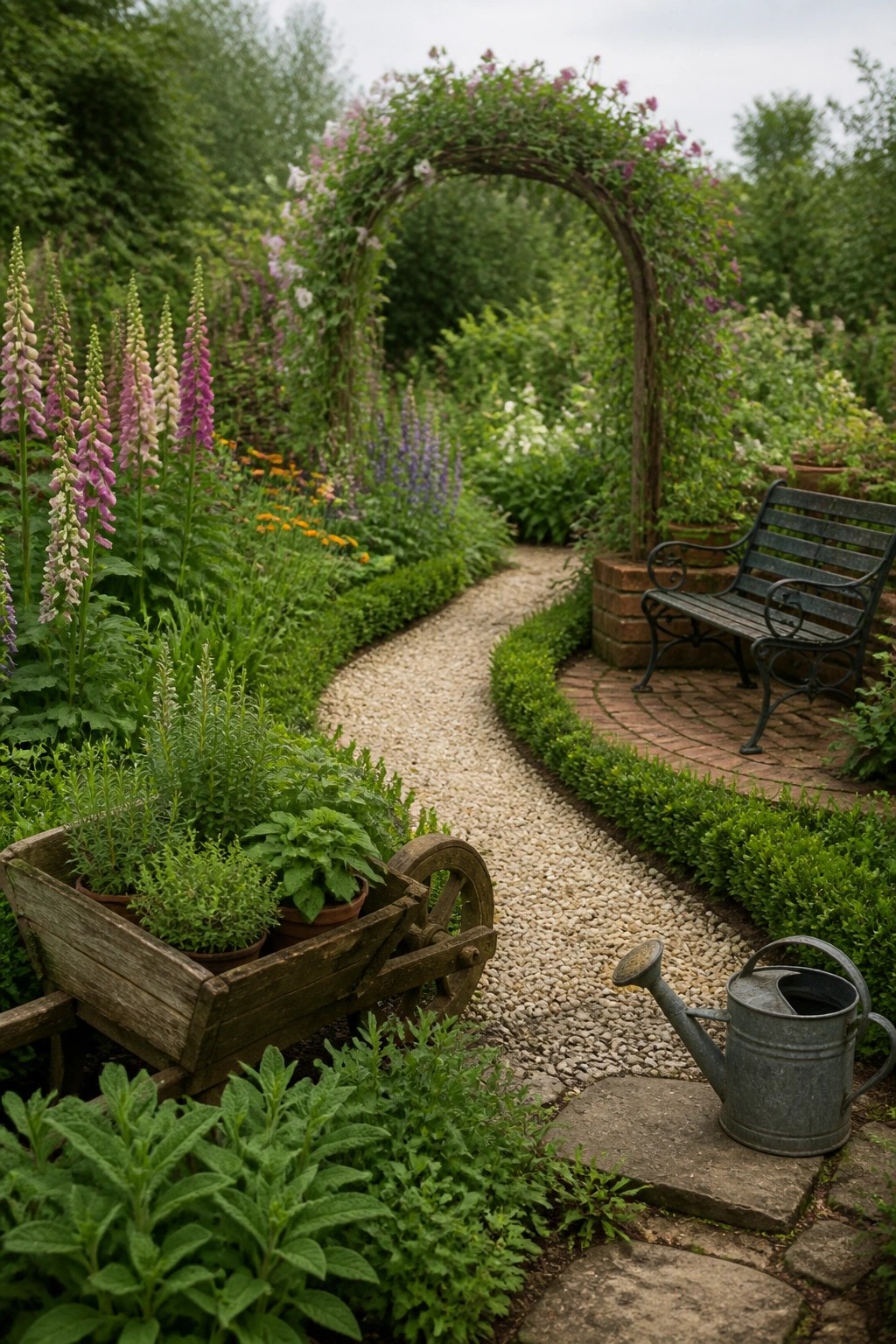
A gentle curve in a garden path keeps things from feeling too rigid. It draws the eye forward while letting the plants spill over the edges in a natural way that fits the loose style of a cottage garden.
This layout works especially well on smaller lots where a straight path can feel short and abrupt. Use gravel or a similar loose material and keep the borders soft with layered planting so the path feels like part of the garden rather than a separate walkway.
Curved Paths Work Well In Cottage Gardens

A curved path made from cobblestones gives the garden a relaxed shape that straight lines rarely achieve. It guides movement without forcing it and lets the beds feel more connected to the center of the space.
This layout suits older homes or smaller yards where you want a gentle flow rather than a formal grid. Match the stone edging to the path so the curve looks intentional instead of added on later.
Guide the Path With a Blooming Arch

An arch covered in flowers turns a simple garden path into something more inviting. It marks the entrance without needing a gate, and the climbing blooms add height and softness that flat beds often lack. The curve of the path underneath makes the whole space feel a little more relaxed and natural.
This works best in cottage gardens or smaller yards where you want to create a sense of arrival. Plant a vigorous climber like roses or clematis and let it fill in over a few seasons. Keep the path narrow and slightly winding so the arch feels like a natural part of the route rather than a standalone feature.
Outdoor Dining Under a Pergola
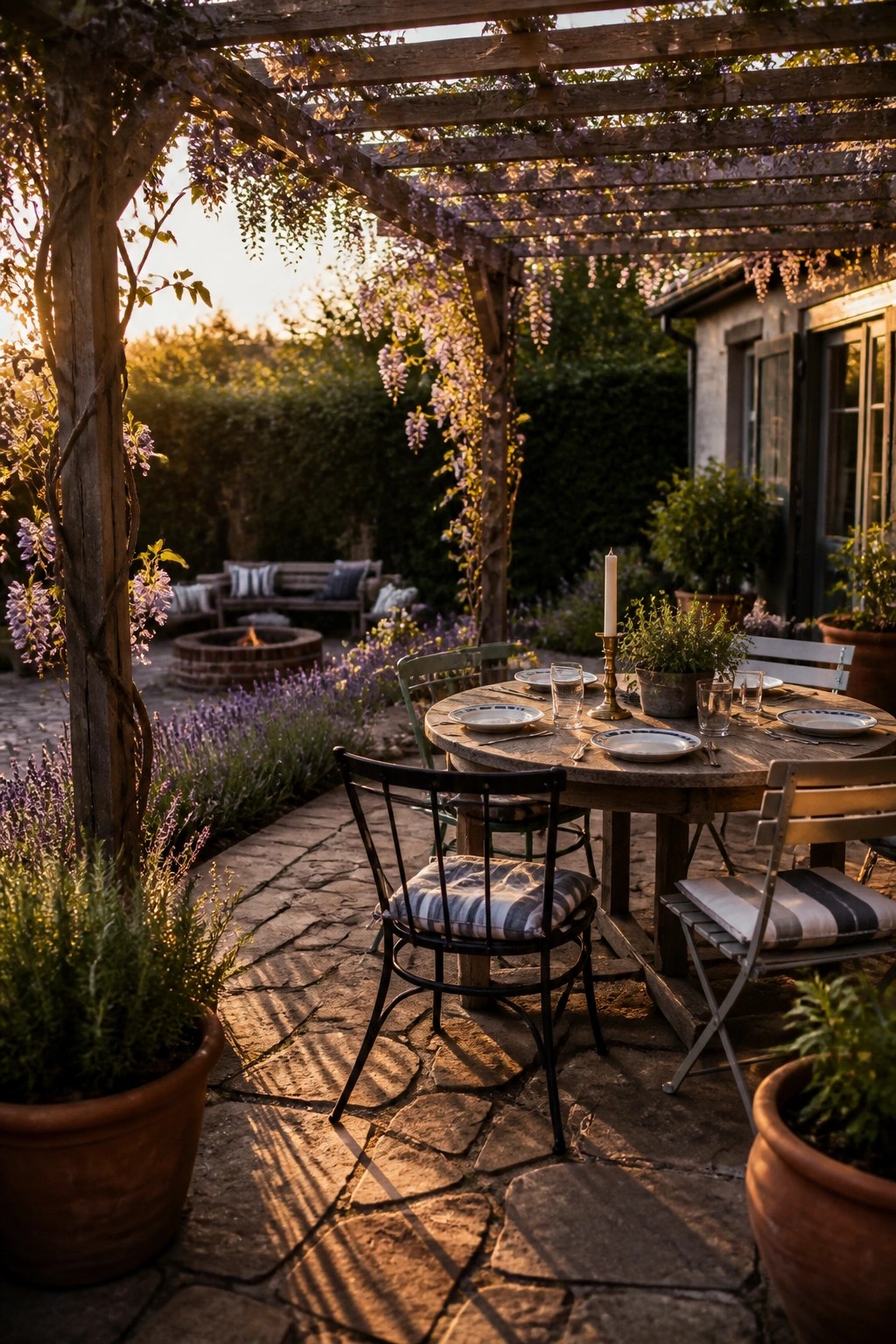
A pergola over the dining table gives you shade and a bit of shelter while still keeping the meal outdoors. The climbing vines add color and softness without needing much extra structure, and the whole setup feels natural in a cottage garden.
This works best on a patio or paved area that already gets some sun. Give the vines room to grow along the beams and choose a table size that fits the space so chairs can move easily. Keep the planting simple so the focus stays on the seating area itself.
Add A Winding Path To Your Flower Garden

A simple path of flat stones makes it easy to walk through a crowded garden without crushing plants. It also gives the flowers a chance to spill over the edges, which is what gives a cottage garden its soft, full look.
This works well in smaller spaces where you want to feel surrounded by blooms rather than looking at them from the outside. Keep the stones slightly uneven and let the planting grow right up to the edges so the path feels like part of the garden instead of something laid on top of it.
Let Paths Wind Through Flower Beds
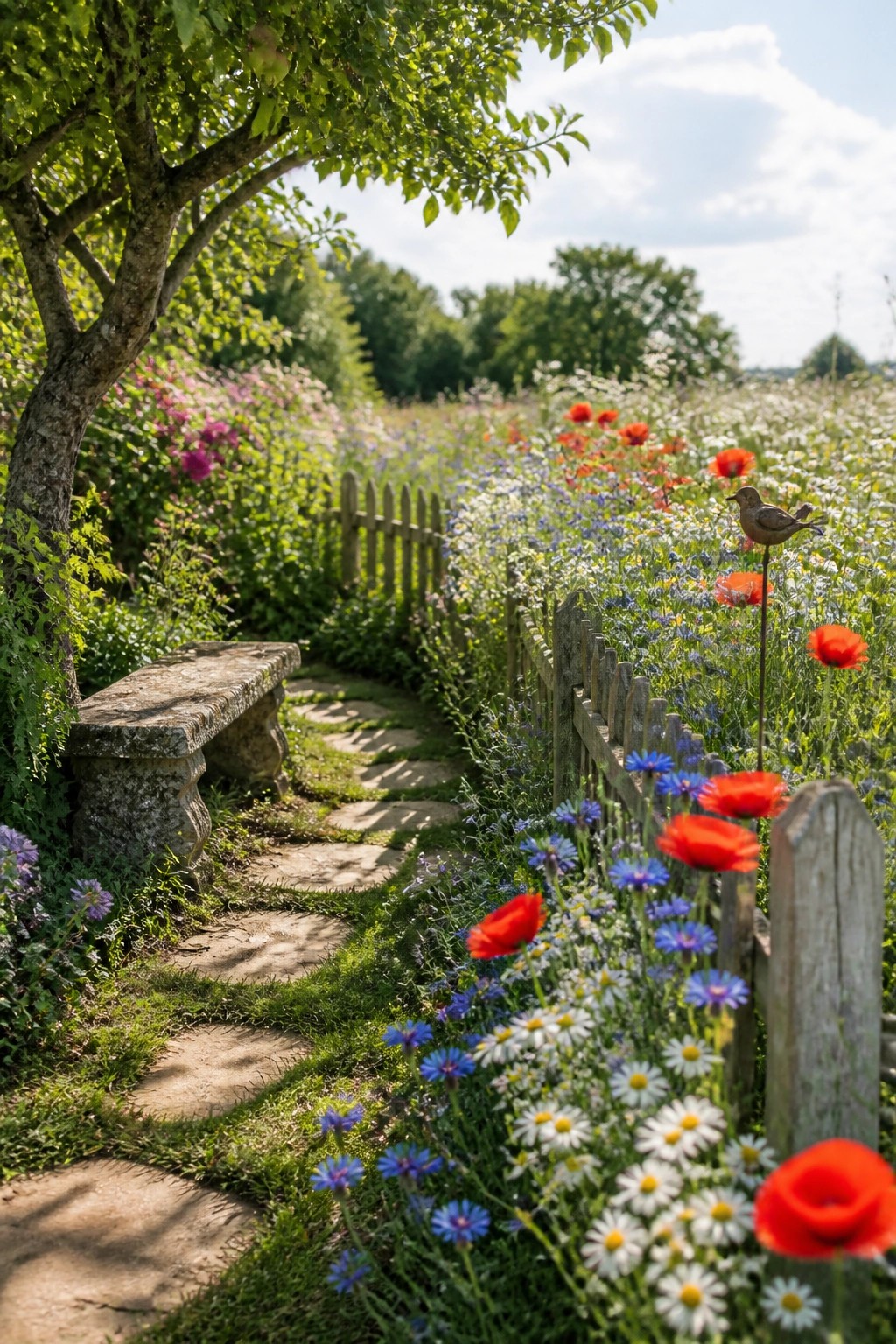
A winding path gives a cottage garden its easy, relaxed feel. It breaks up the space without needing fancy structures and lets the flowers take center stage as you move through them.
This idea works well in smaller yards or along side gardens. Use simple stepping stones or gravel, keep the edges loose with low plants, and let the path curve gently instead of running straight.
Curved Brick Paths Around A Pond
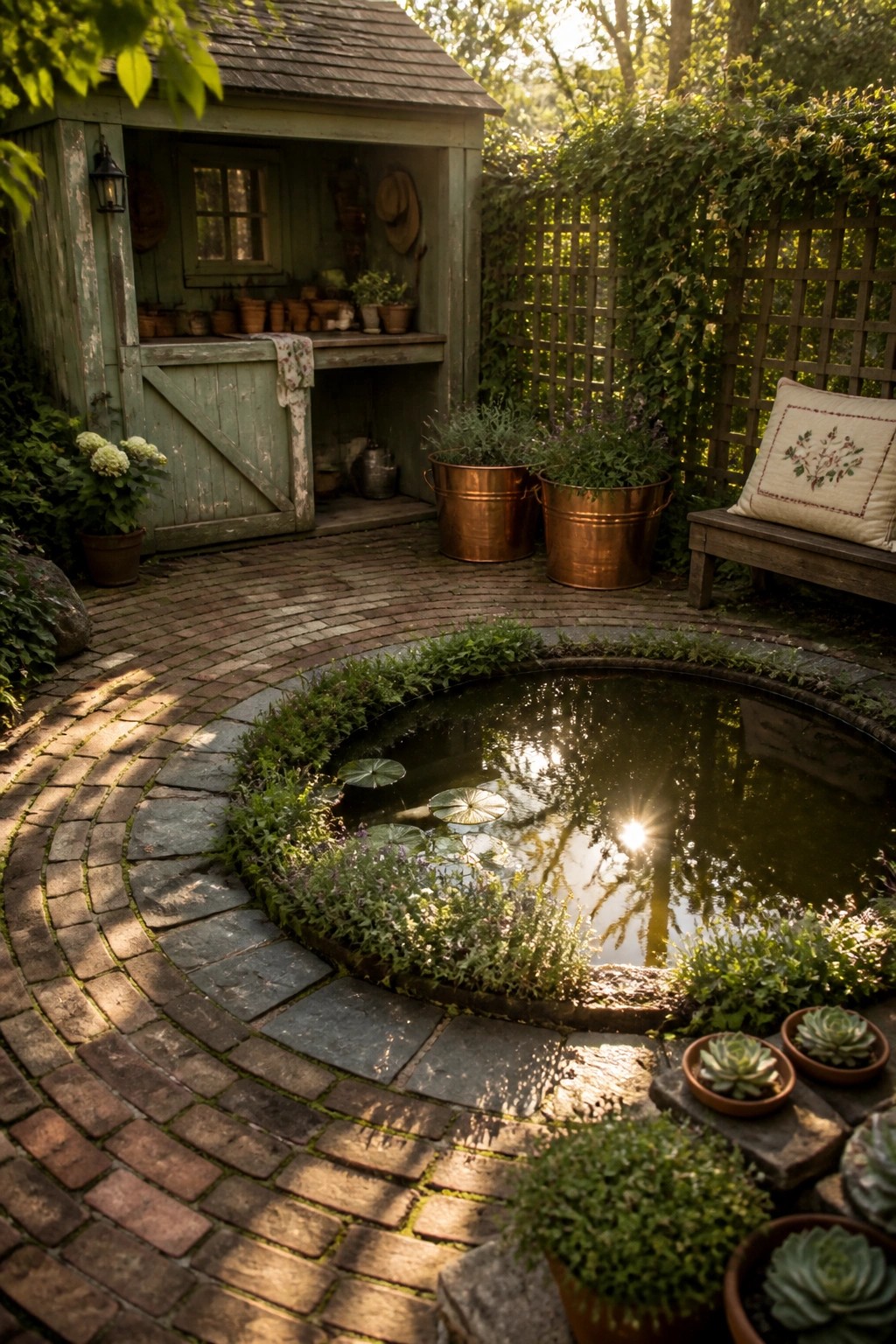
A curved brick path gives a garden an easy, natural flow that straight lines rarely manage. When the path wraps around a small pond it turns the water into a quiet centerpiece and lets the surrounding plants soften the edges without looking planned.
This works best in modest cottage gardens where space feels tight. Use the same brick for both the path and any nearby edging so the whole layout stays simple and connected.
Winding Paths Through Flower Borders
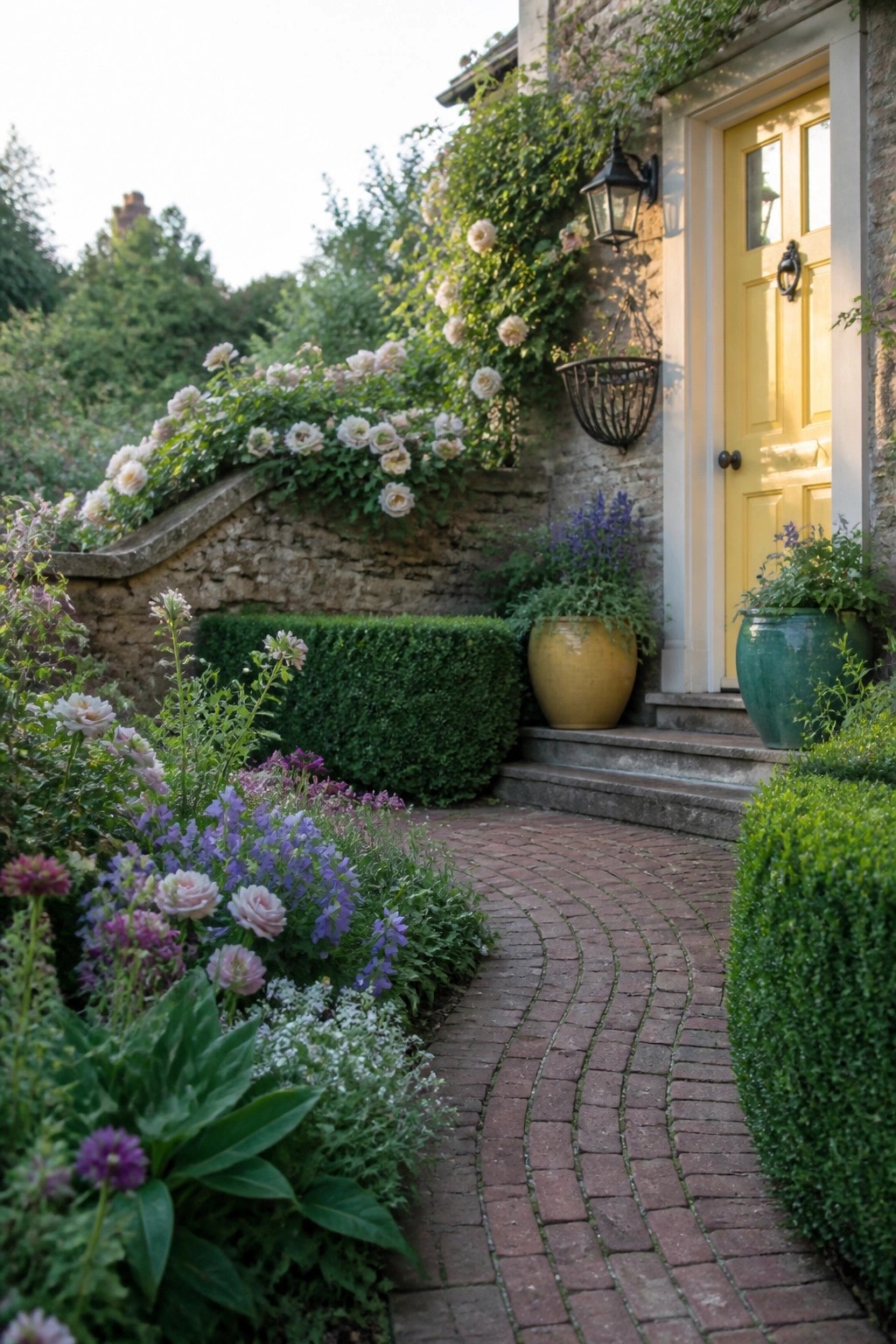
A curved path gives a cottage garden its relaxed feel. It slows the walk and lets the eye move from one bloom to the next instead of rushing straight to the door.
This layout works best in smaller front yards or along the side of a house where space feels tight. Keep the borders deep and a little untidy so the path appears to thread through the plants rather than divide them.
Curved Raised Beds For Gentle Paths

Curved raised beds let a garden path wind in a relaxed way instead of running straight through. The shape makes the space feel larger and more inviting because the eye follows the curve instead of stopping at a hard line.
This layout works best in smaller cottage gardens where you want easy access to the plants without wasting space on wide walkways. Keep the curves gradual so the beds stay simple to build and weed.
Let a Curved Path Shape the Garden
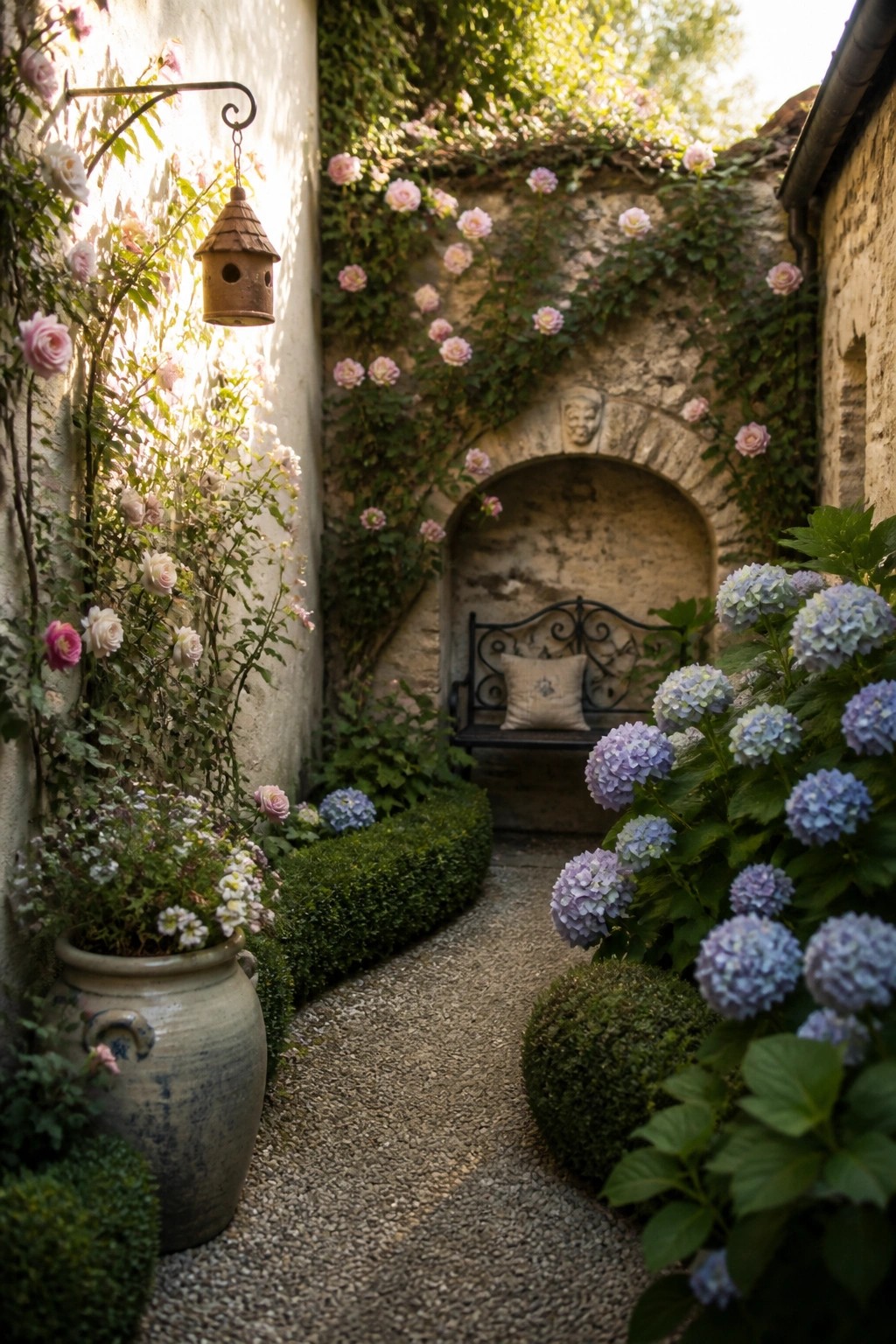
A curved path keeps a garden from feeling like a straight line from one end to the other. It slows the walk and gives the planting more room to show off without crowding the space.
Gravel works well for this because it feels soft underfoot and settles into gentle bends easily. Keep the edges loose so the flowers can spill over, and let the path lead toward a simple seat or focal point at the far end.
Curved Paths For A Softer Look

A gentle curve in a garden path breaks up the straight lines that can make a space feel stiff. It slows the eye and makes the walk feel more natural as the border plants change along the way.
This works especially well in smaller cottage gardens where you want the beds to feel full without crowding the route. Keep the edges planted with a loose mix of heights and let a few flowers spill over the stones so the path reads as part of the planting rather than a separate line.
An Outdoor Kitchen Under a Pergola

An outdoor kitchen gives you a place to cook without going back inside, and the pergola overhead makes the whole area feel settled. It turns a simple path into a spot where meals happen right among the plants.
This works best in gardens that already have some structure, since the wood frame and brick base blend in without looking too new. Keep the counters clear and use simple hooks for tools so the space stays easy to use through the seasons.
Gravel Paths Keep Cottage Gardens Feeling Natural
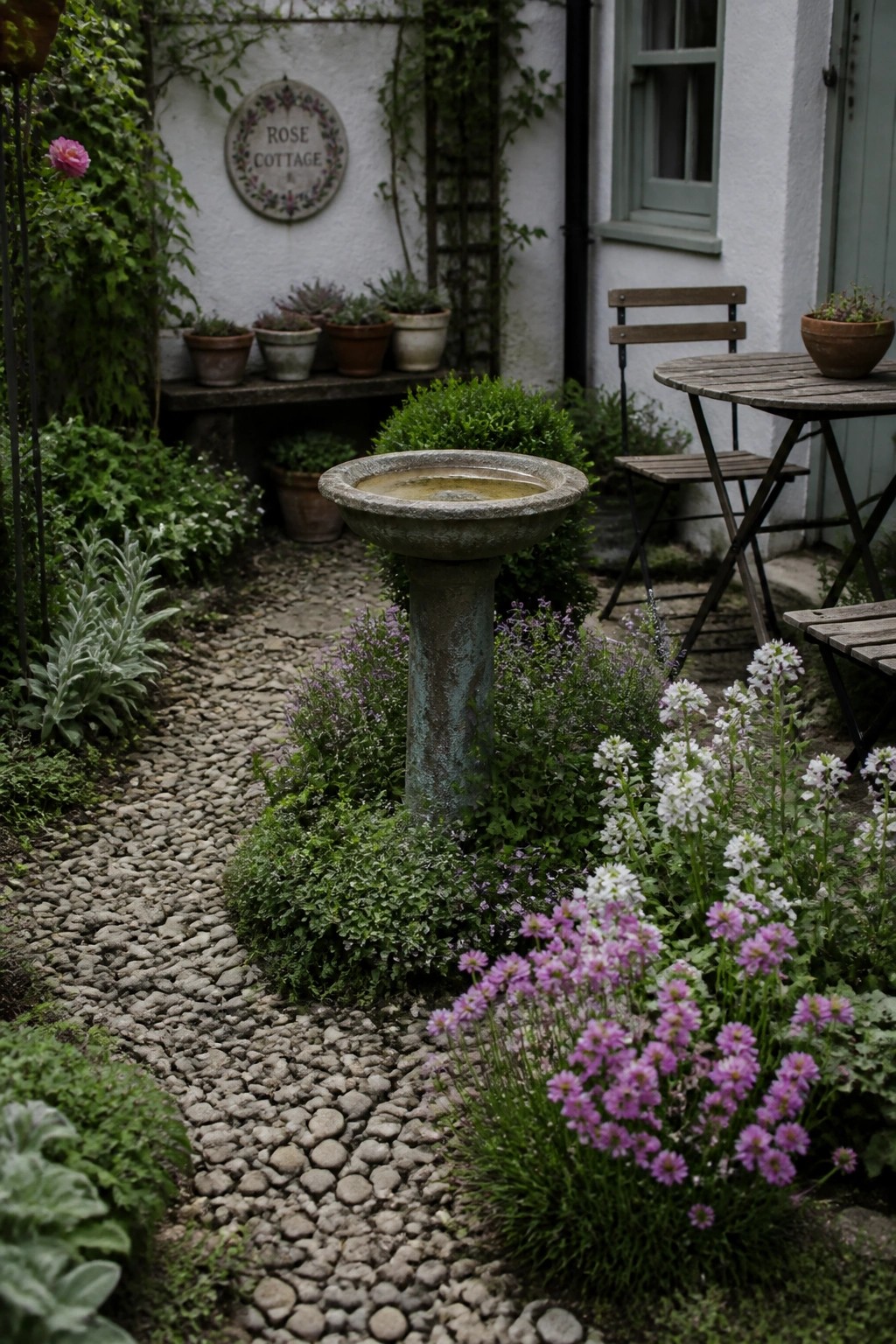
A gravel path gives cottage gardens an easy, relaxed structure without looking too formal. It lets the planting come right up to the edges so flowers and foliage can spill over naturally, which adds to the overall charm.
This approach works especially well in smaller gardens where you want to link different areas without taking up much space. Keep the path a comfortable width for walking and add a simple border if the gravel tends to drift into the beds over time.
Curved Paths Add Flow to a Cottage Garden

A gently curving path keeps the garden from feeling too rigid. It invites you to slow down and notice the planting on either side instead of rushing straight through.
Brick or stone laid in a soft arc works especially well in smaller yards where straight lines can feel cramped. Keep the edges low and let flowers spill over slightly so the path feels like part of the planting rather than a separate line.
Curve Paths Through Flower Borders
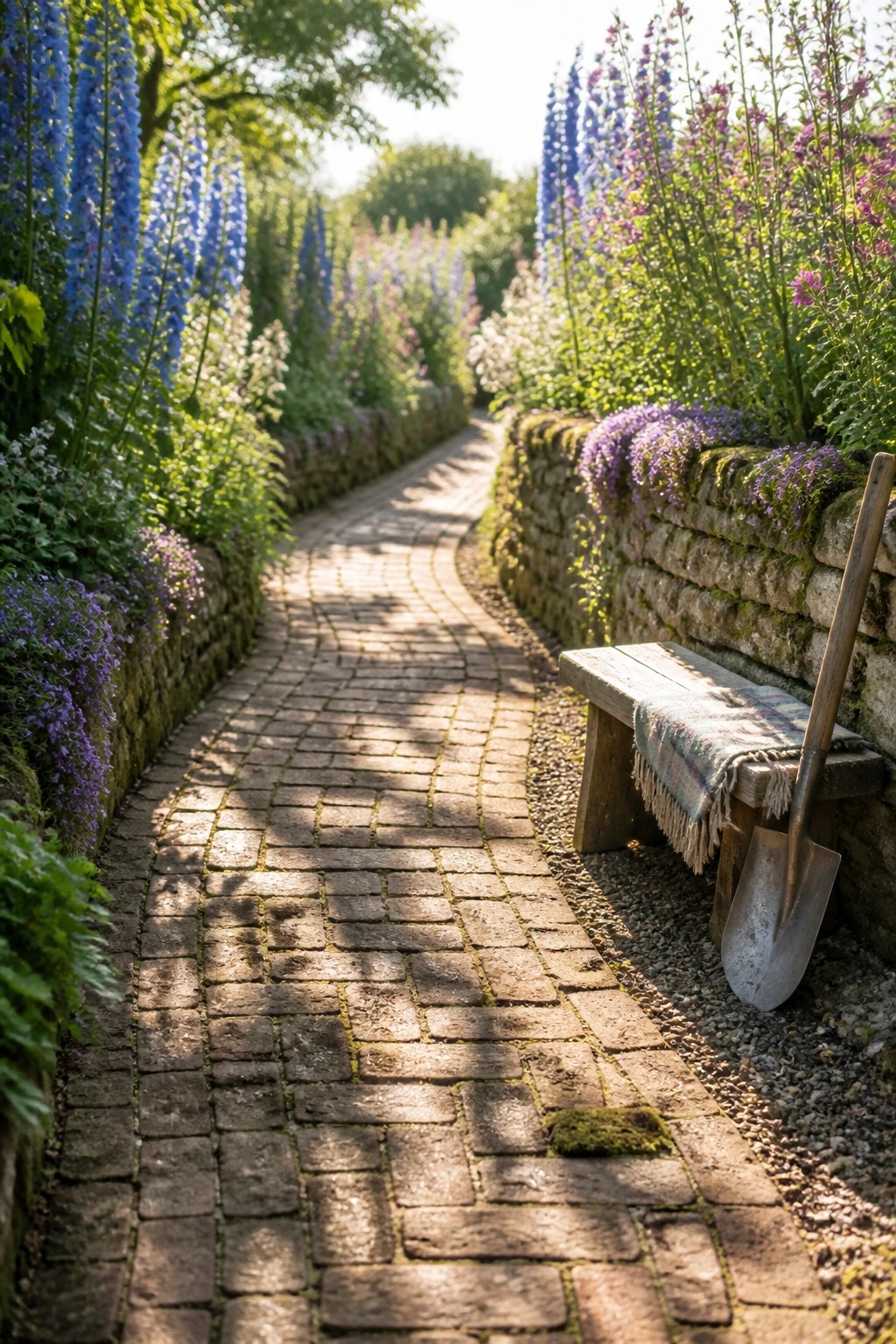
A gentle curve in a garden path makes the space feel larger and more relaxed. It draws the eye forward without rushing straight through, which fits the loose, layered planting that defines cottage style. Brick or stone laid in a slight bend works especially well when tall flowers line both sides.
Try this approach along the side of a house or in a long narrow yard where a straight line would feel too formal. Keep the edges soft with spilling plants rather than hard borders, and choose a material that matches the age of the house. The path then becomes part of the planting instead of cutting through it.
Curved Paths Between Raised Beds
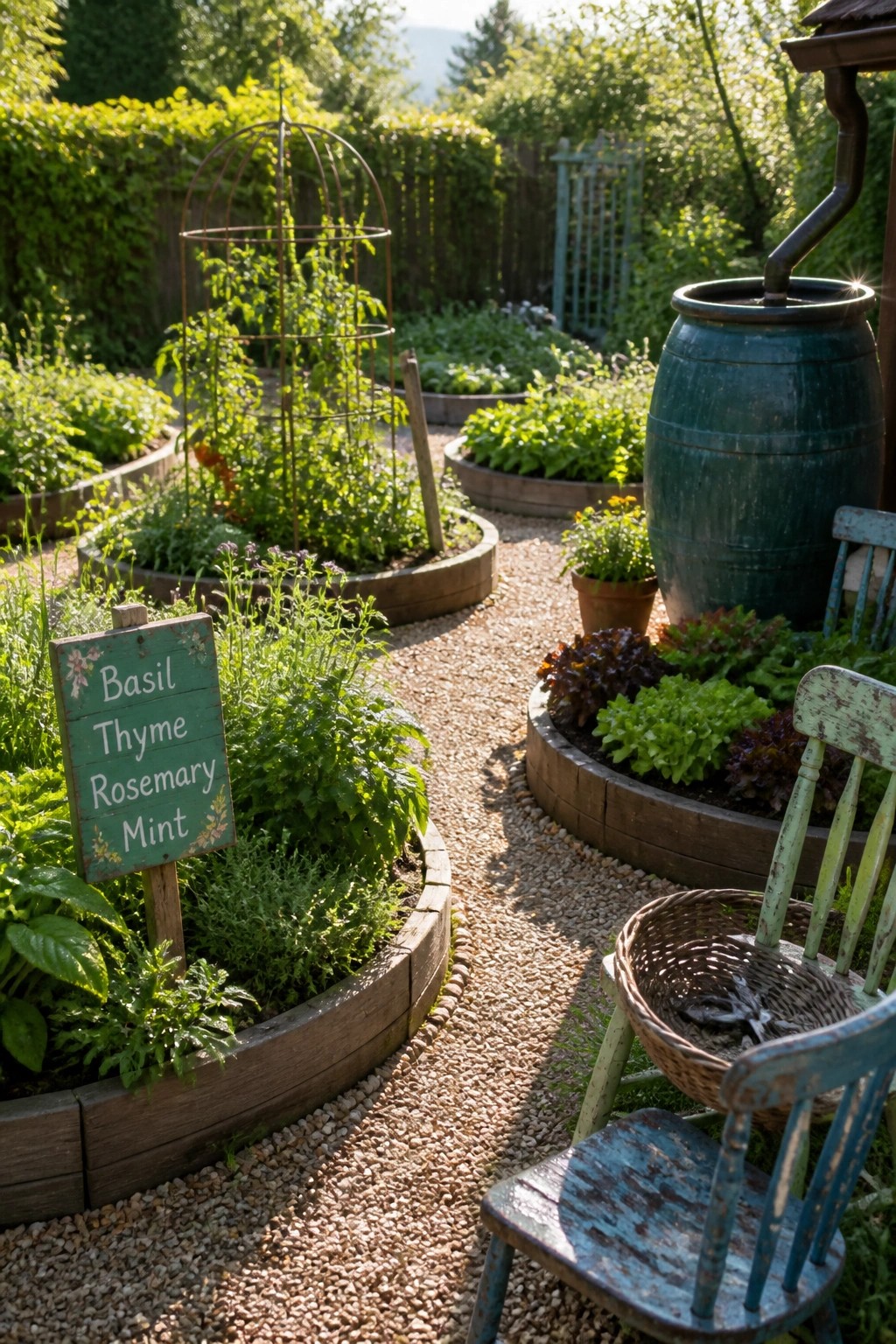
Curved paths give a garden a softer flow and make it easier to reach every bed without cutting sharp corners. The gravel surface keeps things simple underfoot and helps the whole layout feel relaxed rather than planned out in straight lines.
This approach suits smaller or medium yards where you want to stretch the sense of space. Keep the beds low and rounded, then let the path follow their shape instead of forcing a grid.
Winding Gravel Paths
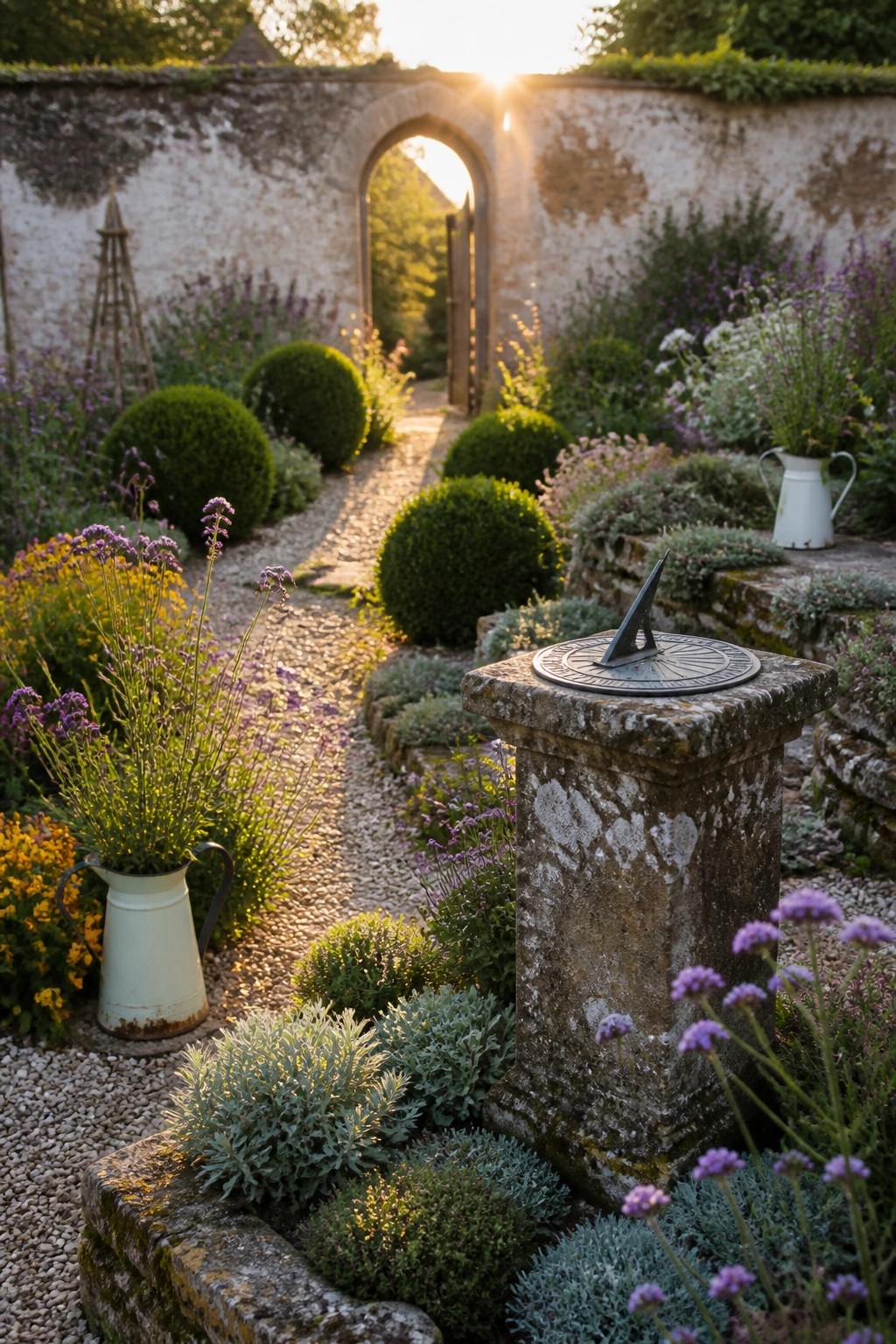
A winding gravel path gives a cottage garden its relaxed shape. It lets beds curve naturally instead of forcing straight lines, so flowers and shrubs can spill over the edges without looking messy.
This layout works best on smaller or uneven lots where a straight path would feel stiff. Keep the gravel light in color and add a few low plants right at the edge so the path feels part of the planting rather than separate from it.
Planting Tall Flowers Along Garden Paths
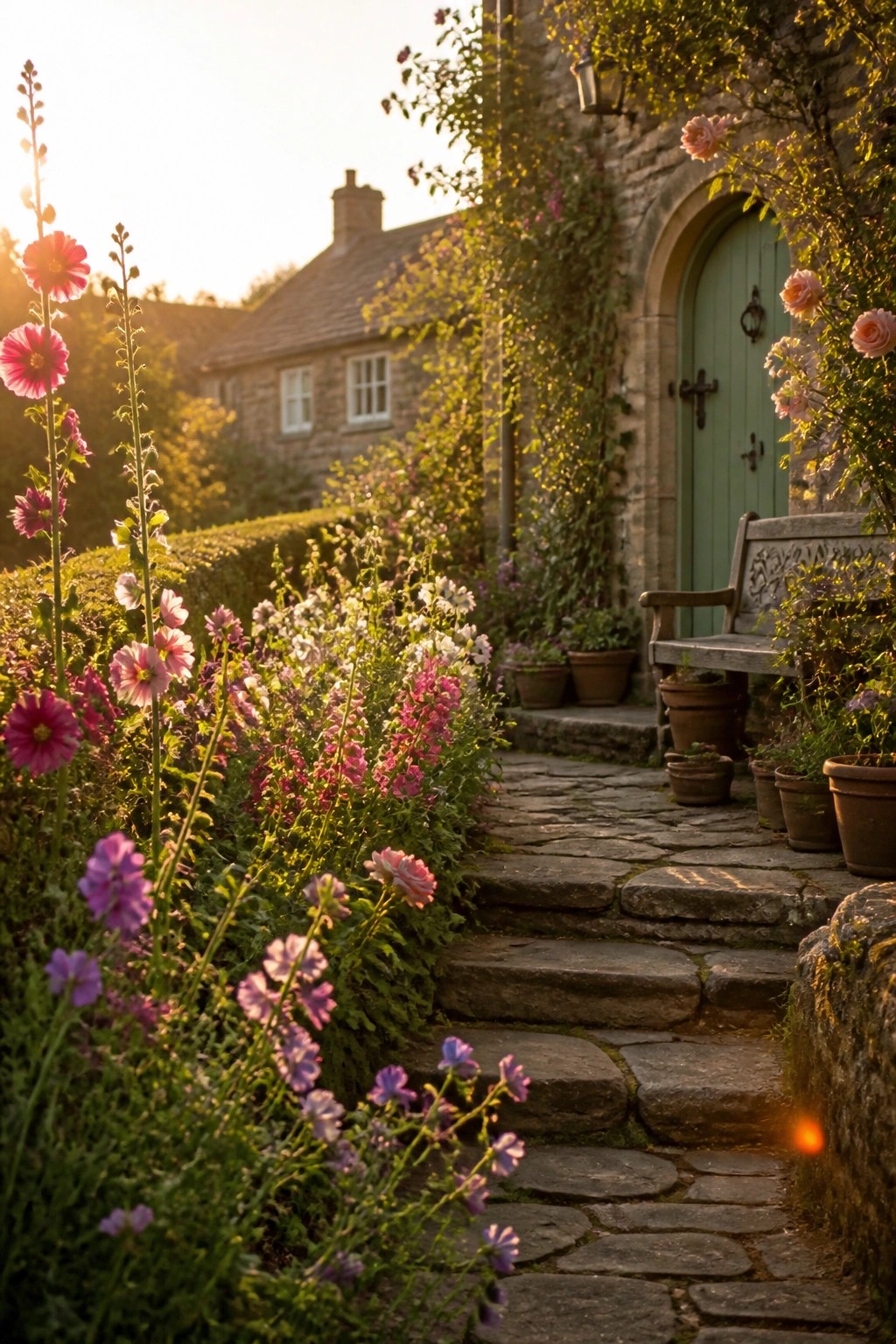
Tall flowers placed right along the edges of a path make stone steps feel softer and more welcoming. The height adds layers that guide you forward without needing lots of different plants or complicated layouts.
This approach suits older cottages or homes with existing hardscape that already has some texture. Pick varieties that bloom at staggered heights so the path stays easy to walk while still looking full.
Curved Paths For Cottage Gardens

A curved path gives the garden a gentler layout than straight lines. It lets beds and borders follow a more natural shape and makes even a small space feel like it has more to discover.
This approach works best where flowers already spill over the edges. Mix a few different paving materials so the path sits comfortably among the pots and beds instead of cutting across them.
Curved Paths Through Flower Beds
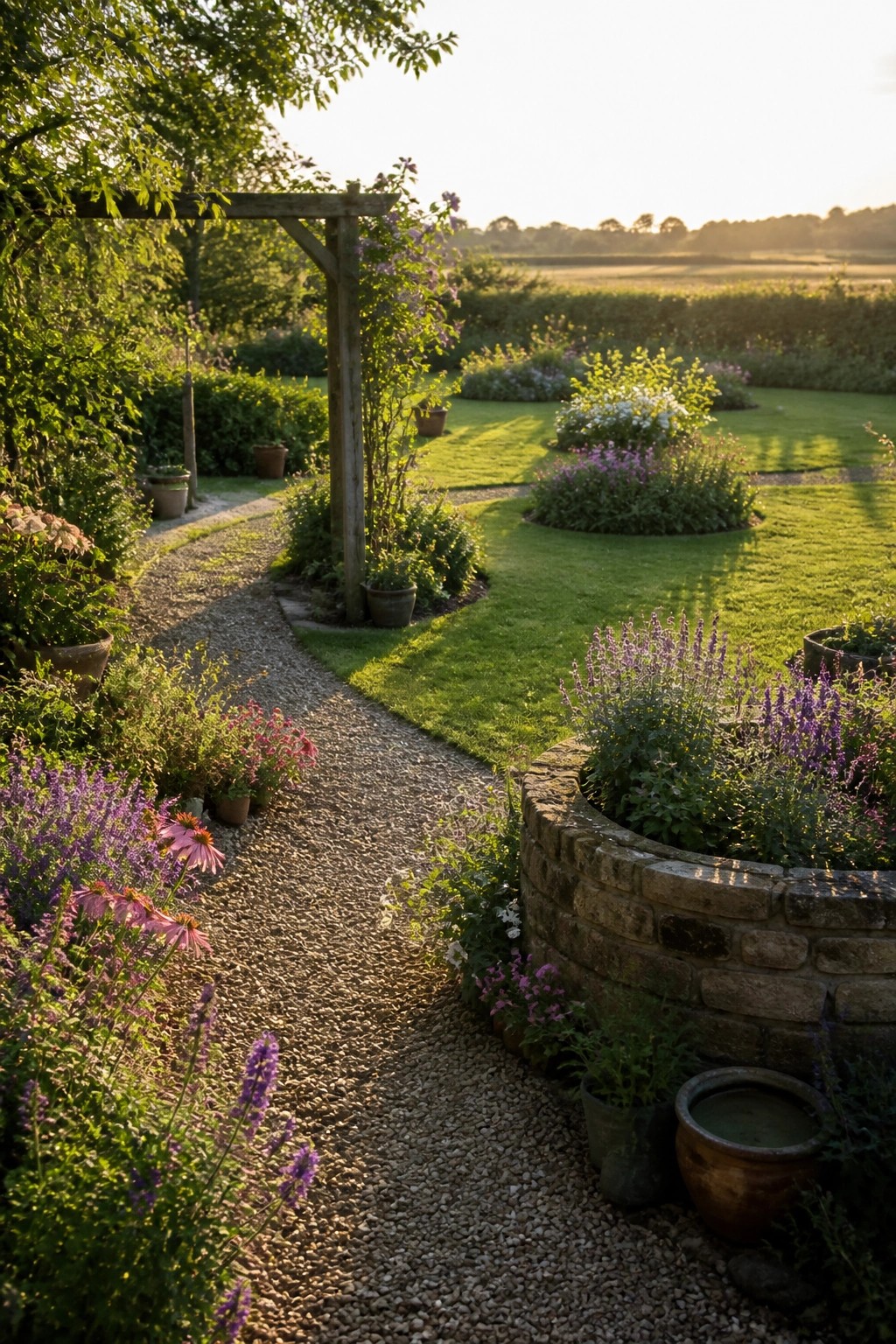
A gentle curve in a garden path makes the space feel more relaxed and inviting. Straight lines can look too formal, while a soft bend encourages you to slow down and notice the plants as you walk.
Gravel works well for this kind of path because it feels casual and drains easily. Keep the beds wide so flowers can spill over the edges without crowding the walkway, and place taller plants toward the back to create layers.
Frequently Asked Questions
Q: How do I lay out curved paths so they feel natural instead of stiff?
A: Walk the space first and let a hose or rope show you where your feet naturally want to wander. Mark those lines lightly with spray paint before you dig. The curves will guide visitors without any extra signs or borders.
Q: What if my yard gets mostly shade but I still want that full cottage flower look?
A: Focus on plants like foxgloves, bleeding hearts, and ferns that thrive without direct sun. Tuck them along the edges of your paths so the blooms catch what light does reach them. Add a few light-colored vintage containers to bounce extra brightness around the space.
Q: How do I keep vintage pieces from making the garden feel cluttered?
A: Choose just two or three items that already suit the scale of your beds. Set an old milk can or gate section where it can lean into the plants instead of sitting alone. The flowers will soften everything so the charm stays without extra effort.
