


I’ve found that garden areas start to feel like an extension of the house only when the pieces already on hand get rearranged in ways that match how the space gets used day to day.
Many people end up with setups that look fine in photos but turn out awkward once chairs and tables need to move around for actual meals or gatherings.
Repurposed items tend to blend in better because they already carry some of the weather and wear from being outside.
Testing one at a time helps.
That way I can see which ones actually last through rain and sun before adding more.
Mount A Shelf To Hang Plants On The Wall
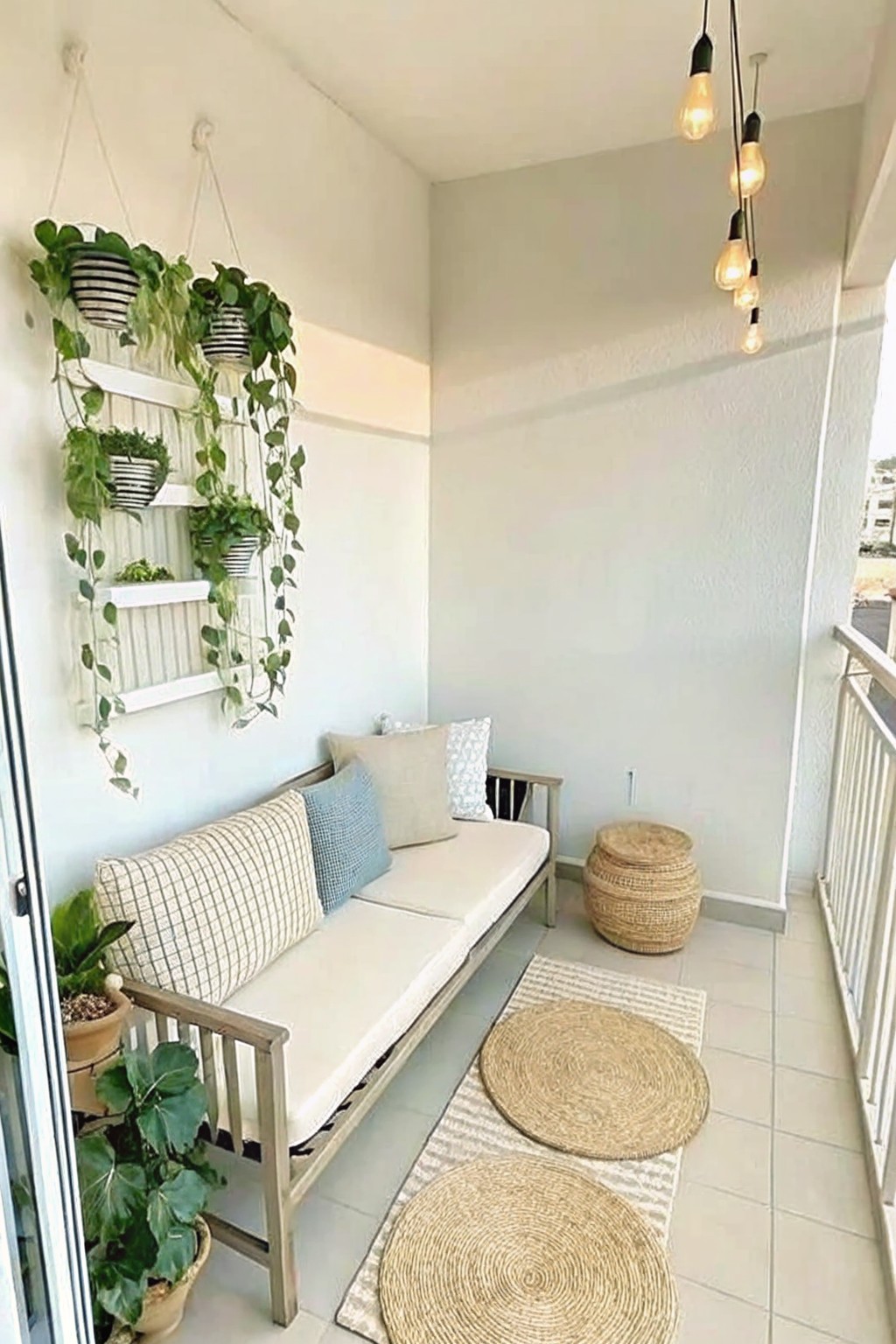
A wall shelf gives you an easy way to bring plants into a small balcony without taking up floor space. It turns an empty vertical area into a spot for trailing greenery while keeping the seating area open and usable.
This works best on balconies or patios with a solid wall nearby. Use any sturdy shelf you already have and hang pots from it with simple rope or hooks. Just check that everything is secure before loading it with soil and plants.
Repurpose an Old Boat as a Garden Planter
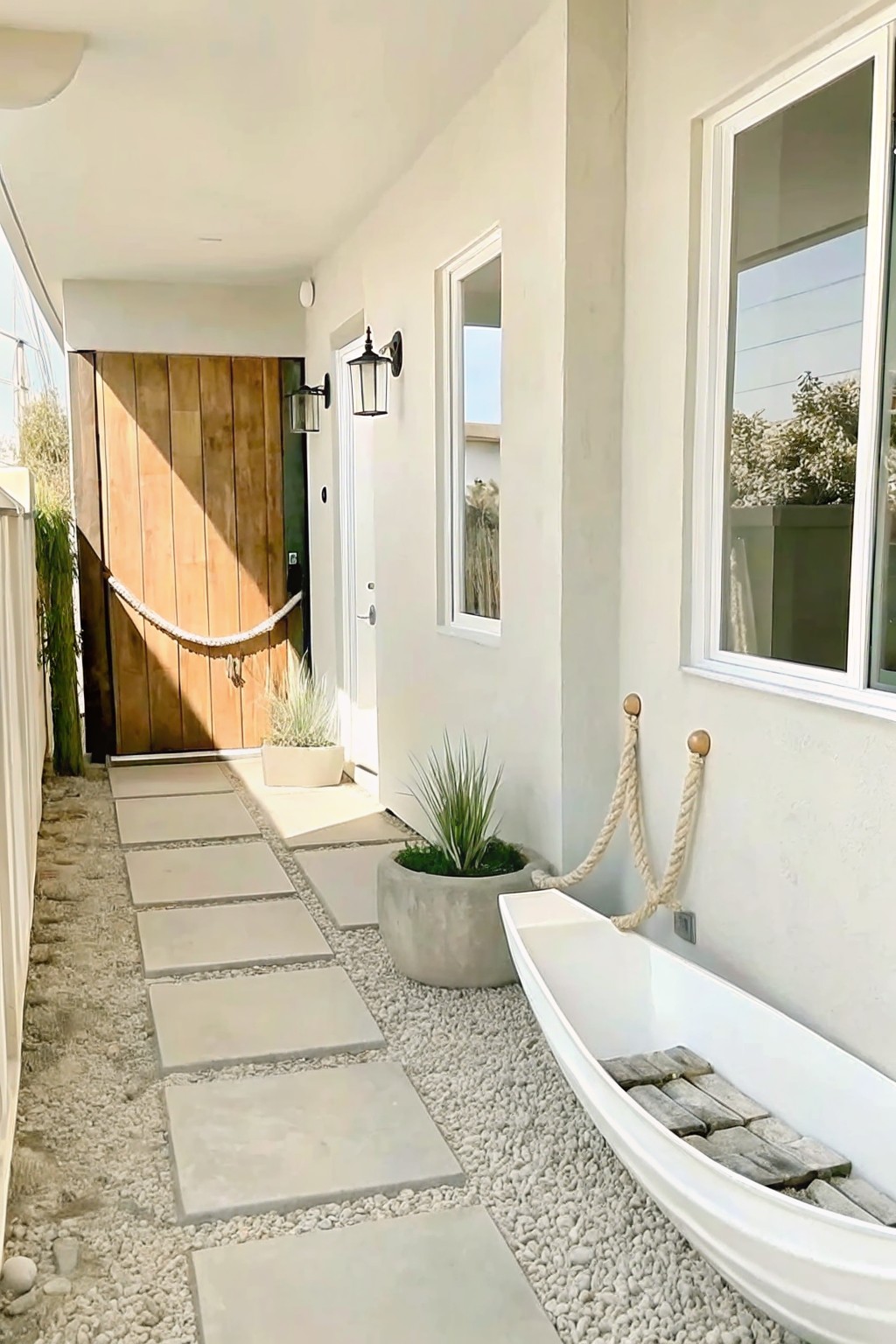
An old boat makes a simple and practical planter for a garden path or side yard. It brings height and shape to the space without needing new materials, and the curved form stands out against gravel and flat pavers.
Set the boat on a stable base and fill the bottom with drainage material before adding soil. This works best in narrow outdoor areas where you want one focal point rather than lots of small pots. Make sure the wood is sealed if you plan to keep it outside year-round.
Repurpose An Old Metal Grid For Vertical Plants
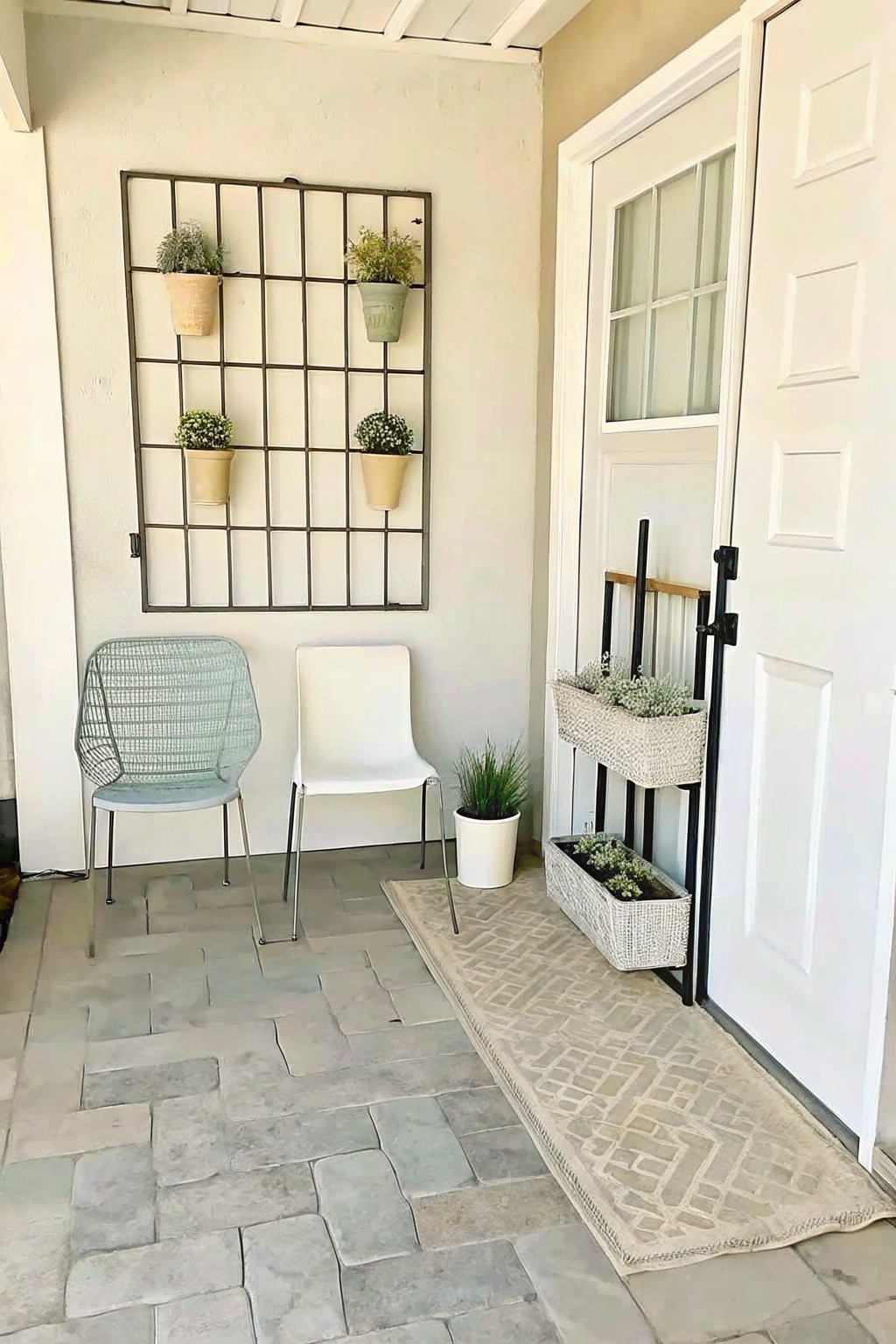
Hanging small pots on a wall grid keeps plants off the floor and makes good use of an otherwise plain wall. This approach works well on porches or covered patios where you want greenery without crowding the walkway or seating area.
Find a sturdy metal grid or similar frame at a salvage spot and mount it with simple brackets. Add a few potted plants using hooks or wire, and the display stays easy to change with the seasons. It suits smaller outdoor spaces that still need a bit of life without a full garden bed.
Repurpose An Old Chair As A Container Stand
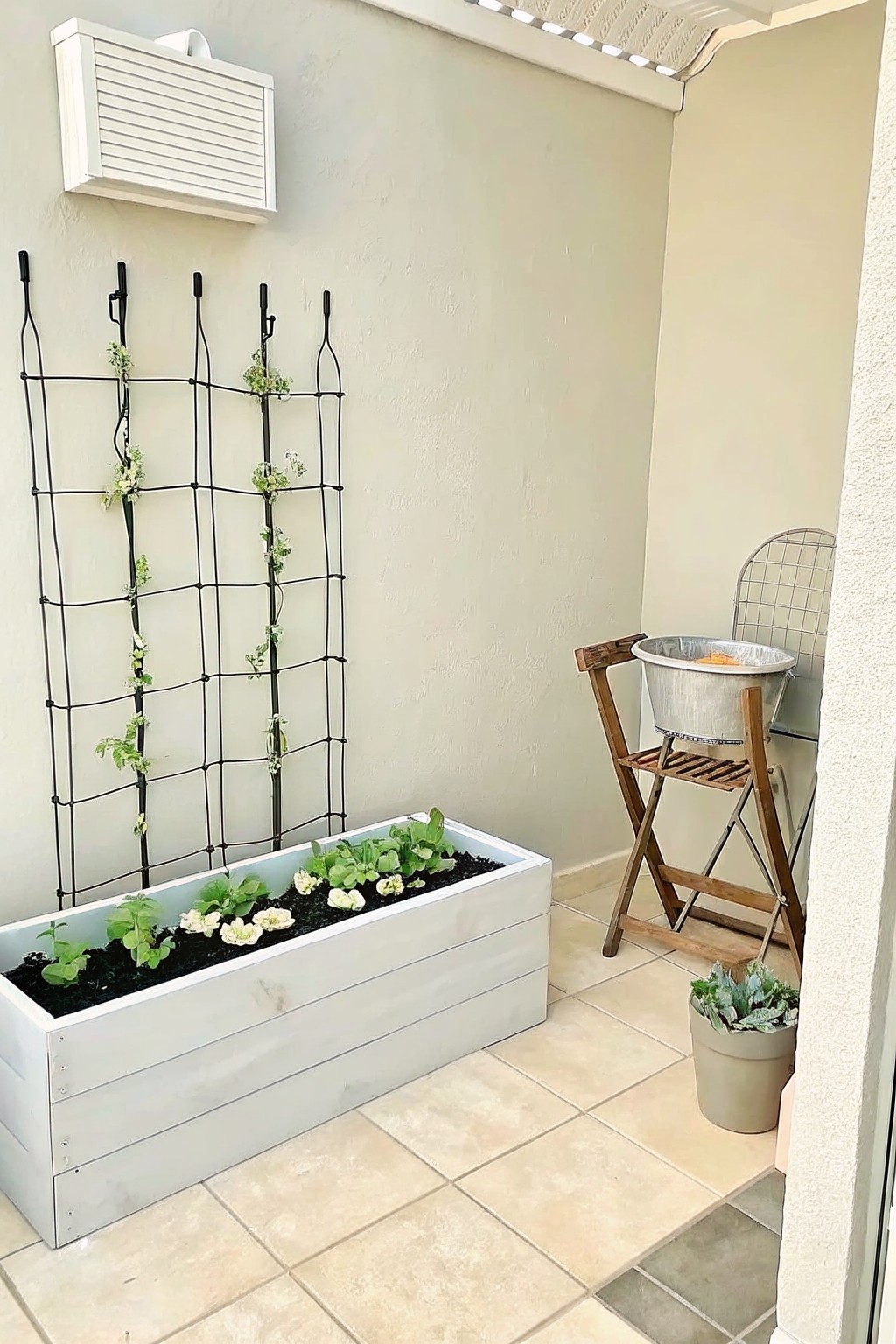
An old wooden chair can easily become a stand for a big tub or pot on a patio. It lifts the container off the ground, keeps it stable, and gives the space a bit more structure without buying anything new.
This setup works best on a small covered patio or balcony where floor space is limited. Choose a sturdy chair that can handle some weight, and set it against a wall so the arrangement stays simple and practical.
Use A Wooden Crate As A Porch Side Table
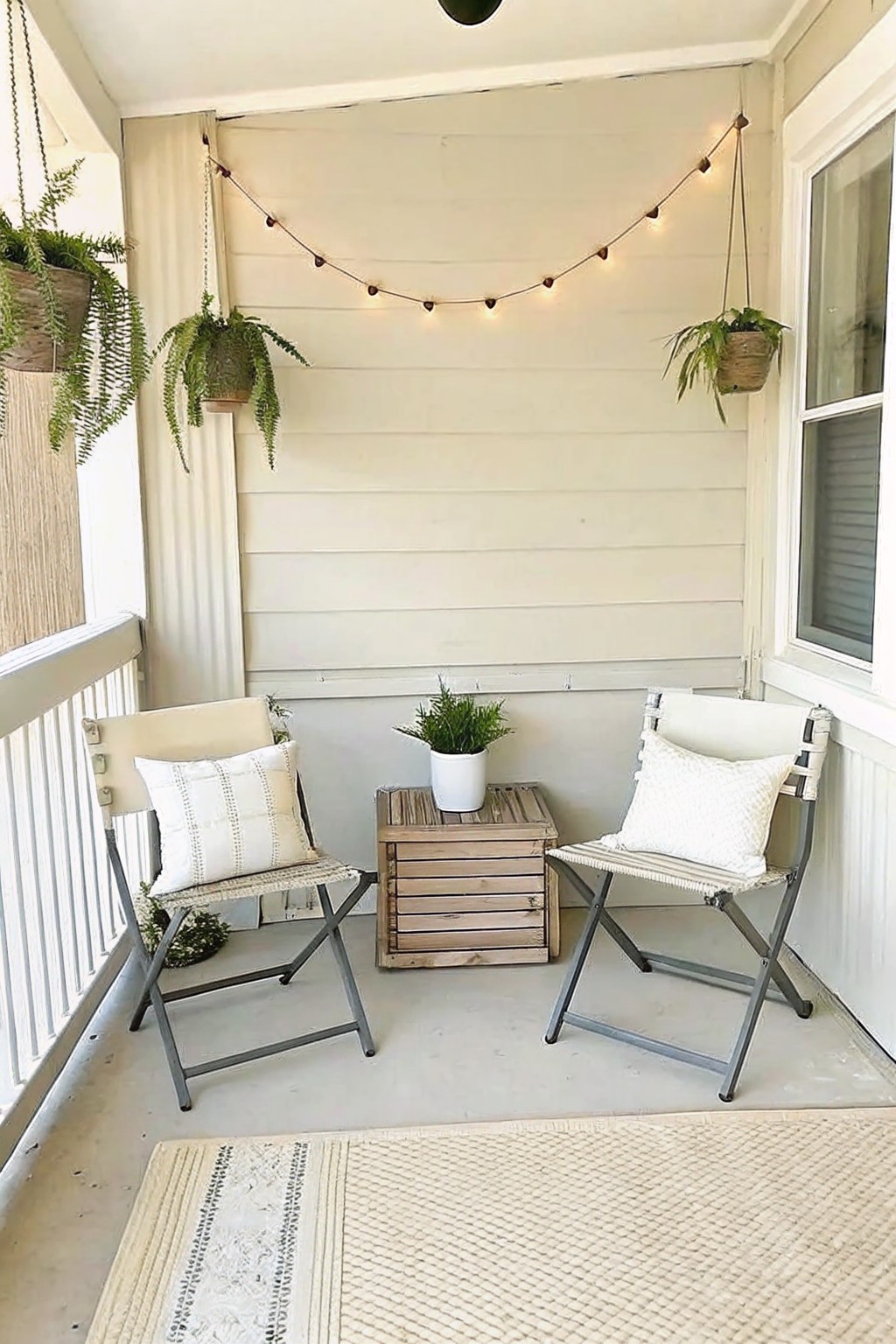
A wooden crate works well as a side table on a small porch because it is sturdy enough to hold a plant or a couple of glasses and costs nothing if you already have one around. It slots neatly between two lightweight chairs and keeps the seating area feeling open instead of crowded.
This idea suits porches or balconies that get some cover from rain. Sand the crate first and add a quick coat of exterior sealer if you want it to last more than one season.
Lean an Old Ladder for Vertical Storage
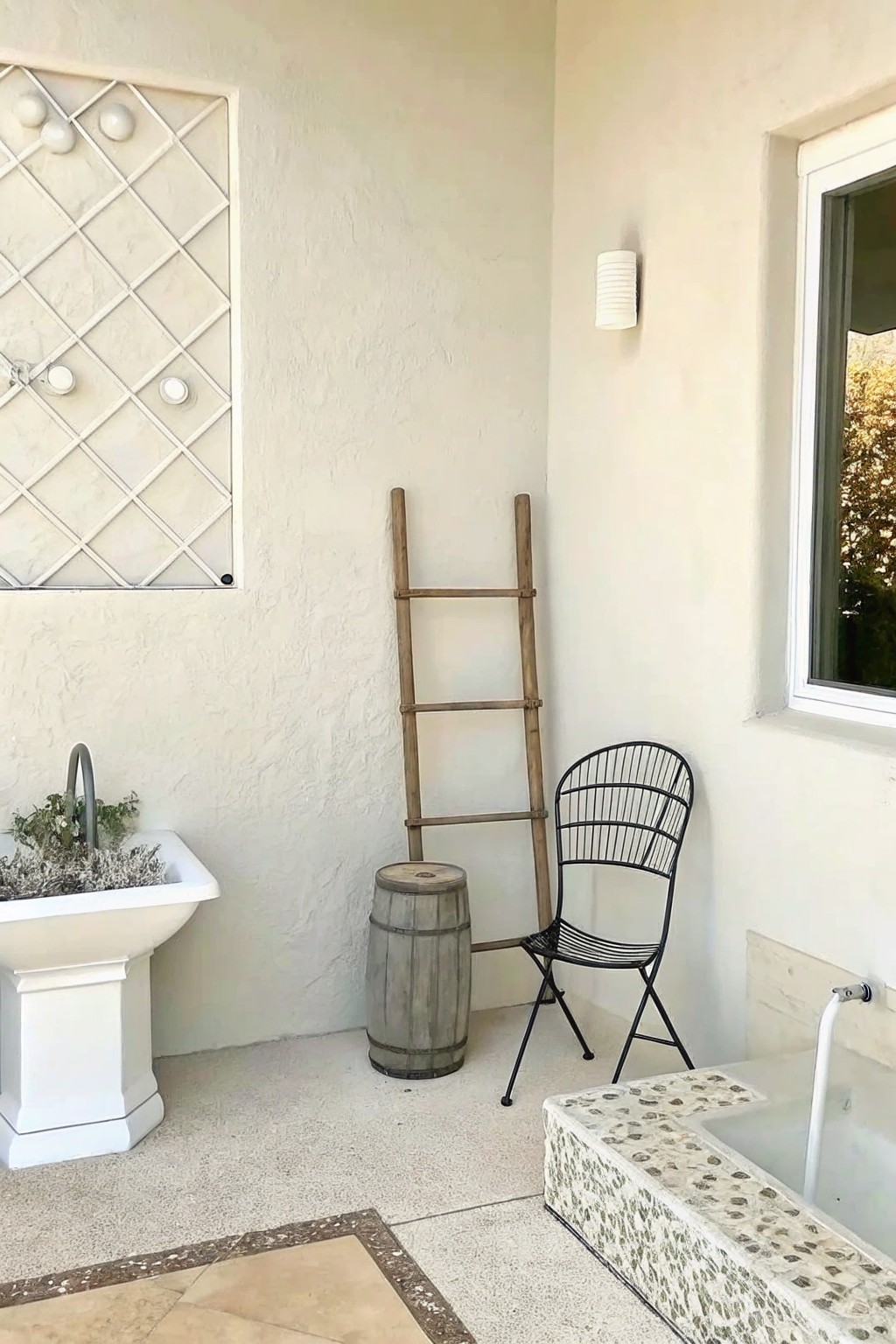
An old wooden ladder gives an outdoor space some height without taking up floor room. It works as a simple backdrop that feels natural and adds a place to hang tools, towels, or even small pots.
This idea fits a patio or garden corner where you already have a sink or seating. Just make sure the ladder is stable and the rungs are not too worn if you plan to use them for hanging anything heavy.
Build Benches From Reclaimed Wood
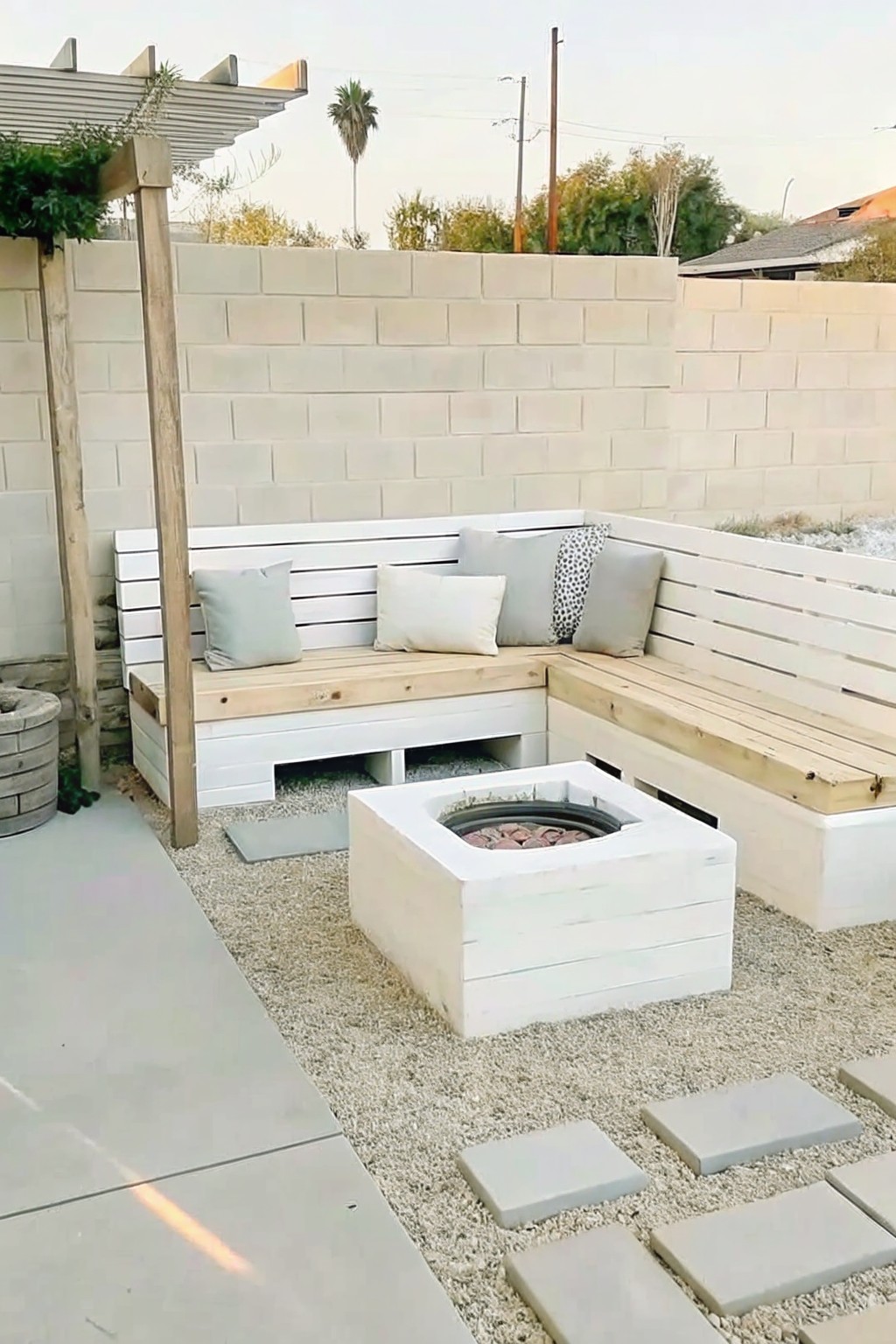
One simple way to add seating around a fire pit is to build benches from old fence boards or pallet wood. The material is cheap or free, and the benches can be sized to fit the space exactly.
This works well in small yards where you want a defined spot to gather without spending much. Paint or seal the wood so it lasts through rain and sun.
Wooden Crates as Simple Garden Planters
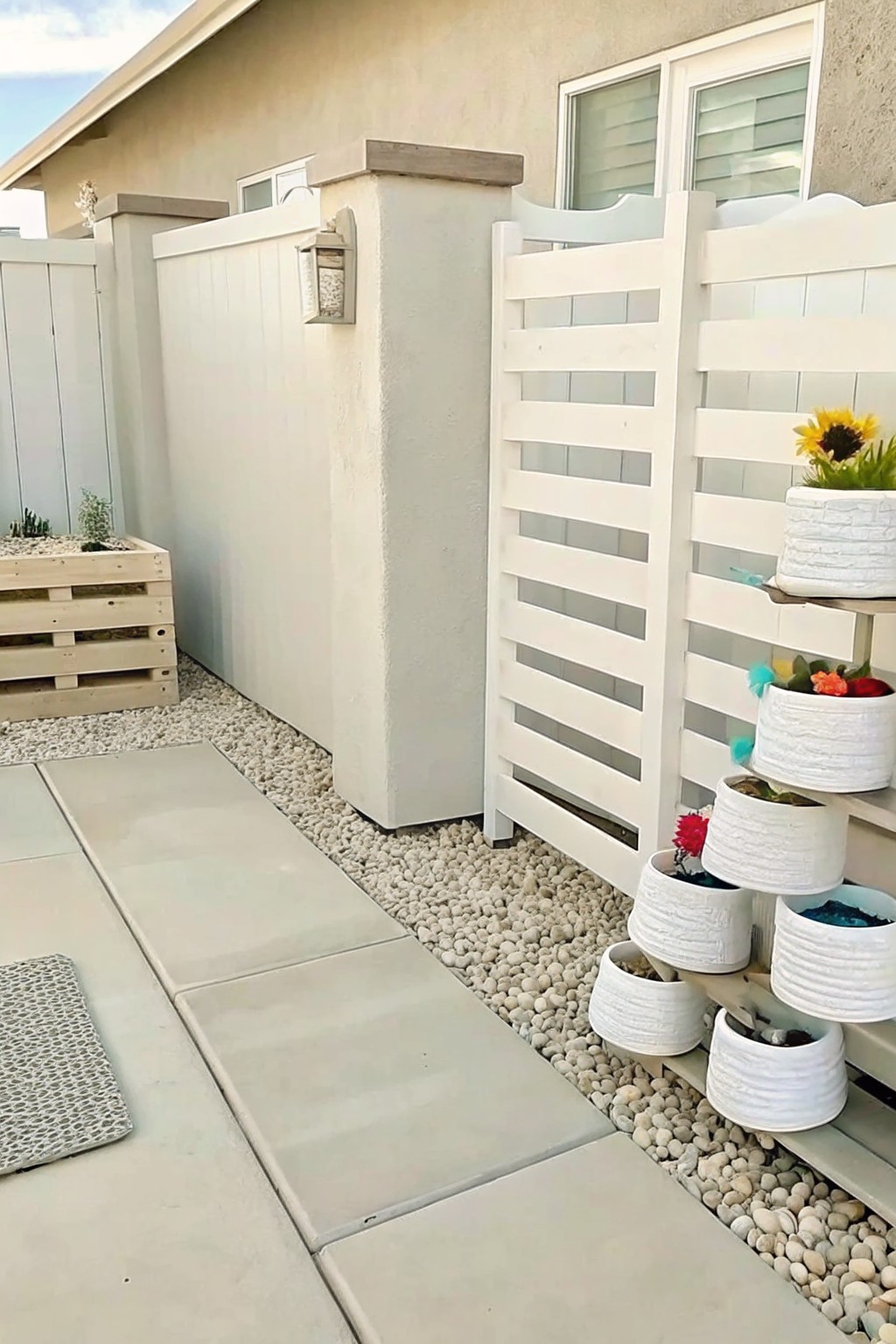
Many people reach for an old wooden crate when they want a quick raised planter without buying new materials. The crate gives height and structure along a gravel path, and the wood blends in with the surrounding ground cover.
This approach works best in narrow side yards or along fences where a full bed would take up too much space. Set the crate on landscape fabric, add soil, and plant whatever suits the light. It stays affordable and can be moved later if your layout changes.
Repurpose an Old Garden Trellis Indoors
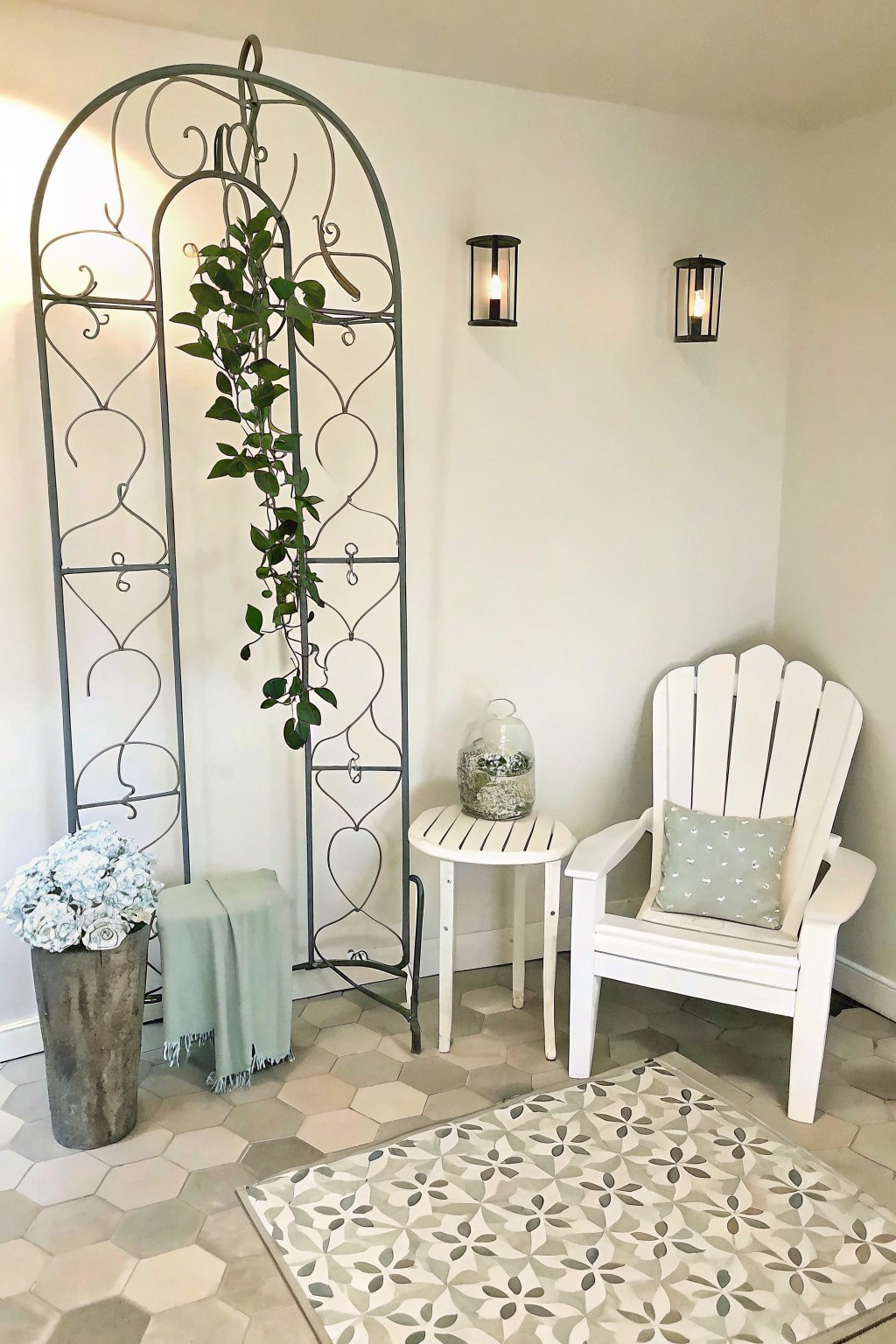
One simple way to get more use from old garden pieces is to bring a metal trellis inside and stand it against a wall. It adds height and a bit of structure in a space that might otherwise feel flat, and it costs nothing if you already have one sitting outside.
Lean it in a corner where a plant can climb the rungs, or place it near seating so the shape stands out. This works best in rooms with plain walls and some natural light, and it keeps the look casual rather than overly styled.
Use Stacked Blocks as Plant Stands
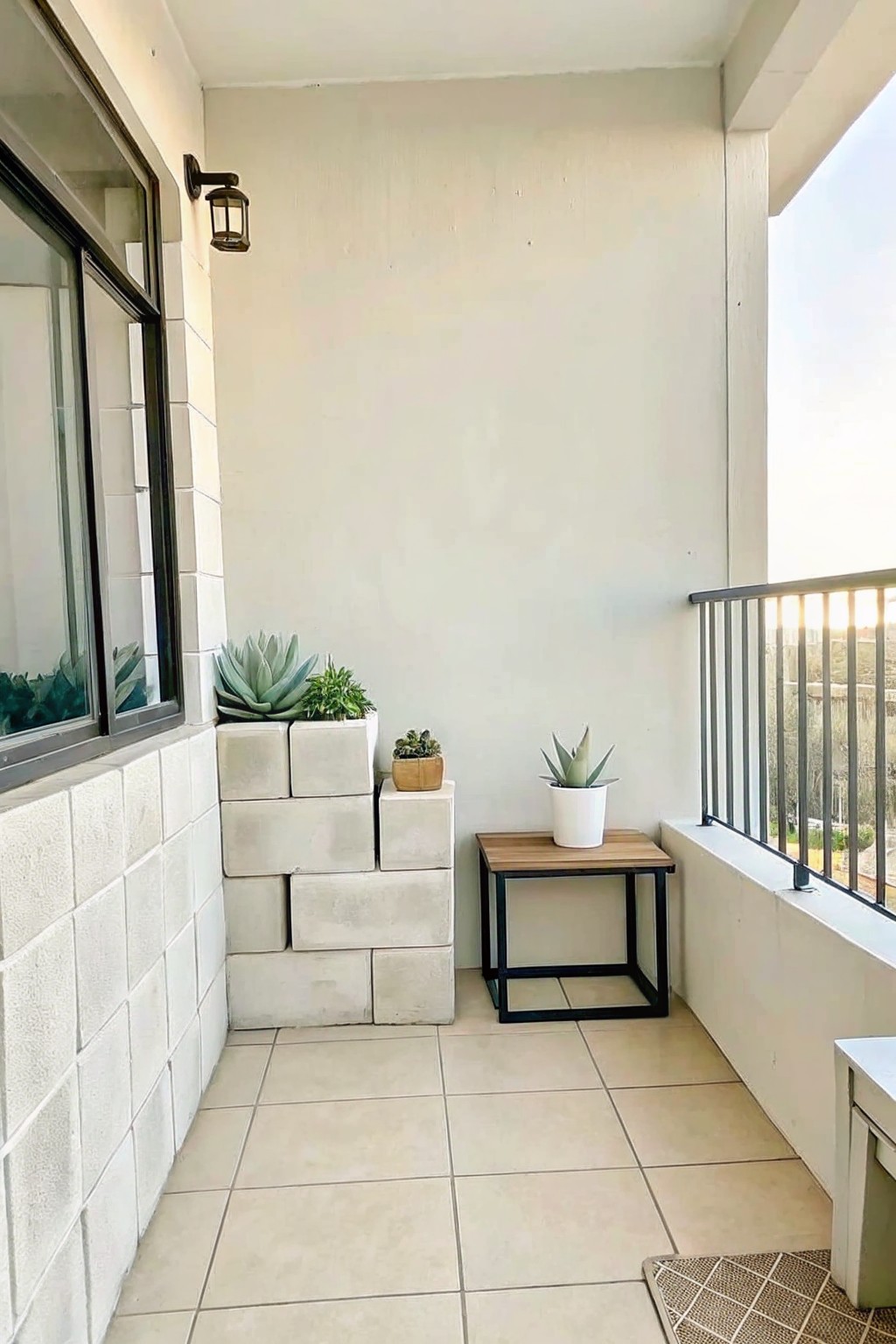
Concrete blocks make a simple and cheap way to lift plants off the ground on a balcony or patio. They stack easily, hold steady, and give you a few different heights without spending much. Many people already have leftover blocks from other projects, so this keeps things practical.
Place them in a corner or along a wall where you want a bit more height for succulents or herbs. A small wood top on the blocks can turn the stack into a low table too. This works best on small outdoor spaces that need flexible, movable displays.
Edge a Patio With Wooden Planter Boxes
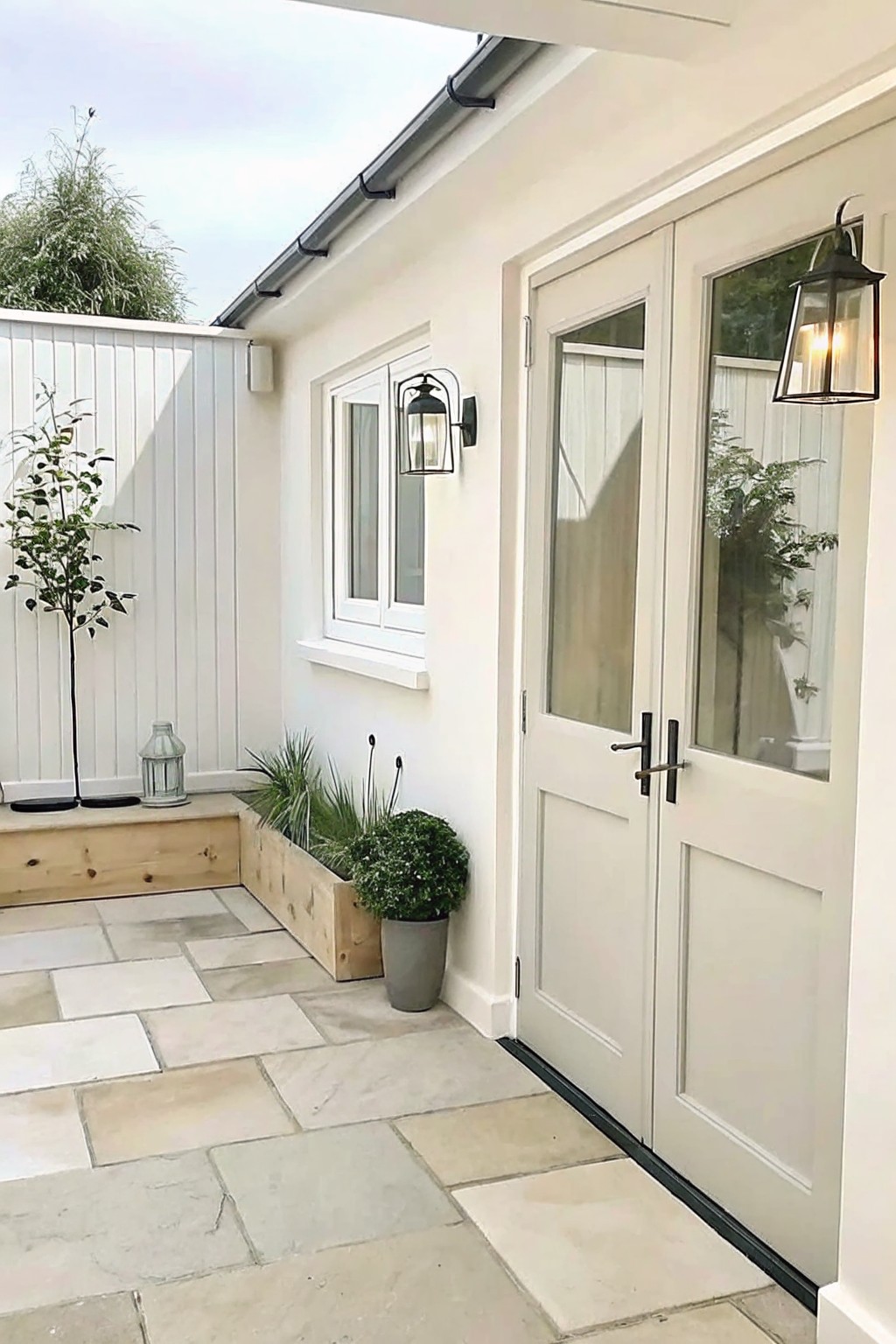
Wooden planter boxes offer a simple way to add greenery without spending much. They work well along the edge of a stone patio, where they soften the hard surface and give plants a clear spot to grow. Many people make them from leftover fence boards or old decking, which keeps the cost low and fits the repurposed theme.
Place the boxes end to end to form a low border, then fill them with shrubs or taller plants that match the scale of the space. This setup suits small backyards or side yards where you want a tidy look without building permanent beds. Just make sure the wood is treated for outdoor use so it lasts.
Repurpose An Old Ladder For Vertical Plant Display
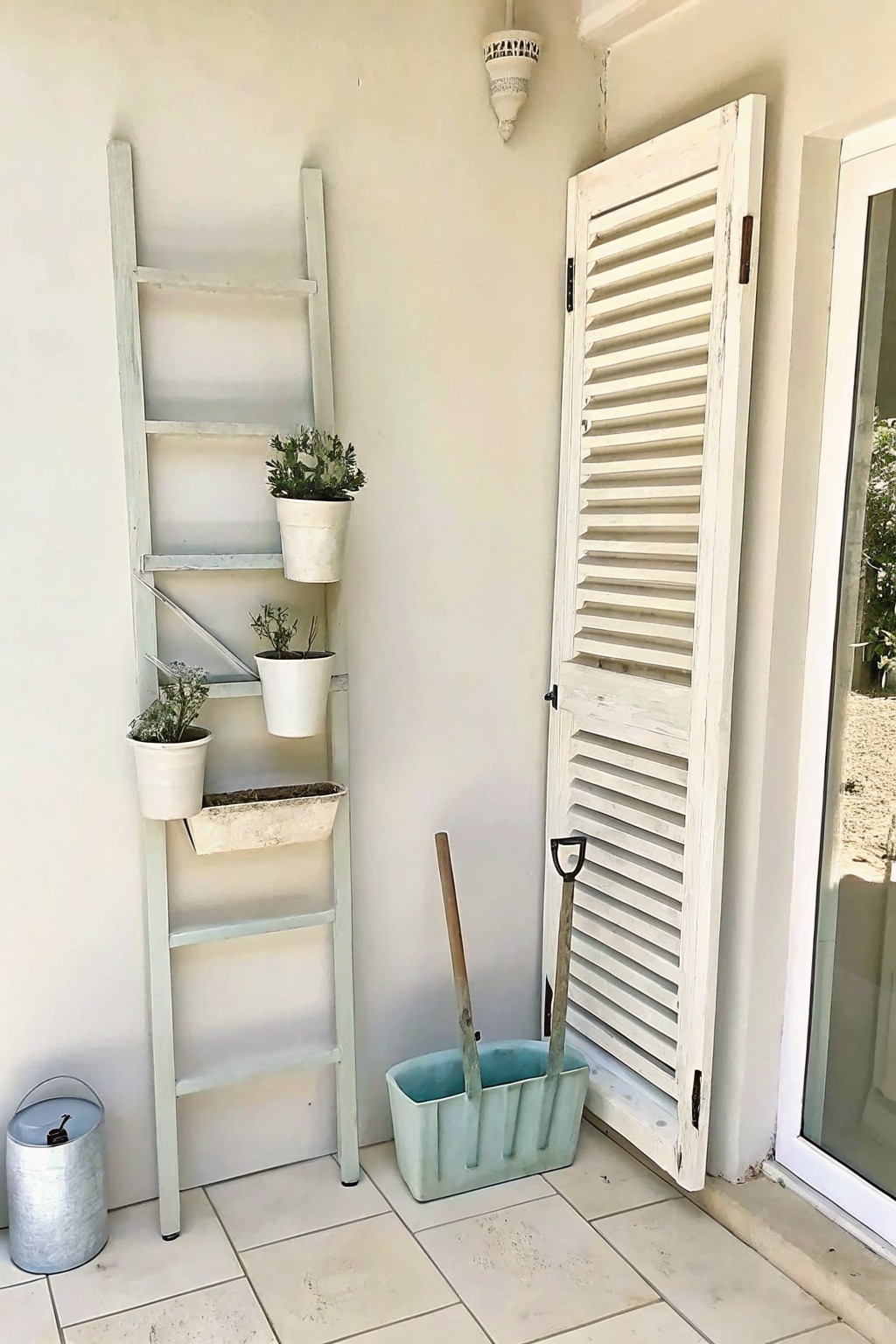
An old wooden ladder makes a simple vertical stand for plants on a porch or patio. Lean it against the wall and set pots on the rungs so the plants sit at different heights without crowding the floor.
This works best in small outdoor spots where you want more greenery but do not have room for big shelves. Check yard sales or thrift stores for basic ladders and give them a light coat of paint to match the space.
Large Planters Indoors
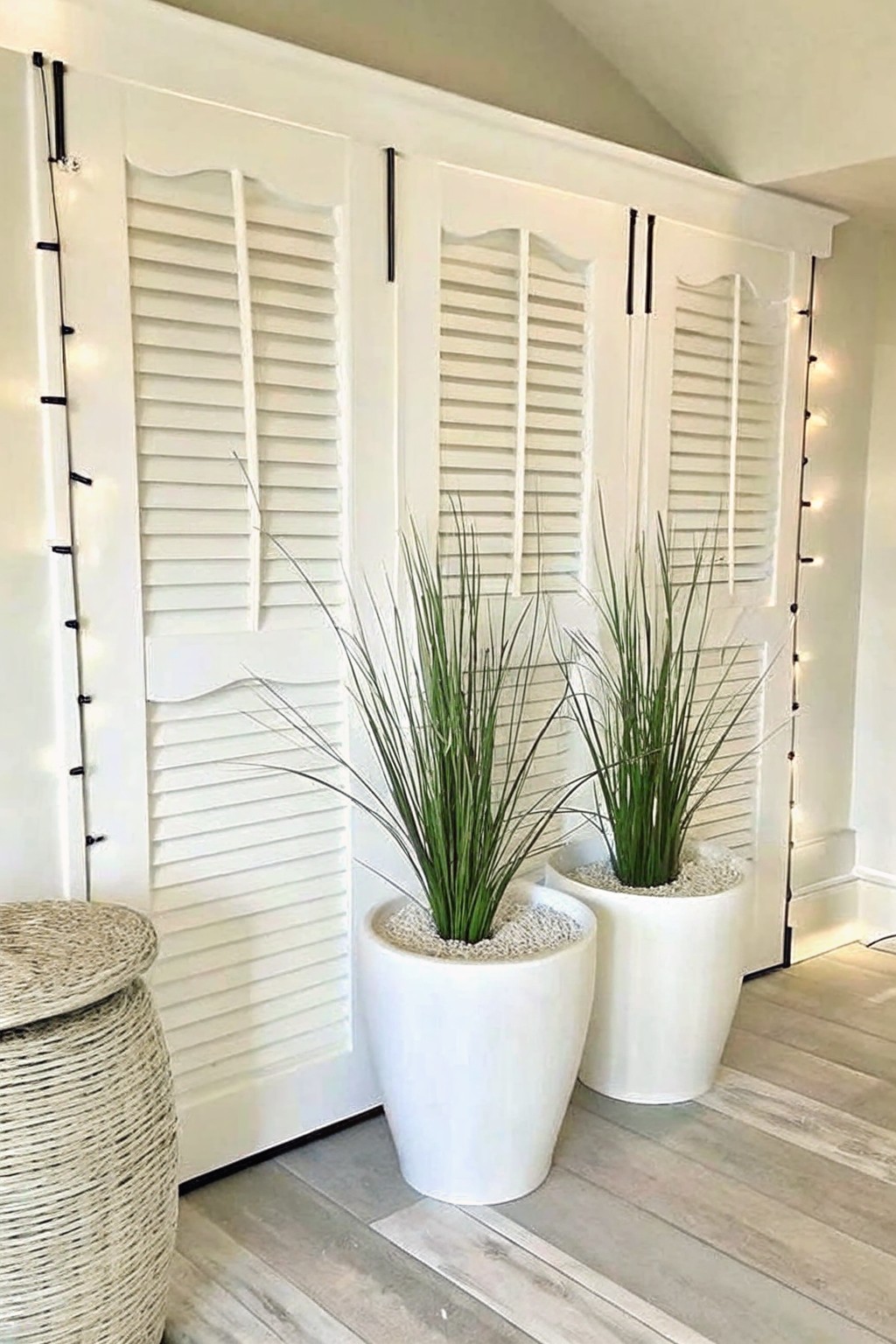
Tall grasses in big simple pots bring a bit of garden height into a room without much fuss. They work especially well when the pots are plain and sturdy, almost like something you might have left outside.
This approach suits homes with decent natural light and open floor space near windows or doors. Stick to one or two plants so it stays easy to move and water.
Use Outdoor Shelving for Plant Displays
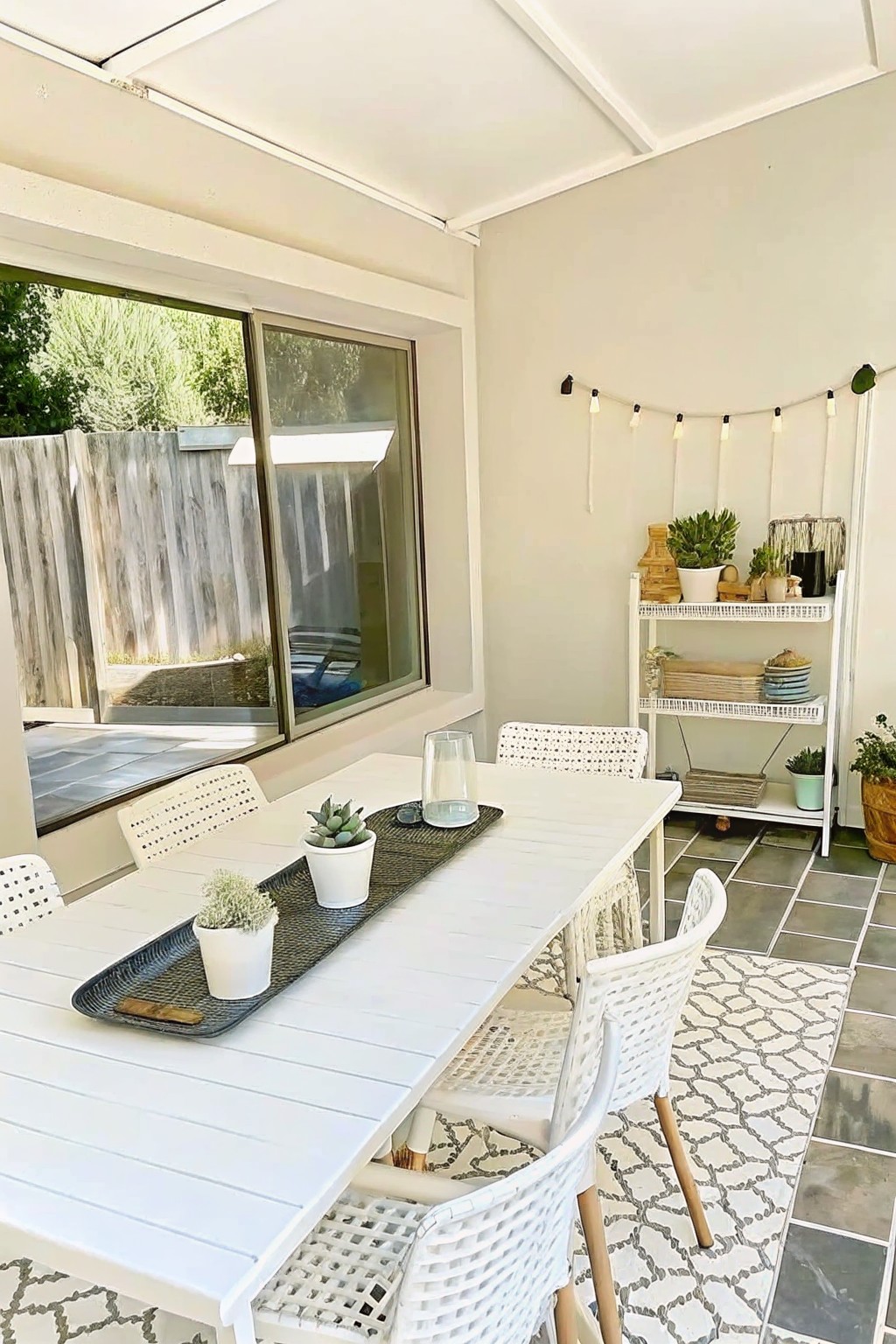
Open shelving on a patio gives you a simple way to show off plants without crowding the floor. It keeps things off the ground and turns an empty wall into a spot for pots, baskets, and small garden pieces that you already have.
This works best on covered patios or decks where the shelves stay dry. Pick sturdy units meant for outdoor use, group items by height, and leave a little space between them so the display stays easy to rearrange later.
Add Repurposed Pebbles Under Radiators
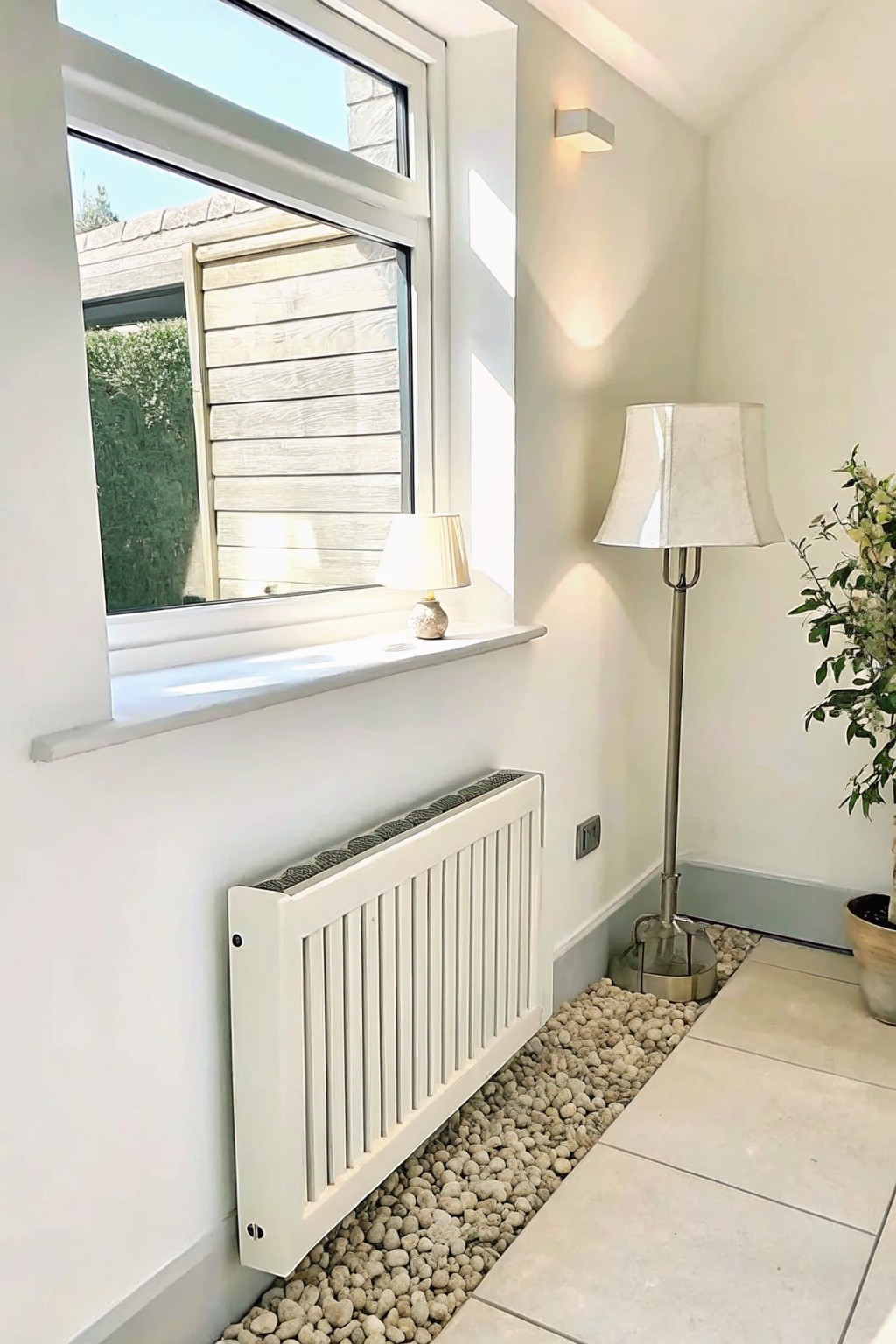
Many people already have leftover stones or river pebbles from garden projects sitting around. Placing a strip of them along the base of a radiator turns that spare material into a simple indoor accent that also helps catch dust and makes the area easier to sweep.
This works best in homes with older heating units or visible baseboards where you want a bit of texture without adding another shelf or trim piece. Just keep the layer thin so it does not interfere with airflow, and choose stones that are already clean and dry before bringing them inside.
Repurpose An Old Dresser For Plant Storage
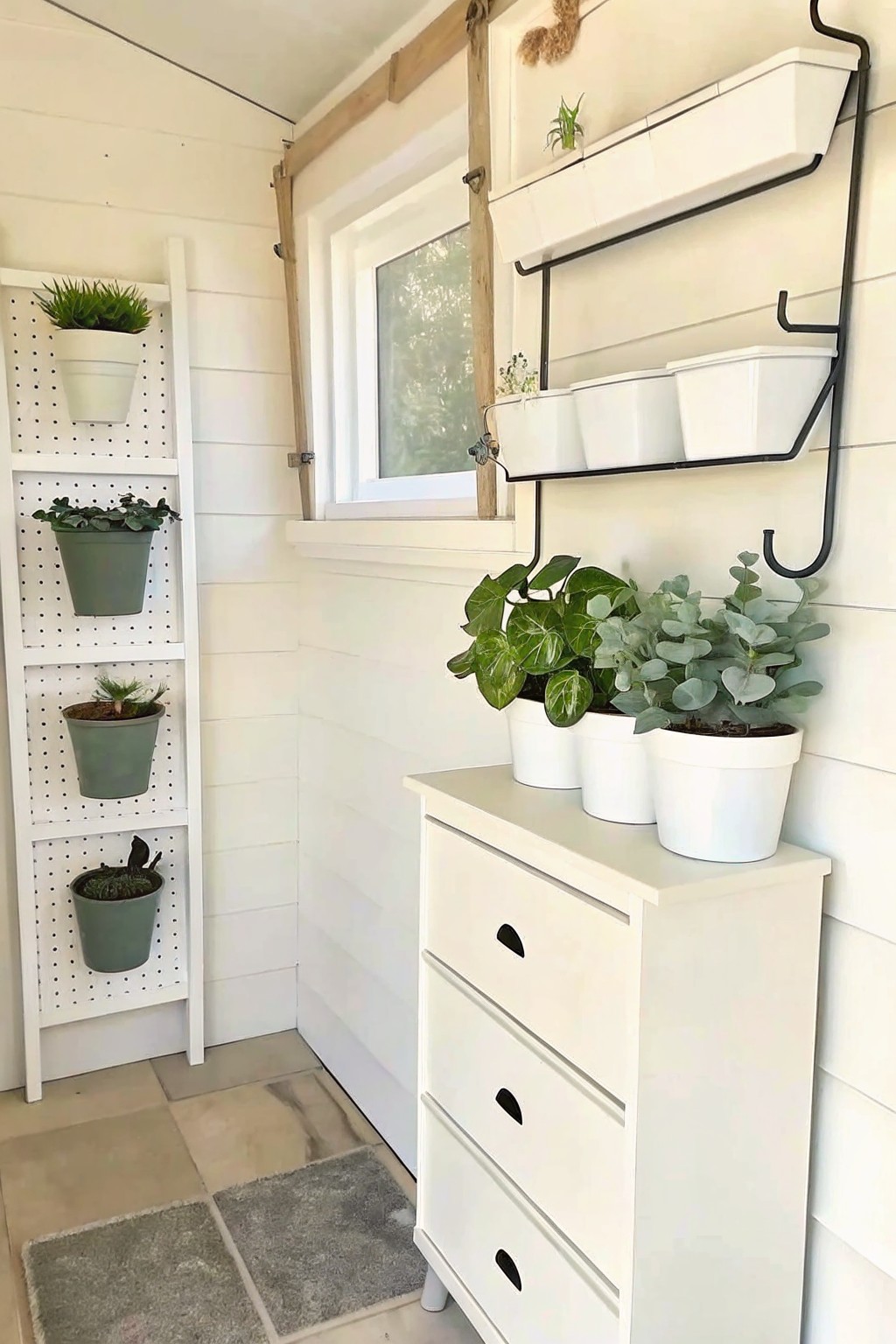
An old dresser can give you both display space and hidden storage without buying anything new. The flat top holds several pots at once while the drawers keep tools, soil, and extra pots out of sight. This setup works especially well in a small shed or sunroom where floor space is limited.
Place the dresser near a window so the plants get light. Choose one with a solid top and check that the drawers still slide easily before loading them up. It suits any home that needs extra gardening space on a budget.
Paver Paths With Gravel Borders
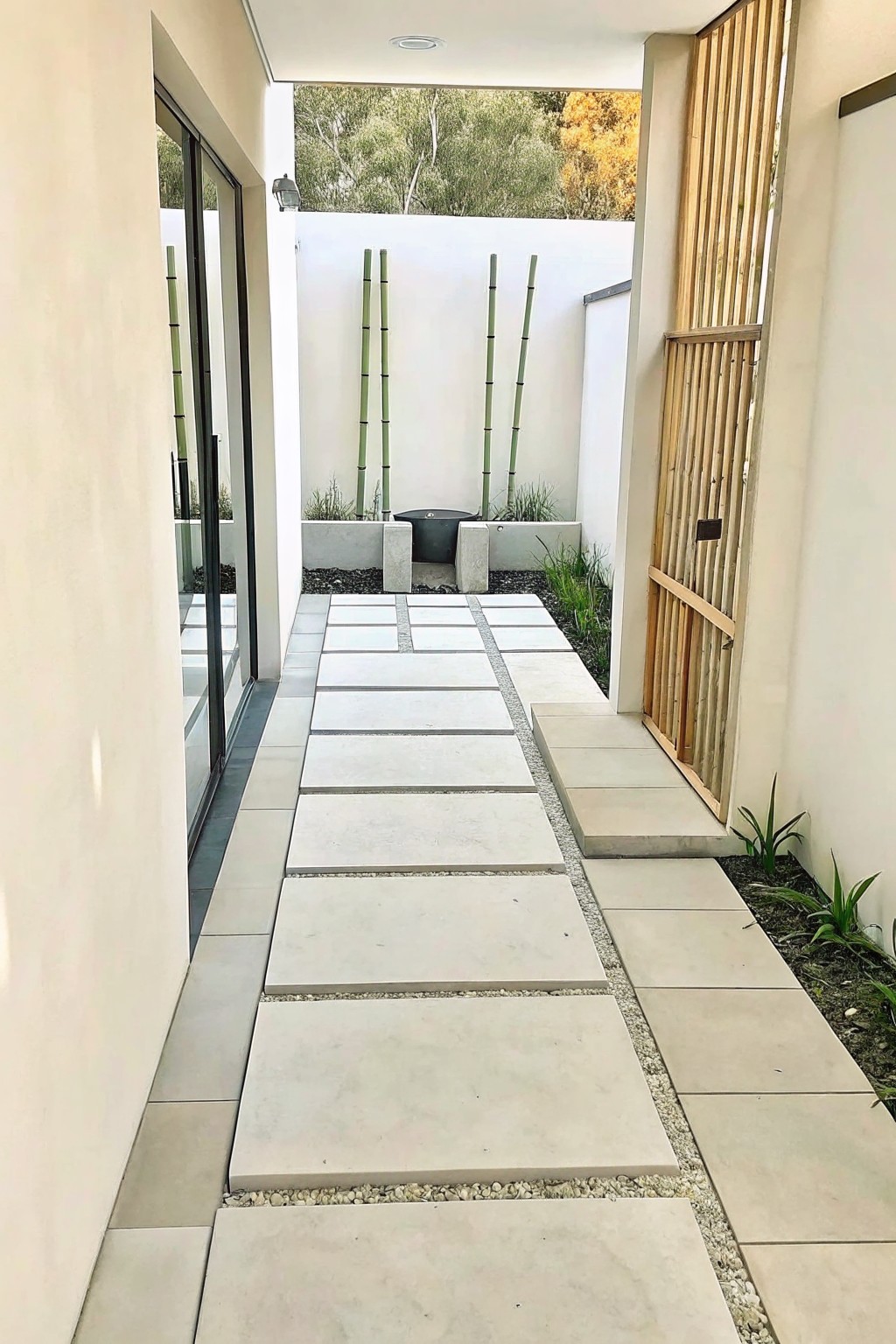
A path made from large rectangular pavers set in gravel gives a garden clear direction without needing fancy materials. It handles foot traffic well and lets rain soak away instead of pooling, which helps in tight side yards or between buildings.
You can often find leftover pavers at low cost from construction sites or resale yards. This layout works best in small spaces where you want simple structure and easy maintenance rather than a full poured surface.
Frequently Asked Questions
Q: Where do people usually hunt for these repurposed pieces? A: Check local junk yards or curbs on trash day. Many folks find old chairs and metal scraps just by driving around neighborhoods on collection mornings. You can also ask neighbors who are clearing out their yards.
Q: How do I clean rusty metal before using it in the garden? A: Scrub it down with a wire brush and some soapy water first. Then let it dry completely in the sun. A quick coat of outdoor sealant keeps the rust from spreading further.
Q: What if the item feels wobbly after I set it up? A: Tighten any loose bolts or add some wood glue to joints. You can also prop it against a fence or wall for extra support.
Q: Should I seal everything before placing it outside? A: Give wooden pieces a coat of waterproof stain to prevent rot. Metal benefits from rust-proof spray too.
