

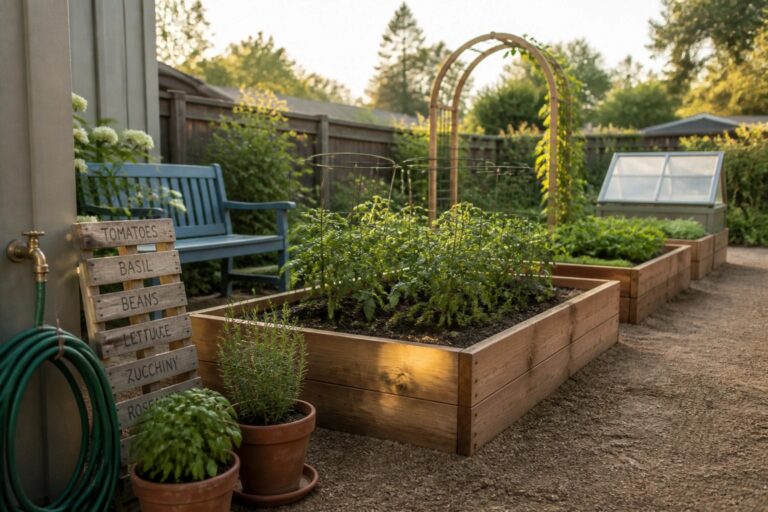
When I started laying out vegetable beds in my own yard I quickly noticed how much the paths between them affect daily use.
Paths that are too narrow turn into a hassle fast.
Raised beds give better soil control and easier access but they need enough space around them for carts or kneeling without compacting the ground.
I usually test a simple grid first to see how the flow feels before committing to permanent edging.
Small adjustments like wider turns at the ends often make harvesting less of a chore once the plants fill in.
Raised Beds With Trellises For Vertical Growth
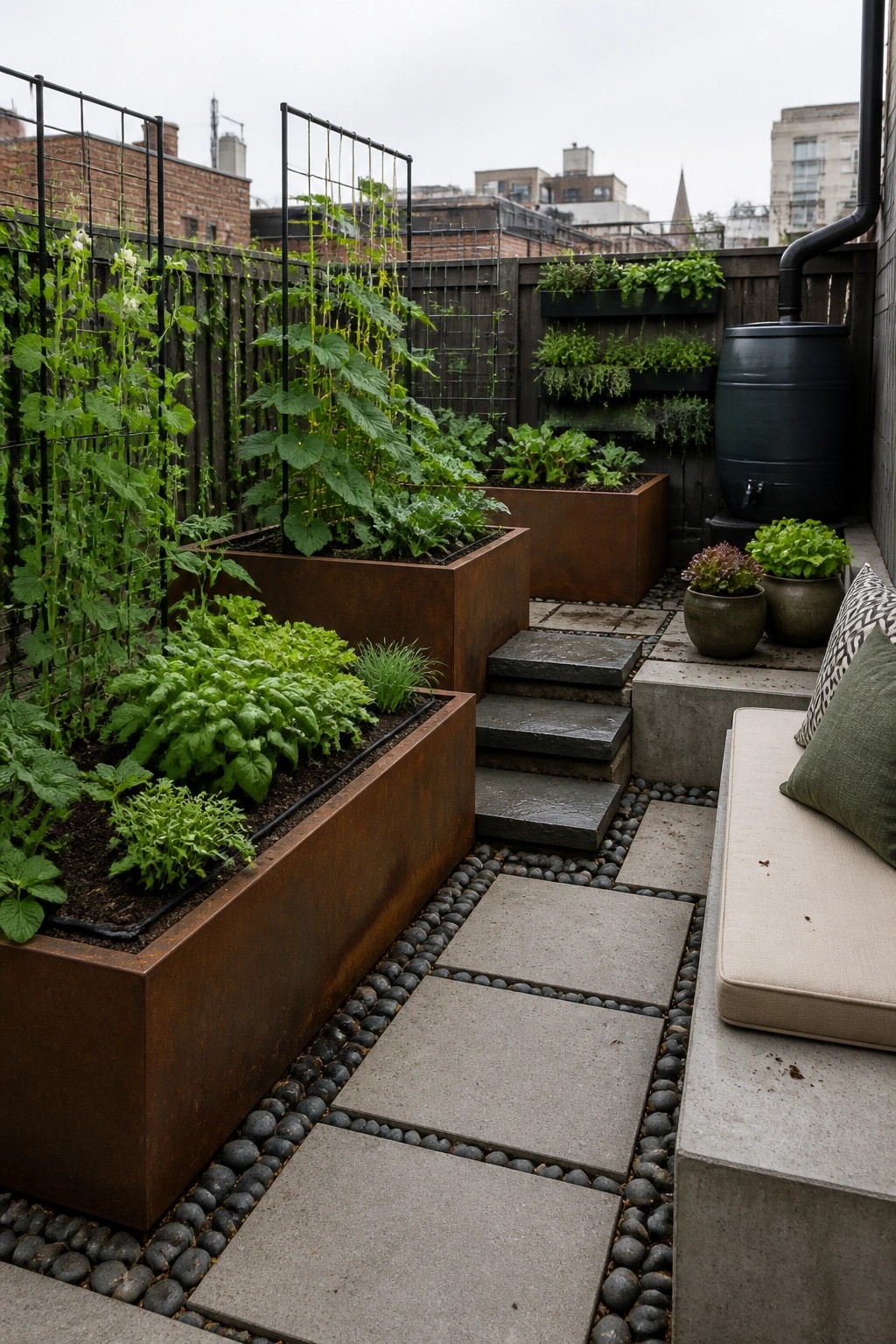
Raised beds with attached trellises let you grow climbing vegetables upward instead of letting them sprawl across the ground. This keeps the plants healthier and makes it much easier to reach the harvest without stepping into the beds or damaging anything.
The setup works especially well in smaller yards or rooftop spaces where every square foot counts. Metal beds paired with simple wire grids give solid support for beans, peas, or cucumbers while the paths stay open for walking through with a basket.
Raised Beds With A Central Path

Raised beds placed on both sides of a path make it much easier to reach everything without stepping on the soil. The layout keeps plants neat and gives you a clear walkway right through the middle of the garden.
This works especially well in a long narrow space or along the side of a house. Brick beds hold up well over time and the path stays usable even after rain, as long as you keep it a couple of feet wide.
Tiered Raised Beds With Gravel Paths
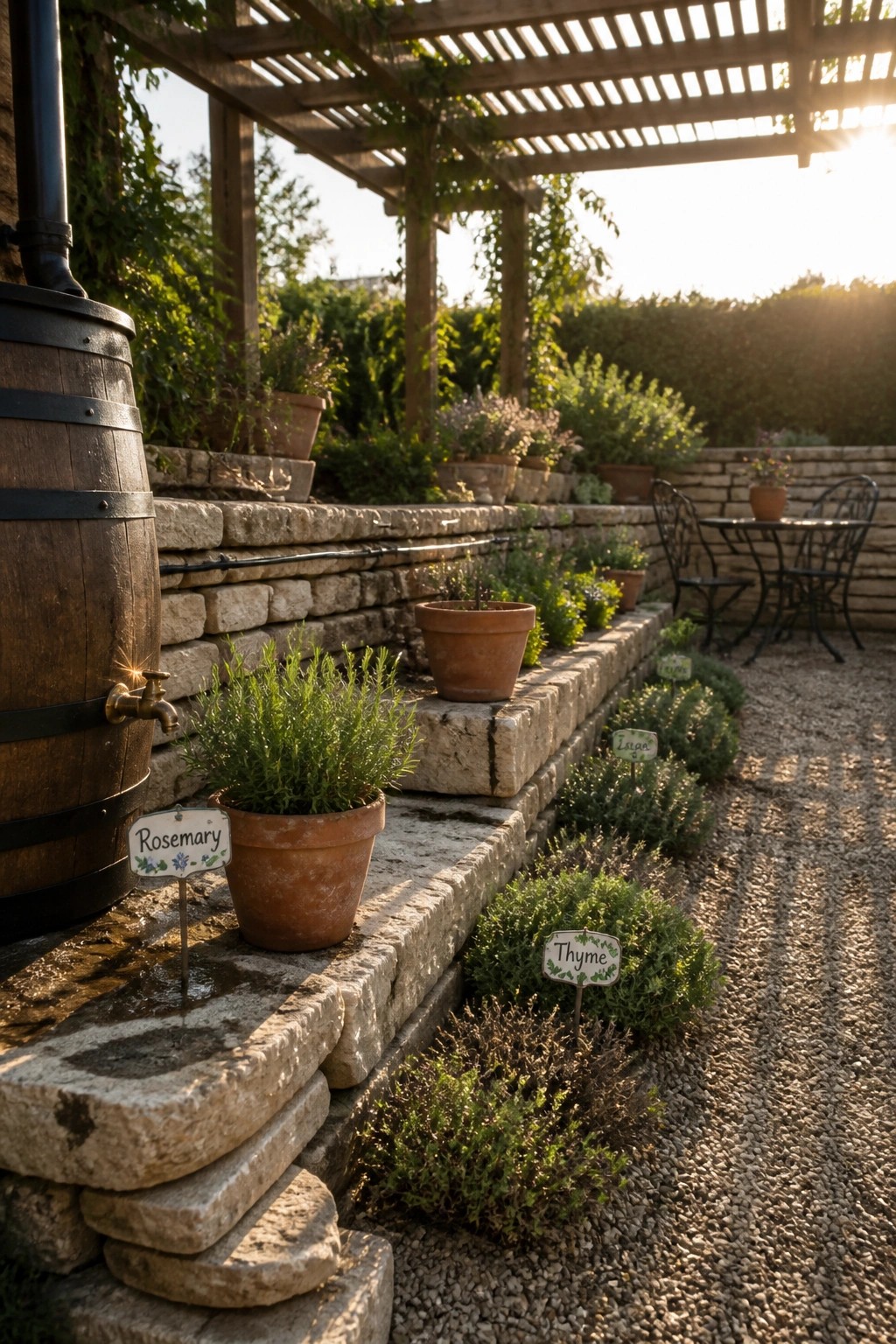
Tiered stone beds give you multiple planting levels without crowding the ground. The gravel path that runs right beside them keeps everything within easy reach so you can harvest without stepping on the plants or dealing with mud.
This layout suits smaller yards or sloped spots where flat space is limited. Stone holds the soil in place, the path stays firm underfoot, and simple labels on the beds help you find what you need at a glance.
Gravel Paths Between Raised Beds
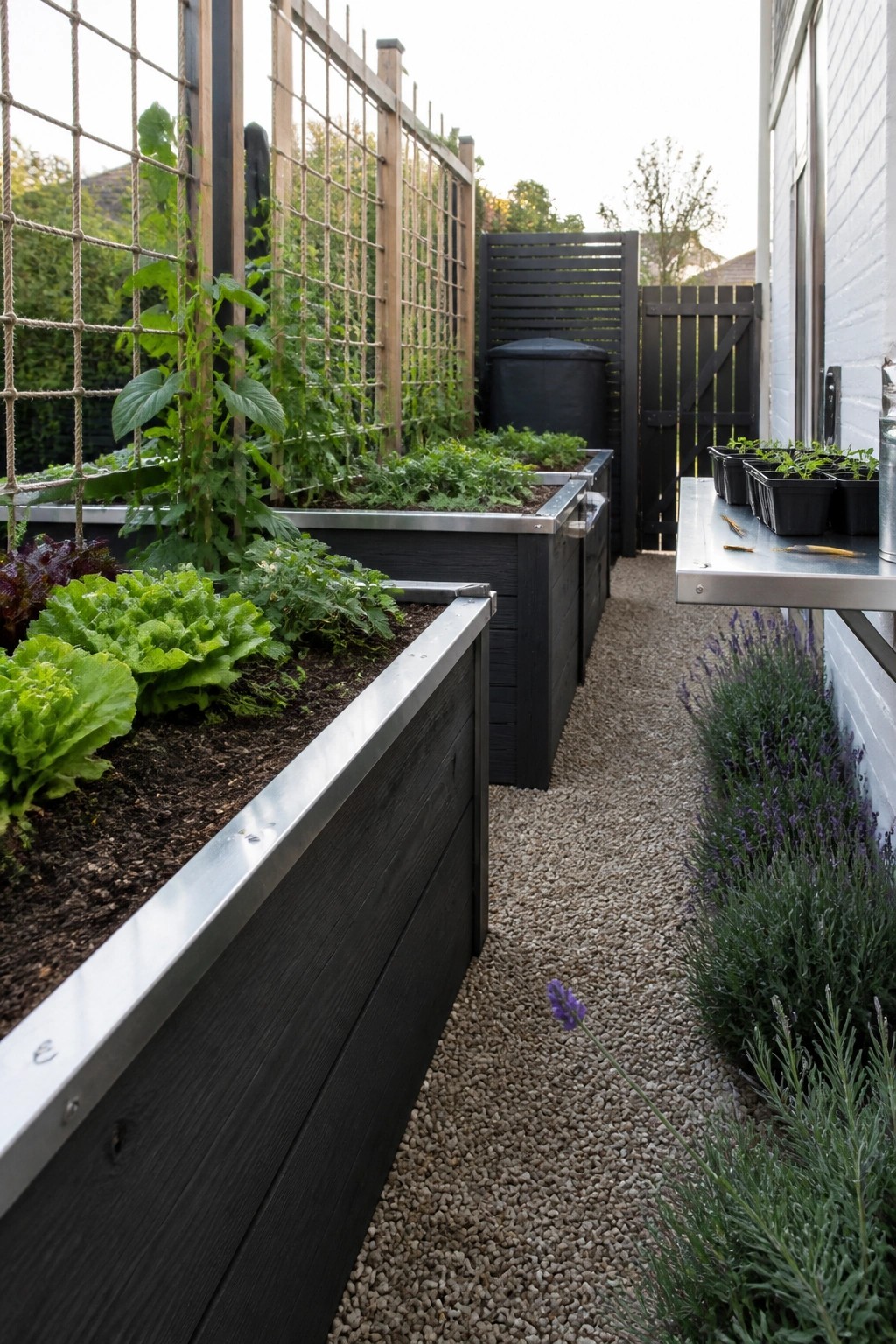
Gravel paths work well in vegetable gardens because they let you walk right up to the beds without tracking mud or compacting soil. The light color also helps reflect heat in summer, which keeps the whole area a little cooler when you are out harvesting.
This setup fits best in smaller yards or side gardens where space is tight. Keep the paths about two feet wide so a wheelbarrow or basket fits easily, and make sure the beds are not too deep to reach across.
Raised Beds With Timber Borders
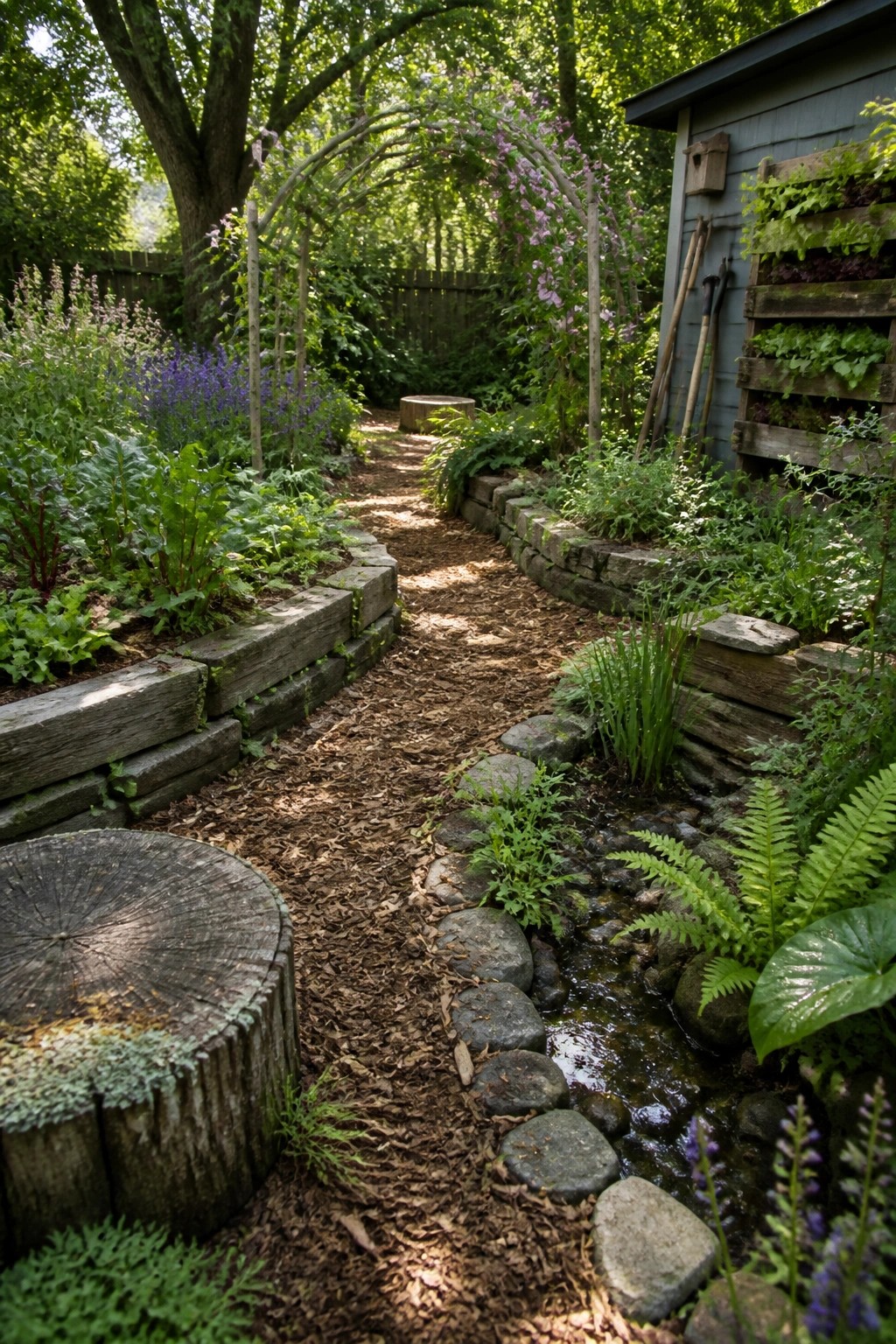
Raised beds built from stacked timber give you clear edges that keep soil in place and paths open for walking. This setup works especially well when you want to grow vegetables without worrying about mud or compacted ground after rain. The wood also adds a simple, natural look that fits many backyard styles.
You can build similar beds along any path you already use for harvesting. Keep the beds narrow enough to reach across easily and space the paths at least two feet wide so a wheelbarrow fits. Mulch the paths to reduce weeds and make them comfortable underfoot.
Raised Beds Along A Lit Path

Raised beds placed along a central path make harvesting simpler, especially in the evening. The lights along the edge show the way without needing to carry a flashlight, and the narrow path keeps everything within easy reach.
This setup works best in a backyard where vegetables are grown regularly. Keep the beds at a comfortable height and use low lights so they do not glare. The path itself should stay clear and dry so you can walk through after rain without tracking mud.
Raised Beds Along Stone Paths For Easy Harvesting

Many vegetable gardens work better when the beds sit right beside a wide stone path. This layout keeps plants within easy reach and lets you walk through without compacting the soil or stepping on anything.
It suits side yards or narrow spaces where you want a productive garden that still feels open. Keep the beds at a comfortable height and width so harvesting stays simple even on busy days.
Raised Beds And Gravel Paths For Easy Access
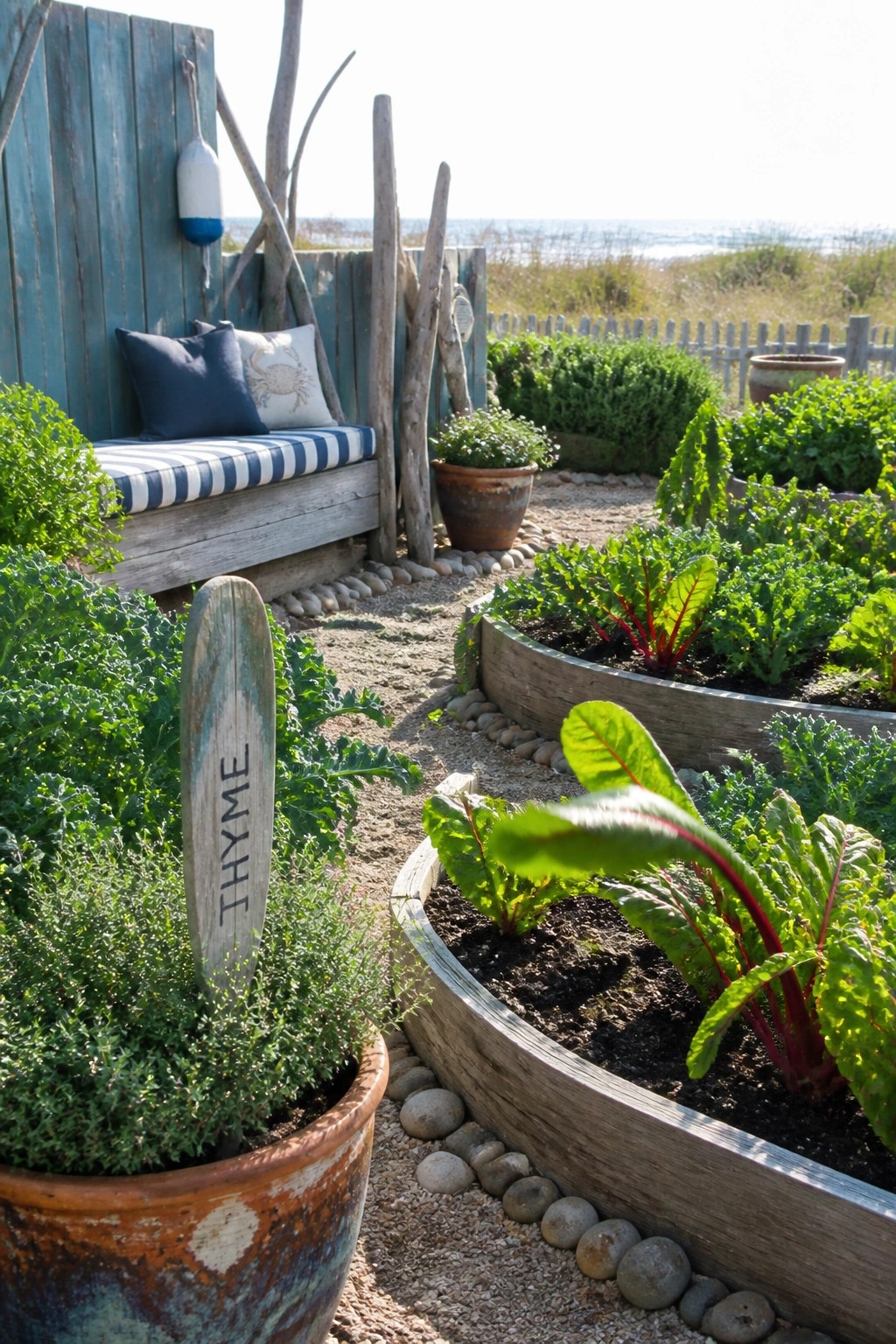
Raised beds with gravel paths between them keep the soil contained and make it simple to walk through the garden without compacting the ground. The paths stay firm underfoot and help with drainage, which is useful in areas that get a lot of rain or near the coast.
This layout works well in smaller yards where you want to grow vegetables without a lot of bending or reaching. Use wood or similar edging to shape the beds and line the paths with stones or pebbles so they stay neat over time.
Raised Beds With a Brick Path in Between
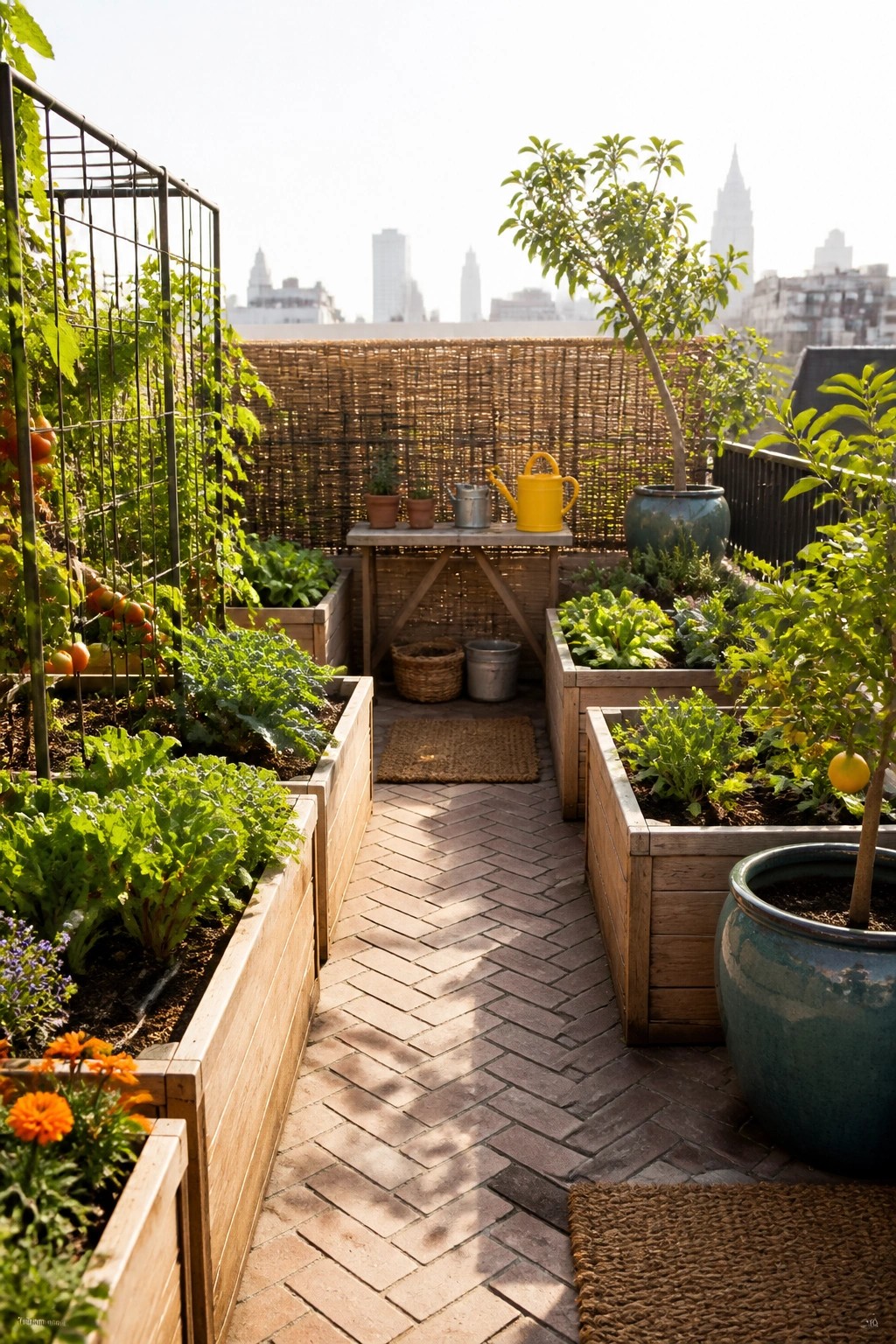
Lining raised beds along a central path makes the whole garden easier to work. You can reach both sides without stepping on the soil, and it keeps the beds from feeling crowded together.
A simple brick path works well here because it drains nicely and holds up under foot traffic. This setup fits rooftops or smaller yards where you need good access but still want plenty of growing space on each side.
Stone Steps For Sloped Garden Paths
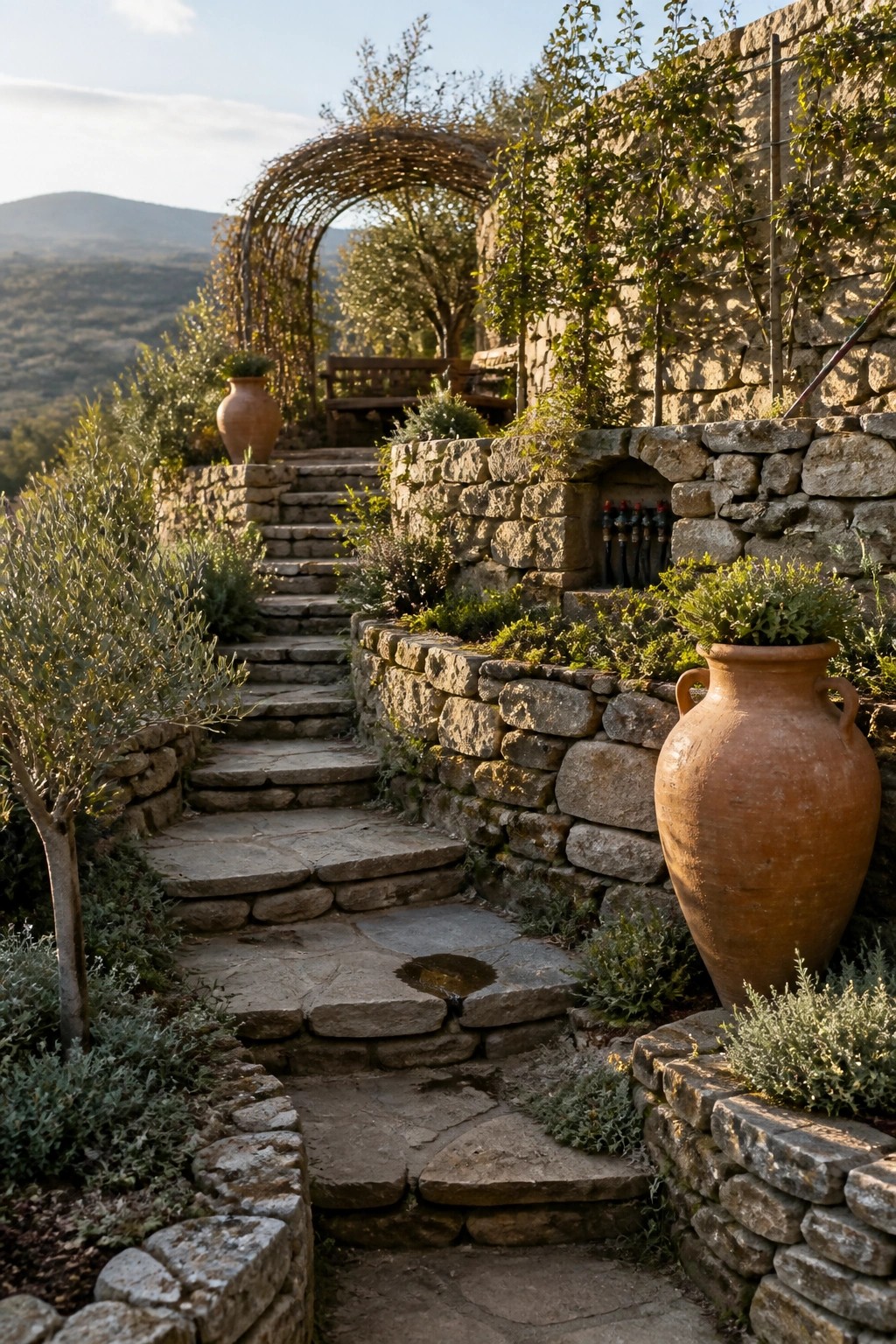
Stone steps make it easier to move through a garden built on different levels. They stay solid underfoot and give you a clear route when you need to carry tools or bring in a harvest without struggling over uneven ground.
This layout works best on hillsides or terraced beds where flat paths would not fit. Keep the steps fairly wide and use low stone walls along the sides to hold the soil and plants in place.
Narrow Paths Between Raised Beds

A narrow path running between raised beds makes it simple to reach everything without stepping on plants or compacting the soil. The setup works especially well in side yards or tight spaces where you still want a productive vegetable garden. Mulch on the path keeps things tidy and helps with drainage after rain.
This layout suits homes with limited backyard room and works best when the beds are kept to a comfortable reach from either side. Just make sure the path is wide enough for a wheelbarrow or step stool when needed.
Raised Beds With Wide Paths For Easy Harvesting

Raised beds work better when you leave enough space between them for walking and harvesting. Wide paths keep the soil from getting packed down and let you reach both sides of each bed without stretching or stepping inside the planting area.
This layout suits smaller gardens or urban yards where every foot counts. Use a material like brick or gravel for the paths so they stay firm underfoot and drain well after rain.
Raised Beds With A Clear Center Path
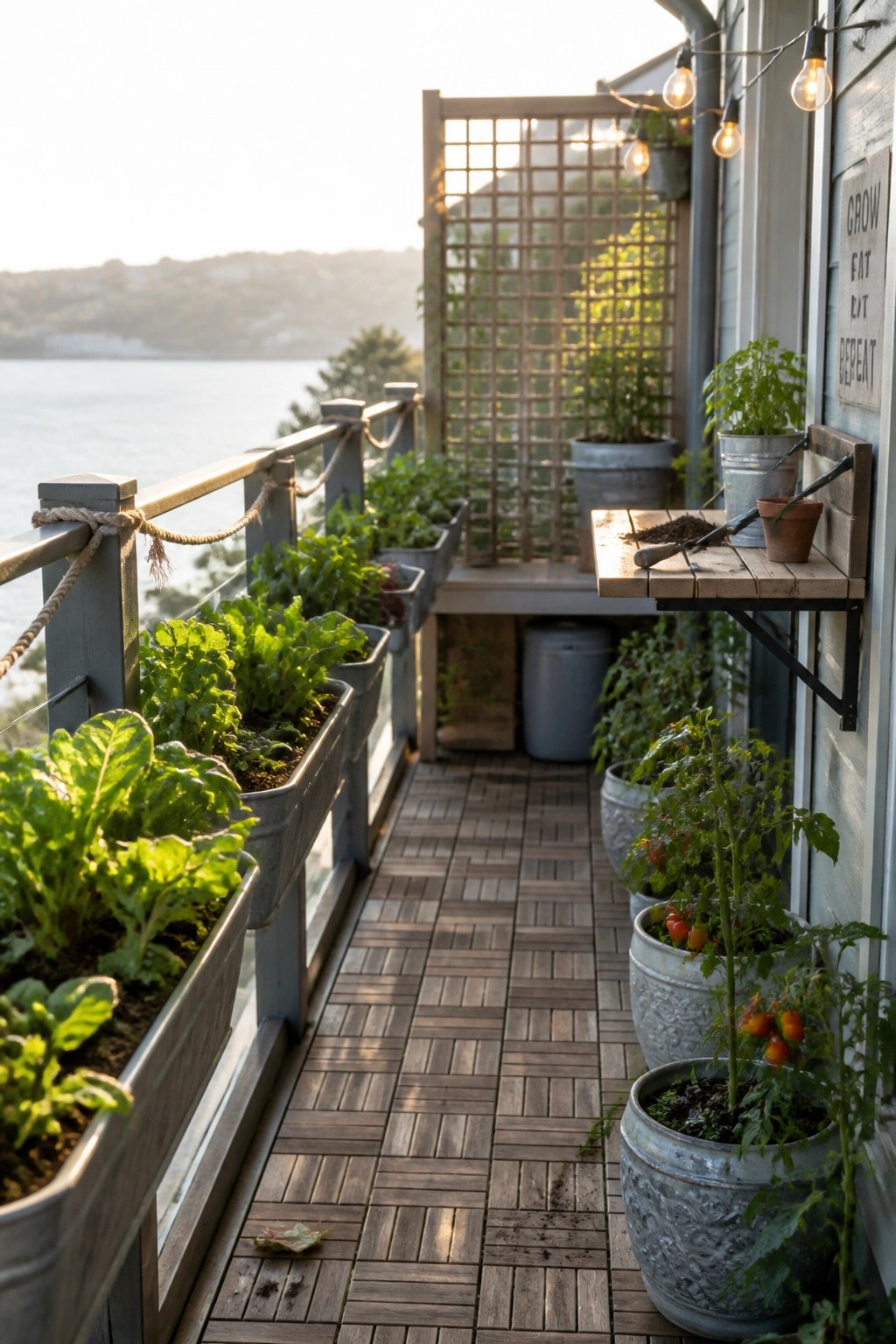
A narrow deck or balcony works well for vegetables when you keep a straight walking path down the middle. Placing long raised containers along both sides leaves plenty of room to reach in and harvest without stepping over plants or crowding the space. The setup stays practical even on smaller outdoor areas.
This layout suits homes with limited yard space or upper-level decks where soil beds are not an option. Keep the path at least two feet wide so a wheelbarrow or basket can pass through easily. Stick to sturdy containers that can handle wind and water runoff.
Curved Paths Between Raised Beds

Curved paths work well in vegetable gardens because they give you easy reach to both sides of each bed without wasting space. The gentle bends also let you fit more planting area into a small yard while still keeping a clear walking route.
Brick is a solid choice here since it stays level over time and handles foot traffic from watering and harvesting. Keep the curves wide enough for a wheelbarrow if you plan to move soil or compost often.
Raised Brick Beds With Gravel Paths
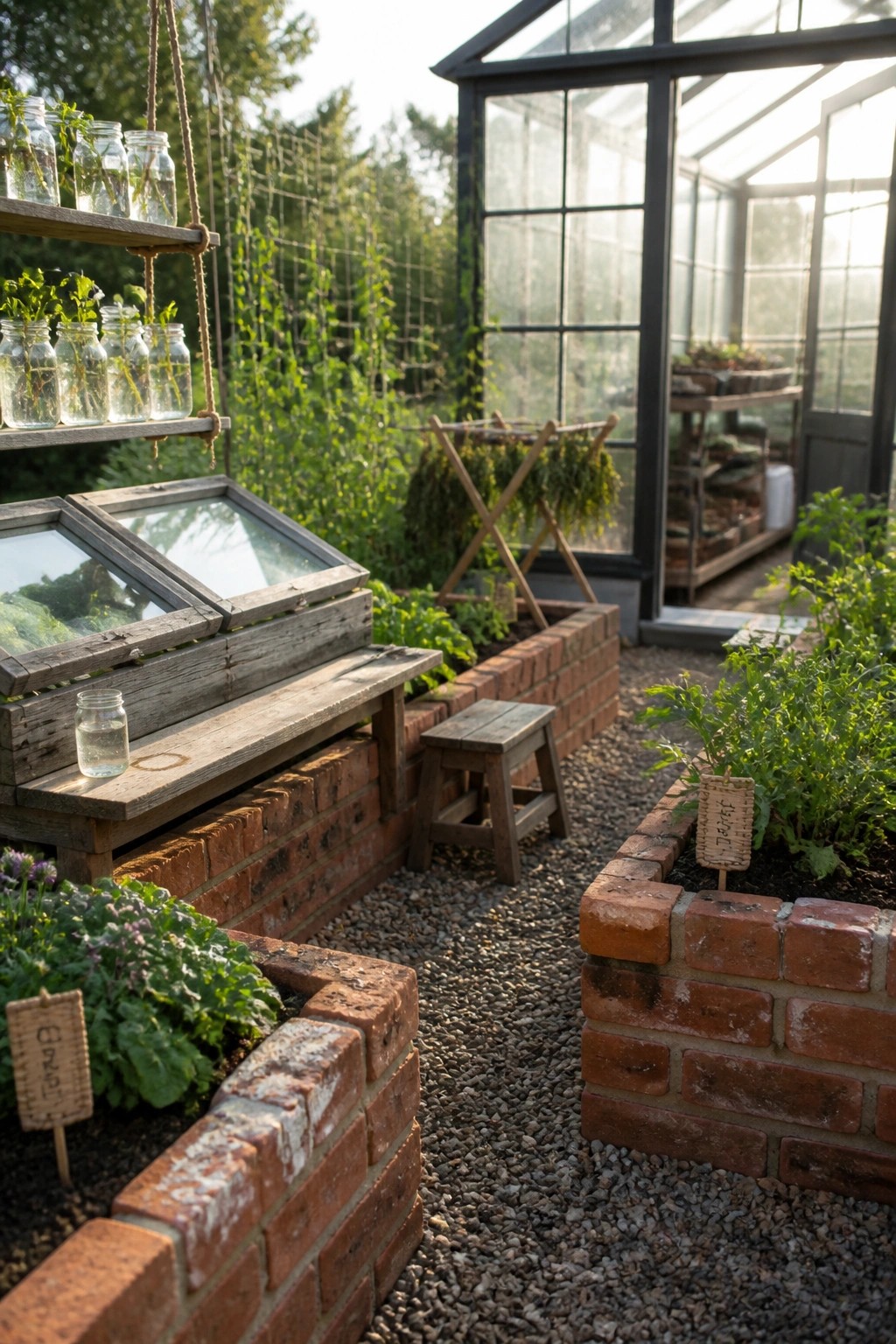
Brick makes a solid choice for raised beds because it holds the soil in place and lasts for years without much upkeep. The gravel paths between them keep your feet dry and make it simple to move through the garden when you need to harvest or weed.
This layout works best in a sunny backyard spot where you can run the beds in straight rows. Keep the paths at least two feet wide so a wheelbarrow fits through without bumping the edges.
Raised Beds With Gravel Paths For Easy Harvesting

Gravel paths work well with raised beds because they keep feet dry and make it simple to reach plants without compacting the soil. The loose surface also drains quickly after rain, which helps prevent mud around the beds during harvest time. Many gardeners like this setup because it feels practical rather than fussy.
This approach suits smaller vegetable gardens or side yards where you need steady access without a lot of paving. Lay the gravel about four inches deep over landscape fabric, then add a few stepping stones where the path turns or where you stop most often. Keep the beds at a comfortable height so you can lean in without stepping onto the soil.
Raised Beds Along Narrow Paths Make Harvesting Simple
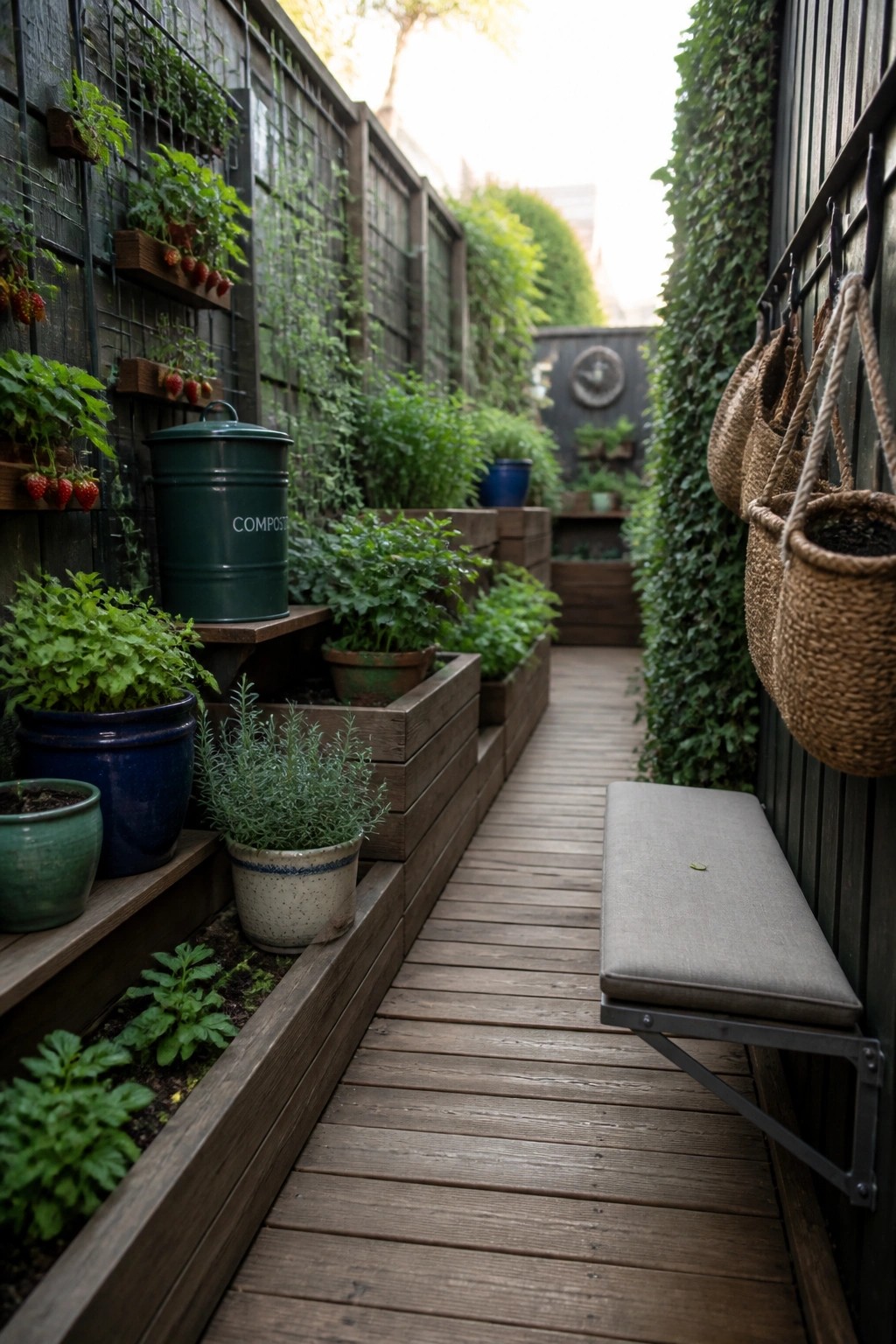
A narrow wooden path with raised beds on both sides keeps everything within easy reach. You can walk through, check the plants, and pick what you need without trampling soil or squeezing past wide edges.
This layout suits tight side yards or small urban gardens where space is limited. Keep the path clear and use wall planters or hanging baskets to add more growing room without crowding the walkway.
Raised Beds Edged In Brick For Simple Garden Paths
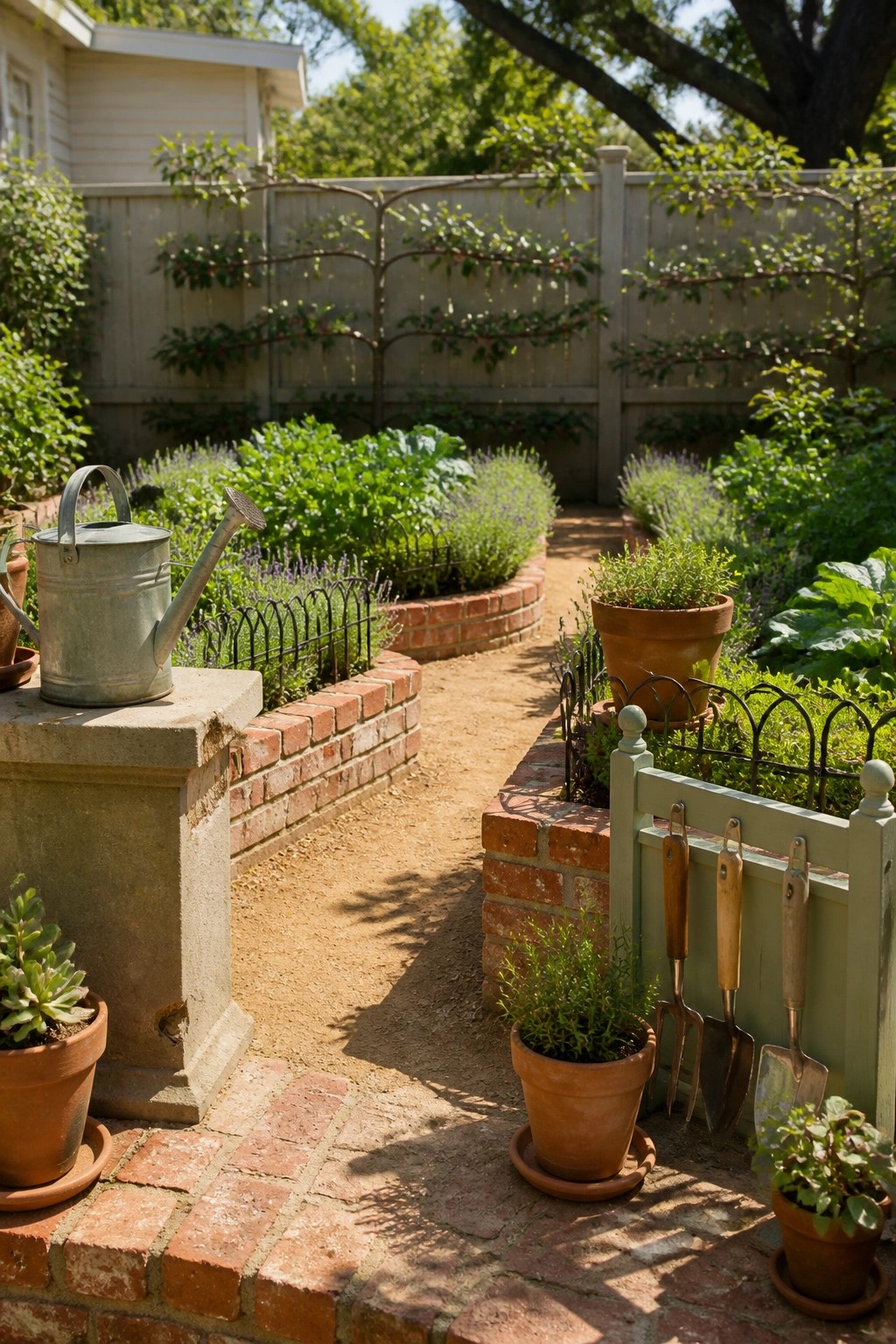
Brick edging around raised beds gives the garden a clear structure that makes paths easy to follow. The low brick walls hold the soil in place while creating a firm edge that you can step up to when harvesting. This setup works especially well in narrow spaces where you want to keep the walking area open and free of mud.
It suits most home vegetable gardens because the bricks last for years and do not need much upkeep. Keep the path width comfortable for a wheelbarrow or a couple of people passing through. Avoid making the beds too wide so you can reach the center without stepping on the soil.
Raised Beds With Stone Paths In Between
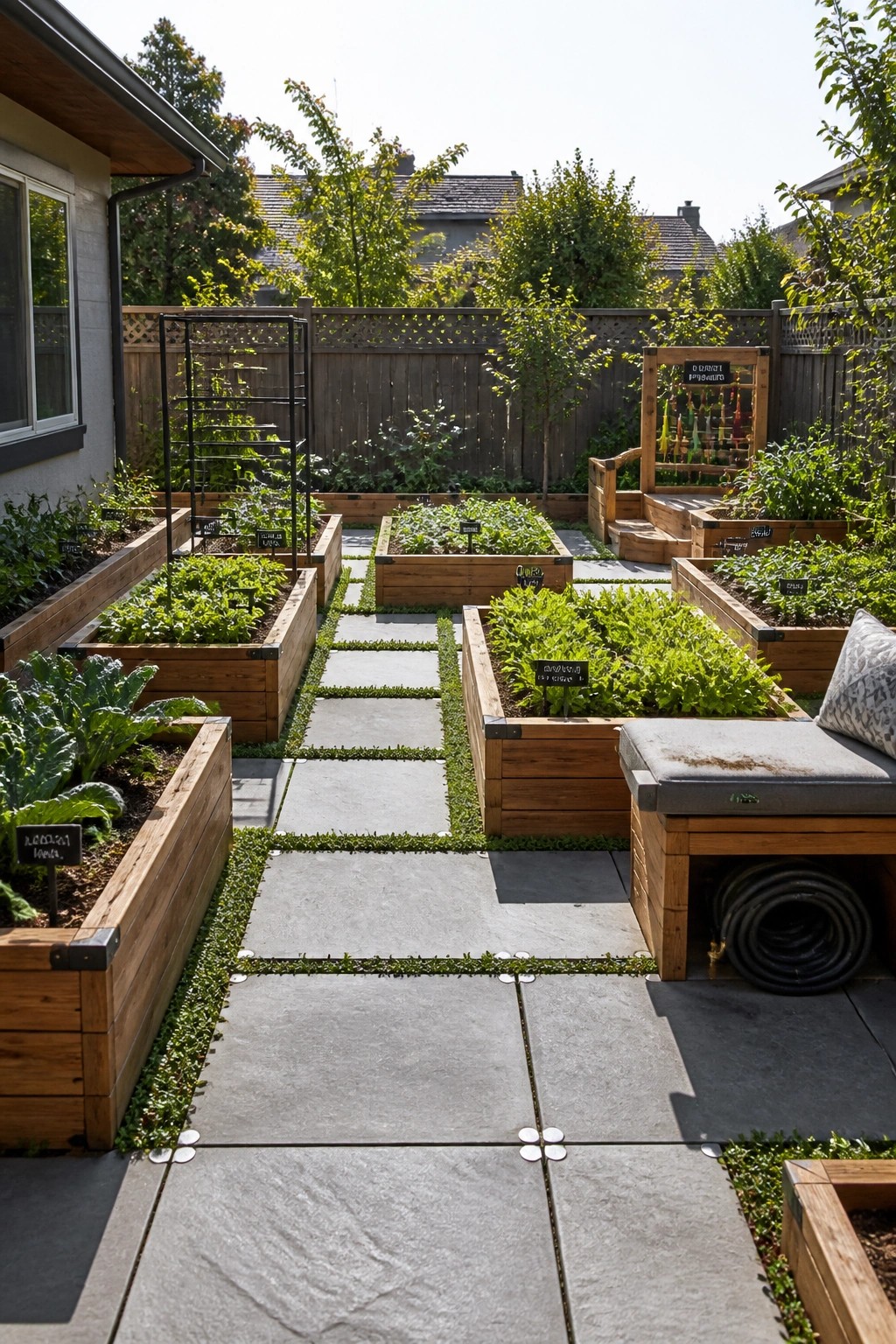
Many people find that placing raised beds around a grid of stone paths makes daily garden work much simpler. The paths give steady footing and let you reach every bed without compacting the soil or brushing against plants.
This layout suits smaller yards where you want an orderly look that still produces a lot. Keep the paths at least two feet wide so a wheelbarrow or harvest basket can move through easily.
Frequently Asked Questions
Q: How wide should I make the paths so a wheelbarrow fits without bumping the beds?
A: Aim for at least three feet across. That gives room to roll through and turn around while carrying full loads of compost or picked vegetables. Anything narrower turns into a daily hassle once plants start to sprawl.
Q: What keeps the soil in my raised beds from washing out onto the paths after heavy rain?
A: Line the inside edges with a strip of landscape fabric before you fill them. The fabric holds the soil in place yet still lets water drain. You will spend less time sweeping mud off the paths later.
Q: Do I need to edge the paths or can I just leave the ground bare between beds?
A: Lay down cardboard and top it with wood chips. The cardboard stops weeds while the chips give you a soft surface that is easy to walk on during harvest. Bare soil turns slick and weedy fast.
