

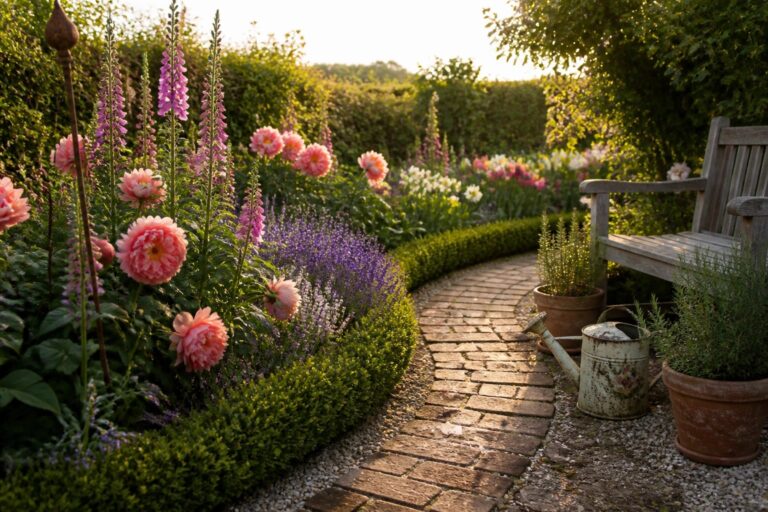
I have spent years tweaking the edges of my beds because they seem to set the tone for everything else in the yard.
When you layer taller shrubs behind lower flowers and then add something with winter interest, the border stays interesting without constant replanting.
The part I always test first is how the colors shift from spring through fall in my own space.
It is easy to overdo the variety and end up with a border that looks messy instead of full.
Small changes to the edging can pull the whole thing together.
Layer Flowers and Shrubs in Your Borders
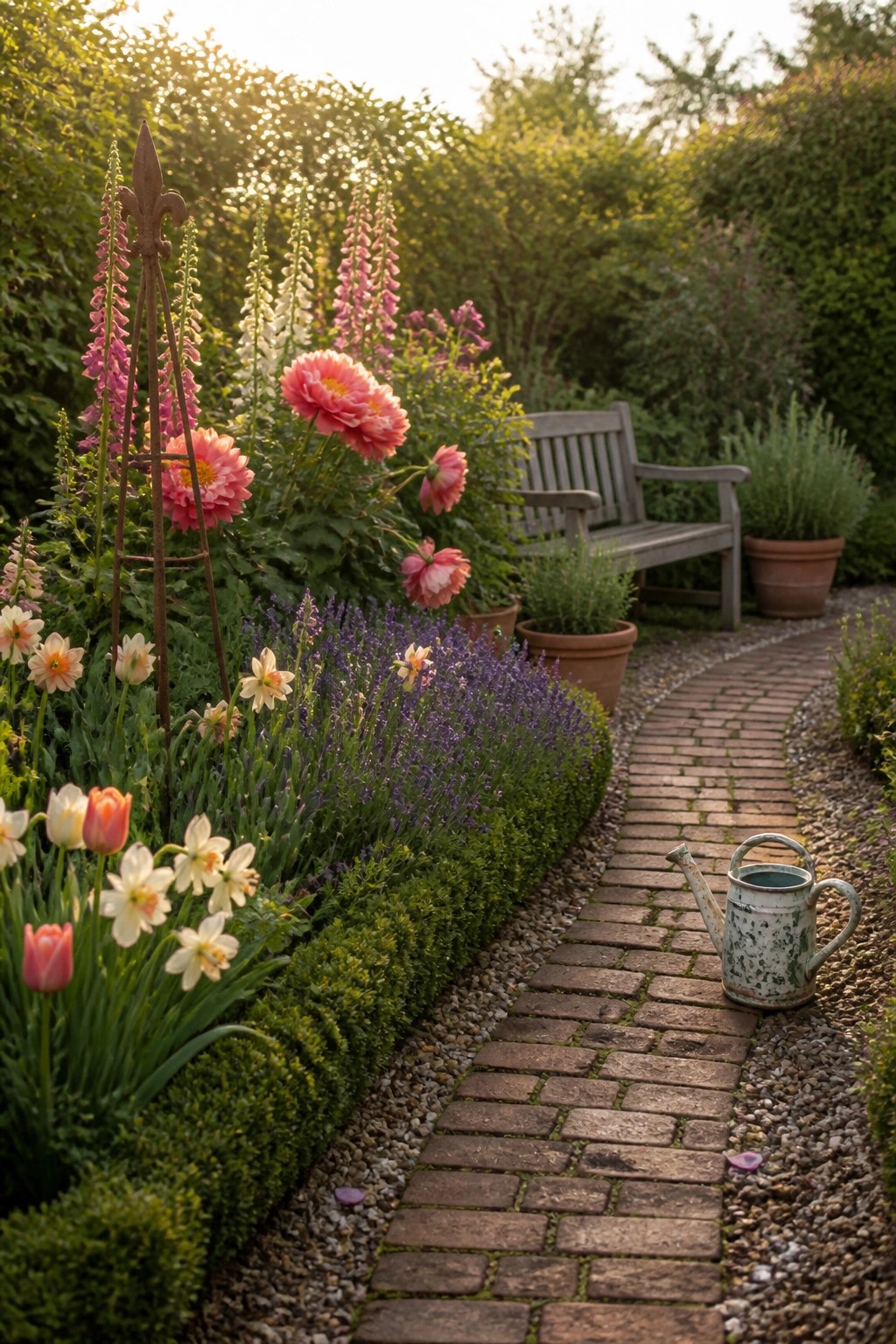
Planting in layers gives a border more color and fullness without crowding the space. Tall spikes at the back, mid-height blooms in the middle, and lower flowers along the edge create that stepped look that feels generous but still tidy.
This approach works especially well along paths or in narrow beds where you need steady interest from spring through fall. Mix a few shrubs in for structure so the border does not go bare once the flowers fade.
Anchor Borders With Large Terracotta Pots
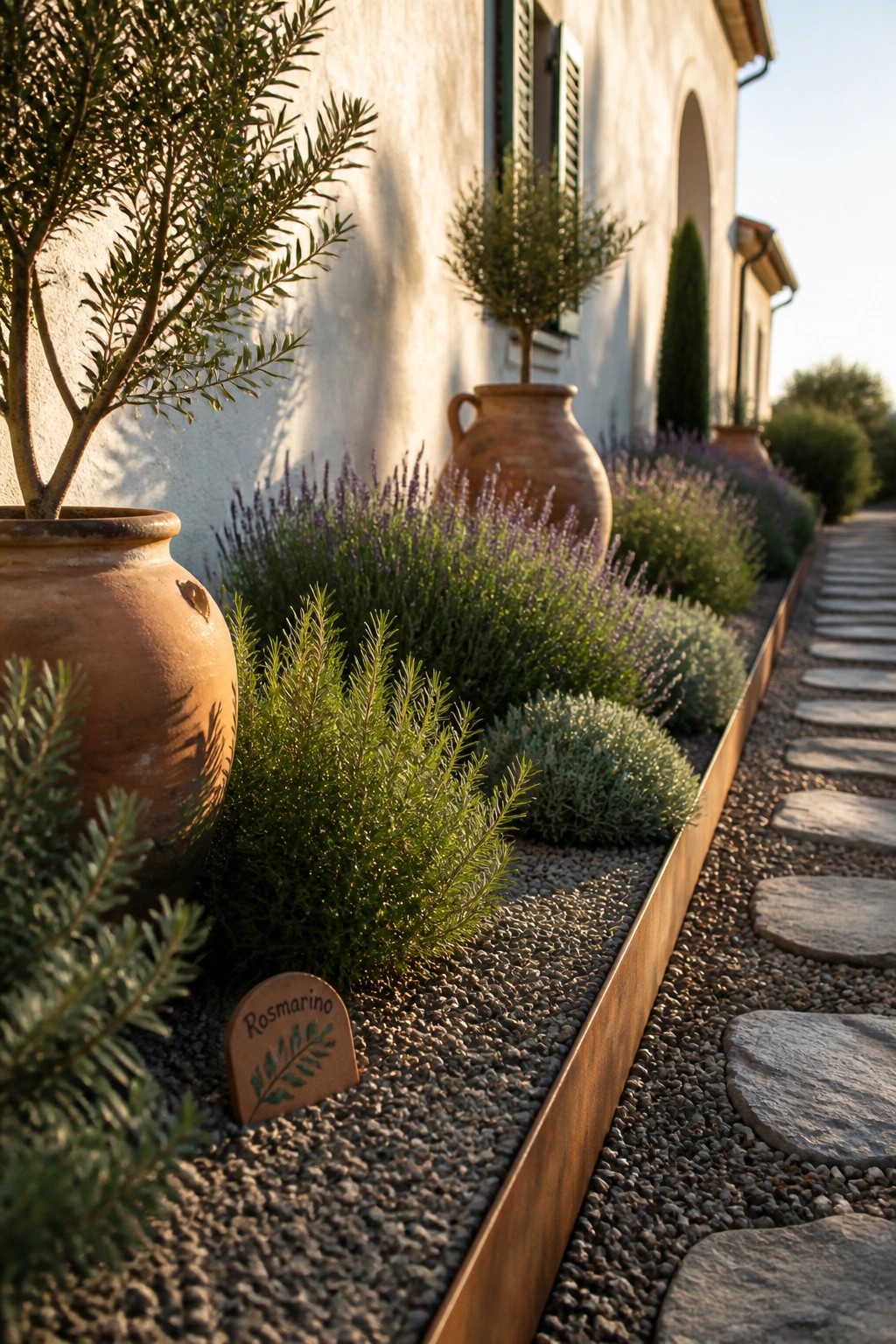
Large pots give a border instant height and let you change things up without digging. They also help break up long stretches of low plants so the whole bed feels more layered.
This setup works best along a sunny path where you want easy access to herbs. Gravel keeps the area tidy and helps with drainage, while the pots let you feature bigger shrubs that might not fit in a narrow bed.
Layered Borders Along A Stepping Stone Path

A stepping stone path gains more interest when the planting beside it is done in layers. Tall grasses sit in the back, mid-size flowers fill the middle, and shorter blooms spill forward. This creates a full look that changes color as the seasons move along.
It works best in yards that have room for a gentle curve and a bit of width along the edges. Use gravel between the stones so the path stays dry and easy to walk on. Keep the tallest plants toward the back so the path still feels open.
Layer Spring Bulbs Along Path Edges
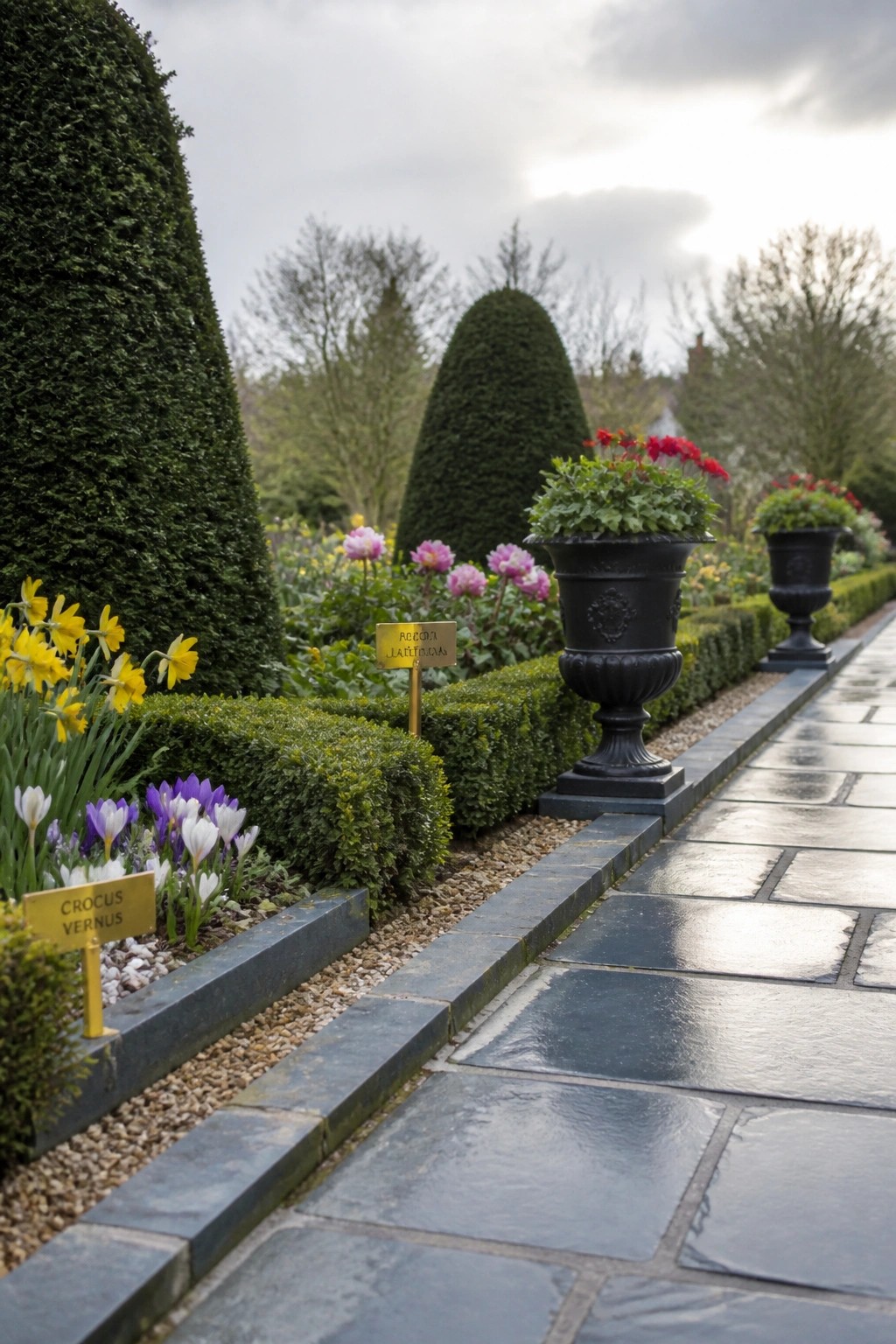
Placing low bulbs right at the front of a border adds early color without crowding the path. It also gives the bed a clear starting point that feels intentional rather than scattered.
This works best in gardens that already have defined edging and a mix of shrubs behind the bulbs. Keep the front row simple so the later flowers and foliage can take over as the season moves forward.
Layer Plants Along Path Edges

Layering different heights and textures right along a path edge gives a border that feels full without looking crowded. The mix of taller ferns and broad hostas behind lower flowering plants creates a natural transition that changes through the seasons.
This approach works best in partly shaded spots where plants can fill in over a couple of years. Keep the layers simple, match them to your light and soil, and let the front edge spill a little onto the path for a softer look.
Layering Plants Over Gravel For Seasonal Texture

Mixing low flowers, grasses, and taller shrubs directly into a gravel bed gives a border that changes through the seasons without much work. The different heights and textures fill the space naturally while the gravel keeps everything looking neat and helps with drainage.
This style suits homes near the coast or in drier areas where you want color without constant watering. Place smaller blooms toward the front, add mid-height grasses, and let a few larger plants rise behind them, with rocks placed here and there to hold the shape in place.
Line Garden Paths with Subtle Lighting

Small lights set right into the path edging give a garden a clear sense of direction once the sun goes down. They keep the walkway safe and easy to follow while letting the planting on either side stay the main focus.
This approach works best in gardens that already have strong structure, such as clipped hedges or repeated beds of agaves and ground covers. Keep the fixtures low and evenly spaced so the light stays soft and the beds on both sides feel balanced rather than overdone.
Brick Edging Keeps Flower Borders Tidy

A low brick edge gives flower beds a clear shape that helps the plants look fuller and more organized. It stops the flowers from spilling onto the path while still letting the colors layer naturally from front to back.
This approach works best in smaller gardens or along narrow paths where you want structure without building a big retaining wall. Use the same bricks throughout the yard so the borders feel consistent rather than scattered.
Layer Colorful Plants Along Stone Walls And Steps
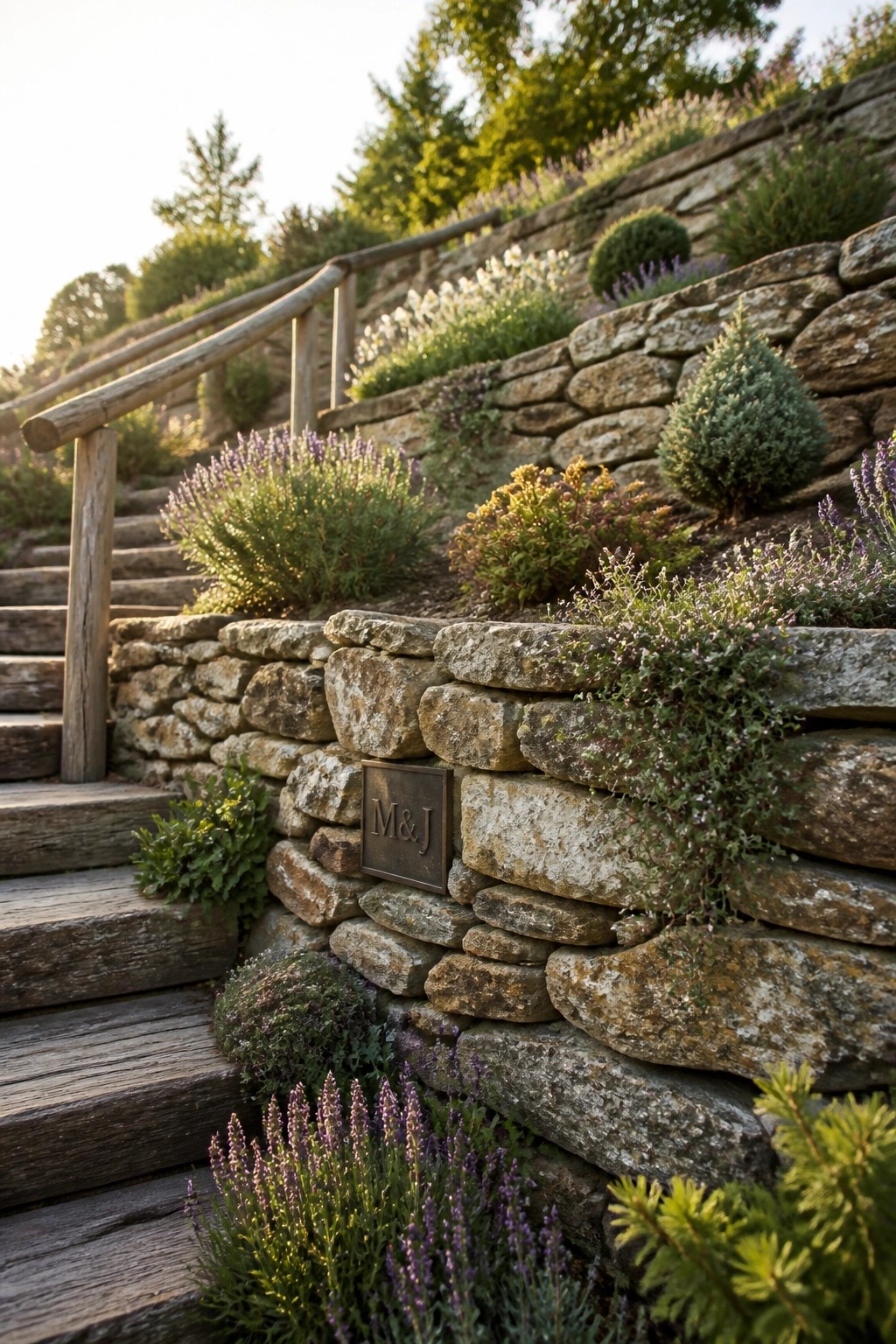
Layering low flowers in front of medium shrubs creates a soft edge that follows the line of a stone wall. The mix of heights and textures gives the border more depth and keeps it interesting through the seasons without needing constant replanting.
This approach works best on sloped yards or where a retaining wall already exists. Keep the lowest plants right against the steps or path and let the shrubs fill in behind them so the stone stays visible but the hard lines feel softened.
Layer Flowers And Shrubs For Colorful Pool Borders

Layering taller plants behind lower shrubs and flowers creates a full border that feels rich without looking crowded. The mix of heights and the bright red blooms against all the green give the edge of the pool real presence and keep it interesting through the seasons.
This approach works well in warm climates where you can grow tropical foliage and flowering shrubs together. Keep the tallest plants toward the back and let the lower layers spill forward a bit so the border looks natural rather than trimmed.
Layer Shrubs Behind Lower Flowers Along a Stone Border
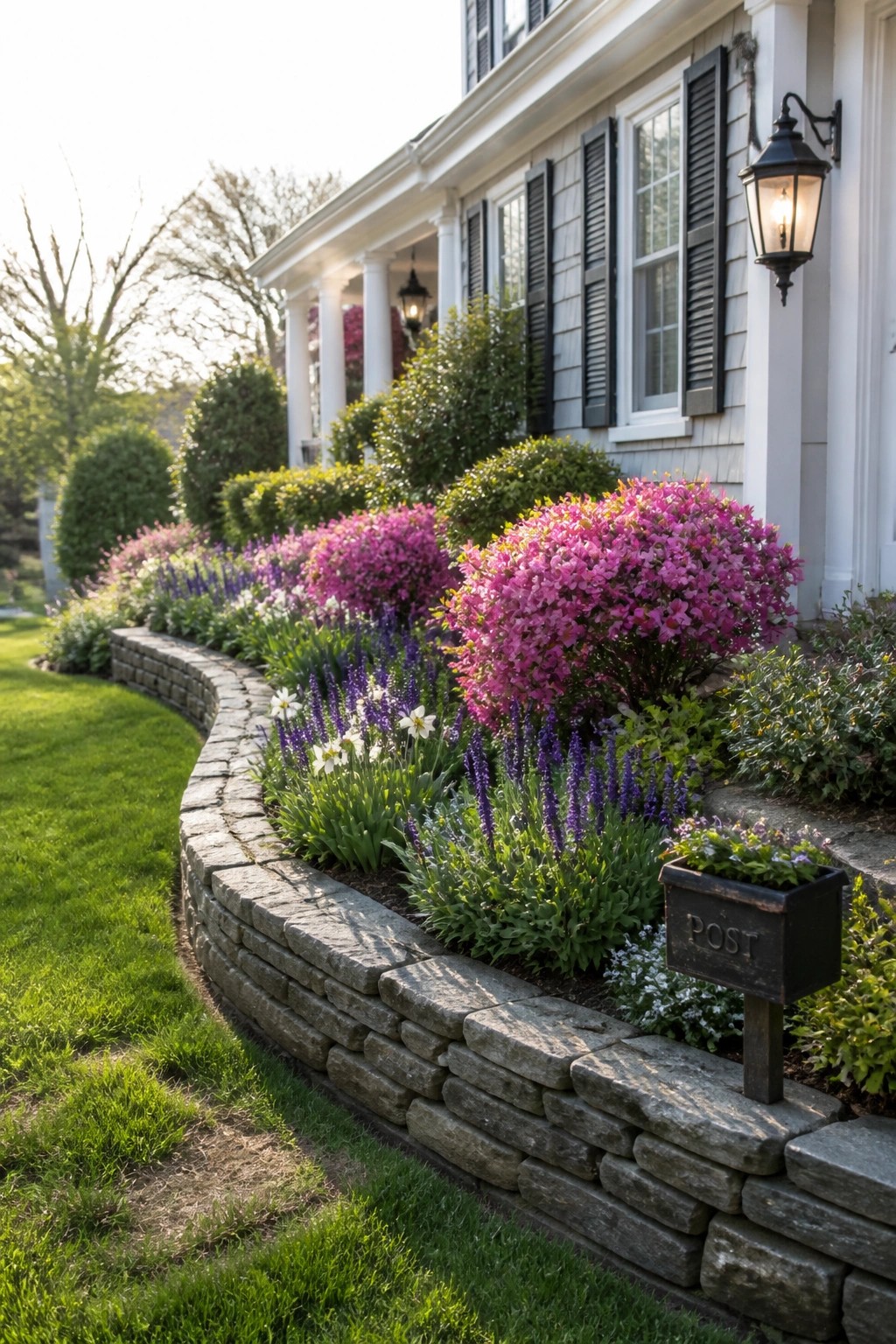
A curved stone border gives you room to stack taller shrubs at the back and let shorter flowers spill forward. The height change keeps the bed from looking flat and makes the colors stand out more clearly from the lawn.
This setup works well along a house foundation or on a gentle slope. Keep the shrubs spaced so they can fill in without crowding the front plants, and choose flowers that bloom at different times so the border stays interesting through the season.
Layer Grasses And Shrubs For A Textured Border
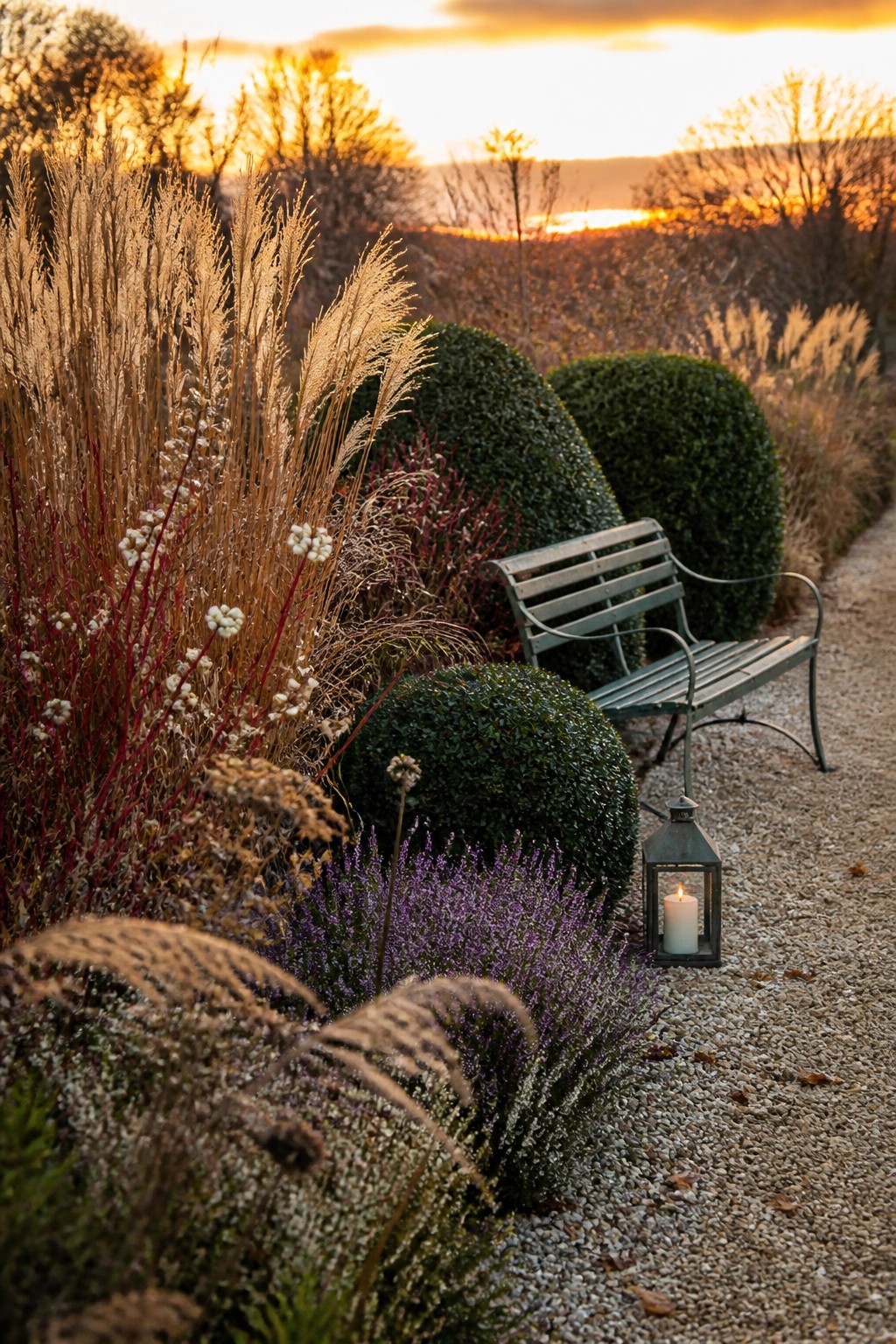
Mixing tall grasses with rounded shrubs and lower flowering plants gives a border real depth without needing a lot of extra work. The different heights and textures keep the planting from looking flat, and the colors shift nicely as the seasons change.
This kind of layering works best along a path or the edge of a lawn where you can see the full height of the plants. Put the tallest grasses toward the back, add mid-size shrubs in the middle, and finish with lower perennials in front. It suits most homes with informal gardens and needs only basic trimming to stay looking good.
Layer Succulents Along Stone Borders
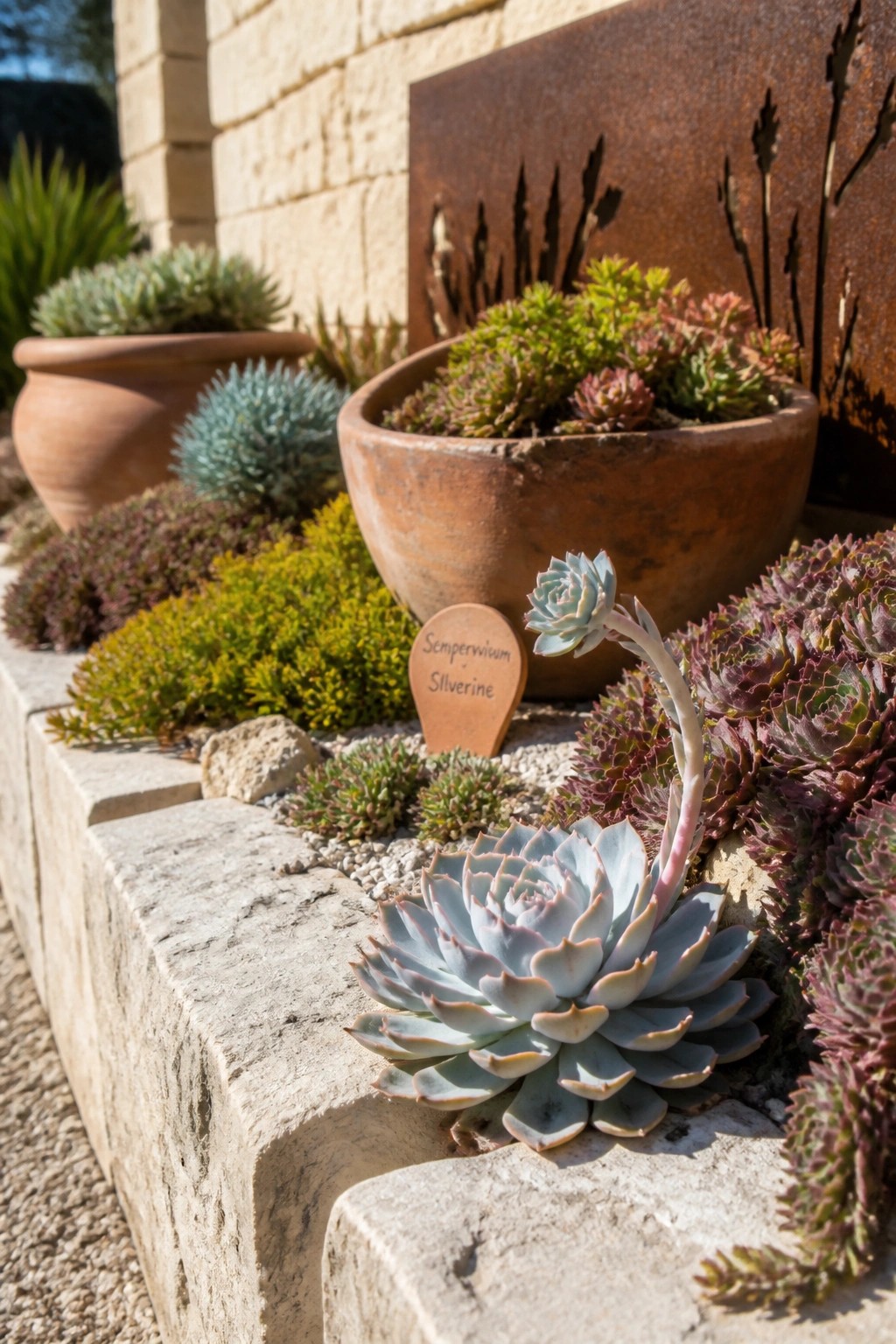
Mixing several succulent varieties together gives a border plenty of color and texture with very little effort. The different shapes and tones play off each other and stay interesting even when other plants go dormant.
Stone edging helps keep the look tidy while letting the plants spill forward naturally. This approach works best in sunny spots with good drainage where you want steady color but do not have time for constant watering or trimming.
Layer Flowers in Pots Along the Railing
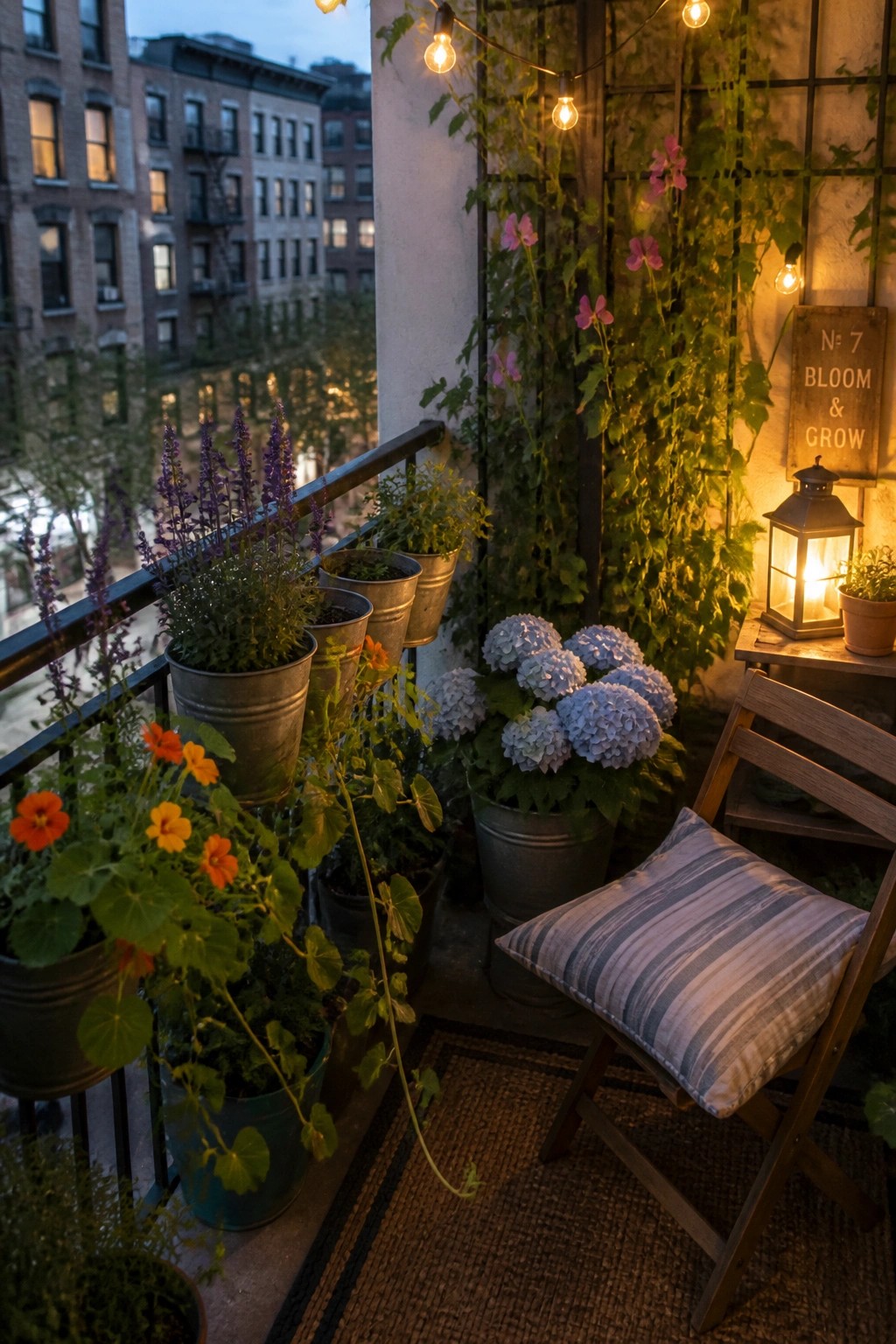
One simple way to bring color and life to a small outdoor space is to line up potted plants of different heights along the edge. The mix of trailing vines, taller spikes, and round blooms creates a border effect without needing a full garden bed. It works especially well when the pots are grouped so the colors overlap a bit instead of sitting in a straight line.
This approach suits balconies and narrow patios where digging is not an option. Choose containers in similar materials so they feel connected, and vary the plant sizes to keep the layers interesting through the season. Just watch how much weight the railing can hold before adding too many heavy pots.
Layer Perennials Along Garden Paths
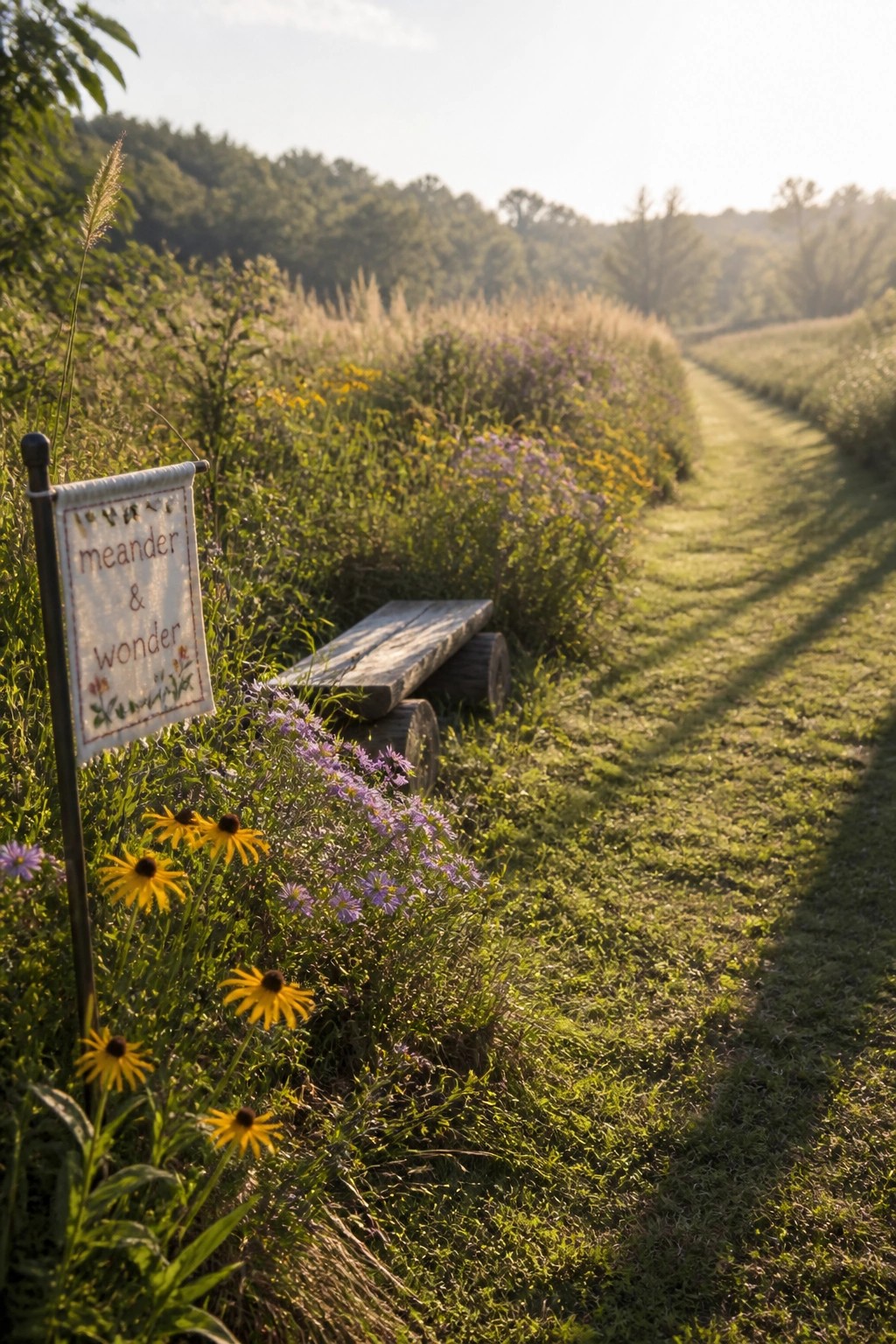
Layering flowers of different heights right along a path edge gives the border real depth and color that shifts through the months. The mix of taller shrubs in back and lower blooms up front keeps the view interesting without needing constant work.
This works best in open yards or meadow settings where the planting can feel loose and natural. Stick to hardy perennials that return each year and let them fill in so the border softens the path over time.
Layering Plants For Colorful Garden Borders

A simple border comes alive when you stack plants by height and texture. Low white blooms sit in front, mid-size purple spikes rise behind them, and silvery foliage fills gaps so the edge stays interesting even as seasons shift.
This approach works best along paths or around small water features where space is tight. Keep the bed narrow, let gravel define the line, and choose plants that bloom at different times so the border does not go flat after one flush of color.
Layer Shrubs at Different Heights for Better Borders

Mixing shrubs of varying heights gives a border real structure that holds up in every season. The taller evergreens in back set a steady shape while lower and mid-size plants fill in around them, so the whole edge stays interesting even when flowers fade.
This works best along a path or front edge where you have a little room to step back and see the layers. Keep the tallest plants toward the rear, add a few rounded forms in front, and leave space for one or two smaller accents so nothing feels crammed.
Layering Plants For Better Borders

Layering different plant heights and textures makes a border feel much fuller without needing a lot of extra space. The mix of taller shrubs and grasses behind lower flowers creates a natural flow that changes through the seasons.
This approach works well along paths or fence lines where you want color and softness without blocking views. Use a few taller plants as the backbone, then fill in with mid-height flowers and low ground covers in front. Stick to plants that suit your climate so the layers stay healthy with basic care.
Layer Shrubs and Ground Cover for Pathside Borders
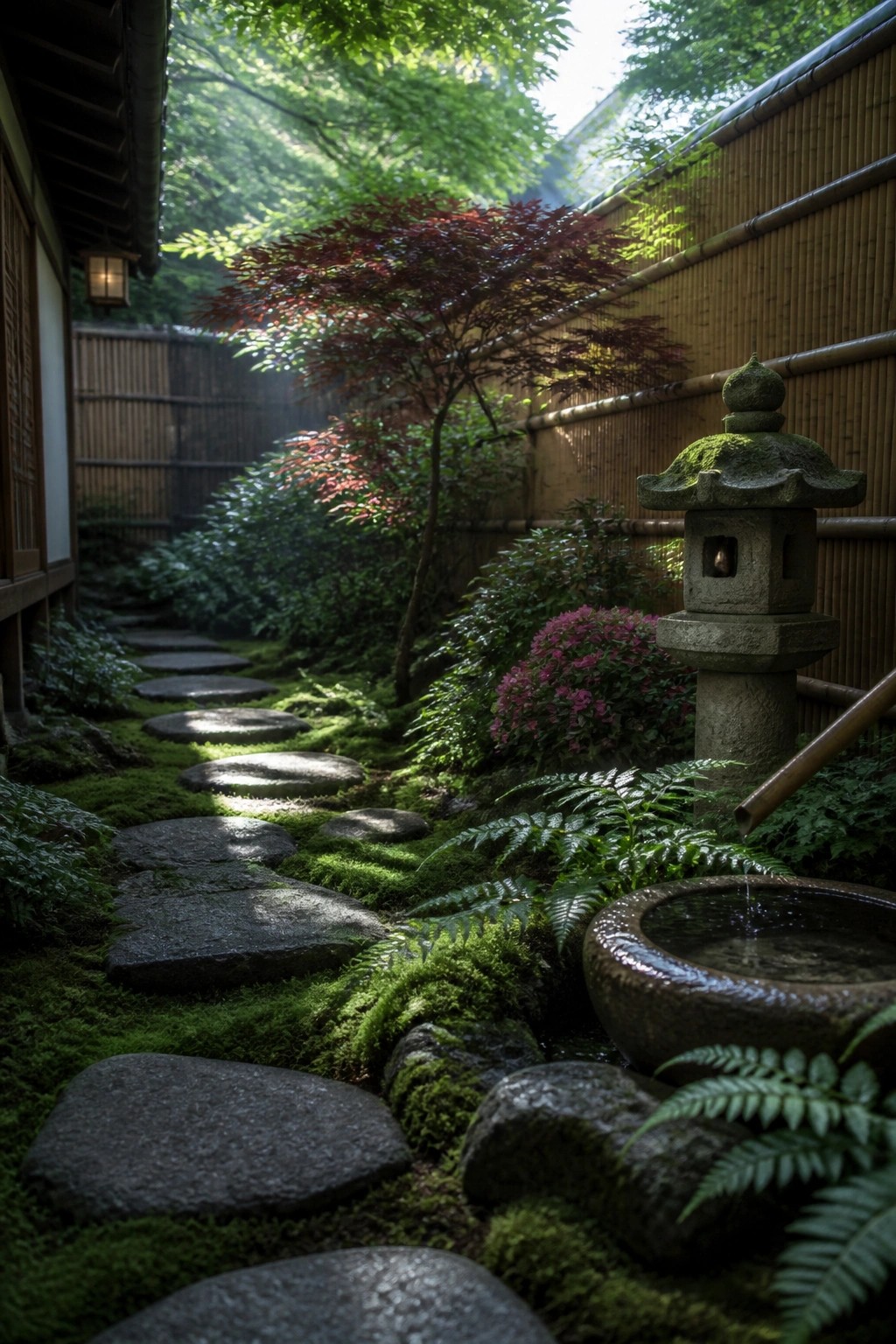
A simple stone path gains more interest when you build up layers of plants right beside it. Low moss creates a soft base, ferns add mid-level texture, and taller shrubs or small trees bring height and color that shifts with the seasons.
This approach works best in shaded or partly shaded spots where moss thrives naturally. Keep the plantings fairly narrow so the path stays easy to walk, and choose varieties that need similar moisture levels to cut down on extra care.
Stepping Stones Through Layered Borders

Stepping stones let you bring visitors right into the edge of a border instead of keeping everything behind a straight line. The stones break up the ground plane and give the flowers a chance to spill around them naturally, which makes the color feel more layered without extra work.
Set the stones so they follow the flow of the planting rather than cutting straight across it. This approach works best in smaller gardens or along the edge of a pond where you want seasonal flowers like irises to stay visible up close. Just make sure the stones sit level and are wide enough for comfortable steps.
Frequently Asked Questions
Q: How do I keep taller shrubs from hiding the flowers in front? A: Place the shrubs toward the back and leave gaps between them for lower plants. Fill those spots with flowers that reach just below the shrub leaves. This way each layer stays visible as things grow.
Q: What works if I want color changes through the year without constant replanting? A: Choose a few shrubs that hold leaves into fall and add perennials that bloom in sequence around them. The shrubs give structure while the flowers take turns in the open spots. You end up with steady shifts in texture and color.
Q: My border runs along a fence that gets full afternoon sun. Any quick fixes for plants that might scorch? A: Start with shrubs known for tough leaves and set the more delicate flowers slightly forward where they catch some shade from the shrubs. Water them deeply in the first season so roots settle deeper. That single step cuts down on wilted edges later.
