

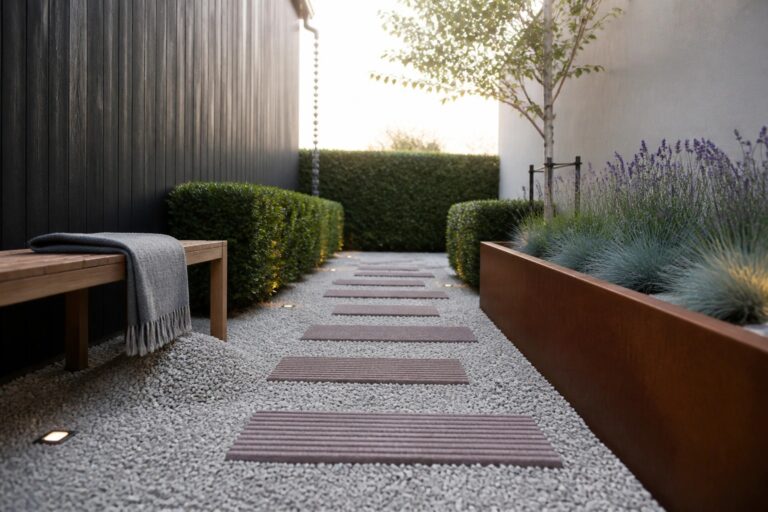
I have noticed that gardens hold up better over time when the planting plans stay simple and the layout follows how the space actually gets used day to day.
Grouping plants with similar water and light needs cuts down on the scattered look that often appears after the first season.
Pathways and edging quietly shape everything else because they keep the yard from feeling unplanned once growth fills in.
It changes how the whole space feels.
I usually try one small adjustment at a time in my own yard before adding anything else.
Stepping Stone Paths In Gravel
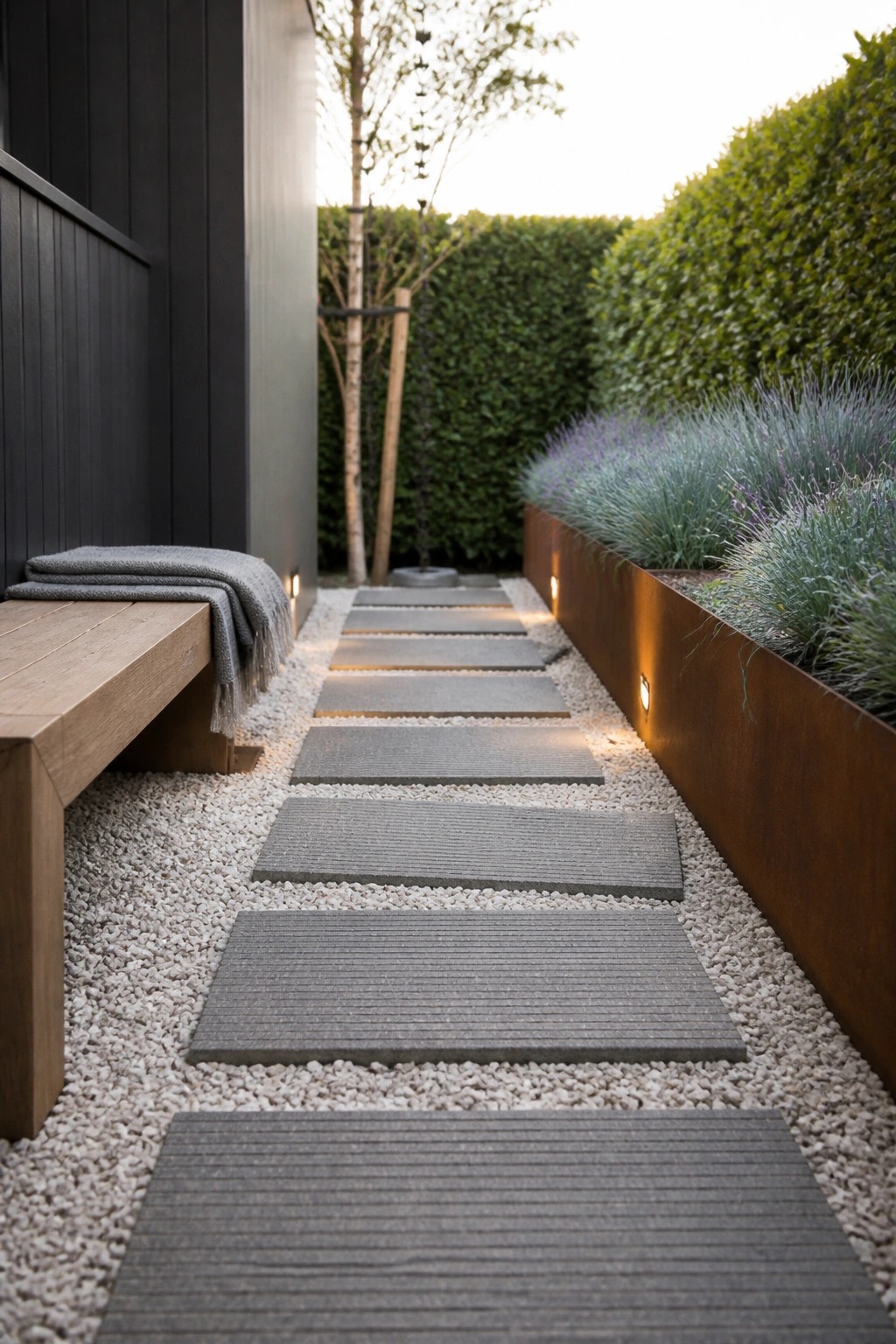
A path made from simple rectangular stones set into gravel gives a garden a clean line without much fuss. It keeps feet out of the beds and makes the whole space feel more organized, especially in narrow side areas where planting runs close to the house.
This approach works best on mostly flat ground where the stones can sit level. Space them so each step lands naturally, and use a gravel that settles well over time so the path stays firm.
Edge Your Garden Paths With Brick
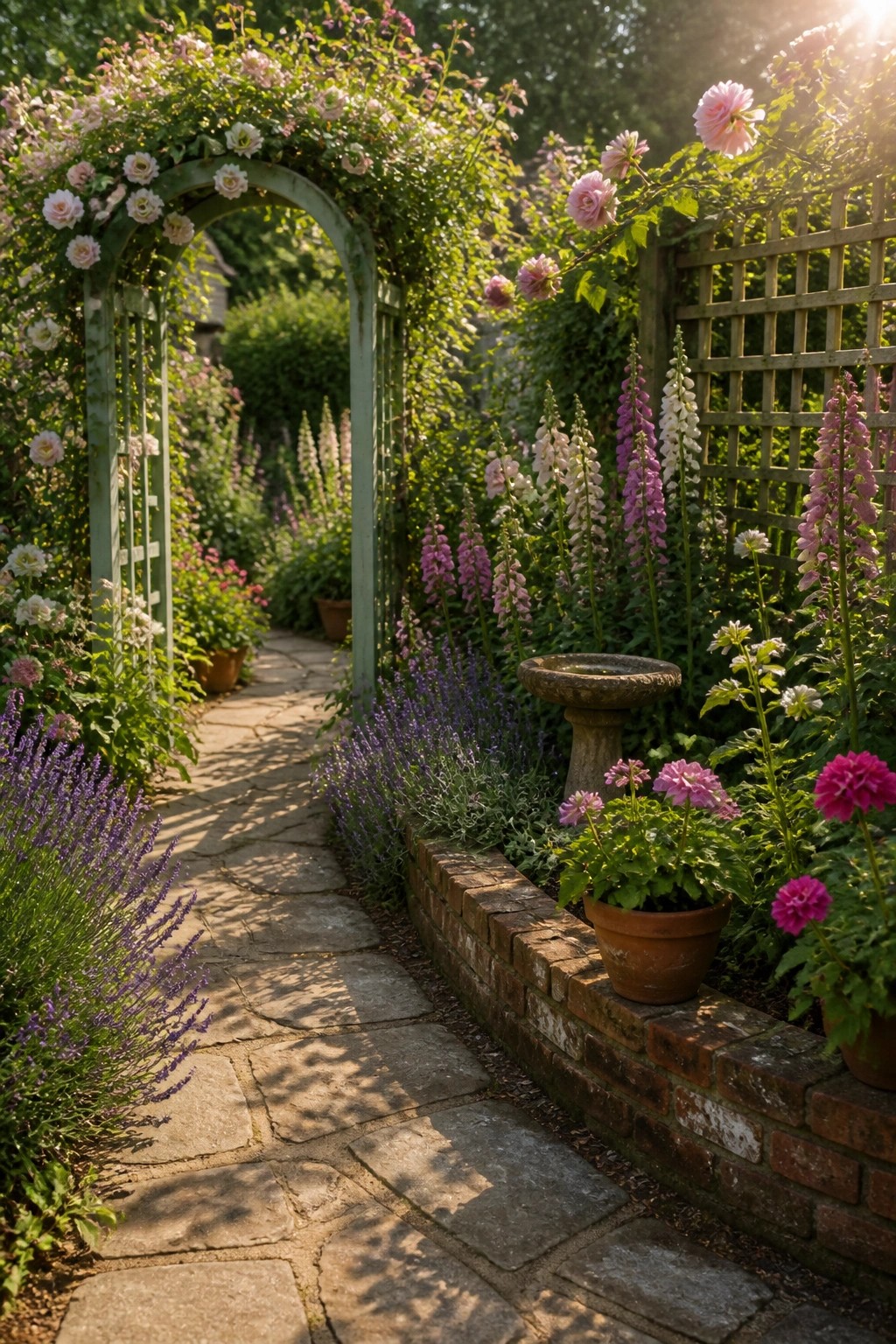
A low brick border keeps the planting beds neat and gives the whole garden a tidy frame. It stops soil and mulch from spilling onto the walkway while letting the flowers spill over just enough to feel full.
This works well in smaller yards or along side paths where you want easy access without losing the planted look. Keep the bricks level with the path surface so mowing stays simple and the line stays clean year after year.
Anchor Outdoor Seating With a Floor Pattern
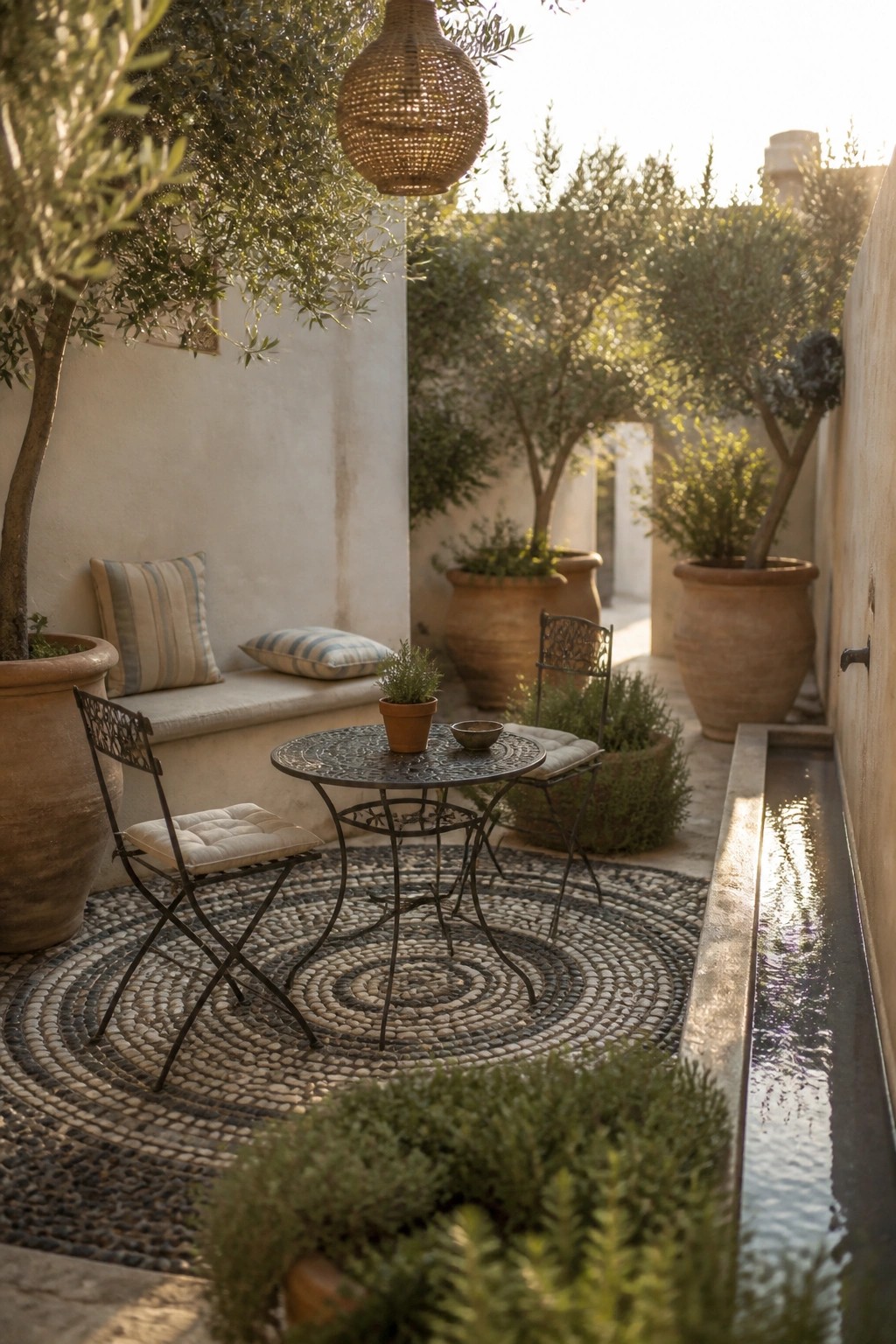
A simple way to make an outdoor seating area feel intentional is to give it its own floor. The circular pebble mosaic here sets the table and chairs apart from the surrounding paving and planting without adding walls or extra structures. It keeps the space feeling open while still showing exactly where to sit.
This works best in smaller courtyards or side gardens where you want one clear spot for meals or coffee. Keep the pattern simple and roughly the same size as your table and chairs so the zone reads as one unit. Avoid making the circle too large or it can start to feel disconnected from the rest of the garden.
Stepping Stones In Gravel For Easy Garden Paths
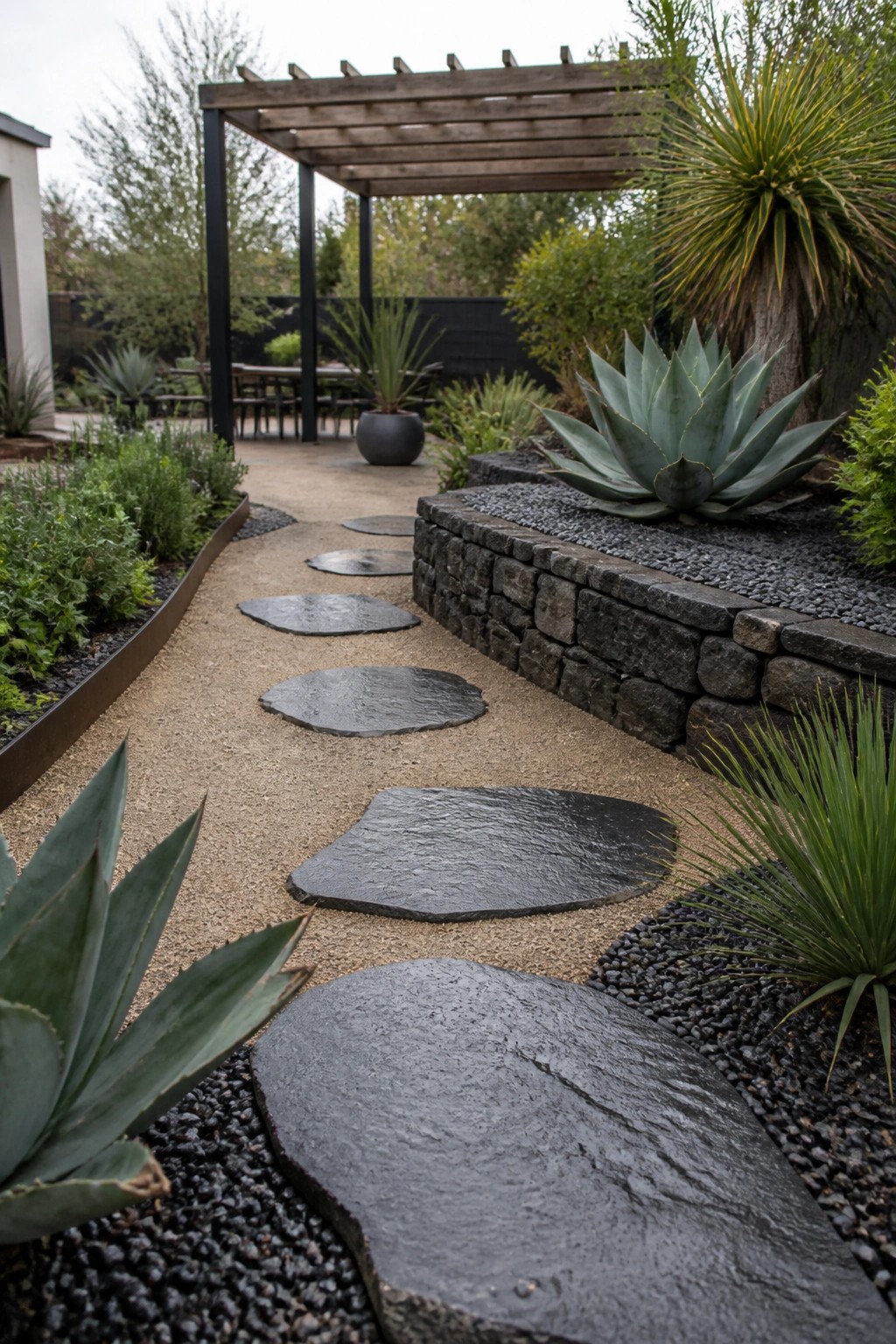
Stepping stones set into gravel make a simple path that feels relaxed and blends right into the garden. The stones give you solid footing while the gravel handles drainage and keeps weeds down with very little work.
This layout works well in sunny yards or on gentle slopes where you want something softer than a solid walkway. Keep the stones irregular and space them naturally so the path follows the shape of the beds rather than running in a straight line.
Outline Garden Beds with Gravel Paths
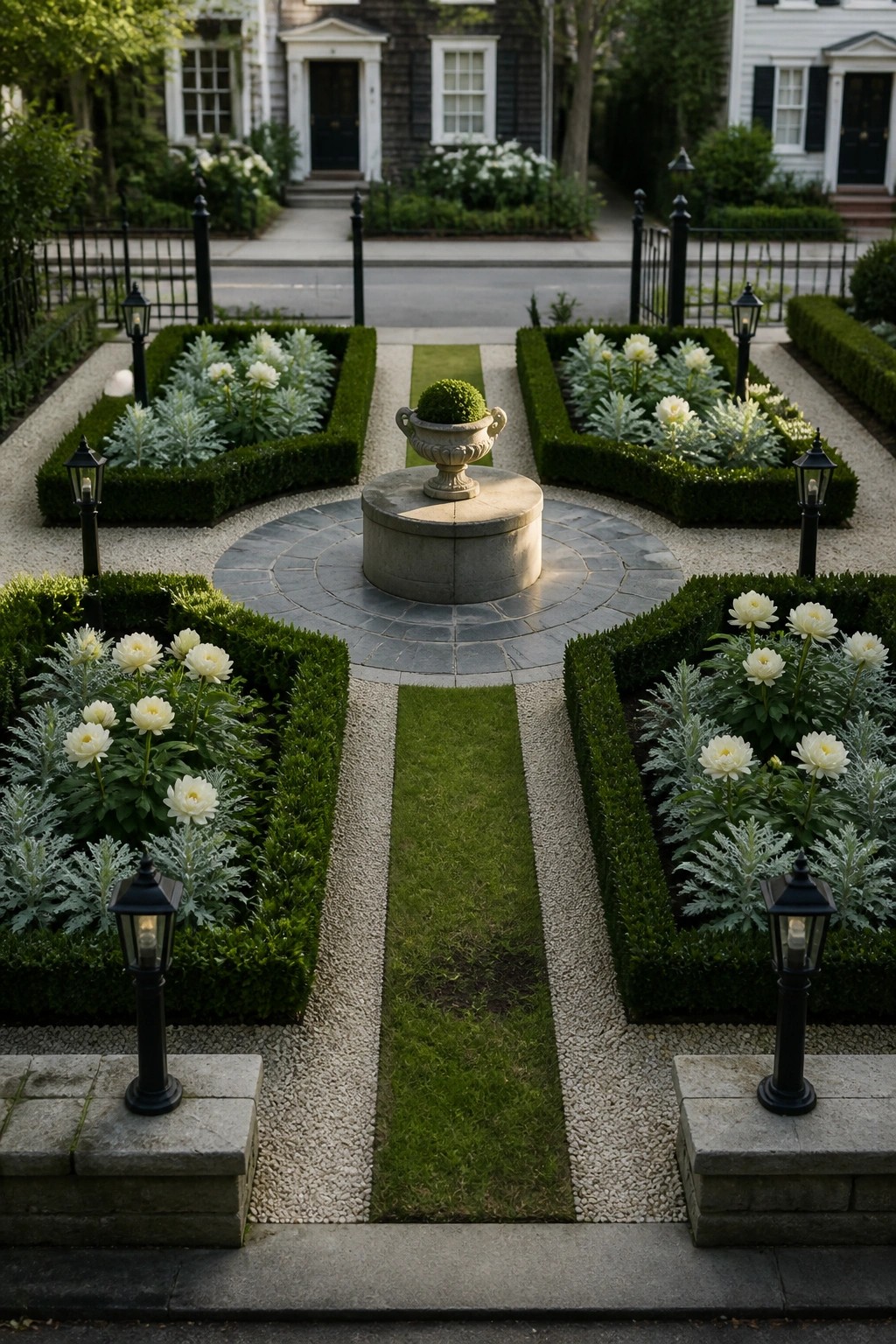
One simple way to keep a garden neat is to use gravel paths around the beds. The paths create clear edges, make walking easy, and help the whole layout feel organized without needing constant trimming or fancy features.
This approach works well in front yards or smaller spaces where you want low-maintenance structure. Stick with straight or gently curved paths and low hedges along the beds so the plants stay contained and the design stays easy to manage over time.
Log Rounds For Simple Garden Paths
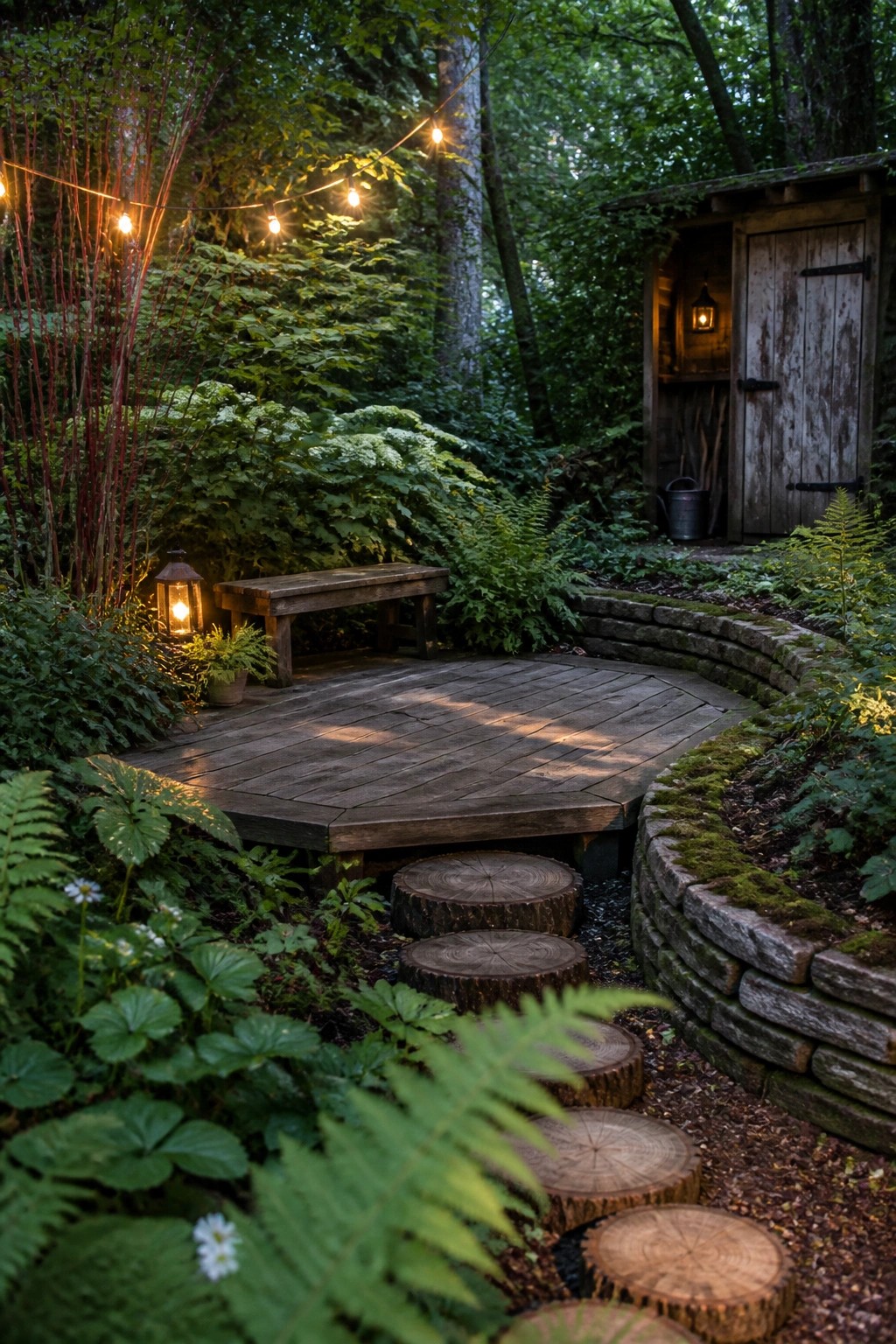
Many gardeners turn to rounds cut from logs when they want a path that feels natural and blends right into the plants around it. These slices sit low to the ground and create a soft rhythm that works especially well in shady or wooded areas.
Set them on a level base of gravel or soil so they stay steady. They suit informal gardens best and pair easily with ferns or low ground cover. Keep an eye on moisture since the wood can rot over time in very wet spots.
Line Paths With Large Planters
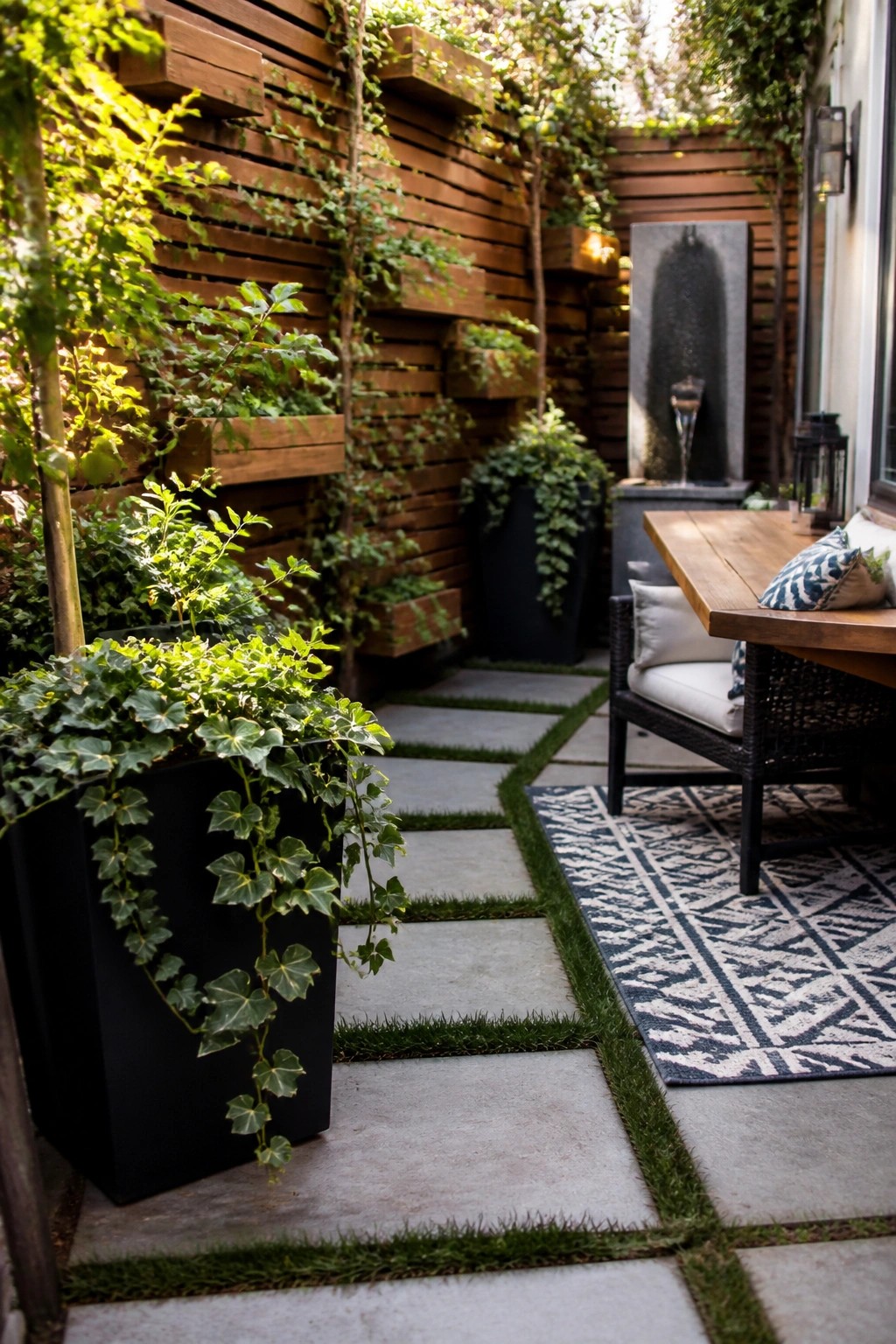
Large planters give you a simple way to add structure along a garden path without digging up the ground. They keep the layout clean while letting plants spill over the edges and soften the hard lines of the paving.
This works best in narrow side yards or small courtyards where you want clear walking space but still need some planting. Stick to one or two plant types per container and keep the pots all the same color so the path stays easy to follow.
Gabion Walls With Stone Steps
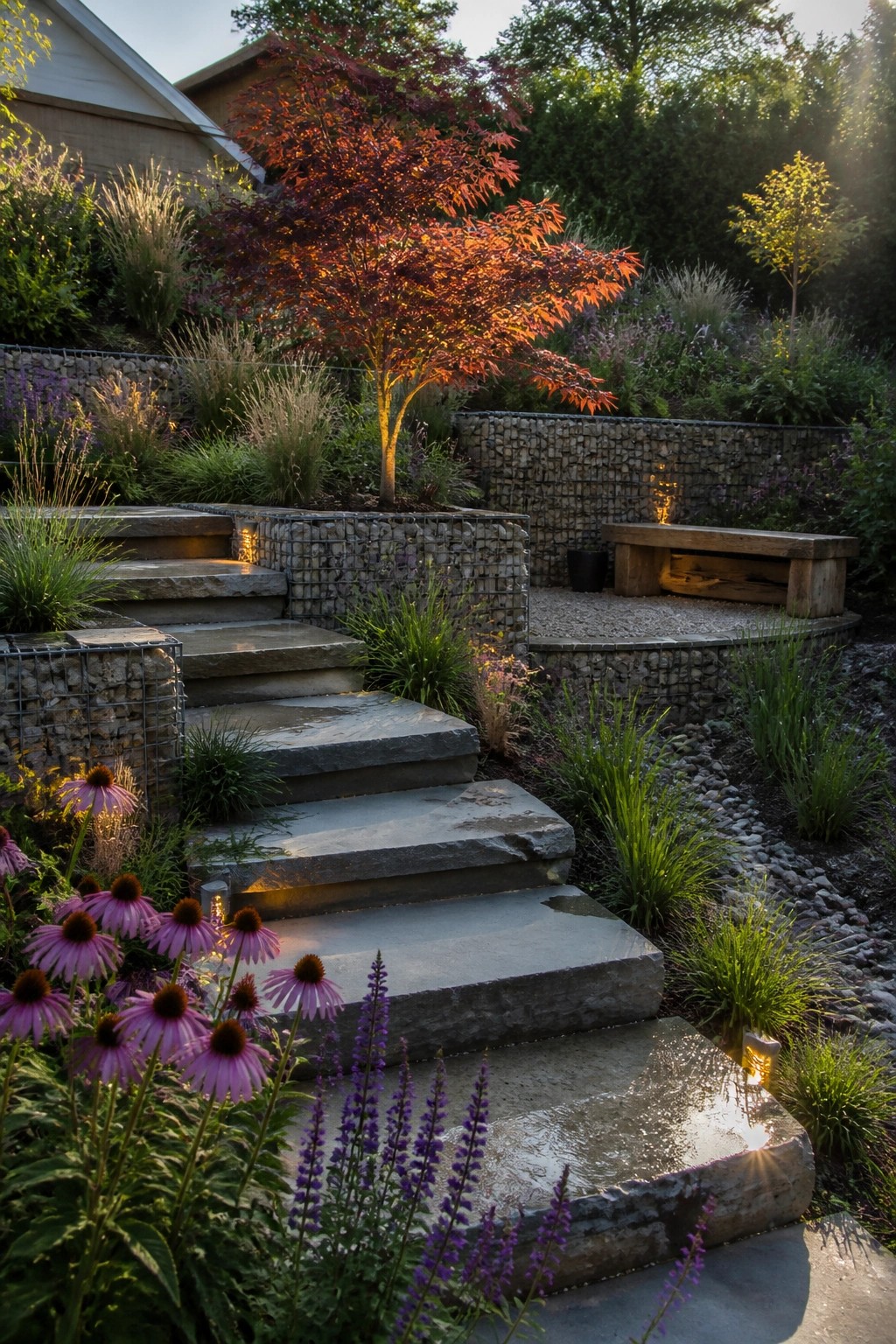
Stone steps paired with gabion walls give a sloped garden clear structure without looking too formal. The walls hold the soil in place and create flat planting areas on either side, while the wide steps make the slope easy to walk.
This approach suits backyards that drop a few feet across the space. Keep the plants loose around the base so the steps stay visible and the whole layout stays simple to maintain.
Lay a Stone Path for Easy Garden Flow
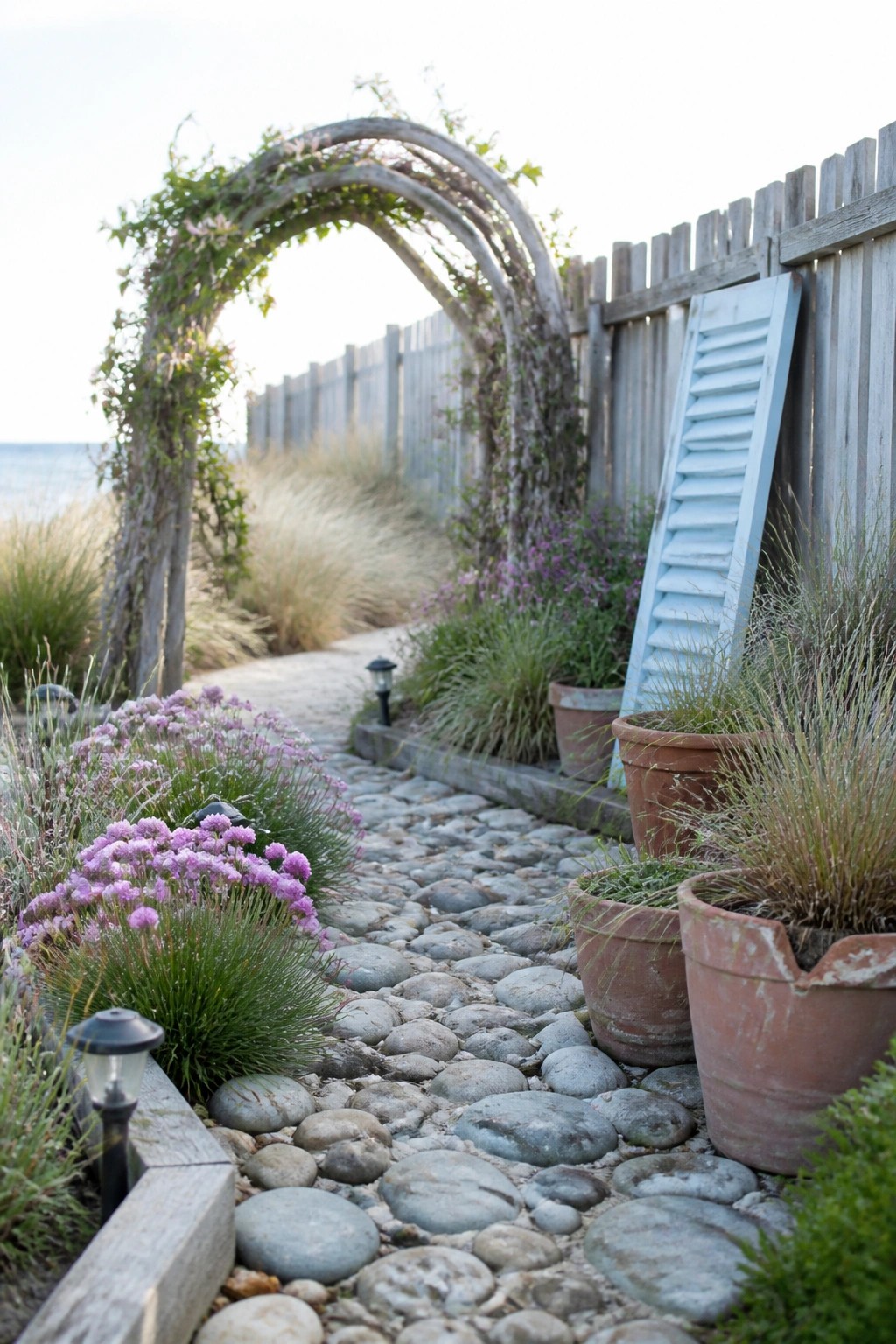
A stone path gives the garden a clear structure without making it feel stiff. Rounded cobblestones create a solid walking surface that stays neat even when plants spill over the edges a bit. This setup works especially well in smaller yards where you want to move through the space without stepping on soil or plants.
Place the path where you walk most often and keep the edges simple with a low border or just soil. It suits homes with long side yards or back gardens that need a practical route to a gate or seating spot. Avoid making the path too wide or perfectly straight if you want a softer look.
Run a Narrow Water Channel Beside the Path
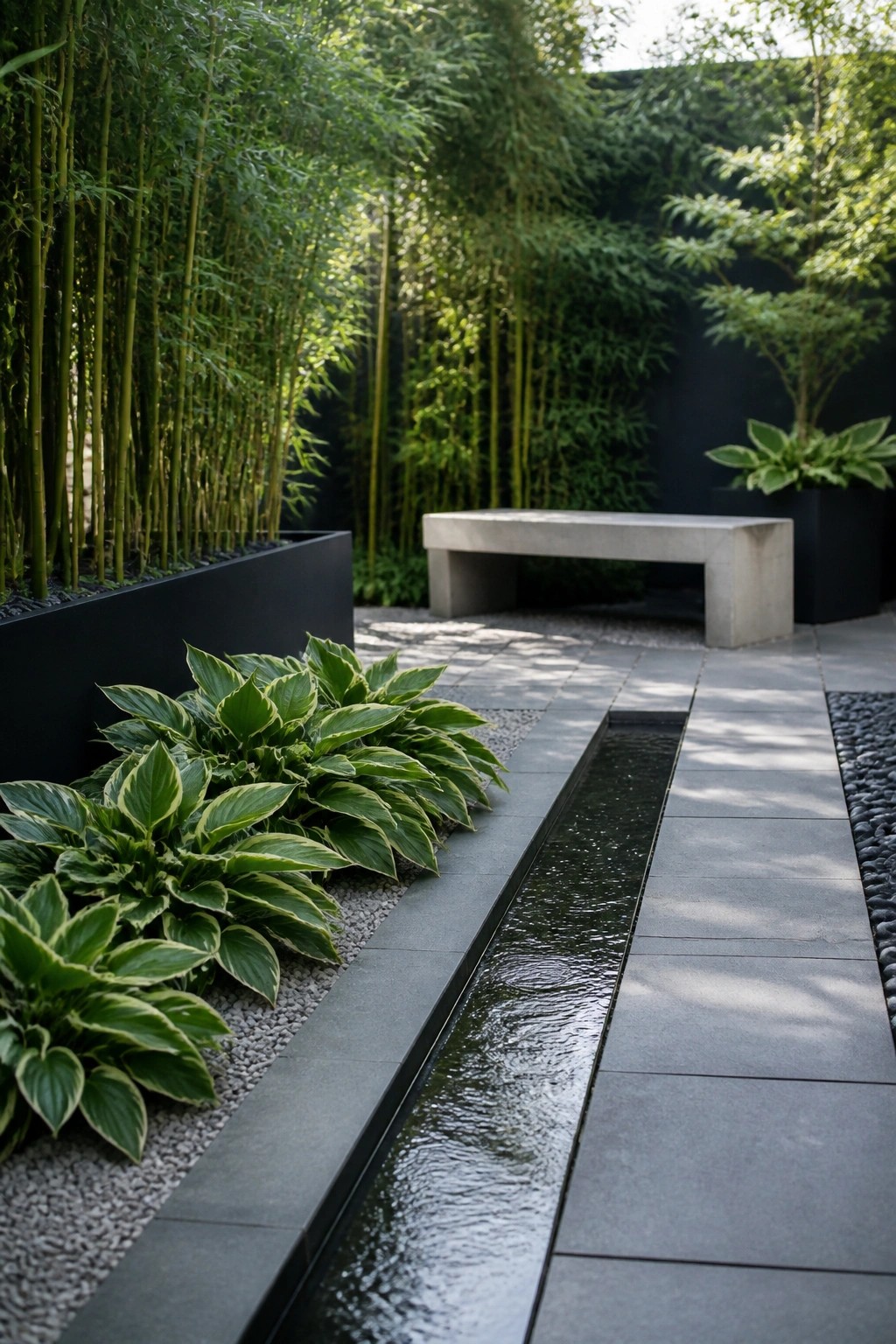
A narrow water channel gives a garden path a clean edge without adding clutter. It keeps the planting beds separate from the walking area and creates a simple rhythm that feels easy to follow.
This layout works best in compact yards or modern gardens where straight lines matter. Keep the channel shallow, use gravel to frame the beds, and choose plants that stay contained so the whole thing stays low maintenance.
Raised Metal Beds For Defined Garden Edges
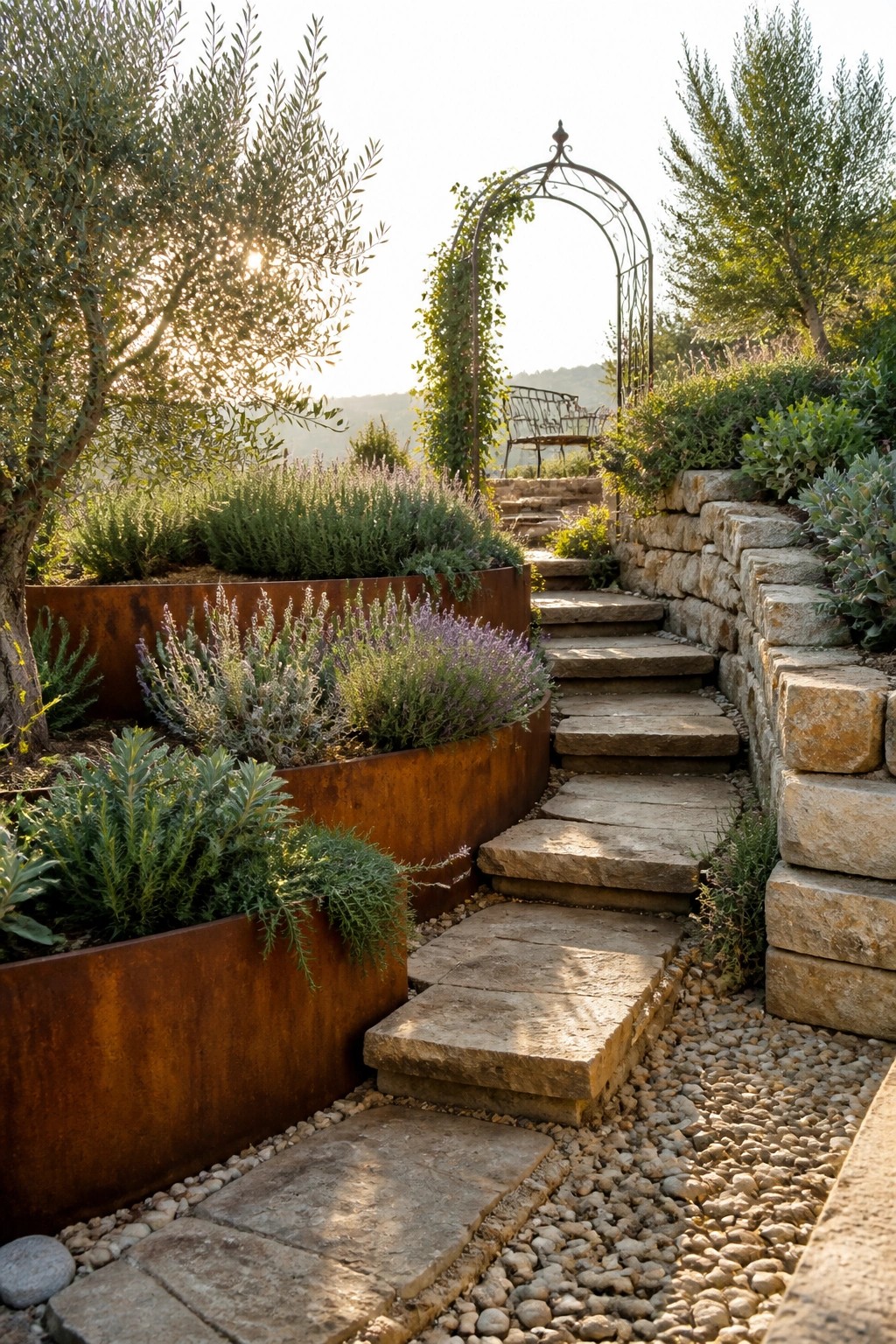
Raised metal planters give a garden a clear shape and keep plantings from spilling onto paths. They work especially well when you want a tidy look without building full retaining walls or spending hours trimming edges.
The material holds up outside and develops a natural finish over time, so it fits both modern and older homes. Place them along a main walkway or at a change in level, and fill them with a mix of taller and trailing plants so the beds feel full without looking crowded.
Curved Paths With Gravel Borders
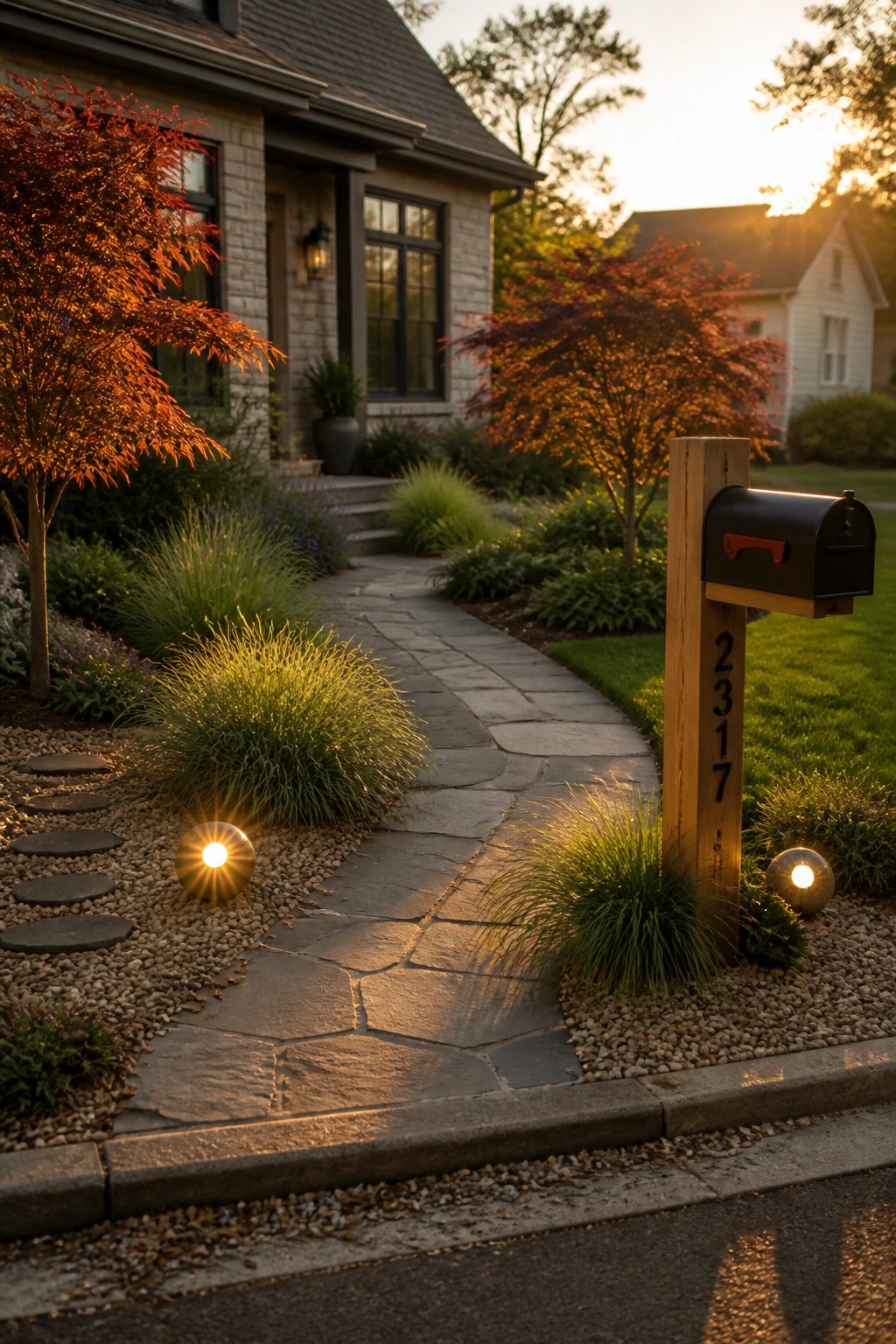
A gentle curve in the path helps the front yard feel more natural and less rigid. It also gives the planting beds room to soften the edges without crowding the walkway.
This layout works best along a front walk or side entry where you want simple movement and low upkeep. Keep the beds narrow, use gravel to hold the shape, and add a few low grasses so the whole thing stays easy to mow around and maintain.
Raised Beds For Easy Planting Plans
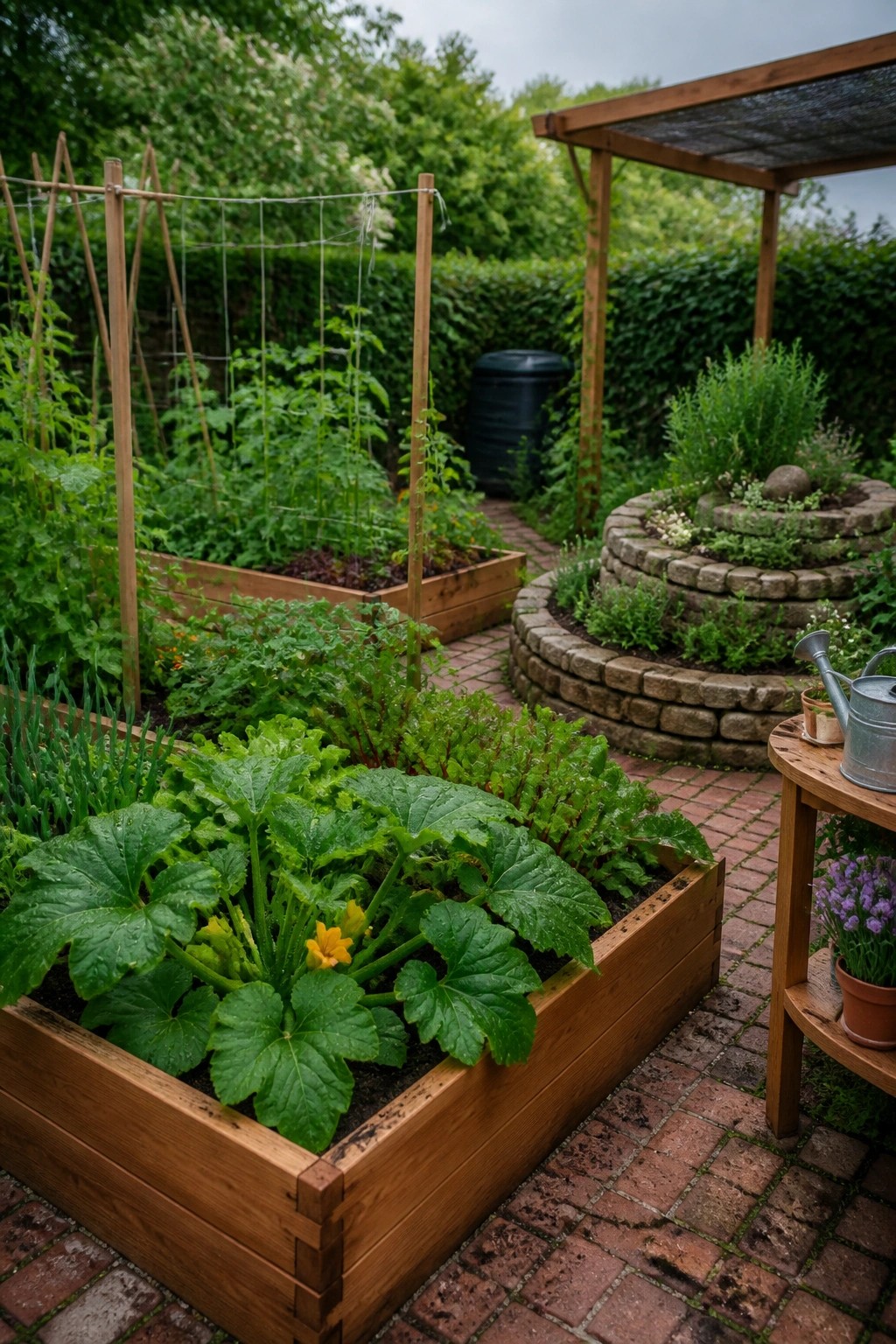
Raised beds help keep a garden looking neat while making the actual work much simpler. They give each crop its own space, reduce weeding, and let you control the soil quality without digging up the whole yard.
Place them along a main path so everything stays reachable from both sides. This layout suits smaller backyards or anyone who wants a tidy vegetable patch without a lot of daily upkeep.
Simple Paths With Pavers Set In Grass
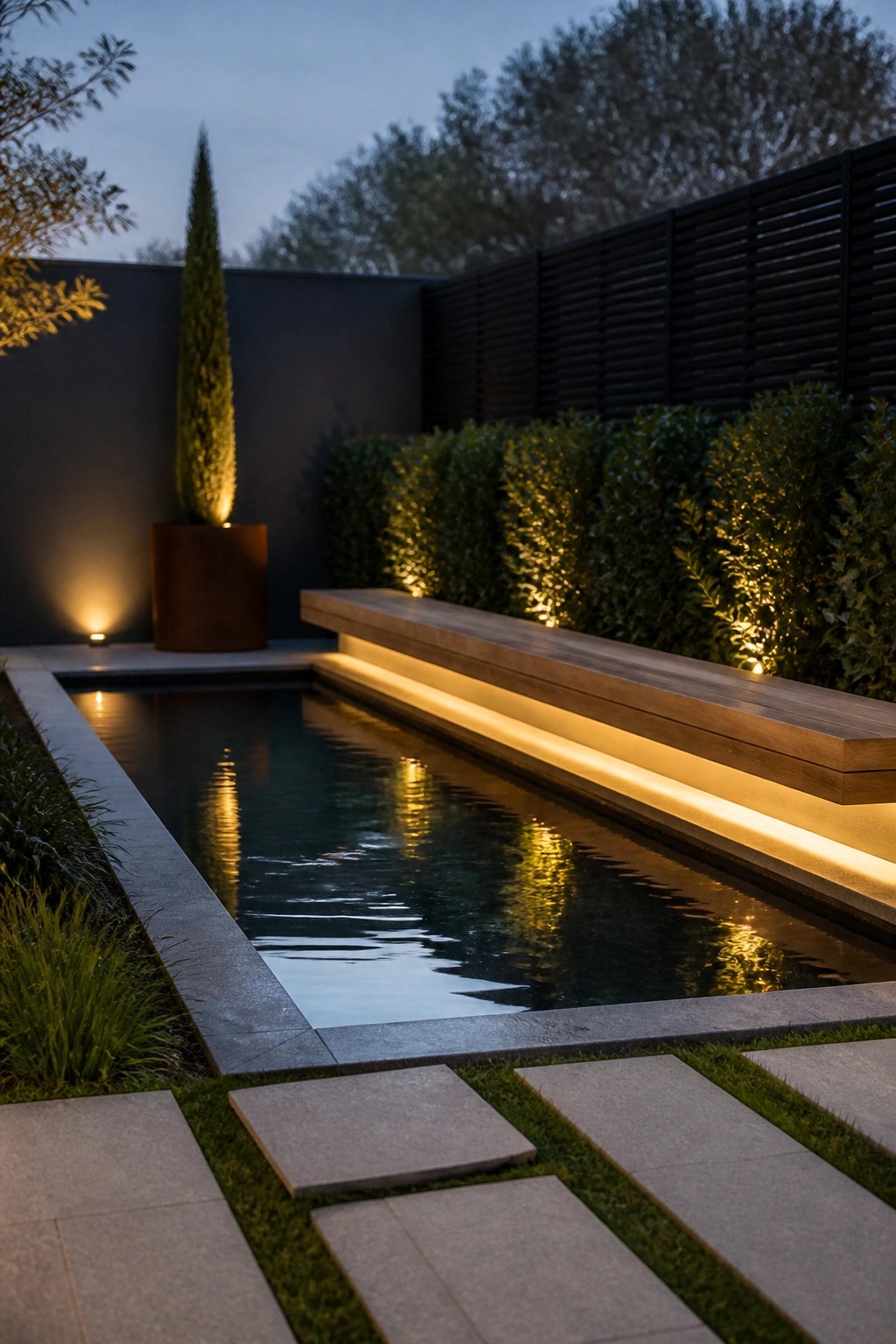
Stone pavers spaced with grass between them give a garden a neat, open feel without needing fancy materials or constant upkeep. This layout keeps things straightforward and makes it easy to walk through the space while still leaving room for planting on the sides.
It works especially well in smaller yards or along a pool edge where you want clear lines but not a full patio. Just keep the gaps wide enough for a mower and choose pavers that match the rest of your hardscape so the whole area stays simple and balanced.
Add a Pergola for Shaded Outdoor Dining
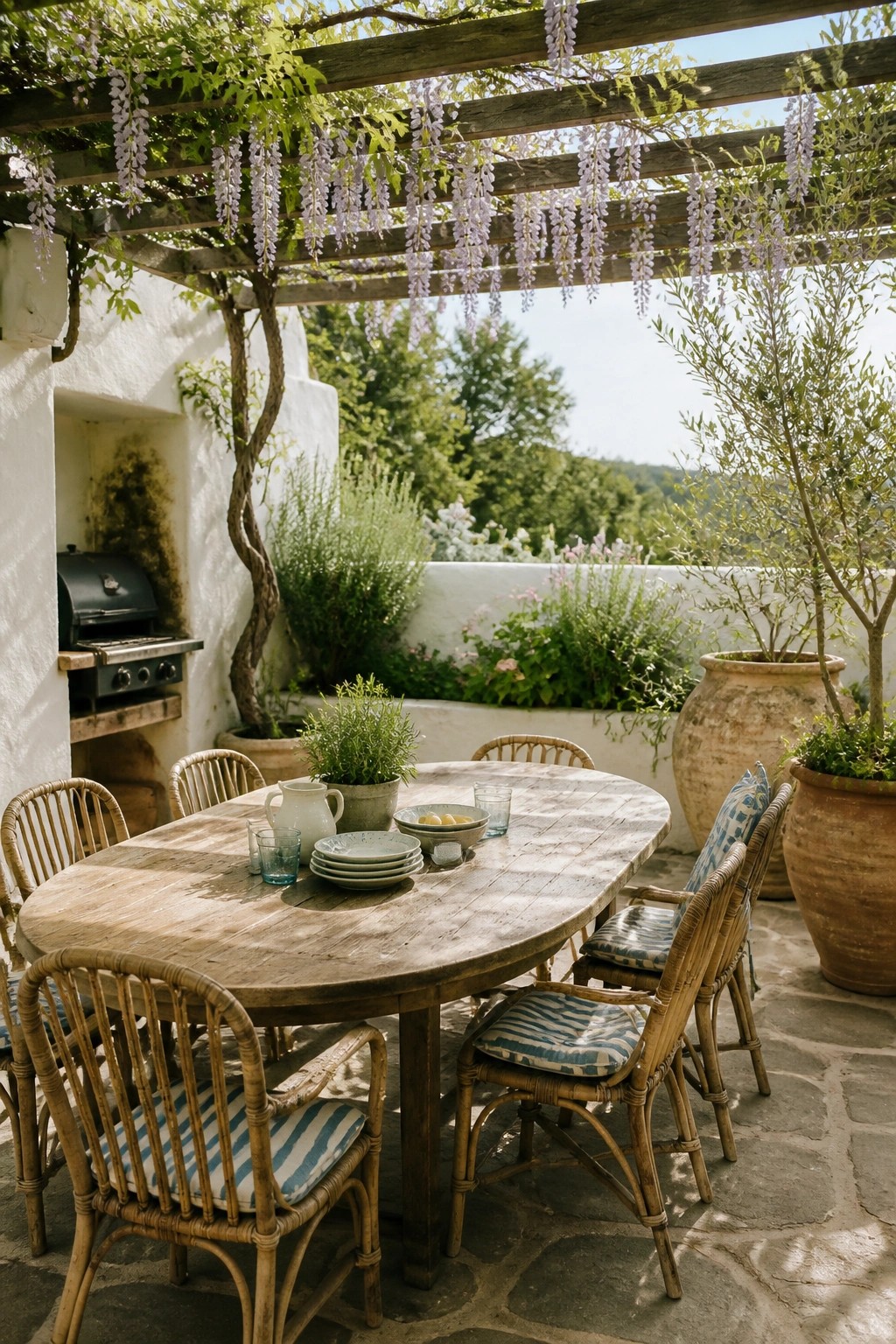
A pergola overhead makes an outdoor dining spot much more usable. It gives steady shade during the day and turns a plain patio into a place where meals can last longer without anyone getting too hot or squinting.
Place the structure right over the table and let a vigorous climber like wisteria cover the beams. This works especially well on stone or gravel patios where you already have seating arranged. Keep the sides open so air moves through and the space still feels connected to the rest of the garden.
Raised Planters for Clean Terrace Layouts
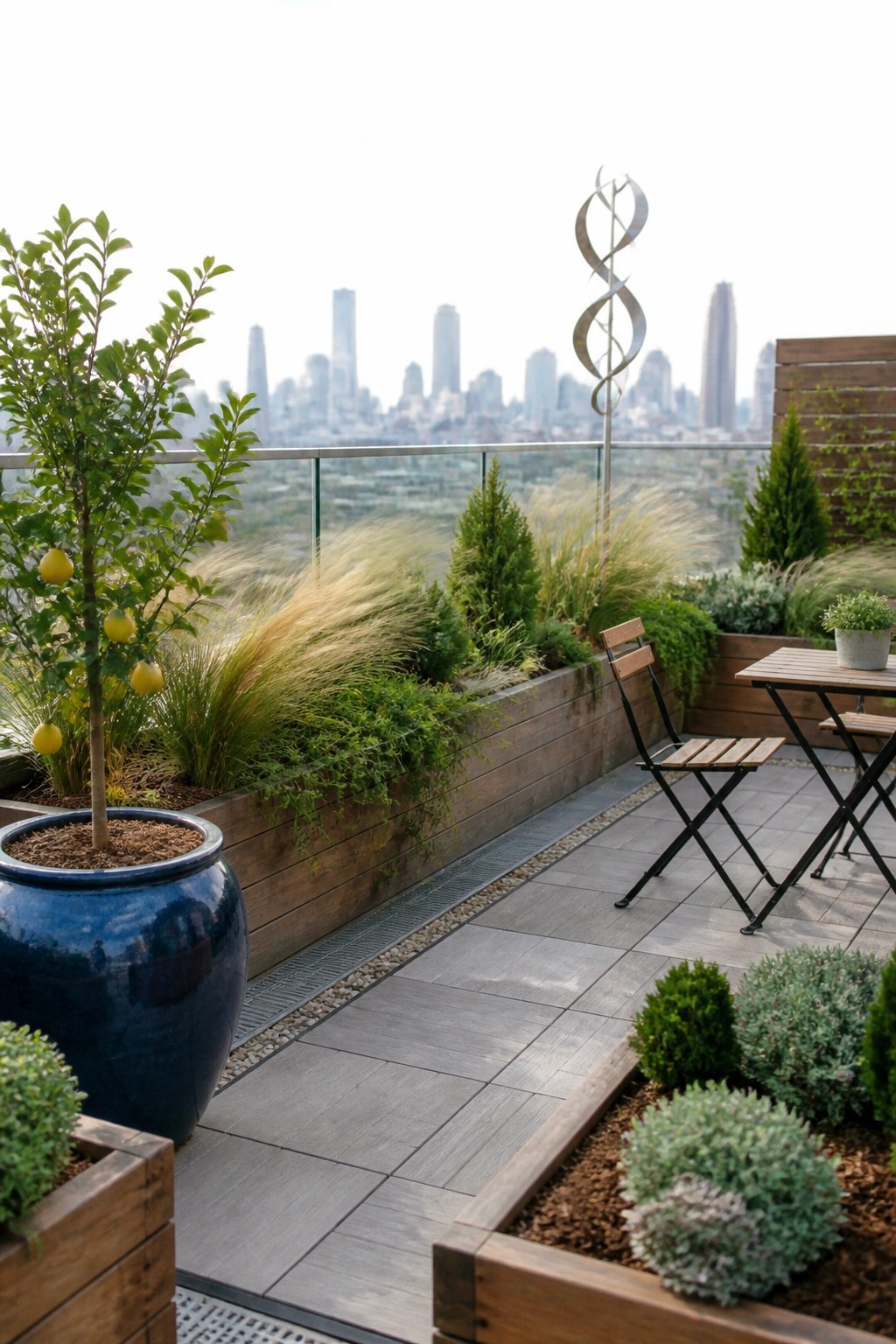
Raised planters give you a way to add real planting without covering the whole floor. They keep the space open for walking and seating while still letting you grow a good mix of shrubs, grasses, and small trees in one contained area.
This works best on rooftops, balconies, or paved patios where drainage matters and you want low maintenance. Place the beds along the edge, add one or two larger pots for height, and keep the rest of the surface clear.
Adding a Fire Pit to Anchor a Patio
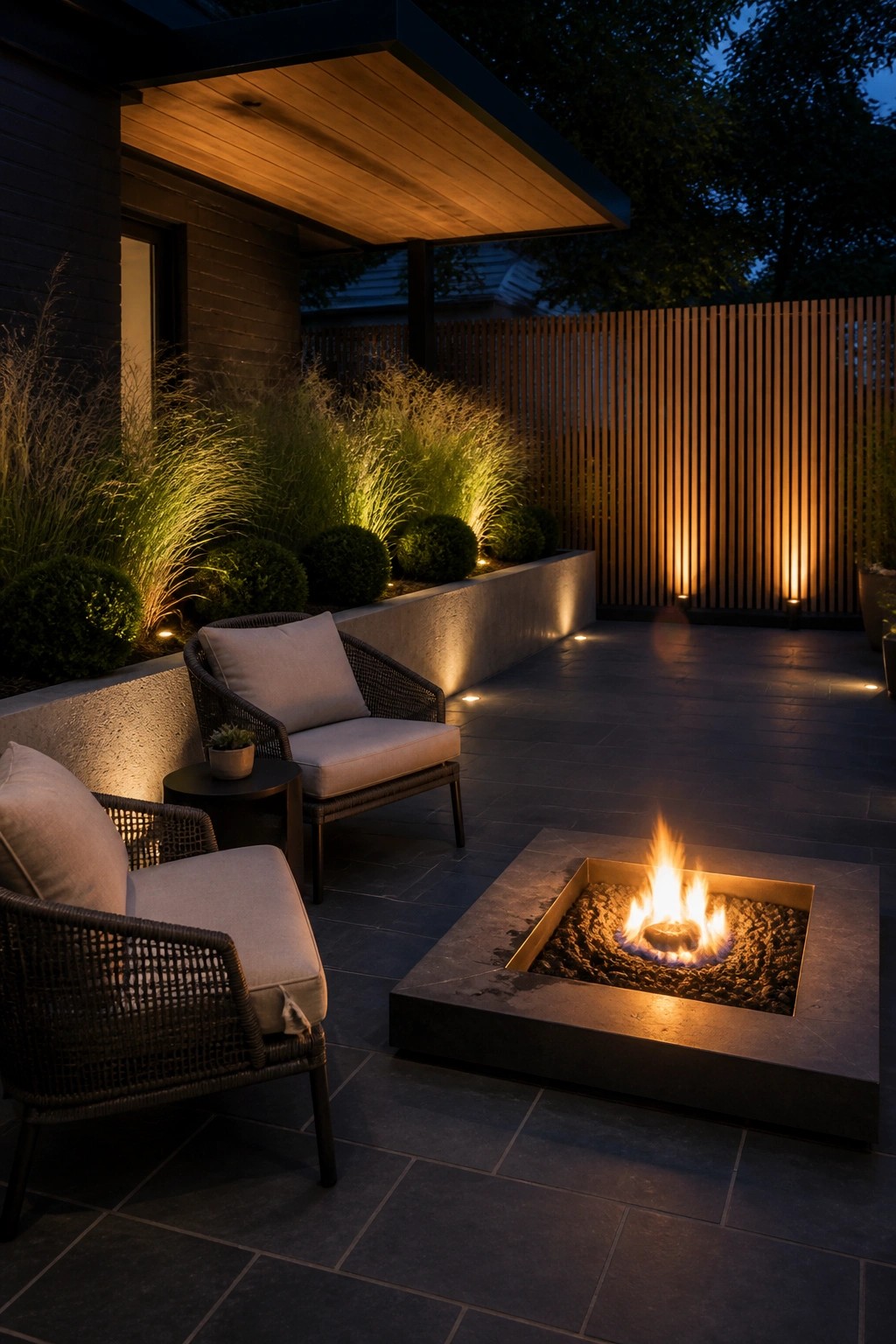
A fire pit gives an outdoor space a clear center without adding much clutter. People tend to gather around it naturally, and it turns a plain patio into a spot that gets used after dark. The simple square shape keeps the layout easy to read and avoids crowding the area with too many pieces.
This works best on a flat paved surface where you can pull a few chairs close. It suits smaller yards or modern homes that already have clean lines, since the pit itself does most of the work. Just keep the surrounding planting low and the furniture light so the space still feels open.
Stepping Stones Set in Gravel
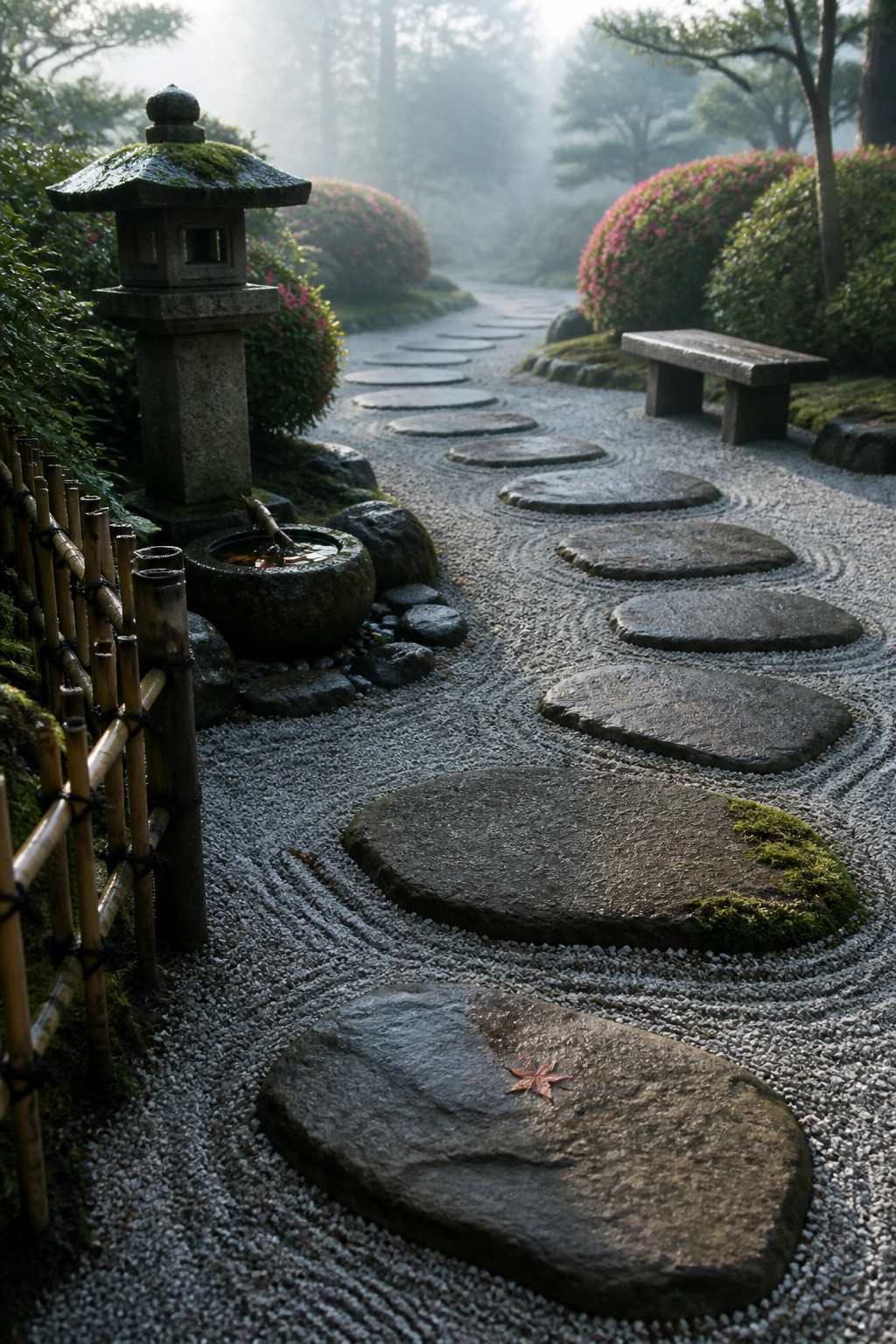
A path made with large stepping stones placed into gravel gives a garden a calm, orderly feel without much upkeep. The stones create a clear route while the gravel fills in around them and keeps weeds down.
This layout works best in smaller gardens or along the side of a house where you want something simple to walk on. Space the stones so each step lands naturally and rake the gravel now and then to keep the lines neat.
Frequently Asked Questions
Q: My space is tiny. Can I still use these planting plans without crowding everything?
A: Start with just three or four plants in containers. Place them along one wall to keep the area open and easy to walk through.
Q: How often will I need to weed or trim if I follow these clean layouts?
A: Pick ground cover that spreads slowly. Check once a week at first and pull what looks out of place before it takes hold.
Q: Should I add paths right away?
A: Lay down simple stepping stones after your first season. This shows you the best routes people actually take.
