

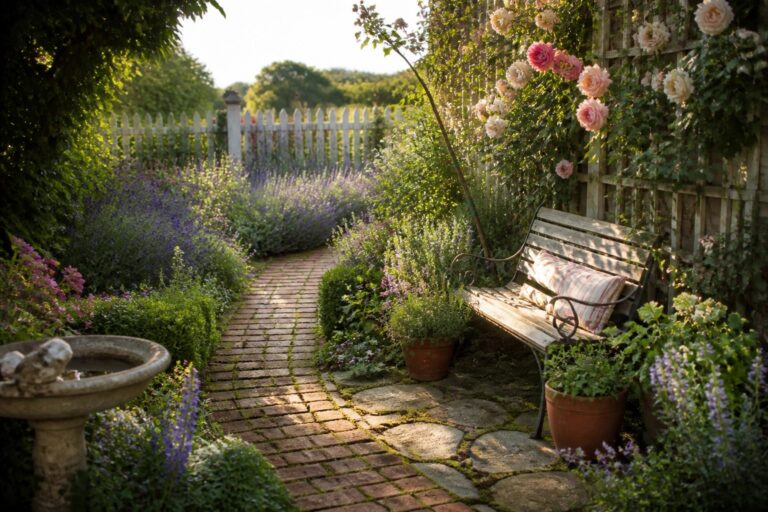
I have noticed that garden layouts tend to work best when the planting structure leaves room for paths to develop naturally over a few seasons rather than forcing a rigid plan from the start.
Small details like edging materials or the way beds meet the lawn often end up shaping how usable the whole space feels once you spend time out there.
I usually want to test a couple of these changes myself before committing to anything larger.
Walking through an existing yard shows you right away whether an idea will actually guide movement or just sit there looking planned on paper.
A few of the suggestions here line up with adjustments I have been meaning to try around the back edge where the current beds feel a bit disconnected.
Blend Brick And Stone For Garden Paths
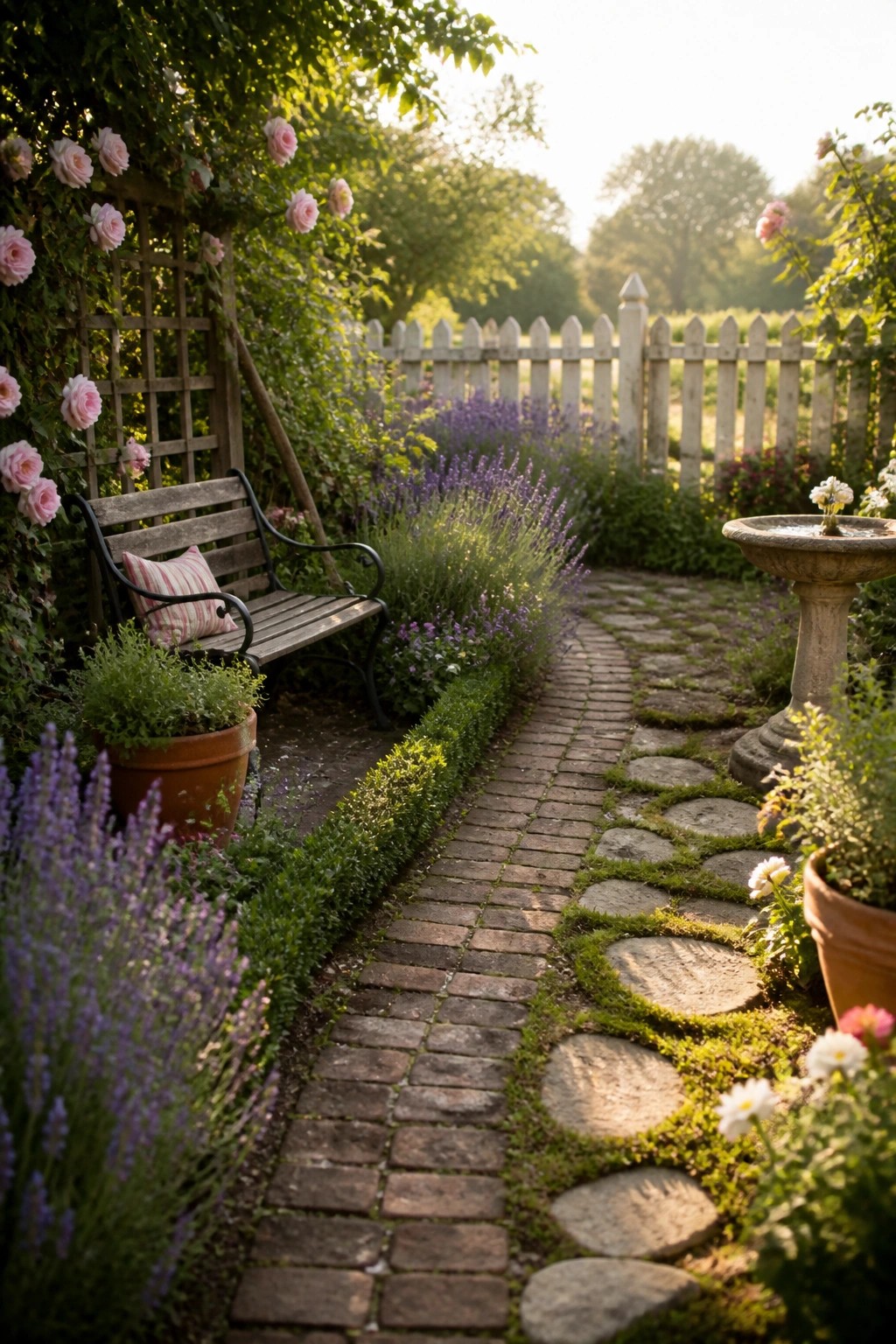
A simple path can feel more interesting when you mix materials instead of using just one. Brick gives a solid, even surface while stepping stones add a softer, more natural rhythm that lets plants creep in around the edges.
This works especially well in smaller gardens or along borders where you want to slow the walk down. Keep the brick section narrow and let the stones vary in size so the path feels like it belongs with the planting rather than cutting through it.
Centering A Fountain In Gravel
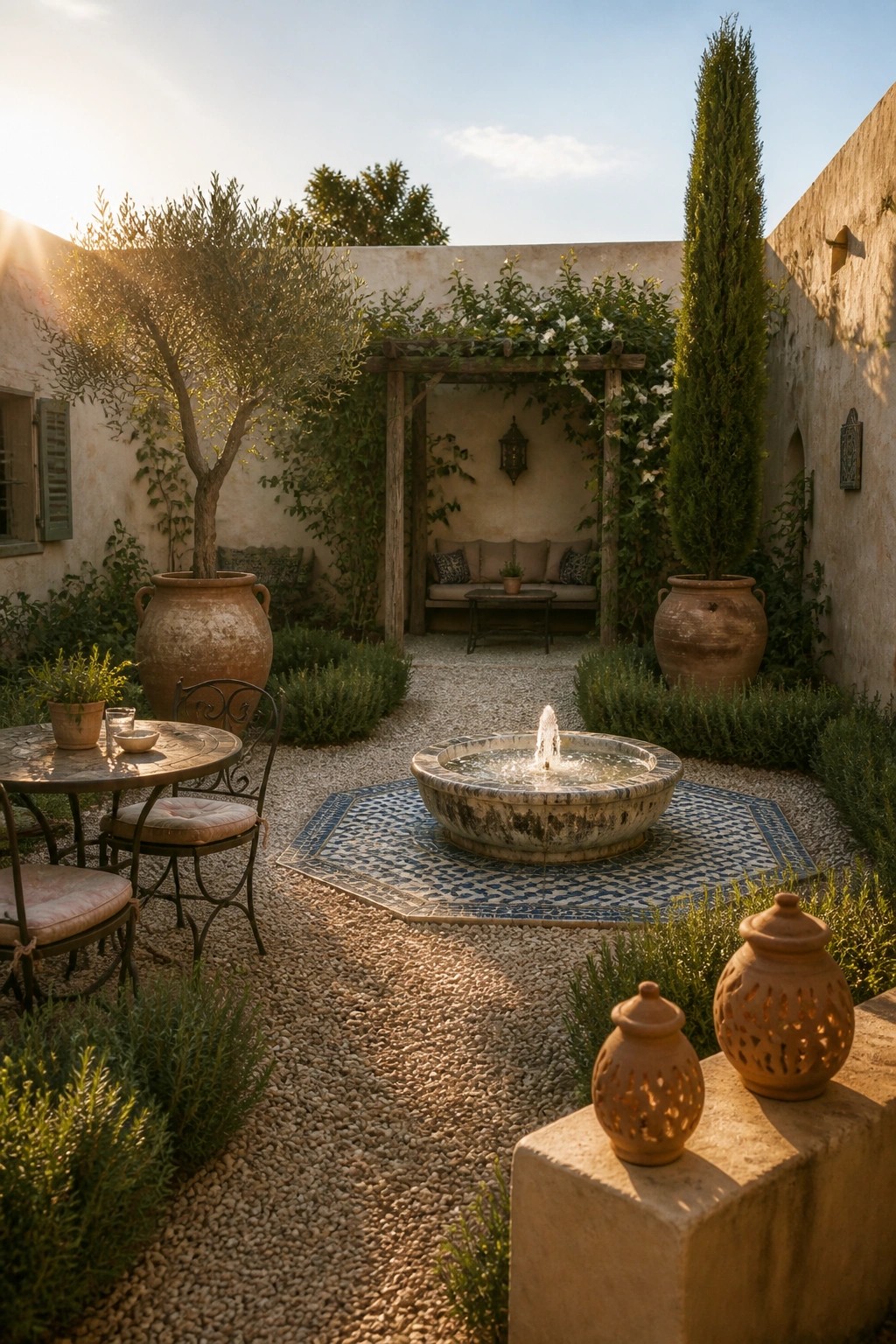
A fountain placed right in the middle of a gravel courtyard gives the whole space a clear center without needing much extra paving. The gravel keeps things simple and low cost while the water feature adds movement and sound that makes the garden feel finished.
This works well in small or medium yards where you want one strong focal point instead of lots of separate beds. Keep the surrounding pots large and simple so they frame the fountain without crowding it.
Gravel Paths With Stepping Stones
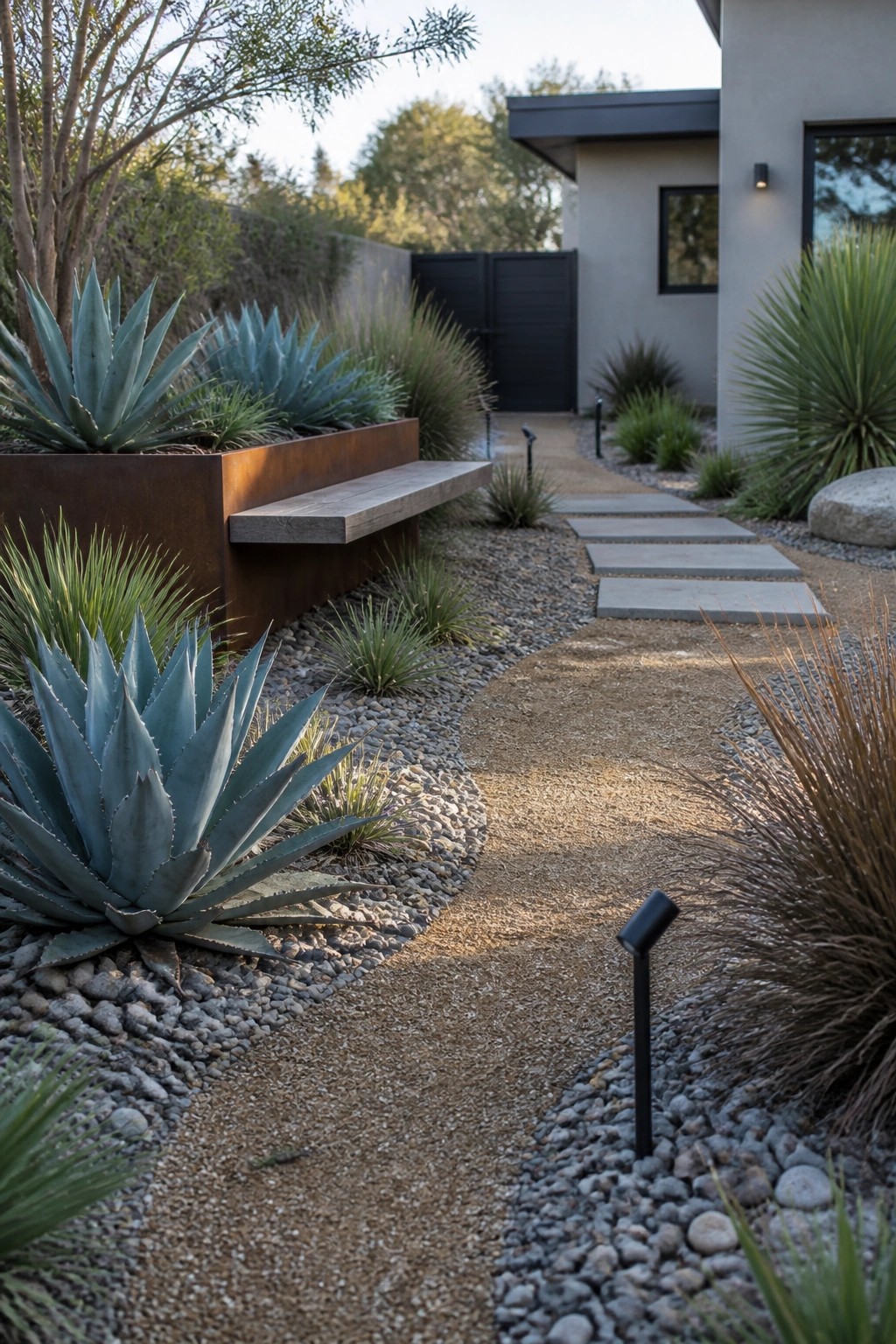
Gravel paths with stepping stones work well when you want a path that feels relaxed but still guides people through the garden. The loose surface lets the route curve easily around beds, and the stones give just enough solid footing without making the whole thing feel too rigid.
This layout suits homes that already lean toward low-water planting. Space the stones at a comfortable walking distance and let the gravel settle in around them so the path stays simple to maintain and blends with the beds on either side.
Wind a Path Through Flower Beds
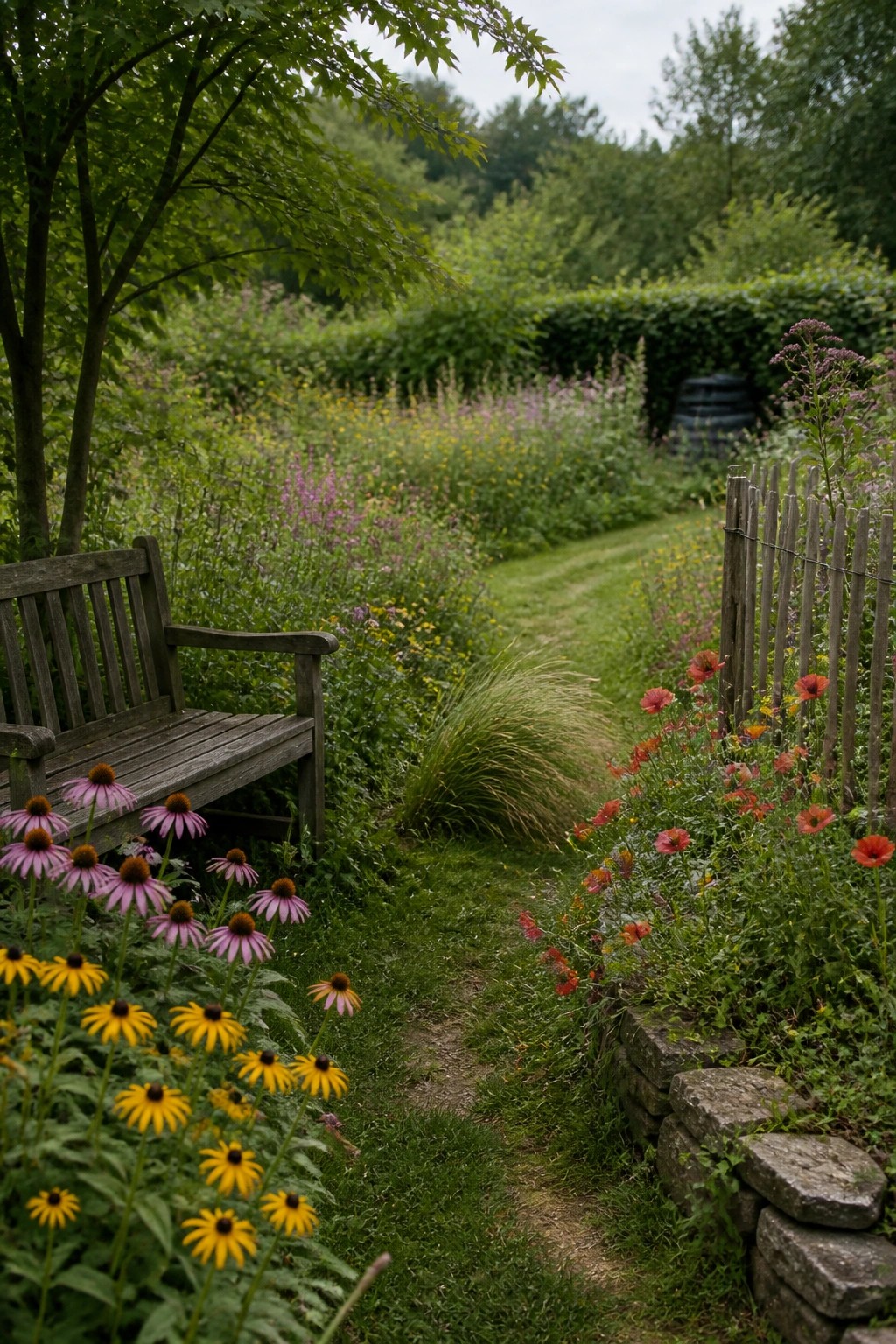
A curving path gives the garden a gentle structure without making it feel formal. It lets plants grow right up to the edges and creates small surprises as you walk along, which works better than a straight line in most backyard settings.
This approach suits homes with a bit of depth to the yard, where you can let taller flowers and grasses build layers on both sides. Keep the path narrow and use simple edging so the beds feel connected rather than divided.
Terrace A Slope With Stone Walls
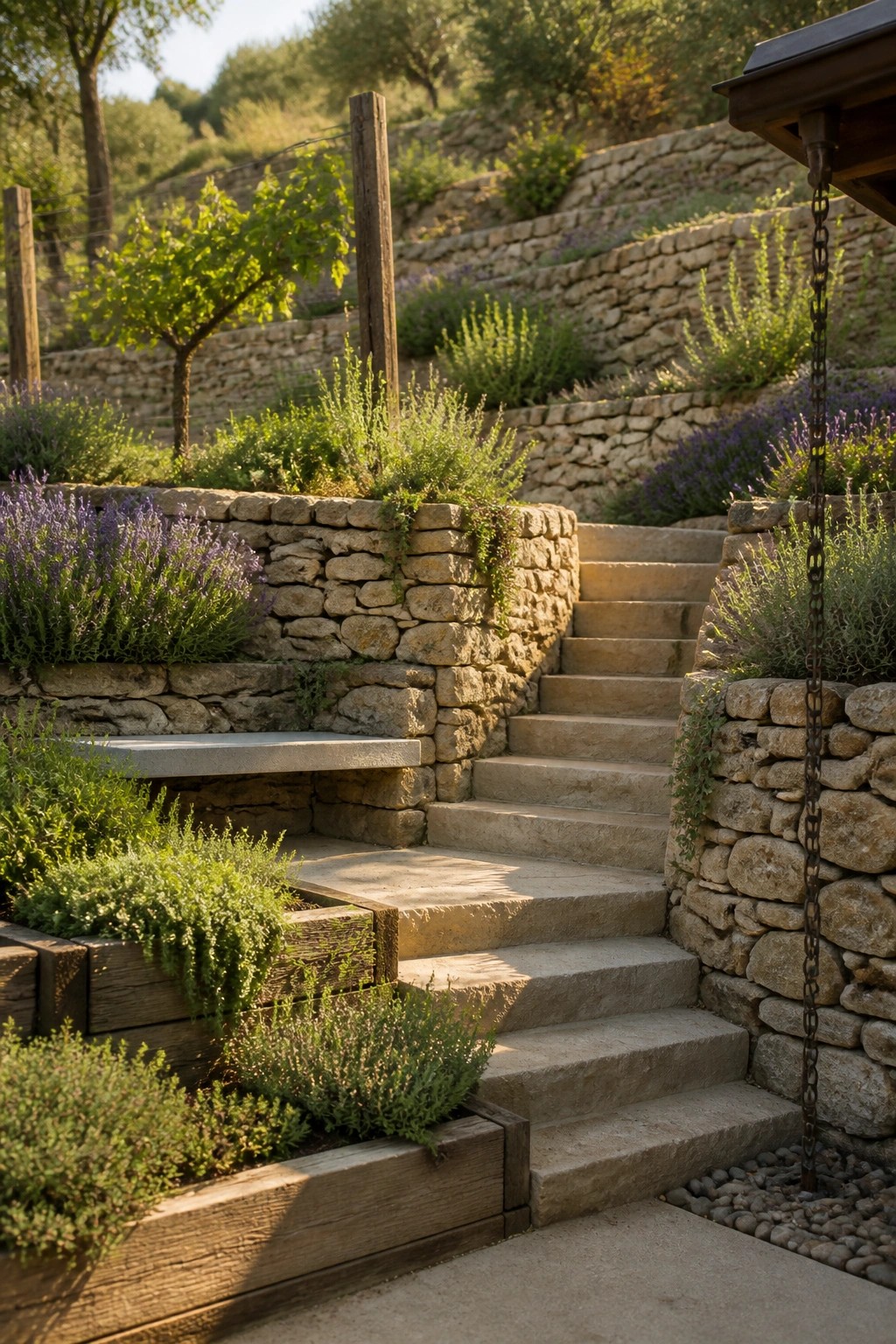
Stone walls that follow the natural grade turn a steep hillside into a series of flat planting areas. The steps built right into the walls make it easy to move between levels without adding separate paths or railings.
This setup suits homes on uneven lots where you want to keep the slope but still have room for shrubs and flowers. Pair the stone with a few wooden raised beds at the bottom to add planting depth and make weeding simpler.
Stepping Stones For A Simple Garden Path
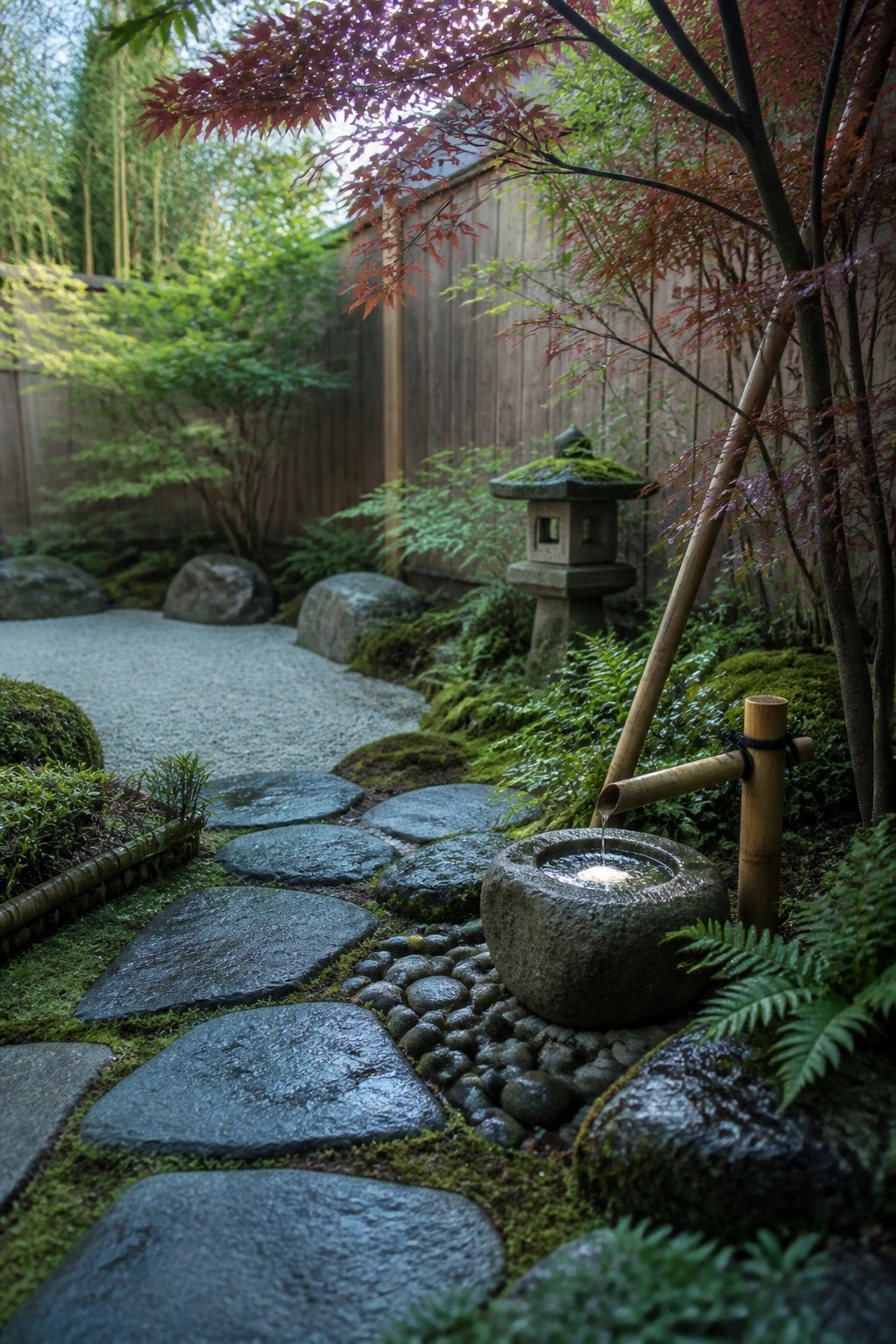
Stepping stones let you guide people through a garden without covering the ground in a solid surface. They keep the planting close on both sides and slow the walk down in a way that fits smaller or more planted spaces.
Use larger flat stones set at a comfortable stride, with moss or gravel filling the spaces between them. This works best in side gardens or narrow beds where a poured path would feel too heavy.
Natural Stone Paths Add Easy Charm To Gardens
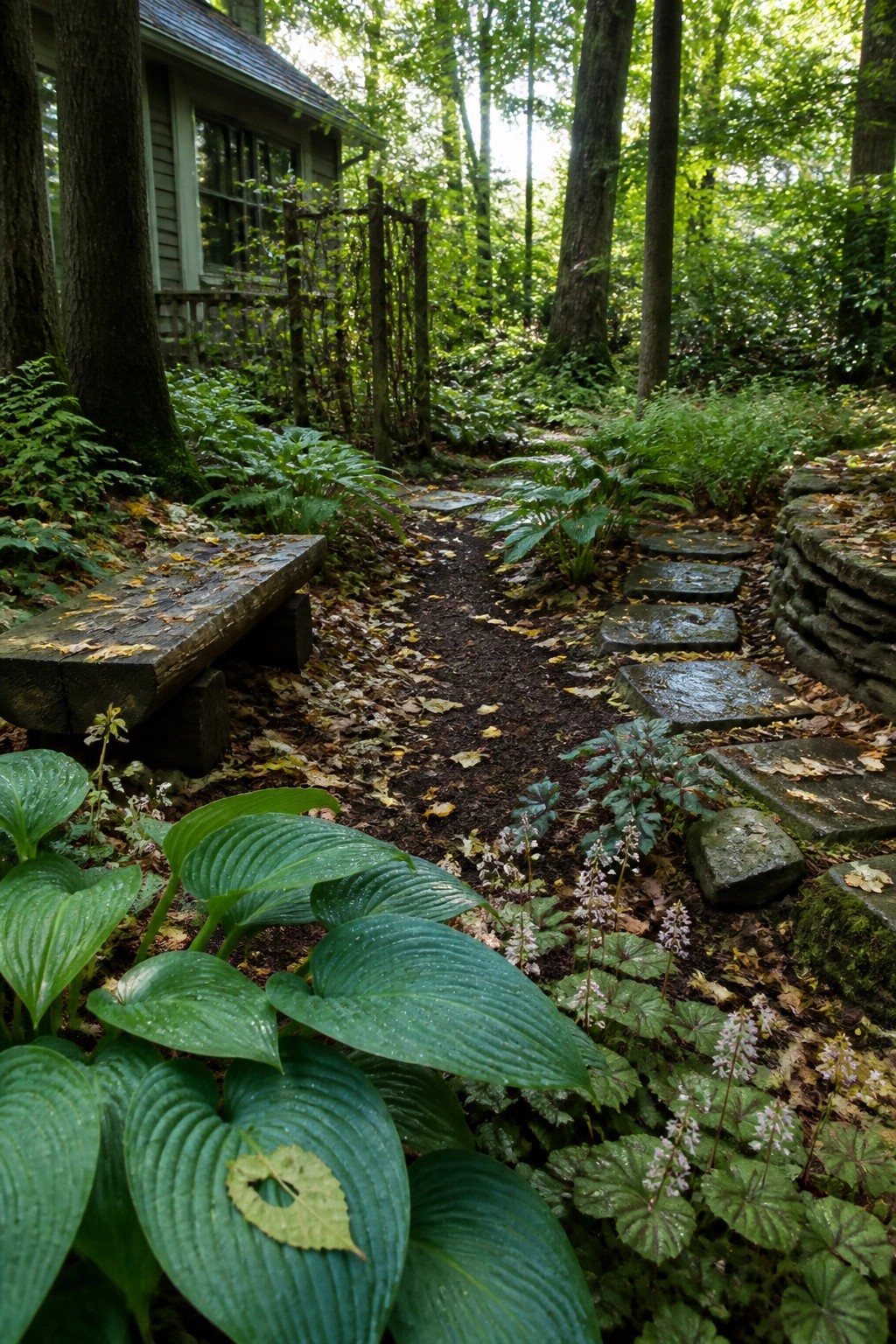
A stone path works well when you want the garden to feel connected without a lot of fuss. The flat stones sit right into the dirt and let plants grow up around the edges so the whole thing looks settled rather than new.
Lay the stones in a loose line that follows the ground instead of forcing a straight route. This approach suits wooded lots or shady backyards where you already have trees and existing beds you do not want to disturb.
Use Pavers Set In Gravel For Garden Paths
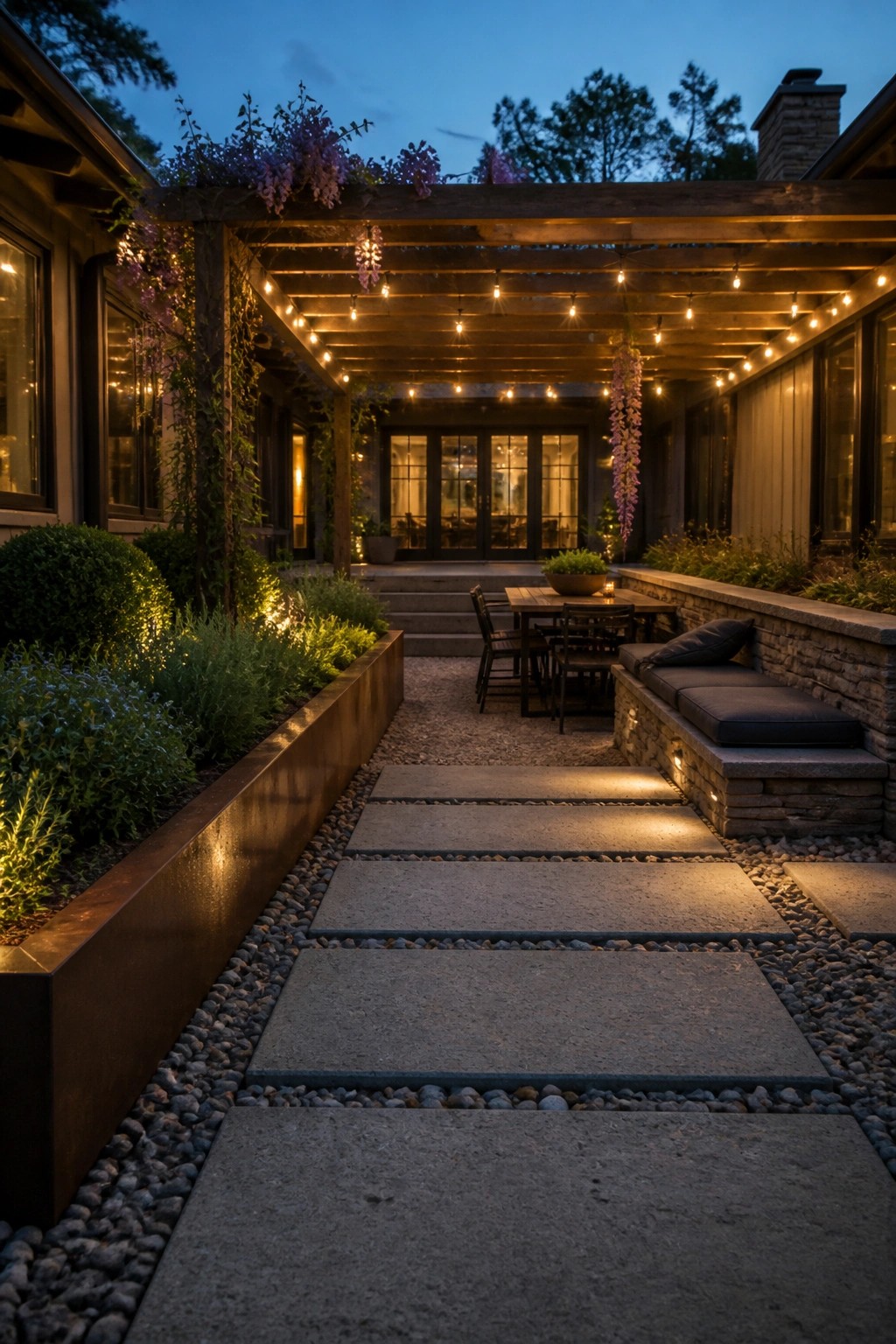
Large stone pavers laid in gravel give a garden a clear route without making it feel too formal. The combination keeps things simple and practical while still looking intentional next to planted beds and outdoor seating areas.
This kind of path works well on homes where the backyard has different zones, like a dining spot or raised planters. Keep the pavers wide enough for easy walking and make sure the gravel sits a bit lower so it stays put after rain.
Rustic Rope Edging For Garden Paths
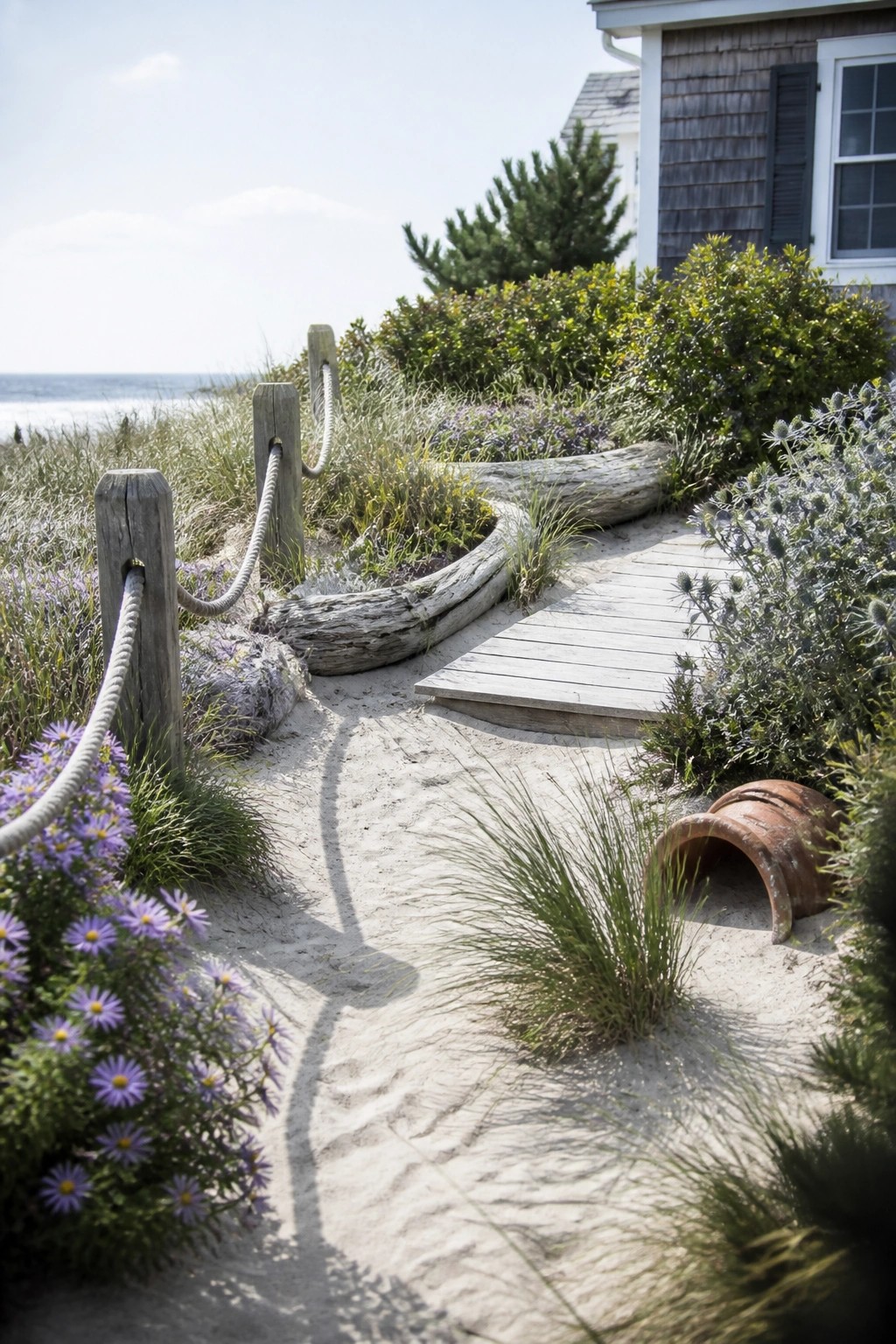
Rope strung between wooden posts gives a path a clear edge without making it feel closed in. The simple line helps direct people through sandy or loose ground while keeping the whole area open and easy to walk.
This approach suits beach houses or any yard with soft surfaces where a low fence would look too heavy. Space the posts evenly and use thick natural rope so it holds up over time and blends with the surroundings.
Raised Beds With Vertical Supports
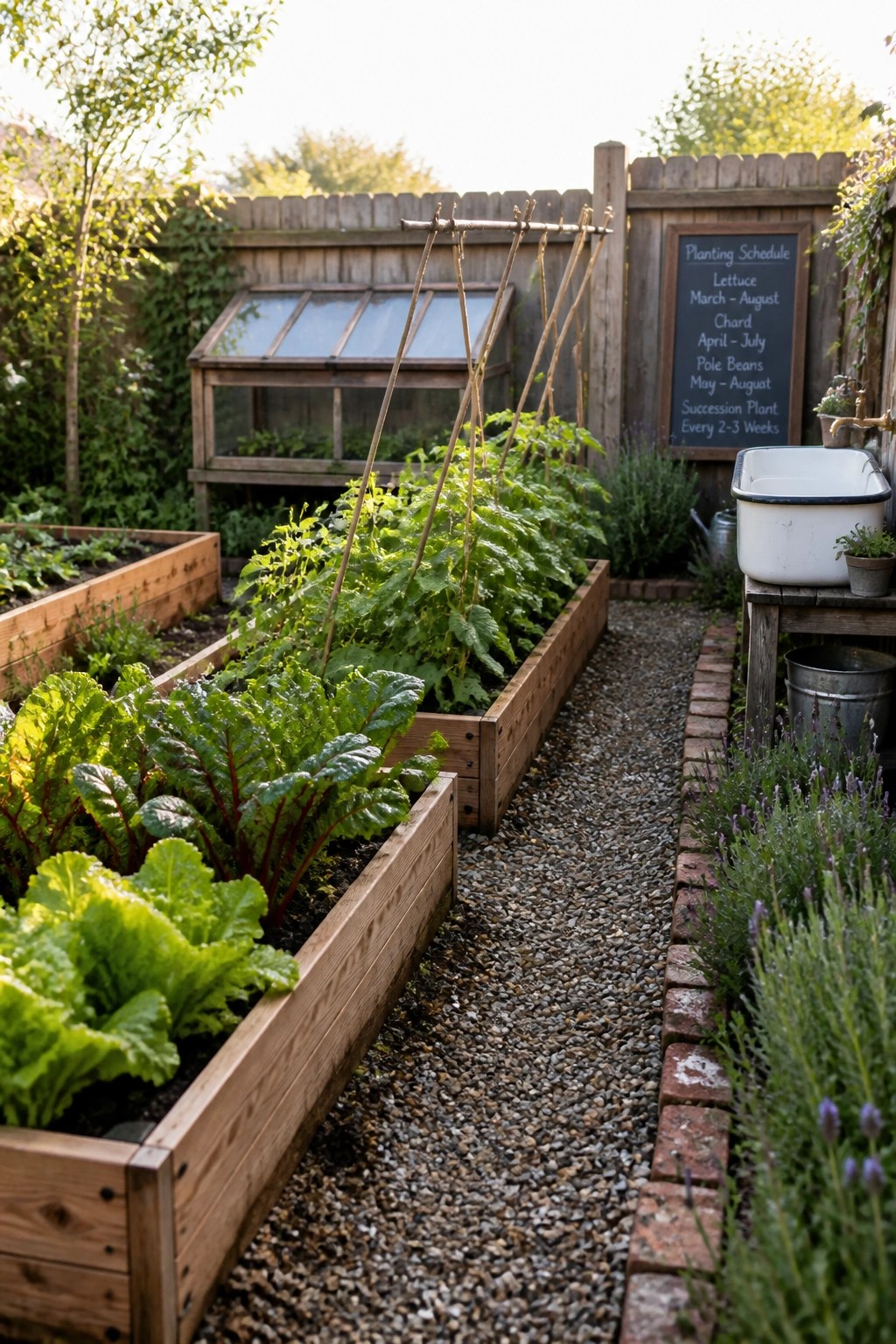
Raised beds already help keep soil contained and plants easier to reach. Adding a simple trellis or stake structure on top gives climbing crops like beans a place to grow upward instead of spreading out across the ground.
This approach suits smaller yards or any garden where space needs to stay organized. The vertical supports also improve airflow around the plants and make it simpler to spot and pick produce as it ripens.
Stone Paths Along The Pond Edge
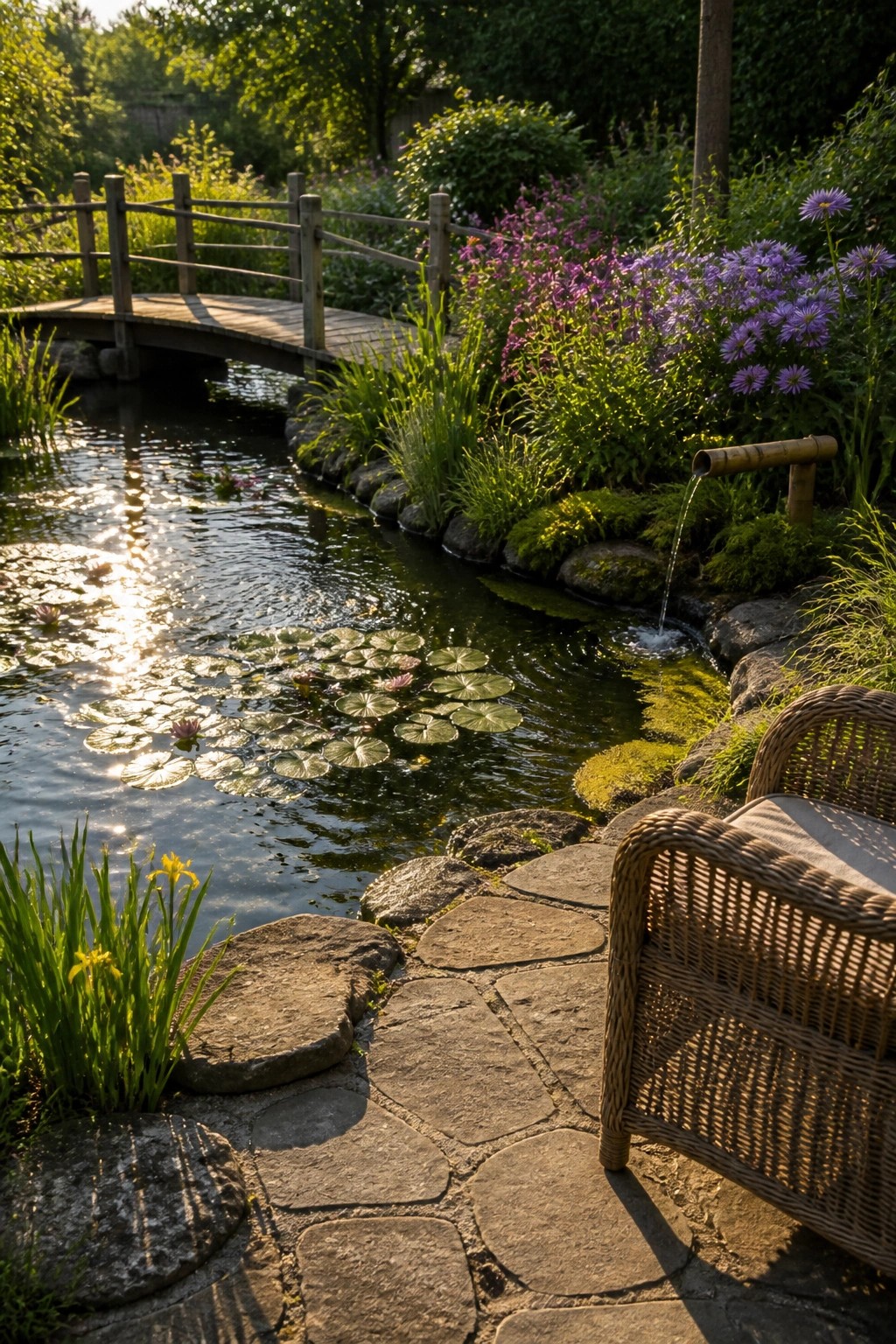
A stone path next to a pond makes the water easy to reach and enjoy without turning the area into a soggy mess. The flat stones create a clear route while letting the surrounding plants grow right up to the water.
This approach works best in gardens that already have some natural grade or a small water feature. Keep the stones simple and uneven so the path feels like it belongs rather than looking like a formal walkway.
Outdoor Table Next to Garden Beds
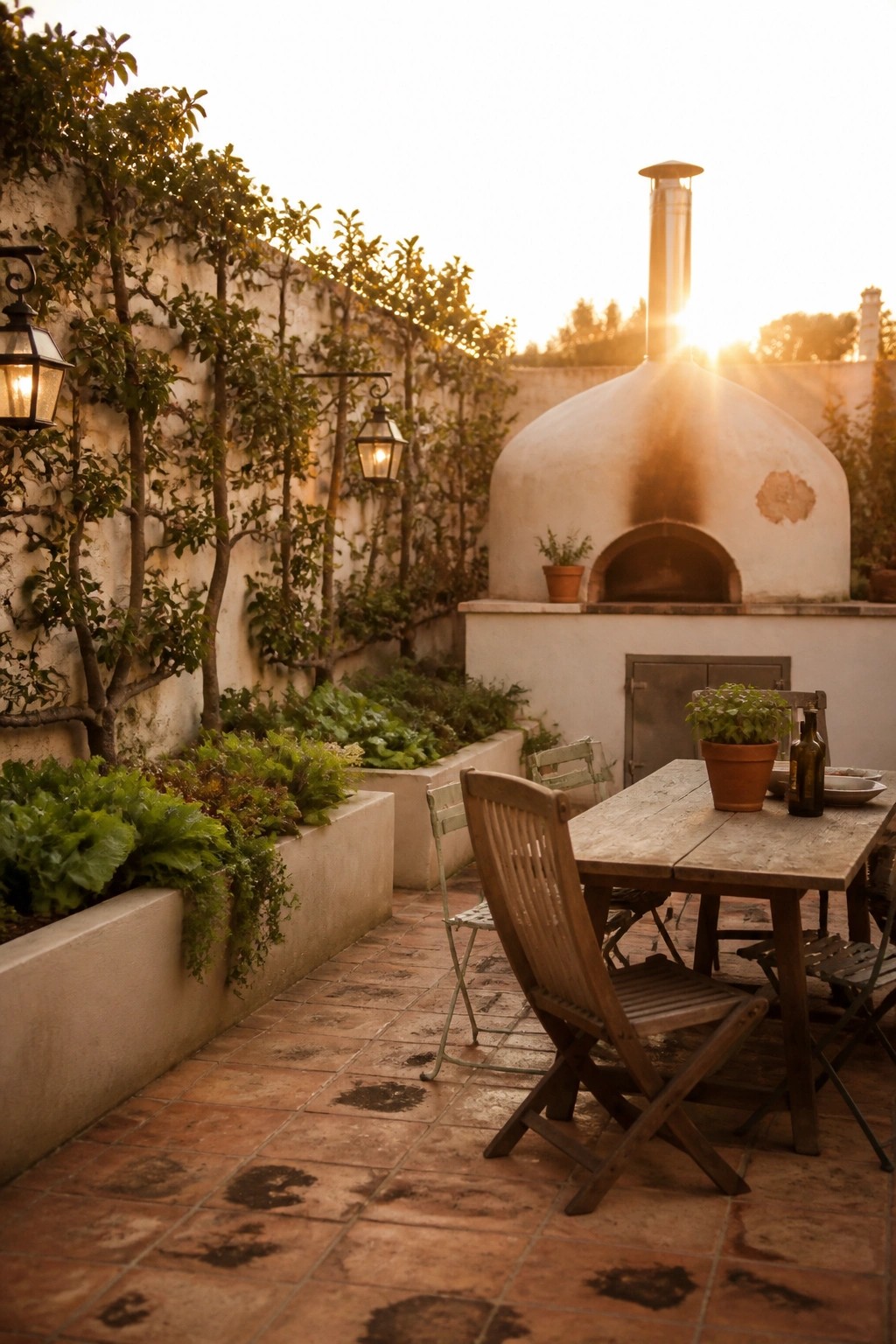
Placing a simple wooden dining table right beside raised garden beds turns a basic patio into a place where meals feel connected to the garden. The beds act as a natural border that softens the hard surface and brings fresh herbs or vegetables within easy reach during dinner.
This setup works well on smaller terraces or courtyard spaces where you want both seating and planting without crowding the area. Keep the furniture rustic and low so the plants stay the main focus, and make sure the beds get enough sun if you plan to grow anything edible.
Linear Lighting Along Garden Paths
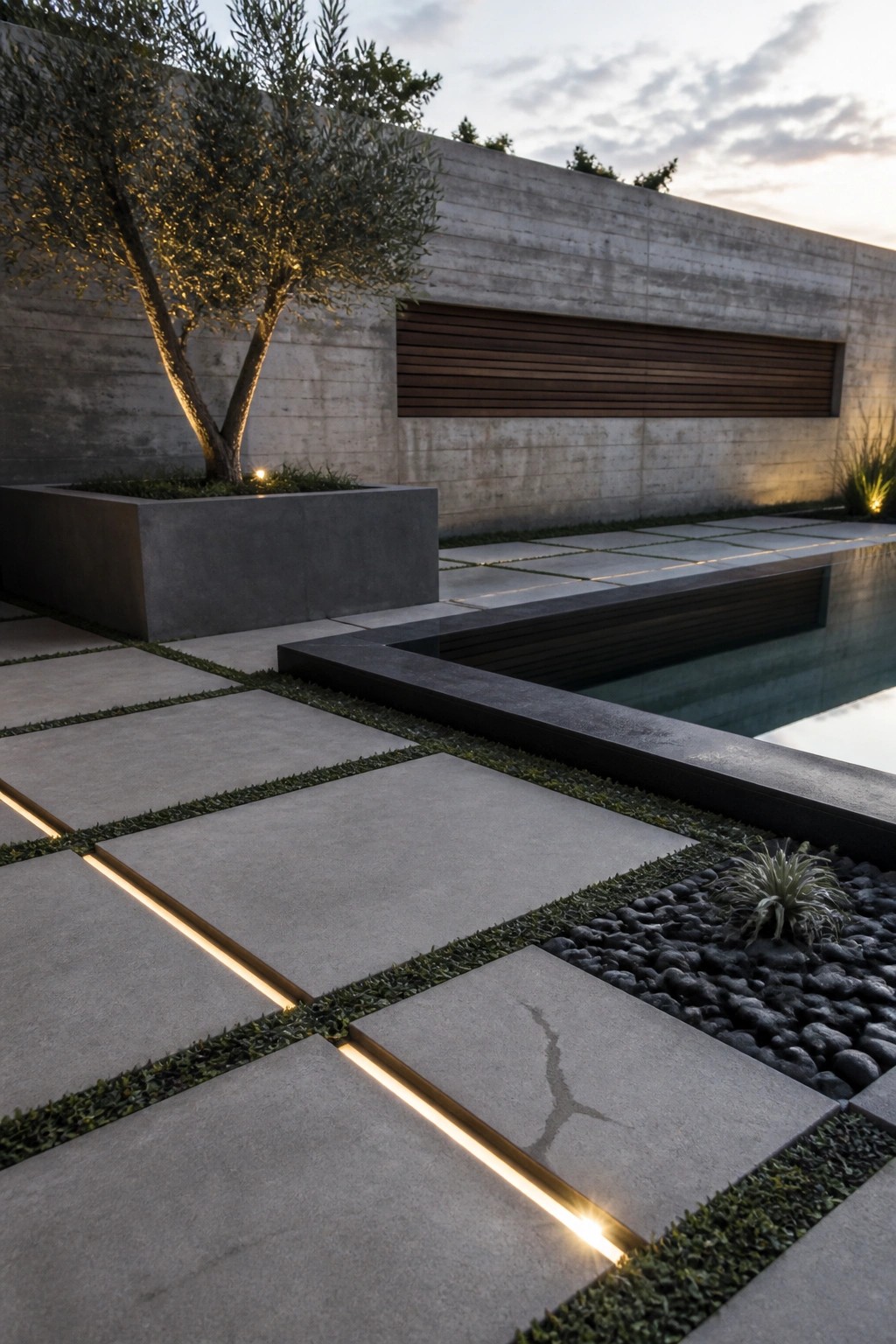
Many gardens lose their shape once the sun goes down. Running thin strips of light between pavers keeps the layout visible and adds a calm glow that feels built into the space rather than added on later.
This approach works best on larger modern plots where the hardscaping already has clean lines. Use warm LEDs, space them evenly, and make sure the channels sit flush so the surface stays easy to walk on.
Hanging Lanterns For Patio Lighting
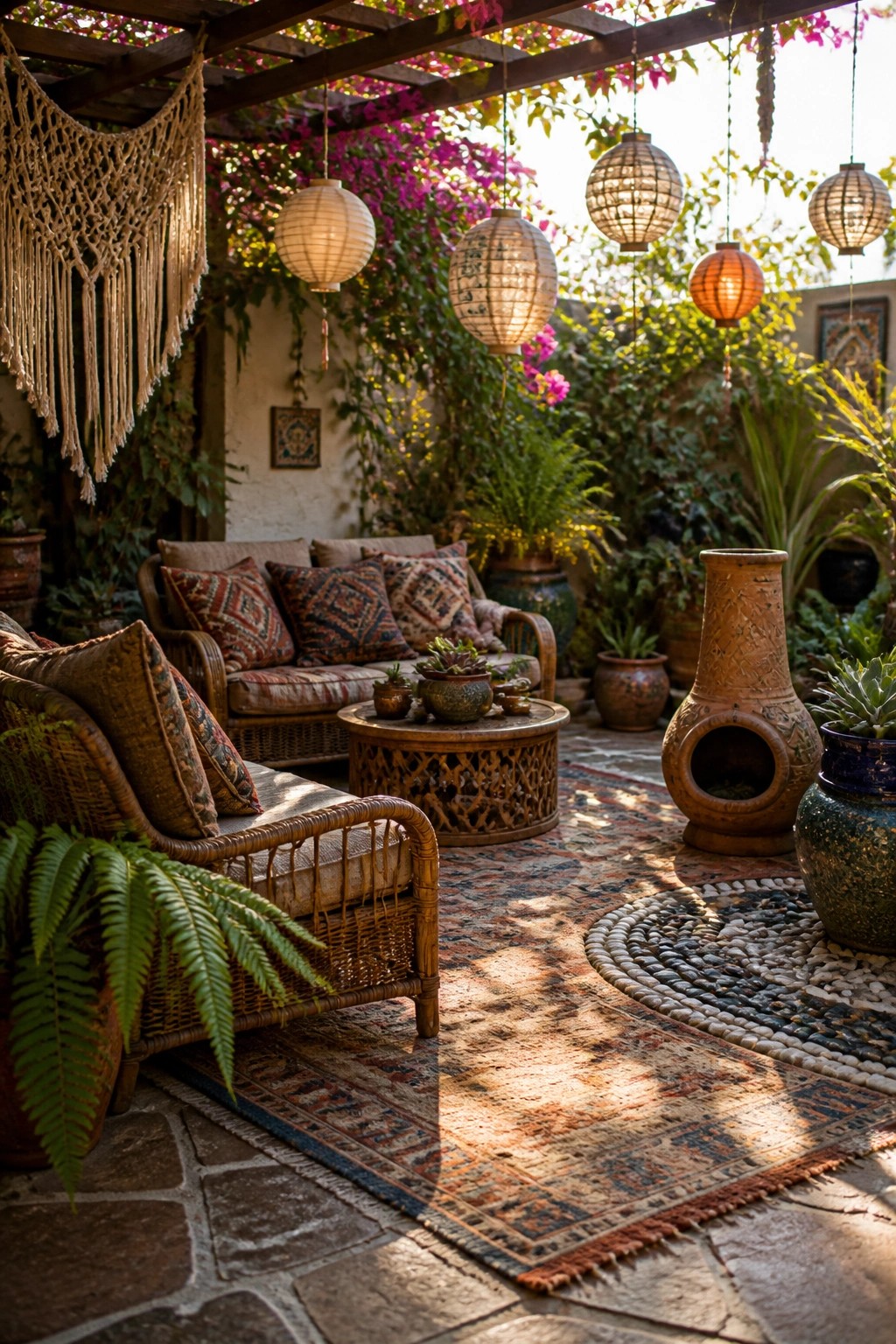
Hanging lanterns work well over an outdoor seating area because they add light without taking up floor space. They also help define the zone and create a gentle glow once the sun goes down. In this setup, a mix of sizes and materials keeps the light from feeling too uniform.
Try hanging them at slightly different heights above a table or lounge chairs. This approach suits patios that already have some overhead structure like a pergola or beams. Just make sure the cords or chains are rated for outdoor use and that the lowest lantern clears the seating height.
Add A Rain Garden With Native Plants
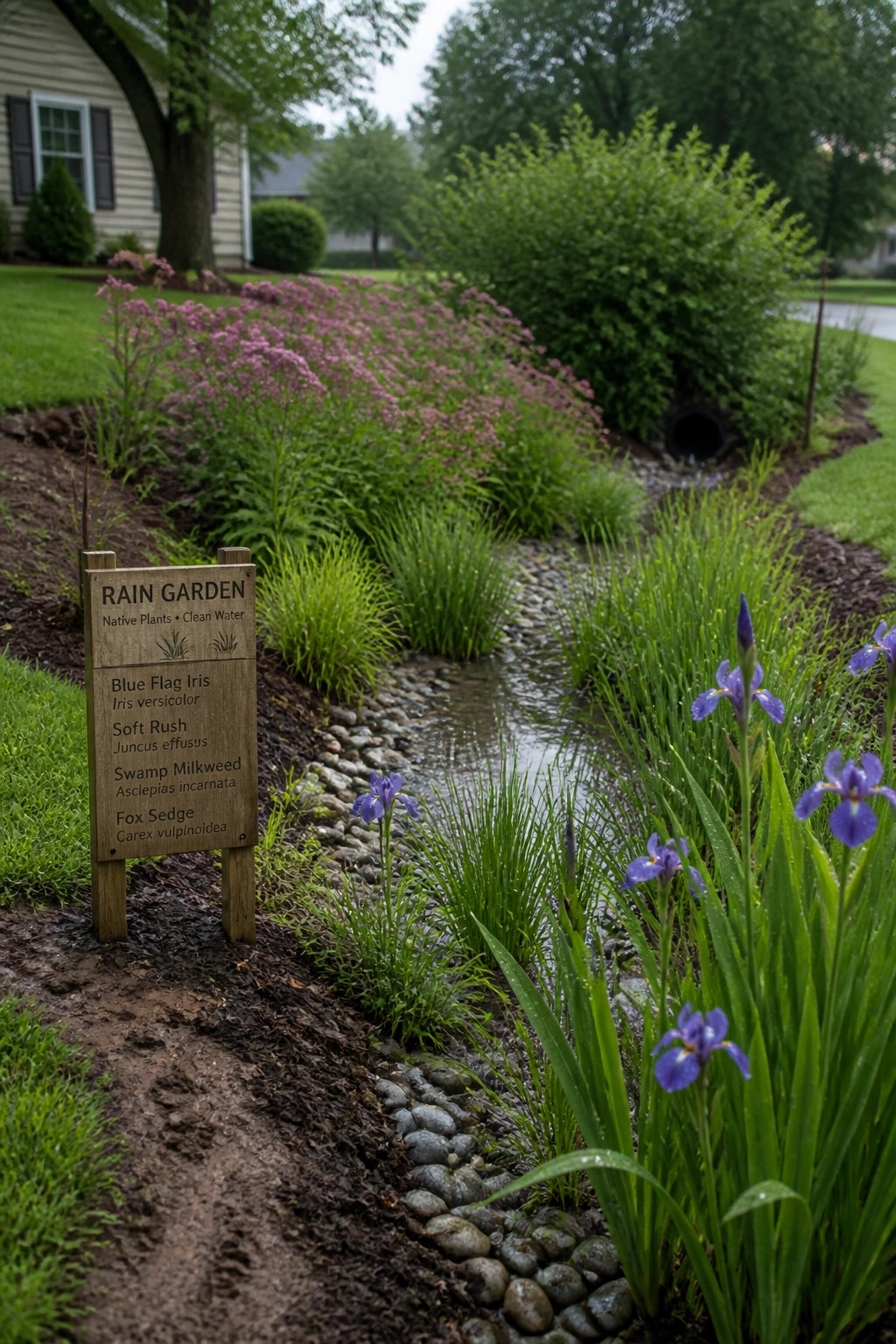
A rain garden gives you a practical way to handle water runoff while keeping the yard looking natural. The stone channel and mix of moisture-loving plants turn what could be a drainage problem into a low spot that actually works with the landscape instead of against it.
This setup works best near downspouts or low areas where water collects after rain. Choose native plants that match your soil and climate so the garden stays healthy with little extra watering or fuss once it settles in.
Let A Gravel Path Wind Through The Garden
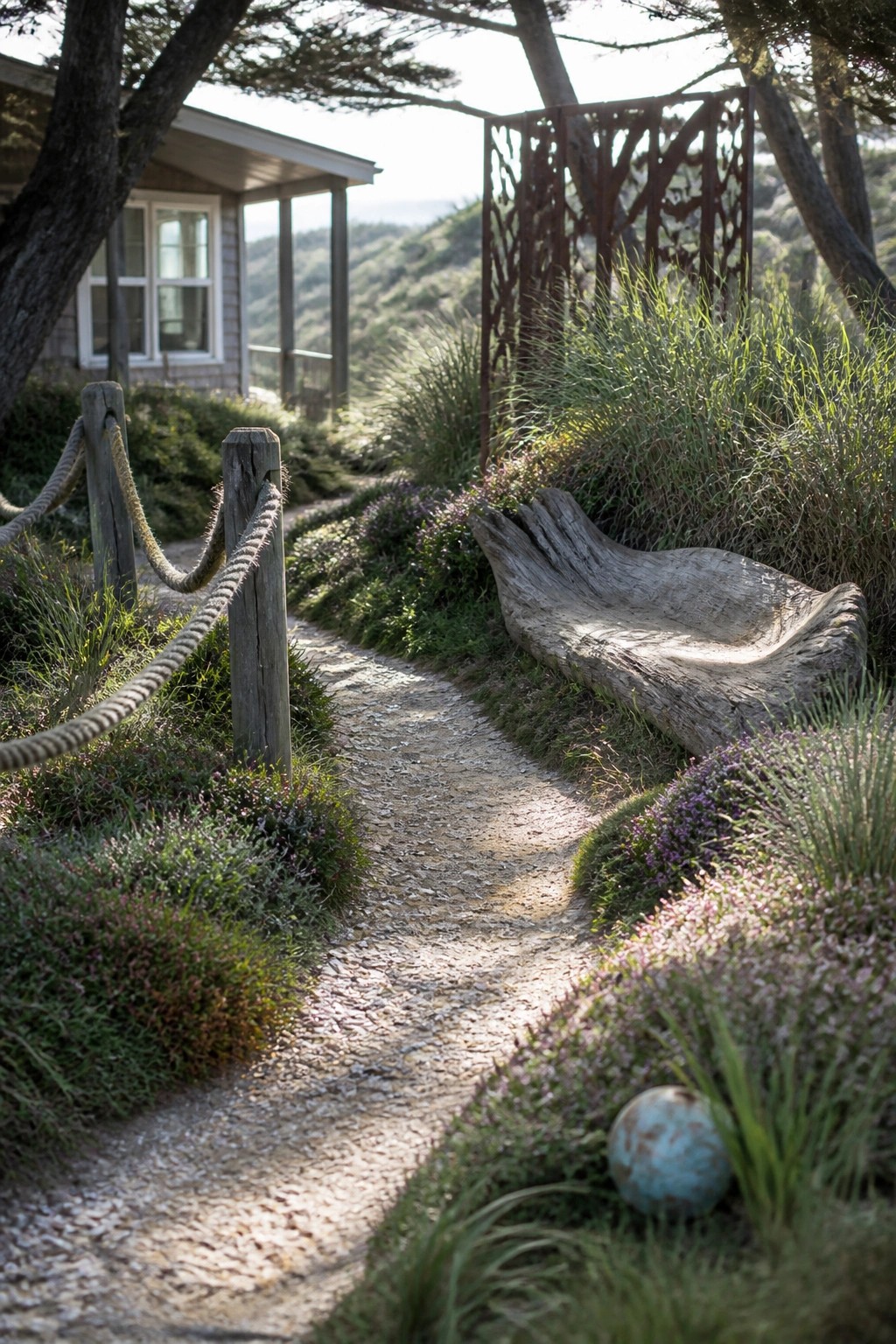
A gravel path keeps things simple while giving the garden real structure. It curves gently instead of running in a straight line, which helps the space feel more relaxed and a bit larger than it actually is. The low plants on either side soften the edges so the path feels like part of the landscape instead of something laid on top of it.
This approach works best on sloped or informal sites where a rigid walkway would look out of place. Use basic rope and posts if you need to guide foot traffic, and let the surrounding beds spill over slightly. It suits smaller gardens or coastal homes that already lean toward a natural look.
Use Low Stone Edging Around Garden Beds
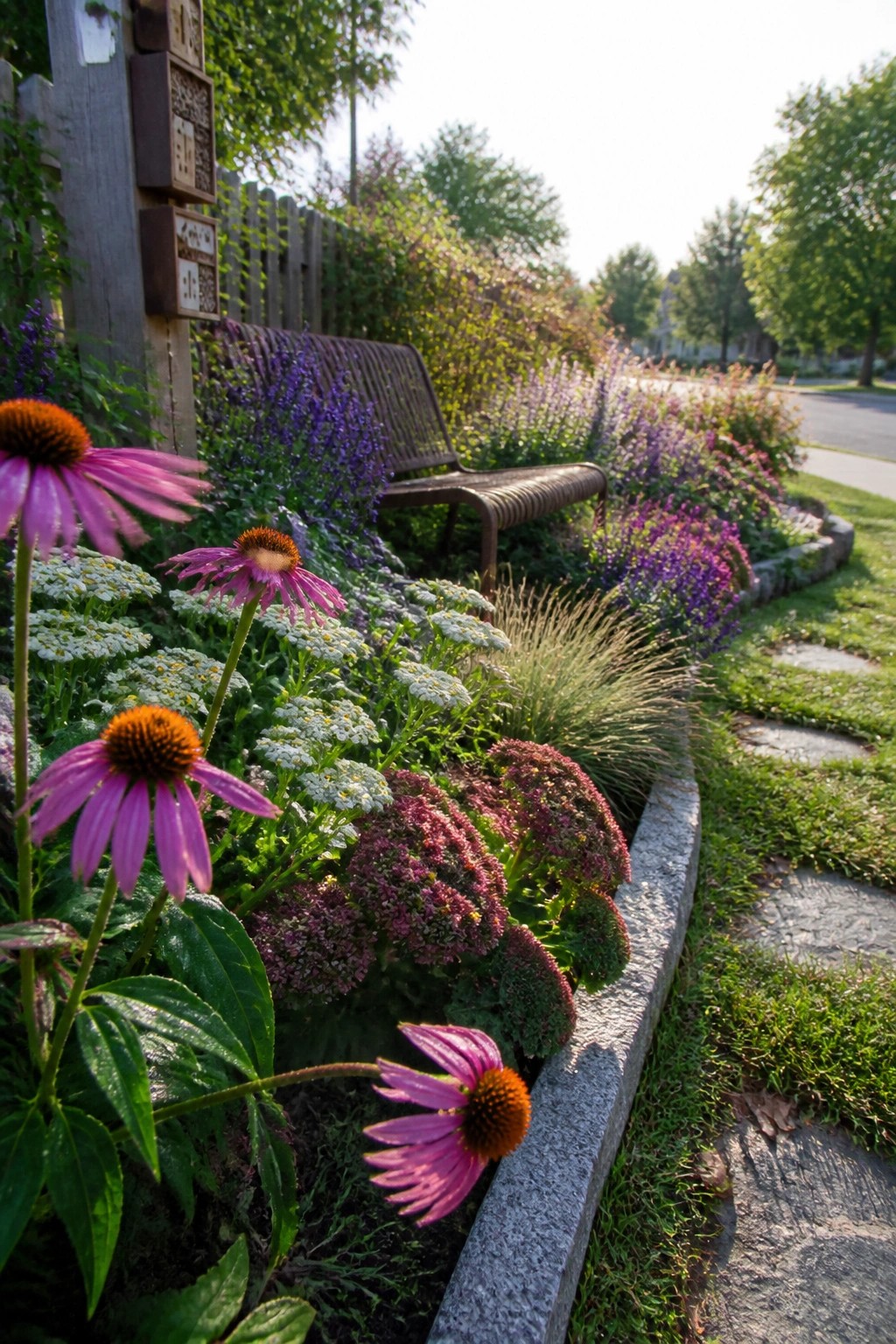
A low stone border gives flower beds a clear shape without making them feel stiff. It holds the soil in place and creates a simple line that guides the eye along the path while letting the plants spill over naturally.
This works well in front yards or side gardens where you want some structure but still like a soft look. Try it with a gentle curve rather than a straight line, and mix taller flowers toward the back with lower plants in front so the edge stays visible.
Raised Beds Around a Dining Area
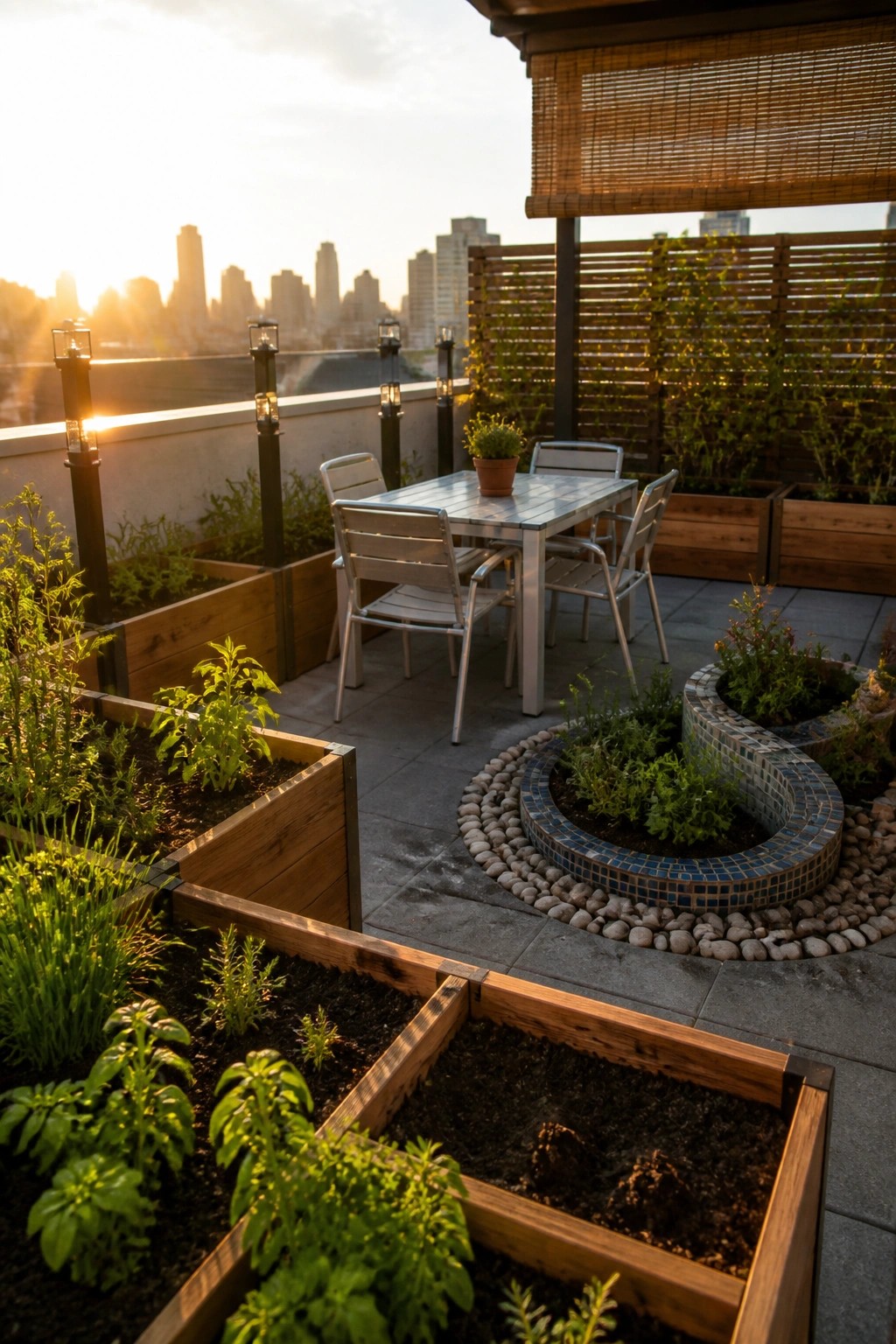
Raised beds can turn a plain paved terrace into a spot where you can actually grow things without giving up the room for a table and chairs. The beds frame the seating area and keep the plants contained so the middle stays open and usable for meals.
This setup works best on rooftops or balconies where everything has to sit on a hard surface. Use sturdy wood for the boxes, keep them at a comfortable height, and leave enough space between beds and furniture so people can walk around easily.
Label Your Fragrant Herbs For Easy Enjoyment
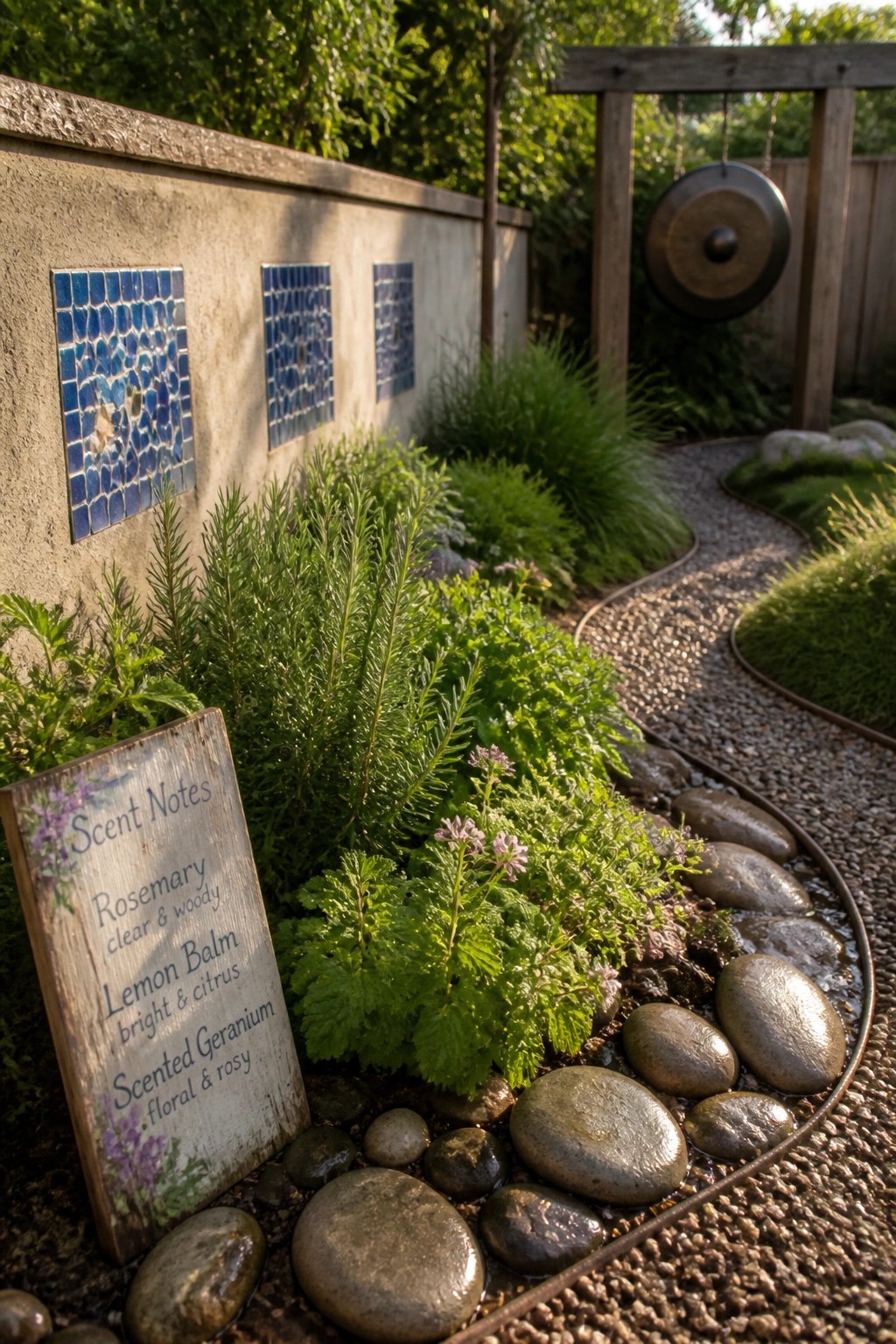
Many gardens include herbs that smell nice but get overlooked during a walk. Adding a simple sign that lists the scents helps visitors notice and remember them without needing to bend down and sniff every plant.
This works well along a path or near a seating area where people pause anyway. Keep the labels short and weatherproof so they stay readable through the seasons. It suits homes with herb beds or mixed plantings that already lean toward texture and scent rather than just color.
Curved Stone Walls For Raised Garden Beds
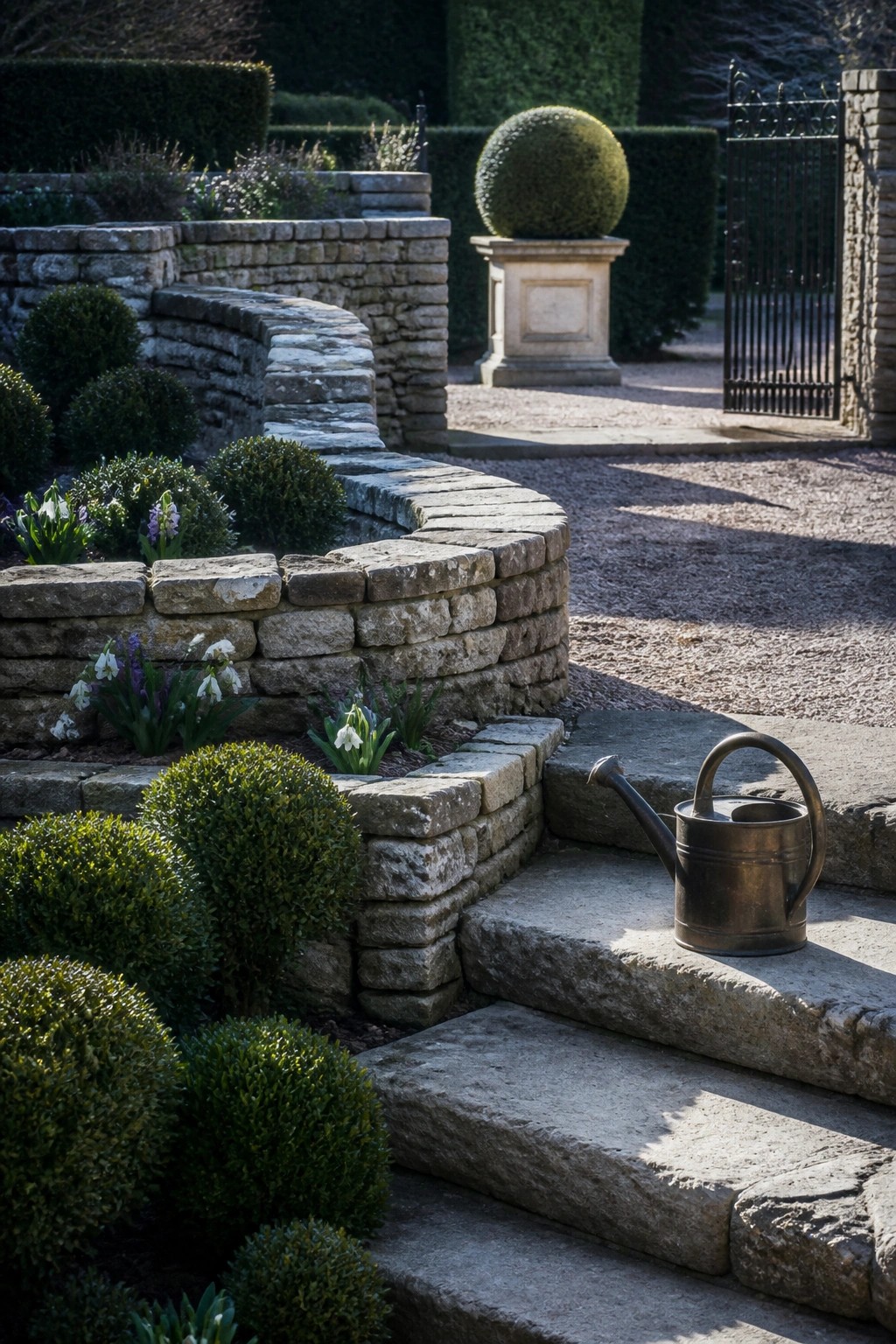
Curved stone walls give garden beds a bit of height and clear shape without making everything look too formal. They turn flat ground into something more interesting and help keep plants contained while still letting the overall layout feel natural.
This approach works best on gentle slopes or in smaller yards where you want to create separate planting zones. Stick with local stone so the walls settle in over time, and keep the curves simple rather than overly dramatic.
Add An Outdoor Oven To Your Patio
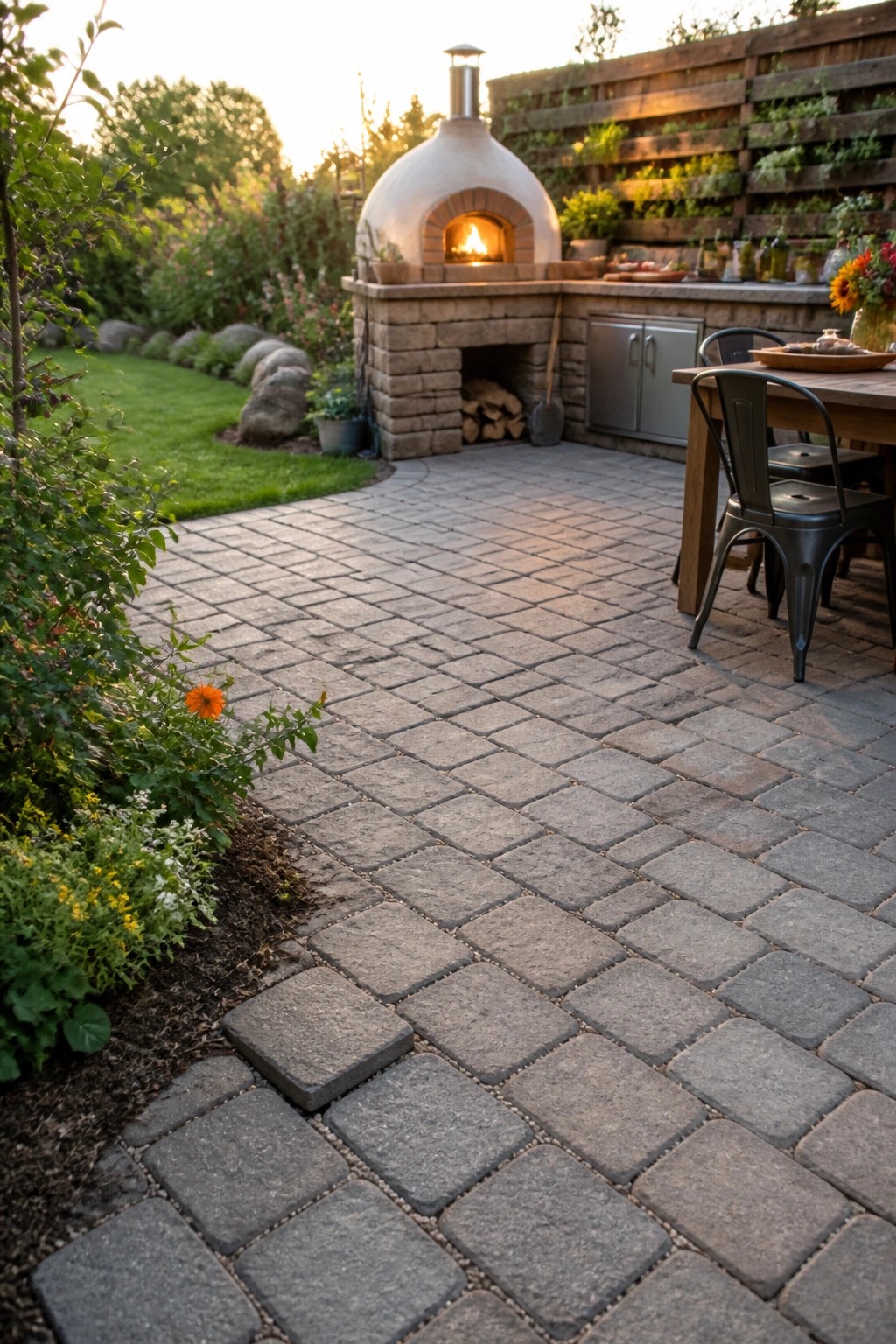
An outdoor oven gives a patio a clear purpose beyond just seating. It turns the space into a place where cooking and gathering happen naturally, especially when you want to spend more time outside without heading back indoors.
This setup works best on a paved surface with room for both the oven and a dining area nearby. Keep the surrounding plantings simple so the oven stays the main feature and the whole area feels easy to use.
Stepping Stone Paths Over Water
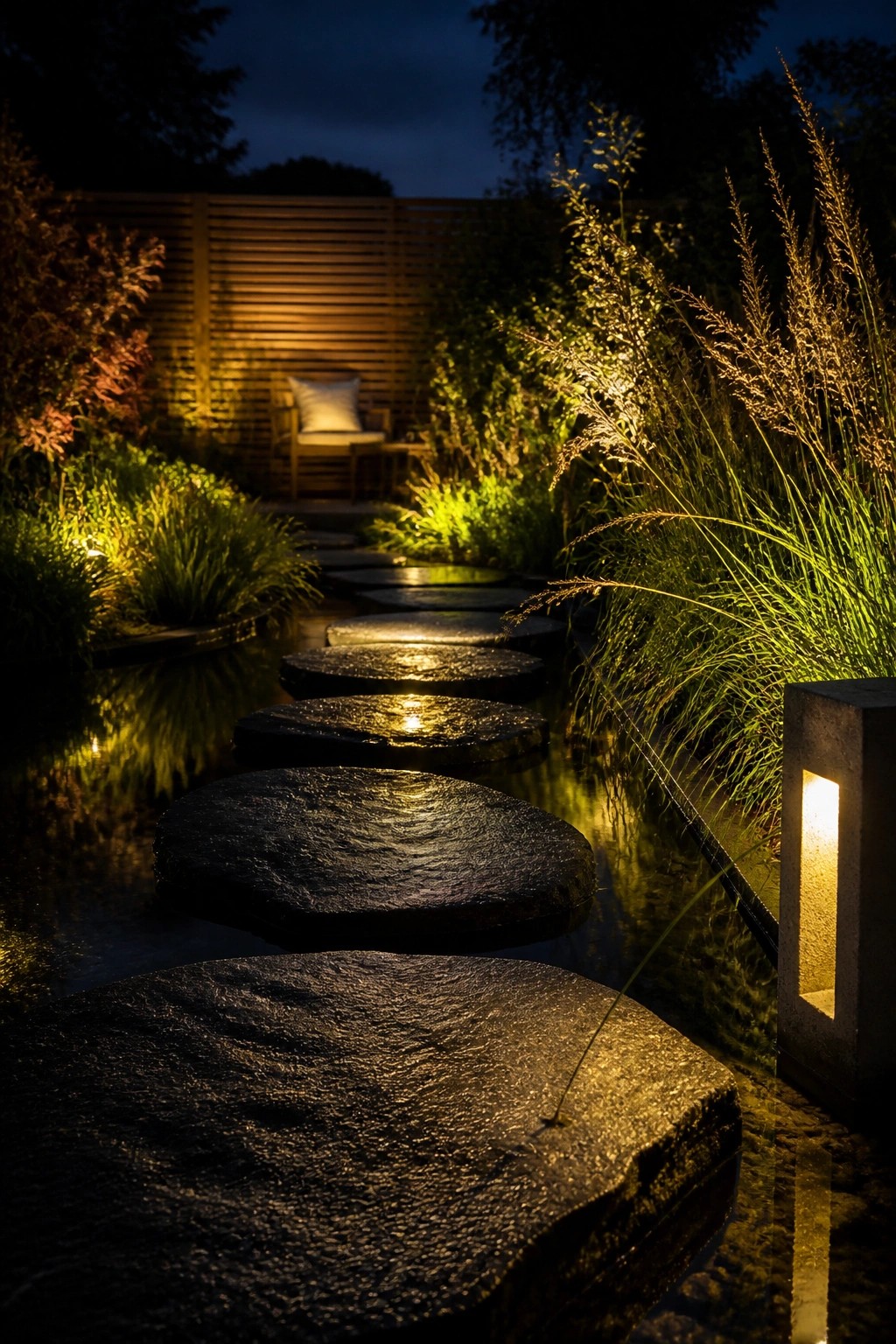
Stepping stones that cross water give a garden path a simple kind of charm. They turn an ordinary walkway into something you actually want to follow, and the water adds movement without any extra effort.
This idea works best in smaller or medium gardens where space is tight but you still want a focal point. Keep the stones wide enough to walk on comfortably and add low lights along the edges so the path stays easy to use at night.
Frequently Asked Questions
Q: How do I add personality without turning my yard into a project that takes over every weekend?
A: Pick one or two ideas that match how you already use the space like a reading nook or a spot for morning coffee. Add small touches such as a repurposed chair or string lights first and see how they feel before moving on.
Q: What works if my yard stays mostly shady?
A: Go for features that thrive without direct sun like a mossy path or a cluster of hanging lanterns. These keep the area inviting and cut down on the need for constant watering or trimming.
Q: Can I try these ideas if I rent the place?
A: Stick to movable pieces such as potted accents or a portable fire bowl that you can take with you later. This way you still get the charm without making changes the landlord would notice.
Q: How do I keep a water feature from becoming a hassle?
A: Choose a small basin or birdbath that you can empty and refill by hand when needed. Skip anything with pumps at first so the setup stays simple and enjoyable.
