

I’ve noticed that raised beds tend to work better when the paths between them allow easy movement even after everything starts growing tall.
Thinking through the edging and overall layout first usually prevents the kind of crowding that makes watering and harvesting a chore later on.
Access changes everything once the season gets busy.
When I plan my own beds I try to keep the widest sections no farther than an arm’s reach from either side so I do not have to step onto the soil.
A few of the cleaner arrangements I have tried outdoors end up saving time because they stay tidy without constant rearranging.
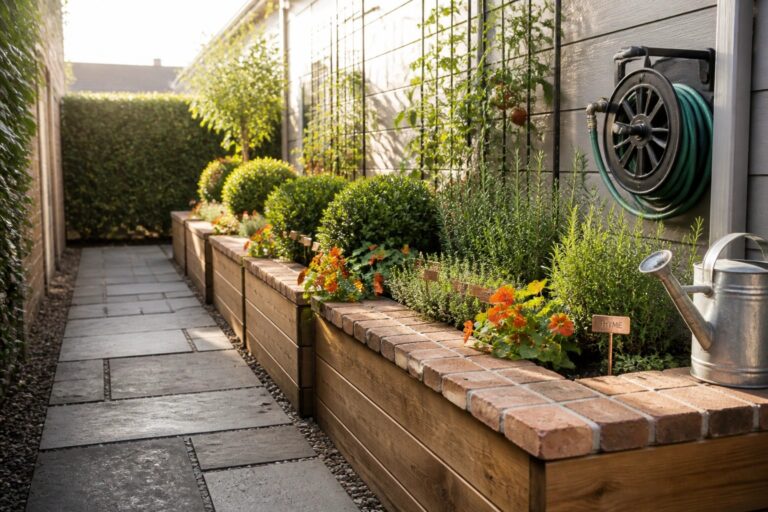
Raised Beds Along A Narrow Path

Running raised beds along a narrow path keeps everything within easy reach. You can tend the plants, water them, and harvest without needing to step over anything or crowd the walkway. The beds stay organized and the path stays clear for daily use.
This layout works well beside a house or along a fence line where space is limited. Keep the beds at a comfortable height and use simple edging like brick to hold the shape over time. It also leaves room for vertical supports if you want to grow climbers without taking up extra ground.
Raised Beds Along a Paver Path
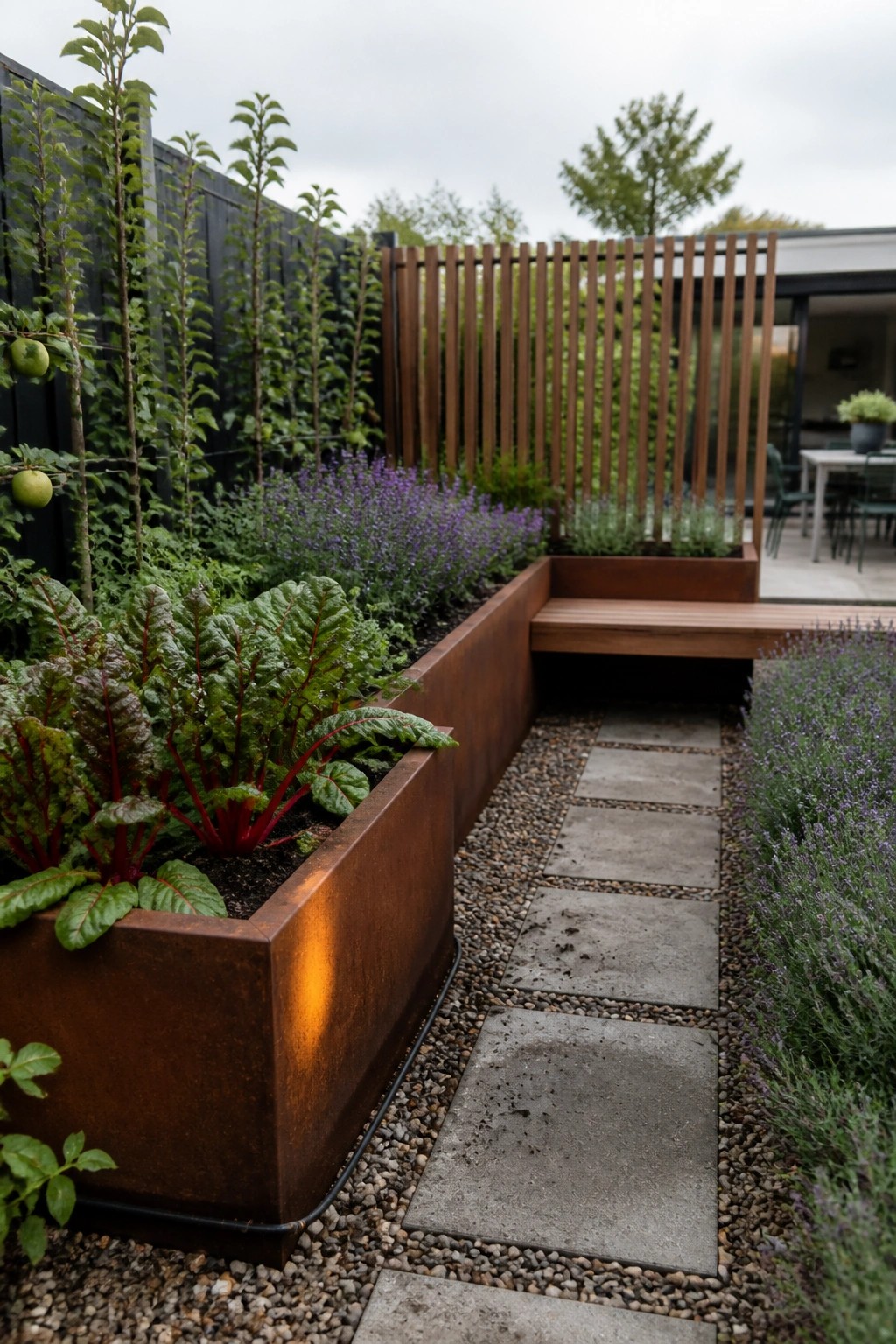
Raised beds made from weathered metal give a garden a tidy structure while keeping the soil contained and easy to reach. Placing them right beside a simple path of large pavers set in gravel makes it straightforward to walk through the space and tend to the plants without stepping on anything.
This layout works well in smaller yards or side gardens where you want clear access on both sides of the beds. Keep the path wide enough for a wheelbarrow and choose pavers that sit level with the gravel so walking stays comfortable year round.
Add Access Doors Into The Bed Wall
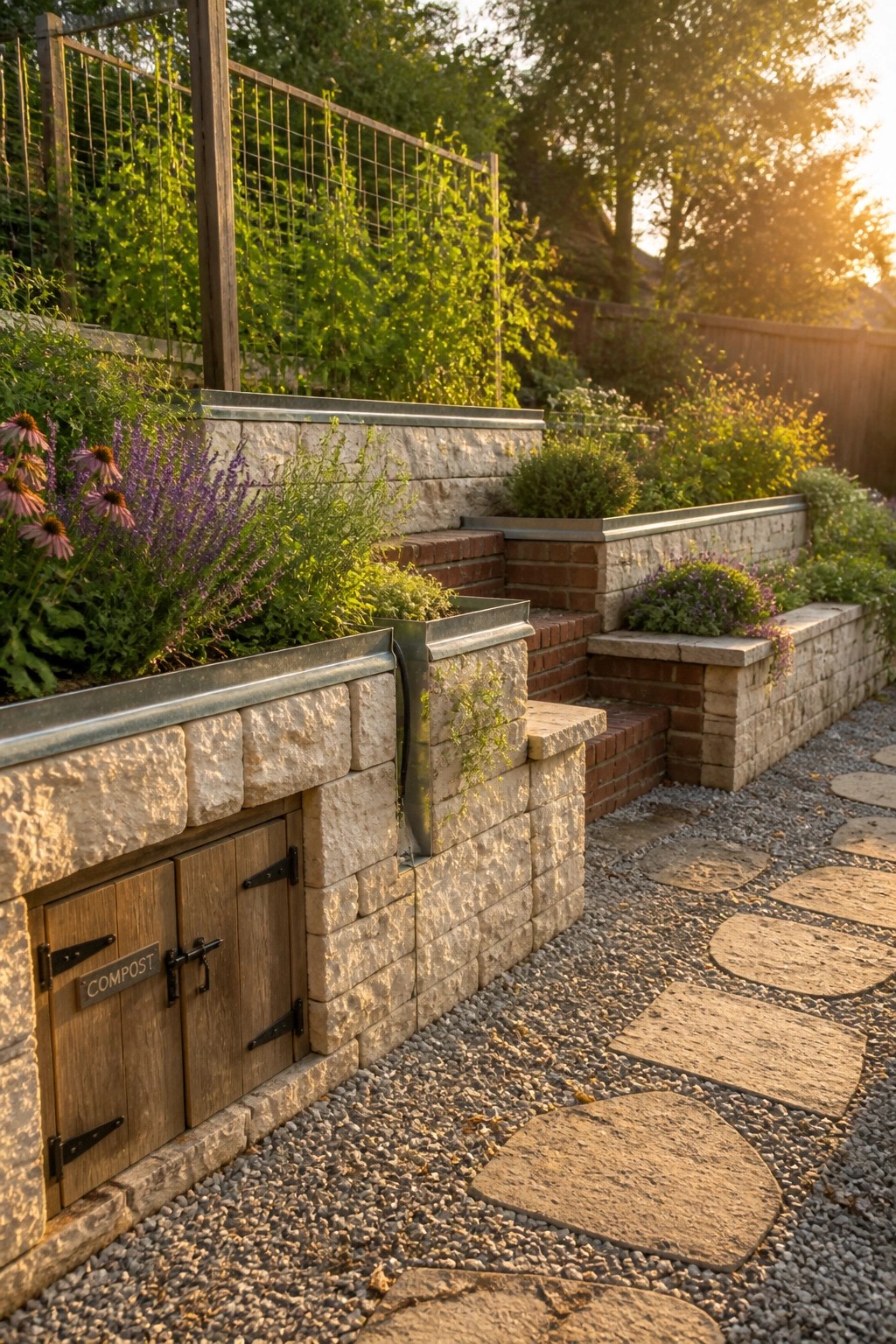
One practical way to keep a raised bed tidy is to build small doors right into the wall itself. This lets you reach compost or store tools without adding extra bins or sheds that take up space around the garden.
The setup works best with stone or block walls that can handle a framed opening near the bottom. It suits smaller yards where you want everything in one spot and easy to reach during the season. Just make sure the doors sit low enough for comfortable use and seal well so soil stays in place.
Raised Beds With Built-In Tool Storage
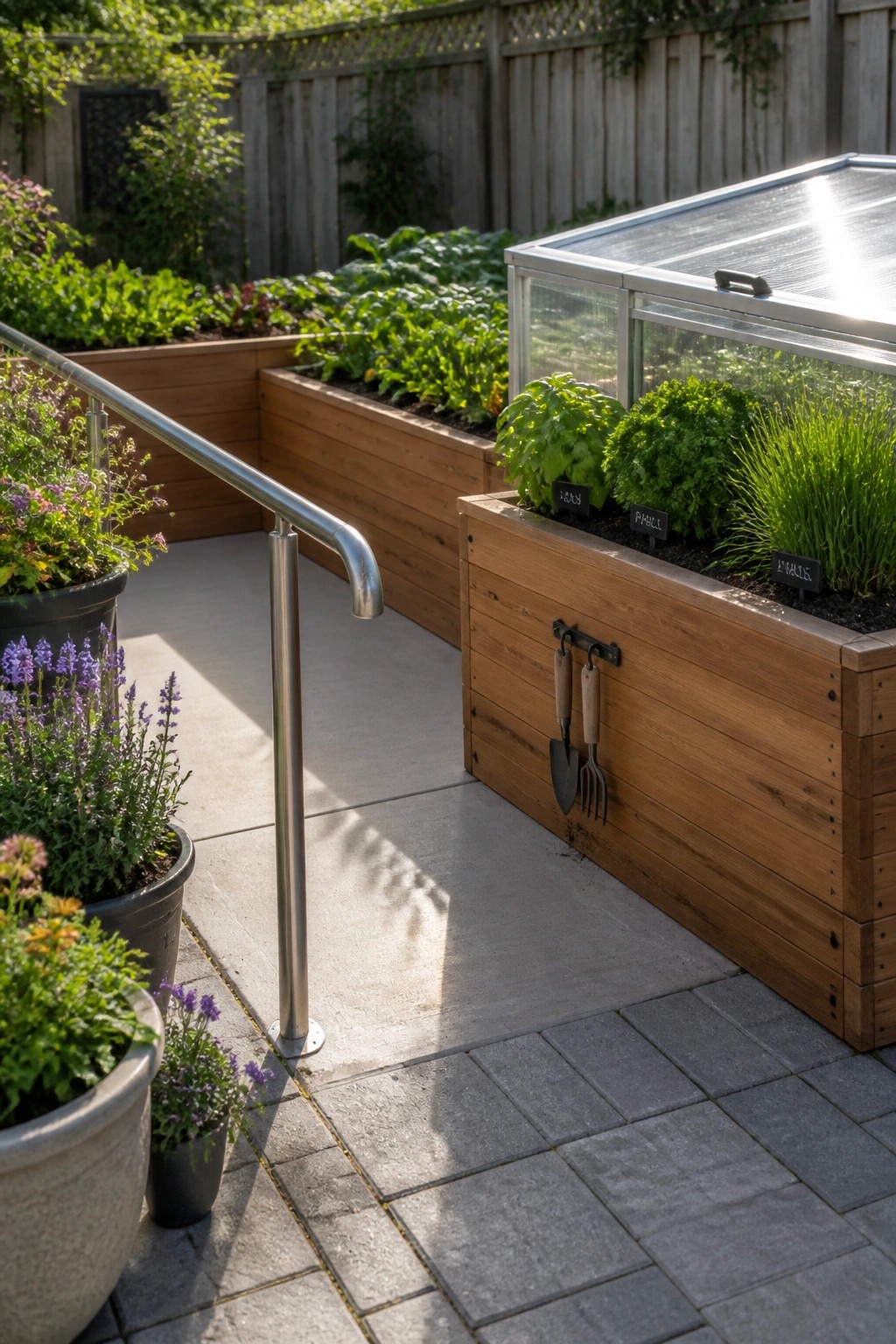
Raised beds that include simple hooks for hanging tools keep everything within reach during daily garden tasks. This approach cuts down on extra trips and helps maintain a cleaner work area right where you need it.
It suits compact yards or side paths where space is limited. Just check that the hardware can handle the weight of heavier tools like shovels over time.
Raised Stone Beds With Low Lighting
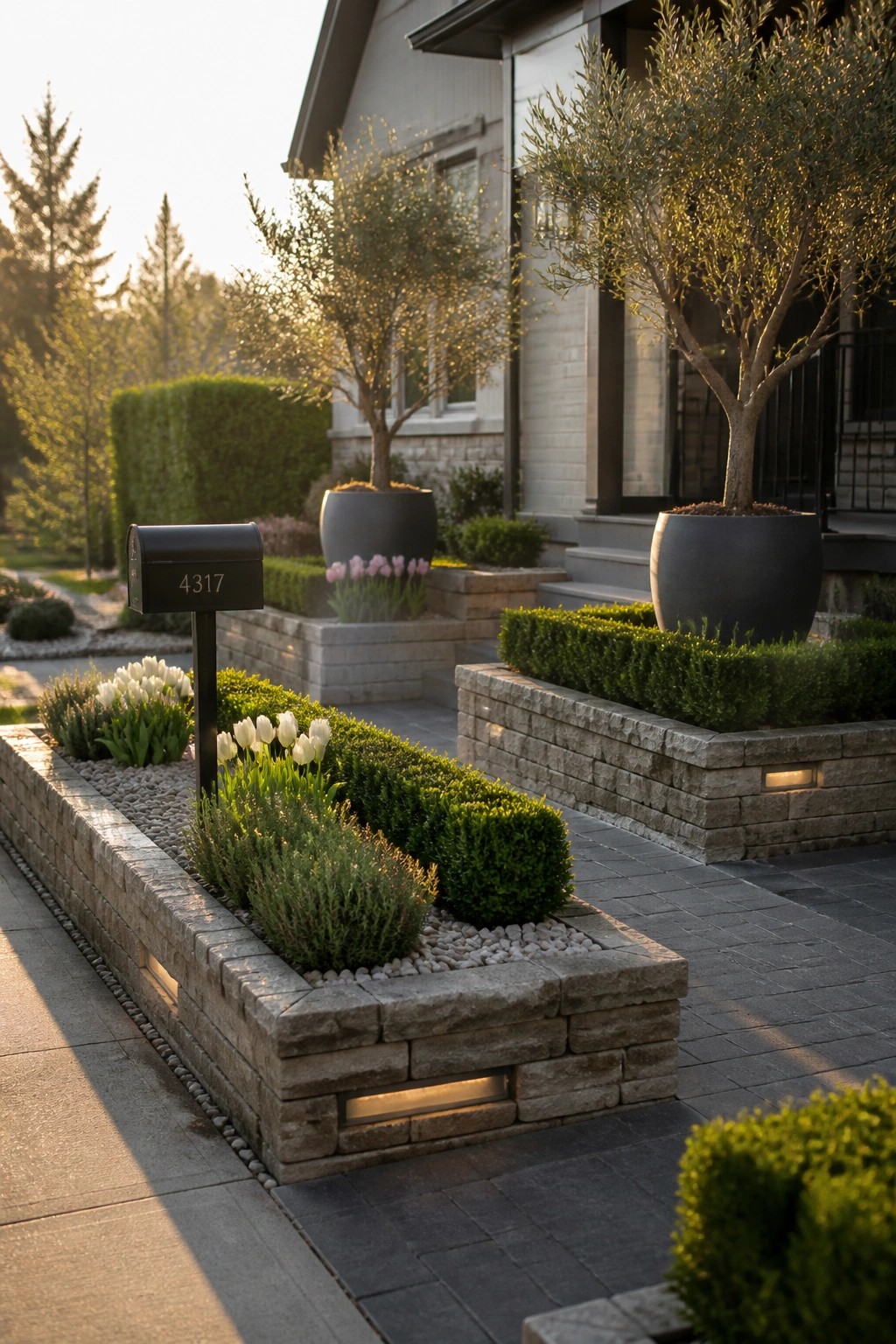
Raised beds made from stacked stone keep a front garden looking tidy year after year. They hold the soil in place, stop grass from creeping in, and make it simple to reach plants without kneeling on the ground.
Place them along a walkway or driveway where the edge needs to stay sharp. Adding small lights near the base helps at night and keeps the layout easy to follow even in low light.
Raised Beds Along Stone Paths
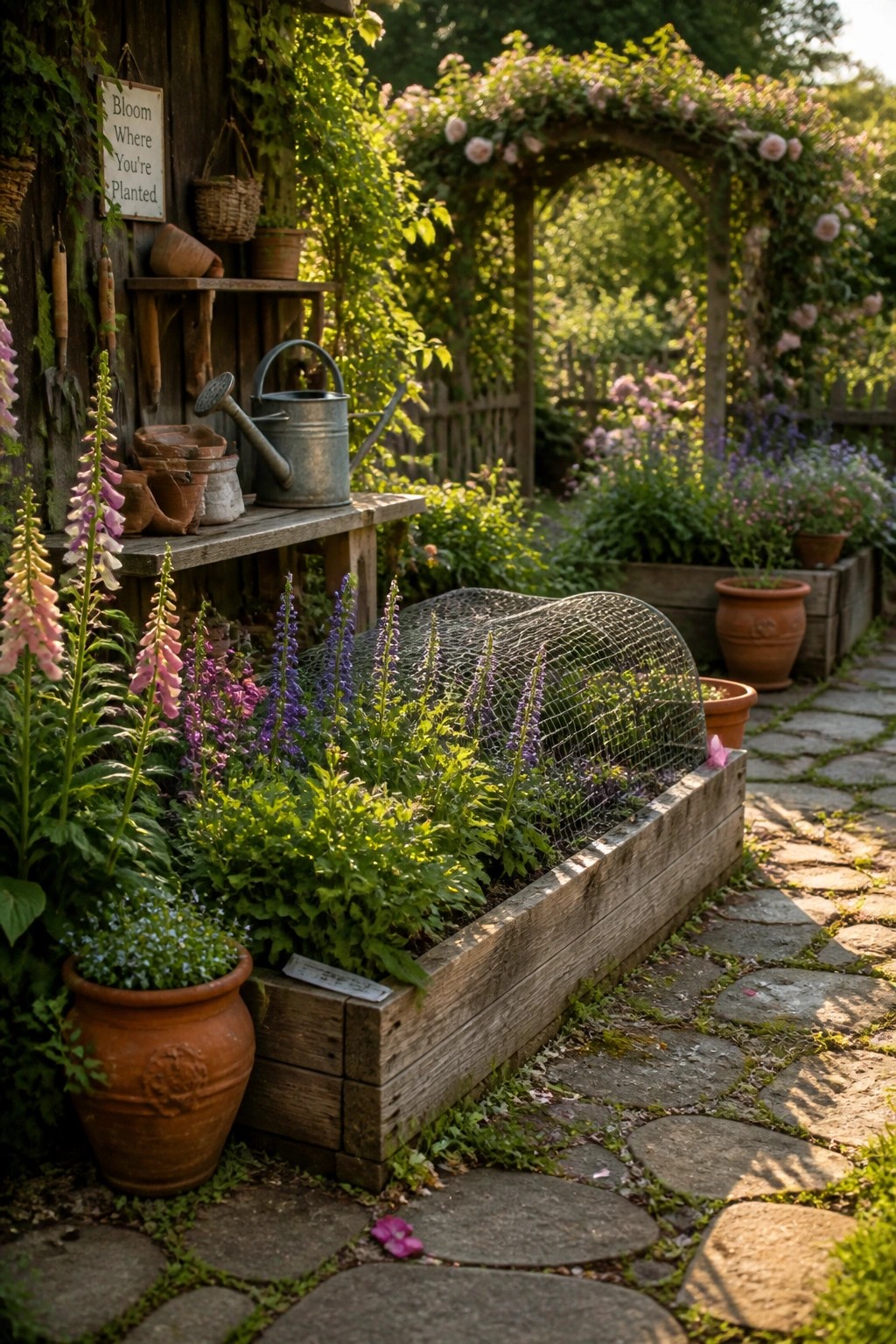
Raised beds placed right beside a path make daily garden work much simpler. You can reach plants without walking on the soil or stretching across wide beds.
This layout suits smaller gardens or any space where you already have a walkway. Keep the bed height at a comfortable level for weeding and harvesting, and use the path edge as a natural border.
Labeled Raised Beds For Easy Access
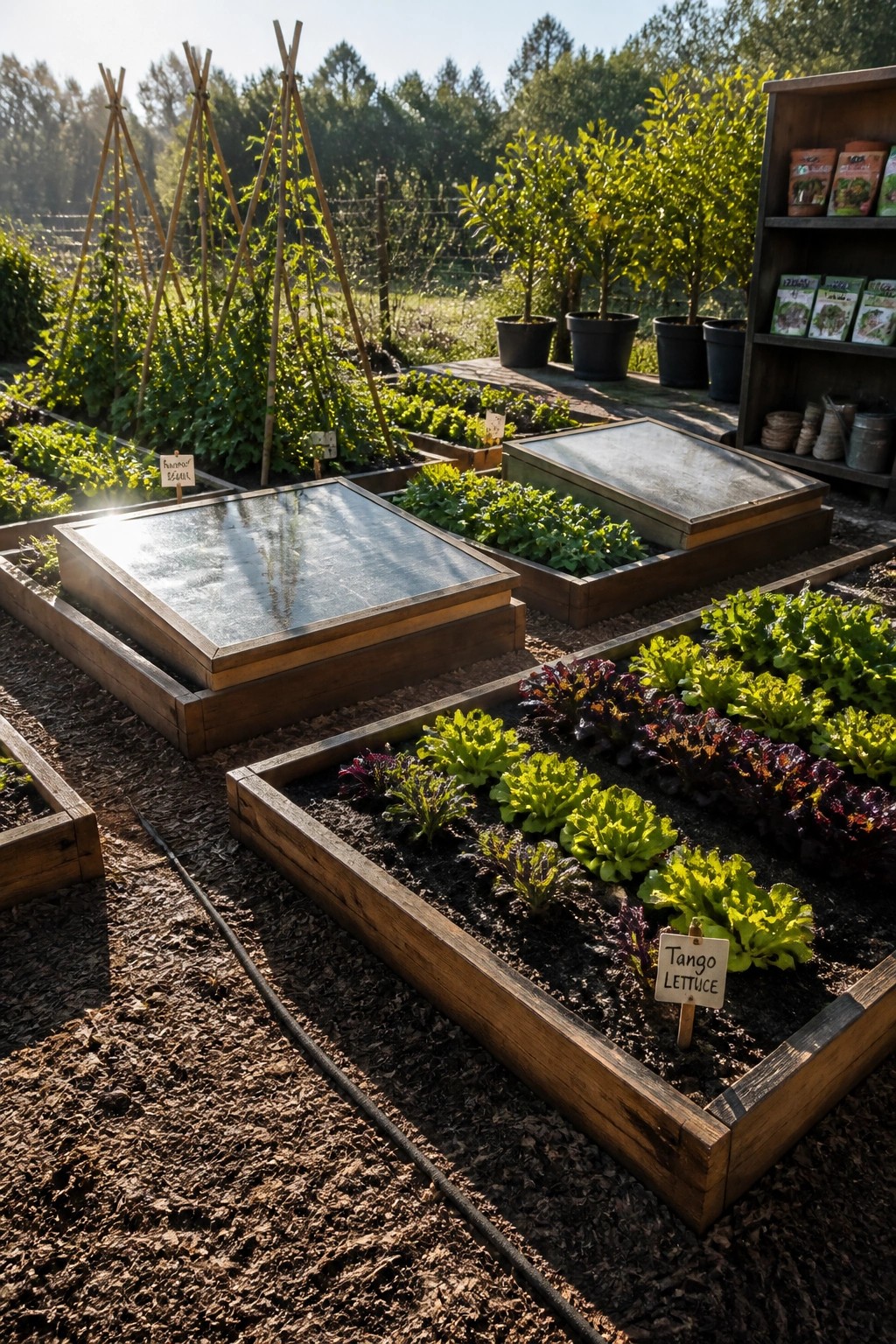
Raised beds work better when each section has a clear label. It keeps the layout looking neat and saves time when you need to find something quickly or check what was planted where.
This approach suits any garden that grows more than a few varieties at once. Wooden signs on stakes hold up well through the season and make crop rotation simpler the next year.
Metal Troughs For Raised Garden Beds
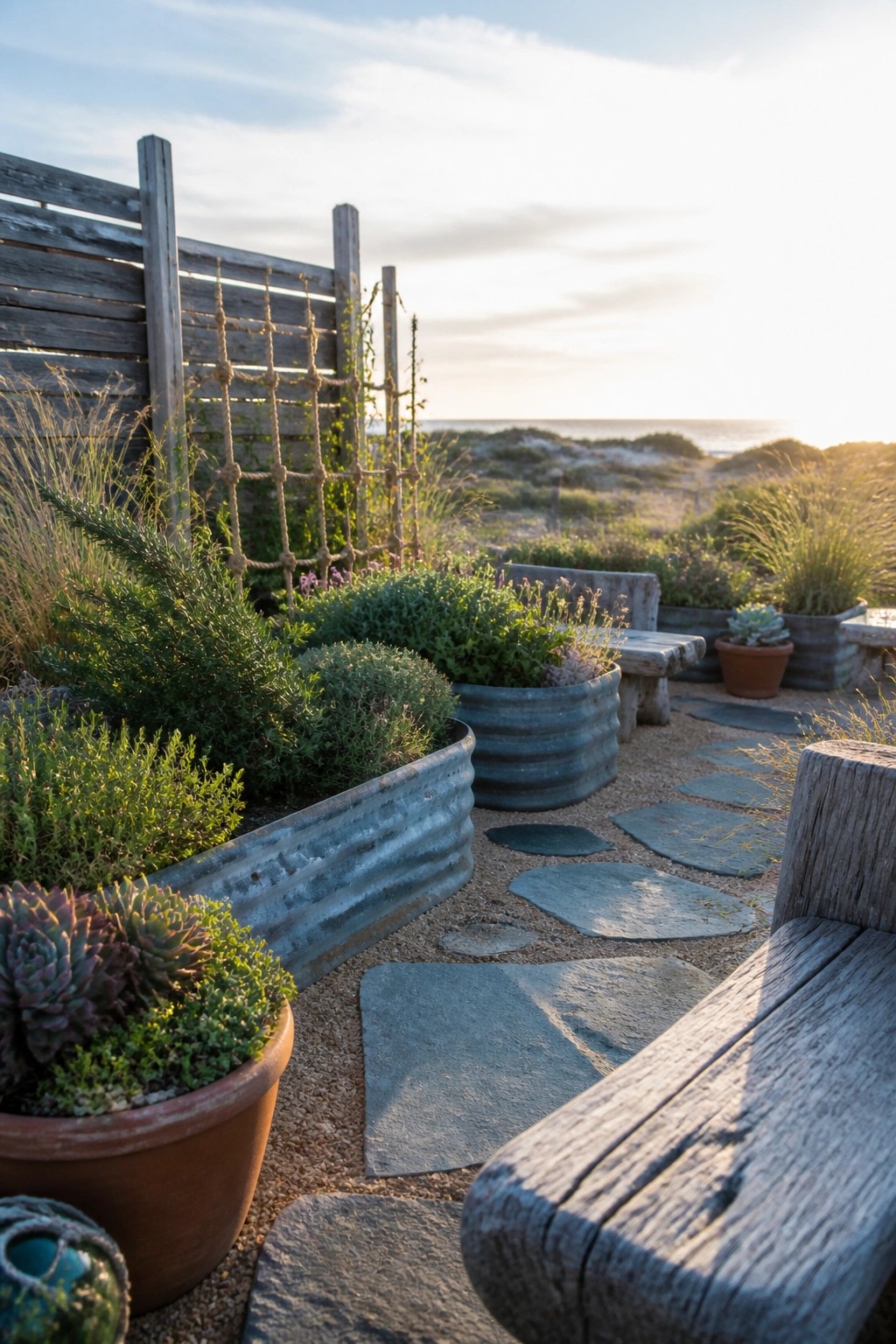
Metal troughs work well as raised beds because they are already the right height and shape for easy planting and weeding. They hold the soil neatly without needing extra framing and let you place beds right along a path for simple access.
These beds suit smaller yards or side gardens where space is tight. Set them on gravel or pavers so water drains properly and keep them in a sunny spot where you can reach both sides without stepping into the soil.
Tiered Raised Beds For Small Balconies
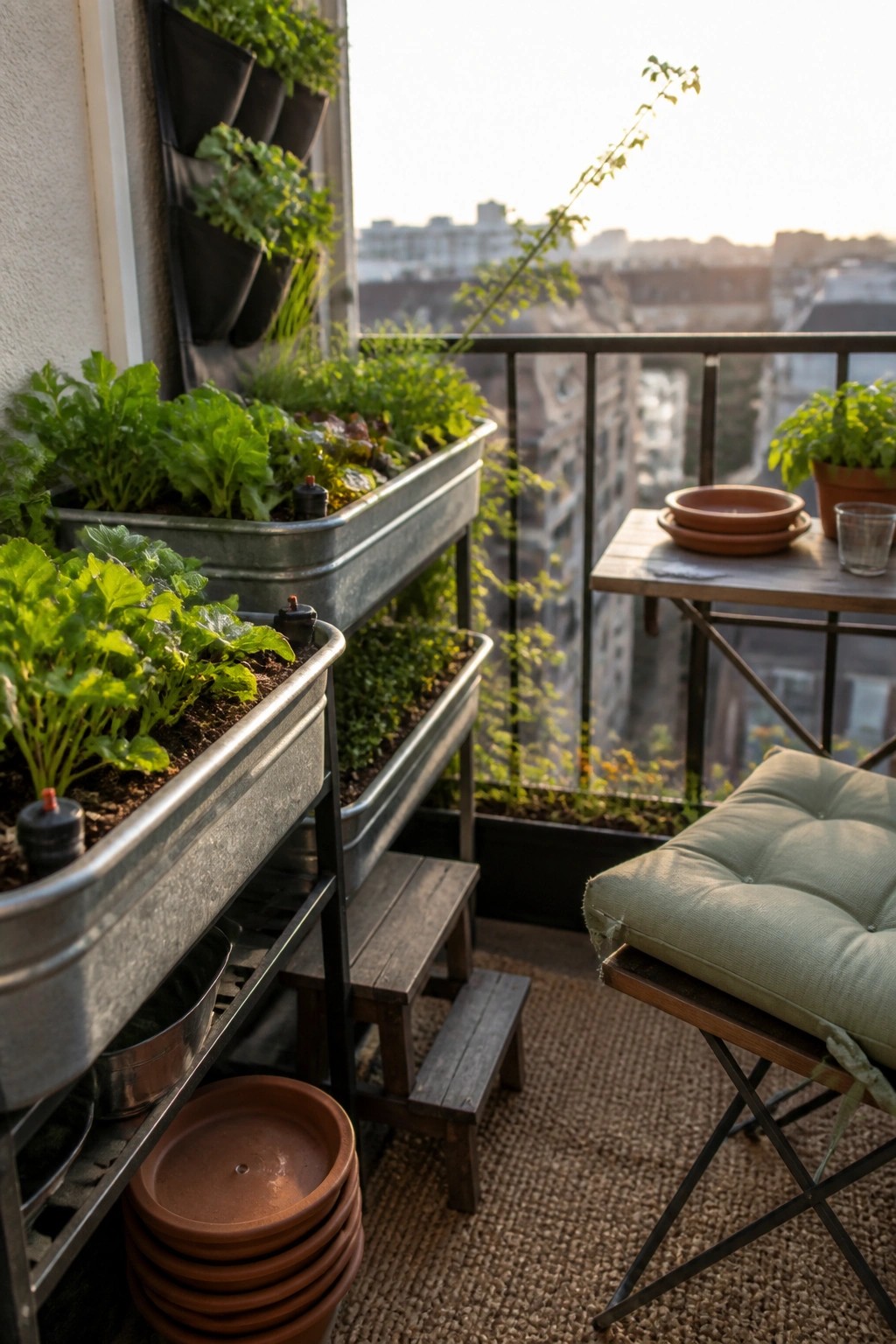
Tiered raised beds make it simple to grow a lot in a tight space like a balcony. The stacked metal troughs keep plants at different heights, which means less bending and easier watering without crowding everything into one flat layer. This setup works especially well when floor space is limited but you still want decent soil depth.
It suits apartments or homes with small outdoor areas where traditional ground beds are not an option. Place the stand against a wall or railing so the lower levels stay accessible, and leave a little room in front for a stool or narrow table. Just watch the weight load on the balcony floor before filling everything with soil.
Labeled Raised Beds Keep Plantings Organized

Labeling each raised bed by crop type makes it much easier to track what you planted and when. Metal beds with simple plaques let you group leafy greens together in one area and root crops in another, which helps with rotation and keeps the whole layout from turning into a guessing game.
This setup works best in a vegetable garden where you grow several different families of plants each year. Use weatherproof signs on the beds themselves and keep the paths wide enough for easy walking and weeding. It suits anyone who wants a tidy, low-confusion space rather than a free-form mix.
Raised Beds With Integrated Steps

Raised beds made from concrete work well when they also help shape the paths and levels in a garden. In this setup the beds rise and fall to create natural steps that lead from one area to another, so you do not need separate retaining walls or extra structures. The result is a clean layout that still feels open and easy to walk through.
This approach suits sloped yards or any garden where you want clear routes without adding clutter. Keep the beds wide enough for planting but not so deep that the steps become awkward to climb. The same concrete can run along the sides to form low walls that double as seating or edging.
Raised Beds With Brick Edging
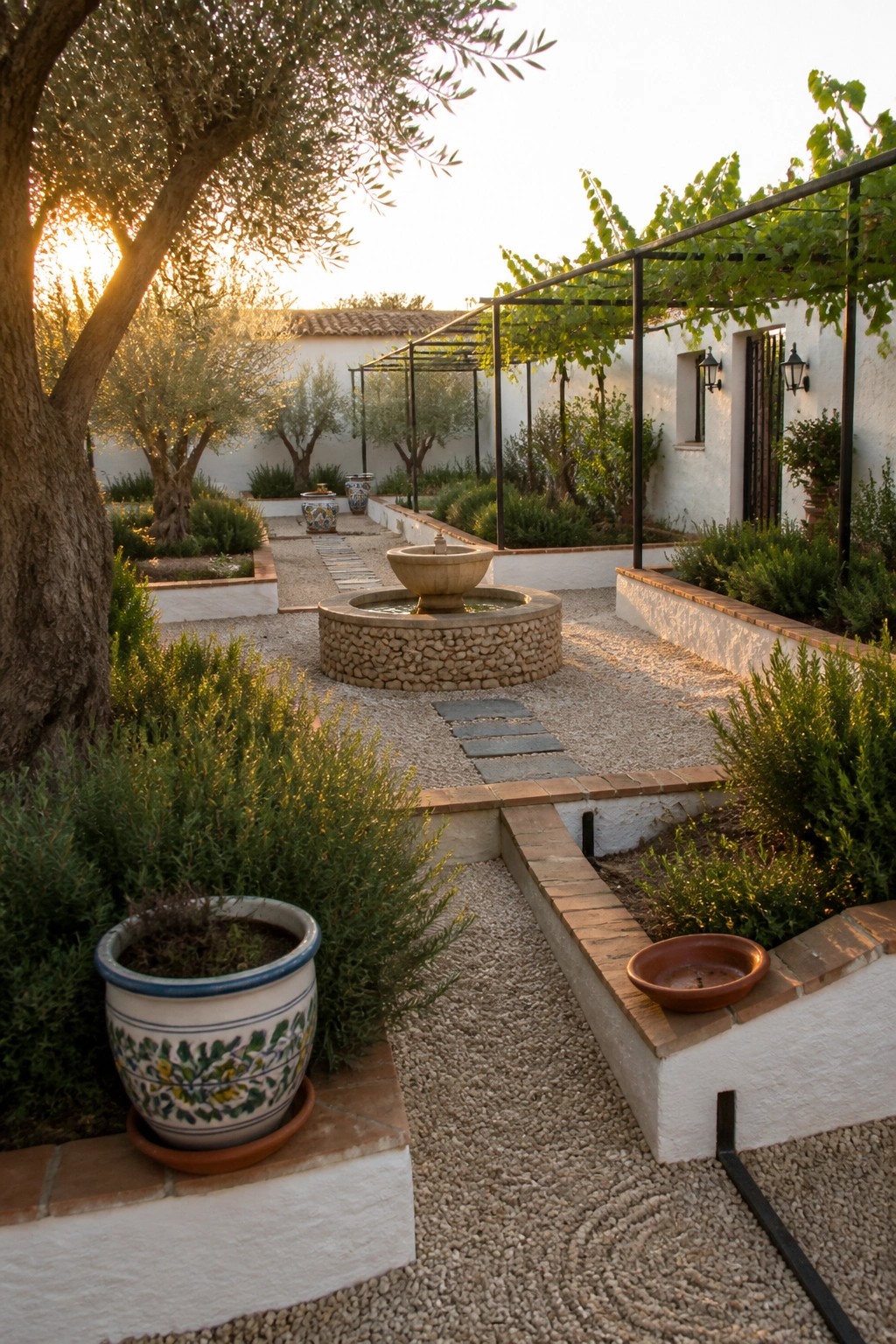
Raised beds edged in brick give a garden clear shape and make it easier to move through without compacting the soil. The low borders keep everything contained while still allowing you to reach plants from the path.
This setup works best in smaller outdoor spaces or courtyards where you want simple maintenance and good drainage. Gravel between the beds helps keep the area dry and adds a practical walking surface that holds up over time.
Raised Beds With Integrated Seating
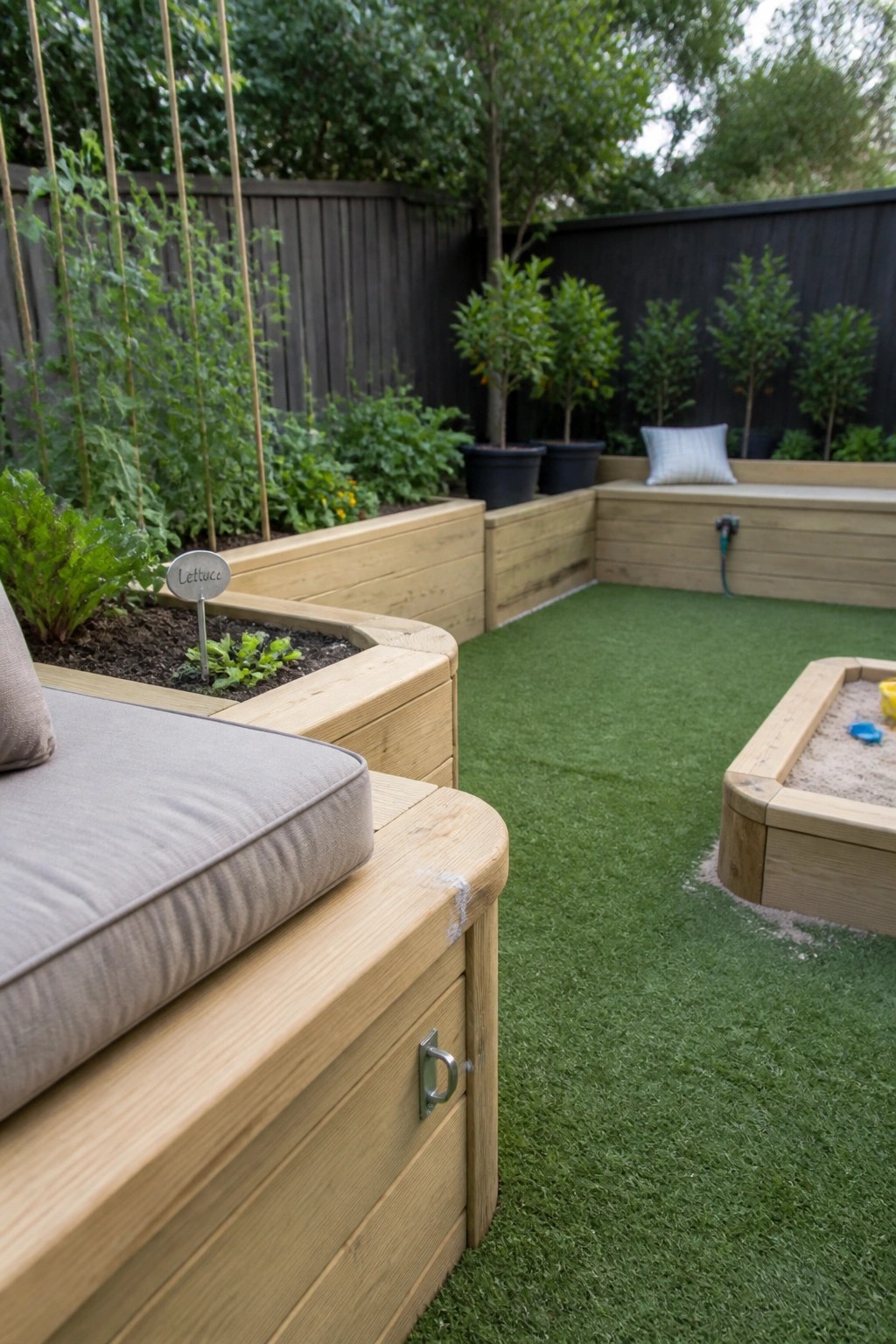
Raised beds that include a bench or seating area on top make the garden more practical without adding extra furniture. The wood construction ties the planting area and the seating together, so the layout stays clean and easy to move around. It also puts the plants at a comfortable height for watering and harvesting.
This approach works especially well in smaller yards where every square foot needs to serve more than one purpose. Keep the bench surface wide enough for cushions and make sure the bed depth still allows good soil volume for vegetables or flowers. Avoid placing seating on beds that need frequent deep digging or heavy replanting.
Stone Raised Beds For Easy Access
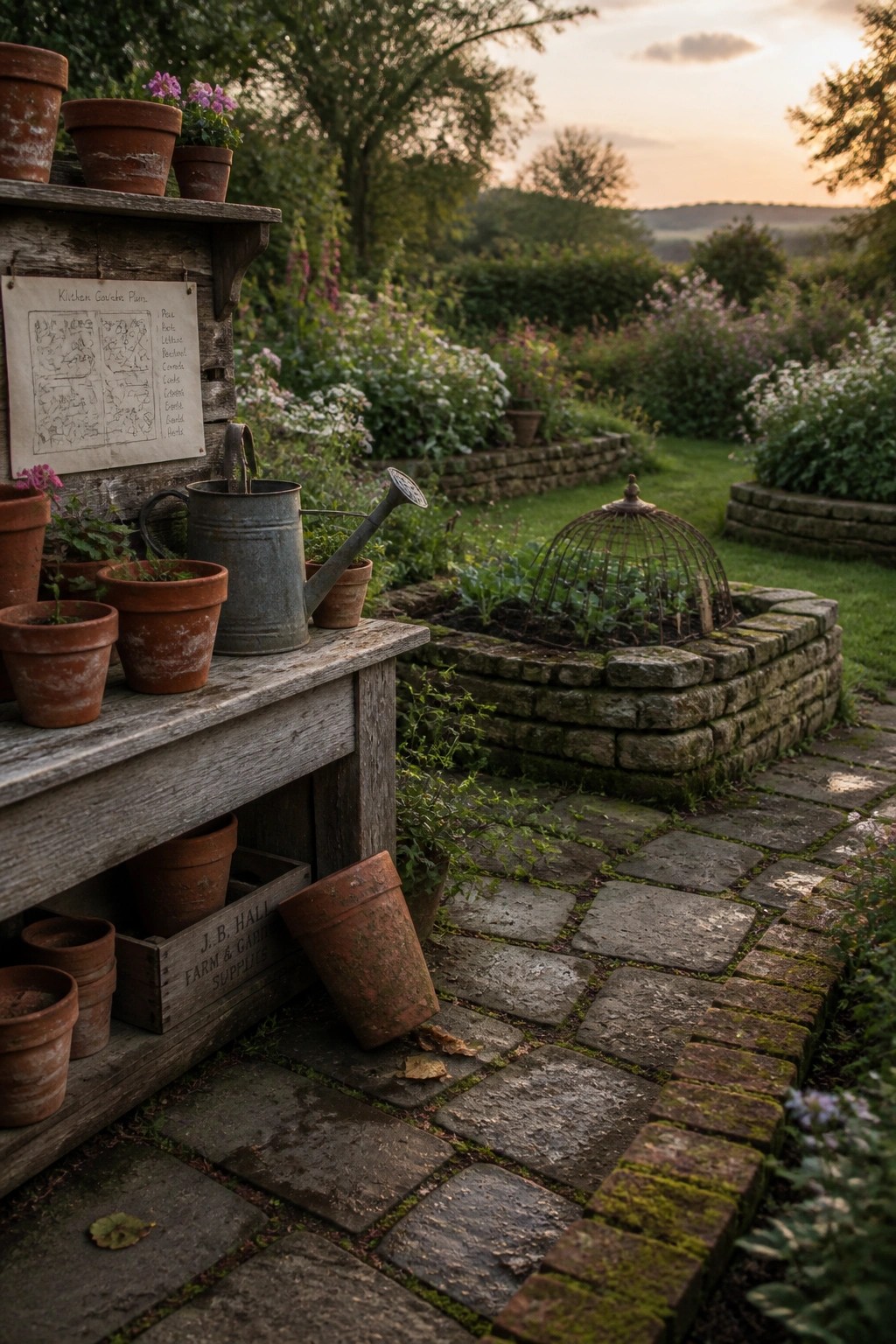
Stone makes a strong choice for raised beds because the walls stay solid over time and create a clear edge that keeps soil in place. This setup also lets you work from the sides without stepping into the bed, which helps with weeding and harvesting.
It fits best in gardens that already have paths or open space around the beds. Pair the stone with a nearby work surface so tools and pots stay within reach while you tend the plants.
Raised Beds Built Next To Seating
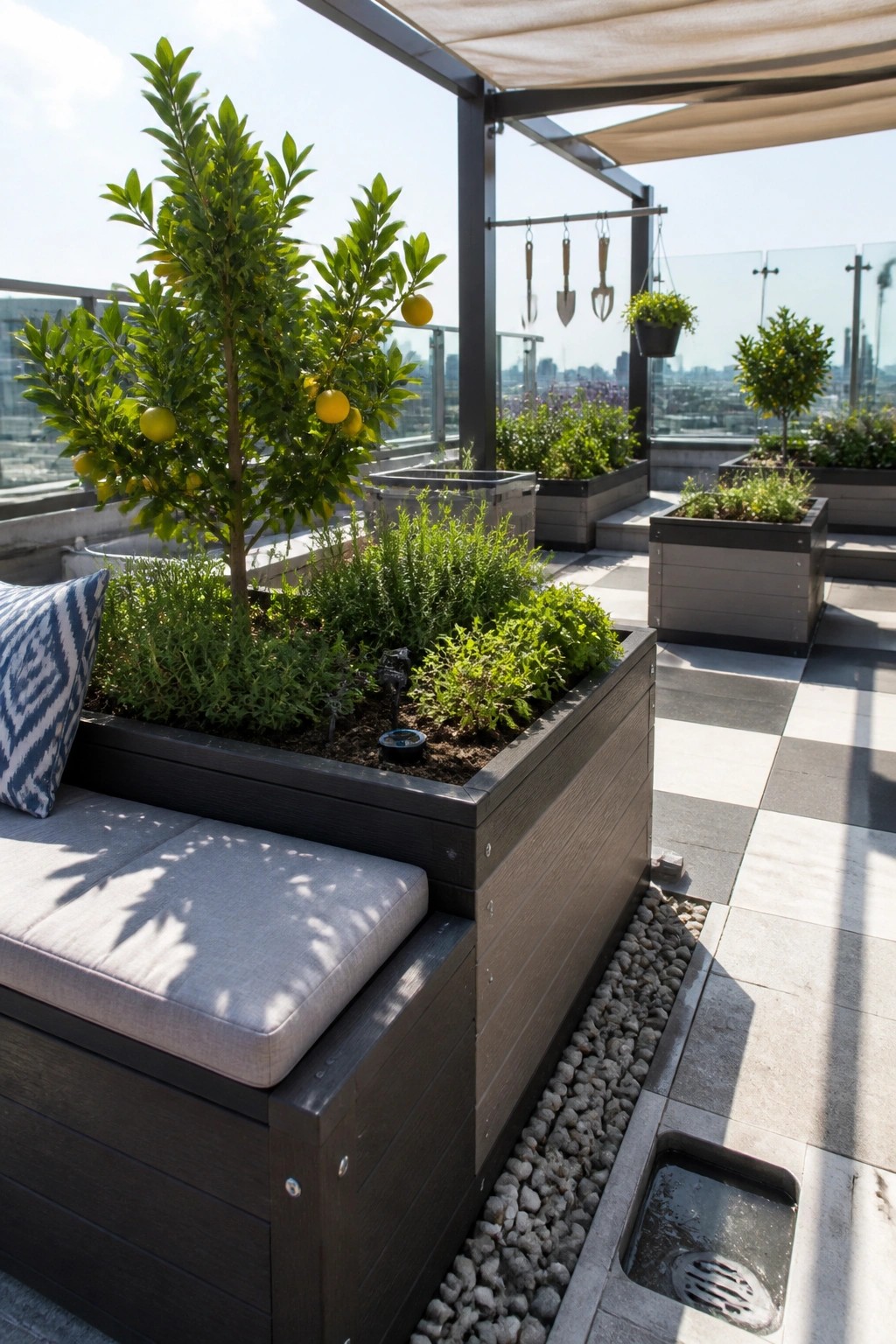
Placing a raised bed right against a bench makes the whole setup more practical. You can reach the plants without standing up or walking around, and the bed itself helps define the seating area. This layout keeps the space feeling open while still giving you plenty of growing room on a patio or rooftop.
It works best in smaller outdoor areas where every inch counts. Keep the bed height close to seat level so the bench stays comfortable, and use the same materials for both so they look like they belong together.
Metal Raised Beds Along A Gravel Path

Metal raised beds give a garden a tidy edge that stays put even after years of watering and weather. They keep soil contained, cut down on weeding at the borders, and let you reach plants from the path without compacting the beds.
This layout works best on sloped sites or in smaller yards where you need clear walking space. Keep the beds narrow enough to reach across and run a simple gravel path beside them so the whole area stays low maintenance and easy to navigate.
Stone Walls For Clean Raised Bed Edges
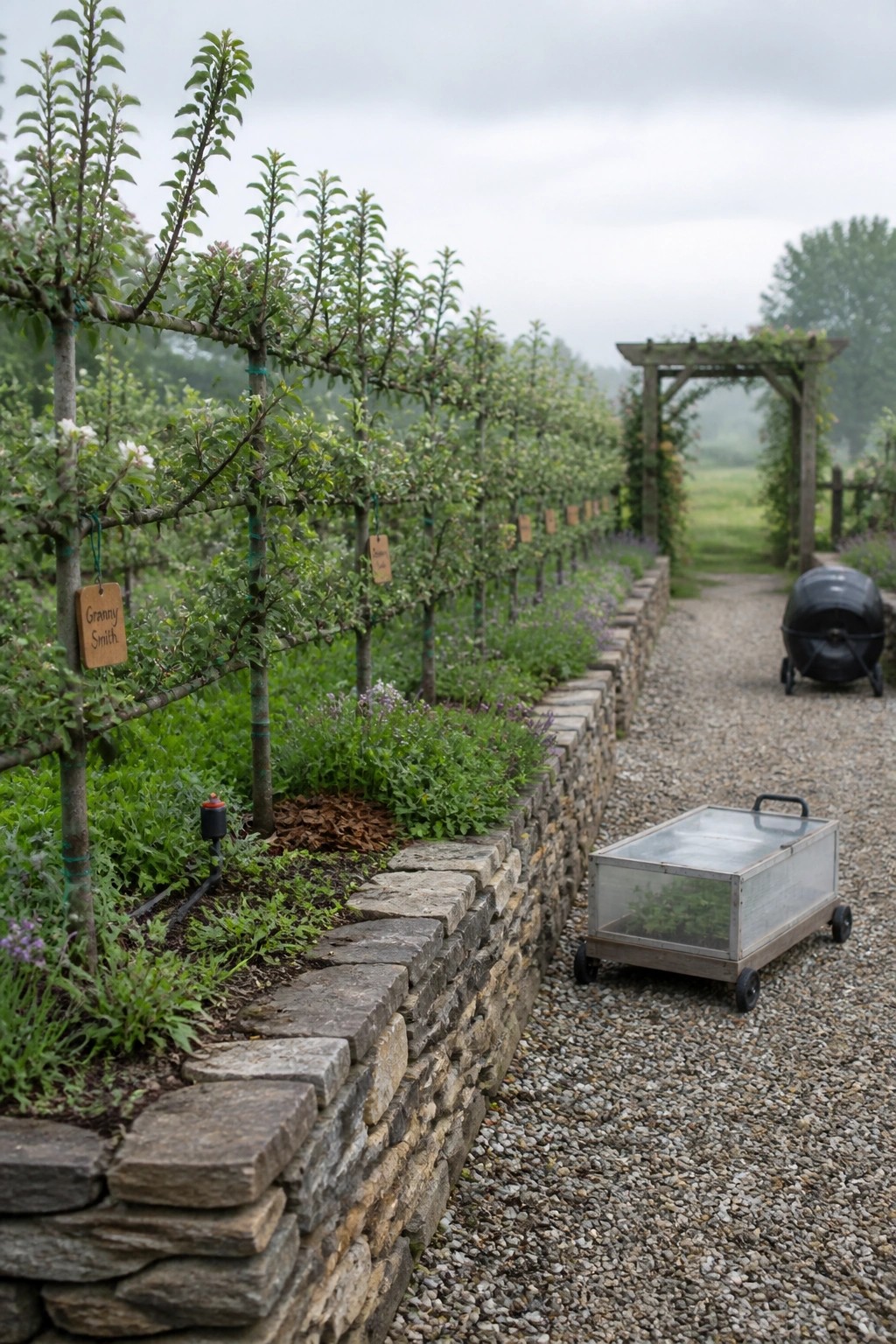
Low stone walls make raised beds feel more permanent and easier to work around. The solid edge keeps soil in place, gives you a place to sit or lean while tending plants, and creates a clear line between the bed and the path so nothing spills over.
This setup works well in larger gardens where you want a simple layout that stays neat over time. Keep the walls low enough to reach across and use a gravel path beside them so you can roll a cart or wheelbarrow right up to the beds without compacting soil.
Natural Stone Edging For Clean Bed Lines
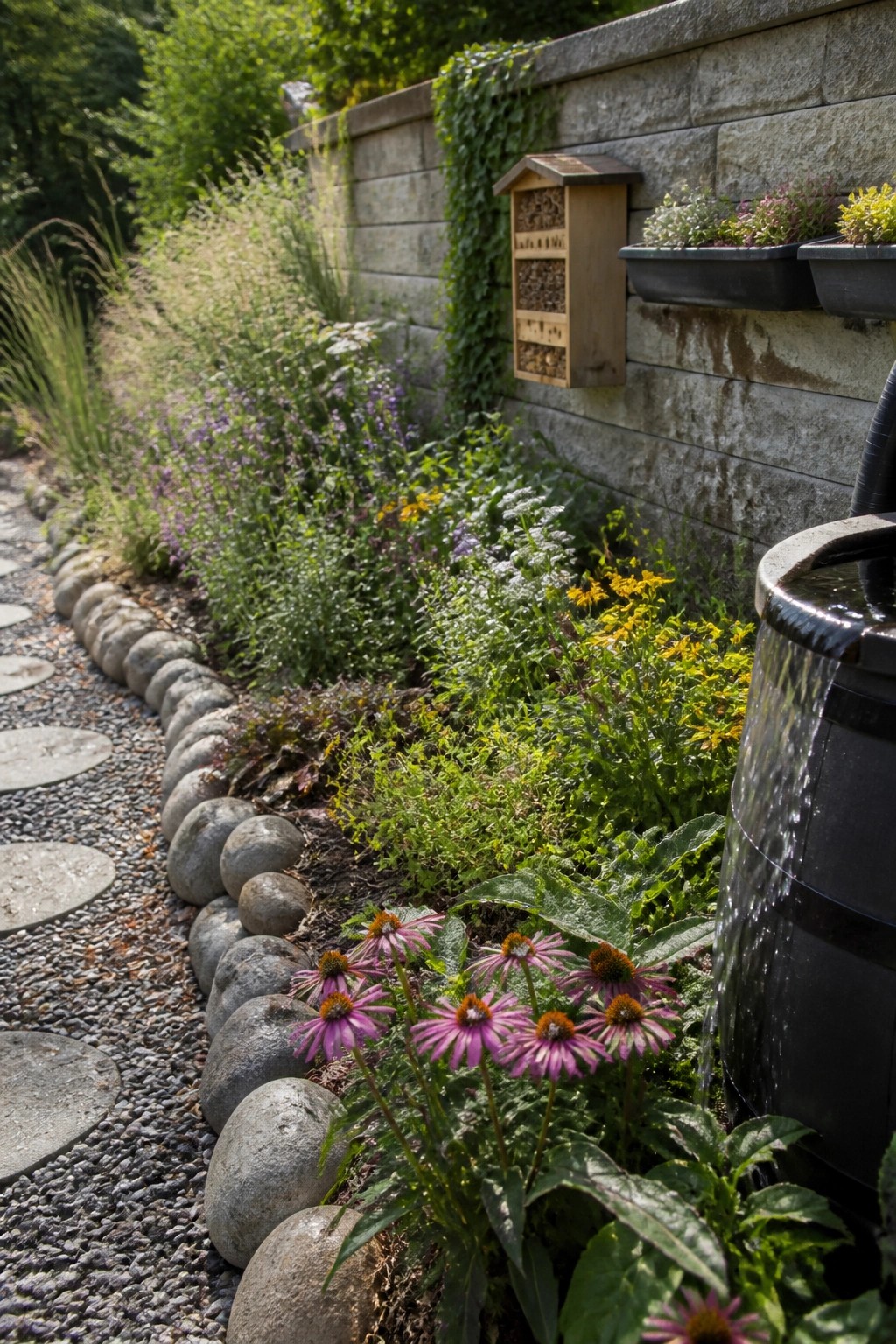
Large stones set along the edge of a bed create a simple barrier that keeps everything in place. The rounded rocks separate the planting area from the gravel path and give the garden a finished look without much extra work.
This kind of edging works well in narrow side gardens or along walls where you need easy reach for maintenance. It suits homes that already use gravel or stone in the landscape and holds up through changing seasons.
Raised Beds With Built-In Seating
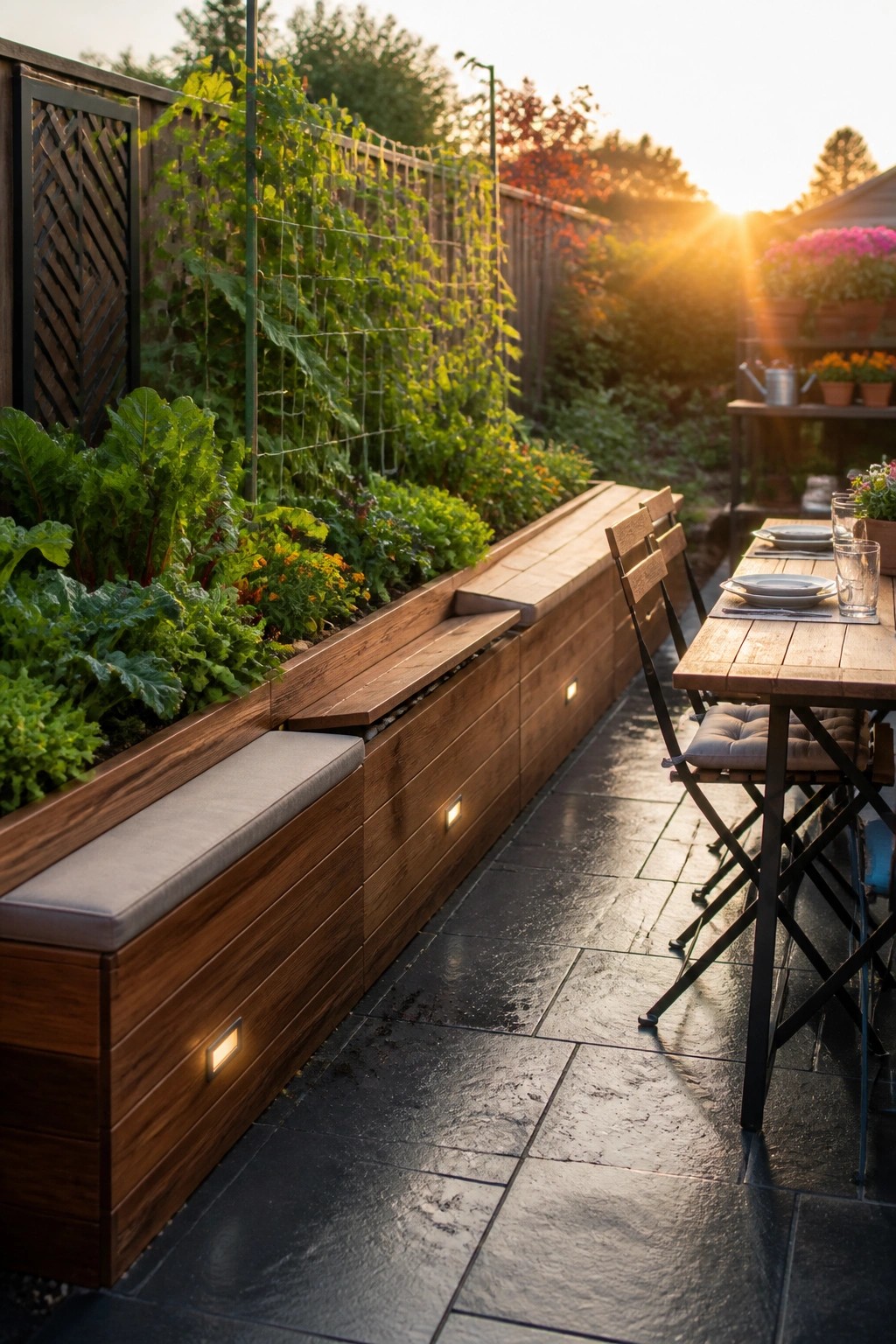
Many gardeners add seating right into the side of a raised bed. It gives you a spot to rest without crowding the garden with extra chairs or benches.
This setup works best along a path or patio edge where you want quick access for watering and harvesting. Keep the seat height comfortable and leave enough bed width for the plants to grow well.
Stone Borders Define Raised Beds on Slopes
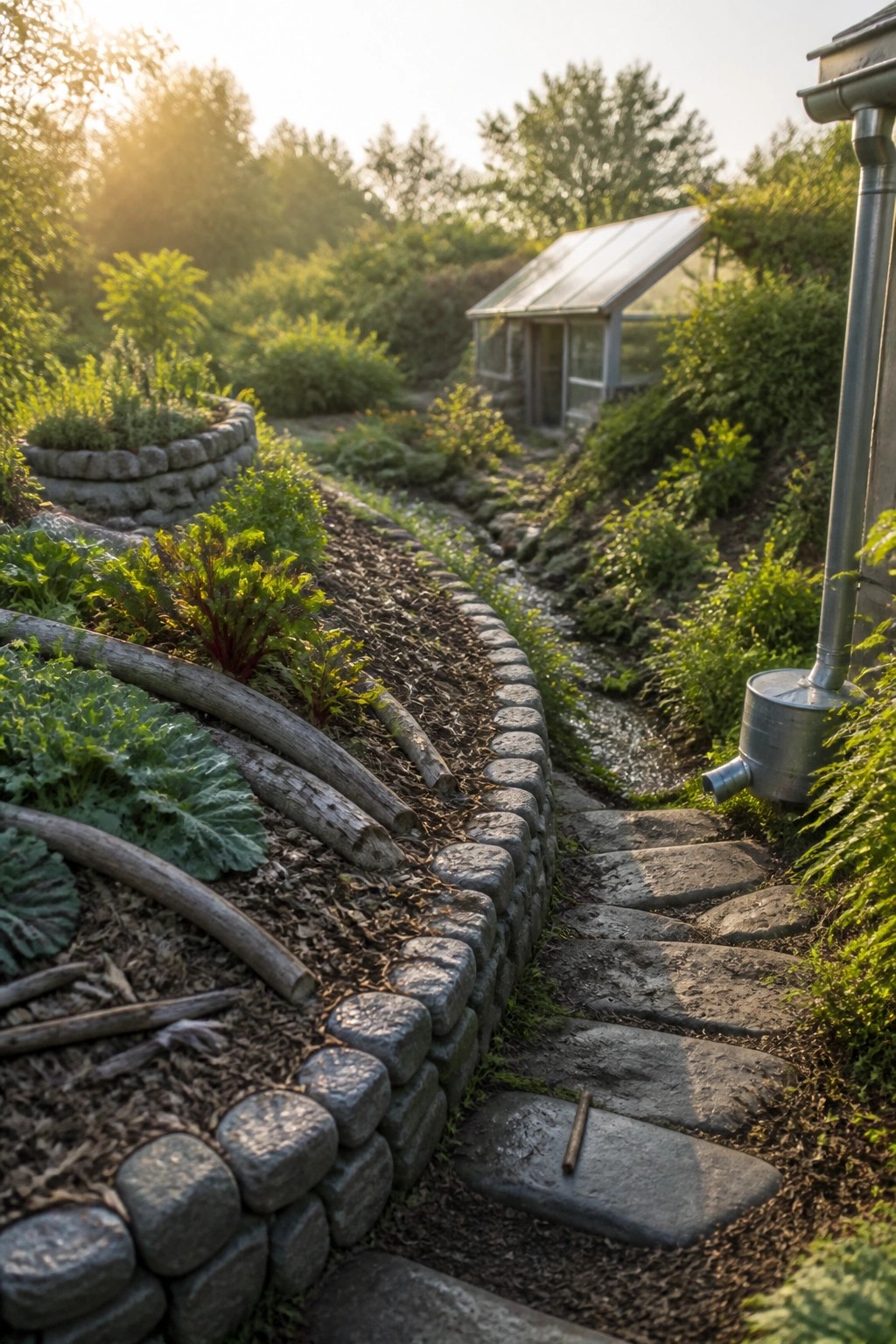
Stacked stone makes a strong choice for raised beds when the ground slopes. It holds the soil in place without needing much extra leveling and creates a firm edge that stays put year after year. The curve of the beds follows the land naturally, which keeps the whole layout looking settled rather than forced.
This style suits homes with gentle hills or uneven backyards where flat beds would require too much digging. Keep the path wide enough for a wheelbarrow and check the base stones every couple of seasons so nothing shifts after heavy rain.
Gravel Paths Between Raised Beds
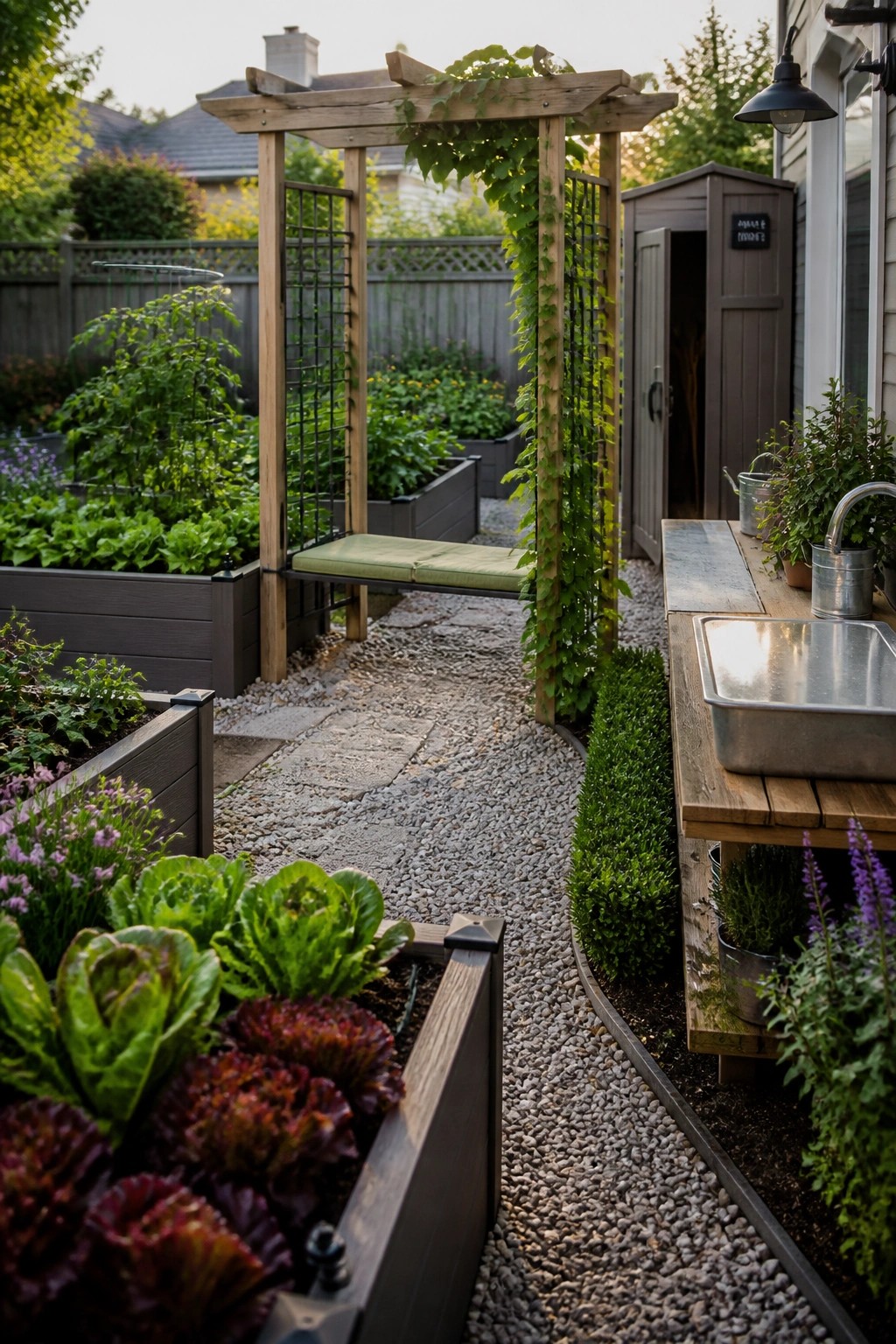
Many people find that running a simple gravel path between raised beds makes the whole garden easier to use. You can reach both sides without compacting soil, and the layout stays neat even when plants grow full and bushy.
This approach suits smaller yards or long narrow spaces where you want steady access for watering and harvesting. Keep the path at least two feet wide so a wheelbarrow can pass, and choose a gravel that drains well after rain.
Frequently Asked Questions
Q: How far apart should the beds sit so you can roll a wheelbarrow through without bumping the sides?
A: Aim for paths at least 24 inches wide. That space keeps the layout open and lets you move tools or harvest baskets easily. You reach both sides of each bed without stepping on the soil.
Q: What height stops you from bending over every time you weed or water?
A: Build the beds 18 to 24 inches tall. You work comfortably from a standing position and your back thanks you after an hour outside. A simple top rail gives you a spot to rest a knee if you need to lean in.
Q: Can the same clean layouts work on a gentle slope without extra framing?
A: Level each bed site before you build. Straight beds keep water from pooling on one end and maintain even access all around. You still get tidy rows that feel open rather than cramped.
