


Gardens tend to feel more settled when the paths wind a little instead of running in straight lines that divide everything up.
Layered borders add structure without making the space feel crowded right away.
Curves change everything.
I usually try a new edging idea in one corner of the yard first to see how it settles before doing more.
Over a season or two the different plant heights start to work together and show whether the layout really holds up.
Brick Paths With Layered Borders

A simple brick path gains a lot when the planting on either side is built in layers. Low flowers and herbs sit closest to the edge, followed by mid-height shrubs and taller perennials behind them, with climbers softening any nearby wall or fence. This setup makes the path feel settled and full without looking crowded.
It works best in smaller gardens where you want steady color and texture through the seasons. Keep the path width comfortable for two people and choose plants that stay in scale so the layers do not spill over and narrow the walkway.
Curved Paths With Layered Borders

A gentle curve in a garden path slows the walk and makes the space feel more natural. Layered borders along the edges add depth, with lower shrubs in front and taller plants behind so nothing looks flat or one-note.
This approach suits narrow side gardens or areas next to a house wall. Keep the path material simple, like brick or gravel, and let the planting layers do the work of guiding the eye forward.
Curved Paths With Layered Planting Edges

Curved paths give a garden more movement and help it feel less formal. They work well when the edges are built up in layers so the planting feels full without crowding the walkway itself.
This approach suits most mid-sized yards where you want the path to feel like part of the landscape rather than a straight line cutting through it. Keep the curves gentle and use a mix of low ground covers, taller grasses, and simple containers to build depth along the sides.
Curved Paths With Layered Borders

A gentle curve in a garden path slows the walk and makes the space feel larger. It also gives you room to layer plants on both sides without the whole thing looking stiff or flat.
This approach suits larger beds where you can place taller flowers like delphiniums toward the back and let shorter plants spill forward. Stone works well for the path itself because it lasts and blends into the planting over time.
Curved Paths Through Layered Borders

A gentle curve in a garden path makes the whole space feel more relaxed. It avoids the stiff look of straight lines and lets the plantings on either side build up naturally in height and texture.
This approach works in most yards as long as the curve stays gradual. Layer taller grasses and flowers behind shorter ones so the borders feel full without crowding the walkway. A simple gravel surface keeps the focus on the planting rather than the path itself.
Curved Paths With Layered Borders
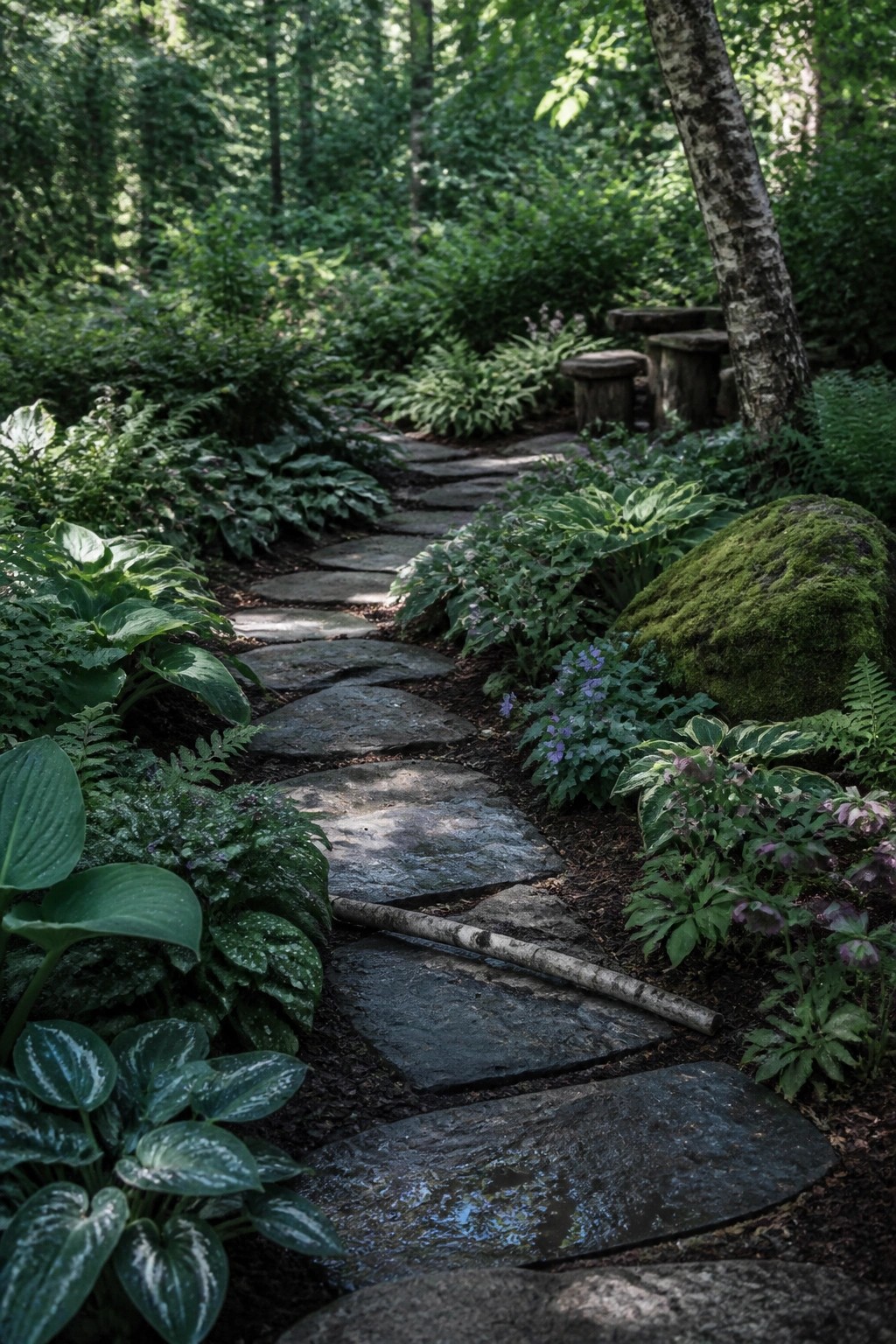
A curved path tends to feel more relaxed than a straight one because it follows the natural shape of the garden rather than forcing a line through it. Layering plants of different heights and textures along both sides helps the path blend in instead of standing out as a separate feature.
This approach works especially well in shady or wooded yards where you already have trees and uneven ground. Place taller ferns and larger leaves toward the back of the border, then step down to smaller plants and ground covers right next to the stones so the edges look full without crowding the walkway.
Curved Paths With Layered Planting Borders
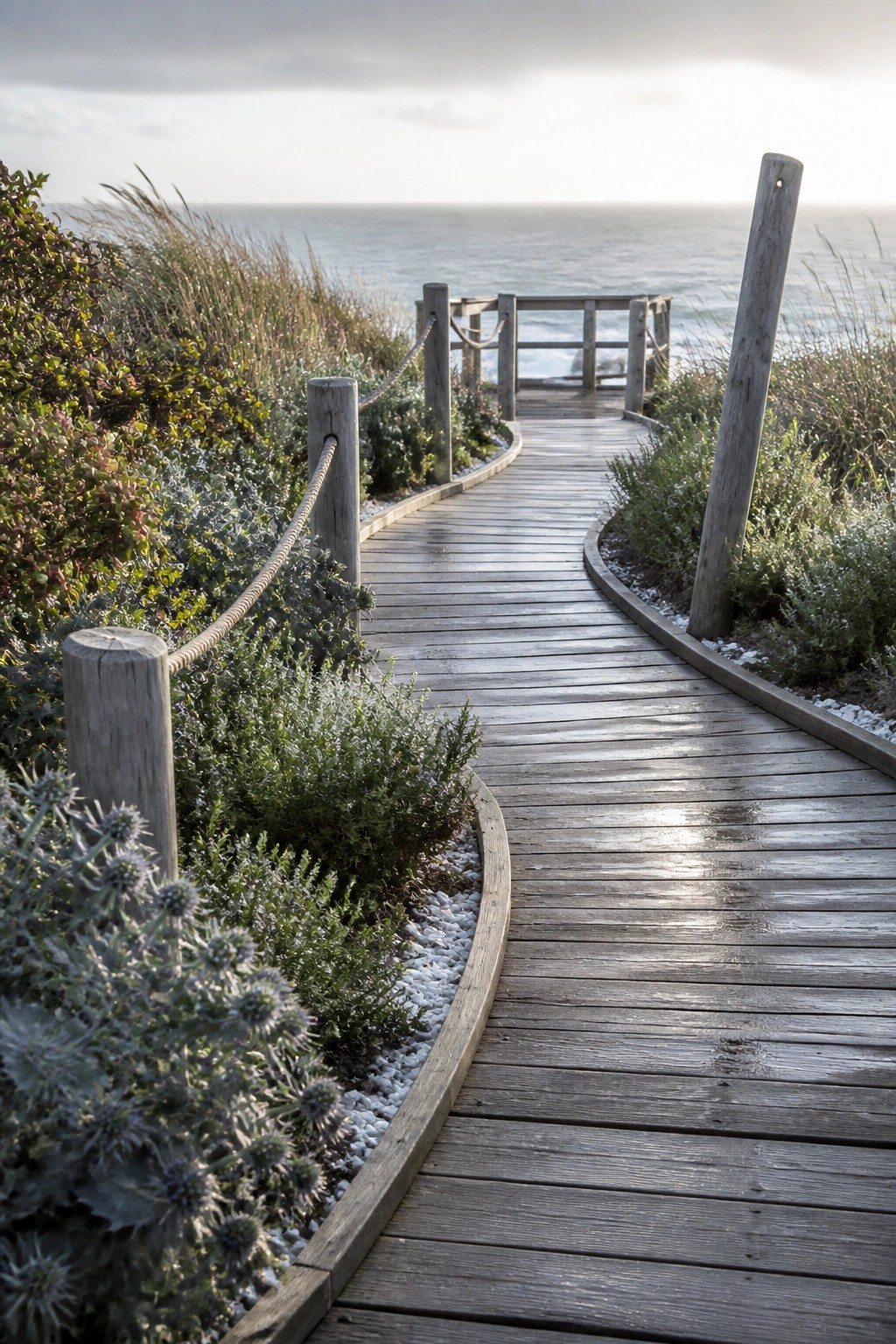
A gentle curve in a garden path often feels more welcoming than a straight line. It gives you room to build up plants in layers along the edges, so the borders look full and varied instead of thin.
This approach works well in smaller yards or along a slope where you want movement without losing planting space. Keep the path width consistent and let the plants step up in height behind a simple edge so the layers stay easy to maintain.
Curved Paths With Layered Borders

Curved paths give a garden a softer flow than straight lines ever do. They let the eye move gradually through the space instead of rushing straight ahead, and the layered borders along the edges add depth without making the layout feel busy.
This layout suits larger gardens where you have room for the path to wander. Keep the borders in tiers, with low plants near the edge and taller shrubs or clipped shapes behind them, so the curve stays visible from most angles.
Curved Paths With Layered Borders
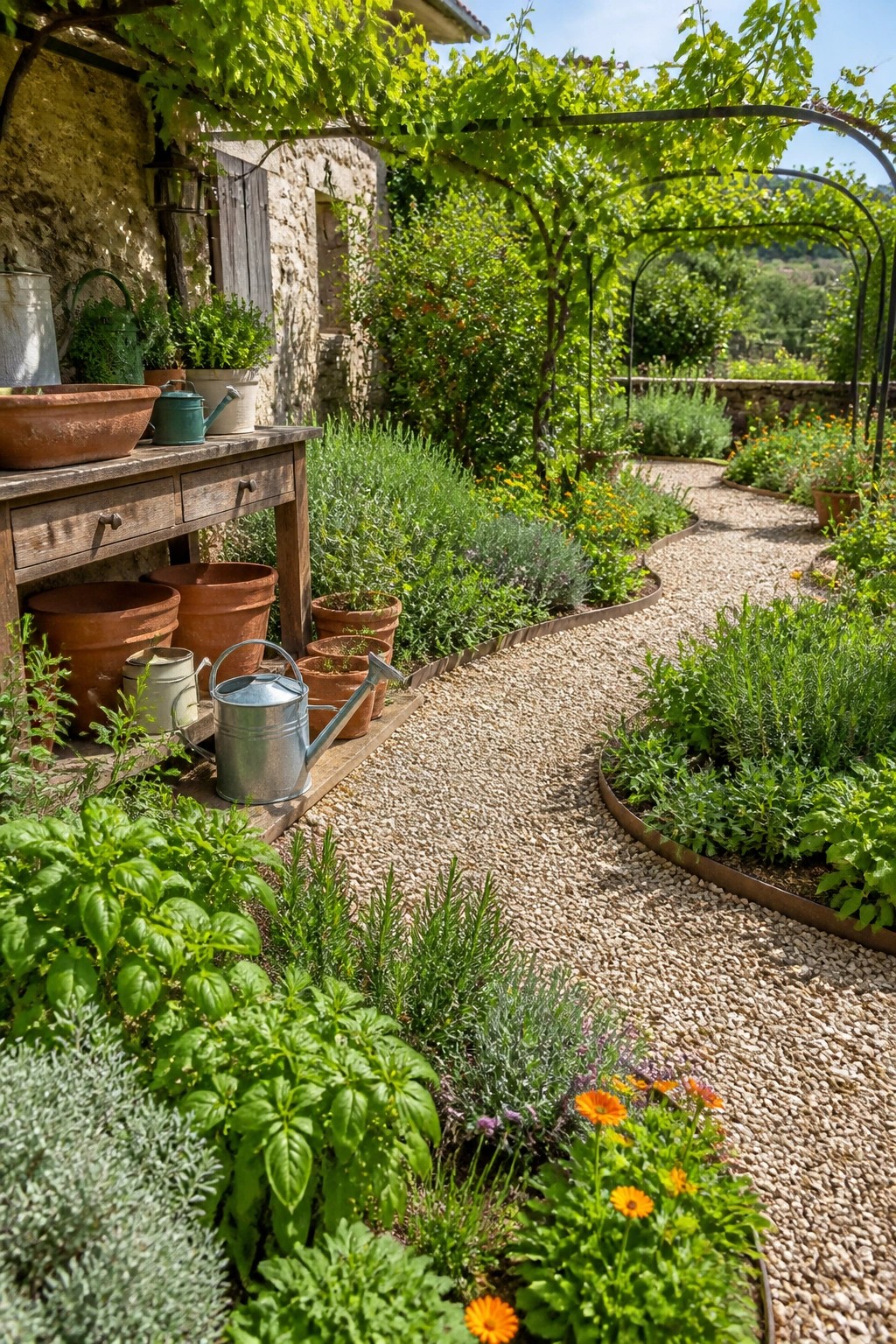
Curved paths make a garden feel more relaxed than straight lines. The gentle bend here lets the eye follow the route while the planting along the edges adds depth without crowding the walkway.
This approach works best in smaller or informal gardens where you want to slow the pace. Keep the path narrow and use low edging so herbs and flowers can spill over naturally in layers.
Winding Stepping Stone Paths Through Layered Borders

A path made of irregular stepping stones set into moss gives the garden a gentle sense of movement. The stones curve just enough to keep the view from feeling too direct, while the plants on either side build up in height and color.
This works best in smaller gardens or side yards where you already have some established shrubs and trees. Keep the stones slightly uneven in spacing so the walk feels natural rather than planned, and let the plant layers stay dense along the edges.
Curved Paths With Layered Borders

Curved paths feel easier to walk and help the garden look less formal. The gentle bend lets the eye move slowly through the space instead of rushing straight to the end.
Layer plants by height along the edge, mixing taller grasses with lower shrubs and rocks. This works in most yards and keeps the path from looking like an afterthought.
Curved Paths With Layered Borders

A gentle curve in a gravel path keeps the eye moving and makes a garden feel more natural than a straight line ever does. Layering plants along the edge adds depth without needing a lot of width, so even a narrow strip can look full.
This works well along a driveway or side yard where you want something softer than a formal hedge. Stick with a mix of heights, like low shrubs in front and taller flowers or grasses behind, and keep the path material simple so the planting stays the focus.
Curved Paths That Follow The Slope

Curved paths feel more natural on a slope than straight ones. They move with the land instead of fighting it, which makes the whole garden seem easier to walk through and less forced.
Low stone walls that repeat the same curve help hold the soil and create space for layered planting along the edges. This works best on gentle hills where you want the path to guide people without needing tall retaining structures.
Curved Paths With Layered Borders

A curved path gives a garden a softer flow than a straight line. It lets you layer plants along the edges in pots or beds so the borders feel full without looking crowded.
This works best in narrow side yards or small gardens where you want to slow the walk and show off different plant heights. Keep the curve gentle and use containers of varying sizes to build depth along the way.
Curved Paths With Layered Borders

A curving path keeps the garden from feeling too rigid and gives visitors a reason to slow down and look around. Layering plants of different heights right along the edges adds depth without needing fancy hardscaping or extra structures.
This layout works best in mid-size yards where the path can wind gently between beds. Stick to a simple mulch or gravel surface and let the flowers do most of the work by planting taller stems behind shorter ones so the color stays full from start to finish.
Curved Paths With Layered Borders

A curved path gives a garden a softer feel than straight lines. The bend slows the eye and makes the space feel larger even when the actual area is modest.
This approach works best when the borders are planted in layers. Put taller grasses and shrubs toward the back of the beds and let lower flowering plants spill forward so the edge looks full from the walkway.
Curved Stone Paths With Layered Borders

A curved path softens the whole garden and makes it feel more relaxed than a straight line would. The gentle bend here lets the eye move slowly through the space while the layered plants along the edges add depth without crowding the walkway.
This layout works well in side yards or smaller gardens where you want to stretch the feeling of distance. Low stone walls help hold the tiers of planting in place, and the mix of taller foliage behind shorter ground covers keeps the borders looking full without needing constant upkeep.
Curved Paths With Layered Borders

A gentle curve in a garden path helps the space feel more relaxed than a straight line ever does. It slows the walk and lets the eye move naturally from one planting group to the next instead of rushing to an end point.
This layout suits most home gardens because it adds interest without needing lots of space. Keep the edges planted in layers, with lower ground covers near the path and taller shrubs or small trees behind them, and choose a simple paving material that can follow the bend without looking forced.
Curved Paths With Layered Borders

A curved path helps a garden feel more relaxed and natural than a straight line. It draws the eye forward gradually and gives the borders room to step out in different depths, which makes the planting look fuller without needing extra width.
This layout works especially well in larger yards or along the side of a house where you want a gentle transition into the landscape. Keep the edging low and simple, like weathered wood, and plant in layers that step up from the path so the border feels soft on both sides.
Curved Paths With Layered Borders

A curved path helps a garden feel more relaxed and natural even when the space is narrow. The gentle bend keeps the eye moving and gives you room to layer plants along the edges without crowding the walkway.
This approach works best on rooftops, terraces, or small yards where straight lines can feel stiff. Use raised planters to create the borders so you can vary heights and let some plants spill over the edges.
Curved Paths With Layered Borders

A curving path makes a garden feel more relaxed and gives you plenty of room to layer plants along the edges. The stones wind gently instead of cutting straight through, which lets shrubs, flowers, and pots build up in stages and create depth without looking crowded.
This works especially well on a gentle slope or beside a low wall. Keep the inner curve planted low and let taller shrubs and pots sit farther back so the path stays clear and the layers stay easy to maintain.
Curved Paths With Layered Borders

A curved path feels more natural when the borders beside it are planted in layers. Low plants sit right at the edge while taller ones step back, giving the walkway a settled look instead of a sharp cut through the grass.
This works best in gardens that already have some width to the beds. Keep the layers simple, with just a few heights and textures, so the path stays the main line through the space.
Curved Paths With Layered Borders
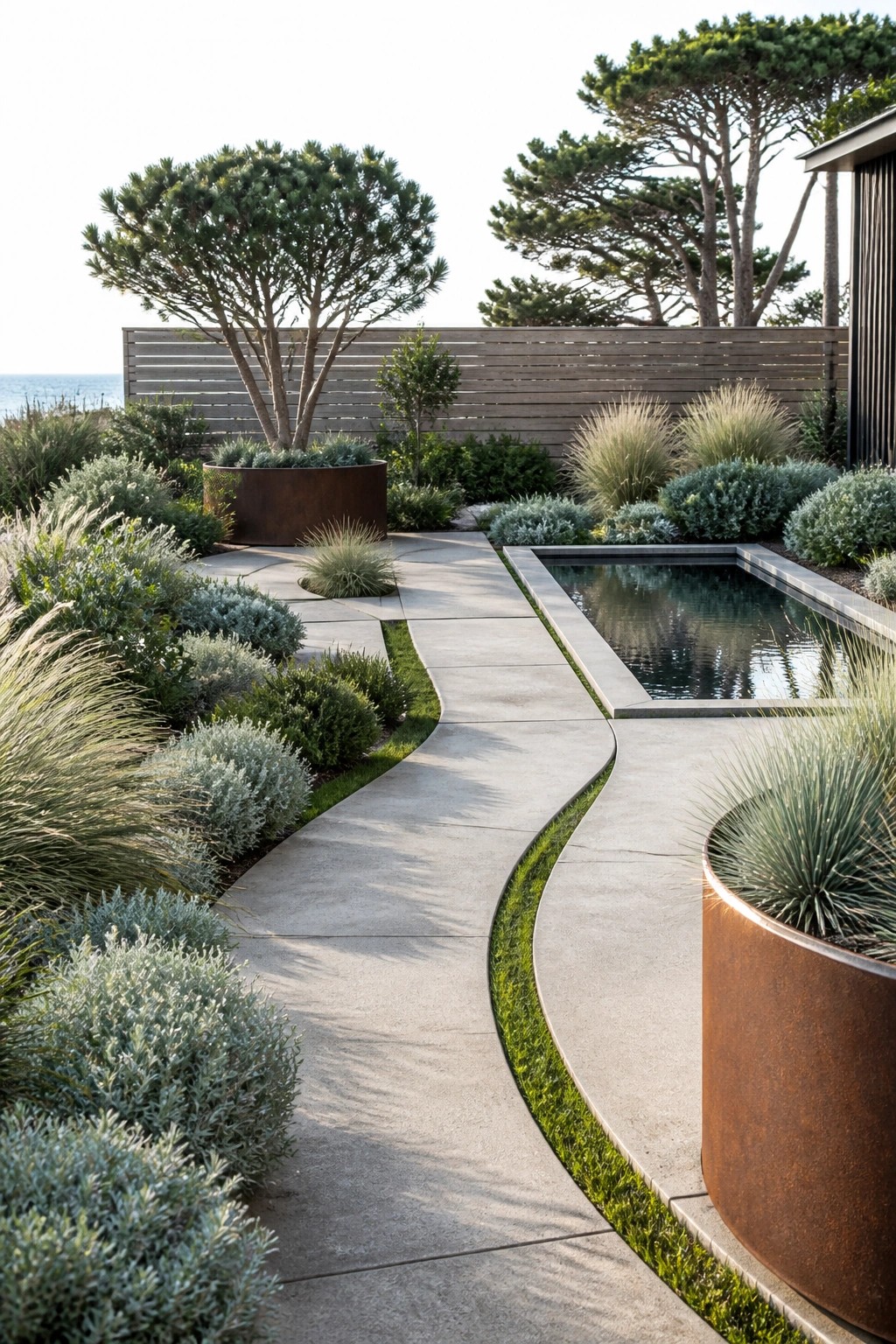
A curving path gives the garden a softer flow than straight lines ever do. It also lets you build up the planting in layers right along the edge so the borders feel full and varied as you walk.
This layout works best in smaller gardens or along the side of a house where you want to stretch the space visually. Keep the plants low right next to the path and step them up in height behind to create that layered look without crowding the walkway.
Frequently Asked Questions
Q: How do I pick plants for the layered borders without them overcrowding each other?
A: Start with taller plants at the back and work your way down to ground cover in front. This way each layer gets enough light and stays healthy. Check how wide each plant grows before you buy it.
Q: Do I need special tools to create those smooth curves in my paths?
A: A simple garden hose works great for laying out the shape first. Then use a spade to cut along the edge. You can adjust as you go until it feels right.
Q: What happens if the path curves too sharply in a small yard?
A: Gentle bends still give that flowing look without making the space feel chopped up. Test the layout by walking it yourself before you dig.
