

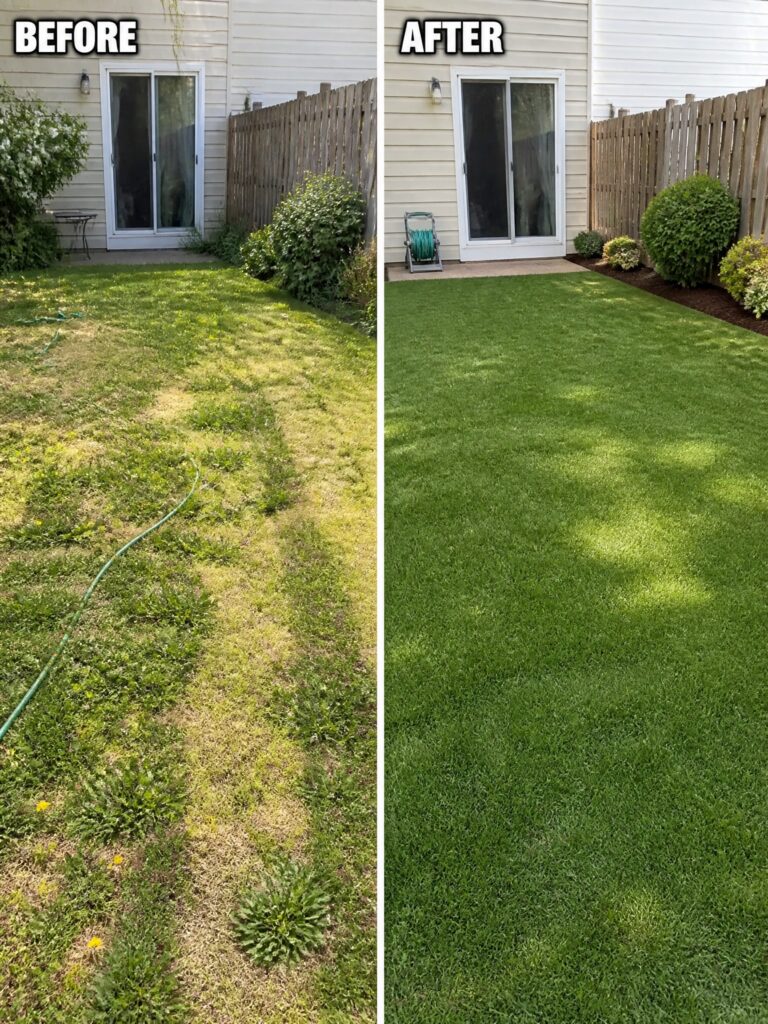
Yards tend to sprawl when left without regular attention, with grass and shrubs taking over spots that once had clear lines.
The process of bringing order back usually begins with removing what no longer fits and then deciding on new boundaries that match how the space gets used.
Cleanup first.
Then comes the part where layout choices and a few key plants start to define the area in a way that holds up over seasons.
I often find myself checking which of these approaches would work without requiring constant upkeep afterward.
Add Structure To An Overgrown Backyard
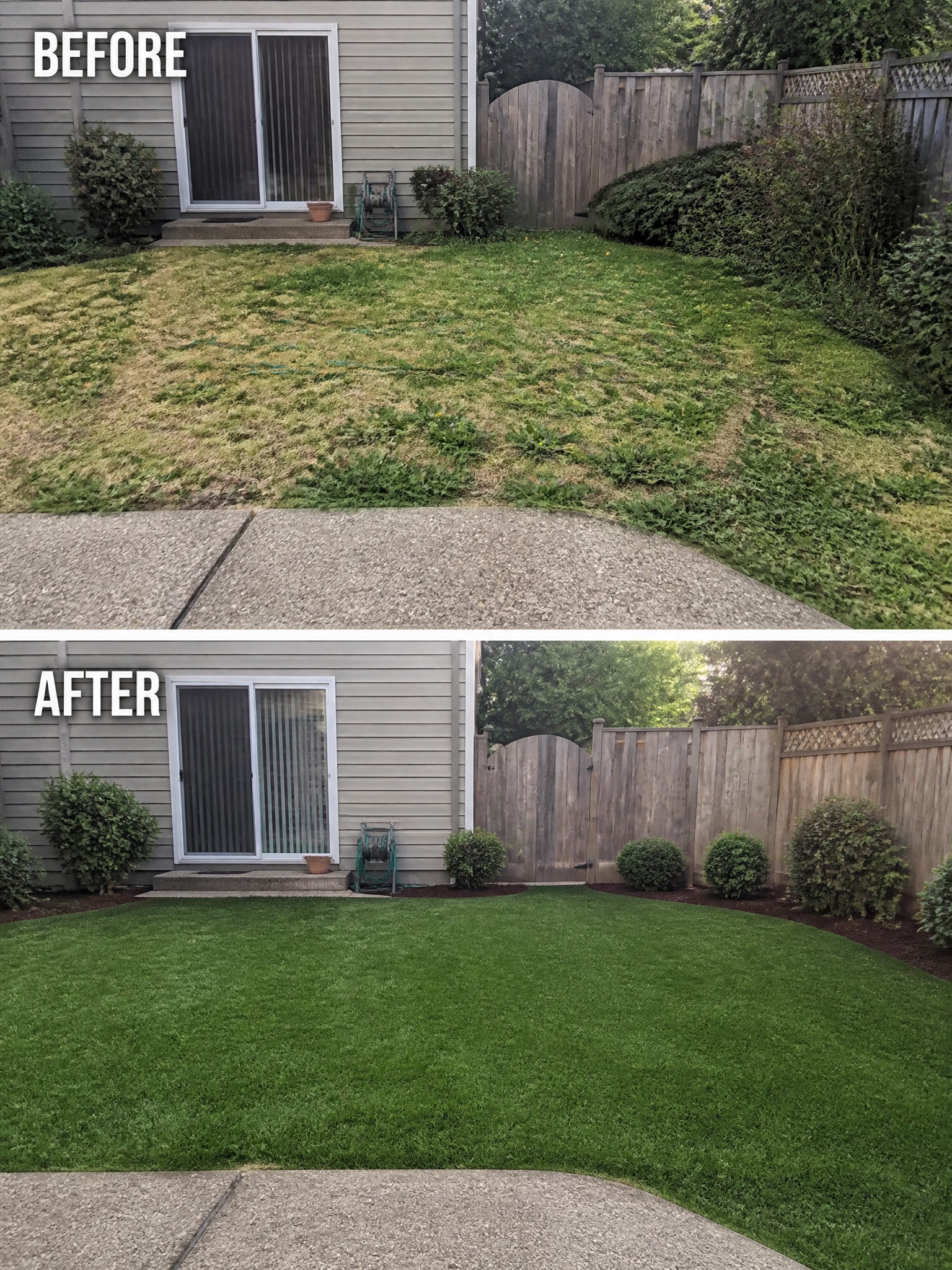
The main improvement came from fixing the patchy, uneven lawn and giving the edges a clean shape. Once the grass was leveled and the borders were defined with mulch, the yard stopped feeling neglected and started looking planned.
Focus on the lawn and planting lines first before adding anything decorative. Trim the shrubs to matching sizes and keep the beds narrow so the open space stays usable. This works best in smaller yards where you need the area to feel open rather than filled in.
Add Structure To An Overgrown Front Yard
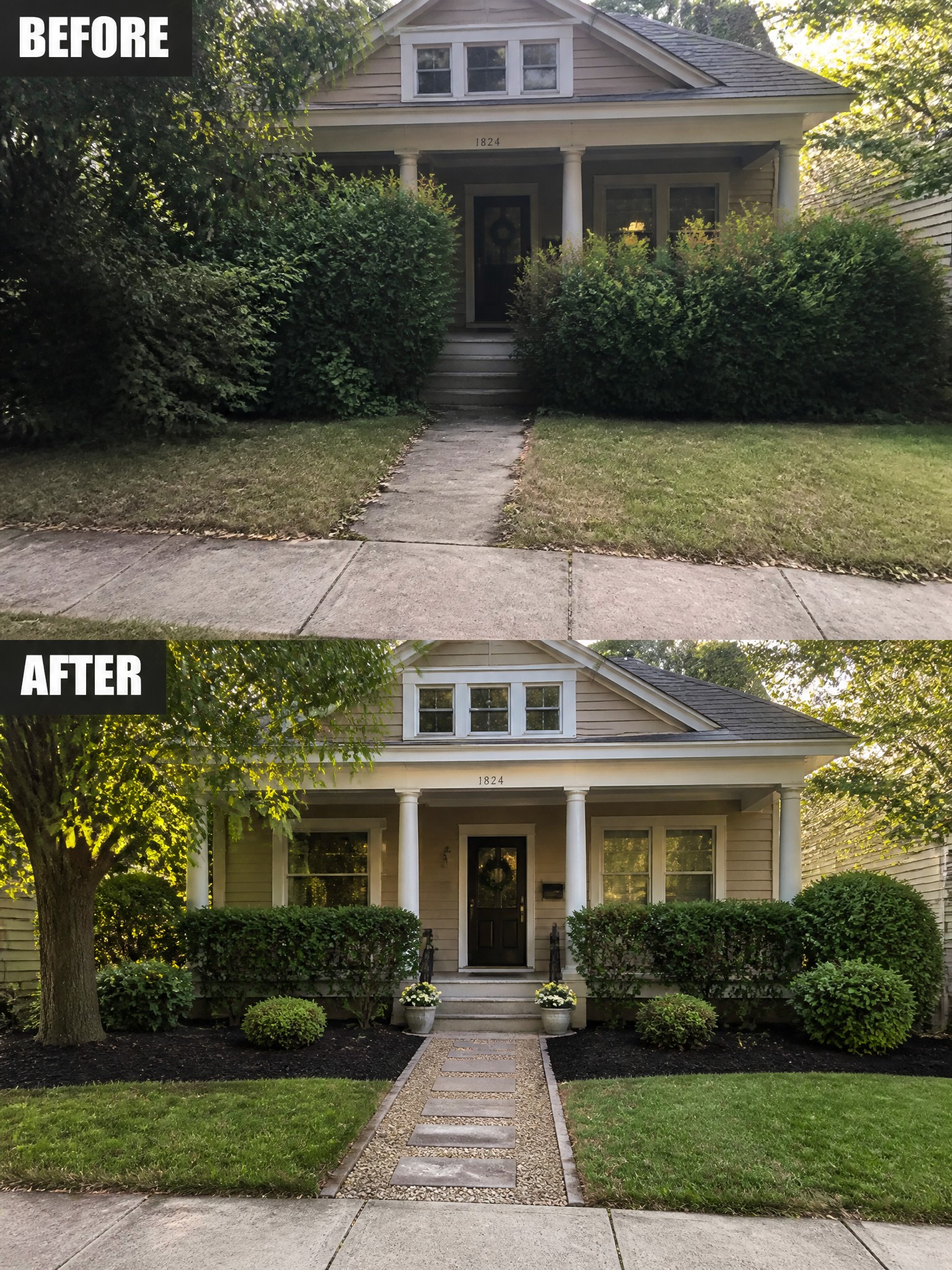
One of the most effective steps in a front yard refresh is to cut back the overgrowth before adding anything new. The before photo shows how unchecked bushes can swallow the house and make the whole space feel neglected. Once the heavy growth was removed and the beds were edged, the house became visible again and the yard gained a clear shape.
This idea works best on older homes where plants have been left alone for years. Begin with a thorough cleanup, then use mulch and low shrubs to mark the beds. A simple gravel path with stepping stones, like the one added here, helps tie the entry to the street without needing a full hardscape overhaul.
Add Structure To An Overgrown Side Yard
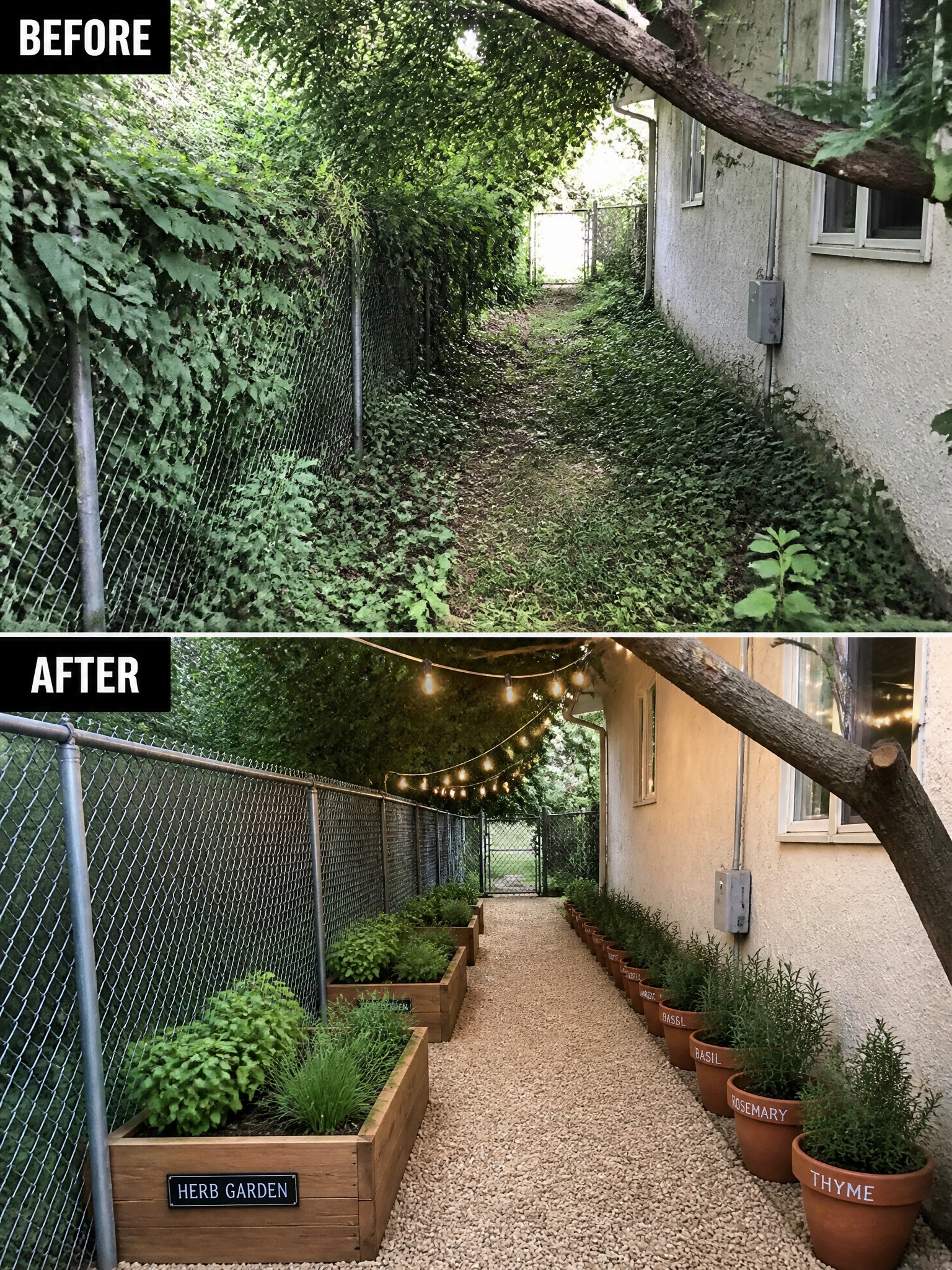
Clearing the overgrowth first and adding raised beds gives a narrow side yard a clear purpose. The messy ground and thick vines along the fence were replaced with simple wooden planters and a gravel path that keeps the walkway open and easy to maintain.
This idea suits homes with tight side yards or back paths that still need to function as access routes. Stick with matching beds or pots in one material so the space feels organized instead of crowded. Gravel or mulch helps control weeds and gives the area a finished look without much extra work.
Use Retaining Walls To Create Terraced Beds On A Slope
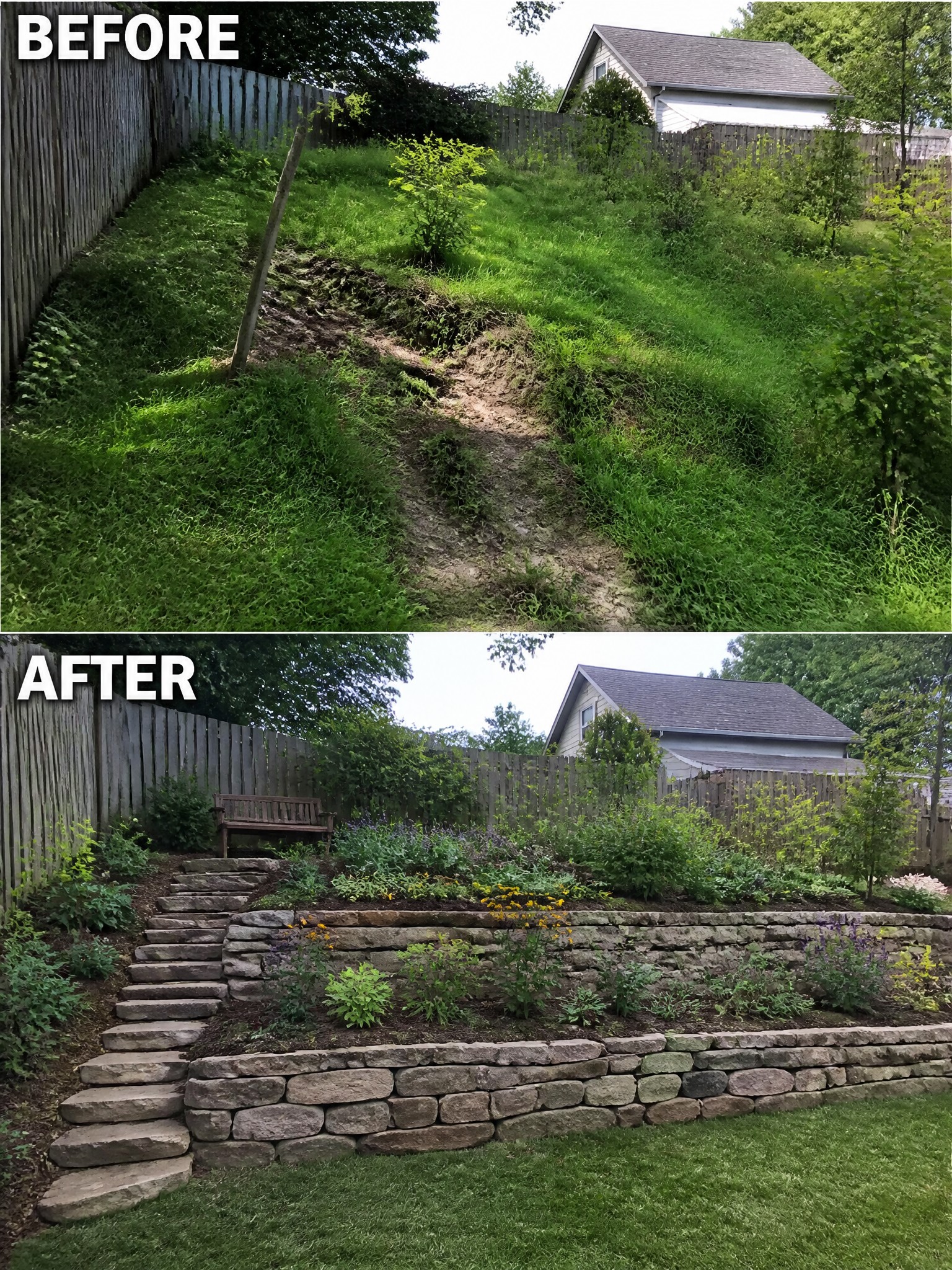
A steep, worn-down slope often ends up as a mess of ruts and weeds because nothing stays in place. Building low stone retaining walls breaks the hill into flat sections that can actually hold soil and plants. The steps tie the levels together so the yard becomes easier to walk through and maintain.
This approach works well on any backyard with a noticeable drop where grass refuses to grow evenly. Start with the walls to set the shape, then fill the beds with plants that suit your light and soil. Keep the walls modest in height so the project stays manageable and the beds do not feel boxed in.
Turn An Overgrown Backyard Into A Defined Patio
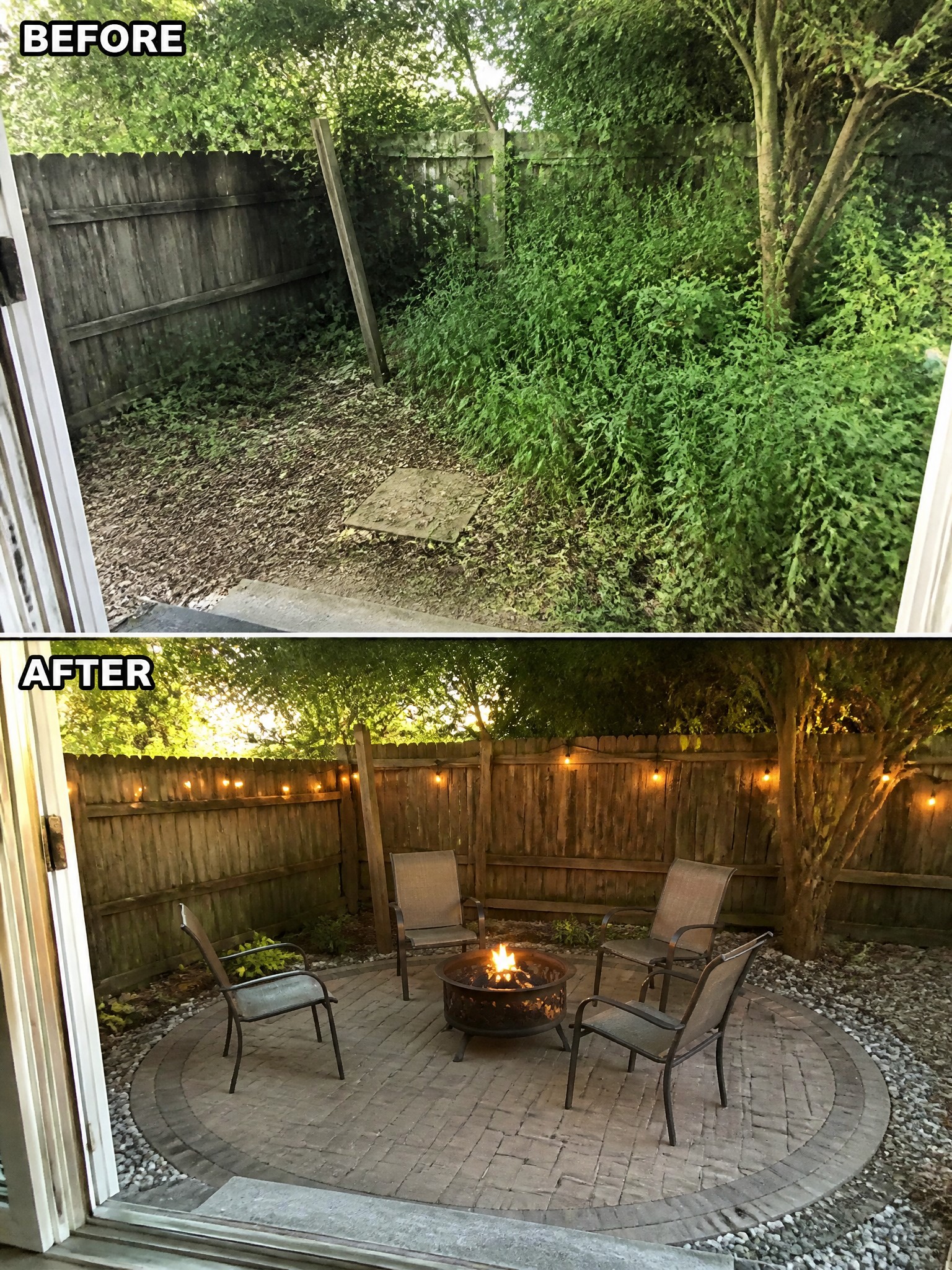
One of the most practical ways to fix a neglected backyard is to mark off a clear seating zone before adding anything else. Here the thick weeds and bare dirt gave way to a simple circle of pavers that holds a fire pit and four chairs. The hard surface instantly shows where people are meant to sit and makes the space feel finished.
This approach suits small or awkward yards where planting alone never creates order. Clear the overgrowth first, then lay pavers or gravel to set the boundary. Choose sturdy outdoor furniture that can stay out year-round and keep the layout loose enough for easy movement around the fire pit.
Add Structure To An Overgrown Pond
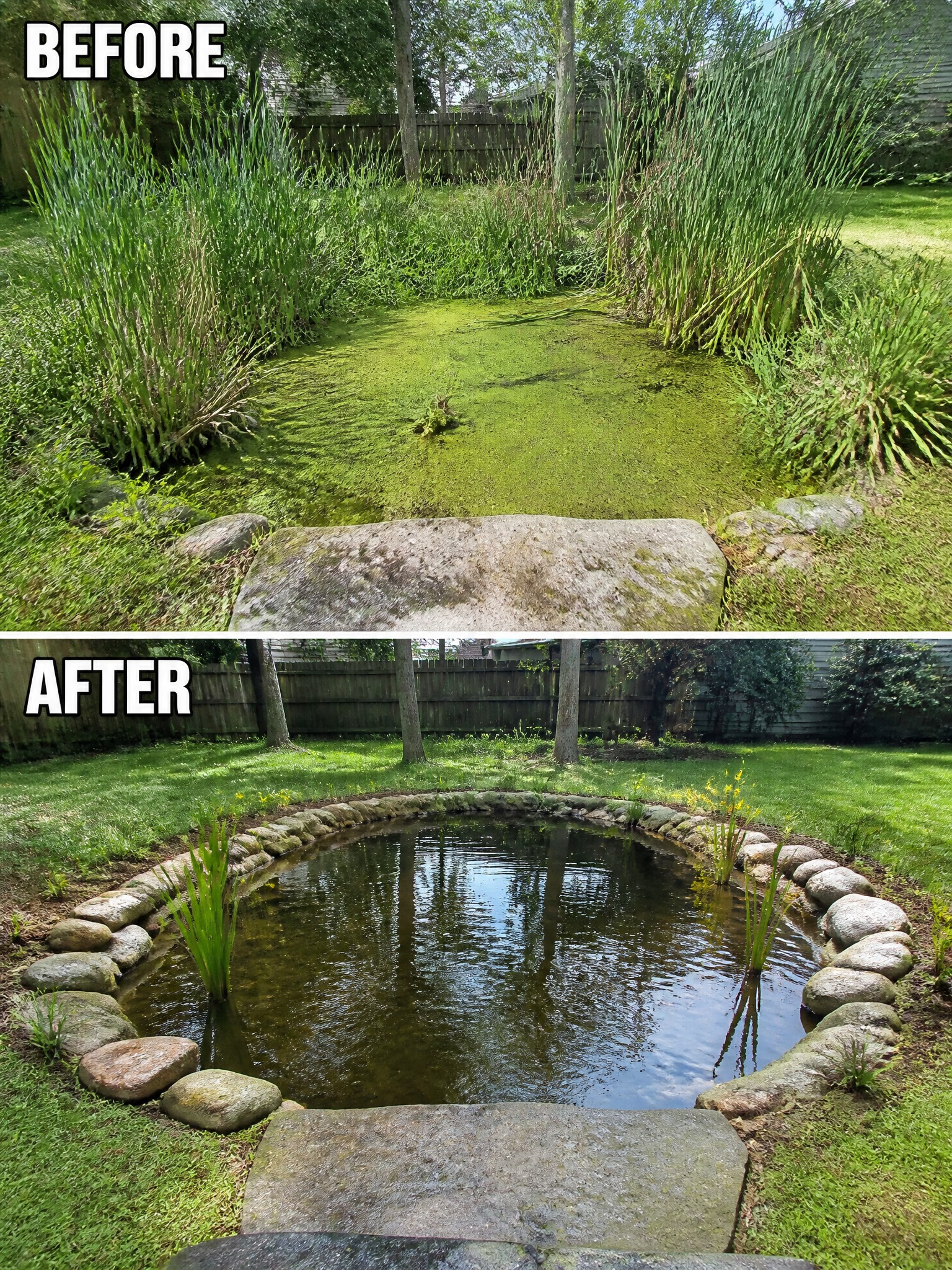
An algae-covered pond quickly starts to look like a problem rather than a feature. Clearing the thick growth and laying a simple stone border around the edge turns the same spot into something you can actually enjoy. The water stays visible, the shape becomes intentional, and the whole area feels cared for instead of forgotten.
This approach works best in smaller yards where one clear focal point carries the space. Start with a full cleanup before adding anything new, then use the stones to hold the shape and keep grass from creeping back in. It keeps the project realistic and prevents the pond from disappearing again in a season or two.
Add Gravel Borders To Define An Overgrown Path
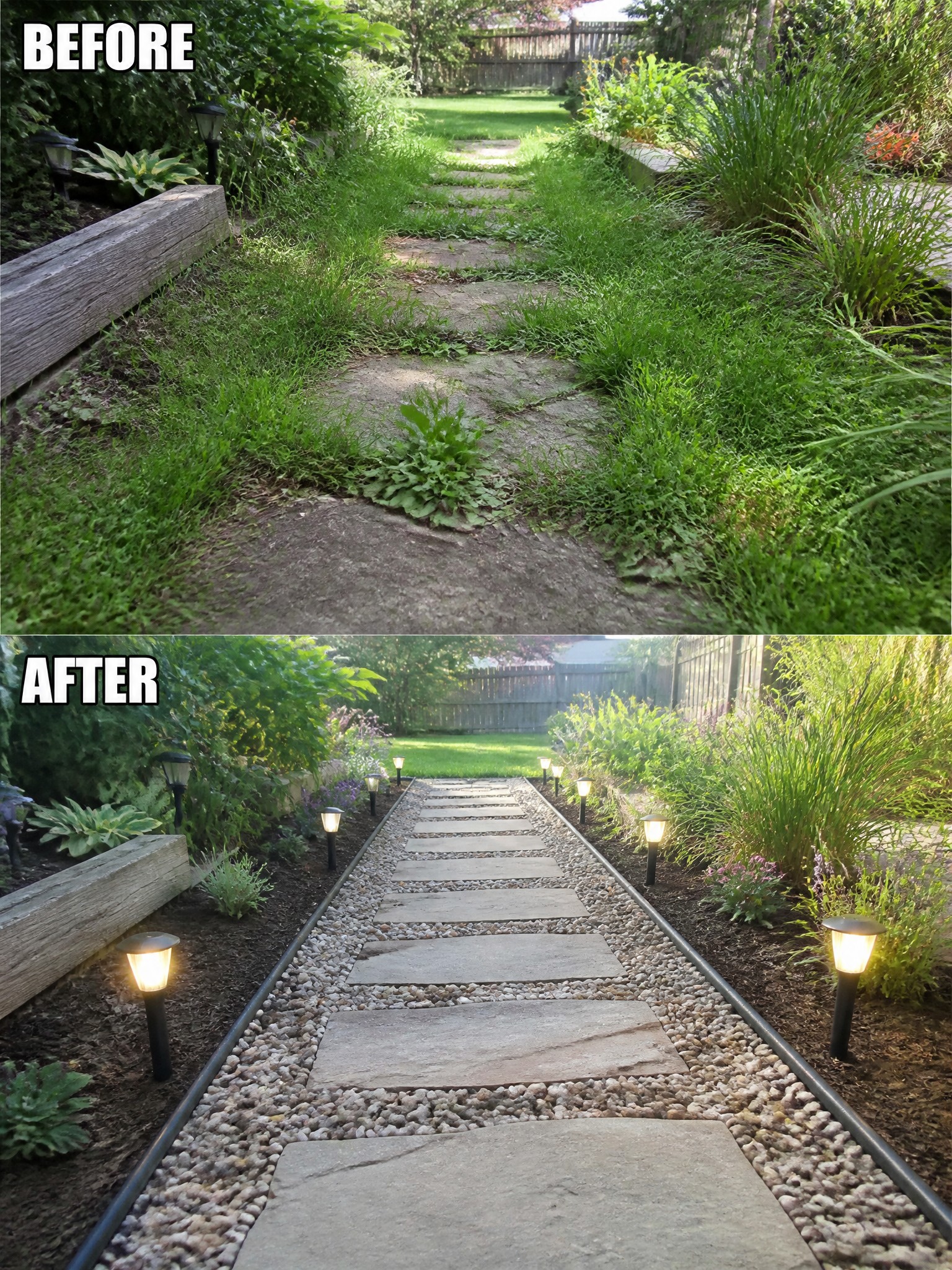
The main change here is how the path went from being lost in tall grass and weeds to having clean, simple edges. Adding a strip of gravel on each side keeps the lawn from creeping back over the stones and gives the walkway a clear shape.
This idea works best in yards where the paths are still usable but the edges have grown messy. Start by cutting back the overgrowth, lay down fabric, then fill the borders with gravel. Adding a few solar lights along the sides makes the path safer at night and helps it feel more intentional.
Clear Overgrowth Before Adding New Planting
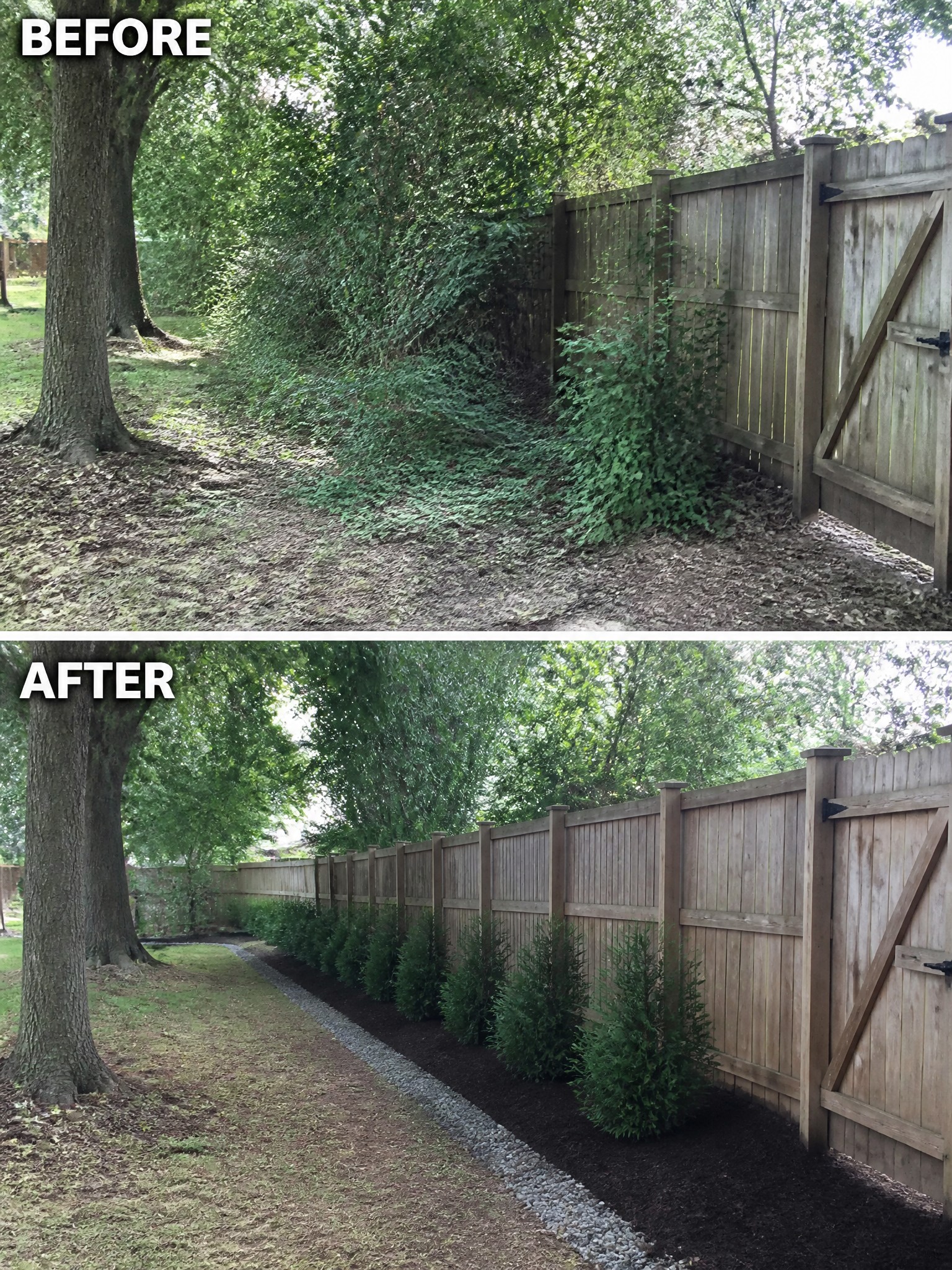
An overgrown fence line can make the whole yard feel neglected and hard to use. Clearing the vines and debris first, then laying down a clean bed of mulch with a gravel edge, turns that messy strip into something orderly and much easier to maintain.
This approach works best along property lines or side yards where you want a simple border rather than a full garden. Start by removing everything that is choking the fence, then plant in a straight row so the bed stays narrow and tidy. Keep the number of plants low so the area does not feel crowded once they fill in.
Add Structure To Overgrown Garden Beds
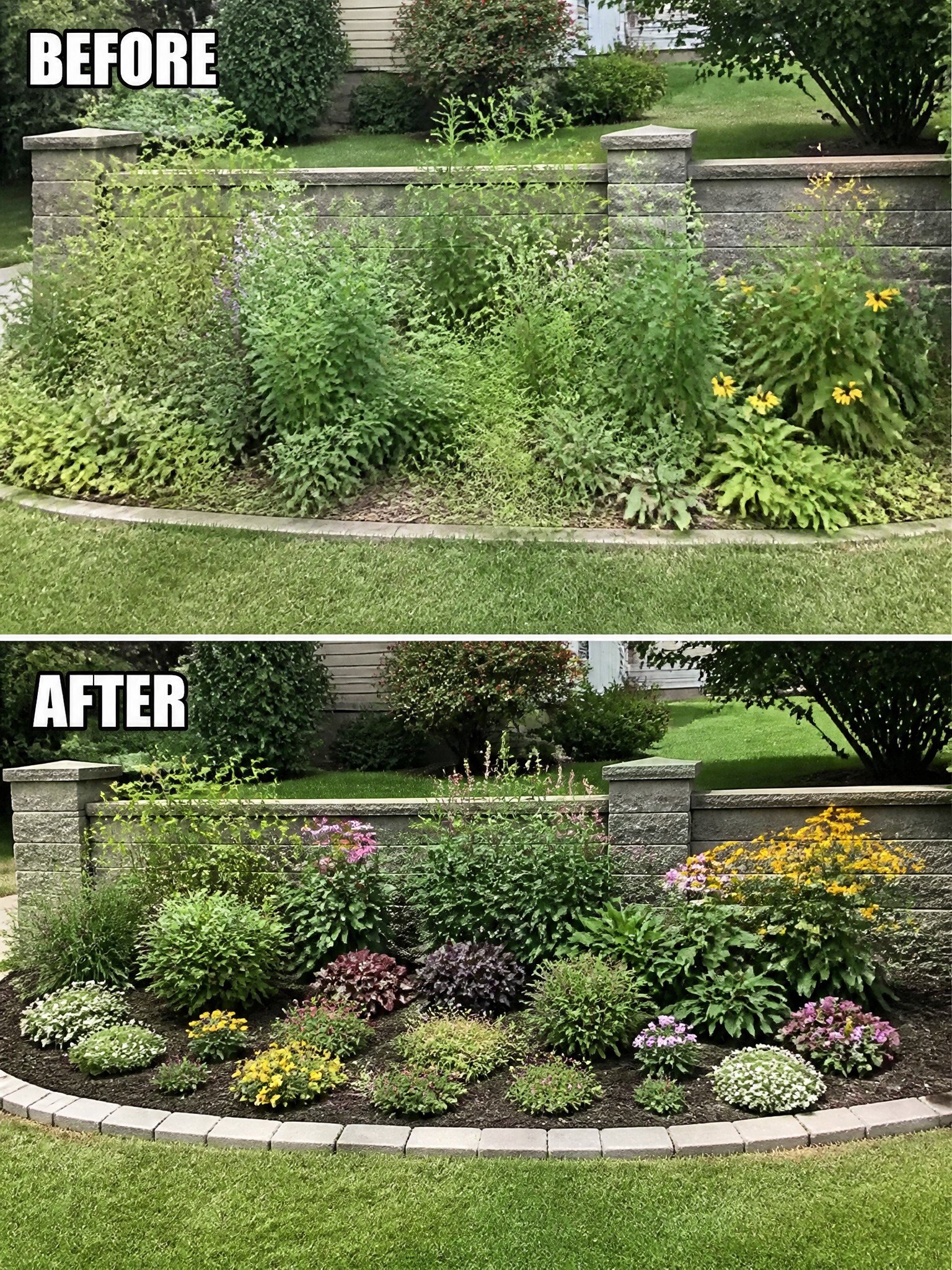
The biggest change here came from clearing out the tall, messy growth first. Once the weeds and leggy stems were gone, the beds could be edged properly and filled with fresh mulch. That simple step turned a jumbled strip along the wall into something that looks intentional instead of neglected.
This approach works well on any narrow bed that has gotten away from you. Start by cutting everything back hard, then add a low border and mulch to keep the soil from looking bare. It keeps the planting looking neat without needing a full redesign, and it makes future weeding much easier.
Add Structure To An Overgrown Backyard
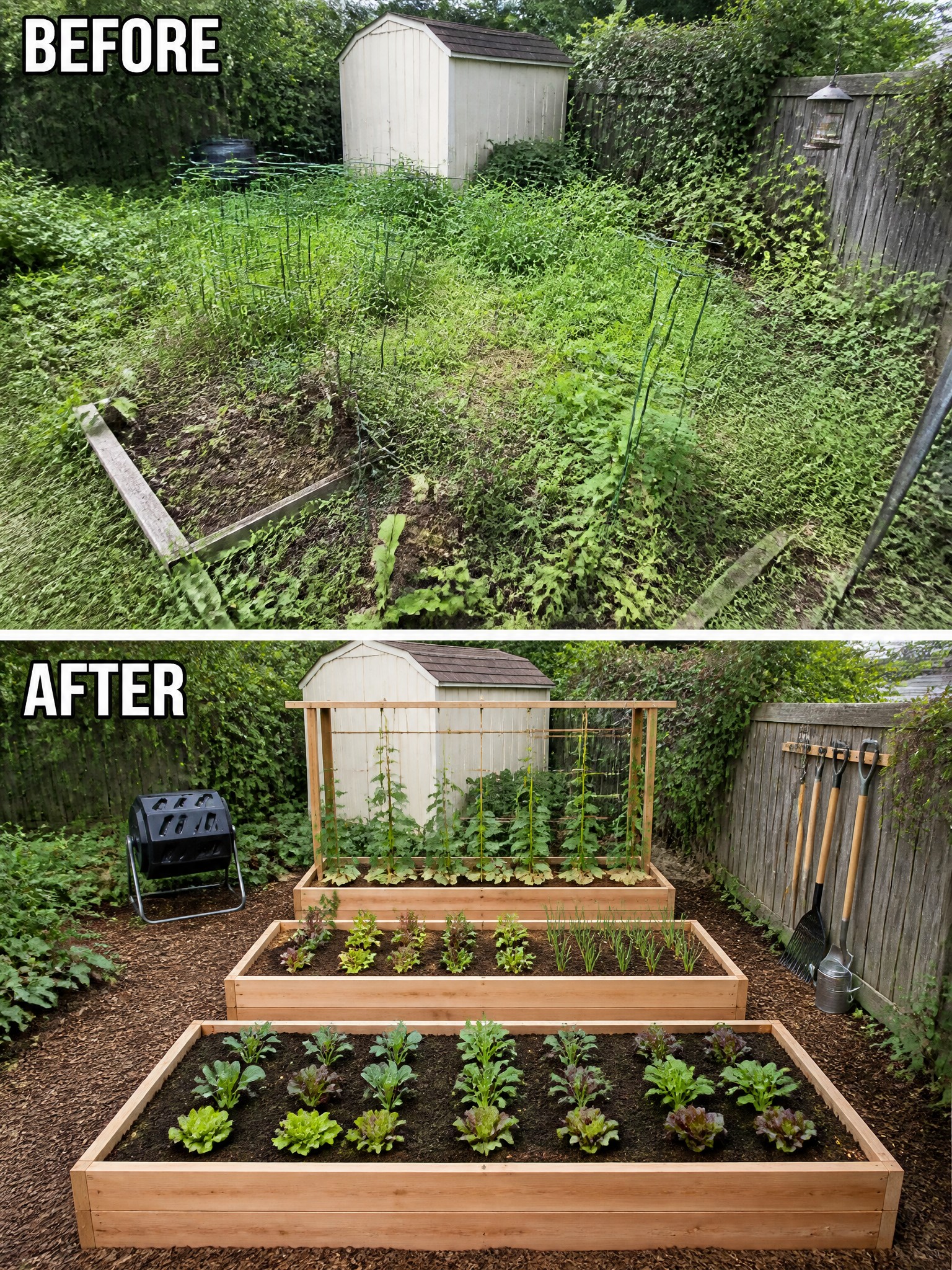
An overgrown yard quickly turns into a mess that feels hard to manage. Clearing the weeds first and adding raised beds brings order without needing a full redesign. The before photo shows wild growth and old supports taking over the space. After the work, clean wooden beds sit on mulch with rows of plants in place.
Raised beds suit small or neglected yards because they contain the soil and make maintenance simpler. Build a few basic frames, lay down mulch for paths, and keep the layout open enough to walk through. This idea works best when the goal is growing food or flowers without fighting constant weeds.
Add Structure To An Overgrown Backyard
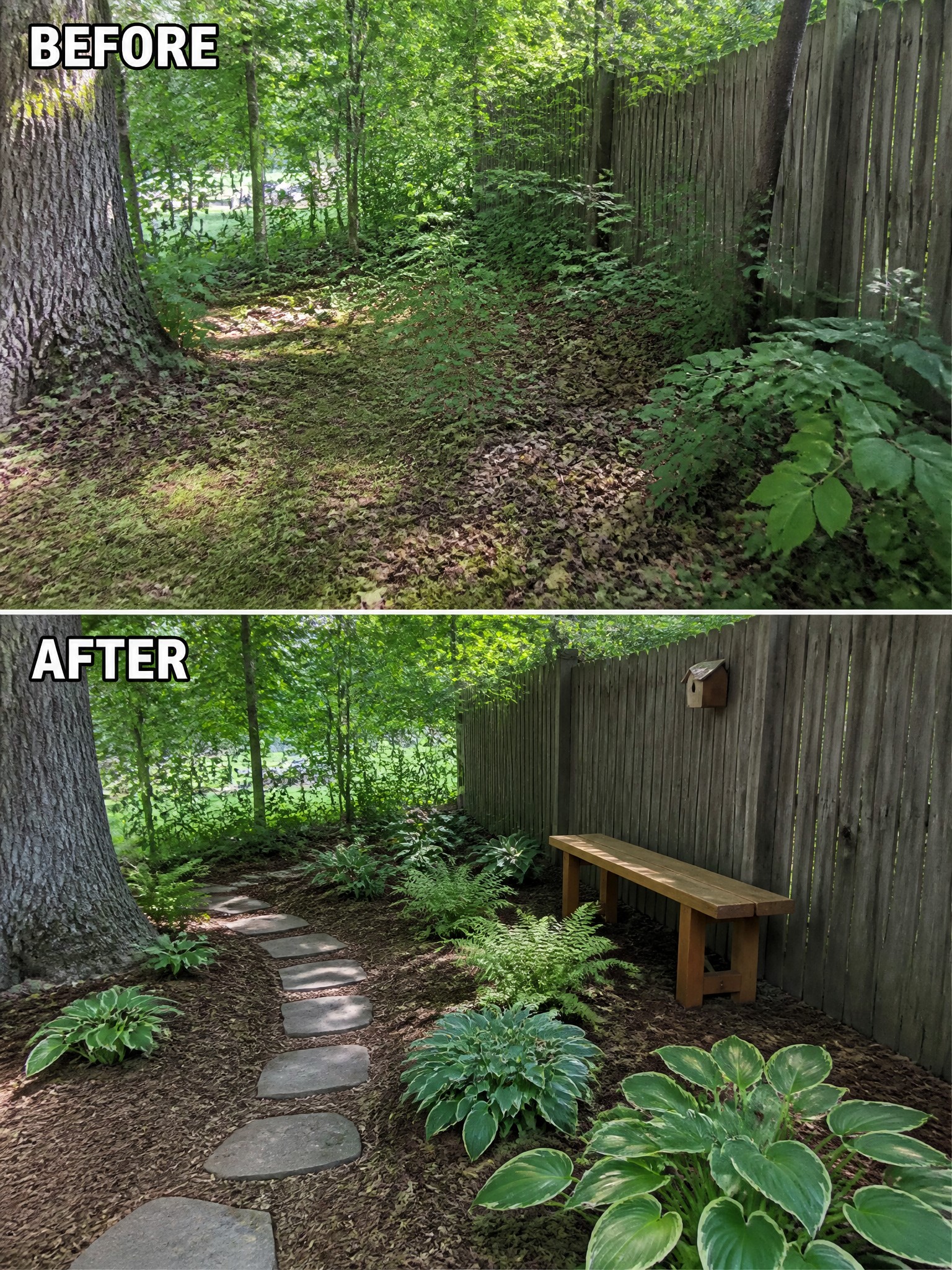
An overgrown side yard usually stays unused because the ground feels messy and there is no clear way to walk through it. Clearing the thick leaves and brush first, then adding a stone path with planted borders, turns the space into something usable instead of just a tangle of plants.
This idea works well in narrow areas next to fences or between trees. Start by removing the debris so you can see the actual ground, then mark a simple path that leads to a bench or seating spot. Mulch around the new plants to keep the beds looking neat and to reduce weeds over time.
Turn An Overgrown Backyard Into A Defined Outdoor Room
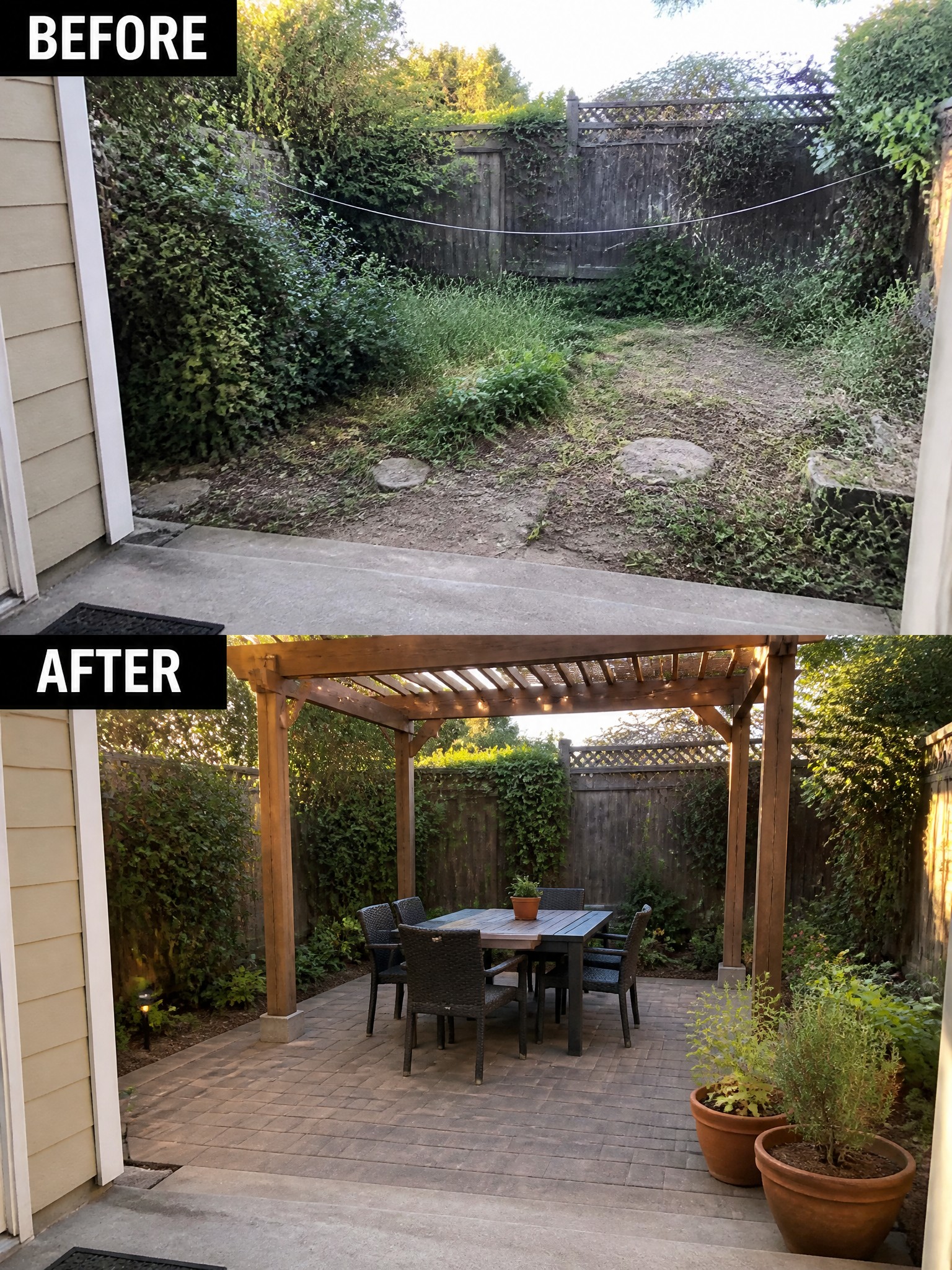
An overgrown yard often stays unused because it lacks clear structure. Adding a pergola over a paved patio creates a solid outdoor room that feels intentional and ready for daily use.
This approach works best in smaller yards where you need one main gathering spot. Focus first on the patio base and overhead cover, then keep the surrounding planting simple so the space stays open and easy to maintain.
Add Defined Garden Beds To An Overgrown Yard
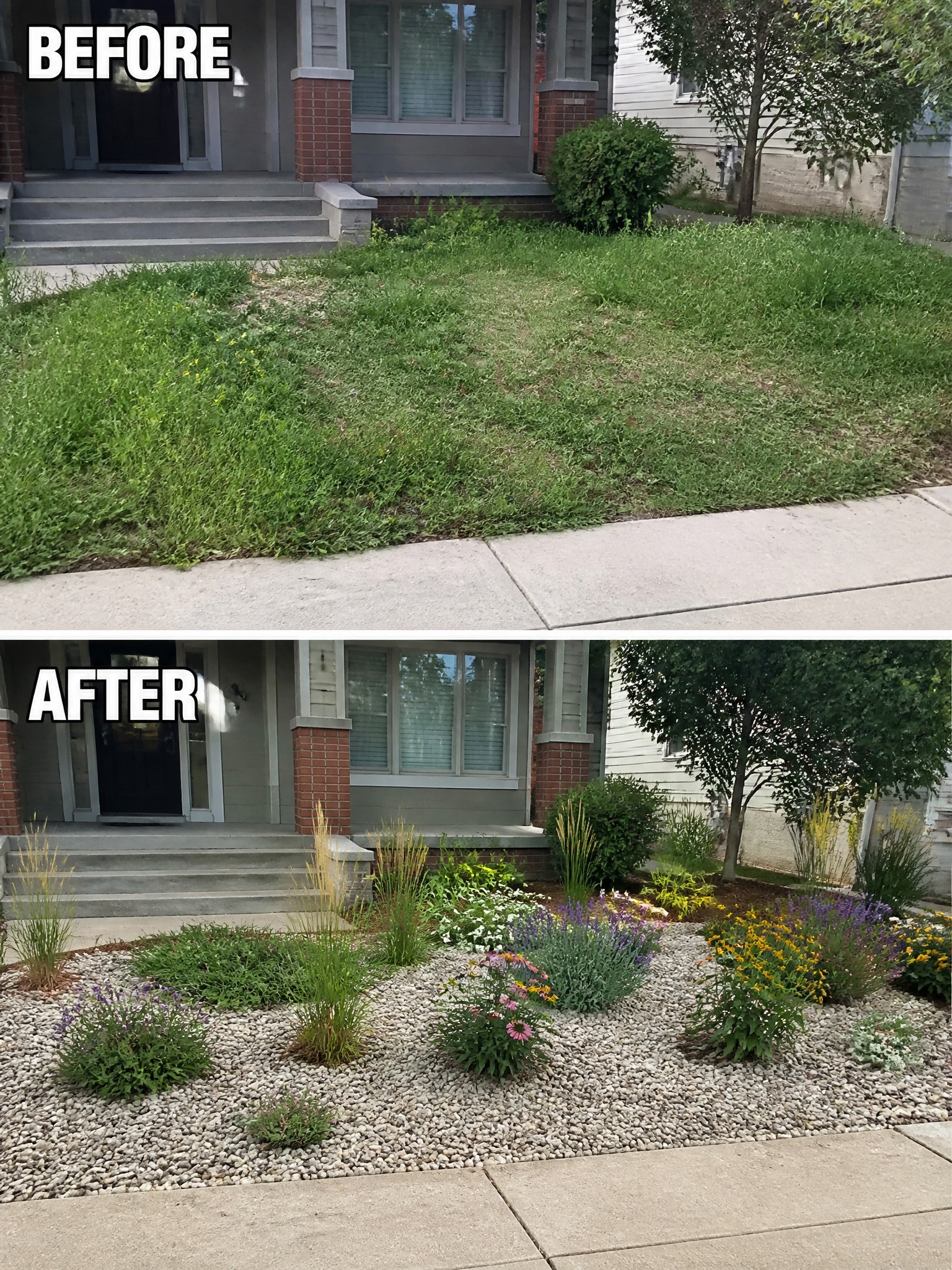
An overgrown front lawn often looks worse the longer it sits untouched. Switching the messy grass edge for gravel beds with a few shrubs and perennials gives the space a clear shape and cuts down on constant mowing right against the sidewalk.
This approach works best on small front yards where you want low upkeep and better curb appeal. Clear the weeds first, lay down a simple border, then fill the beds with gravel and repeat a handful of easy plants. The result stays neat without needing weekly trimming.
Turn An Overgrown Backyard Into A Kid-Friendly Play Area
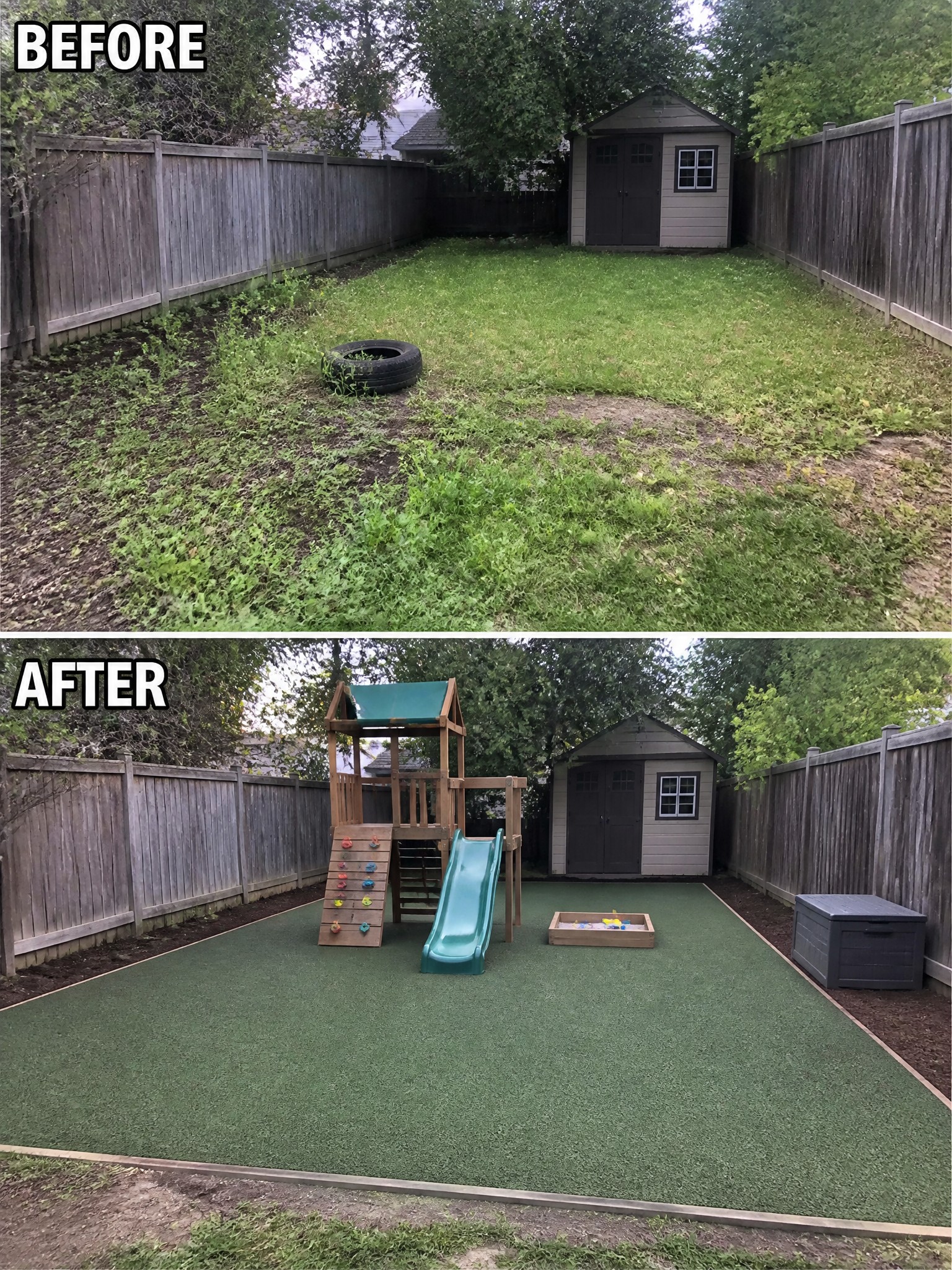
An empty, weedy yard often stays unused because it feels like too much work to manage. Adding turf creates a flat, clean surface that stays usable in any weather, while a simple playset gives the space an obvious purpose without needing constant upkeep.
This approach works best in smaller backyards where mowing and mud are ongoing problems. Keep the turf area defined with edging, place the main play structure in the center, and leave open space around it so kids can run without bumping into fences or other features.
Clear Overgrowth Before Adding Structure
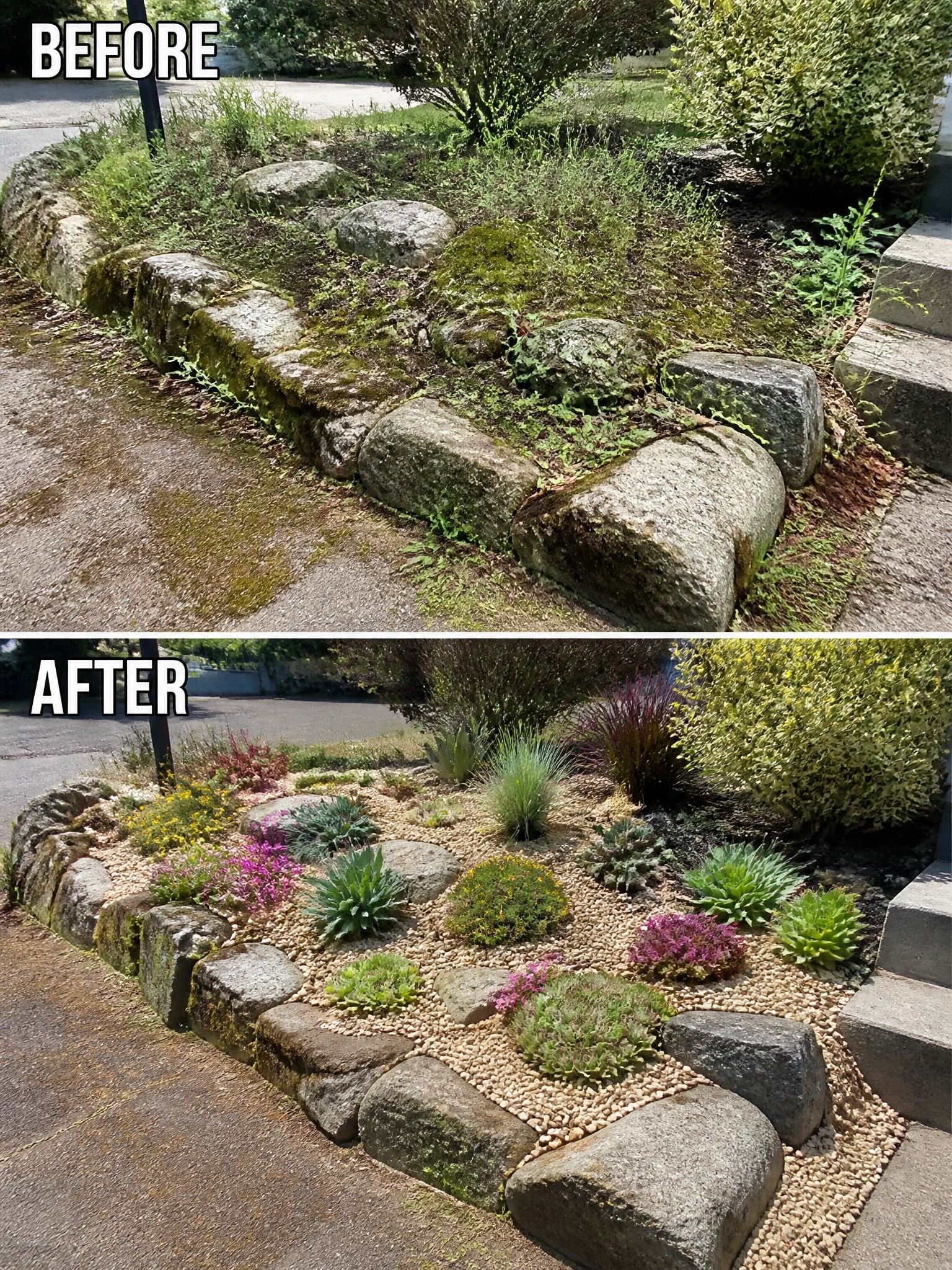
An overgrown border often looks worse than it is because the rocks and soil get buried under weeds and moss. Clearing that first lets you see the shape you already have, then a layer of gravel and the same rocks turned into edging creates a clean frame. The plants stay low and varied so the bed feels full without crowding the walkway.
This approach works well along driveways or side paths where you need something tidy but not high maintenance. Start by removing the worst growth, lay down a simple weed barrier if needed, and use gravel to keep the soil from washing out. The rocks already on site can stay as edging instead of buying new materials.
Add A Deck To Make A Pool Area Feel Usable
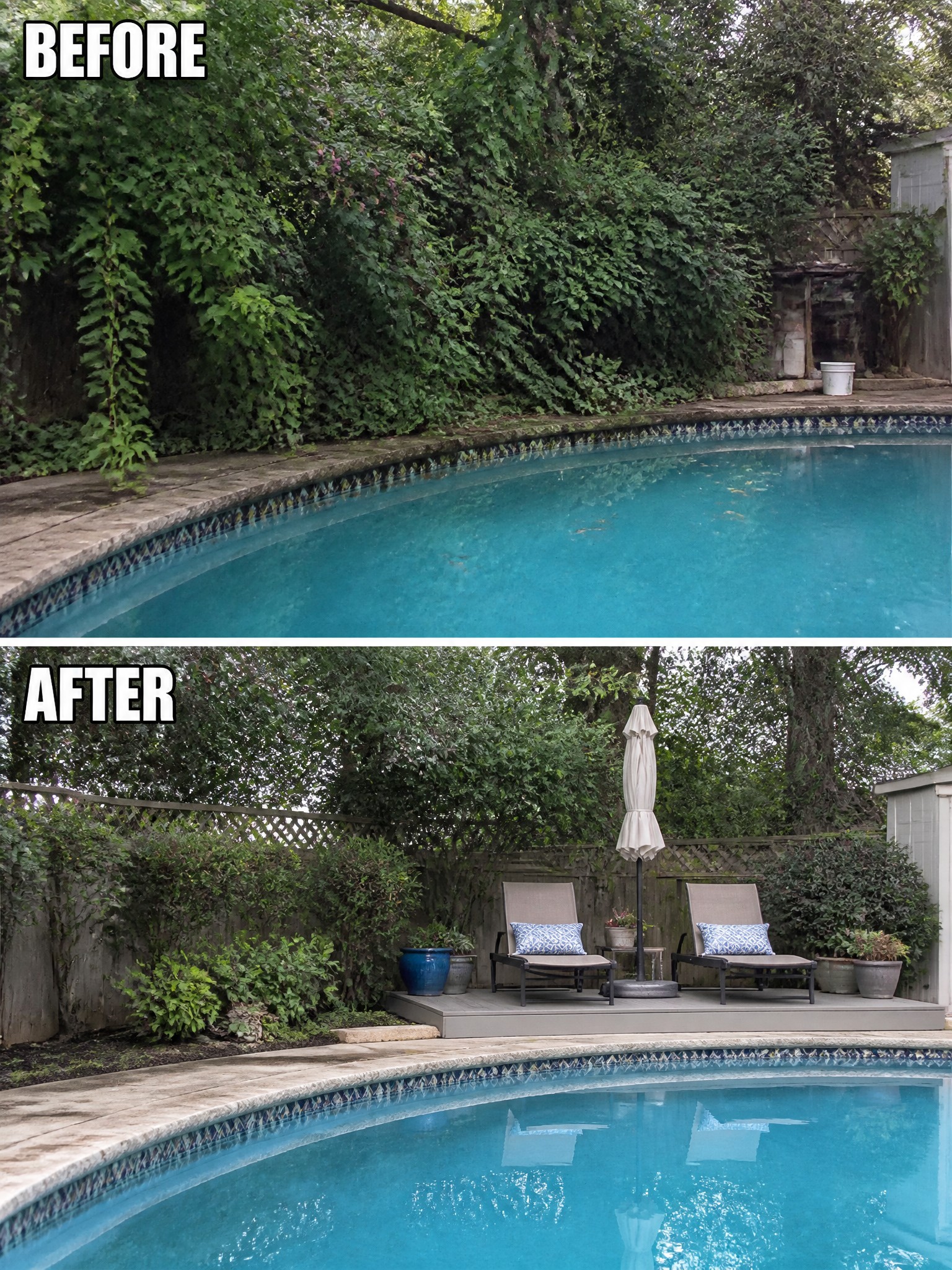
Clearing the heavy overgrowth around the pool and adding a raised deck with a couple of chairs gave the space an actual place to sit. The deck creates a defined zone right at the water’s edge instead of leaving the area as just a strip of concrete between the pool and the bushes.
This idea works best when the pool sits close to thick planting or a fence. Trim back the growth first so the area feels open, then add a simple platform sized for two or three chairs. Keep the furniture low and weatherproof so it stays comfortable without taking over the view of the water.
Create A Seating Area With A Built-In Bench
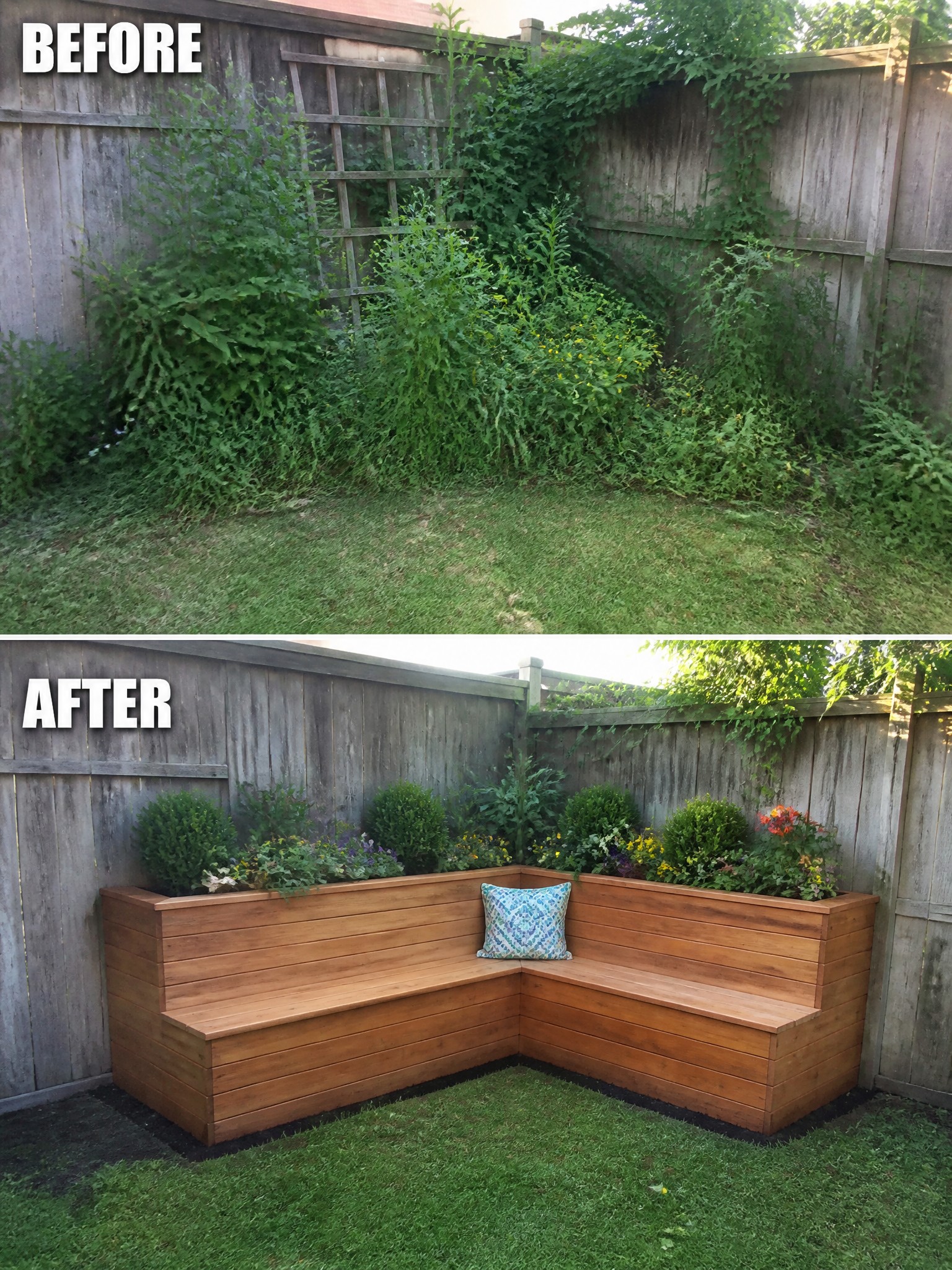
An overgrown backyard corner can feel like wasted space until you add something that gives it a clear purpose. Here the owners built a simple L-shaped wooden bench right against the fence, with planter boxes running along the back. That one structure turned a messy patch of weeds into a spot where people can actually sit and enjoy the yard.
This approach works well in small or narrow backyards where a freestanding table and chairs might crowd the lawn. Keep the bench low and wide so it doubles as extra seating or even a place to set drinks. Plant the boxes with a mix of evergreens and seasonal flowers to soften the wood without blocking the view. Start with the bench and let the rest of the yard stay simple.
Add Simple Garden Beds To Tame An Overgrown Driveway Edge
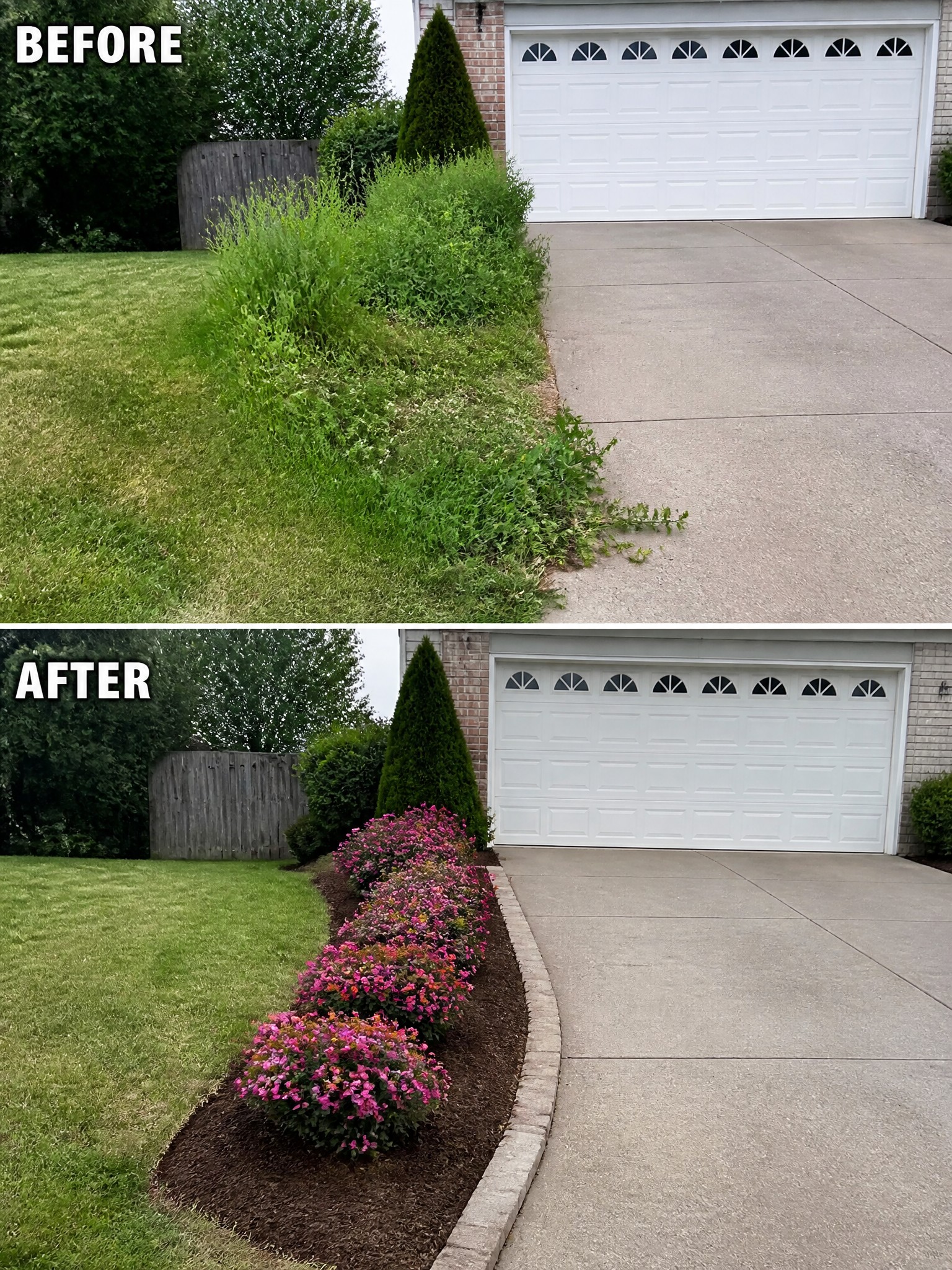
Clearing the mess first makes the biggest difference. That long strip of weeds and tall grass next to the concrete was replaced with a clean border of mulch and low flowering shrubs that stay contained. The result looks intentional instead of neglected without adding any hardscaping or new structures.
This idea works well on any narrow side strip where grass meets pavement. Start by cutting everything back to the soil line, then lay down a simple edge and mulch before planting. It keeps the bed looking neat even when the flowers are not in bloom and stops weeds from creeping onto the driveway again.
Use Vertical Gardens To Organize A Patio
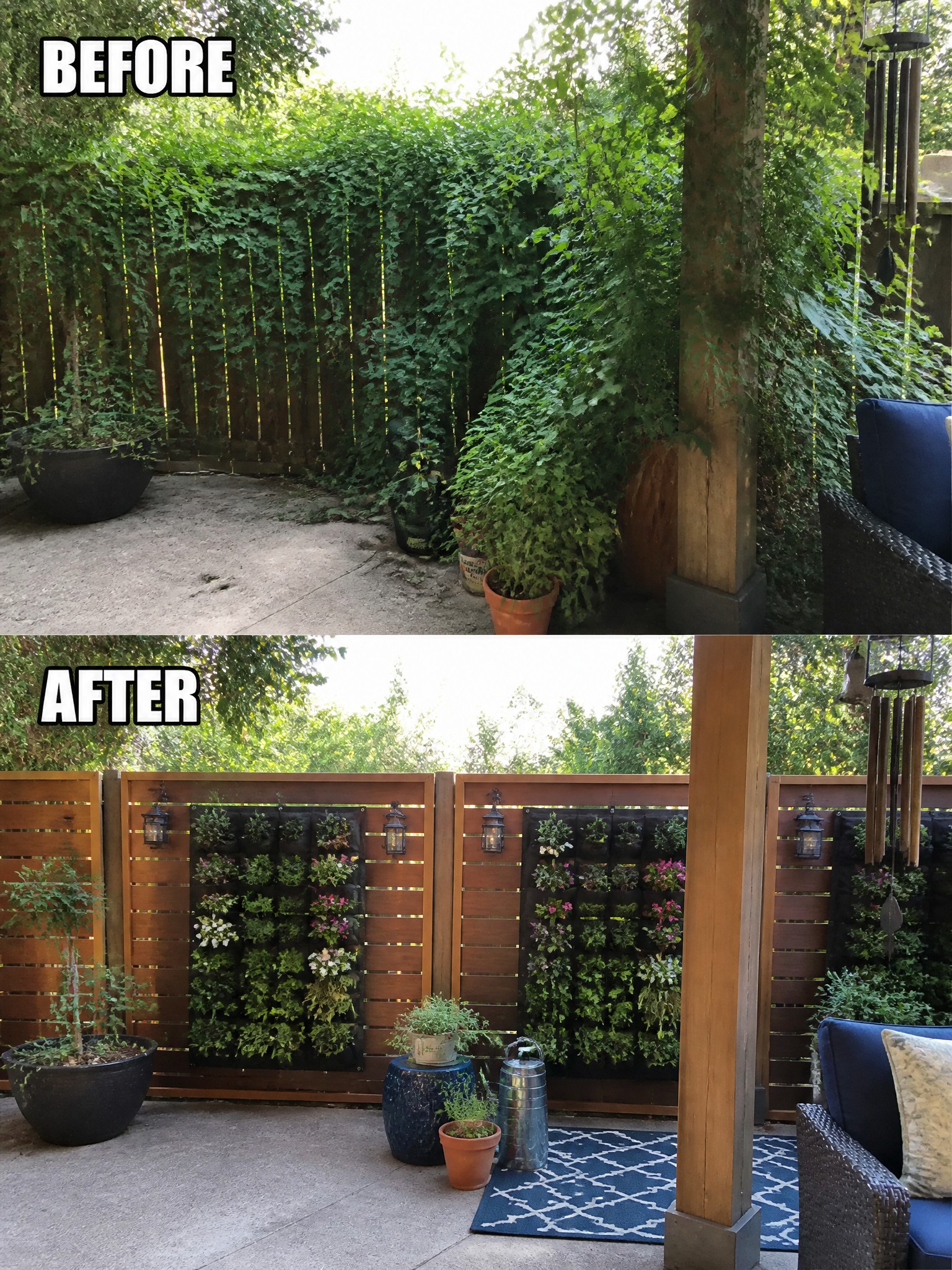
An overgrown fence and scattered pots can leave a patio feeling messy and unused. Adding vertical plant pockets directly on the fence creates structure, adds greenery at eye level, and turns the same space into a defined seating area without needing a full rebuild.
This approach works well on small patios or side yards where floor space is limited. Start by securing a few vertical panels, then add a simple rug and a couple of weatherproof chairs to mark the seating zone. Keep the rest of the ground clear so the area still feels open and easy to move around.
Add Structure To An Overgrown Backyard
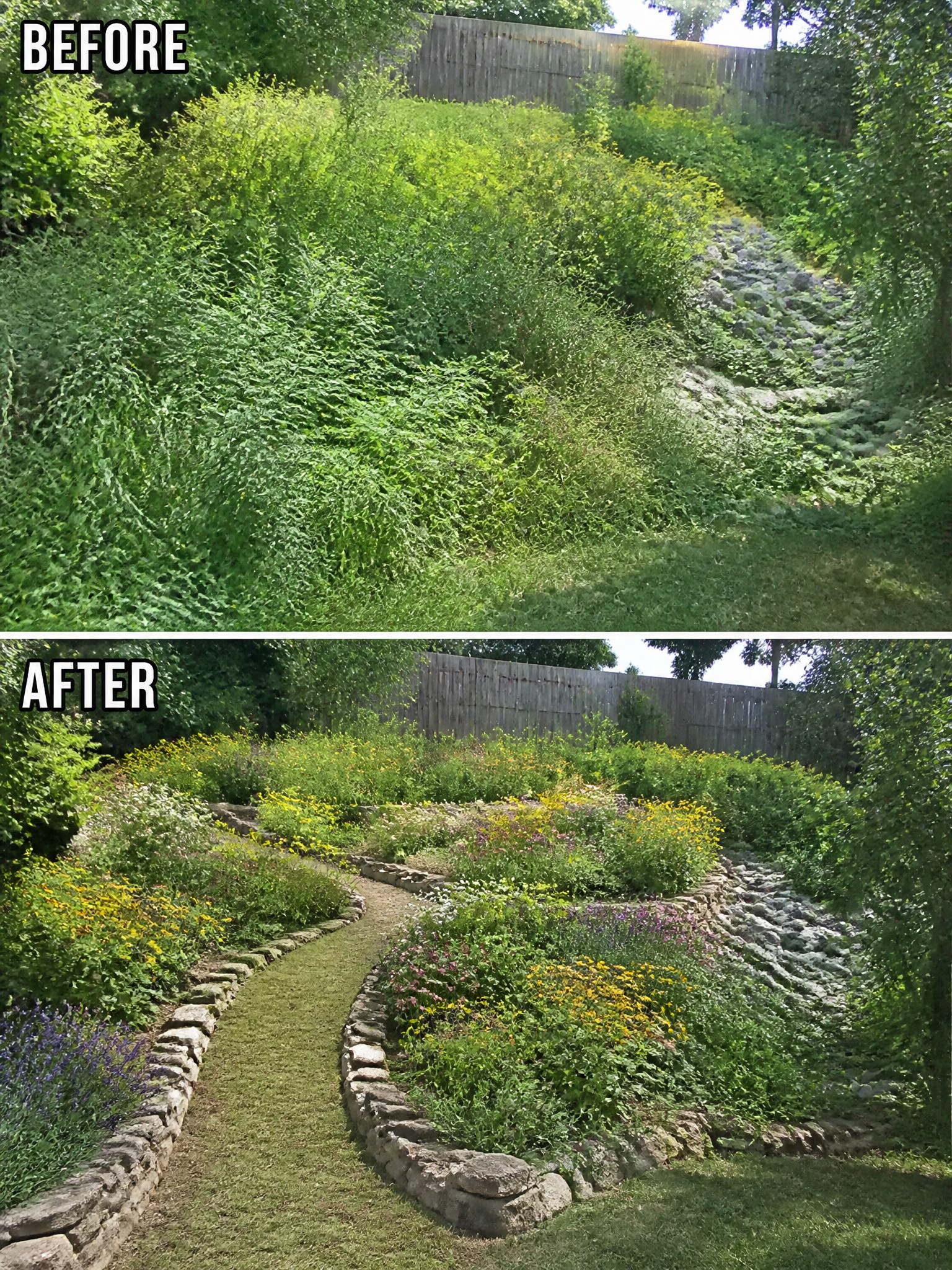
Clearing heavy overgrowth first makes it easier to see the natural shape of the slope. Once the mess is gone, low stone borders create separate planting zones and a simple path that turns the whole area into something planned instead of wild.
This idea works best on lots where plants have filled in every open spot. Mark out the beds and path with string or temporary edging before you build anything permanent. The result is easier to mow around and far simpler to maintain over time.
Clear Overgrowth First To Create A Gravel Courtyard
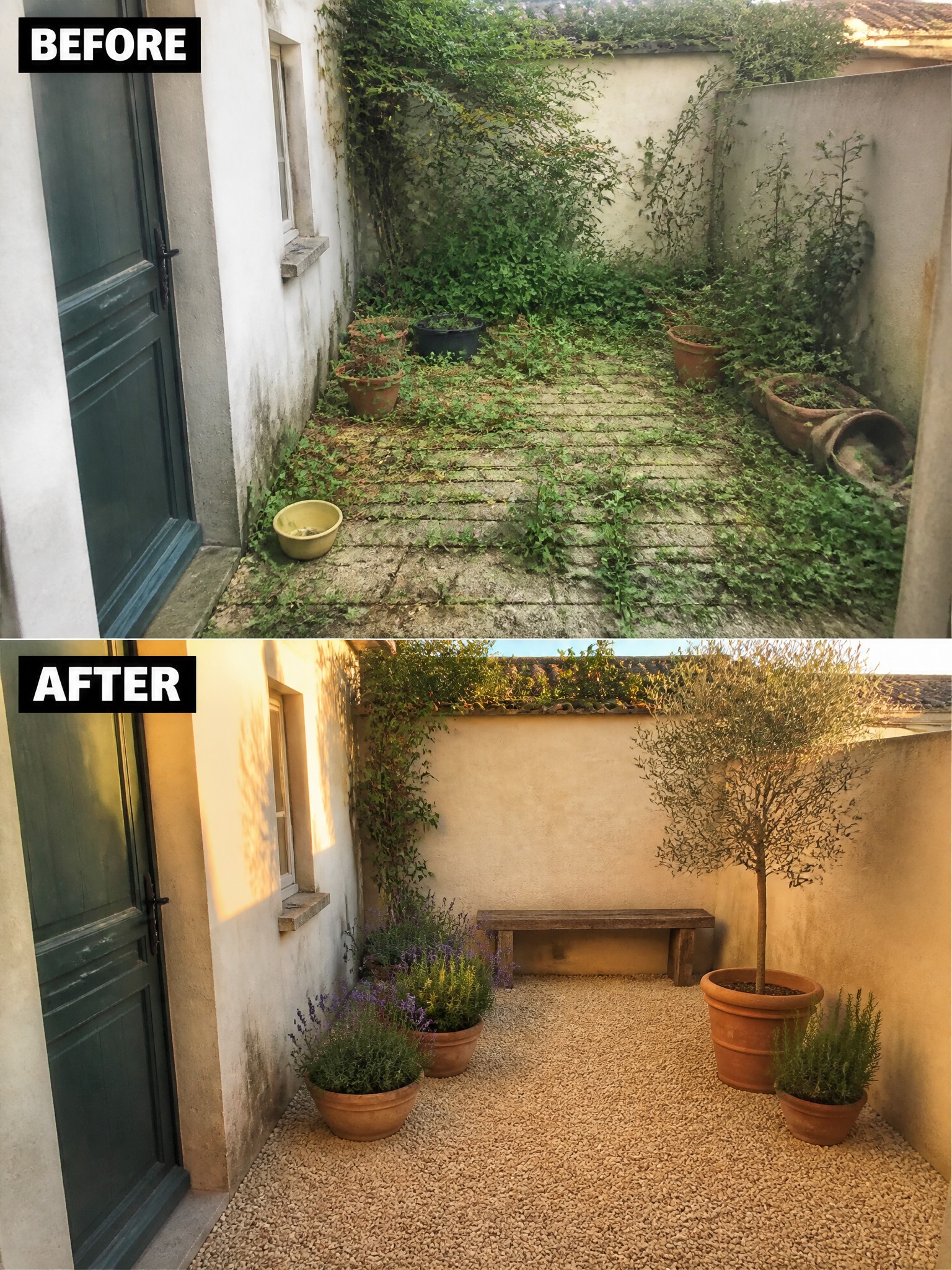
An overgrown courtyard like this one starts to feel unusable when weeds and ivy take over every surface. Clearing everything back to the walls and laying down a thick layer of gravel instantly makes the space feel open and walkable again. The simple move from dirt and vines to clean gravel gives the area a fresh base that is easy to maintain.
This approach works well in small enclosed yards where you want low upkeep without installing a full patio. Keep most of the planting in pots so you can move things around as needed, and add just one or two larger pieces like a bench or tree for focus. The key is to finish the cleanup before you start placing anything else.
Add Mulch Rings To Give Structure To An Overgrown Yard
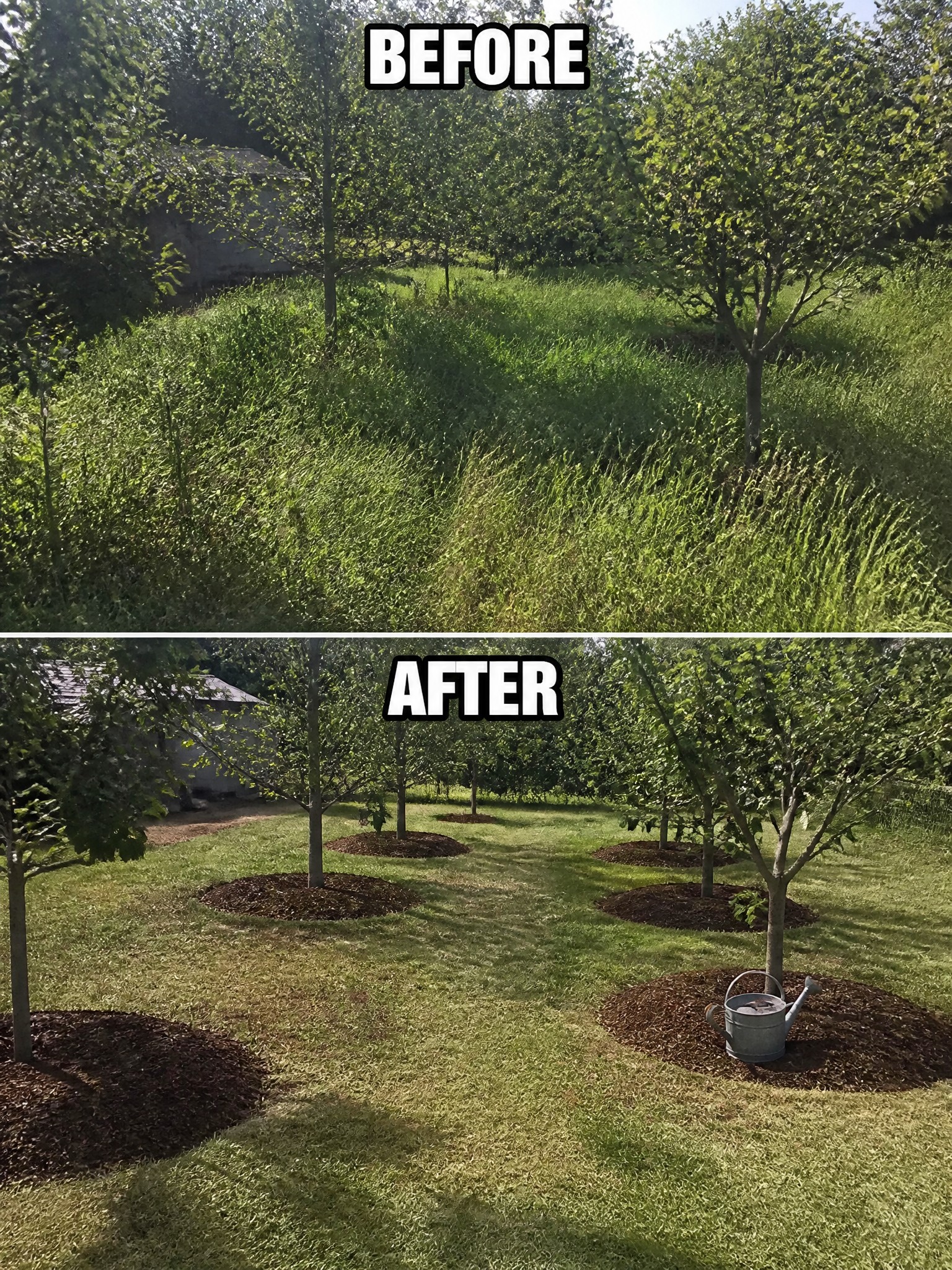
An overgrown yard often hides the shape of young trees because tall grass grows right up to the trunks. Adding mulch rings around each tree creates clear separation between the lawn and the planting areas, which makes the space feel more organized right away.
This works best in yards that already have a good number of trees but need better definition. Mow and clear the grass first, then spread mulch in even circles a few feet wide. The simple change keeps the open feel of the lawn while making each tree stand out without adding new plants or hardscaping.
Organize Overgrown Balcony Plants With Tiered Shelving
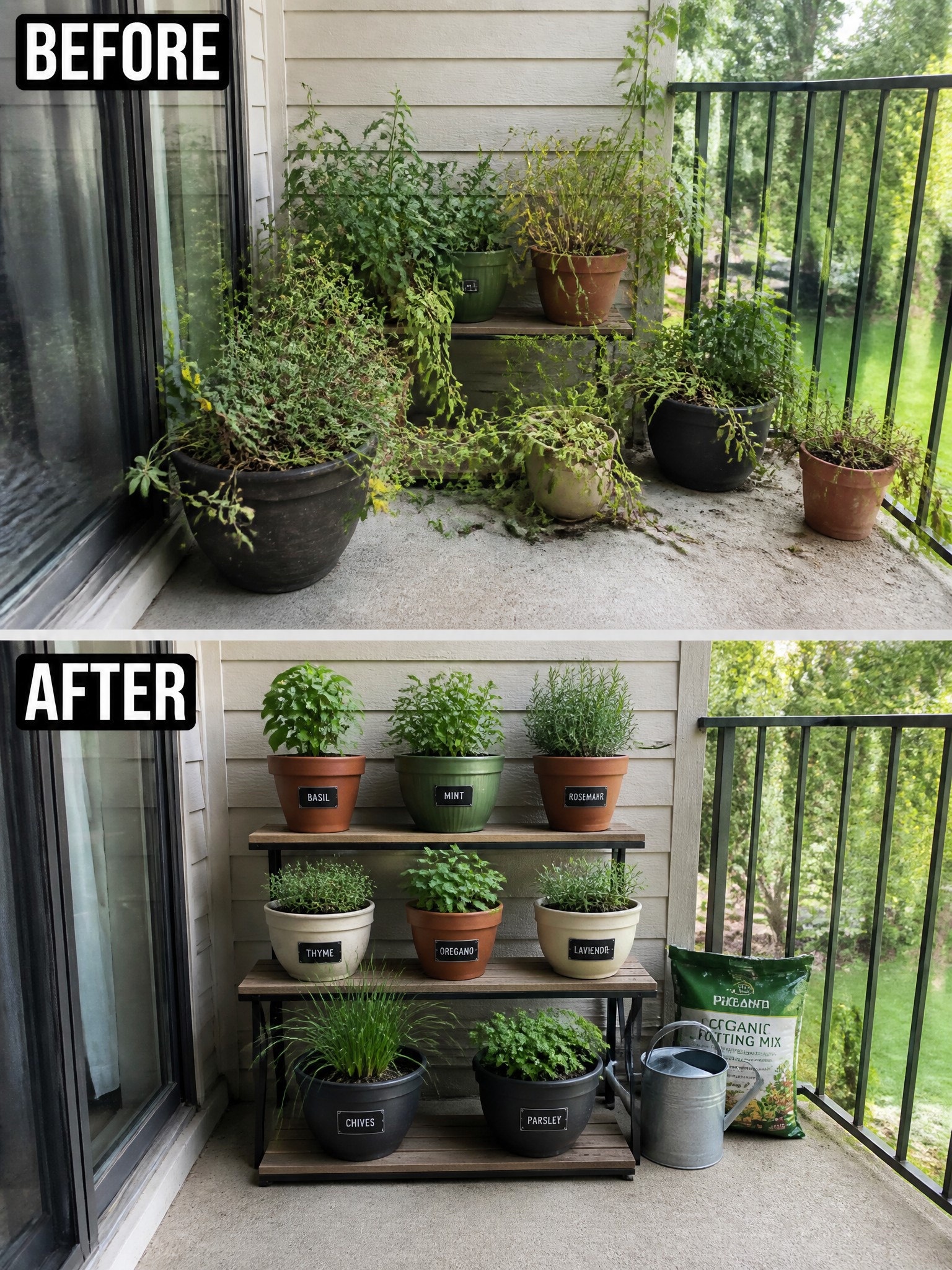
The before photo shows herbs and greens spilling across the concrete with no real order, while the after uses a simple two-tier stand to lift the pots off the floor and keep them contained. The change makes the space feel intentional instead of neglected.
A tiered stand works best on small balconies where floor room is tight. Line up matching pots, add labels if you grow different herbs, and leave a little space on the side for a watering can. This setup keeps plants accessible without crowding the walkway.
Turn An Overgrown Yard Into A Functional Patio
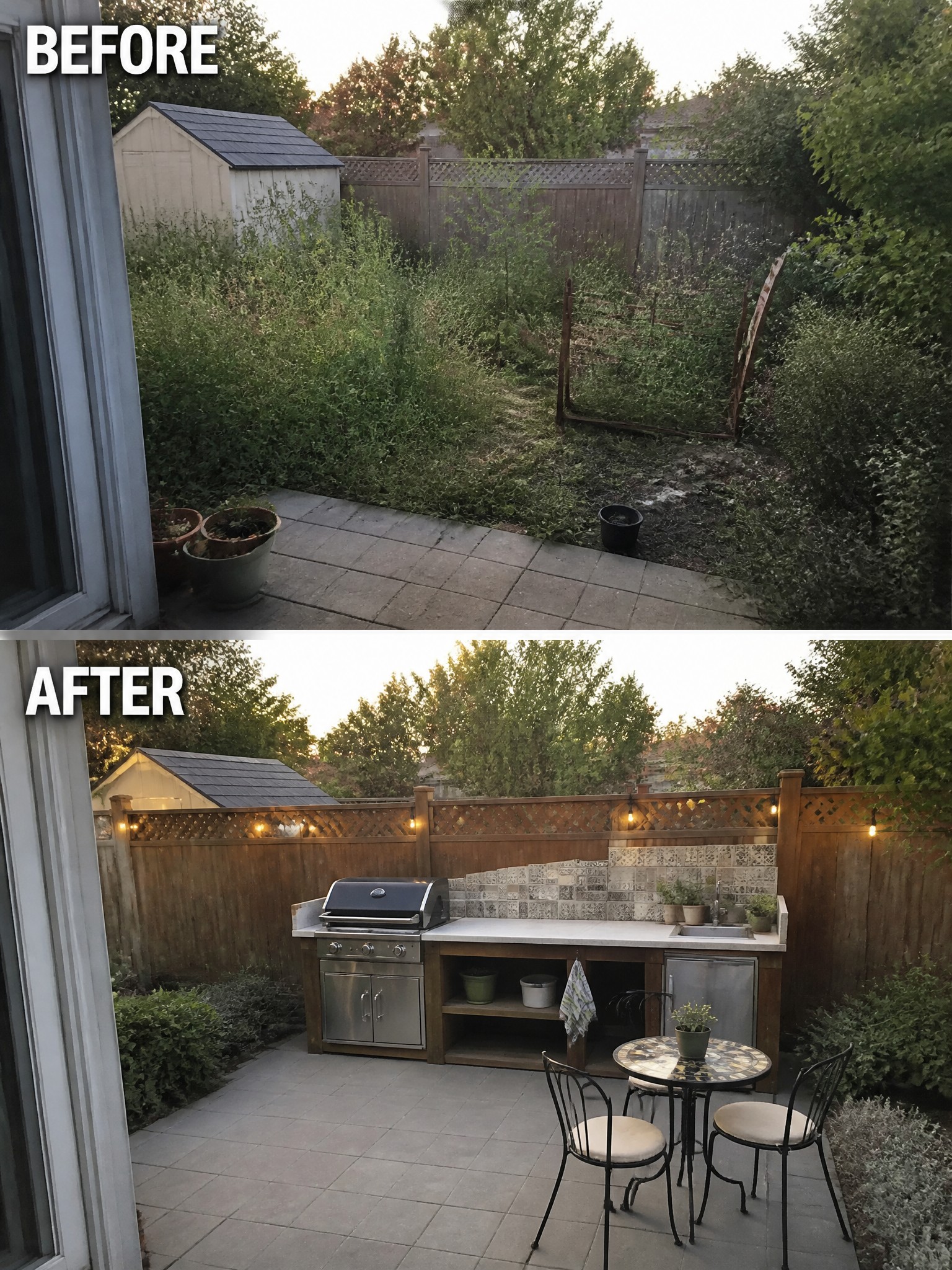
An overgrown backyard can sit unused for years because it feels like too much work to start. Clearing the weeds and laying a simple patio gives the space a clear purpose, which makes it easier to add a grill station and a small table without it looking random.
This approach works best in smaller yards where you need every square foot to serve a job. Keep the furniture to a few pieces that can stay outside, and run a basic string of lights along the fence so the area feels inviting after dark. Start with the hard surface before worrying about extra planting.
Frequently Asked Questions
Q: What if I uncover old junk or holes while clearing the yard? A: Walk through slowly with a long stick and test the ground ahead of you. This reveals buried rocks or soft spots before you step in them. Taking your time here saves a lot of hassle later.
Q: How can I save decent plants that got buried under the weeds? A: Clear small sections at a time and look closely at the base of anything green and sturdy. Trim away the invaders around it to see if it perks up. You will probably end up keeping more than you expected.
Q: Will the yard stay tidy after all this work? A: Check on new growth every week or two and cut it back before it spreads. A few minutes here and there keeps things under control without big projects.
