

Have you ever tried starting your lawn mower only to find it sputtering and refusing to cooperate? Old gas can be the culprit, causing headaches and frustration when you just want to keep your yard looking great. If you’ve got a mower sitting idle with stale fuel, you’re not alone.
Key Takeaways
- Prevent Starting Issues: Regularly empty old gas from your lawn mower to avoid starting problems and ensure optimal engine performance.
- Avoid Clogs: Stale gasoline can create gunky residues that clog fuel lines and filters, potentially leading to malfunctions.
- Follow Safety Precautions: Use personal protective equipment and set up a safe workspace when handling flammable liquids.
- Proper Disposal: Ensure environmentally responsible disposal of old gas by following local regulations and utilizing hazardous waste facilities.
- Regular Maintenance: Check fuel systems regularly, replace old gas with fresh fuel, and consider using a fuel stabilizer to extend storage life.
- Choose Quality Fuel: Use high-quality gasoline with a minimum octane rating of 87 and avoid high ethanol content to maintain mower performance.
Understanding the Importance of Emptying Old Gas
Emptying old gas from your lawn mower prevents several potential problems. Stale gasoline can cause starting issues, leading to frustration during yard maintenance. Fresh fuel ensures optimal engine performance.
Old gas can degrade and form gunky residues that clog fuel lines and filters. Clogged components affect fuel delivery, which may cause your mower to run poorly or not start at all. Regularly emptying the gas tank helps maintain the health of your mower’s engine.
Consider environmental aspects as well. Disposing of old gasoline properly minimizes pollution and helps protect local ecosystems. Always check local guidelines regarding hazardous waste disposal to ensure compliance.
By emptying the gas before storing your mower for the season, you extend its lifespan and reduce repair costs. Regular maintenance, such as changing oil and cleaning air filters, complements this effort, creating a well-functioning lawn mower ready for use when you need it.
Safety Precautions
Taking proper safety precautions when emptying old gas from your lawn mower is essential. This process involves handling flammable liquids, so being cautious is crucial for your safety and the environment.
Personal Protective Equipment
Wear gloves to protect your hands from gasoline exposure. Use safety goggles to shield your eyes from splashes. Don long sleeves and pants to prevent skin contact, and consider wearing a mask if you’re sensitive to odors. Make sure your footwear covers your feet securely to minimize any risk.
Safe Workspace Setup
Choose a well-ventilated outdoor area for this task. Position your mower on a stable surface to avoid tipping or spilling. Keep ignition sources, such as matches or flames, away from your workspace to reduce fire risks. Have a container ready specifically for old gas disposal. Ensure it’s marked and approved for flammable liquids. Consider having a fire extinguisher nearby as an extra precaution.
Step-by-Step Guide on How to Empty Old Gas from Lawn Mower
Emptying old gas from your lawn mower ensures optimal performance. Follow these steps for a smooth process.
Gather Required Tools
Gather these essential tools for the job:
- Safety Gloves: Protect your hands from gasoline exposure.
- Safety Goggles: Shield your eyes from splashes.
- Siphon Pump: Efficiently remove gas from the tank.
- Fuel Container: Store the old gas for proper disposal.
- Rags or Towels: Clean up any spills promptly.
- Funnel: Prevent spills when transferring gas.
Draining the Gas
Draining old gas involves a few simple tasks:
- Position the Mower: Place your mower on a flat, stable surface. Ensure it’s turned off and cooled down.
- Locate the Fuel Line: Identify the fuel line connected to the tank, often situated near the engine.
- Use the Siphon Pump: Insert the siphon pump into the gas tank. Squeeze the pump’s bulb to start the flow. Direct the hose into the fuel container.
- Drain Completely: Allow the siphon to draw out the old gas until the tank is empty. If the siphon pump isn’t an option, disconnect the fuel line (ensure a towel is nearby to catch spills).
- Check for Residue: Wipe the inside of the tank with a rag to remove any remnants of old gasoline.
Proper Disposal of Old Gas
Dispose of the old gas responsibly to protect the environment:
- Check Local Regulations: Research your area’s specific disposal guidelines for hazardous waste.
- Take it to a Disposal Facility: Locate a local hazardous waste disposal site. Many municipalities offer sites for safe disposal.
- Don’t Pour on Ground or Drain: Avoid disposing of old gas in your yard or sink, as it contaminates soil and water sources.
- Use a Fuel Recycling Program: Some service stations accept old fuel, offering recycling programs for unwanted gasoline.
Following these steps ensures safety, protects your mower, and helps preserve the environment.
Maintenance Tips for Lawn Mower Fuel System
Maintaining your lawn mower’s fuel system ensures efficiency and longevity. Taking proactive steps helps prevent issues with stale gas and keeps your mower running smoothly.
Recommended Products

Great Product

Fuel System Cleaner - STA-BIL 360 Protection completely cleans the entire fuel system from fuel injectors to fuel pumps, and removes water, gum, and varnish to keep your fuel system free of corrosion
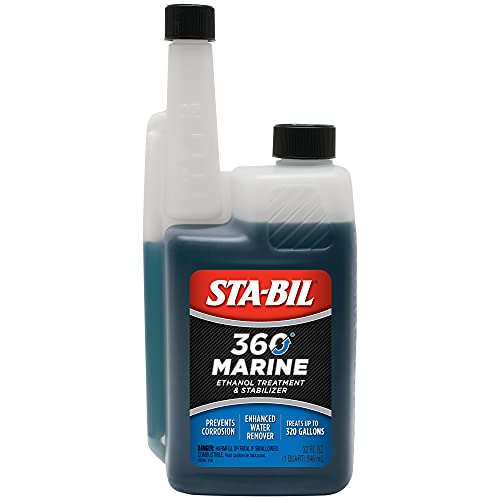
FUEL SYSTEM CLEANER: Cleanses the entire fuel system using PEA additives, including fuel injectors, lines, & fuel pumps. This advanced formula removes water, gum, and varnish, ensuring optimal performance & longevity of your fuel system while preventing corrosion.
Regular Fuel Checks
Conduct regular fuel checks to ensure your mower operates efficiently. Inspect the fuel level before each mowing session. If your mower remains idle for more than a month, drain the fuel and replace it with fresh gasoline. This practice prevents sediment buildup in the tank and keeps the fuel lines clear. Monitor for signs of rust, water, or debris in the fuel tank. Clean any impurities immediately to prevent clogging the fuel system.
Choosing the Right Fuel
Choosing the right fuel is crucial for optimal mower performance. Opt for fresh, high-quality gasoline with a minimum octane rating of 87. Avoid fuels with over 10% ethanol, as they can attract moisture and lead to engine problems. Always check the fuel’s expiration date; gasoline typically lasts three to six months before it degrades. When storing your mower for the off-season, consider using a fuel stabilizer. This additive helps keep fuel fresh longer and reduces the risk of engine damage. Store fuel in a cool, dry place away from direct sunlight for best results.
Conclusion
Taking the time to empty old gas from your lawn mower can save you a lot of headaches down the road. By following the right steps and prioritizing safety you can keep your mower in top shape and ready for action. Remember to dispose of that old gas responsibly to protect the environment and ensure your mower runs smoothly.
With a little care and regular maintenance your lawn mower will not only start easily but also last longer. So next time you’re prepping for mowing season take a moment to check your fuel situation. You’ll thank yourself later when your mower runs like a dream.
Frequently Asked Questions
Why won’t my lawn mower start?
Old or stale gasoline is a common reason for lawn mowers failing to start. Gasoline can degrade over time, causing residues that clog fuel lines and filters, leading to performance issues. Always check if the fuel is fresh before starting your mower.
How do I dispose of old gasoline safely?
To dispose of old gasoline, use a marked container and take it to a hazardous waste disposal facility. Follow local regulations and avoid pouring it down the drain or onto the ground, as this can harm the environment.
How can I prevent stale gasoline in my mower?
Before storing your lawn mower for the season, empty the gas tank and replace it with fresh gasoline. Use a fuel stabilizer to keep the fuel fresh during storage, and always store fuel in a cool, dry place away from sunlight.
What are the safety precautions for emptying gas from a mower?
Wear personal protective equipment like gloves, safety goggles, and long clothing. Work in a well-ventilated outdoor area, ensure the mower is stable, and keep ignition sources away. Have a fire extinguisher nearby for added safety.
What tools do I need to empty old gas from my lawn mower?
To empty old gas, you will need safety gloves and goggles, a siphon pump, and a suitable fuel container. These tools will help you safely and efficiently remove stale gasoline from your mower’s tank.
What maintenance should I perform on my mower’s fuel system?
Regularly check the fuel level before mowing, and drain and replace fuel if the mower has been idle for over a month. Always use fresh gasoline with a minimum octane rating of 87 and avoid fuels with high ethanol content.
