

Have you ever wondered if it’s okay to leave gas in your lawn mower after the last cut of the season? You’re not alone. Many homeowners face this question every year, unsure of the best way to care for their equipment. Leaving gas in your mower can lead to issues like engine problems or fuel contamination, but it doesn’t have to be complicated.
In this article, you’ll learn the ins and outs of fuel storage for your lawn mower. We’ll cover the potential risks of leaving gas in the tank and share tips on how to prepare your mower for the off-season. By the end, you’ll feel confident in your mower maintenance routine and ensure your equipment stays in top shape for years to come.
Key Takeaways
- Avoid Leaving Gas in Your Mower: Leaving gas in your lawn mower can lead to fuel degradation, engine problems, and reduced performance.
- Use Fresh Gas: Always use fresh gasoline within 30 days and consider using a fuel stabilizer if the mower will sit unused for an extended period.
- Understand Fuel Types: Regular gasoline (87 octane) is generally safe for most mowers, while ethanol-blended gasoline (E10) can attract moisture and cause engine issues.
- Recognize Signs of Stale Fuel: Indicators such as discoloration, unusual odors, separation in the fuel, and poor mower performance signal that it’s time to empty the tank.
- Practice Proper Fuel Storage: Use clean, approved containers and store fuel in a cool, dry place with tightly sealed lids to prevent contamination.
- Conduct Regular Maintenance: Regularly check and maintain your fuel supply before the mowing season starts to ensure optimal performance and longevity of your mower.
Understanding Lawn Mower Fuel
Lawn mower fuel plays a crucial role in the operation and longevity of your mower. Knowing the right type of fuel and its implications helps maintain your equipment effectively.
Recommended Products

Fuel System Cleaner - STA-BIL 360 Protection completely cleans the entire fuel system from fuel injectors to fuel pumps, and removes water, gum, and varnish to keep your fuel system free of corrosion

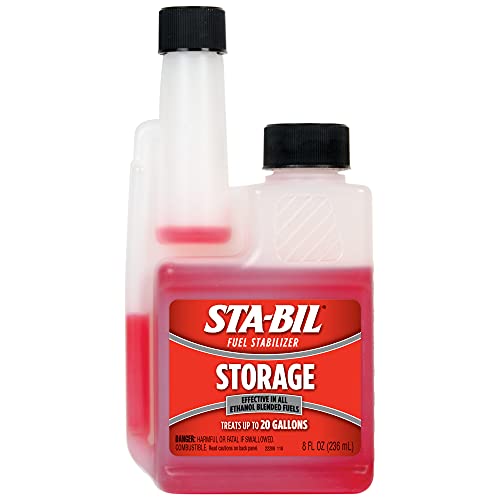
PRESERVES FUEL: This fuel stabilizer ensures keeps gasoline fresh for up to 24 months for storing vehicles that are not in use, boats, outdoor power equipment during winter months, or stocking up on fuel.
Types of Fuel for Lawn Mowers
Lawn mowers primarily use two types of fuel: regular gasoline and ethanol-blended gasoline.
- Regular Gasoline: This fuel type, typically 87 octane, is suitable for most lawn mowers without any issues.
- Ethanol-Blended Gasoline: Often labeled E10, this blend contains 10% ethanol and 90% gasoline. While it works in many mowers, it can attract moisture and lead to fuel separation, potentially causing engine problems.
Before refueling, check your owner’s manual for specific fuel recommendations.
Importance of Using Fresh Gas
Using fresh gas is essential for optimal mower performance. Here are key points to remember:
- Prevention of Fuel Degradation: Gasoline can degrade over time, especially when blended with ethanol. Fresh gas helps prevent engine issues associated with stale fuel.
- Reduced Risk of Clogging: Old gas can leave deposits in the fuel system, leading to clogging in the carburetor and fuel lines.
For best results, aim to use fuel within 30 days of purchase. If your mower sits for an extended period, consider using a fuel stabilizer to prolong freshness.
Risks of Leaving Gas in a Lawn Mower
Leaving gas in your lawn mower poses several risks that can affect performance and longevity. Understanding these risks helps you take better care of your equipment.
Fuel Degradation Over Time
Fuel doesn’t stay fresh indefinitely. Gasoline can degrade within 30 days, leading to reduced engine performance. After a month, it can cause hard starting and poor combustion. Ethanol-blended gasoline, commonly found in E10, attracts moisture, increasing the risk of water contamination. This process can lead to fuel separation, resulting in clogs in the fuel system. Always check fuel freshness before starting your mower.
Potential Damage to the Engine
Leaving gas in the mower’s tank can lead to internal damage. Degraded fuel can leave varnish and deposits in the fuel system, affecting the carburetor and fuel lines. These blockages can result in engine misfires or stalling while in use. Furthermore, if gas evaporates, it can leave behind residue that may harm engine components. To avoid these issues, empty the tank or add a fuel stabilizer before storing your mower for the season.
Best Practices for Fuel Storage
Understanding how to store gas properly ensures your lawn mower remains in excellent condition. Follow these best practices to maintain the fuel quality and engine health.
How to Properly Store Gas
- Choose the Right Container: Use a clean, non-transparent, approved fuel container. Ensure it has a tight seal to prevent contamination and evaporation.
- Keep It Cool: Store fuel in a cool, dry location away from direct sunlight or extreme temperatures. Heat can increase the risk of evaporation and degradation.
- Limit Storage Time: Aim to use fuel within 30 days. If extended storage is necessary, add a fuel stabilizer to prevent breakdown during the off-season.
- Avoid Mixing Fuels: Don’t mix old and new gas. This can introduce contaminants into the fresh fuel, affecting engine performance.
- Use Fuel Stabilizer: Add fuel stabilizer when storing gas for more than 30 days. This keeps the fuel fresh and prevents oxidation.
- Seal Containers: Ensure the lids are tightly secured, reducing air exposure. Less air means less chance of moisture affecting fuel quality.
- Rotate Your Fuel Supply: Use the oldest gas first. When acquiring new fuel, ensure to use the remaining older fuel to prevent any from sitting too long.
- Check for Separation: Before using stored gas, inspect it for any unusual separation or changes in color. Discard any fuel that appears cloudy or has particulate matter.
Following these practices enhances the longevity of both your fuel and lawn mower, ensuring efficient operation when you’re ready to mow again.
Signs You Should Empty the Gas Tank
Recognizing the signs that indicate you should empty the gas tank can prevent engine problems and extend the life of your lawn mower.
Indicators of Old or Stale Fuel
- Discoloration: Fuel that turns dark yellow or brown often indicates degradation. Fresh gasoline typically appears clear or light amber.
- Odor: A sour or pungent smell can signal gasoline that has gone bad. Fresh fuel has a clean, typical gasoline scent.
- Separation: If you notice a mixture of clear liquid and dark sediment at the bottom of your fuel container, it’s time to dispose of it. This separation suggests contamination or water absorption.
- Poor Performance: Difficulty starting the mower, stalling during operation, or reduced power while cutting grass may stem from stale fuel. Fresh fuel generally provides reliable performance.
- End of Season: Schedule maintenance at the end of the mowing season. Emptying the gas tank reduces the risk of fuel degradation over time.
- After Long Breaks: If you won’t use the mower for several weeks, consider emptying the tank. Lack of use can lead to fuel separation and engine issues.
- Annual Checks: Regularly check your fuel before the start of each mowing season. This ensures your mower runs efficiently and prevents problems from old or stale fuel.
- After Heavy Rain: If your mowing area experiences heavy rainfall, check your fuel. Increased moisture can seep into fuel tanks, leading to water contamination.
Conclusion
Taking care of your lawn mower is essential for keeping it in top shape. By being mindful of the fuel you use and how you store it, you can avoid common issues that lead to costly repairs. Remember to empty the tank or use a fuel stabilizer before storing your mower for the season.
Regular maintenance not only extends the life of your mower but also ensures it runs smoothly when you need it. Keep an eye on your fuel and always check for signs of degradation. With these tips in mind, you’ll be ready to tackle your lawn care tasks with confidence next season. Happy mowing!
Frequently Asked Questions
Is it safe to leave gas in my lawn mower over winter?
It’s not recommended to leave gas in your lawn mower for extended periods. Fuel can degrade, causing potential engine problems and performance issues. For best results, either empty the tank or add a fuel stabilizer before storage.
What type of gas should I use in my lawn mower?
Most lawn mowers run well on regular gasoline (87 octane). However, avoid ethanol-blended gas (E10) if possible, as it can attract moisture and lead to fuel separation. Always use fresh gas to ensure optimal performance.
How long can I store gasoline for my mower?
Gasoline should ideally be used within 30 days. If you’re using a fuel stabilizer, it can extend the life of the fuel for several months. Check for any signs of degradation before use.
What are the signs of old fuel in my mower?
Indicators of old fuel include discoloration (dark yellow or brown), a sour smell, liquid separation, and reduced engine performance. If you notice these signs, it’s best to empty the tank and replace the gas.
How can I properly store fuel for my mower?
Store fuel in a clean, non-transparent, approved container with a tight seal. Keep it in a cool, dry place and use it within 30 days unless stabilized. Avoid mixing old and new gas to maintain quality.
