

Frustrated because your gas lawn mower won’t start? You’re not alone. Many people face this common issue, especially when it’s time to tackle that overgrown lawn. You might have plans for a beautiful yard, but a stubborn mower can throw a wrench in your weekend plans.
Key Takeaways
- Common Starting Issues: Gas lawn mowers commonly face starting problems due to stale fuel, spark plug issues, and battery or electrical failures.
- Fuel Maintenance: Always use fresh fuel (no older than 30 days) and check for dirt or debris in the fuel tank to ensure optimal performance.
- Spark Plug Inspection: Regularly inspect and clean or replace the spark plug to maintain efficient ignition and ensure it’s securely installed.
- Battery and Wiring Check: Examine the battery for corrosion and ensure all connections are tight; replace weak batteries to restore power.
- Routine Maintenance: Implement regular cleaning, seasonal tune-ups, and spark plug inspections to prevent starting issues and promote longevity.
- Professional Help Indicators: Seek professional assistance for persistent issues, unusual noises, or when undertaking complex repairs, like carburetor or engine work.
Common Reasons Why Gas Lawn Mowers Won’t Start
Gas lawn mowers often run into starting problems. Understanding common reasons can help you troubleshoot efficiently.
Fuel Issues
Fuel issues frequently cause starting problems. Stale fuel can clog the carburetor, making it hard for the mower to start. Ensure you’re using fresh gas, ideally no older than 30 days. Check for dirt or debris in the fuel tank, as it can also hinder performance. If the mower doesn’t start, consider draining the tank and replacing the fuel.
Spark Plug Problems
Spark plug problems can prevent ignition. A dirty or worn spark plug may fail to generate the necessary spark. Inspect the spark plug for wear; if it looks black, it’s clogged. Replace it if necessary. Clean the spark plug with a wire brush to remove any dirt. Reinstall it securely to ensure a good connection.
Battery or Electrical Failures
Battery or electrical failures disrupt the starting process. A dead battery may not provide enough power to turn the engine over. Check the battery connections for corrosion or loose wiring. Clean any corrosion and tighten connections. If the battery appears weak, consider jump-starting it or replacing it. Ensure the mower’s safety switches are functioning correctly to avoid starting issues.
Troubleshooting Steps
If your gas lawn mower won’t start, follow these key steps for troubleshooting. Each step addresses common issues, helping you get your mower running smoothly again.
Recommended Products

Fits all Husqvarna Chainsaws except Electric 316, 385XP, 395XP and 3120


[High-Quality Materials]: The pneumatic spark plug cleaner is made of high-quality plastic, brass, and steel clip materials, making it rust- and wear-resistant, making it durable and durable for long-term use.
Checking Fuel Levels
Check the fuel levels first. Ensure there’s enough fresh gas in the tank, as stale fuel can cause problems. If the mower sits for more than 30 days, the fuel can degrade. Drain any old fuel and replace it with new fuel to see if that resolves the starting issue.
Inspecting the Spark Plug
Inspect the spark plug next. Remove the spark plug and look for signs of wear or buildup. A dirty or worn spark plug may fail to produce a spark needed to ignite the fuel. Clean it with a wire brush, or replace it altogether if necessary. Ensure the plug is tightened properly before reinstallation.
Examining the Battery and Wiring
Examine the battery and wiring for any issues. Check for corrosion on battery terminals, which can prevent proper connection. Clean any corrosion with a wire brush and reconnect the terminals. Inspect the wiring for loose connections or signs of damage. Tightening loose connections or replacing damaged wires can restore power to the mower.
Maintenance Tips to Prevent Starting Issues
Proper maintenance can significantly reduce starting issues with your gas lawn mower. Follow these steps to keep your mower in top shape and avoid frustrating starts.
Recommended Products
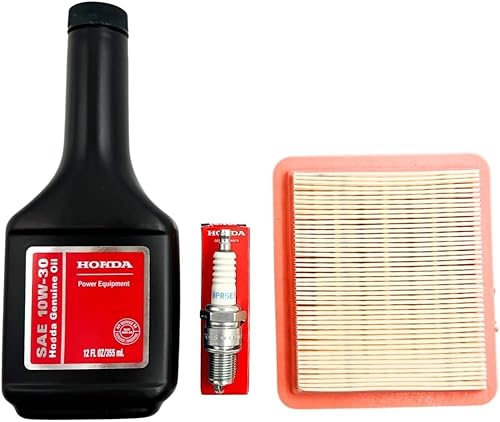
KIT INCLUDES: Genuine Honda 17211-Z8B-901 air filter, 98079-55846 Spark Plug, and 08213-10W30 12oz bottle of Honda 10W-30 Motor Oil
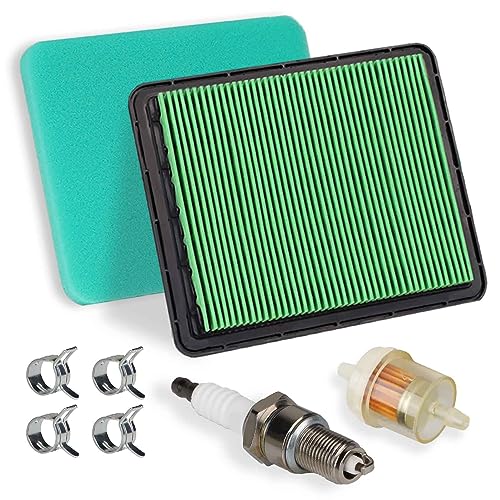
Premium Filter: Exactly for Honda 17211-ZL8-023 17211-ZL8-003 17211-Z8B-901 air filter, fits Honda engine GC190 GCV190 GCV190A GCV190LA GC160 GCV160 GCV160A GCV160LA GC135 GCV135 GX100 air filter, replace parts # 5580402 6718159.

A Huayi p18 OEM carburetor assembly for PowerSmart DB2321SR MB8602S 21" 170cc Gas Self Propelled Lawn Mower, part number:16100-Z3C0210-00A0
Regular Cleaning and Inspection
Check your mower regularly for dirt and debris. Clean the air filter every few uses to ensure proper airflow. Remove grass clippings and other debris from the mower’s exterior, especially around the engine and blades.
Inspect the spark plug periodically. Look for signs of wear or carbon buildup. Replace it if necessary to maintain efficient ignition. Clean or replace the fuel filter to prevent clogs and ensure a steady fuel supply.
Seasonal Tune-Ups
Schedule seasonal tune-ups for your mower to keep it running smoothly. At the start of each mowing season, change the oil. Use a high-quality oil that meets your mower’s specifications. Replace the oil filter if your model has one.
Check the fuel system too. Drain any old fuel from the tank and replace it with fresh fuel mixed with a fuel stabilizer. Adjust the carburetor as needed for optimal performance. Sharpen the mower blades at least once a season to achieve a clean cut and reduce strain on the engine.
When to Seek Professional Help
If troubleshooting your gas lawn mower doesn’t lead to a solution, you may need professional assistance. Recognizing when to call a technician can save time and prevent further issues.
Recommended Products
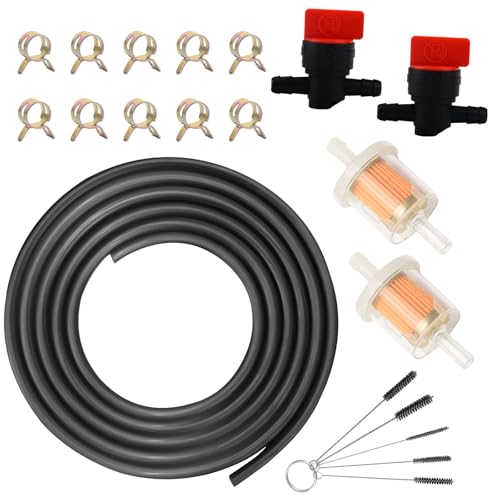
Lawn Mower Fuel Line - Upgraded Set: The Huthbrother includes 6-Foot Length Stretchy 1/4 Inch ID Fuel Line+ 2 Pcs 5/16 Inch Fuel Filters + 10 Pcs 2/5" ID Hose Clamps +2 Pcs 1/4 698183 Fuel Shut & 1 Pcs Carb Carburetor jet cleaning brushes. Fuel filters and hose clamps are required for the use of fuel line. You do not need to purchase those part extra. The dimensions of the various components within the kit are 100% compatible


SAVE YOUR TIME AND HANDY - Did you ever spend a lot of time on cleaning the ports? And the dock didn’t leave at all. These make cleaning a ethanol damaged or dirty carburetor a lot easier, working great and handy, never have a hard time cleaning the ports from now on.
Signs of Major Problems
Look for these indicators that suggest it’s time for professional help:
- Persistent Starting Issues: If your mower still won’t start after checking fuel, spark plugs, and electrical connections, expert diagnosis may be necessary.
- Unusual Noises: Any grinding, squealing, or knocking sounds when attempting to start your mower typically signals deeper mechanical problems.
- Smoke or Smell: Smoke during operation or strong fuel odors indicate potential engine issues that require expert evaluation.
Complicated Repairs
Certain repairs require specialized knowledge and tools. Consider professional help for:
- Carburetor Repairs: Troubles with the carburetor often demand intricate adjustments or parts replacements.
- Engine Overhaul: Significant engine problems might necessitate a complete overhaul or replacement, best handled by a skilled technician.
- Electrical System Issues: If you’ve checked connections and the battery but still encounter problems, a professional can troubleshoot wiring and electrical faults effectively.
Warranty Considerations
If your mower is under warranty, it’s crucial to consult a professional service provider to maintain coverage. Attempting complex repairs yourself can void warranties.
Finding a Qualified Technician
When choosing a service provider, look for:
- Certifications: Ensure the technician has training and certifications specific to lawn mower repair.
- Reviews: Check online reviews or ask for recommendations from friends or family who have experience with local services.
- Estimates: Request written estimates before authorizing any repairs to avoid surprises.
By knowing when to seek professional help, you can maximize your mower’s performance and longevity, ensuring a healthier lawn and less frustration.
Conclusion
Getting your gas lawn mower to start can feel like a daunting task but with a little troubleshooting and maintenance, you can tackle the problem head-on. By checking fuel levels, inspecting the spark plug, and ensuring your battery connections are solid, you can often get your mower back in action quickly.
Remember that regular maintenance can save you from future headaches. Keeping your mower clean and performing seasonal tune-ups will help keep it running smoothly. If you ever find yourself stuck despite your best efforts, don’t hesitate to reach out to a professional. With the right care, your mower will be ready to help you achieve that beautiful lawn you desire.
Frequently Asked Questions
Why won’t my gas lawn mower start?
There are several common reasons why a gas lawn mower may not start. These include issues with fuel levels, a dirty or worn spark plug, or battery and electrical problems. Stale fuel can clog the carburetor, while electrical failures might come from corrosion or loose connections.
How can I troubleshoot my gas lawn mower?
Start by checking if there’s enough fresh fuel in the tank. Next, inspect the spark plug for wear or dirt, cleaning or replacing it if necessary. Finally, examine the battery and wiring for any signs of corrosion or loose connections, which can affect starting.
What maintenance can I do to prevent starting issues?
To prevent starting problems, regularly clean and inspect your mower. Check for dirt, clean the air filter, and examine the spark plug. Perform seasonal tune-ups by changing the oil, replacing the fuel filter, and using fresh fuel mixed with a stabilizer.
When should I seek professional help for my mower?
Seek professional help if you experience persistent starting issues, notice unusual noises, or detect smoke and strong fuel odors. These could indicate more significant mechanical problems that require specialized knowledge and tools.
How do I find a qualified technician for mower repairs?
To find a qualified technician, check for certifications, read online reviews, and request written estimates before agreeing to repairs. This ensures you are making an informed choice and getting the best service for your mower.
