

Have you ever wondered if your lawn mower can actually be flooded? Picture this: you’ve just finished mowing, and suddenly your mower won’t start. Frustrating, right? It could be more than just a simple issue; flooding might be the culprit.
Key Takeaways
- Understanding Flooding: Lawn mower flooding typically occurs due to excessive fuel in the carburetor or engine overload while cutting tall grass.
- Symptoms of Flooding: Key indicators of a flooded mower include difficulty starting and unusual smoke emissions, especially after multiple failed attempts to start.
- Troubleshooting Steps: To fix a flooded lawn mower, turn off the mower, check and dry the spark plug, drain excess fuel from the carburetor, and let it sit for a short period before restarting.
- Maintenance Prevention: Regularly maintenance, including cleaning, blade inspection, oil changes, and appropriate fuel use, can help prevent flooding issues.
- Choosing Conditions Wisely: Avoid mowing wet grass, and adjust the mower’s cutting height appropriately to prevent engine overload and subsequent flooding.
- Know Your Equipment: Familiarity with your lawn mower’s components and functions is essential for effective troubleshooting and maintenance practices.
Understanding Lawn Mowers
Lawn mowers are essential tools for maintaining a neat and healthy lawn. They come in various types, including push mowers, riding mowers, and robotic mowers. Each type operates on similar principles but has distinct features suited for different needs.
Components of a Lawn Mower
- Engine: The engine powers the mower. Gasoline and electric models exist, each offering unique benefits. Gasoline engines provide extended run times, while electric ones are quieter and require less maintenance.
- Blades: The blade is responsible for cutting grass. Sharp blades yield clean cuts, promoting healthier grass growth. Dull blades can tear grass, leading to brown tips.
- Deck: The deck houses the blades and is the main body of the mower. Its height can often be adjusted to cater to different grass lengths and types.
How Lawn Mowers Function
Lawn mowers use rotating blades that spin at high speeds to cut grass. When you push or drive the mower, the engine turns the blade, creating a vacuum that lifts grass for an even cut. Grass clippings can either be discharged, mulched, or bagged, depending on the mower type.
Common Issues
Several problems can affect the performance of your lawn mower, including:
- Difficulty Starting: Often results from fuel issues or a dirty air filter. Ensuring you use fresh fuel can help resolve this.
- Uneven Cutting: May occur from dull blades or an unlevel deck. Regular maintenance keeps your mower operating efficiently.
- Stalling: Typically indicates flooding or fuel line issues. If your mower stalls often, checking the fuel system becomes essential.
Maintenance Tips
Keeping your lawn mower in good condition prolongs its life and enhances performance. Here are some practical maintenance tips:
- Clean the mower regularly. Remove grass clippings and debris after each use to prevent buildup.
- Inspect blades. Sharpen or replace blades as needed to ensure an efficient cut.
- Change the oil. Follow the manufacturer’s guidelines for oil changes, typically every 25 hours of use or once per season.
- Replace air and fuel filters. Regular replacement maintains airflow and fuel efficiency.
- Store properly. Store your mower in a dry place during winter months to prevent rust and damage.
Being aware of your lawn mower’s components, functions, and common issues equips you to handle maintenance and flooding situations more effectively.
Causes of Flooding in Lawn Mowers
Flooding in lawn mowers can stem from a few key issues. Understanding these causes aids in preventing flooding and keeping your mower in optimal condition.
Engine Overload
Engine overload occurs when you attempt to cut grass that’s too high or dense. Strained engines may draw in excess fuel, triggering flooding. To avoid this, always adjust your mower’s height setting before starting. If your mower stalls while cutting, wait a moment before restarting. This gives the engine time to recover from the overload.
Excessive Fuel
Excessive fuel in the carburetor leads to flooding. This can happen when you prime the mower too much before starting or use the wrong gasoline type. Ensure you follow the manufacturer’s guidelines for fuel quantity. If your mower is hard to start due to flooding, check the carburetor. Remove any excess fuel by clearing the spark plug and allowing it to dry. Adjust your priming technique to avoid future flooding issues.
Signs Your Lawn Mower Is Flooded
Recognizing the symptoms of a flooded lawn mower is essential for effective troubleshooting. Here are key signs to look for:
Recommended Products

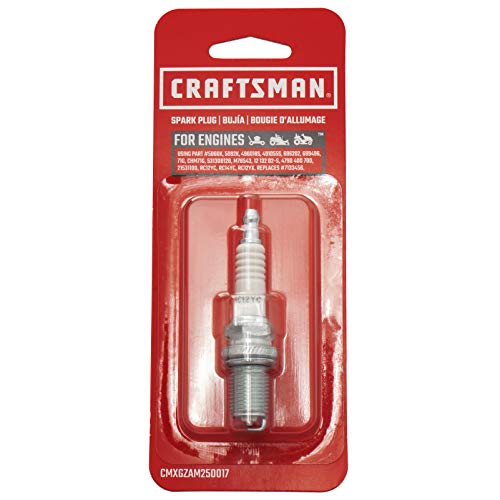
For engines using part #5066K, 5092K, 496018S, 491055S, 696202, 699496, 71G, CHM71G, 531308128, M78543, 12 132 02-S, 4790 400 700, 21531100, RC12YC, RC14YC, RC12YX. Replaces 7133456

CREATED FOR OUTDOOR WORK: To get through a full season of outdoor work, you need reliable performance from your lawn equipment. Autolite Xtreme Start Iridium spark plug designed for lawn and garden / outdoor power equipment applications.
Difficulty Starting
Experiencing difficulty starting your mower could indicate flooding. If you turn the key and hear the engine cranking without starting, excess fuel could be the culprit. This situation often occurs after repeated attempts to start the mower without success. Waiting a few minutes before trying again may help, as it allows excess fuel to dissipate. Remember, checking the spark plug can provide additional insight; if it’s wet, that suggests flooding due to fuel over-accumulation.
Unusual Smoke Emission
Noticing unusual smoke while starting your mower signals potential flooding. White or blue smoke generally points to fuel overflow in the engine. This smoke may appear immediately after starting the mower, indicating excess fuel burning off. Monitoring your mower for these smoke emissions helps pinpoint flooding as a possible cause for starting issues. If you see smoke, turning off the mower quickly is advisable to prevent further damage.
How to Fix a Flooded Lawn Mower
When your lawn mower floods, you can take specific steps to troubleshoot and resolve the issue. Follow these guidelines to get your mower back in action.
Recommended Products
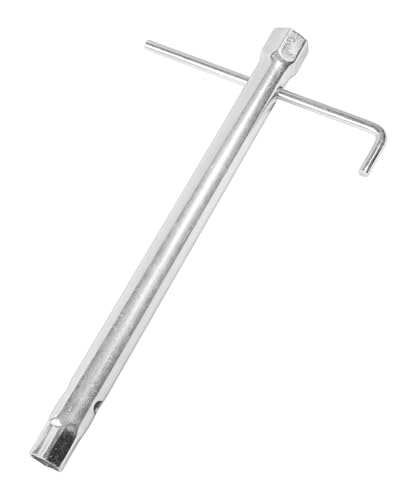
[High-Quality Materials]: The spark plug wrench is made of high-quality alloy steel, making it durable, corrosion-resistant, and rust-resistant, making it resistant to damage and deformation, ensuring long-term use.
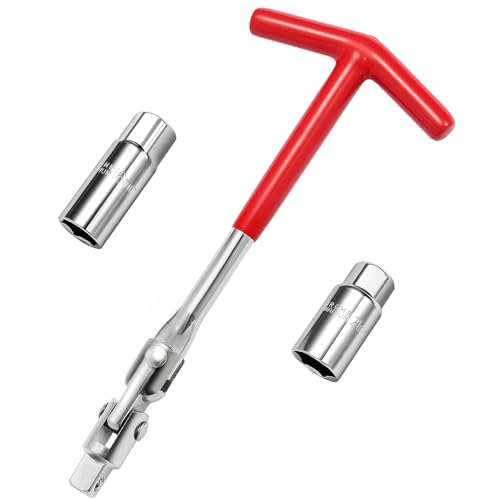
Multi functional set: Spark Plug Wrench T-shaped handle,16mm (5/8 ") and 21mm (13/16") spark plug socket, providing a complete solution for spark plug disassembly.

Replace part number: Substitut For Old Bri-ggs & Stra-tton 19374S/19374/690966/19576
Step-by-Step Troubleshooting
- Turn Off The Mower: Always start by turning off the mower and allowing it to cool down.
- Check The Spark Plug: Remove the spark plug to check for wetness. If it’s soaked with fuel, wipe it dry or replace it if necessary.
- Clear Excess Fuel: If the carburetor is flooded, look for the drain screw at the bottom of the carburetor. Loosen it to let excess fuel drain out into a container.
- Wait Before Restarting: Allow the mower to sit for 10-15 minutes to let residual fuel evaporate. This helps clear excess fuel from the system.
- Reassemble And Restart: Replace the spark plug, reattach any components you removed, and try starting the mower again. If it doesn’t start, inspect the fuel line for blockages or leaks.
- Adjust Cutting Height: Set the mower height appropriately for the grass length. This prevents engine overload and excess fuel intake.
- Use The Right Fuel: Always use the fuel type specified in the owner’s manual. Incorrect fuel can lead to flooding issues.
- Prime Correctly: Follow the manufacturer’s recommended steps for priming your mower. Avoid excessive priming to minimize flooding.
- Regular Servicing: Schedule regular maintenance checks to clean the carburetor and replace spark plugs, ensuring optimal performance.
- Monitor Weather Conditions: Mowing wet grass can cause flooding. If the lawn is soaked, it’s best to wait until it dries before mowing.
Following these steps can help you fix a flooded lawn mower and keep it running smoothly. Processing through troubleshooting and embracing preventive measures ensures you get the most out of your equipment.
Conclusion
Taking care of your lawn mower is key to keeping it in top shape. Knowing how to spot the signs of flooding and understanding what causes it can save you time and frustration. By following the maintenance tips and troubleshooting steps discussed, you can tackle flooding issues effectively and prevent them from happening in the first place.
Remember to adjust your mower’s height and use the right fuel to keep everything running smoothly. With a little attention and care, your lawn mower will be ready to help you maintain that beautiful yard you love. Happy mowing!
Frequently Asked Questions
What is lawn mower flooding?
Lawn mower flooding occurs when too much fuel enters the engine, making it difficult or impossible to start. This can be caused by over-priming, using the wrong fuel, or engine overload from cutting dense grass.
How can I tell if my lawn mower is flooded?
Signs of a flooded lawn mower include difficulty starting (engine cranks but does not start), wet spark plugs, and unusual smoke emissions, such as white or blue smoke.
What should I do if my lawn mower is flooded?
Turn off the mower and check the spark plug for wetness. If soaked, dry or replace it. Drain excess fuel from the carburetor, let the mower sit for 10-15 minutes, and then attempt to restart.
How can I prevent my lawn mower from flooding?
To prevent flooding, adjust the cutting height to avoid engine overload, use the correct gasoline, and follow proper priming procedures. Regular maintenance checks can also help ensure optimal performance.
What are common causes of lawn mower flooding?
Common causes include engine overload from cutting tall or dense grass, excessive fuel in the carburetor from over-priming, and using incorrect fuel types.
How can I maintain my lawn mower to avoid flooding?
Regular maintenance includes checking and cleaning the spark plug, using the appropriate fuel, ensuring the air filter is clean, and keeping the mower in good working condition to prevent performance issues like flooding.
When should I seek professional help for my flooded lawn mower?
If you’ve tried troubleshooting and the mower still won’t start, or if you’re unsure about repairs, it’s best to consult a professional for assistance to prevent further damage.
