

Ever wondered how loud your lawn mower really is? If you’ve ever tried mowing your lawn and felt like you were in a rock concert, you’re not alone. The noise can be overwhelming, and knowing how many decibels your mower produces can help you understand its impact on your ears and your neighbors.
Key Takeaways
- Understanding Decibels: Decibels (dB) measure sound intensity, with lawn mowers typically producing noise levels ranging from 85 dB to 100 dB, which can significantly impact hearing.
- Gas vs. Electric Mowers: Gas lawn mowers usually operate at higher noise levels (90–100 dB), while electric mowers are quieter, averaging 75–85 dB, making them a better choice for noise-sensitive environments.
- Factors Influencing Noise: Key factors affecting lawn mower noise include motor type, blade design, mower size, and maintenance condition; well-maintained mowers tend to be quieter.
- Health Effects: Exposure to lawn mower noise above 85 dB can lead to immediate discomfort, tinnitus, and long-term hearing loss, emphasizing the importance of ear protection during use.
- Noise Reduction Tips: To minimize noise, consider using electric mowers, check for sound-dampening features, maintain sharp blades, and adhere to manufacturer maintenance schedules.
Understanding Decibels
Decibels measure sound intensity. Knowing how decibels work helps you understand lawn mower noise levels and their effects.
What Are Decibels?
Decibels (dB) quantify sound pressure levels. A sound at 0 dB represents the threshold of hearing, while sounds above 120 dB can cause immediate hearing damage. For example, a whisper is around 30 dB, and heavy traffic measures about 85 dB. Lawn mowers typically range from 85 dB to 100 dB, which demonstrates considerable noise.
The Decibel Scale Explained
The decibel scale is logarithmic, meaning each increase of 10 dB represents a tenfold increase in intensity. For instance, a sound of 90 dB is ten times more intense than 80 dB. This scale helps illustrate how quickly noise levels escalate. Here’s a breakdown of common sounds and their corresponding decibel levels:
| Sound | Decibel Level (dB) |
|---|---|
| Quiet library | 40 dB |
| Normal conversation | 60 dB |
| Lawnmower | 85-100 dB |
| Rock concert | 110 dB |
| Jet takeoff | 130 dB |
Understanding these differences aids in assessing lawn mower noise. If your mower exceeds 85 dB, wearing ear protection is advisable to prevent hearing loss.
Average Decibel Levels of Lawn Mowers
Lawn mowers produce varied decibel levels, influencing your mowing experience and your surroundings. Understanding these levels helps you choose the right mower and protect your hearing.
Gas vs. Electric Lawn Mowers
Gas lawn mowers generally operate at higher decibel levels, ranging from 90 dB to 100 dB. These mowers are powerful but can be loud, comparable to a chainsaw. Electric lawn mowers, on the other hand, tend to be quieter, averaging between 75 dB and 85 dB. This difference can make a significant impact on your comfort and that of your neighbors during mowing sessions. Selecting an electric mower might be a good choice if noise reduction is a priority.
Factors Affecting Noise Levels
Several factors can affect the noise levels of lawn mowers:
- Motor Type: Gas engines typically generate more noise than electric motors.
- Blade Design: Sharp, well-designed blades can minimize noise by making cleaner cuts.
- Mower Size: Larger mowers often produce louder sounds due to more powerful engines.
- Condition: Well-maintained mowers operate more quietly compared to those requiring repairs, such as muffler adjustments or blade sharpening.
Being mindful of these factors can help you make an informed decision on which lawn mower suits your needs and environment best.
Health Implications of Lawn Mower Noise
Lawn mower noise can impact your health both in the short term and the long term. Understanding these effects helps you take necessary precautions for safer mowing.
Short-Term Effects
Noise levels from lawn mowers exceeding 85 dB can lead to immediate discomfort. You might experience ringing in your ears, known as tinnitus, after mowing for just a short period. Fatigue and stress often increase due to loud sounds, making your mowing session less enjoyable. To protect yourself, consider wearing earplugs or noise-canceling headphones during operation.
Long-Term Exposure Risks
Prolonged exposure to high noise levels from lawn mowers poses serious risks to your hearing. Regularly mowed lawns with equipment above 85 dB can lead to permanent hearing loss over time. Studies indicate that continuous exposure to sounds above 70 dB increases this risk significantly. Additionally, chronic noise exposure can result in increased blood pressure and heightened stress levels. Implementing barriers like noise-dampening materials and adhering to proper maintenance schedules can help reduce noise levels and protect your well-being.
Tips to Reduce Lawn Mower Noise
Reducing lawn mower noise helps protect your hearing and minimizes disturbances to others. Consider these strategies for quieter mowing experiences.
Recommended Products
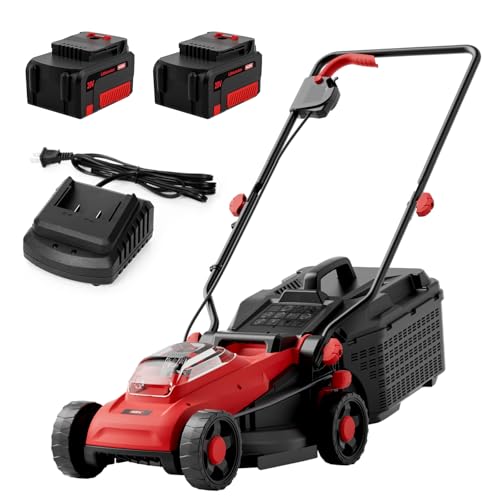
High-Performance Brushless Motor: The cordless lawn mower features a brushless motor that delivers 2800 RPM on Low and 3400 RPM on High for efficient cutting power and long-lasting performance.
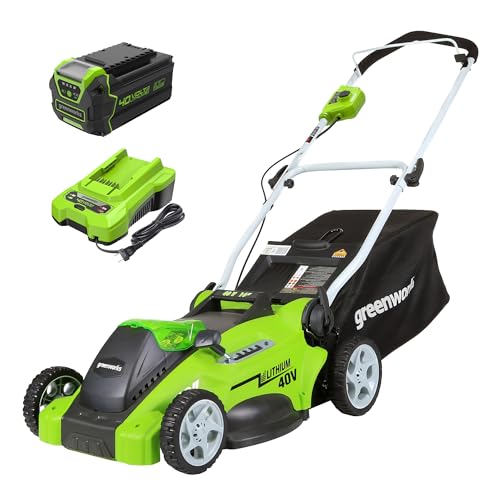
[16" LAWN MOWER] - This 40V lawn mower cuts up to 1/3 acre with fully charged 4.0Ah battery (varies based on grass condition and operator technique)

Multi-Function Convenience: Easily switch between mowing, trimming, and edging for three-in-one versatility with your string trimmer
Equipment Choices
- Select Electric Mowers: Choose electric models instead of gas-powered ones. Electric mowers generally operate at lower decibels, often between 75 dB and 85 dB.
- Look for Noise Ratings: Check the manufacturer’s specifications for noise ratings. Some brands highlight low-noise designs.
- Pick Mowers with Sound-Dampening Features: Opt for mowers that incorporate sound-dampening technology. These features help minimize operational noise.
- Choose a Different Blade Type: Consider using mowers equipped with mulching blades, as they tend to produce less noise than traditional blades.
- Regular Blade Maintenance: Keep the mower blades sharp. Dull blades cause more noise due to inefficient cutting.
- Tighten Loose Parts: Check for and tighten any loose bolts or parts. Vibrations from loose components can increase noise levels.
- Follow Manufacturer’s Maintenance Schedule: Stick to the recommended maintenance schedule. Regular service ensures optimal performance and reduces noise.
- Inspect for Engine Issues: Pay attention to engine sounds. Unusual noises may indicate mechanical issues needing immediate attention. Addressing these early can prevent excessive noise.
Implement these tips to create a quieter mowing environment.
Conclusion
Understanding the decibel levels of lawn mowers can really enhance your mowing experience. By knowing how loud your mower is you can take steps to protect your hearing and be considerate of your neighbors.
Choosing a quieter model can make a big difference not just for you but for those around you too. Remember to wear ear protection if your mower exceeds 85 dB and keep up with maintenance to minimize noise.
With the right mower and a few simple strategies you can enjoy a more peaceful lawn care routine. Happy mowing!
Frequently Asked Questions
What decibel levels are typical for lawn mowers?
Lawn mowers typically produce noise levels ranging from 85 dB to 100 dB. Gas mowers are generally louder, operating between 90 dB and 100 dB, while electric mowers usually range from 75 dB to 85 dB. Knowing these levels can help you manage hearing protection and minimize disturbances to neighbors.
Why is it important to know decibel levels?
Understanding decibel levels is essential as sounds above 85 dB can lead to immediate discomfort and potential hearing damage. Prolonged exposure to high noise levels can cause serious health issues, including permanent hearing loss and increased blood pressure, making it crucial to monitor and manage noise during mowing.
How can I reduce lawn mower noise?
To reduce lawn mower noise, consider using an electric mower instead of a gas one, as they generally produce less noise. Additionally, check for manufacturers’ noise ratings, select mowers with sound-dampening features, and use mulching blades. Regular maintenance like sharpening blades and tightening loose parts also helps minimize noise.
What are the health risks of lawn mower noise?
Short-term exposure to lawn mower noise above 85 dB can cause discomfort, such as tinnitus and fatigue. Long-term exposure can lead to permanent hearing loss, increased blood pressure, and heightened stress levels. To protect your health, consider using ear protection and reducing noise exposure whenever possible.
What factors influence lawn mower noise levels?
Several factors can influence lawn mower noise levels, including motor type (gas vs. electric), blade design, mower size, and the mower’s maintenance condition. Understanding these variables can help consumers choose mowers that fit their needs while minimizing noise impact on themselves and their neighbors.
