

Have you ever noticed your riding lawn mower struggling to start or running rough? It might be time to check the valves. Just like any machine, your mower needs regular maintenance to keep it in top shape. Adjusting the valves can seem daunting, but it’s an essential skill that can save you time and money in the long run.
Key Takeaways
- Importance of Valve Adjustment: Regularly adjusting the valves on your riding lawn mower ensures optimal engine performance, prevents starting issues, and prolongs the mower’s lifespan.
- Essential Tools: Collect a wrench set, feeler gauge, socket set, screwdriver, and safety gear before starting the adjustment process to simplify the task.
- Step-by-Step Process: Follow a systematic approach: gather tools, prepare the mower, measure valve clearance, make necessary adjustments, and test the engine afterward.
- Common Symptoms of Misalignment: Be aware that difficulty starting the engine, unusual noises, poor performance, and increased fuel consumption may indicate misadjusted valves.
- Regular Maintenance: Implement ongoing maintenance practices, such as inspecting, cleaning the air filter, changing oil, and sharpening blades, to maintain your mower’s performance over time.
- Consult Service Manual: Always refer to your specific mower’s service manual for precise valve adjustment specifications and troubleshooting tips to ensure effective maintenance.
Overview Of Valve Adjustment
Adjusting the valves on a riding lawn mower ensures optimal engine performance. When valves are misaligned, it can lead to engine starting issues or rough running. Regular valve adjustments enhance the mower’s efficiency and prolong its lifespan.
Tools Needed
- Wrench Set: For removing and tightening bolts.
- Feeler Gauge: To check the gap between the valve and rocker arm.
- Socket Set: For accessing hard-to-reach areas.
- Screwdriver: To adjust or secure components.
Steps for Valve Adjustment
- Gather Tools: Collect all necessary tools before starting the adjustment.
- Prepare the Mower: Park the mower on a flat surface and remove the key from the ignition.
- Remove the Engine Cover: Unscrew and take off the engine cover to access the valves.
- Set the Engine to Top Dead Center (TDC): Rotate the engine until the piston is at the top of its stroke. This positions the valves for adjustment.
- Check Valve Clearance: Use the feeler gauge to measure the gap between the rocker arm and valve stem. Reference the owner’s manual for the recommended gap size.
- Adjust the Valves: If the gap is too tight or loose, loosen the adjustment screw. Turn the screw until the correct gap is achieved, then tighten it securely.
- Recheck Clearance: After adjustments, check the gap again to ensure accuracy.
- Reassemble the Mower: Replace the engine cover and secure it with screws.
- Test the Mower: Start the engine to confirm smooth operation.
- How often should I adjust the valves?
Valve adjustment typically occurs every 100 hours of operation or annually, depending on the mower model. - What if I notice engine noise after adjustment?
Excessive clicking sounds may indicate incorrect valve clearance. Rechecking the adjustments can resolve this issue. - Can I adjust valves without a service manual?
While it’s possible, using a service manual provides specific recommendations for your mower’s model, ensuring proper settings.
By following these steps, you can confidently adjust the valves on your riding lawn mower, enhancing its performance and reliability.
Tools Needed For Valve Adjustment
Gathering the right tools makes valve adjustment simpler and more effective. Here’s what you need:
Recommended Products
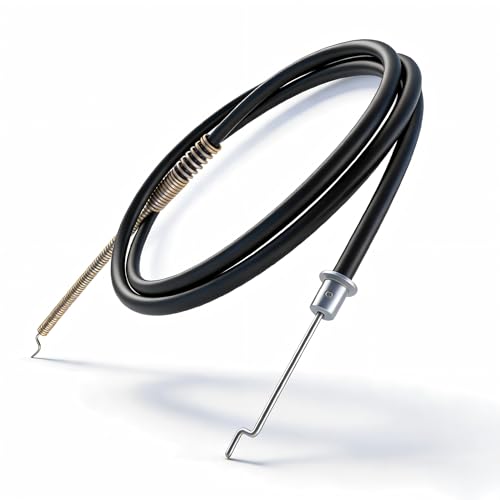
Fits for MTD twin cylinder riding mowers and lawn tractors, compatible with MTD 600-609, 660-669, 670-679, 690-699, 820-829, 840-846/849 series. This 290-899 throttle control cable directly for MTD part numbers 946-0634, 746-0634, 746-0634a, 746-0418, ideal for fixing broken, stuck or worn throttle cables in outdoor power equipment

【Application】:This hour meter is suitable for any gas engine and generator, such as lawn mowers, boats, ATVs, motorcycles, cross-country skis, vehicles, generators, agricultural ,... It is possible to track the service life of the machine, plan oil changes, valves, adjustments, clutch repairs, chassis lubrication and other maintenance schedules, etc.

PURCHASE INDIVIDUALLY OR AS A SET: Customers may purchase separate sizes or the entire set of wrenches.
Essential Tools
- Wrench Set: A complete set of wrenches helps loosen and tighten bolts on your mower.
- Feeler Gauge: This tool measures the precise gap between the valve and the rocker arm, ensuring accurate adjustments.
- Socket Set: A socket set is crucial for removing and replacing engine components, including the valve cover.
- Screwdriver: A flathead and Phillips screwdriver are necessary for various screws around the engine.
- Torque Wrench: This tool ensures you apply the correct amount of pressure to bolted joints, particularly when reassembling.
- Safety Glasses: Protect your eyes from debris while working on your mower.
- Gloves: Wearing gloves prevents injuries from sharp edges and provides better grip.
- Mask: A dust mask protects you from inhaling any harmful particles during the adjustment process.
Assembling your tools and safety gear before starting makes the valve adjustment process smoother and more efficient.
Step-By-Step Guide
Adjusting the valves on your riding lawn mower involves several important steps. Follow this guide for a smooth process.
Recommended Products

For adjusting valve clearance on Honda, VTEC, Toyota, Nisan and other Japanese vehicle engines

【3 Position Height & Adjustable Wheel Span】 This riding mower lift can be set at three different heights to suit different needs, and the inner wheel base is adjustable up to 18''-26'' and the outer wheel base is adjustable up to 39.5''-47'' to suit different sizes of wheeled equipment.

【Application】:This hour meter is suitable for any gas engine and generator, such as lawn mowers, boats, ATVs, motorcycles, cross-country skis, vehicles, generators, agricultural ,... It is possible to track the service life of the machine, plan oil changes, valves, adjustments, clutch repairs, chassis lubrication and other maintenance schedules, etc.
Preparing The Mower
Gather all necessary tools before starting. You’ll need a wrench set, feeler gauge, socket set, and a screwdriver. Put on your safety glasses, gloves, and a dust mask. First, ensure the mower is parked on a flat surface. Disconnect the spark plug wire to prevent accidental starting. Drain the fuel if advised by your mower’s manual.
Locating The Valves
Find the engine cover on your mower. Remove it using the screwdriver and socket set. Look for the valve cover beneath it, typically at the top of the engine. Once located, take a moment to identify the intake and exhaust valves. Refer to your mower’s service manual if you’re unsure about their positions.
Adjusting The Valves
Set the engine to top dead center (TDC). You can do this by manually rotating the engine with a wrench until the piston in the cylinder reaches its highest point. Use the feeler gauge to measure the clearance between the valve and rocker arm. Check the specifications in your service manual for the correct clearance values. If adjustments are needed, loosen the lock nut and turn the adjustment screw until you get the correct clearance. Tighten the lock nut again and recheck the clearance.
Reassemble the engine cover and reconnect the spark plug wire. Finally, test the engine to ensure it runs smoothly. Regularly checking valve clearance prevents future issues and keeps your mower in top condition.
Common Issues To Expect
When adjusting valves on your riding lawn mower, certain issues might arise. Being aware of these can help you handle them effectively.
Recommended Products

Compatible with Honda /VTEC/ Toyota/Nissan and other Japanese automotive engine valve clearance adjustments, as well as engine valves with 10mm clamping nuts and slotted valve adjustment bolts.

【integrated design】: Instead of the hassle of using multiple tools, combine them into one to make valve clearance adjustments easily and accurately,a time-saving tool for daily automotive maintenance projects

Package Dimensions: 4.25 L x 7.25 H x 1 W (inches)
Symptoms Of Misadjusted Valves
- Difficulty Starting: A mower that won’t start easily may indicate valve misalignment. If the engine struggles, examine the valves.
- Unusual Engine Noises: Loud tapping or knocking sounds often suggest improper valve clearance. Pay attention to these noises after adjustment.
- Poor Engine Performance: If the mower runs rough or lacks power, misadjusted valves can disrupt engine efficiency. Monitor the mower’s behavior closely while cutting grass.
- Increased Fuel Consumption: Misaligned valves can lead to a decrease in combustion efficiency, resulting in higher fuel usage. Keep track of how much fuel you use between adjustments.
- Recheck Valve Clearance: If you notice any symptoms, recheck the valve clearance using your feeler gauge. Ensure the engine is at top dead center.
- Inspect Valve Components: Look for wear or damage in gaskets, springs, or other valve components. These issues can affect performance and may require replacement.
- Use Quality Tools: Utilize a proper torque wrench for tightening screws. Inaccurate torque settings can lead to improper valve adjustment, causing further issues.
- Consult the Manual: Refer to your mower’s service manual for specific guidelines on valve adjustments. Manuals often provide valuable insights on symptoms to watch for.
- Test After Adjustments: After making adjustments, take the mower for a short drive. Observe its performance to ensure everything operates smoothly.
By understanding these common issues and applying the troubleshooting tips, you can ensure your lawn mower runs efficiently and effectively after a valve adjustment.
Maintenance Tips For Riding Lawn Mowers
Regular Inspection
Inspect your riding lawn mower frequently. Check for loose bolts, leaks, and signs of wear. Keep an eye on the belts and hoses for any cracks or fraying. Early detection helps prevent larger issues later.
Clean the Air Filter
Clean or replace the air filter every 25 hours of operation or according to the manufacturer’s guidelines. A clean air filter ensures optimal airflow, helping the engine run efficiently.
Change the Oil
Change the oil every 50 hours or at least once a year. Use the recommended oil type for your mower model. Fresh oil maintains engine performance and prolongs its life.
Sharpen the Blades
Sharpen mower blades every 20-25 hours of mowing. Dull blades shred grass rather than cut it, which can harm your lawn’s health. Sharp blades provide a clean cut and improve mowing performance.
Check Tire Pressure
Maintain proper tire pressure to ensure stability and maneuverability. Check the pressure monthly or before a mowing session. Inflated tires contribute to consistent cutting and reduce wear.
Battery Maintenance
Inspect the mower’s battery connections for corrosion. Clean terminals as needed. Charge the battery as per the manufacturer’s instructions, especially before storing the mower for long periods.
Fuel Quality
Use fresh, high-quality fuel to prevent engine issues. Store fuel in a clean, sealed container, and add a fuel stabilizer if storing the mower for over 30 days. Old fuel can cause starting difficulties and performance problems.
Valve Adjustments
Adjust the valves according to the service manual, typically every 100 hours. This adjustment optimizes performance and helps prevent engine wear. Regular checks can catch issues before they become costly repairs.
Software Updates
Check for updates to mower software, if applicable. Some modern riding mowers feature diagnostic tools that benefit from firmware updates. These updates can enhance performance features and fix bugs.
Consult a Professional
If you’re uncertain about maintenance tasks, consult a professional. They’ll provide guidance tailored to your specific model, ensuring your mower stays in peak condition.
By implementing these maintenance tips, you’ll enhance the riding lawn mower’s performance and extend its lifespan.
Conclusion
Regular maintenance is key to keeping your riding lawn mower in top shape. By learning how to adjust the valves you’re not only improving performance but also extending the life of your mower.
With the right tools and a bit of patience you can tackle this task with confidence. Remember to follow the steps carefully and always prioritize safety.
Taking the time to care for your mower will pay off in the long run. You’ll enjoy a smoother ride and a healthier lawn. So roll up your sleeves and get started on those valve adjustments. Happy mowing!
Frequently Asked Questions
How often should I adjust the valves on my riding lawn mower?
You should adjust the valves every 100 hours of operation or at least once a year. Regular adjustments can help improve your mower’s performance and longevity.
What tools do I need for valve adjustment?
You’ll need a wrench set, feeler gauge, socket set, and screwdriver for valve adjustment. Additionally, having a torque wrench, safety glasses, gloves, and a dust mask is beneficial for safety and accuracy.
Why is valve adjustment important for my mower?
Proper valve adjustment ensures optimal engine performance, helps your mower start easily, and prolongs its lifespan by preventing further mechanical issues.
What are some common maintenance tips for riding lawn mowers?
Common tips include checking for loose bolts, changing the oil every 50 hours, sharpening blades every 20-25 hours, cleaning or replacing the air filter every 25 hours, and using fresh fuel.
Can I adjust the valves myself?
Yes, adjusting the valves can be done at home with the right tools and guidance. It may seem daunting, but mastering this skill can save you time and money in the long run.
What should I do if my mower is running roughly?
If your mower runs roughly or struggles to start, it could indicate valve issues. Consider adjusting the valves or consulting a professional if the problem persists.
Is a service manual necessary for valve adjustment?
While it’s not strictly necessary, using a service manual is highly recommended. It provides specific instructions for your mower model and can help ensure correct adjustments.
How can I ensure safety while performing maintenance?
To ensure safety, gather all necessary tools, wear safety gear like gloves and goggles, and work in a well-ventilated area. Follow proper safety protocols throughout the process.
