

Is your lawn mower struggling to start or running rough? You might be dealing with a faulty automatic choke. This common issue can leave you frustrated, especially when you just want to keep your yard looking great.
Key Takeaways
- Understanding Automatic Chokes: Recognize their role in regulating the air-fuel mixture for smooth engine start-up and operation, adjusting airflow as the engine warms.
- Common Symptoms of Malfunction: Be aware of signs like difficulty starting, stalling engines, excessive smoke, rough idling, and poor acceleration that indicate choke issues.
- Diagnosing Automatic Choke Problems: Observe symptoms, inspect components, and test actuators or choke mechanisms for visible damage or debris that could hinder operation.
- Step-by-Step Repair Process: Follow a clear process for cleaning, adjusting, and replacing faulty parts, ensuring safety precautions like disconnecting the spark plug before repairs.
- When to Seek Professional Help: Consider contacting a professional if damage is significant, issues persist after DIY fixes, or if technical complexity exceeds your skill level.
- Warranty Considerations: Check warranty terms before performing repairs, as DIY attempts may void coverage, and confirm repair options with your manufacturer.
Understanding Automatic Chokes
Automatic chokes play a crucial role in how your lawn mower starts and runs. They adjust the air-fuel mixture for smooth operation, which is essential, especially during start-up.
What Is an Automatic Choke?
An automatic choke is a device found in many small engines, including lawn mowers. Its primary function is to regulate the amount of air entering the engine. When cold, the choke limits airflow to enrich the fuel mixture, making it easier to start the engine. As the engine warms, the choke automatically opens, allowing more air into the mixture for optimal performance.
How Does It Work?
The automatic choke operates using a bi-metallic strip or an electric actuator. When the engine is cold, the strip bends, closing the choke plate. This restricts airflow and enriches the fuel mixture. As the engine heats up, the strip straightens or the actuator receives power, opening the choke. This transition is fluid and happens without manual intervention, allowing for seamless engine operation.
Understanding these components helps you diagnose issues with starting or running problems in your lawn mower.
Common Problems with Automatic Chokes
Automatic chokes can experience several issues that affect lawn mower performance. Understanding these problems makes diagnosing the cause easier and ensures smoother operation.
Recommended Products

Replaces Part Number# 16100-Z8B-901, 16100Z8B901, 16100 Z8B 901.

![[Upgraded 2025] Canamax 16620-Z8D-305 Thermo Wax Assembly - Compatible with Honda HRX217 HRR216 GCV160 GCV190 GCV160LA0 GCV190LA Engines Thermowax Lawn Mower](https://m.media-amazon.com/images/I/31dAn5ie+qL._SL500_.jpg)
PREVENT OVERHEATING: 16620-Z8D-305 Thermo Wax helps to maintain optimal engine performance by regulating the temperature, preventing overheating by controlling the temperature, and ensuring that your lawn mower runs smoothly, even under heavy loads.
Symptoms of Malfunction
- Difficulty Starting: You may notice your lawn mower struggles to start, especially on cold mornings. A malfunctioning choke may not enrich the mixture sufficiently for ignition.
- Engines Stalling: If your mower starts but stalls shortly after, it might indicate the choke isn’t opening as the engine warms, causing a flooded engine.
- Excessive Smoke: Black smoke emitting during operation points towards an overly rich fuel mixture. This condition often results from a stuck choke.
- Rough Idle: An unstable engine idling or fluctuating RPMs suggests the choke isn’t functioning correctly, impacting the air-fuel mix.
- Poor Acceleration: If your mower hesitates or lacks power during acceleration, a suspicious choke may be limiting airflow.
- Stuck Components: Dirt or debris in the choke assembly can cause the mechanism to stick, preventing it from opening or closing properly.
- Faulty Bi-Metallic Strip: The bi-metallic strip can wear out over time, impairing its ability to regulate air intake as the engine warms.
- Electrical Problems: For electric chokes, wiring issues or faulty sensors can disrupt the choke operation, leading to starting problems.
- Improper Adjustment: If the choke system is misaligned, it can lead to incorrect adjustments, negatively affecting engine performance.
- Damaged Parts: Cracks or damage in the choke housing can create air leaks, altering the air-fuel mixture and causing running issues.
Identifying these symptoms and causes helps you narrow down the problem and effectively troubleshoot your lawn mower’s automatic choke.
Step-by-Step Guide to Fix an Automatic Choke
Fixing an automatic choke on your lawn mower can improve its performance and ensure a smoother start-up. Follow these steps to diagnose and repair the issue effectively.
Recommended Products
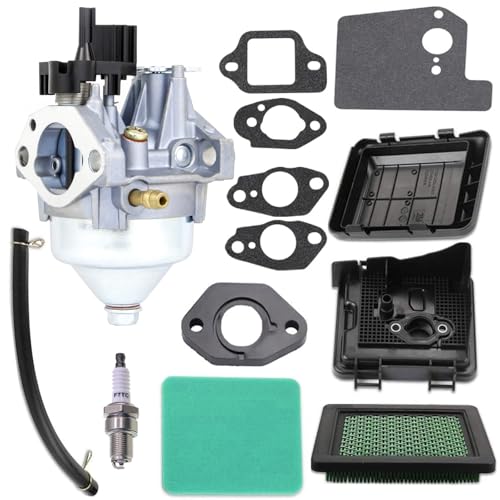
16100-Z8B-901 BB76A A Carburetor for Honda GCV160 carburetor ONLY fits for automatic choke (Auto Choke) engine

1-603336 Control Choke Cable

Tools and Materials Needed
- Screwdriver set
- Pliers
- Cleaning brush
- Carburetor cleaner
- Replacement parts (if necessary)
- Safety goggles
Safety Precautions
- Always disconnect the spark plug before starting repairs to prevent accidental starts.
- Wear safety goggles to protect your eyes from debris or cleaning chemicals.
- Work in a well-ventilated area when using cleaning agents.
Diagnosing the Problem
- Observe symptoms: Start by noting any starting difficulties, stalling, or rough idling.
- Inspect the choke: Check the choke mechanism for any visible damage or corrosion.
- Test the actuator: If equipped with an electric choke, ensure the actuator is receiving power.
- Check for debris: Clean the area around the choke to remove dirt or obstructions.
- Clean the choke components: Use carburetor cleaner and a cleaning brush to remove grime. Ensure all parts operate smoothly.
- Adjust the choke linkage: If misaligned, adjust the linkage so it closes fully when cold and opens as the engine warms.
- Replace faulty parts: If you identify damaged components, replace them to restore functionality.
- Reassemble the lawn mower: Reattach any covers or components you removed during the repair process.
- Reconnect the spark plug: Once repairs are complete, reconnect the spark plug to test your work.
With these steps, you’ll restore your lawn mower’s automatic choke functionality, leading to more reliable performance.
When to Seek Professional Help
Determining whether to call a professional for your lawn mower’s automatic choke issues requires careful consideration. Evaluate the following points to decide the best course of action.
Recommended Products

Part number: 691840, 262766
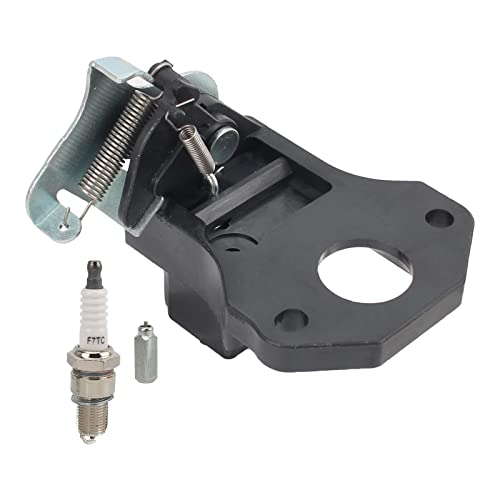
Part Number: 16600-Z8B-900, 16620-Z8D-305.

FITS ON TORO RECYCLER 22 CARBURETOR, replace # 14 853 68-S, 1485368S, 14-853-68-S, 14 853 68 S, 1485368, 14 853 68
Signs of Major Damage
- Observe significant physical damage to the choke parts, which may suggest replacement over repair.
- Inspect for electrical burns or frayed wires on electric chokes, indicating hazards that need expert attention.
- Check for leaks in the carburetor that could lead to more severe mechanical failures.
Persistent Issues
- Consider contacting a professional if problems persist after following your repair steps.
- Revise any consistent hard starting or stalling. Lack of improvement often means complicated underlying issues.
- Monitor for repeated excessive smoke or poor acceleration despite your fixes. This can signal deeper engine problems.
Technical Complexity
- Recognize your skill level; if the repair involves intricate electrical systems or adjustments, seek expert help.
- Evaluate your comfort with engine components. Complex systems might require specialized knowledge and tools.
Limited Time or Resources
- Assess your availability for performing repairs. If you lack time or equipment, a professional service offers convenience.
- Factor in your financial situation; sometimes, spending on repairs can save money versus purchasing new equipment.
- Check warranty terms. If your mower is under warranty, avoid DIY repairs that might void it.
- Confirm coverage options for automatic choke repairs with your lawn mower manufacturer or retailer.
Deciding whether to tackle the automatic choke issue yourself depends on your evaluation of these factors. Always prioritize safety and equipment longevity in your choice.
Conclusion
Fixing an automatic choke on your lawn mower can seem daunting but with the right approach you can tackle the issue confidently. By understanding how the choke works and following the steps outlined in the article you can restore your mower’s performance.
Remember to stay safe and take your time during the repair process. If you find yourself facing persistent problems or complex issues don’t hesitate to reach out to a professional. Your lawn mower deserves the best care to keep your yard looking great. Happy mowing!
Frequently Asked Questions
What is an automatic choke in a lawn mower?
An automatic choke is a device that regulates airflow into the engine of a lawn mower. It enriches the fuel mixture during cold starts, making it easier to start the engine. As the engine warms up, the choke allows more air for optimal performance.
What problems can a faulty automatic choke cause?
A faulty automatic choke can lead to several issues, including difficulty starting, engine stalling, excessive smoke, rough idling, and poor acceleration. These symptoms indicate that the air-fuel mixture is not being regulated properly.
How can I fix my lawn mower’s automatic choke?
To fix an automatic choke, first diagnose the issue by observing symptoms. Inspect the choke mechanism and clean any stuck components. Adjust the choke linkage, test the actuator, and replace any faulty parts. Reassemble and test the mower to ensure it runs smoothly.
When should I seek professional help for choke issues?
Consider seeking professional help if you notice major damage, such as physical harm to choke parts or signs of electrical burns. Persistent problems after DIY attempts or complexities beyond your skill level also indicate it might be time to consult an expert.
What tools do I need to repair an automatic choke?
To repair an automatic choke, you’ll typically need a screwdriver set, pliers, and carburetor cleaner. Always remember to take safety precautions, such as disconnecting the spark plug and wearing safety goggles while you work.
