

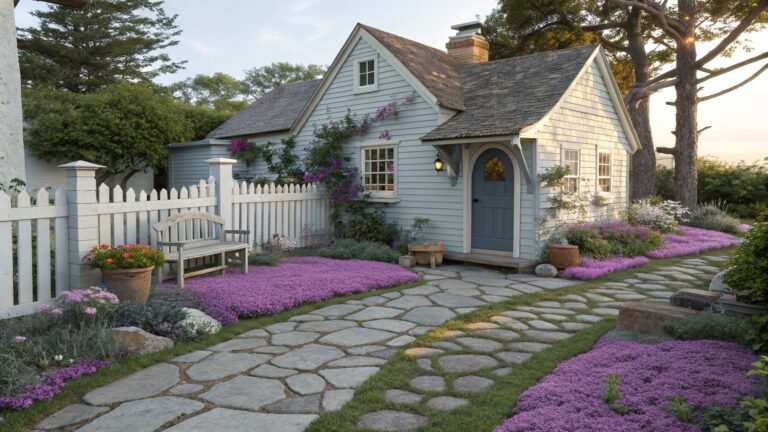
I’ve watched phlox creep through sunny garden beds over the years, filling gaps with bright clusters that need little coaxing. They work best when you give them room to mound and spread naturally, pairing well with low grasses or bulbs for year-round interest. I tend to favor the ones tucked into rock walls, where their colors soften hard edges without taking over. Crowding them too soon leads to weak stems and faded blooms, so starting sparse pays off. A few of these setups click just right for borrowing.
Phlox Lining a Stone Path
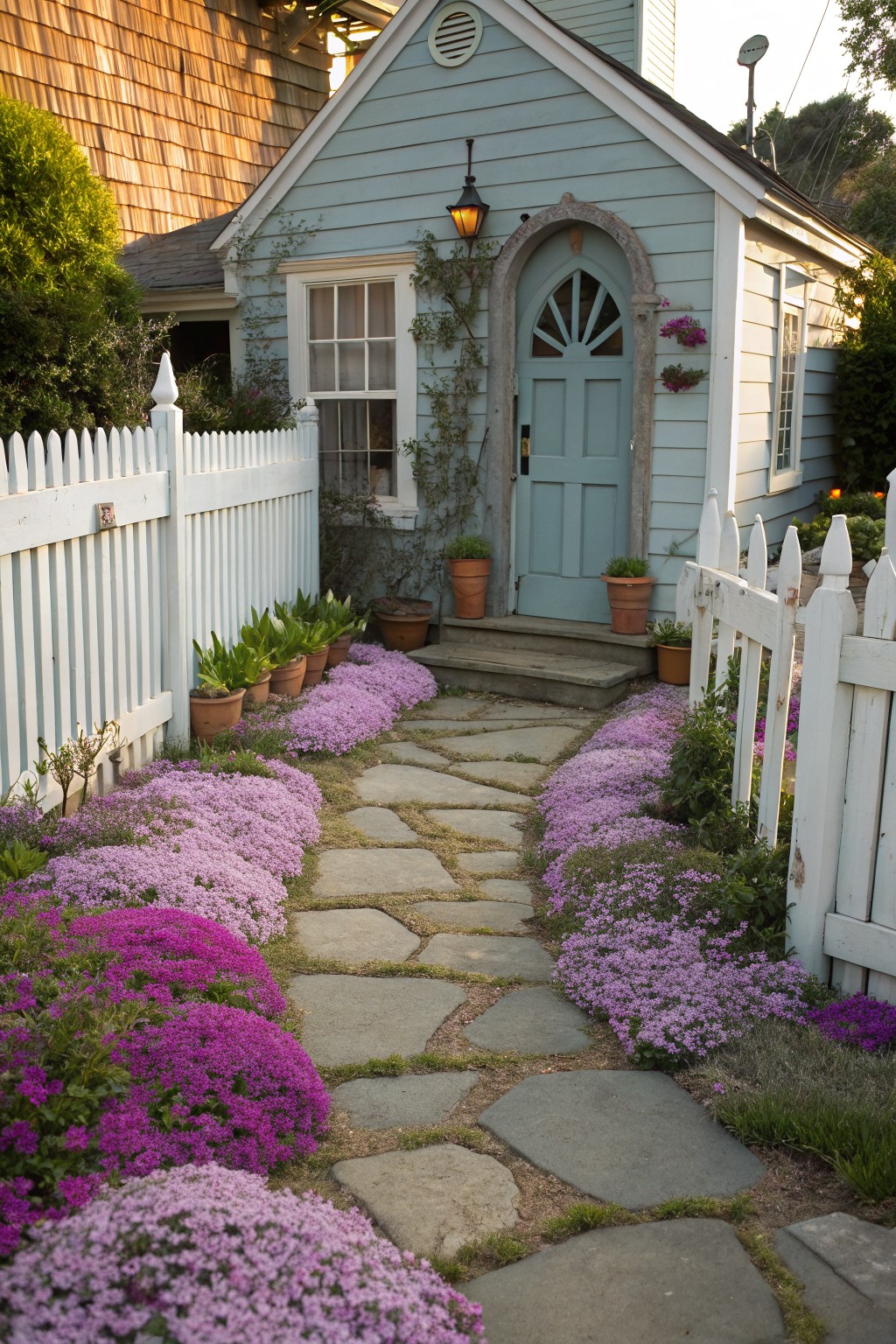
A simple stone path like this one gets a lot from phlox planted right along the edges. The pink blooms spread out and soften those hard stones, leading the eye straight to the door. It fills in quick and keeps things looking full without constant work.
This works great in a small front yard around a cottage house. Plant it where it gets good sun, maybe next to a fence or entry steps. Just edge it now and then so it does not creep onto the walking stones.
Phlox Borders Along Entry Paths
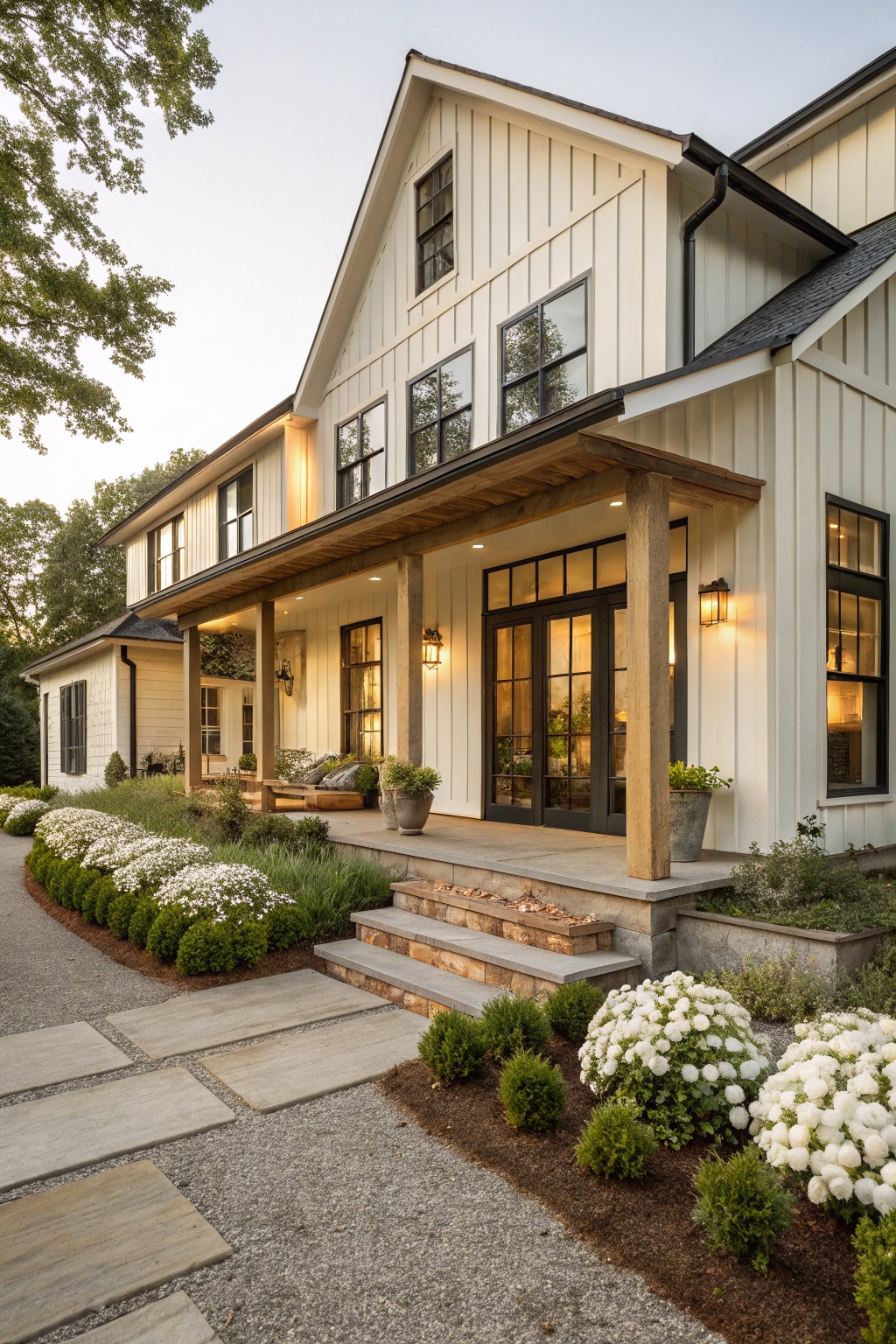
One straightforward landscaping idea is planting phlox along the edges of your walkway and steps. The low white mounds here hug the stone path nicely. They add a bit of fluff to the hard edges without taking over.
This setup fits homes with a front porch and simple yard layout. Use spreading phlox varieties that handle some shade from trees. Tuck them next to boxwoods for year-round shape. Watch they don’t creep onto the path too much.
Stone Path Lined with Purple Phlox
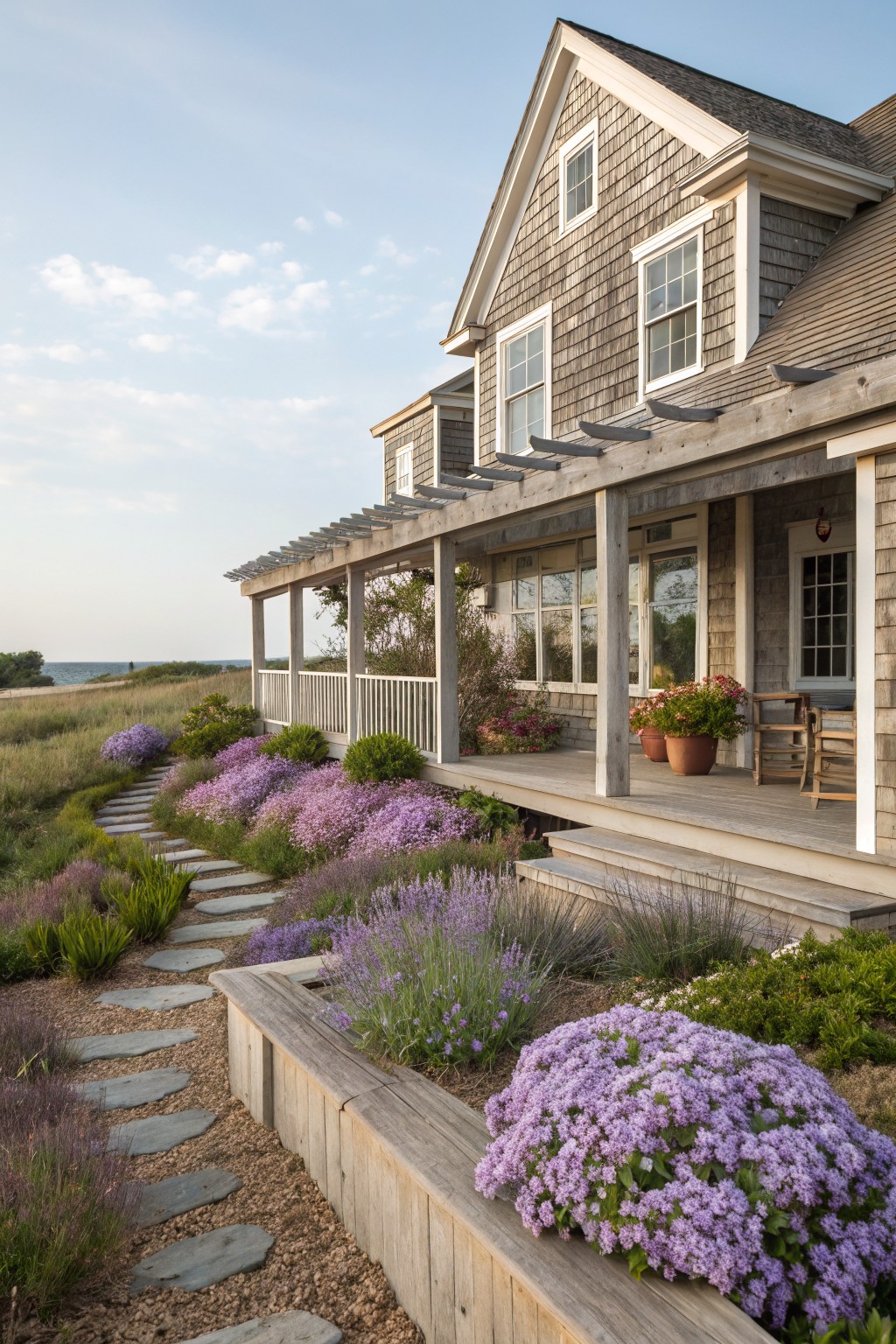
A simple stone path winding up to the house gets a lot better with low purple phlox tucked along both sides. The flowers mound up and spill softly over the edges. That soft purple color repeats enough to guide your eye right to the porch without overwhelming things. Folks notice how easy and natural it feels.
Try this on a slope or raised entry where the path needs some life. It fits older homes with wooden porches, especially seaside ones or country spots. The phlox spreads fast in sun, so plant chunks close together at first. Watch for too much shade, though. It might thin out there.
Phlox Beds Along Driveway Edges
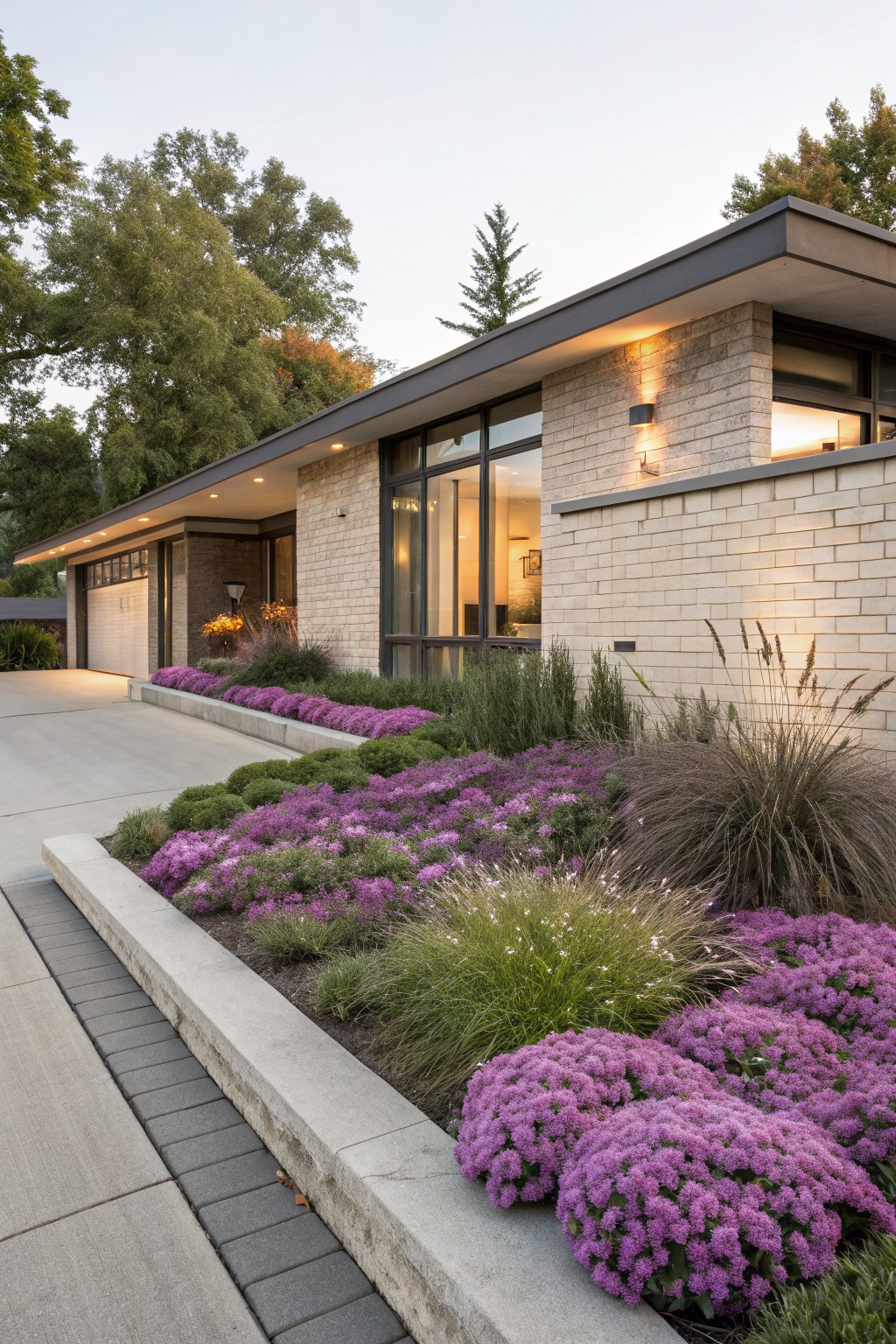
One straightforward landscaping idea is planting phlox in raised beds right next to the driveway. These purple mounds fill the concrete borders and add a splash of color that leads the eye toward the house. It softens the hard driveway surface without taking up yard space.
This setup suits homes with long driveways or modern facades like brick and glass. Phlox spreads on its own to keep the beds full and low-maintenance. Plant in full sun and trim back if it gets too bushy in spring.
Potted Phlox on Front Steps
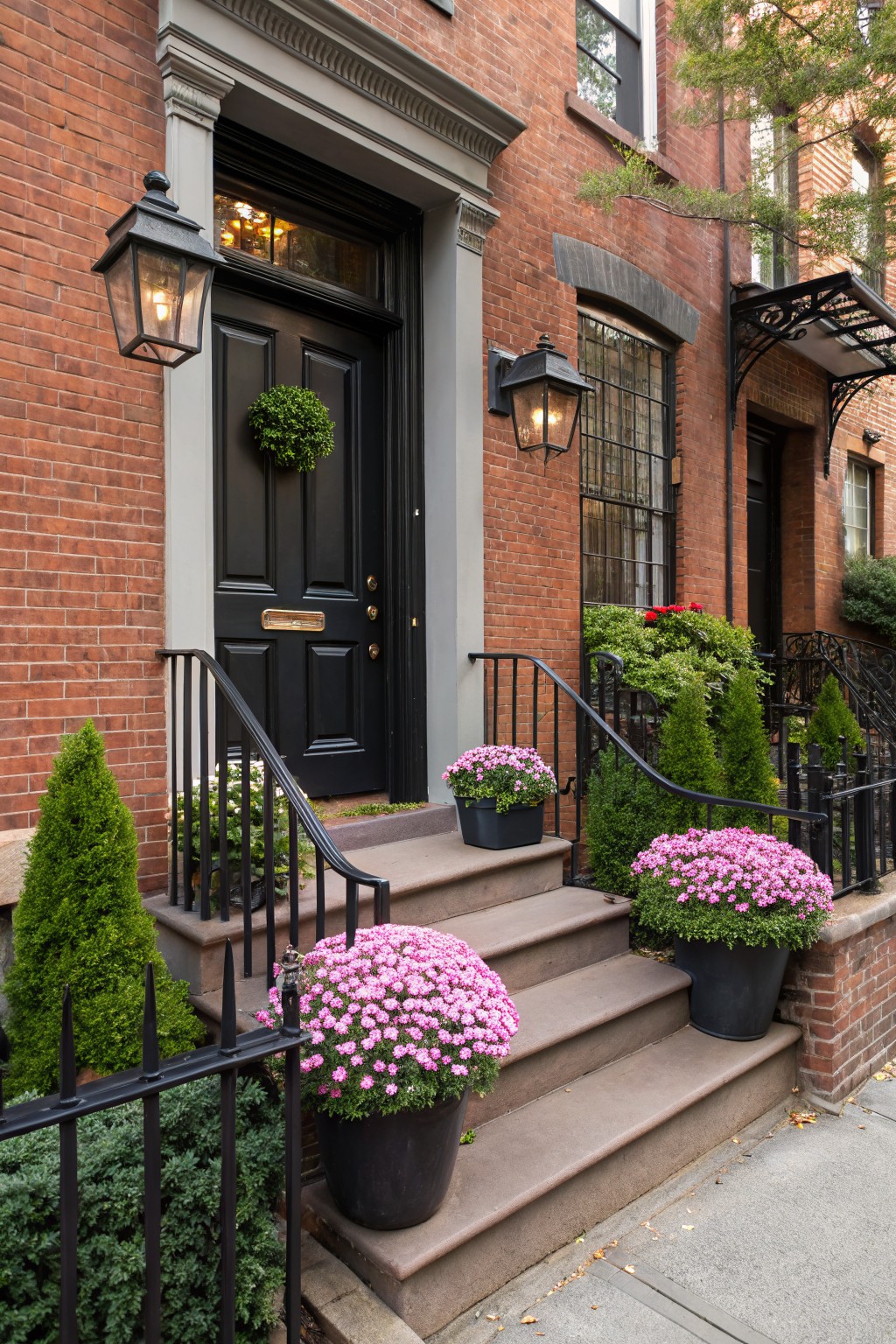
Potted phlox works great on front steps like these. The pink clusters in big black pots add color right where people notice it most. They pop against brick and dark trim without much effort. It’s a simple landscaping move that freshens up stoops in fall or anytime.
Put them on stone or concrete steps leading to your door. They suit row houses or older homes with iron railings. Go for matching pots to keep it neat. Just make sure good drainage so roots stay happy. Phlox spreads on its own later if you plant them out.
Phlox Along Stone Pathways
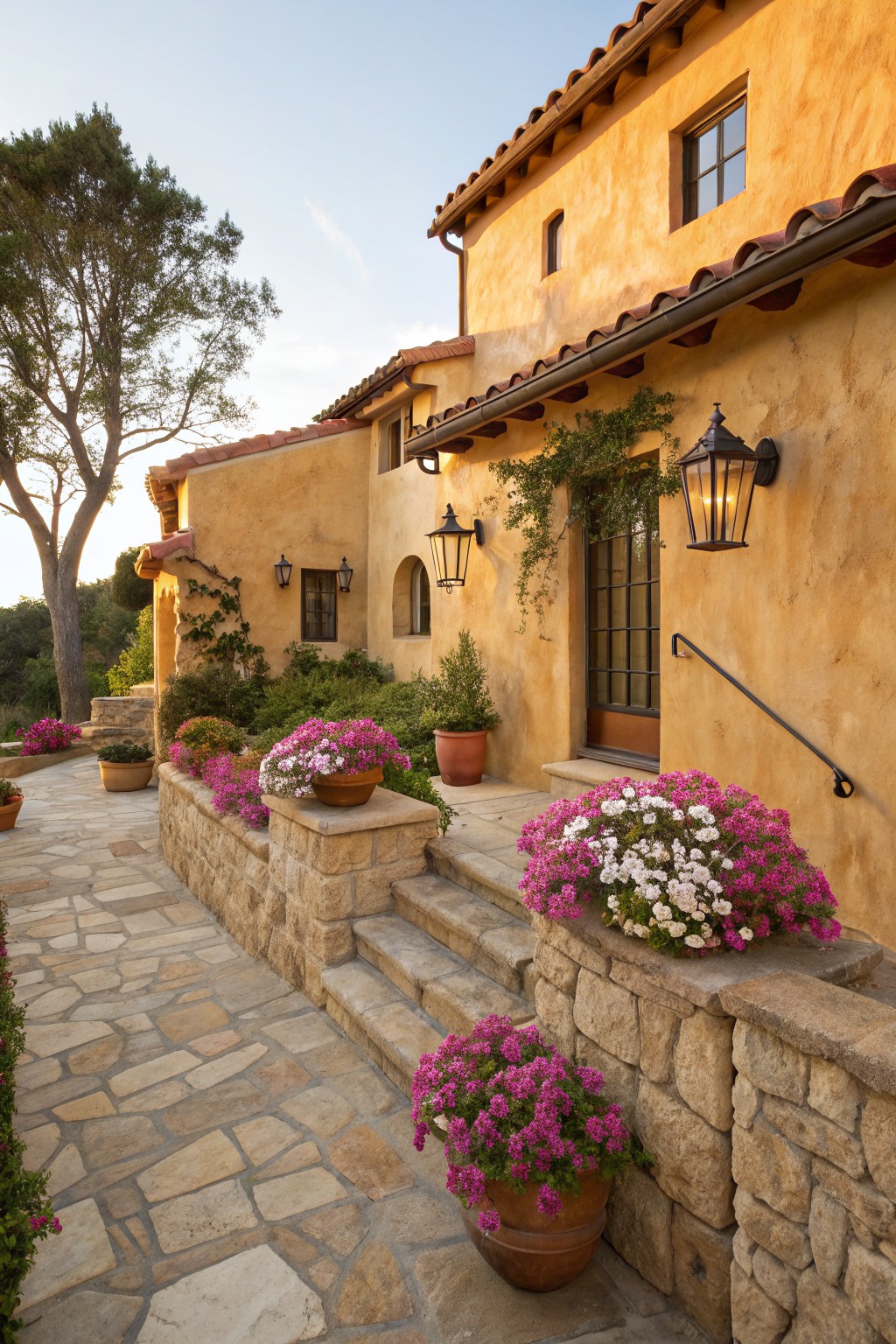
Nothing beats a simple stone walkway edged with blooming phlox for guiding folks right to your door. In this setup, the pink and purple flowers pop against the rough stone walls and warm stucco house. They add color without fuss, and since phlox spreads on its own, it keeps the path looking full all season.
Try it where you have a short entry path or steps like these. It suits older homes with a bit of rustic charm, maybe Mediterranean style. Set phlox in terracotta pots on low walls or plant straight into beds alongside. Full sun helps them thrive… watch for too much shade though.
Phlox Along Stone Paths
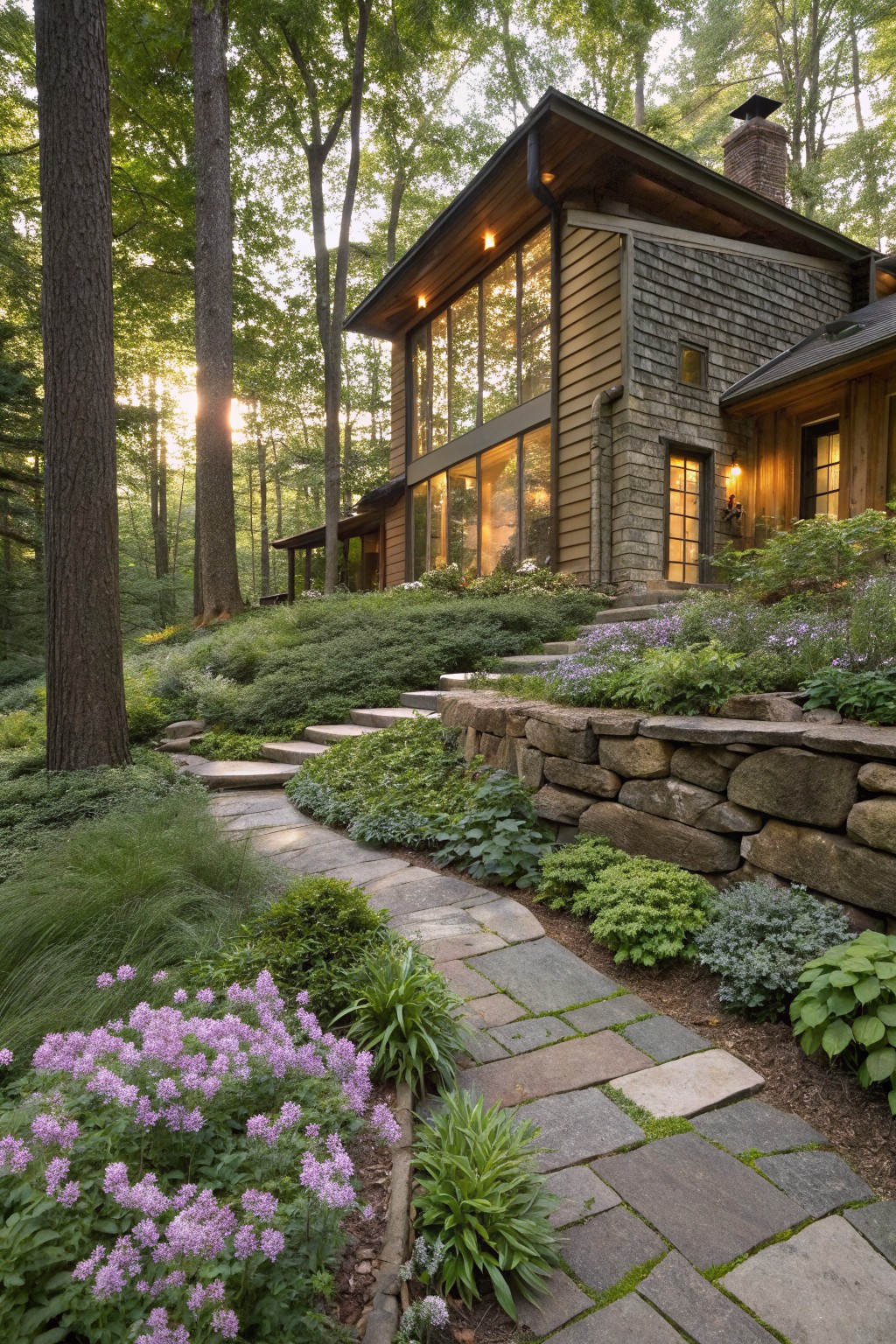
Phlox tucked along stone paths like this one brings spots of color right where you walk. Those purple clusters pop against the gray flagstones and mix in with the green groundcover. It keeps things simple since phlox spreads without much help, filling edges over a season or two.
Plant it next to paths on wooded slopes or near entryways. It suits homes backed up to trees, where shade keeps the blooms going. Watch for too much sun though. It might need extra water to stay full.
Raised Planters with Phlox Along Stairs
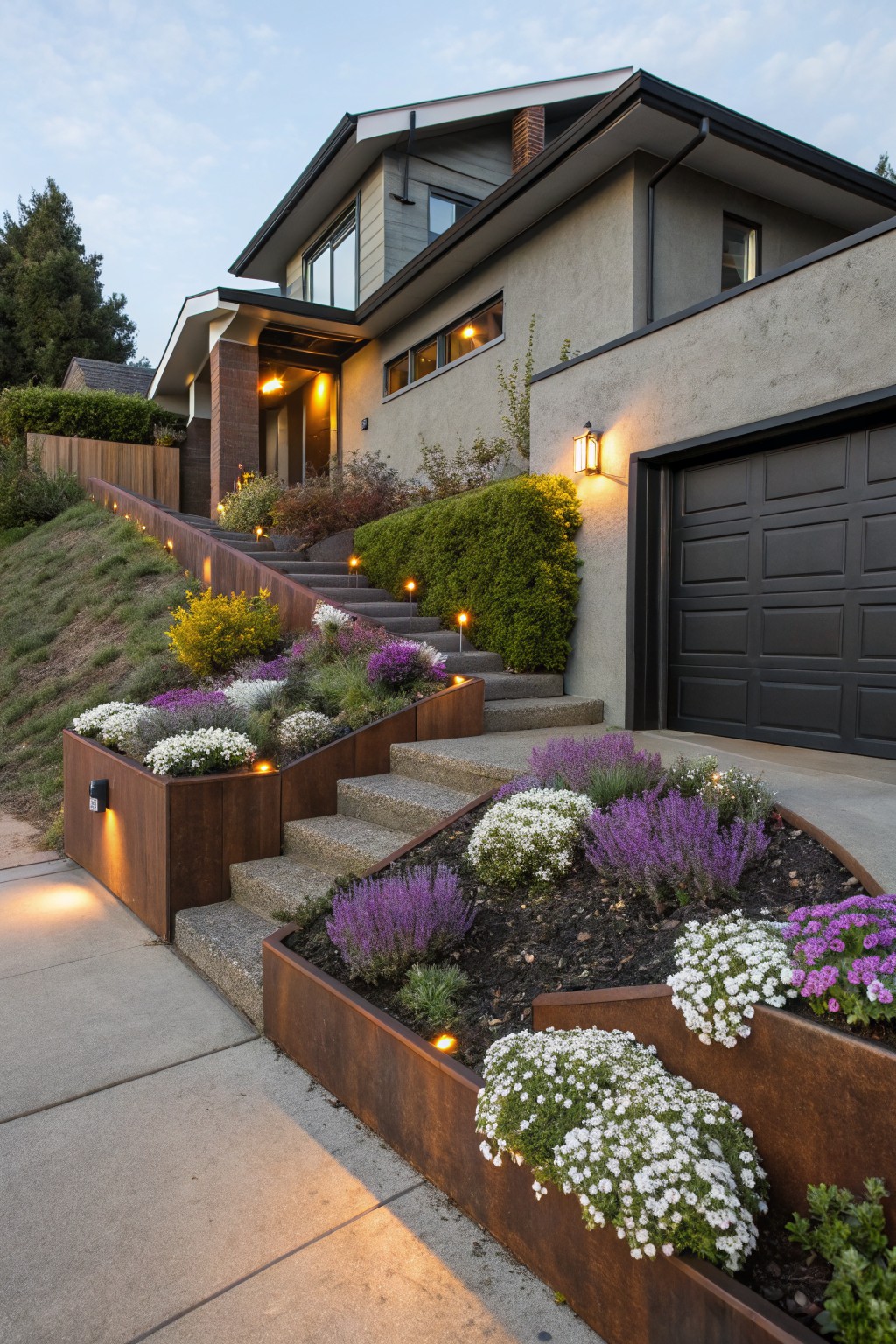
Raised planters running right alongside your entry stairs can really brighten up a sloped yard. Fill them with phlox and similar spillers in purples and whites. They soften the climb and add color where you need it most, right at the front.
This setup fits homes on hills best. Go with corten steel for the beds. It weathers to a nice patina and lasts. Plant in spring, keep soil well-drained, and watch the flowers spread easy along the edges.
Brick Pathways Edged in Phlox
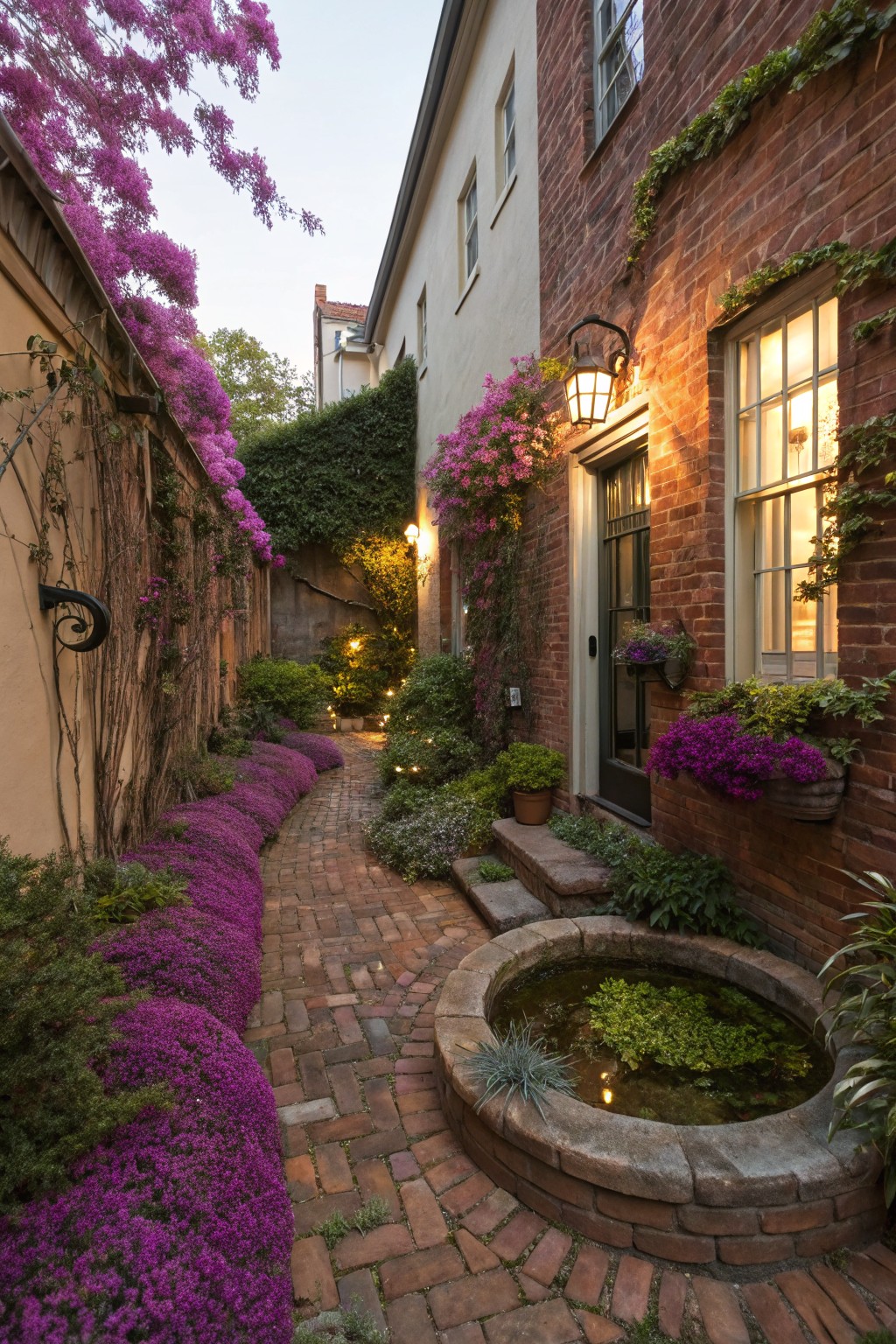
Low-growing phlox works wonders edging a narrow brick path like this one. The purple mounds tuck right along the bricks, spreading to fill gaps without taking over. They bloom for weeks and handle foot traffic okay, making a simple walkway feel alive with color.
Plant this setup in tight side yards or between buildings, especially near older brick houses. Space the plants close at first so they knit together fast. Tuck in a fountain or lanterns for evenings, but watch for too much shade. Phlox needs some sun to flower best.
Wooden Stepping Paths Through Phlox Beds
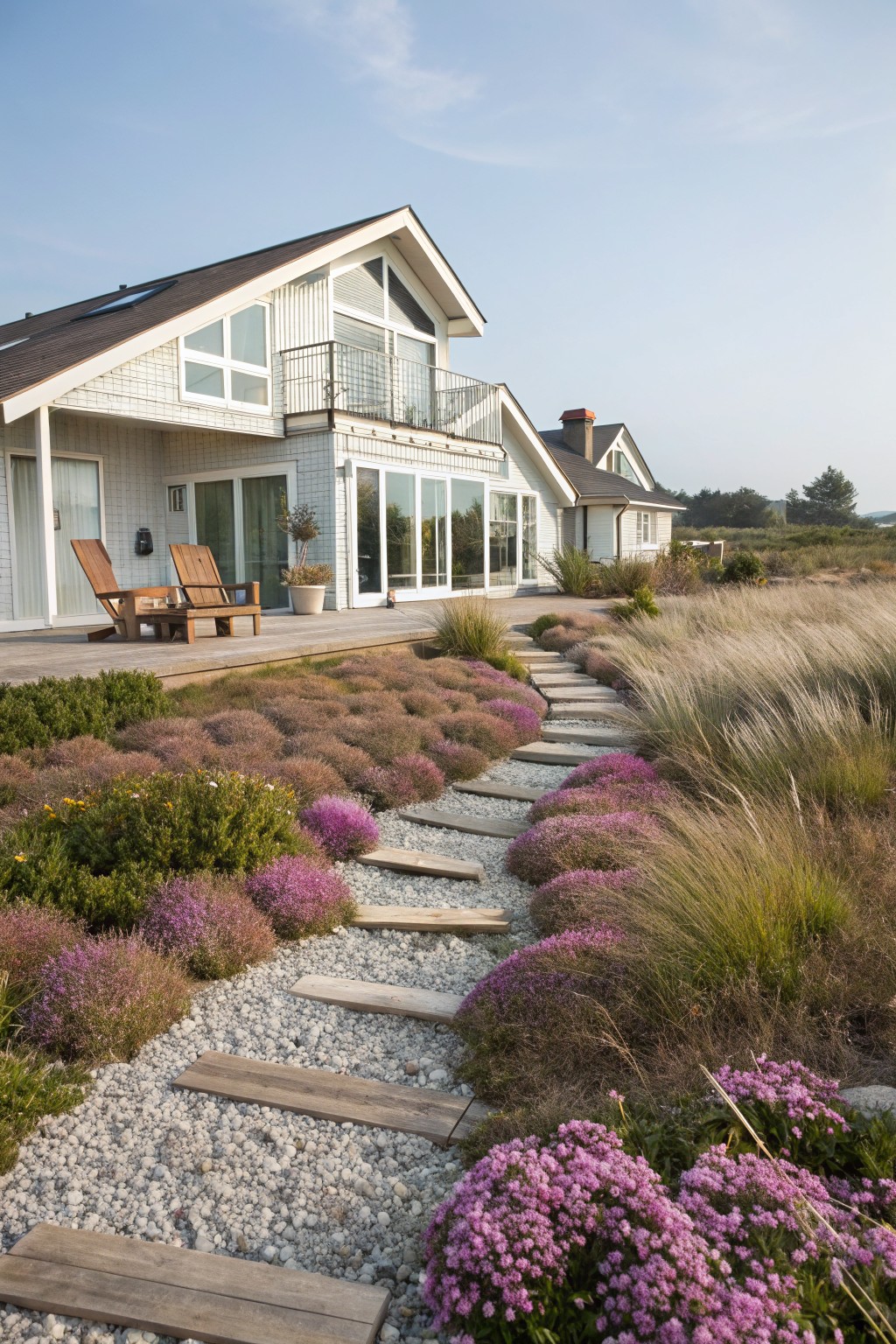
One simple way to work phlox into your yard is along a path like this. The low purple blooms fill right in around rough wooden steps set in gravel. They spread easy and give steady color from spring on. That soft purple ties the deck area to the open yard without much upkeep.
Put this in spots with good sun and some slope, like near a patio or heading to the back. It fits modern houses with clean lines, or any place you want low plants that handle dry soil. Use old wood planks for the steps so they weather in. Just make sure the gravel drains well, or the phlox might get too wet.
Phlox Around Stone Steps
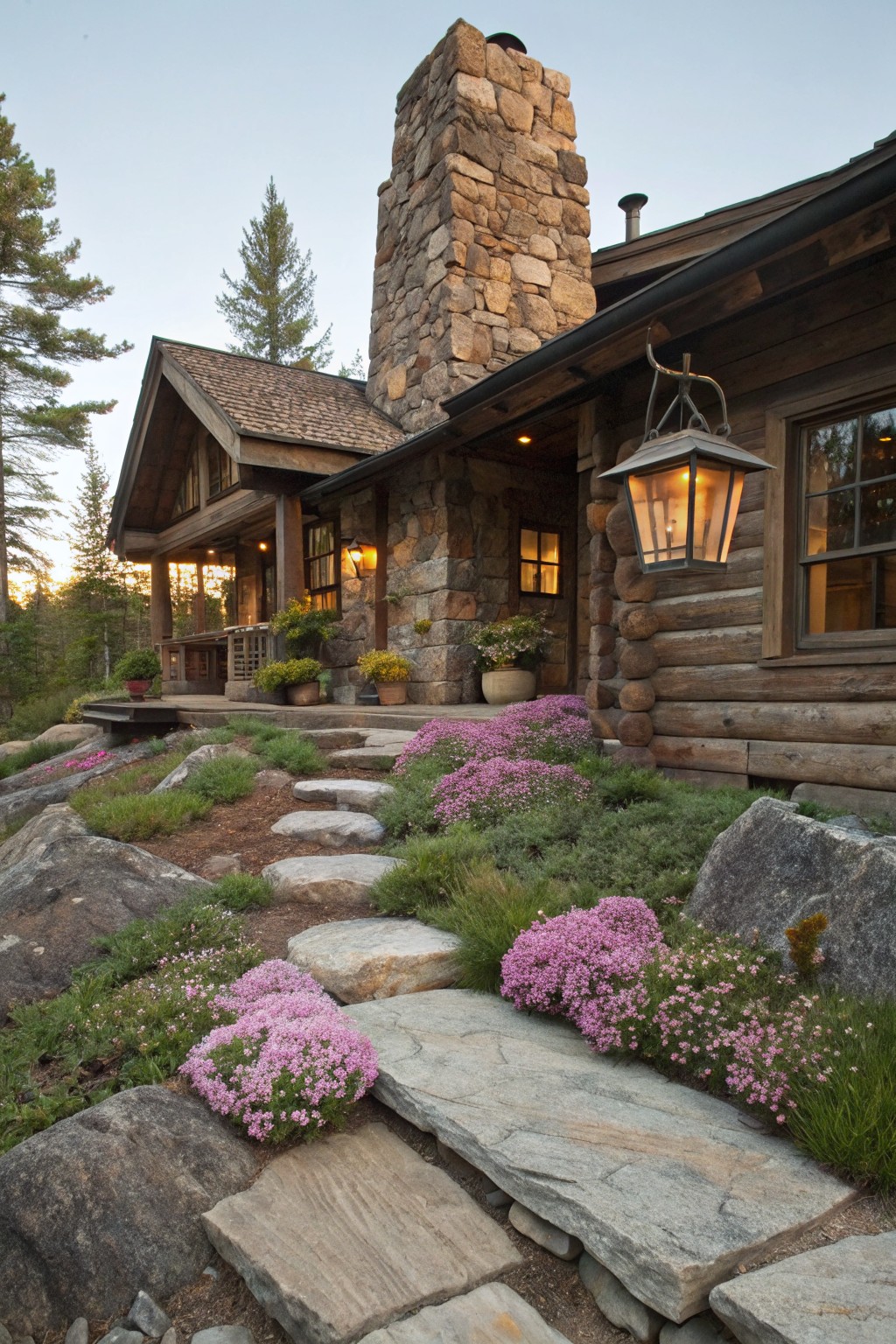
Pink phlox works great tucked into rocky soil around rough stone steps like these. It spreads low and fills the gaps between stones, giving steady color from spring on without taking over. Around this cabin entry, the phlox picks up on the natural rocks and keeps the path feeling part of the yard.
Put this idea to work on sloped spots or uneven ground leading to a door. Use flat fieldstones for steps, then plant hardy creeping phlox varieties in the dirt patches. It holds up in sun or light shade, fits rustic homes or cottages. Just trim it back once a year if it wanders too far.
Stepping Stones Edged in Phlox
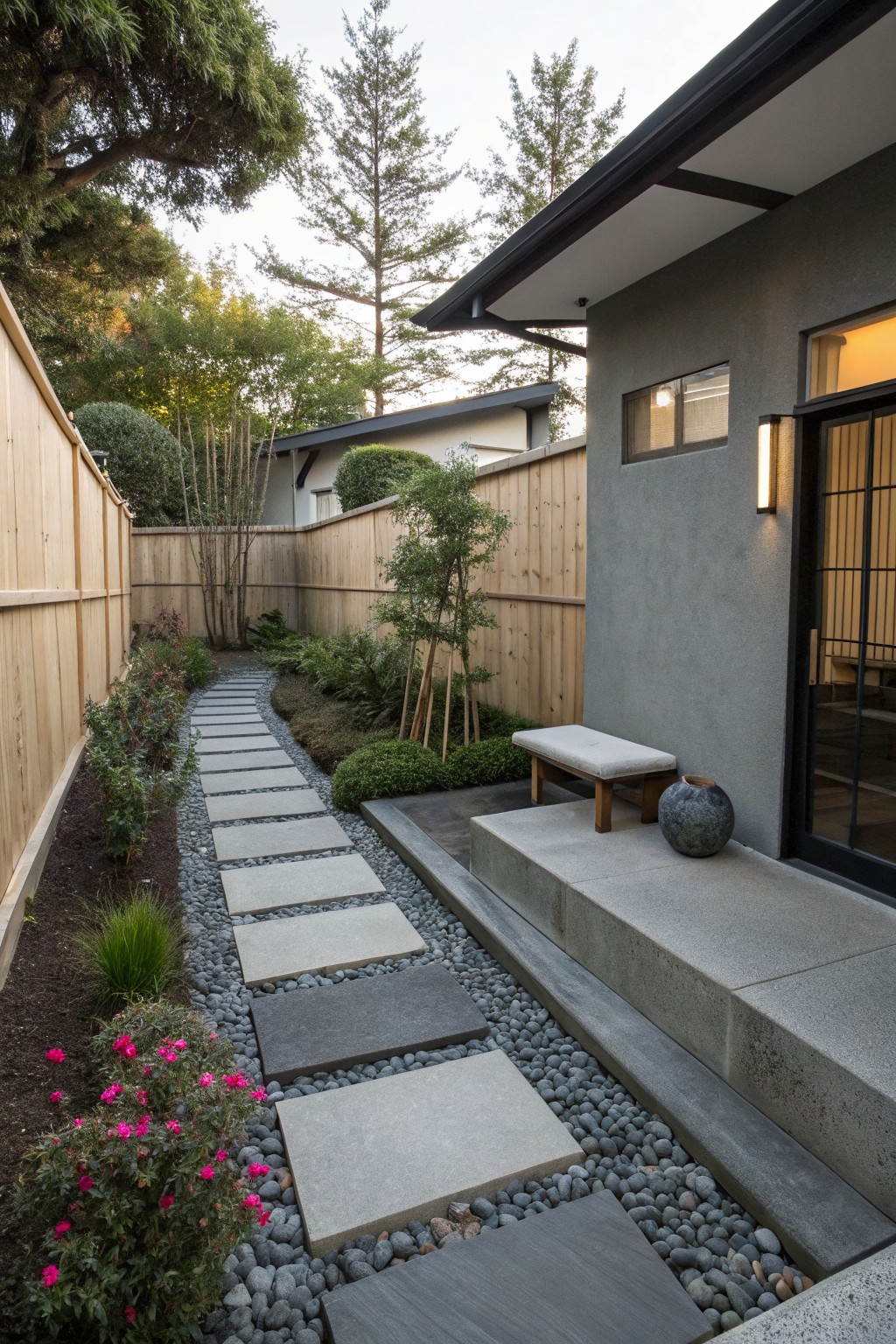
A gravel bed with wide flat stones makes a clean path, and planting phlox right along the edges brings in easy color. Those pink blooms pop against the gray stones and green plants without taking up space. It’s simple for narrow yards and lets the phlox spread to fill gaps over time.
Try this along a side entrance or back door where room is tight. Suits modern houses or any spot needing a low-key walkway. Set stones every couple feet for steps, fill around with gravel, tuck phlox plants in the borders. Give them sun, and they’ll keep coming back year after year.
Phlox Beds Along Walkways
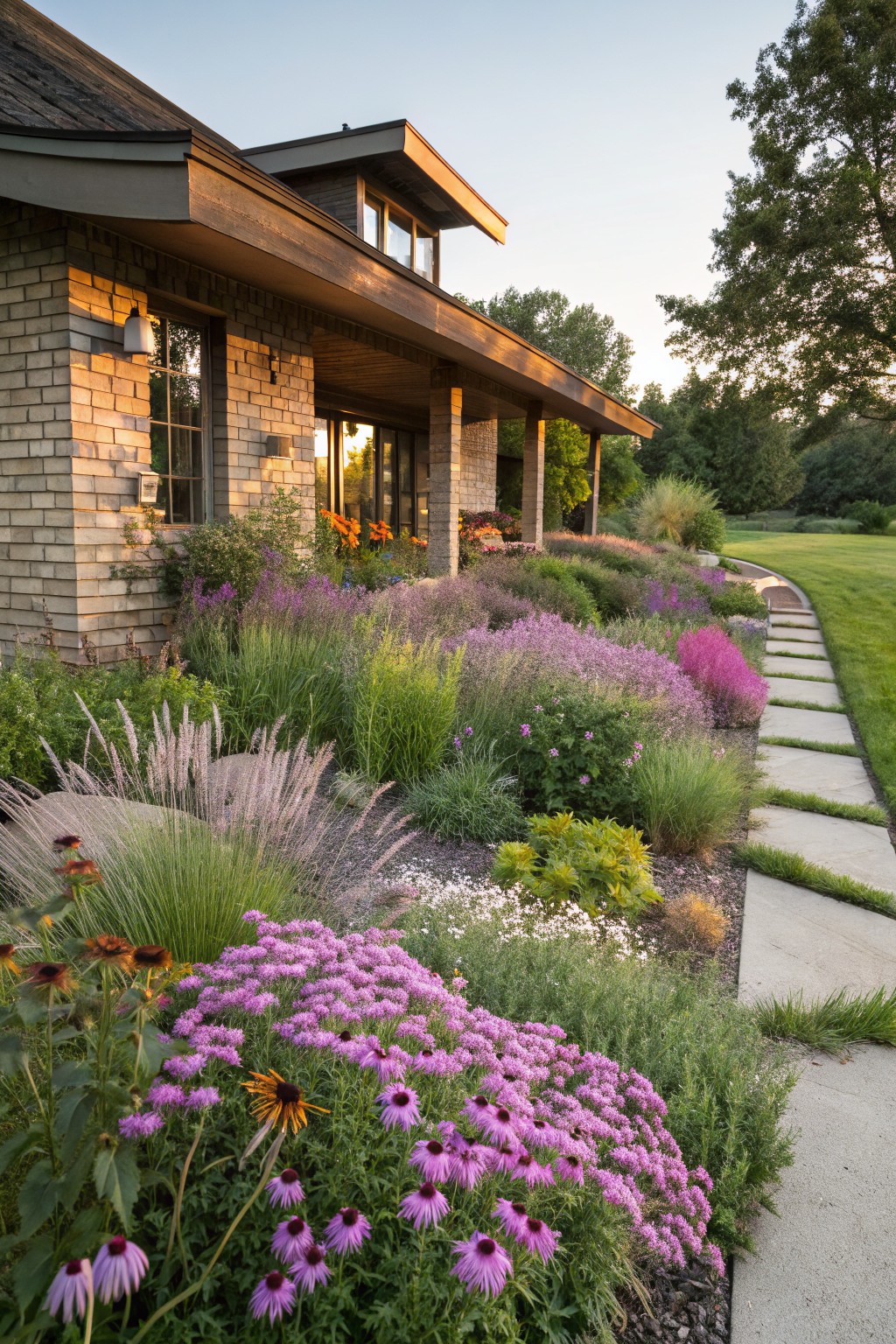
One straightforward landscaping idea is planting phlox in beds right beside a walkway. Here the pink phlox fills out in big drifts mixed with grasses, running parallel to the path and up against the house foundation. It gives steady summer color that pulls the eye along without needing constant upkeep, since phlox spreads on its own.
This setup works best on the side or front of homes with clean lines, like brick ones with simple porches. Plant in full sun where the path gets some foot traffic but not too much. Keep soil loose and watch for powdery mildew… space plants a foot apart so they fill in quick.
Phlox in Raised Planters
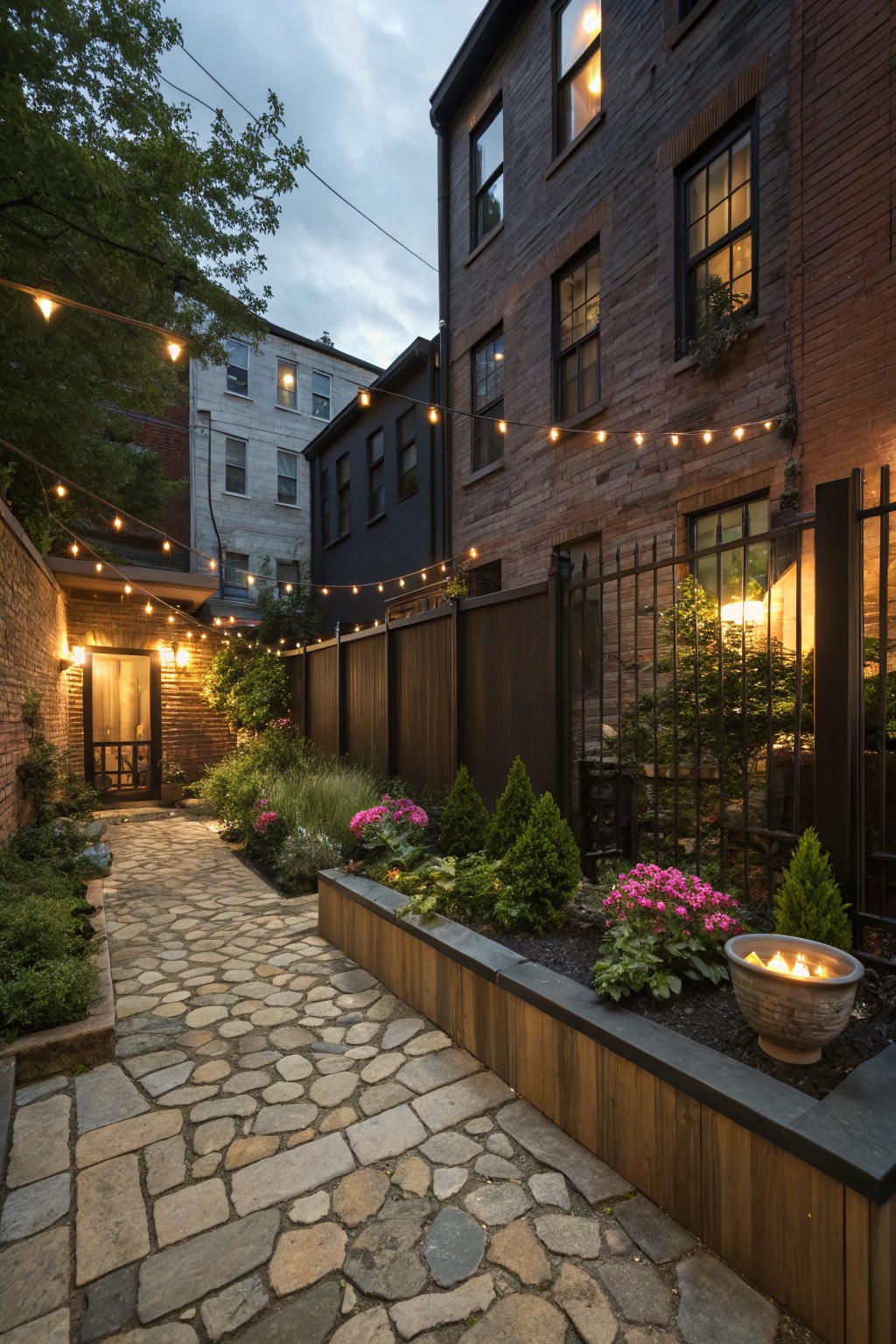
Raised planters packed with phlox work well in tight backyards like this one. The pink flowers spill over the edges and mix right in with taller grasses and shrubs. They add color where flat ground won’t hold much, and since phlox spreads on its own, you get more blooms over time without extra planting.
Try this setup along a path or fence in row houses or small urban lots. Build simple wooden beds a foot or so high, fill with soil that drains fast, and tuck phlox starts among perennials. Keep them watered the first summer. It fits old brick walls nicely.
Phlox Edging for Pools
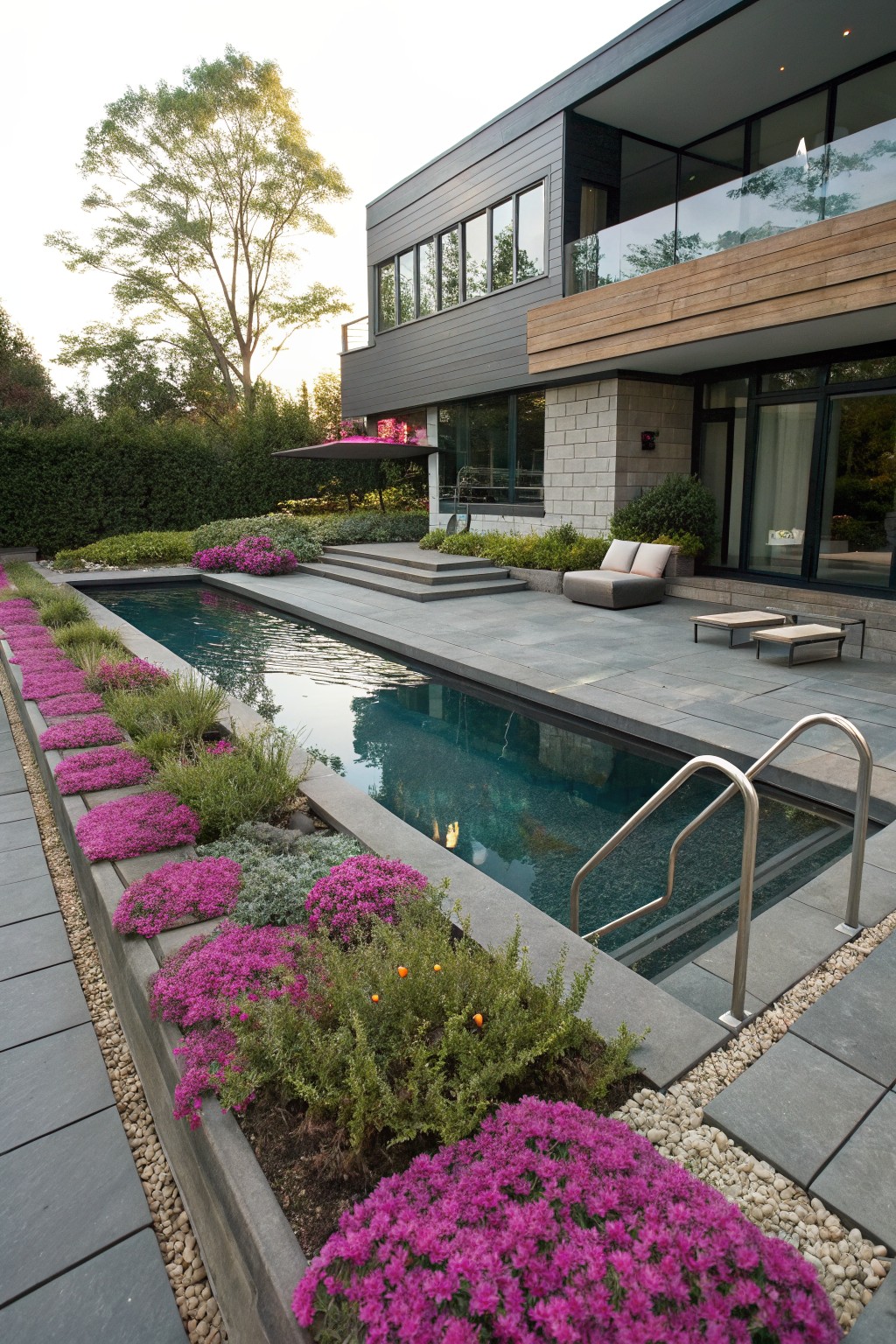
One simple landscaping idea is planting phlox right along a pool edge. Here the low pink mounds fill raised stone beds next to a narrow lap pool. They pick up on the water’s blue tones and ease the look of the gray deck without overpowering things. Folks like how it spreads on its own for steady color.
Try this where you have full sun and a sleek patio setup. It suits modern homes with flat roofs and stonework best. Go with creeping varieties that stay under a foot tall. Watch that it doesn’t creep into walkways though.
Potted Flowers by Deck Steps
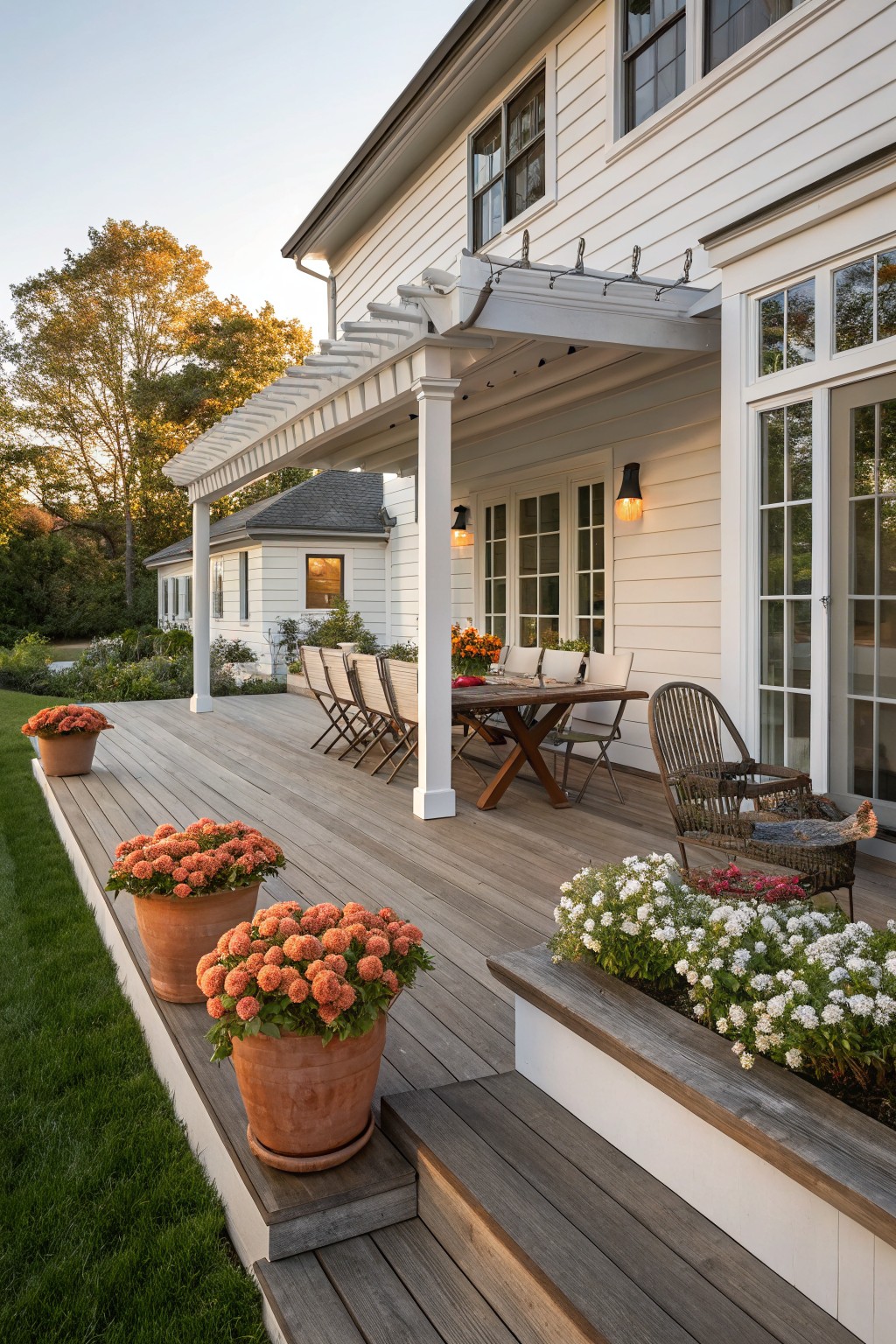
Big terracotta pots full of orange mums sit right along the edge of this wooden deck, right where the steps meet the lawn. They add a punch of color that pulls your eye from the grass up to the seating area. It’s a simple way to mark the change from yard to deck, and it fits the white house without overpowering things.
Put these pots anywhere you have deck stairs or low edges. They suit most homes with a plain backyard setup, especially if you want fall color that lasts a few weeks. Pick plants that spread on their own like phlox next summer. Watch for pots that might tip on a slope.
Phlox on Balcony Railings
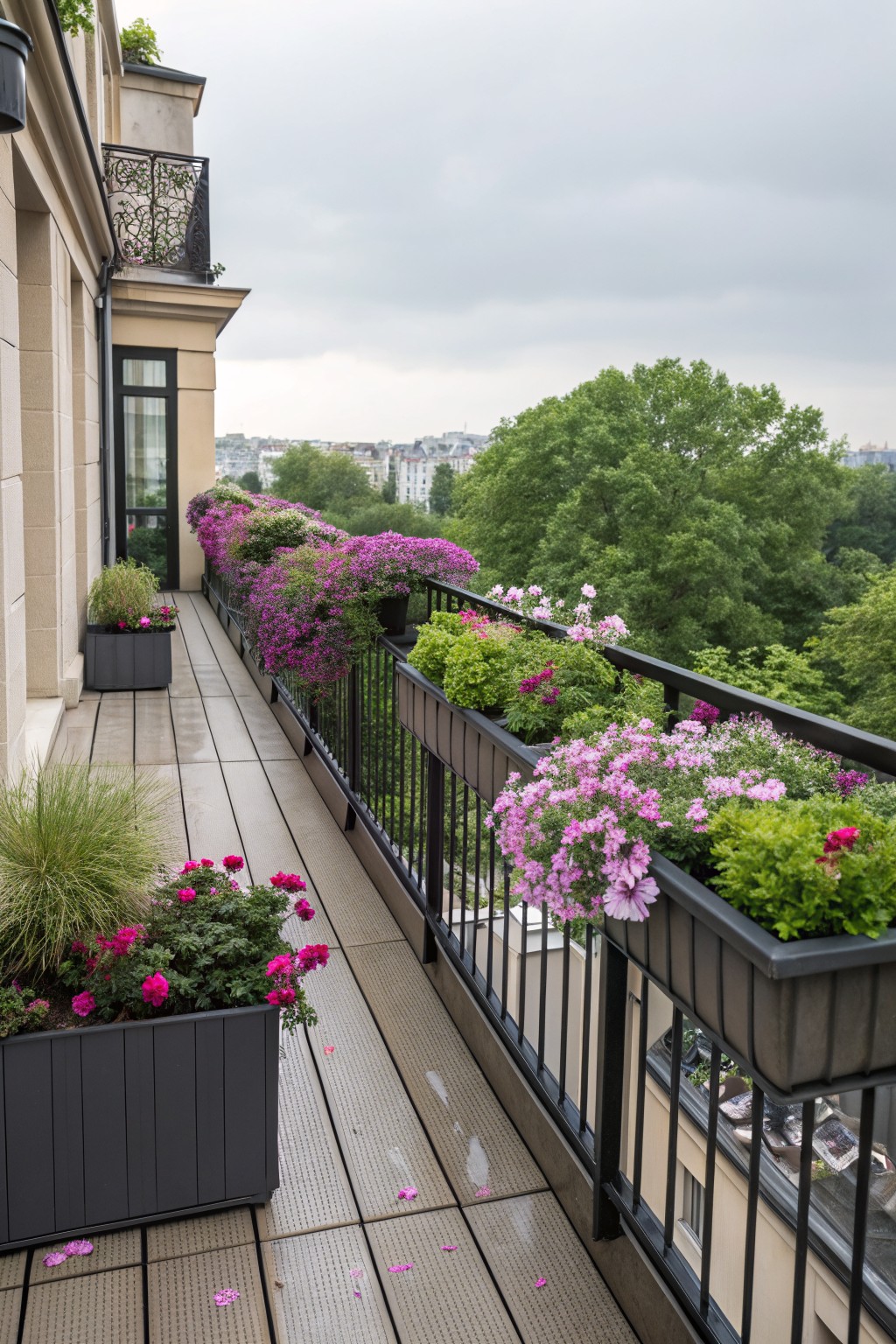
One good spot for phlox is right along balcony railings. Set it in planters that line the edge, and let the blooms trail down. The pink flowers hang over like a curtain, covering the metal and adding color where you see it most from below. It turns a plain balcony into something fuller without much work.
This idea fits city apartments or older townhomes with balconies off the upper floors. Use black or dark planters to make the flowers pop against light stone or brick. Phlox spreads on its own, so one plant fills a pot fast. Keep an eye on watering though, pots dry out quicker up high.
Curved Path Lined with Phlox
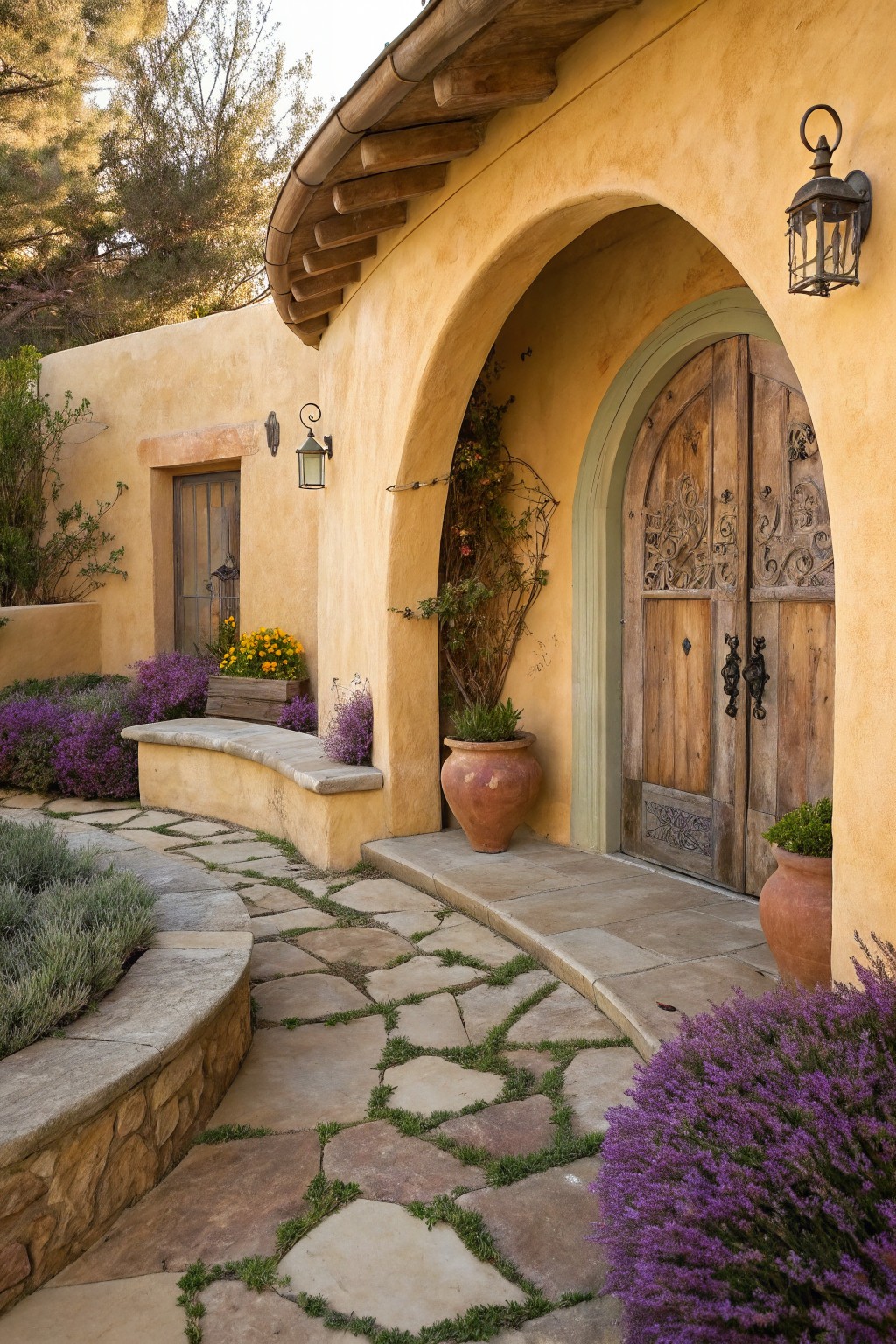
A winding stone path like this one leads right up to the door. Thick beds of purple phlox run along both sides. It follows the curve of the wall and makes the whole entry feel easygoing and full of color. The flowers spread out low and fill in nicely without much fuss.
You can do this in front of any house with a bit of yard space. Plant phlox drifts where it gets sun. Add a simple bench halfway along if you want a spot to sit. Keep the path irregular for that natural look. It suits older homes or places with dry yards best.
Phlox in Boulder Gardens
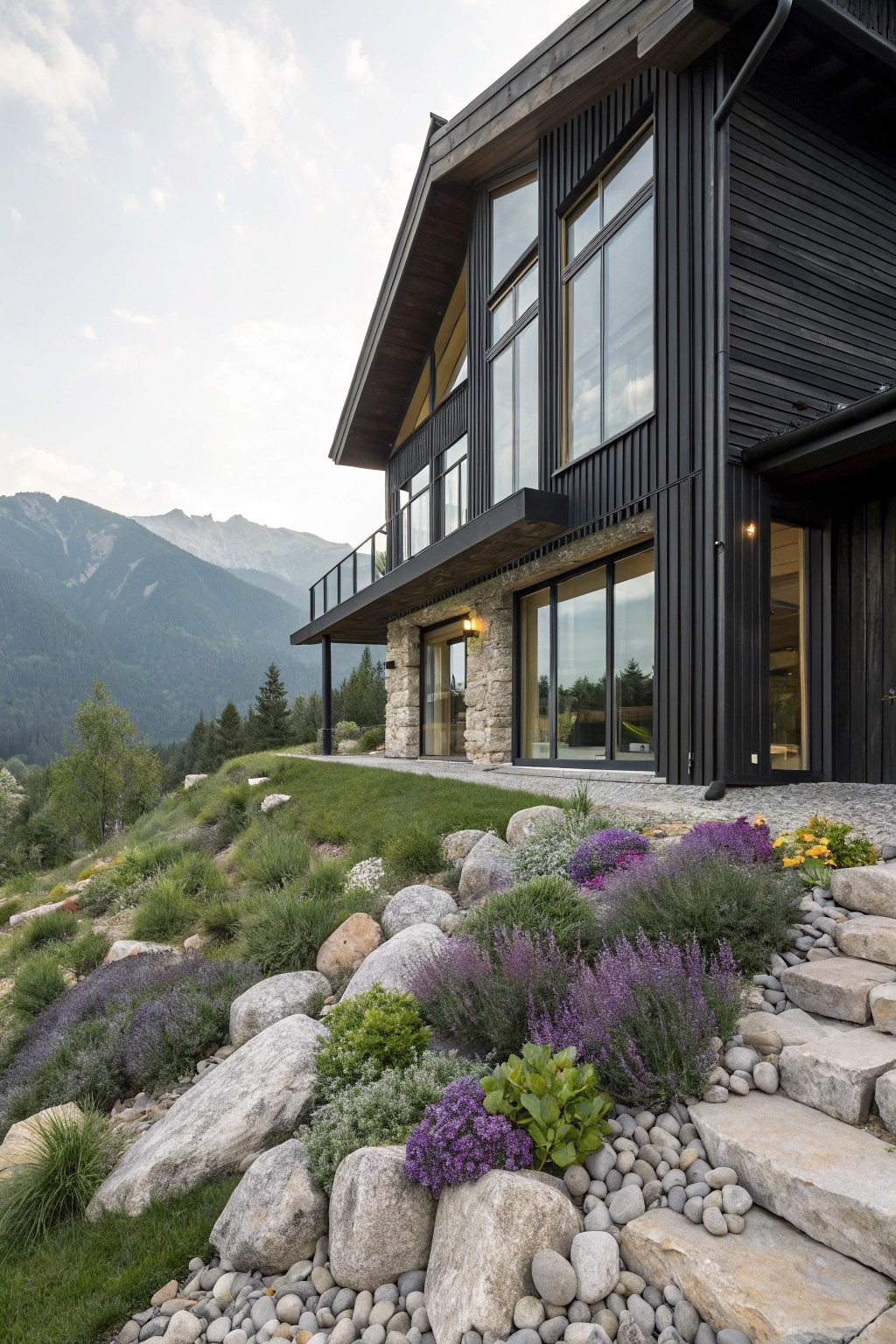
One straightforward landscaping idea here is planting colorful phlox right among large boulders on a slope. Those purple blooms cluster nicely in the gaps between rocks, adding easy color to what could be a tough spot to garden. It keeps things low-maintenance since phlox spreads on its own, and the stones help hold soil in place.
This works best on hillsides near the house entry or patio, like along stone steps. It suits homes on uneven lots, whether modern with dark siding or more traditional ones. Pick spots with good drainage, and space the boulders to let phlox fill in over time. Avoid crowding too much at first.
Phlox on Driveway Retaining Walls
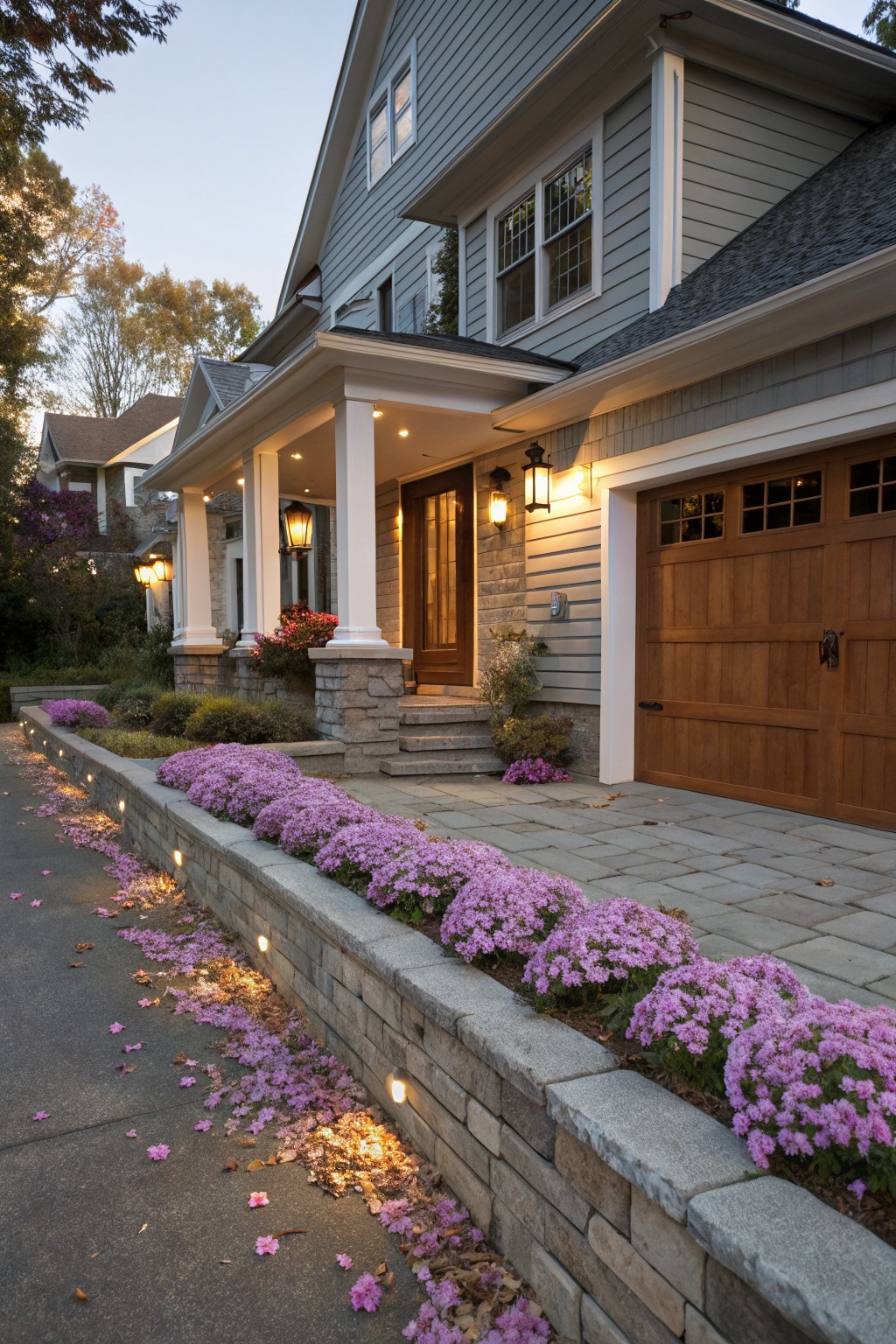
Phlox makes a good low edging when you plant it straight on top of a driveway retaining wall. The pink mounds fill the space quick and spill right over the stone. Folks like how it holds the soil back while putting color where cars pull in every day.
Try this on sloped front yards that need some holding power anyway. Space plants about a foot apart in full sun, and they take off spreading. Fits older homes with stone steps or simple garages. Skip it in deep shade though.
Gravel Paths Lined with Phlox
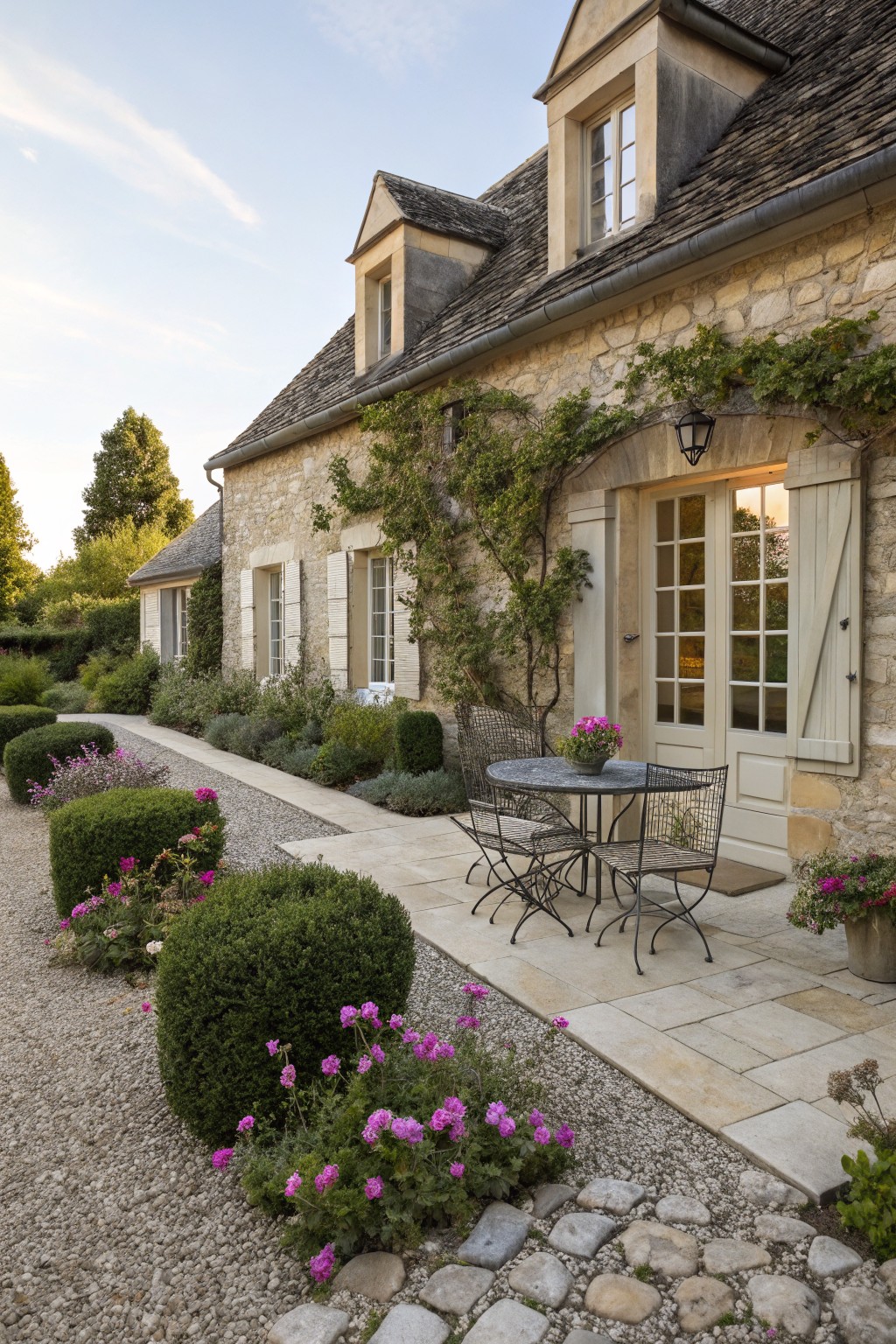
One nice landscaping touch here is lining a gravel path with low phlox plants. The pink blooms spill a bit over the edge, adding color right where you walk. Paired with neat boxwood hedges, it keeps things tidy but not stiff. Folks like this because phlox spreads on its own without much fuss, filling in gaps year after year.
Try it leading up to a patio door or along the side of the house. It suits cottage-style homes with stone or stucco walls, especially in full sun spots. Just space the phlox about a foot apart so they knit together over time, and shear the boxwoods once a spring to hold the line.
Edging Walkways with Spreading Phlox
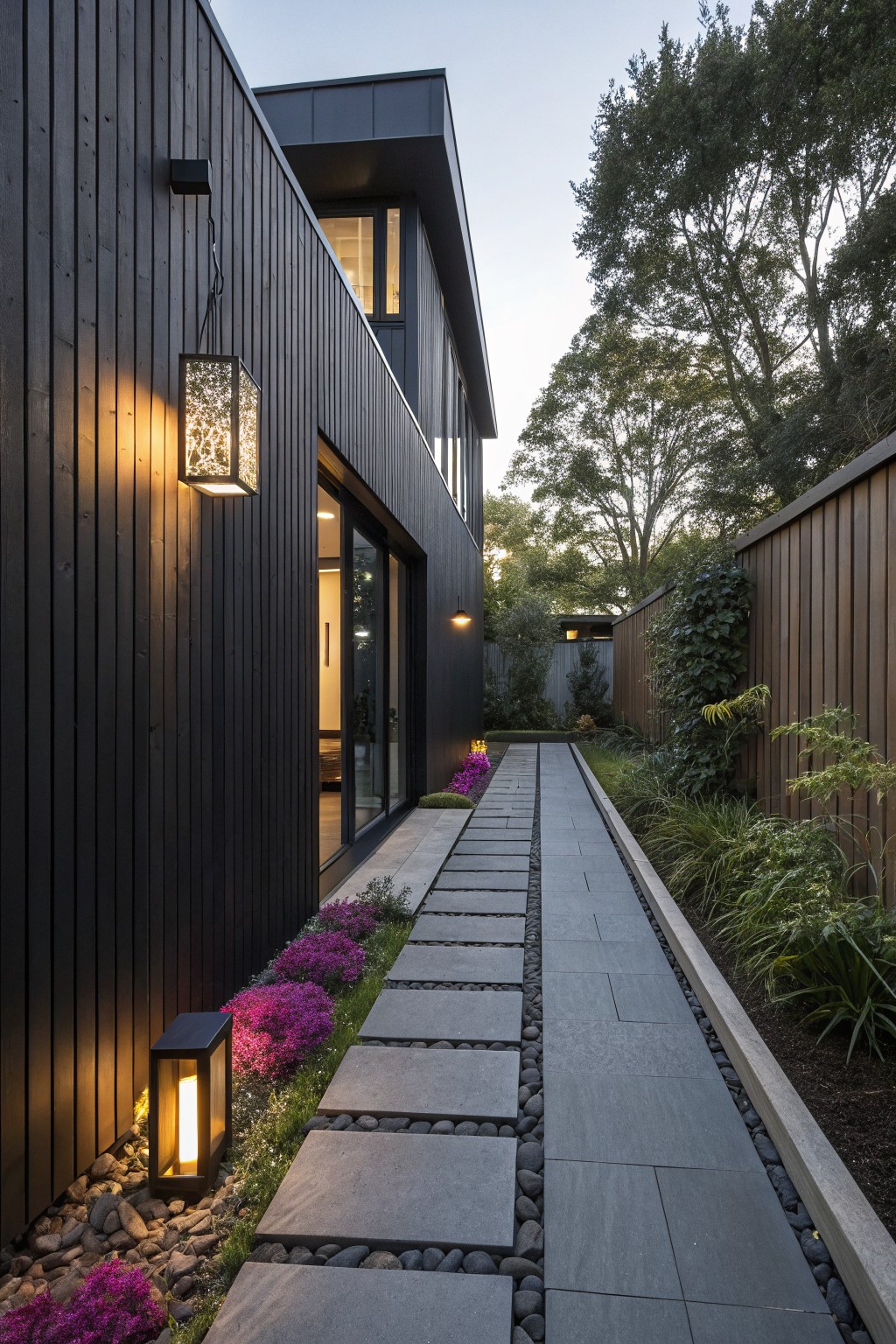
One simple way to add color to a plain walkway is planting phlox right along the edge. Those low purple mounds hug the stones without spilling over. They spread on their own over time so you don’t have to fuss much. Against a dark house or path it really pops in a quiet way.
Try this in side yards or leading to a back door where you want some life without big upkeep. It fits modern homes or any spot with decent sun. Just keep the path clear of weeds early on and let the phlox fill in.
Frequently Asked Questions
Q: How do I plant phlox so it spreads just right without going wild?
A: Dig holes twice as wide as the root ball and space plants about 18 inches apart to give them room to fill in naturally.
Mix in some compost for good drainage. Water them weekly until they root, then let rain handle most of it.
Q: Will phlox survive winter in my zone 5 garden?
A: Most phlox bounce back strong after cold snaps. Cut them back to the ground in late fall, and mulch lightly over the crowns to protect roots from deep freezes.
They’ll green up early spring.
Q: What’s a simple way to divide phlox when it gets too thick?
A: Grab a sharp spade in early spring or fall. Dig up the clump, shake off excess soil, and slice it into sections with at least three shoots each.
Replant right away in prepared spots.
Q: Do deer or rabbits bother phlox much?
A: Rabbits sometimes nibble young shoots… spray with garlic water early on to discourage them.
Deer usually skip phlox for tastier greens. And if they don’t, a quick fence keeps everyone happy.
