

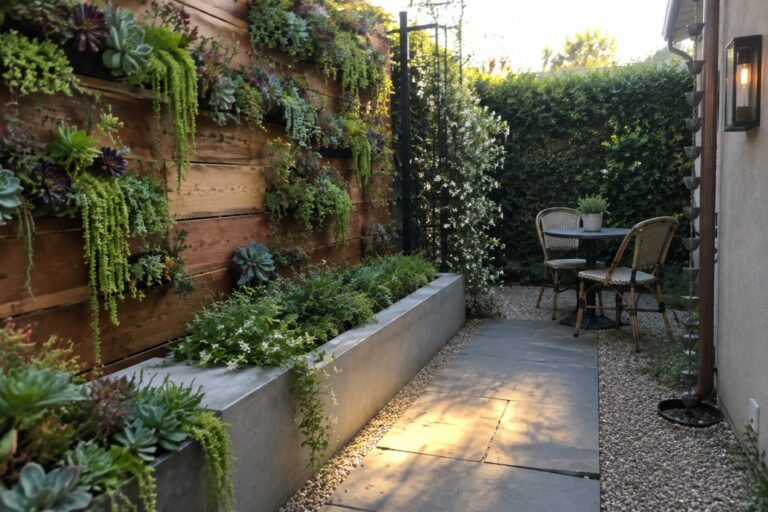
In a small backyard the ground fills up fast, so I started thinking about vertical planting as a way to add layers without losing usable space for paths or a chair.
It gives the layout some height and keeps the lower areas from feeling blocked when you actually spend time out there.
I have found that beginning with one or two simple supports against a fence lets you see how the plants settle before trying anything larger.
The results show up quickly once the plants take hold.
Watching how the added height lines up with existing beds and edges makes the whole yard feel more put together from season to season.
Add a Vertical Succulent Wall
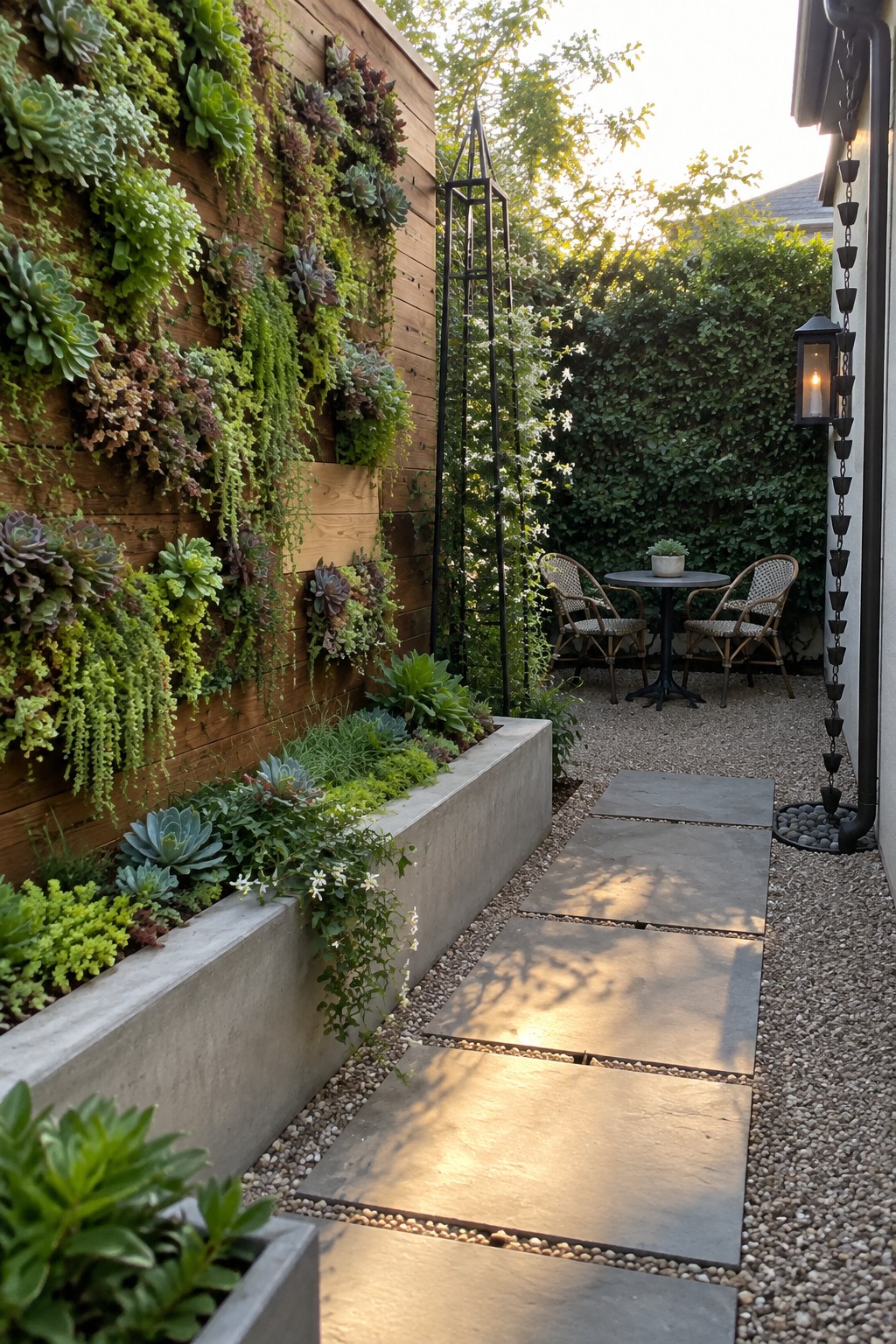
A vertical garden on a side wall gives you a lot of planting space without taking over the ground. In a narrow backyard this keeps the path open while still adding plenty of greenery right where you need it.
Mount a simple wood frame and pack it with succulents that handle dry conditions well. Run a low concrete planter along the base so the two levels work together and the whole setup stays easy to maintain.
Mount Planters on Walls to Save Ground Space
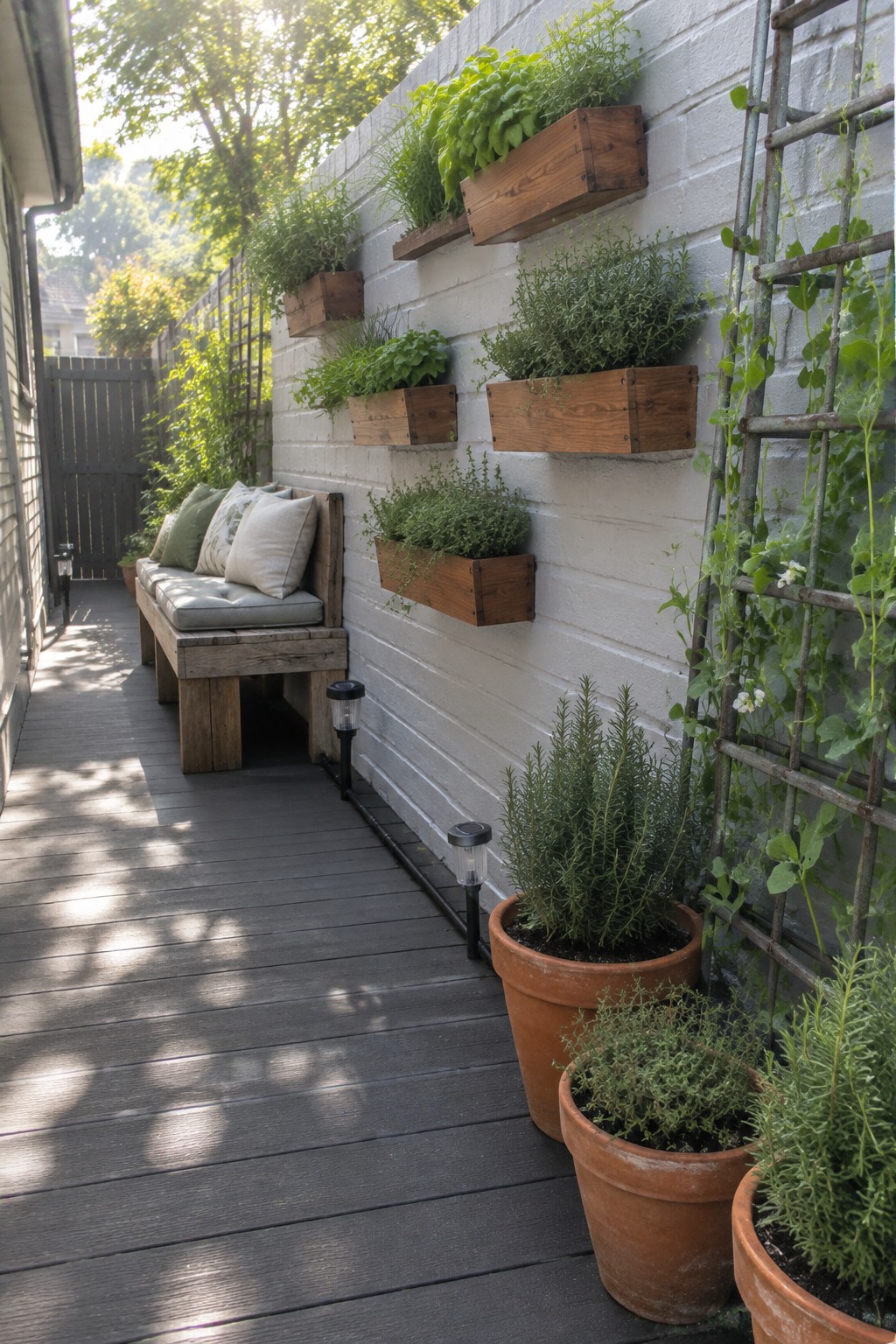
Mounting wooden planter boxes right onto a wall gives you room to grow without crowding the deck or patio floor. This works especially well in narrow backyards where every square foot matters, and it keeps the main walking area clear.
Place the boxes at staggered heights so plants get decent light, and add a few larger pots at the base if you want more depth. The setup suits homes with solid walls or fences that can handle the weight and stays practical as long as you water regularly.
Mount Pots On Walls For Vertical Planting
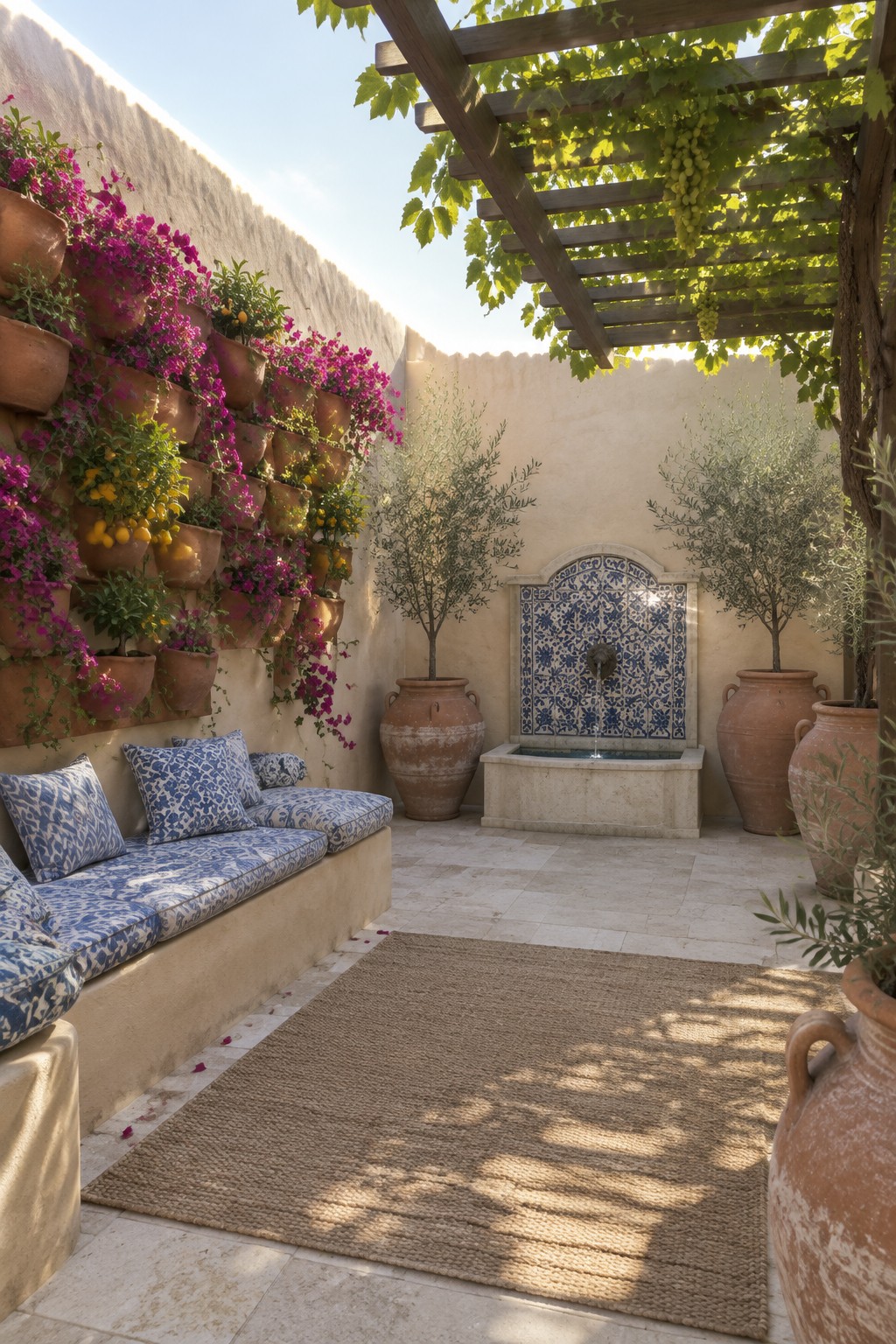
One easy way to add more plants in a small backyard is to run them up the walls. This keeps the ground clear for seating or walking while still giving you plenty of color and greenery right where you need it.
Rows of pots work best on a solid wall that gets decent sun. Start with a few at eye level and build from there so the plants do not crowd each other as they grow.
Vertical Planters Free Up Floor Space
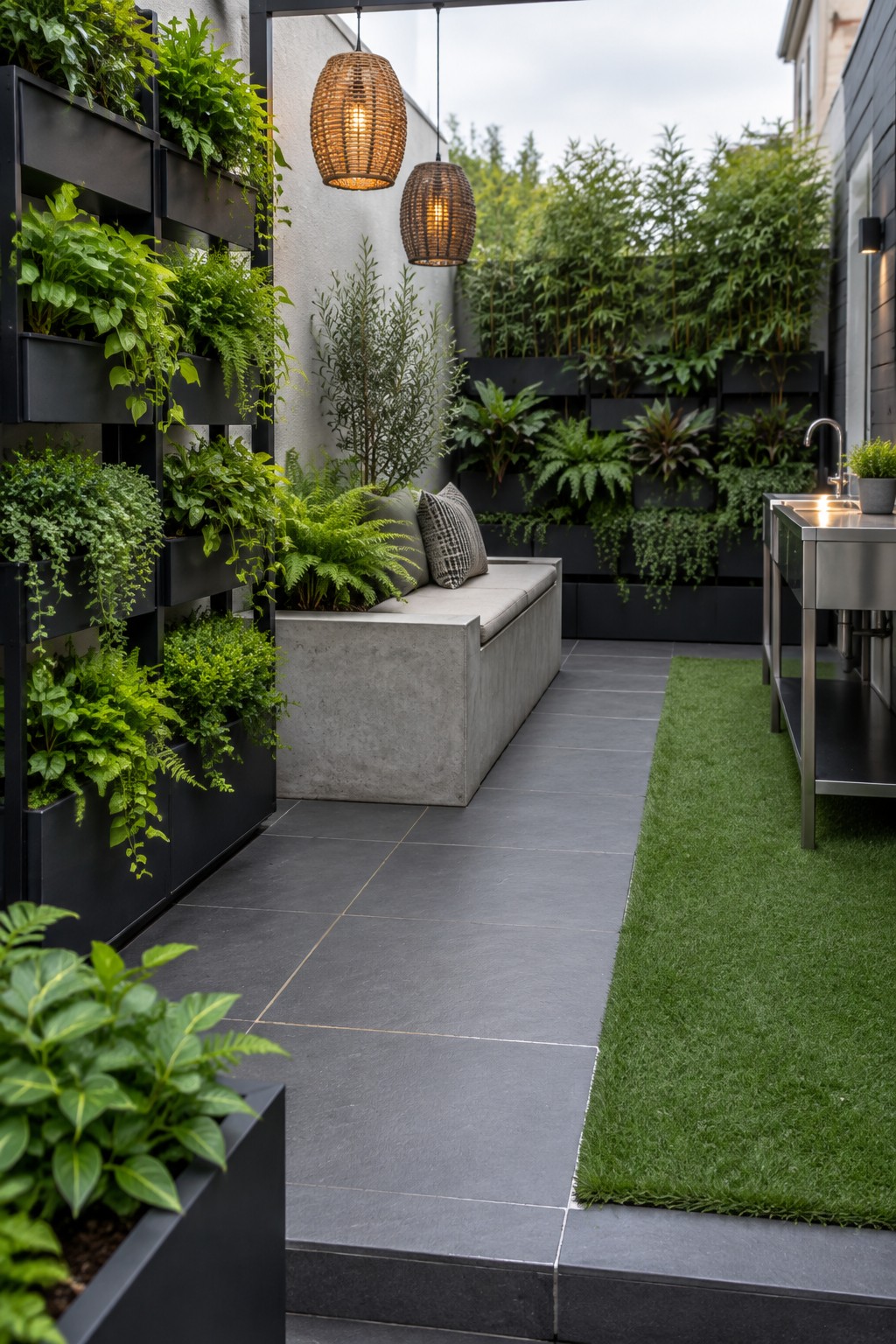
Vertical planters work well in small backyards because they let you grow plenty of plants without crowding the ground. The black modular boxes mounted on the wall hold ferns, trailing vines, and leafy greens at different heights, so the space stays open for walking and seating.
This setup suits narrow yards or side areas where every square foot counts. Use sturdy metal or wood frames and group plants by water needs so nothing dries out too fast.
Train Climbing Vines on Lattice Panels
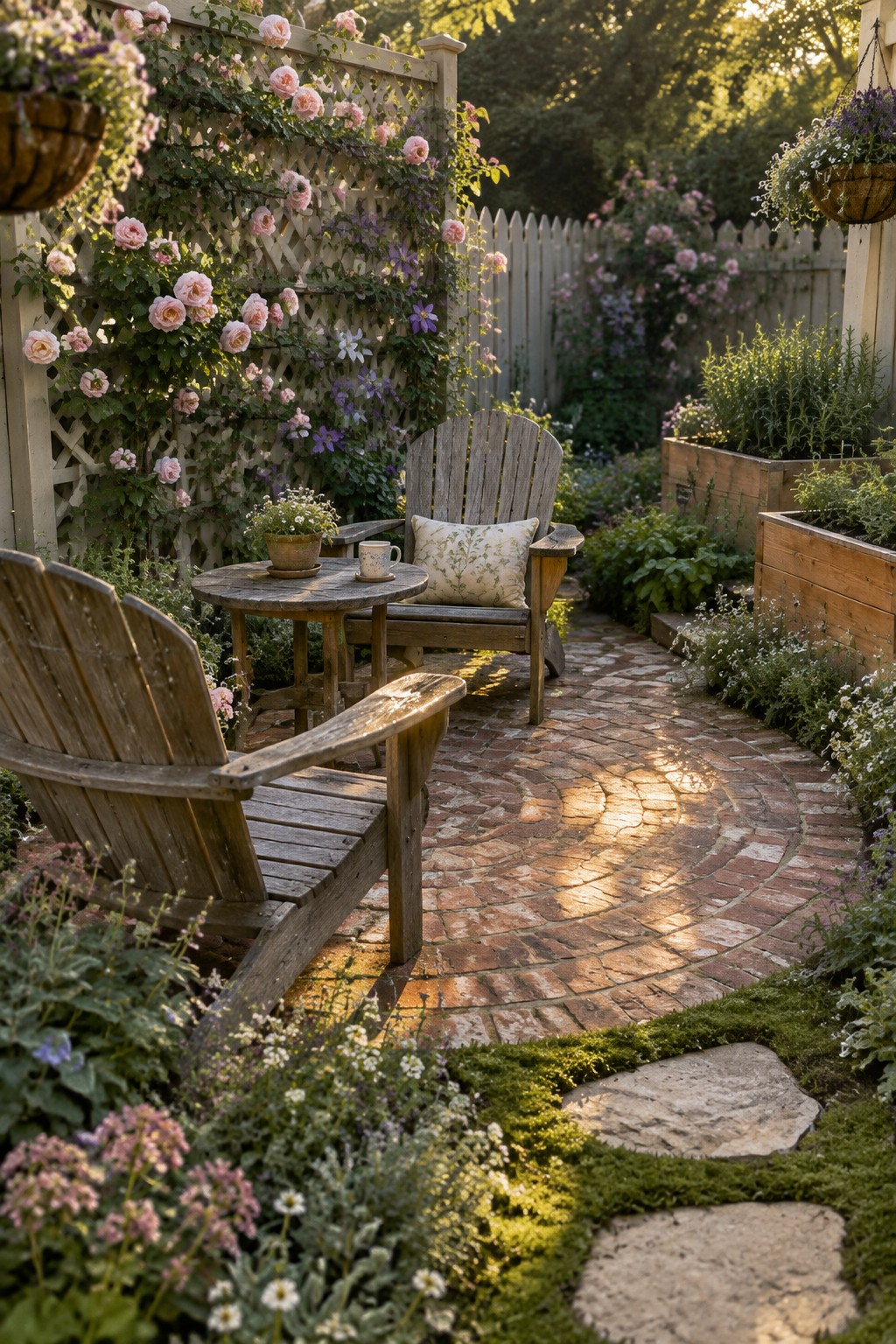
One simple way to stretch a small backyard is to grow plants up instead of out. A lattice panel set against a fence gives roses or other climbers a steady surface, so the greenery rises tall and adds color without crowding the ground.
This approach suits narrow yards or spots where you still need a path or seating area. Place the lattice where it can catch sun, keep the vines watered at the base, and let them fill in over a season or two.
Build Vertical Planters From Pallets
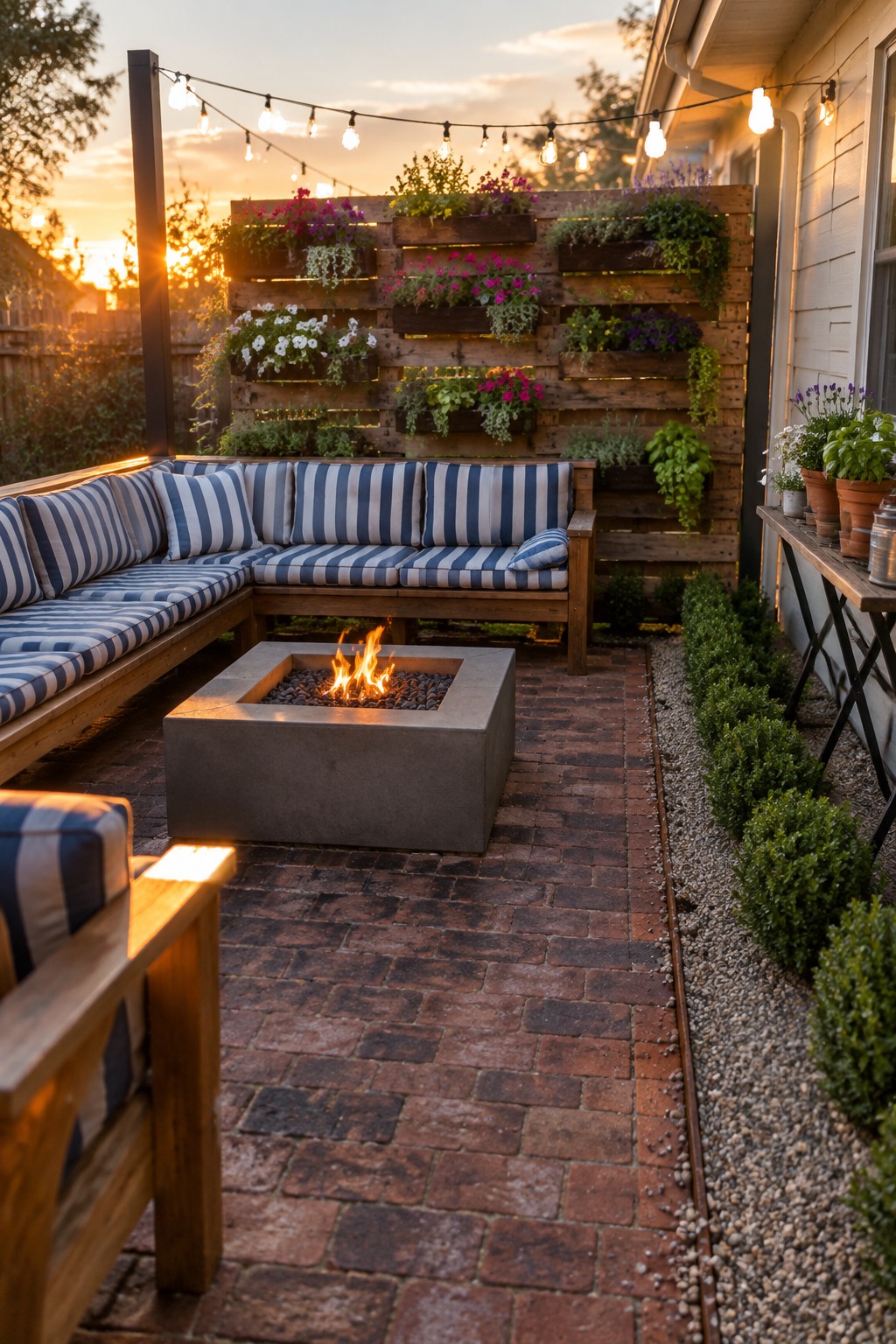
One easy way to add more plants in a small backyard is to build vertical planters from old pallets. They turn an empty wall or fence into a spot for flowers and herbs while leaving the ground open for seating or paths.
These work best on a sunny side of the yard where you can screw the pallets right to the fence boards. Start with two or three levels so the plants do not shade each other, and water them by hand or add a simple drip line along the top.
Grow Plants Vertically Along a Wall
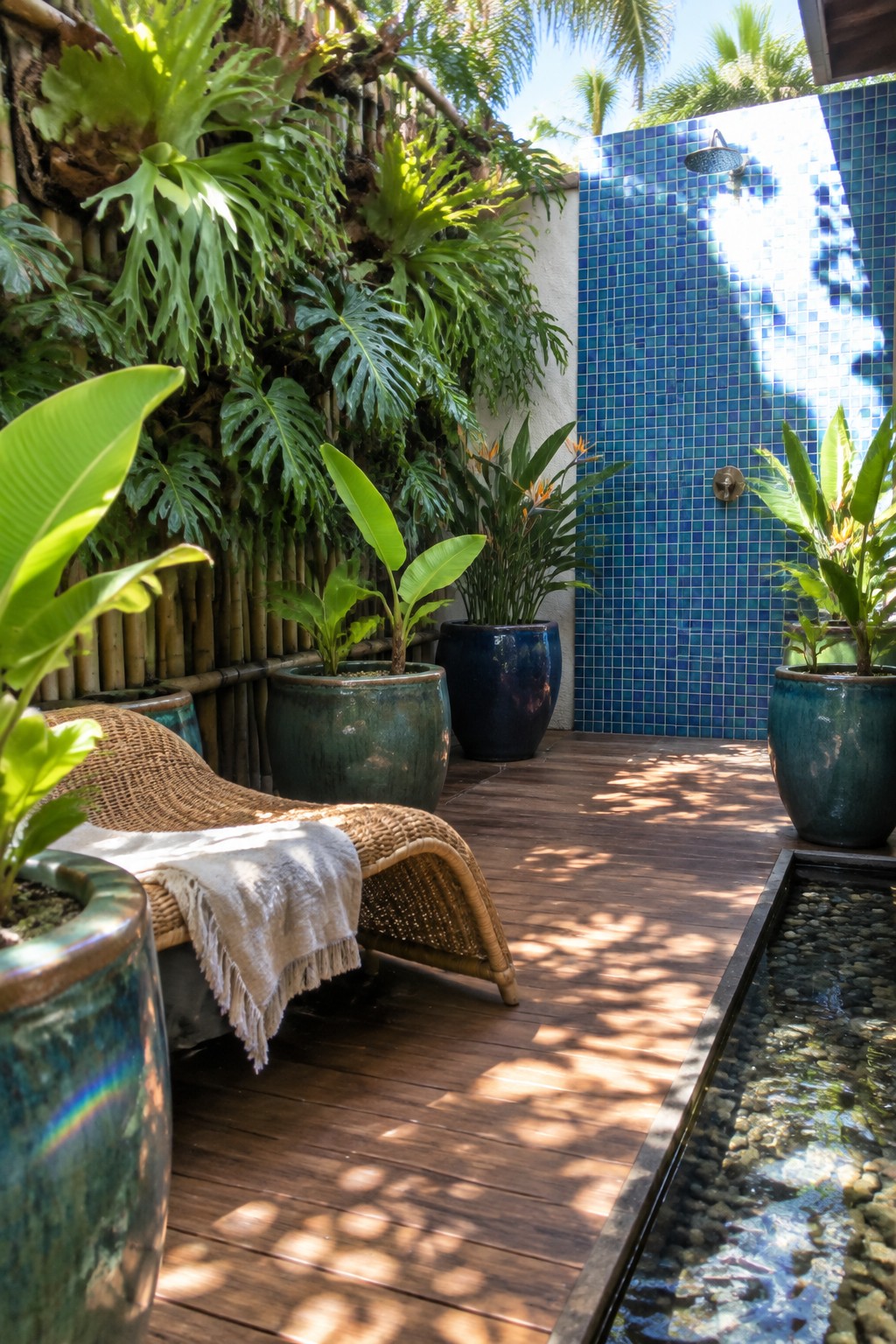
One simple way to add more plants in a small backyard is to use the wall or fence space instead of the floor. Vertical planting keeps the ground clear while still giving you a full, green look that feels like a real garden.
This works best on a sunny wall that can handle some weight. Start with sturdy mounting options like a bamboo screen or basic pockets, then pick plants that match your light and water needs so the setup stays easy to care for over time.
Vertical Planters Make Small Yards More Productive
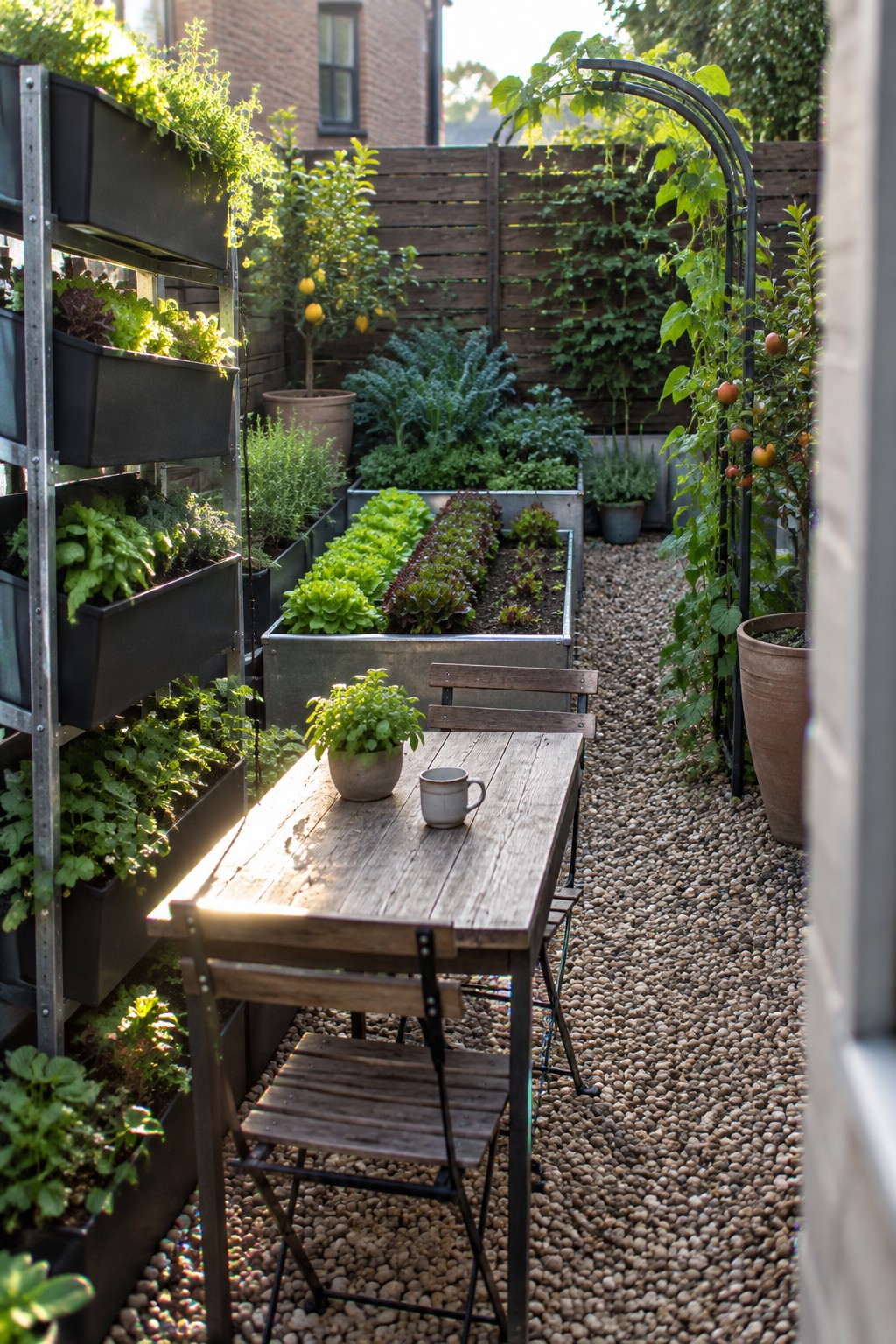
Stacking planters on a wall or frame lets you grow far more in a tight space without crowding the ground. It works especially well when you want herbs, greens, or even small vegetables close at hand while still leaving room for a path or a simple table.
This approach suits narrow side yards or back areas with little open soil. Keep the structure narrow so it does not block light or walkways, and choose sturdy brackets that can handle the weight once the planters are filled and watered.
Train Plants Vertically On A Bamboo Fence
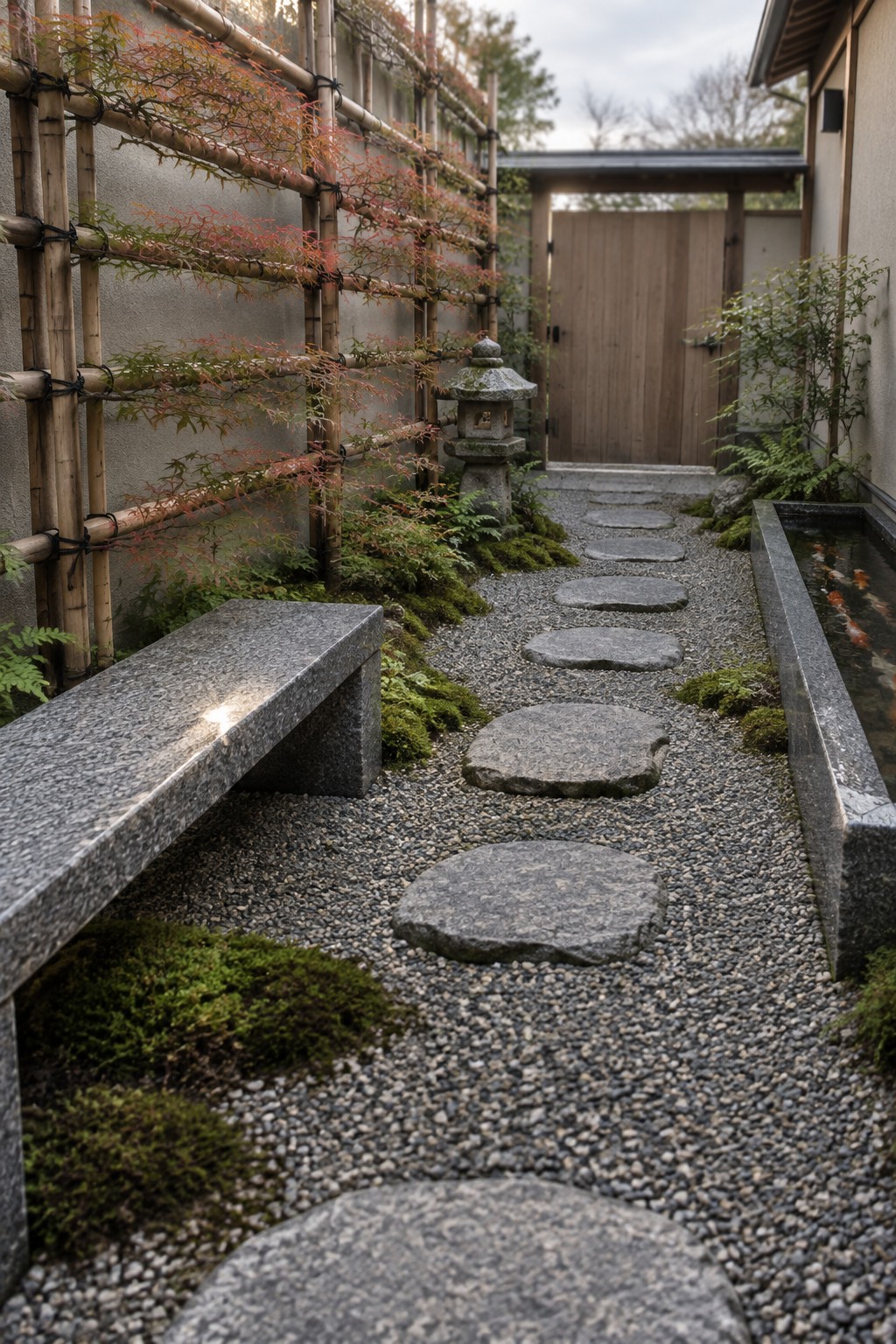
One simple way to add more greenery in a small backyard is to train plants up a bamboo fence. The vertical lines give the plants support while keeping the ground clear for paths and other uses.
This works best along one side of a narrow yard where you want coverage without crowding the space. Choose plants that can be tied in place as they grow, and check the fence regularly to keep the bamboo from shifting.
Mount Planters on a Wall or Fence
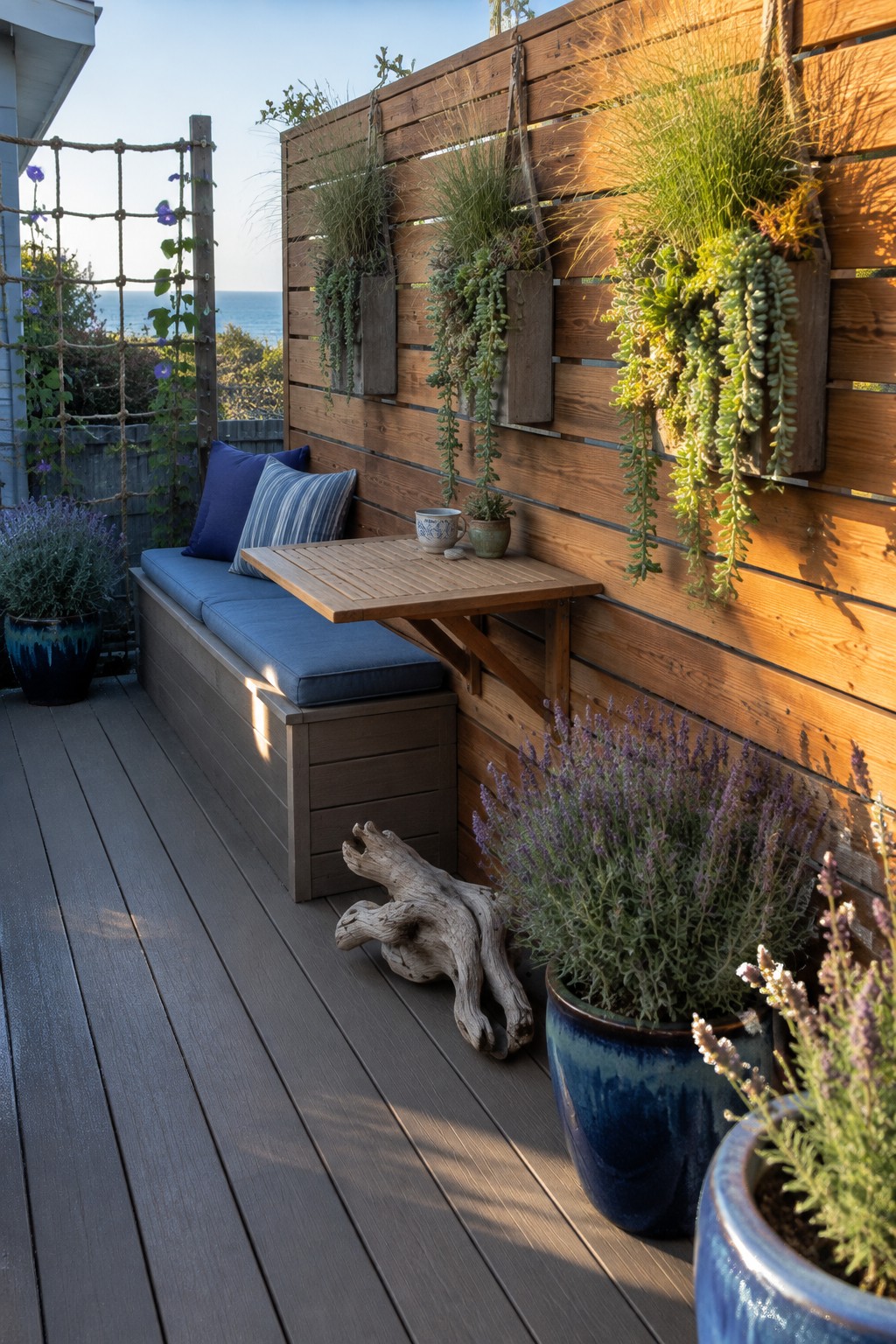
One simple way to add more plants without losing floor space is to mount boxes or hangers straight onto a fence or wall. This keeps the ground open for seating or walking while still filling the area with greenery.
It suits small decks and backyards especially well since the plants grow upward instead of outward. Use lightweight containers that match the fence material and pick trailing varieties that soften the look over time.
Add Vertical Planting Along A Wall
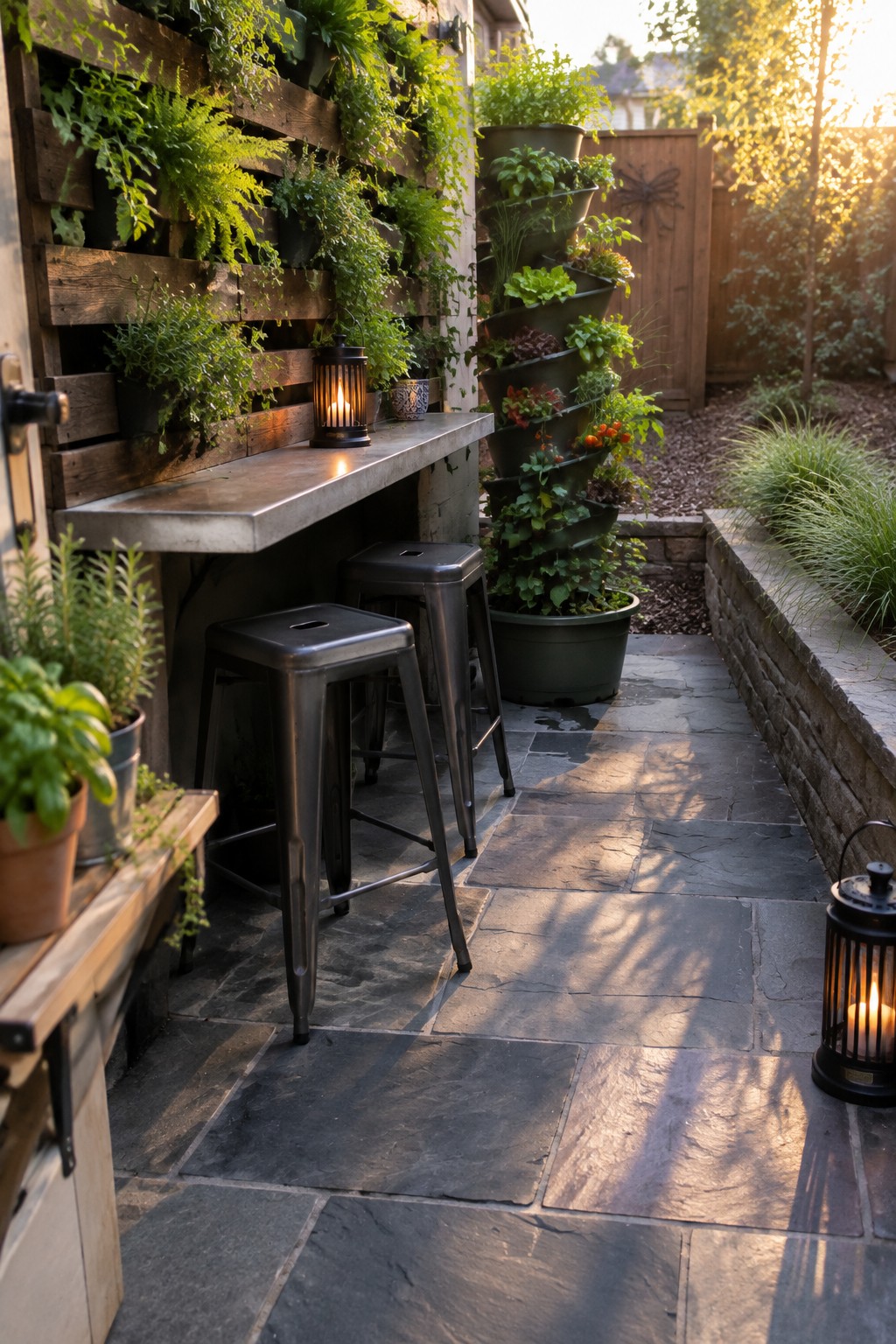
One way to fit more plants into a small backyard is to go vertical. Mounting planters on a wall or fence keeps the ground clear for walking or seating while still giving you plenty of growing space.
This approach works well in narrow side yards or along the back of a house where floor room is limited. You can use simple wood pallets or stacked pots to hold herbs and vegetables without crowding the path.
Create A Vertical Garden Wall
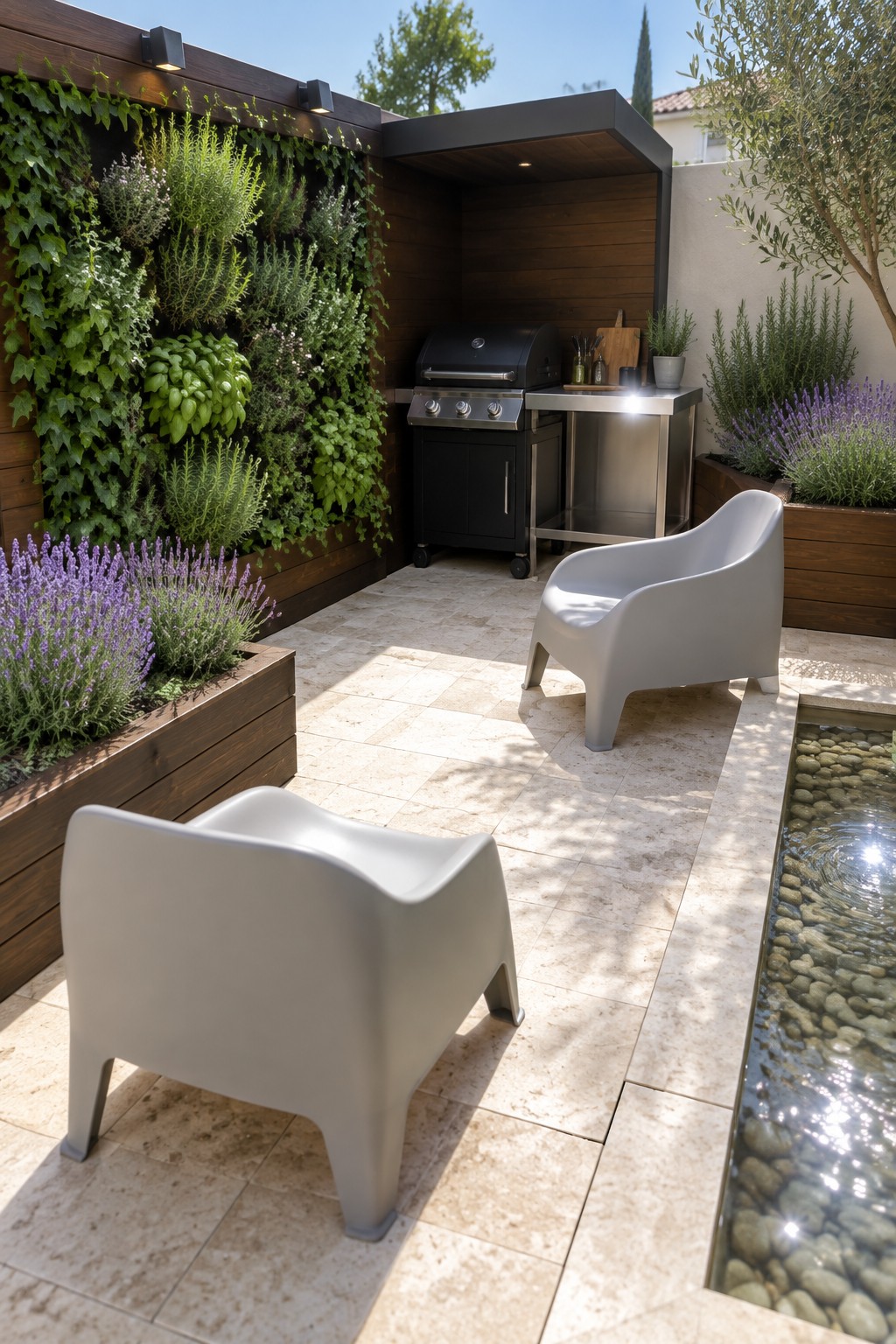
Many small backyards run out of ground space quickly. A vertical garden wall lets you add plenty of plants without losing room for seating or paths.
This setup works best along a fence or blank wall where you can mount a simple frame and fill it with herbs, shrubs, and flowers. Keep the lower beds for taller plants so the whole area stays balanced and easy to maintain.
Hang Planters From Overhead Beams
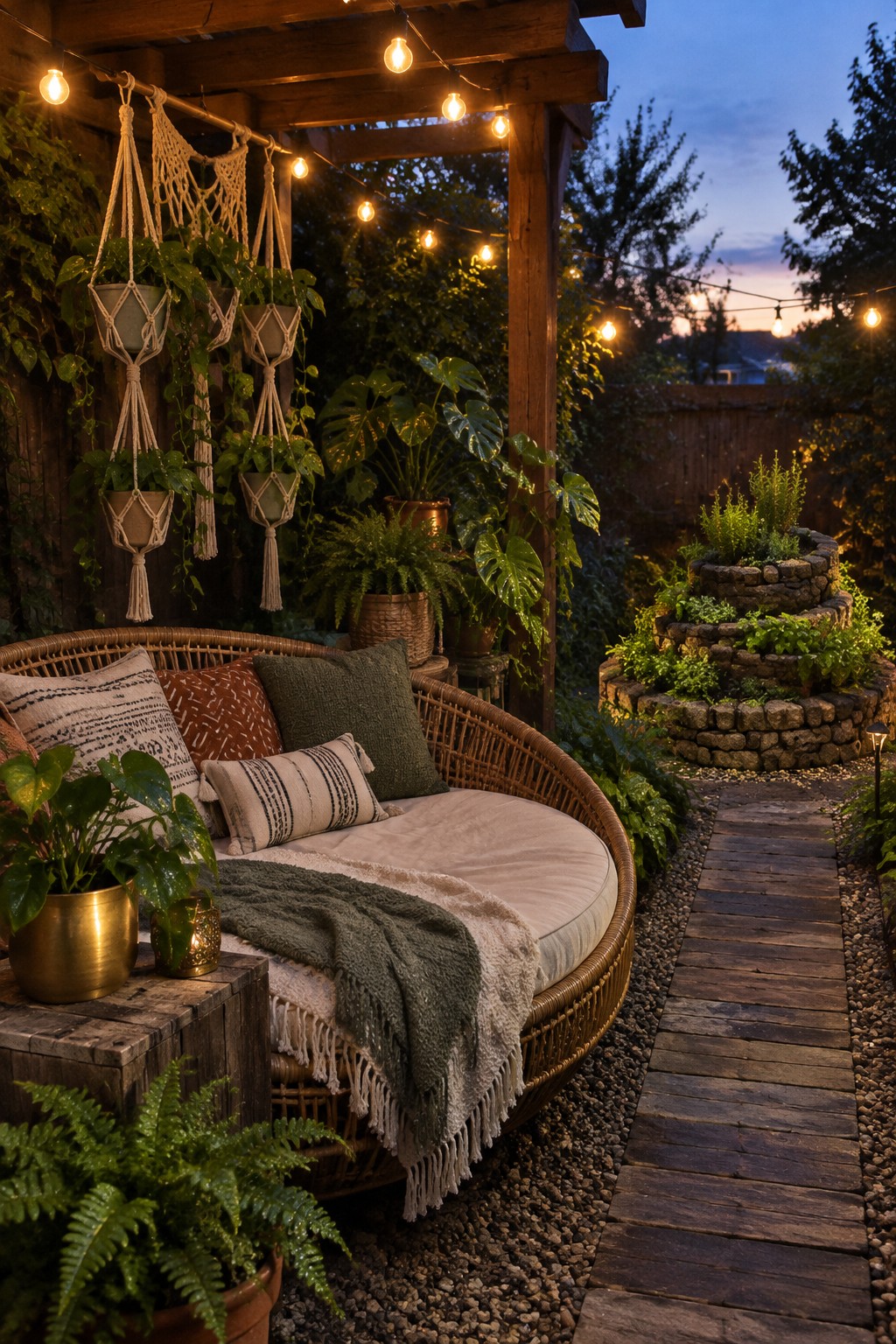
Hanging planters let you add plenty of greenery without using up ground space. In a small backyard this keeps the area open for seating or paths while still creating a full, layered look with plants at different heights.
Suspend them from a pergola, beam, or sturdy hook using simple rope or macrame holders. This works especially well along the side of a patio or near a seating spot, and it suits homes that need to keep the floor clear for walking or furniture.
Add Vertical Planting To Walls
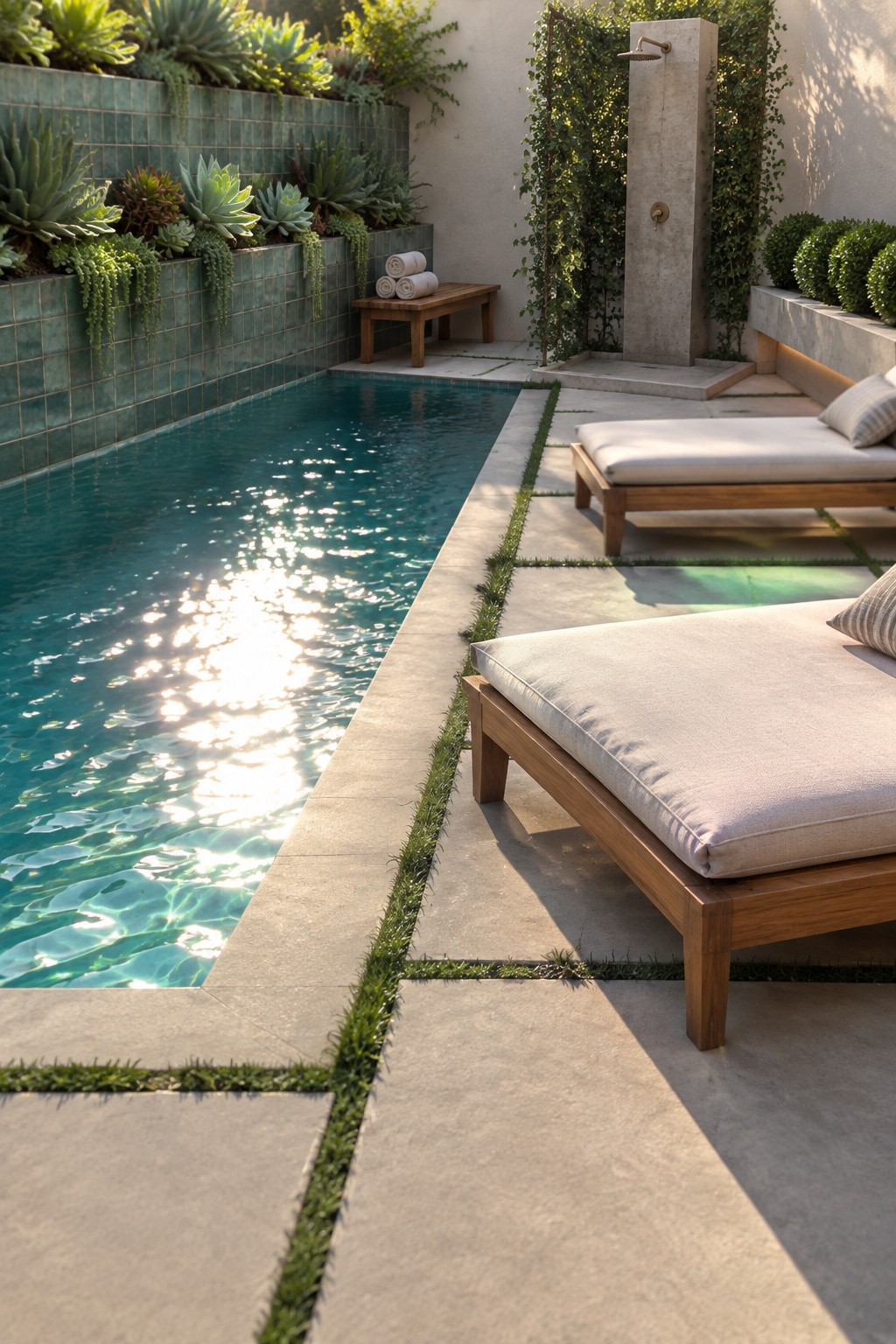
Vertical planting works well in small backyards because it adds plenty of greenery without eating up floor space. In this setup, a tiled wall next to the pool holds rows of succulents that trail downward, turning what would be a plain surface into a living border.
This approach suits narrow yards or pool areas where ground beds are limited. Place the plants in pockets or pockets built into the wall, choose low-water varieties, and keep the layout simple so the plants stay healthy without much trimming.
Create a Living Wall to Add Greenery
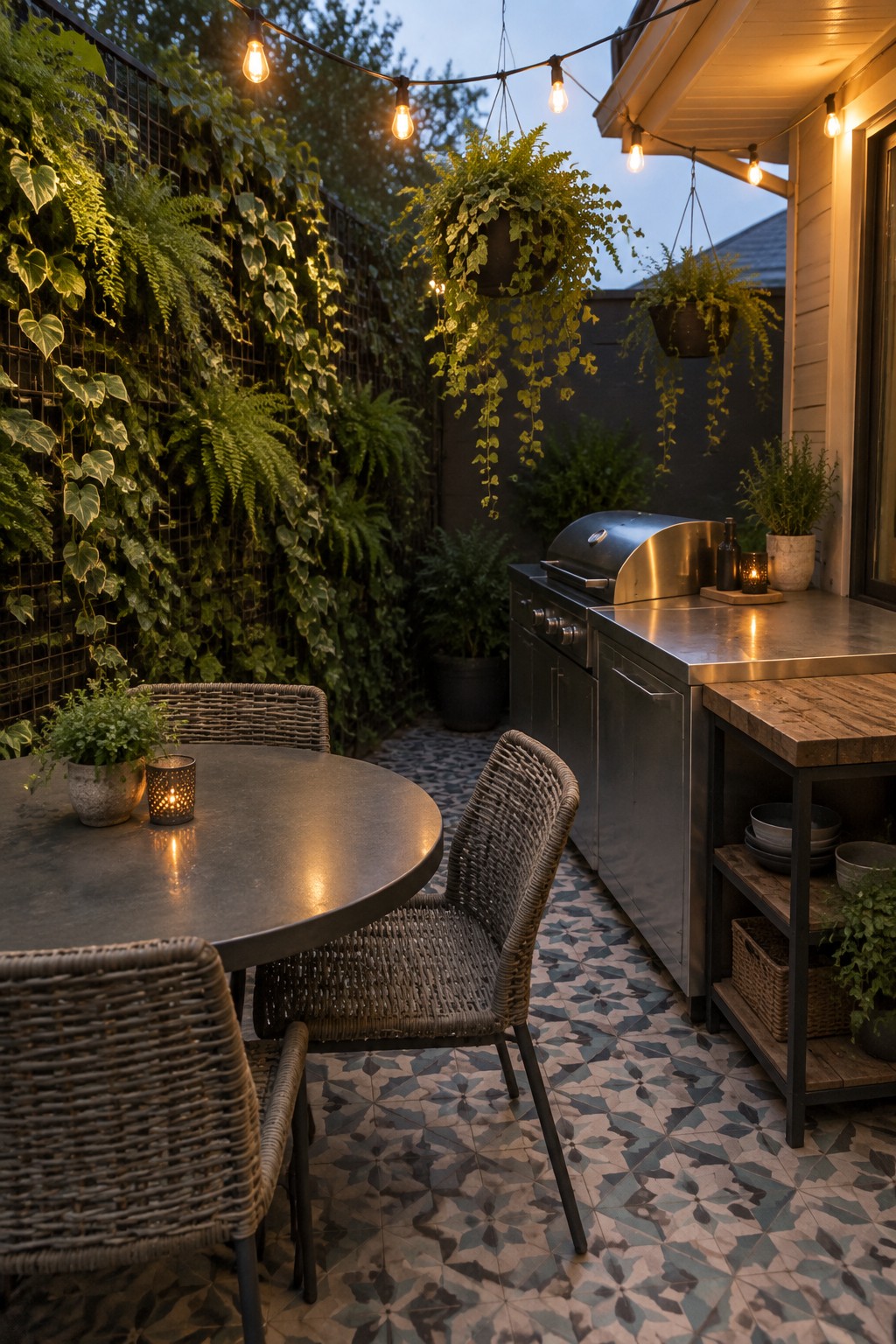
One simple way to fit more plants into a small backyard is to grow them straight up a wall or fence. This approach leaves the ground open for seating and other uses while still filling the space with plenty of green.
A grid or panel system holds the plants in place, and it works best in spots that get some shade. Many people add trailing vines and ferns to keep the look full without taking up extra room on the patio.
Vertical Planters Work Well in Tight Backyard Spaces
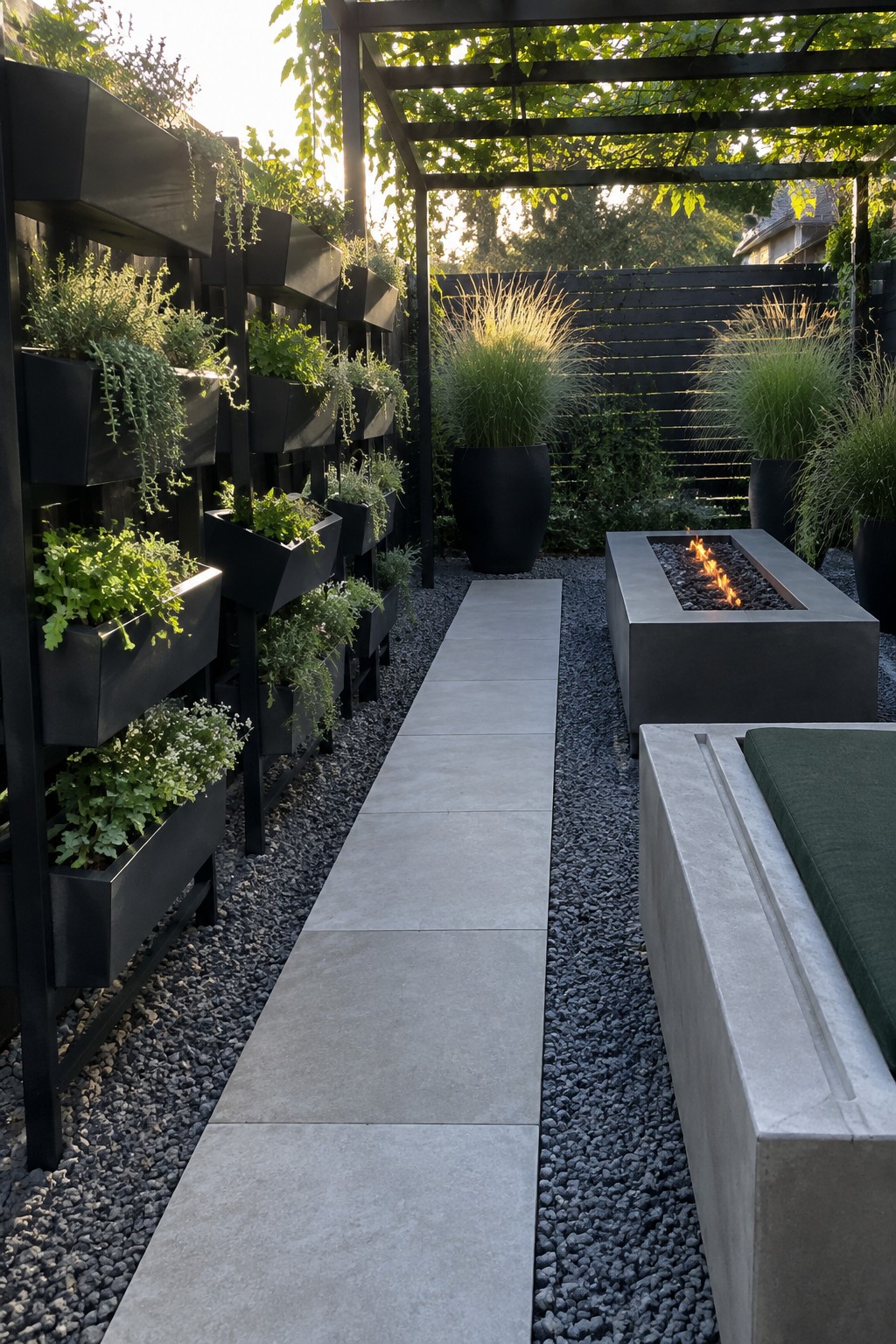
Vertical planting gives you a way to add plenty of greenery when the ground space is limited. Wall mounted boxes let you stack plants upward along a fence or side wall, which keeps the main walkway and seating areas open while still creating a full, layered look.
This setup works best in narrow side yards or small back gardens where spreading plants out wide is not an option. Choose sturdy brackets and a simple planter style so the wall stays neat, and mix a few trailing plants with upright ones to avoid a flat appearance.
Hang Wall Pots at Different Heights
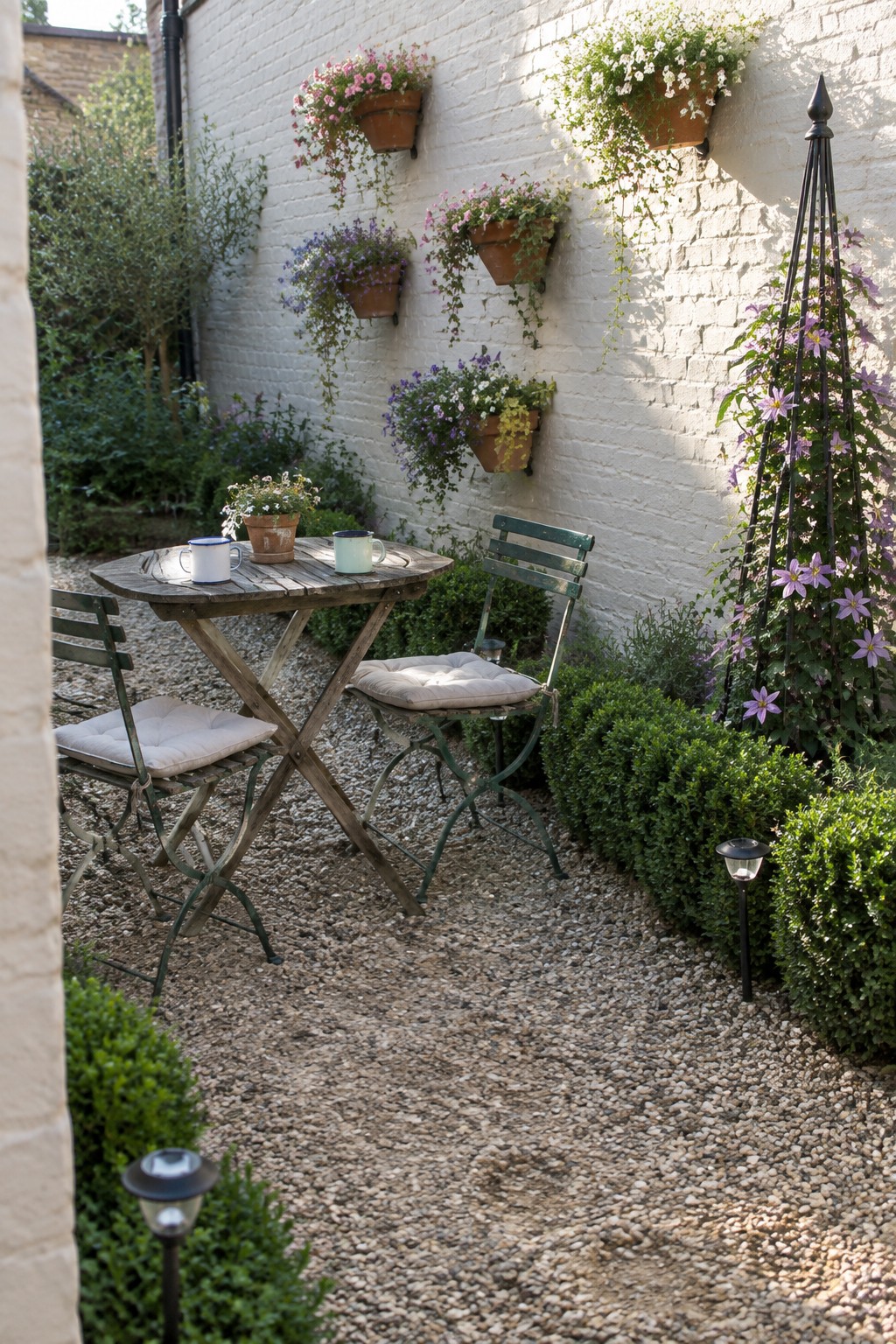
One easy way to fit more plants into a small backyard is to mount pots straight onto a wall. This keeps the ground open for a table or path while still giving you a full display of flowers and greenery.
It suits brick or fence walls that get decent sun. Space the pots out in a loose pattern and mix trailing plants with bushier ones so the look stays balanced rather than flat.
Stack Containers Along the Wall
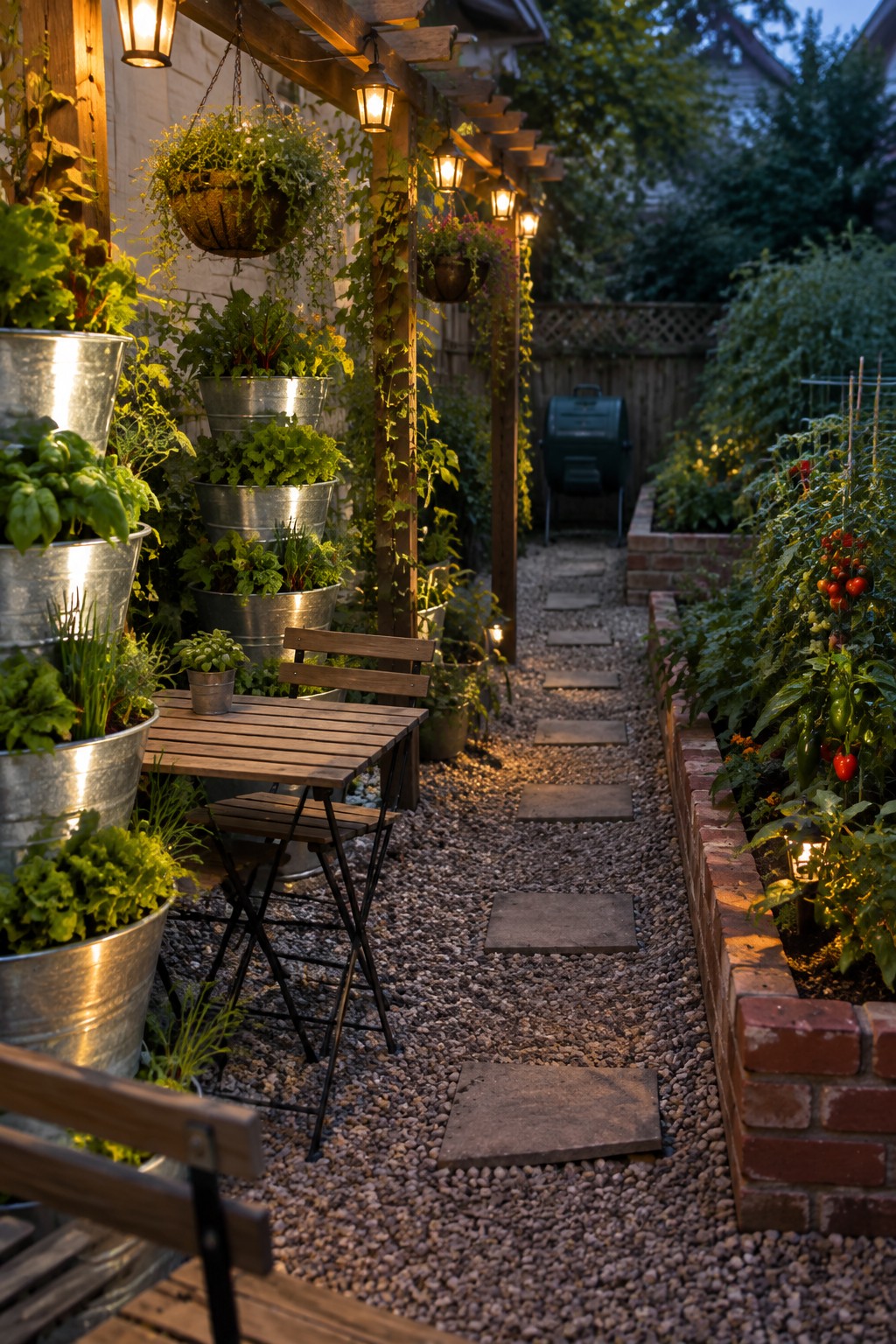
Stacking planters vertically works well when floor space is tight. It lets you fit more plants without crowding the ground, and the buckets or similar containers keep everything off the path so the area still feels open. In a narrow yard this approach turns an otherwise blank wall into usable growing space while leaving room for a simple walkway.
This works best along a fence or house wall where you can secure the brackets safely. Use sturdy metal or plastic buckets, stagger the heights, and pick plants that do not mind the extra sun or wind that comes with being raised. Check the wall structure first and water carefully so runoff does not pool on the ground below.
Frequently Asked Questions
Q: How do I water the plants once they are up high on the wall or trellis?
A: Use a long-handled watering can or attach a hose with a gentle spray nozzle. Aim for the base of each plant so the water reaches the roots without washing away soil. Do this in the morning to let leaves dry out.
Q: Can vertical planting help with privacy in a tiny backyard?
A: Grow climbing vines on a tall trellis or screen to block views from neighbors. They fill in fast and add privacy without taking up floor space.
Q: What happens if the structure falls over in strong winds?
A: Anchor everything firmly to the ground or wall with brackets and stakes. Pick sturdy materials that can handle your local weather. Check them each season and tighten as needed.
