

I have always found that a big lawn demands more upkeep than it seems worth once you start noticing the bare patches and constant mowing.
Rethinking the layout with more planting beds and ground covers can give the backyard better structure while cutting down on that weekly routine.
Some swaps only prove their worth after a full season.
Adding defined edges and low paths around new plantings tends to make the space feel more intentional without crowding it. I would try the simpler plant swaps first to see how they settle into my own yard before committing to bigger changes.
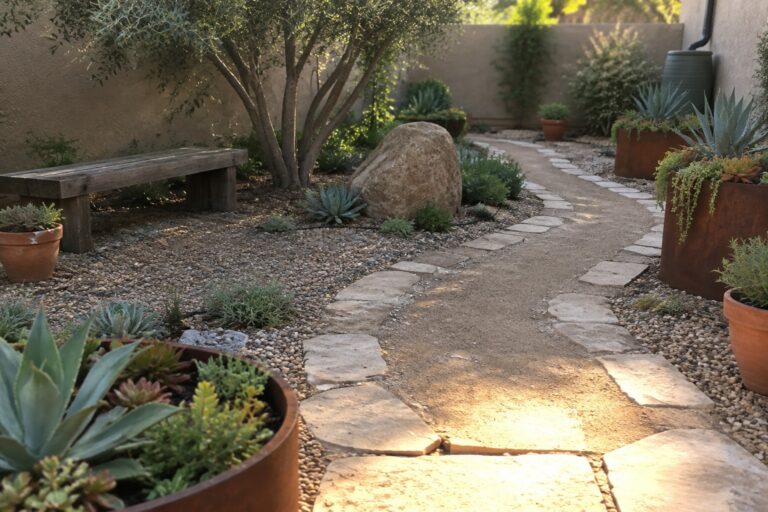
Gravel Paths With Stepping Stones

Many backyards lose lawn space to gravel and stepping stones instead. The path stays practical and needs far less water or upkeep than grass ever would.
This setup suits dry climates or anyone who wants a low-care yard. Lay the stones a bit unevenly through the gravel so the walk feels natural and guides people past the planted beds.
Mix Gravel And Pavers For A Low-Maintenance Patio
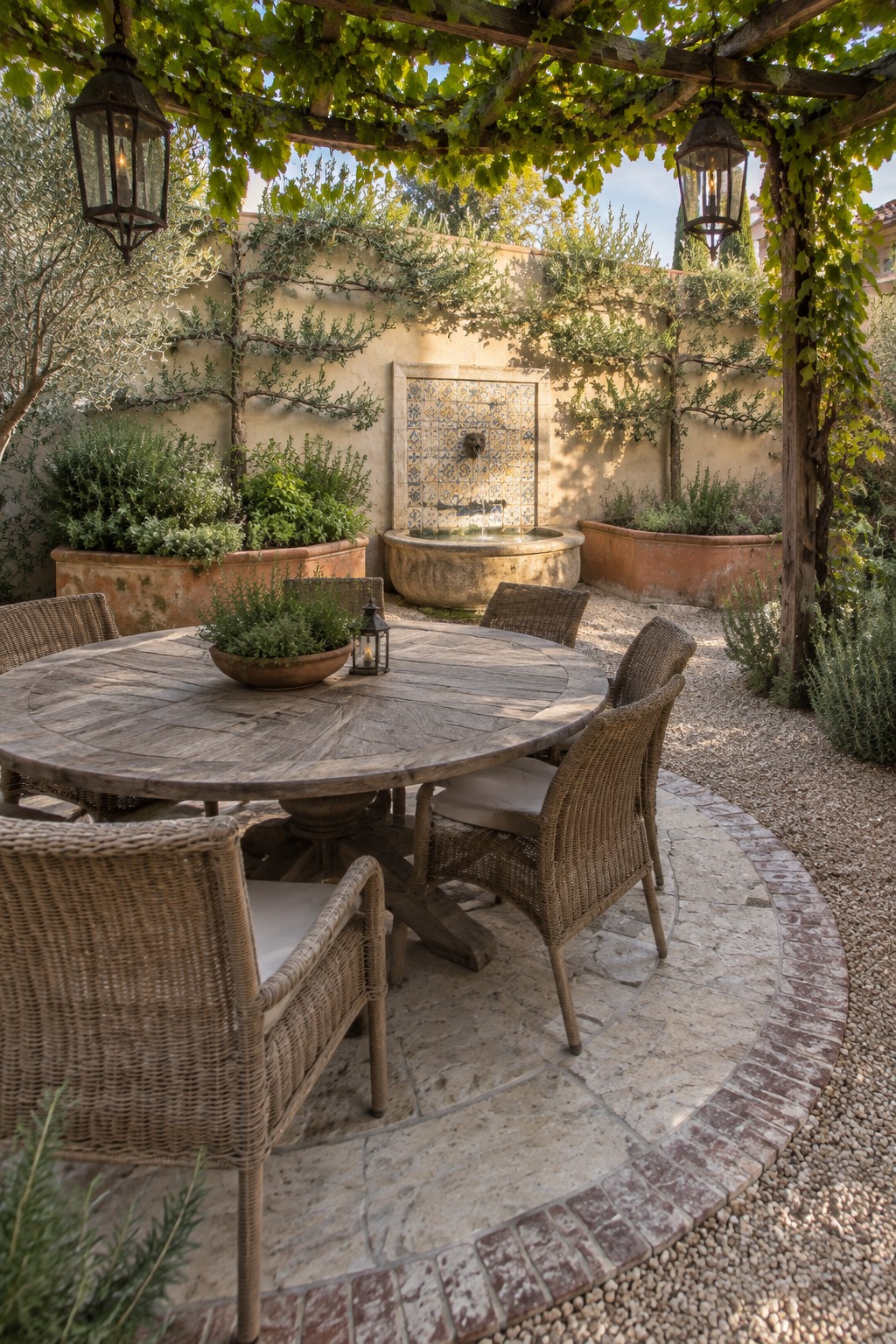
A gravel and paver combination creates a solid outdoor floor that needs almost no watering or mowing. The circle of stone gives a stable spot for a table and chairs, while the surrounding gravel handles drainage and keeps the whole area looking tidy year round.
This approach works best in smaller yards or side courtyards where you want a clear dining zone without keeping up a lawn. Keep the gravel contained with a low brick edge and add a few large pots so the space still feels green.
Gravel Paths With Stepping Stones
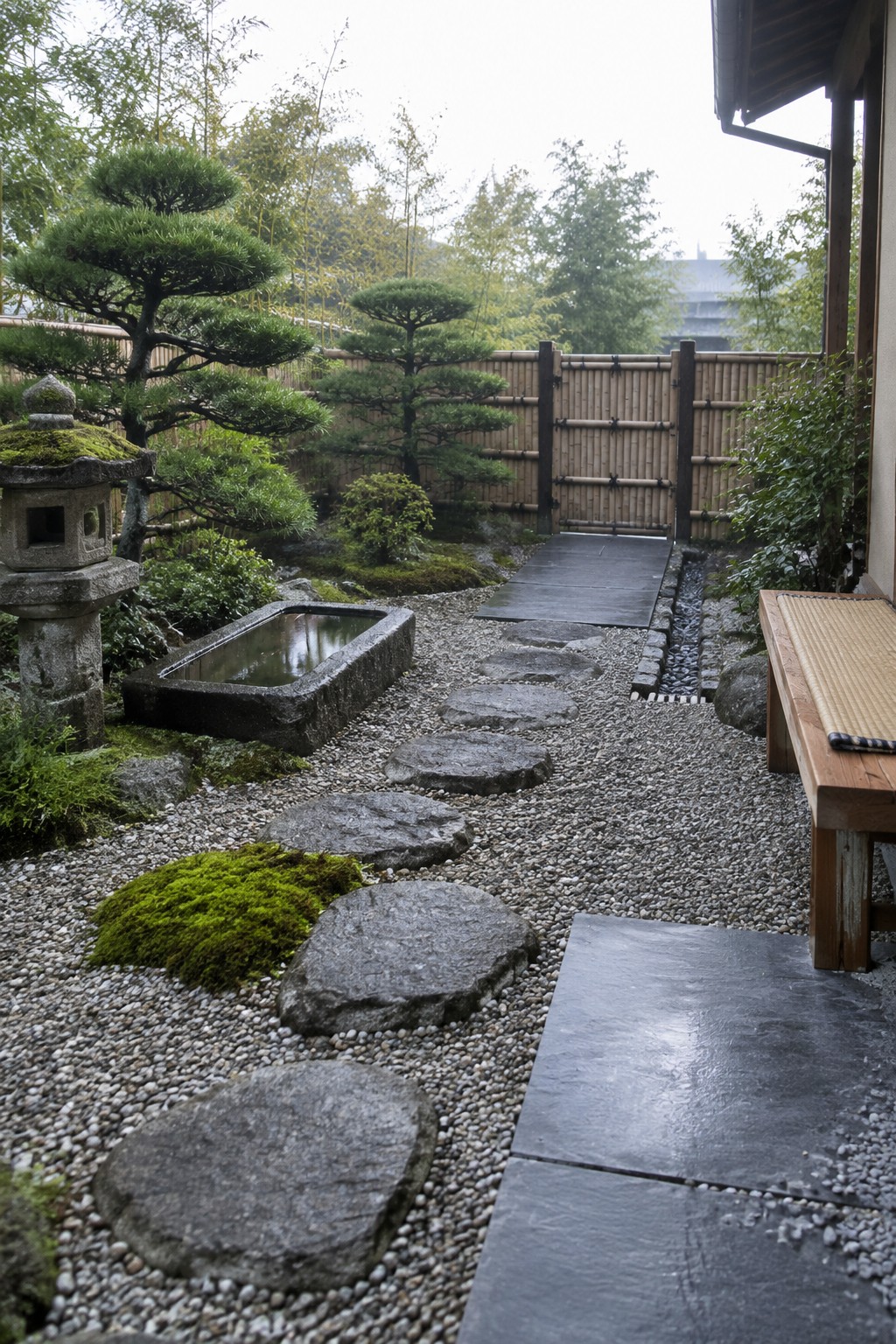
Gravel and stepping stones offer a simple way to replace lawn in smaller yards. The surface drains well, needs almost no mowing, and still gives a clear path through the garden.
This layout suits homes where grass is hard to maintain or where the goal is a quieter, low-water space. Keep the gravel layer thick enough to stay in place and add edging if the stones start to wander over time.
Stepping Stone Paths Through Planting Beds
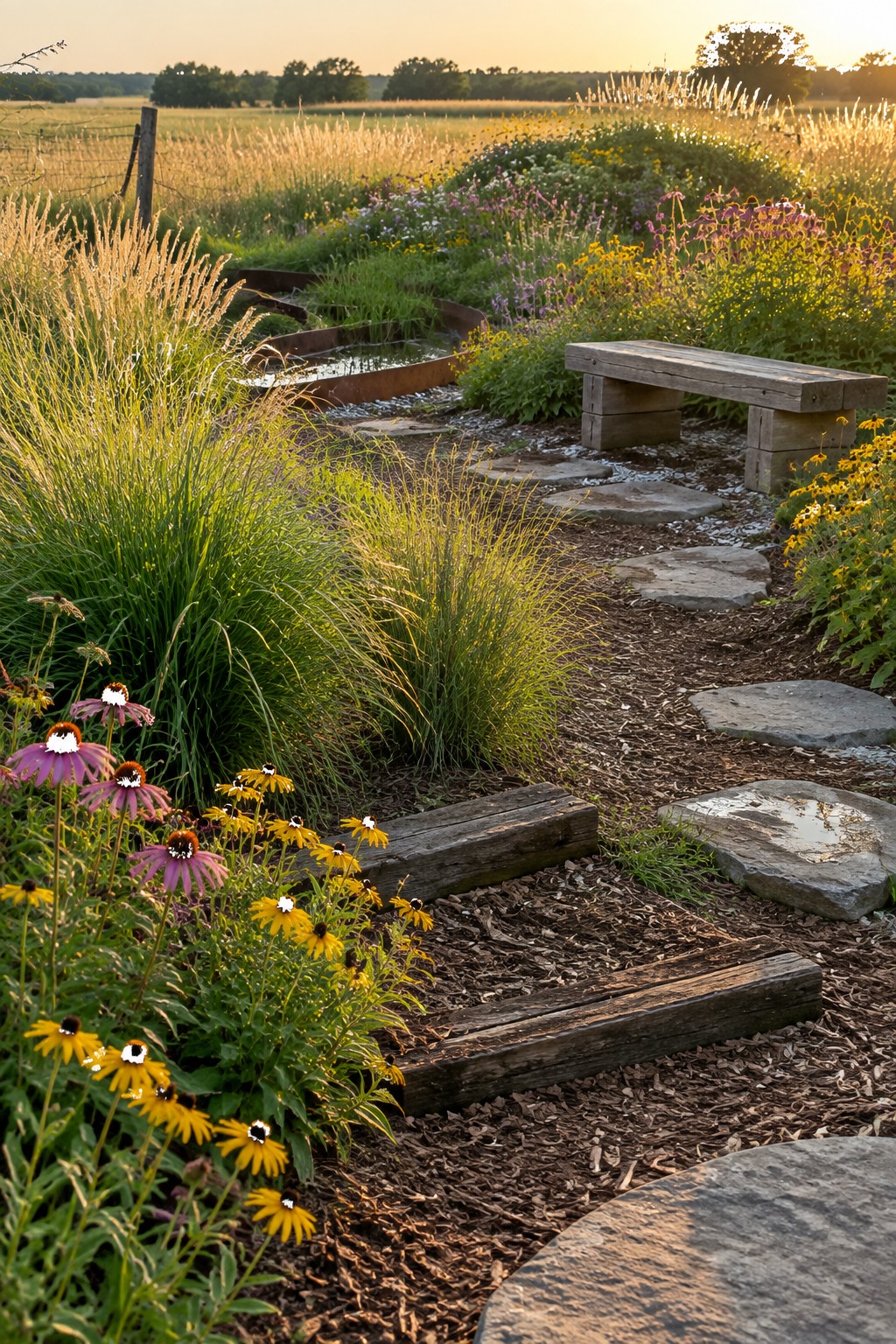
Stepping stone paths give you a simple way to shrink the lawn without losing access across the yard. The stones sit right in mulched beds so the planting can fill in around them and take over most of the space that used to be grass.
This works best in sunny areas where you can use tough perennials and grasses that need little water. Keep the path wide enough for easy walking and let the flowers spill close to the edges so the lawn stays small and contained.
Gravel and Pavers Cut Lawn Maintenance
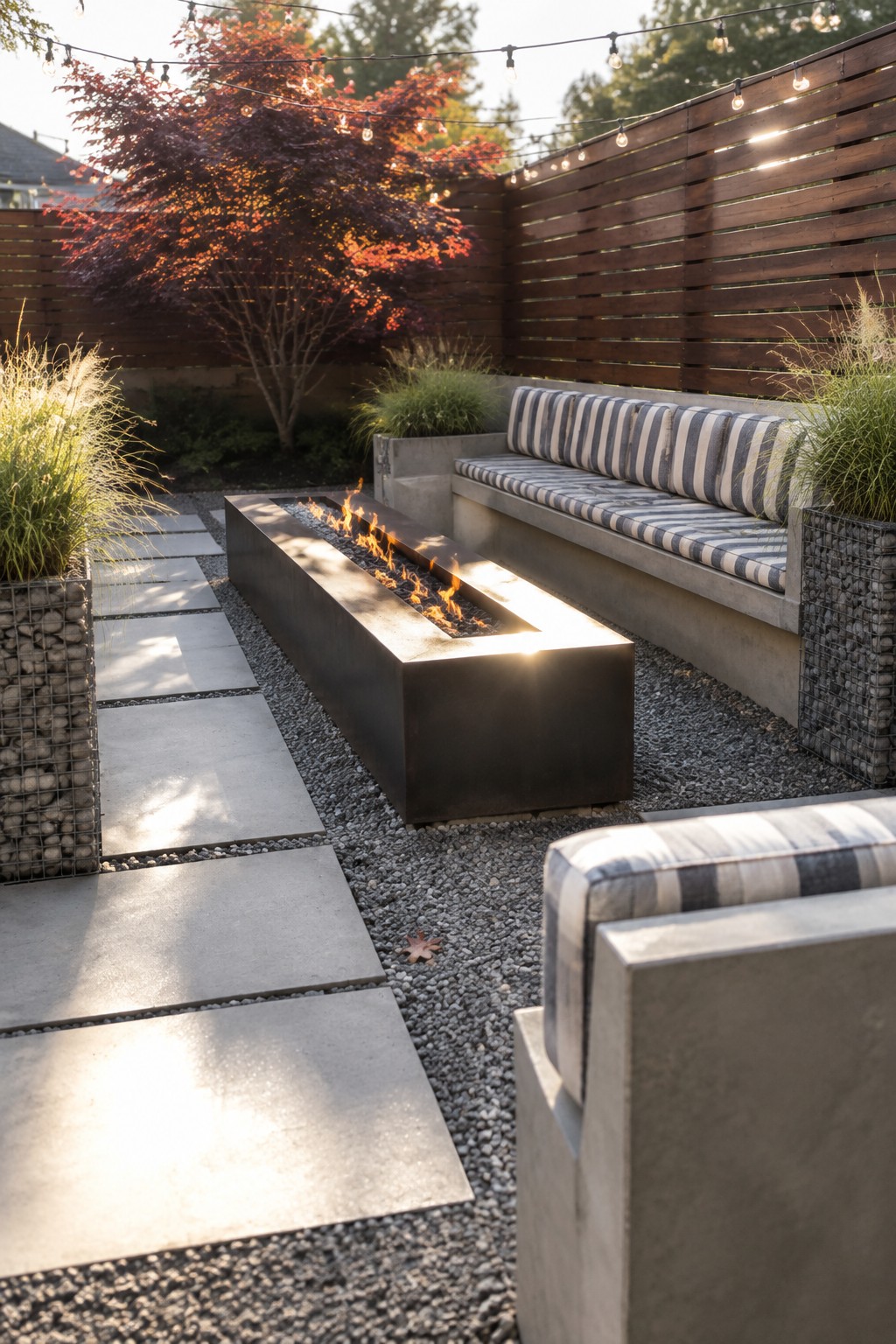
Gravel combined with large concrete pavers gives a backyard a clean, open feel while removing the need for regular mowing and watering. The setup works especially well in smaller yards where a full lawn often feels like more work than it is worth.
Place the gravel in the main seating zone and run pavers from the house out to the fire pit so the space stays easy to walk on. This approach suits homes that want a modern look and lower upkeep, though the gravel will need occasional raking to stay neat.
Gravel Patterns Instead Of Lawn
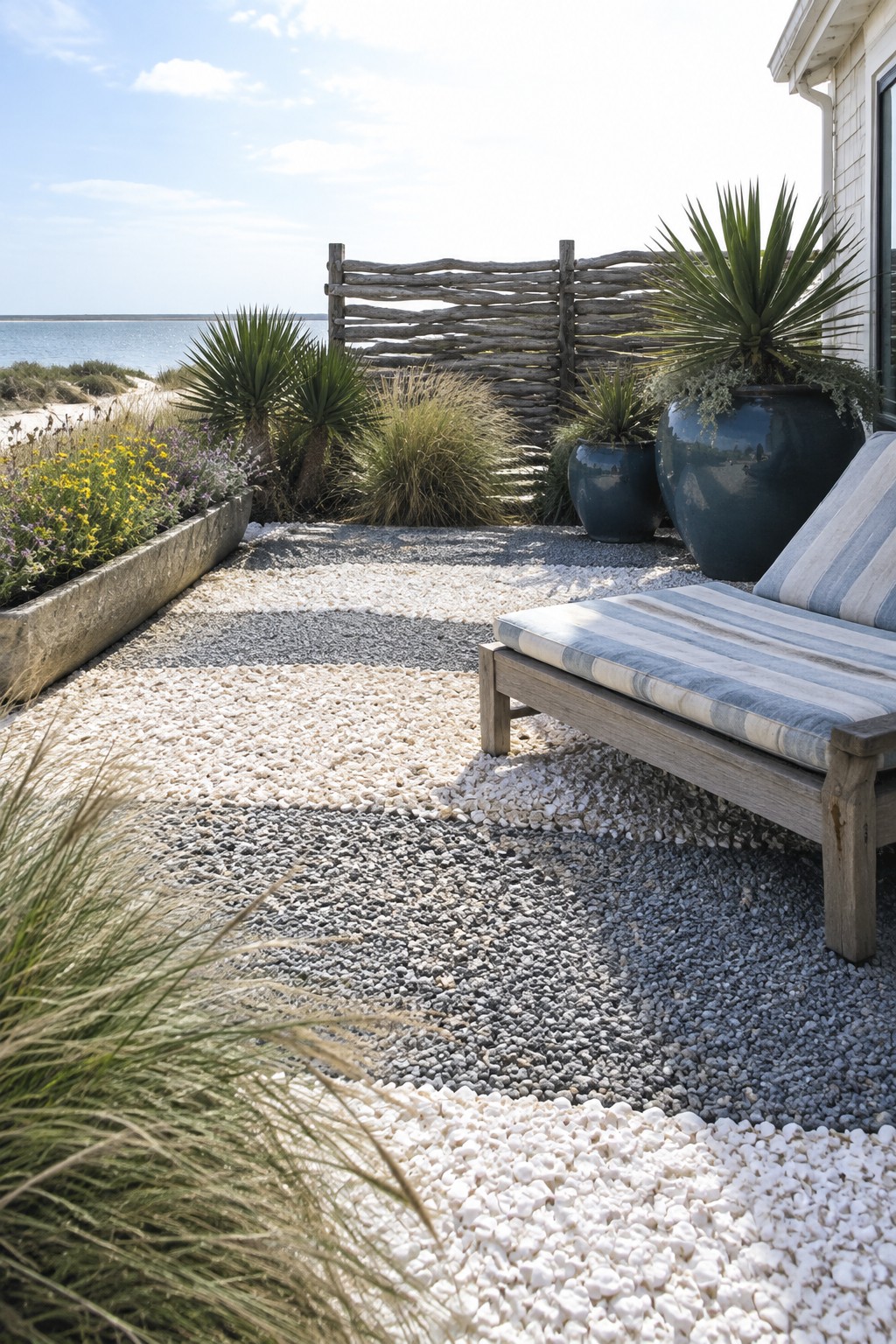
One simple way to cut back on grass is to lay out different sizes of gravel and pebbles in wide sections. The change in texture and color gives the ground some shape and keeps the area looking finished without any mowing.
This works best in dry or coastal yards where grass needs too much water. Edge the gravel with taller plants so it stays in place and the beds feel more settled over time.
Raised Beds Replace Lawn With A Working Garden
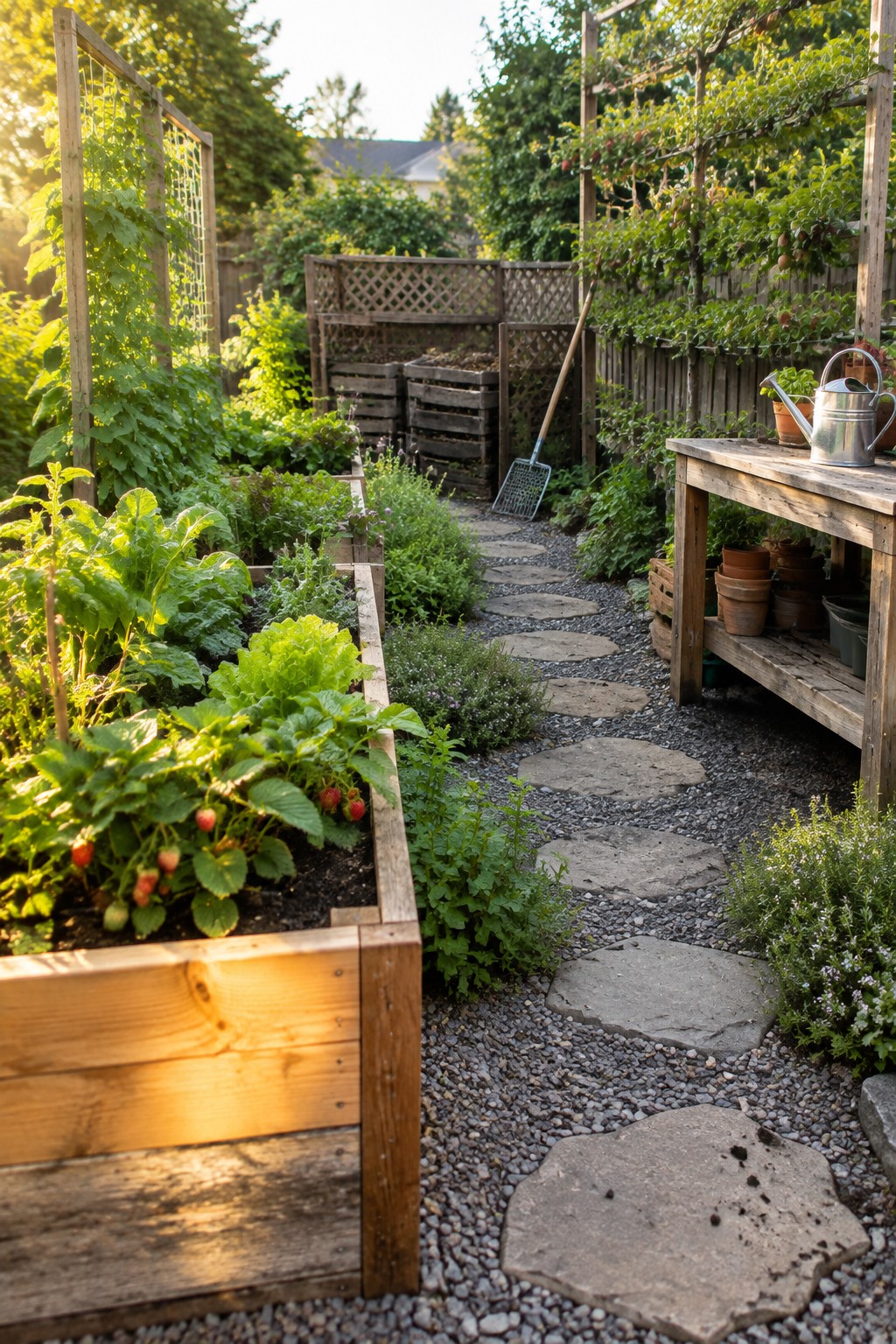
Raised beds give you a clear way to cut down on grass while still making the yard look intentional. The wooden frames keep plants organized, make watering simpler, and let you grow food right where a lawn used to sit. Gravel paths between the beds keep feet dry and stop the whole space from turning into mud.
This setup works best in smaller backyards or side yards where a full lawn feels like extra work. Choose untreated wood for the frames and keep the paths wide enough for a wheelbarrow. The beds also make it easier to add compost each season without disturbing the rest of the yard.
Stepping Stone Paths Through Ground Cover

Stepping stones set into low ground cover give you a clear walking path without needing a full lawn. The stones handle the traffic while the plants spread out and cover most of the ground, which cuts back on grass that needs regular mowing and watering.
This approach works best in side yards, along water features, or in narrow garden strips where a solid lawn would feel out of scale. Pick sturdy ground covers that stay low and can take occasional steps, and make sure the stones are large enough to feel steady.
Stepping Stones In Gravel Beds
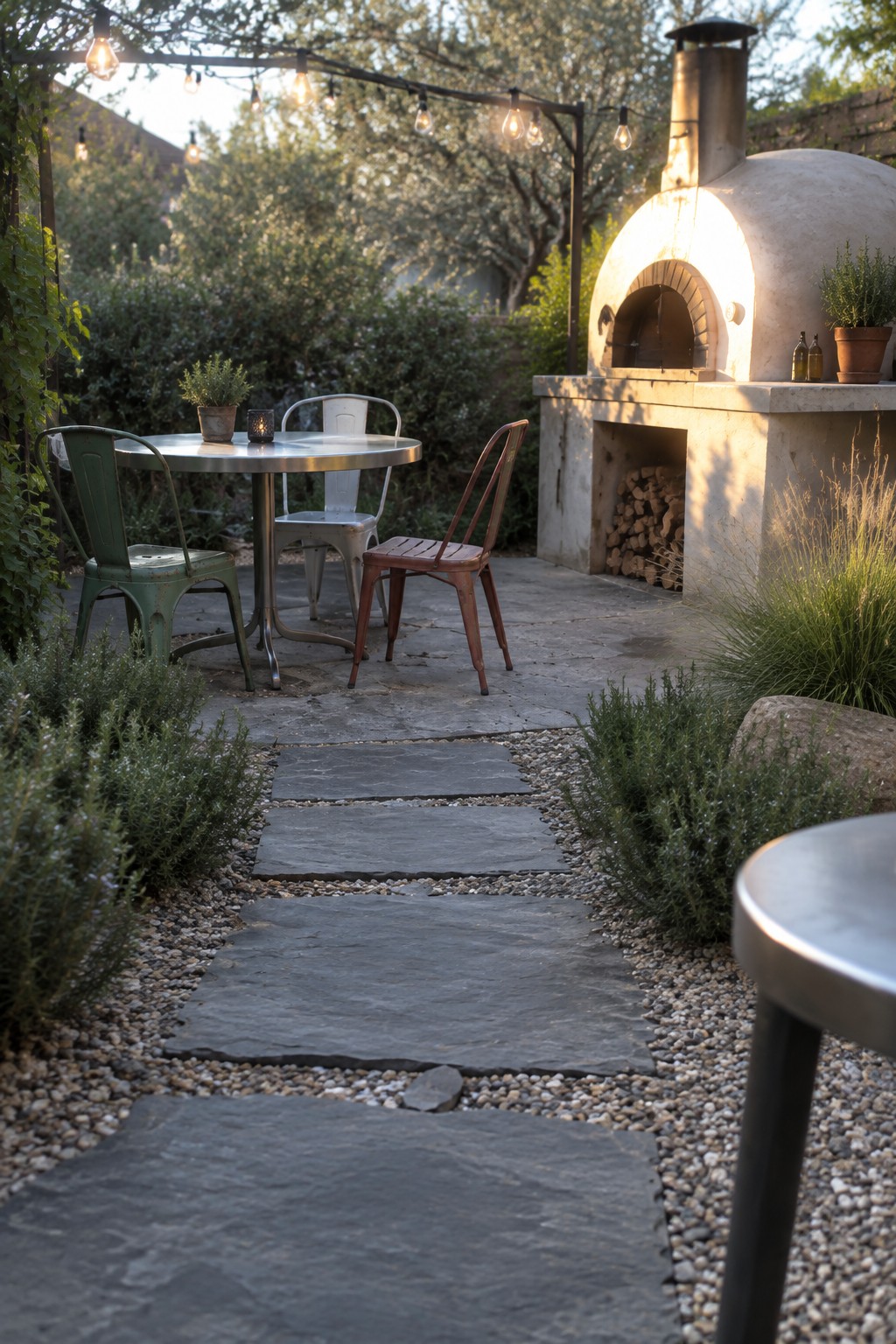
Many homeowners are swapping out patches of lawn for gravel and stone paths. It reduces the amount of grass you need to mow and water while still giving you a clear way to move through the yard.
This approach works well in smaller yards or along the edges of a patio. Keep the gravel edged so it stays put and pair it with low shrubs to soften the look without adding more lawn.
Stone Terracing For Layered Garden Beds

Stone terracing works well when you want to replace lawn on a slope. The walls create flat planting zones at different heights so you can pack in shrubs and perennials instead of grass. This setup also gives the yard a clear structure that feels finished without needing constant upkeep.
It suits homes with uneven ground where mowing is difficult. Keep the beds fairly narrow so plants stay easy to reach and water. Gravel paths between the levels help with drainage and keep foot traffic off the planting areas.
Create a Dry Creek Bed to Replace Lawn
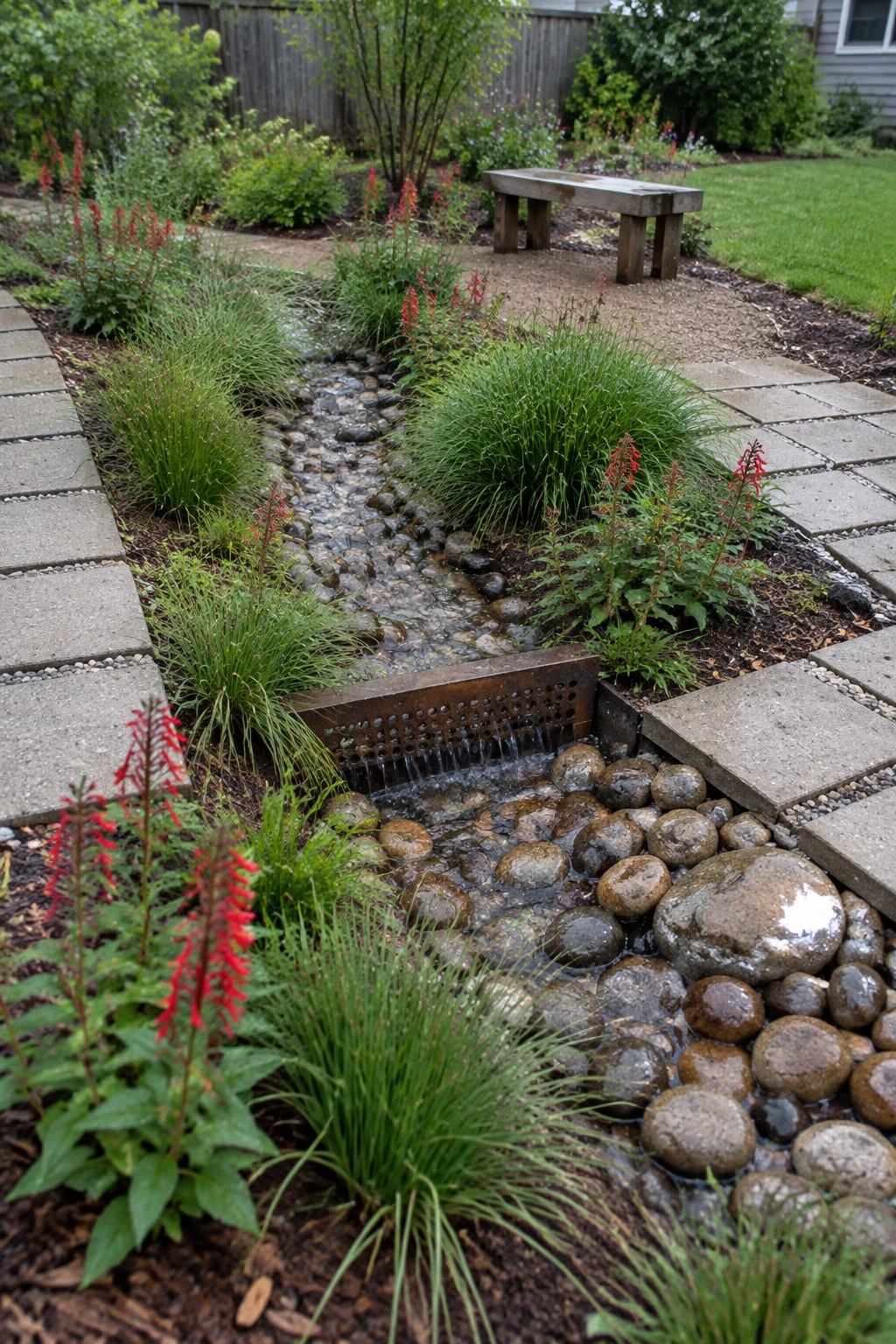
A dry creek bed gives you a simple way to handle drainage while cutting back on grass. The rocks form a clear path for water to move through the yard, and the surrounding plants fill in the rest of the space without needing constant mowing.
This setup works best on properties that slope or collect water after storms. Keep the bed narrow and line it with larger stones at the bottom so it still looks natural once the grasses and flowers grow in around the edges.
Use Gravel And Rock Borders To Shrink Lawn Areas

Gravel paths edged with large rocks give a yard structure without needing constant mowing or watering. The rocks hold the gravel in place and create clean lines between play zones, planting beds, and walking areas.
This setup works best on smaller lots or in homes with children, where a sand pit and raised beds can replace big stretches of grass. Keep the rock border low and level so it stays practical for foot traffic and easy to maintain over time.
Wide Stone Paths Shrink Lawn Areas
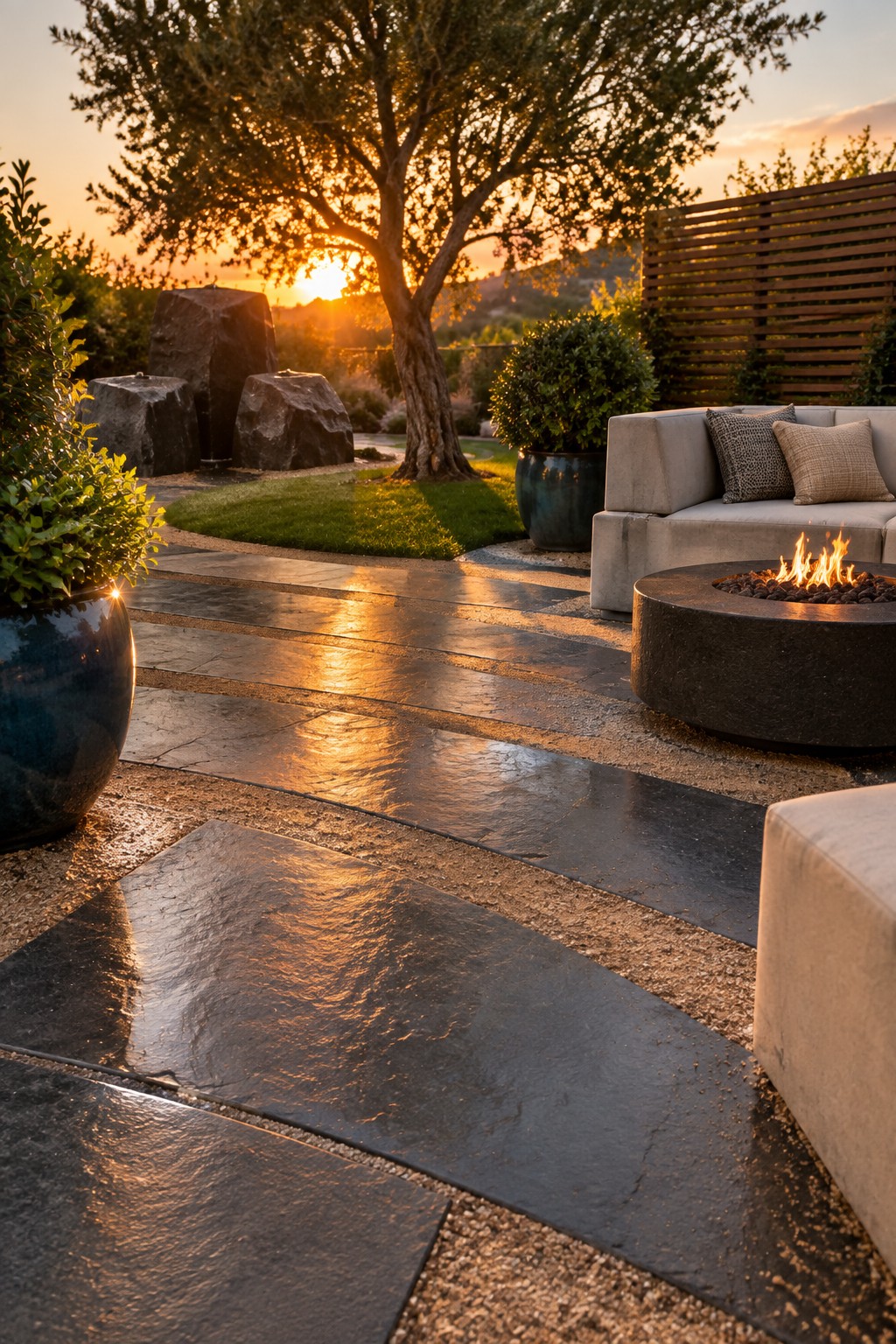
Large stone slabs laid in a gentle curve give you solid footing while taking up space that would otherwise need grass. This works especially well in backyards where people want less mowing and watering but still need a clear way to move between seating areas and plantings.
The approach suits homes with sunny yards or uneven ground because the stones stay put and drain well. Keep the slabs fairly wide so the path feels generous rather than like a narrow trail, and use gravel or small rocks along the edges to blend everything together.
Raised Concrete Planters Reduce Lawn Area
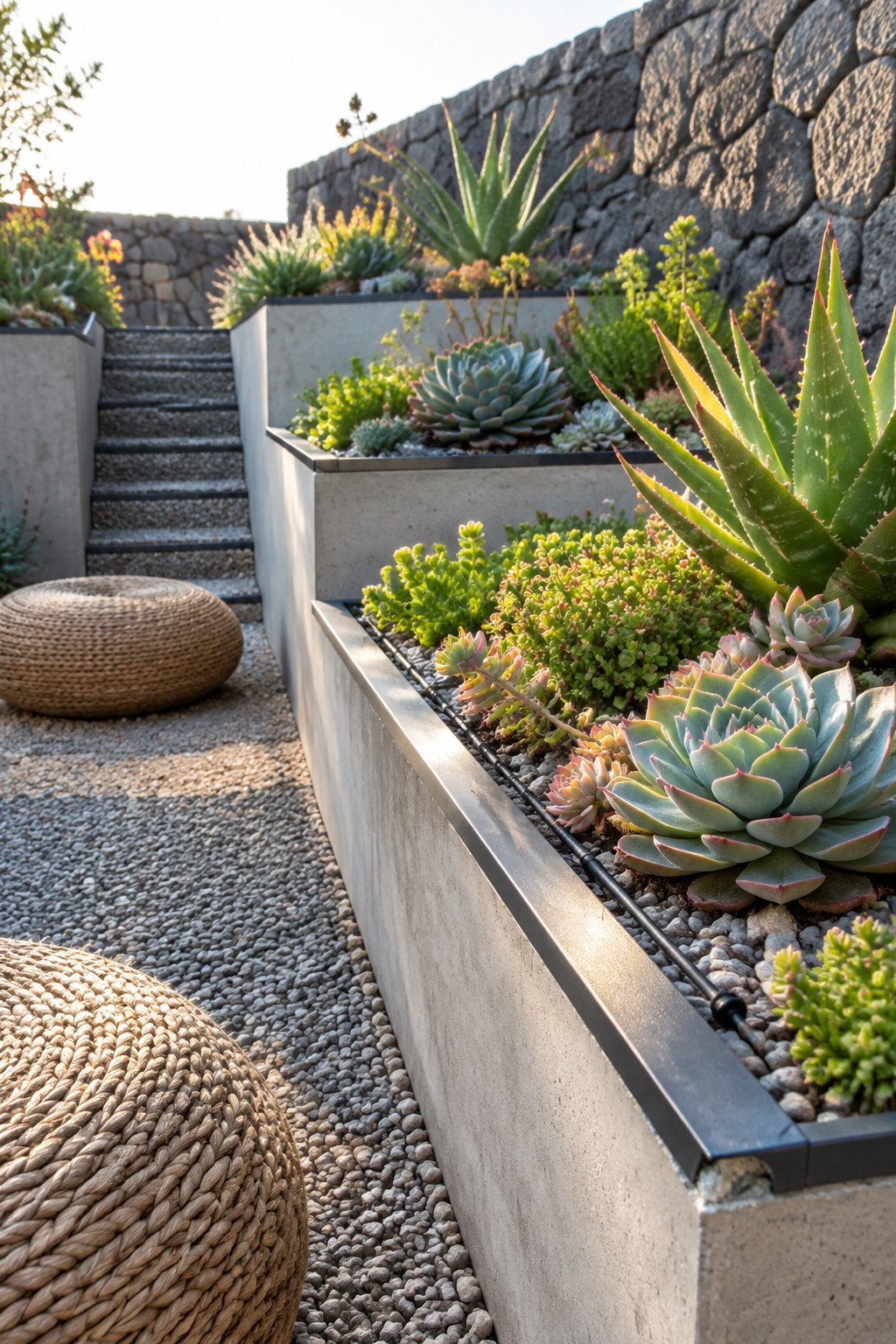
Many homeowners are adding raised concrete planters to replace sections of lawn that are hard to maintain. The planters create clear planting zones that need little watering or mowing once they are filled.
This approach suits smaller backyards or sloped sites where grass struggles. Gravel around the base helps with drainage and keeps the look tidy without adding more turf to care for.
Raised Planters Along a Path
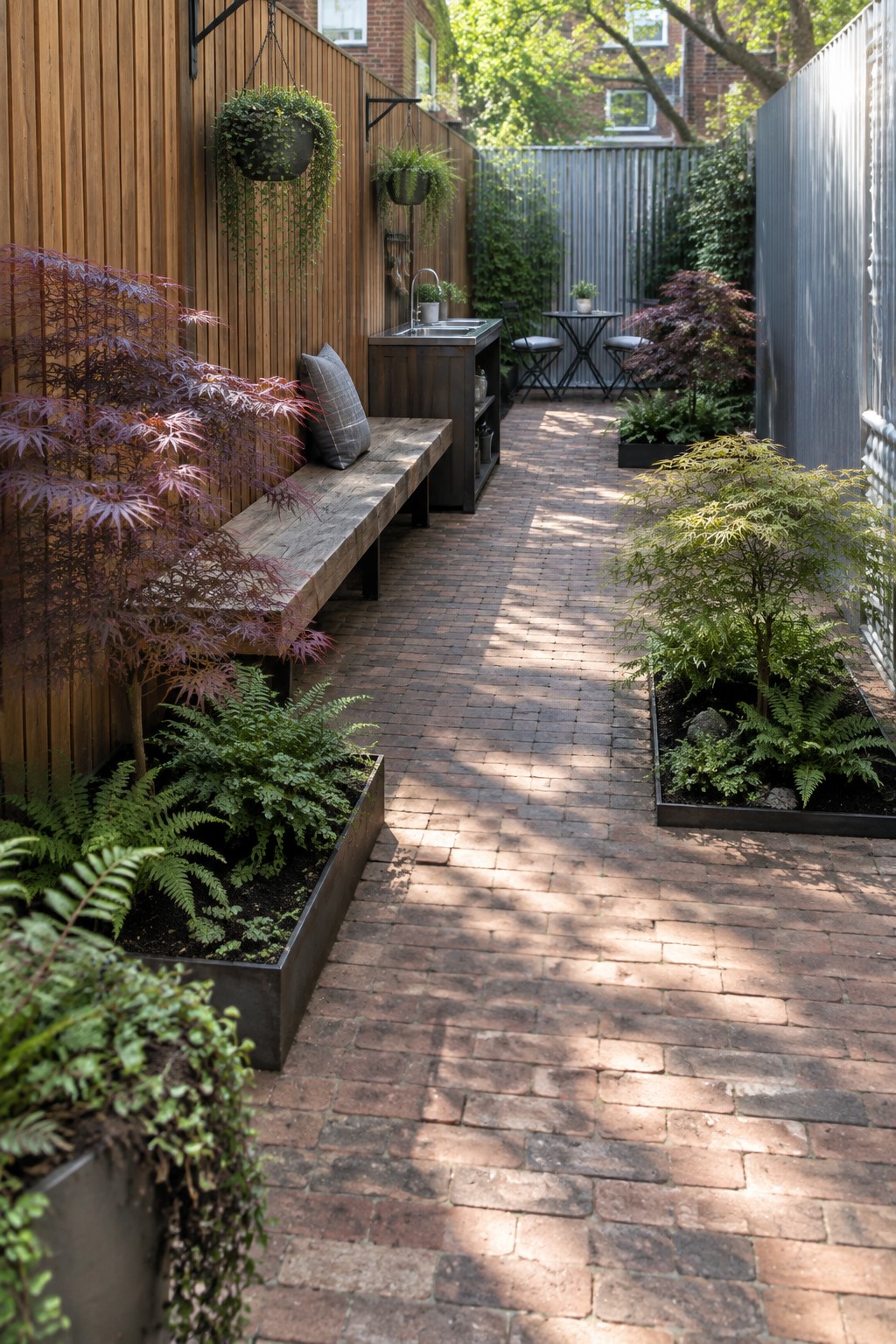
Raised planters work well when you want to cut down on lawn but still keep a yard looking full and structured. In a narrow space they let you place trees and ferns right where you need them without worrying about grass struggling in the shade or along a walkway. The metal boxes hold everything in place and give the planting a clean edge that lasts.
They suit small urban yards or side gardens where a full lawn would feel cramped anyway. Keep the beds a consistent height and width so the path stays easy to walk and the plants do not crowd each other.
Gravel Beds And Stepping Stones

Gravel beds make a simple swap when the goal is to use less lawn. They give structure to the yard while letting plants like lavender and olives take the spotlight without needing constant water or mowing.
This setup works best in sunny spots where grass struggles anyway. Place the gravel in wide beds, then add a few flat stones to make a path that stays clean and easy to walk on.
Add Stepping Stones For A Simple Garden Path

Stepping stones give you a clear way through the yard without needing a full lawn. They cut down on grass that needs constant mowing and let the surrounding plants do most of the work.
This works best on lots with trees or shade where grass grows thin anyway. Set the stones so they sit slightly apart and let low plants fill the gaps between them.
Lay Stone Pavers to Shrink Your Lawn

A large paved patio cuts down on grass that needs constant mowing and watering. The stone surface holds up to daily use from tables, chairs, and an outdoor oven while keeping the planted areas small and easy to manage.
This approach works well in backyards that see a lot of outdoor meals or gatherings. Keep the paving simple and let a few pots handle the greenery so the space stays low maintenance without looking bare.
Frequently Asked Questions
Q: How do I choose ground covers that fit my yard’s sun and shade mix?
A: Walk around at different times of day and note where the sun hits. Pick mixes like sedum for sunny spots and ferns for shade. They fill in faster when matched to the light.
Q: Will these changes cut down on my weekend yard work?
A: Yes, you will mow way less once grass is replaced. Weeding drops too as the new plants take over. Spend that time enjoying the space instead.
Q: What if I want to try this but worry about the upfront cost?
A: Start small with one corner of the yard. Buy plants in smaller sizes or divide from friends. The savings on water and mower fuel add up quick after the first year.
Q: Which of these ideas holds up best in cold winters without looking dead?
A: Evergreens and hardy perennials stay green or add structure. Many ground covers go dormant but come back strong in spring.
