

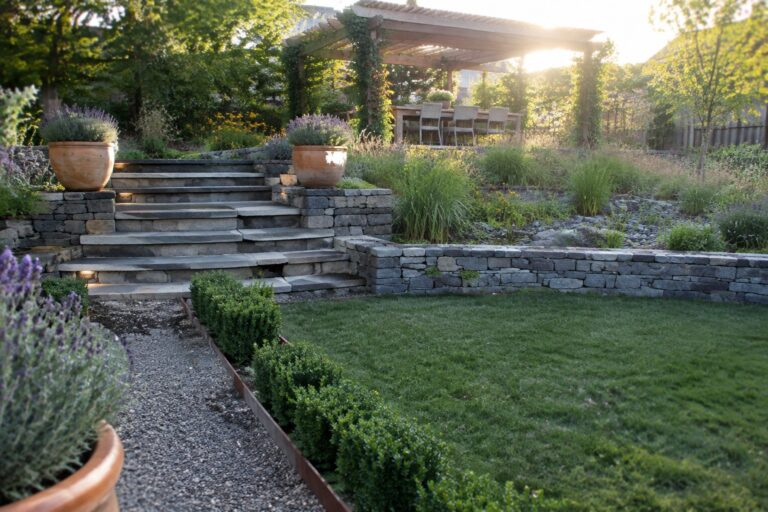
When a backyard slopes, the ground tends to push everything downhill unless the layout accounts for it from the start.
Building terraces with retaining walls creates level areas that support both plants and paths without constant shifting.
Drainage always matters more than it seems at first.
I have found that checking how water moves after a heavy rain reveals which terrace placements will hold up over the years.
Adapting these ideas to the specific slope and soil type around a home turns the whole space into something that works without fighting the land every season.
Terrace a Slope with Retaining Walls
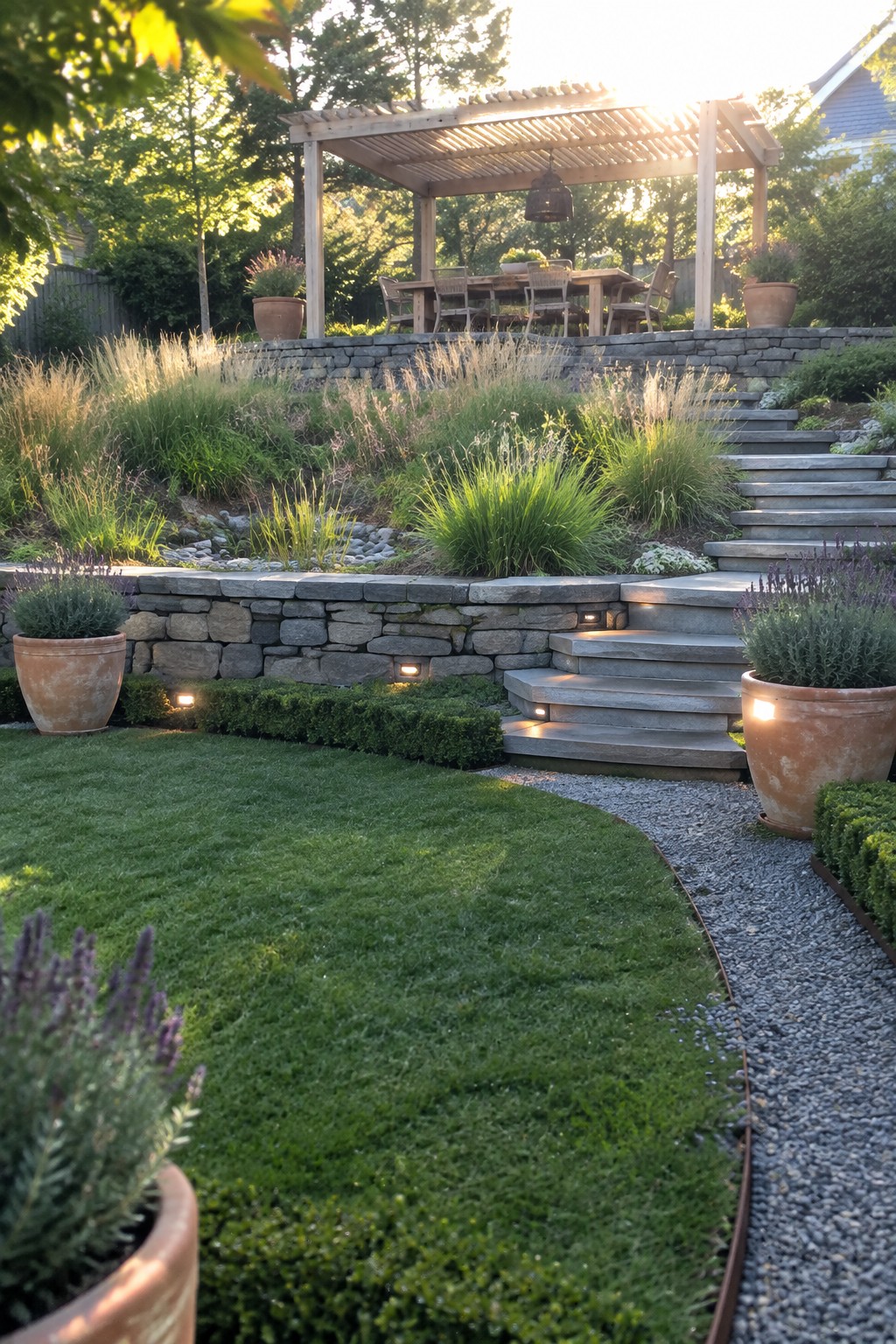
Retaining walls turn a steep slope into a series of usable flat areas. The stone walls in this yard hold back the hill and create clear planting beds at different heights. This approach keeps the space from washing out during rain and gives you room for grass, shrubs, and flowers without everything sliding downhill.
Stone works well because it blends with most homes and lasts for years. Start with the lowest wall first, then build upward so each level feels stable. Check drainage behind the walls before planting, and keep the steps wide enough for easy movement between levels.
Terrace A Sloped Yard With Retaining Walls
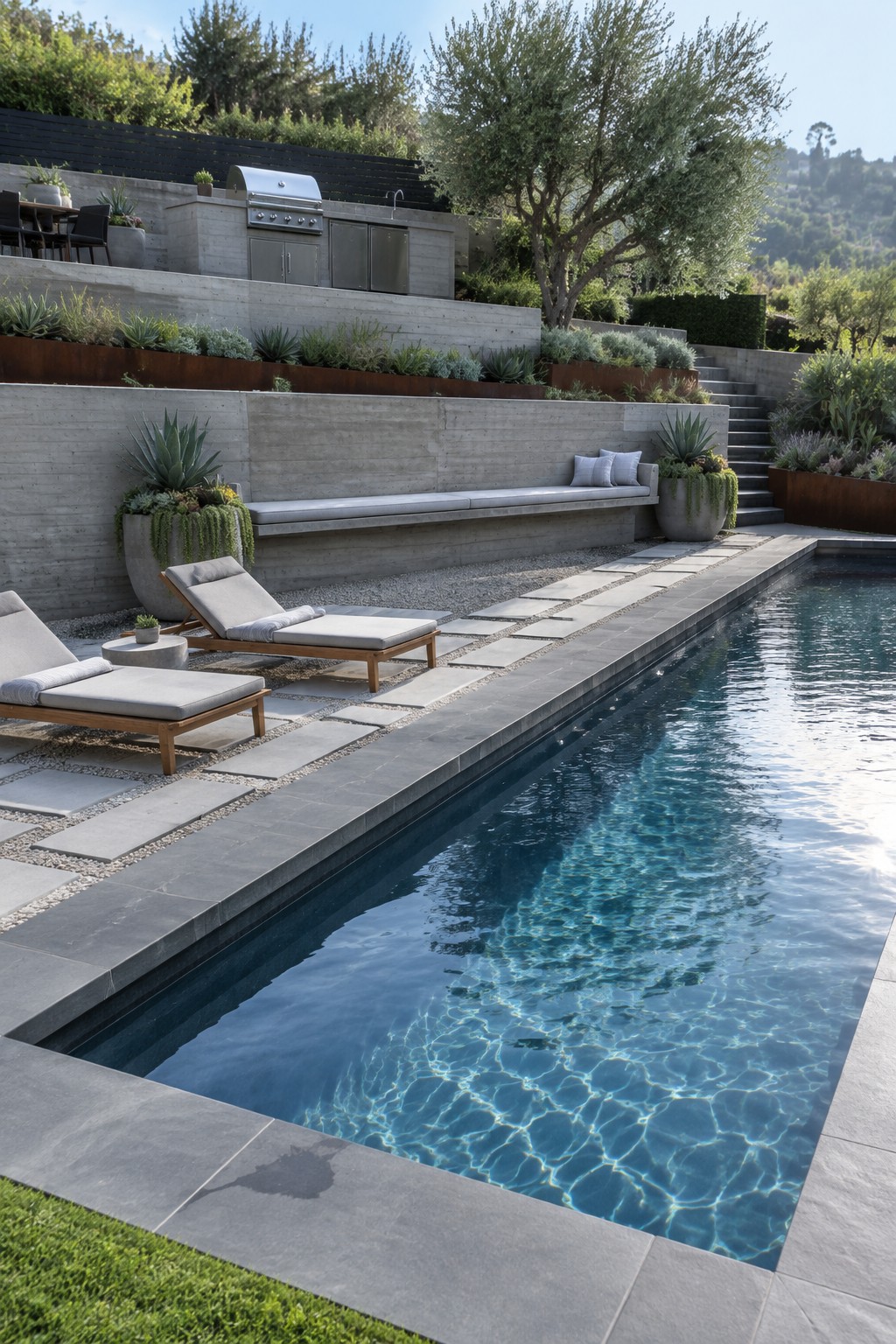
Retaining walls turn a steep drop into flat usable space by creating stepped levels. This setup works especially well on hillsides where the ground falls away quickly and you need room for seating or a pool without fighting the slope the whole time.
Concrete walls hold the soil in place while giving you clean edges for planting pockets and built-in benches. They suit homes on uneven lots where you want practical outdoor areas that still feel tied to the landscape.
Gabion Walls For Sloped Terraces
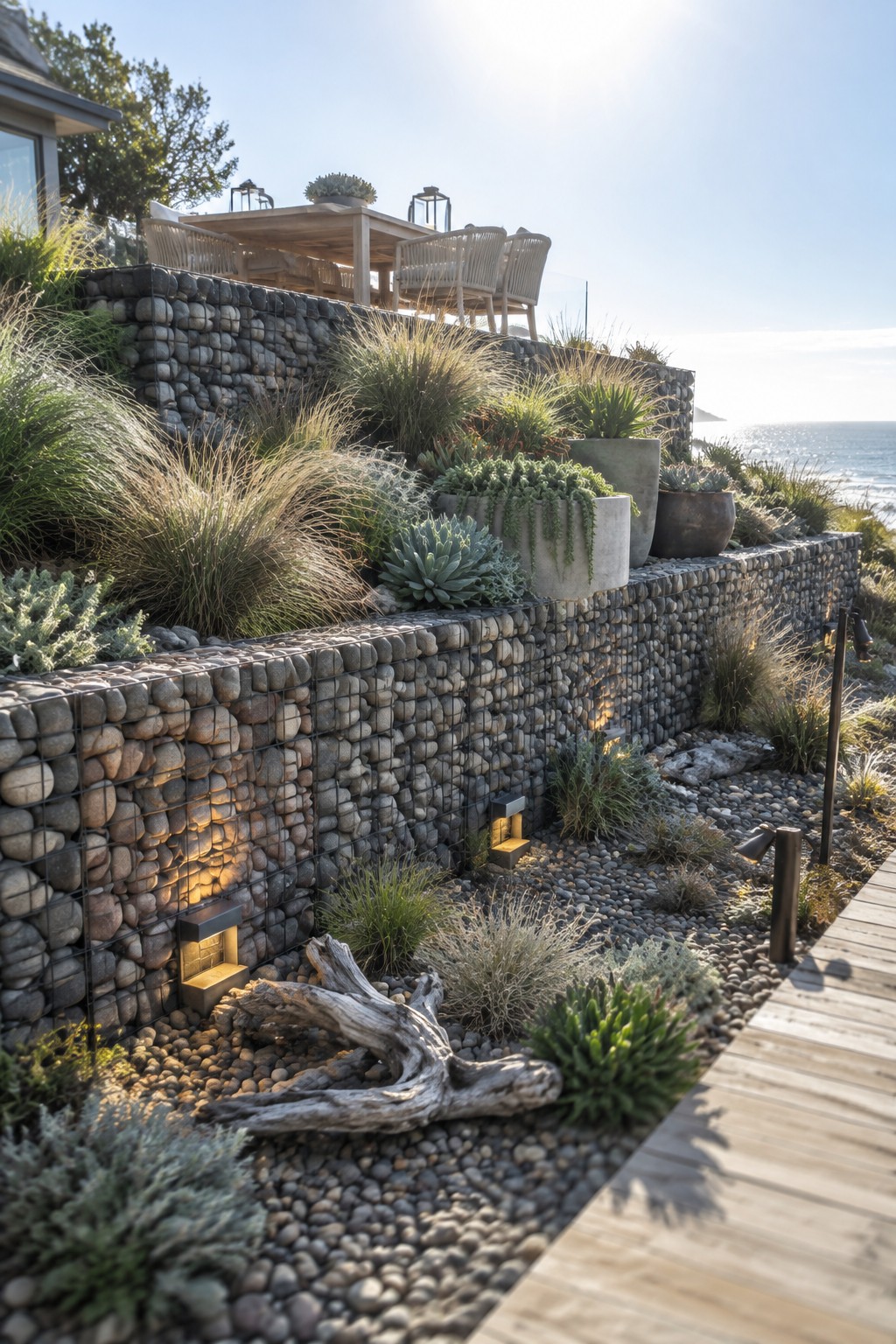
Gabion walls give you a practical way to terrace a steep backyard without pouring concrete or fighting erosion. The wire cages packed with stone create solid, stable levels that hold soil in place while still looking like part of the landscape.
This approach works best on sites with a noticeable drop, especially near the coast where drainage matters. You can plant directly into the terraces or along the base, and the rough stone texture blends with grasses and succulents without feeling too formal.
Stone Steps Turn Slopes Into Garden Terraces
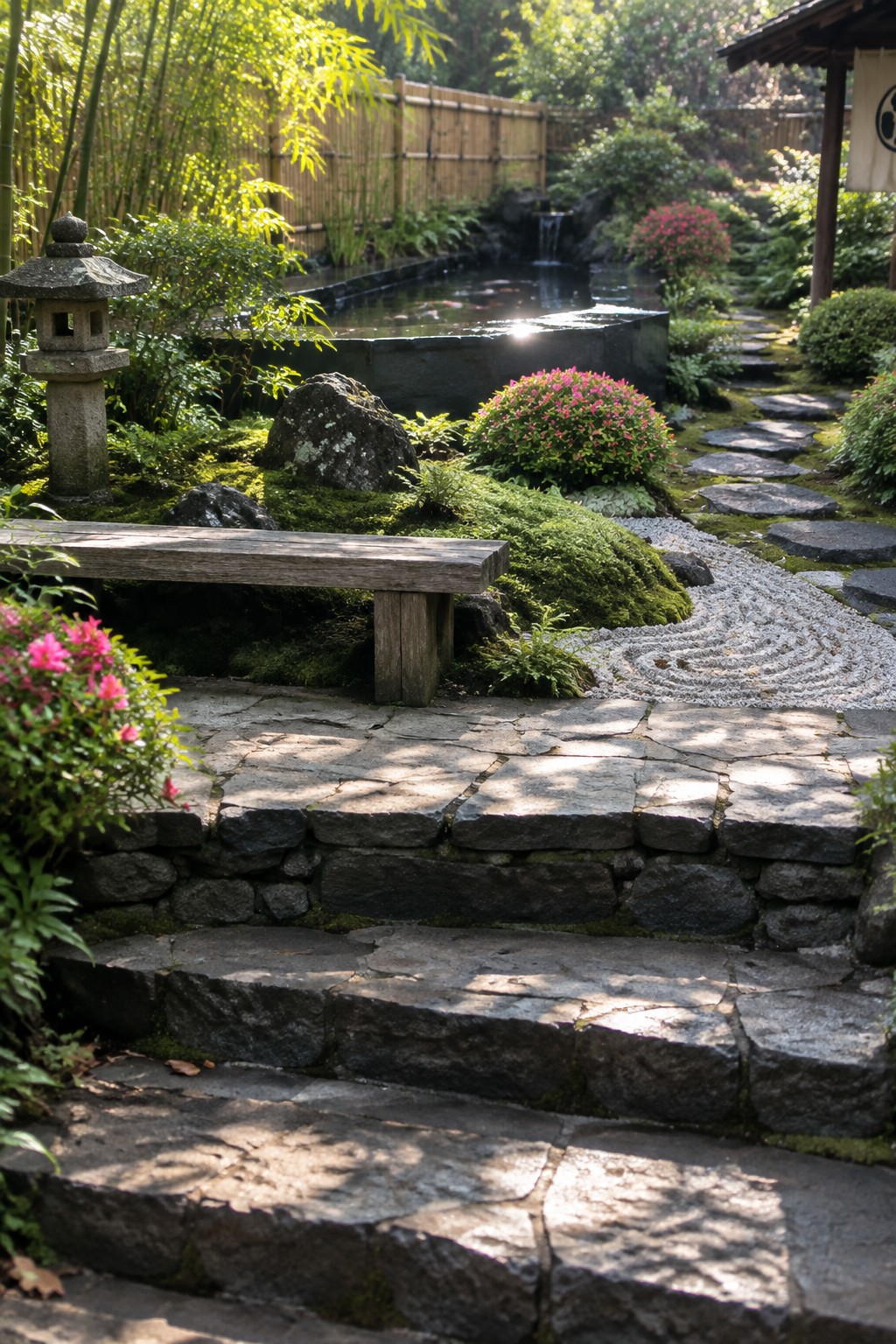
Stone steps work well when a backyard drops away because they break the slope into smaller flat areas. Each level can hold plants or a path without the whole yard feeling like one long hill. The stone also blends with the ground and holds the soil in place over time.
This approach fits homes with moderate slopes where you want to keep some natural flow. Keep the risers low enough for easy walking and use the same stone for any low walls so the levels feel connected.
Retaining Walls That Form Garden Terraces
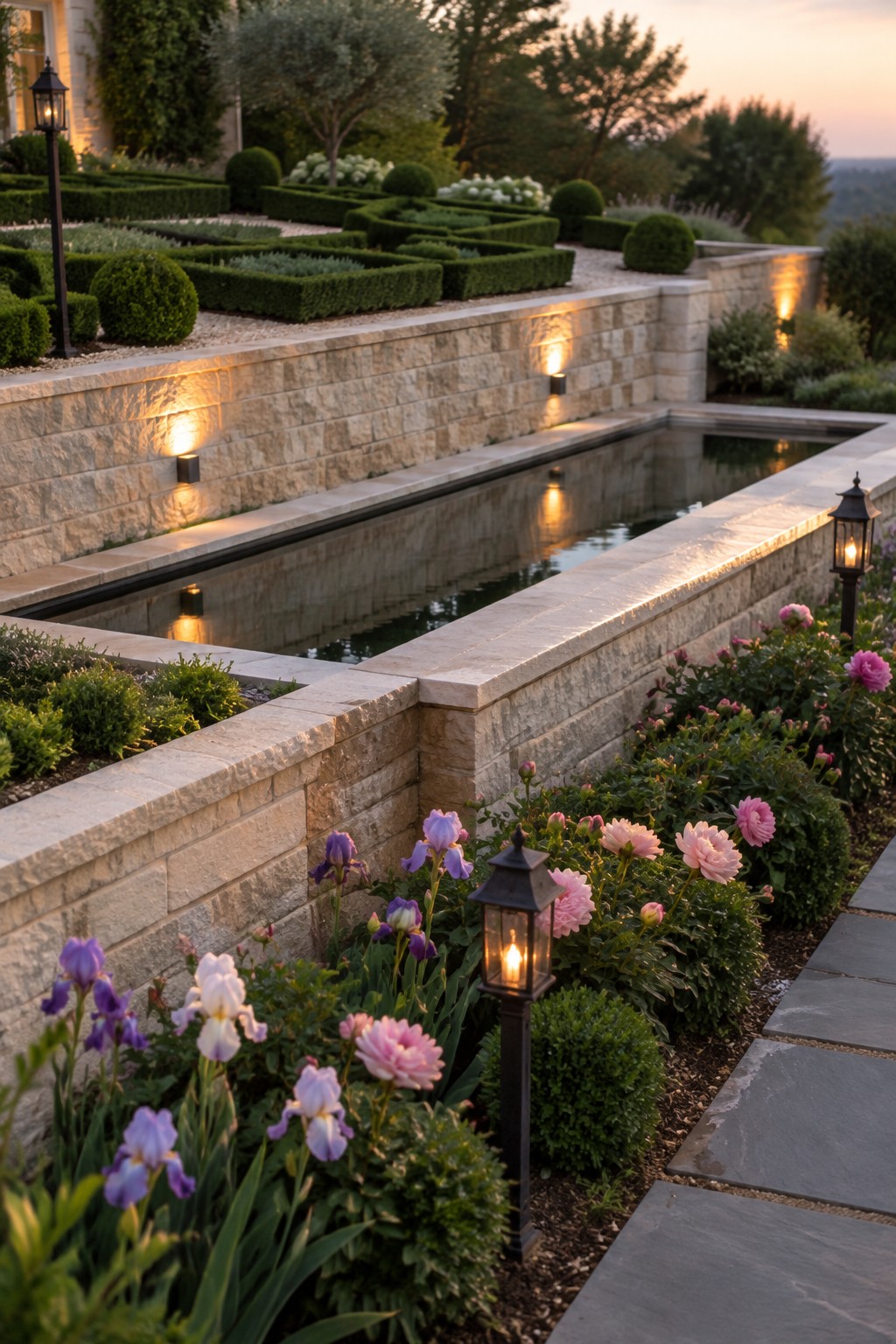
Retaining walls make the most of a sloped yard by turning it into a series of flat terraces. This keeps soil from washing away and gives you actual planting space at different heights instead of a steep hill you cannot use.
Stone walls pair well with a long water channel running along one level. The setup works best on yards that drop gradually, and it helps to plan drainage behind the walls so they hold up over time.
Use Retaining Walls to Create Terraces on a Slope
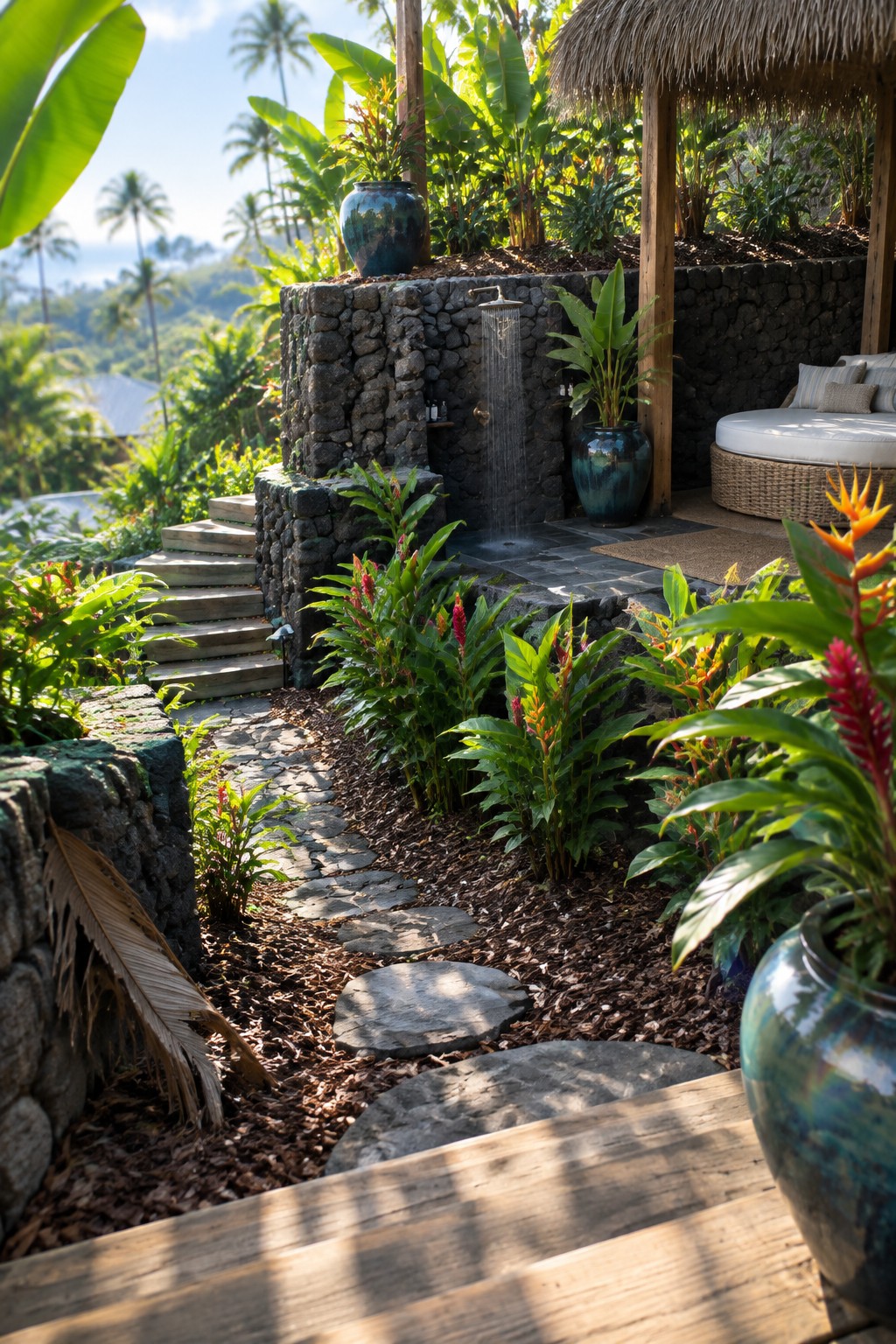
Retaining walls turn a tricky slope into flat usable space without fighting the natural lay of the land. They let you build level spots for paths, planting beds, and even small features while keeping the soil in place.
Stone walls pair well with simple paths and layered plants because the materials age together and need little upkeep. This approach works best on moderate slopes where you want several connected levels rather than one big flat pad.
Use Retaining Walls to Terrace a Sloped Yard
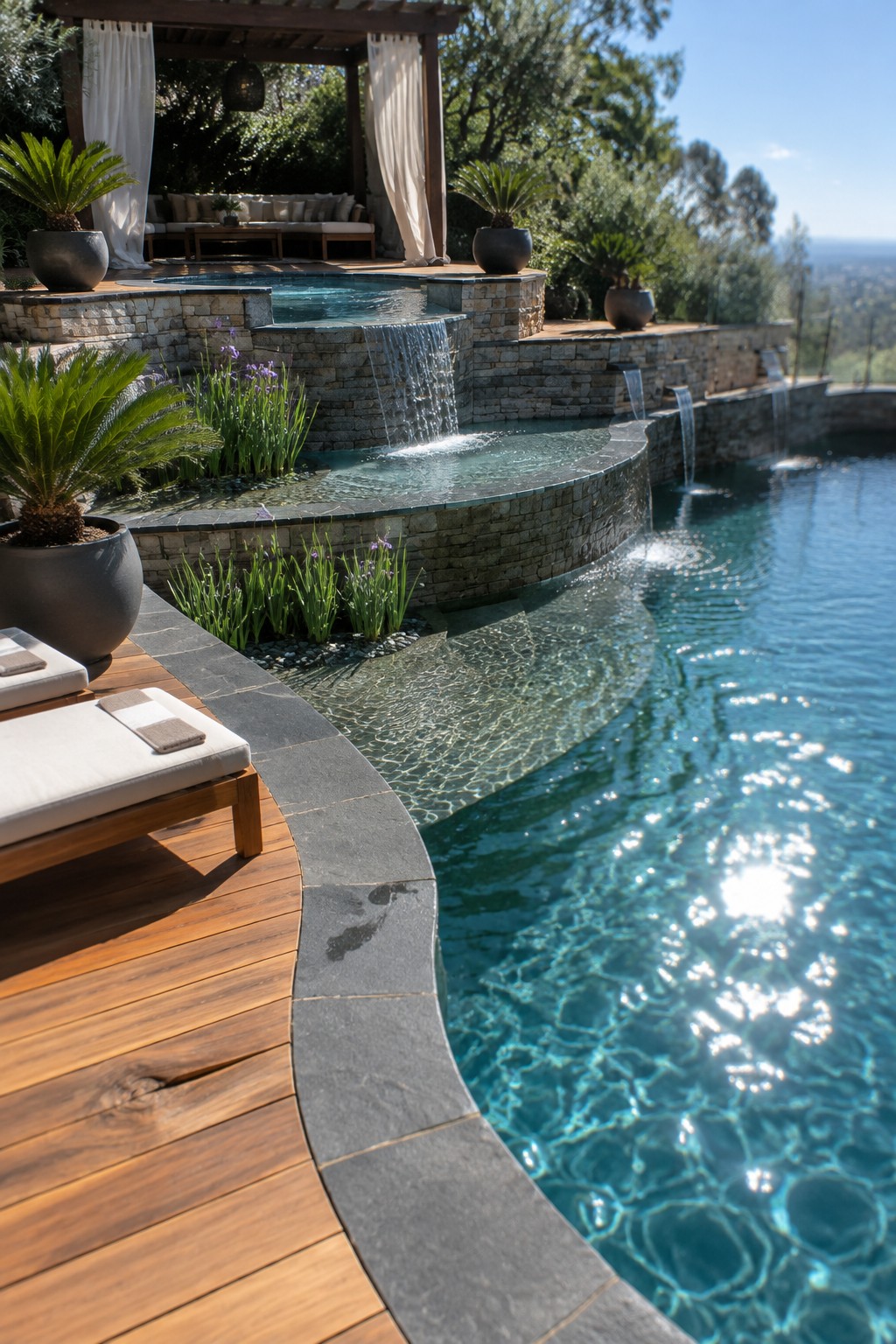
Retaining walls turn a steep drop into a series of flat terraces that can hold a pool, spa, and planting beds. The stone walls here create clean edges and let water spill from one level to the next without losing usable space.
This approach works best on backyards that slope away from the house. Keep the walls low enough to feel natural, add good drainage behind each one, and choose a material that blends with the rest of the yard so the terraces do not look like separate structures.
Layered Garden Beds for a Terraced Sloped Yard
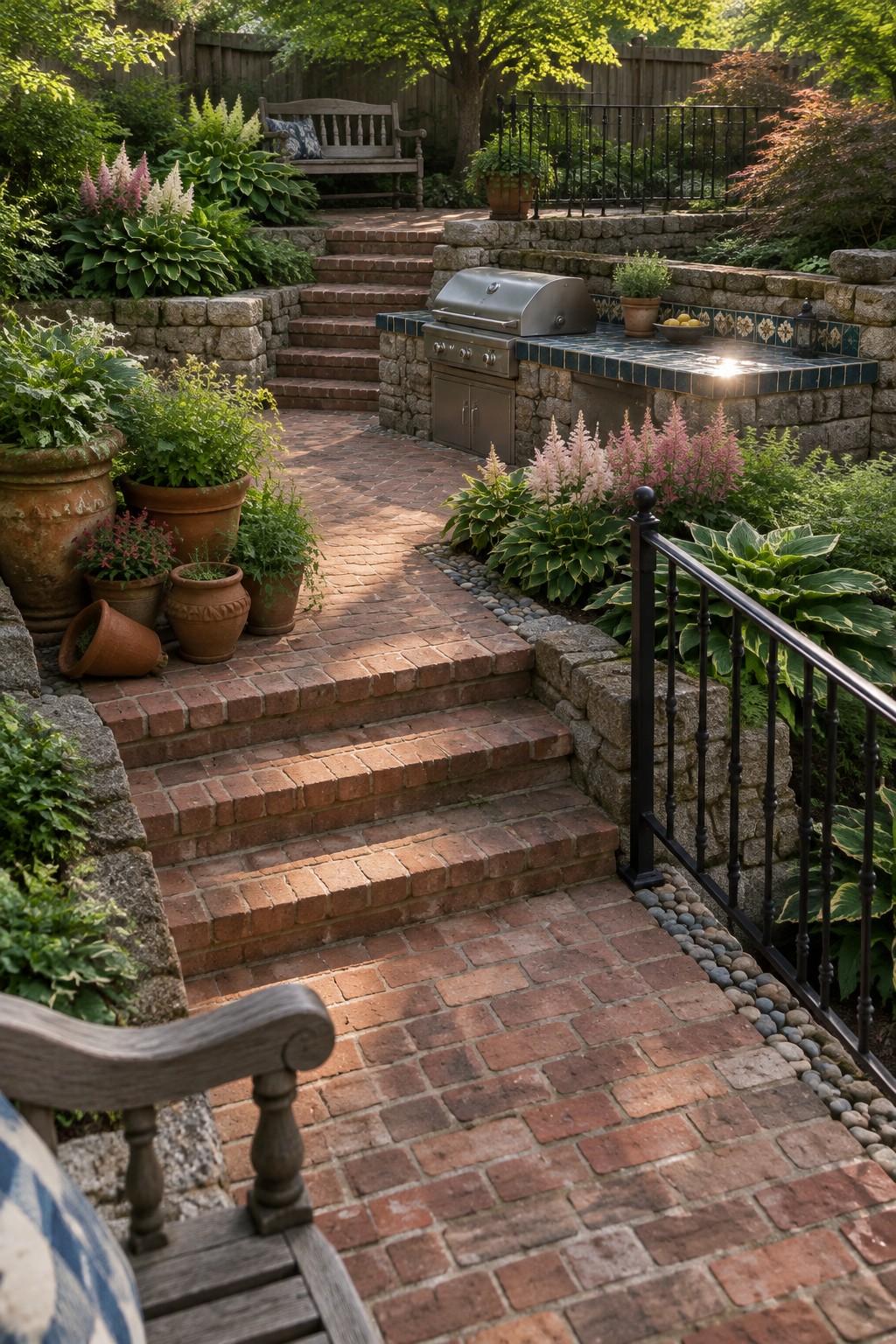
A sloped backyard often ends up feeling like wasted space because it is hard to walk on or plant. Retaining walls solve that by turning the slope into a series of flat terraces that can hold paths, garden beds, and even a small cooking area.
This works best on yards that drop away from the house. Stone walls paired with brick steps and paths keep the levels stable and give you room to add planting pockets along the edges. Just check local rules for wall height and drainage before you start digging.
Terraced Outdoor Zones for Dining and Relaxing
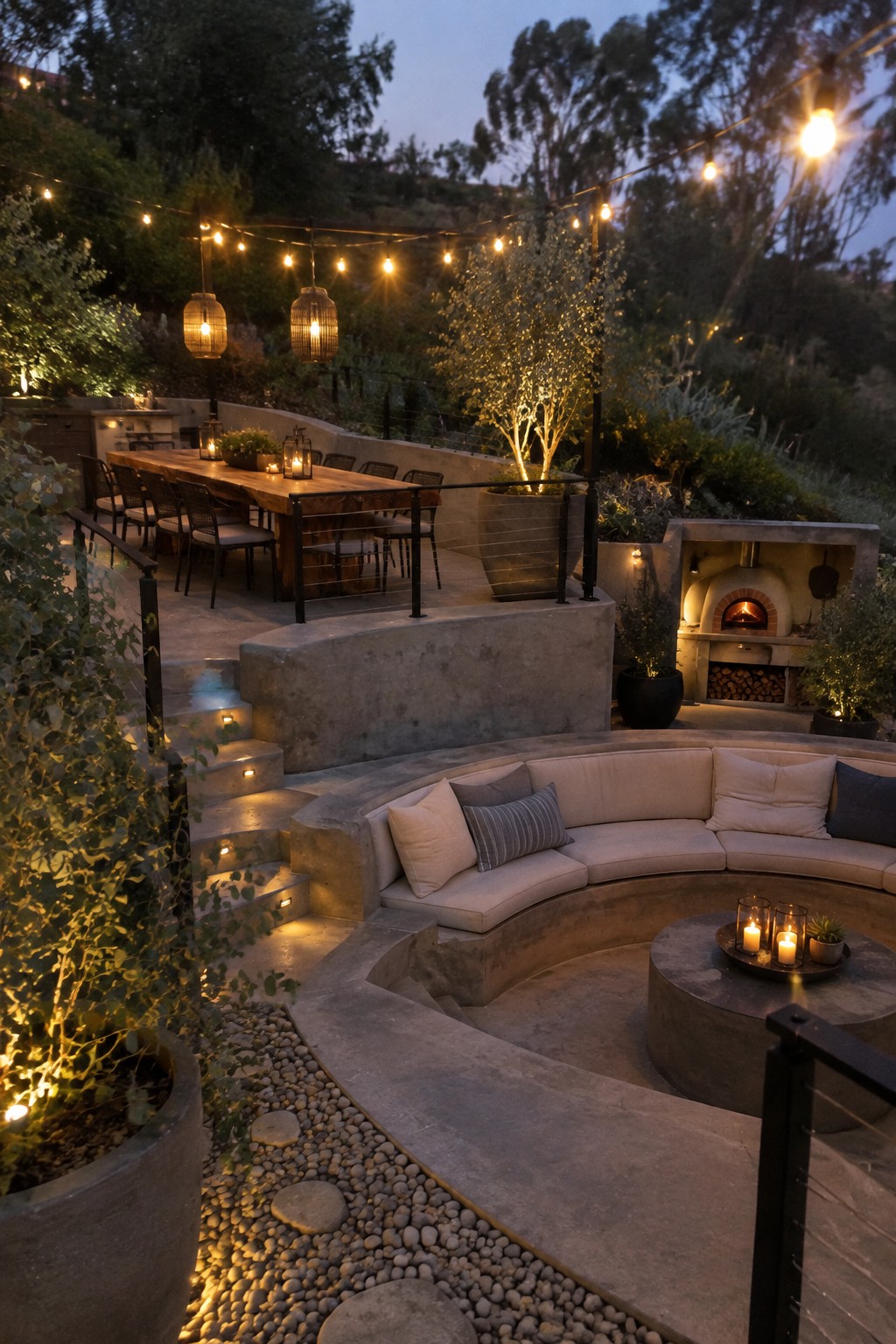
Terracing works well on sloped backyards because it turns uneven ground into usable flat space. Retaining walls hold each level in place and let you stack different functions without the whole area feeling cramped or slanted. The concrete walls here separate a higher dining spot from a lower lounge area, so meals and relaxing stay in their own zones.
This approach suits homes with noticeable slopes where a single flat patio would feel too small or awkward. Keep the walls low enough to avoid heavy permits, and add simple lighting along the edges so the levels stay safe after dark. It also helps with drainage when the walls are built with proper weep holes.
Terracing A Slope With Retaining Walls
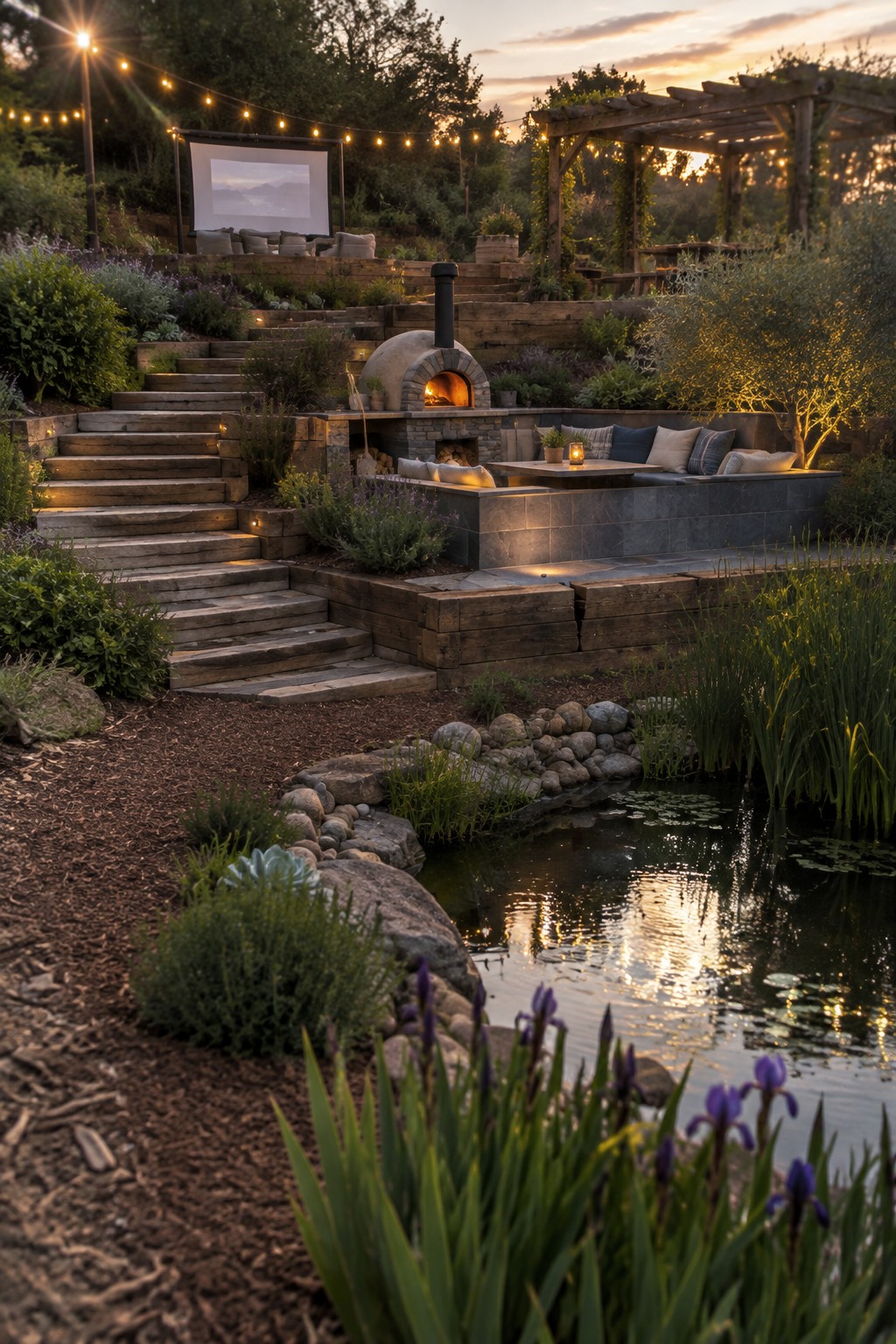
Terracing a slope with retaining walls turns an awkward hillside into several flat, usable areas. The walls hold back the soil and create level spots for seating, paths, or small garden beds. Steps connect the different levels so the yard feels connected instead of steep and hard to walk.
This approach works best on moderate slopes where you want room to gather without constant grading. Wood or stone walls blend into the landscape and give planting areas something solid to sit against. Check drainage early so water does not pool behind the walls.
Frequently Asked Questions
Q: Can terraces handle a really steep backyard without falling apart? A: Build the retaining walls in shorter steps rather than one tall one. This spreads out the pressure and keeps everything stable over time. Start at the bottom and work your way up.
Q: Which plants work best on the terraces themselves? A: Go with low growing perennials that spread out and grip the soil. They need less watering once established and fill in fast.
Q: How do I make sure rain does not pool behind the walls? A: Install a perforated pipe at the base of each wall before backfilling. Slope the pipe to carry water away to a safe spot in your yard.
