

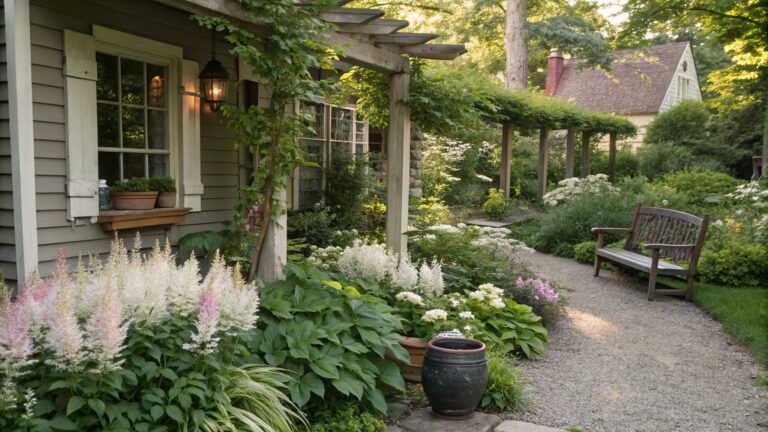
I’ve found that Astilbe plants excel at softening the structured lines of garden borders and pathways, especially in shadier spots where bolder perennials fall flat. In my own yard, I tucked some along a gravel walkway last spring, and they’ve since created that gentle, airy drape that makes walking through feel less stark over time. People usually spot the feathery texture first, as it lifts heavy soil lines and adds movement without crowding the overall planting layout. These ideas highlight smart ways to mix Astilbe heights and colors for beds that evolve naturally through seasons. A few stand out for real gardens worth sketching into your next plan.
Garden Paths Edged with Astilbe
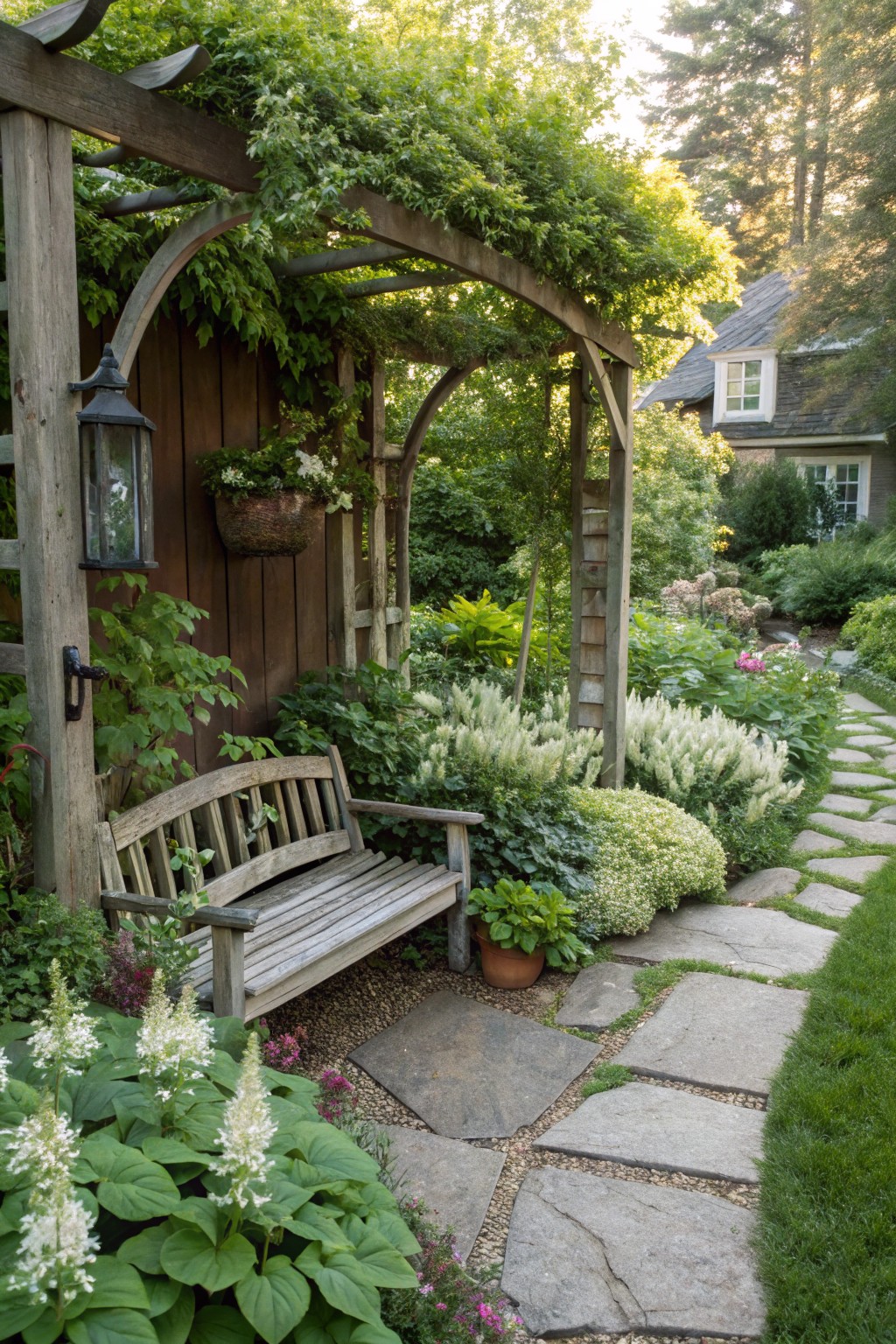
Astilbe works great along stone paths like this one. The white feathery spikes add that soft texture right where the hard path meets the garden beds. It pulls your eye along without feeling too busy, especially around a simple bench.
Try it where paths lead to seating spots under a pergola or arbor. Shady areas suit astilbe best, so pair it with hostas or ferns for more layers. Keep the path stepping stones irregular to match the plant’s airy look.
Brick Path Edged with Astilbe
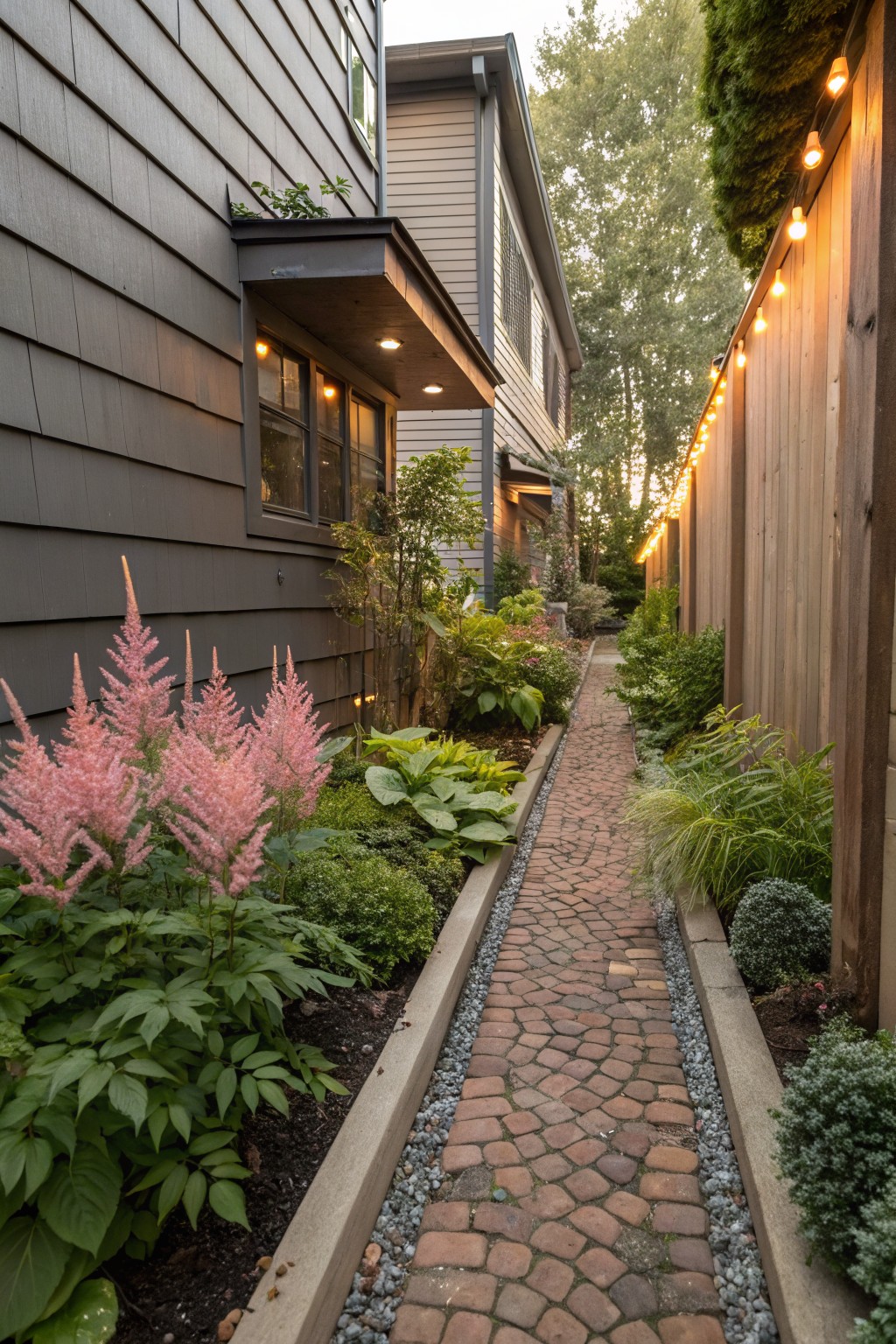
One simple way to make a narrow side yard feel more welcoming is to line the path with astilbe. Those pink fluffy blooms stand out against the hard edges of brick pavers and concrete borders. They add a soft, airy texture that fills the space without crowding it. In this setup, the plants tuck right up against the house wall and fence, turning what could be a plain walkway into something with a little garden charm.
This works best in tight spots like alleys between houses or back entries. Plant astilbe in clumps along both sides for balance, and mix in hostas or ferns for year-round green. It suits modern homes with clean lines, since the feathery flowers soften things up. Just keep the soil moist, as astilbe likes it damp, and you’ll have easy color through summer.
Astilbe Softens a Rocky Stream Path
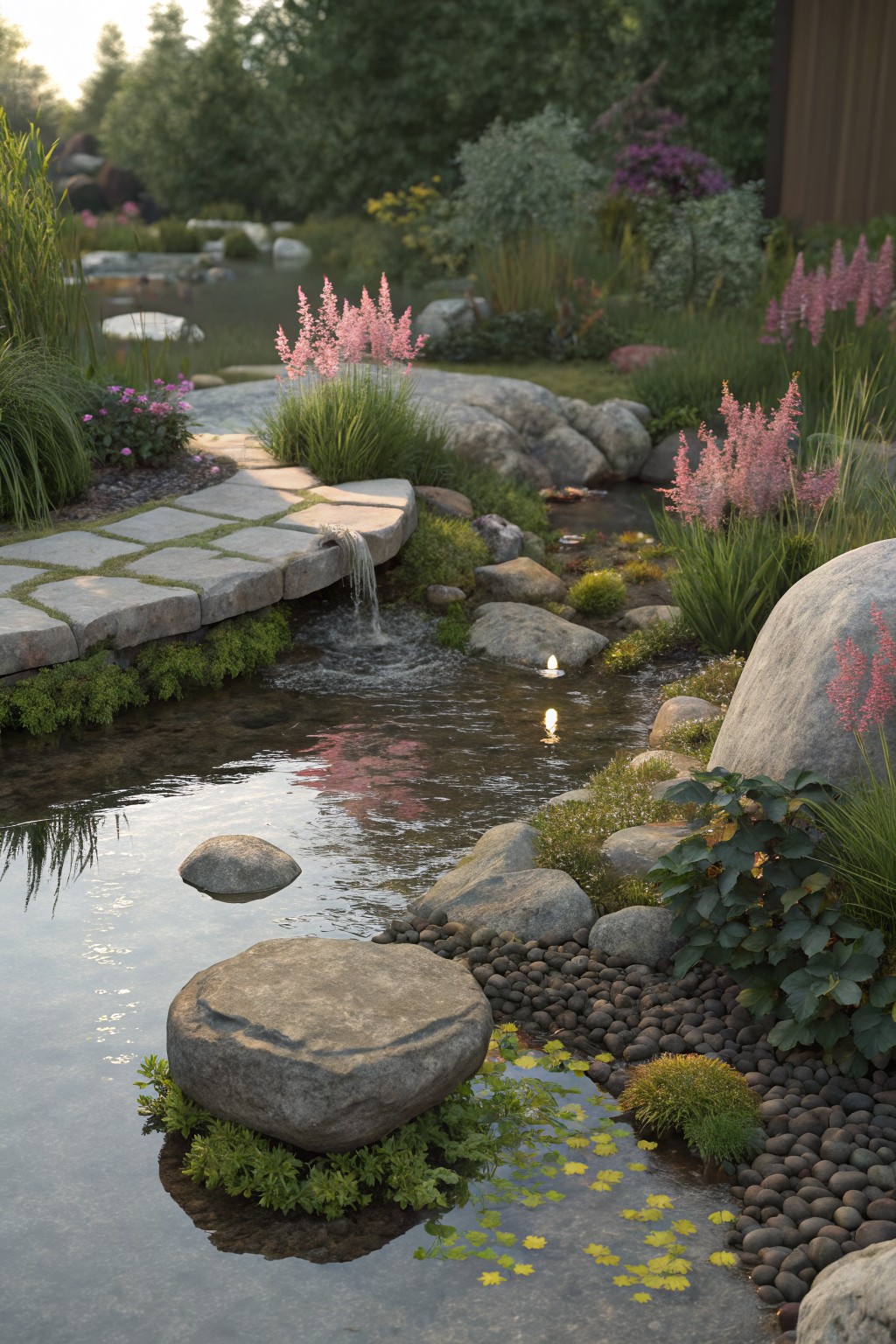
One simple way to use astilbe is along a winding stone path that hugs a backyard stream. The tall pink plumes pop up around boulders and spill over the water’s edge. They add that soft texture without much fuss, turning hard rocks into something more welcoming. It’s a natural look that fits right in with woods or a house edge.
Put this in a semi-shaded spot where water already flows, like a ditch you turn into a stream. Cluster the astilbe mid-path for height, and let lower plants fill gaps. Works best for low-traffic gardens… keeps things calm and pretty year after year.
Astilbe Borders Along Driveway Edges
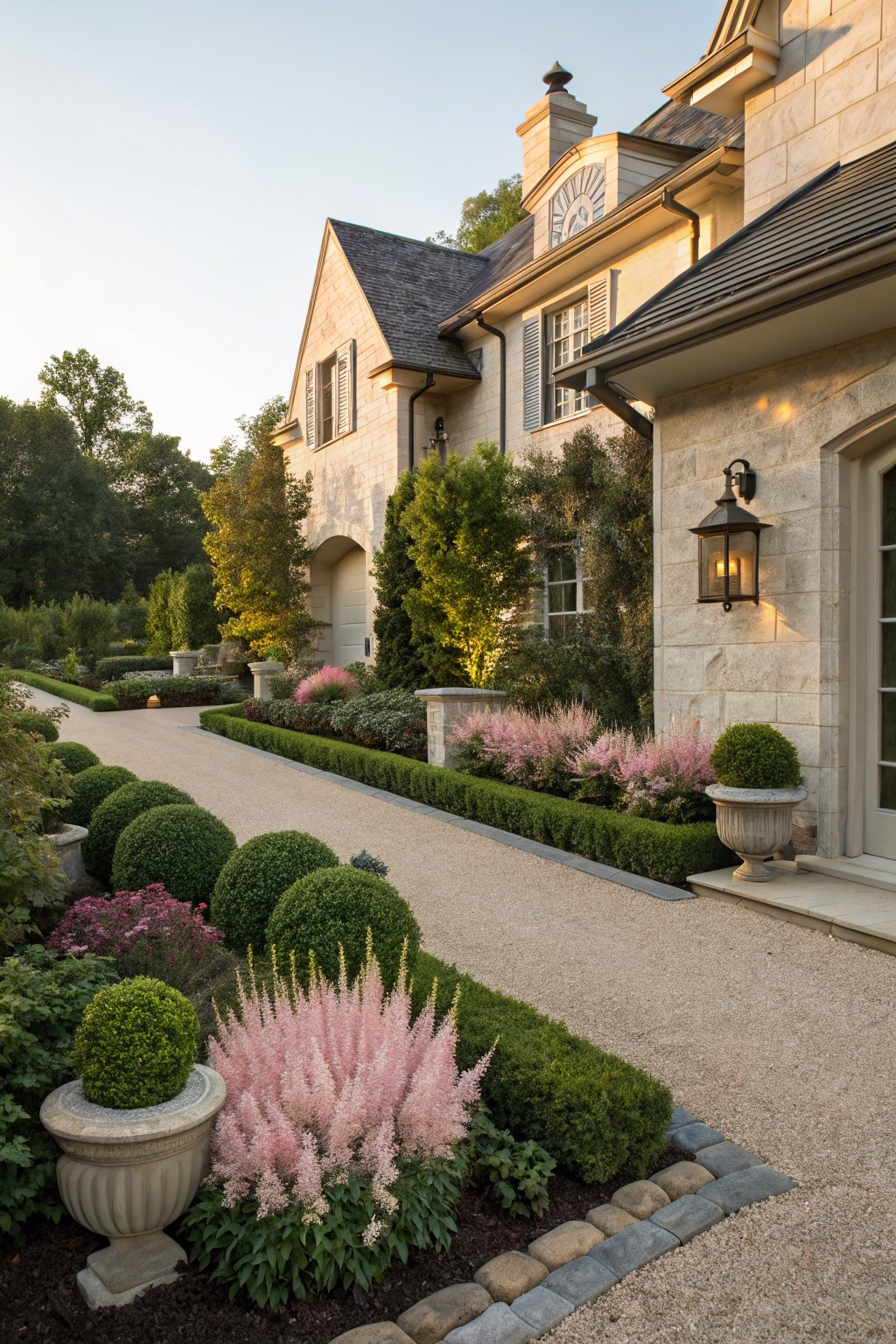
One simple way to add soft texture to a plain driveway is planting astilbe right along the edges. Those fluffy pink plumes stand out against gravel and stone without taking over. They mix well with round boxwoods that keep things neat. The result feels airy but put-together, especially leading up to a stone house like this.
Try it on any front approach where you want color in fall. Space the astilbe in curved beds with low boxwood hedges for structure. It suits traditional homes best… gravel paths help too, since the plants won’t get walked on much. Just make sure the soil stays moist.
Astilbe Beds Framing Porch Steps
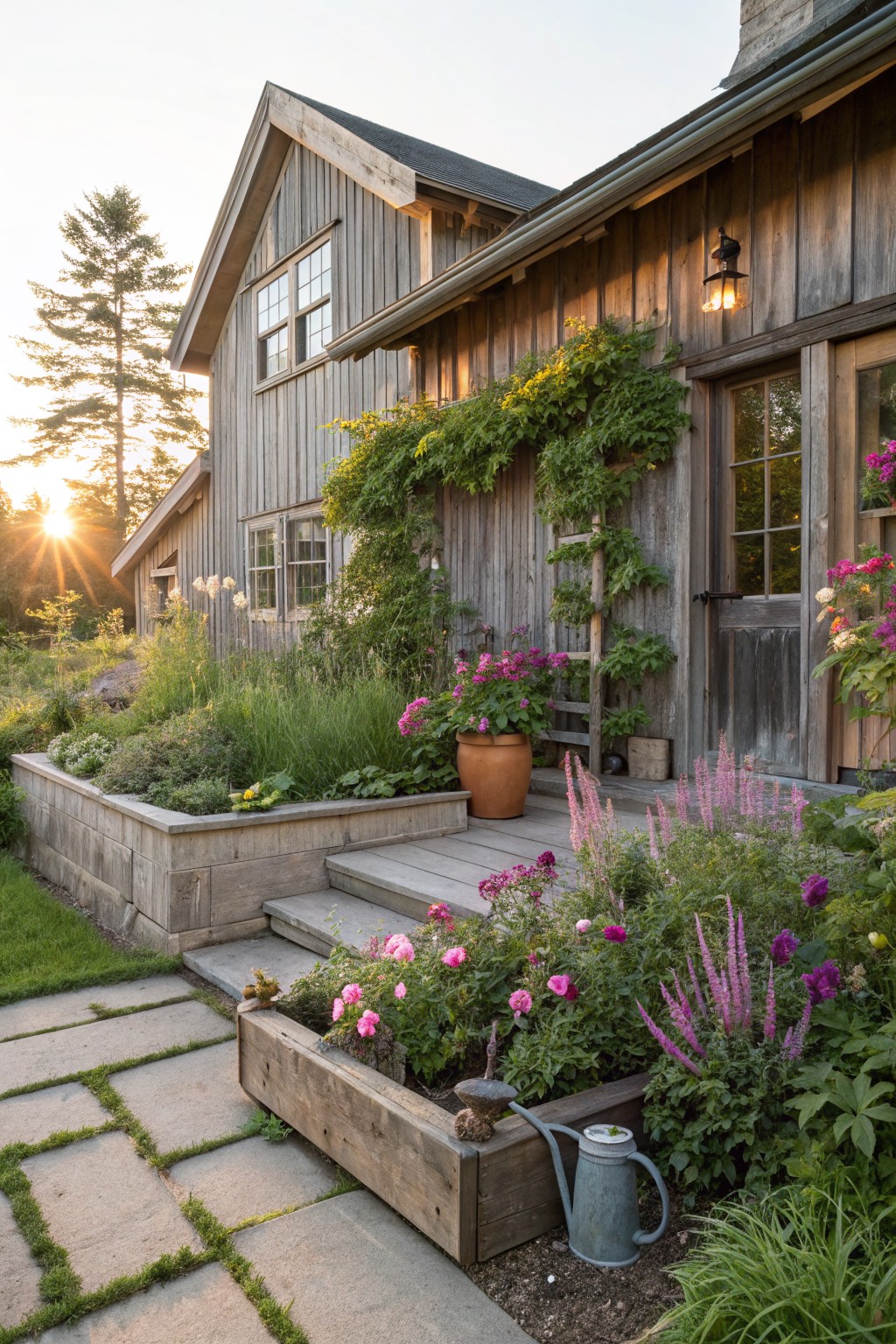
One simple way to bring astilbe into your yard is to plant it in raised beds right along the steps to your porch. Those tall pink plumes add a soft, feathery look that fills out the edges without crowding the path. It works especially well against a plain stone walkway, where the plants pick up the light and sway a bit in the breeze.
Try this around a back entry or side door on a cottage-style house. Use low wooden or stone raised beds, maybe one big terracotta pot nearby for height. Keep the astilbe clumps spaced so air moves through… it stays healthy that way and gives that airy feel. Suits shady spots near trees pretty well.
Vine-Covered Pergola for Courtyard Dining
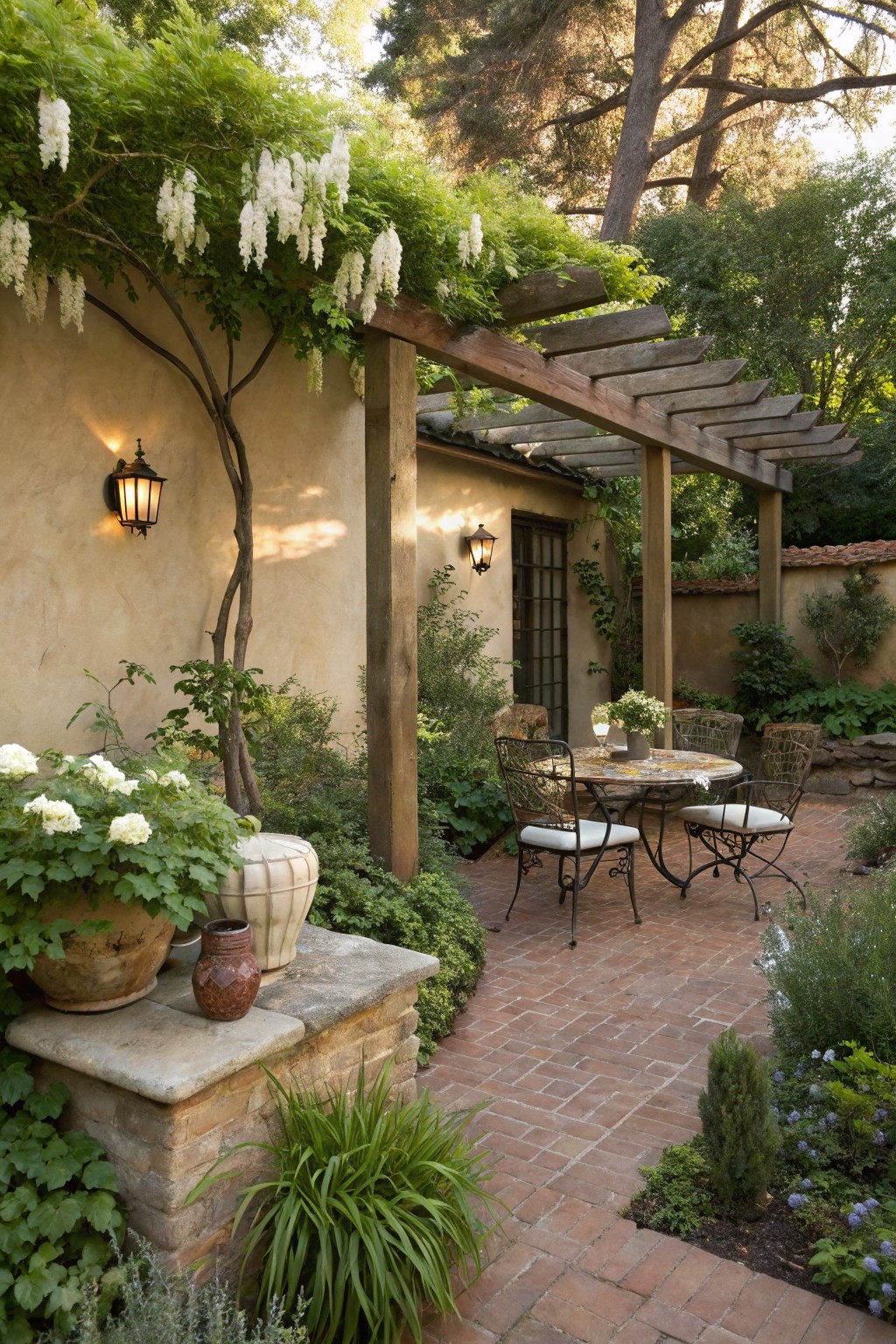
A simple wooden pergola draped in white wisteria makes this small courtyard feel like an extension of the garden. The cascading blooms hang down softly overhead, filtering sunlight into dappled shade for comfortable outdoor meals. Paired with a little round table and iron chairs, it turns a tight space into something usable most of the year.
This setup works best in a walled yard or against the house where you want privacy without closing things off. Plant a vigorous climber like wisteria on sturdy posts, and keep the seating compact. Add lanterns on the walls for evenings… just watch that the vines don’t overwhelm the structure over time.
Astilbe in Poolside Raised Beds
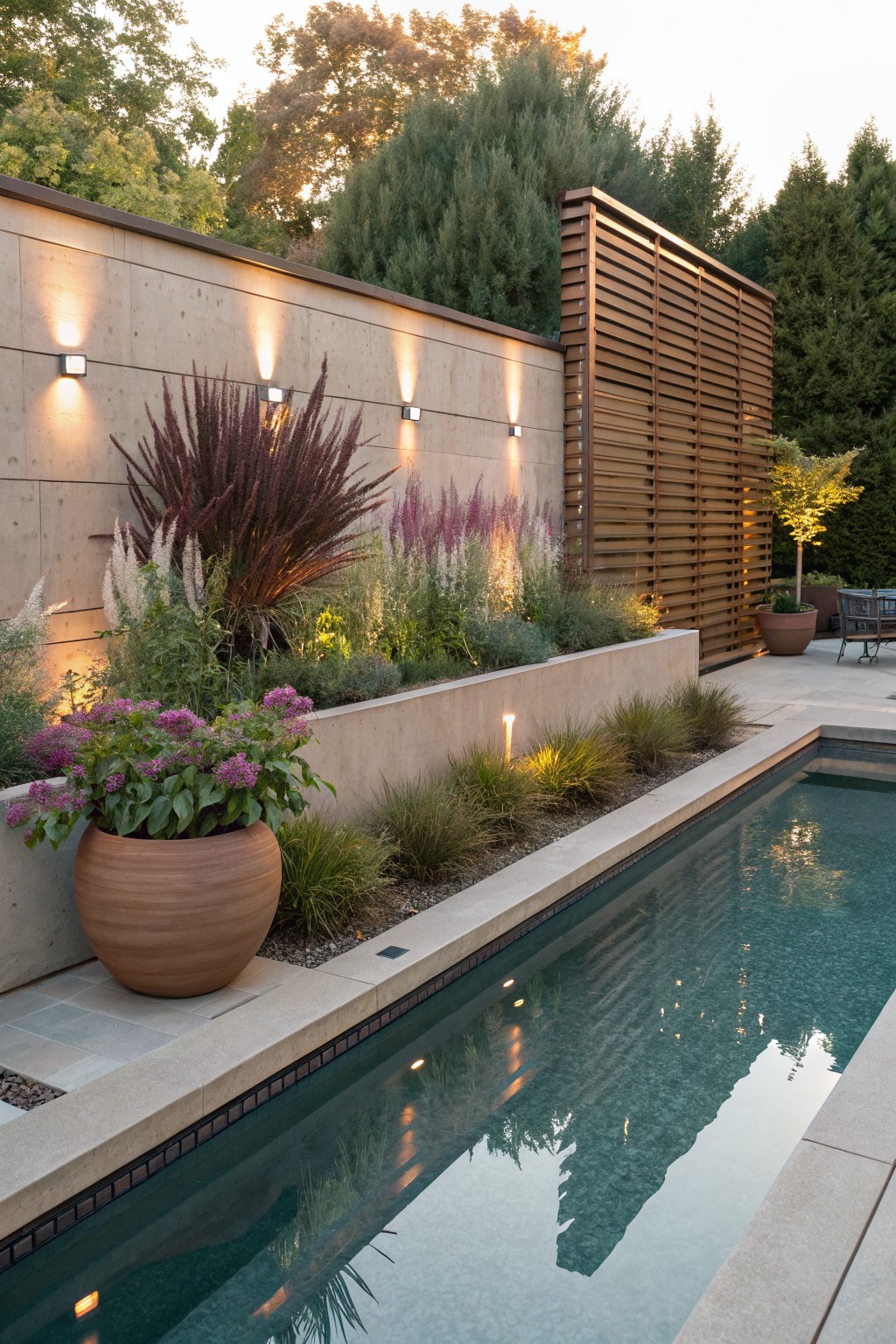
One simple way to bring airy texture right up to the water is planting astilbe in low raised beds along a pool edge. Those pink fluffy blooms mix nicely with grasses and stand out against the stone coping and clean water lines. It keeps things feeling open without crowding the space.
Try this in narrow yards or modern backyards where you want plants close but not spilling over. Use beds about a foot high to hold back soil, and pick astilbe varieties that match your light. Just make sure good drainage so roots stay happy near the pool.
Terraced Astilbe Beds on Slopes
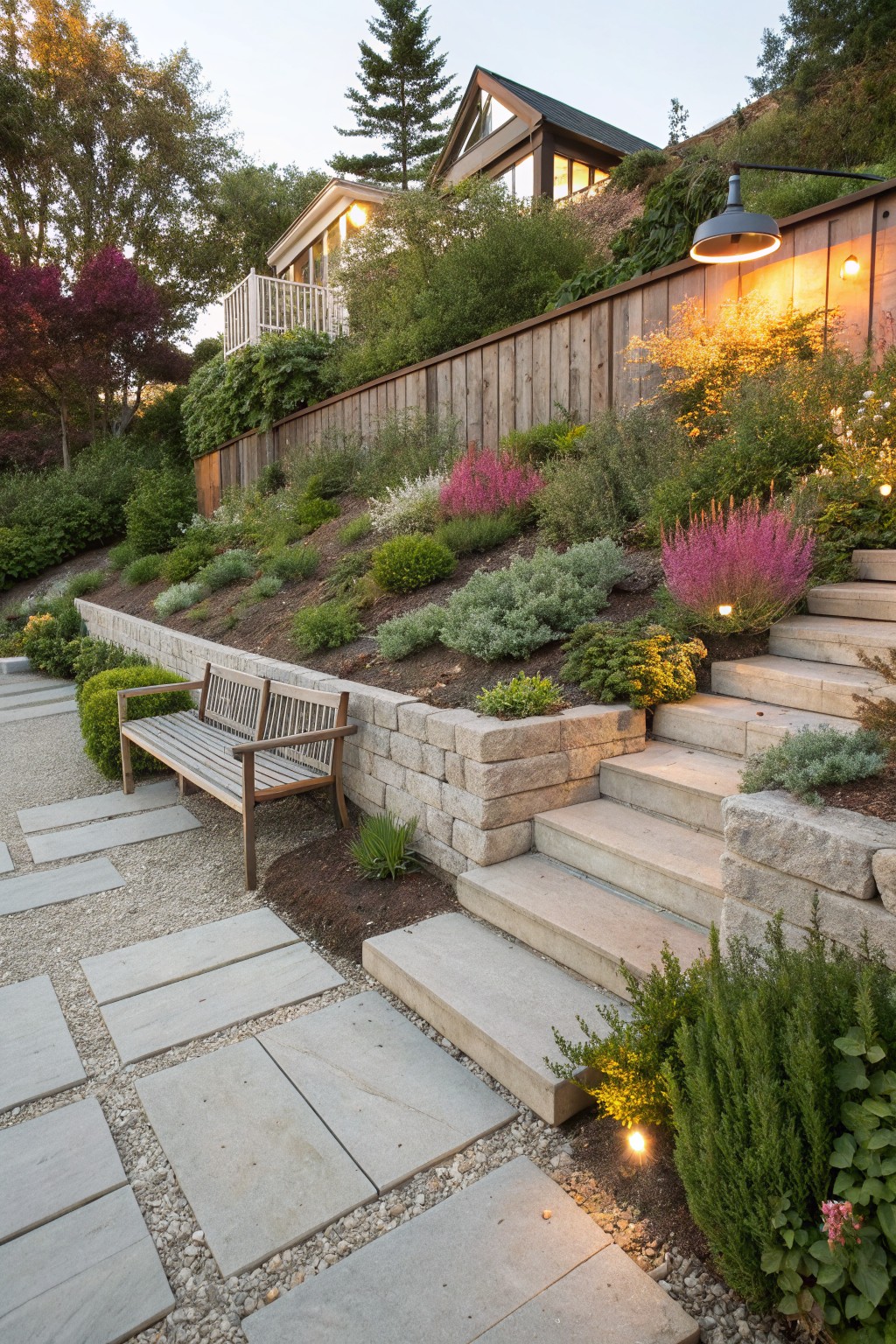
Slopes can be tricky in a yard. They often end up looking bare or hard to use. But terracing them with stone walls and filling the beds with Astilbe changes that. Those airy pink plumes add soft texture right against the solid rock. It makes the hill feel planted and welcoming instead of stark.
This setup works best where you have a good slope but want some usable space. Pair the Astilbe with low shrubs and gravel paths, then add steps and a simple bench. Keep the beds mulched to hold moisture. It suits most backyards, even smaller ones… just scale the terraces to fit.
Raised Beds of Astilbe Border a Patio Table
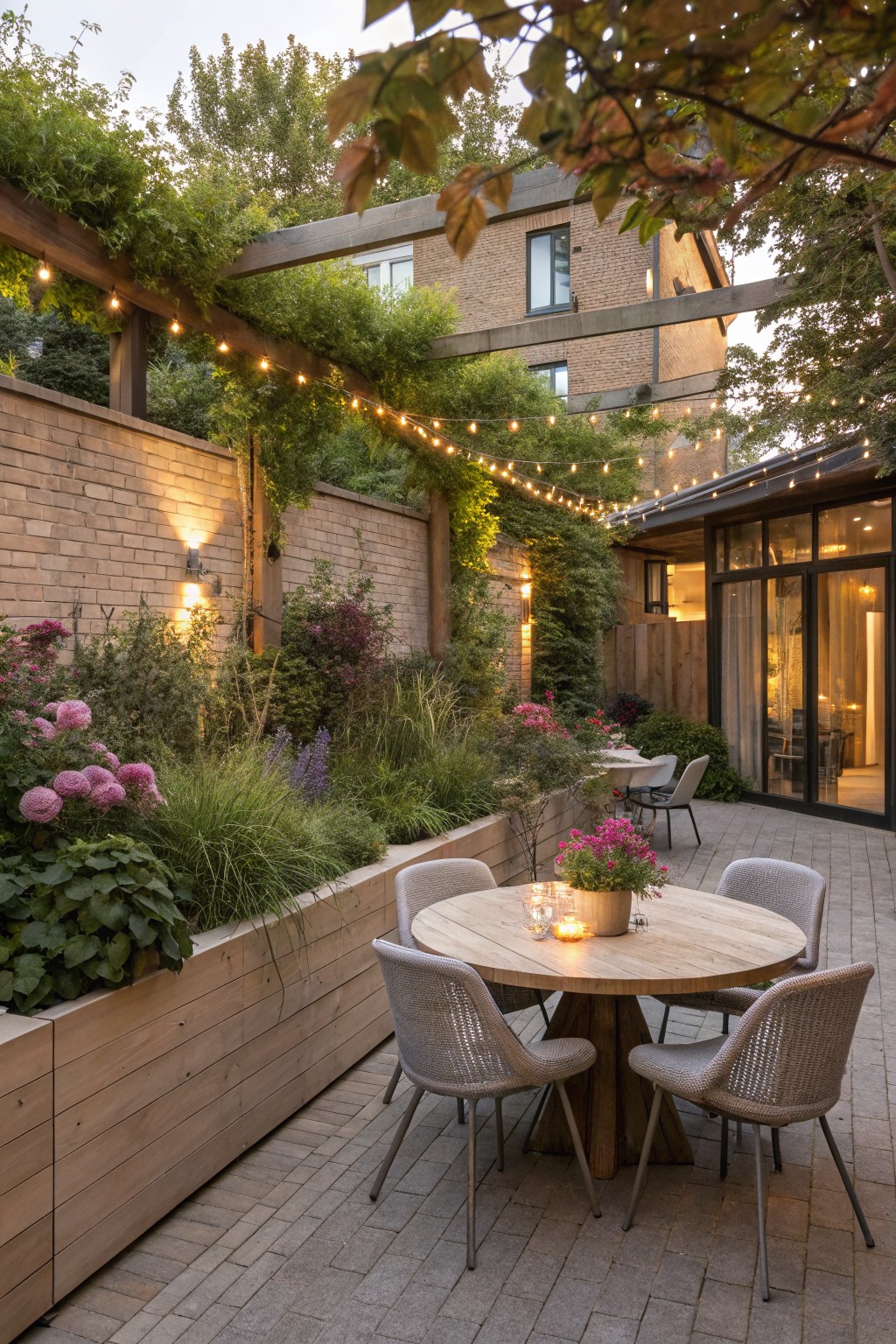
Raised wooden beds line the edge of this patio, stuffed full of pink Astilbe blooms and wispy grasses. That soft, fluffy texture from the Astilbe really stands out against the hard brick wall and pavers. It keeps the seating area open but adds a natural hug around the round table.
This works great in tight backyards or urban courtyards where you want planting without taking floor space. Line them up along a house wall or fence, mix in some taller grasses for height. Go for rot-resistant wood, and pick Astilbe spots with morning sun. Skip it if your patio gets full blast all day.
Astilbe Edging Around a Simple Bench
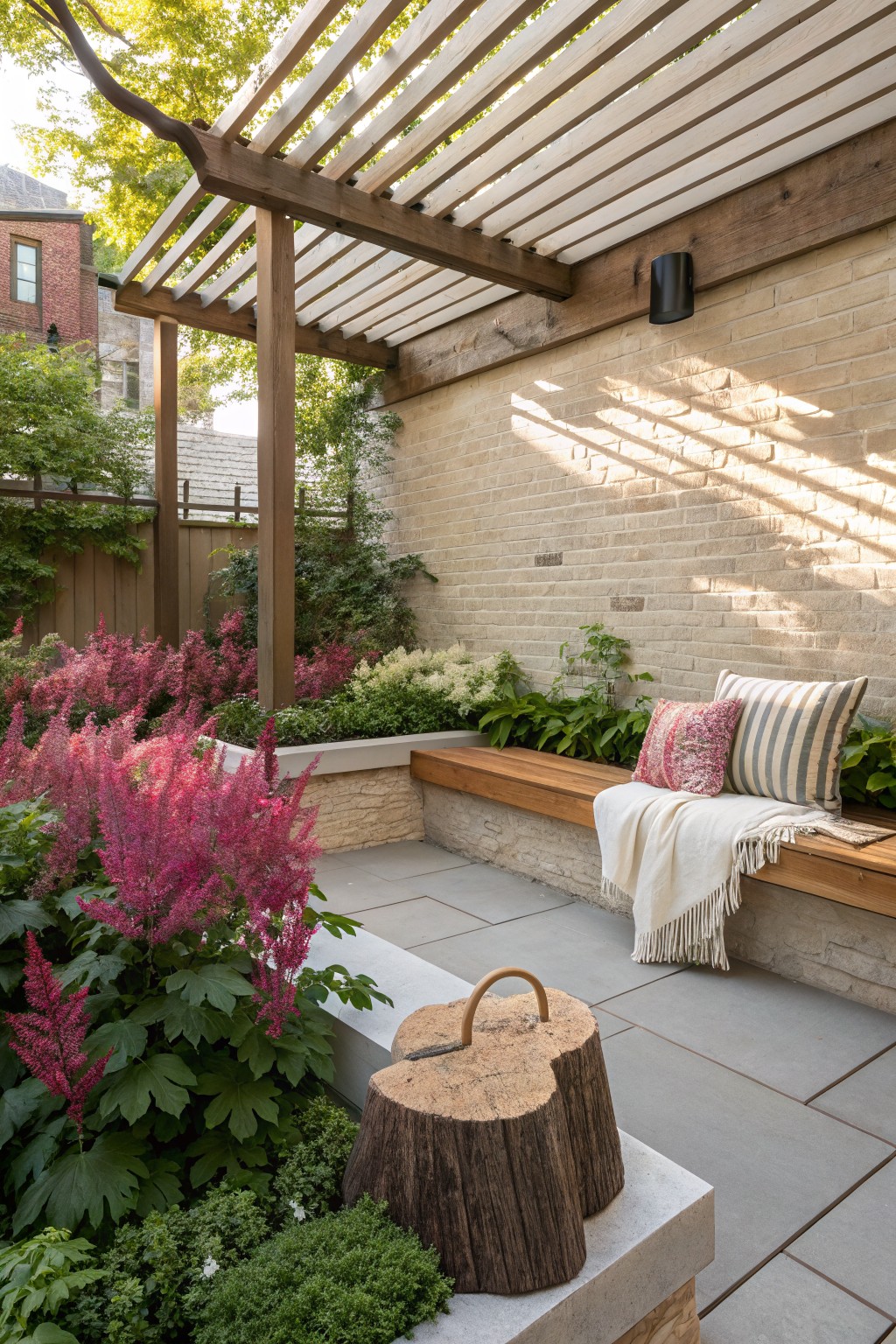
A built-in wooden bench sits low against the wall here, with pink astilbe planted right along the edge and spilling out in front. Those feathery blooms give a soft, airy touch that makes the spot feel less stark. It ties the seating into the garden without much fuss.
Put something like this in a narrow yard or courtyard where space is tight. The astilbe handles some shade from the pergola or nearby trees, and you can add pillows for comfort. Just keep the bed weeded so the plumes stand out.
Astilbe Strips Along the Curb
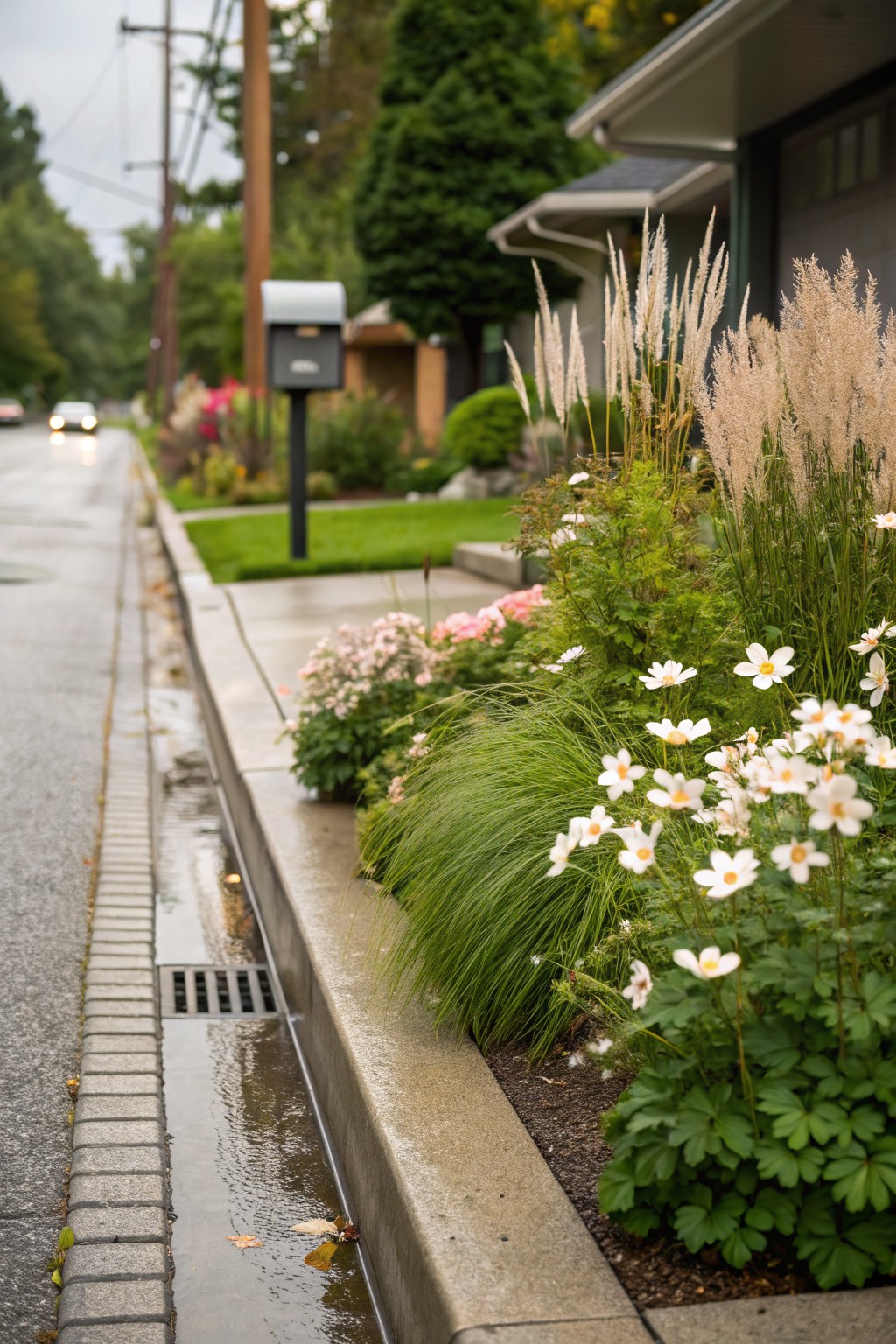
One simple way to add soft texture right up front is planting astilbe in a narrow bed along the sidewalk curb. Here the white blooms mix with tall grasses and a few pink flowers, giving a feathery edge that softens the hard concrete. It keeps things low-key but noticeable from the street.
This works great for townhomes or smaller lots where yard space is tight. Plant in drifts for natural flow, tuck in some low shrubs for structure, and let the astilbe do its airy thing through summer. Good drainage matters. Wet spots can rot the roots.
Garden Paths Edged with Astilbe
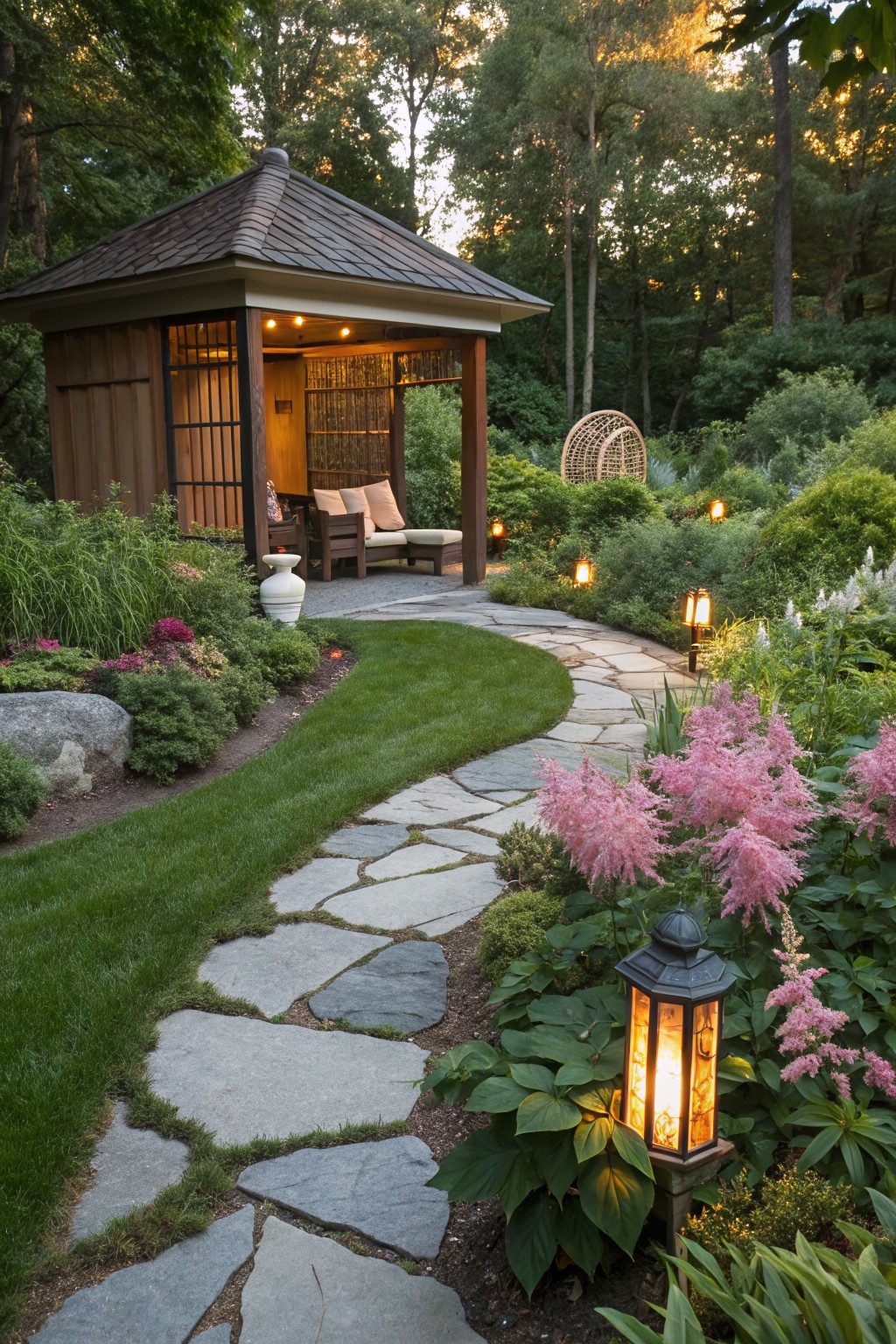
A winding flagstone path like this one softens up nicely when you plant astilbe right along the edges. Those fluffy pink plumes add texture without crowding the way, and they catch the light just right in the evening. It pulls the eye toward the gazebo ahead, making the walk feel more like a stroll than a straight shot.
Try this in side yards or around backyard structures where you want some gentle color. Astilbe does well in partial shade, so it’s handy under trees. Keep the path stones irregular for that natural look, but space the plants so they don’t flop over the walking area.
Astilbe Beds Edged with River Rocks
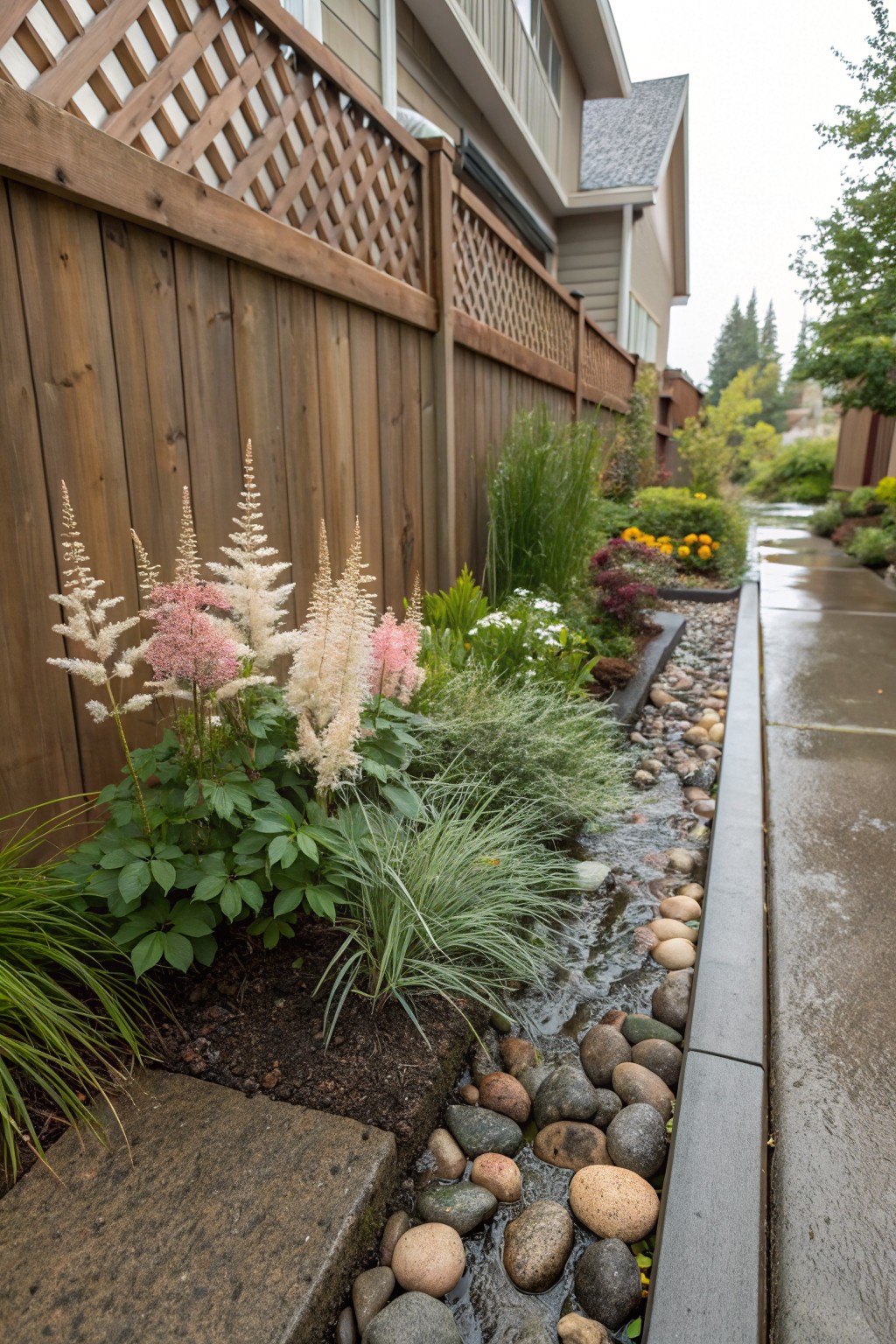
One simple way to bring astilbe into your yard is to plant them in curved beds right along a river rock edge. The soft pink and white plumes stand out nice against the smooth pebbles, and that mix gives the garden a light, flowing feel without much upkeep. It works because astilbe loves the shade from nearby fences or houses, and the rocks help with drainage on rainy days.
Try this setup next to a walkway or driveway where you want some color but not a lot of mowing. It fits smaller suburban lots well, especially with grasses tucked in for height. Just keep the bed mulched to hold moisture, since astilbe needs steady water to thrive.
Terraced Stone Walls with Astilbe
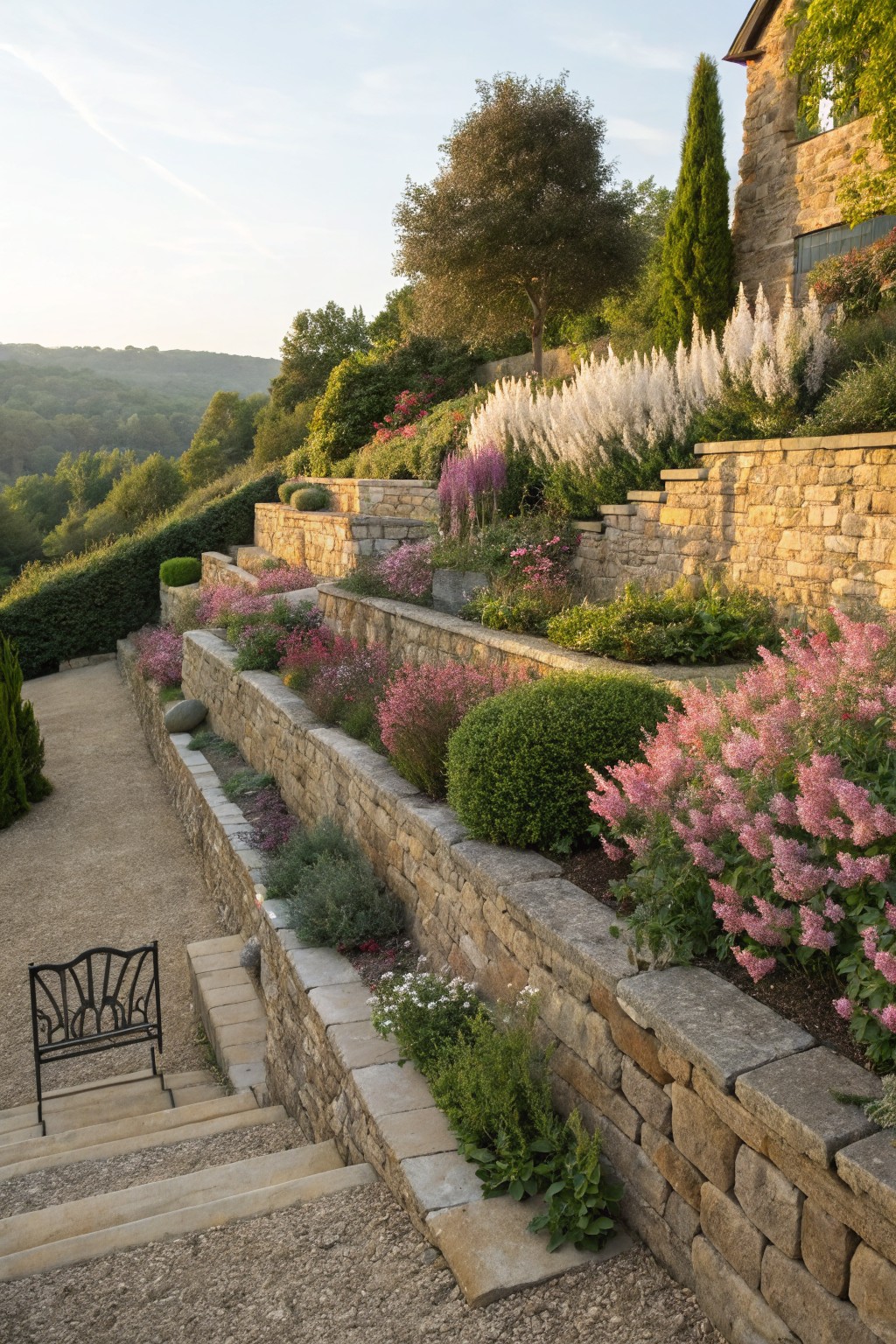
Slopes can be tough for gardening, but terraced stone walls solve that by creating flat planting pockets. Pink Astilbe tucked into these walls adds a light, airy texture that softens the hard stone edges. The feathery blooms repeat across levels, making the whole hillside feel organized and full without looking busy.
This idea fits hillside homes or any spot with a drop. Stack natural stone for walls about two to three feet high, fill with well-drained soil, and plant Astilbe in sun to part shade. Add gravel paths between terraces for walking. Just make sure water flows off the walls to avoid soggy roots.
Boardwalk Path Lined with Tall Grasses
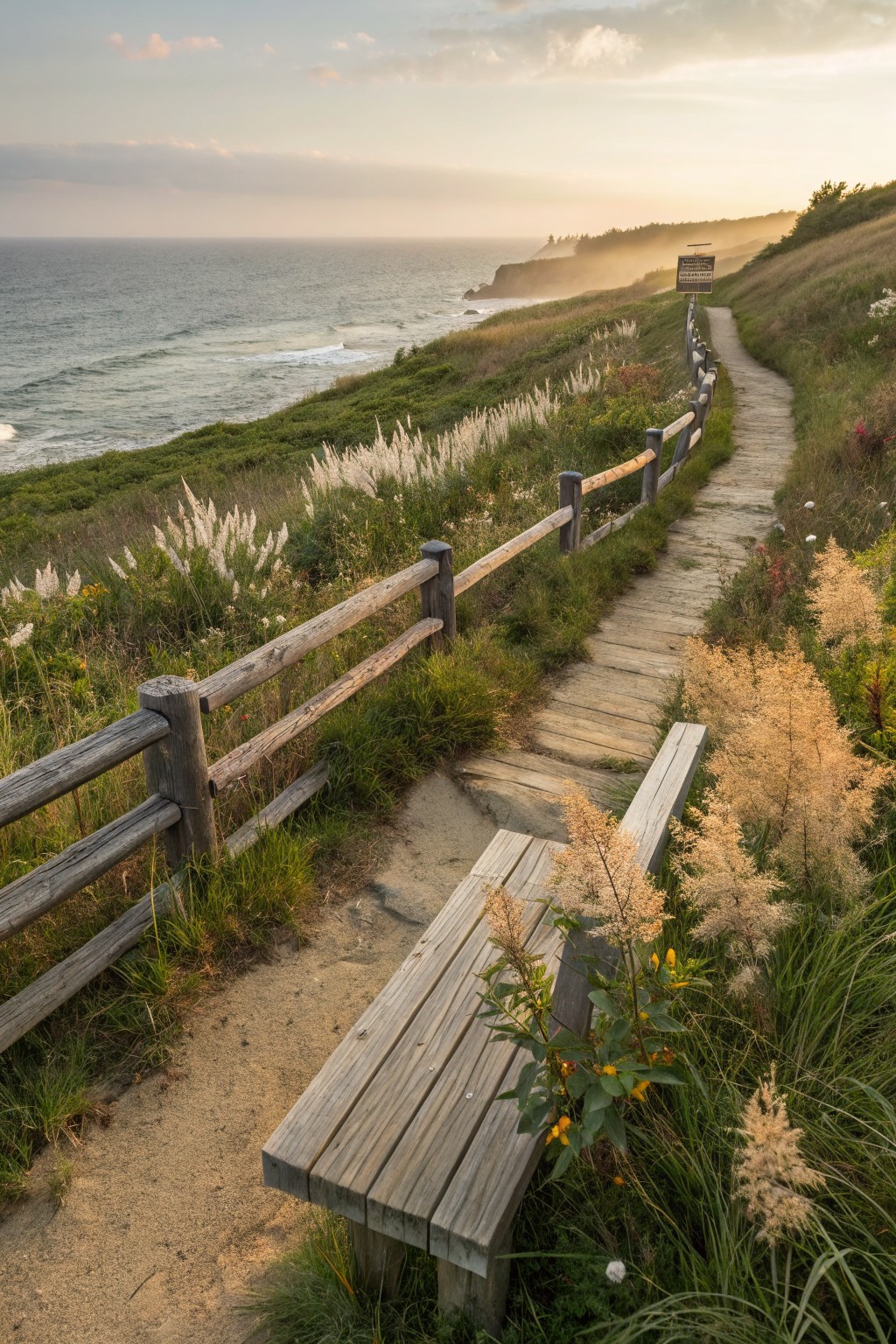
A wooden boardwalk makes a gentle path through coastal grasses like astilbe. The tall feathery plumes soften the edges and add that airy texture without crowding the way. It keeps things open while tying the trail to the natural slope.
This works well on bluffs or any hillside yard headed toward water. The railings add safety, and a simple bench gives a spot to pause. Go for weather-treated wood, and plant drought-tolerant varieties to keep it low fuss year round.
Tall Grasses Line Stone Paths
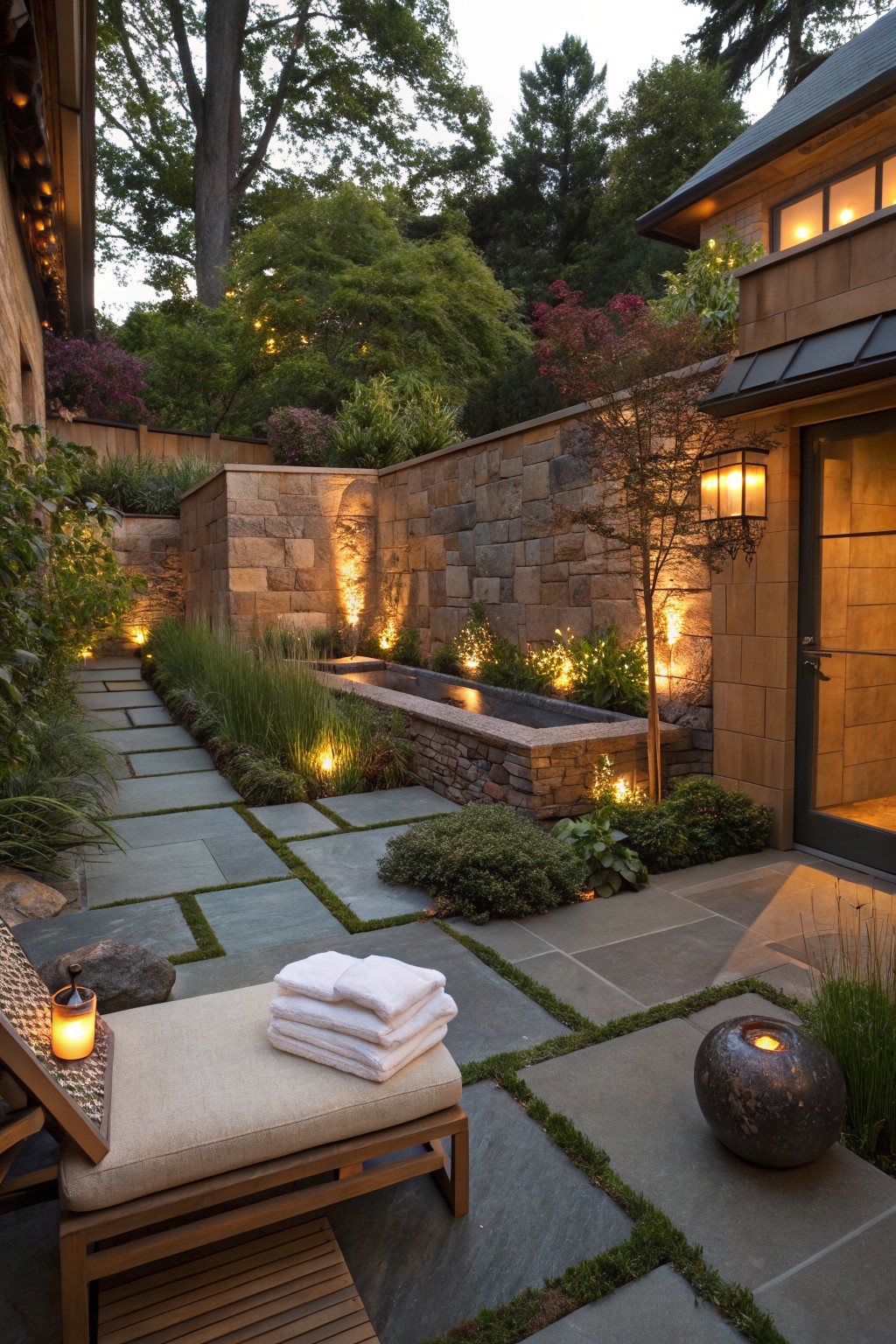
Tall grasses planted tight along both sides of a bluestone path create this nice soft edge that takes the hardness out of the stone. They move with the breeze and catch the low lights at dusk, making the walk feel more alive and less like a plain sidewalk. That feathery look adds texture without crowding the space.
You can pull this off in side yards or courtyards where you want a gentle guide to the door. Go with varieties that stay upright, space them about two feet apart, and pair with a simple water runnel nearby for extra calm. It suits modern homes with clean lines… just watch that the grasses don’t flop over the path in heavy rain.
Astilbe Lining a Stream Edge
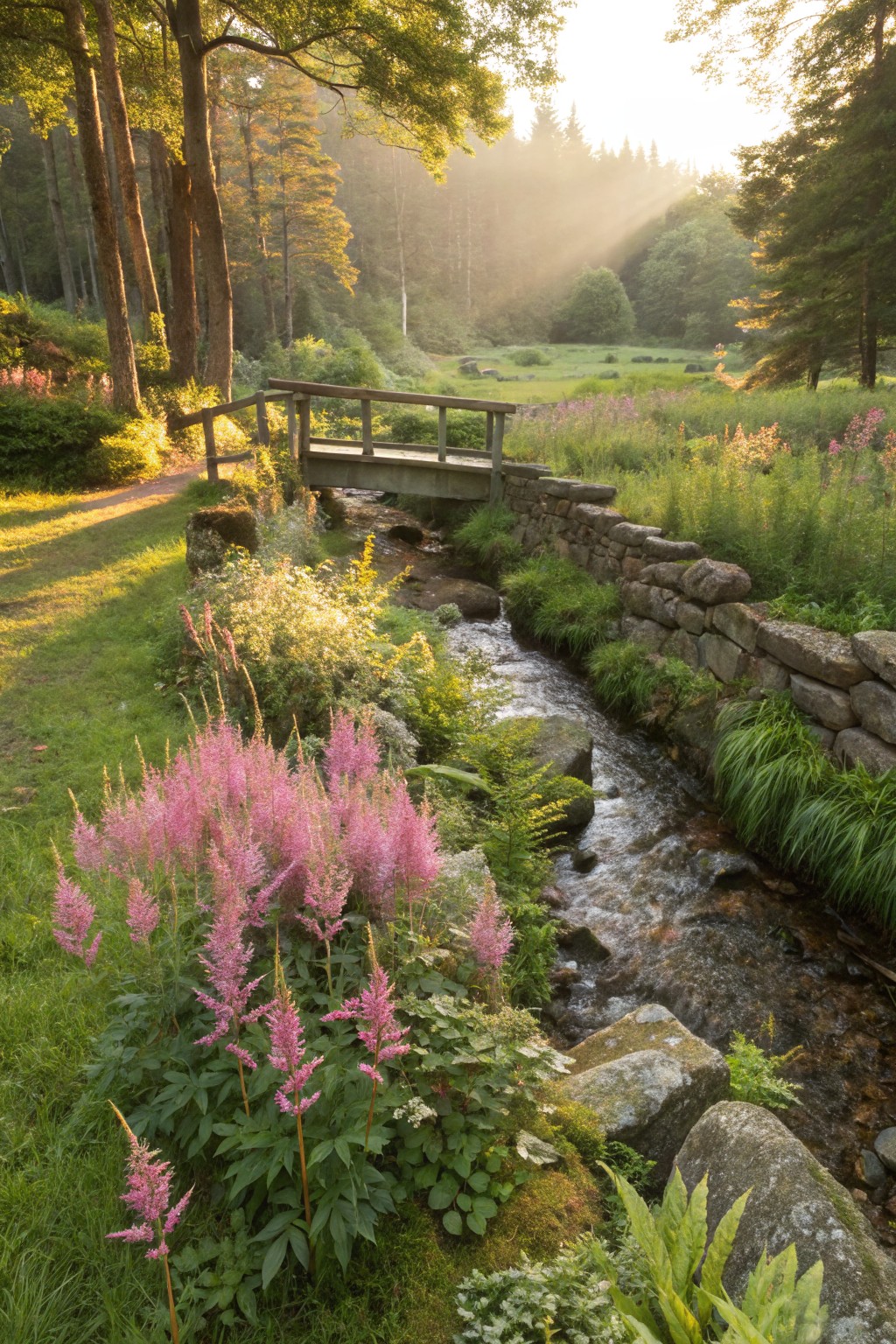
One straightforward spot for astilbe is right along a garden stream. The fluffy pink clusters hug the stone walls and spill softly over the bank, giving that airy texture without crowding things out. They do well in the damp soil, and the effect feels natural, like the plants just grew there on their own.
Put this idea to work in shadier yard spots with some water nearby, maybe backing up to woods. Add a basic wooden bridge for crossing, keep the stone edging simple, and plant the astilbe in drifts. It suits cottage gardens or natural paths best… watch that the stream stays moist enough through dry spells.
Frequently Asked Questions
Q: Can Astilbe handle full sun in my garden?
A: Plant Astilbe in partial shade or spots with morning sun only. Full afternoon sun fries their delicate plumes fast. Keep them happy under taller plants or trees.
Q: What’s the easiest way to keep Astilbe soil moist?
A: Mulch around the base with shredded bark or leaves right after planting. This locks in moisture and cools the roots. Water deeply once a week if rain skips out.
Q: Do Astilbe come back every year on their own?
A: Yep, they’re perennials that return stronger each spring. Just rake off dead foliage in late winter. Divide clumps every three years to boost blooms.
Q: What grows great next to Astilbe for more texture?
A: Ferns make a perfect match. Their lacy fronds mix with Astilbe’s fluff without competing for light. Hostas work too if you want bolder leaves.
