

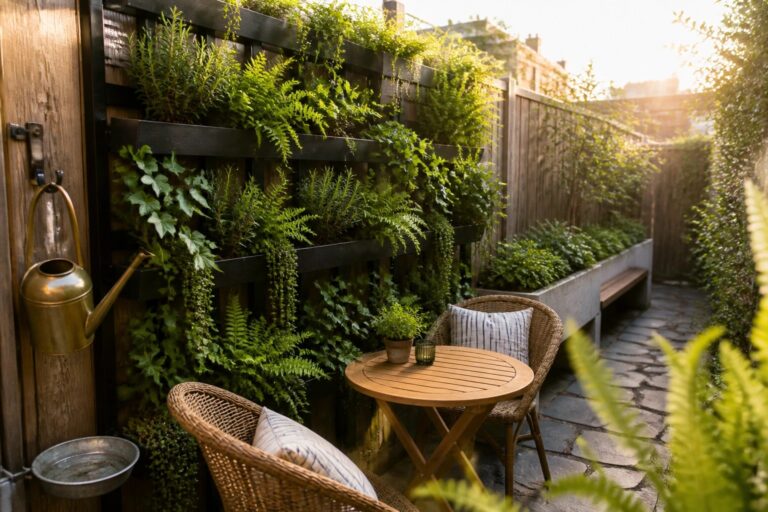
When I look at my own patio the floor space always seems to disappear once I add a couple of chairs and a table.
Vertical gardening on the walls and fences has been the only way I have found to keep things from feeling overcrowded.
Some setups I have tried worked better than others because they left room for movement and actually made the space feel larger instead of busier.
I usually start by testing one or two simple ideas on a single wall before committing to the whole fence line.
That way I can see what holds up once the seasons change.
Vertical Gardens Free Up Floor Space on Small Patios
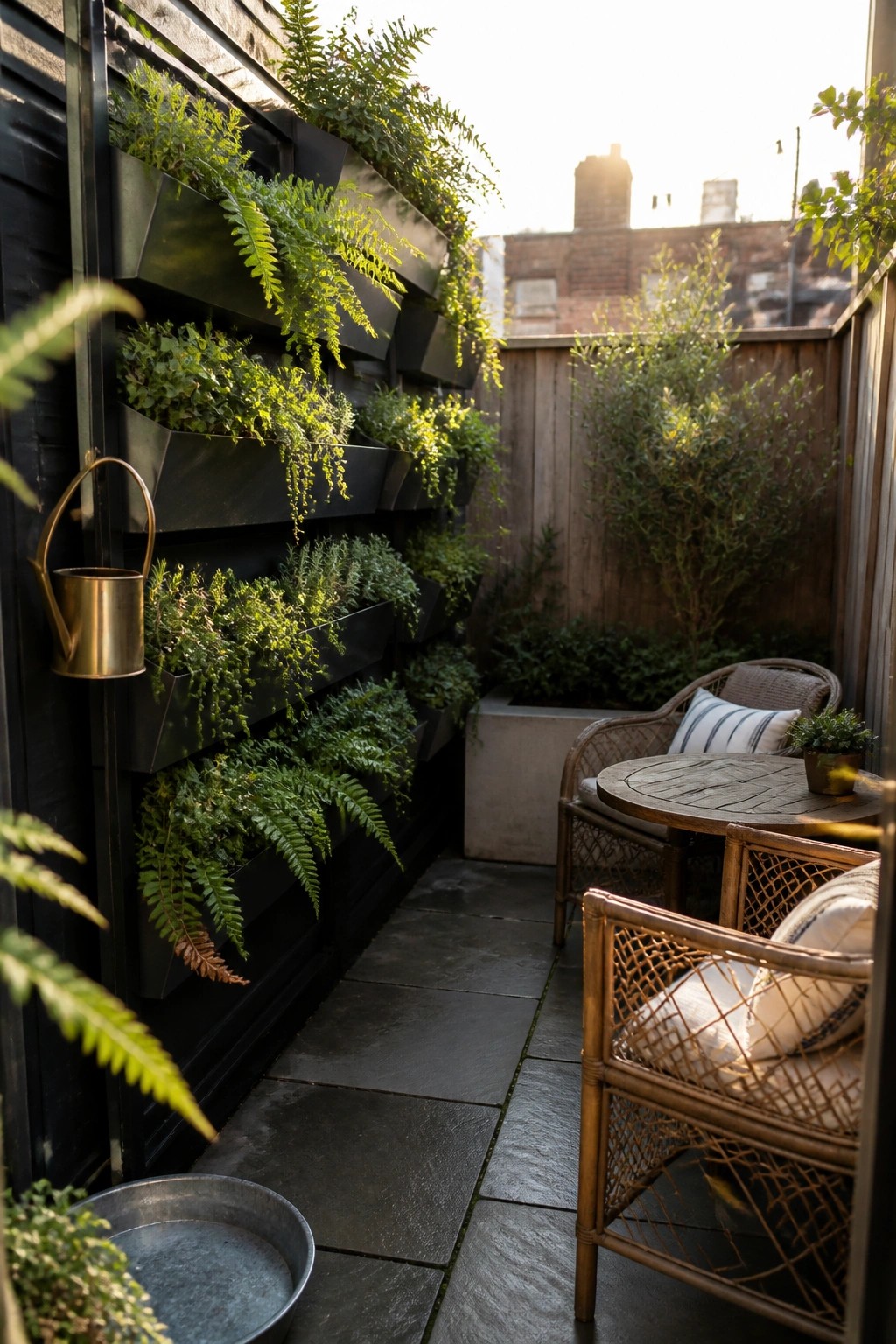
A vertical garden mounted on the wall lets you grow plenty of plants even when the patio itself is narrow. It keeps the ground clear so there is still room for chairs and a table without the space feeling crowded.
This setup works best on a solid fence or exterior wall that gets decent light. Modular metal planters are easy to hang in rows, and they can hold ferns and trailing plants that soften the look while staying out of the way.
Mount Pots On A Fence To Add Vertical Garden Space
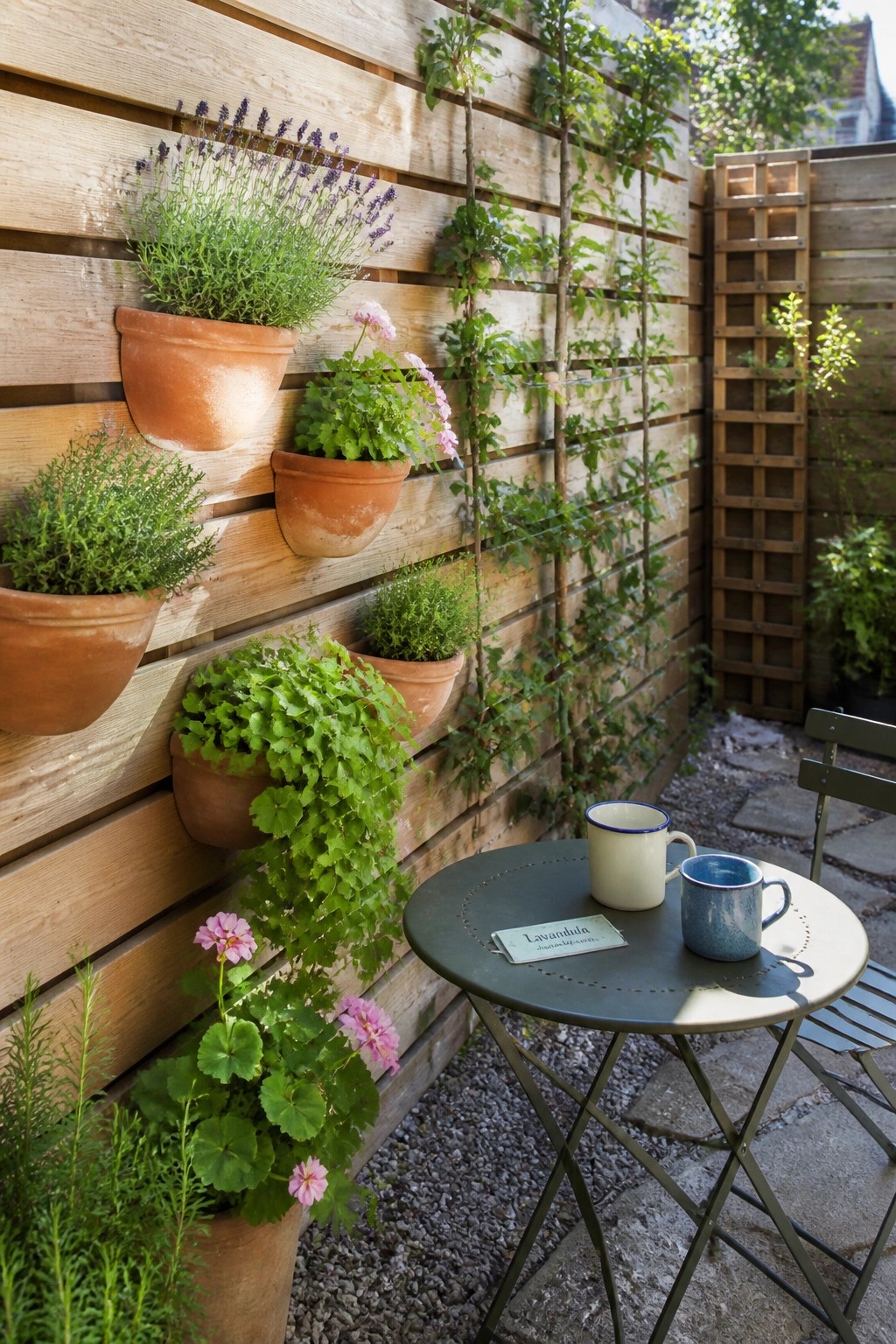
Hanging pots straight onto a fence is a simple way to grow more without taking up floor space. It keeps the patio open while still letting you have herbs, flowers, and trailing plants within easy reach.
This approach works best on a solid fence with horizontal boards that can support the weight. Start small with a few pots and add more over time so the plants have room to settle in without crowding each other.
Mount Pots on the Wall
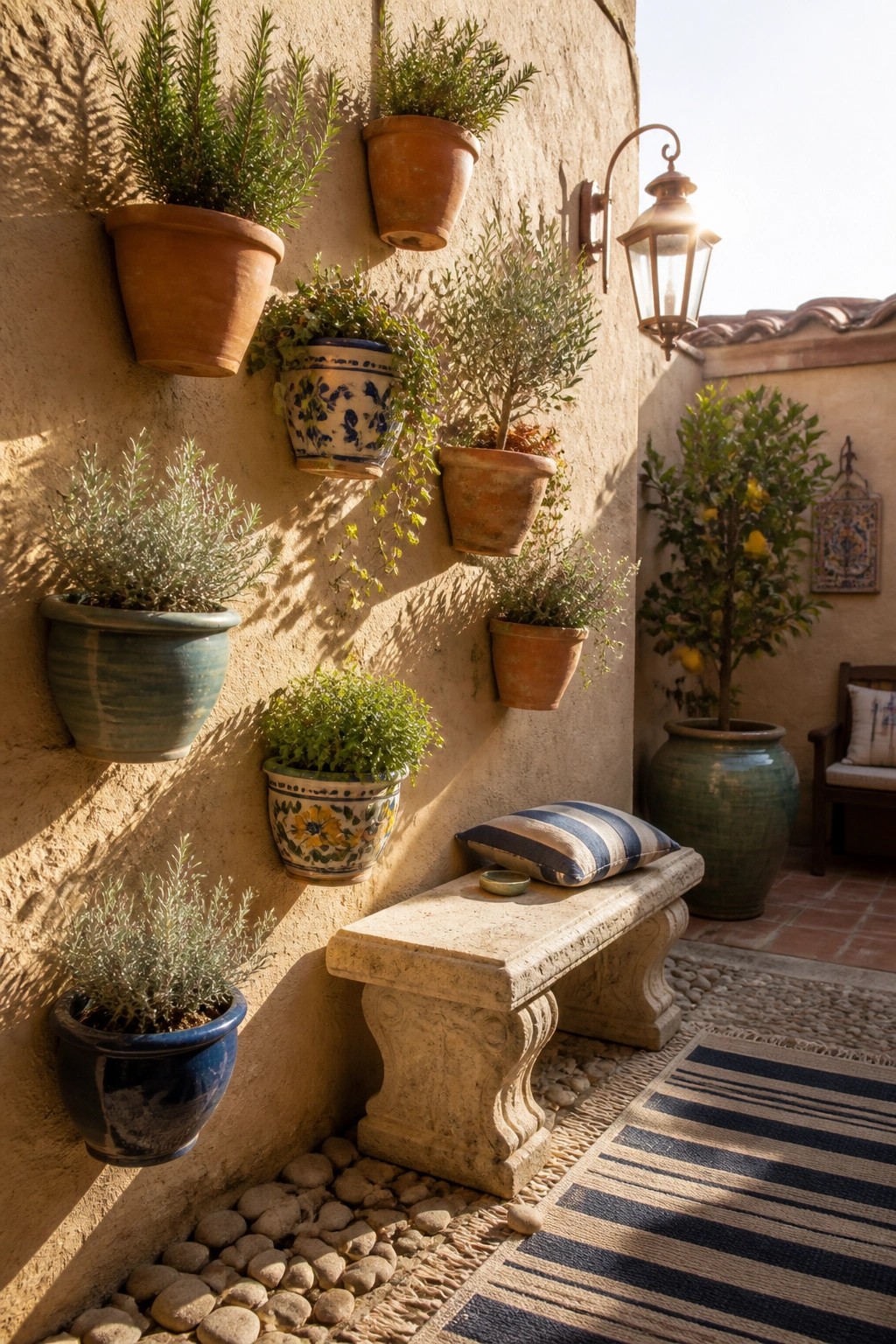
Many small patios run out of floor space fast, so mounting pots on the wall is a simple way to add more plants. It keeps the ground clear for seating and walking while still giving you room to grow herbs, flowers, or small shrubs.
This works best on solid walls like stucco or brick where you can anchor brackets securely. Mix a few sizes and materials so the display feels natural rather than too uniform, and check that everything is fastened well before a windy day.
Vertical Pipe Gardens For Narrow Patios
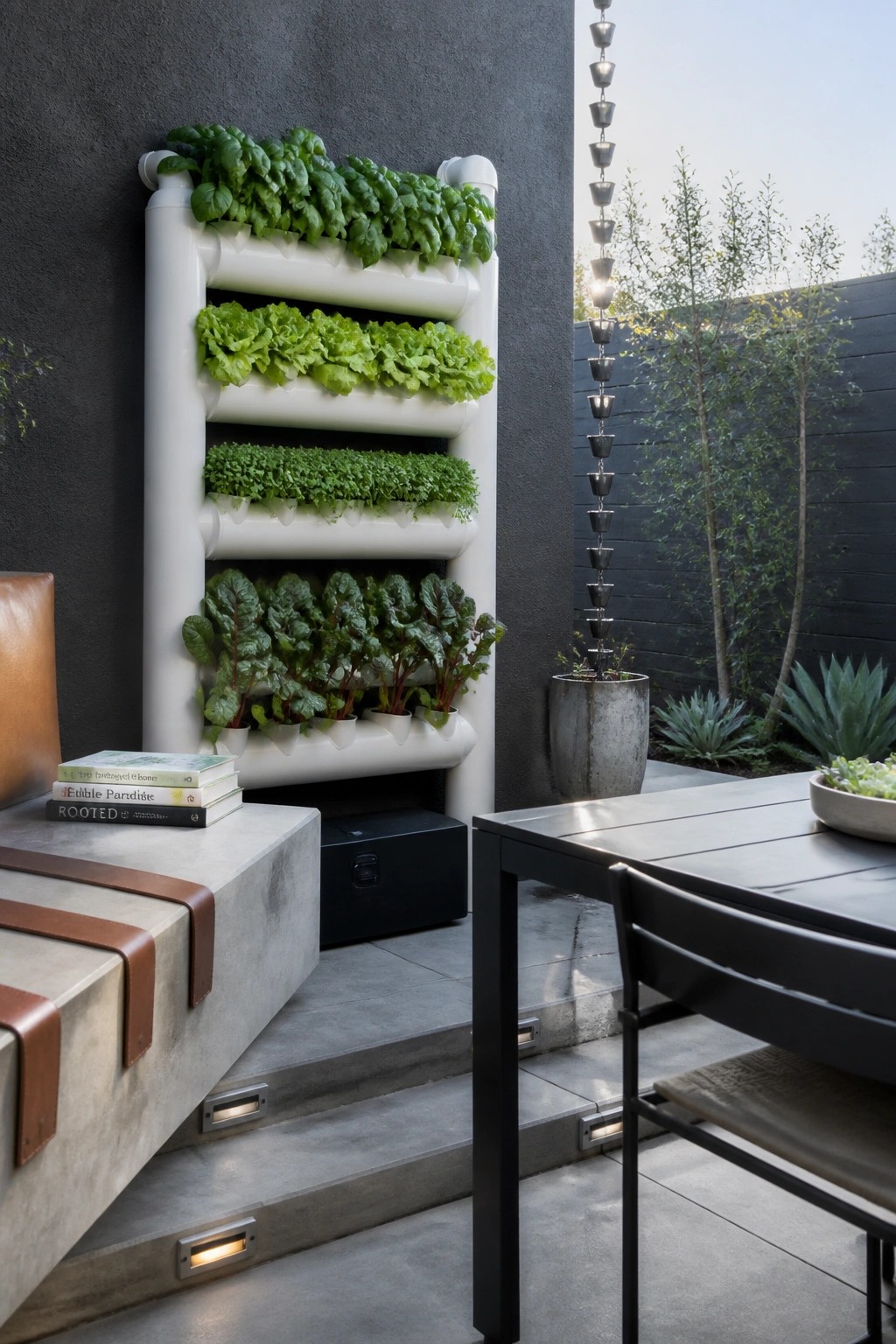
Vertical gardens built from stacked pipes give you a simple way to grow food on a small patio without losing floor space. The pipes hold soil in short sections and let plants spill out along the wall, which keeps everything off the ground and within easy reach.
This approach works best on tight urban patios or side yards where a regular bed would crowd the seating. Mount the pipes on a solid wall, choose leafy crops that stay compact, and water from the top so it trickles down through each row.
Mount Shelves On A Fence For Vertical Planting
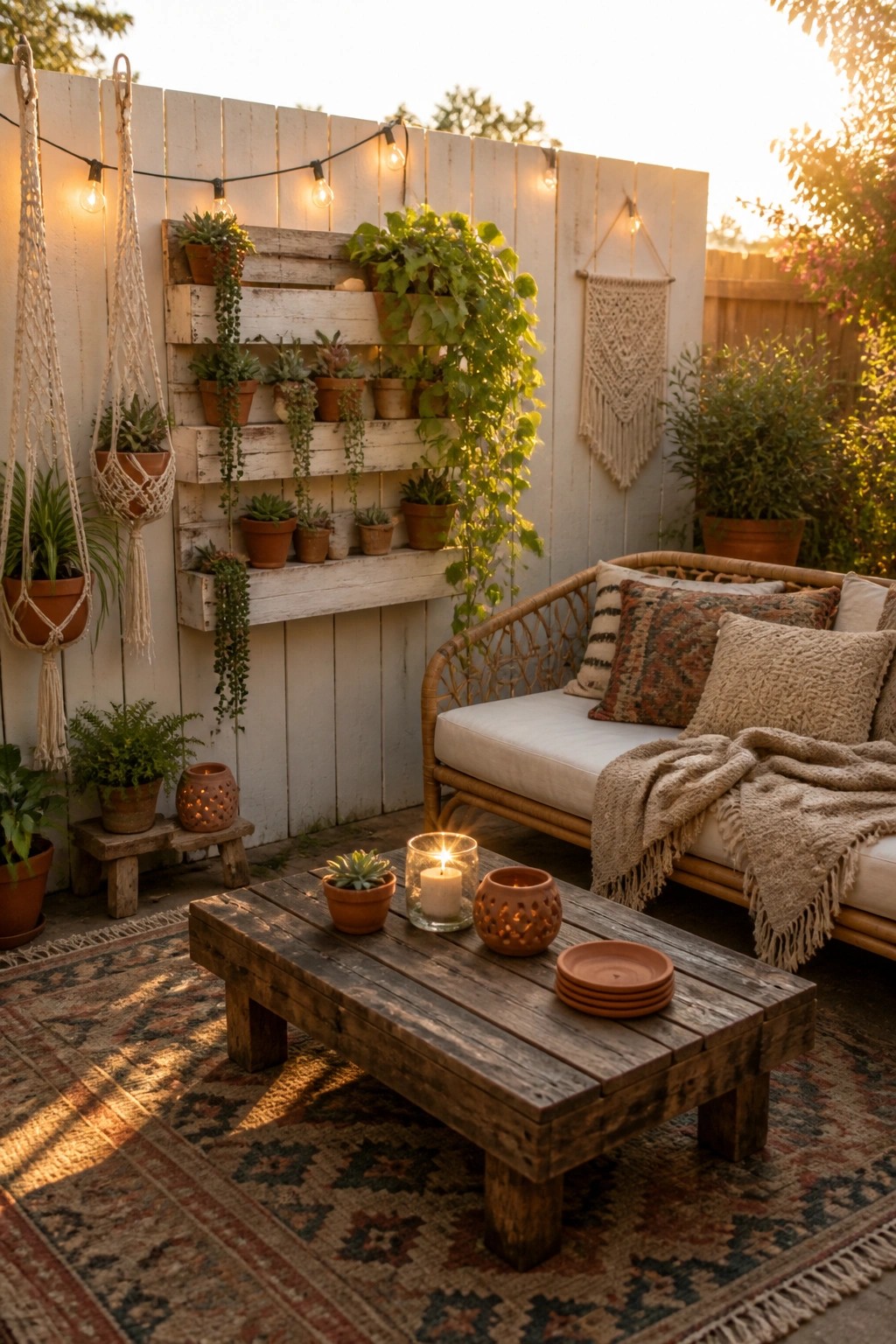
Putting shelves directly on a fence or wall gives you room for lots of plants without losing floor space on a small patio. The wooden shelves here hold rows of pots at different heights, and the hanging planters add even more without crowding the seating area below. It keeps the garden visible and easy to water while the rest of the patio stays open for chairs and a table.
This setup works best on a solid fence that can hold some weight. Use sturdy brackets and weatherproof wood so the shelves last through rain and sun. It suits townhomes or small yards where ground beds are limited, and you can start small with just a few boards if you want to test the look first.
Railing Shelves For Extra Pots
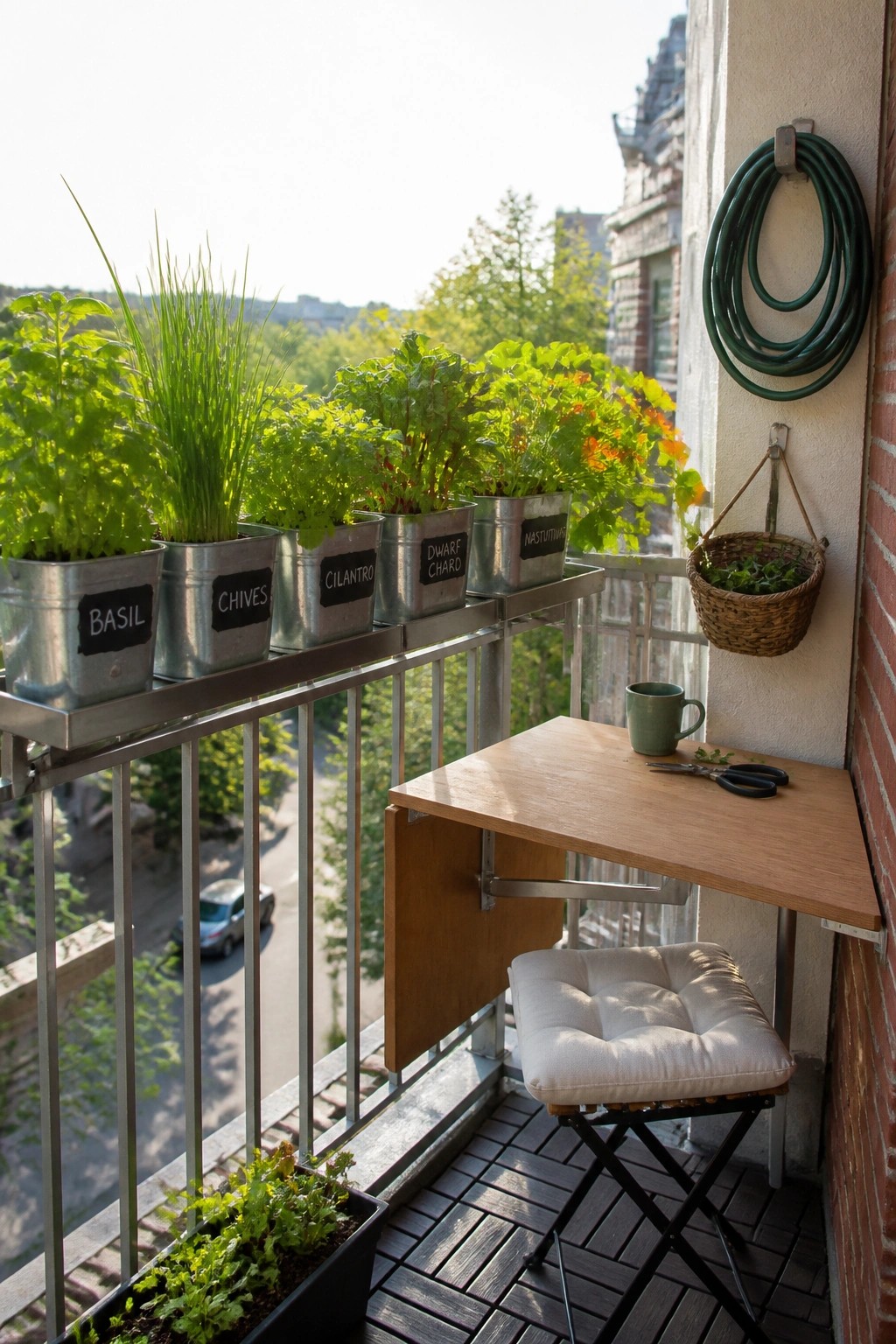
A narrow shelf attached to the railing gives you room for more plants without crowding the floor. It keeps everything at a comfortable height for watering and harvesting while leaving the rest of the balcony open for a table or chair.
This setup suits small balconies or rental spaces where you cannot build permanent structures. A simple metal tray works well because it is sturdy, easy to clean, and holds several pots in a straight line.
Mount Wooden Crates on Fences for Vertical Planting
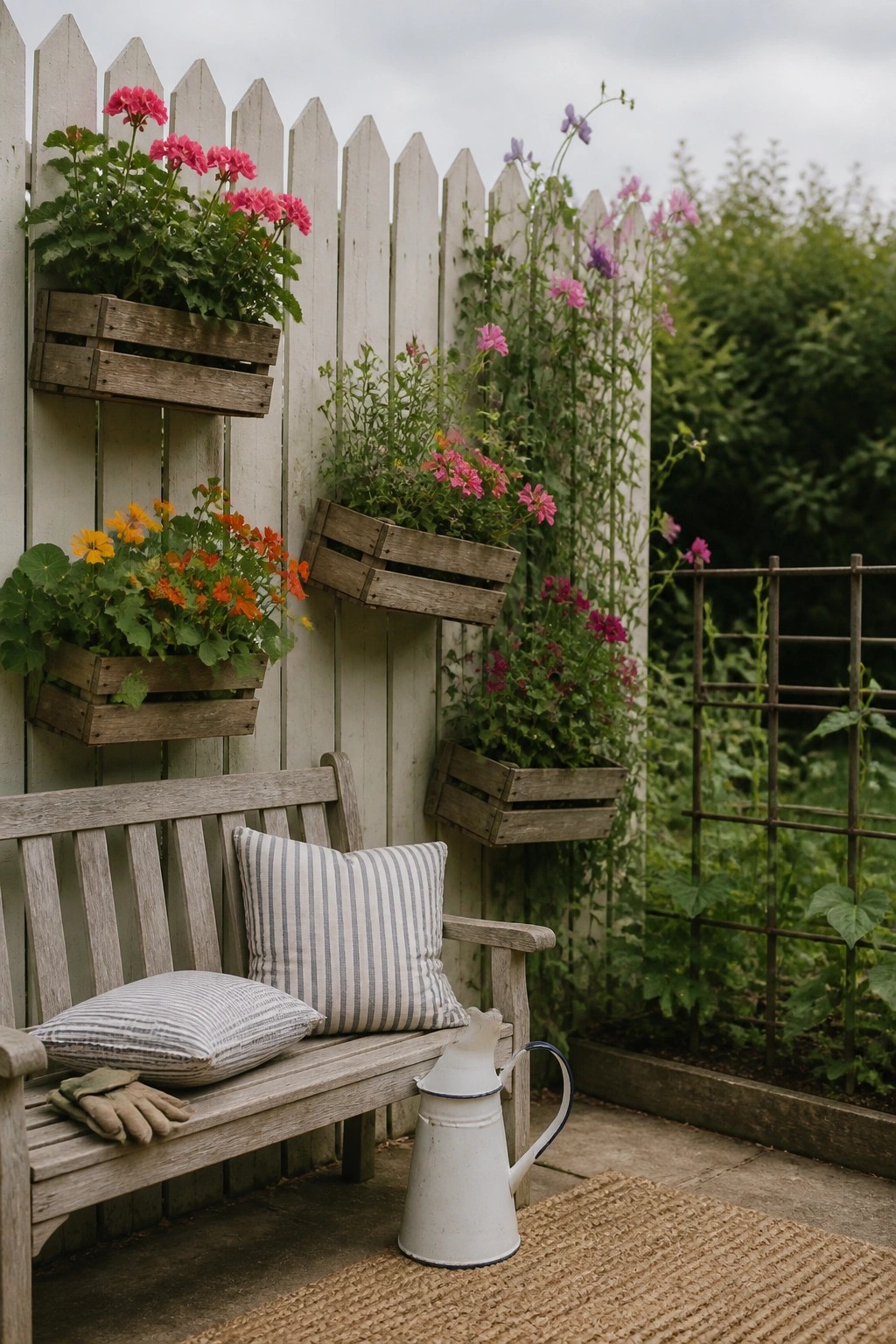
Mounting wooden crates straight onto a fence creates planting space at eye level without crowding the ground. This setup keeps the patio open while letting you grow flowers or herbs in a row, and the crates are easy to swap or move when needed.
It works best on solid fences that can hold the weight, and it suits small yards or patios where floor space is tight. Check the fence boards first and use sturdy screws so the boxes stay secure through wind and rain.
Add Modular Vertical Gardens to Walls
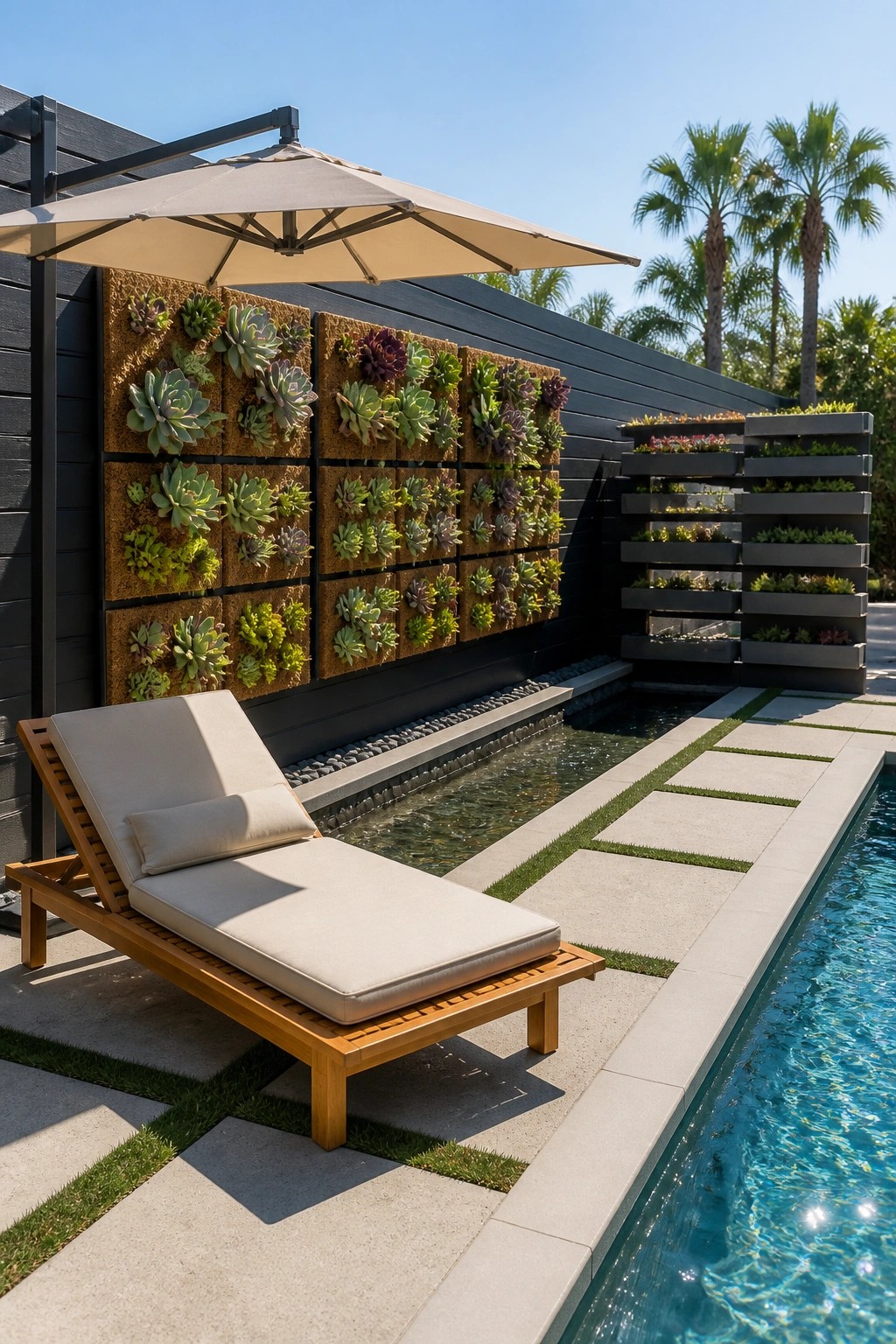
Vertical gardens built from modular panels give you a simple way to cover a blank wall without taking up floor space. They work especially well along patios and pool areas where ground room is tight and you still want plenty of greenery.
Place the panels on any solid fence or exterior wall that gets decent sun. Succulents are a low-water choice that stays neat, and the grid layout makes it easy to swap plants later if something needs replacing.
Pipe Brackets Turn Walls Into Vertical Garden Space
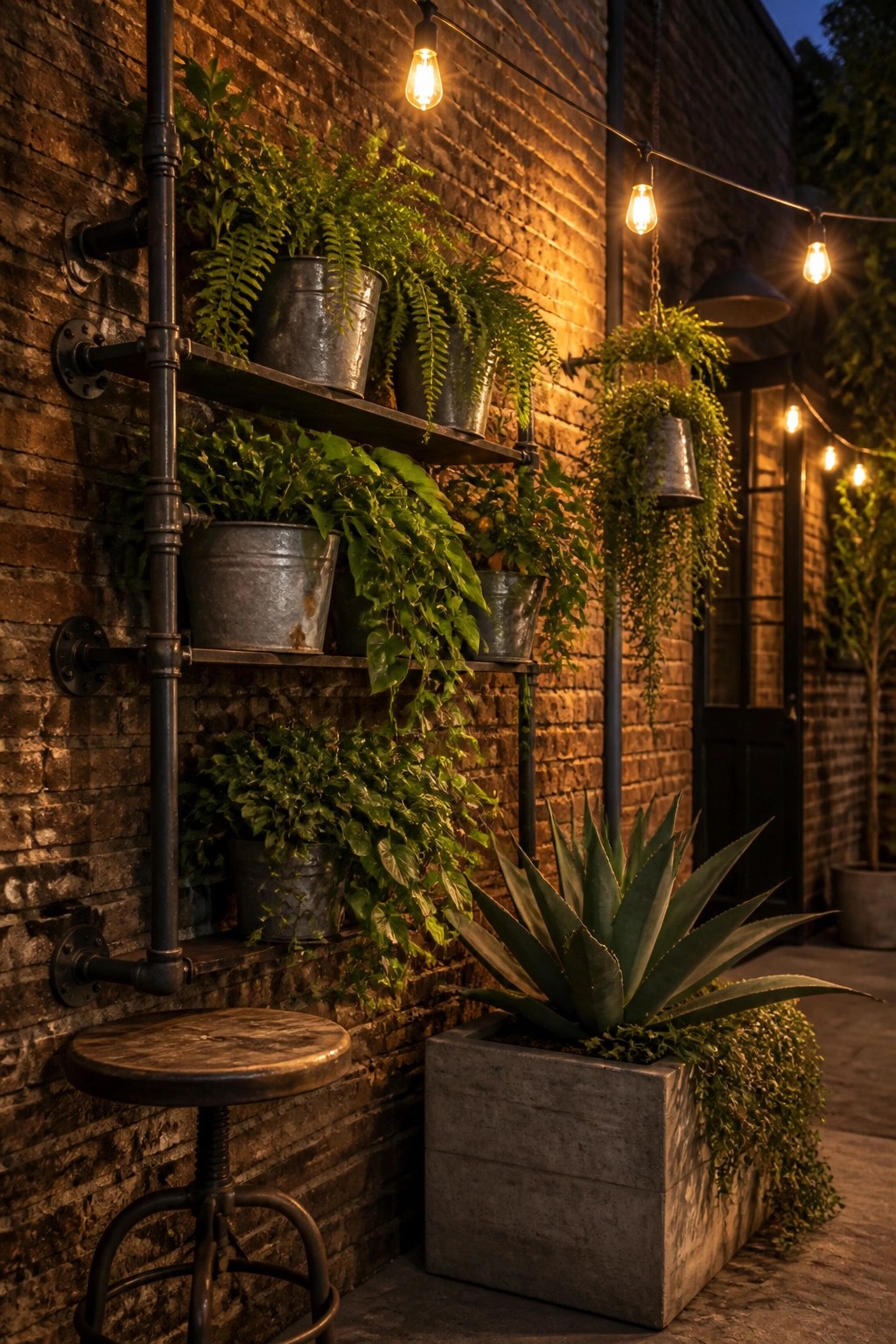
Pipe brackets offer a sturdy way to add shelves along a blank wall without taking up floor space. The setup works well on brick or fence lines where you want to layer plants at different heights while keeping everything accessible for watering.
This approach suits patios or side yards with limited room. Mount the pipes at staggered levels, use metal or wood shelves, and place pots in a mix of sizes. Just make sure the brackets are rated for the weight once the pots are filled and watered.
Climbing Vines Turn Fences Into Vertical Gardens
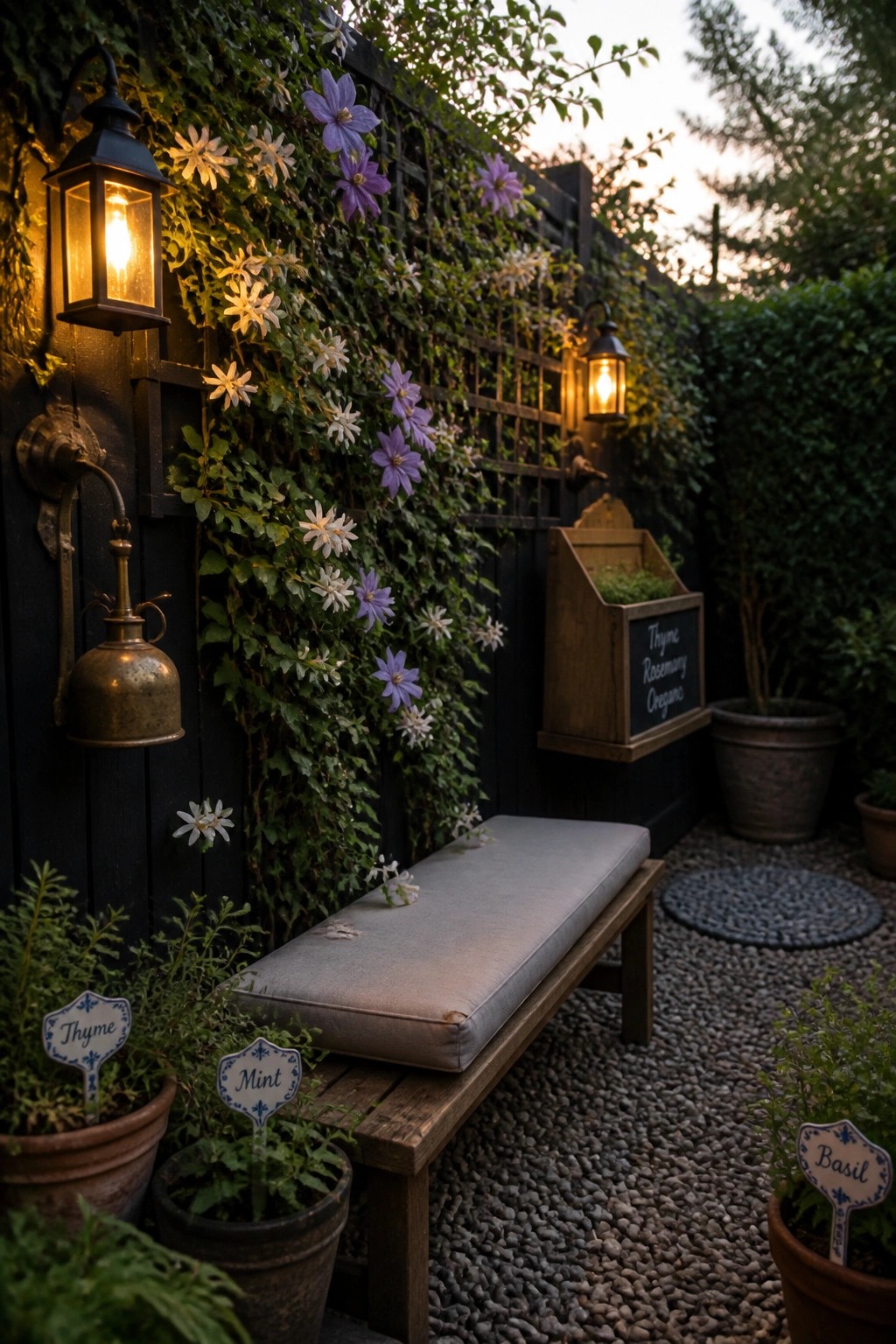
Many small patios run out of floor space quickly, so using the fence as a growing surface makes sense. Vines and climbers cover the vertical area with greenery and flowers while leaving the ground open for seating or pots.
This approach suits narrow side yards or urban patios where every square foot counts. Pick vigorous but manageable climbers, give them something to hold onto, and keep seating low and simple so the plants have room to fill in behind it.
Mount Planters Along Fences for Vertical Gardens
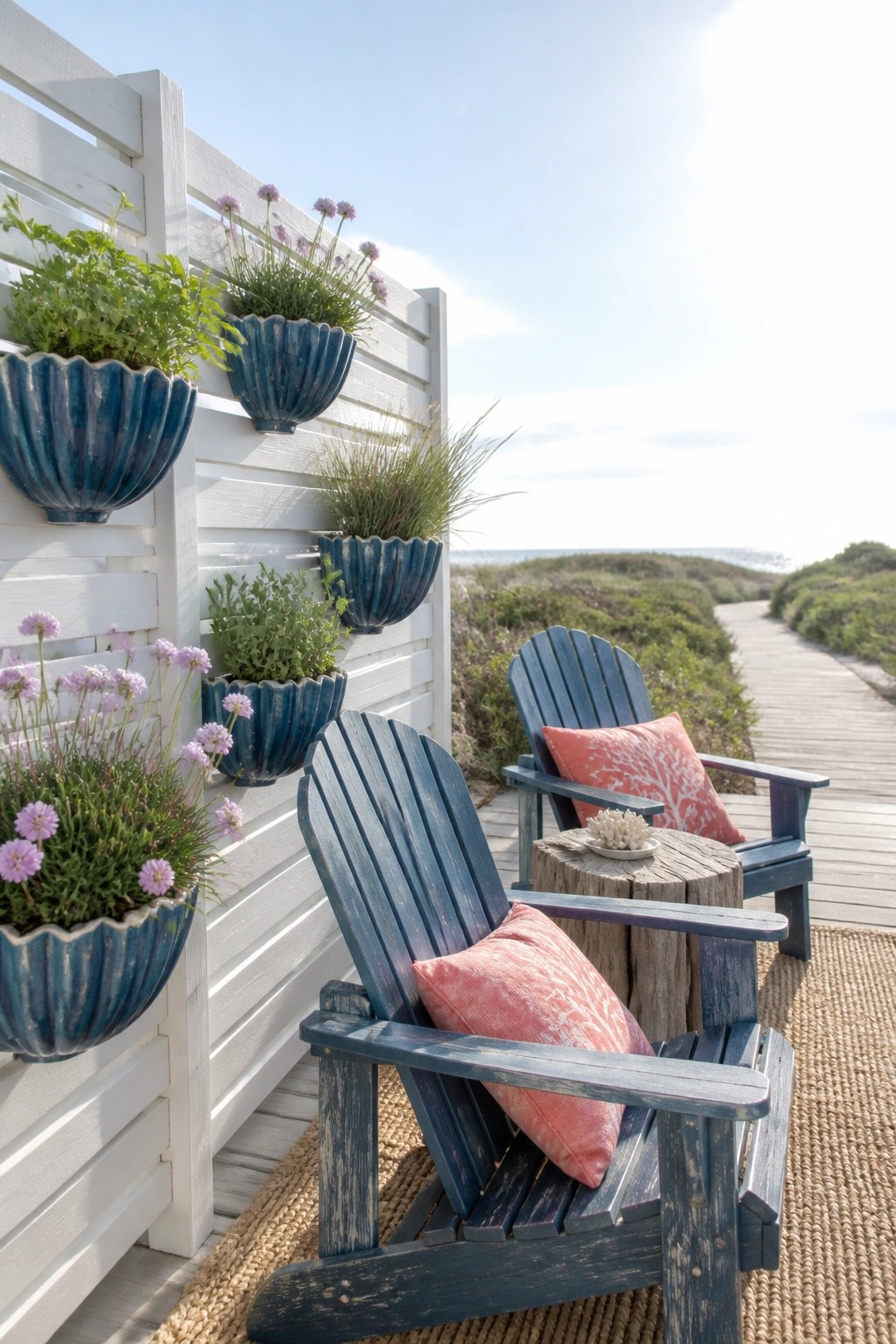
One easy way to add plants without losing floor space is to hang pots straight on the fence. It keeps the patio open for chairs and tables while turning an unused surface into a small garden wall.
This works best on solid wood fences or privacy screens where you can attach brackets securely. Choose lighter pots and check that the plants will get enough light where you place them.
Repurpose an Old Ladder for Vertical Plant Shelves
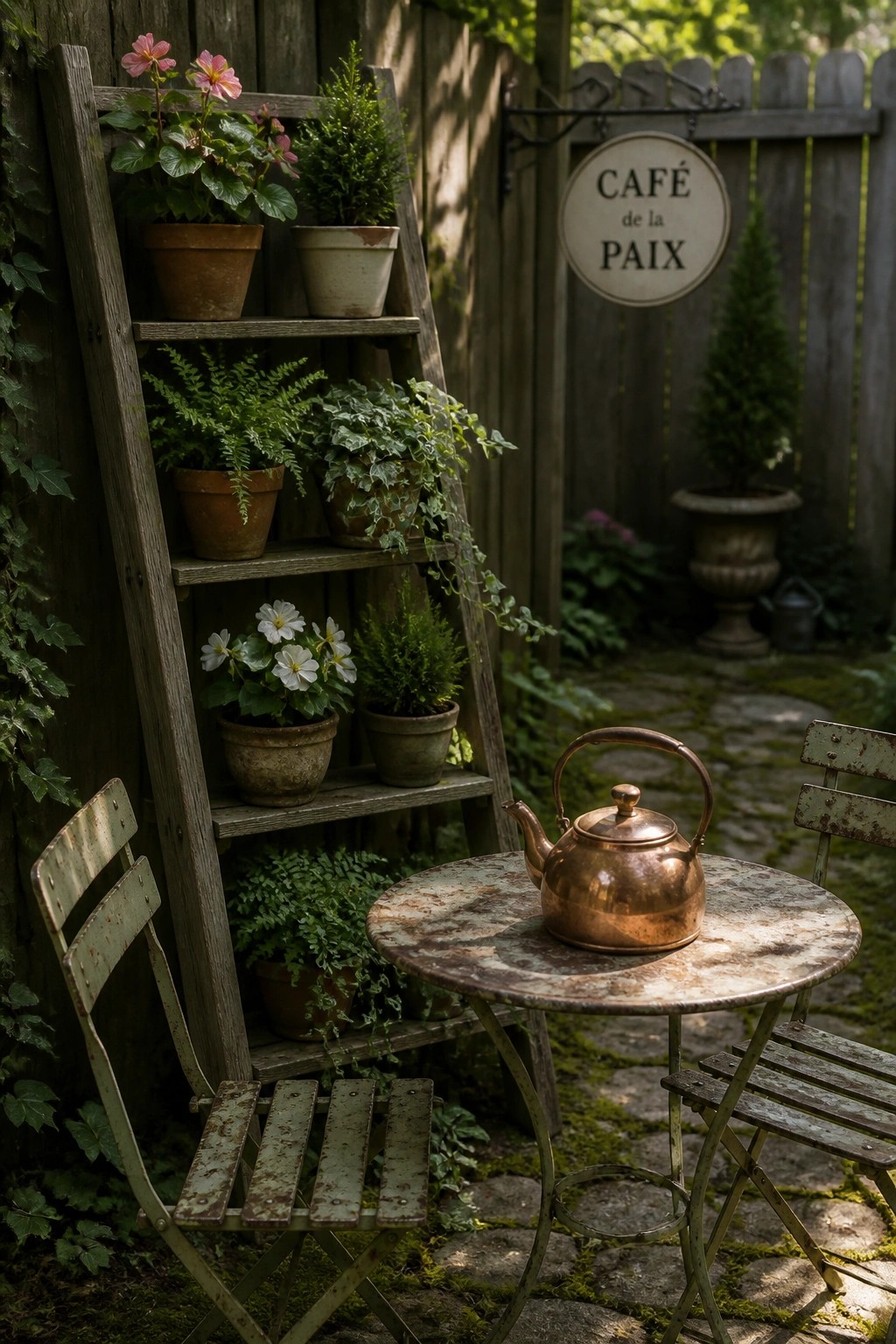
Many small patios run out of floor space quickly once you add seating and a table. Leaning a wooden ladder against a fence or wall gives you multiple levels for pots without spreading everything out on the ground.
This setup works best along a property line or against a solid fence where the structure can stay stable. Use different pot sizes and keep the heavier ones on the lower rungs so the ladder does not tip.
Vertical Gardens Made from Painted Pallets
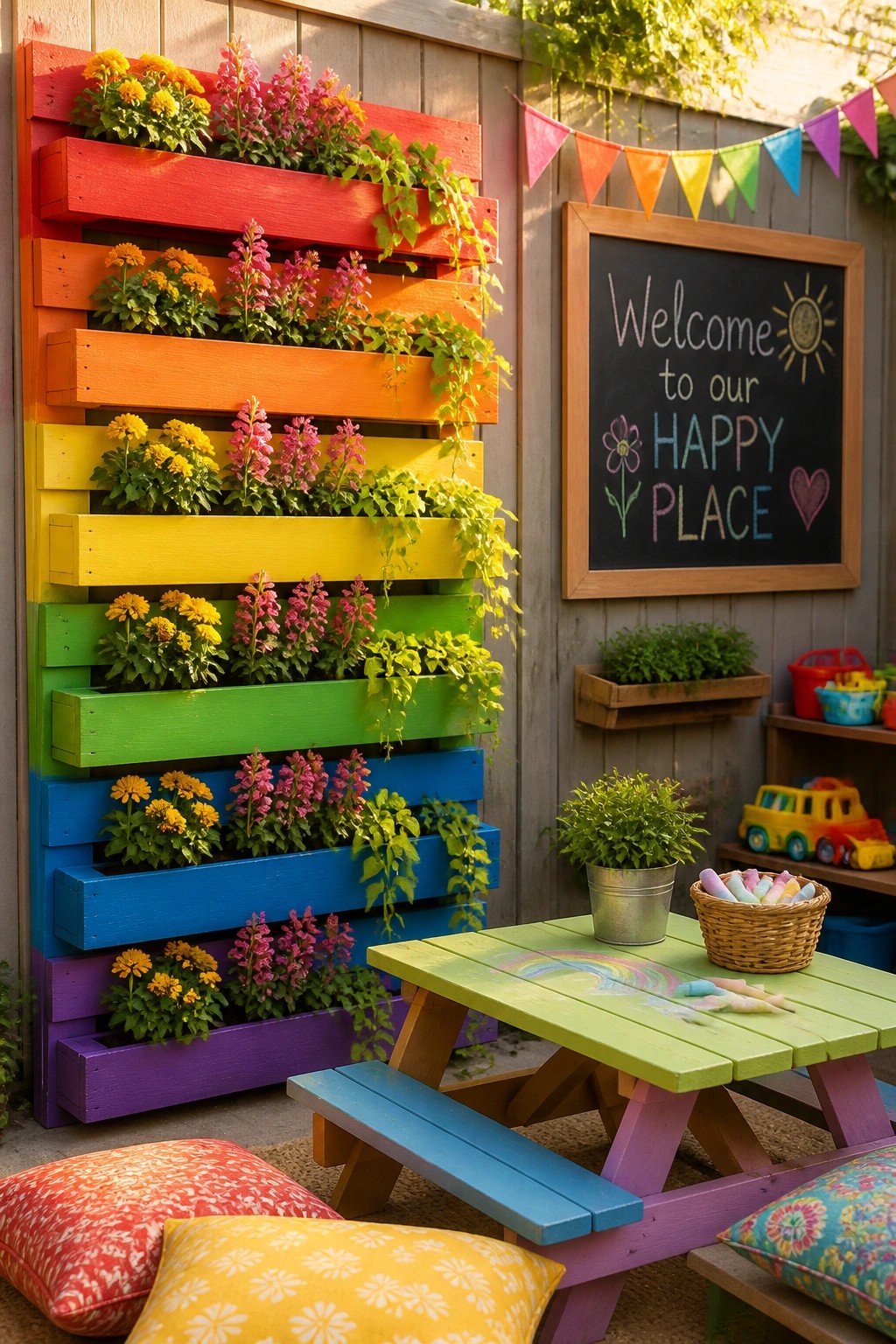
Stacking old pallets along a fence gives you extra growing space without using up the ground. Painting each level a different color turns the whole thing into a bright feature that still works as a garden.
This setup suits small patios or yards where wall space is the main option left. Secure the pallets well, line them to hold soil, and choose plants that can handle the sun level on your fence.
Mount Planters On The Wall To Keep Floor Space Open
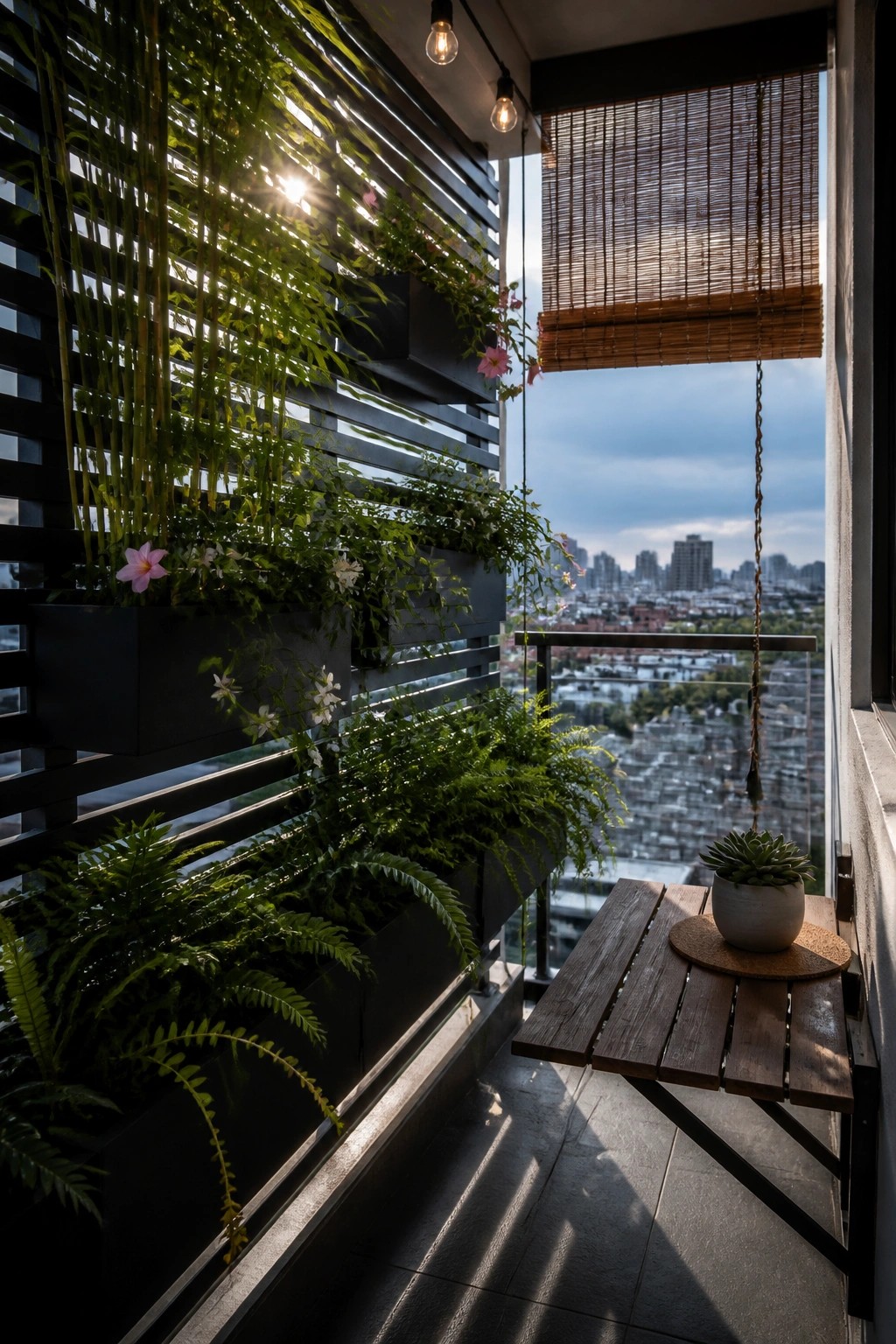
One easy way to add more plants to a small balcony is to mount the planters straight onto the wall. This keeps the floor clear for seating or walking through, and it still gives you a full green backdrop without needing extra ground space.
The setup works best on balconies or patios that already have a solid wall or fence line to work with. Use sturdy boxes or troughs that attach securely, and choose plants that can handle the light conditions in that spot. It suits city homes or rentals where floor space is limited but a bit of greenery is still wanted.
Fabric Pockets Turn Walls Into Growing Space
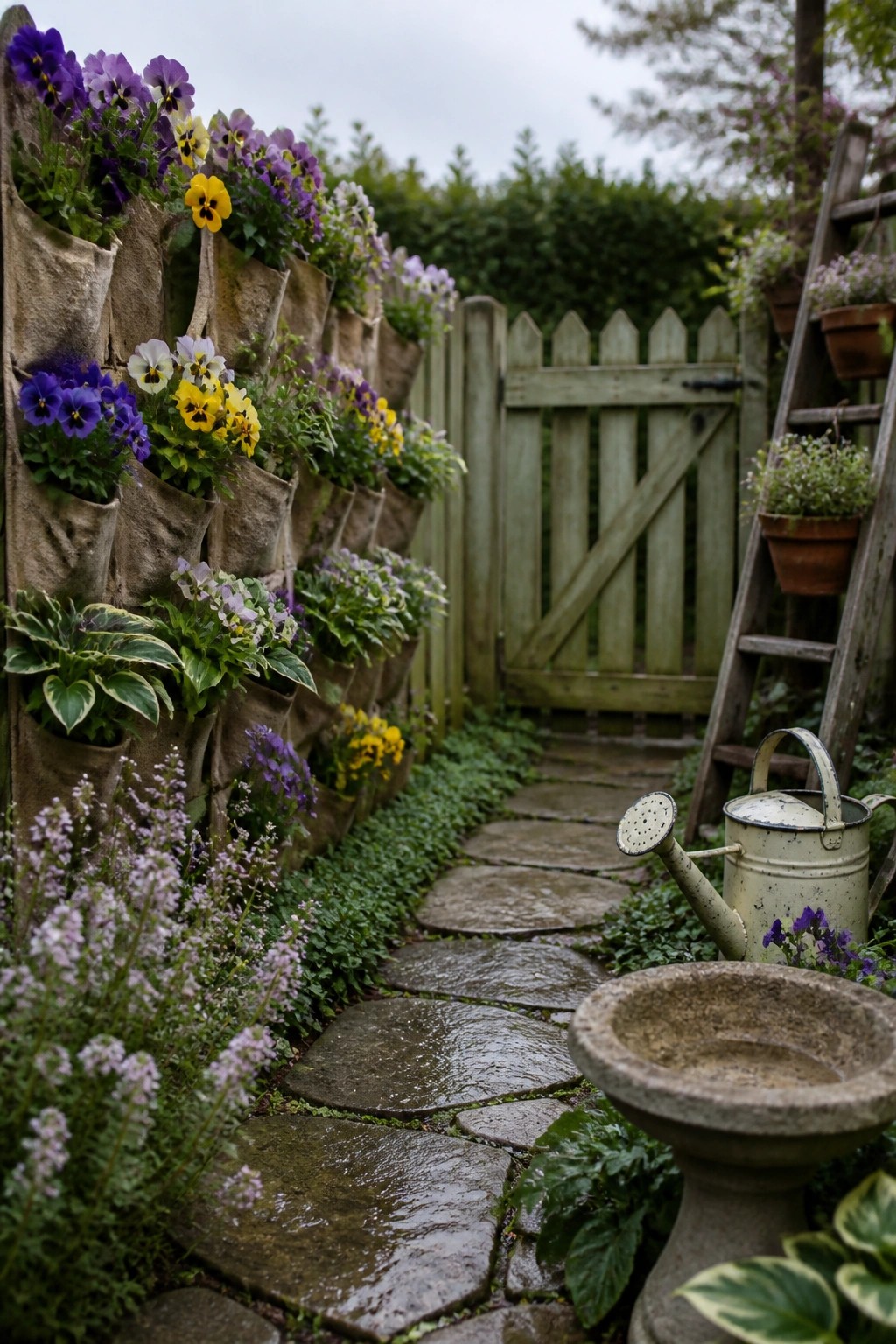
Fabric pockets give you a simple way to add lots of plants without using up ground space. They hang flat against a fence or wall and hold soil for flowers or herbs, which works especially well along narrow paths where every inch counts.
This setup suits small yards or patio edges where you want color but need to keep the walkway clear. You can swap plants with the seasons and the pockets dry out faster than ground beds, so watch watering in hot weather.
Mount Wooden Planters On Fences And Walls
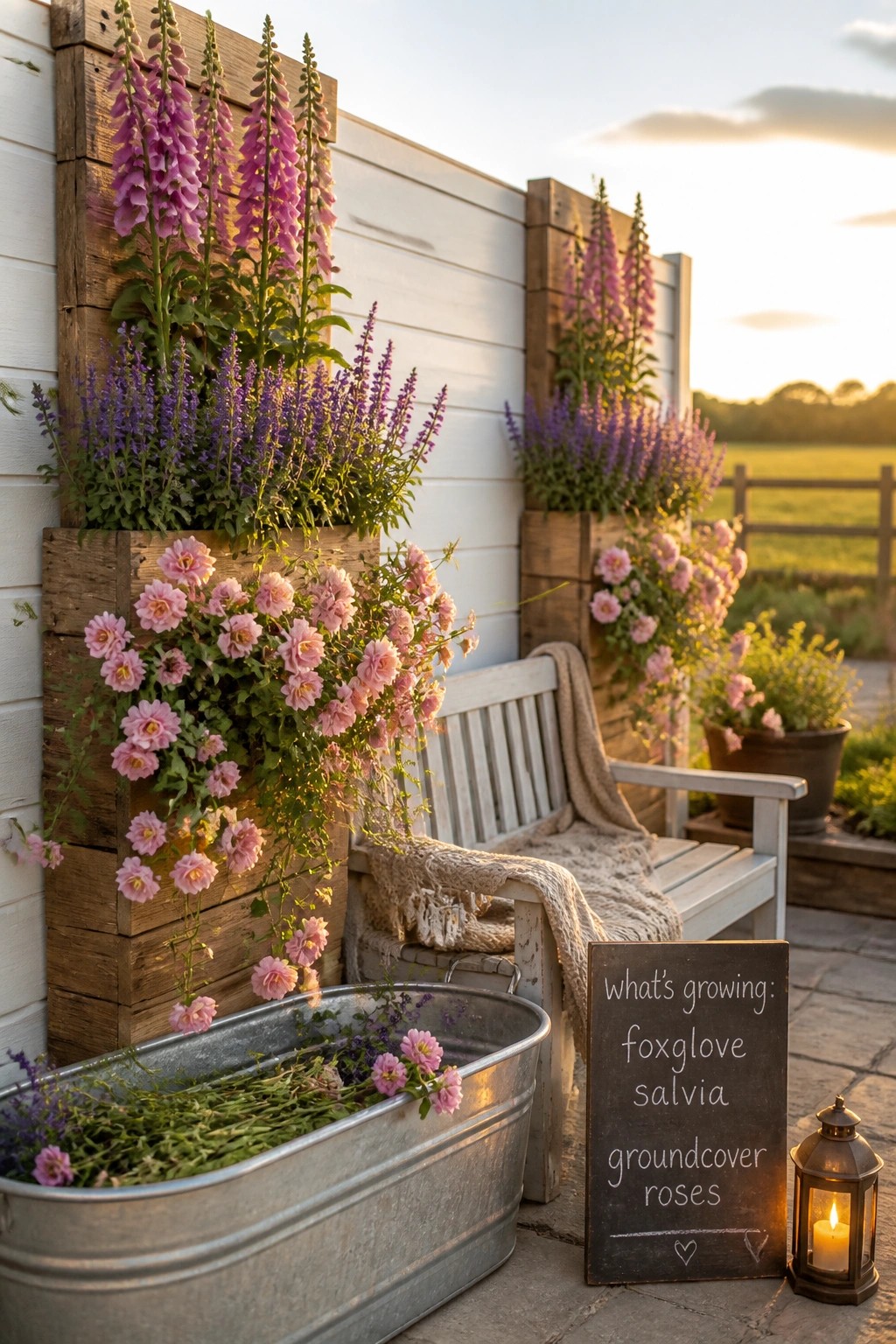
Wooden crates or boxes fastened straight to a fence or wall give you extra growing space without taking up floor room. This setup works well when you want height and color along a patio edge or property line, and it keeps everything off the ground so plants stay cleaner and easier to reach.
It suits small yards or townhomes where ground beds are limited. Just make sure the boxes are sturdy, lined for drainage, and attached securely so they can hold soil and water without sagging.
Frame a Vertical Garden on the Patio Wall
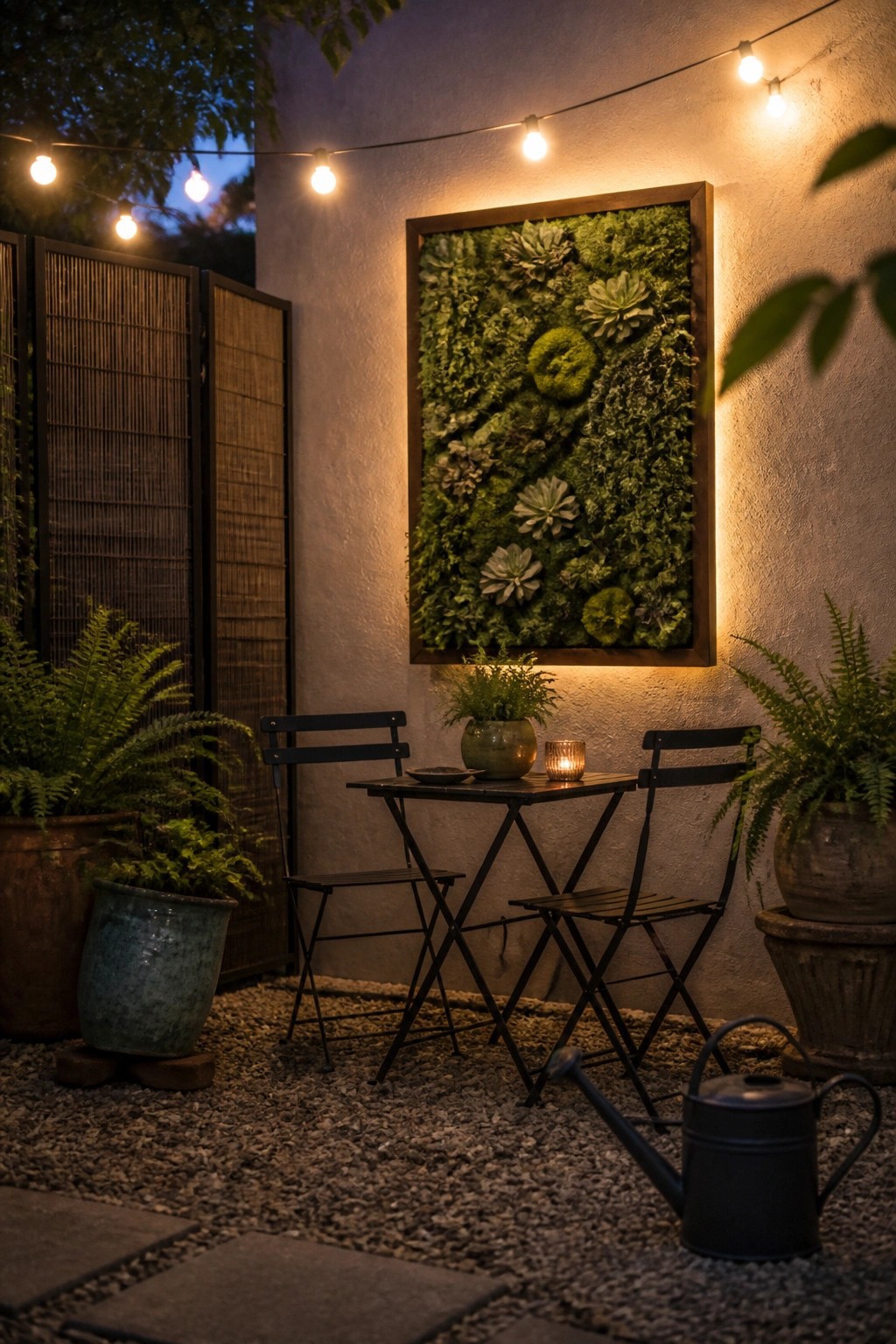
A framed vertical garden gives you a big dose of greenery without eating into floor space on a small patio. The plants stay contained in one tidy panel, so the seating area below stays open and usable even in tight quarters.
This approach works best on solid walls or fences that get decent light. Choose succulents or mosses if the spot is partly shaded, and make sure the frame is mounted securely since the soil and plants add weight over time.
Mount Herb Crates Along a Wall
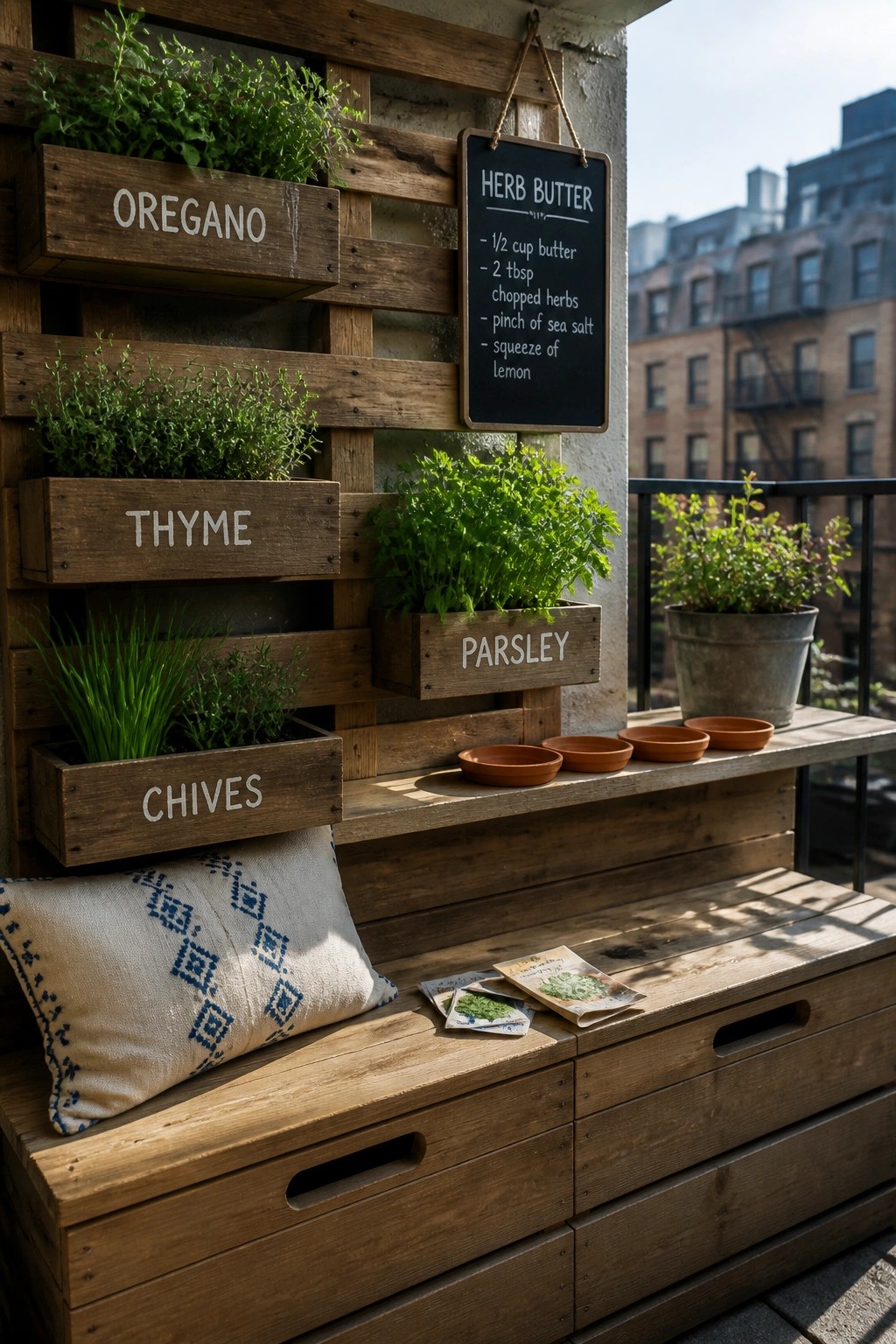
Mounting wooden crates directly on a wall turns a blank vertical surface into a working herb garden. It keeps plants off the floor, makes watering and harvesting simple, and works especially well on balconies or small patios where floor space is limited. The crates can be labeled so it is easy to find what you need at a glance.
This setup suits homes with a solid wall or fence that gets decent sun. Use treated wood or line the crates to protect them from moisture, and check that the wall can hold the weight once the soil is added. A narrow bench underneath gives a place to set tools or pots without crowding the walkway.
Mount Crates on Fences for Vertical Growing
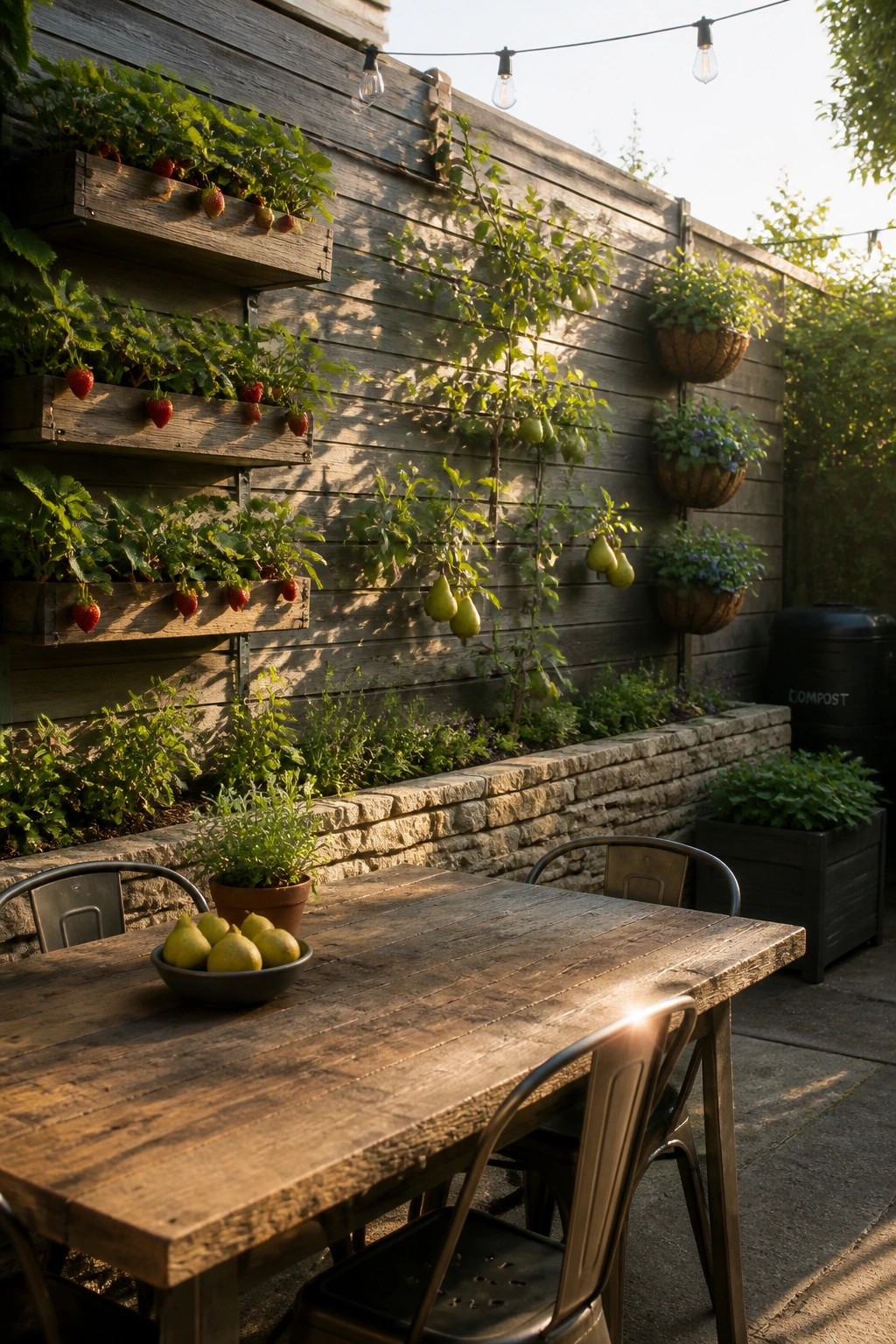
Mounting wooden crates straight onto a fence gives you growing space without crowding the patio floor. It keeps plants off the ground and makes use of vertical room that often goes unused.
This approach works best on solid wood fences that can handle the weight. Space the crates at different heights so everything gets light, and add a simple trellis between them for anything that needs to climb.
Mount Metal Panels on Walls for Vertical Planting

Mounting metal panels directly onto a wall gives you a simple way to add lots of plants without losing patio floor space. The panels act like pockets that hold soil and greenery, and they work especially well on fences or blank side walls that already exist.
This setup suits homes with small outdoor areas where you want more garden but cannot expand outward. Use sturdy metal that can handle weather, and pick plants that match your sun and water conditions. Check that the wall can support the extra weight before installing.
Attach Gutters To Fences For Compact Vertical Gardens
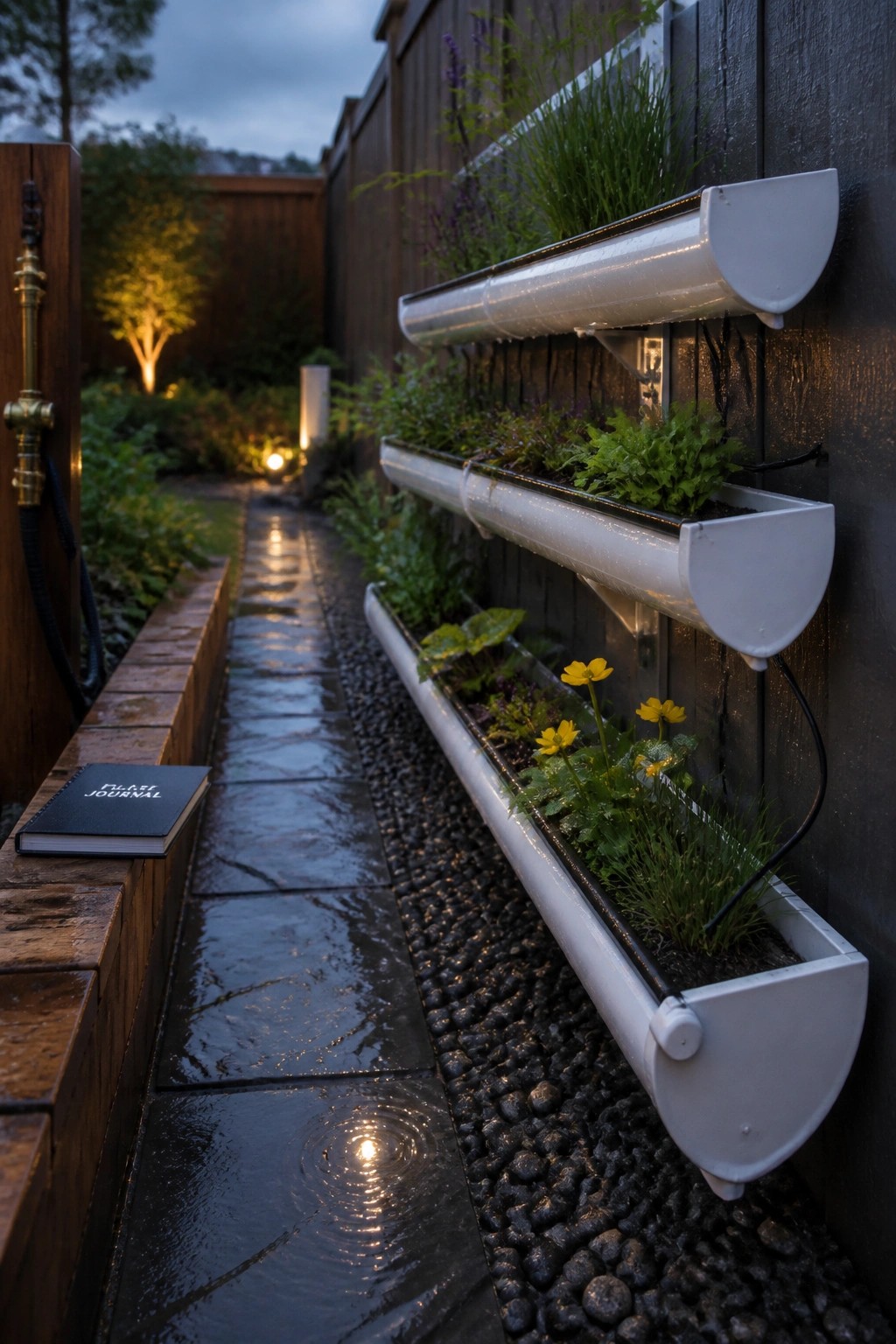
Mounting gutters on a fence turns a plain vertical surface into usable growing space without taking up ground room. This setup works especially well along narrow paths or tight side yards where regular beds would feel cramped. The long troughs hold soil and plants in a straight line, and they drain naturally through the original outlets.
This approach suits homes with existing fences that already define the yard edge. Secure the gutters at a slight angle so water flows out properly, and choose lightweight soil mixes to keep the weight manageable. It also helps to group plants with similar water needs in the same section.
Install Wall Shelves to Stack Plants Vertically
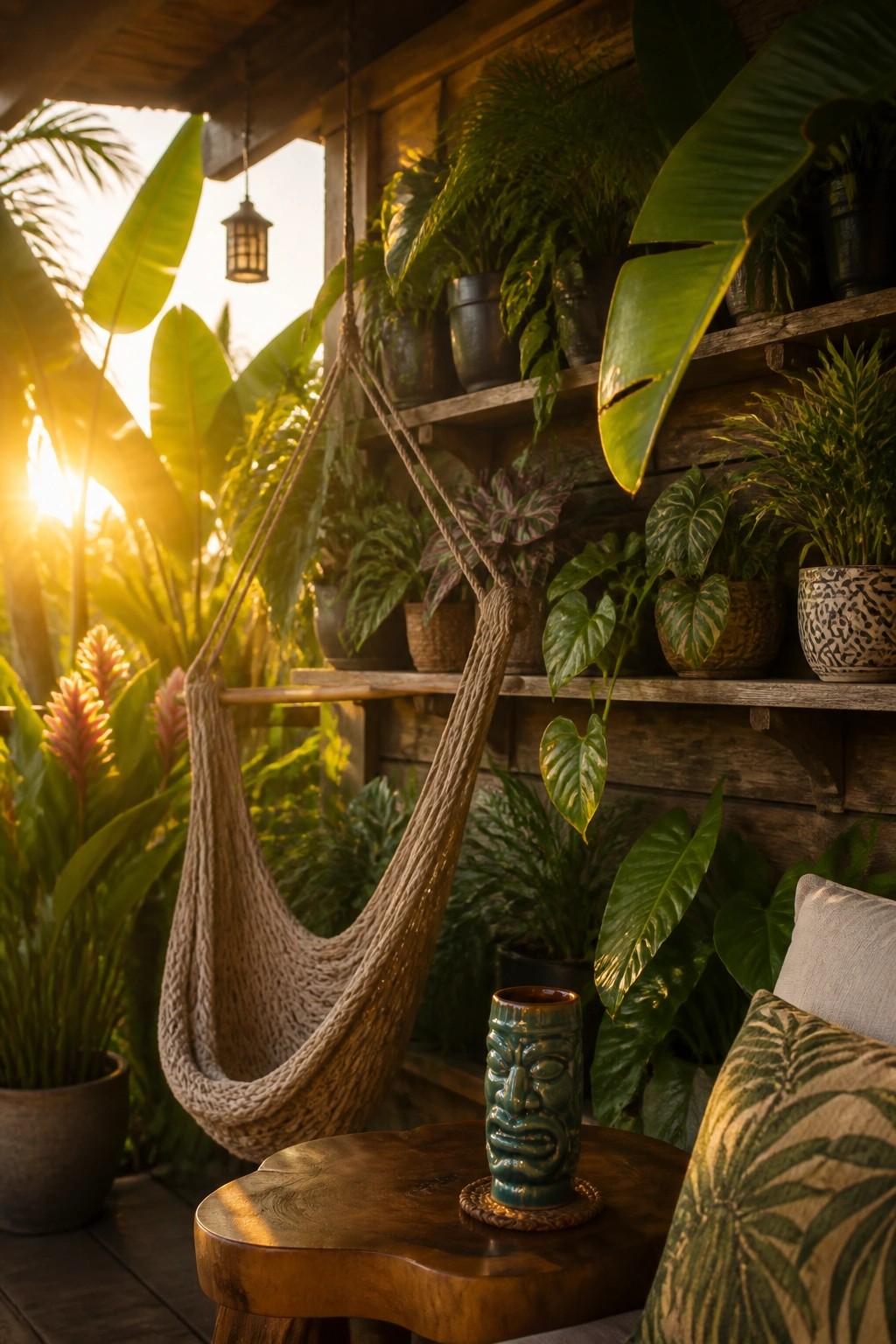
Wall shelves give you a simple way to add more plants without losing floor space on a patio. They turn empty wall sections into growing areas that feel full and green while keeping walkways clear.
This setup works best on covered patios or along fence lines where you can secure sturdy brackets. Mix pot sizes and plant heights so the shelves stay balanced and do not look too crowded.
Vertical Planters on Fences Free Up Patio Space
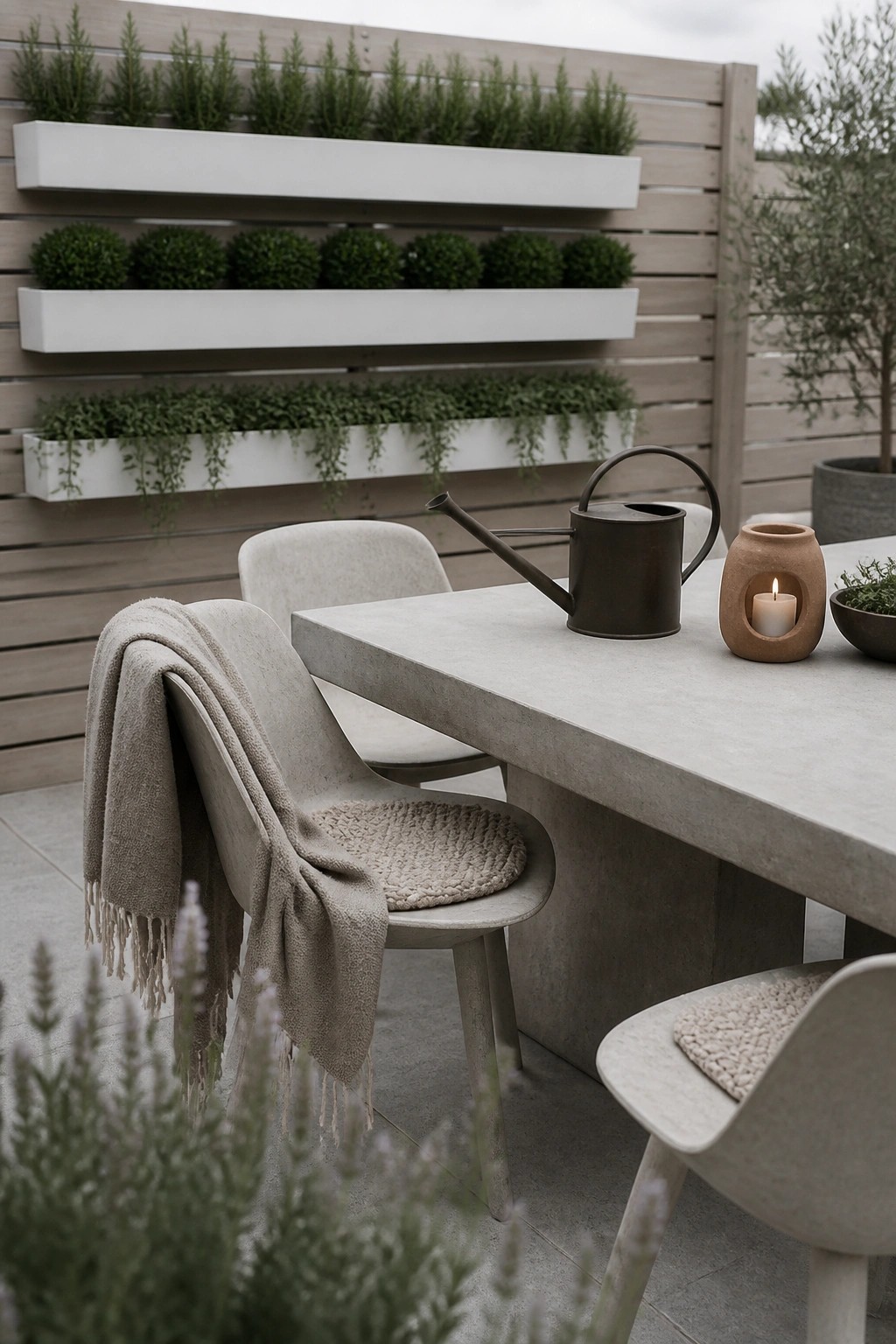
Many small patios lose floor space fast once you add seating. Mounting rows of planters on the fence keeps plants off the ground and still gives you a full green backdrop.
This works best on narrow patios or side yards where every foot matters. Stick with simple rectangular boxes, space them evenly, and choose plants that handle the light conditions in your spot.
Mount Pipes Along Fences For Vertical Planting
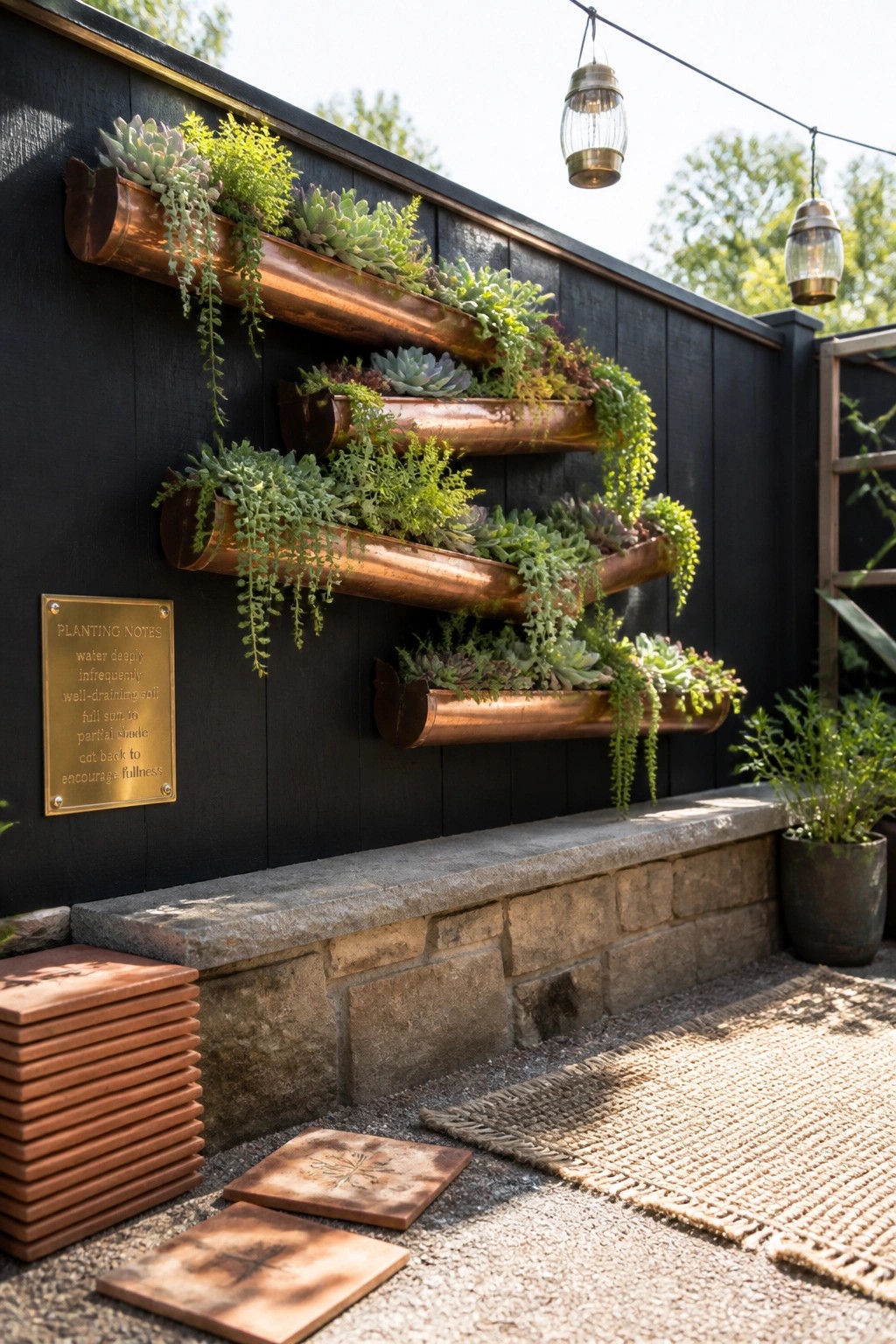
Running pipes or troughs horizontally on a fence gives you planting space that does not eat into floor area. It keeps the plants visible at eye level and works especially well on narrow patios or side yards where ground beds are not an option.
This approach suits homes with solid fence lines that can support the weight. Make sure the pipes are cut to allow drainage and are fixed securely so they stay level after watering.
Frequently Asked Questions
Q: How do I attach planters to my fence without causing damage? A: Start with sturdy hooks that screw into the posts instead of the panels. Check the weight once everything is planted and watered. A simple liner inside each container keeps moisture away from the wood.
Q: Which plants handle the limited root space in vertical gardens best? A: Go for herbs like basil or trailing vines such as ivy. They adapt quickly and do not need deep soil. Mix in a few annuals for color if you want variety.
Q: What happens if one section starts to sag after a few weeks? A: Tighten the supports right away before more weight pulls it down. You can add an extra bracket midway for balance. This keeps the whole setup looking neat.
Q: Do vertical gardens need fertilizer more often? A: Yes, mix in a slow-release type when planting. Check the leaves every couple weeks for signs they need more.
