


Raised beds built with timber frames give the garden a clear layout that helps control soil and water while shaping how plants and pathways fit together over the seasons.
I have noticed that the height and joint style of the frame often decide whether the bed stays sturdy after a couple of winters or starts to lean.
Wood type changes everything.
A few of the simpler designs look like they could be adapted without much trouble if the space needs to expand later or if certain crops require more depth.
In the end the frames that line up with how the yard actually gets used tend to hold up better than ones chosen only for their look on paper.
Add a Bench to the Timber Frame
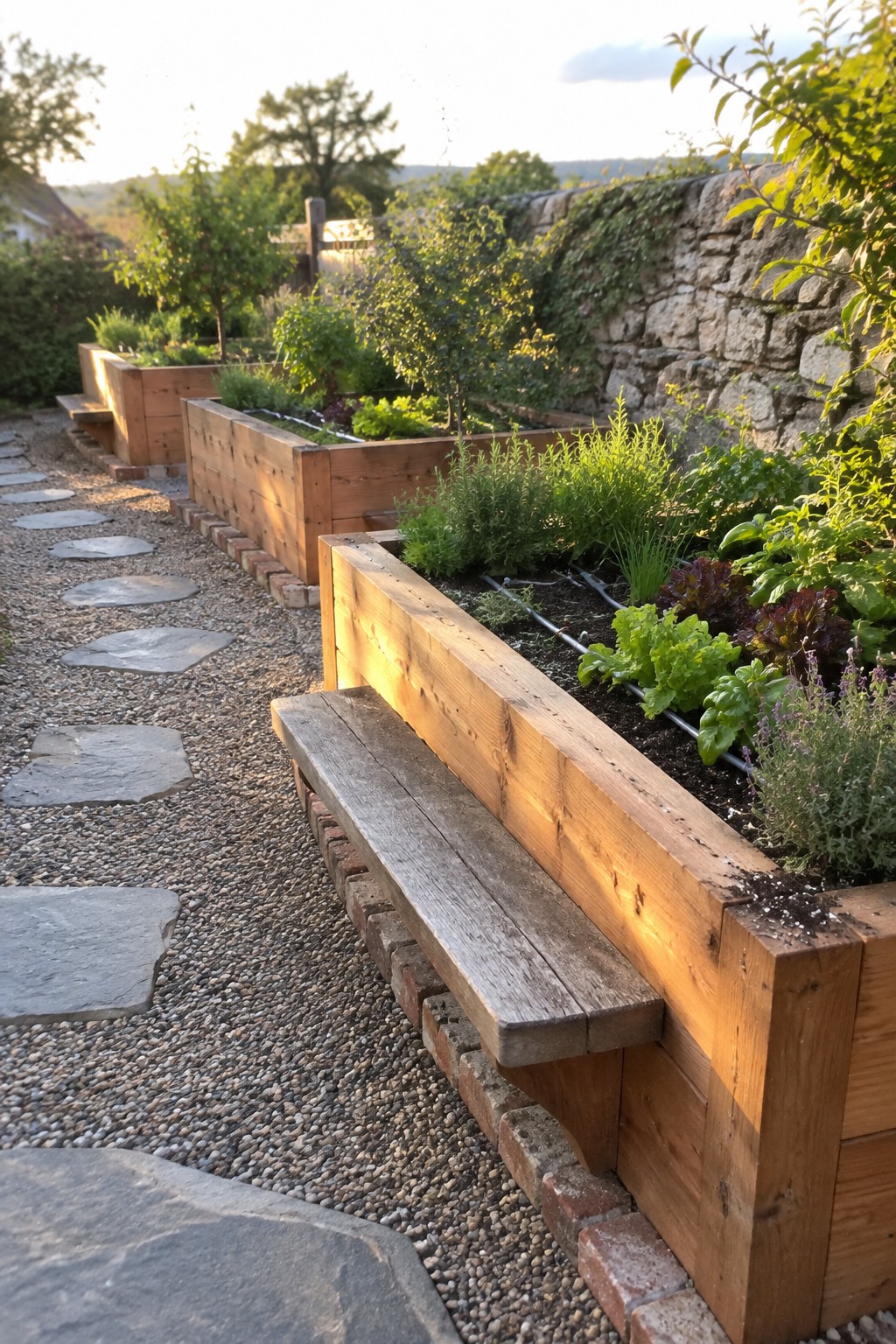
One useful idea is to build a bench right off the side of the timber raised bed. The thick wood already needed for the frame can support seating, so you get a place to sit without adding separate furniture that might crowd the path.
This works well in gardens where beds run alongside a walkway. Keep the bench at a comfortable height and make sure the frame is anchored solidly so it stays steady over time.
Timber Frames For Raised Garden Beds
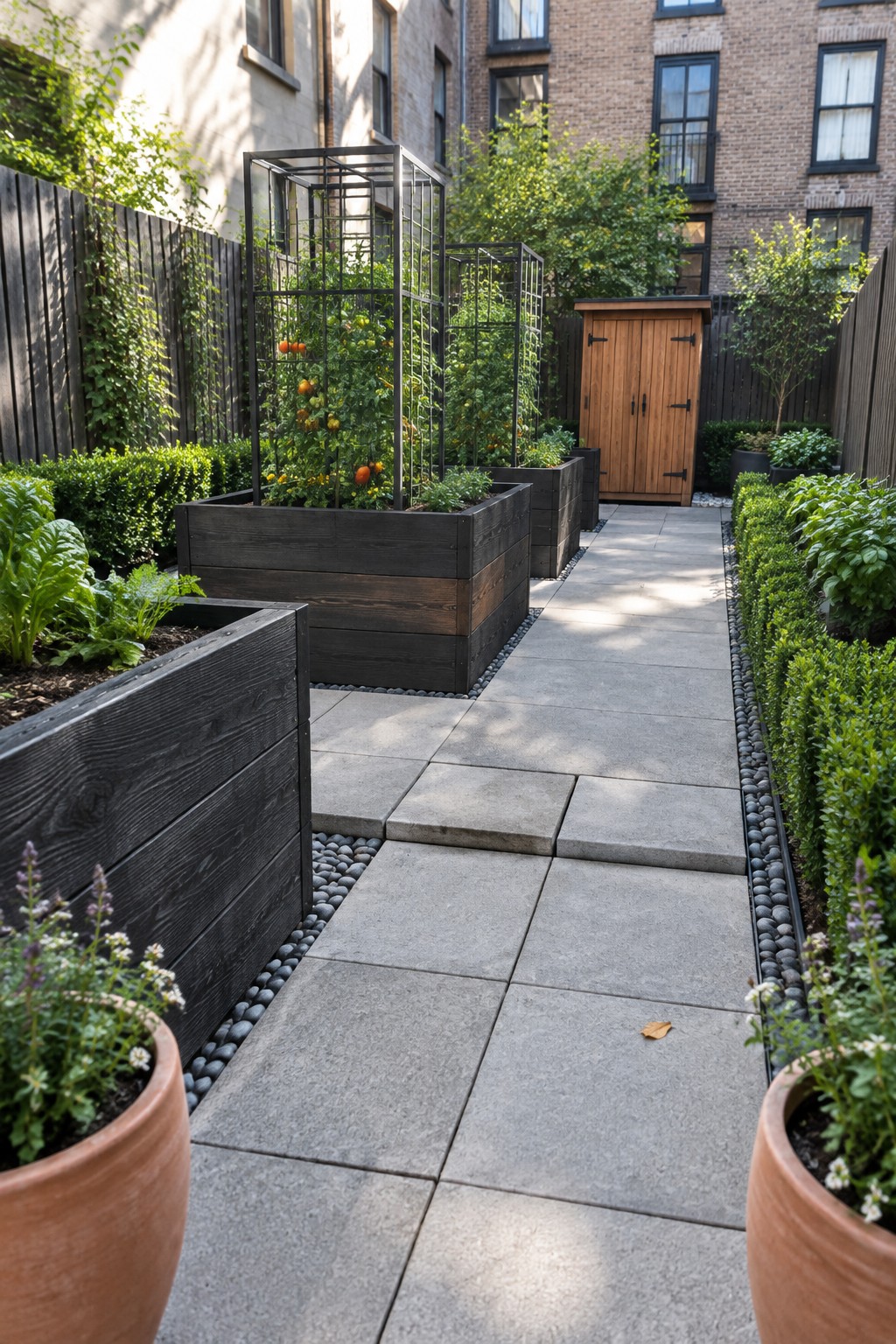
Raised beds built with timber frames give a garden clear structure while keeping the soil contained and easy to manage. The dark wood blends nicely with surrounding greenery and holds up well in outdoor settings, especially when paired with simple metal supports for climbing plants.
This approach works best in smaller or narrow yards where you want to create defined planting zones without taking over the whole space. Keep the frames at a comfortable height for weeding and choose rot-resistant lumber so the beds last through multiple seasons.
Timber Frames For Raised Beds With Stone Edging
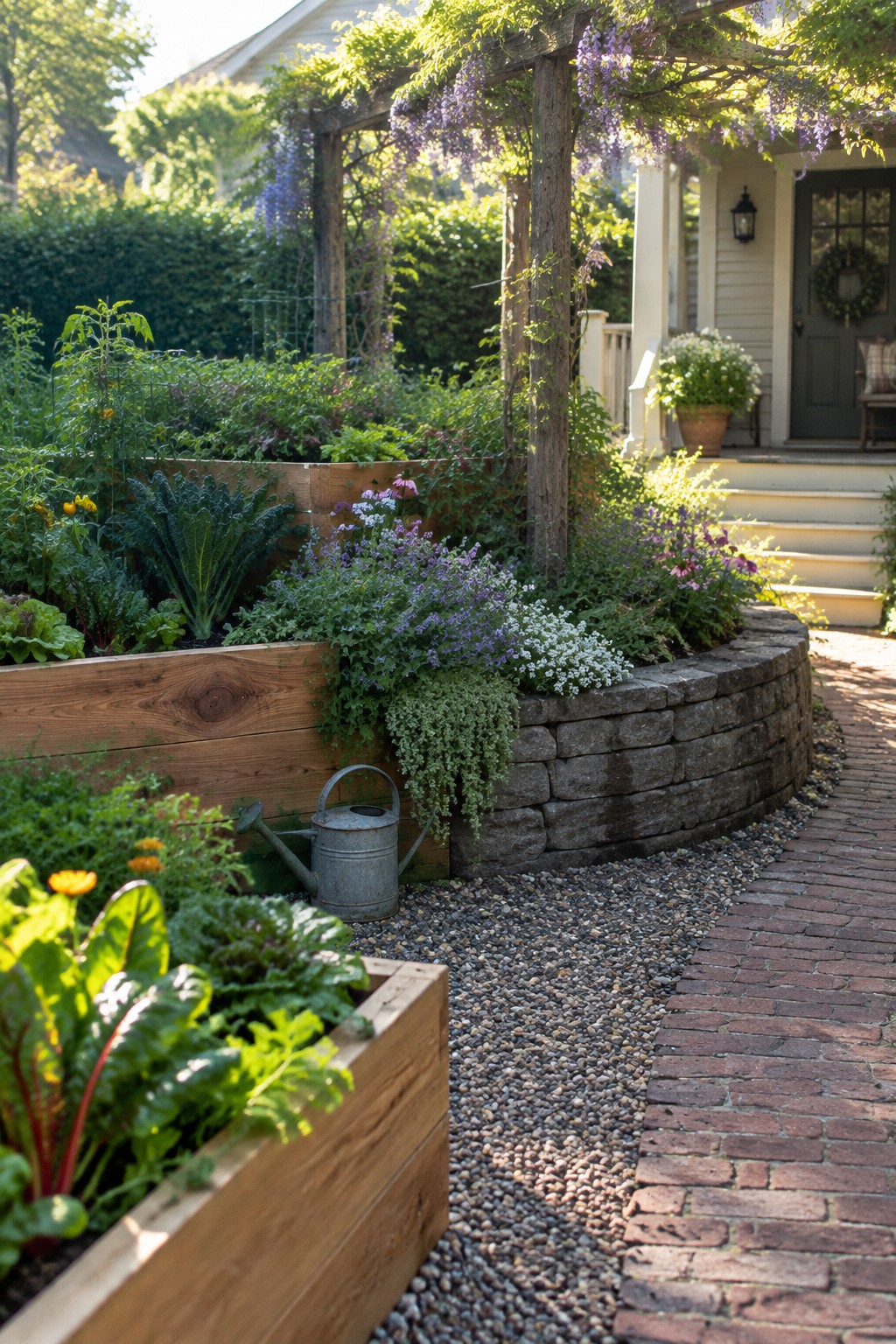
Timber frames make raised beds feel more permanent and help keep the soil contained even on slightly uneven ground. The wood ages to a soft gray that blends with stone and gravel, so the beds look like they belong rather than sitting on top of the landscape.
This approach works well along a side path or near a front walkway where you need clear planting zones but still want a natural edge. Use the timber to create straight or stepped beds, then let a low stone wall handle the curve and any change in level.
Raised Timber Beds Along a Stone Path

Placing long timber raised beds beside a stone path gives the garden clear structure while keeping plants easy to reach. The frames hold the soil in place and create a neat edge that guides the eye down the walkway without crowding it.
This layout works best in side yards or along patios where space is limited. Match the wood on any built-in seating to the bed frames so the materials feel consistent. Leave enough room on the path for comfortable foot traffic.
Timber Raised Beds Beside Paved Areas
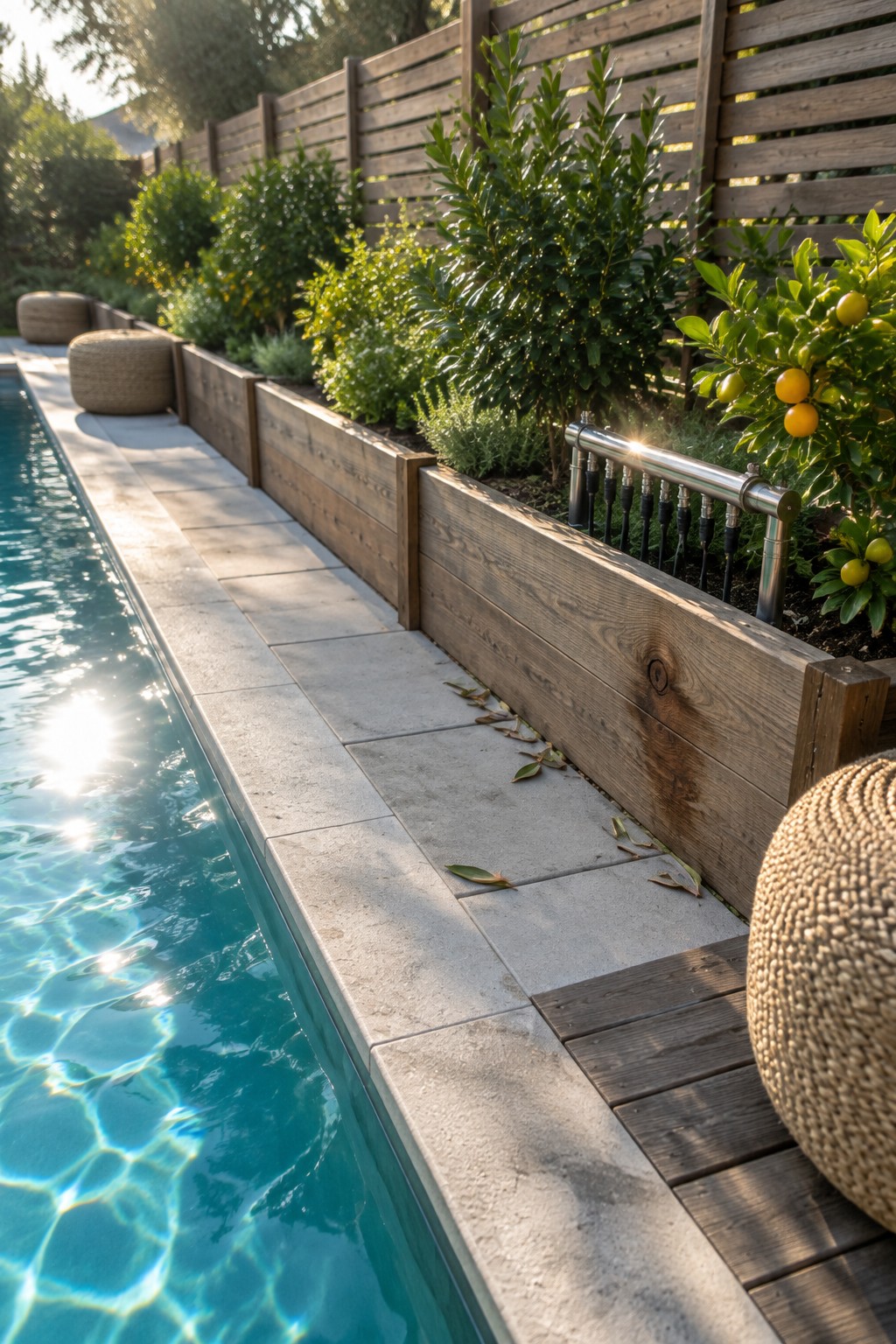
Timber frames give raised beds a solid edge that keeps soil in place and makes planting feel more organized. This setup works especially well beside paved areas because the wood adds height without crowding the walkway or deck.
It suits smaller yards or spots where you want a clear line between garden beds and hard surfaces. Use pressure treated or naturally rot resistant wood and keep the frames low enough to reach across easily when planting or weeding.
Timber Raised Beds With Metal Brackets

Timber frames give raised beds a clean structure that holds soil in place and keeps different plants separated. The wood and metal brackets create sturdy sides that stand up to weather without much fuss, which makes the whole setup feel practical rather than temporary.
This style works best in small or rooftop spaces where you need clear paths around the beds. Gravel underfoot helps with drainage and keeps things from getting muddy after rain.
Timber Frames For Raised Beds
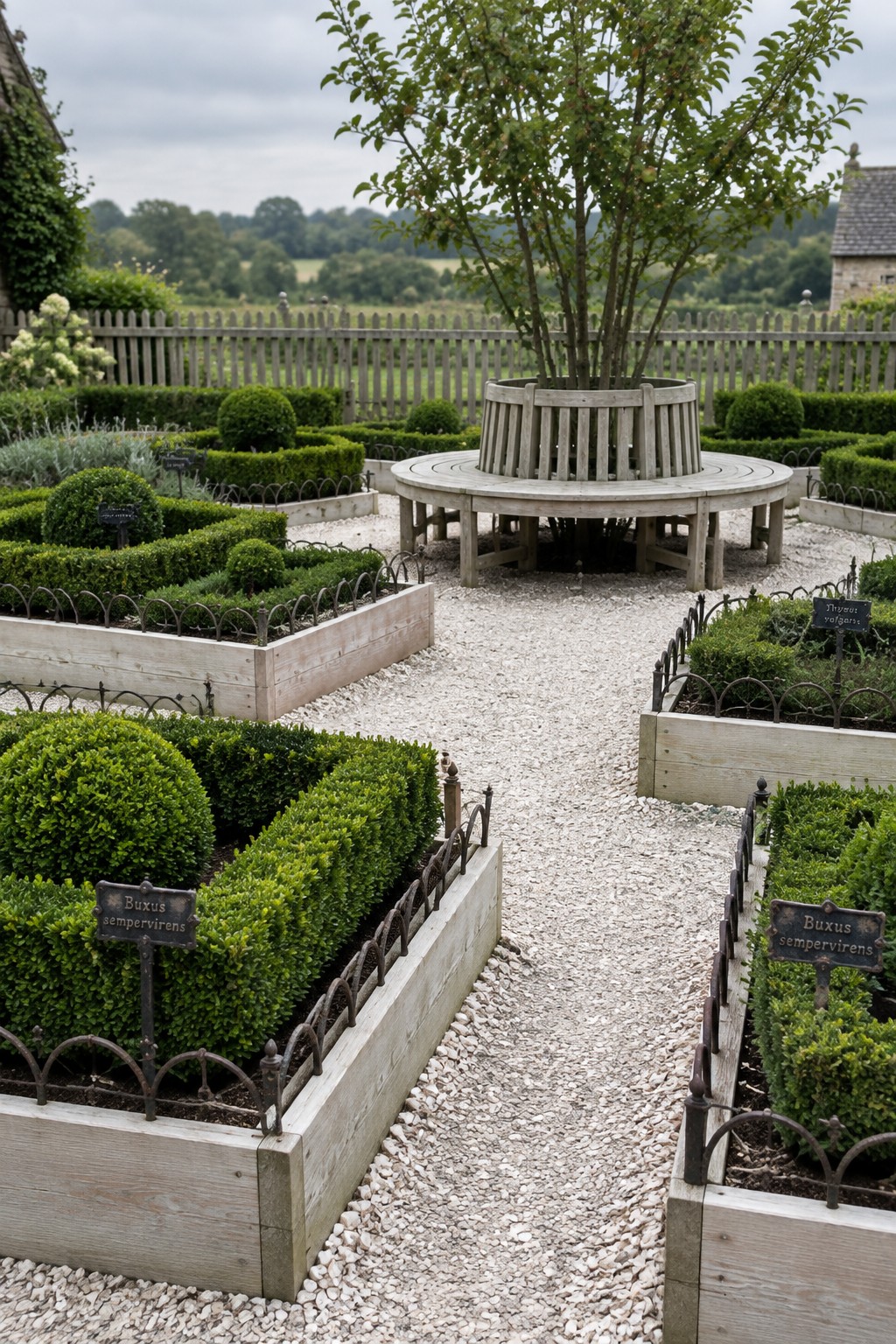
Timber frames give raised beds a solid shape and keep the soil contained without looking too heavy. The light wood works especially well with gravel paths because it creates clear lines that make the whole garden feel organized.
This approach suits bigger gardens where you want several beds without building permanent walls. Keep the frames simple and let the plants do most of the work.
Timber Frames Along Stone Paths
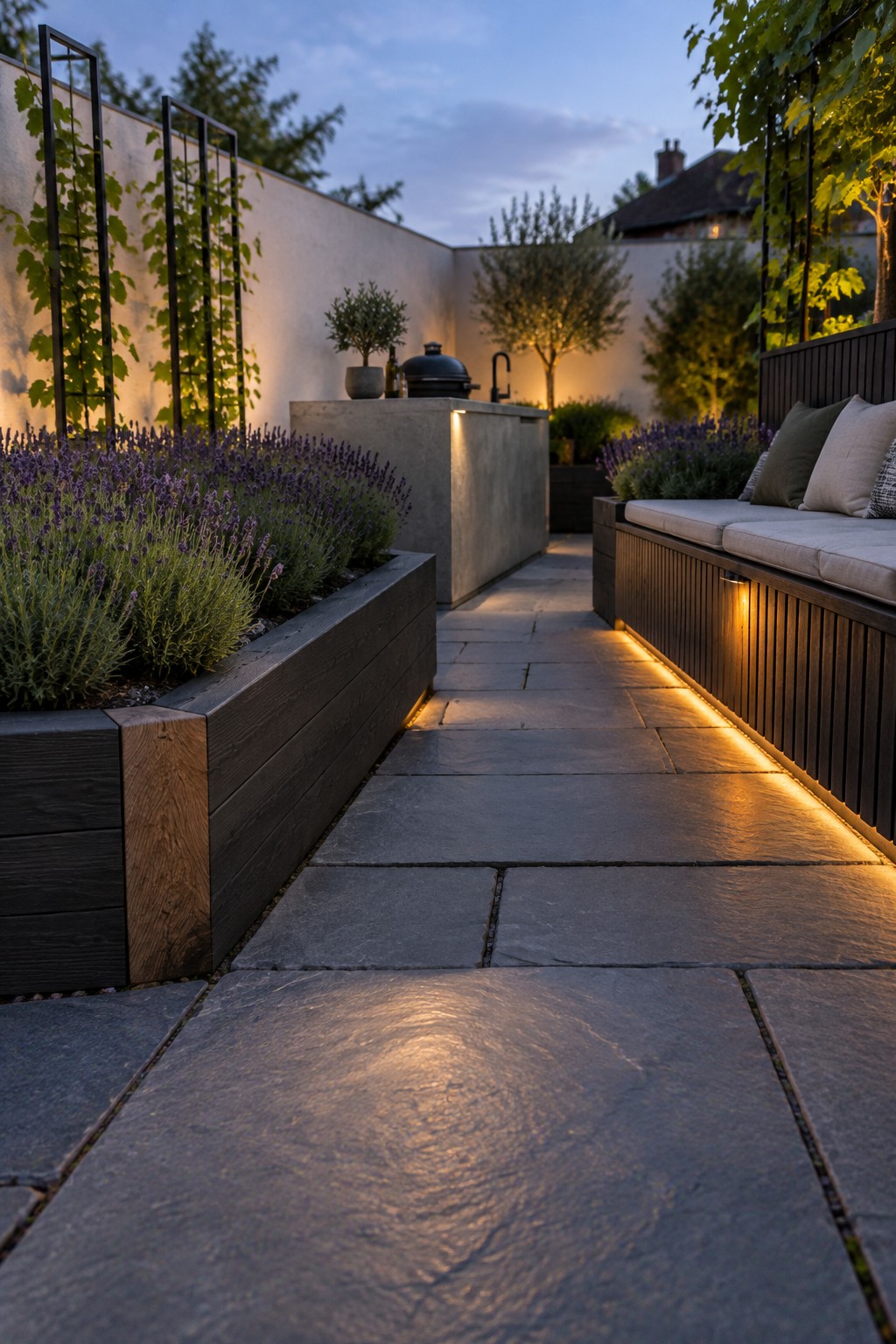
Timber frames give raised beds a solid edge that keeps everything looking neat over time. The dark wood here lines up right beside the stone path, turning what could be loose planting into a clear garden route that still feels relaxed.
This layout works best in side yards or narrow spaces where you need both planting room and easy walking access. Choose a simple rectangular shape, keep the timber height around knee level, and let the beds follow the path rather than fighting it.
Timber Framed Raised Beds
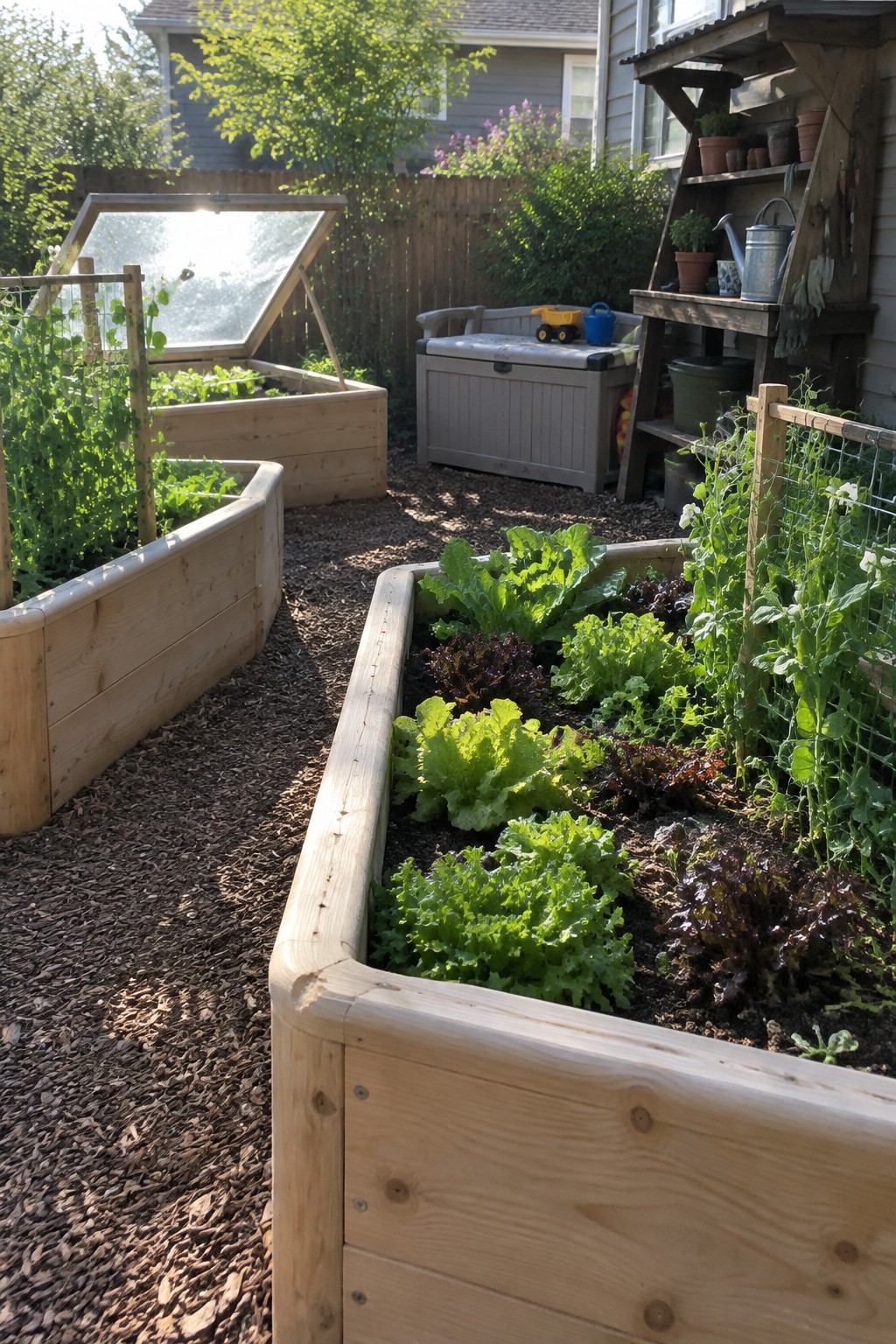
Timber framed raised beds keep a garden neat and easy to work in. The wood sides hold the soil in place and lift the plants up so you can tend them without kneeling on the ground all the time.
These beds suit smaller yards or any space where you want clear rows and paths between plantings. Use untreated or naturally rot resistant wood, line the inside if needed, and keep the surrounding mulch thick to hold moisture and reduce weeds.
Raised Beds Framed With Timber
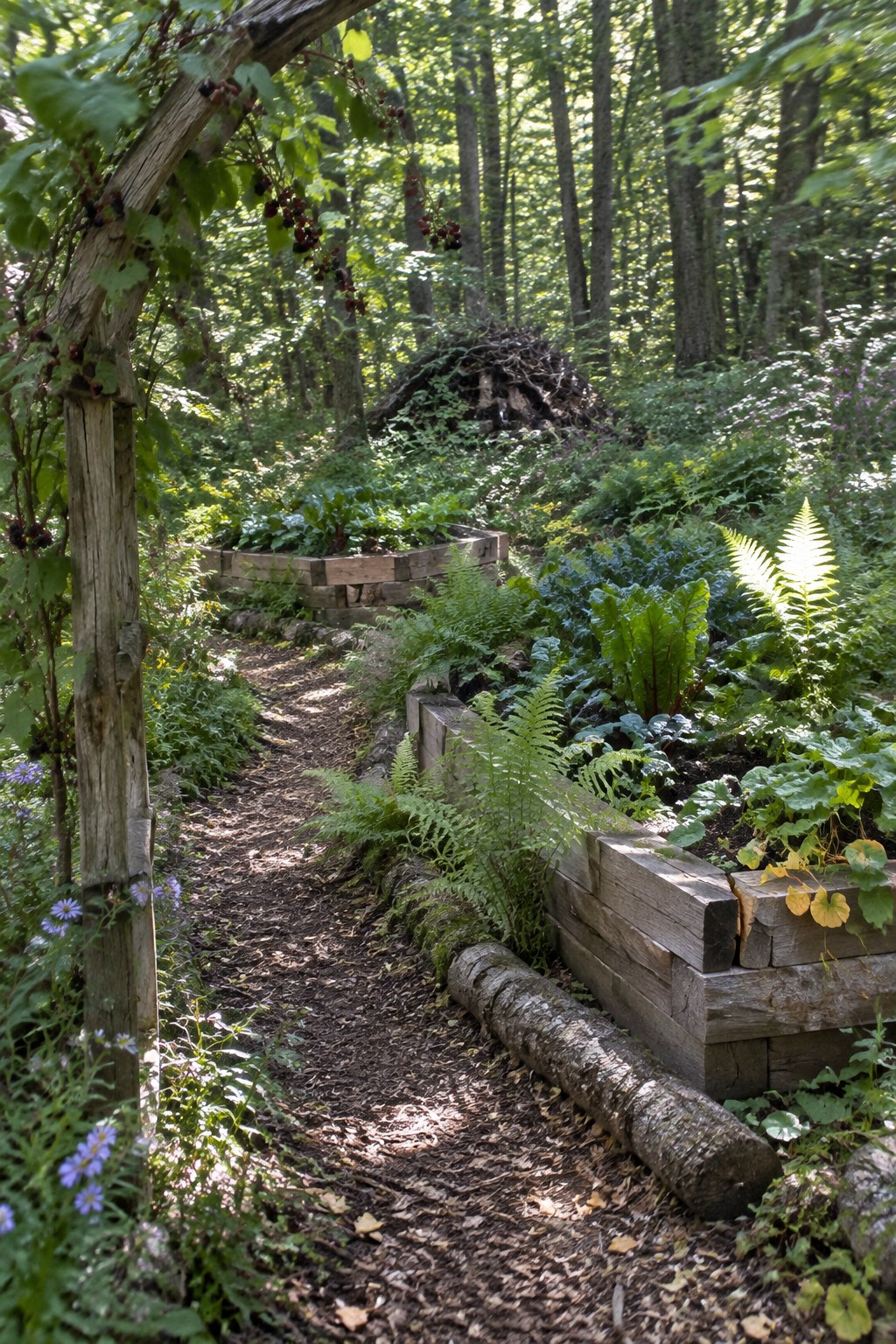
Timber frames give raised beds a sturdy edge that still blends into the surrounding landscape. The wood contains the soil neatly while letting the plants and nearby growth take over visually.
This style suits wooded lots or informal gardens where you want clear planting zones without heavy construction. Stack or join the timbers to follow the path or slope, and let the wood age naturally so it settles into the setting.
Timber Framed Raised Beds Along A Path
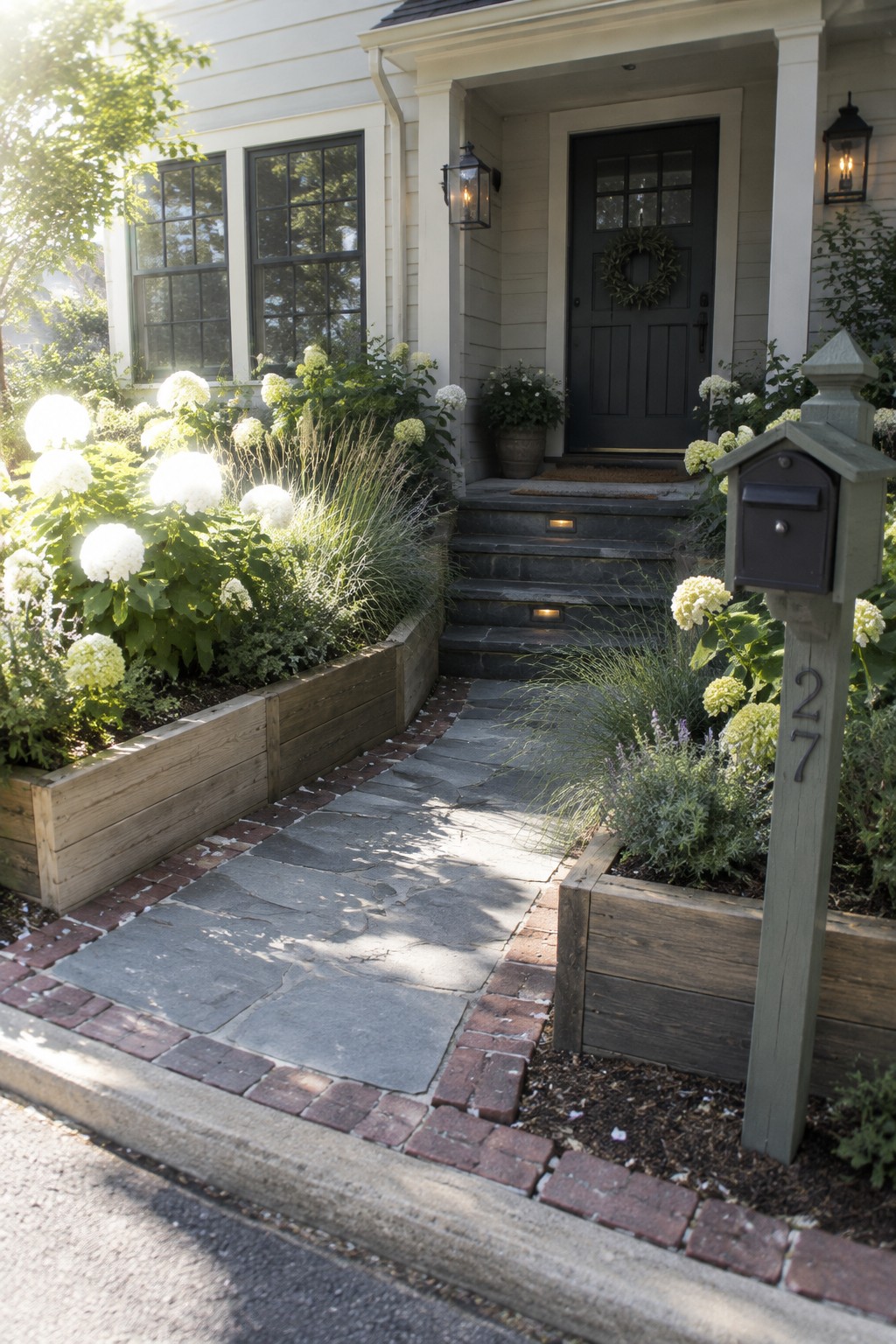
Timber frames give raised beds a clean edge that holds everything in place without needing constant upkeep. They work especially well when the beds run along a walkway because they keep the planting neat while still letting the flowers spill over a little.
This layout suits homes with a front path that needs some softening but not a full overhaul. The wood can be left natural or stained to match other outdoor structures, and it makes it easier to control soil depth for different plants.
Timber Frames For Curved Raised Beds
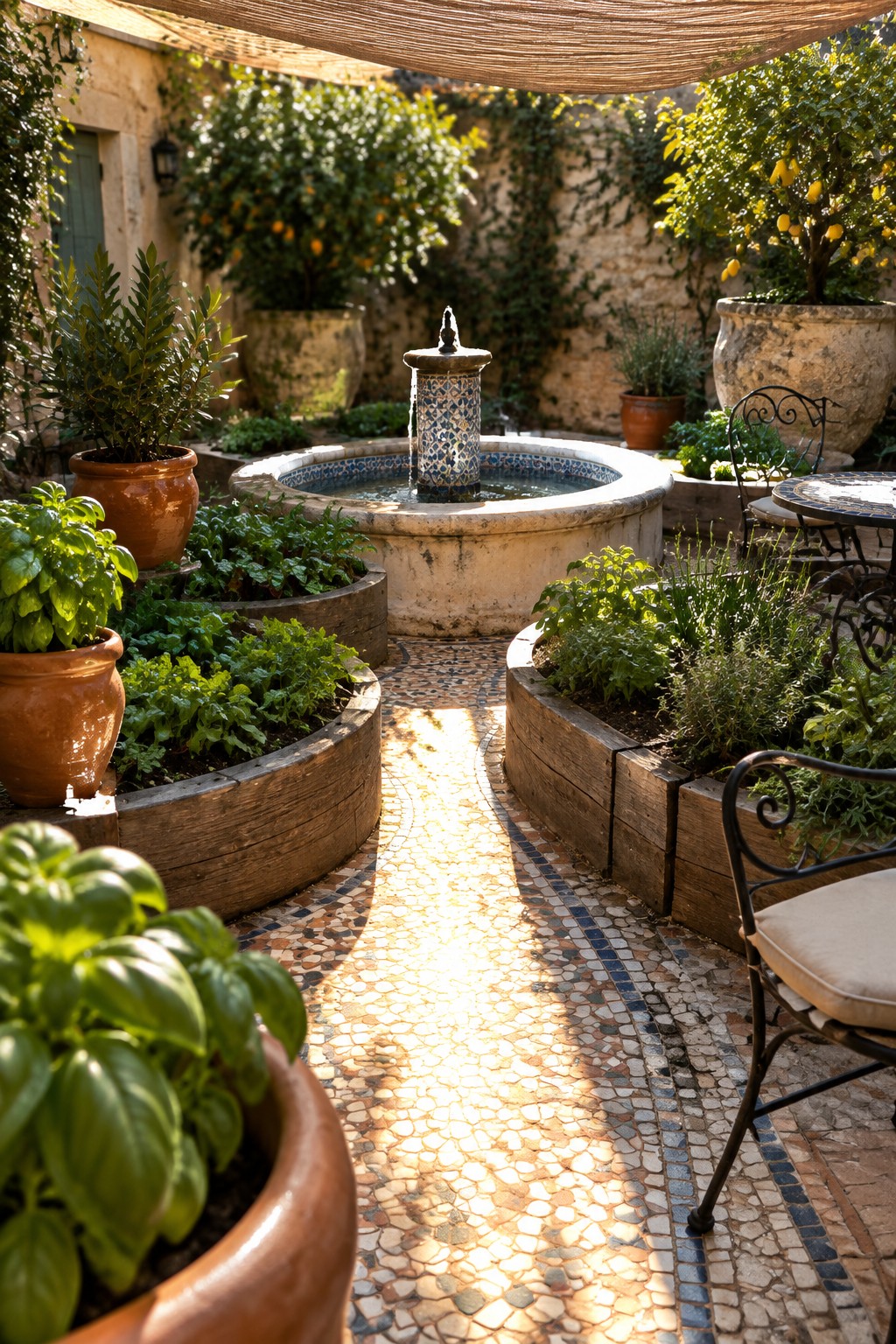
Timber frames make it easy to build raised beds that curve instead of running in straight lines. The wood bends enough to follow a gentle arc, which helps the beds shape themselves around a path or a central feature like a fountain. This approach keeps the garden feeling open while still giving the plants plenty of depth and good soil.
These beds work best in smaller courtyards or older homes where straight lines can feel too rigid. Use thick, weather resistant planks and anchor the curves well so the wood does not bow outward over time. A simple gravel or pebble path between them finishes the layout without competing with the planting.
Timber Raised Beds For Narrow Yards
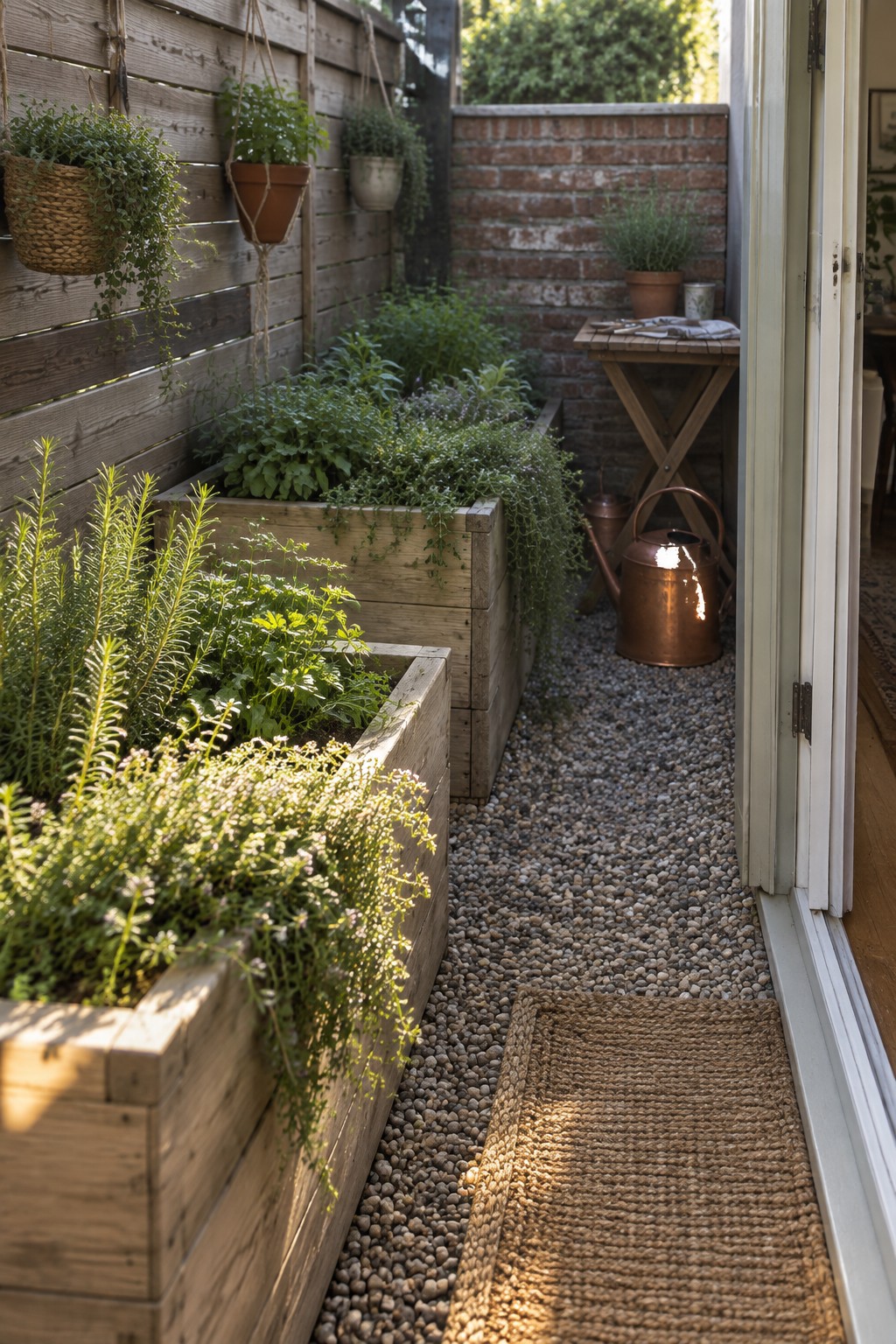
Timber framed raised beds make good use of tight side spaces that often get ignored. The boxes hold the soil neatly, keep plants off the ground, and let you tend everything without bending too far or walking on the beds.
This approach works best in homes with long narrow passages or small courtyards where a regular in-ground garden is not practical. Build the frames from standard lumber so they fit the space exactly, then fill them with herbs or vegetables that benefit from the extra warmth and drainage.
Timber Framed Raised Beds Along Gravel Paths
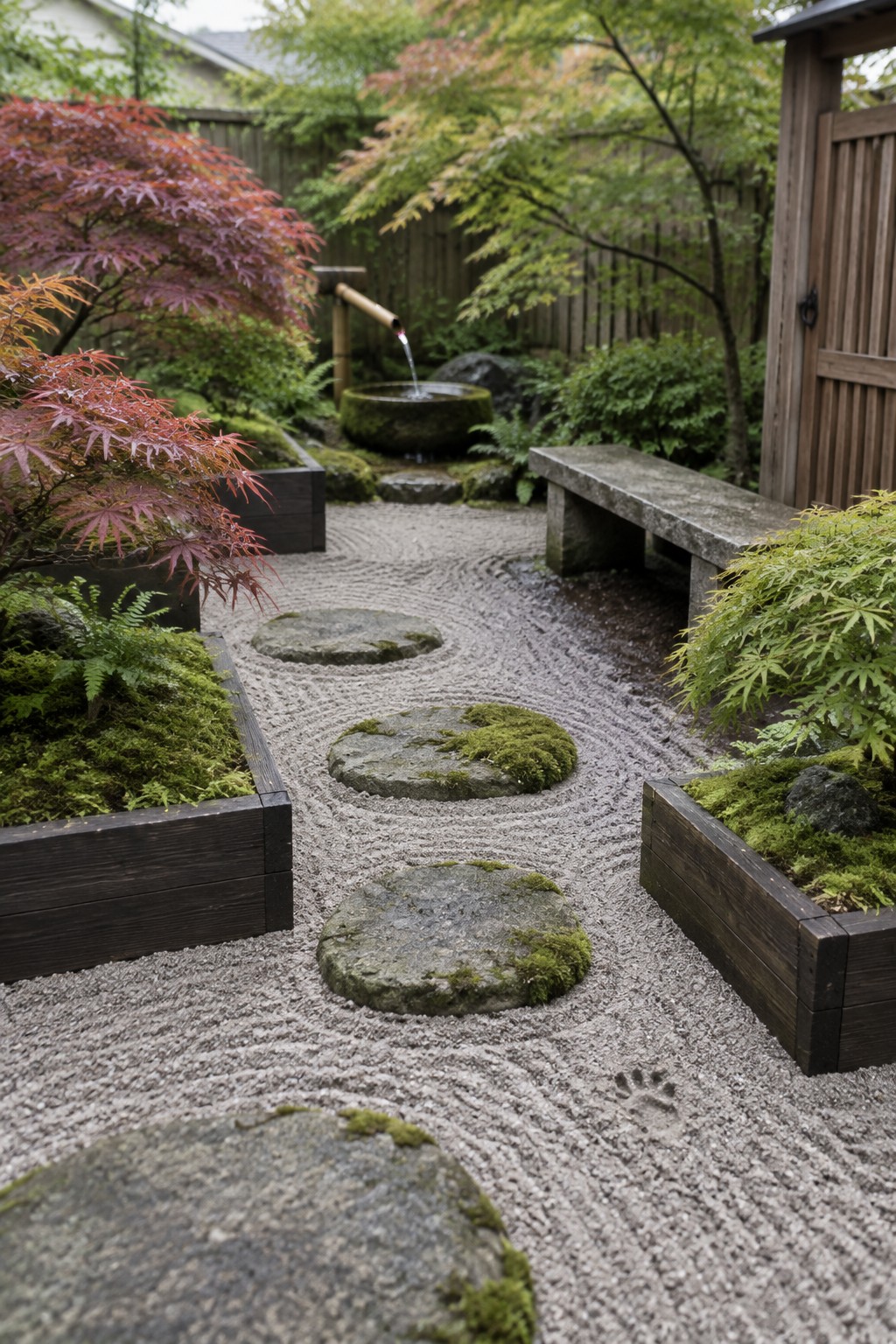
Timber frames give raised beds a clean edge that holds up well in a gravel garden. They keep the planting areas defined while letting the path flow between them without any extra borders or edging.
This setup works best in smaller yards where you want clear planting zones but still need room to walk through. Dark stained timber pairs nicely with light gravel and stepping stones, and it gives the beds enough height to plant ferns, moss, and small trees without them looking flat against the ground.
Timber Frames For Raised Beds Around A Patio
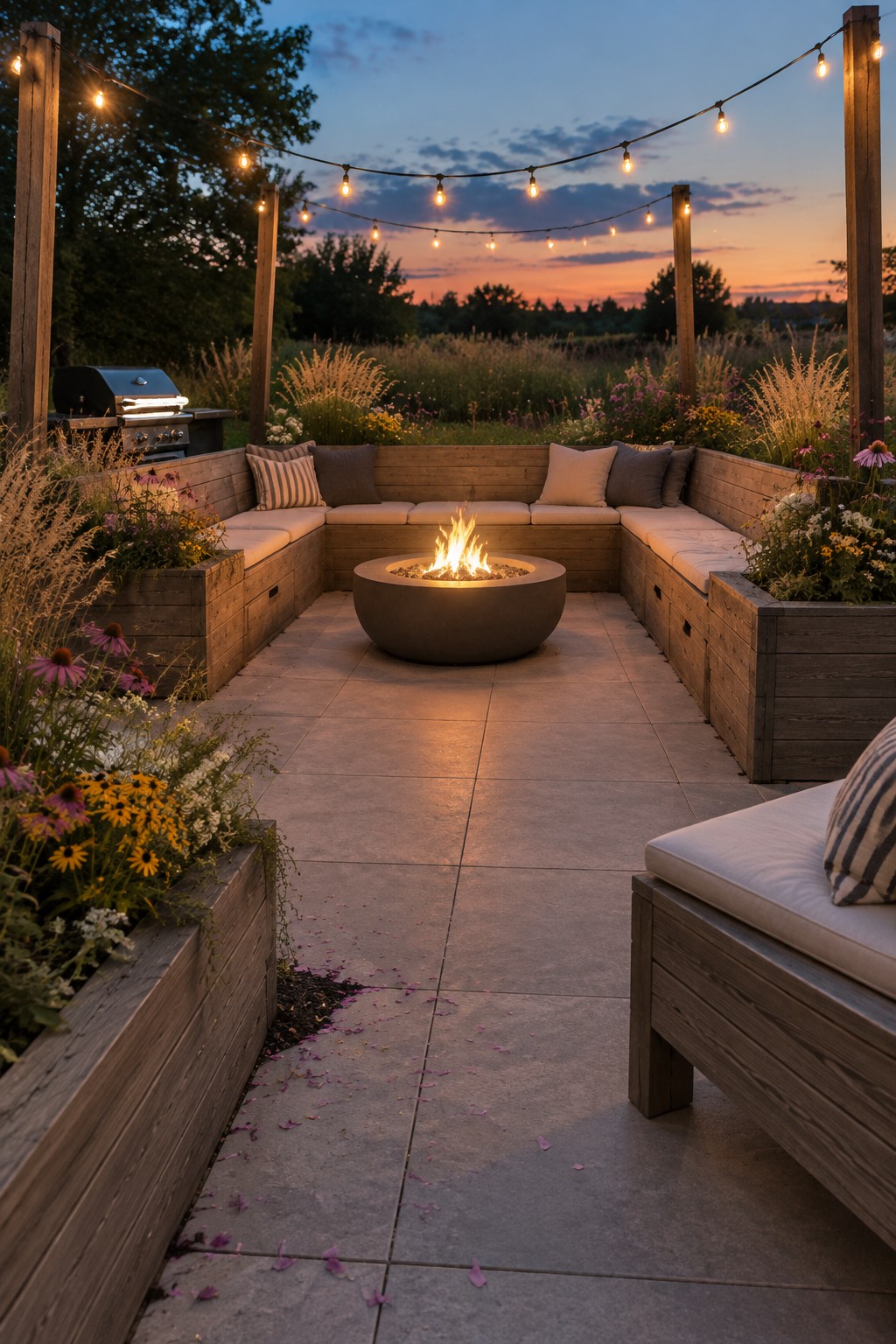
Building raised beds from timber gives you a simple way to add planting space right next to where people sit. The wood frames hold the soil at a good height, keep plants contained, and create a natural border that makes the whole area feel more finished without needing extra walls or fencing.
This setup works best in backyards where you want flowers and herbs close to a seating area. Use the same timber for the beds and any built-in benches so everything matches, and keep the beds at a depth that suits the plants you like most.
Timber Raised Beds Along Balcony Railings
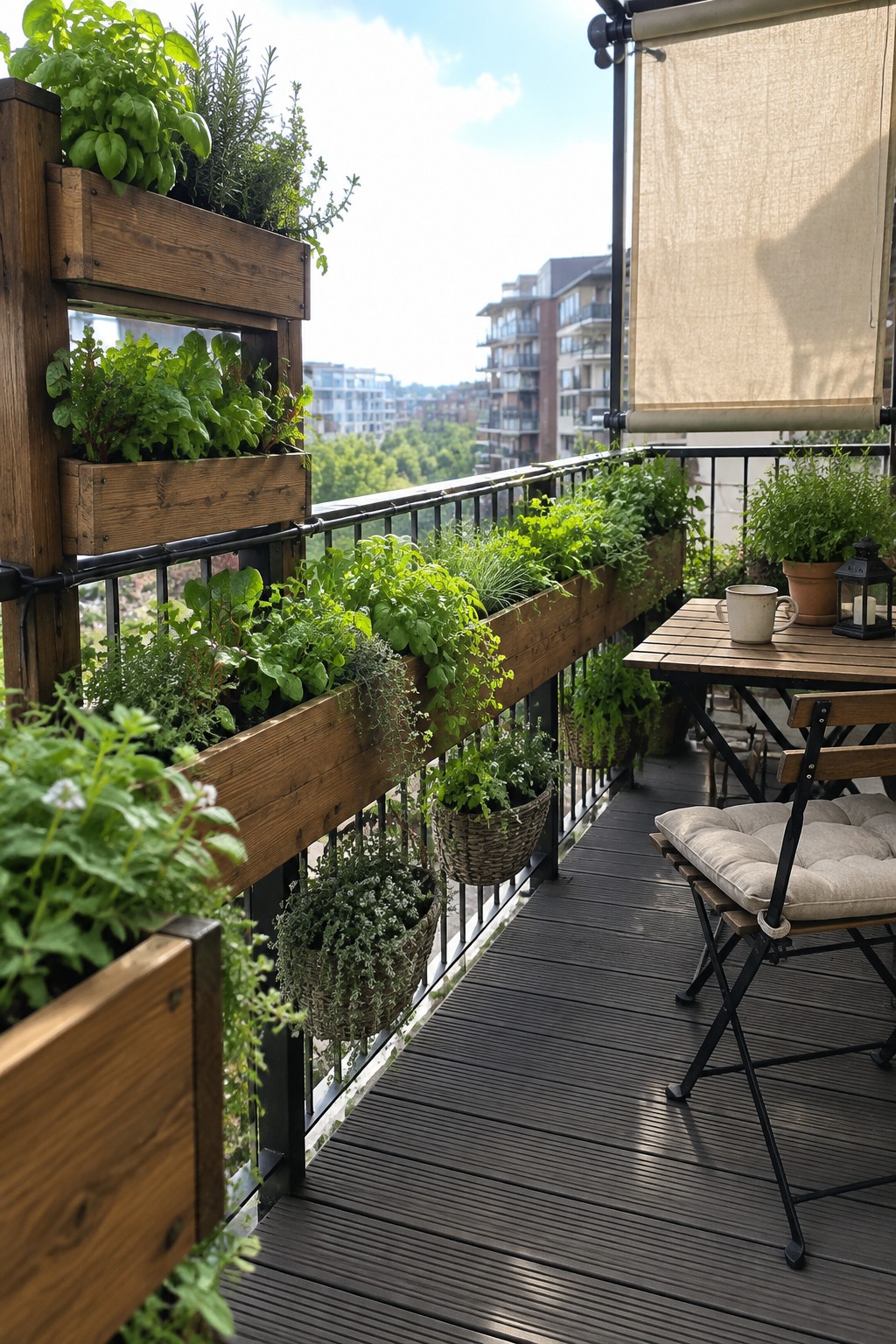
Many apartment dwellers use timber frames to build raised beds that attach directly to the railing. This keeps the deck floor open for seating while still giving herbs and vegetables the depth they need to thrive.
The setup suits urban balconies where space is tight and weight needs to stay manageable. Secure the frames well to the railing and choose rot-resistant wood so the beds hold up through different seasons.
Curved Timber Raised Beds For Natural Flow
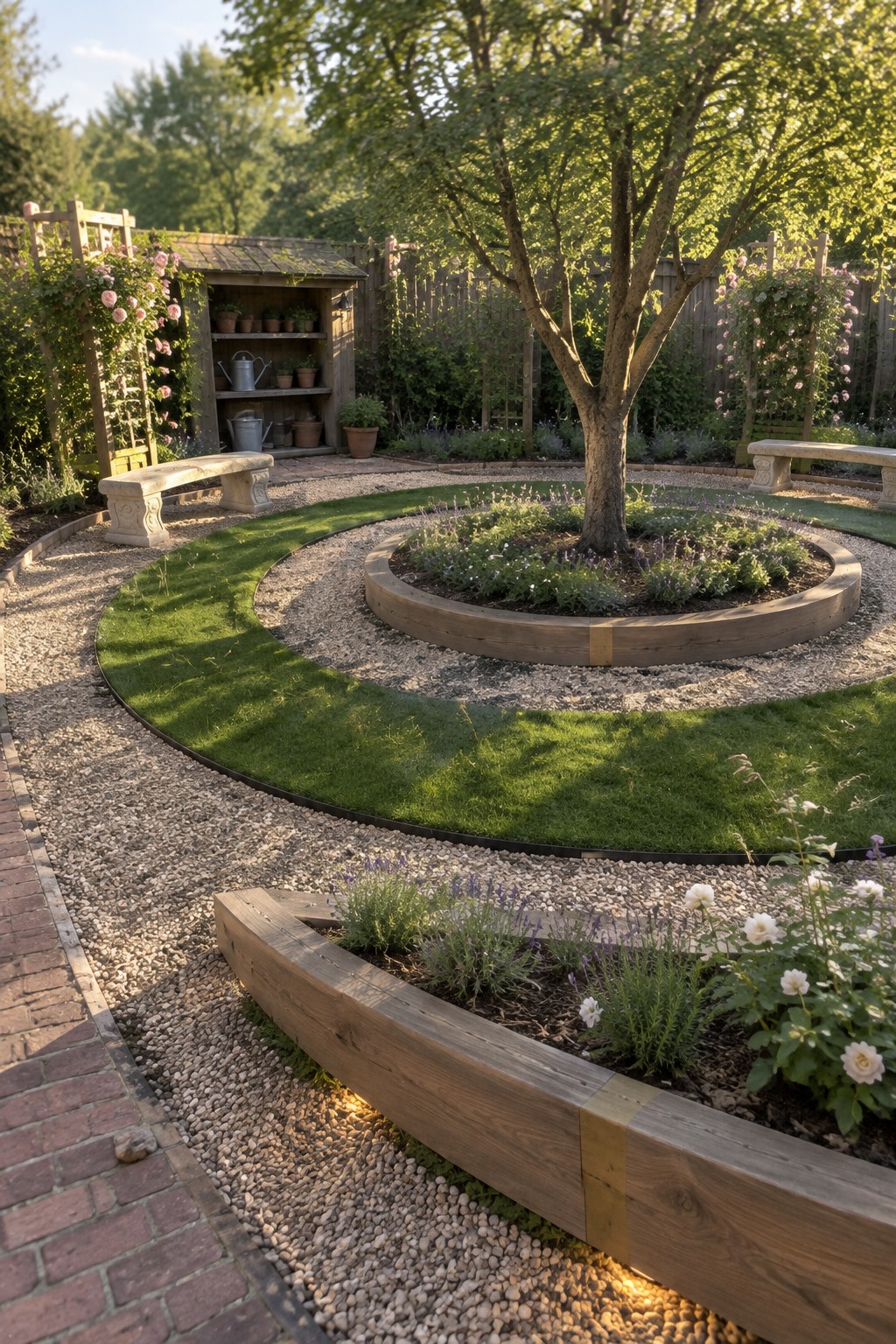
Timber works well when you want raised beds that curve instead of running in straight lines. The wood bends enough to follow gentle arcs, which helps the beds sit comfortably around trees or along winding paths without looking forced.
This approach suits larger gardens where the beds need to blend into grass and gravel areas. Keep the timber thick enough to hold the curve and use proper bracing so the shape stays solid after a few seasons.
Frequently Asked Questions
Q: How long do timber frames usually last before they start to rot? A: Cedar or redwood holds up best and can last seven years or more with good drainage. Check the wood each fall and swap out any boards that feel soft. Keeping the soil level an inch below the top edge also helps water run off instead of soaking the frame.
Q: Can I use regular pine boards or do they need special treatment? A: Pine works fine if you coat the inside faces with a food-safe sealant before assembly. Avoid pressure-treated lumber near edible plants since the chemicals can leach into the soil. The frames will still need checking every couple seasons but they save money upfront.
Q: What is the easiest way to stop weeds from creeping in between the beds? A: Lay cardboard or old newspaper right on the ground and cover it with mulch or gravel paths. The paper breaks down over time and blocks light so weeds never get started. You only have to refresh the paths once a year.
