

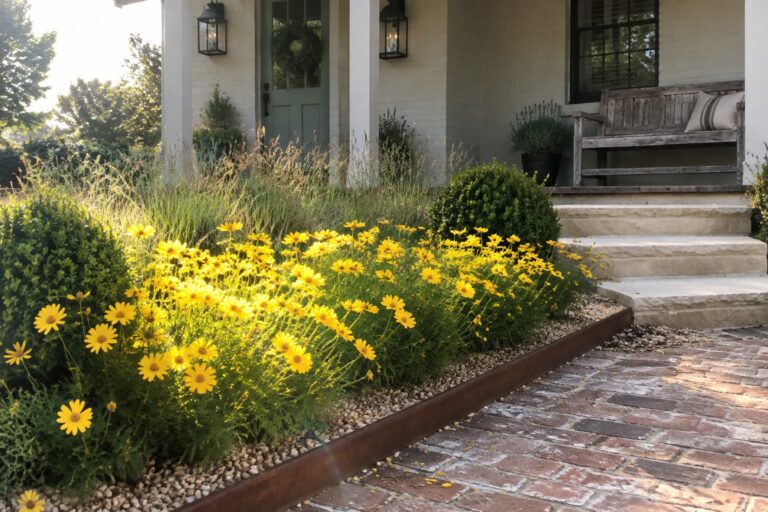
Coreopsis can bring steady color to a sunny yard, but where it sits matters just as much as the flowers themselves.
I find these plants work best when their loose, cheerful blooms have a clear place in the garden, whether along a path, at the edge of a border, or in a broad patch near the lawn.
Pairing them with grasses, stones, or other perennials can give a planting more structure and help it look considered after the flowers fade.
The best layouts also leave room for plants to spread and make everyday upkeep manageable.
I’d start with the ideas that suit your yard’s light, soil, and existing paths, then adapt the planting to fit the space.
Use Coreopsis Along a Garden Path
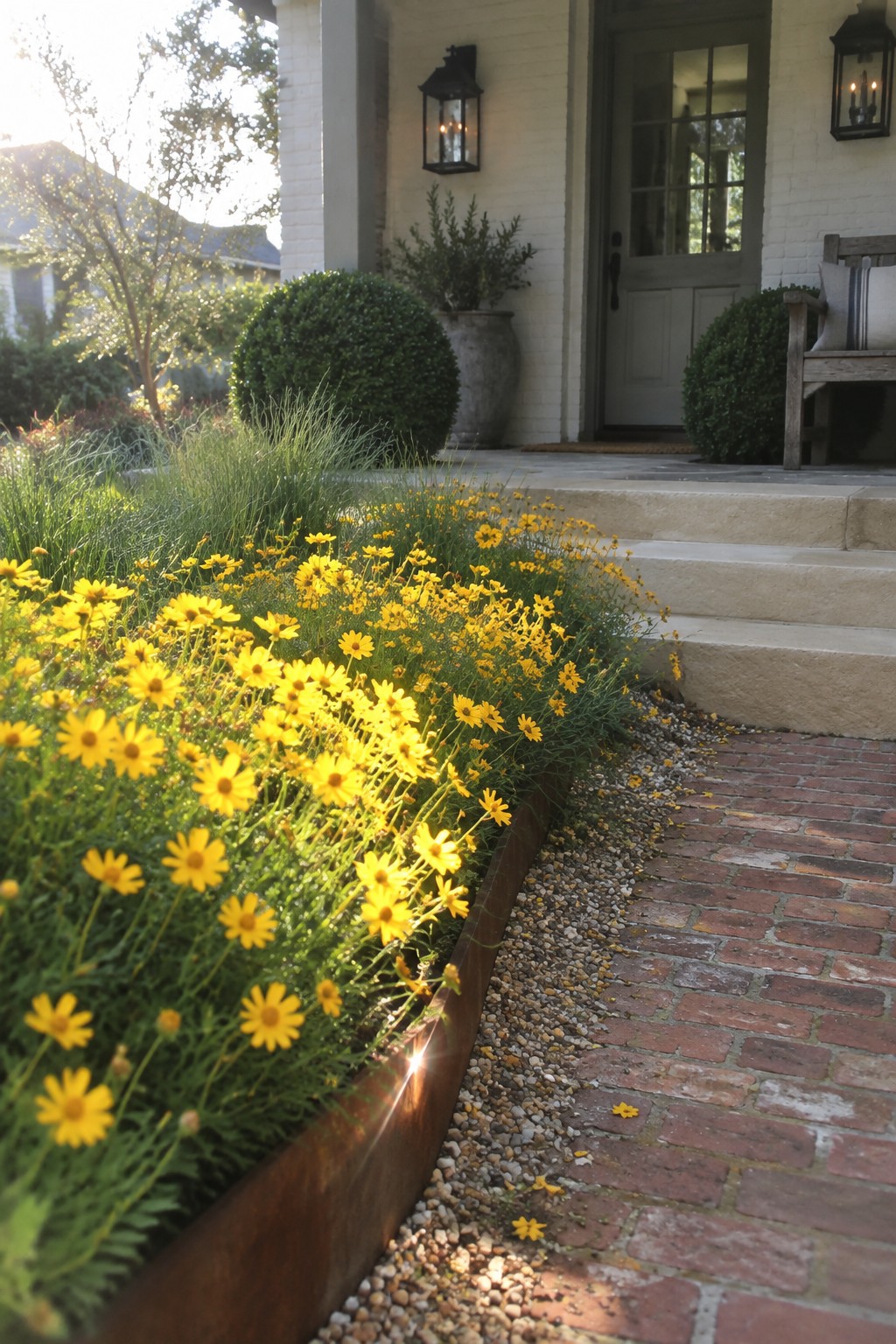
A narrow flower bed can make a front walk feel more welcoming without taking over the yard. Coreopsis works well along a path because its sunny blooms bring color close to the walkway, while the loose planting still feels relaxed.
Plant it in a long, defined bed beside brick or stone paving, and give it enough room to spread. Coreopsis is a good fit for a sunny entry, but avoid crowding the path so stems and flowers do not spill into the walking space.
Use Coreopsis to Fill a Long Garden Bed
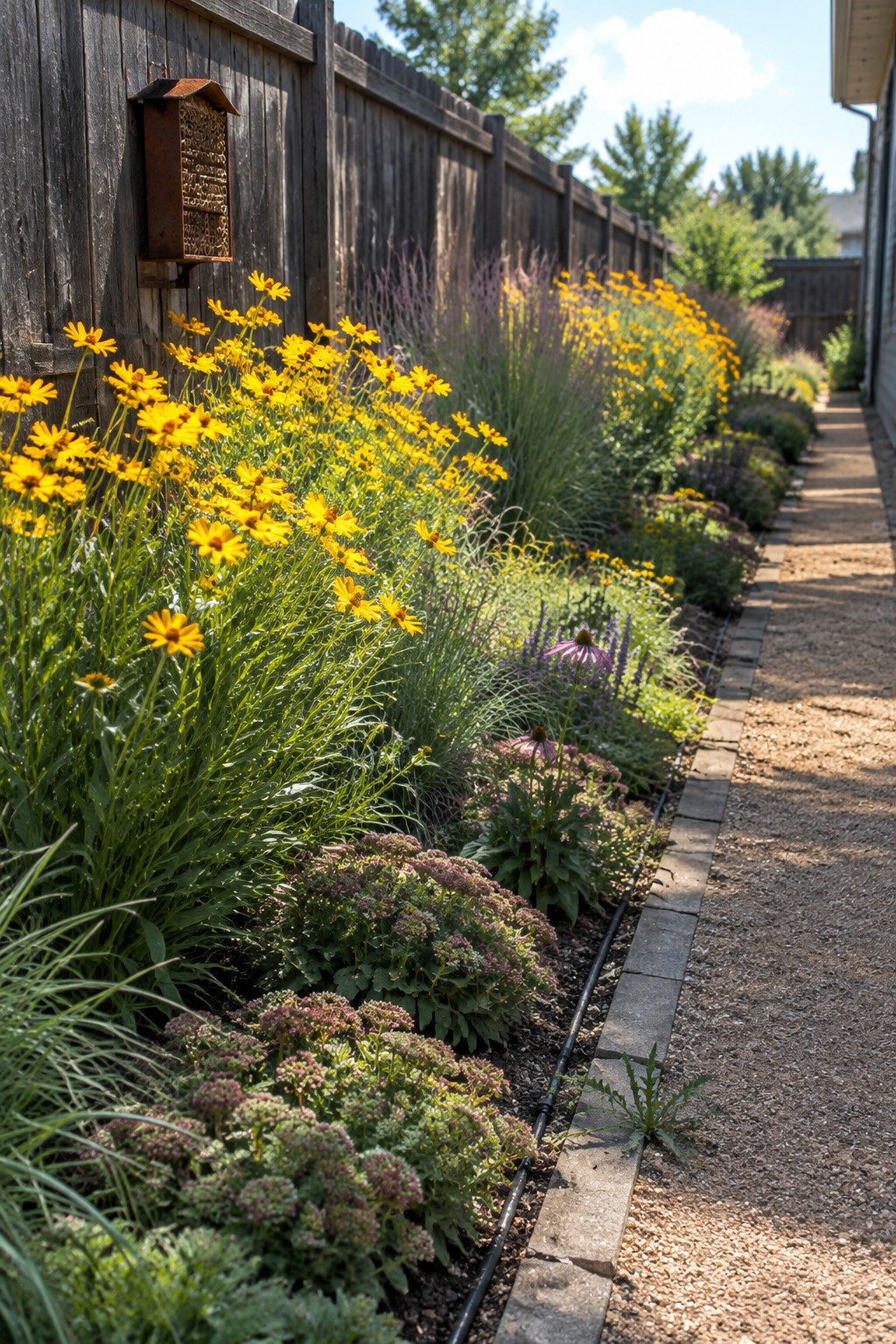
Coreopsis works well along a fence because it can form a sunny ribbon of color without needing a formal layout. Planting it in loose groups gives a long, narrow bed a steady rhythm and leaves room for grasses and other perennials to mix in.
This approach suits a side yard or any sunny strip that needs color through summer. Keep the bed’s edge clear of the path, and leave enough space between plants for air to move through as they grow.
Use Gravel Paths to Simplify Garden Care

Gravel paths are a practical way to move through a sunny garden without adding much upkeep. Here, broad stepping stones make a clear route through the gravel, while the planting beds can spill toward the edges without blocking the way.
This approach works well in dry yards and informal gardens. Set the stones firmly and leave enough gravel around them to limit weeds; choose plants that suit your climate and can handle the path’s warm, well-drained conditions.
Use Coreopsis to Shape a Sloped Garden Bed
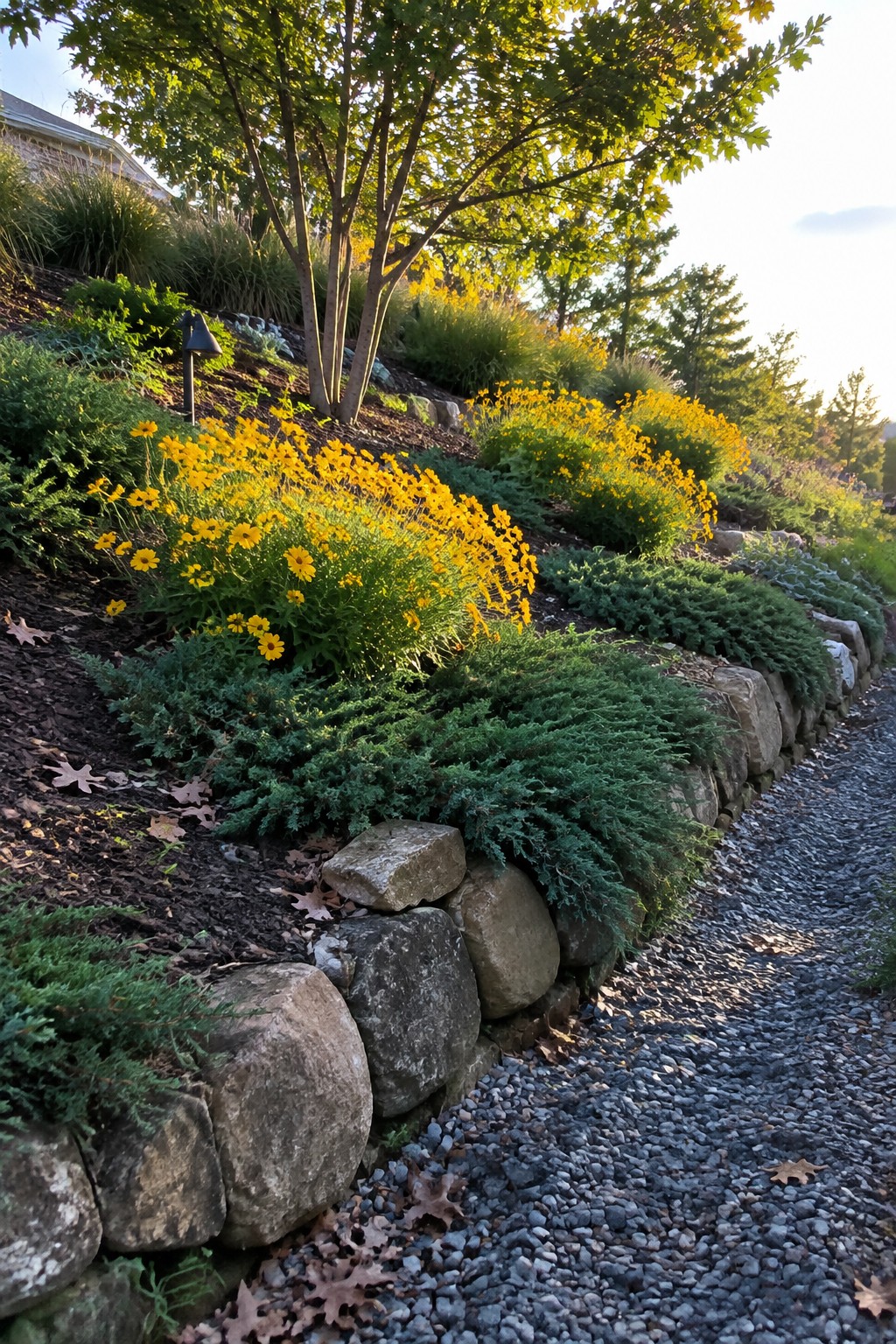
Coreopsis works well on a slope because its spreading clusters of flowers can fill broad sections of a bed without needing a formal layout. Repeating the sunny blooms in curved bands gives the planting a clear rhythm, while leaving room for low groundcover between them.
Use this approach along a retaining wall or gravel path where the bed needs to look full but stay fairly simple to maintain. Choose a sunny site with well-drained soil, and leave enough space between plants for air to circulate.
Edge Coreopsis Beds With Gravel
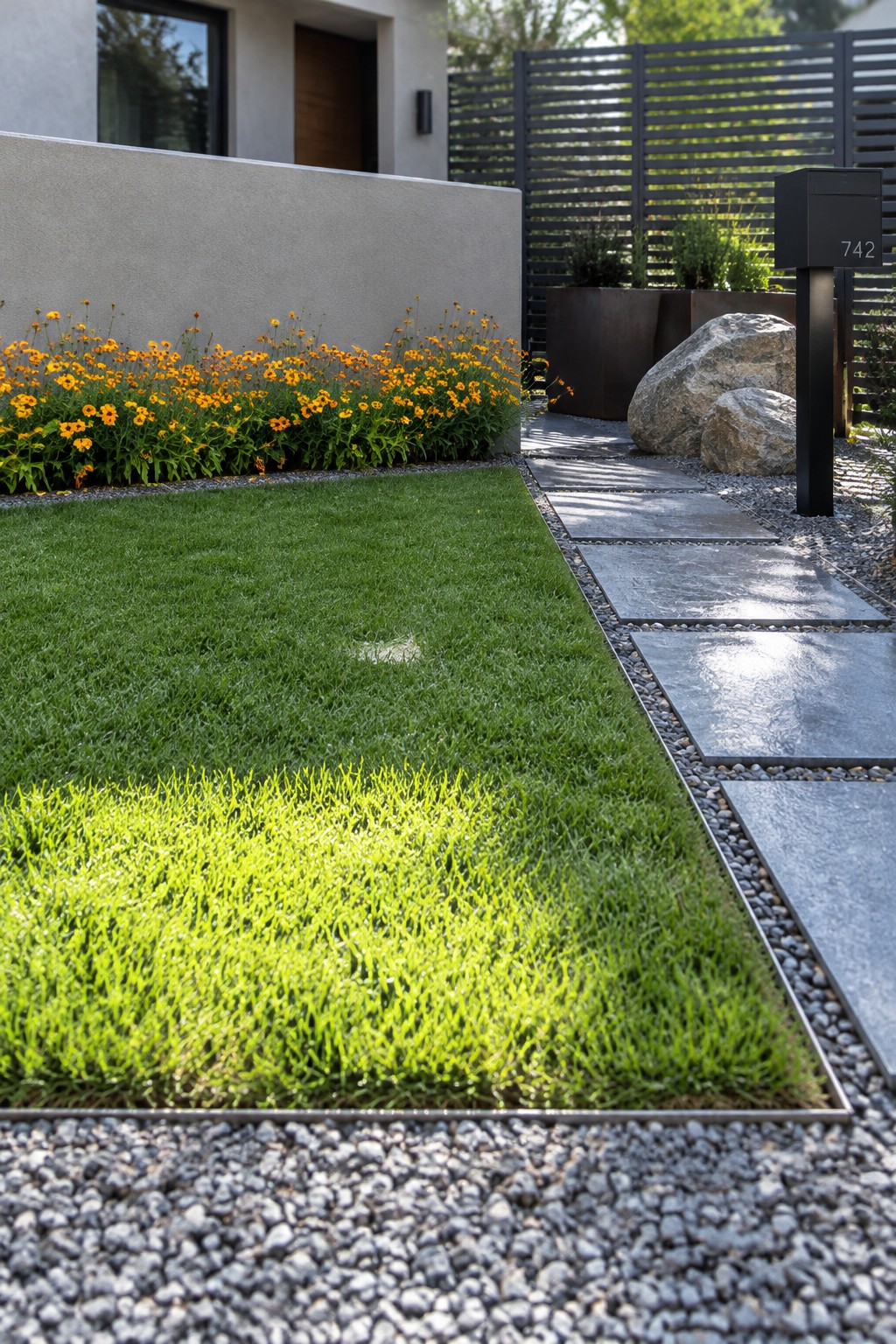
A defined flower bed can make a sunny yard easier to care for. Planting coreopsis in a narrow strip along a low wall keeps the flowers contained, while a gravel border helps separate them from the lawn.
Use this approach where you want color without adding a large, fussy bed. Coreopsis suits sunny spots, but give the plants room to spread and keep the edge neat so they do not creep into the grass.
Layer Coreopsis Along a Garden Path

Coreopsis can bring a sunny burst of color to the edge of a garden path. Planting it in loose drifts among other flowers gives the border a natural look while making the walkway feel like part of the garden.
This approach suits a cottage-style yard with a path that gets good sun. Leave enough room for plants to spread without spilling too far onto the paving, and choose varieties that match the height of nearby flowers.
Grow Coreopsis in Balcony Planters

Coreopsis can bring a long run of sunny color to a small balcony without taking up floor space. Planting it in sturdy railing planters keeps the flowers at eye level and leaves room for a table or chairs below.
Choose containers with drainage holes and enough depth for healthy roots, then water when the soil begins to dry. Coreopsis likes sun, so it suits an exposed balcony, though hot containers may need more frequent watering than garden beds.
Use Coreopsis to Edge a Garden Path
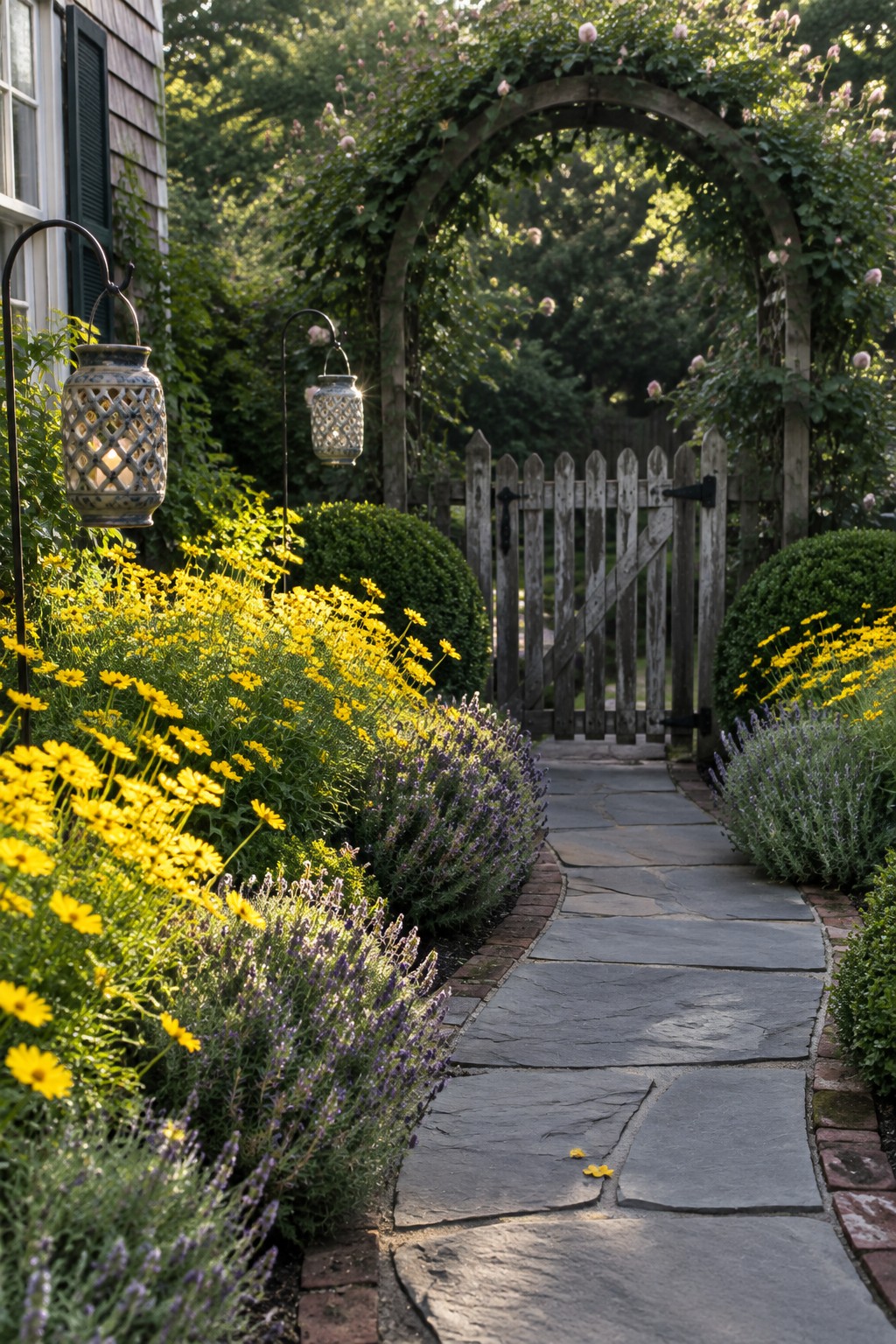
A narrow planting bed along a walkway gives coreopsis a clear place to spread without taking over the path. Its bright flowers can mark the edges and make a simple stone walkway feel more connected to the garden.
Plant coreopsis in sunny spots along paths where you can reach it easily for occasional trimming. Leave enough room for the plants to fill out, and keep them back from the paving so the walkway stays clear.
Use a Dry Creek Bed to Guide the Garden
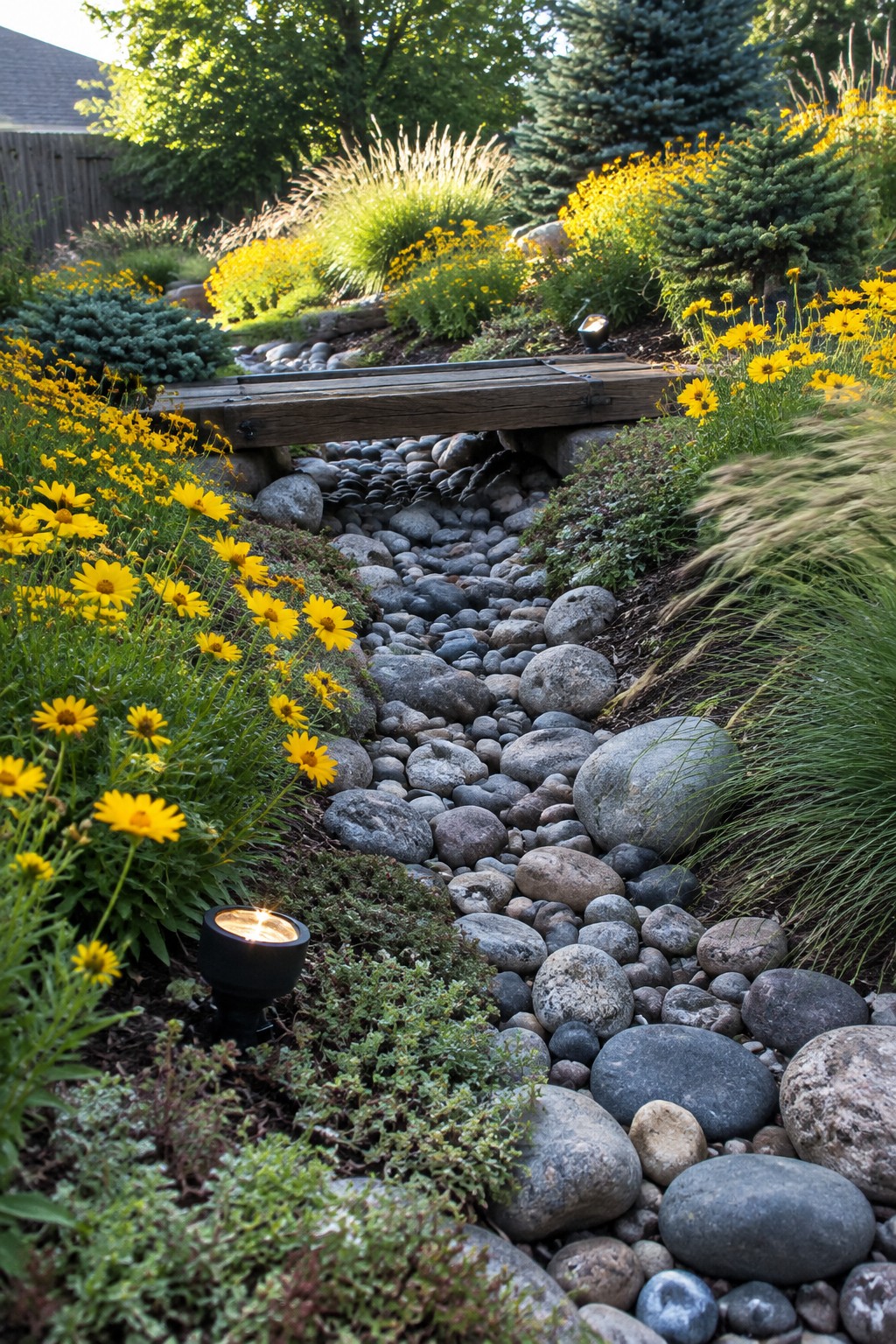
A dry creek bed gives a sloped garden a clear route for rainwater while adding a useful line through the planting. Rounded stones make a practical channel, and yellow coreopsis along its edges helps the rockwork feel part of the garden.
Use this approach where water tends to run downhill, and shape the channel to follow the natural grade. A small wooden bridge can cross the stones, but leave enough room for water to flow freely.
Plant Coreopsis Along a Pool Edge
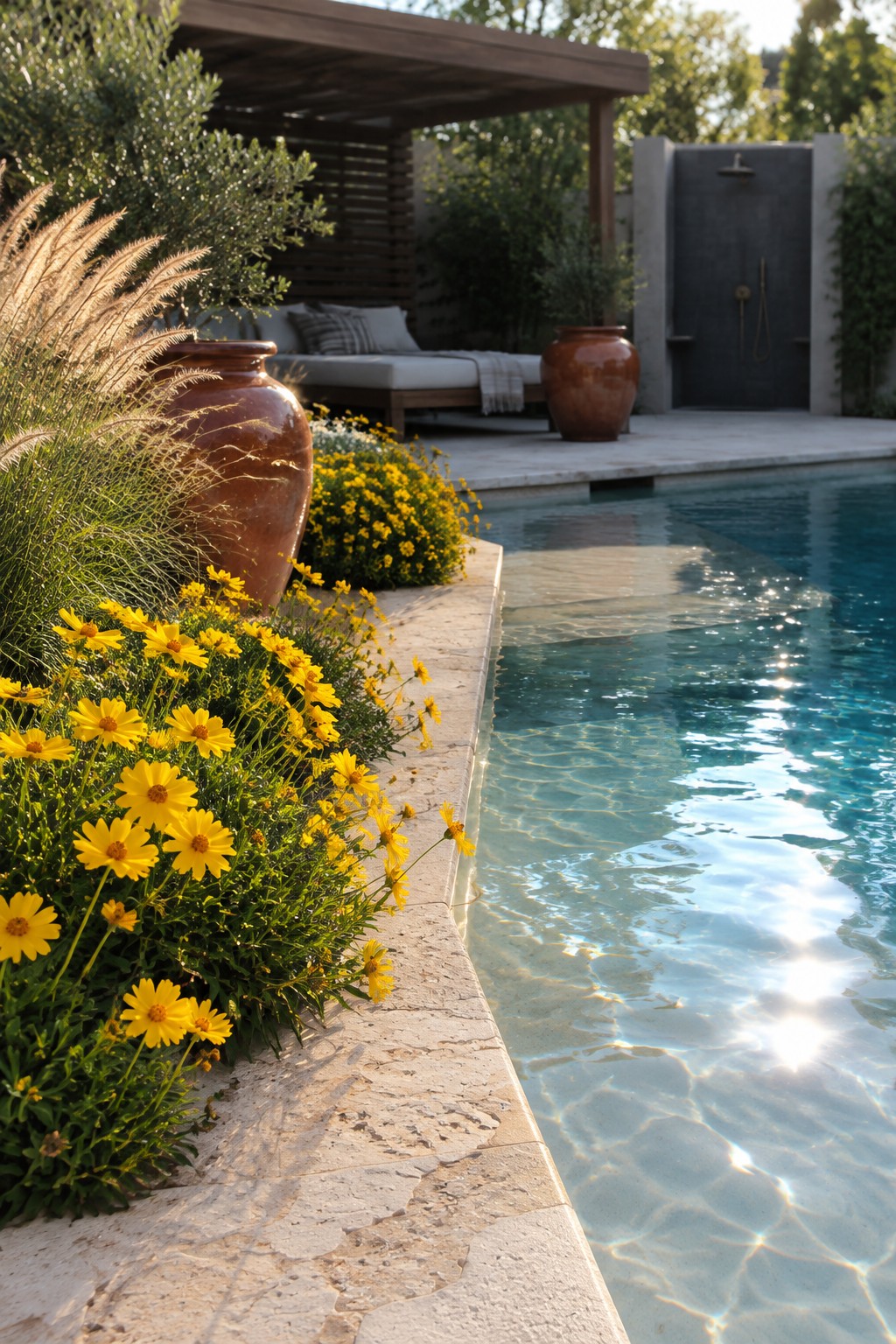
A sunny poolside bed can look cheerful without needing a complicated planting plan. A simple band of yellow coreopsis along the coping brings color close to the water and keeps the pool area feeling connected to the garden.
Use a low-growing variety that stays clear of the walking edge, and give it well-drained soil and plenty of sun. It works especially well beside pale stone, where the flowers stand out without taking over the space.
Use Coreopsis to Line a Curved Walkway
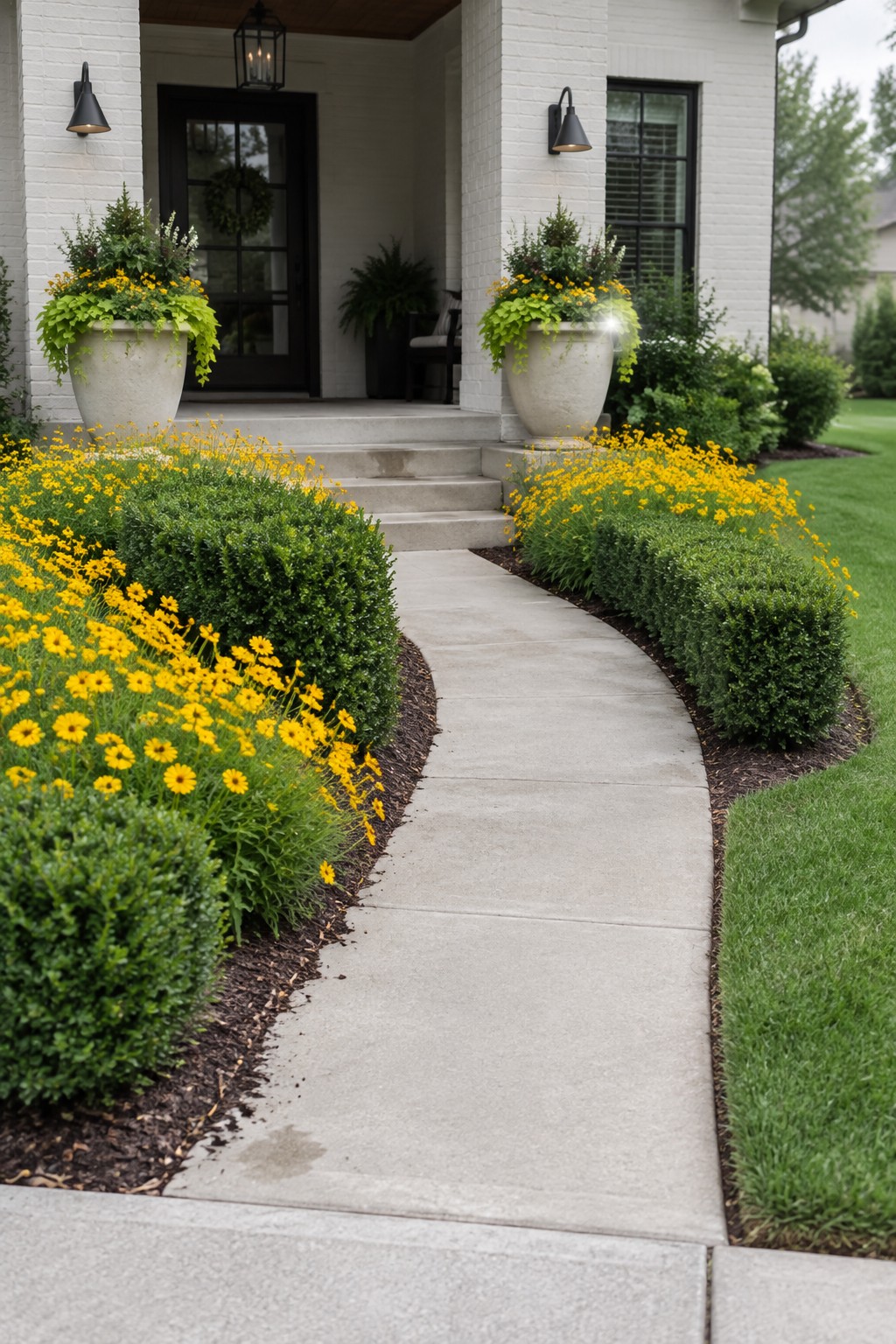
Coreopsis can make a walkway feel connected to the garden instead of simply cutting through the lawn. Planting it in broad, repeating beds along a curved path gives the route a clear edge and brings color close to the front entrance.
For a similar look, keep the path wide enough to walk comfortably and leave space between the flowers and the concrete edge. Coreopsis suits sunny areas and is a practical choice for adding seasonal color without a fussy planting scheme.
Use a Raised Bed to Organize a Kitchen Garden
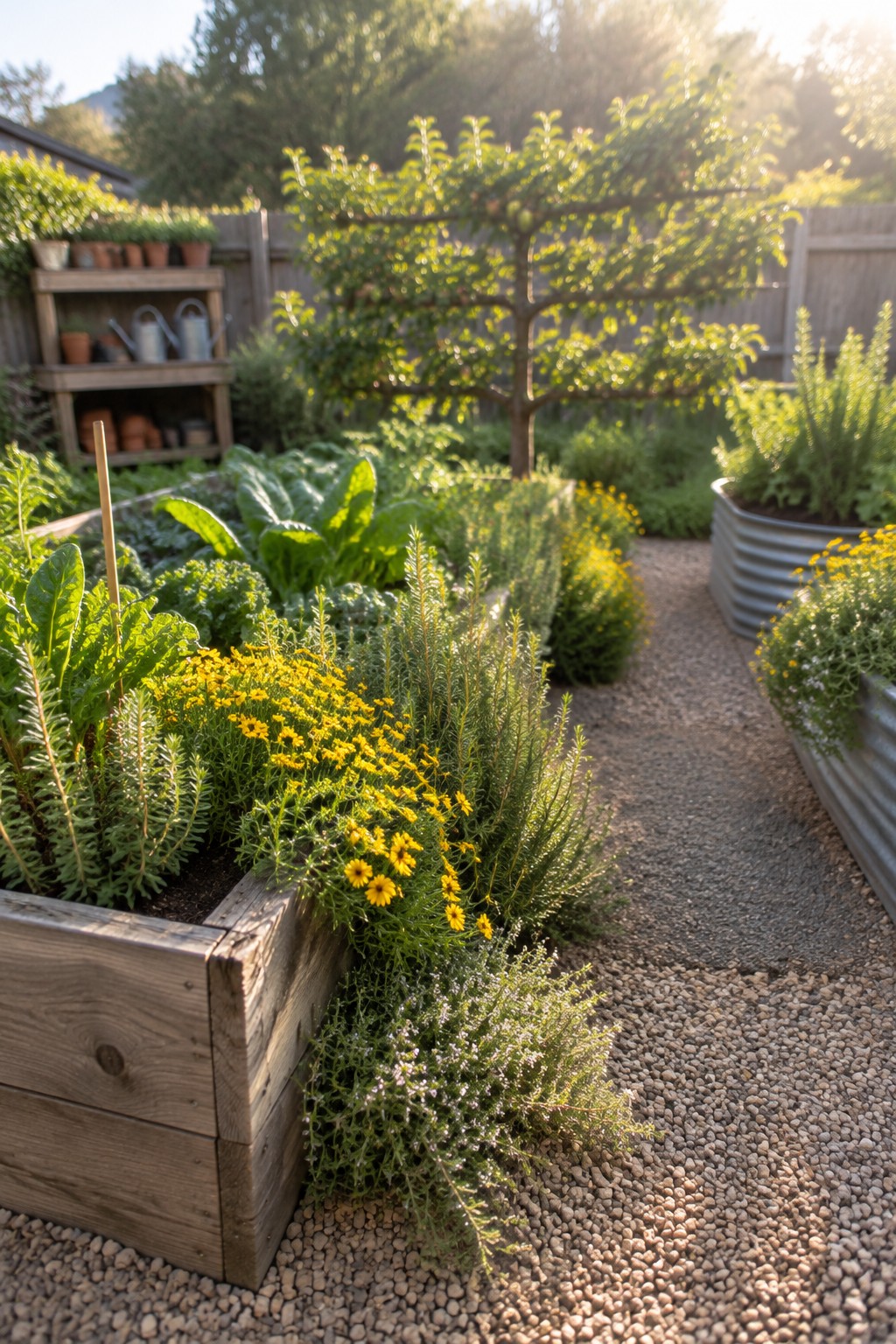
A wooden raised bed gives a kitchen garden a clear shape and keeps vegetables and flowers together in one manageable planting area. Coreopsis can grow along the edge, where its cheerful blooms spill slightly over the wood.
This setup works well in small yards or anywhere the soil needs improving. Keep the bed narrow enough to reach across, and leave a gravel path beside it for easy access and less muddy foot traffic.
Plant Coreopsis in Gravel Garden Beds

Coreopsis works well in gravel beds where the flowers can spread in loose, sunny patches. Here, yellow blooms sit among purple flowering plants, giving the garden color without relying on a tightly packed lawn or formal borders.
Use this approach in a sunny yard with free-draining soil, and leave enough room between plants for airflow and growth. A few large stepping stones make it easier to cross the bed, but avoid placing them so close together that they interrupt the planting.
Grow Coreopsis in Entryway Pots
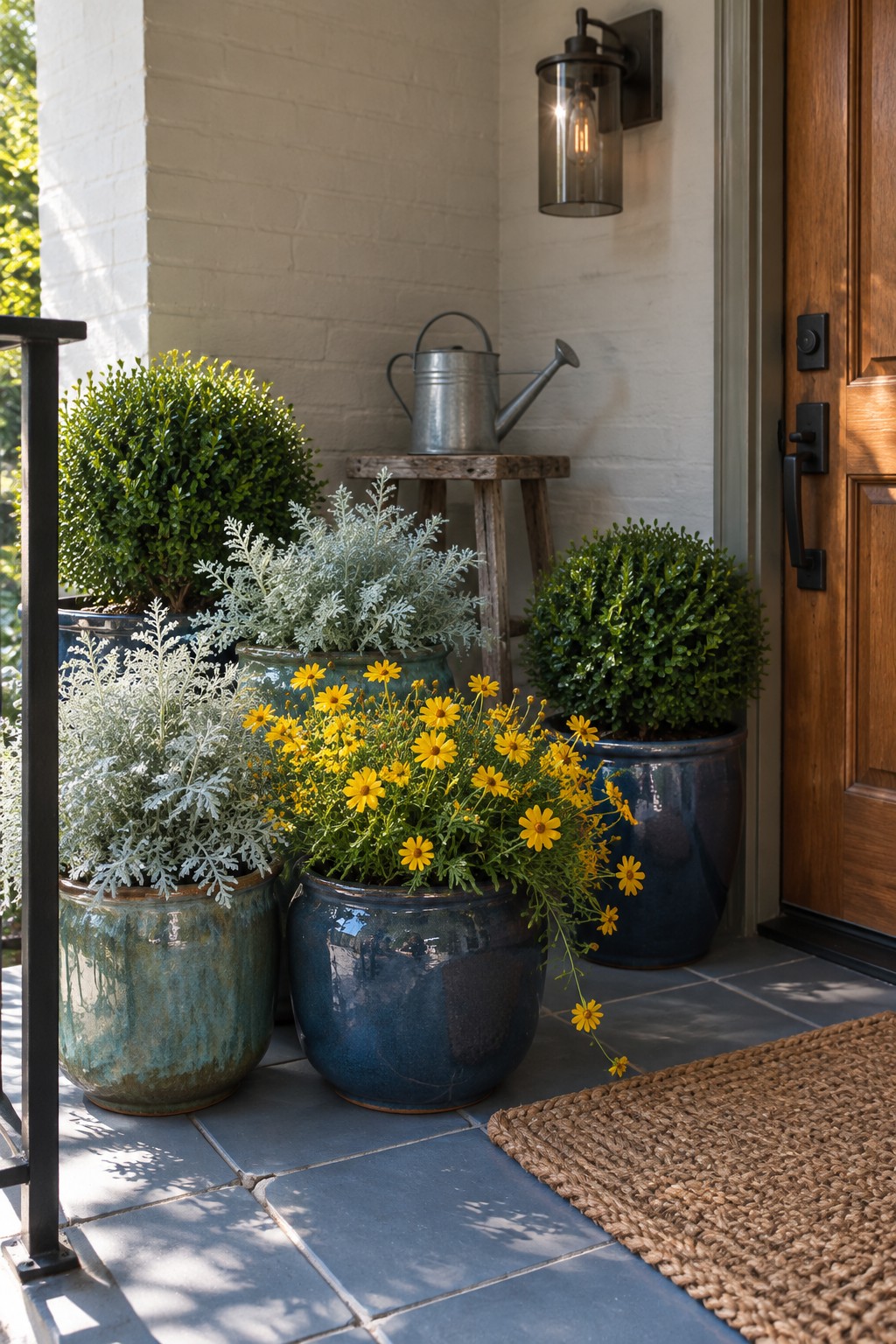
Large containers make it easy to bring a sunny flower display right up to the front door. Coreopsis spills naturally over the rim, while a silvery foliage plant adds contrast and helps the arrangement feel full.
Use sturdy pots with drainage holes, and place them where the flowers will get plenty of sun. This approach suits a small porch or entry where there isn’t room for a garden bed, though containers need regular watering during hot spells.
Add a Reflecting Rill Beside Coreopsis

A narrow water channel can give a flower bed a clear edge and a simple focal point. Coreopsis brings a loose, colorful planting right up to the concrete, while the water adds a quieter element without taking over the garden.
This idea works well in a sunny yard where a path runs beside a planting bed. Keep the channel narrow and use a sturdy, level edge so it stays easy to maintain. Coreopsis suits the sunny border, but leave enough room to reach the water for occasional cleaning.
Grow Coreopsis in Raised Patio Planters
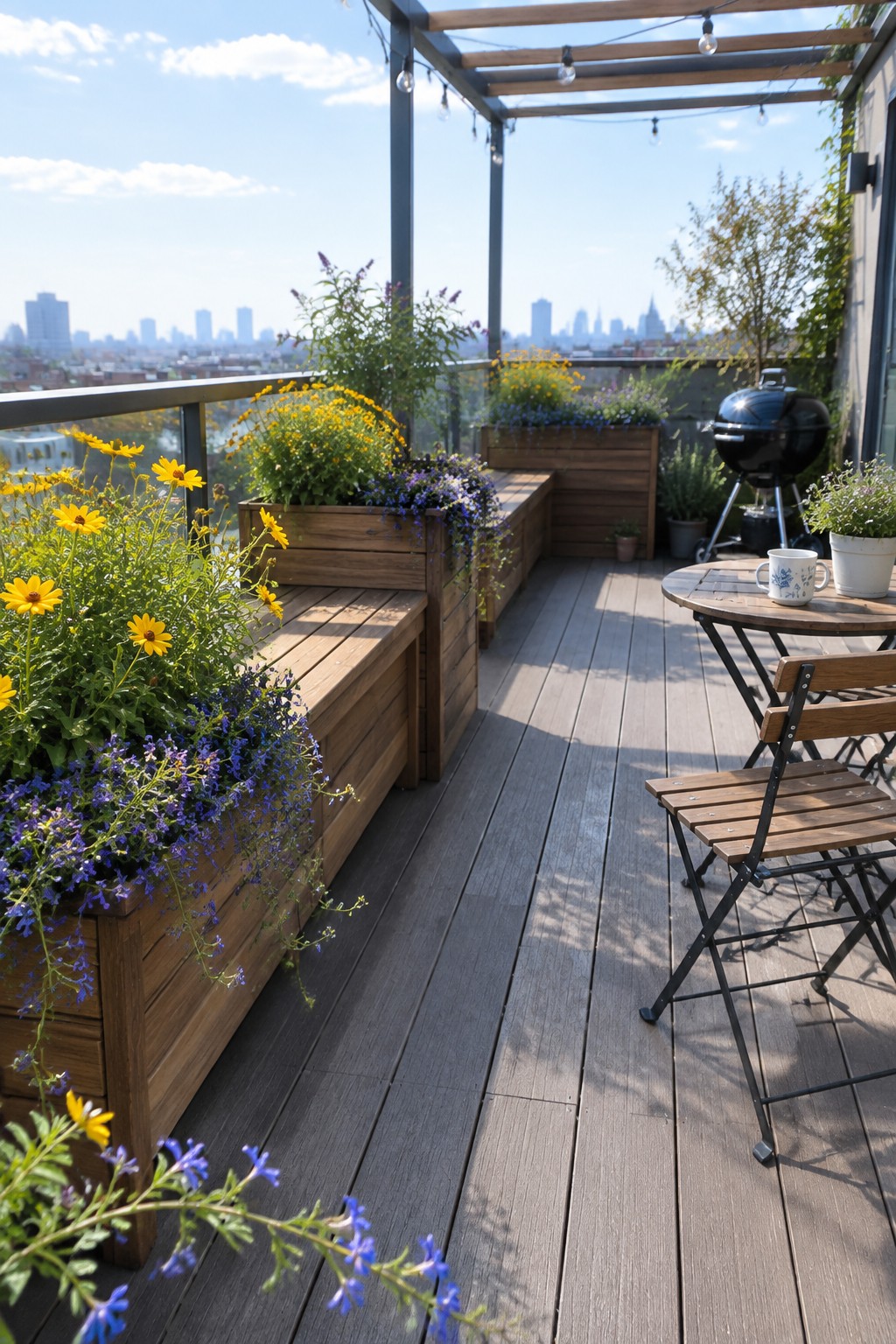
Raised planters are a handy way to bring sunny flowers into a small outdoor living area. They keep planting contained and easy to reach, while giving Coreopsis room to brighten a deck without taking over the walking space.
Use sturdy, well-drained boxes along a railing or deck edge, and leave a clear route between the planters and seating. Coreopsis suits a sunny spot; water the containers regularly, since raised soil can dry out faster than a garden bed.
Let Coreopsis Fill a Sunny Garden Border

A broad planting of coreopsis makes a sunny border feel full without needing a complicated mix of plants. Its bright flowers bring color along the path, while ornamental grasses and small white blooms add a little variety.
Use this approach beside a walkway or along a house wall where the bed gets plenty of sun. Plant coreopsis in groups for an easy-to-follow sweep of color, and leave enough space around the path so the flowers do not spill across it.
Frequently Asked Questions
Q: Do coreopsis need full sun to bloom well?
A: They flower most heavily with at least six hours of direct sun a day. In partial shade, they may bloom less and flop toward the light.
Q: How often should I water newly planted coreopsis?
A: Water them when the top inch of soil feels dry while they settle in. Once established, they handle dry spells well, so avoid keeping the soil soggy.
Q: Can I grow coreopsis in a pot?
A: Yes. Choose a pot with drainage holes and use a loose potting mix, then place it somewhere sunny. Check the soil more often than you would in a garden bed since pots dry out faster.
Q: Should I cut coreopsis back after flowering?
A: Trimming off spent flowers can encourage another flush of blooms and keep plants looking tidy. Leave the foliage in place until it starts to fade.
