

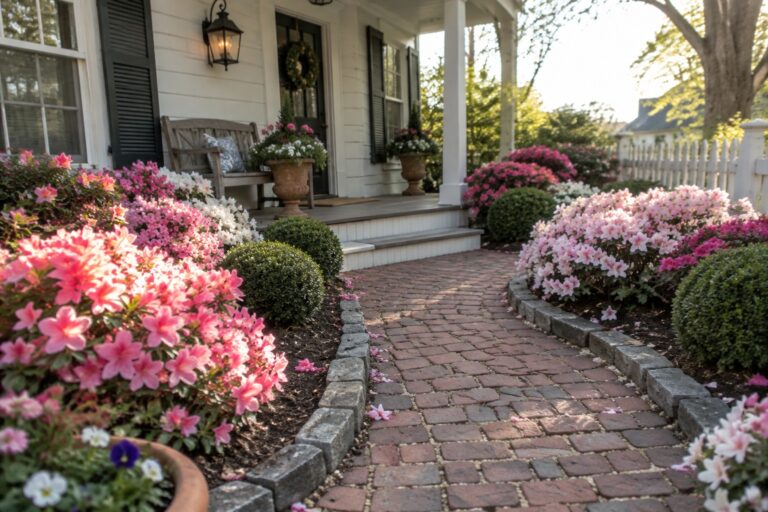
A walkway can feel like an afterthought if the planting beside it is too crowded or lacks a clear edge.
I find azaleas work best when their mature size and bloom color shape the bed, rather than treating every plant as a separate accent.
Along a path, repeating a few varieties can create a steady rhythm, while lower groundcover or a simple border keeps the route easy to read.
The ideas here show different ways to balance flowers, foliage, and open space, whether the walkway runs beside a porch or winds through the yard.
I’d save the layouts that suit the path’s width and sunlight, then adapt the spacing to how the garden will grow over time.
Curved Brick Paths Through Azalea Beds
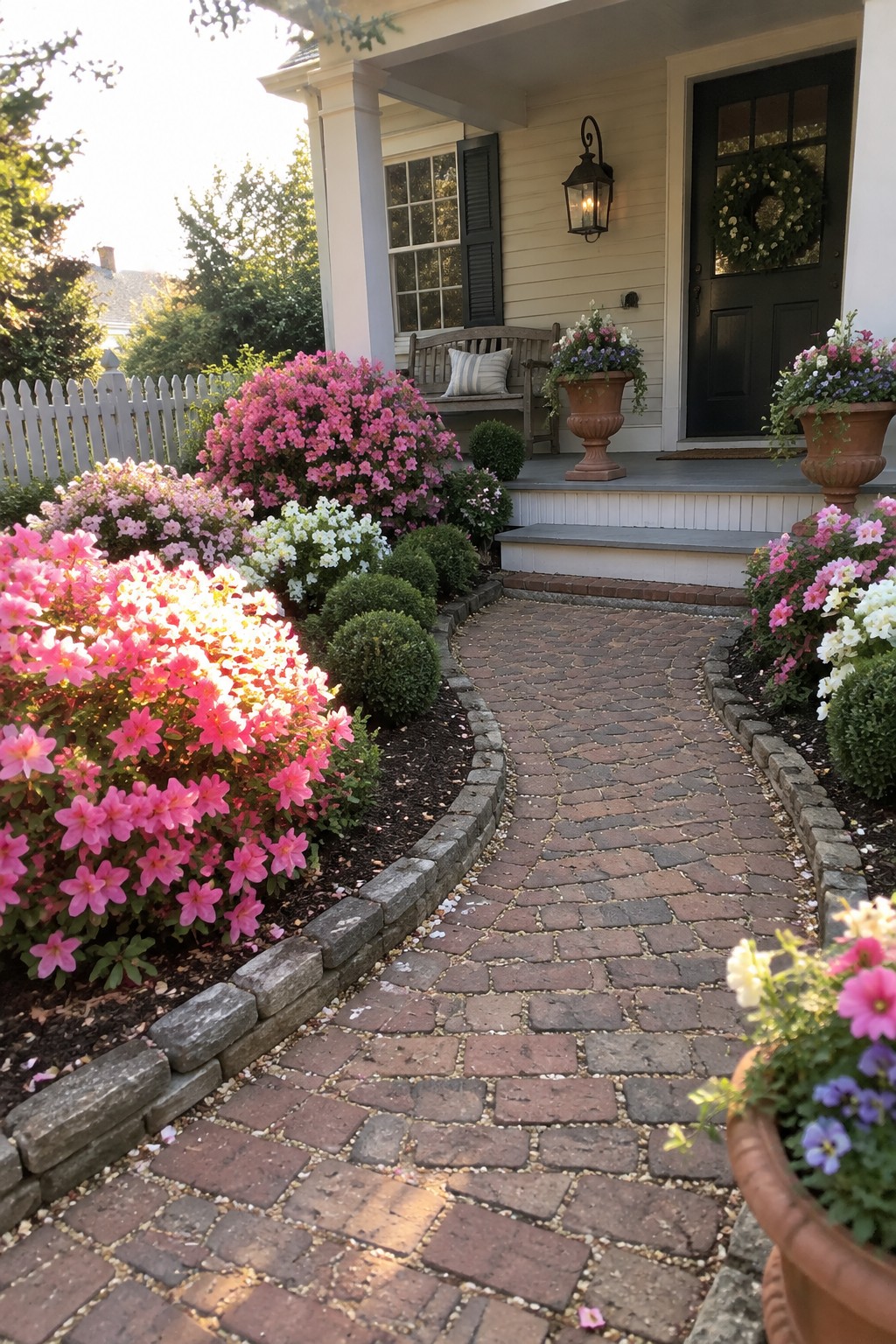
A gently curving brick path gives azaleas room to spread along both sides without making the garden feel too formal. The change in direction also makes a short walk to the front door feel more like a garden path.
Use a low stone edge to keep the planting bed tidy and the bricks in place. This layout suits a front entry with enough room for broad beds, but leave a clear walking width and avoid planting azaleas so close that they crowd the path as they grow.
Use Azaleas to Mark a Garden Path
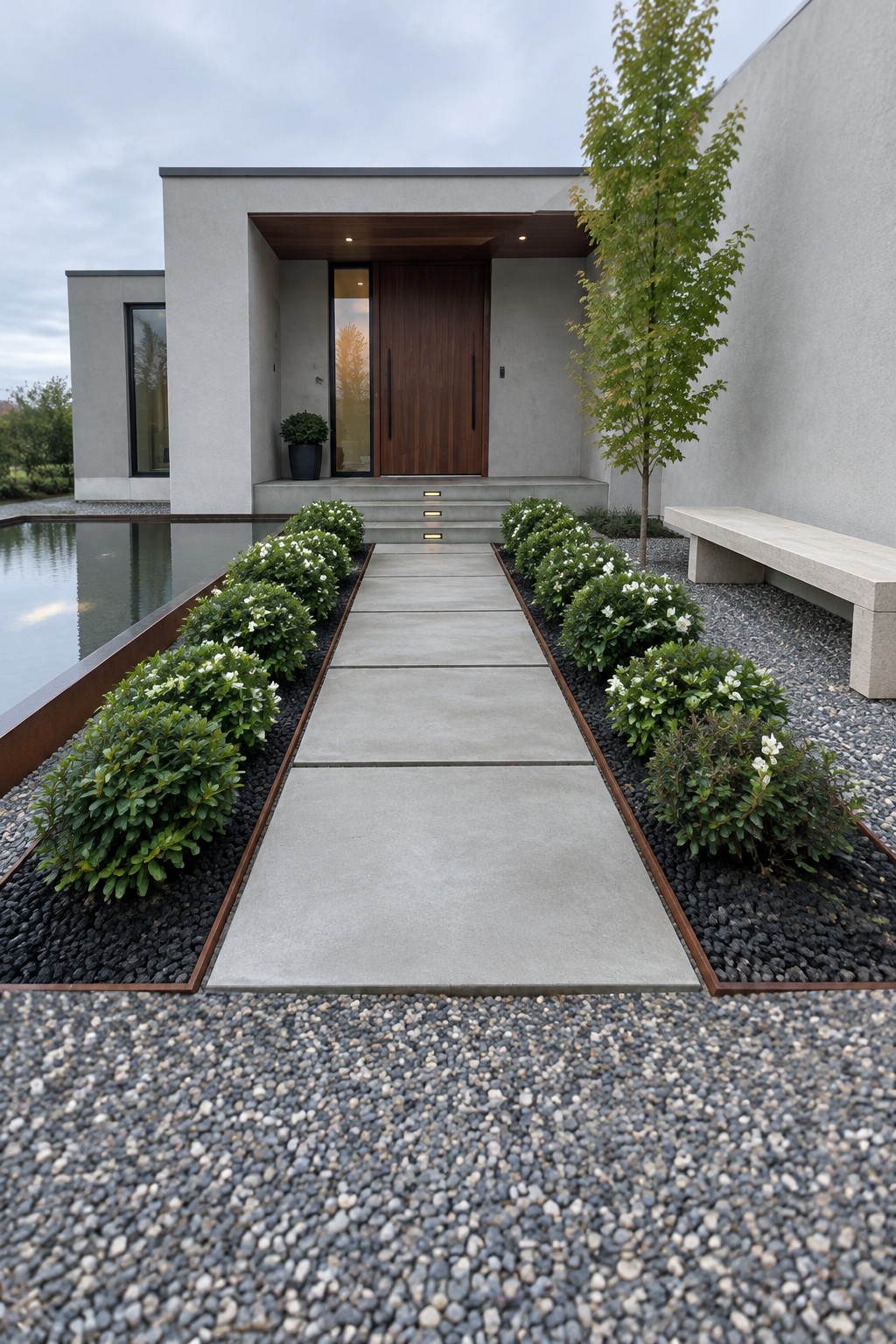
A straight walkway feels more finished when flower beds run along both sides. Low azaleas can give the path a steady, leafy edge, while their spring blooms make the entrance feel cared for without crowding the route.
Set the plants far enough back that they have room to grow without spilling onto the paving. This approach suits a front entry or courtyard, especially where a simple path needs more color. Check the site’s sun and soil before choosing azaleas, since their needs vary by variety.
Let Azaleas Follow the Garden Path

Azaleas planted alongside a stepping-stone path make a walkway feel like part of the garden, rather than just a route through it. Their rounded shape and bright flowers give the path a clear edge without making it feel too formal.
Leave enough room for the shrubs to grow so they don’t crowd the stones. This idea works especially well on a winding path, where the curve gives the azaleas a natural rhythm. Moss or other low ground cover can fill the gaps between stones.
Let Azaleas Follow the Walkway

Azaleas can turn a plain garden path into a colorful route to the front door. Planting them along one edge, as shown here with vivid pink blooms beside the terracotta paving, gives the flowers room to spread without narrowing the walk.
Use this idea where the path gets enough light for the azalea variety you choose, and leave space for mature growth. A low retaining wall can help define the bed, but keep branches clear of the walking surface.
Plant Azaleas Along a Straight Garden Walk
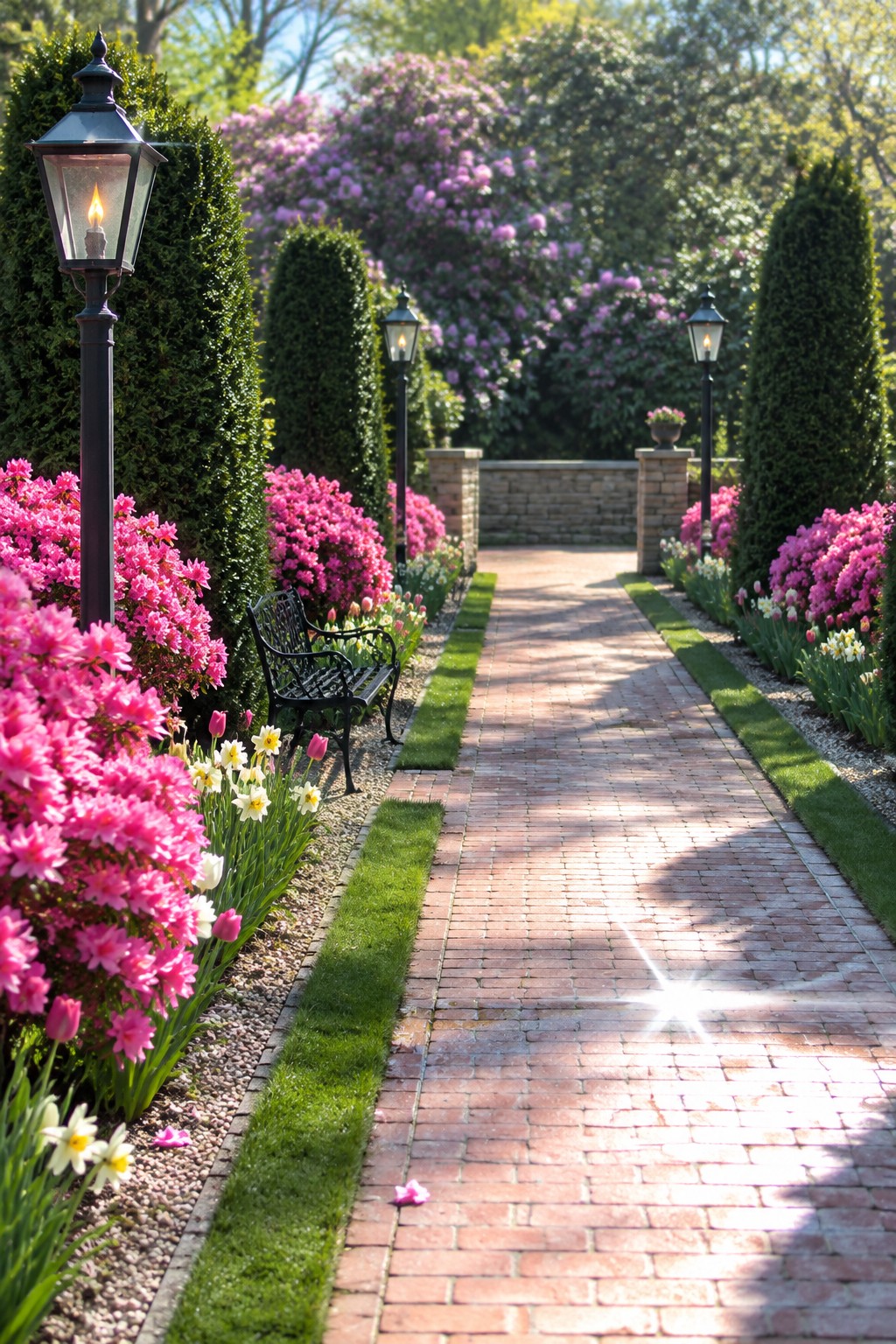
Azaleas planted along a walkway give the path a clear shape and a steady line of color. The clipped evergreen shrubs behind the flowers add structure, so the bed feels orderly without looking bare.
Use this approach on a straight garden path where you want the planting to feel full but still leave room to walk. Keep the azaleas trimmed back from the bricks, and repeat them along both sides for a consistent look.
Plant Azaleas Along a Natural Stone Walkway

Azaleas can make a walkway feel like part of the garden instead of a route through it. Planting them in generous clusters beside irregular stone gives the path a softer edge while keeping the walking surface clear.
This approach suits cottage-style and coastal gardens, especially where a path already curves through planting. Leave room for the azaleas to spread, and keep them back from the stones so branches do not crowd the walkway.
Use Stone Steps to Guide a Garden Path
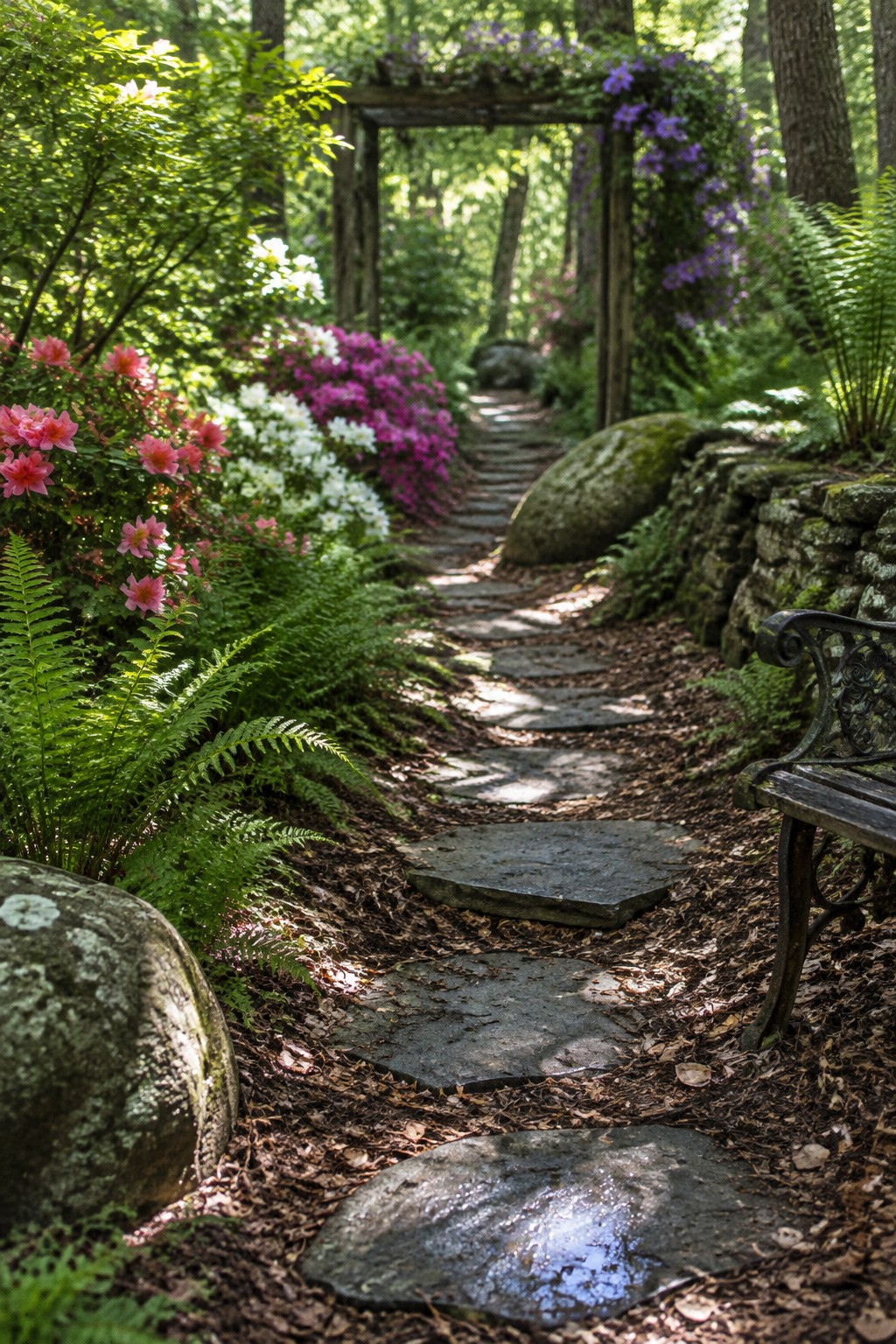
Flat stone steps make a woodland walkway easier to follow while keeping it natural in feel. Their irregular spacing suits an informal garden, and flowering azaleas along the edge help mark the route without needing a formal border.
Use stones with steady, comfortable footing, especially where the path slopes or gets damp. Azaleas work well beside the steps, but leave enough room for them to grow without spilling over the walking surface.
Use Azaleas Along Garden Steps
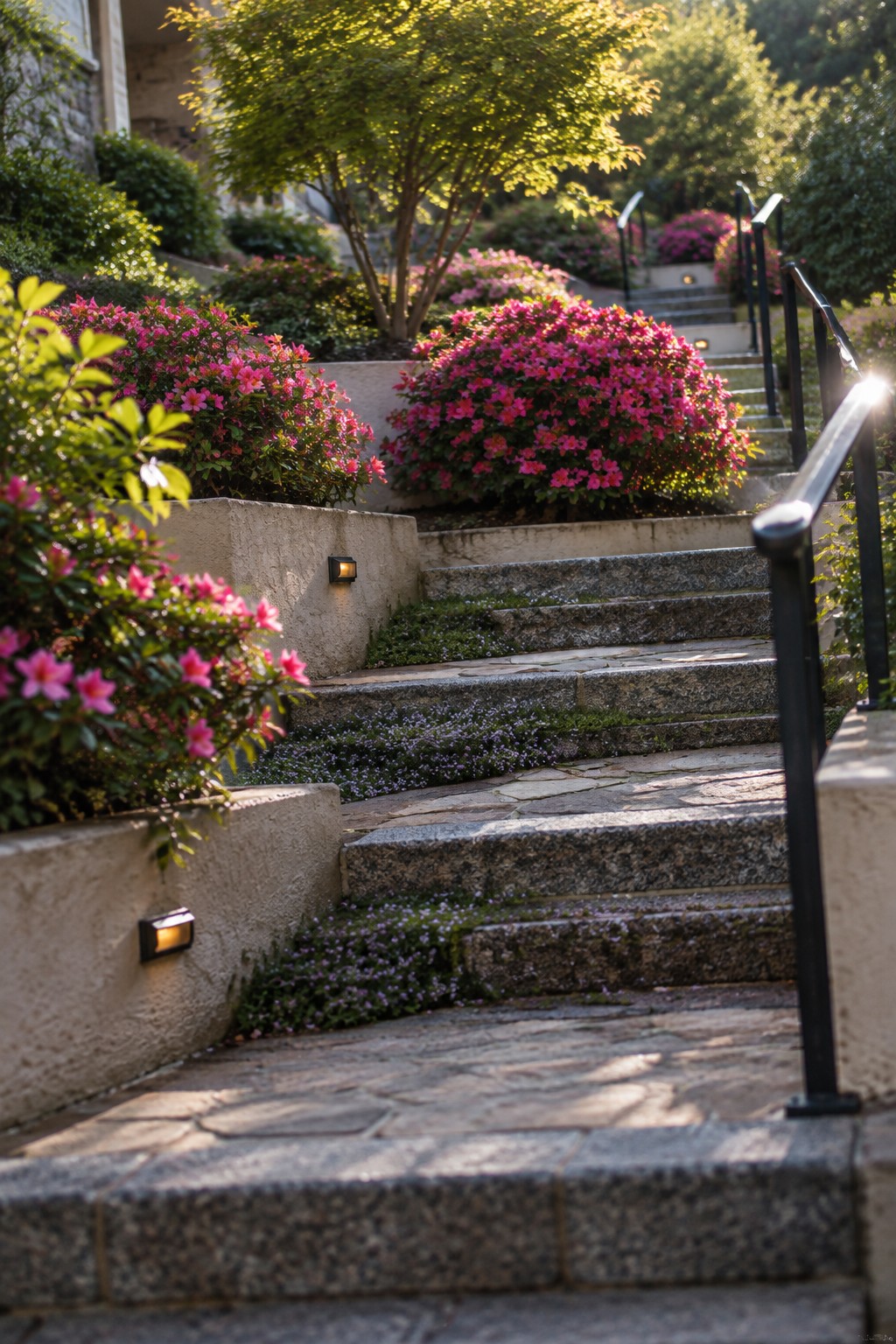
Azaleas planted beside a stairway turn a practical route into part of the garden. Their rounded shape works well along stone steps, where the blooms bring color close to the path without covering the walking surface.
Leave enough room for the plants to mature, and keep them trimmed back from the steps and handrail. This approach suits sloped yards where stairs connect different garden levels.
Use Azaleas Along a Stepping-Stone Walkway
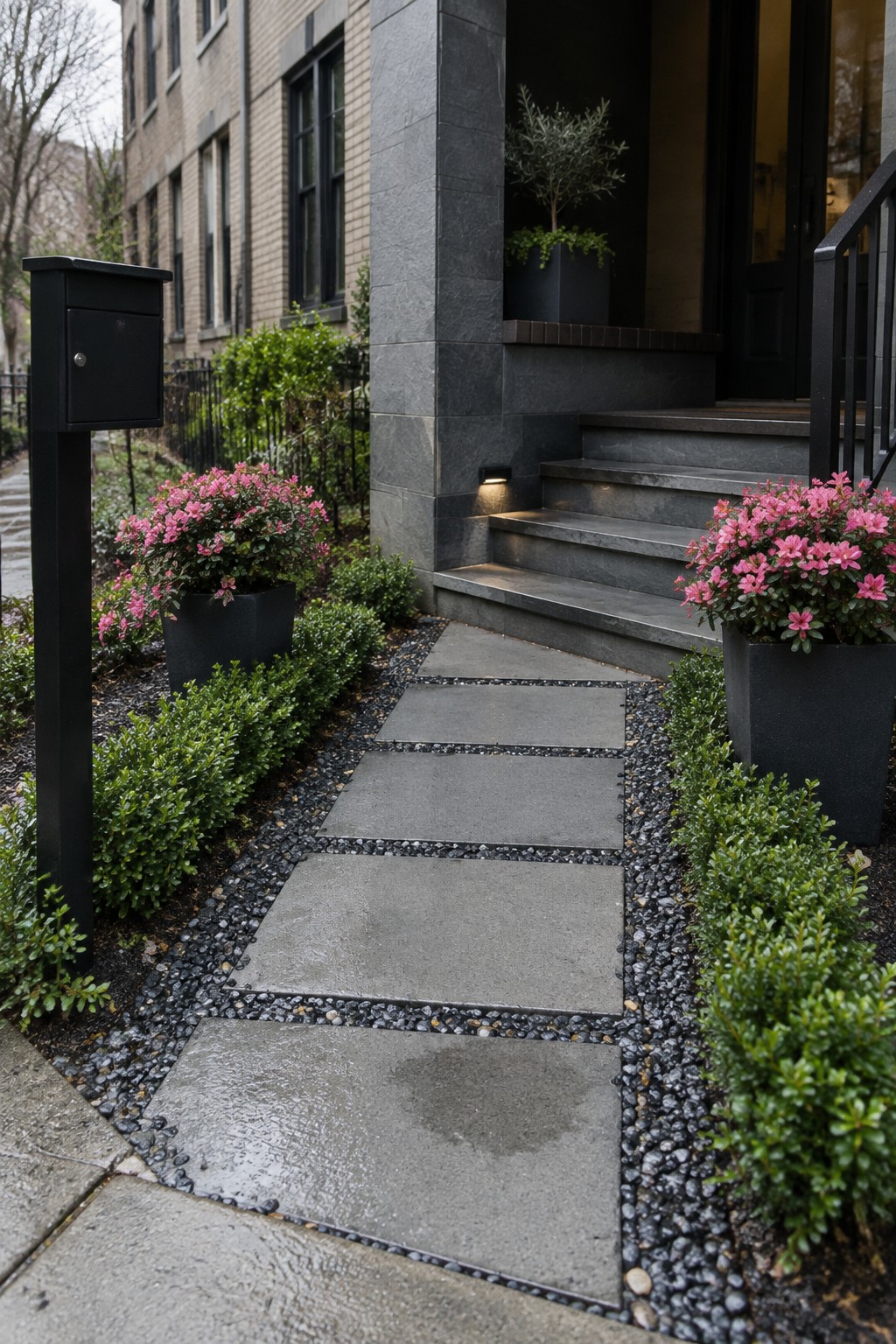
A stepping-stone path gives azaleas a clear place to grow alongside the walk without crowding the route. The separate slabs and dark gravel joints keep the hardscape simple, while flowering shrubs bring color close to the path.
Leave enough room for mature azaleas so branches do not spill across the stones. This approach works well near an entry, especially when you want a defined walkway that still feels planted and welcoming.
Use Stepping Boards to Break Up a Gravel Walkway
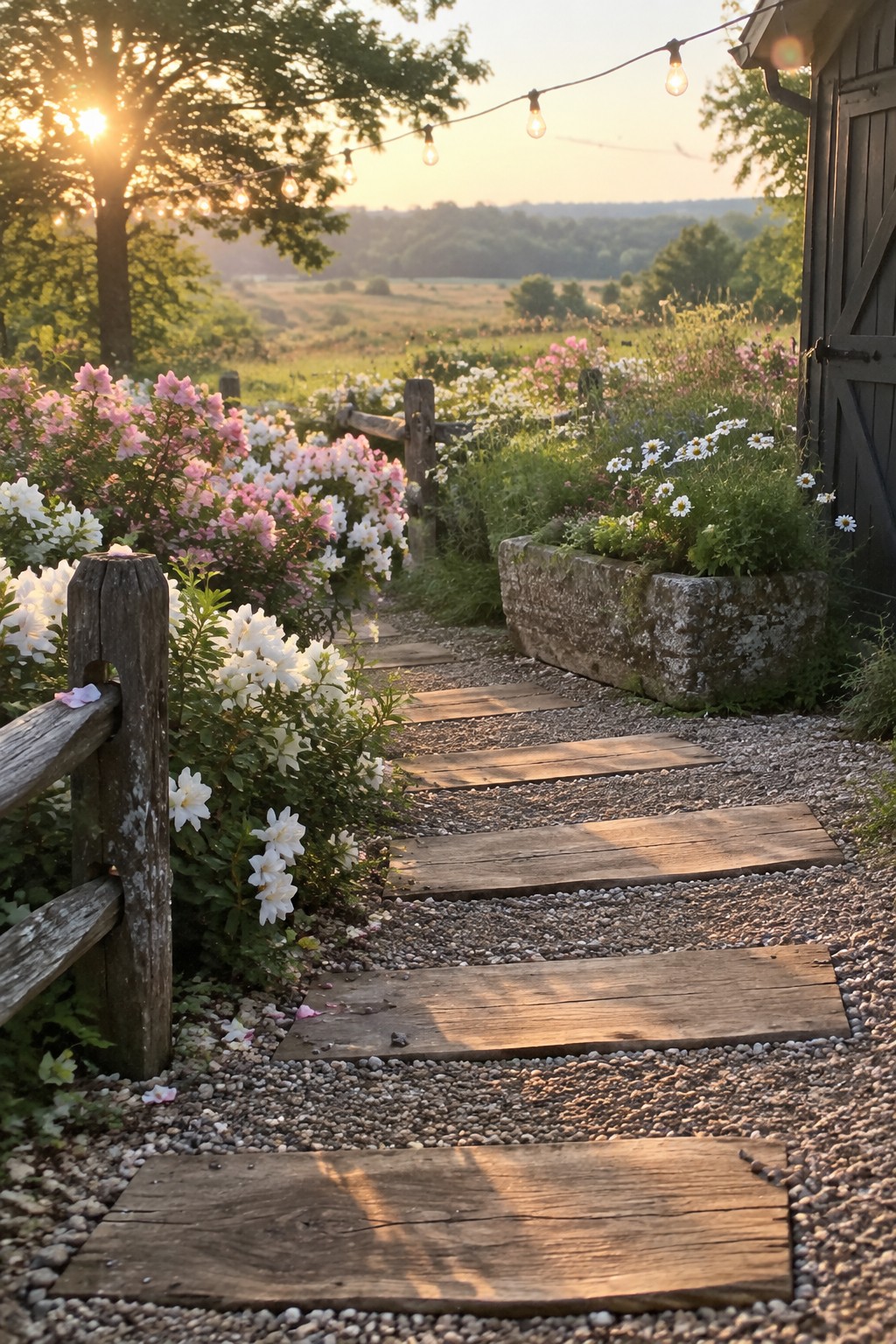
Wooden boards set into gravel make a garden path easier to walk while keeping its informal look. This simple hardscape choice also gives nearby azaleas a clear edge to grow alongside.
Use boards with a rough, outdoor-suitable finish, and space them comfortably for a natural stride. They work well on a gentle garden path, but keep the surface level and secure so the boards do not shift underfoot.
Use Azaleas to Edge a Brick Walkway

Azaleas planted along a brick walkway give the path a soft, colorful border without hiding its shape. Repeating the flowers on both sides also helps the walk feel orderly, even in a courtyard with a more formal layout.
Keep the plants in a defined bed beside the bricks, leaving enough room for them to grow without spilling onto the walking surface. This approach suits a straight or gently meandering garden path, especially where a low edge helps separate planting from paving.
Use Azaleas to Edge a Stone Walkway
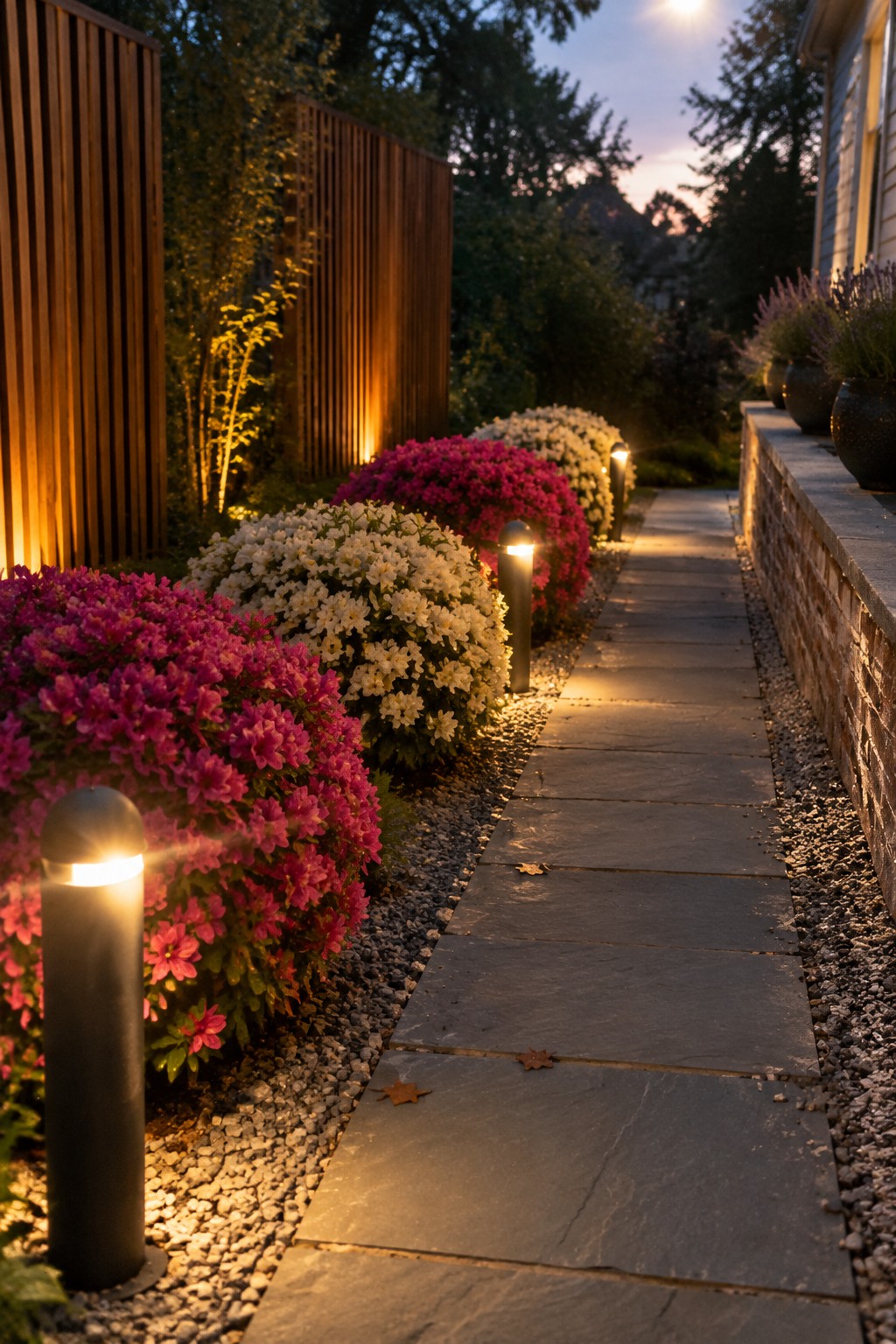
Azaleas planted in a continuous bed can give a walkway a clear, colorful edge. Their rounded shape works especially well beside broad stone pavers, where the flowers soften the hard line without narrowing the path.
Leave enough room for mature shrubs so branches do not spill across the walking surface. This approach suits a side yard or front garden path, and a few low path lights can help people see the route after dark.
Create a Curving Stone Path Through Azalea Beds
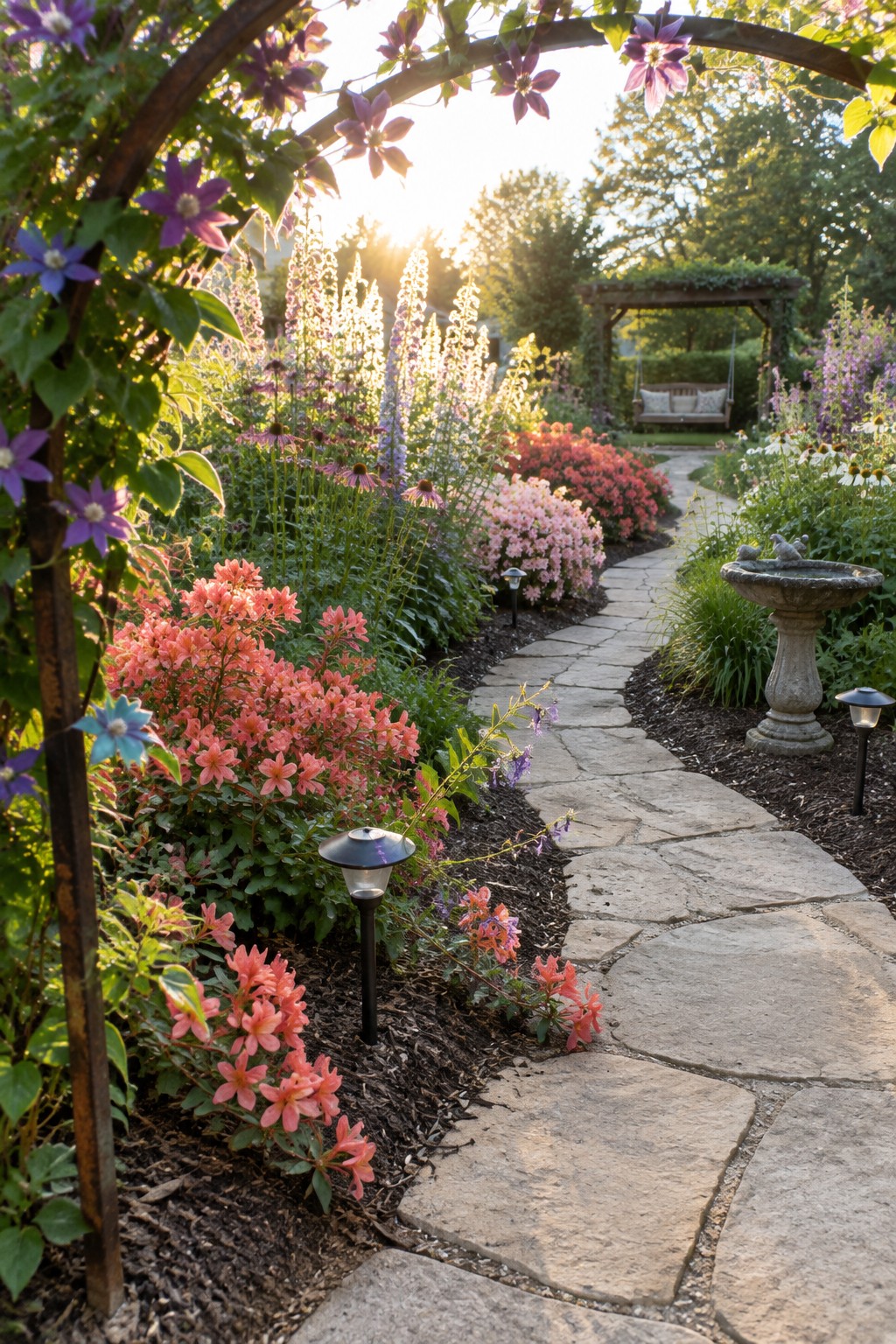
A gently curving stone path lets azaleas line the walk without making the garden feel too formal. The bend also gives the planting bed more room to spread beside the path, so the flowers can be enjoyed at close range.
Use broad, stable stones and leave enough room for comfortable walking, especially where the path turns. Azaleas suit the edges well, but keep their mature size in mind so branches do not crowd the walkway.
Use Large Stepping Stones for a Garden Walkway

Oversized concrete stepping stones give a garden path a steady rhythm without covering the whole area in hardscape. The gravel between them keeps the route informal, while azaleas planted along the edge bring color close to the walk.
This approach works well in a side yard or a narrow garden where a solid paved path might feel too heavy. Set the stones far enough apart for a comfortable stride, and leave room beside them for plants to spread without spilling onto the walking surface.
Use Azaleas to Edge a Curving Stone Walkway

A gently curving stone path can make an azalea bed feel like part of the route, rather than a separate patch of flowers. Let the walkway bend between planted areas, with azaleas lining the edges to add color as you approach the front door.
This layout suits an entry garden with enough room for a broad path and established shrubs. Keep the stone surface wide and even, and leave space between the path and the azaleas so branches do not crowd the way.
Let Azaleas Line a Stone Garden Path

Azaleas planted along a stone path give the walkway a clear, colorful edge without making it feel too formal. The flowers can follow the path’s gentle turns, while a low brick border helps keep the planting bed tidy.
This works well in a leafy garden where the path is a main route through the space. Leave enough room for the shrubs to grow without spilling onto the stones, and choose varieties suited to your light and soil.
Use Groundcover to Define a Stepping-Stone Path
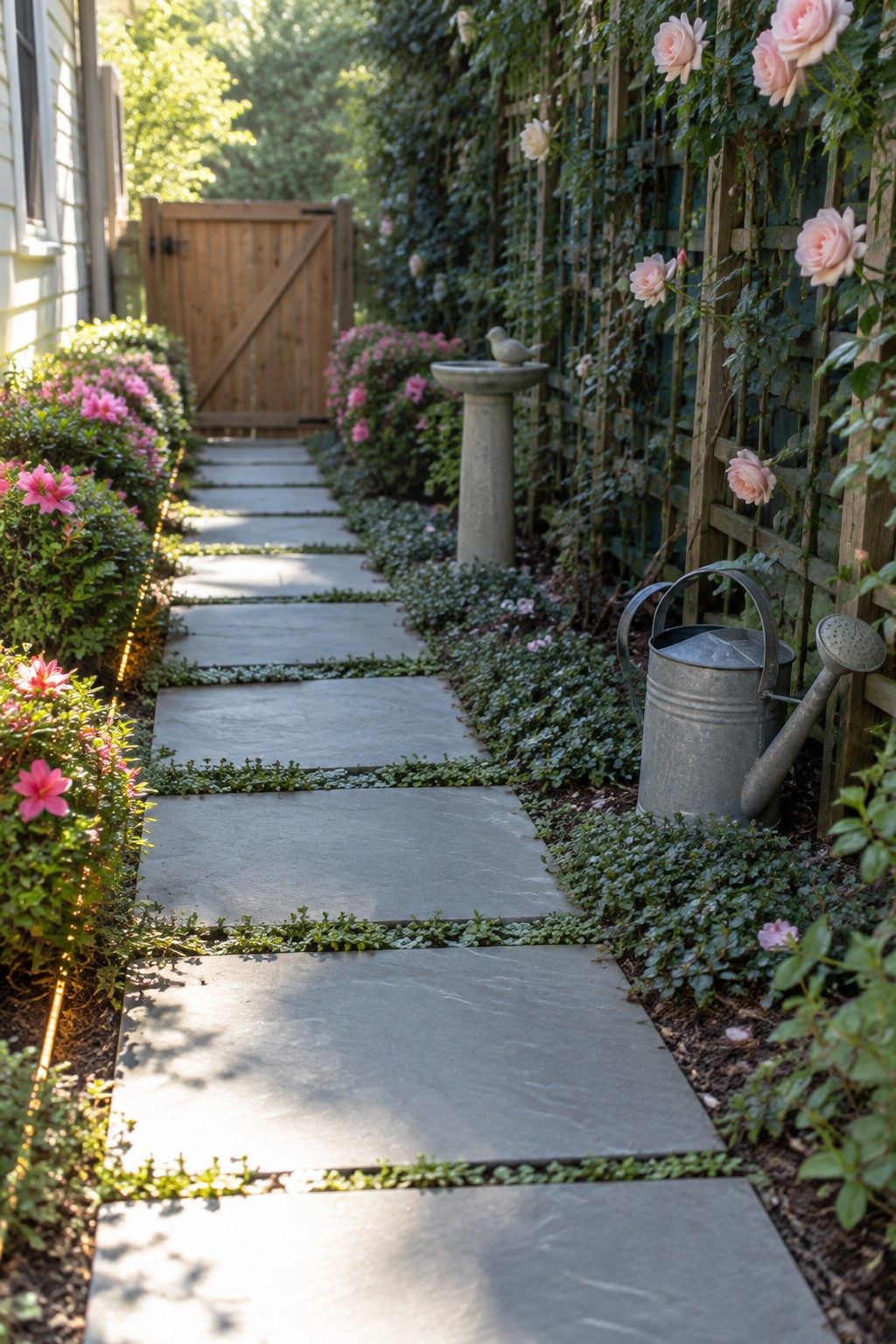
Groundcover planted between large stone slabs gives a garden path a softer edge and helps the stones feel settled into the planting. It also creates a clear route through the garden without needing a continuous paved surface.
For a similar look, choose a low-growing plant that can handle occasional foot traffic and keep it trimmed back from the main stepping areas. Azaleas can line the sides of the path, while the groundcover fills the narrow gaps between stones.
Use Round Stepping Stones Along the Walkway

Round stones make a garden path feel relaxed rather than formal. Their separate placement leaves room for grass to grow between them, while the repeating shapes still make the route easy to follow.
Set the stones at a comfortable walking distance and keep them level so they are safe to use. This approach works well through a lawn or informal flower bed, especially when you want the path to feel like part of the garden.
Light Stone Steps Through Azalea Beds
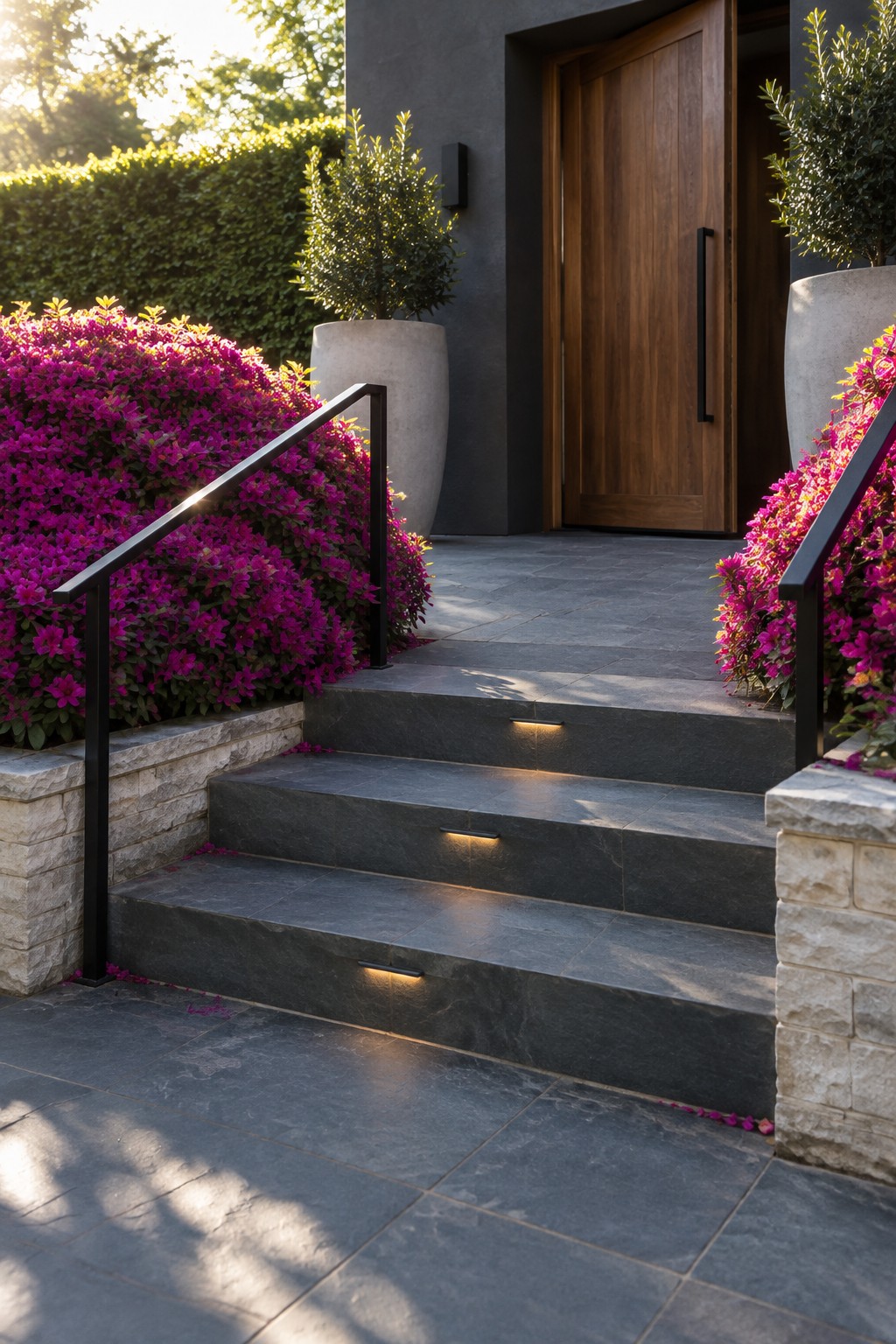
Dark stone steps can make a walkway feel sturdy and easy to follow, while azaleas planted along the sides bring color close to the route. The contrast works especially well when the flowers are allowed to grow in generous, informal mounds.
Use this approach on a sloped entry where a few broad steps make the change in level more comfortable. Leave enough room beside the path for the shrubs to spread, and keep the walking surface clear as they grow.
Use a Stone Walkway to Shape Azalea Beds
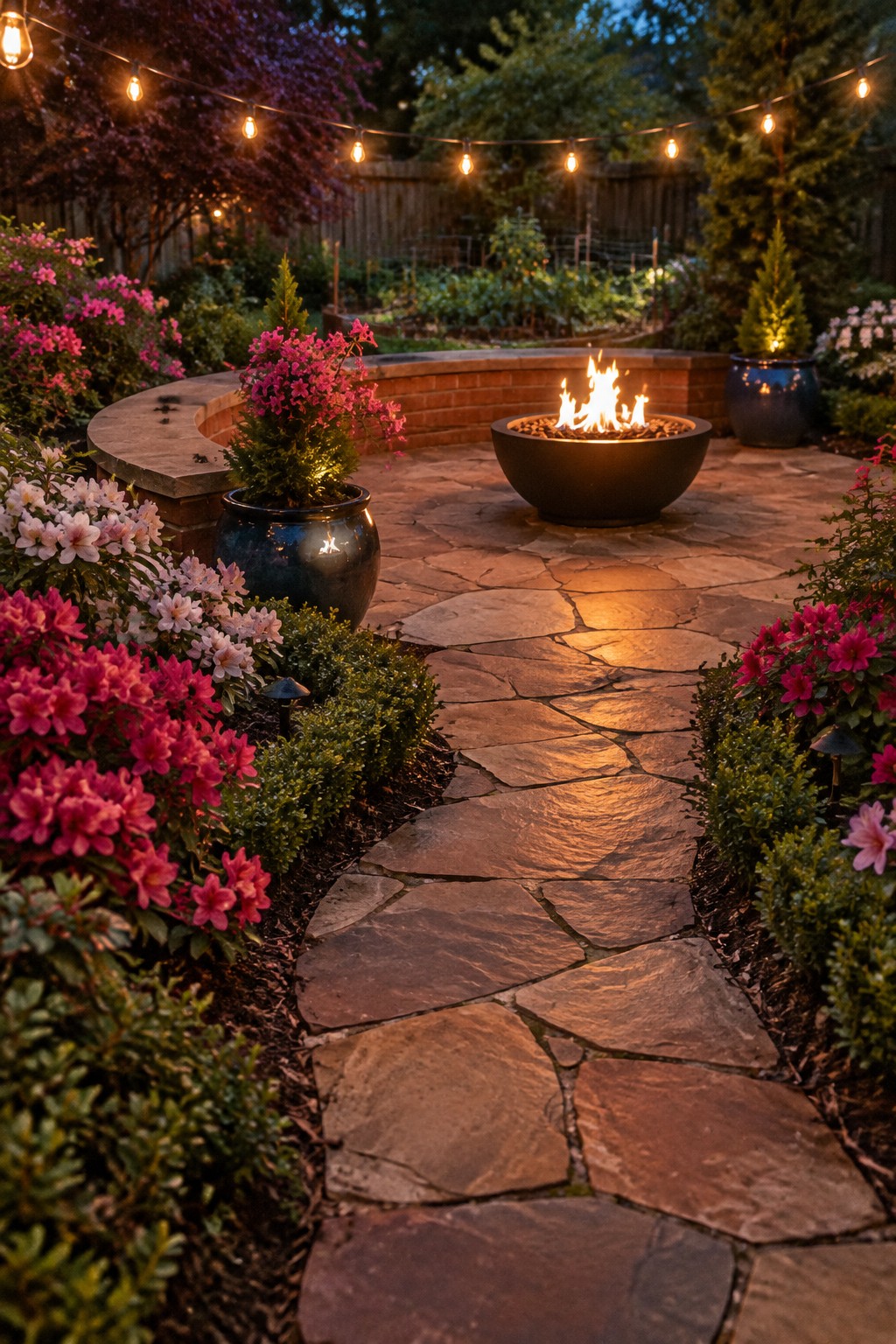
An irregular stone path gives azalea beds a relaxed shape and makes the garden easy to walk through. The stones feel at home among informal planting, while the flowers bring color close to the route.
Let the path curve gently through the bed, leaving enough room for azaleas to spread without crowding the stones. This works well in a cottage-style garden, but keep the walking surface fairly even so it stays comfortable to use.
Add Azaleas Along a Gravel Walkway

Azaleas can make a gravel path feel like part of the garden rather than just a way through it. Their rounded flower beds bring color close to the walkway, while the gravel keeps the route simple and easy to follow.
Leave enough room for people to pass without brushing the shrubs, and use a firm edge to keep gravel from spilling into the planting bed. This approach suits a narrow side yard or a sheltered garden path, especially where flowering shrubs can get the light and soil they need.
Frequently Asked Questions
Q: How much space should I leave between azaleas along a walkway?
A: Check the mature width of your variety and space plants so their branches won’t crowd the path as they grow. A little open space between young shrubs may look sparse at first, but it helps keep the walkway clear later.
Q: Will azaleas grow well beside a sunny walkway?
A: Many azaleas prefer morning sun and afternoon shade, especially in hot climates. If the walkway gets strong afternoon sun, choose a heat-tolerant variety or plant where nearby trees provide some shade.
Q: What should I plant in front of azaleas along the path?
A: Low-growing plants make a soft edge without hiding the azaleas or spilling across the walkway. Choose companions that enjoy the same acidic, well-drained soil, such as ferns or compact groundcovers.
Q: How do I keep azalea roots from drying out beside the walkway?
A: Add a layer of mulch over the soil, keeping it a few inches away from the stems. Check moisture during dry spells, since paving can make nearby beds dry out faster.
