

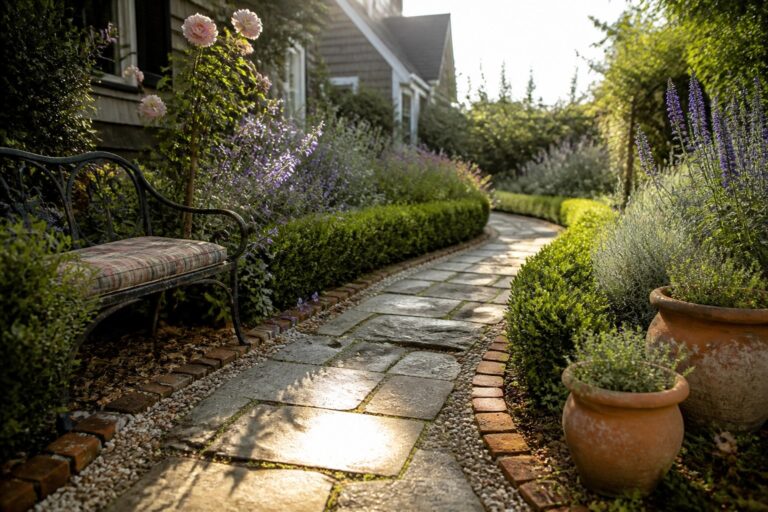
Gardens tend to show their age first along the edges where beds meet the paths and in the corners that get passed by every day.
I notice the layout starts to feel off when those areas stop guiding how someone actually moves through the space.
Small fixes add up.
When I try reworking a tired border or reshaping a path so it leads somewhere useful, the rest of the yard suddenly feels more settled without needing a full redesign.
Those kinds of changes are the ones I usually keep because they hold up once the seasons turn.
Curved Paths Make Small Gardens Feel Larger
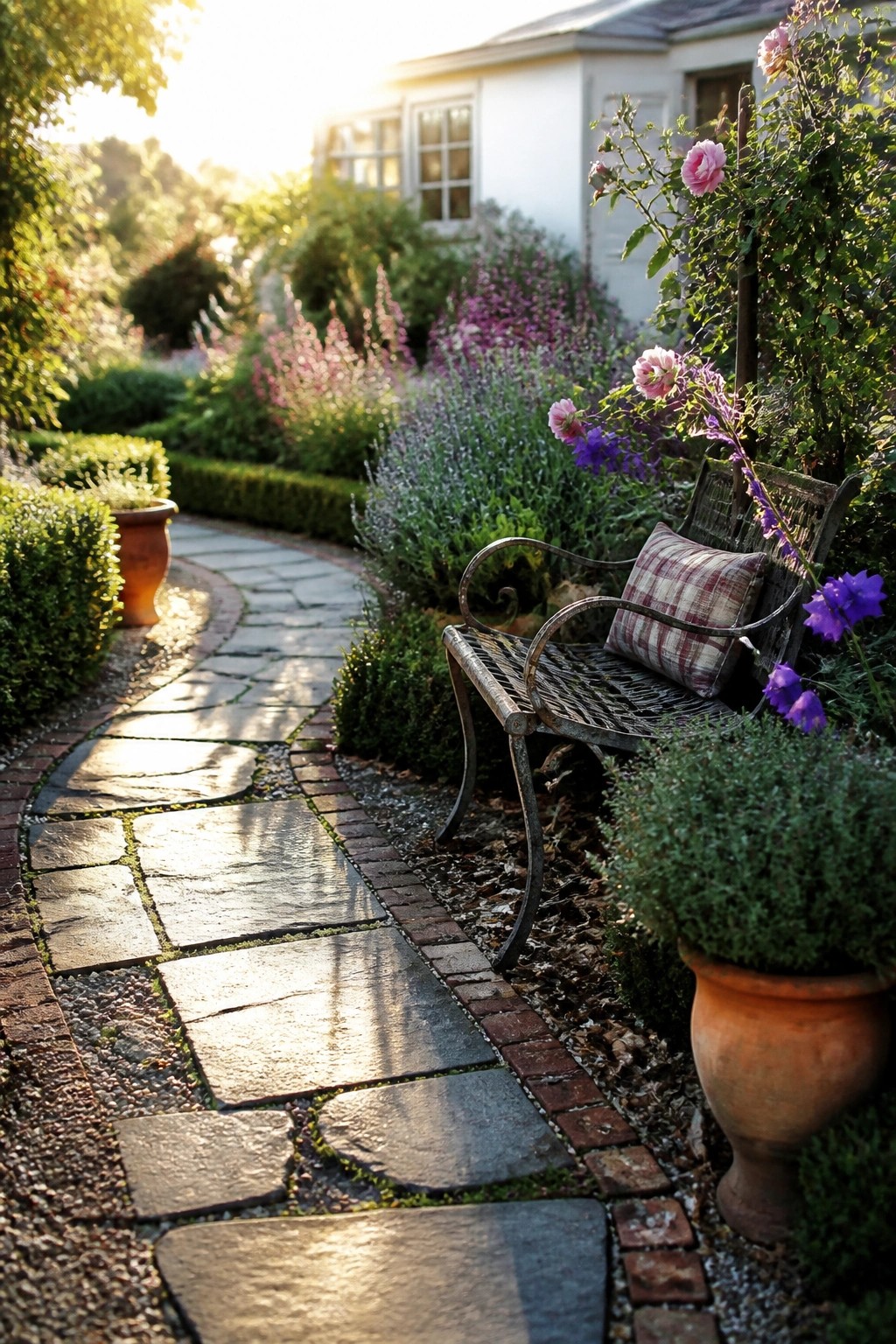
A curved path changes the way you move through a garden. Instead of rushing straight from one end to the other, you slow down and notice the beds on either side.
This layout works especially well in narrow side yards or modest back gardens. Lay wide stone pavers with a gentle bend and let low plants spill over the edges so the path feels settled rather than new.
Build Seating Into Raised Beds
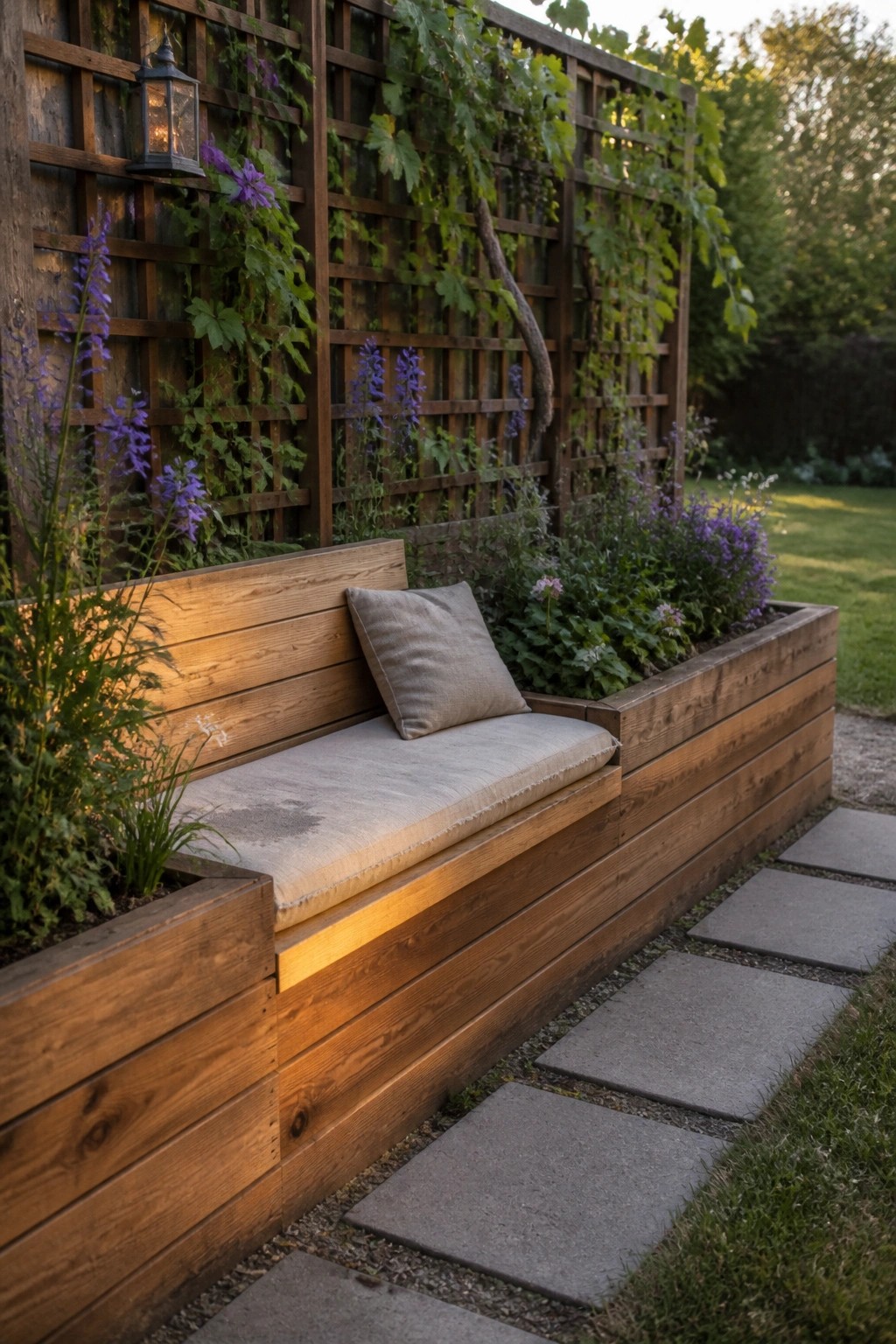
One simple way to refresh a garden corner is to build a bench right into a raised planter. It turns the bed into a useful spot to sit without needing extra furniture or taking up more ground space.
This works best along a path or next to a wall where people already walk. Keep the bench section wide enough for comfort and use sturdy wood that can handle both weight and weather.
Stepping Stones Set Into Gravel Work Well for Garden Paths
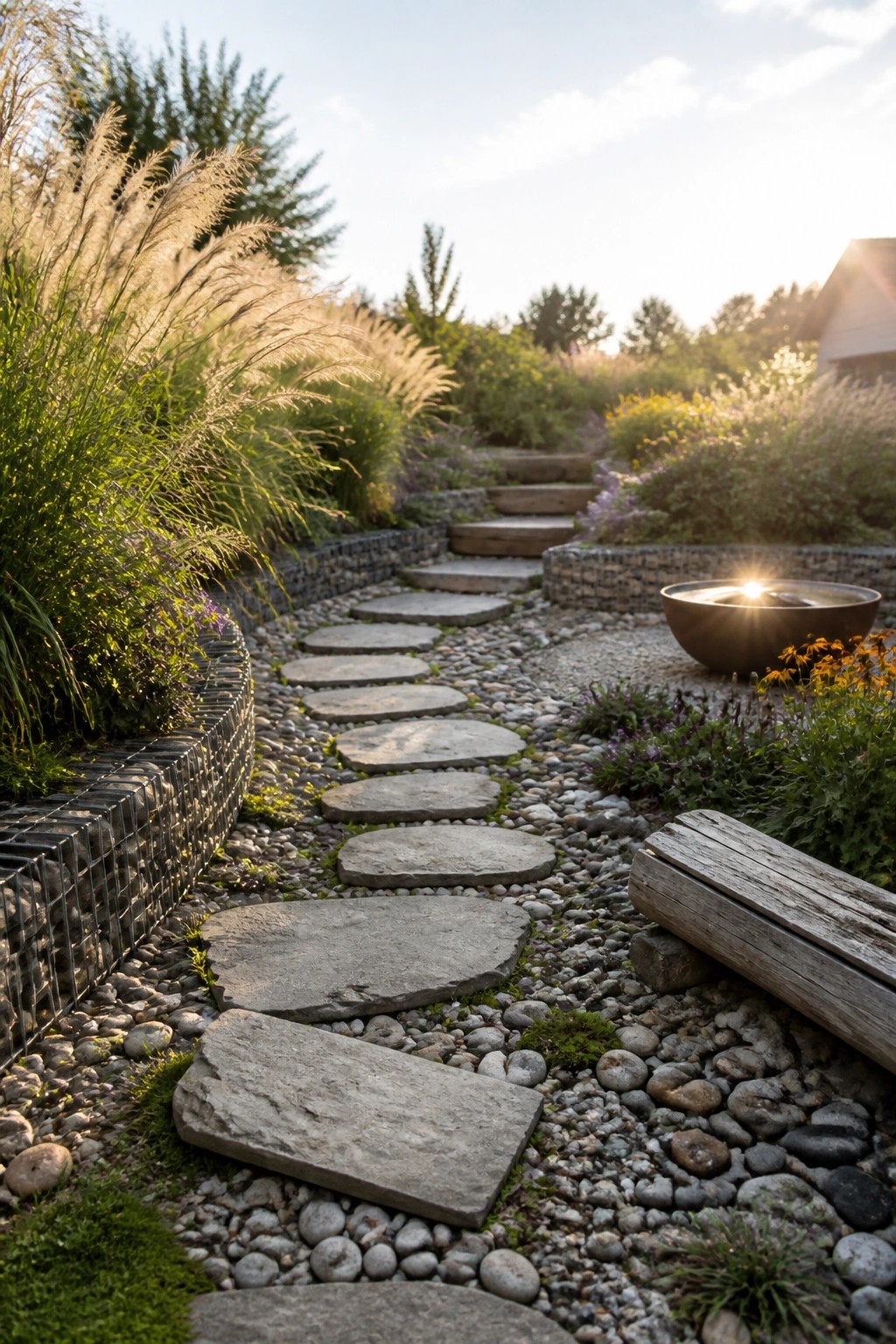
A path made with flat stones placed in gravel gives a garden an easy flow without needing a solid surface. It lets you walk through planted areas while keeping the look loose and natural.
This approach suits homes with larger yards or side gardens where you want to connect different spots without a lot of paving. Just make sure the stones sit level and the gravel drains well so the path stays usable after rain.
Stepping Stones Along A Water Channel
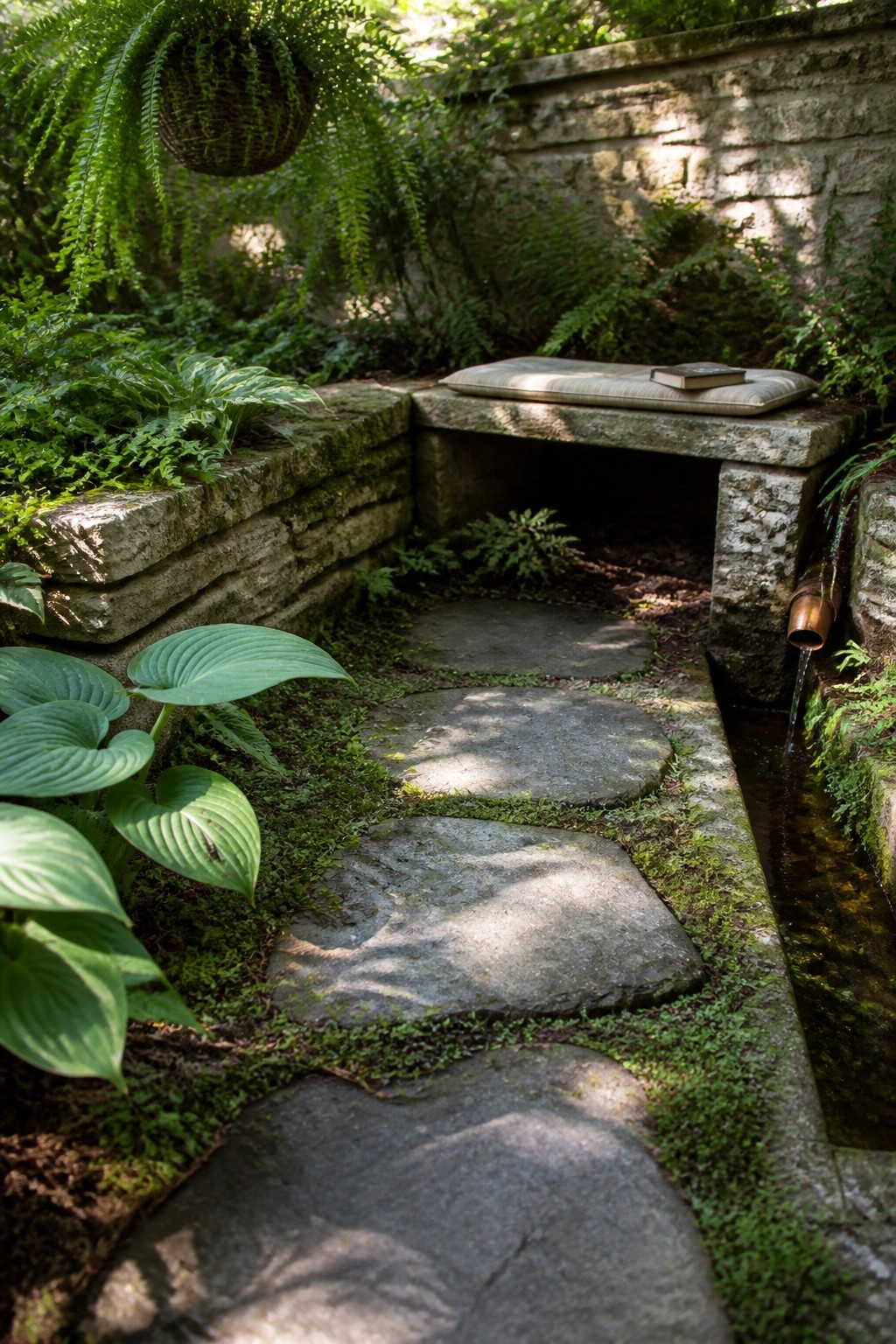
A narrow water channel running beside stepping stones gives a garden path a quiet sense of movement. The steady sound and the way light plays on the water make even a small corner feel more alive, especially when the stones are set in moss and surrounded by shade plants.
This setup works best in tight spaces along a wall or fence where a full pond would feel too big. Keep the channel narrow, match the stone to any existing walls, and choose a simple spout or pipe so the water feature stays easy to maintain over time.
Edge Gravel Paths With Perennials
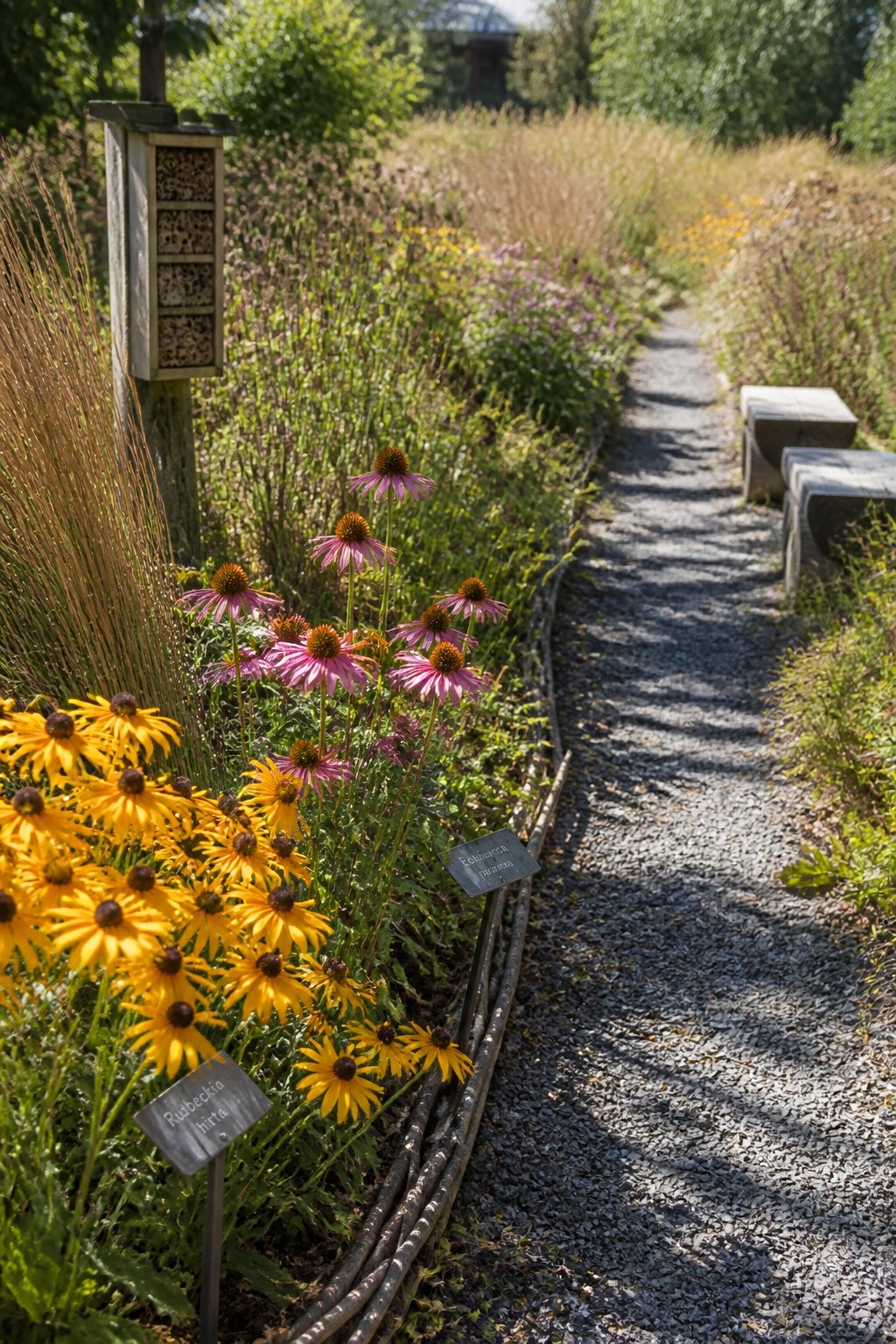
A gravel path works well when it runs through flower beds instead of sitting beside them. The loose surface feels softer underfoot and lets the planting come right up to the edge without looking too formal or finished.
This approach suits smaller gardens or side yards where you want color and movement without adding more lawn or hard paving. Keep the beds fairly full so the path feels tucked in rather than exposed, and choose plants that can handle a bit of foot traffic dust.
Create a Circular Raised Bed for Herbs
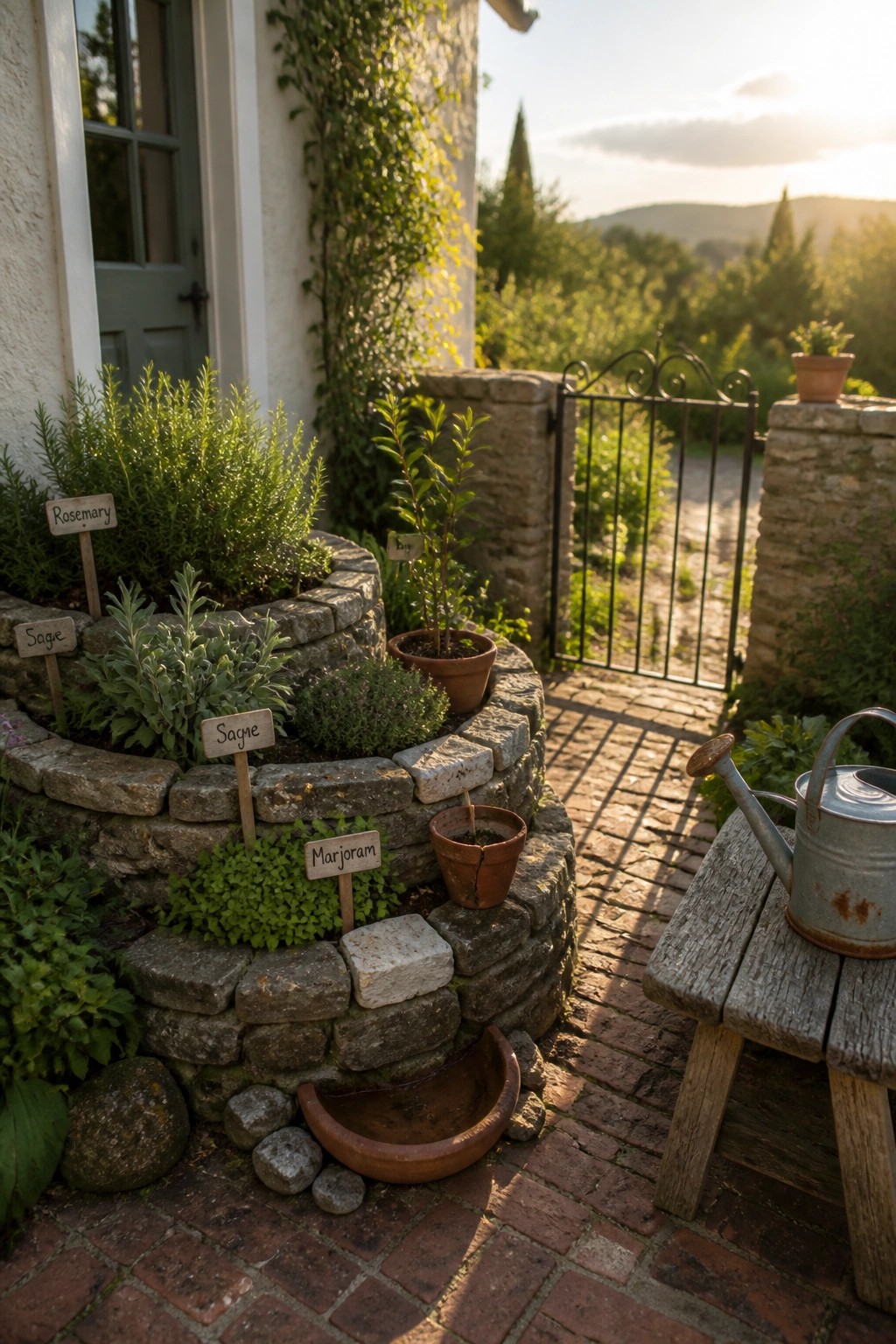
A circular stone bed gives herbs their own clear space right by the house or path. It keeps the plants organized and makes watering or picking easier without stepping into the soil.
This works well on a small property or near an entry where you want fresh herbs close at hand. Use simple wooden labels so you can change plants each season without losing track of what is growing.
Anchor Garden Beds With Large Boulders
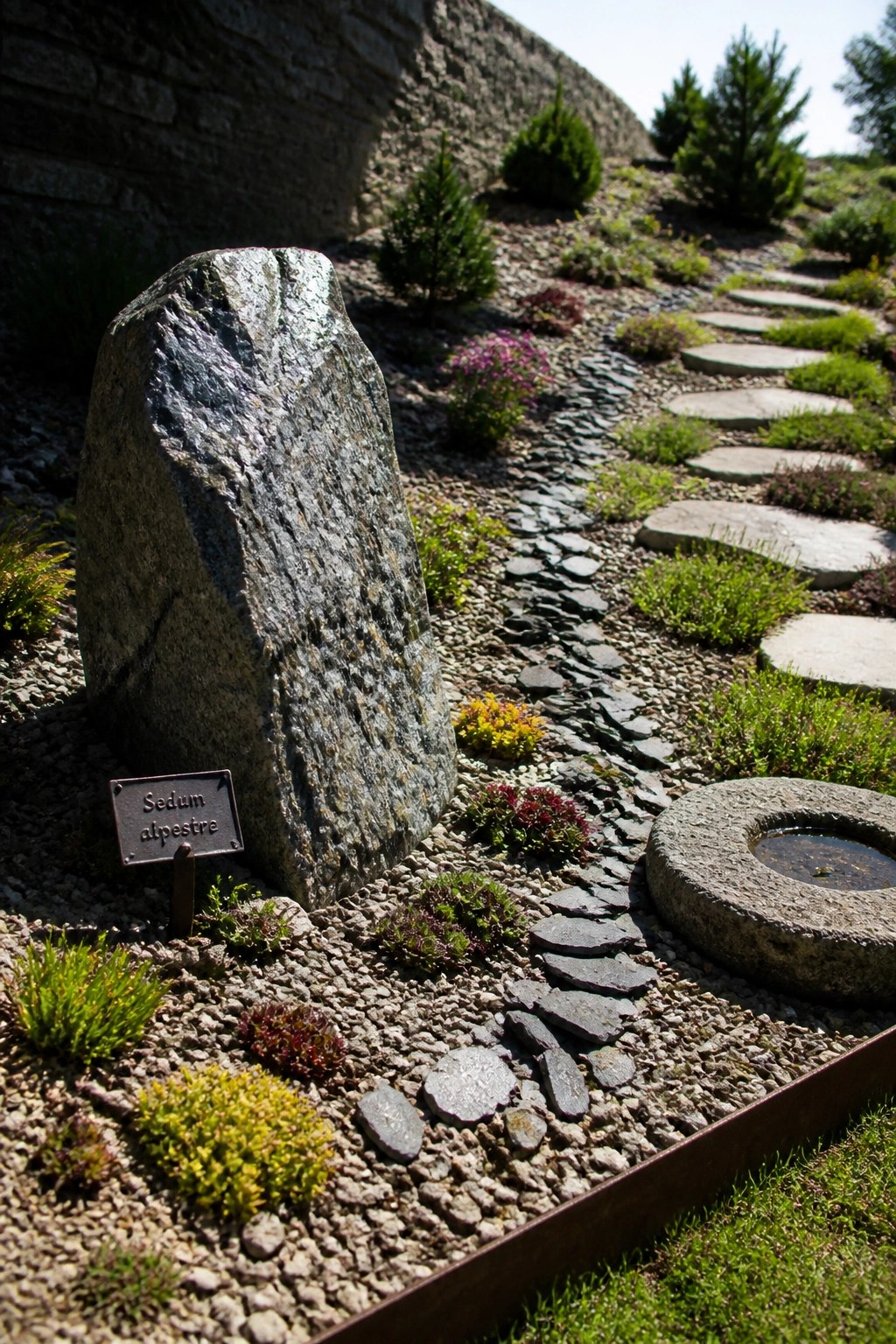
Large rocks give a planting area a clear center without needing much else. The boulder holds the bed together and lets smaller plants spread around its base in a simple way.
This works best on slopes or in gravel gardens where you want low care and a natural feel. Set the rock deep enough so it stays put, then choose tough ground covers that will fill in around it over time.
Add a Vertical Garden Wall to a Narrow Side Space
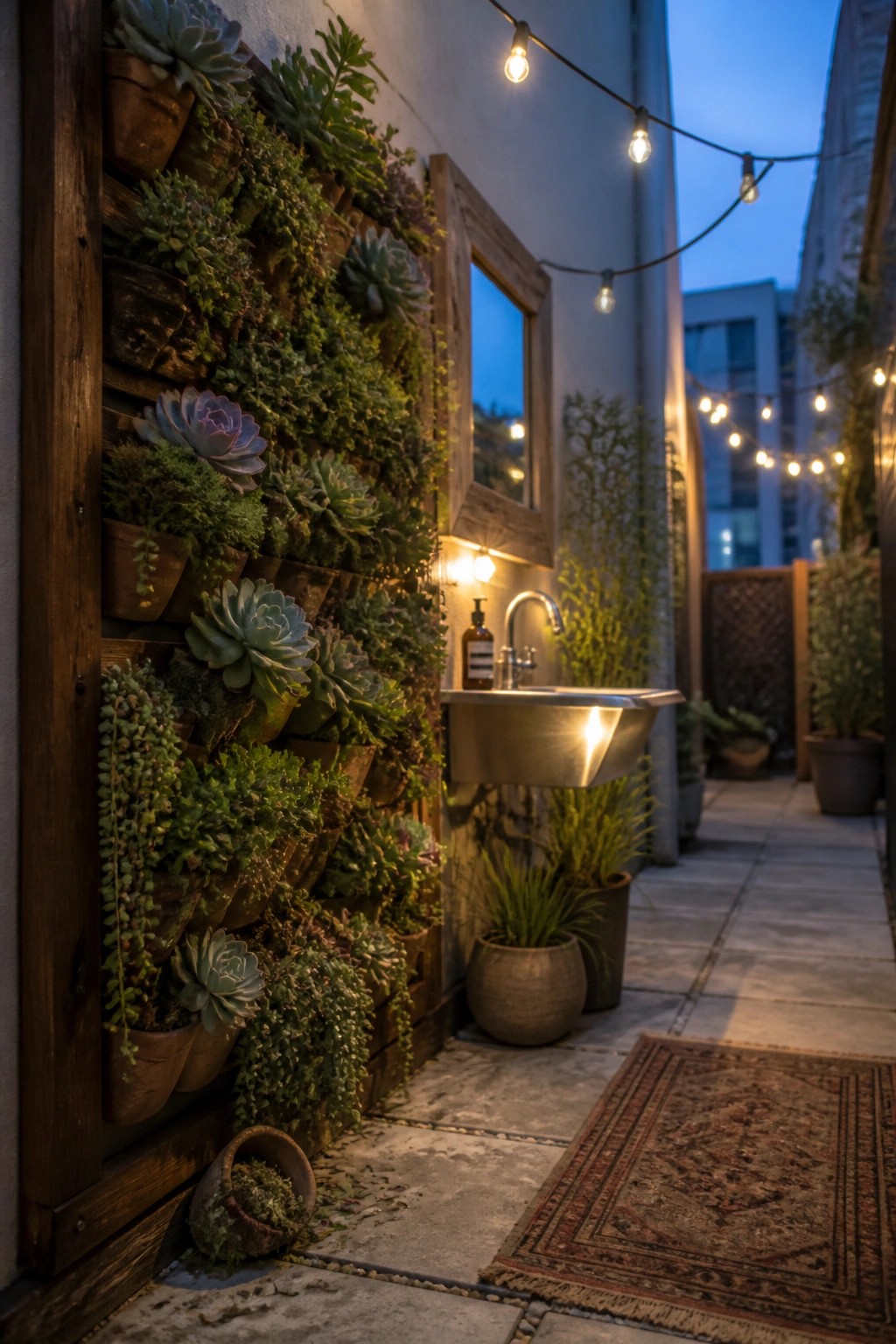
A vertical garden wall gives you a way to add lots of plants without taking up floor space. In a tight outdoor corner or along a walkway, it turns a plain wall into the main feature and makes the whole area feel more finished.
This works best on homes with limited yard room or on a side passage that gets some light. Use sturdy pockets or shelves, pick plants that handle your climate, and keep the setup simple so it does not need constant care.
Add an Archway to Your Garden Path
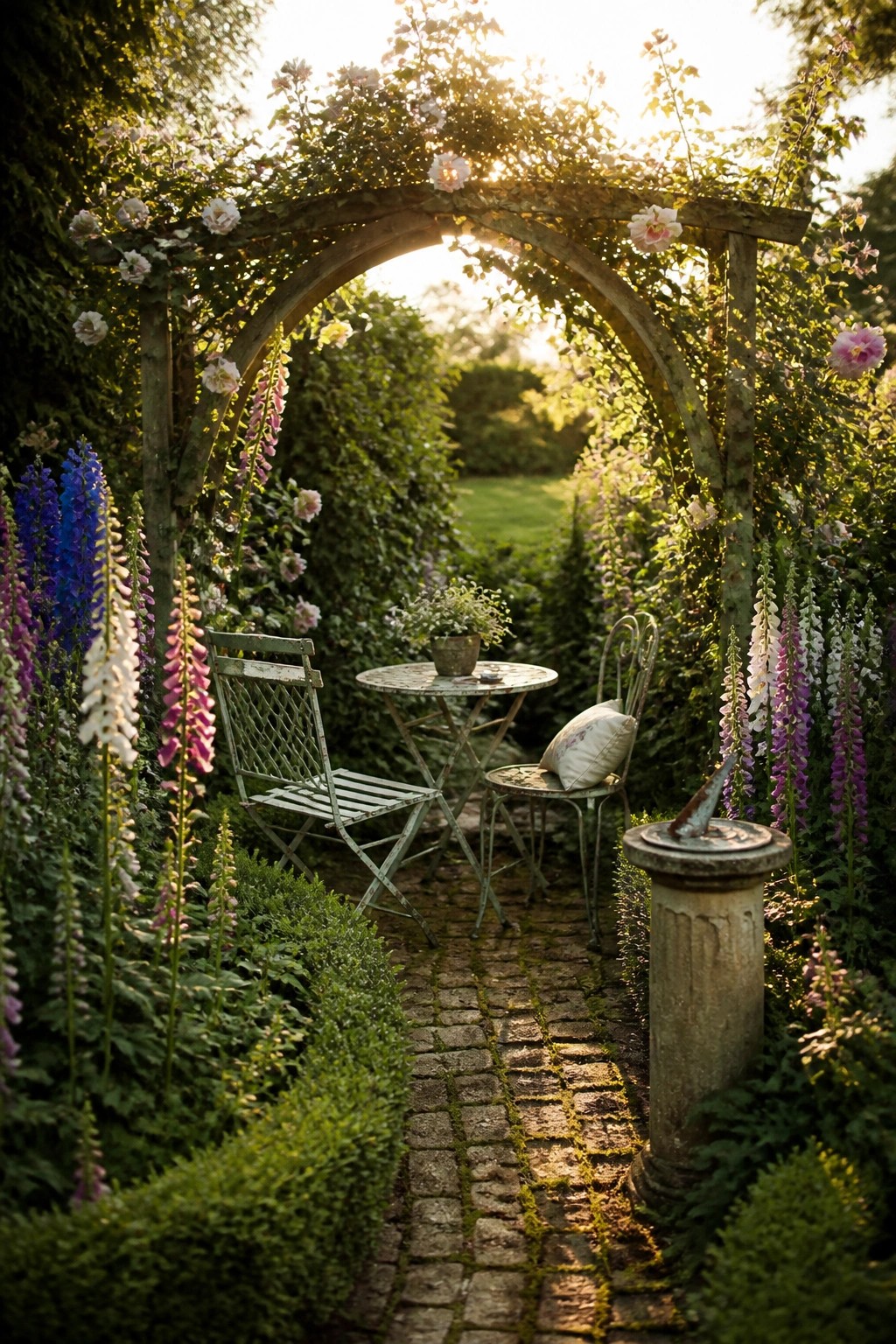
An arch over a path gives the garden a clear sense of direction and makes even a short walk feel more thought out. The structure also gives climbing plants something to grow on, so the sides and top fill in over time and soften the whole look.
This idea works best on a straight or gently curving path where you want a focal point without crowding the space. Keep the arch simple in shape and size so it fits the scale of the garden, and choose climbers that match the amount of sun the spot gets.
Refresh a Path with a Slim Water Channel
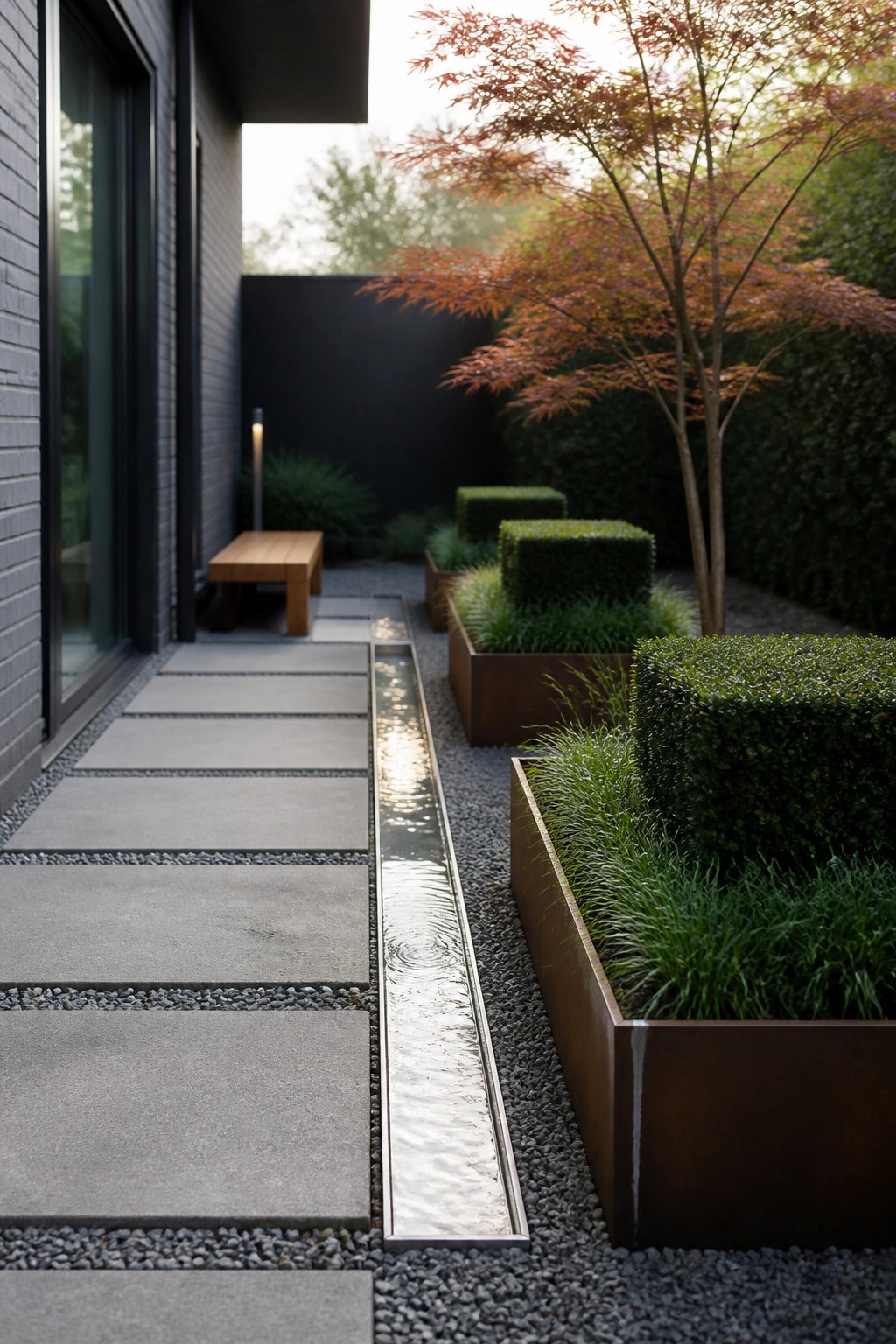
A narrow water rill running right next to a garden path gives the walkway a calm, steady presence without taking up much space. The moving water catches light and adds a quiet sound that makes the whole stretch feel more alive.
This works best in smaller side yards or tight modern gardens where you want something more than plain gravel or pavers. Keep the channel simple and low to the ground so it stays easy to maintain and does not compete with the planting beds on either side.
Build a Simple Drainage Path with Stones and Pebbles
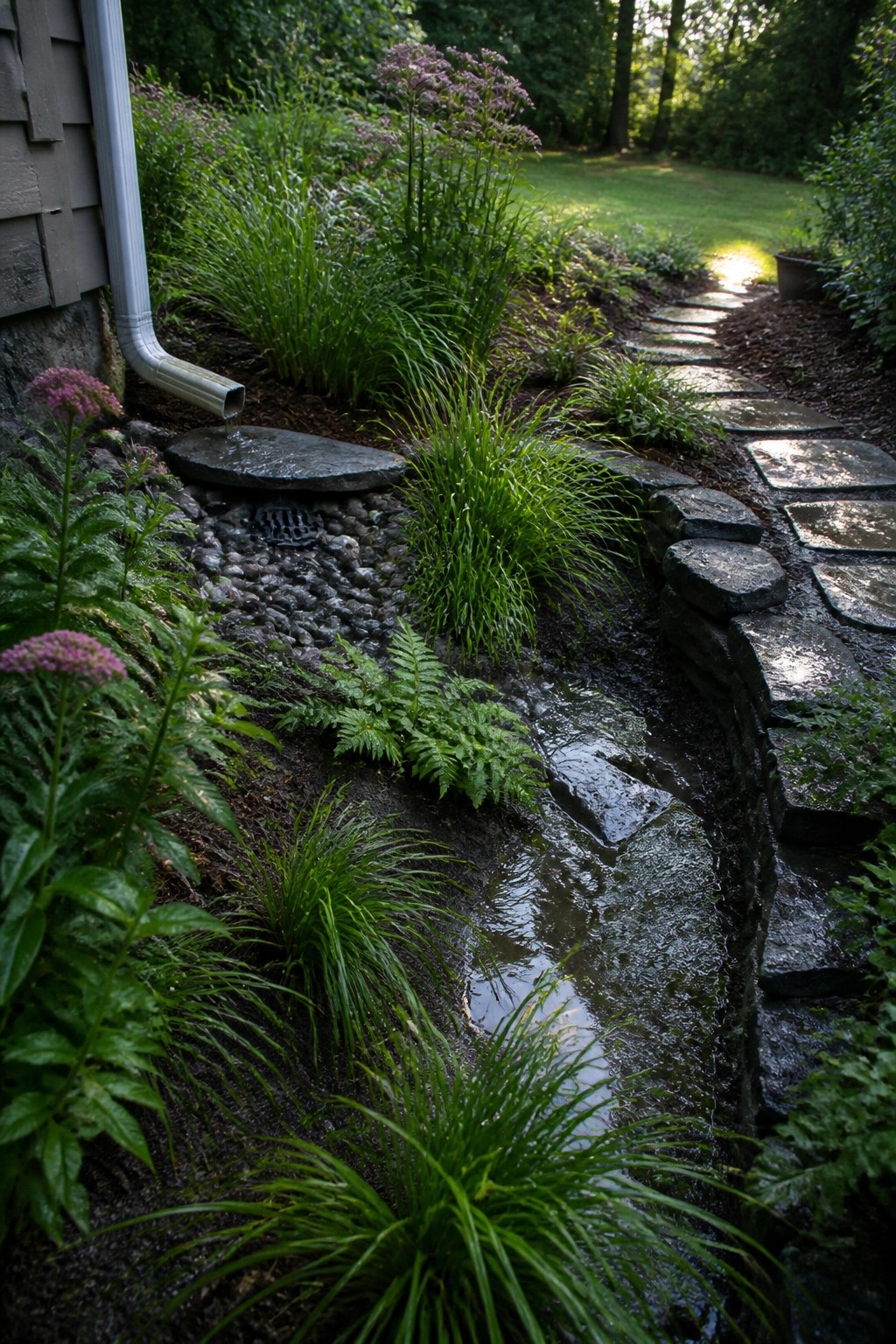
A drainage path made from pebbles and flat stones gives water from the downspout somewhere to go without creating mud or puddles. It turns a common problem spot into part of the garden instead of leaving a bare patch of dirt or a plastic grate that stands out.
This works well along the side of a house or in a narrow bed where you already need a path. Keep the channel shallow, line it with landscape fabric under the pebbles, and plant a few moisture-loving grasses or ferns along the edges so the whole thing blends in over time.
Wood Slices Make Simple Garden Paths
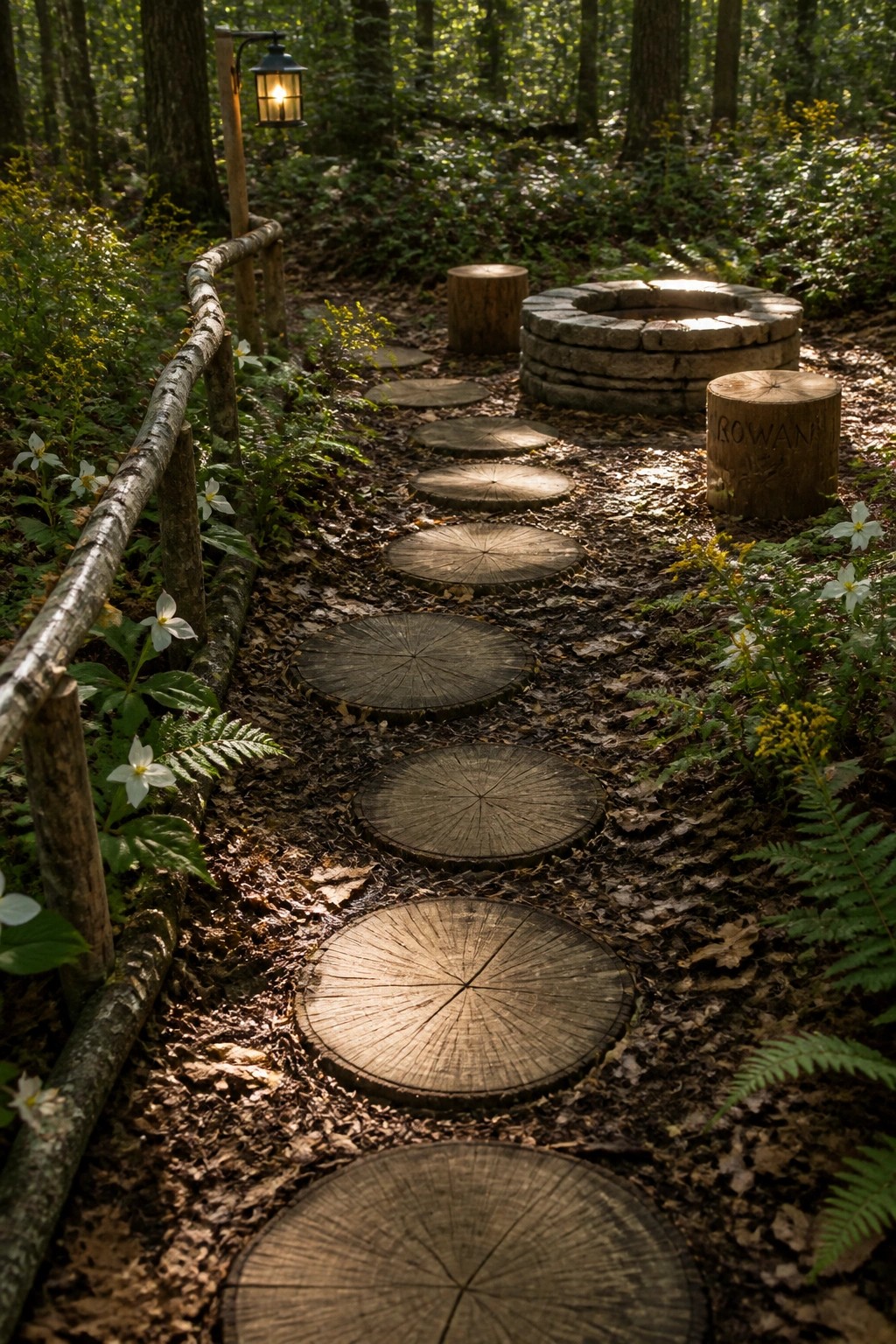
Wood slices cut from logs give a garden path that feels like it belongs right where it is. They sit low to the ground and let plants grow right up to the edges, so the walkway looks natural instead of added on later.
This works best in wooded spots or shady beds where you want a light touch. Set the rounds on a bed of gravel or sand so they stay level and last longer through wet seasons.
Large Pots For Patio Planting
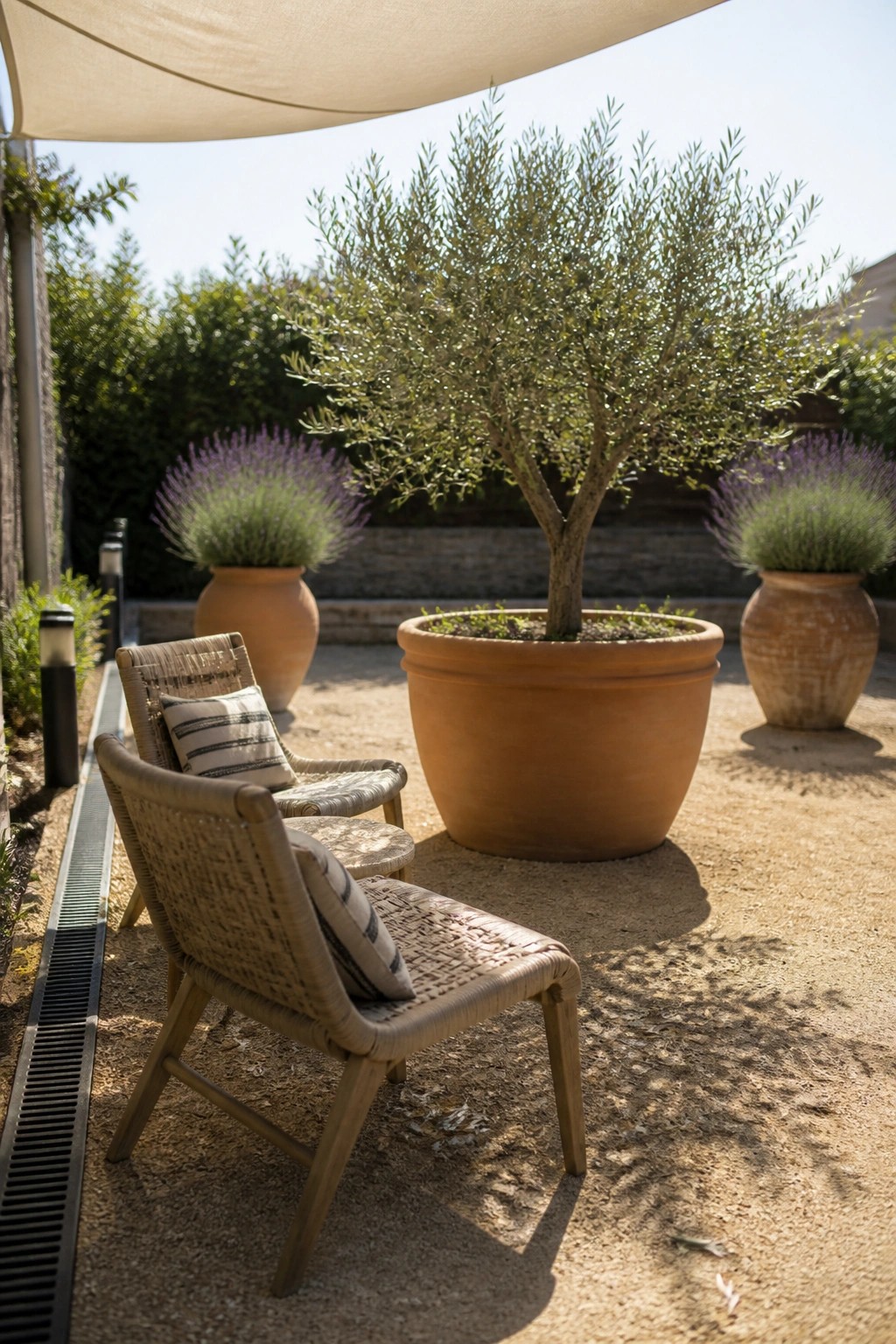
Large pots give you an easy way to add height and greenery to a patio without digging beds or changing the hardscape. They work especially well on gravel surfaces where you want some structure but still need the space to feel open and movable.
Place a few oversized pots around the seating area so the plants become part of the layout rather than an afterthought. This approach suits most homes with small yards or paved outdoor spaces where permanent planting is not practical.
Retaining Walls For Tiered Garden Beds
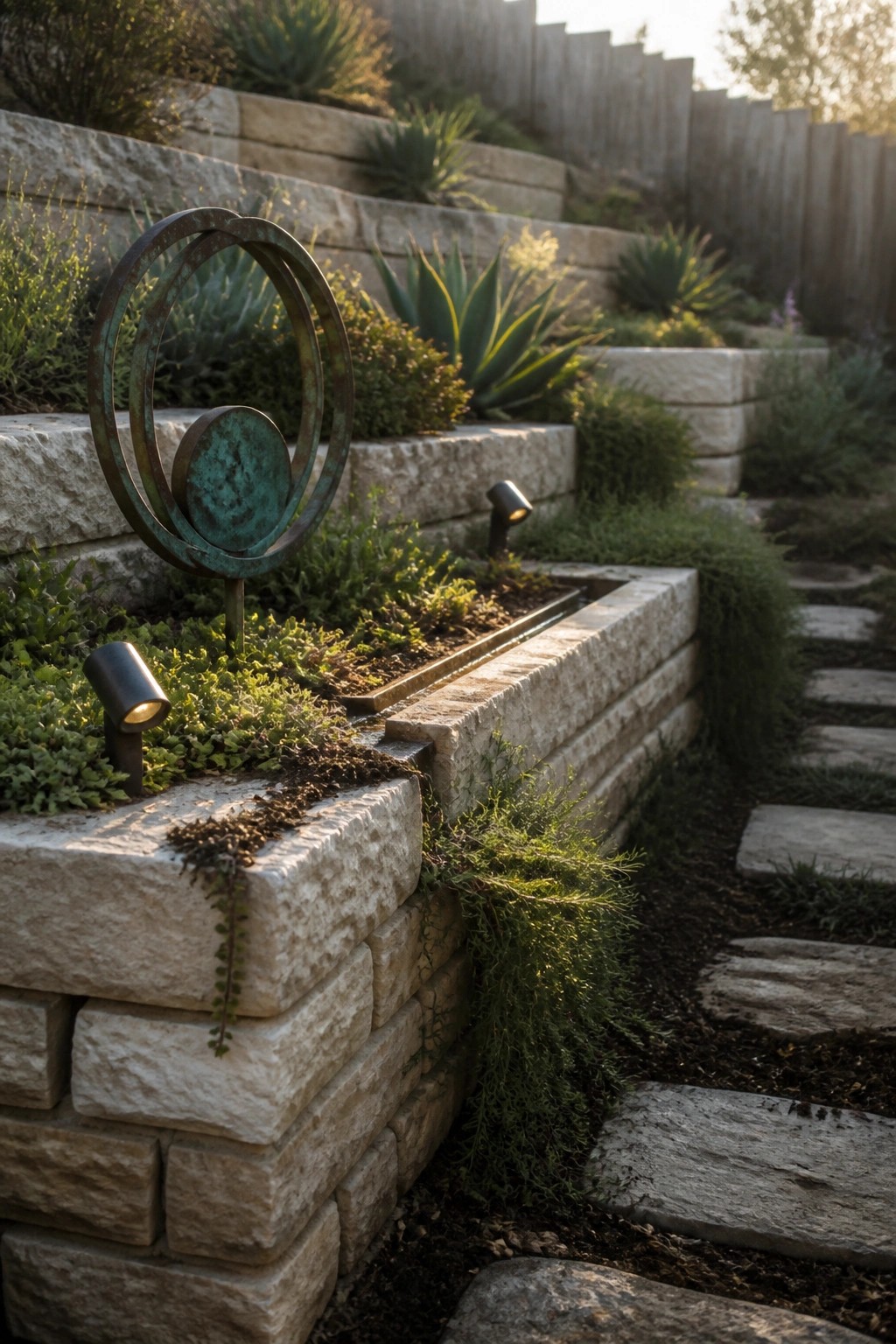
Stone retaining walls turn a sloped area into a series of flat beds that are much easier to plant and keep looking good. They hold the soil in place and give the garden clear structure without needing a lot of extra edging.
This setup works best on hillsides or lots with uneven ground. Tuck a few low lights into the beds near the path so the plants stay visible at night and the walkway feels safer to use. Just check that the walls are built solid from the start.
Mix Tiles Into A Stone Path
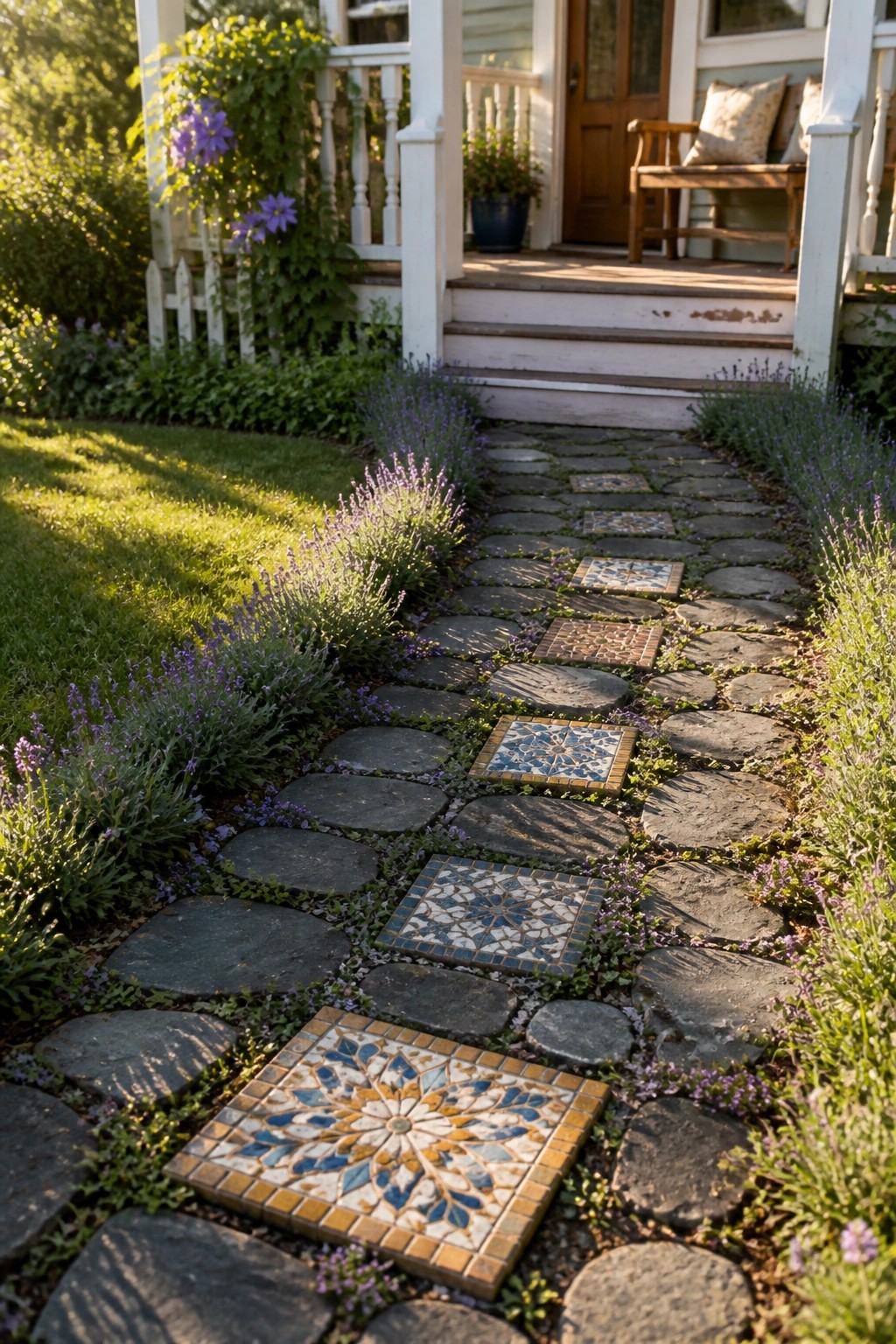
One way to refresh a tired garden path is to set a few decorative tiles among the stones. The pattern gives the walkway a little color and breaks up the repeat of plain rock without needing much extra work.
This idea suits side paths or smaller gardens where you want something simple but not plain. Keep the tiles level with the stones so the surface stays easy to walk on, and let low plants along the edges soften the look over time.
Light Garden Paths for Evening Use
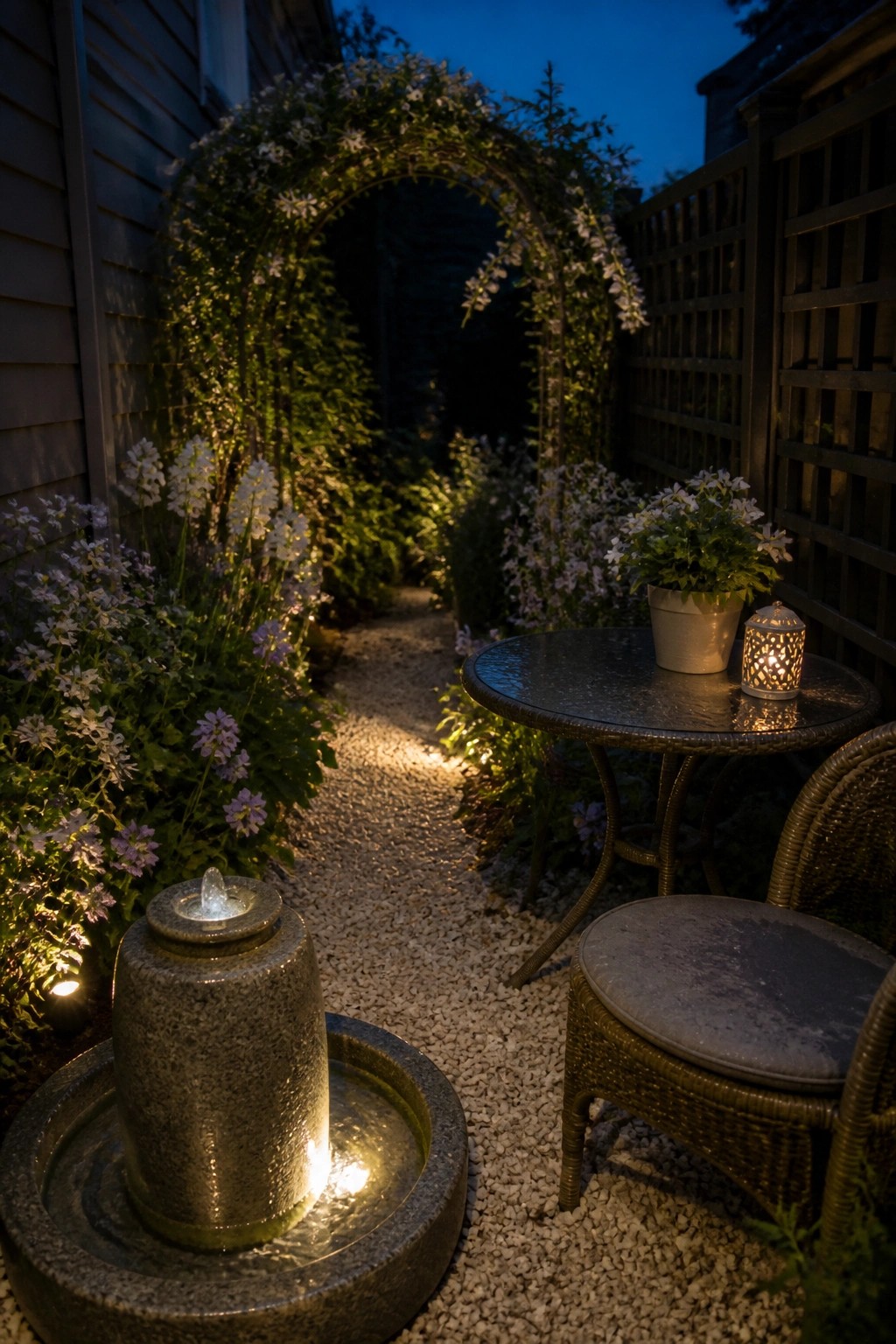
A few well placed lights can turn a simple path into something you actually use after dark. The low glow near the fountain and along the gravel keeps the route clear while highlighting the plants without making the space feel harsh.
This approach works best in smaller gardens or side yards where you want a calm way to move through the beds at night. Keep fixtures low and focused on the edges so the light stays soft and does not spill into neighboring windows.
Add A Woven Mat To A Stone Path
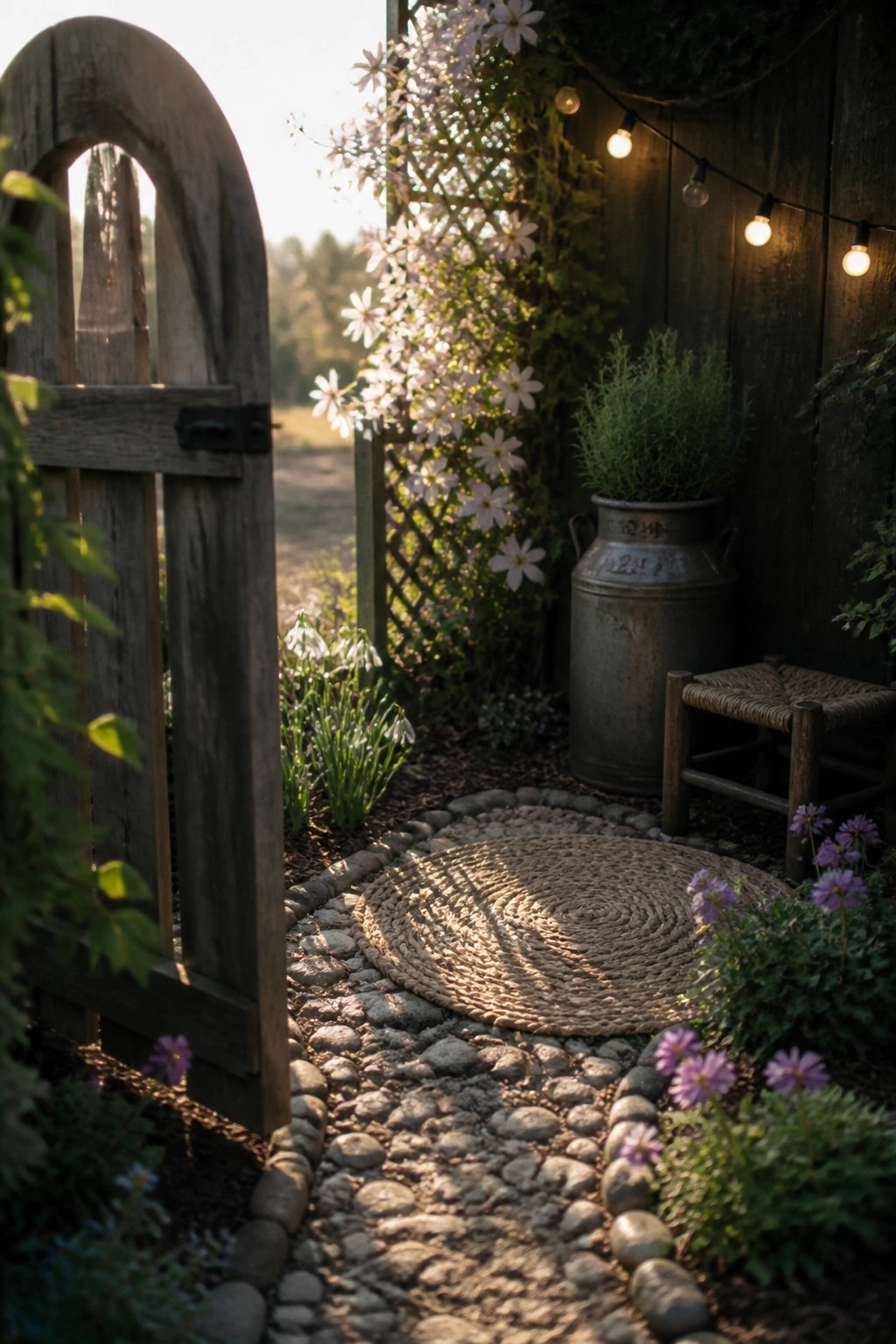
A round woven mat can turn a plain stone path into something that feels more finished and comfortable. It breaks up the hard surface and gives the eye a softer spot to land, especially in a small garden corner where the path meets a gate or planting bed.
This works best on narrow paths or at transition points where you want a quick change without adding new hardscaping. Keep the mat simple in color and material so it blends with the stones and plants around it. Just make sure it sits flat and can handle a bit of outdoor wear.
Raised Beds Along a Brick Path
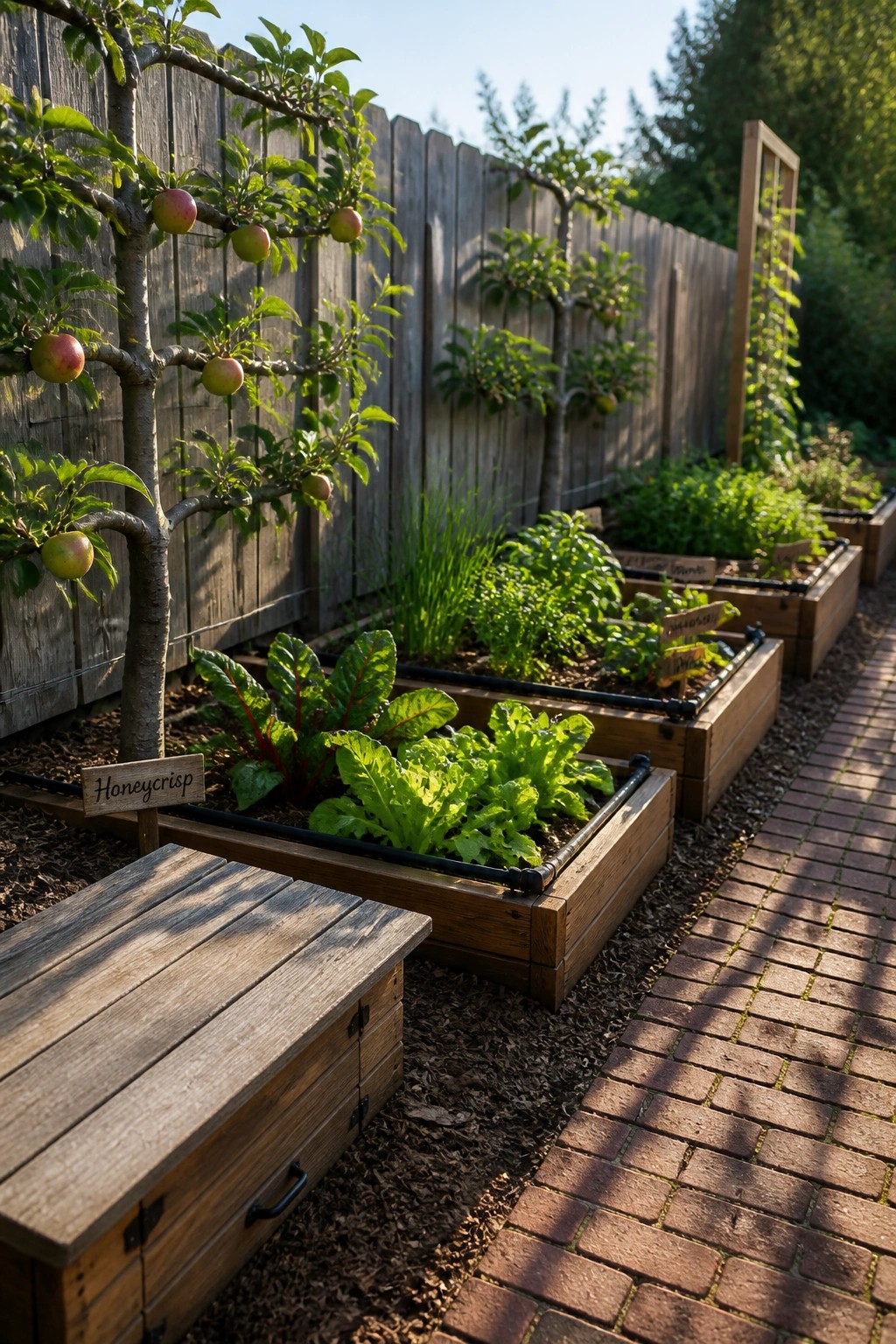
Raised beds give you clear lines and make it simple to reach every plant without stepping on the soil. They also keep mulch and pathways separate, which cuts down on weeds and makes watering more direct. Many people find this setup works especially well when space is limited or the soil underneath needs improving.
A brick path between the beds adds firm footing and keeps things looking tidy even after rain. This approach suits most backyard sizes and works with both vegetables and small fruit trees. Just make sure the beds are not too wide to reach across comfortably.
Frequently Asked Questions
Q: My garden beds have taken over with weeds. How do I begin one of these makeovers?
A: Clear just enough space for your first change like adding a border. Plant a few new things right away so the area feels fresh. This approach builds momentum without feeling overwhelming.
Q: I want to update my paths but hate spending much. Which ideas fit a tight budget?
A: Reuse old bricks or stones you already have around the yard. Scatter some gravel in thin layers for a quick path look. The article highlights simple swaps that cost very little.
Q: How often do these corner updates need attention once they are done?
A: Pick hardy plants suited to your spot and they will thrive with basic watering. Add mulch to cut down on weeds.
Q: What if rain washes out my new path ideas?
A: Compact the soil well before adding materials. This holds everything in place better.
