

Got an old lawn mower taking up space in your garage? You’re not alone. Many people find themselves wondering what to do with that trusty machine that’s seen better days. Whether it’s broken down or just too outdated, it can feel overwhelming to figure out the best way to part with it.
Key Takeaways
- Explore Various Disposal Options: Evaluate your old lawn mower’s condition to determine the best disposal method: donation, selling, recycling, or curbside pickup.
- Check Local Charities: Many charities are willing to accept lawn equipment to assist community gardens or local individuals.
- Utilize Online Marketplaces: Platforms such as Craigslist, Facebook Marketplace, and eBay can be effective for selling your mower quickly and easily.
- Prioritize Recycling: Properly recycle metal, plastic, rubber, and electrical components, reducing waste and promoting sustainability in your community.
- Prepare for Safe Removal: Assess the mower’s condition, gather necessary tools, and safely remove its fluids and hazardous components before disposal.
- Consider Disposal as a Last Resort: Only resort to disposal if other options aren’t viable; ensure you follow safe disposal practices and local regulations for hazardous materials.
Understanding Your Options
When it comes to getting rid of your old lawn mower, several options are available. Each one fits different situations based on the mower’s condition and your needs.
Donation
- Local Charities: Check with local charities that accept lawn equipment. Many organizations appreciate tools that can help maintain community gardens or assist those in need.
- Neighboring Community: Offer your mower to neighbors or friends. They might know someone who could use it.
Selling
- Online Platforms: Consider listing your mower on websites like Craigslist, Facebook Marketplace, or OfferUp. Clear pictures and accurate descriptions attract potential buyers.
- Local Classified Ads: Publish an ad in local newspapers or community boards. This method reaches people who prefer traditional methods.
Recycling
- Metal Recycling Centers: Many parts of lawn mowers, like metal frames and engines, can go to recycling facilities. Search for nearby centers that accept lawn equipment.
- Specialized Recycling Programs: Some municipalities offer specific lawn mower recycling programs. Check with your local waste management.
Curbside Pickup
- Bulk Waste Services: Look into your trash collection service. Some areas allow curbside pickup for large items. Verify the schedule and requirements for placing your mower out for collection.
- Handy Services: Many junk removal services handle lawn mowers. They usually take care of heavy lifting and transport. Get quotes to compare pricing.
- Garden Equipment Repair Shops: Some shops take old equipment for parts or disposal. Inquire if they offer such services.
By exploring these options, you can choose the method that best fits your situation. Consider the mower’s condition and your preferences for a smooth disposal process.
Preparing for Removal
Preparing for the removal of your old lawn mower involves several steps to ensure a smooth process. You’ll tackle assessing its condition and gathering the tools you’ll need.
Assessing the Condition of Your Lawn Mower
Assessing your lawn mower’s condition helps determine the best removal option. Inspect for rust, missing parts, or signs of damage. For instance, if the engine fails to start, it may not be suitable for resale or donation. Note all functional and non-functional features.
- Check for operational components such as the engine and wheels.
- Identify cosmetic issues like scratches or dents.
- Record details about brand and model for potential buyers or recyclers.
Understanding its condition allows you to decide whether to sell, donate, or recycle.
Gathering Necessary Tools and Supplies
Gather necessary tools and supplies before beginning the removal process. Preparing these items ensures efficiency and safety.
- Get safety gloves and goggles to protect yourself.
- Use a wrench set for dismantling any detachable parts.
- Keep a tarp or large trash bags ready for any debris.
- Consider a dolly or cart for easier transportation.
Having the right tools at hand simplifies the removal process and minimizes the risk of accidents.
Recycling Your Old Lawn Mower
Recycling your old lawn mower is an eco-friendly way to dispose of it properly. Many parts of a mower can be repurposed or recycled, helping to reduce waste.
Local Recycling Programs
Check with your local waste management department for specific recycling programs. Many cities offer special pickup days or drop-off locations for lawn equipment. Some municipalities partner with environmental organizations to hold recycling events, making it easy for you to participate. Contact local businesses, such as garden centers or hardware stores, as they may also provide information about recycling options nearby.
- Metals: Separate metal components like the engine casing, blades, and wheels. Most scrap yards will accept these materials for recycling. If the mower has significant metal content, consider taking it directly to a scrapyard to ensure proper handling.
- Plastic: Identify any plastic parts, such as the body or handles. Some recycling facilities accept these items, but check local guidelines as regulations vary. Clean the parts before recycling to enhance the likelihood of acceptance.
- Rubber: Discard rubber tires responsibly. Local tire recycling centers that handle used tires may also accept mower tires. Alternatively, some facilities offer rubber recycling programs, turning old materials into new products.
- Electrical Components: If your mower has electric parts, like batteries or wiring, check for e-waste recycling programs in your area. Many electronics recycling centers accept these items, ensuring they are processed safely.
Take time to research your options. Each method of recycling contributes to reducing waste and promoting sustainability.
Selling or Donating Your Lawn Mower
You have options when it comes to parting with your old lawn mower. Selling or donating often provides a simple way to pass it on to someone who can use it.
Recommended Products
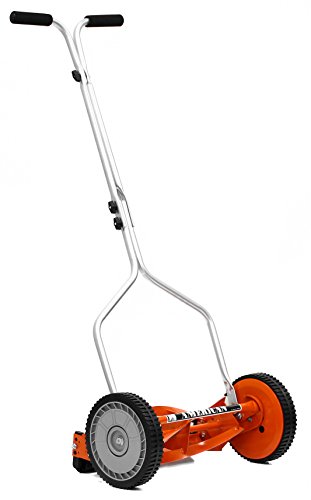
4-blade reel mower with a cutting width of 14” and durable 8.5” polymer wheels for maximum maneuverability. Lightweight at only 19 pounds. Reel Lawn Mowers are great for small lawns..Deluxe hand-reel mower ideal for most turf grasses.

Effortless Manual Mower: Lawn mower is easy to push and maneuver across small lawns, delivering clean, precise cuts with 2 large 8.8-inch wheels for enhanced stability, complemented by a 16-inch cutting width for efficient coverage.
Online Marketplaces
Online marketplaces offer a convenient way to connect with potential buyers. Consider these platforms:
- Facebook Marketplace: Create a listing with clear photos and detailed descriptions. Local buyers can quickly arrange pick-up.
- eBay: List your mower with a buy-it-now price or auction format. Provide precise measurements and specifications to attract buyers.
- Craigslist: Post an ad in your local area. Reach out to interested buyers via email or phone. Always meet in public spaces for safety.
Setting a fair price is crucial. Research similar listings to gauge market value. Be honest about your mower’s condition to build trust.
Local Charities and Organizations
Donating your lawn mower helps those in need while decluttering your space. Many local organizations accept such donations:
- Community Gardens: Reach out to nearby community gardens that maintain shared equipment. Your mower may support their landscaping efforts.
- Youth Programs: Check with local youth programs or schools. They might appreciate tools for landscaping projects or teaching students about yard care.
- Veterans Organizations: Some veterans’ groups assist former service members. They often welcome donations to help them start small businesses in lawn care.
Contact these organizations to confirm their acceptance policies. Depending on local regulations, you might be eligible for a tax deduction for your charitable donation. Make sure to obtain a receipt for tax filing.
Disposal as a Last Resort
Disposing of an old lawn mower can feel daunting. While options like donating, selling, or recycling are preferable, sometimes disposal becomes necessary. Follow these guidelines to ensure safe and responsible disposal.
Safe Disposal Practices
When you’re ready to dispose of your lawn mower, consider the following steps:
- Remove Fluids: Drain all fuel, oil, and other fluids from the mower. This prevents spills and environmental contamination.
- Disassemble Safely: Use safety gloves and goggles while disassembling the mower. Remove parts like blades, batteries, and plastic components carefully.
- Package for Transport: Secure loose parts and package them properly for transport to a disposal facility.
- Select Proper Facilities: Locate waste management centers that accept lawn mowers. Ensure they comply with local guidelines for safe disposal.
Hazardous Waste Considerations
Old lawn mowers may contain hazardous materials that require special disposal:
- Identify Hazardous Components: Recognize items like oil, batteries, and certain metals that can harm the environment.
- Check Local Regulations: Research local regulations regarding hazardous waste disposal. Many areas have specific programs for these materials.
- Use Specialized Services: Take advantage of services like hazardous waste collection days or disposal facilities that handle hazardous materials. This ensures safe handling and reduces ecological impact.
By adhering to these practices, you contribute positively to your community and the environment even when letting go of an old lawn mower.
Conclusion
Letting go of your old lawn mower doesn’t have to be a hassle. With a little planning and some creative thinking you can find the perfect way to dispose of it responsibly. Whether you choose to sell it donate it or recycle it there are plenty of options that not only help you but also benefit others and the environment.
Remember to assess its condition gather your tools and follow safety guidelines for a smooth removal process. By making informed choices you’re not just clearing space in your garage but also contributing to a more sustainable future. So go ahead and take that step—your old lawn mower deserves a proper send-off!
Frequently Asked Questions
What should I do with my old lawn mower that no longer works?
You have several options for your old lawn mower. Consider donating it to local charities, selling it online, or recycling it at metal recycling centers. If the mower is too damaged, you might need to use junk removal services or curbside pickup.
How can I prepare my lawn mower for disposal?
Before disposing of your lawn mower, assess its condition by checking for rust, missing parts, or damage. Gather safety tools like gloves and goggles, and record details about its operational components to help determine the best disposal option.
Can I recycle my old lawn mower?
Yes, recycling is an eco-friendly option. Many parts, such as metal, plastic, and rubber, can often be repurposed or recycled. Check with your local waste management for specific programs, including drop-off locations and special pickup days.
Where can I sell my old lawn mower?
You can sell your old lawn mower on platforms like Facebook Marketplace, eBay, or Craigslist. Set a fair price based on its condition and be honest about any issues to attract buyers.
Who would accept my donated lawn mower?
Local charities, community gardens, youth programs, and veterans organizations often accept lawn mower donations. Always check with them beforehand to ensure they can accept your mower.
What items should I remove before disposing of my lawn mower?
Before disposal, remove fluids from the mower to prevent spills. It’s important to disassemble the mower while wearing protective gear and to safely package any parts for transport to disposal facilities.
How do I handle hazardous components from my lawn mower?
Identify any hazardous components, such as batteries or fluids, and check local regulations for proper disposal. Use specialized services for safe handling and disposal to avoid environmental contamination.
